
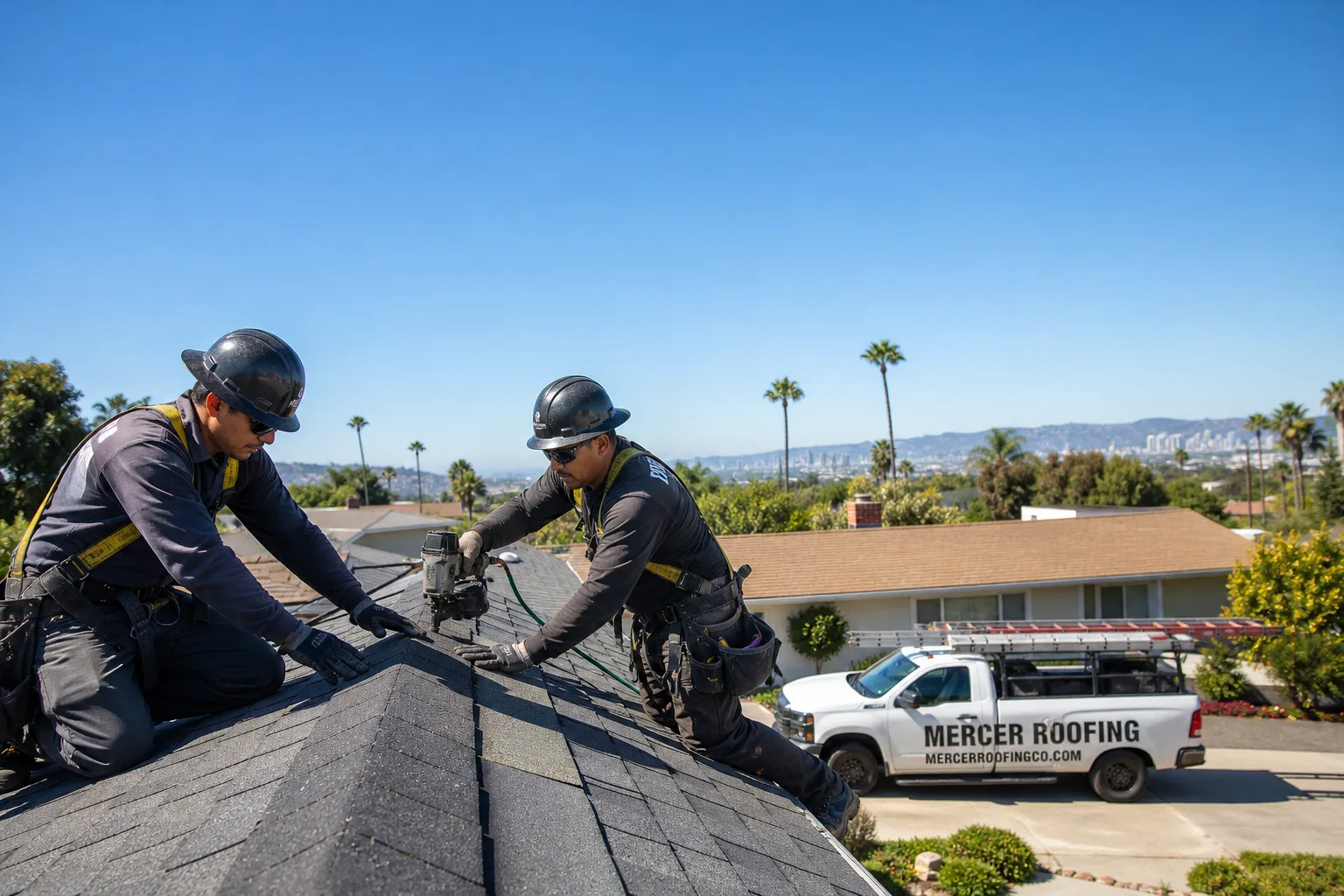
Free roof inspection with deck photos before we talk money - GAF and Owens Corning certified installation
 Before
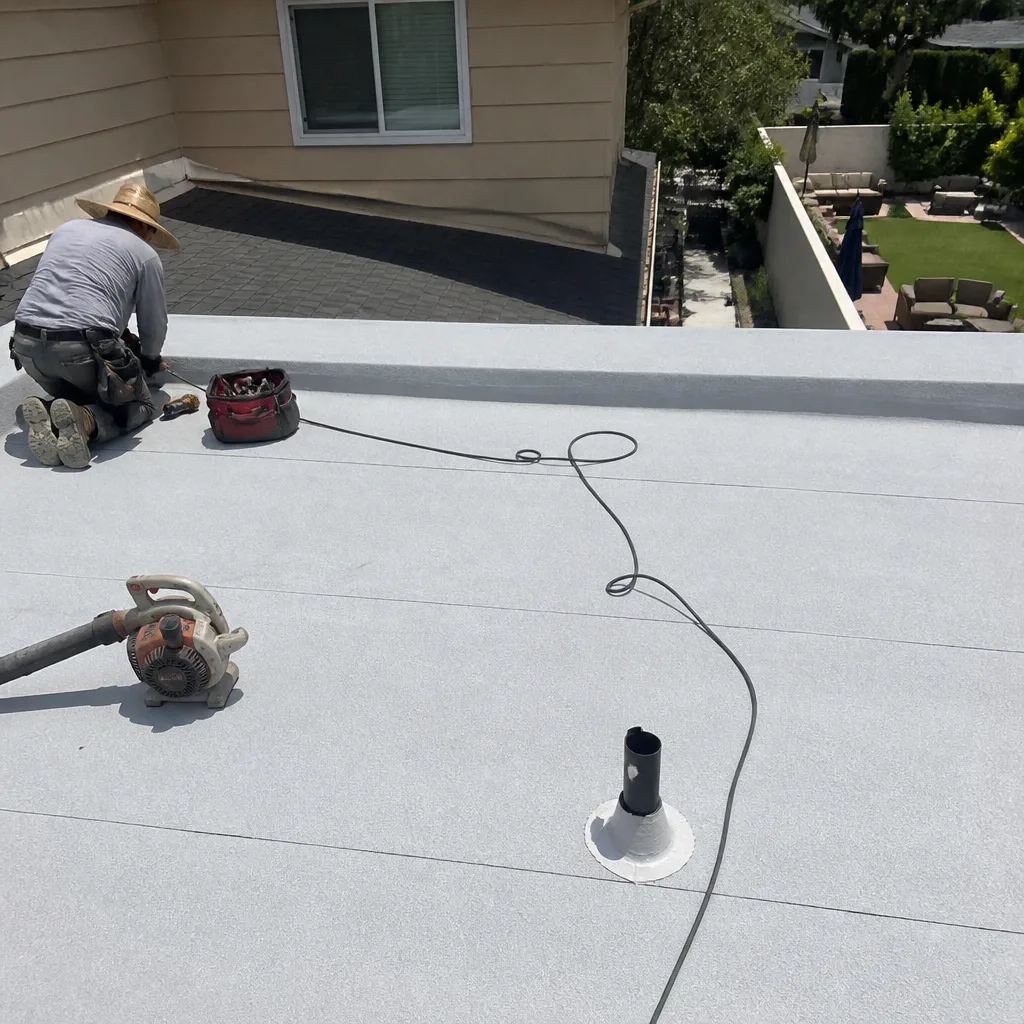 After
After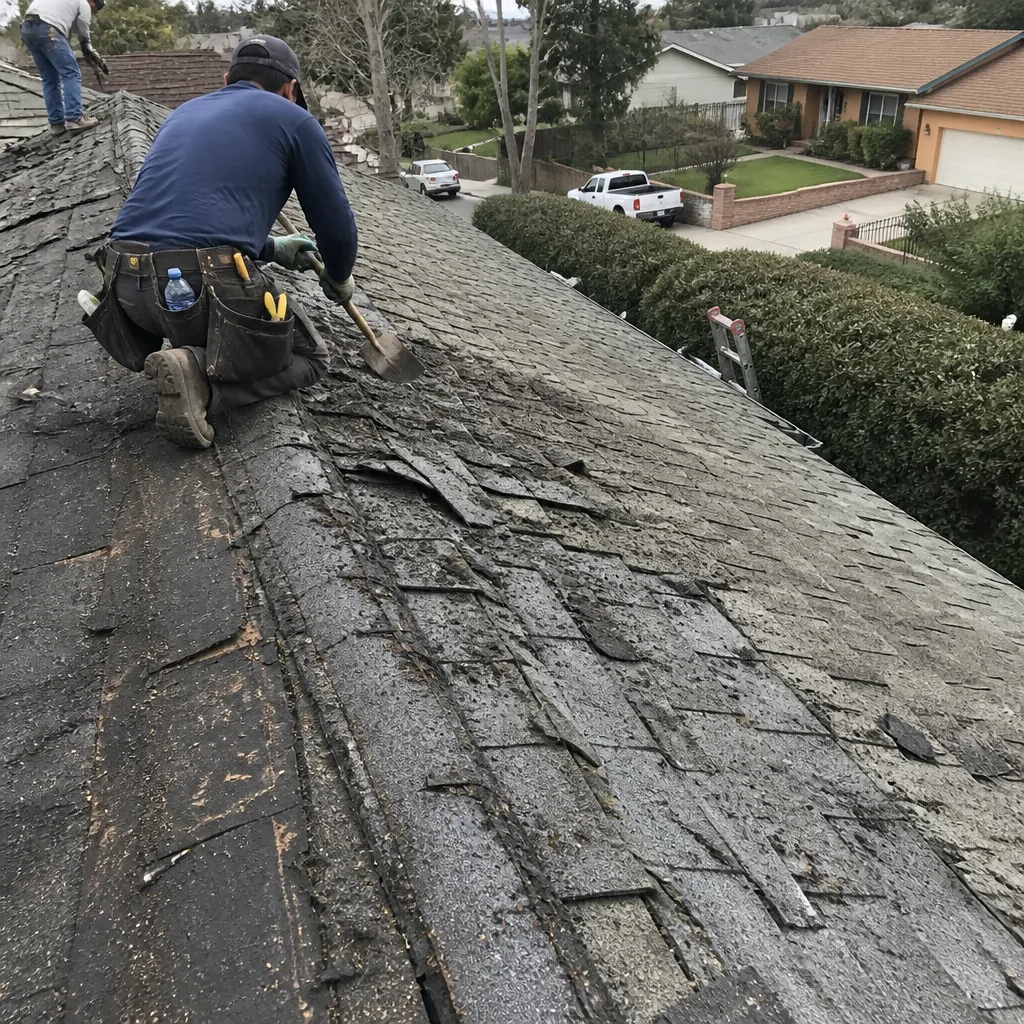 Before
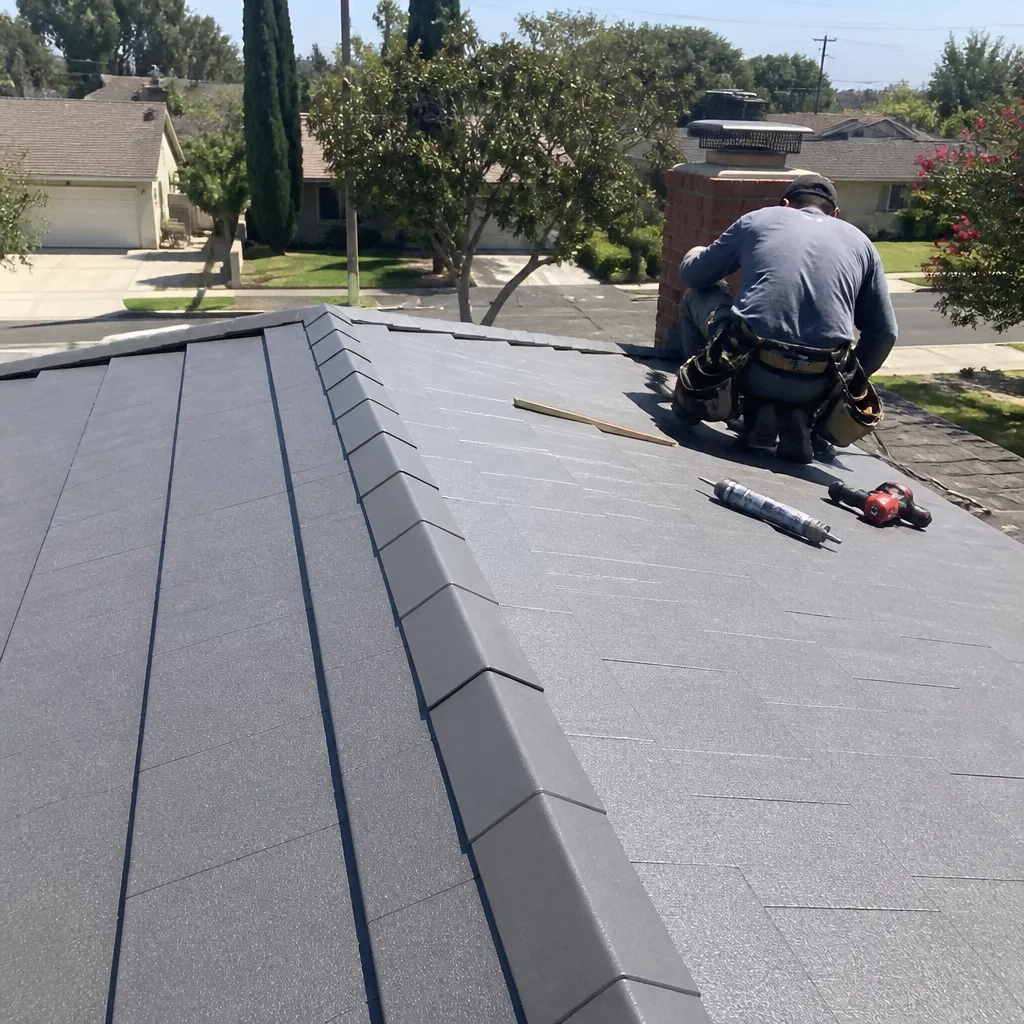 After
After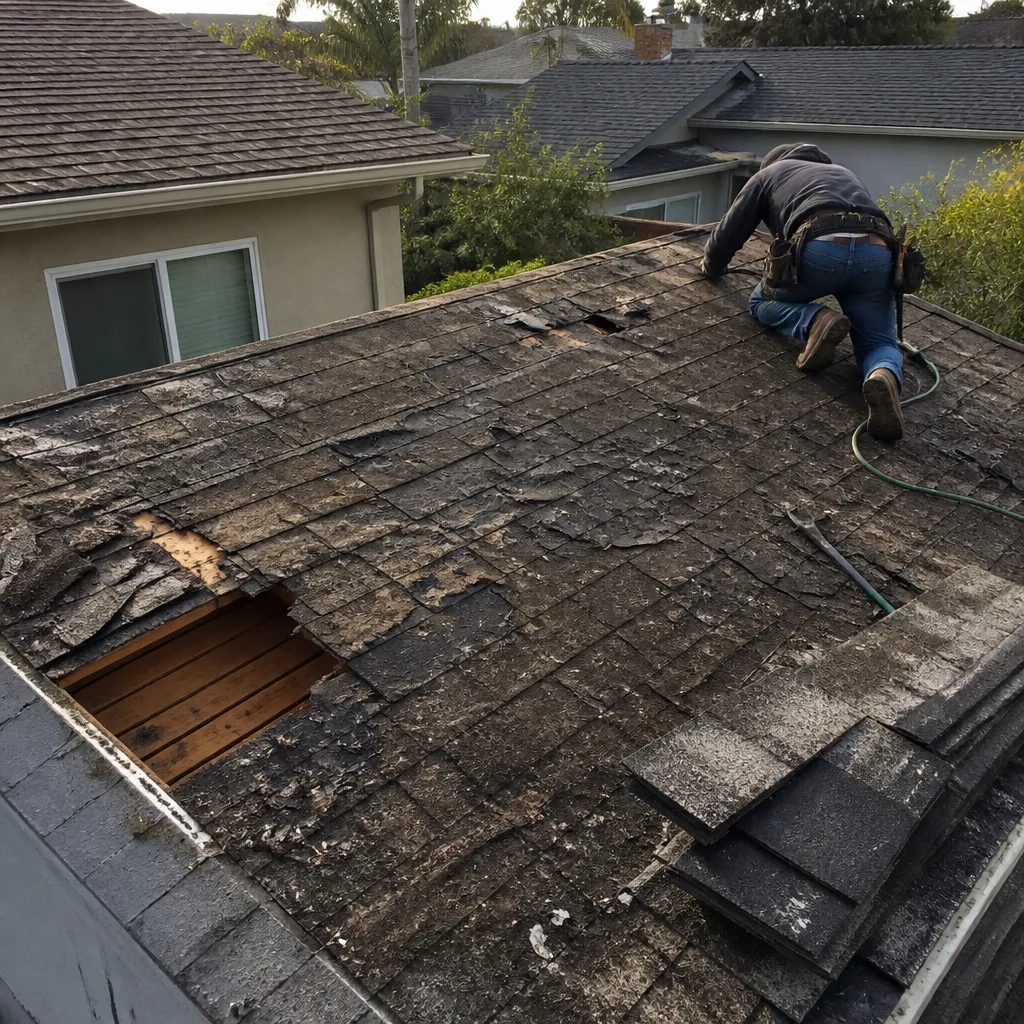 Before
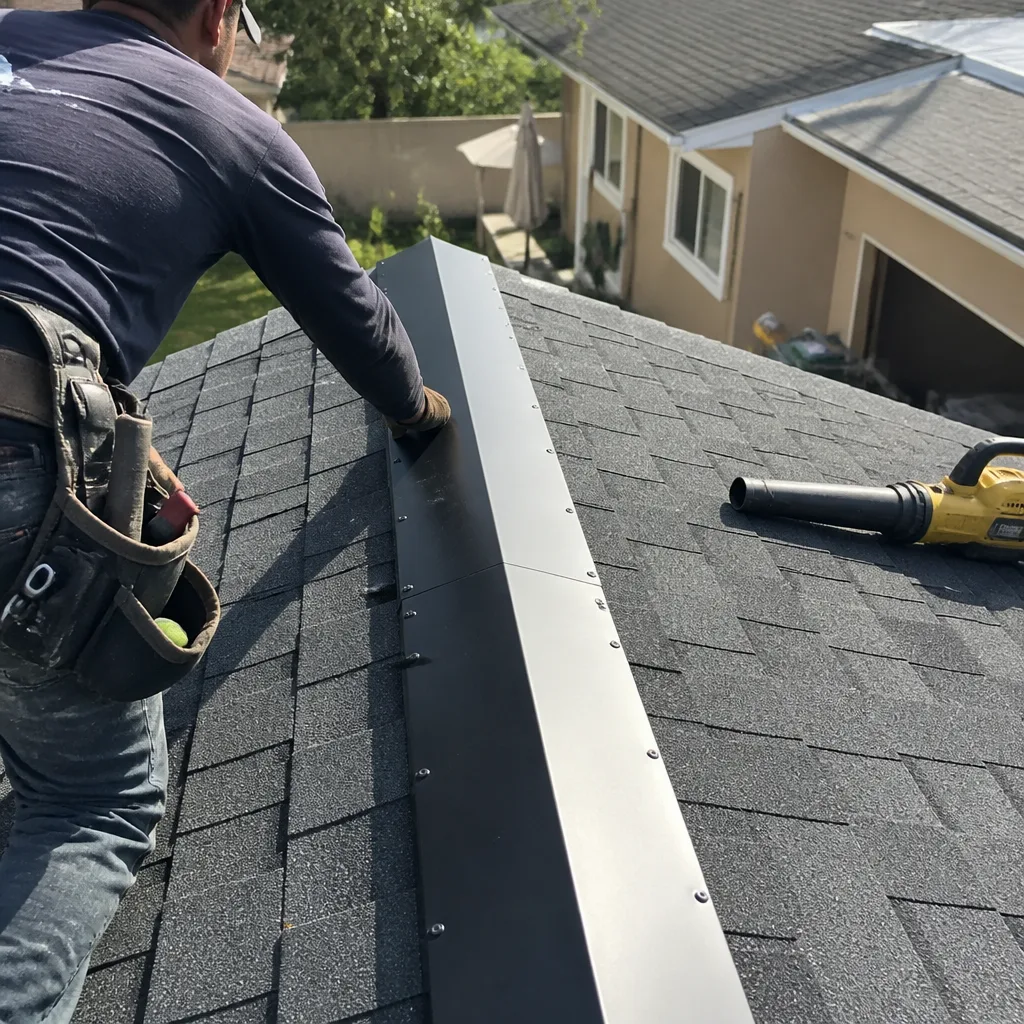 After
AfterFast, Reliable Roof Installation Across Miami
Roof installation in Miami is not like roof installation anywhere else in Florida. The short version: a compliant reroof in Miami-Dade County requires Miami-Dade NOA-approved products, a self-adhering modified bitumen secondary water barrier, and, on most pre-1994 homes, hurricane clips at every rafter-to-top-plate connection. Skip any of those and the building department fails your final inspection. Mercer Roofing builds every Miami quote around those requirements from day one, so there are no surprise add-ons mid-project. You’ll get a written price before any work starts, a technician whose name and photo are sent to you before they arrive, and a live person answering the phone at (743) 200-834-7.
Correction: (743) 200-8347.
If you’re researching roof installation in Miami, you probably want to know what it costs, what the county requires, and who you can trust at your door. We’ll cover all three. But first, the part most out-of-town roofers never mention: Miami-Dade code is its own animal. We’ll get into that below.
Key Takeaways for Miami Homeowners
- A typical new shingle roof in Miami runs $8,500 – $14,500 for a standard CBS home; standing seam metal runs $18,000 – $32,000 depending on the roof’s complexity.
- Every component, from shingles to underlayment to fasteners, must carry a Miami-Dade Notice of Acceptance (NOA) to pass inspection.
- If your home was built before 1994, plan for a structural inspection and likely hurricane clip upgrades ranging from $2,000 – $5,000.
- The self-adhering secondary water barrier under your shingles or tile is mandatory in Miami’s High Velocity Hurricane Zone. A quote that omits it is not a compliant quote.
- Mercer Roofing sends every technician’s name and photo before the visit, and every technician badges in with a photo ID at the door.
Why Mercer Roofing Is Miami’s Preferred Roof Installation Company
Homeowners in Miami tell us the same thing over and over: they want to know who is coming to the house before they open the door. That is the problem most roofers ignore. Mercer Roofing was founded in 2000 and has been part of the Threshold Group family of home-service companies since then. Every technician we dispatch is background-checked, identity-verified, and held to the Threshold Verified standard. Before a technician arrives, you get their name and photo. At the door, they present a photo ID badge. You never wonder who is on your property.
That matters in Miami, where post-storm demand brings out-of-town crews who do not know the local code and do not care about the inspection outcome. Our Roof Installation team works exclusively with products that carry Miami-Dade NOA documentation. We do not have to be told about the HVHZ underlayment requirement. We write it into every bid because we live with this code every day. You’ll also get a 365-Day Done Right Promise on every installation: if it’s not done right within a year, we make it right. In writing.
Shingle Roof in Miami
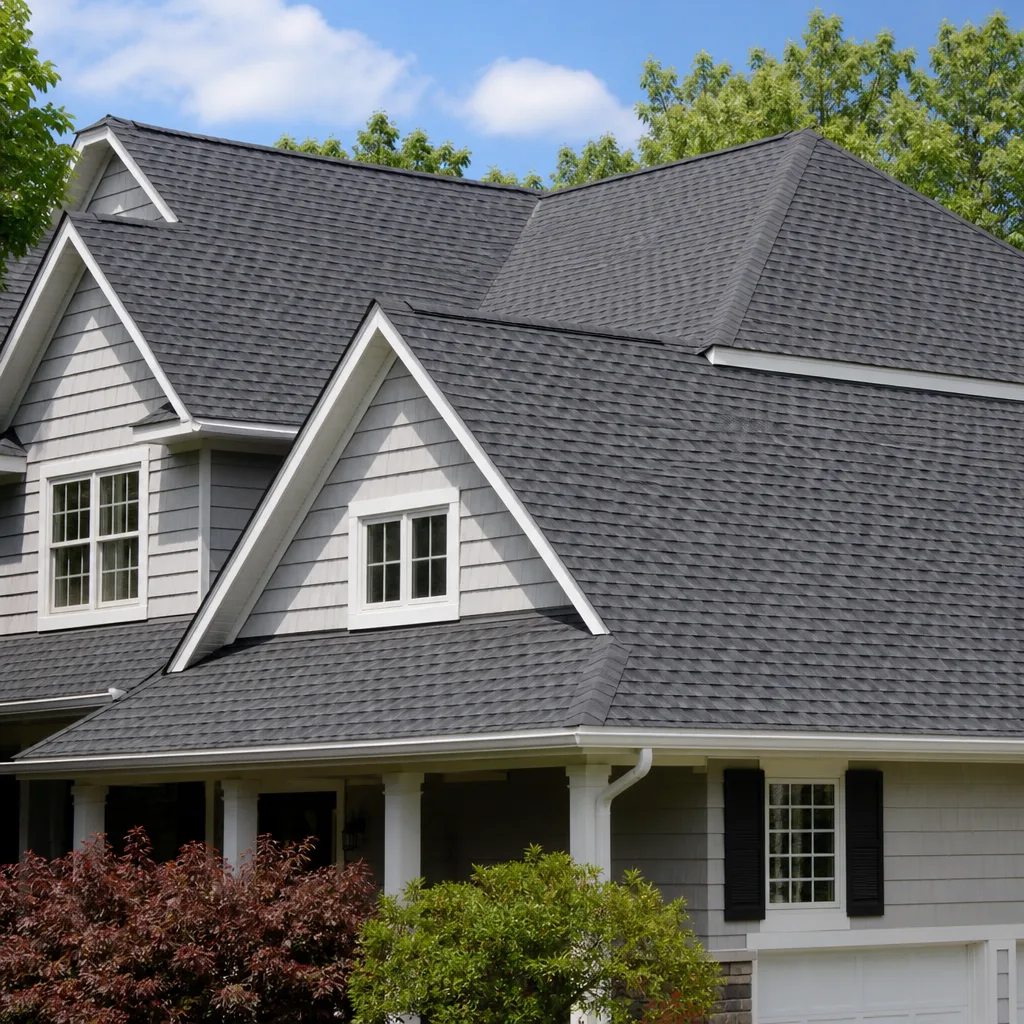
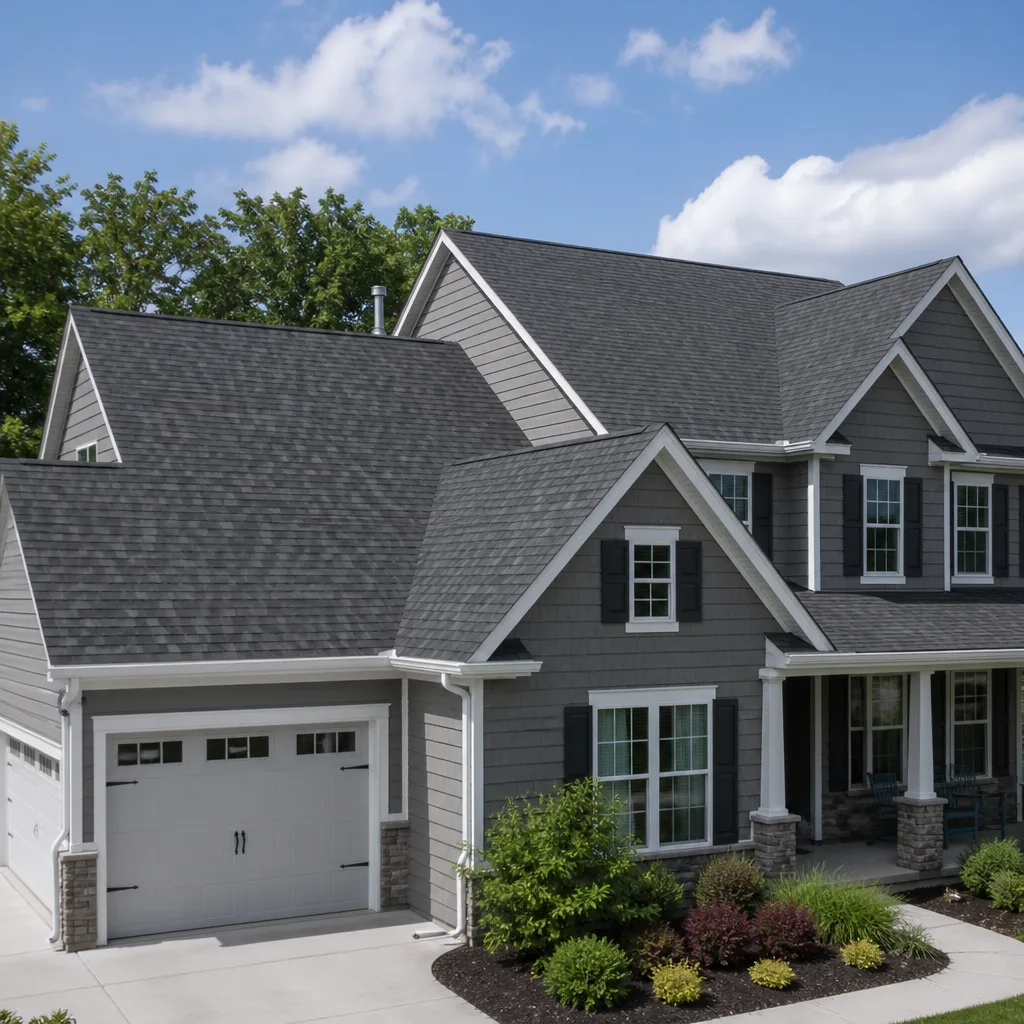
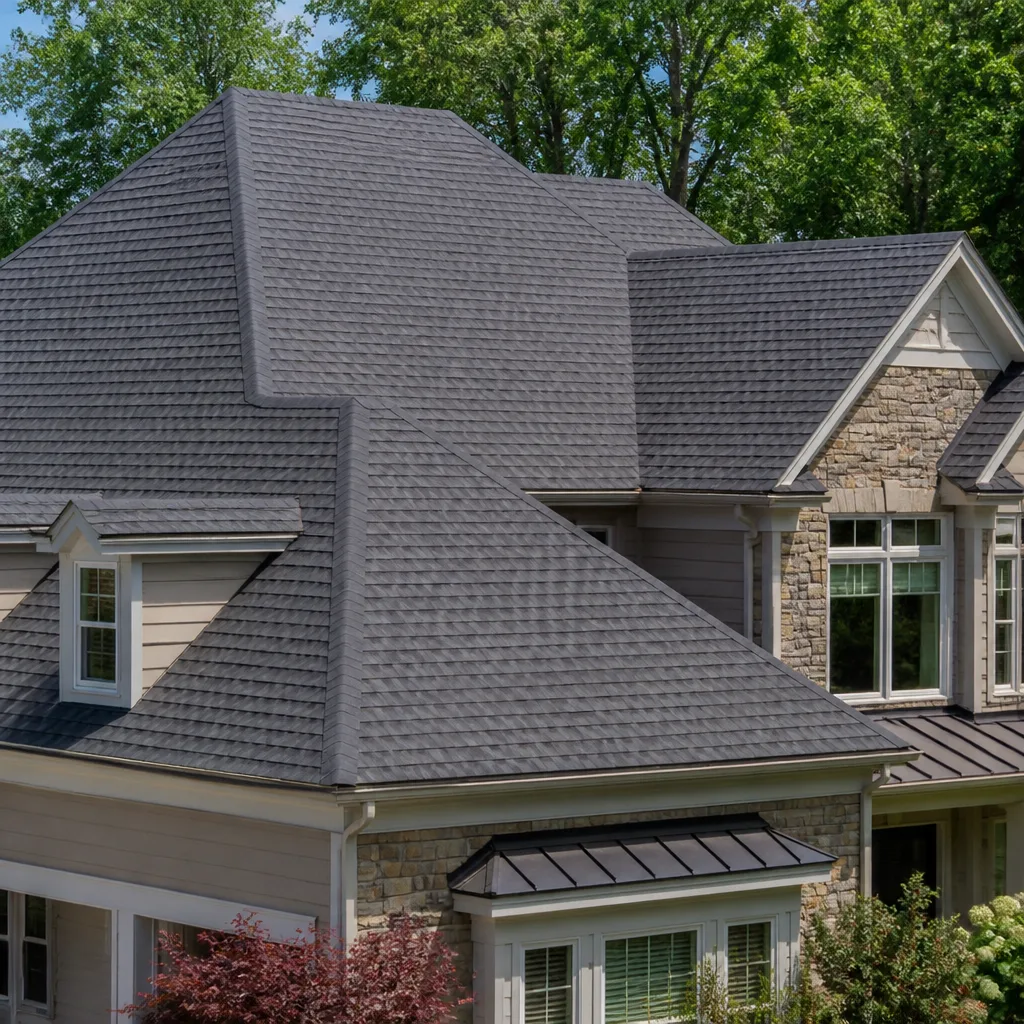
Shingle roof in Miami means something different than in Jacksonville or Orlando. Because Miami-Dade sits inside the High Velocity Hurricane Zone, the shingle itself must carry a Miami-Dade NOA number, and the underlayment beneath it must be a self-adhering modified bitumen product, not standard felt paper. A GAF, Atlas, or IKO shingle that is legal in Broward County may not carry a Miami-Dade NOA and cannot pass inspection here. We install shingle systems using only products with current NOA approval, and we hand you the product sheets so you have the documentation for your insurer after the job closes.
When Miami Homes Need a Shingle Roof
The housing stock that dominates Miami-Dade, CBS concrete block homes built between the 1950s and 1980s, is heavy and sturdy, but the original roofs on those homes are long past their service life. If you live in a 1960s home in the Little Havana area or a 1970s CBS in Kendall, and your shingles are curling or granule loss has started, plan for full replacement rather than patch work. Miami’s humidity accelerates shingle degradation dramatically. A shingle roof replacement in Miami typically costs between $8,500 and $14,500 on a standard CBS ranch or split-level.
What a Miami Shingle Reroof Includes
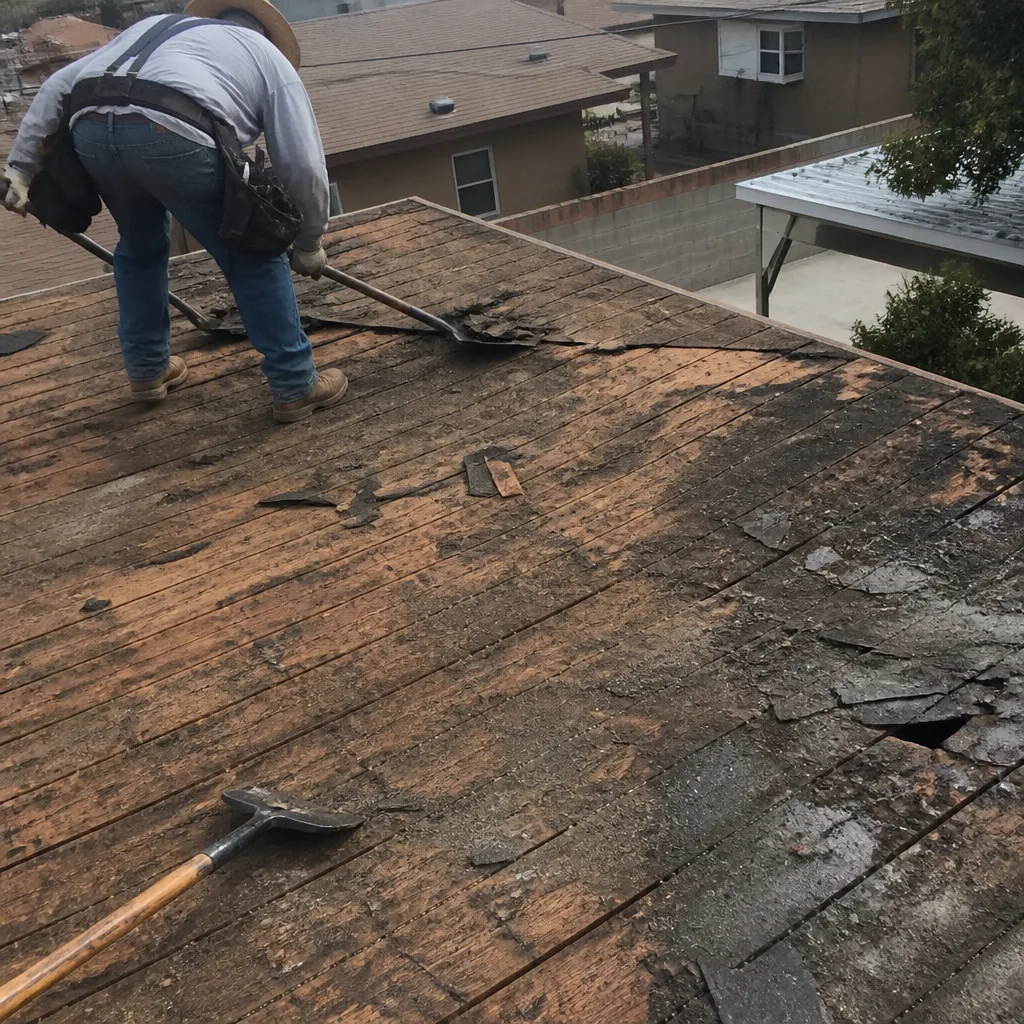
A compliant shingle installation in Miami-Dade includes tear-off, deck inspection and repair, the self-adhering secondary water barrier, NOA-approved underlayment and fasteners, new flashing and drip edge, and the shingle system itself. On pre-1994 homes, it also includes the structural inspection and hurricane clip upgrades at every rafter-to-top-plate connection. That last item is mandatory, not optional, and we include it in our written quote so the final bill matches the first one.
Standing Seam Metal Roof in Miami
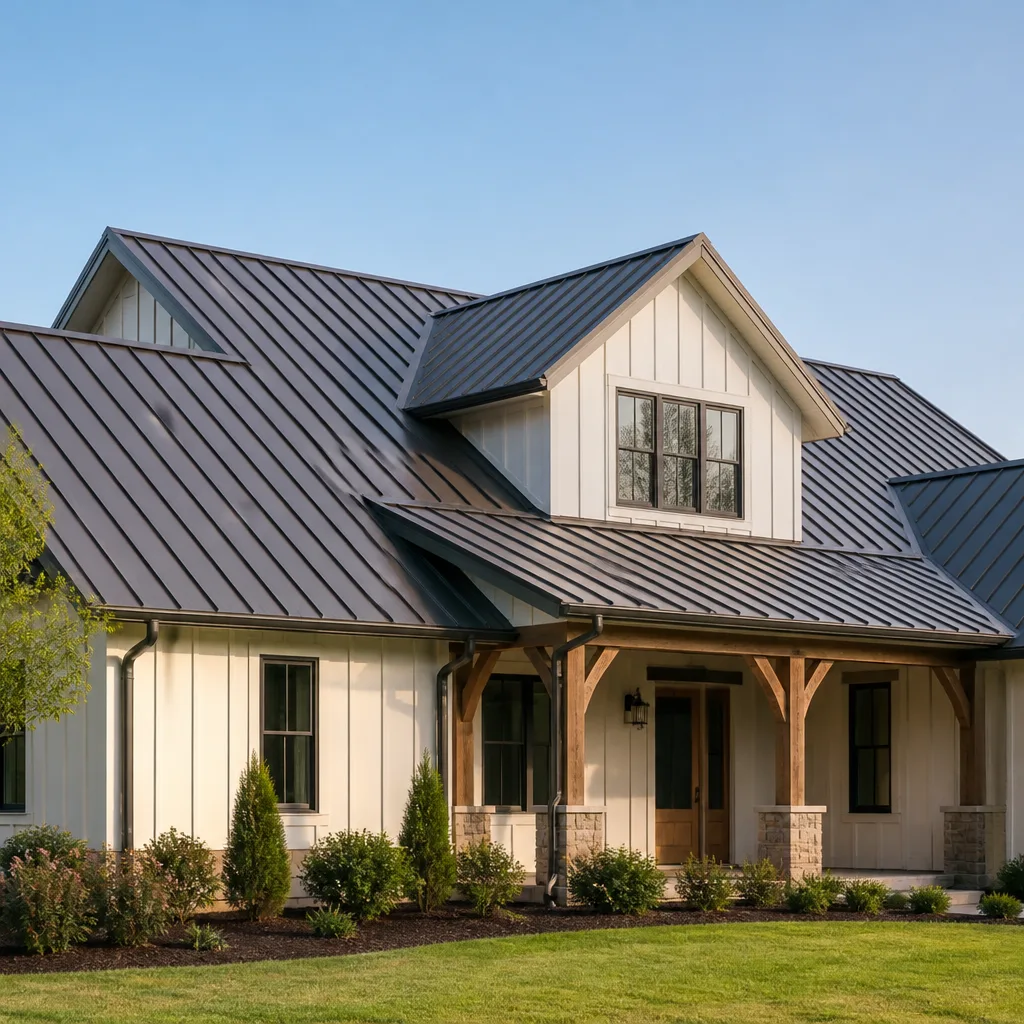
Standing seam metal roof in Miami is the best choice for homeowners who want to stop replacing a roof every 15 to 20 years. The wind-uplift performance of a properly installed standing seam system, with concealed fasteners and continuous panels, is excellent in the High Velocity Hurricane Zone. Metal also sheds Miami’s heavy afternoon downpours cleanly and does not absorb the way tile does. However, the same NOA rules apply: the metal panels, the clips, the underlayment, and the fasteners all need Miami-Dade approval, and most homes require the same structural upgrades as shingle reroofs. Expect a standing seam metal roof in Miami to run $18,000 to $32,000 depending on roof complexity, pitch, and the condition of the existing decking.
How Metal Holds Up in Hurricanes
Miami sits at the entry point of the Atlantic hurricane corridor, where sustained winds can exceed 150 mph at landfall. That is the design reality every roof here has to face. Standing seam metal, when installed with NOA-approved clips and panels and over a code-compliant secondary water barrier, gives you one of the strongest wind-uplift profiles available in residential roofing. The insurance benefit is real: a documented, code-compliant wind-resistant roof can lower your wind premium, and having the NOA paperwork in hand makes that conversation with your insurer straightforward.
What Changes the Metal Roof Price
The biggest variable in Miami is the decking underneath. On a pre-1994 CBS home, the structural inspection and clip upgrades are part of the job, and the deck may have water damage from years of humidity. That repair work is spelled out in our written quote before we start, never after. We’ll show you the line items: tear-off, deck repair if needed, secondary barrier, hurricane clips if required, metal panels, trim, and flashing. No change orders mid-project. Written price, before any work starts.
Trusted Brands We Service in Miami
We install and repair roofs using manufacturer-recognized shingle and metal brands including GAF, Atlas, Tamko, IKO, CertainTeed, Owens Corning, and Boral. For Miami jobs, the critical detail is not the brand name on the bundle but the NOA number stamped on it. We stock Miami-Dade NOA-approved products for our local customers, which means no waiting on a shipment from a distributor in Broward while the permit clock runs. If you’re considering a specific brand, we’ll show you the current NOA approval documentation and explain what it covers. Call (743) 200-8347 and ask us directly.
Common Roof Installation Problems We See in Miami Homes
- Broward-legal products that fail Miami inspection. Contractors coming down from Fort Lauderdale or Hollywood install shingles and underlayments that are perfectly legal in Broward County but carry no Miami-Dade NOA. The roof looks fine. The inspection fails. The homeowner is left with an unpermitted, uninsurable roof that has to be torn off again.
- Missing hurricane clips on pre-1994 homes. A roofer trying to win the bid skips the rafter-to-top-plate hurricane clips because they add thousands of dollars to the job. The structural inspector catches it, the project stalls, and the bill grows. We build those clips into every pre-1994 Miami quote from the start.
- No self-adhering secondary water barrier. Miami-Dade’s HVHZ code requires a self-adhering modified bitumen barrier under tile and shingle. Low bids omit it. In Miami’s 75%+ average relative humidity, the decking underneath then rots within a few seasons, and the interior leaks begin. That omitted barrier is one of the most common failure modes we repair.
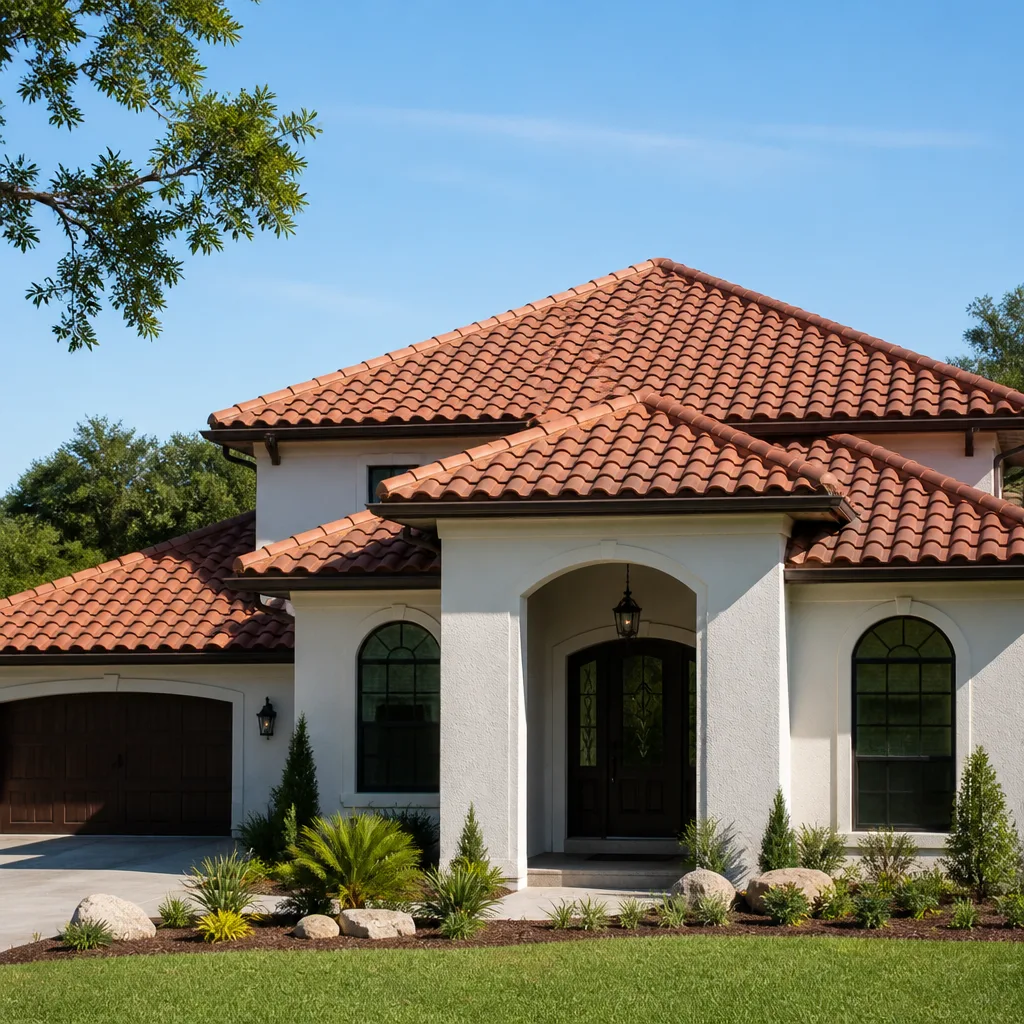
- Tile on original 1960s decking without a structural load check. Many Miami homes have heavy barrel tile on wood decking that was never engineered for that weight. Before we put new tile on, we verify the structural load capacity. We tore off a failed tile roof on a 1968 CBS house in Little Havana and found the original decking had no secondary water barrier, just felt paper that had turned to dust after decades of humidity. The permit required hurricane clips at every rafter connection, and we then laid a self-adhering modified bitumen underlayment, set new Boral barrel tile, and finished with NOA-documented drip edge and valley flashing. The homeowner’s wind premium dropped once we handed the insurer the NOA product sheets and the structural upgrade photos. That is what a compliant Miami reroof looks like.
Pricing for Roof Installation in Miami, FL
We believe you should know the price before the work starts, not after. A typical shingle roof installation on a standard Miami CBS home runs $8,500 to $14,500. Standing seam metal runs $18,000 to $32,000. The variables are roof size, pitch, decking condition, and whether the home is pre-1994 and requires hurricane clip upgrades. That structural component, when required, adds $2,000 to $5,000 and is non-negotiable with the building department. We do not leave it out of a quote to look cheaper. You will see it listed, explained, and priced before we ever touch the roof. If you’re comparing two Miami roof installation bids, ask each contractor one question: “Does this quote include the self-adhering secondary water barrier and the hurricane clip upgrades if the inspector requires them?” If the answer is vague, that’s your answer. Call (743) 200-8347 for a free, written, line-item estimate.
We Also Serve Cities Near Miami
Beyond Miami itself, our Miami crews cover Miami Beach, Coral Gables, Key Biscayne, and Hialeah on a regular schedule. Each of those cities falls under the same Miami-Dade HVHZ and NOA requirements, so the quote you get is the quote that passes inspection. If you’re in one of those areas, call (743) 200-8347 and we’ll send the same background-checked, photo-badged technician we send to every home.
Serving Miami, FL - Our Local Coverage Area
We’re based in the Miami area and know this community well. Use the map below to see our service coverage - if you’re nearby, we can almost certainly help.
FAQs About Roof Installation in Miami
A Miami-Dade Notice of Acceptance (NOA) is a product approval issued by the county’s building department that certifies a specific roofing component, shingles, tile, underlayment, adhesive, or fastener, for use in Miami-Dade’s High Velocity Hurricane Zone. It is stricter than Florida’s statewide product approval and does not exist in Broward County just 30 miles north. Every component of your Miami roof must carry an active NOA number or the final inspection fails. When a roofer mentions the NOA, they are telling you they understand Miami-Dade code. When a roofer does not mention it, they probably install Broward-legal products that will not pass here. This is one of the quickest ways to tell whether you are dealing with a local roofer or a storm chaser. Call (743) 200-8347 and ask us for the NOA documentation on the products we proposed for your roof.
Yes, almost certainly. Miami-Dade requires a structural inspection on most reroofs of pre-1994 homes, and the inspector walks the attic to check the rafter-to-top-plate connections. Homes built before Hurricane Andrew in 1992 typically lack the code-compliant hurricane straps now required, so the building department will not close the permit until clips are installed at every connection. That upgrade usually runs $2,000 to $5,000 and is part of a compliant Miami reroof, not an optional add-on. We include it in our written quote so you are not blindsided. Call (743) 200-8347 for a detailed estimate that includes every code item.
Miami-Dade’s High Velocity Hurricane Zone designation requires a self-adhering modified bitumen secondary water barrier under all tile and shingle installations because the county’s combination of hurricane wind-driven rain and sustained 75%+ relative humidity destroys standard felt underlayments. The barrier adheres directly to the decking and seals around fastener penetrations, so even if the primary roof covering is torn off in a storm, the deck does not take water. Most of the rest of Florida does not require this because their wind and humidity loads are lower. A Miami quote that omits this barrier is not a compliant quote, and the deck rot and interior leaks will show up within a few seasons. Ask any contractor bidding your roof to show you the line item for the secondary water barrier. If it is not there, the roof will not pass inspection.
Start by checking three things. First, does each bid list the Miami-Dade NOA numbers for the shingles, underlayment, and fasteners? Second, does each bid include the self-adhering secondary water barrier line item? Third, if your home is pre-1994, does each bid include a structural inspection and hurricane clip upgrades? A cheap bid that omits any of these is not a cheap bid, it is an incomplete bid that will cost thousands more once the inspector gets involved. After those three items, compare the shingle brand and the warranty. We give you a written price before any work starts and a 365-Day Done Right Promise in writing. Call (743) 200-8347 and we’ll walk through your current quotes with you.
Yes, and this is a point Miami homeowners often miss until they file a claim. When you hand your insurer the NOA product sheets, the structural upgrade photos, and the final inspection report from a code-compliant reroof, you have documentation that the roof meets High Velocity Hurricane Zone standards. That can affect your wind premium at renewal and can simplify a claim after a storm. The homeowner in the Little Havana job we did on a 1968 CBS house saw their wind premium drop after we provided the NOA product documentation and the hurricane clip photos. An unpermitted roof with no NOA trail gives the insurer a reason to deny or reduce a claim. A documented roof gives you the opposite. Call (743) 200-8347 for a free estimate and ask us about the documentation package you will receive after the job.
Written by Grant Whitlock, Owner at Mercer Roofing, serving Miami since 2000.