
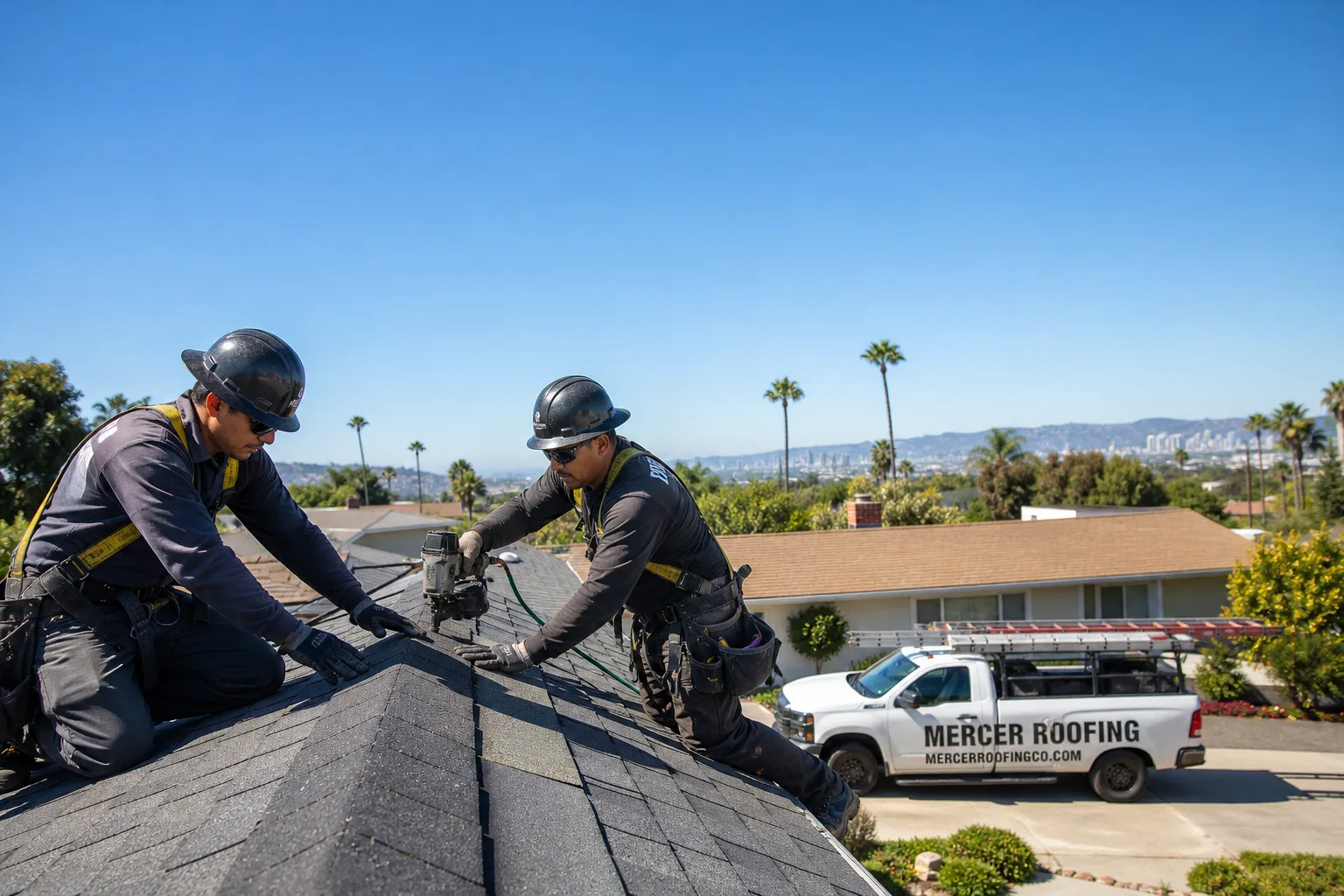
Free roof inspection with deck photos before we talk money - GAF and Owens Corning certified installation
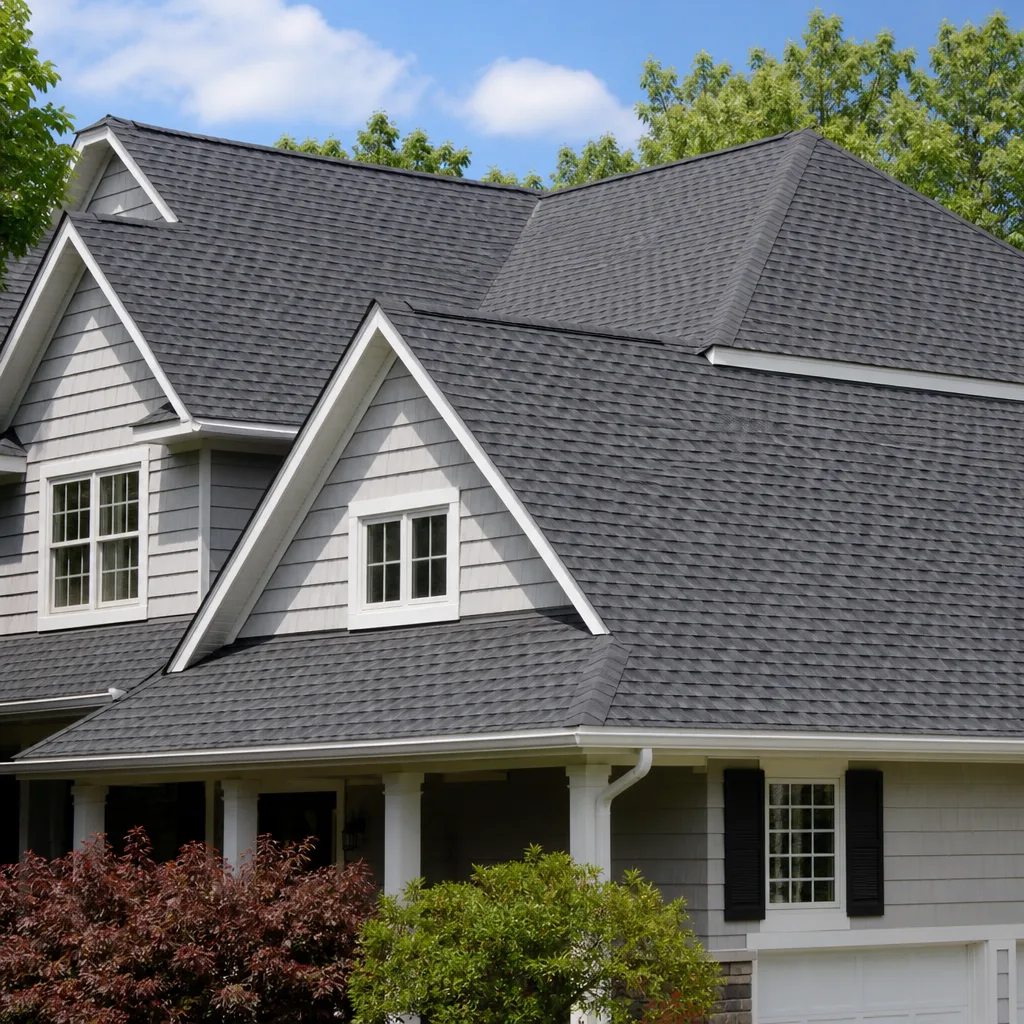
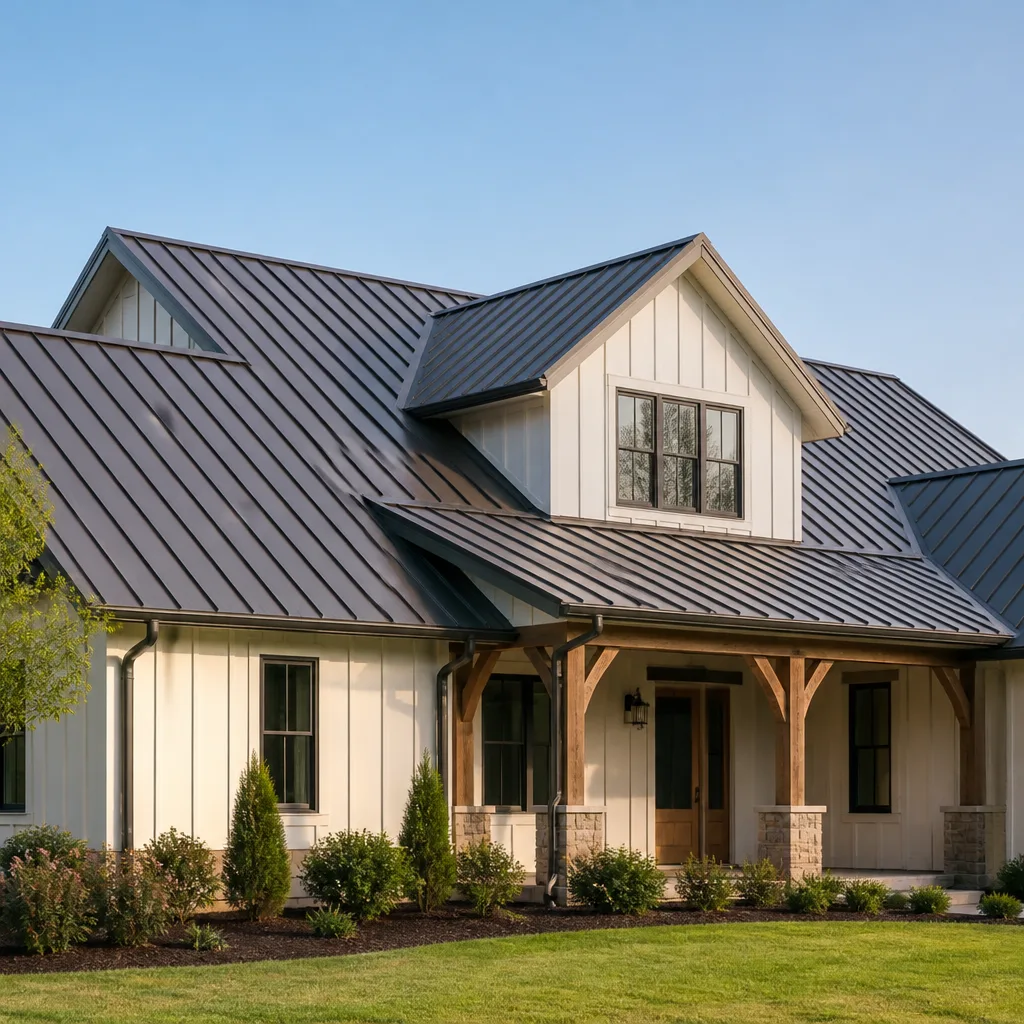
 Before
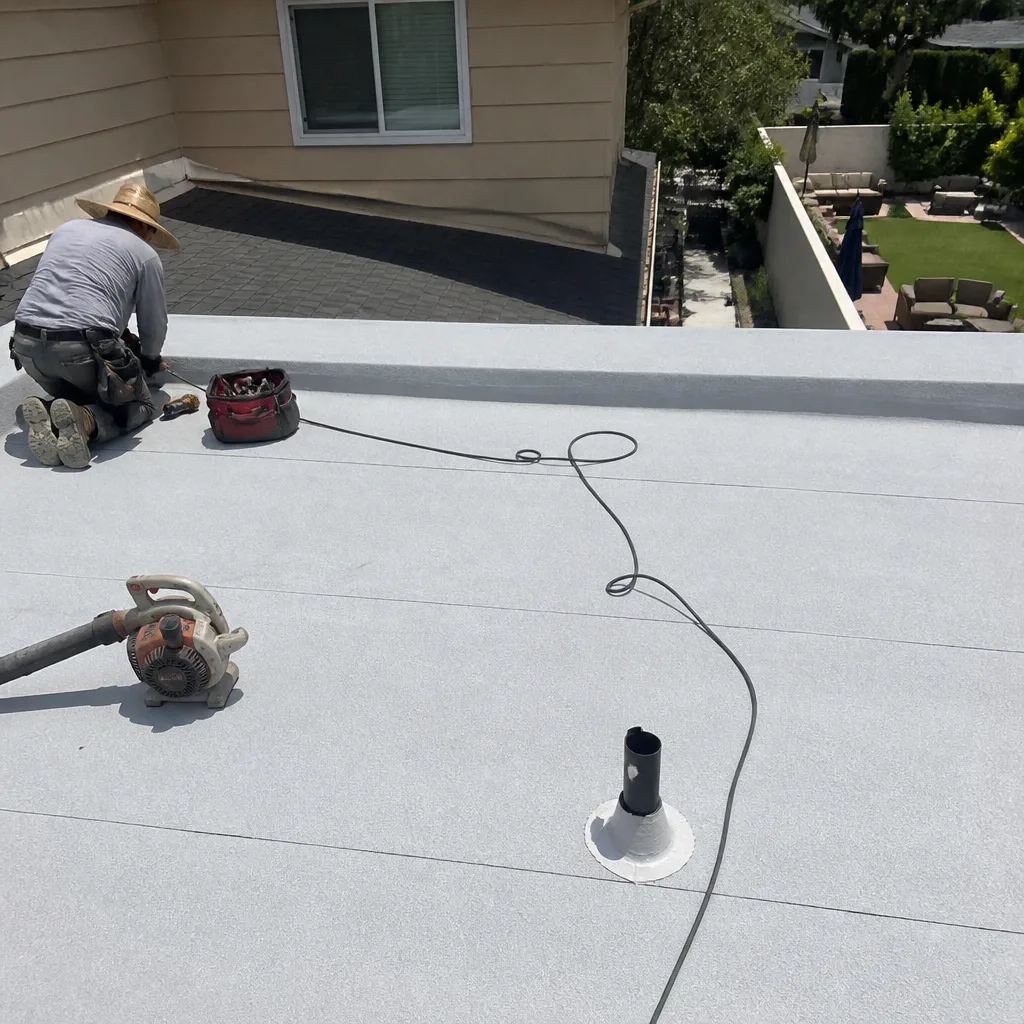 After
After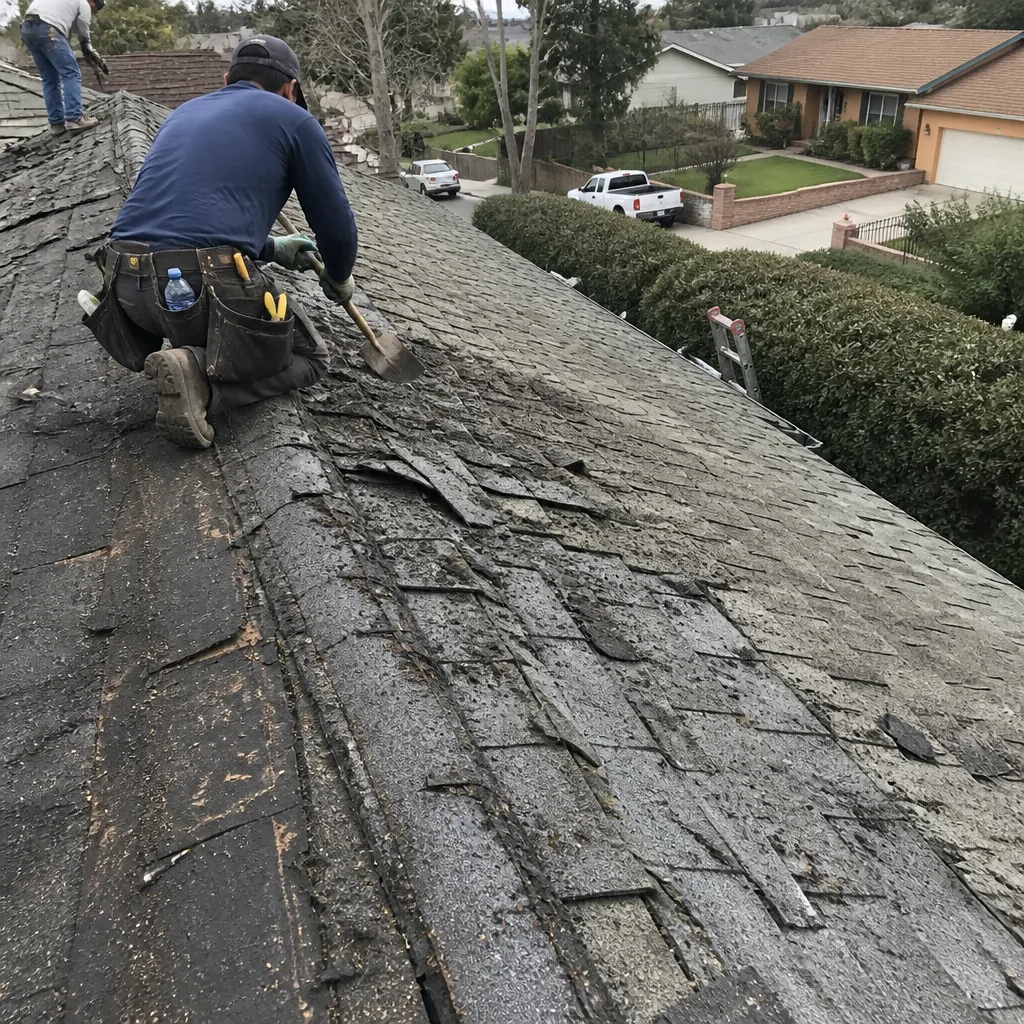 Before
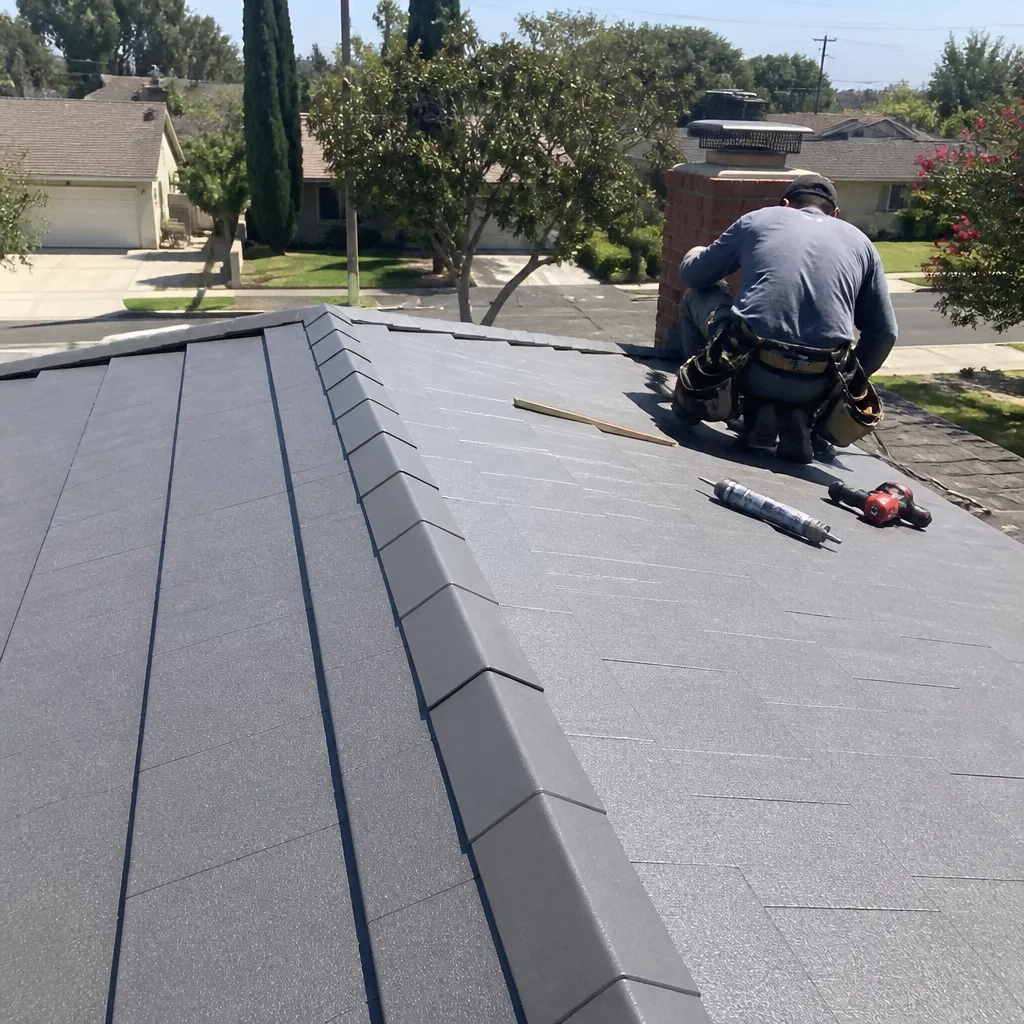 After
After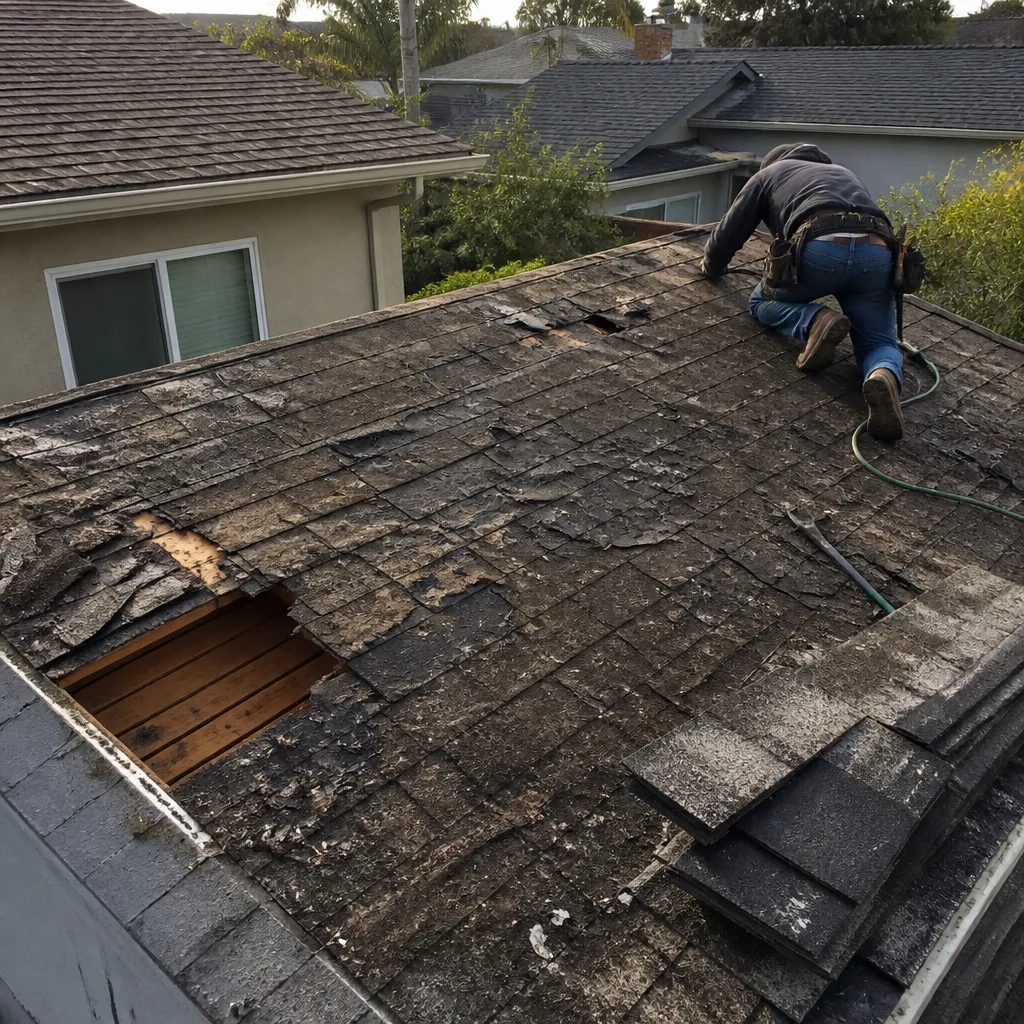 Before
 After
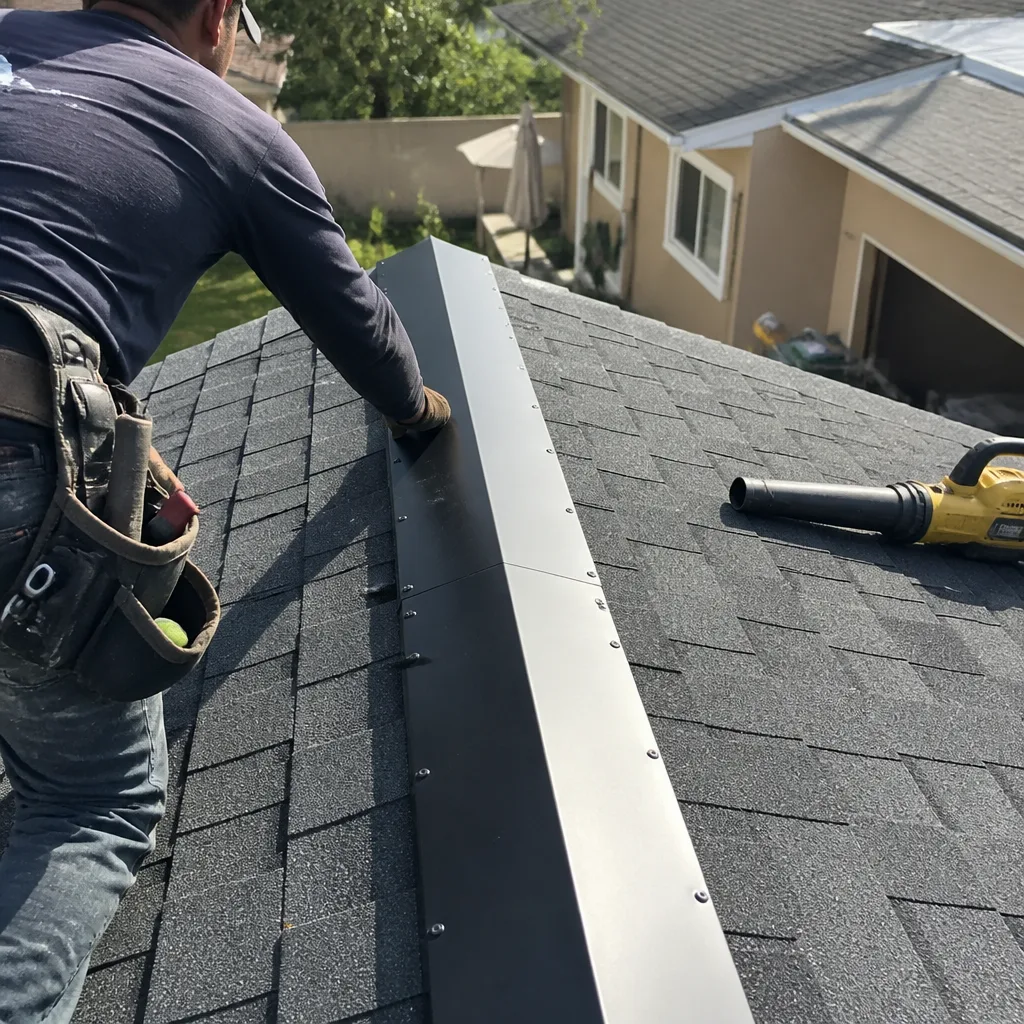
AfterFast, Reliable Roof Installation Across National City
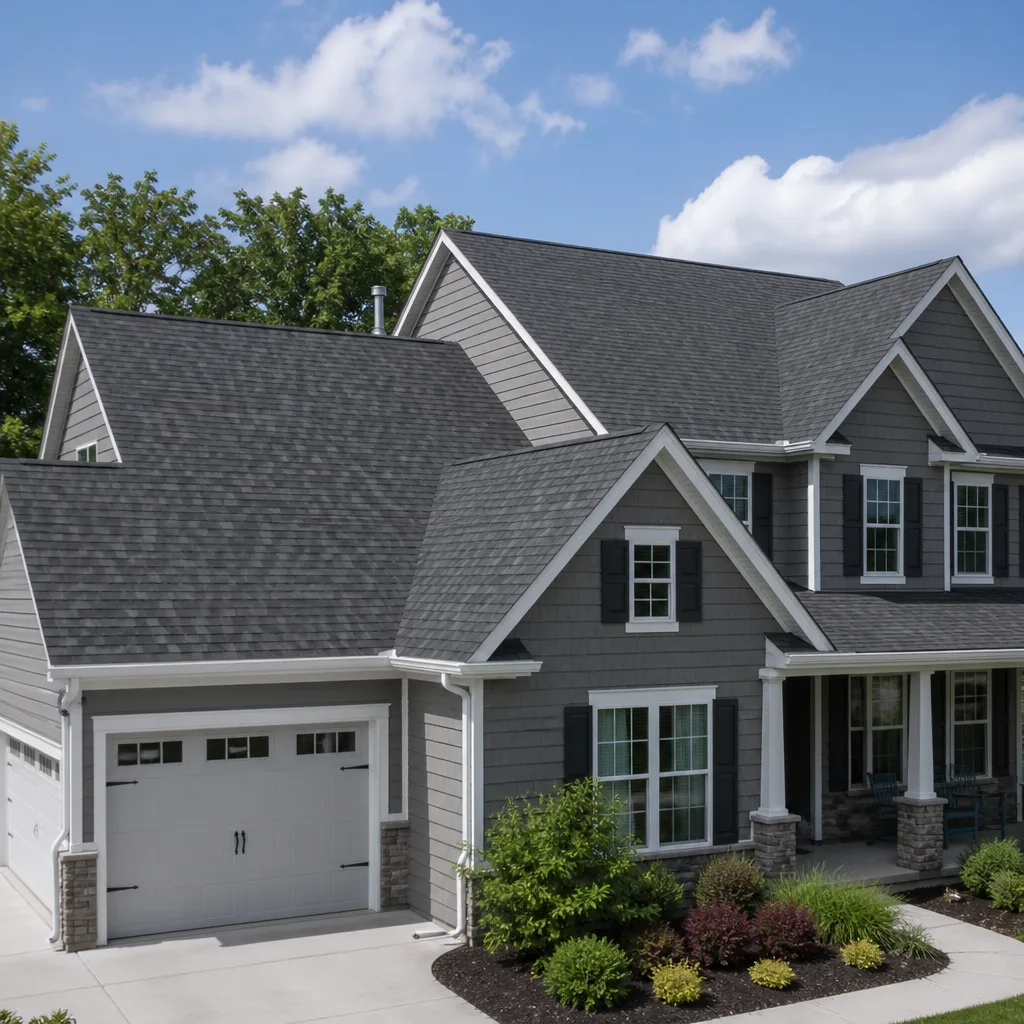
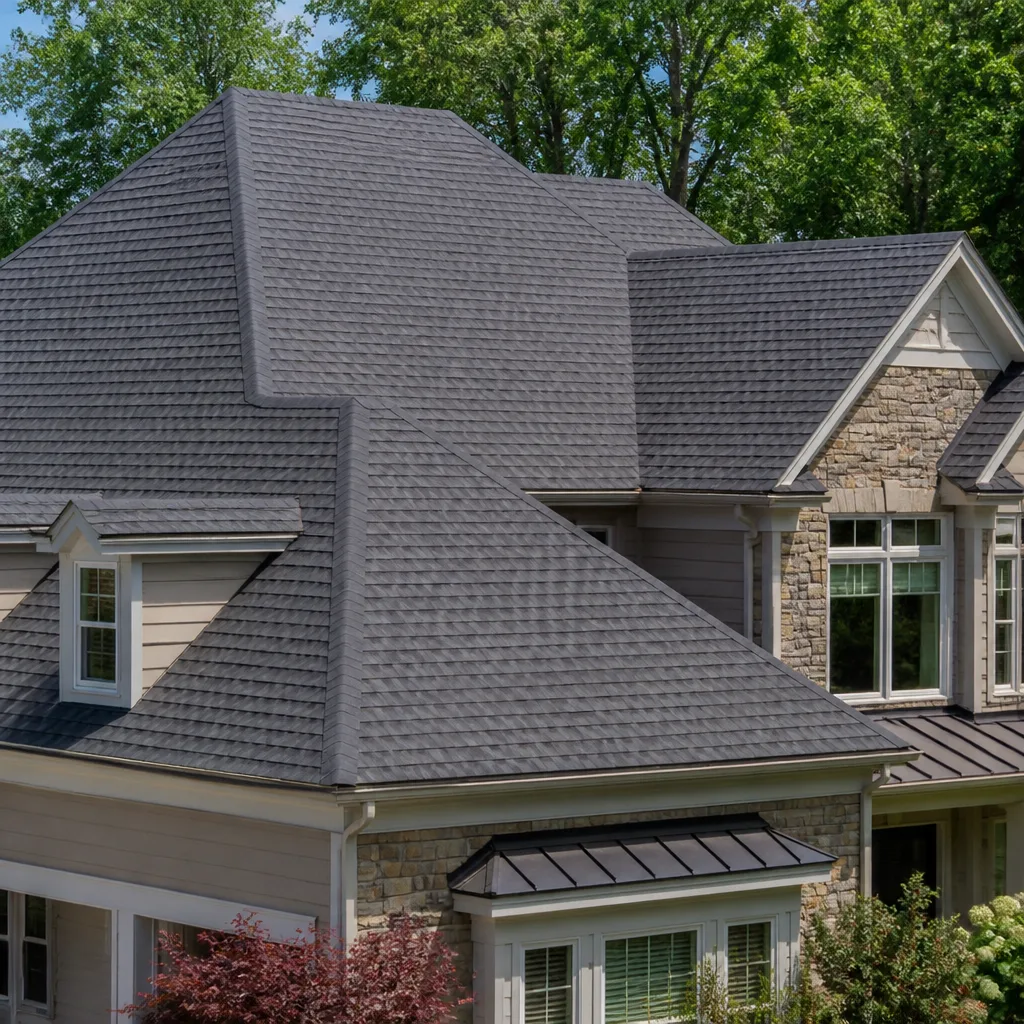
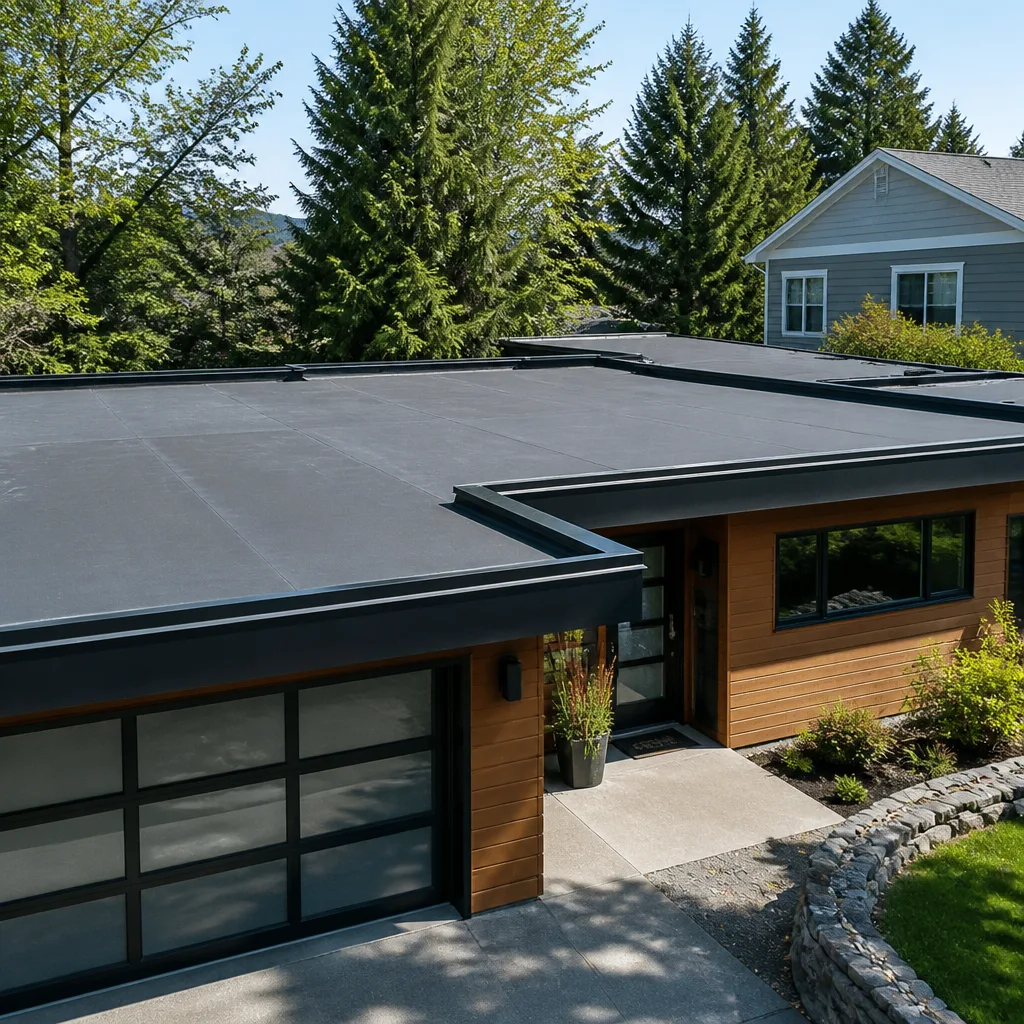
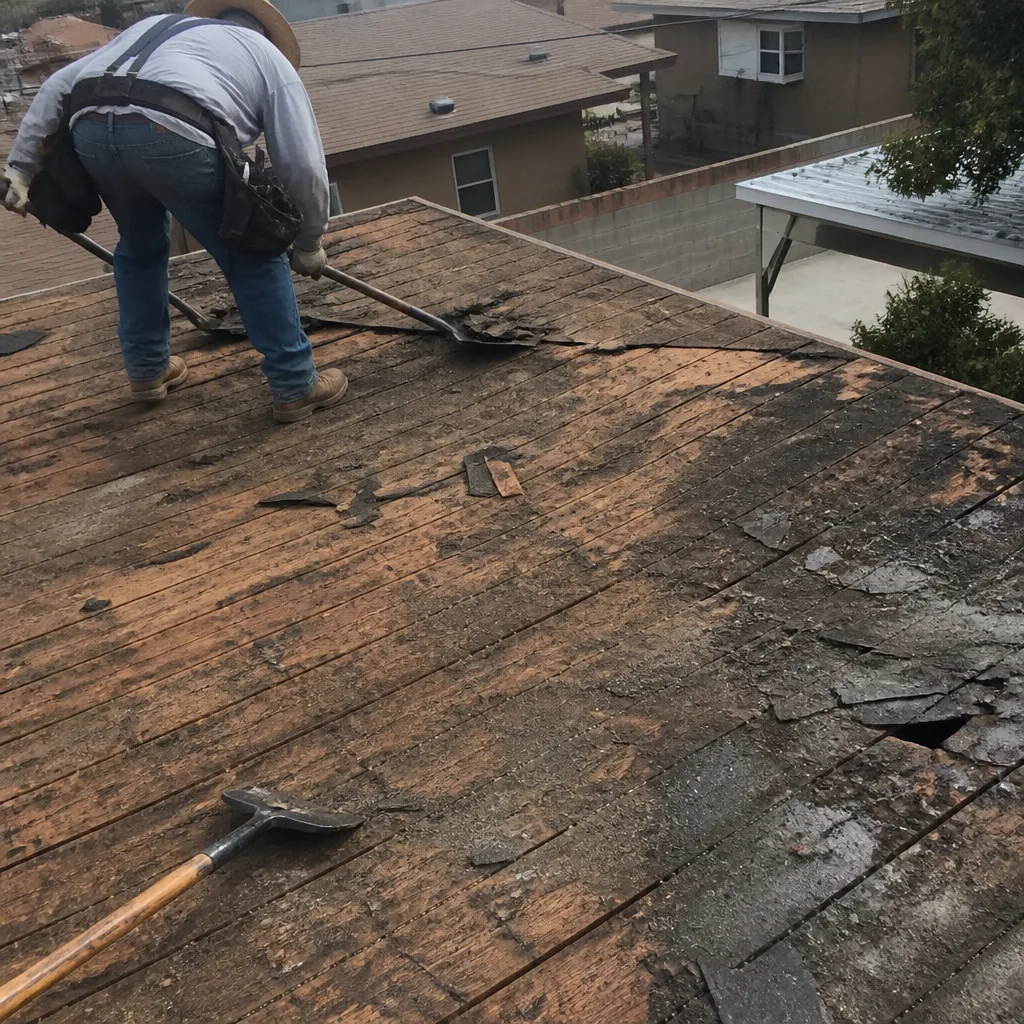
Roof installation in National City usually runs $9,500 – $18,500 for a full tear-off and re-roof on a typical 1,200 – 1,800 sq ft home, with most projects completed in 3 – 5 working days once materials land. That range includes new decking where needed, marine-grade fasteners, flashing, underlayment, and shingles. If you’re calling from National City, you’re right to ask about salt air before you ask about price. Call (743) 200-8347 to get a written estimate for your specific roof before any work starts.
We work throughout National City, from the bungalow blocks off Highland Avenue down to the bayfront streets near Pier 32, and every crew carries stainless steel and hot-dip galvanized hardware on the truck as a default. That’s not an upsell here. It’s the only spec that survives the marine layer. More on that below.
Why Mercer Roofing Is National City’s Preferred Roof Installation Company
The biggest mistake we see on National City roofs is inland-spec hardware. A contractor who learned his trade in El Cajon or Santee shows up with standard galvanized flashing and electroplated fasteners, installs them cleanly, and walks away convinced the roof is bulletproof. Eight years later, the drip edge is rusted through, the pipe boots are crumbling, and water is finding its way into the fascia. That contractor isn’t bad at his job. He just never learned what salt air does to a roof within half a mile of San Diego Bay. Our crews live with those roofs every day. We inspect them, we tear them off, and we know exactly which components give out first.
Mercer Roofing is part of the Threshold Group family, founded in 2000, and every National City job operates under the Threshold Verified standard. That means background-checked, identity-verified technicians who arrive in a clean, marked uniform and present a photo ID badge at the door. Before you even open the door, we send you the technician’s name and photo. You’ll know exactly who is standing on your porch. That matters here, in a city where a lot of homeowners are home alone during the day, with kids in the house, and they don’t want a stranger walking around their property. We don’t either.
Every installation begins with a written price. Not a verbal estimate, not a ballpark, not a number scribbled on the back of a business card. A line-by-line written quote that says exactly what materials we’ll use, what labor is included, and what the final invoice will be. If the roof isn’t done right within 365 days of installation, our Done Right Promise means we make it right. That’s not a marketing phrase. It’s the guarantee on every job, in writing, handed to you before the first nail is driven.
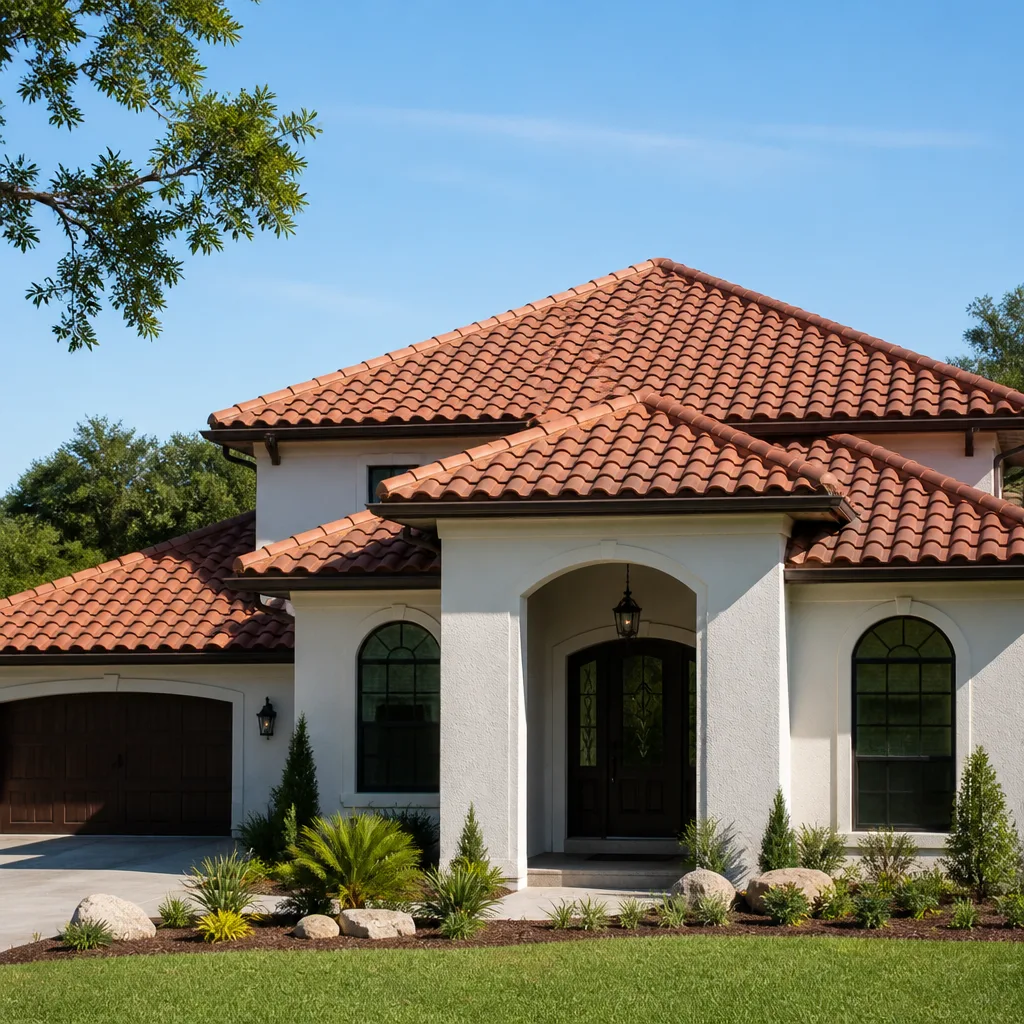
Tile Roof in National City
Tile roof installation in National City is a specific animal, and not every roofing crew is equipped for it. Concrete and clay tile weigh between 600 and 1,100 pounds per square, which means the existing structure and decking have to be evaluated before a single tile goes down. In National City, where much of the housing stock dates to the 1940s and 1950s, we often find that framing was never designed for tile weight. The original home may have shipped with wood shake or built-up tar-and-gravel, and when tile gets added later without structural review, you end up with cracked decking and sagging ridge lines. We check the framing first. Always.
When National City Homes Need Tile
Homeowners choose tile for two reasons here: durability in the marine climate and the fire rating. Tile doesn’t rust, doesn’t corrode, and doesn’t care about salt air the way metal components do. But the underlayment beneath the tile absolutely does. In National City, we use high-grade synthetic underlayment with a high temp rating, which handles the constant humidity and keeps moisture from condensing against the decking. A standard tile roof installation in National City runs $18,000 – $34,000 depending on whether you choose concrete or clay, roof complexity, and whether the existing structure requires reinforcement.
Old Tile, New Underlayment
In neighborhoods like Kimball and Lincoln Acres, we see a lot of homes where the tile itself is still in decent shape but the underlayment beneath it has failed. You get leaks that move through the ceiling in odd places, and the source is the decaying felt or paper under the tile, not the tile itself. We do a full lift-and-relay: tile comes off, bad underlayment is removed, decking is repaired where moisture has compromised it, new synthetic underlayment goes down, and the existing tile is reinstalled. That runs $12,000 – $22,000 and can extend the life of the roof by decades without paying for brand-new tile.
Roof Ventilation in National City
Roof ventilation in National City is one of the most overlooked parts of the roofing system, and the marine layer here makes it far more consequential than 15 miles east. When moisture-laden air off San Diego Bay hangs over the city at night and the north-facing slopes stay damp all year, an improperly vented attic becomes a swamp. That moisture condenses on the underside of the decking, gets absorbed into the insulation, and starts rotting the sheathing from above. You can’t see it from the street. By the time you notice a sag or a soft spot, the decking is already gone. Proper ventilation is the only thing that breaks that cycle.
Ridge and Intake Balance
A National City attic needs continuous intake at the eaves and continuous exhaust at the ridge. It’s not enough to throw a couple of box vents on the back slope and call it done. We calculate the net free area against the attic square footage and install a balanced system, usually a ridge vent paired with soffit vents. On roofs with hip geometry where a full ridge vent isn’t possible, we use a combination of low-profile vents and solar-powered exhaust fans. A complete ventilation system on a typical National City home runs $800 – $1,800, and it’s folded into the overall installation price when you’re already re-roofing.
Algae and the North Slope Problem
Almost every older National City home we re-roof has algae staining on the north-facing plane. It’s not cosmetic. Algae holds moisture against the shingle granules and strips the protective coating over time, which shortens the shingle’s life. The fix is part venting and part material. We recommend algae-resistant shingles from GAF or CertainTeed on north slopes, paired with proper ventilation so the attic doesn’t feed the cycle. You’ll see the difference in shingle lifespan on the next roof, easily five to eight years longer.
Trusted Brands We Service in National City
We install and service the roofing brands National City homeowners actually ask for: GAF, CertainTeed, Owens Corning, and Atlas among them. We also carry full lines from Tamko and Boral, useful for National City because Boral’s steel roofing systems and Atlas’s StormMaster line handle salt exposure better than entry-level shingles. We stock local replacement components for these brands, which means if a skyward pipe boot or vent flashing fails between full re-roofs, we can source and replace it quickly. You’re never stuck waiting on a backordered part when you’re already seeing water in the kitchen.
Common Roof Installation Problems We See in National City Homes
- Corroded drip edge and pipe boots. Galvanized steel lasts 8 – 12 years within the salt air influence zone around the bay, roughly half what the same hardware lasts in El Cajon or Santee. We replace every piece with marine-grade stainless or hot-dip galvanized, and we don’t reuse old metal just because it’s still attached.
- Original built-up tar-and-gravel roofs on 1940s – 1960s stucco bungalows. These assemblies were designed for 20 – 30 years of service and are now 60 – 80 years old. The tar is brittle, the gravel is worn, and moisture has usually been working into the decking for years before anyone realizes it.
- Rotted fascia and soffit on north-facing eaves. Constant marine-layer humidity with no direct sun keeps wood damp, which feeds rot. We routinely replace the fascia board and soffit panel while doing a roof installation, not as an add-on but because it’s part of the same water-management system.
- Underventilated attics creating condensation damage. In National City homes built without ridge vents or adequate soffit intake, trapped moisture degrades the decking and underlayment from above. We address this on every roof installation by calculating and correcting the ventilation balance.
Pricing for Roof Installation in National City, CA
Roof installation in National City runs $9,500 – $18,500 for a standard asphalt shingle roof on a 1,200 – 1,800 sq ft rambler, including tear-off, new underlayment, marine-grade flashing, ventilation corrections, and architectural shingles. Tile roofs run $18,000 – $34,000. The coastal-spec hardware we insist on adds $400 – $900 to the overall price compared to standard galvanized, which is cheap insurance when the inland-spec failure happens in under a decade. What changes the quote most is decking replacement, which can add $1,500 – $4,000 if the original tar-and-gravel roof has been leaking into the plywood for years. You’ll see every line item in the written estimate, no exceptions. Call (743) 200-8347 for your free estimate.
We Also Serve Cities Near National City
Our National City crews also serve Chula Vista, Bonita, Coronado, and San Diego. If you’re just across the Sweetwater River in Chula Vista or up the Strand in Coronado, the salt air rules still apply, which is exactly why a coastal-spec Roof Installation matters. Wherever you are in the South Bay, Roof Installation in National City standards travel with us.
Serving National City, CA - Our Local Coverage Area
We’re based in the National City area and know this community well. Use the map below to see our service coverage - if you’re nearby, we can almost certainly help.
FAQs About Roof Installation in National City
Because National City sits directly on the bay’s western edge, and the salt-laden marine air here accelerates galvanic corrosion of standard galvanized fasteners to failure in 8 – 12 years, about half the lifespan of the same hardware 10 miles further inland. A contractor in Chula Vista may have had perfectly acceptable results with galvanized because the salt load drops off quickly away from the bay. National City, especially neighborhoods west of Interstate 5, gets a concentrated dose every day. Stainless steel fasteners and hot-dip galvanized flashing are the only materials we install on bay-adjacent roofs because we’ve seen what the alternative does. If your roof has not yet leaked, it will. Call (743) 200-8347 and we’ll write up a coastal-spec quote that shows the exact hardware cost.
No, and we won’t. The original built-up tar-and-gravel assemblies on National City’s 1940s – 1960s homes have exceeded their service life by decades, and installing shingles directly over that surface hides the real condition of the decking underneath. We tear the old roof off to the sheathing. That’s how we find the moisture damage and the rusted flashings, and that’s the only way to properly flash the edges and penetrations for a 30-year shingle roof. The tear-off adds $2,000 – $4,000 to the job depending on roof size and decking condition, but skipping it means betting the new roof on a rotting foundation. Book a free estimate and we’ll inspect the decking from the attic side before we write the quote. Call (743) 200-8347.
The marine layer keeps ambient humidity elevated in National City year-round, and that moisture condenses inside underventilated attics, especially on north-facing slopes that never dry out fully. In El Cajon or Santee, an attic with marginal ventilation still gets enough daily dry heat to purge moisture. In National City, it doesn’t. We install balanced ridge-and-soffit ventilation systems on every full roof installation, calculated to the specific attic volume. The venting alone costs $800 – $1,800 and it’s the single cheapest insurance against decking rot and premature shingle failure. Call (743) 200-8347 if your attic smells musty or you’ve noticed staining on the north slope.
We install GAF, CertainTeed, Owens Corning, Atlas, Tamko, and Boral. For National City specifically, we often recommend GAF’s HDZ line or CertainTeed’s Landmark for the algae resistance on north slopes, and Atlas StormMaster or Boral steel where the exposure to salt air and bay winds is most intense. The shingle itself is not the weak point in a coastal marine climate. The fasteners, flashing, and drip edge are. That’s why we default every National City quote to marine-grade stainless and hot-dip galvanized hardware, regardless of shingle brand. You’ll see the exact brand and spec on your written estimate. Call (743) 200-8347 for a free one.
Ask the cheaper bidder one question: what material is the drip edge and what are the fasteners? If the answer is standard galvanized, you’re looking at an inland-spec roof that will start corroding within 8 – 12 years here, which means you’ll pay for flashing and edge repairs long before the shingles wear out. The coastal-spec quote costs $400 – $900 more upfront because stainless steel and hot-dip galvanized cost more than electroplated steel. That’s the whole price gap. The cheaper bid is a deferred repair with interest. A written Mercer quote shows the hardware spec line by line, so you can compare honestly. Call (743) 200-8347 and we’ll write yours, no charge, no obligation.
Written by Grant Whitlock, Owner at Mercer Roofing, serving National City and the surrounding South Bay communities.