

Free roof inspection with deck photos before we talk money - GAF and Owens Corning certified installation





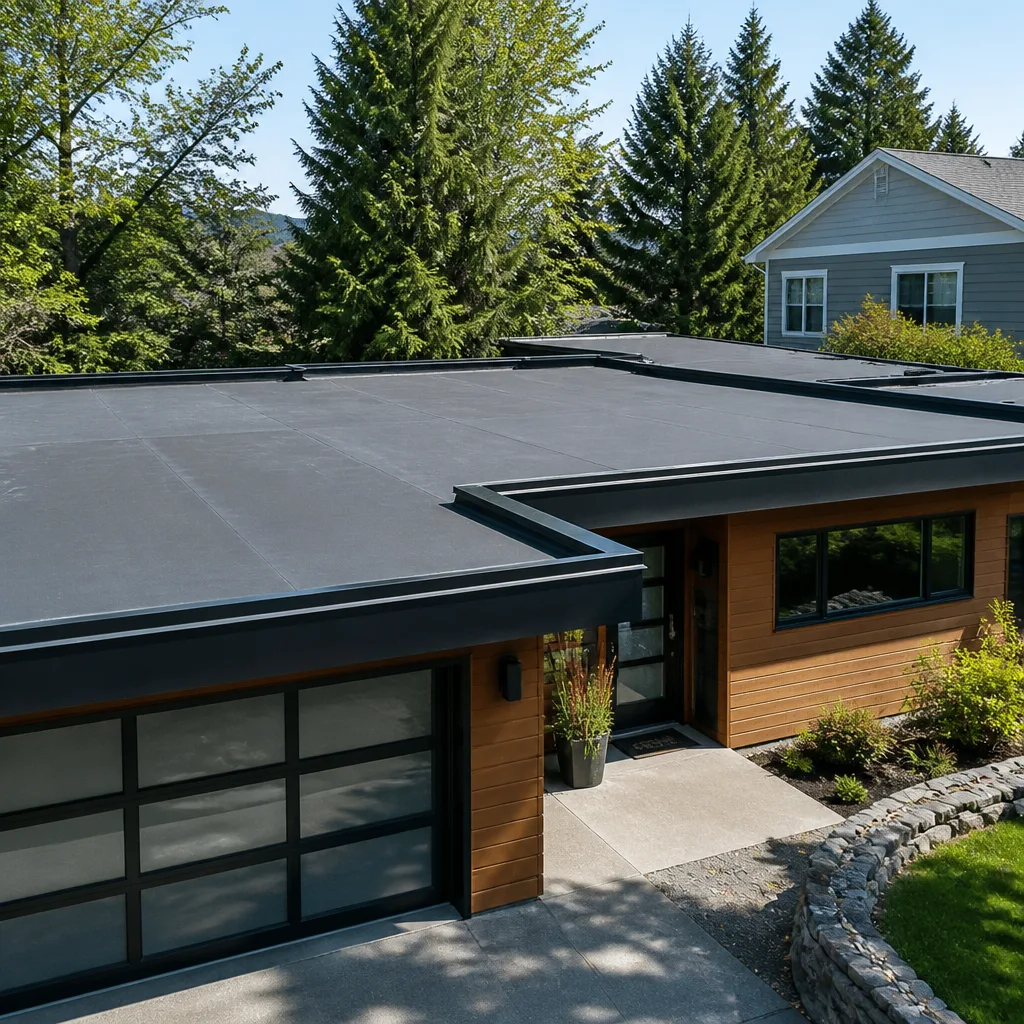
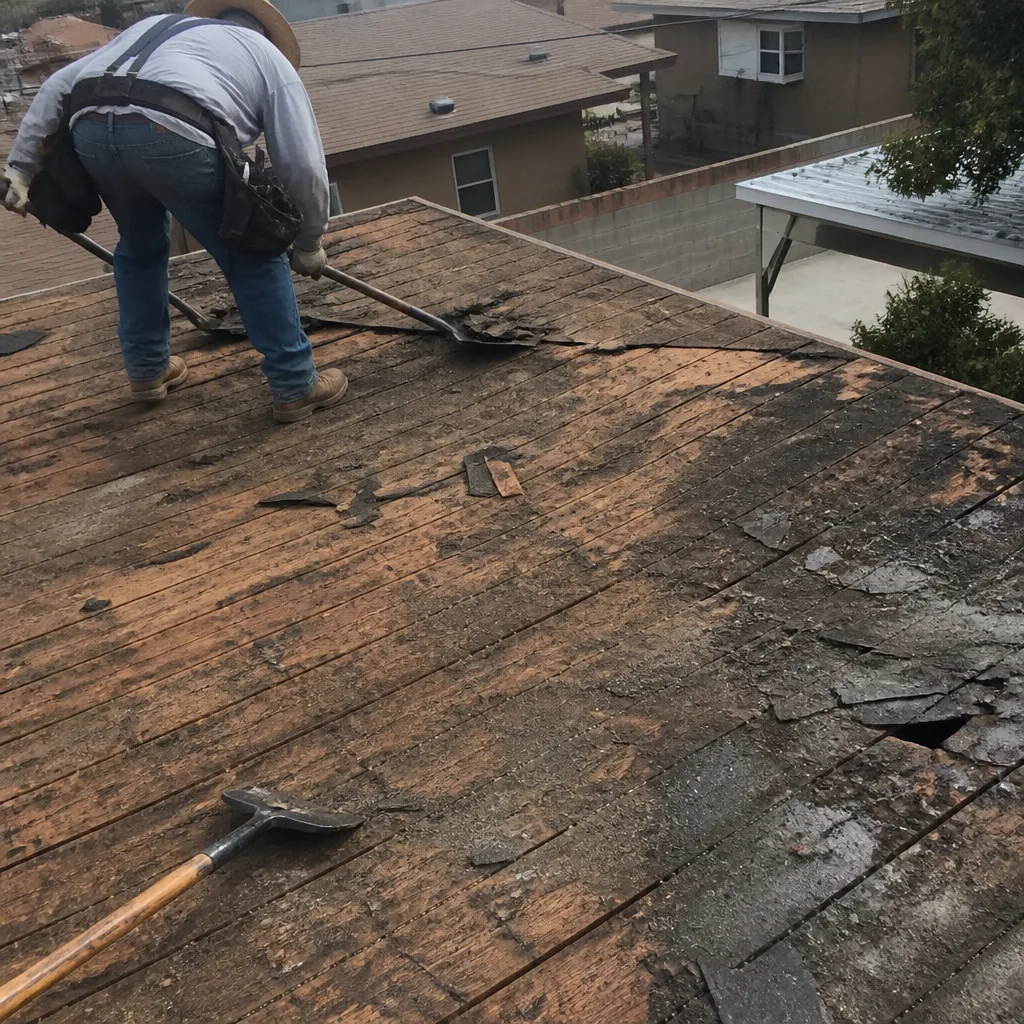 Before
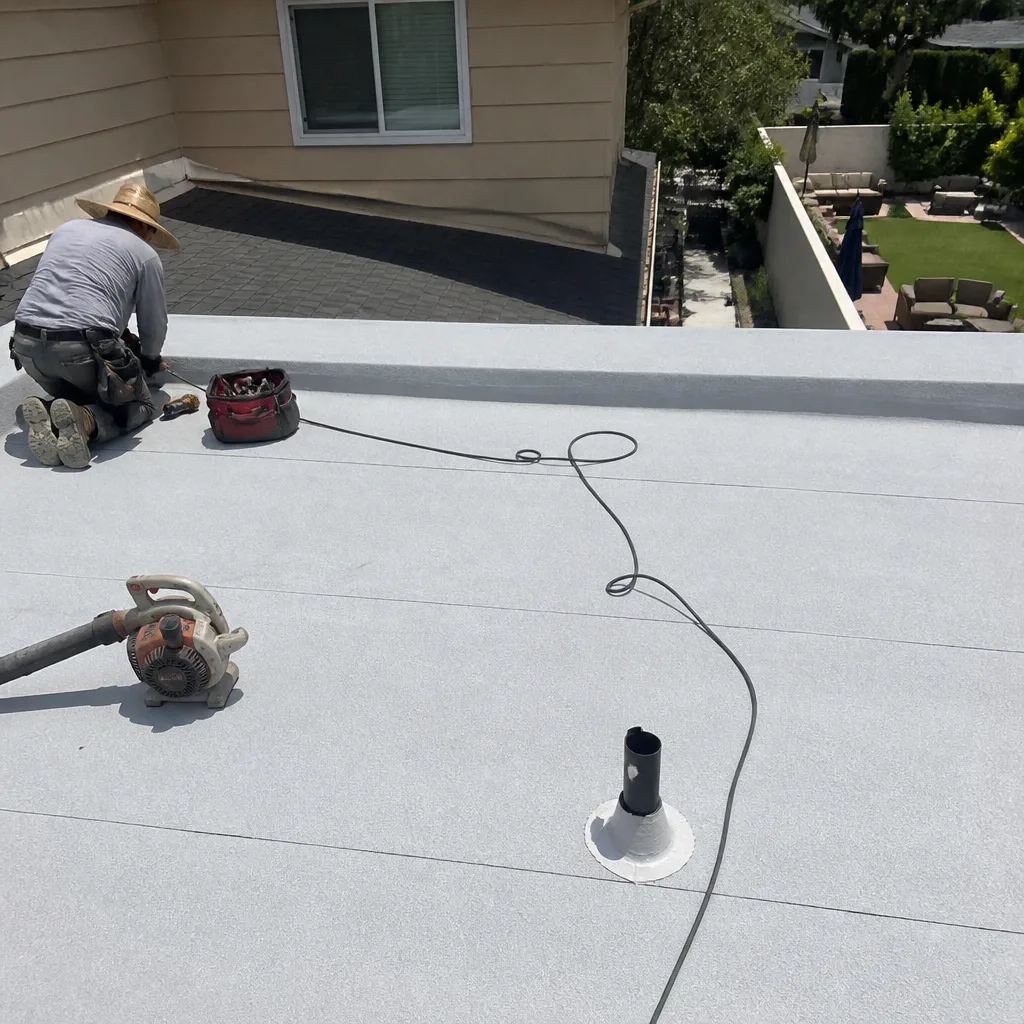 After
After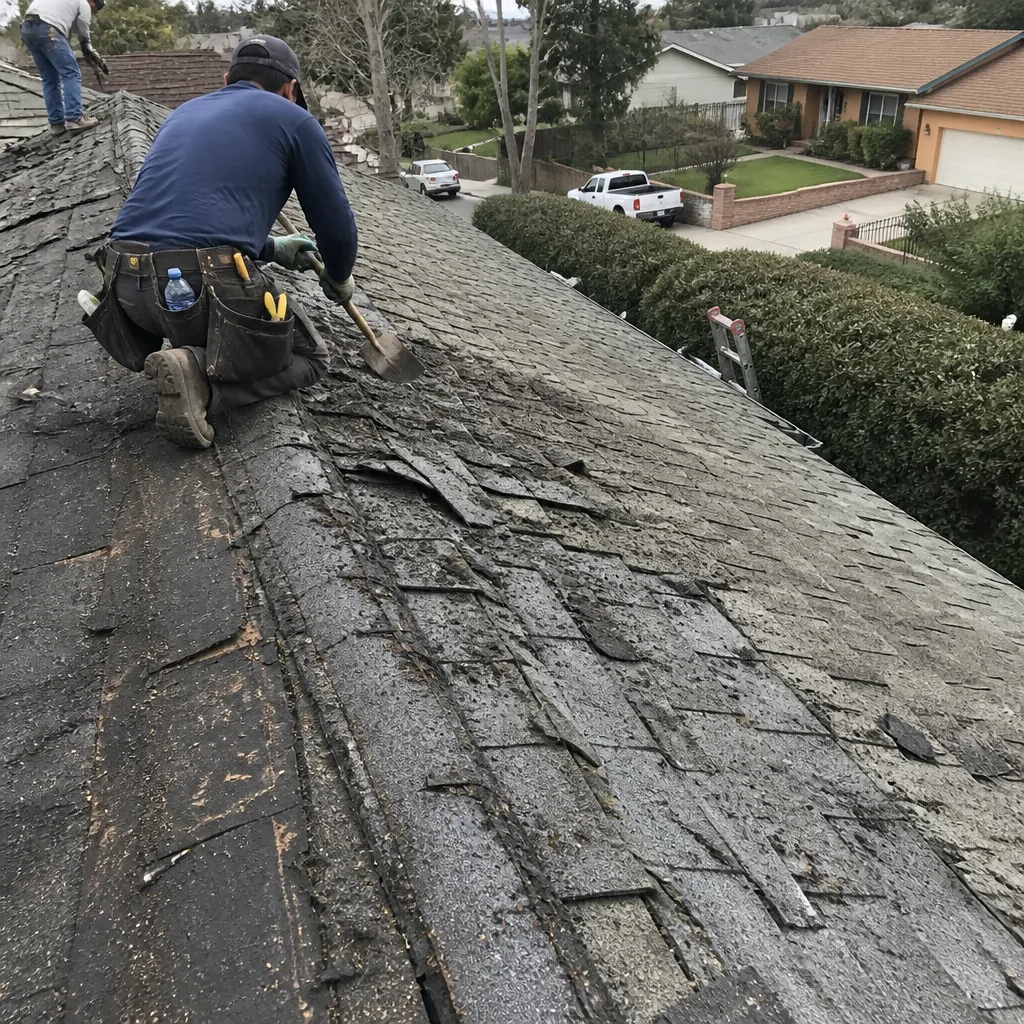 Before
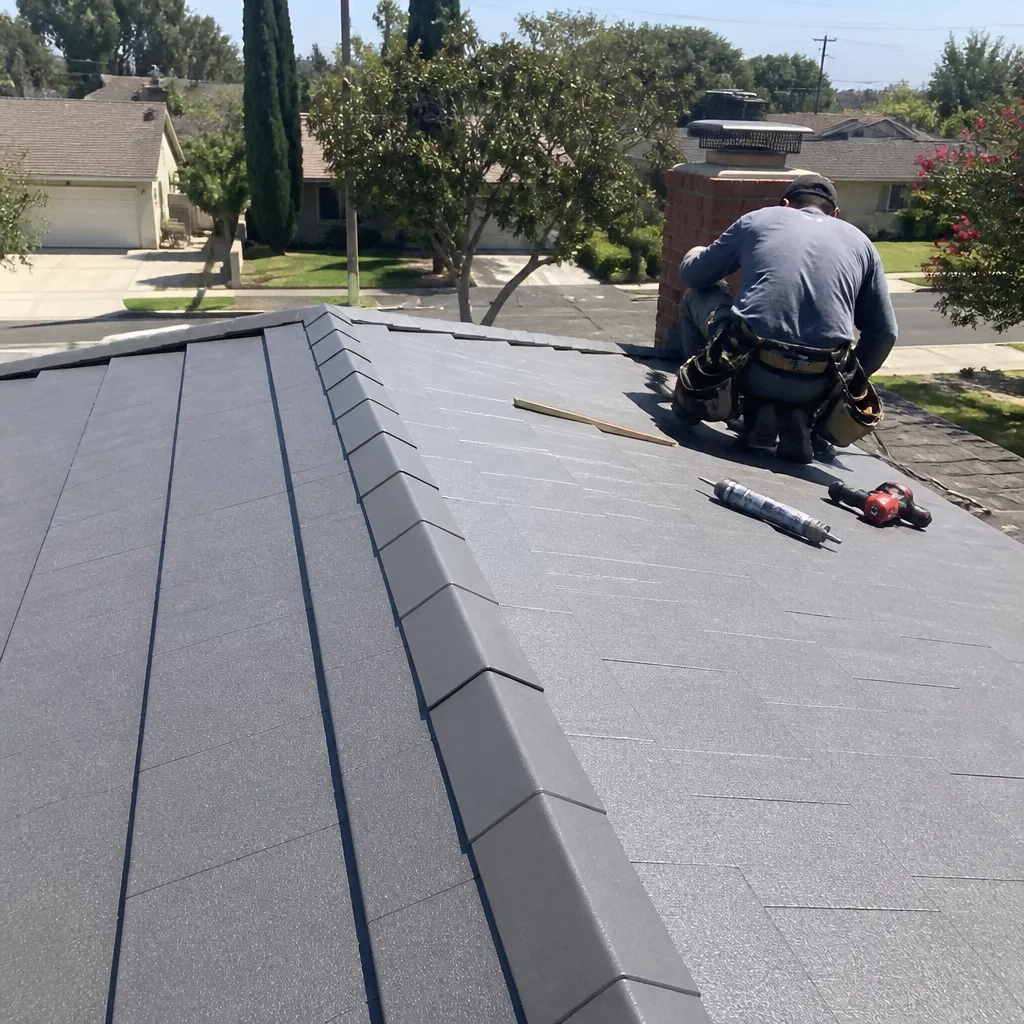 After
After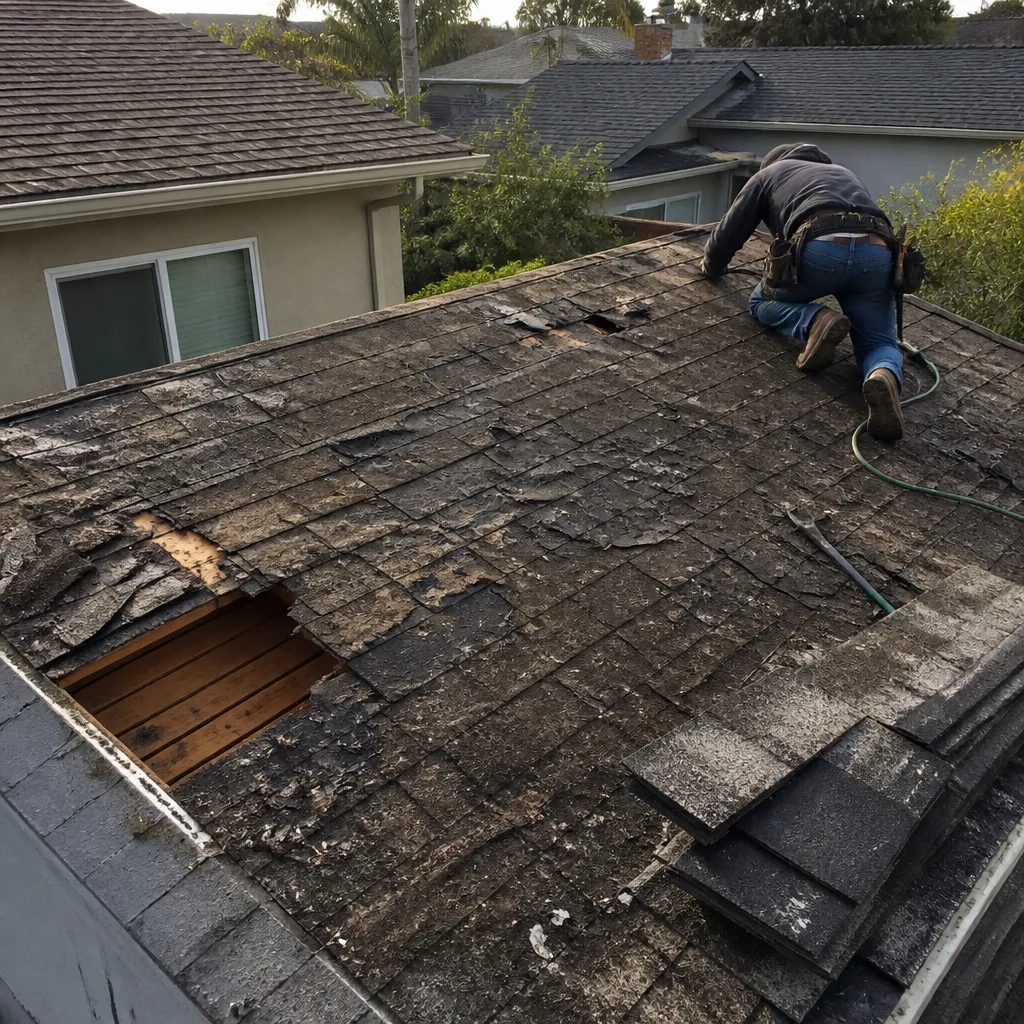 Before
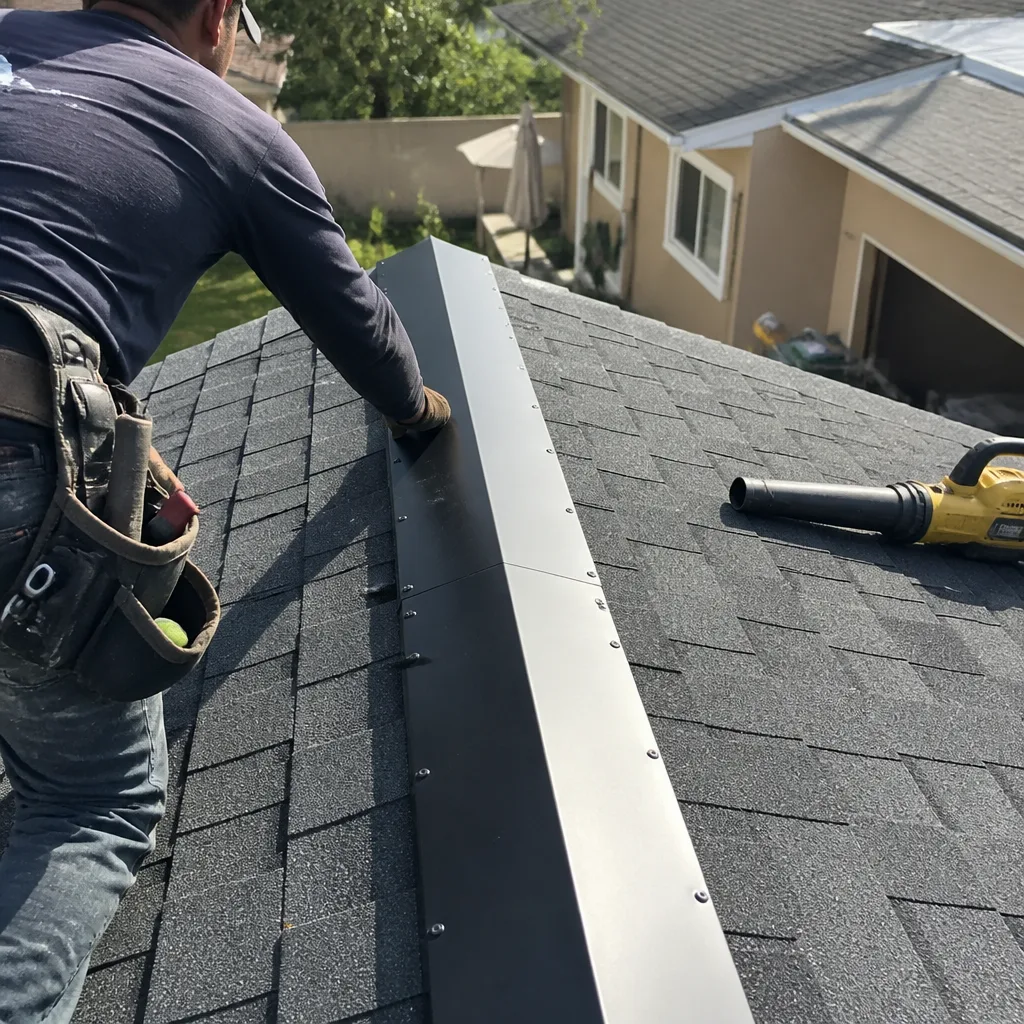 After
AfterRoof Leak After Heavy Rain
A roof leak that shows up during or right after heavy rain almost always means water found a gap in your roof’s first line of defense: a failed flashing joint, a cracked or missing shingle, or a deteriorated seal around a penetration like a vent or chimney. It is rarely the whole roof. It is almost always one specific weak point that the storm pushed water through hard enough to make itself visible inside your home. The good news is that a targeted repair – done correctly, with a written guarantee behind it – usually resolves the problem without replacing the entire roof.
What makes rain leaks tricky is the distance water travels before it shows up on your ceiling. Water enters at one spot on the roof, runs down the decking or rafters, and drips somewhere else entirely. The wet spot on your drywall is a clue, not a map. A proper diagnosis means someone getting eyes on the roof, not just the ceiling – and that is exactly where we start.
Why It Happens
Failed or Separated Flashing
Flashing is the thin metal that seals the joints where your roof meets something else: a chimney, a wall, a dormer, or a skylight. Over time, the sealant that holds flashing in place dries out, cracks, and pulls away from the surface. When that happens, every heavy rain has a direct channel into your home. If your leak shows up near a chimney, a wall transition, or where a lower roof section meets a vertical wall, flashing is the first thing to suspect.
Cracked, Curled, or Missing Shingles
Shingles protect the roof deck by shedding water downhill. When a shingle cracks from age or impact, curls up at the edges from heat cycling, or disappears entirely after a windstorm, the underlying felt and wood deck are exposed to direct rain. If you can see daylight-colored patches on your roof from the ground, or you found shingle pieces in your yard after the last storm, this is a strong candidate. On asphalt shingles, granule loss in your gutters is an early warning sign before the leaking starts.
Clogged or Overwhelmed Gutters Causing Backflow
When gutters are packed with debris, water backs up along the eave during a heavy downpour. That standing water can work its way under the first course of shingles – a condition called ice damming in cold climates, but it happens in warm climates too whenever volume exceeds drainage. If your leak appears along an exterior wall directly beneath the roofline and only happens in heavy, sustained rain rather than a quick shower, backed-up gutters are worth checking before assuming a shingle problem.
Deteriorated Pipe Boot or Vent Seal
Every plumbing vent stack and exhaust pipe punches a hole through your roof. Around that hole sits a rubber or lead boot that is supposed to stay watertight for years, but rubber cracks and shrinks with UV exposure. When a boot fails, water runs straight down the pipe and into your attic. If your leak is showing up in a bathroom ceiling or near a kitchen vent, and it only happens when rain is blowing in a particular direction, a failed pipe boot is a very likely culprit.
What to Do Right Now
- Contain the water indoors. Put a bucket or towels under any active drip. If drywall is saturated and bulging, pierce it carefully with a screwdriver at the lowest point of the bulge to let water drain in a controlled stream rather than collapse a larger section of ceiling.
- Take photos and video now, while it is still raining or wet. Capture the ceiling stain, any visible water trail on the wall, and the gutters from ground level. These images are useful when your Mercer technician arrives and when you talk to your insurance carrier.
- Check your attic if you can safely access it from inside. Look for wet decking, a waterline on the rafters, or insulation that is darker and compressed. Mark or photograph where the wet area begins – this narrows the search on the roof significantly. Do not go onto the roof yourself. A wet roof is a dangerous roof, and diagnosing from above requires training and fall protection.
- Do not attempt a DIY fix on the roof while it is wet or while rain is falling. A wet surface is slip-prone, and an improper temporary patch – caulk over a flashing gap, roofing cement slapped over a cracked shingle – can trap moisture under it and accelerate rot. Safe, flat, dry conditions are the minimum requirement for any roof work.
- Note the pattern: does it leak in every rain or only heavy ones? Does it drip from one spot or spread? Does it smell musty, suggesting this has been going on longer than you realized? All of this helps the technician arrive with the right materials and a realistic scope of what they are looking for.
How We Fix It
When your local Mercer Roofing team arrives, the first step is a proper roof inspection – not a quick walk-across, but a methodical look at every likely entry point based on where the water is showing up inside. We check flashing seams, shingle condition, boot seals around penetrations, and the drip edge along the eaves. We also look at the decking from the attic side if accessible.
Once the source is identified, you get a written price before anything starts. That is not a policy we apply selectively – it is how every job at Mercer works, every time. No work begins until you have seen the number and said yes.
The repair itself – whether that is a Roof Repair targeting one failed flashing or a failed boot, or a broader Roof Repair addressing multiple damaged shingles and a compromised section of underlayment – is covered by a written guarantee. If the repair fails, we come back at no charge. That is the 365-Day Done Right Promise: if the work is not right within a year, we make it right.
Most targeted rain-leak repairs are completed in a single visit once materials are on hand. Your technician will tell you the realistic timeline on-site.
Frequently Asked Questions
It depends on where the water is going, but it should not wait. Water soaking into insulation and wood decking starts growing mold within 24 to 48 hours of saturation, and a slow leak that seems manageable can mask structural rot that has been building for months. If any water is near an electrical fixture or panel, treat it as an emergency: water and electricity are a serious hazard. Call your local Mercer Roofing team at (743) 200-8347 to get someone out before the next rain hits.
Call us at (743) 200-8347 and a live person will answer – not a voicemail, not a call-back form. Your local Mercer team will tell you exactly what availability looks like and get you on the schedule as quickly as possible. We cannot promise a specific dispatch window on this page because it depends on your location and current schedule, but we will give you a straight answer the moment you call.
Not at all. Most roof leaks are invisible from ground level because they start at a flashing joint, a vent boot, or a cracked shingle that you simply cannot see at a downward angle from the street. Water also travels several feet along rafters or decking before it drops, which is why the wet ceiling spot is rarely directly below the entry point. A proper roof inspection from above is the only reliable way to find the source.
Every job at Mercer starts with a free written estimate, and that written price is what you pay – no revisions once work begins, no invoice surprises at the end. The cost of a rain-leak repair depends on what is causing it, how much material is involved, and the condition of the surrounding area, so there is no honest flat number to give here. Call (743) 200-8347 to schedule your free estimate – the price is in writing before a single nail goes in.
Get It Fixed
Call (743) 200-8347 right now and a real person will answer. Your local Mercer Roofing team will schedule your free written estimate, send you the technician’s name and photo before they arrive, and get a badged, uniformed tech on your roof as soon as the schedule allows. The written price comes first. The work comes after.
Written by Grant Whitlock, Owner at Mercer Roofing, part of the Threshold Group family of home-service companies since 2000.
What Our Customers Say
"Leak showed up in the hallway ceiling after a big storm. They found the failed pipe flashing in about ten minutes, replaced it, and checked the attic for wet insulation."
- Sophie R."Chimney flashing was the culprit for years of dark stains on the ceiling. Fixed it in one visit and no more stains."
- Ian O."Roofer showed his ID and gave me the crew lead's name before anyone climbed the ladder. Replaced a patch of missing shingles and resealed two vent boots. Written estimate matched the final bill."
- Brian J.