

Free roof inspection with deck photos before we talk money - GAF and Owens Corning certified installation






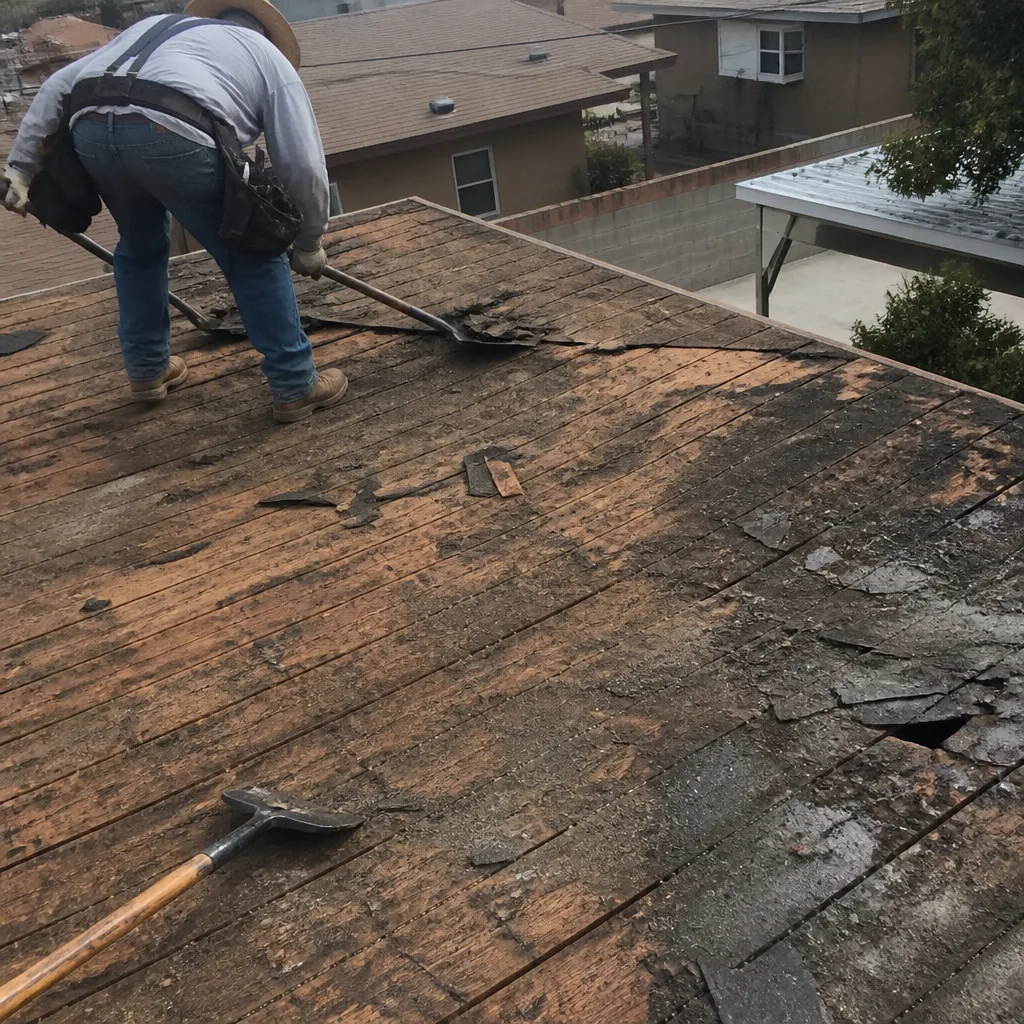 Before
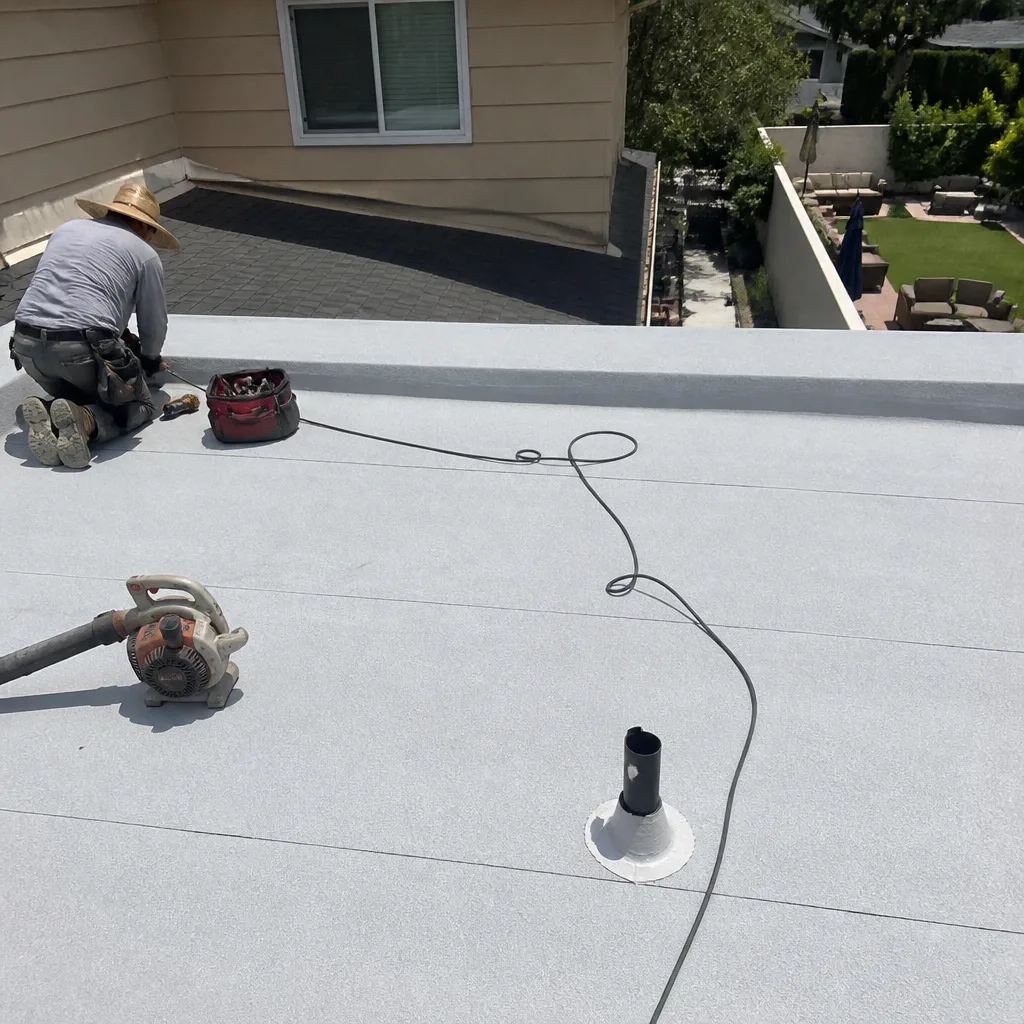 After
After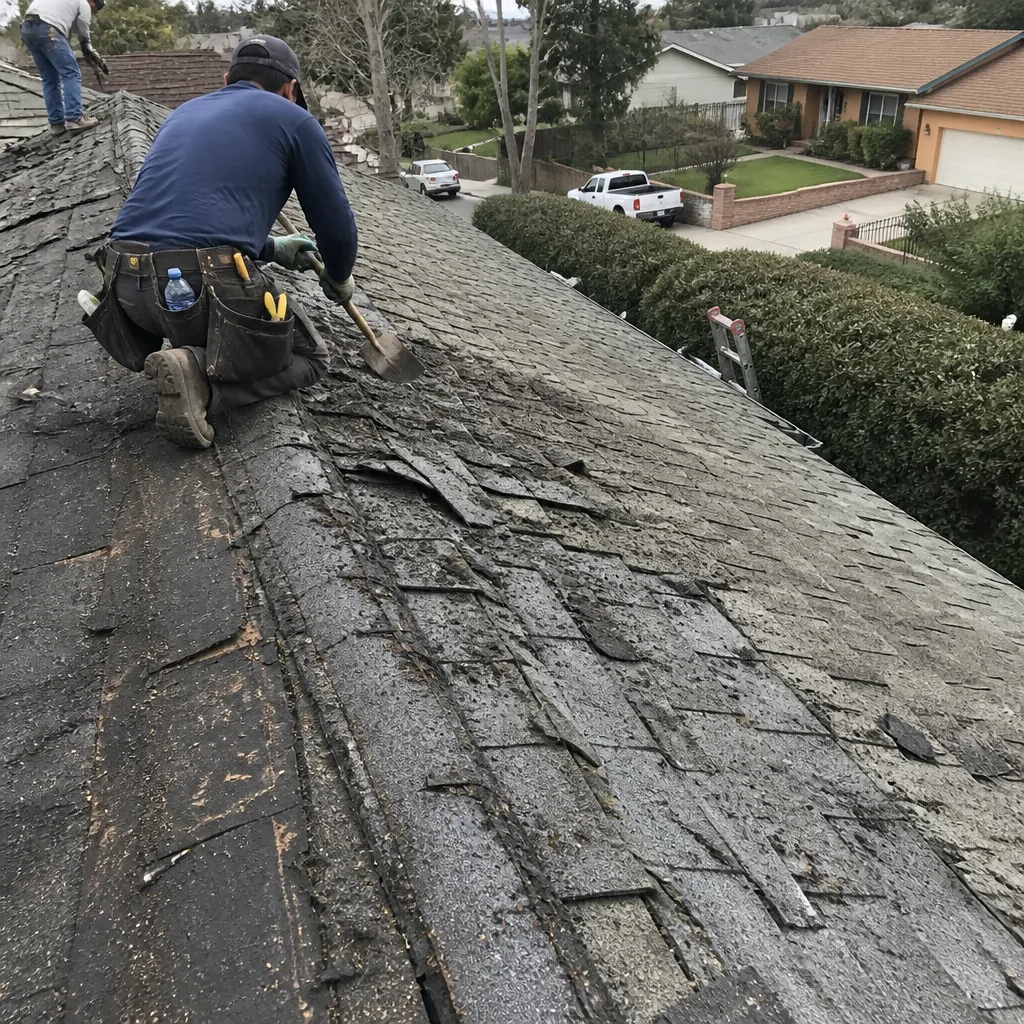 Before
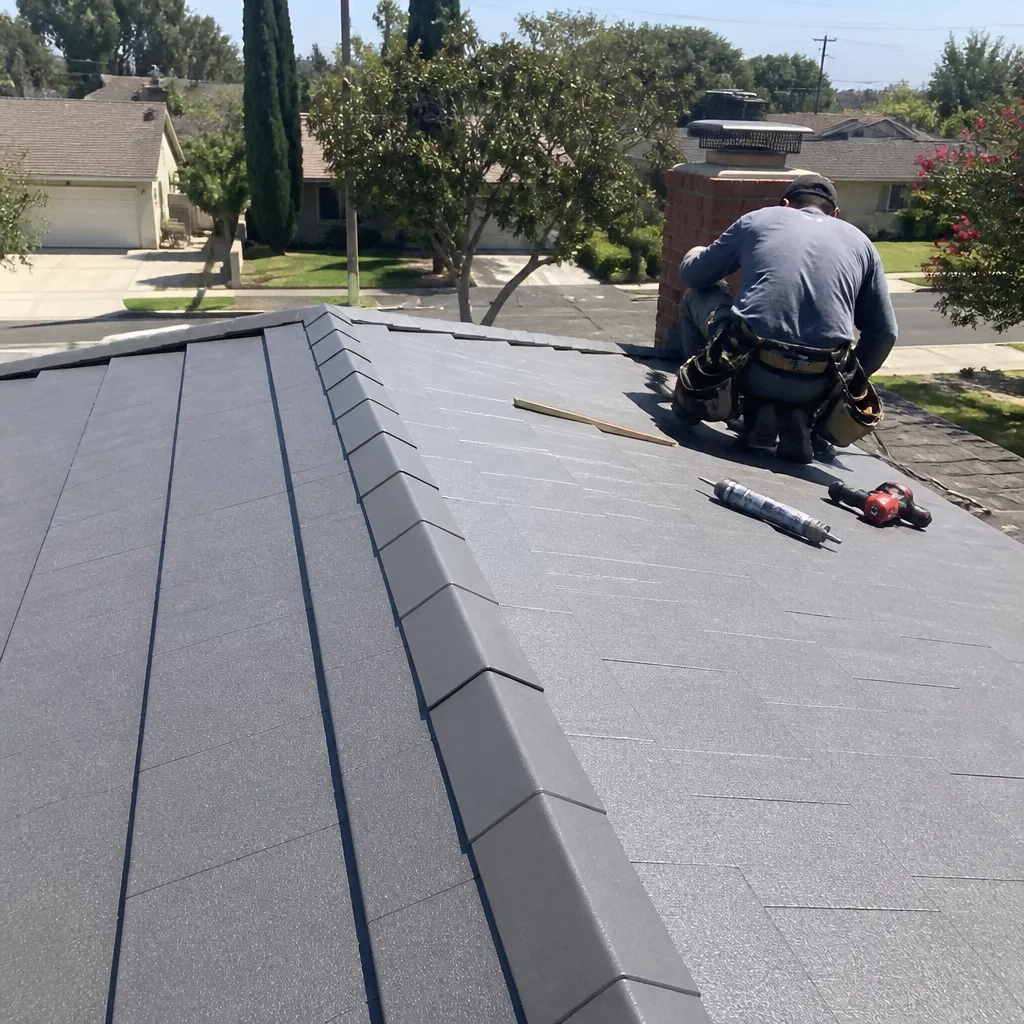 After
After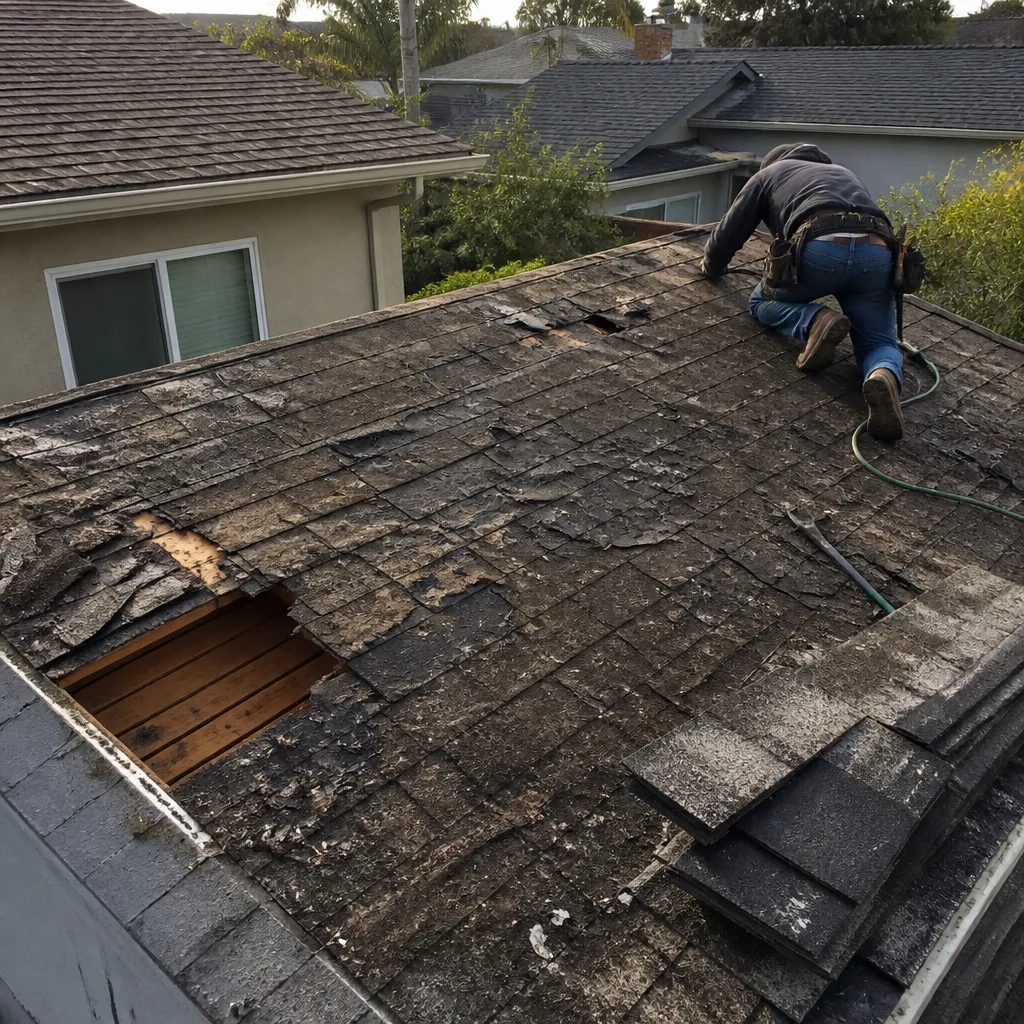 Before
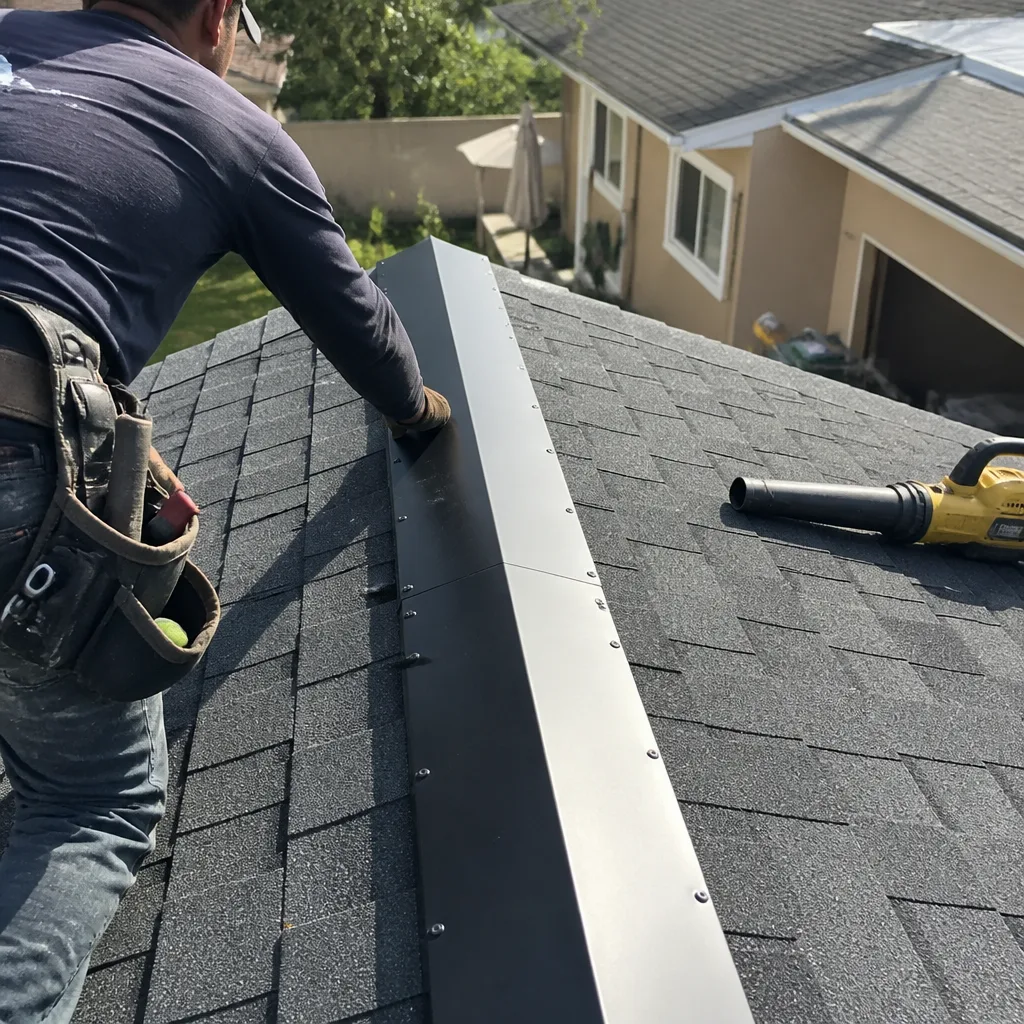 After
AfterGutters Overflowing in Every Storm
What’s Happening
Gutters that overflow in every storm almost always point to a blockage, a pitch problem, or a downspout that can’t move water fast enough to keep up with the flow. The roof itself is usually the starting point – and in many cases, a roof repair or gutter-related roofing work will stop the problem for good.
When water pours over the front edge of your gutters instead of channeling into the downspout, it’s telling you one of a few specific things: the channel is blocked with debris, the gutter has sagged away from its original slope, the downspout opening is clogged or undersized, or the roof’s edge – the drip edge and fascia beneath it – has started to break down and is directing water in the wrong direction entirely. These causes look similar from the ground but have different fixes. Here’s how to tell them apart.
Why It Happens
1. Debris blockage inside the gutter channel
This is the most common cause by a wide margin. Leaves, seed pods, shingle granules, and the occasional bird nest pack into the bottom of the gutter channel and form a dam. When rain hits, water backs up behind the dam and spills over the nearest low point – usually the front edge right where it’s most visible. If your gutters overflow in one section but drain fine at the downspout end, debris is the first thing to rule out. You can often see the blockage from a ladder, or notice a thick line of dried sediment along the inside of the gutter when things dry out.
2. Sagging gutter that has lost its pitch
Gutters are hung at a slight angle so water runs toward the downspout under gravity. Over time, the spikes or hangers that hold the gutter to the fascia pull loose, especially after repeated freeze-thaw cycles or years of heavy debris load. When the gutter sags in the middle, water pools there instead of flowing toward the outlet. A sagging gutter is easy to spot: look along the front edge from one end of the run and you’ll see a visible dip. After a rain, standing water visible at eye level from the ground is another tell.
3. Clogged or undersized downspout
The downspout is the bottleneck of the whole system. A single compacted clog near the elbow at the bottom or the throat at the top can back the entire gutter up within minutes during a heavy rain. Undersized downspouts – common on older homes where a two-inch round outlet was standard – simply can’t evacuate water fast enough to keep pace with a steep or wide roof plane in a hard storm. You can hear this one: a downspout that’s partially blocked produces a gurgling or hollow knocking sound as water tries to force through. A completely blocked one stays silent while the gutter overflows above.
4. Failed drip edge or compromised fascia at the roofline
The drip edge is a metal strip installed along the roof’s edge that directs water cleanly off the shingles and into the gutter. When it corrodes, pulls away, or was never installed correctly, water runs behind the gutter instead of into it – then soaks into the fascia board below. A rotting fascia can no longer hold the gutter hanger securely, which leads to sag, and the cycle accelerates. This one is harder to diagnose from the ground, but you may notice paint peeling or dark water stains on the fascia board directly below the roofline, or you might see the gutter pulling slightly away from the house even though the hangers look intact.
What to Do Right Now
- Stay off the ladder if the roof is wet or if you’re not comfortable at height. Gutter and roofline work is consistently among the leading causes of serious homeowner injuries. What you can safely do from the ground is described below – leave anything that requires standing on a roof to a technician.
- Photograph the overflow while it’s happening. A short video during the storm, or photos immediately after, showing exactly where water is coming over the edge is more useful to a technician than any description. Note which section of gutter and which direction water is flowing.
- Check the downspout outlet at ground level. Walk to where the downspout meets the ground extension and see whether water is actually flowing out. If nothing is coming out while the gutter above is overflowing, your blockage is in the downspout. This is a safe ground-level check that tells you a lot.
- Look at the fascia board from the ground. Dark staining, paint bubbling, or visible soft spots on the board directly behind the gutter suggest water has been running behind the gutter for a while. Note it, photograph it, and tell your technician.
- Don’t run water into the gutter with a hose to “test” the system until someone has inspected it. If there’s a hidden fascia or soffit rot situation, adding more water before the repair only makes it worse.
How We Fix It
When your local Mercer Roofing team arrives, the technician will do a full visual inspection of the gutter run, the downspout, the drip edge, and the fascia beneath it – not just the section that’s overflowing, because water travels before it appears. Before any work starts, you’ll receive a written price. That’s not a policy we sometimes follow; it’s the only way we operate.
If the fix is a debris clear, re-pitch, and downspout flush, that’s typically a Roof Repair scope. If the drip edge is failed or the fascia has deteriorated to the point where the gutter has no solid surface to attach to, that becomes part of a roofline repair that our technicians handle as part of our broader Roofing service. Either way, every repair comes with a written guarantee and our 365-Day Done Right Promise: if the repair doesn’t hold within a year, we come back and make it right – no charge, no argument. Most visits are done in a few hours. Bigger fascia or drip-edge work may take longer, and we’ll tell you that in advance.
Frequently Asked Questions
Overflowing gutters cause real structural damage over time, not just cosmetic problems. Water that pours over the front edge lands at your foundation, which is the leading cause of basement water intrusion and foundation settlement. Water running behind the gutter saturates the fascia and soffit, and from there it finds its way into the roof deck and attic framing. The longer it runs unchecked, the more expensive the repair gets. If you’re seeing overflow in every storm, it’s already been doing this for a while. Call (743) 200-8347 and get eyes on it before the next storm hits.
It depends on what’s causing it. A simple debris blockage in dry weather can wait a week or two without dramatic consequences. But if your fascia board shows signs of rot, or if water is visibly running behind the gutter rather than over the front, waiting a few weeks means allowing water into your wall and roof structure every time it rains – and that damage compounds fast. When we’re not sure which situation we’re dealing with, our default is: don’t wait through another storm. Call (743) 200-8347 and let your local Mercer Roofing technician take a look. The inspection is the answer.
Your local Mercer Roofing team schedules visits based on current availability in your area, and a live person is available at (743) 200-8347 around the clock to get you on the calendar. Call now and tell them what you’re seeing – they’ll work to get a technician out as quickly as the schedule allows. We don’t quote arrival windows we can’t keep.
No. A written price is provided before any work starts, every time – that’s not a courtesy, it’s a firm part of how we operate. If the technician gets up there and finds additional damage that wasn’t visible from the inspection, we stop, tell you what was found, and give you a revised written price before doing anything further. You decide how to proceed. There are no surprises on the invoice.
Get It Fixed
Gutters that overflow in every storm are telling you something is wrong at the roofline. Call (743) 200-8347 – a real person answers, day or night – and your local Mercer Roofing team will schedule an inspection, give you a written price before anything starts, and back the work with our 365-Day Done Right Promise.
Written by Grant Whitlock, Owner at Mercer Roofing, part of the Threshold Group family of home-service companies, serving communities nationwide since 2000.
What Our Customers Say
"Chimney flashing was the culprit for years of dark stains on the ceiling. Fixed it in one visit and no more stains."
- Ian O."Roofer showed his ID and gave me the crew lead's name before anyone climbed the ladder. Replaced a patch of missing shingles and resealed two vent boots. Written estimate matched the final bill."
- Brian J."Full tear-off and new shingles on our two-story. They covered the landscaping with tarps and ran a magnet over the yard afterward. Didn't find a single nail."
- Karen V.