
Free roof inspection with deck photos before we talk money - GAF and Owens Corning certified installation
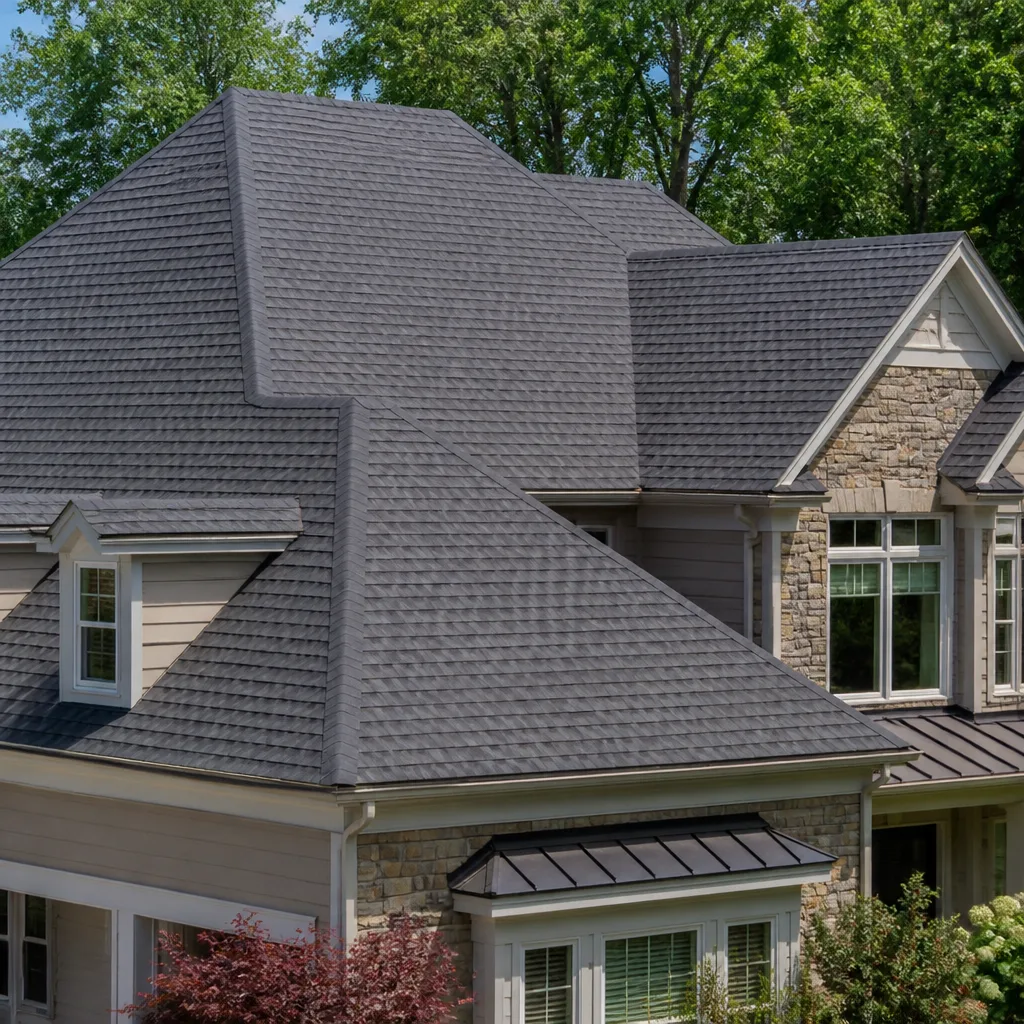
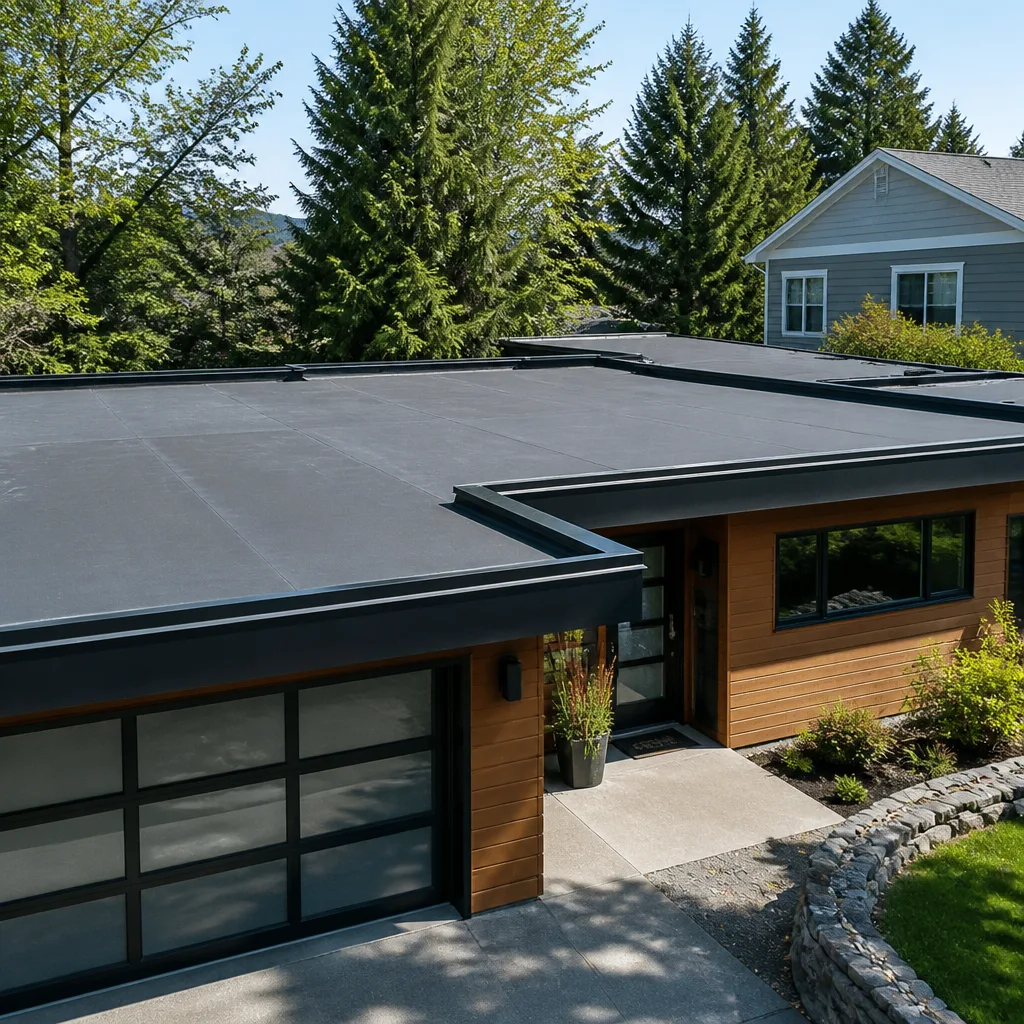
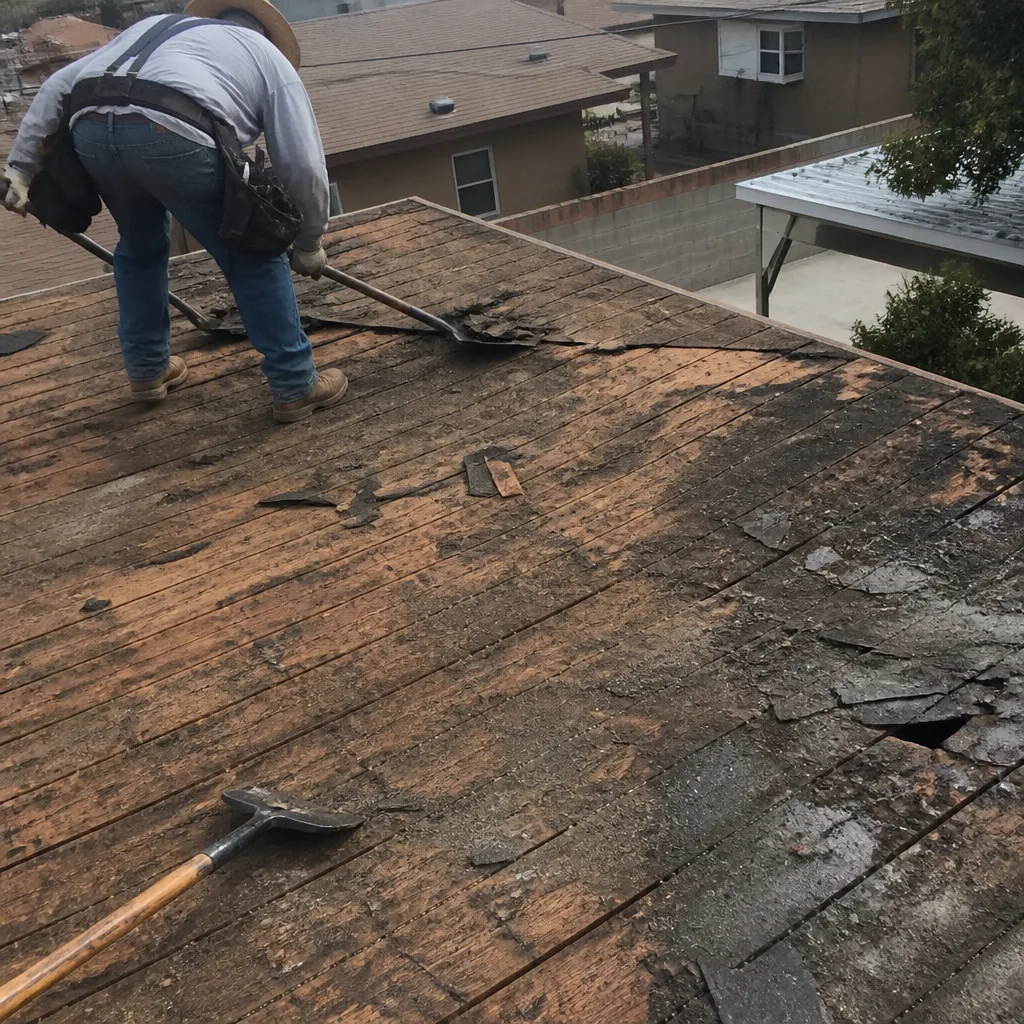 Before
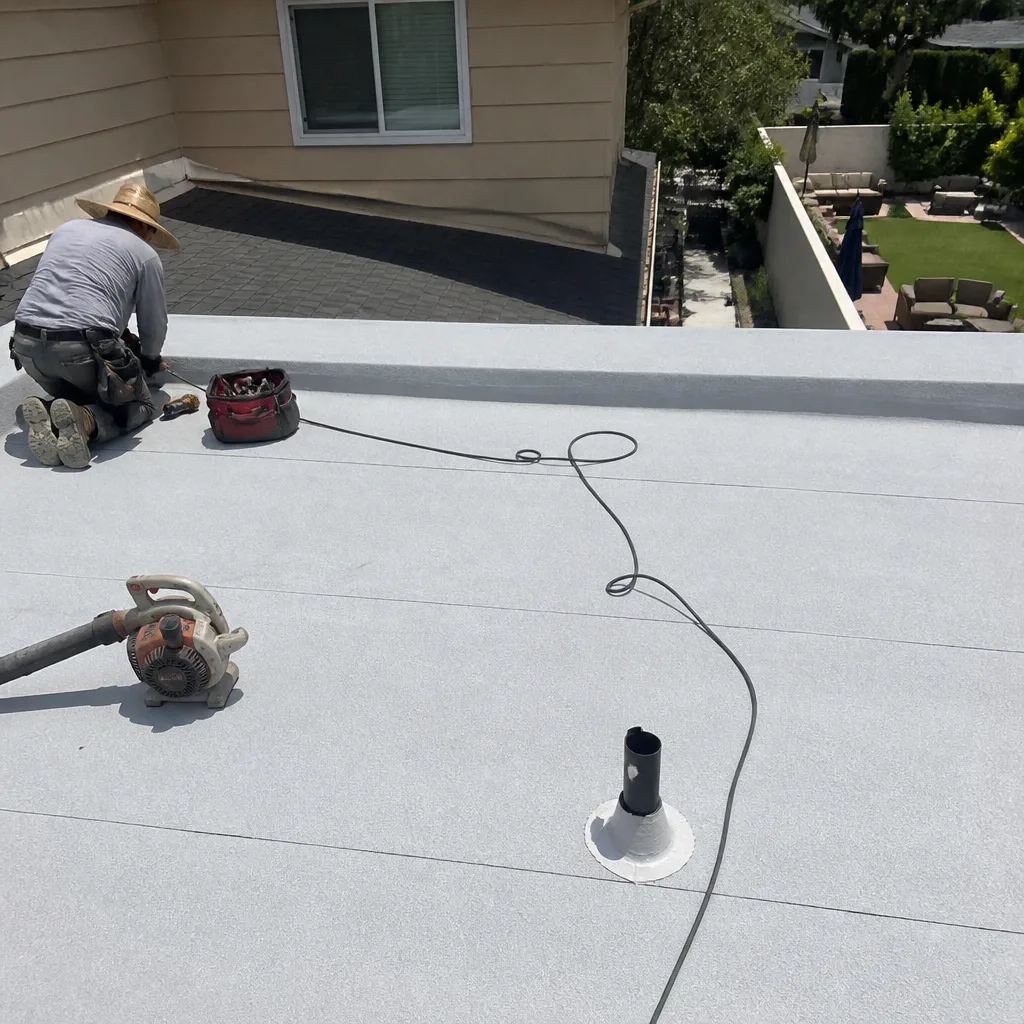 After
After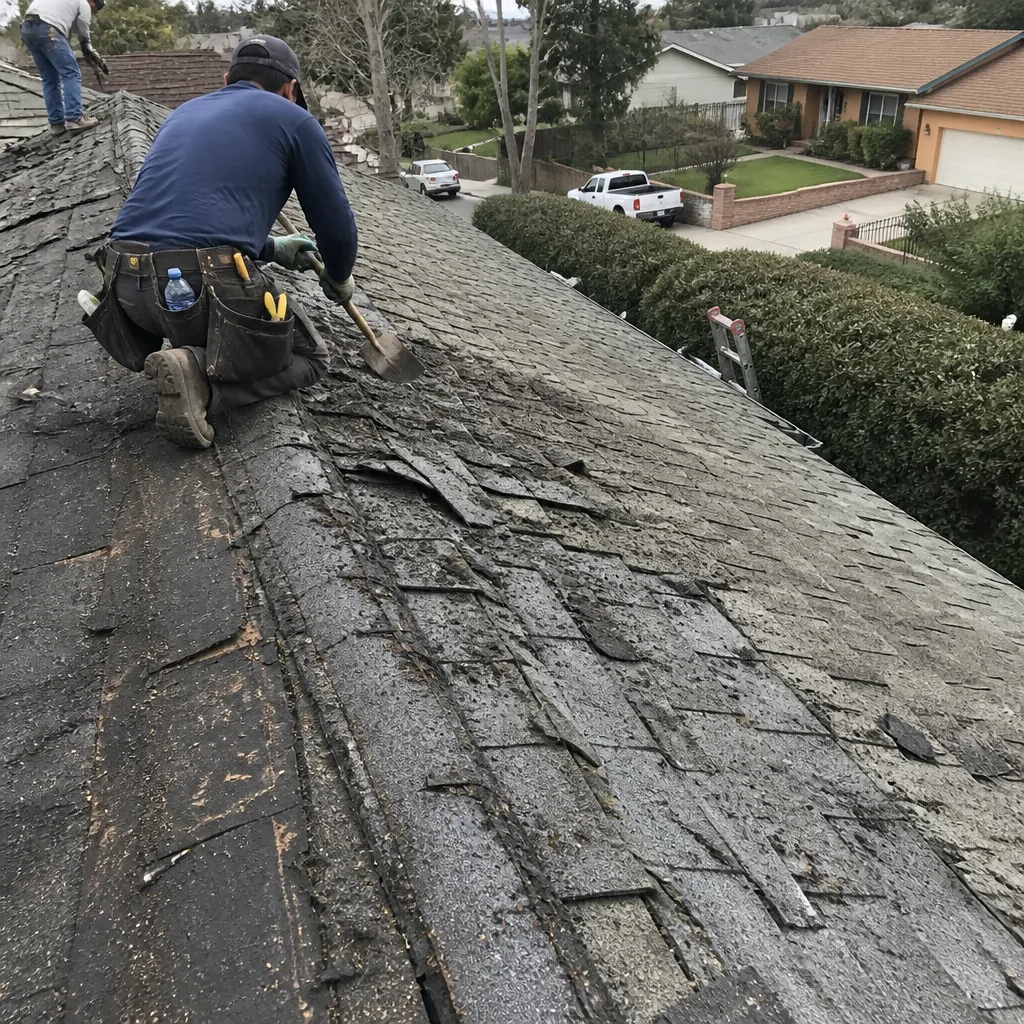 Before
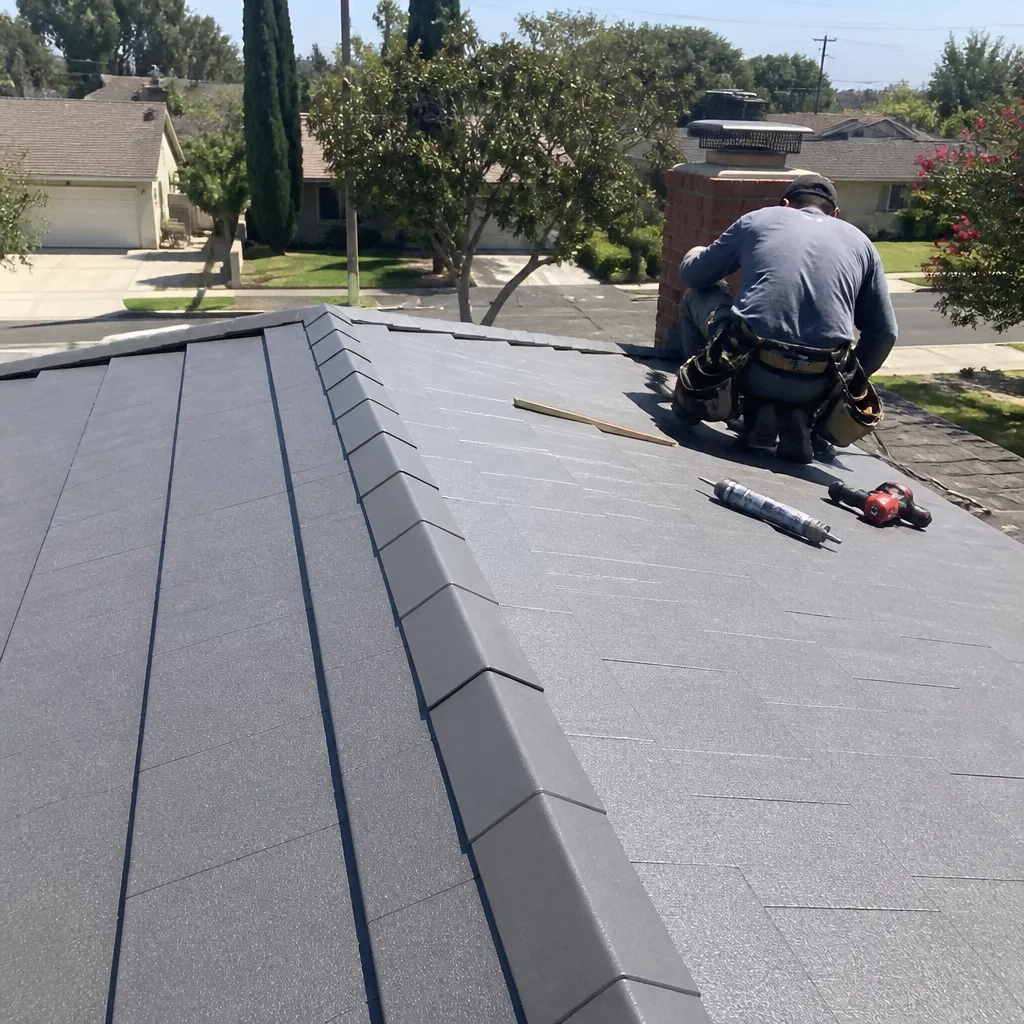 After
After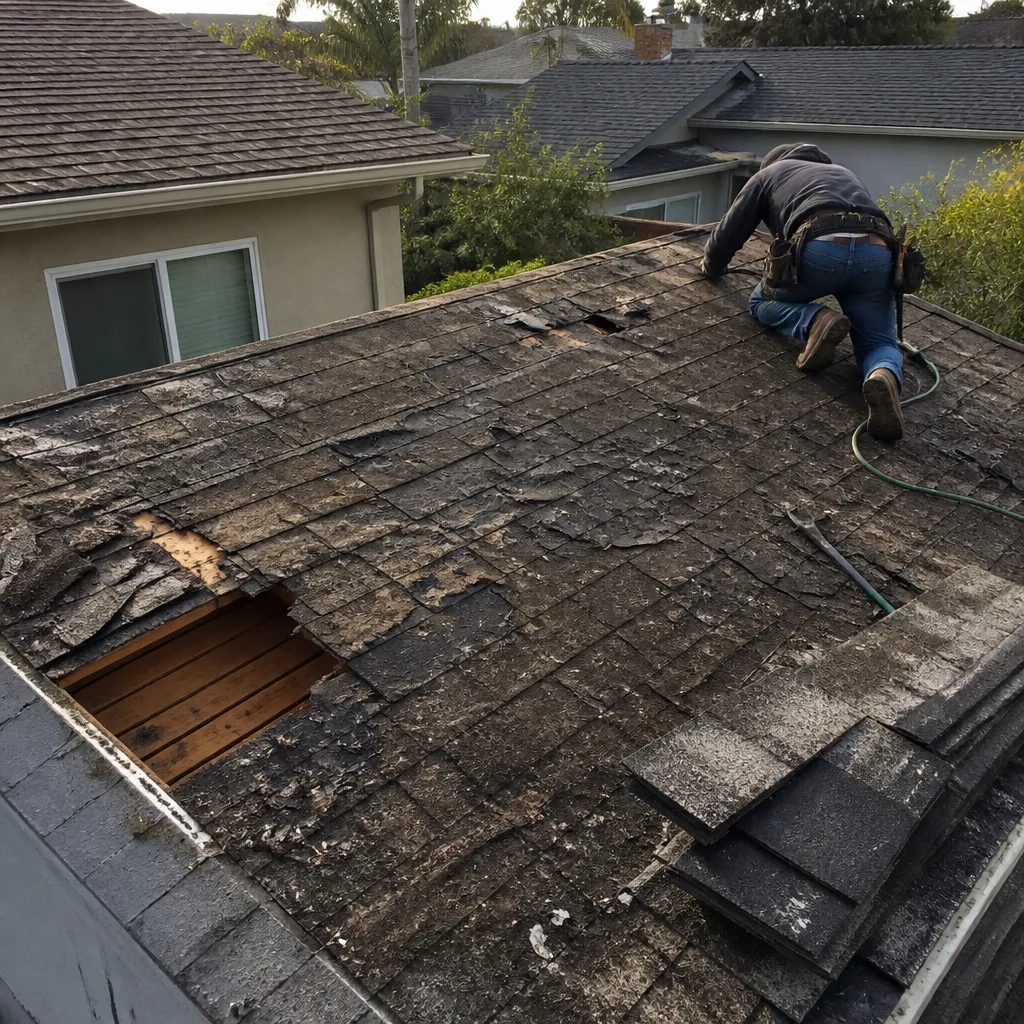 Before
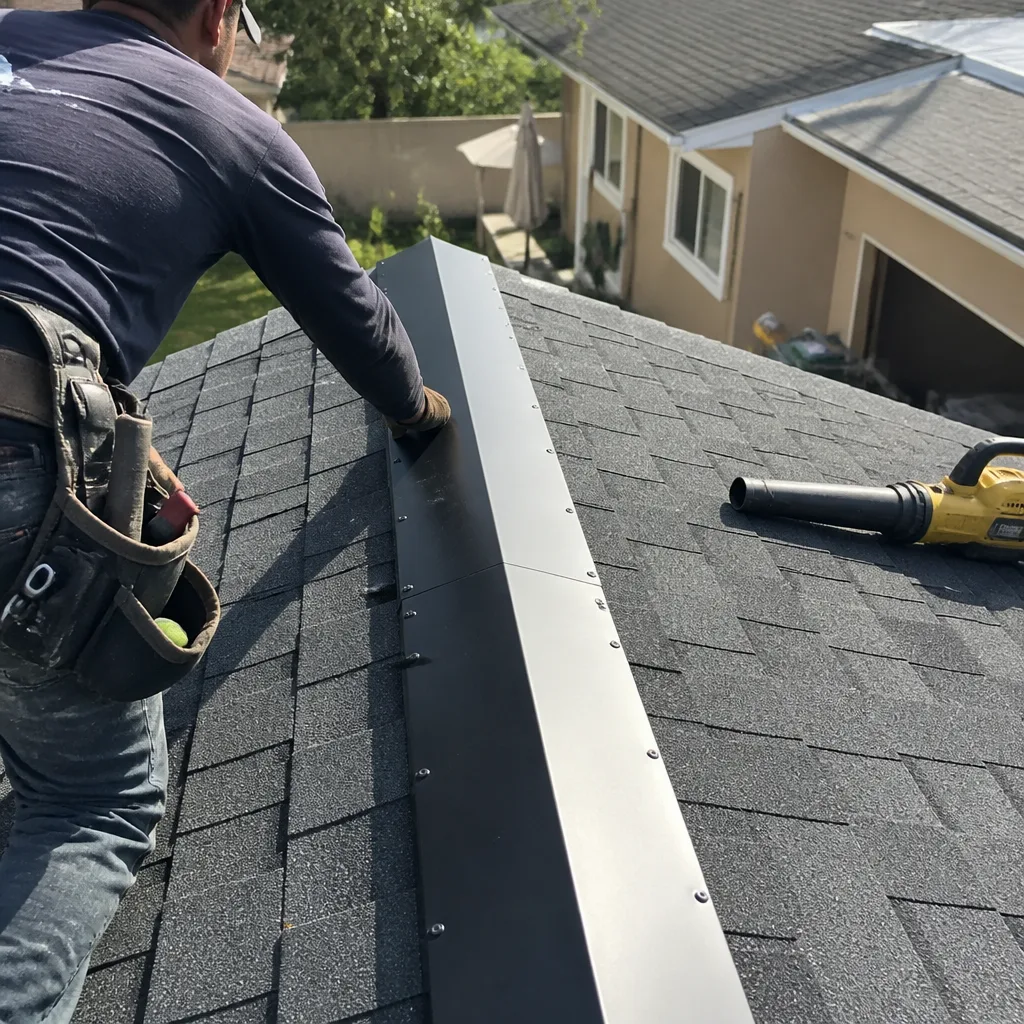 After
AfterOwens Corning Flashing Replacement: The Los Angeles Owner’s Guide
We replace Owens Corning flashing throughout Los Angeles, and a typical installed flashing replacement runs $350 to $1,200 depending on the location, the length of the run, and whether the decking underneath has started to rot. Most jobs take a crew three to six hours, and we stock common Owens Corning-compatible flashing profiles on the truck so we’re not making a second trip for parts. Here’s the thing most homeowners discover the hard way: flashing doesn’t fail loudly. It fails quietly, behind the siding or under the shingle course, and by the time you see the water stain on the ceiling, the flashing has been compromised for months.
In Los Angeles, the failure usually starts at the seams. Owens Corning flashing is built to move with the house, but decades of sun exposure along the valley side of a roof cooks the sealant where flashing meets stucco or brick. When that sealant dries out and cracks, water finds the gap. It’s a slow leak, but it’s relentless, and it travels sideways before it travels down. That’s why the stain on your ceiling might be twelve feet from where the flashing actually failed.
If you’re reading this because water is already inside, call us at (743) 200-8347. We’ll send a technician who can tell you exactly what’s failing and what it costs to fix before any work begins.
Which Owens Corning Models This Applies To
Owens Corning flashing isn’t tied to one shingle line. It’s specified across their roofing systems, including the Duration, Oakridge, and Berkshire series, and it’s generally sold in standard lengths and profiles: step flashing, headwall flashing, valley flashing, and pipe boot flashing. What matters for replacement is not the shingle model but the flashing type and the dimensions. Most Owens Corning residential step flashing is 10 inches wide with a 2-inch or 4-inch vertical leg, and the longer leg goes against the wall side. If you’ve got the original packaging or a leftover piece, check the printed dimensions and the alloy. Owens Corning flashing is typically aluminum or galvanized steel, and matching the metal matters more than matching the brand name on the sticker.
One compatibility gotcha we see often in Los Angeles: homeowners replace flashing with whatever the home center has on the shelf, which is usually 8-inch step flashing in a thinner gauge. That undersized piece doesn’t extend far enough up behind the siding or stucco, so the first wind-driven rain pushes water right over the top. If you’re not sure what’s on your roof, our technician will pull a course and measure before ordering anything. We keep both aluminum and galvanized profiles in stock, and we can order Owens Corning-labeled flashing when the job calls for exact OEM replacement. That said, we’re independent of Owens Corning. We install flashing to their spec, but we’re not a factory service center and we don’t pretend to be.
Signs Your Owens Corning Flashing Replacement Is Failing
- Water stains on ceilings or upper walls, especially after the first rain of the season. This is the classic symptom in Los Angeles because the long dry spell lets sealant shrink and crack. By the time rain returns, the gap is open and the water comes through within the first hour.
- Peeling paint or bubbling drywall near chimney bases, skylights, or where a lower roof meets a wall. Flashing is concentrated at these transition points. When the metal or sealant fails, moisture wicks into the surrounding surfaces long before it drips.
- Visible rust, corrosion, or lifted flashing edges. If you can see the flashing from a balcony or upper window and it’s rusted through or the nails have pulled, the failure is already underway. Coastal Los Angeles homeowners in areas like Playa del Rey or San Pedro see salt-accelerated corrosion sooner than inland homes.
- Granule loss on shingles directly above a flashing line. This sounds unrelated, but it isn’t. When flashing traps water against the shingle edge, the shingle wears faster. If you see bare patches in a vertical line running down from a chimney or wall, look at the flashing behind it.
- Musty odor in an upstairs room or attic without a visible leak. Flashing leaks are often slow and lateral. The water soaks insulation and framing before it ever shows on drywall. The smell shows up first.
Replacement Cost & What’s Included
For most Los Angeles homes, replacing a single flashing run at a chimney, wall, or skylight costs between $350 and $1,200 installed. A full re-flash of multiple penetrations during a roofing project runs higher, typically $1,500 to $3,500, because you’re removing and reinstalling surrounding materials.
What drives the range: how much of the surrounding roofing has to come off to reach the flashing, whether the decking underneath is water-damaged and needs a section replaced, the height and pitch of the roof, and whether we’re matching an existing metal or upgrading to a thicker gauge. We give you a written price before any work starts, and that price includes the flashing material, sealant, labor, and cleanup. There’s no surprise line item when the invoice comes. Every repair carries our 365-Day Done Right Promise: if the flashing repair fails within a year, we come back and make it right at no charge, with a free second visit written into the guarantee.
DIY or Call Us?
Climbing onto a Los Angeles roof to replace flashing is genuinely dangerous work, especially on tile roofs, where the tiles are brittle and a misstep sends you through the decking. The risk is real and the hospital bill will cost more than the flashing repair. We recommend homeowners leave ladder work to a crew with the right equipment and fall protection.
What you can safely do from the ground: check for visible rust, lifted flashing edges, or missing caulk lines using binoculars. If you see gaps, don’t shove caulk into them from a second-story window. Caulk applied over a failed flashing joint lasts one season at best. The fix is replacing the flashing and re-seating it properly, and that requires pulling shingles, underlayment, and sometimes siding. Call (743) 200-8347 and we’ll bring a written estimate to your door. You’ll know the price before any work starts.
FAQs
In Los Angeles, expect 15 to 25 years from original flashing, with coastal homes in areas like Long Beach and San Pedro on the lower end because salt air accelerates corrosion. Inland valley homes often stretch to 25 years or more if the original install was done right. Flashing sealant fails faster than the metal, usually within 8 to 12 years, so resealing at intervals can buy you time before a full replacement. Call (743) 200-8347 if you want us to inspect yours.
In some cases, yes, re-sealing a joint can buy you a few seasons, but the metal itself cannot be permanently patched once corrosion or physical damage has set in. Repair is a temporary measure. If you want the leak to stop for good, replacement is the honest answer, and we’ll tell you which one applies to your roof after we look at it. Estimates are free.
Most single-run flashing replacements in Los Angeles take three to six hours. The work includes removing surrounding shingles or tiles, pulling the old flashing, inspecting the decking underneath, installing the new flashing and sealant, and reinstalling everything with the proper nail pattern. If we find rotted decking, that adds an hour or two and the material cost, and we show you the damage before we touch it.
We stock common aluminum and galvanized flashing profiles on the truck, including step flashing and pipe boots in the sizes most Los Angeles homes use. For exact Owens Corning-labeled OEM flashing, we order from our distributor and it’s typically in hand within a few business days. Most jobs go faster with the stocked profile, which meets the same spec. Ask about both options when you call (743) 200-8347.
A roof that’s doing its job is one you never think about. Let’s keep it that way.
If your flashing has failed and you want a written price before any work starts, call (743) 200-8347. You’ll reach a live person, any hour, and we’ll schedule an inspection with a technician whose name and photo are sent to you before the visit. Badge at the door, price in writing, no surprises.
Written by Grant Whitlock, Owner, Mercer Roofing at Mercer Roofing, serving Los Angeles and nearby areas.