
Free roof inspection with deck photos before we talk money - GAF and Owens Corning certified installation
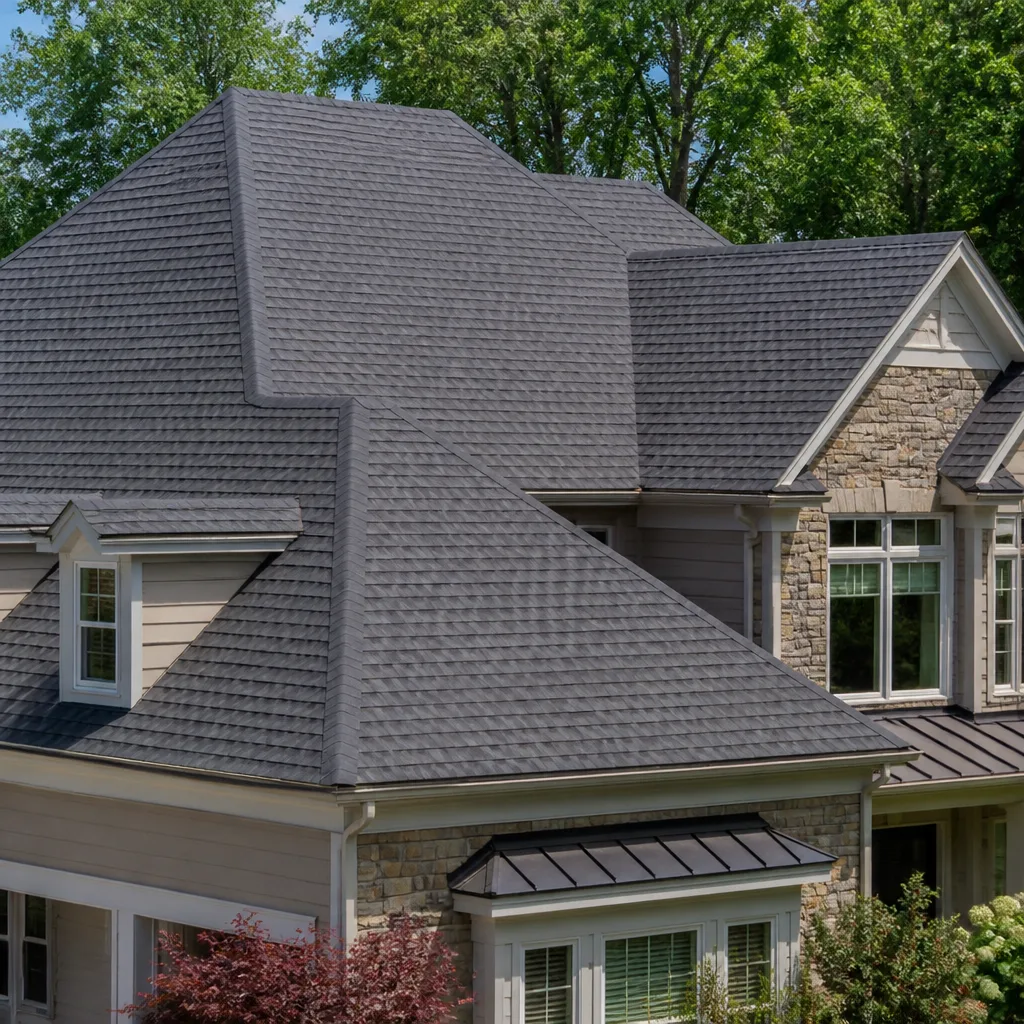
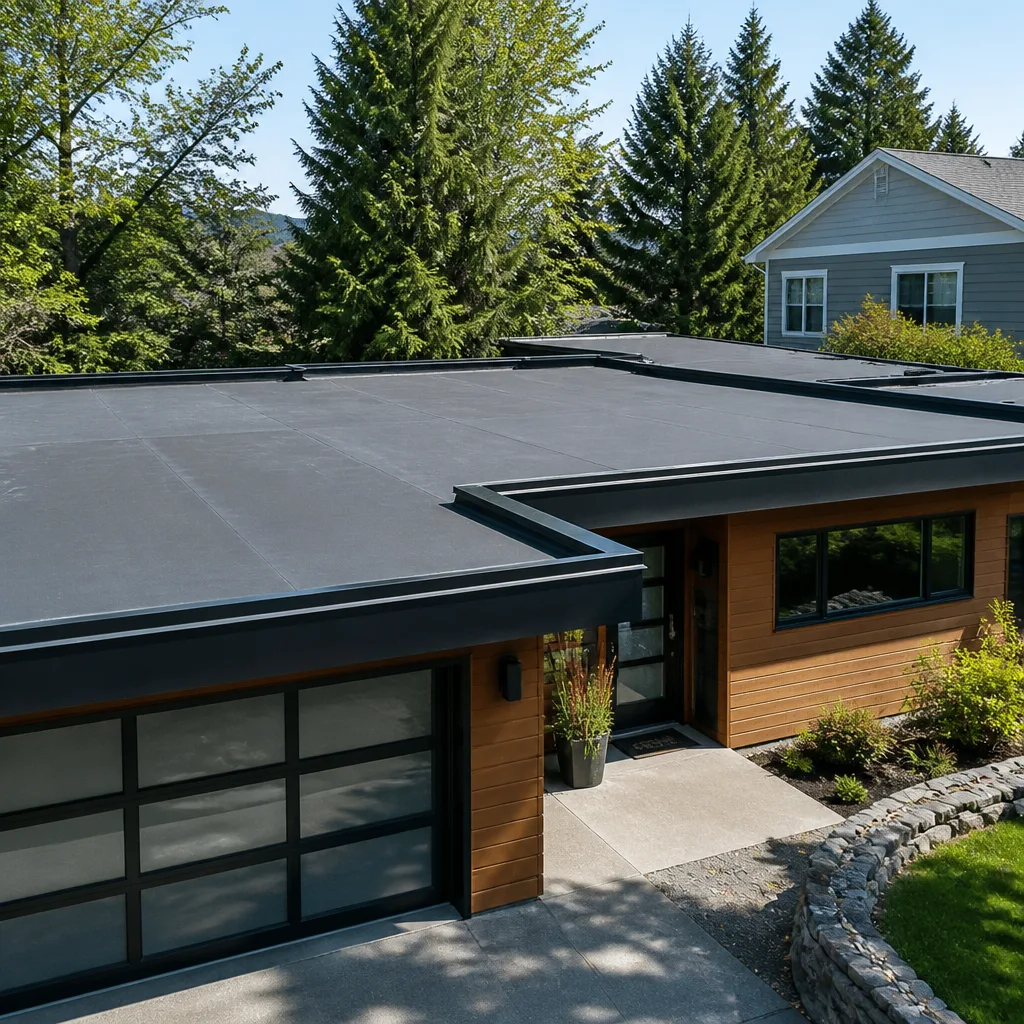
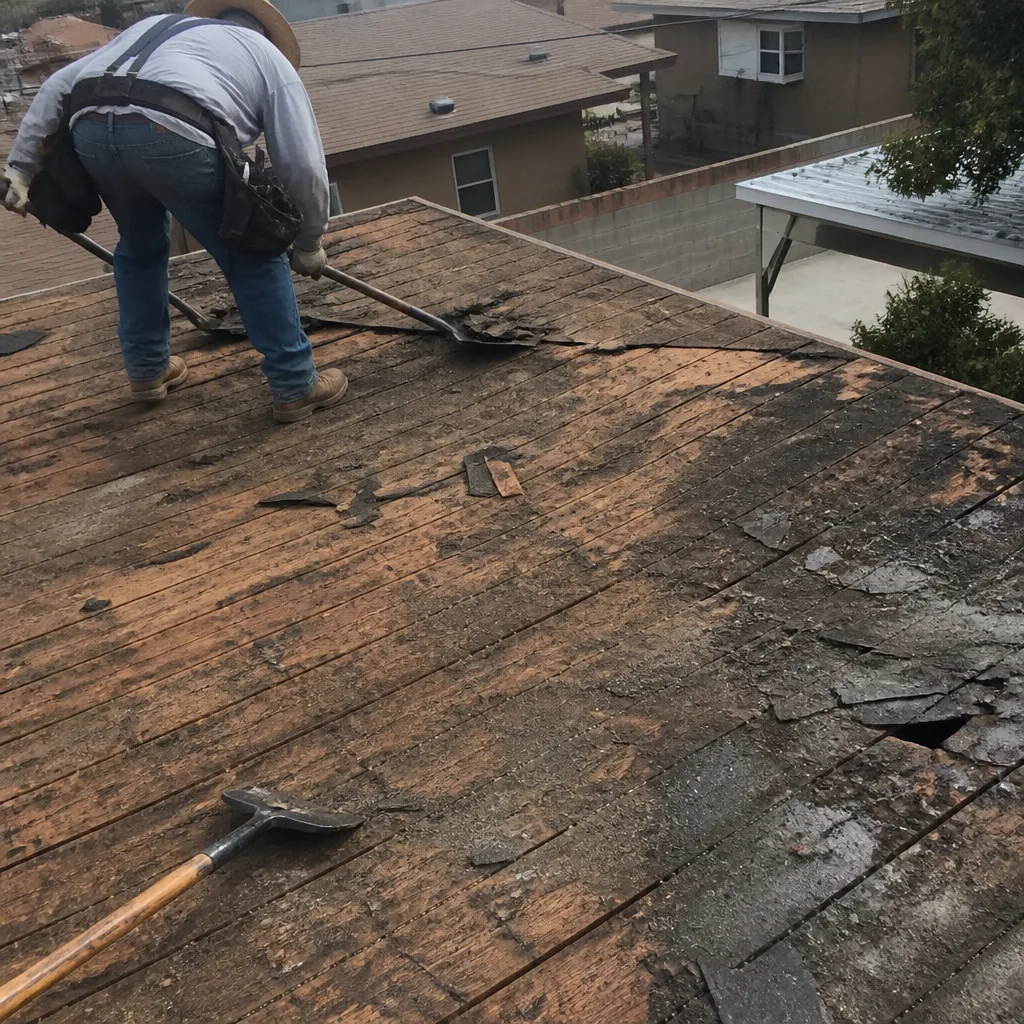 Before
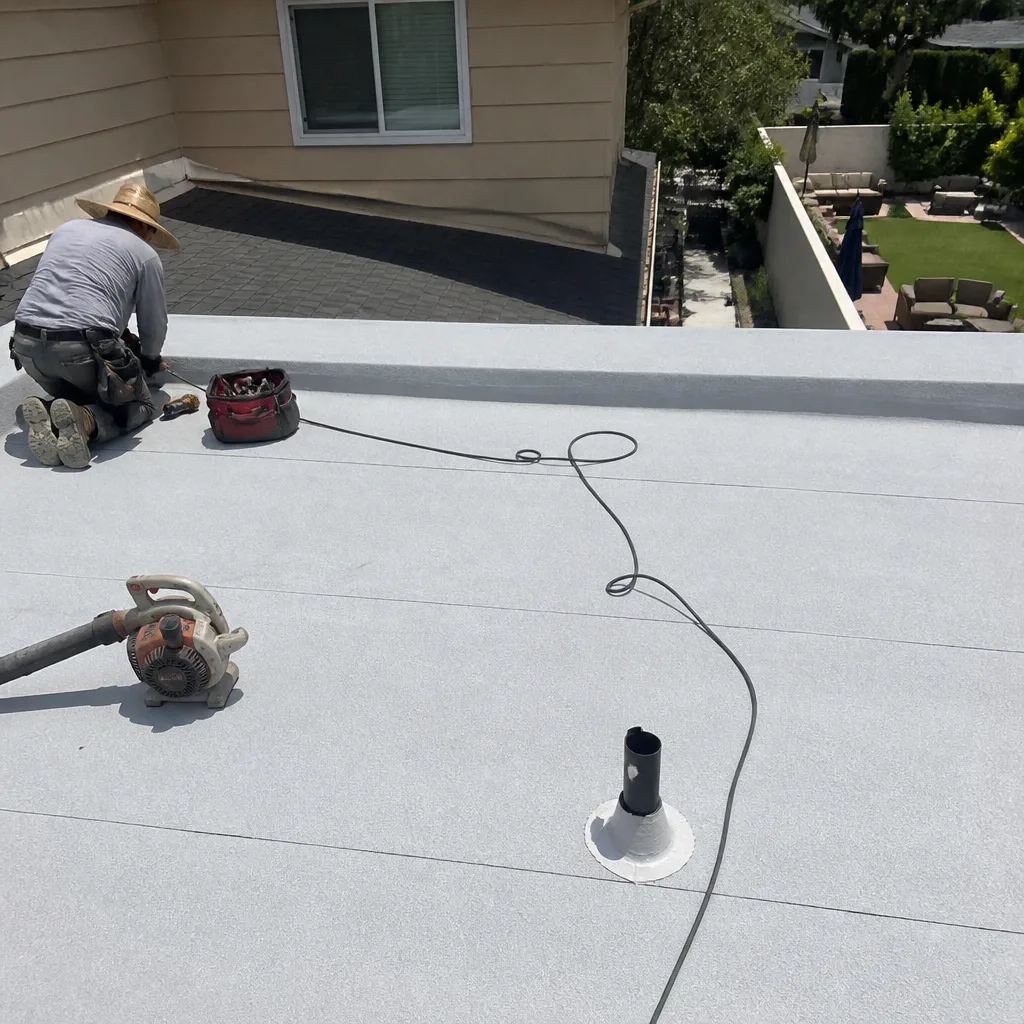 After
After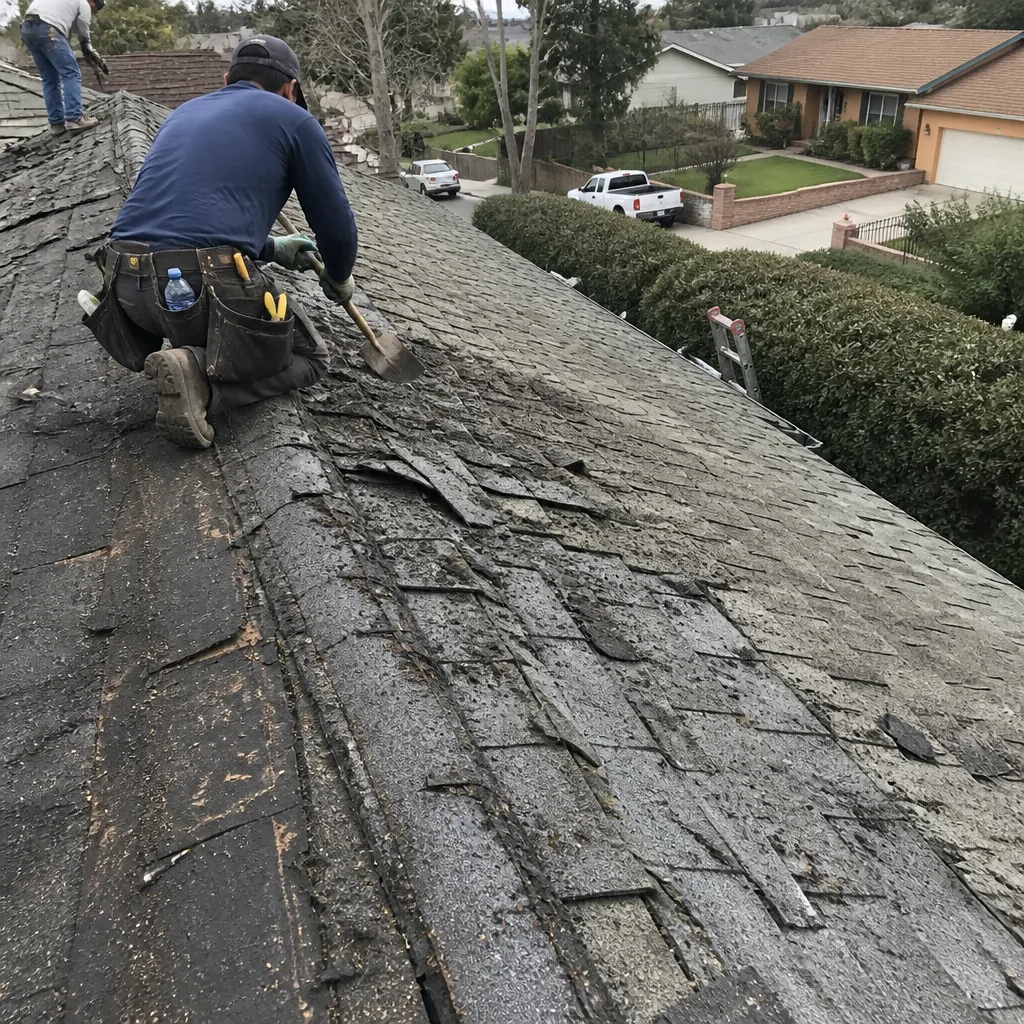 Before
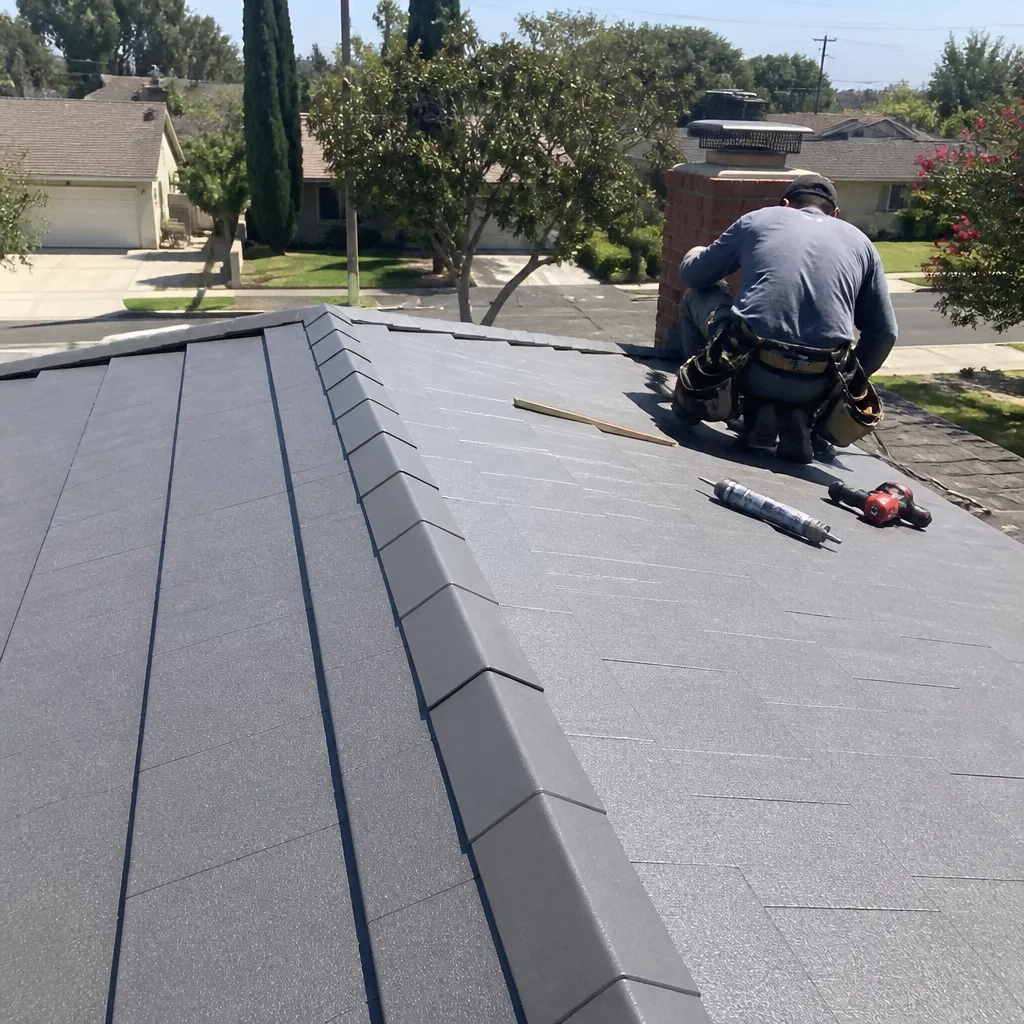 After
After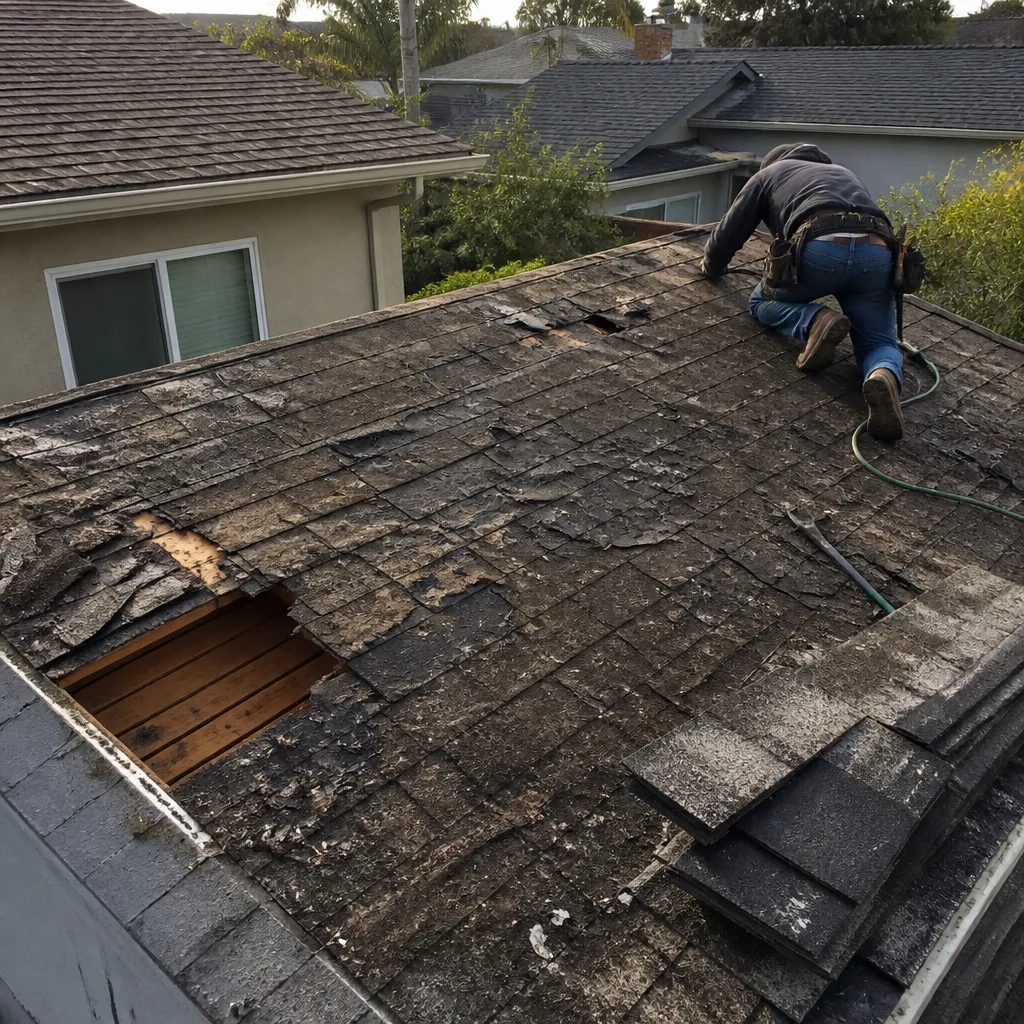 Before
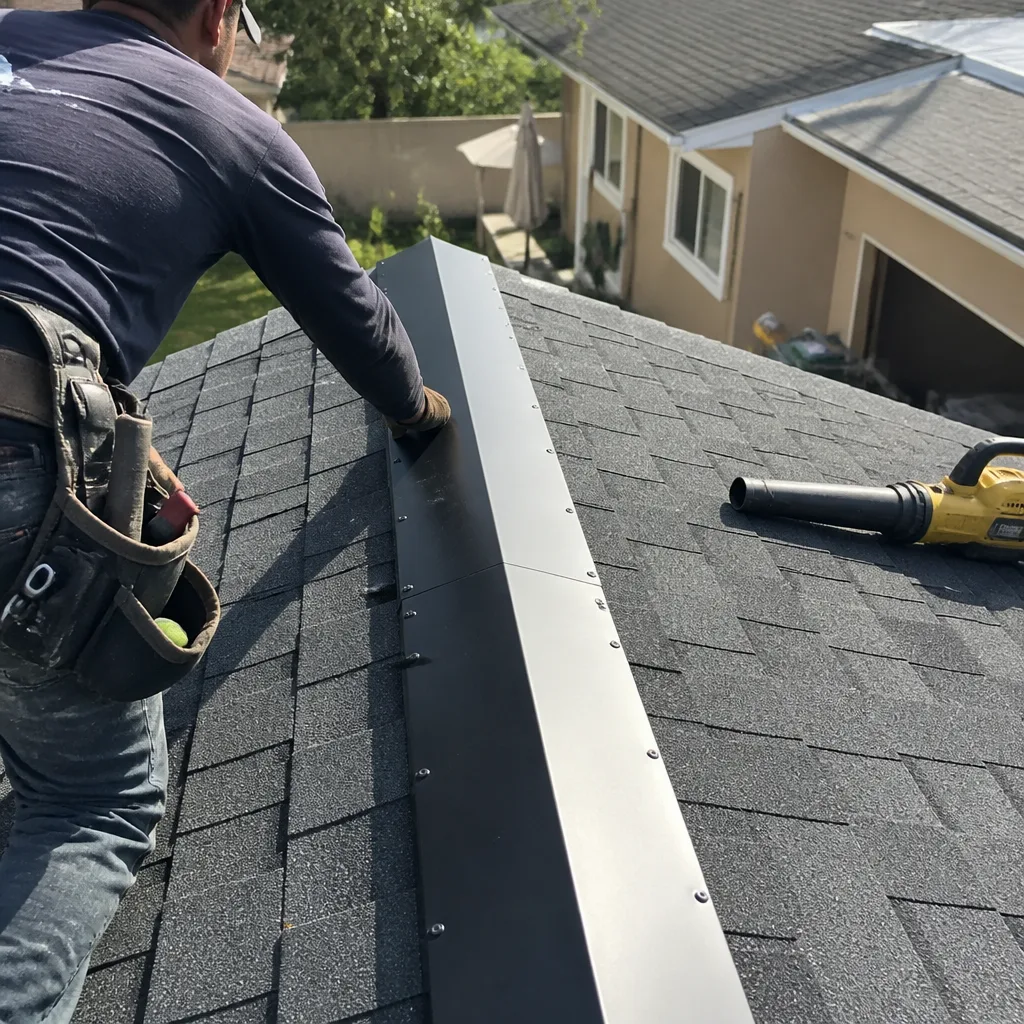 After
AfterAtlas Flashing Replacement: The Los Angeles Owner’s Guide
Atlas flashing replacement in Los Angeles typically runs $285 to $640 installed, depending on the flashing type, roof pitch, and whether we’re replacing a single section or the full perimeter. We stock Atlas-compatible flashing on our trucks, so most jobs are done in a single visit. If you’re seeing water stains on a ceiling or daylight through your roof deck, the flashing is usually the first place we look.
Most Los Angeles homeowners discover a flashing failure the same way: a brown stain on the living room ceiling after a rare winter rain, or a roofer pointing it out during an inspection. Flashing is the metal that seals the joints where your roof meets a wall, chimney, skylight, or vent pipe. When it fails, water gets in through the gap every single time it rains, and Los Angeles roofs see more stress than people expect. The sun here bakes the sealant around flashing until it cracks and separates, long before the shingles themselves wear out. We replace failed Atlas flashing more often than almost any other component on the roofs we service.
Which Atlas Models This Applies To
Atlas roofing systems use standard metal flashing profiles across their shingle lines, so if your home has Atlas Pinnacle, StormMaster, GlassMaster, or Chalet shingles, the flashing we install is the same gauge and profile the manufacturer specifies. Atlas does not sell a proprietary flashing that only works with one shingle line, which actually makes replacement easier and more affordable than some other brands. What matters is matching the flashing type: step flashing for sidewalls, counter flashing for chimneys, pipe boot flashing for vent stacks, and headwall flashing for roof-to-wall transitions at the top of a slope.
The one compatibility gotcha we see in the field is field-bent aluminum versus pre-formed galvanized steel. Older Atlas roofs installed before 2010 in Los Angeles were often flashed with thin aluminum that corrodes fast in our salt-adjacent coastal air and fails years before the shingles. We use 26-gauge galvanized steel or heavier when we replace it, because the metric matters: thin flashing is the #1 reason a “repair” fails again within two seasons. If you can see the flashing, look for a stamped gauge marking. If it’s flaking white or has pinholes, it was aluminum and it’s done.
We’re an independent Los Angeles roofing company, not affiliated with Atlas, but we install to their published specifications and warranty our work separately.
Signs Your Atlas Flashing Replacement Is Failing
- Water stains on ceilings or walls near the roofline. This is the classic symptom. Flashing fails at the seam where the roof meets a vertical surface, and gravity carries the water inside along that exact line. In Los Angeles, these stains often show up months after the actual leak, when the drywall finally wicks enough moisture to discolor.
- Visible gaps or lifted metal at the chimney or wall junction. Walk the perimeter of your home and look where the roof meets anything vertical. If the flashing has pulled away or the sealant bead is cracked and peeling, water already has a route in. The heat in the San Fernando Valley accelerates this separation faster than almost anywhere in the country.
- Granules in your gutters or downspouts. When Atlas shingles shed granules heavily near flashing junctures, it often means water has been running behind the flashing and breaking down the shingle matting underneath. It looks like a shingle problem, but it’s a flashing problem hiding underneath.
- Rust or corrosion on exposed flashing. If the metal at your chimney or sidewall is flaking rust or has pinholes, the flashing is past saving. This is especially common within 10 miles of the coast, where salt air accelerates metal breakdown year round.
- Musty smell in the attic after rain. Even when you can’t see a stain, failing flashing lets small amounts of water into the attic cavity. That damp smell after a storm is your first warning. We see this constantly in older homes in Highland Park and Echo Park, where roofs have been patched repeatedly instead of re-flashed properly.
Replacement Cost & What’s Included
In Los Angeles, Atlas flashing replacement installed runs $285 to $640 for a single section, with full-perimeter re-flashing on a typical single story home running $900 to $1,800. The range is driven by roof pitch (a 6/12 or steeper roof takes longer and requires more safety setup), access (a chimney flashing over a second-story ridge costs more than a bathroom vent pipe at the eave), and the linear footage of flashing that needs to be removed and replaced.
Every quote is a written, line-item price before we start: the flashing, the sealant, the labor, the haul-away of old material. You know the exact number before we touch your roof. We don’t do change orders unless you ask us to add scope, and the price on the paper is the price on the invoice. Every flashing replacement includes our written 365-day guarantee. If the repair fails within a year, the second visit is free.
DIY or Call Us?
Here’s the honest split. You can safely check your flashing from the ground with binoculars: look for lifted metal, cracked sealant, rust, or missing sections. That inspection costs nothing and tells you whether you have a problem. What you should not do is climb a Los Angeles roof in July, when the surface temperature hits 140 degrees, and try to peel back old flashing with a pry bar. Steep pitches, fragile old decking, and improper sealing technique are how DIY flashing repairs turn into bigger leaks than the original. We do not recommend anyone work at height without proper fall protection and experience on pitched Los Angeles roofs.
If you see the signs, call us at (743) 200-8347. We’ll send a technician who’s background-checked, wearing a clean uniform, and carrying a photo ID badge, and you’ll get his name and photo before he arrives. He’ll tell you honestly whether it’s a flashing repair or something more.
FAQs
In Los Angeles, Atlas flashing typically lasts 15 to 25 years, with coastal homes in Venice, Playa del Rey, and San Pedro on the lower end because salt air corrodes metal faster, and valley homes in Encino and Sherman Oaks on the higher end because dry heat causes less corrosion but more sealant breakdown. The sealant around the flashing fails before the metal does in most cases. Call (743) 200-8347 if your flashing is past year 15 and shows any separation.
Sometimes a small sealant failure can be re-caulked and hold for a few more years, but once the metal is corroded, lifted, or bent out of shape, patching it just delays the same leak. In Los Angeles, where the heat and sun re-crack old sealant within a season or two, we usually recommend replacement over repeated patching because the long-term cost is lower. A technician can tell you which one applies after seeing the actual flashing up close.
A typical single-section flashing replacement takes 1 to 3 hours, and most jobs are completed in one visit. We carry Atlas-compatible flashing, sealant, and fasteners on our trucks, so there’s no waiting period for parts to arrive. Larger full-perimeter re-flashing jobs can take a full day.
Yes. Our Los Angeles service trucks carry 26-gauge galvanized steel step, counter, headwall, and pipe boot flashing that meets Atlas specifications, so we’re ready to replace the failed section when we arrive. We also work with GAF, Owens Corning, and CertainTeed roofing systems, but the flashing we stock is selected to match your existing Atlas installation correctly.
If your Atlas flashing is failing, call (743) 200-8347 for a free estimate. A live person answers, 24/7. We’ll give you a written price before any work starts, and the technician who shows up will have already sent his name and photo to your phone. A roof that’s doing its job is one you never think about. Let’s keep it that way.
Written by Grant Whitlock, Owner, Mercer Roofing at Mercer Roofing, serving Los Angeles and nearby areas.