
Free roof inspection with deck photos before we talk money - GAF and Owens Corning certified installation
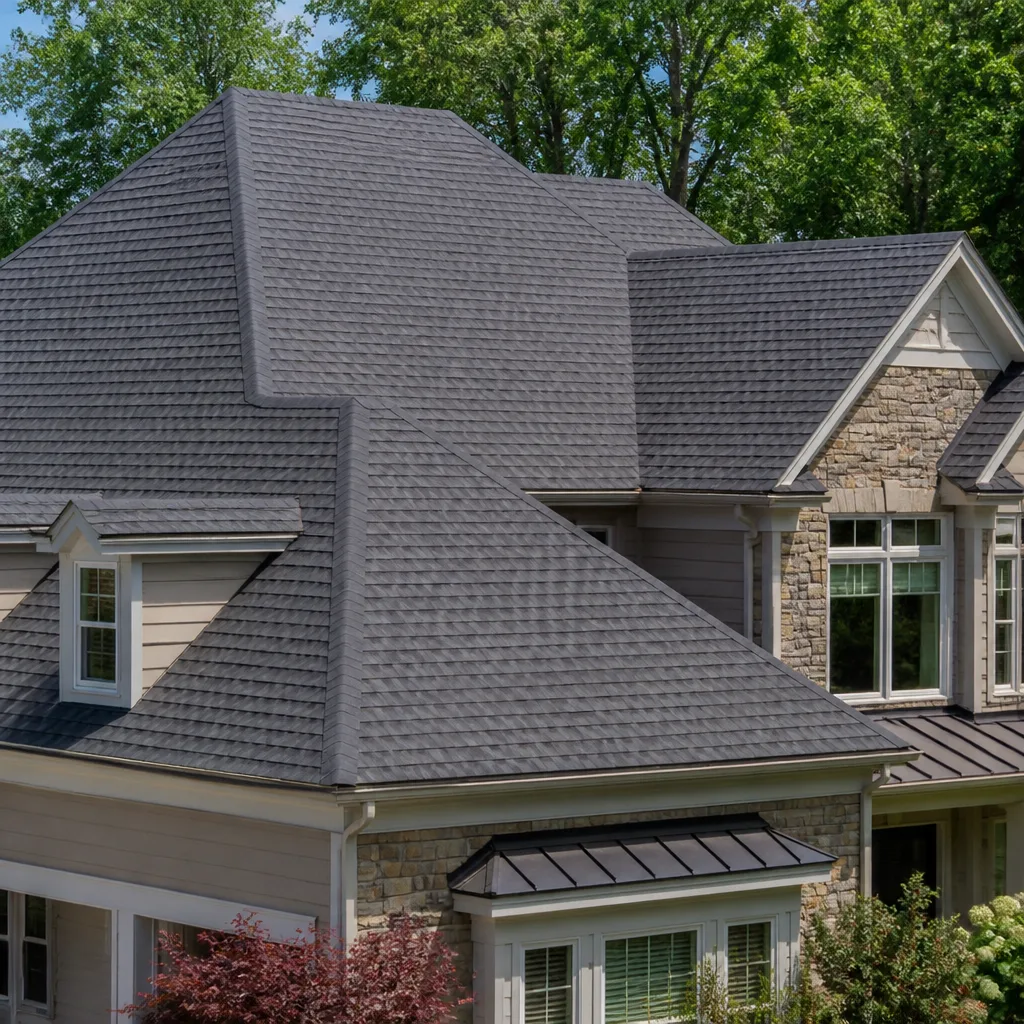
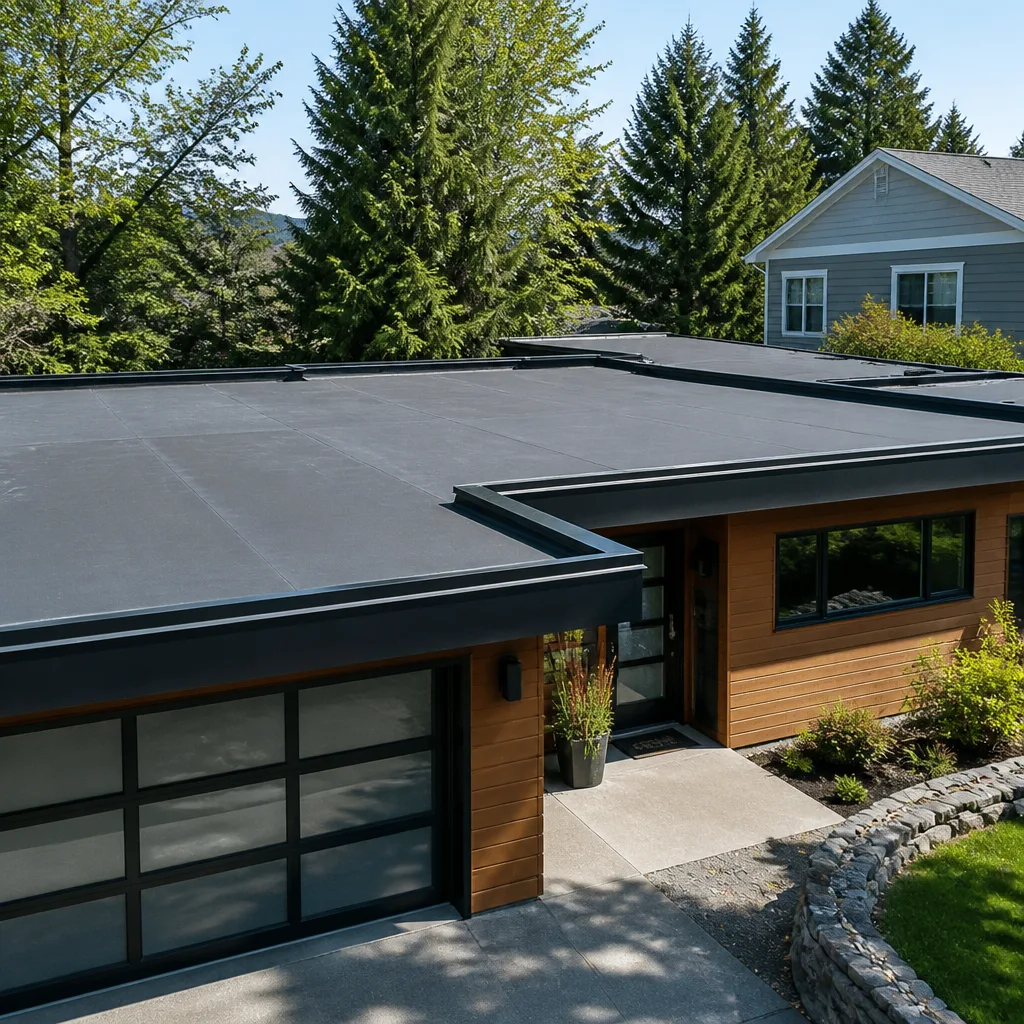
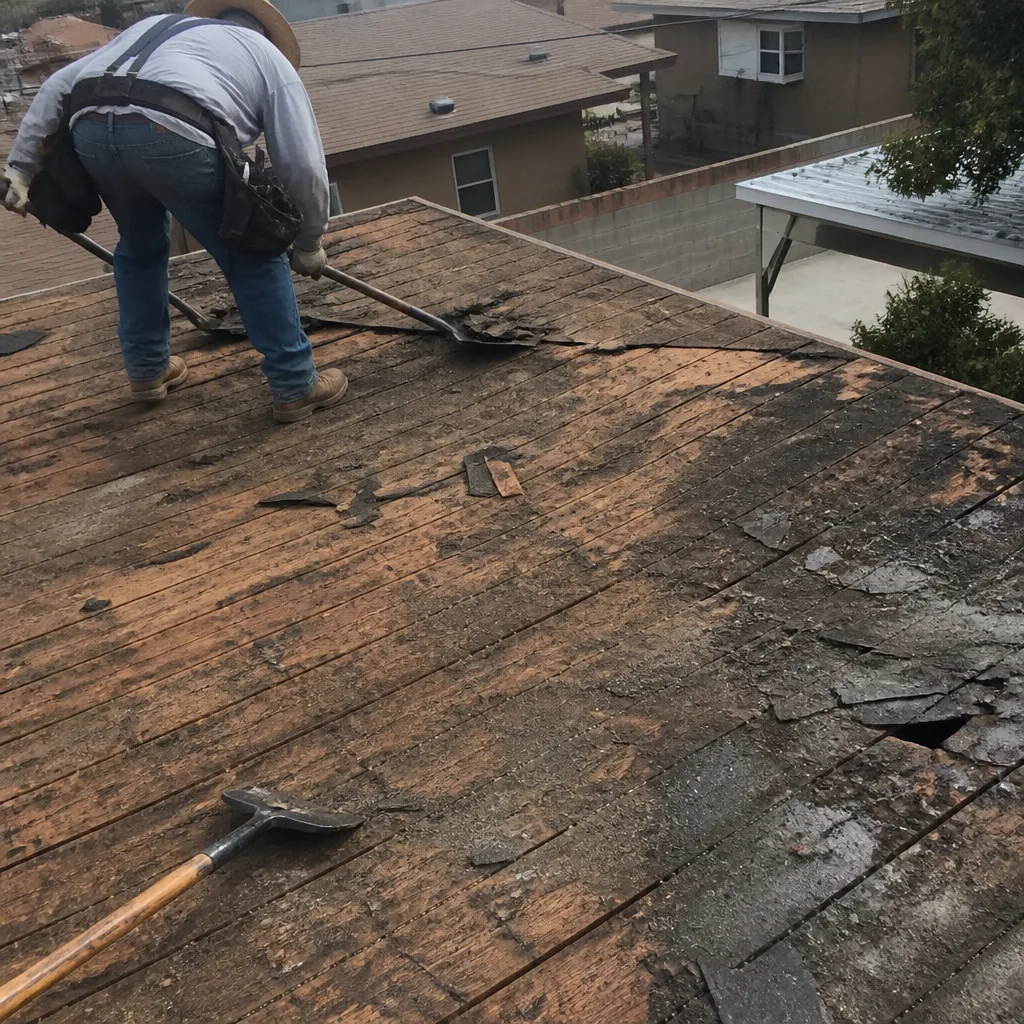 Before
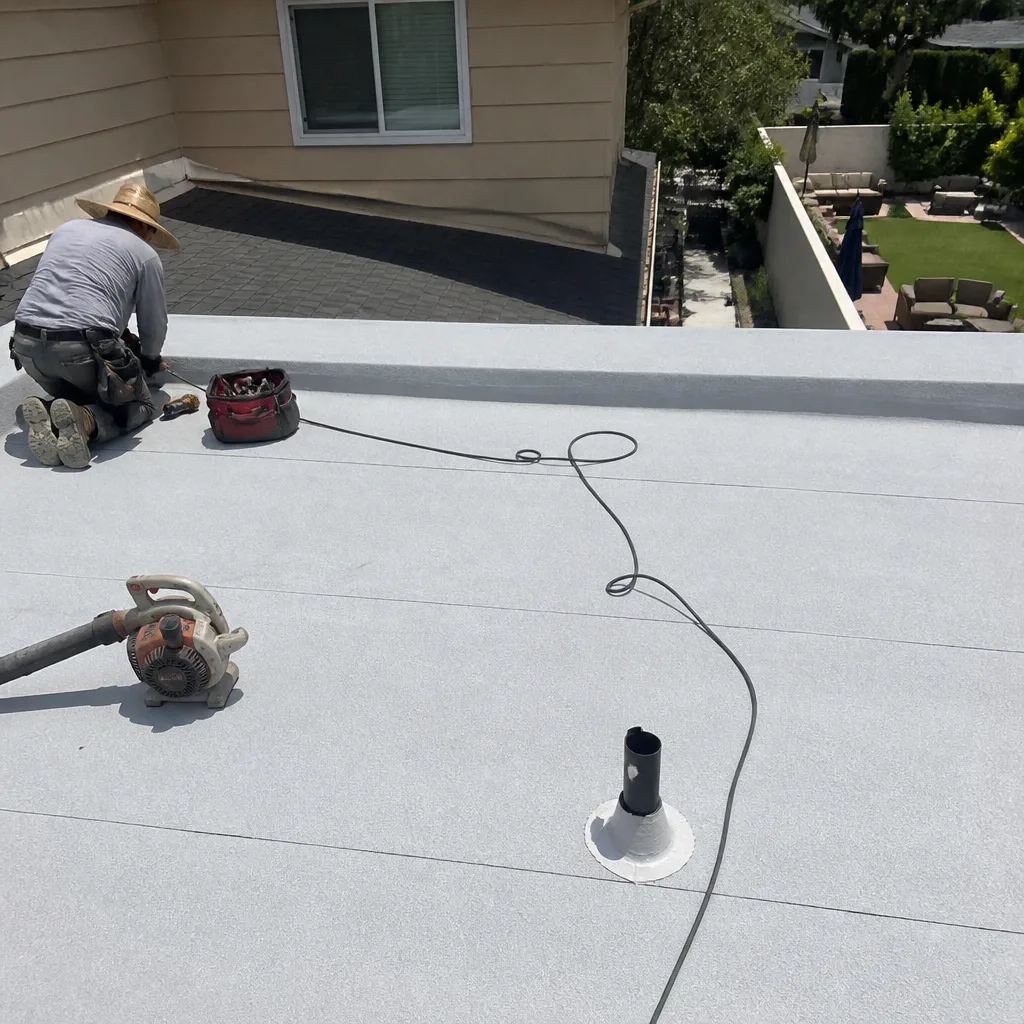 After
After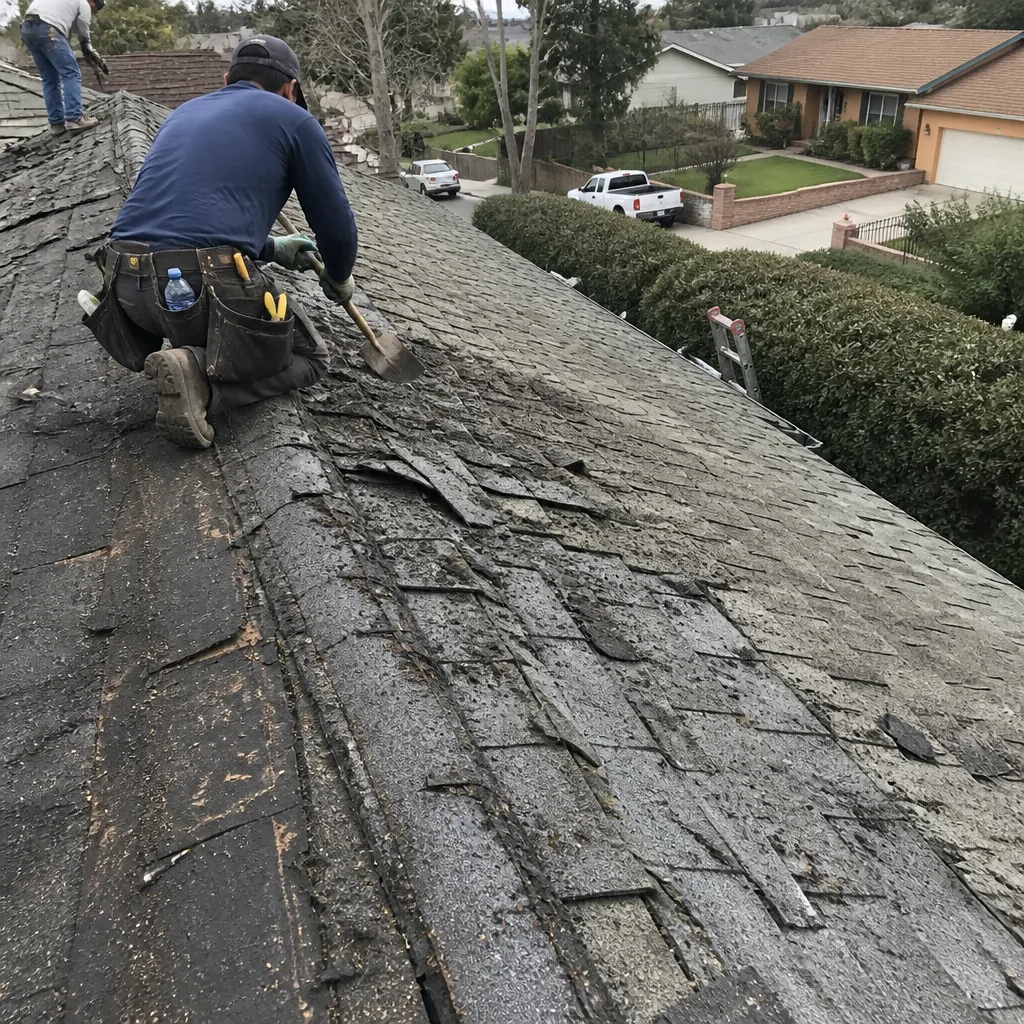 Before
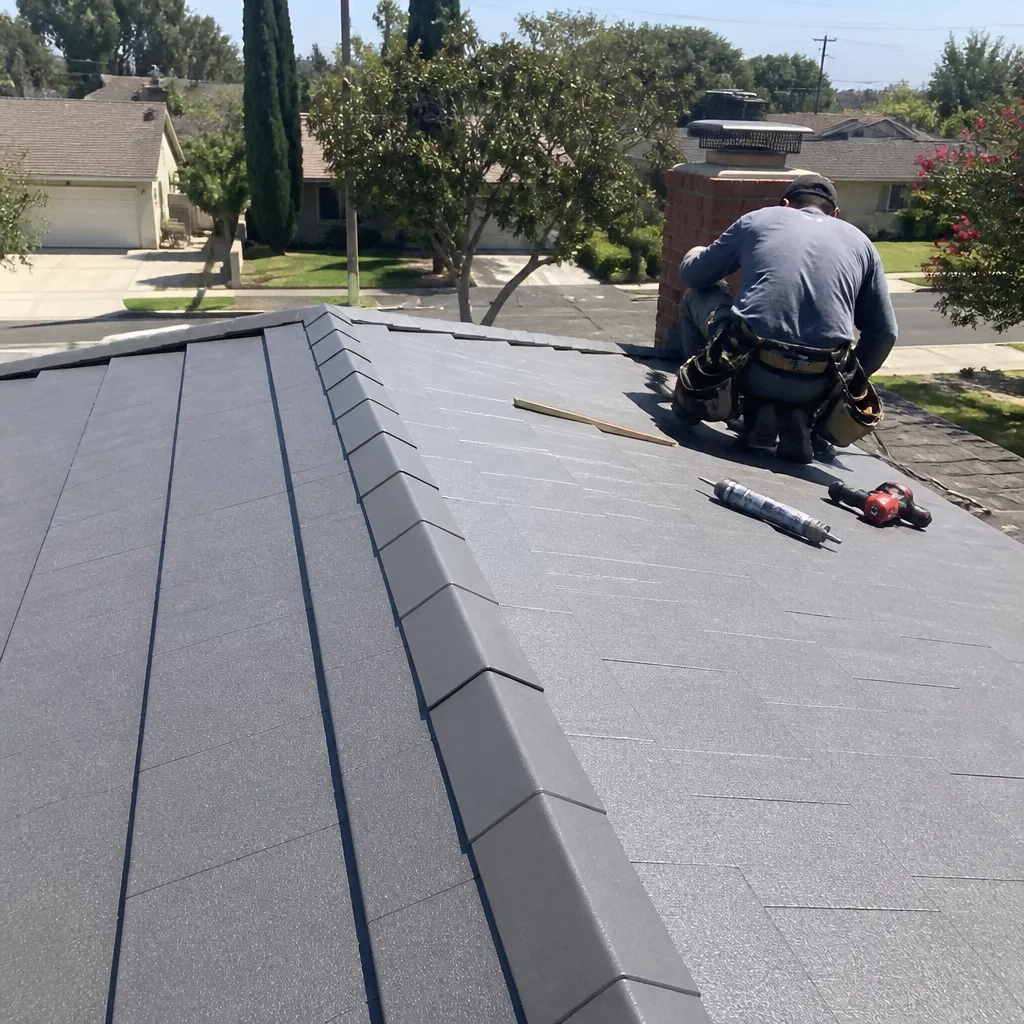 After
After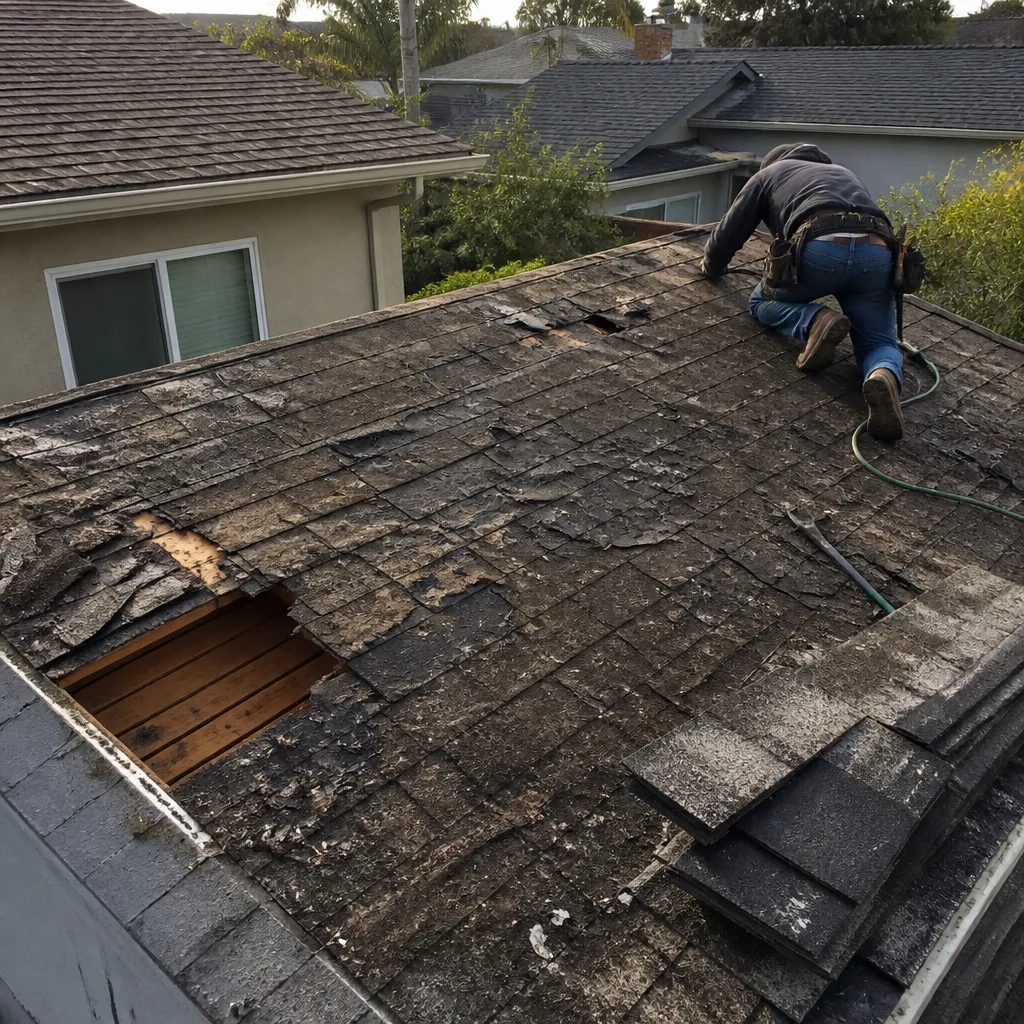 Before
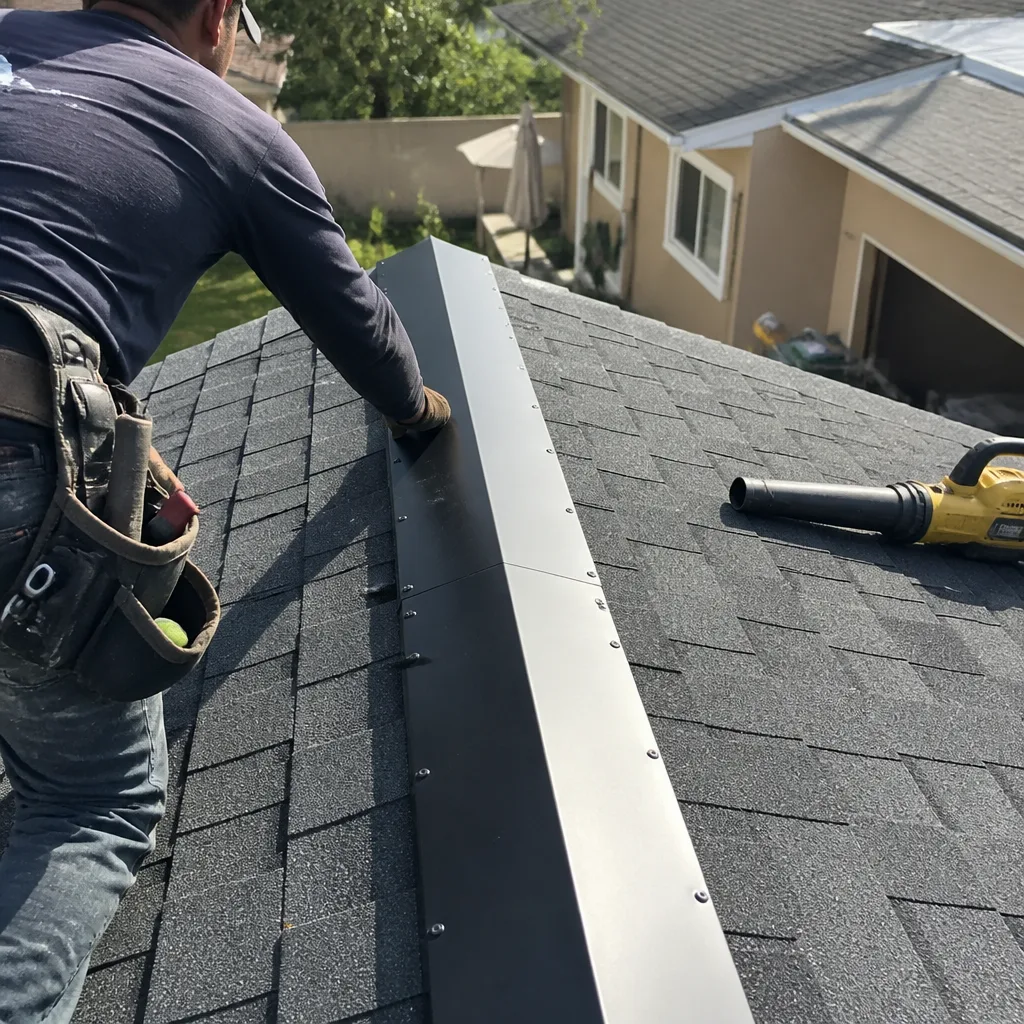 After
AfterAtlas Underlayment & Deck Repair: The Los Angeles Owner’s Guide
We stock and install Atlas-compatible underlayment and decking for Los Angeles homes, with most underlayment replacements running $850 – $2,400 installed depending on roof size and deck repair running $1,200 – $3,800 when sections need to be cut out and replaced. We carry Atlas-branded and quality-equivalent underlayment rolls on our trucks, so most jobs are done in a single visit. The way homeowners usually find us: a leak shows up on the ceiling after a heavy rain, or a roofer doing an inspection points to a soft spot in the decking and says the plywood underneath has gone bad. Sometimes the Atlas underlayment itself has torn, wrinkled, or pulled away from the edges, and the decking below has been soaking up moisture for months without anyone knowing.
Here’s what Los Angeles owners need to know before they spend a dollar on this repair: Atlas underlayment fails differently than decking, and fixing one without checking the other is how you end up paying twice. We’ll walk through both below.
- Typical installed underlayment replacement: $850 – $2,400 in Los Angeles
- Typical deck repair (partial replacement): $1,200 – $3,800 depending on how many sheets of plywood or OSB are compromised
- Most common failure point: underlayment seams and flashing edges where water works its way under the material
- What we stock on the truck: Atlas WeatherMaster and Summit underlayment, plus GAF, Owens Corning, and CertainTeed equivalents for spot repairs
- Warranty: written 365-day guarantee on every repair, included with the job
Which Atlas Models This Applies To
Atlas makes two underlayment lines we work with regularly in Los Angeles: WeatherMaster (their synthetic underlayment, sold in 4-foot and 10-foot widths depending on roof slope) and Summit (a lighter synthetic option more common on steep-slope residential roofs). Both are compatible with Atlas shingle systems, including the Pinnacle and StormMaster lines, but here’s the compatibility gotcha most homeowners never hear about: Atlas underlayment is not what fails first on most Atlas roofs. The decking underneath is. Los Angeles heat cycles bake the plywood or OSB decking until it delaminates, and by the time the underlayment shows visible damage, the deck below has usually been compromised for a while.
We also see older Los Angeles homes with Atlas felt underlayment (the original 15-lb or 30-lb felt from before synthetics took over). Those roofs are 15 to 20 years old now, and the felt has typically dried out, cracked, or pulled up at the eaves where the Santa Ana winds get under it. When we open those roofs, the decking underneath is almost always in worse shape than the homeowner expected.
On the OEM-versus-aftermarket question: Atlas underlayment is priced competitively, so for a full replacement we recommend staying with the Atlas brand to keep the manufacturer’s system warranty intact. For a spot repair where only a section of underlayment needs to be swapped in, we’ll use whichever synthetic underlayment matches the existing material’s thickness and exposure rating. We’re an independent roofing company, not an Atlas affiliate, so our recommendation is based on what holds up in Los Angeles weather, not on a sales quota.
Signs Your Atlas Underlayment & Deck Repair Is Failing
Underlayment and decking failure is not always visible from the ground. These are the symptoms Los Angeles homeowners call us about most, and what each one actually means:
- Water stain on the ceiling that grows after rain. This means water is getting past the underlayment somewhere and sitting on the decking. By the time the stain appears, the decking under that spot has been wet long enough to rot or delaminate. The leak is rarely directly above the stain; water travels along rafters before it drops.
- Soft or spongy spots if you walk the roof. This is deck rot. Plywood or OSB that has absorbed moisture loses structural integrity. We see this most often around roof penetrations like vents, pipes, and chimneys where flashing has failed and let water run under the underlayment.
- Underlayment that’s wrinkled, torn, or pulling away at the edges. Synthetic underlayment should lie flat. Heat cycling from Los Angeles summers causes expansion and contraction, and if the fasteners weren’t spaced right on the original install, the material will ripple and expose the decking underneath at the seams.
- Granules from the shingles piling up in gutters every year. This tells you the shingles are worn, and worn shingles put more water pressure on the underlayment. When an Atlas roof loses its granular surface, the underlayment becomes the only waterproof layer left, and synthetics were never designed to handle that much UV exposure.
- Visible sagging between rafters when you look from the attic. That sag is the decking losing its ability to span between supports. On older Los Angeles homes with 3/8-inch plywood originally installed in the 1970s and 1980s, this is common, and it needs to be addressed before a full re-roof goes on top.
Replacement Cost & What’s Included
Because two different parts can be failing here, we give separate prices so you know exactly what you are paying for. Underlayment replacement on a typical 1,500-square-foot Los Angeles roof runs $850 – $2,400 installed, including tearing off the old material, inspecting the decking underneath, and installing new synthetic underlayment before the shingles go back on. If decking needs to be replaced, we charge $95 – $145 per sheet of plywood or OSB installed, and most repairs involve 2 to 8 sheets. A full deck replacement on a large roof can push past $5,000, but that is the exception rather than the rule.
What drives the price? Roof slope and access are the big ones. A single-story ranch in the San Fernando Valley with a 4:12 pitch is straightforward. A two-story home in Silver Lake with a 6:12 pitch and a wall on one side means more setup time, more safety equipment, and more labor hours. We also factor in whether the existing shingles can be re-used or need to be replaced, which is almost always the case if they’re older than 15 years.
Every quote from Mercer Roofing is a written, line-item price before any work starts. No change orders. No surprises. And every repair carries our 365-Day Done Right Promise: if the underlayment or decking repair fails within a year, we come back and make it right, free of charge.
DIY or Call Us?
Underlayment and decking repairs are not dangerous in the same way a high-tension garage spring or live electrical panel is dangerous. But they are dangerous in a different way: you will be on a roof, often a steep one, working with tools and materials that shift underfoot. We have seen the results of do-it-yourself roof work in Los Angeles – a homeowner in Burbank who slipped on loose granules and a homeowner in Long Beach who stepped on a soft deck section and put a foot through the ceiling below. A 50-foot fall is a 50-foot fall, even if the work itself is not inherently technical.
What you can safely check from the ground or the attic: look for water stains on the ceiling, look for sagging between rafters in the attic, check the gutters for excessive granules. That’s good information to have when you call us. What you shouldn’t do is pull up shingles yourself to “take a look.” Once the underlayment is exposed and you don’t get it sealed back properly, you have created a leak that didn’t exist before. If you see the signs above, call (743) 200-8347 and one of our technicians will do the inspection for you. The estimate is free.
FAQs
Atlas synthetic underlayment is rated for 30+ years as a secondary water barrier, but in Los Angeles the realistic lifespan before you’ll need to think about it again is 15-20 years, because our heat cycles and UV exposure wear down the shingles above it and transfer more moisture stress to the underlayment. Most local roofs show meaningful weathering by year 15, and when the shingles go, the underlayment is typically replaced at the same time. Call (743) 200-8347 for an inspection if your roof is in that age range.
Decking is almost always a spot repair: we cut out the damaged sheets and replace them individually, and there’s no need to replace the whole roof deck. Underlayment can be spot-repaired if the damage is contained to a small area, but if it’s wrinkled or torn across multiple sections, we recommend a full underlayment replacement while the shingles are off. The cost difference widens with the size of the damaged area, and we’ll give you a straight answer once we see it. Estimates are free.
Most underlayment replacements and deck repairs in Los Angeles are done in one to two days, depending on the size of the affected area and whether shingles need to be replaced at the same time. We typically do the tear-off, deck inspection, deck repair, and underlayment install on day one, then re-shingle on day two if the scope calls for it. We’ll give you a firm timeline in the written quote before work begins.
We stock Atlas WeatherMaster and Summit synthetic underlayment on our trucks, plus GAF, Owens Corning, and CertainTeed equivalents for spot repairs where matching the existing material matters. We also carry replacement plywood and OSB decking in standard thicknesses. That means most calls become a same-visit repair. Call (743) 200-8347 to confirm we have the specific material for your job.
Contact: If your Atlas underlayment is showing signs of failure or you suspect the decking underneath has gone soft, call Mercer Roofing at (743) 200-8347. A live person answers, 24/7. We’ll send a background-checked, photo-badged technician – you’ll get their name and photo before they arrive – and you’ll have a written price in hand before any work starts. Grant Whitlock has been reading roofs across the Los Angeles basin for going on two decades now, and he’ll tell you honestly if a repair is all you need. A roof that’s doing its job is one you never think about. Let’s keep it that way.
Written by Grant Whitlock, Owner, Mercer Roofing at Mercer Roofing, serving Los Angeles and nearby areas.