
Free roof inspection with deck photos before we talk money - GAF and Owens Corning certified installation
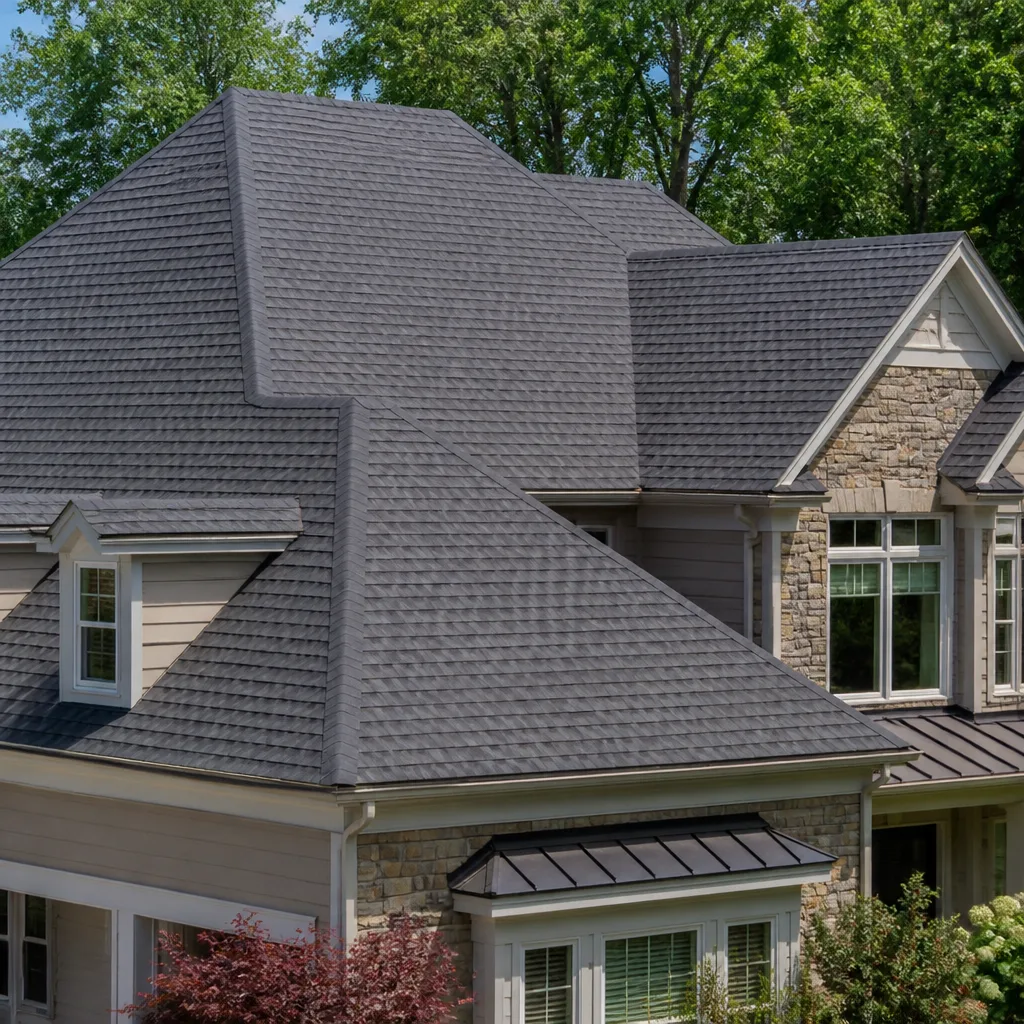
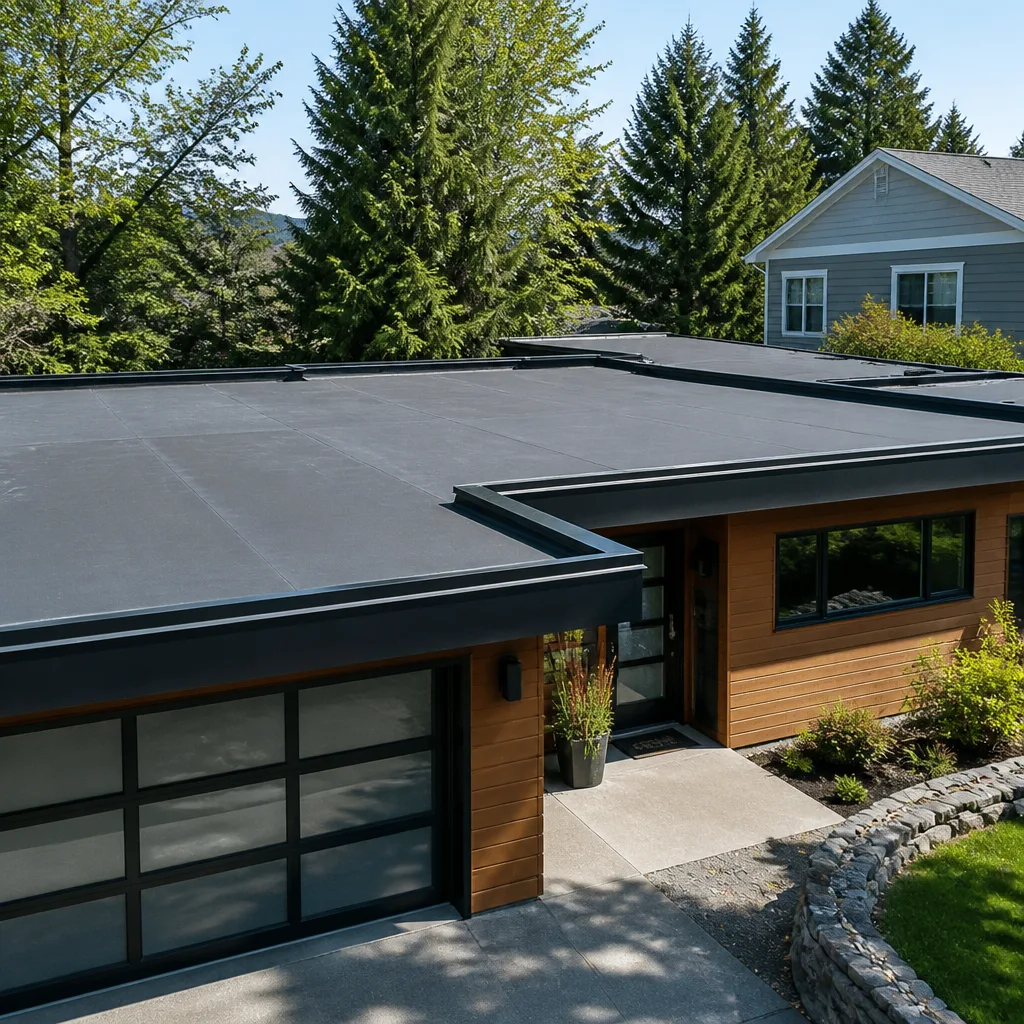
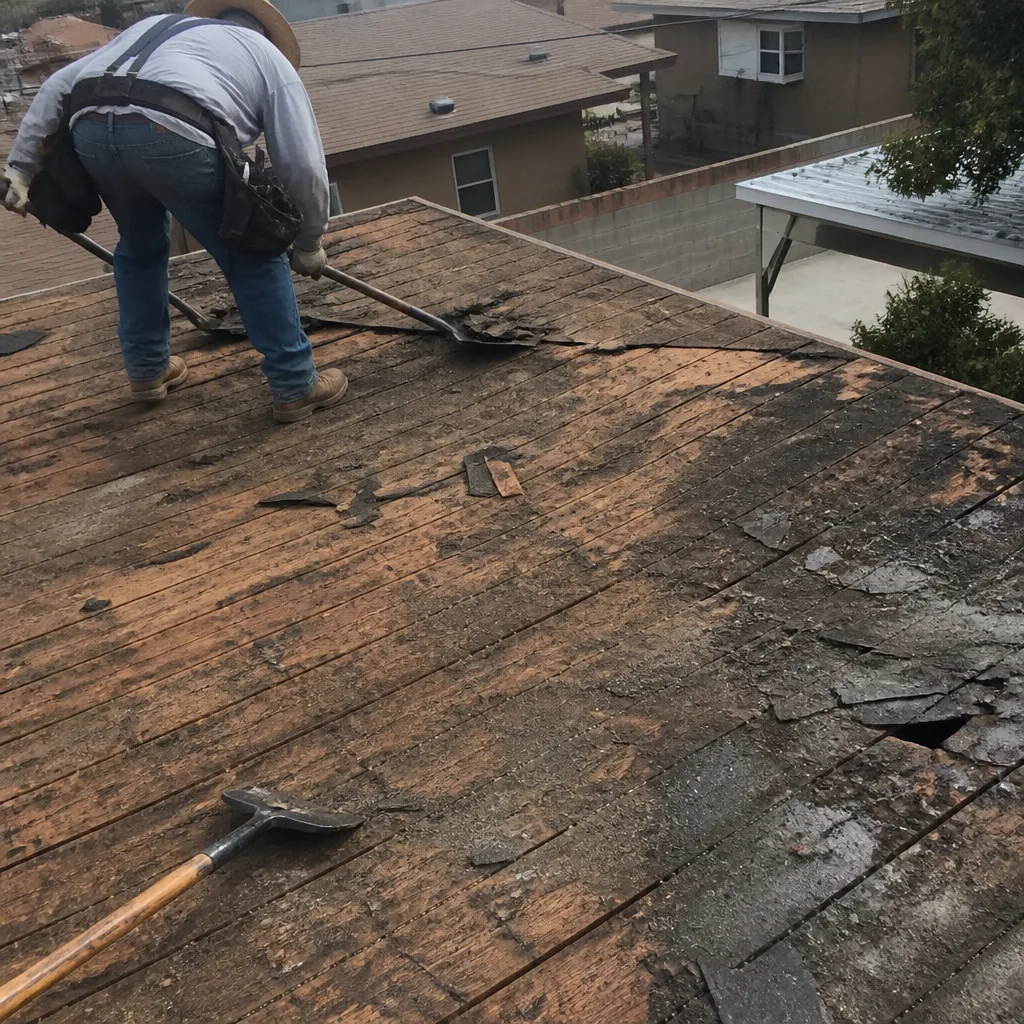 Before
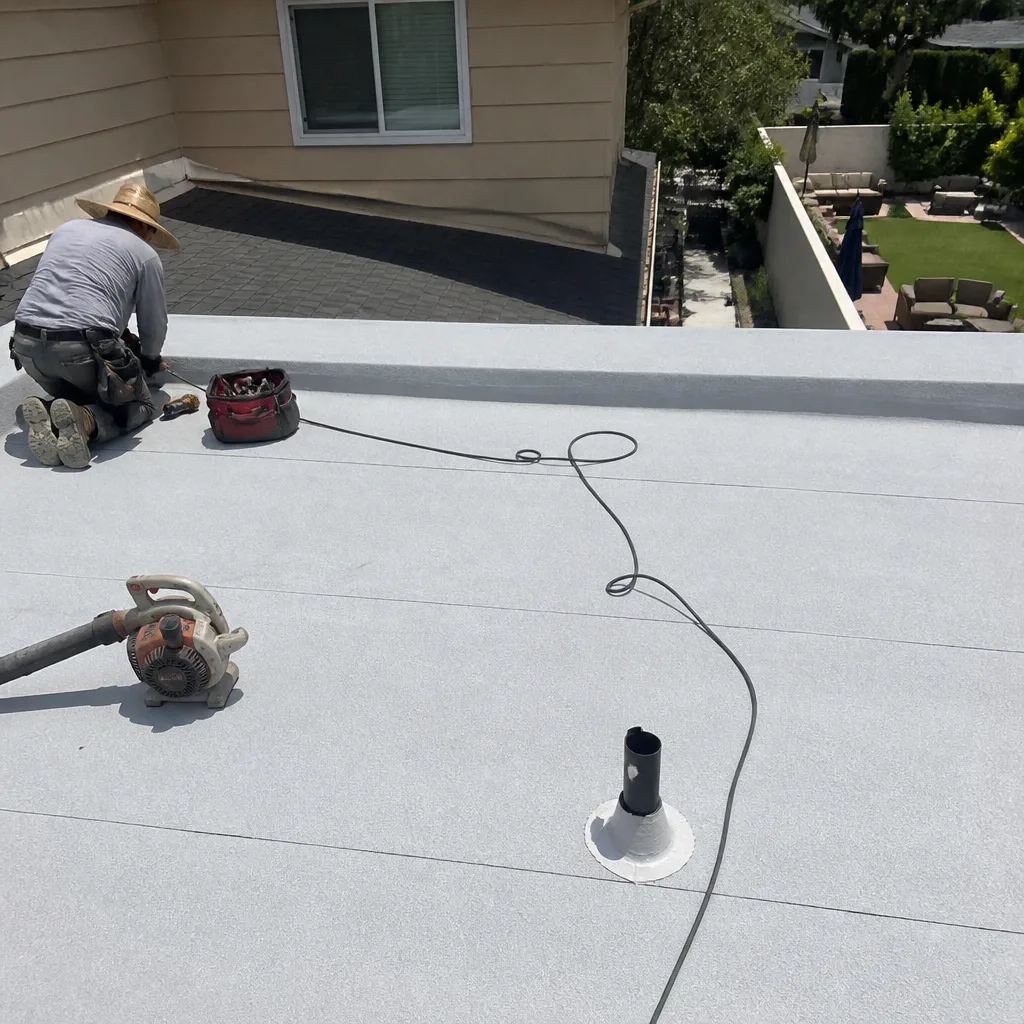 After
After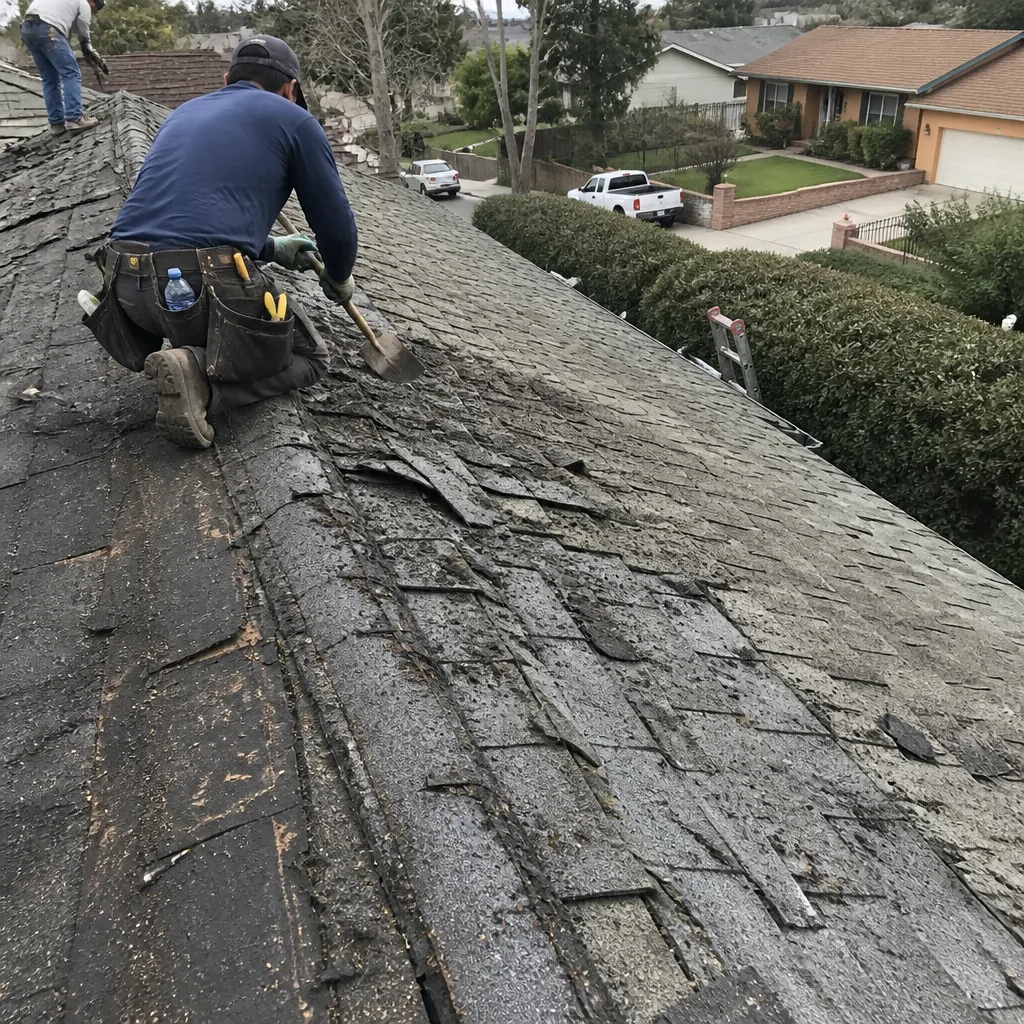 Before
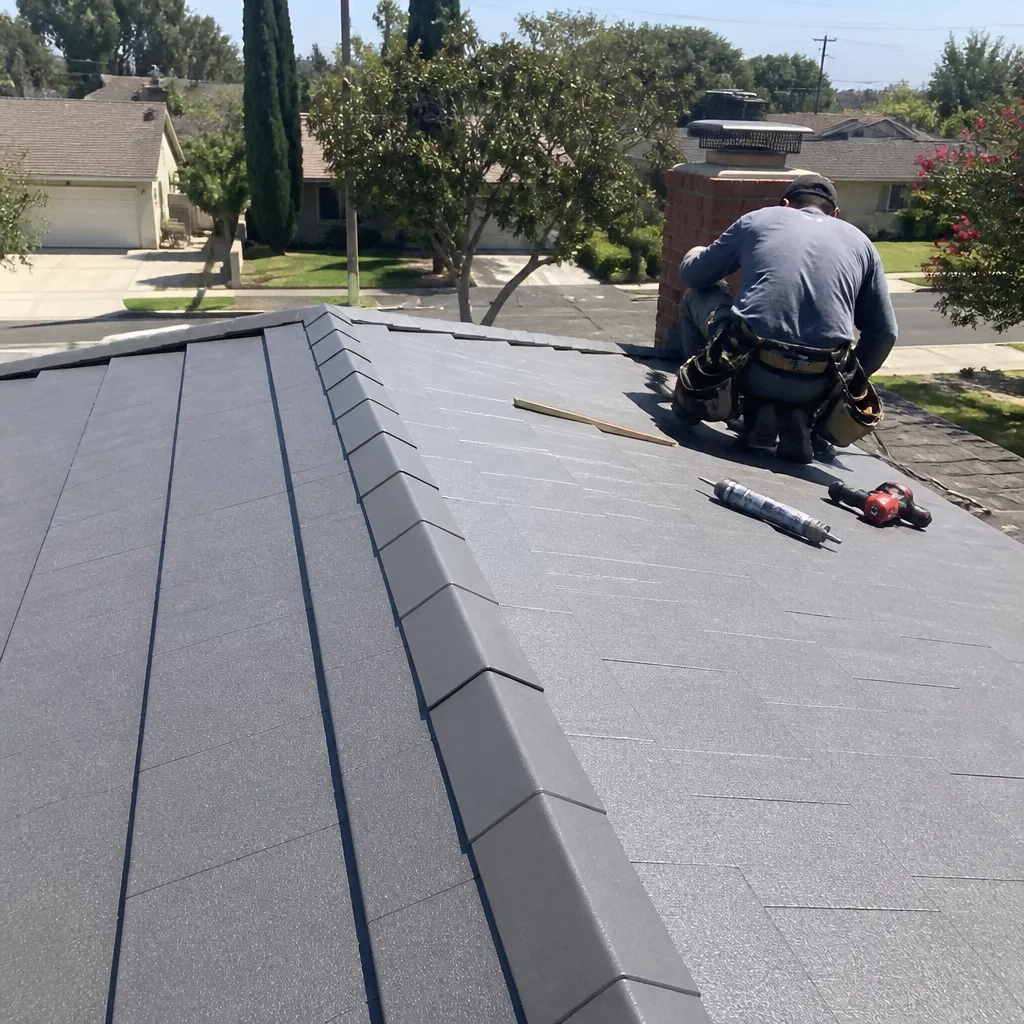 After
After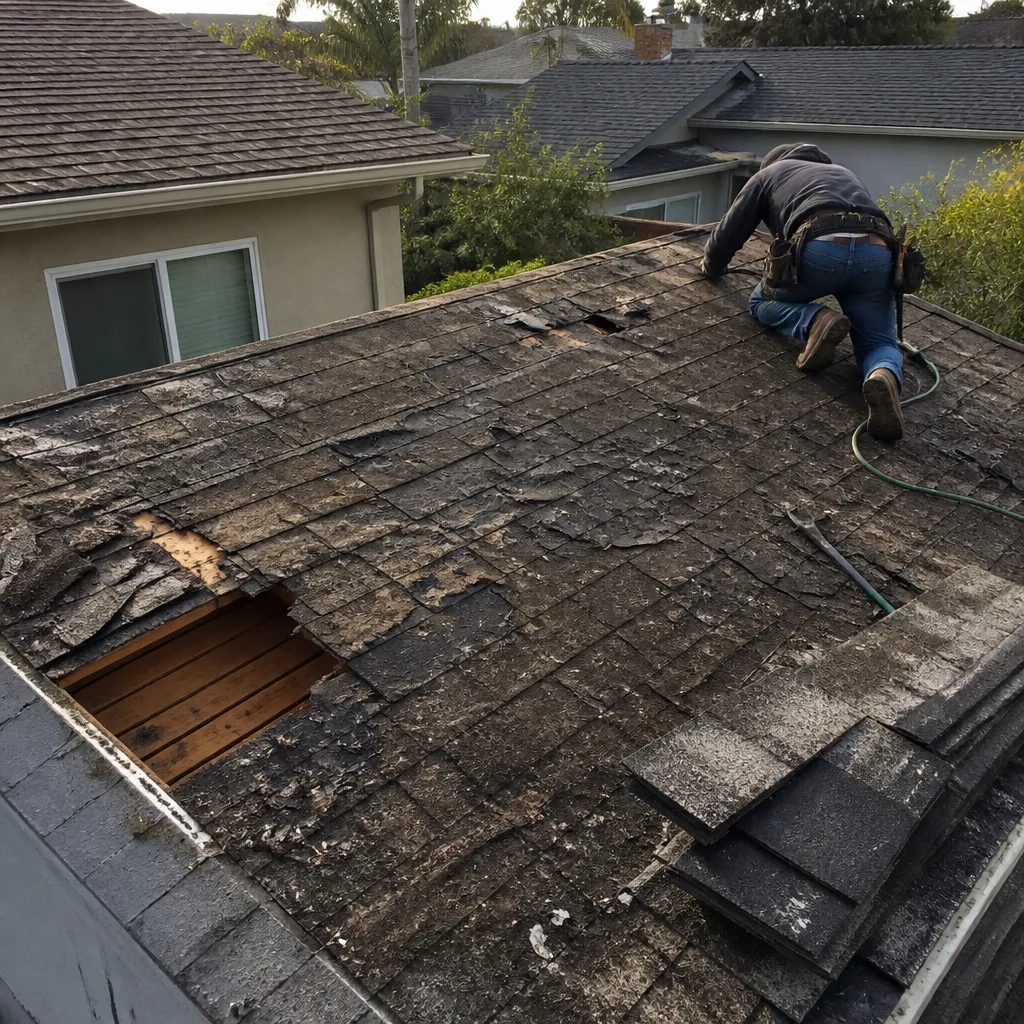 Before
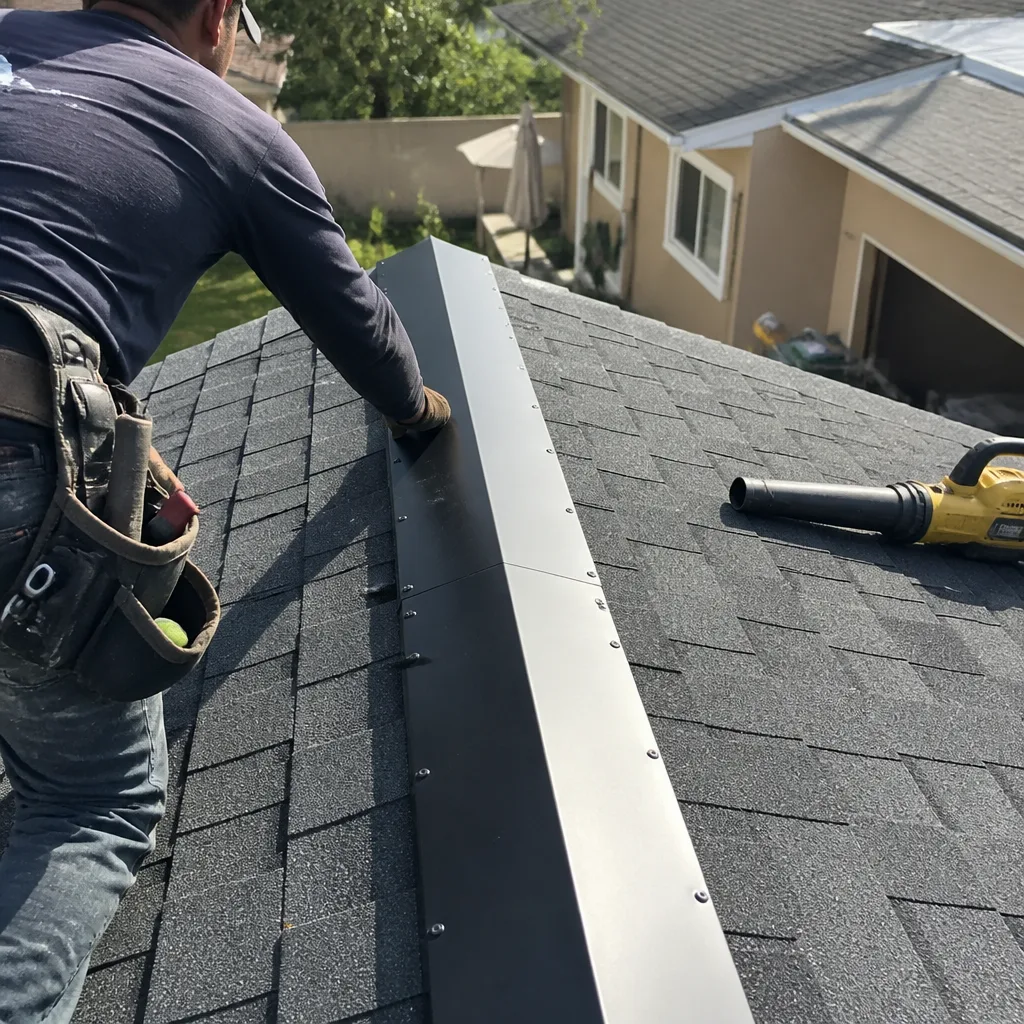 After
AfterAtlas Roof Installation in Los Angeles: What to Know First
Atlas roof installation in Los Angeles typically costs between $8,500 and $16,000 for a complete tear-off and replacement on a standard single-family home, with most projects running five to seven working days once materials land. We’re an independent Atlas service provider, which means we install Atlas shingles without any corporate tie to the manufacturer, and we give every homeowner a written price before the first square of old roofing comes off. If you own a home with Atlas roofing and you’re wondering whether it’s time to replace it, or if you have a roofer telling you Atlas shingles failed and you’d like a second opinion, this page is for you. Call (743) 200-8347 and a real person answers, any hour.
What Makes Atlas Shingles Different on a Los Angeles Roof
Before you think about replacing an Atlas roof, it helps to understand what Atlas builds into their shingles and how that material behaves under Los Angeles sun. Atlas is known for advancements in shingle manufacturing that directly impact how a roof performs in our climate, and that affects installation decisions more than most homeowners realize.
Atlas shingles incorporate something called 3M Scotchlite reflective granules in many of their lines. Those granules aren’t decorative; they’re engineered to reflect a portion of the sun’s infrared radiation away from the roof deck. In Los Angeles, where summer temperatures push attic spaces past 140 degrees, that reflective property matters. It means an Atlas roof, installed correctly, can hold up under heat that causes other shingle brands to soften, curl, or lose granule adhesion years sooner. When we install Atlas products, we pay close attention to which side of the roof faces south and west, because that’s where the reflective granules do their hardest work.
There’s a second factor most Los Angeles homeowners never hear about, and it’s specific to how Atlas shingles seal. Atlas uses a proprietary sealant strip they call “FastLoc” on several of their lines. On a cool coastal morning in Playa del Rey or a windy ridge in Porter Ranch, that sealant strip needs heat to activate and bond the shingle tabs together. If shingles are installed during a colder stretch, or if the installer doesn’t press them down properly, the tabs never fully bond. Wind gets under them, and you end up with shingles flapping like loose pages in a book. Our crews know to watch for this on Atlas roofs that were installed in the winter months.
How Atlas Products Fail – and How We Fix Them
- Pinnacle Pristine granule loss along south-facing slopes. The Pinnacle Pristine line uses a heavier granule layer than many competitors, but on steep Los Angeles slopes facing the San Fernando Valley heat, we regularly see granule erosion that exposes the asphalt layer beneath. The cause is often UV breakdown plus poor attic ventilation trapping heat against the deck. Our fix is to inspect the ventilation before we touch a shingle. If the deck is baking from below, new shingles will fail the same way. We correct the airflow, then replace the affected slopes, not the whole roof, when the damage is isolated.
- StormMaster Shake tabs not sealing after winter installation. The StormMaster line is a heavier, thicker shingle designed to resemble hand-split shake. The weight is an asset in wind, but it also means the FastLoc sealant needs more sustained heat to bond the tabs to the course below. Homeowners who had StormMaster installed between November and February sometimes notice tabs lifting along the ridgeline by March. We see it most in the hillside neighborhoods like Mount Washington and Baldwin Hills, where wind funnels through canyons and catches any unsealed tab. The fix is hand-sealing the affected tabs with a manufacturer-compatible adhesive, done in the right temperature window.
- Glassmaster granule transfer onto gutter runs and walkways. Glassmaster is Atlas’s entry-level three-tab line, and in Los Angeles it shows a particular wear pattern: the granules loosen and wash down into gutters or collect on walkways after the first heavy rain season. That’s not a shingle defect; it’s the natural result of a lighter granule embedment paired with our hard rain bursts. The granules that come off expose the asphalt. The fix is a full replacement of the Glassmaster roof when granule loss exceeds the point where the shingle can protect itself. We tell homeowners honestly when that point has arrived.
- Chalet shingle cupping on low-slope sections of Los Angeles ranch homes. Chalet is an Atlas architectural shingle with a distinct shadow line, and we see it fail in a specific way on older Los Angeles ranch houses with low-pitched roof sections. The shingle cups upward at the edges, usually across the middle of the roof where runoff concentrates. The cause is moisture absorbed through worn asphalt, combined with decades of thermal cycling. The fix requires inspecting the deck below for rot before any re-roof. In many cases the deck sheathing is still sound, and we can go right over it with a new Atlas architectural line if the homeowner wants to stay with the brand.
- AC Foam underlayment deterioration beneath Atlas shingles on flat-roof additions. Many Los Angeles homes built between 1950 and 1980 have flat-roof additions or carports that were originally completed with Atlas shingles over what roofers call AC foam, a lightweight insulating underlayment common in Southern California. After enough years, the foam breaks down, the shingles lose their base, and water finds its way to seams around the transition between flat and pitched sections. The proper fix is removing everything down to the framing, replacing the underlayment with a modern appropriate material, and reinstalling Atlas shingles only on the pitched sections. On the flat sections, we recommend a roofing system designed to hold standing water, which Atlas shingles are not.
Our Atlas Roof Installation Process
- 1
We show up when we say we will. Before the crew arrives, you get the name and photo of every technician scheduled for the job. When they knock, they’re in a clean, marked Mercer Roofing uniform with a photo ID badge, and they’ll introduce themselves by name before anyone steps onto the driveway.
- 2
We read the roof, not just the shingles. Grant Whitlock’s training at Los Angeles Trade-Technical College taught him to look at a roof as a system: decking, ventilation, flashing, underlayment, and shingles all working together. Before we recommend a single square of Atlas, we’re in the attic looking for heat damage, checking soffit vents from below, and mapping where water moves across the roof’s surface.
- 3
We decide OEM or quality aftermarket with you, and we explain it in plain English. On an Atlas roof, some components matter more than others. Ridge caps, starter strips, and valley flashing need to match the Atlas system to keep the manufacturer warranty intact. Other materials, like certain underlayments and fasteners, can be swapped for equal or better products without touching the warranty. We lay out exactly which is which, with prices for both paths.
- 4
We quote a price in writing, and we don’t change it. The quote covers everything: tear-off, deck repair if needed, underlayment, Atlas shingles, flashing, ridge caps, cleanup, disposal, and the permit when required. It’s a line-item price, not an estimate built on vague categories.
- 5
We install, we inspect, and we stand behind it. After the roof is complete, the crew walks the entire surface with a checklist. Every nail placement, every seam, every flashing point gets checked. Then we walk the property with you so you can see what we’re seeing. Every completed roof installation carries our 365-Day Done Right Promise in writing.
What Atlas Roof Installation Costs in Los Angeles
| Project Scope | Typical Cost Range |
|---|---|
| Atlas shingle roof replacement, single-story 1,200-1,600 sq ft | $8,500 – $13,000 |
| Atlas shingle roof replacement, two-story 1,800-2,400 sq ft | $12,500 – $18,000 |
| Atlas Pinnacle Pristine full replacement, mid-size home | $11,000 – $16,000 |
| Atlas StormMaster Shake replacement, steep-slope home | $14,000 – $20,000 |
| Deck repair (per sheet, if rot is found) | $80 – $140 per sheet |
| Skylight flashing replacement (per skylight) | $350 – $650 |
| Roof removal and hauling (included in most full replacements) | Included |
What moves the price is the pitch of your roof, the number of planes and valleys, whether the deck below has rot, and the Atlas line you choose. Steep roofs cost more because crews work slower and with more safety rigging. If you want a fixed number, we need to see the roof. Call (743) 200-8347 and we’ll schedule the free estimate, and you’ll have a written price before any work starts.
Why Los Angeles Homeowners Call Mercer Roofing for Atlas Work
Most roofing companies in Los Angeles will tell you they can install Atlas products. The difference is what happens before, during, and after the work is done. We send you the name and photo of every person who will stand on your property before they arrive. They present a photo ID at the door. The price is in writing before the job starts, and it doesn’t change. If something on the new roof isn’t right within 365 days, we come back and make it right, in writing. That’s not a marketing line. It’s our contract. And while we’re known for Atlas work, we regularly install GAF, Owens Corning, and CertainTeed as well, so if your roof genuinely isn’t a good fit for Atlas, we’ll tell you that instead of forcing the issue.
The badge-at-the-door standard is the concrete reason people choose us, especially homeowners who are often home alone, have young kids, or are older and want to know exactly who is at the door before they open it. Every Mercer Roofing technician is background-checked, identity-verified, and held to the Threshold Verified standard. If a repair fails within the year, there’s a free second visit. A roof that’s doing its job is one you never think about. Let’s keep it that way.
FAQs
Most Atlas roof installations in Los Angeles take five to seven working days from tear-off to final inspection and cleanup, though steep roofs or homes with extensive deck replacement can run longer. Weather delays are rare in Los Angeles except during winter rain bursts, and we’ll give you a written schedule at the estimate.
Yes. We install Atlas shingles according to the manufacturer’s published specifications, and we’re careful to use the Atlas components specified in the warranty documents on any job where warranty coverage matters to the homeowner. As an independent Atlas service provider, we’re not affiliated with Atlas, and we’ll explain in plain language what the warranty covers and what it doesn’t before you commit to a line.
You’ll know after a visual inspection of the roof surface and the attic. Isolated granule loss, a few lifted tabs, or minor flashing failures can often be repaired for a few hundred dollars. We’ll tell you honestly when a repair is all you need, even if a replacement would earn us more. Call (743) 200-8347 and we’ll assess it, with no charge for the assessment.
No, and that’s a promise in writing. The only exception is if we find structurally necessary repairs hidden under the old shingles, like rotted decking, that no one could have seen before tear-off. We’ll show you the problem, take photos, and get your written approval before any add-on work proceeds. You’ll never open an invoice and find a surprise number.
Yes. When a Los Angeles roof fails suddenly, you call (743) 200-8347 and a live person picks up. We can schedule an emergency inspection to see what’s happened and secure the roof against further water intrusion, then provide a written price for the permanent fix before any work proceeds.
Get Your Free Atlas Roof Installation Estimate in Los Angeles
You’ll get a written, line-item price. You’ll know exactly who is coming to your door and when. You’ll have a 365-day written guarantee behind every shingle we nail down. If you’ve been putting off a roof replacement because you’re not sure who to trust, call Grant Whitlock and the Mercer Roofing team at (743) 200-8347. We’ll talk through what’s happening on your roof, and we’ll schedule a free estimate when you’re ready. No pressure, no vague talk, no surprises.
Written by Grant Whitlock, Owner, Mercer Roofing at Mercer Roofing, serving Los Angeles and nearby areas.