
Free roof inspection with deck photos before we talk money - GAF and Owens Corning certified installation
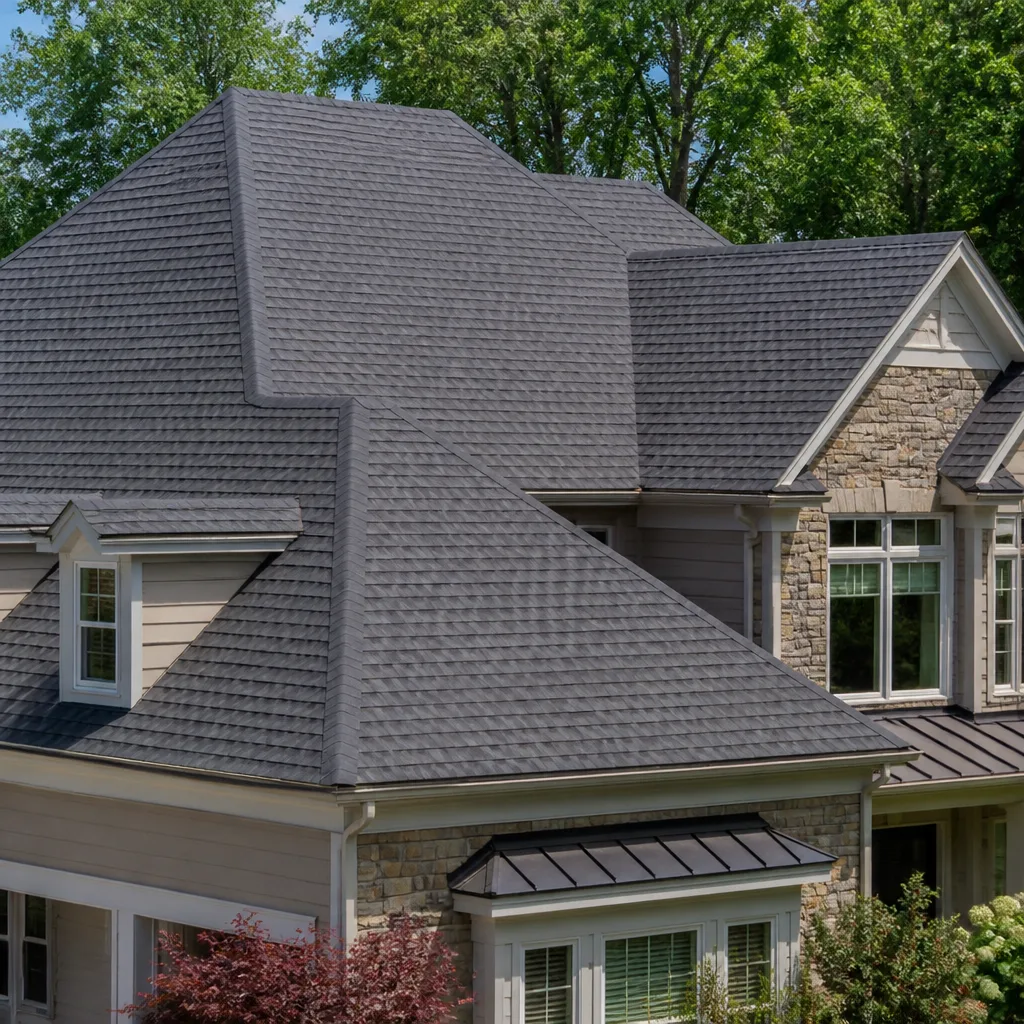
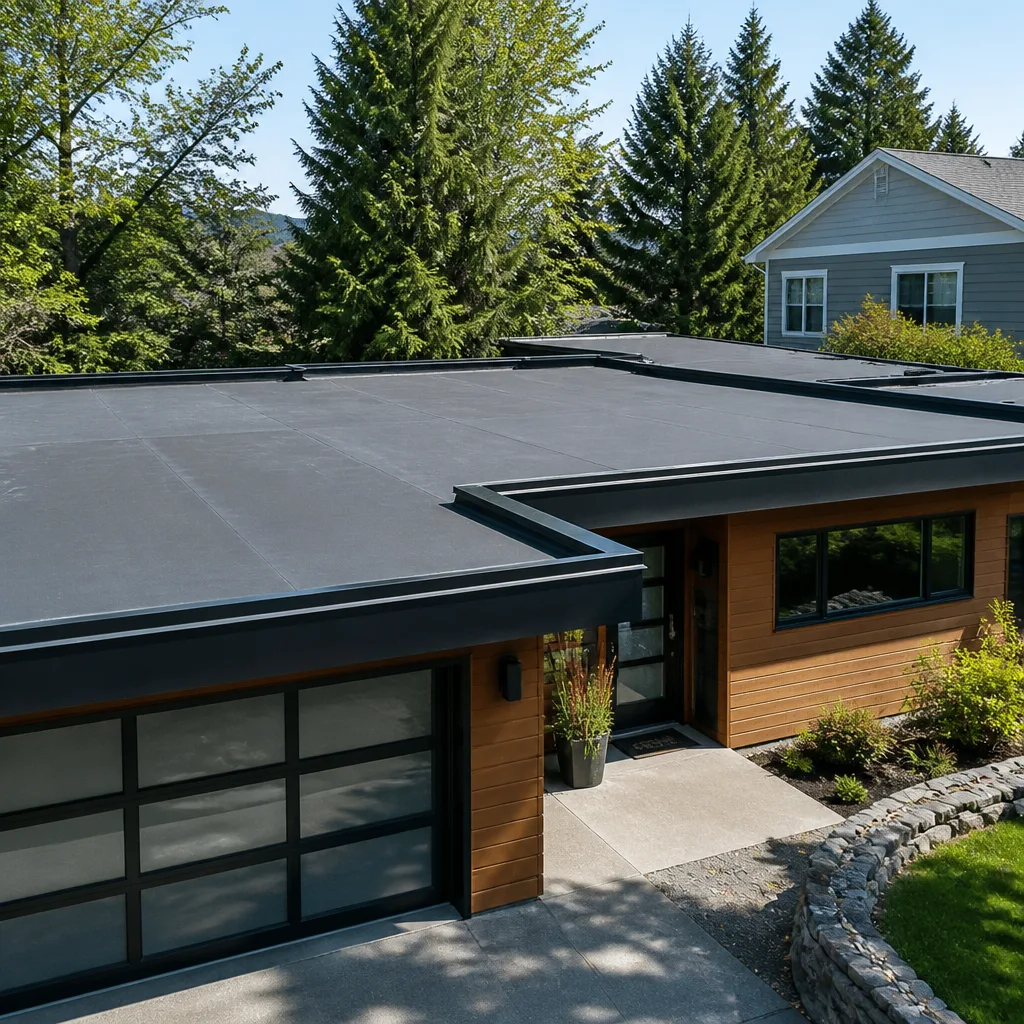
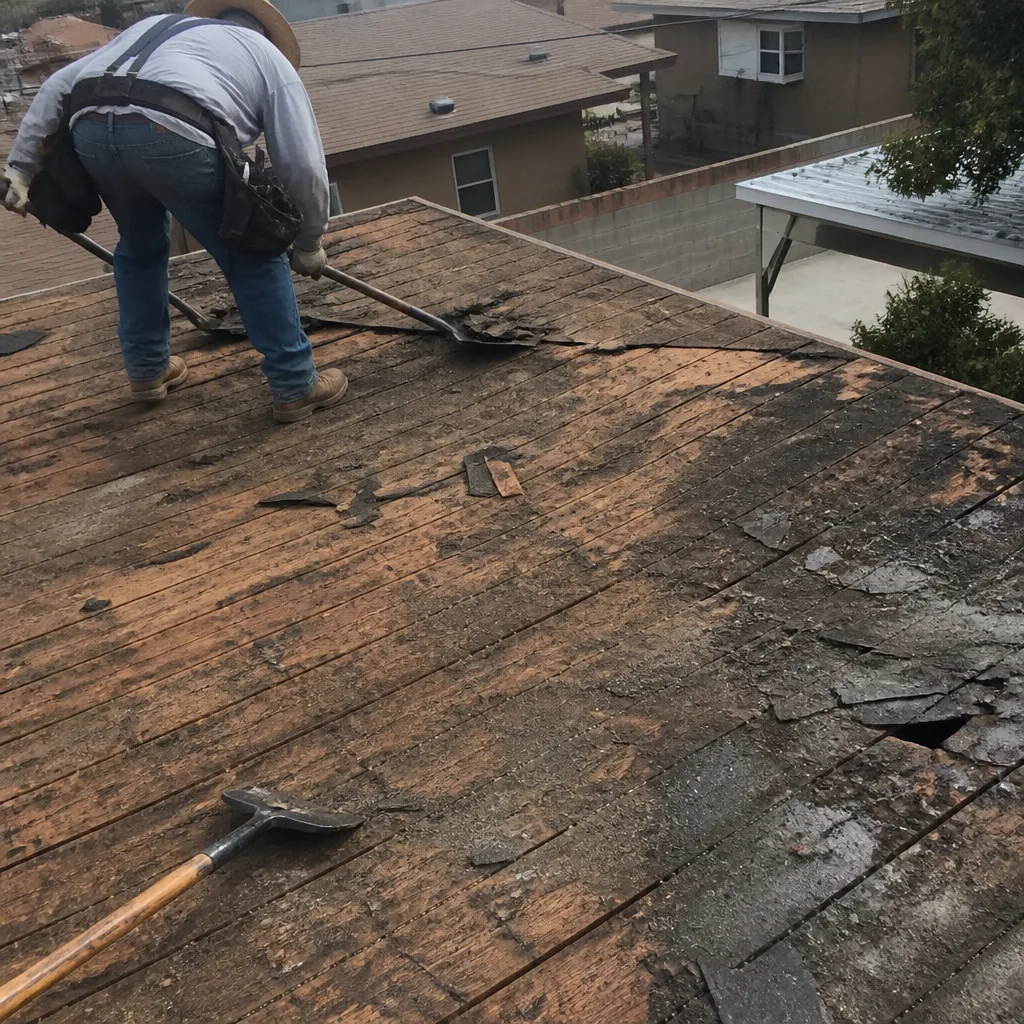 Before
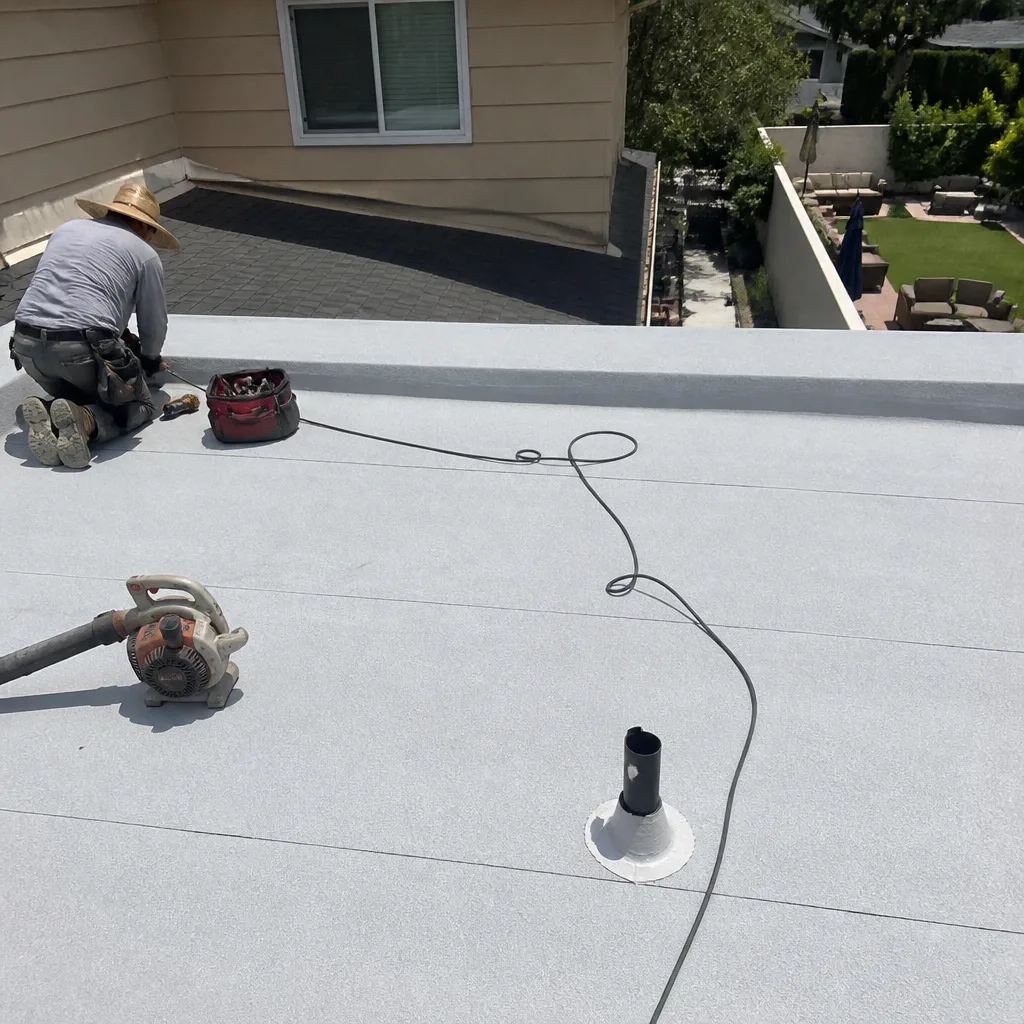 After
After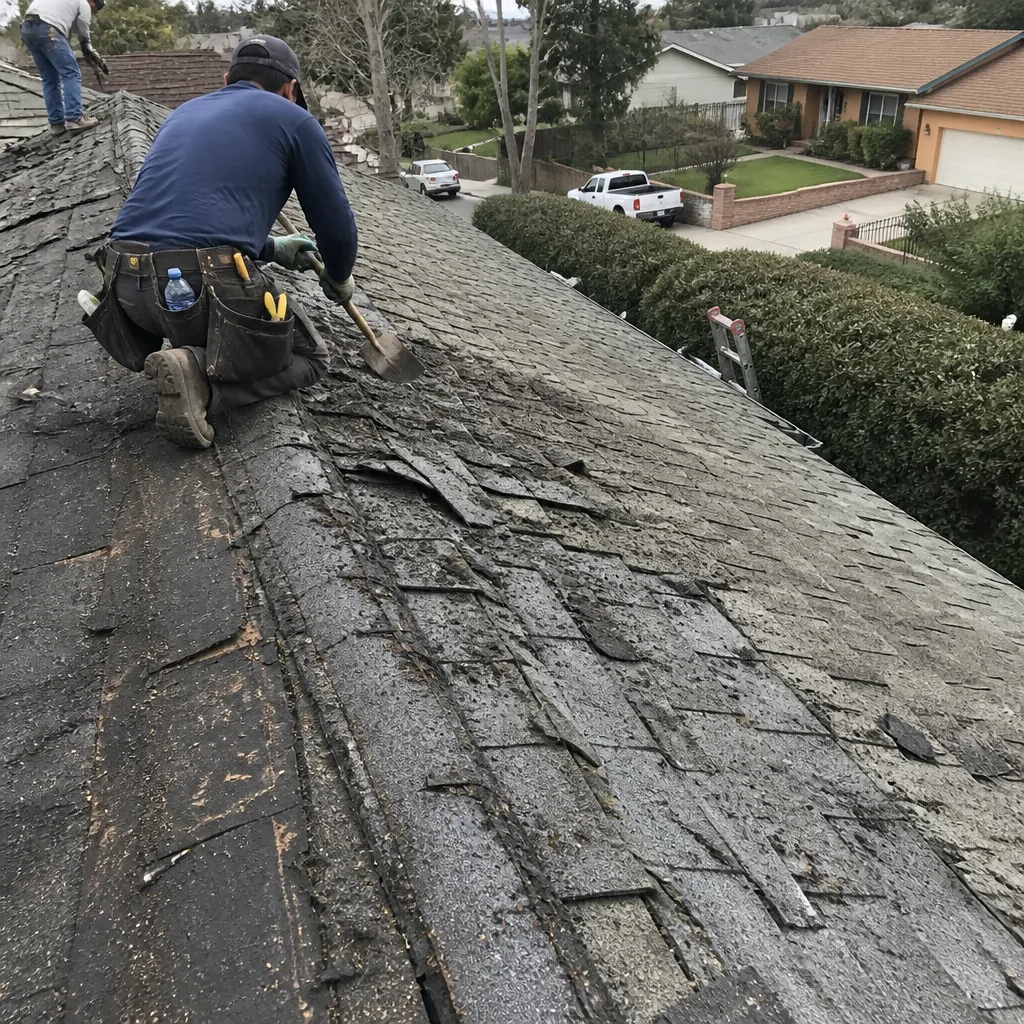 Before
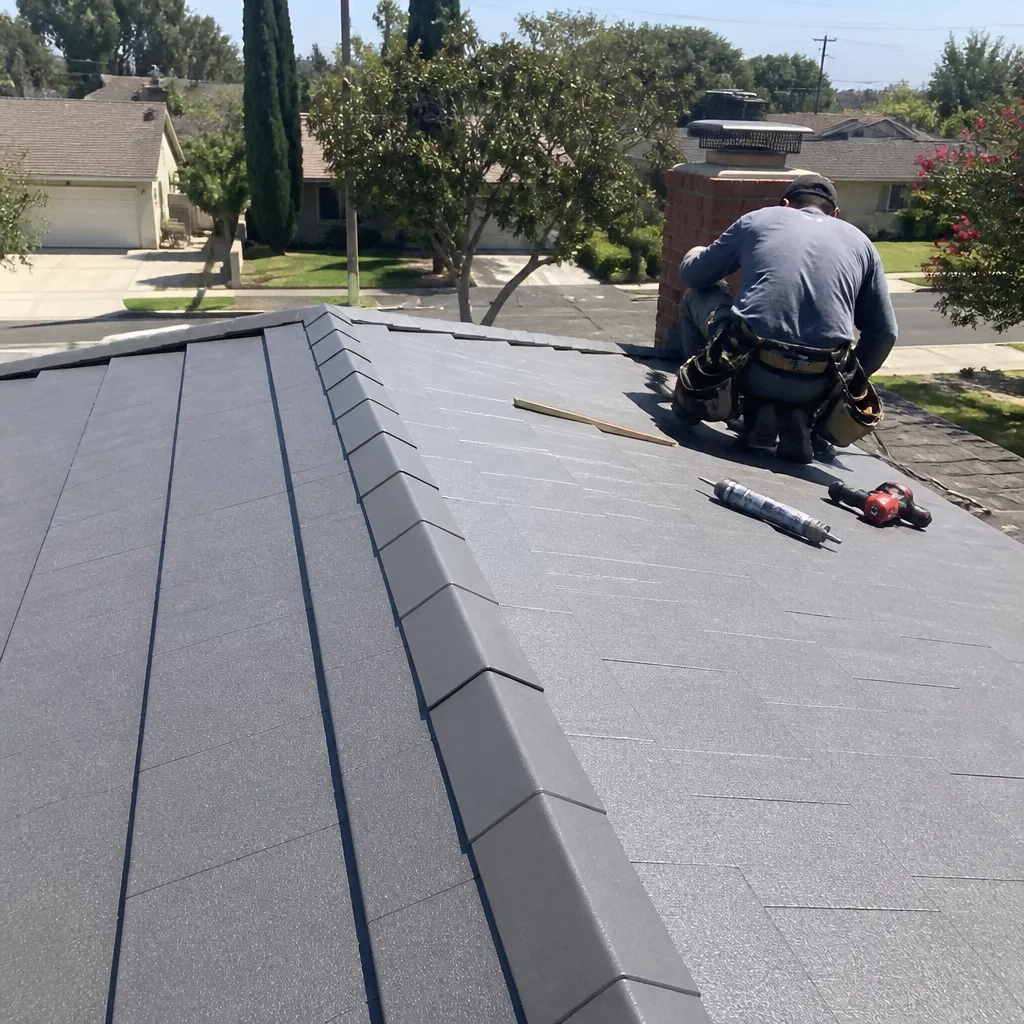 After
After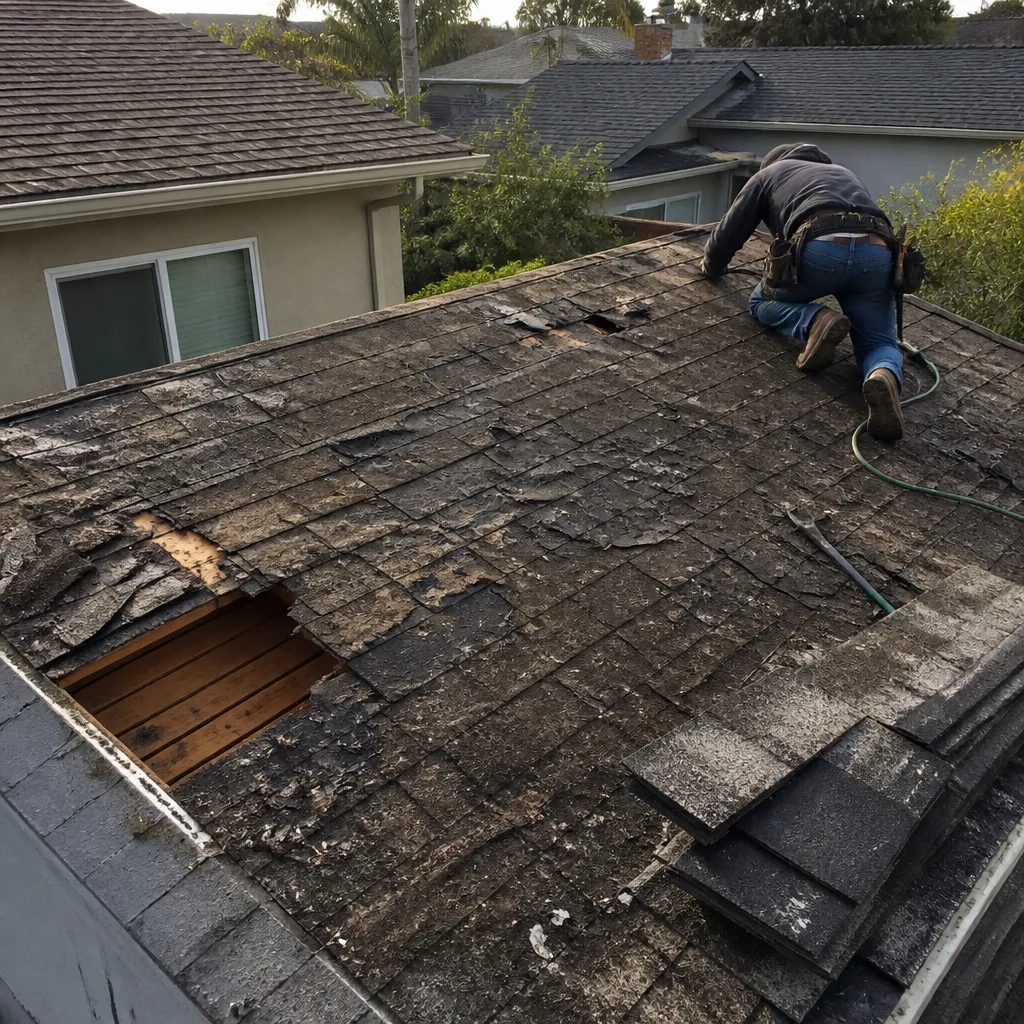 Before
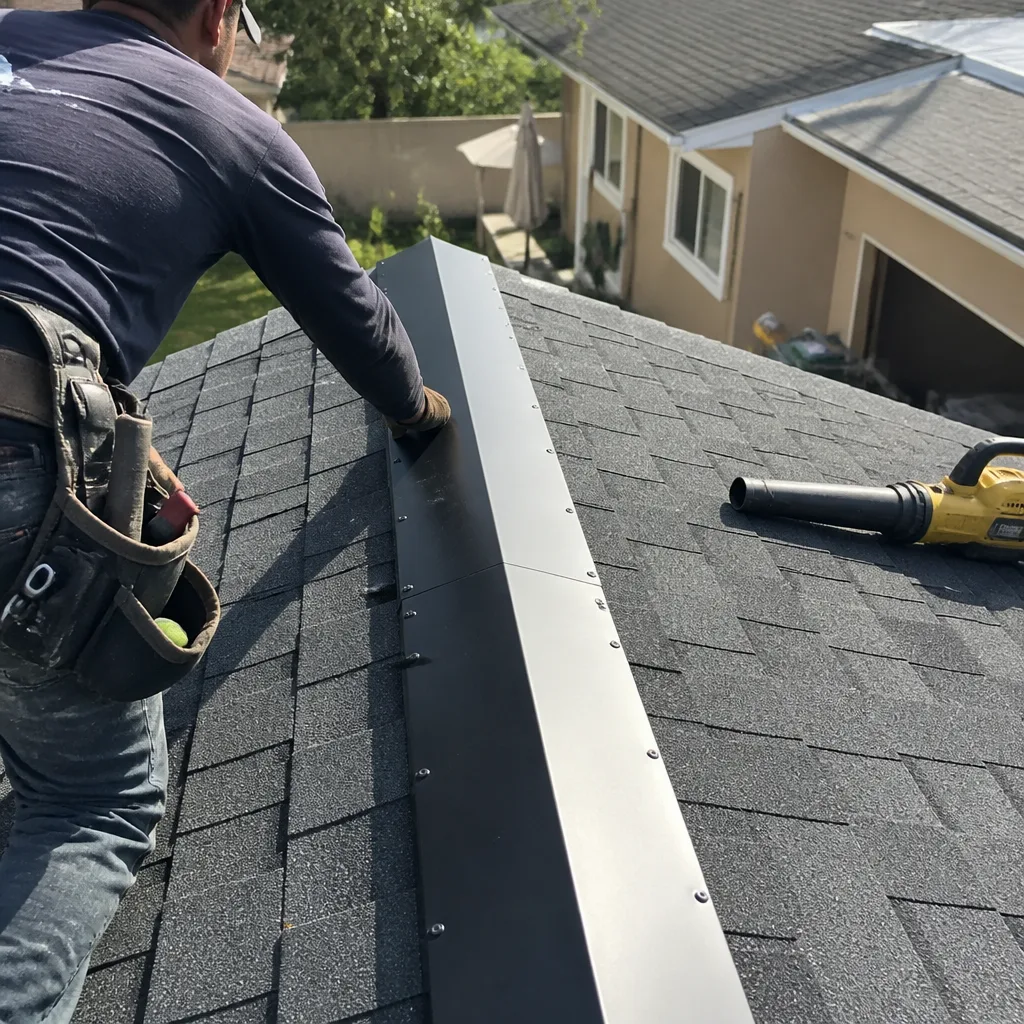 After
AfterBoral Flashing Replacement: The Los Angeles Owner’s Guide
Boral flashing replacement in Los Angeles typically runs $380 to $780 installed for a standard penetration (pipe boot, chimney base, or valley corner), depending on access and how much surrounding tile we need to lift. We keep Boral-compatible flashing profiles and matching tile-color stock on the truck, so most jobs are finished in one visit.
You usually find out flashing has failed the hard way: a water stain on the ceiling after January rain, damp drywall near the fireplace, or granules and grit collecting in a gutter below a valley. The tile itself can look perfectly fine while the metal underneath has been quietly corroding for years. In Los Angeles, what kills flashing first isn’t rain. It’s the long dry season, when UV and repeated thermal expansion flex the metal until the seams crack, and then the first real storm finds the gap. Grant Whitlock grew up in Sylmar and has seen this exact sequence more times than he can count, mostly because homeowners don’t notice until the ceiling tells them.
We’re an independent roofing company in Los Angeles that works on Boral roofs regularly. We’re not affiliated with Boral the manufacturer, but we stock and install flashing that matches Boral tile profiles and California code requirements.
Which Boral Models This Applies To
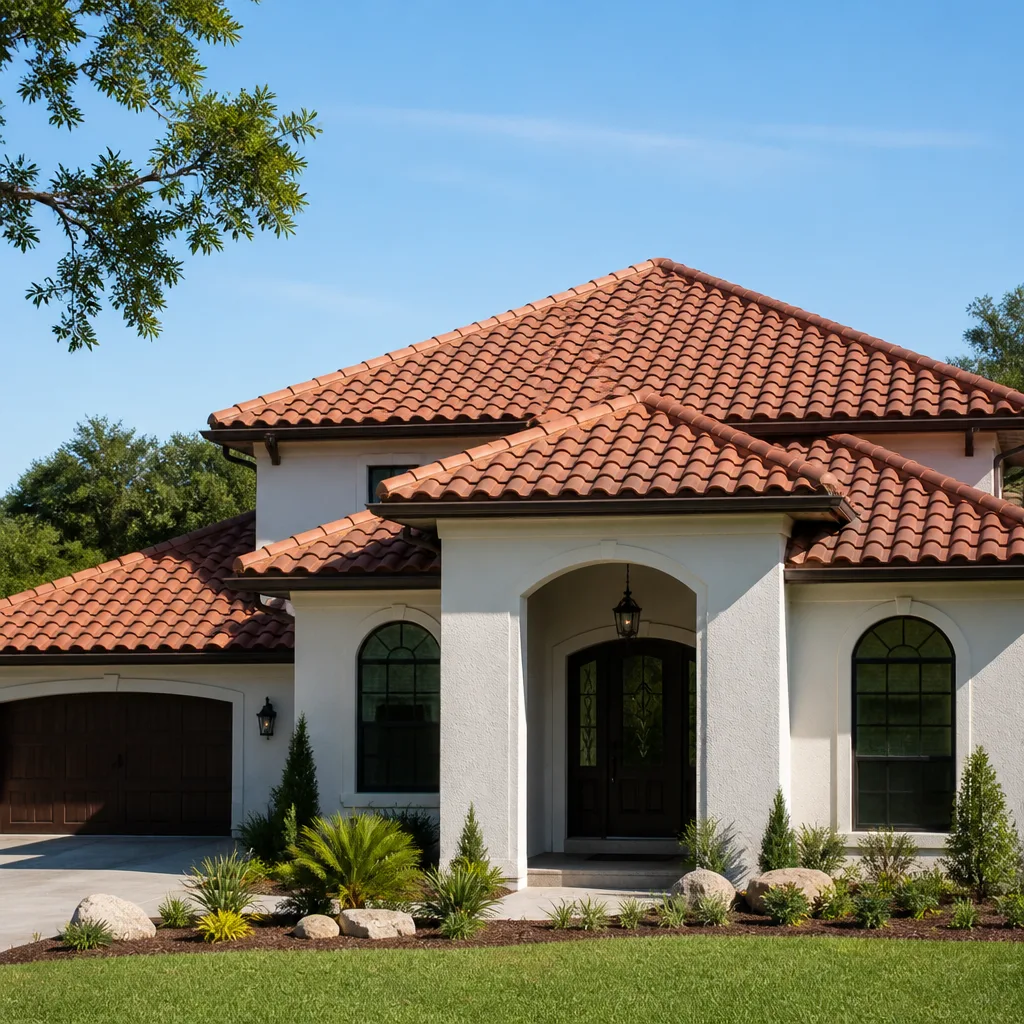
Boral’s clay and concrete tile lines dominate the Los Angeles market, and each has its own flashing needs. You’ll typically see Boral’s flat profile tiles (like the Barcelona and Verona lines), the S-curve or “mission” profiles, and the more modern low-profile concrete tiles. The flashing requirement changes with the tile shape: an S-curve tile has a deeper pan and needs taller step flashing than a flat tile, while flat tiles often rely more heavily on the underlayment because water can sit against the flashing longer.
When we arrive, the first thing we do is check the tile markings, usually stamped on the underside of a tile near the eave. Boral tiles carry a plant code and profile identifier. If the tile is older or the stamp has worn, we match by measuring the tile’s pan depth and width against current Boral profile charts. The compatibility gotcha most homeowners don’t know: Boral changed the locking lug position on several of their concrete profiles around 2015, so a “same size” tile from different years may not seat the same way against old flashing. That’s why we always measure before we order or cut.
On the OEM versus aftermarket question: Boral-branded flashing exists, but most of the metalwork on a Boral roof in Los Angeles is fabricated locally to match the tile profile. The metal is commodity-grade aluminum, copper, or galvanized steel, cut and bent to the correct rise and kick for your specific tile. What matters more than the brand stamp is the gauge (thickness) and the material choice. In the salt air near the coast, we spec copper or heavy aluminum instead of galvanized steel. Inland, standard 26-gauge galvalume is usually the right call. The flashing profile we fabricate matches the Boral tile deflection angle so water never pools behind the metal.
Signs Your Boral Flashing Replacement Is Failing
- Water stains on ceilings or upper walls after rain. This is the classic symptom, and by the time you see it, water has already moved through the underlayment and into the framing. The flashing may have been failing for months before the stain appeared.
- Visible rust or corrosion on exposed flashing. If you can see rust streaks or pitting on the metal at chimneys, valleys, or roof penetrations, the galvanization is gone and the steel is actively thinning. In Los Angeles, coastal fog accelerates this even without rain.
- Lifted or dislodged tiles near roof penetrations. When flashing corrodes, it often pulls away from the tile, and the tiles around chimneys or pipes start sitting proud or sliding out of line. A tile that’s shifted an inch downhill means the flashing moved first.
- Granules or tile silt collecting in gutters below a valley. Abrasion from failing flashing can grind the underside of tiles, sending fine grit and fragments down the valley. If one gutter run collects more debris than others, look uphill at the flashing in that valley.
- Dry rot or dark staining on fascia boards at roof corners. Water escaping from a failed flashing doesn’t always reach the ceiling. Sometimes it tracks laterally along the roof edge and rots the fascia instead. If paint is blistering on one corner only, that’s the clue.
Replacement Cost & What’s Included
For a standard Boral flashing replacement in Los Angeles, here’s the honest range:
- Pipe boot or vent flashing (single penetration): $380 to $520 installed
- Chimney base flashing (one side or corner): $450 to $650 installed
- Valley corner flashing repair: $520 to $780 installed
- Step flashing replacement (per 10 linear feet): $400 to $600 installed
What drives the range: roof pitch (steeper roofs take longer and require more safety setup), how many tiles we lift and reset, the material spec (copper runs higher than galvalume), and access. A two-story roof with the flashing on the back slope is more than a single-story walk-up.
Every price is a written, line-item quote before we touch the roof. That’s not a negotiation tactic; it’s how we work. The quote includes the flashing, the lift-and-reset labor on the existing tiles, new sealant, and cleanup. If we find damaged underlayment or broken tiles underneath, we’ll show you photos and give you a separate written price for that work before anything additional is done. No surprises on the invoice, ever. Every repair carries our 365-Day Done Right Promise: if the flashing fails within a year, we come back and fix it free.
DIY or Call Us?
Walking a tile roof in Los Angeles is genuinely dangerous. Boral tiles, especially the older ones, crack under a misplaced foot, and a cracked tile becomes another leak. Add a slope, morning dew, and the fact that most flashing failures sit at the roof’s geometry where footing is worst, and this isn’t a Saturday project. One serious fall isn’t worth saving a few hundred dollars.
What you can safely do from the ground or a ladder: look for visible rust on chimney flashing, check whether any tiles near pipes appear lifted, and note where ceiling stains line up with roof features directly above. That’s useful information when you call. We’ll send a technician whose name and photo you get before the visit. He’ll badge in with a photo ID at the door so you know exactly who’s on the property. If it turns out the flashing is fine and the leak is something else, we’ll tell you that too. Call (743) 200-8347 and we’ll schedule a look, with a written price before any work begins.
FAQs
Galvanized steel flashing on a Boral roof in Los Angeles typically lasts 15 to 25 years, while aluminum and copper can last 30 to 50 years, but the high UV exposure and salt air near the coast pull those numbers down, and we regularly replace flashing on 20-year-old roofs here. Call (743) 200-8347 for an inspection if your roof is in that window.
Small cracks or lifted seams can sometimes be sealed as a temporary measure, but sealant on corroding metal is a patch, not a repair, and it fails again within one or two seasons most of the time.
Most single-penetration flashing replacements on a Boral roof in Los Angeles take two to four hours on-site, including lifting the surrounding tiles, removing the old flashing, setting the new one, and reseating everything.
We keep the most common Boral-compatible flashing profiles and matching tile-color sealants stocked on the truck, and for less common sizes we fabricate on-site from galvalume, aluminum, or copper to match your exact tile profile.
Written by Grant Whitlock, Owner, Mercer Roofing at Mercer Roofing, serving Los Angeles and nearby areas.