
Free roof inspection with deck photos before we talk money - GAF and Owens Corning certified installation
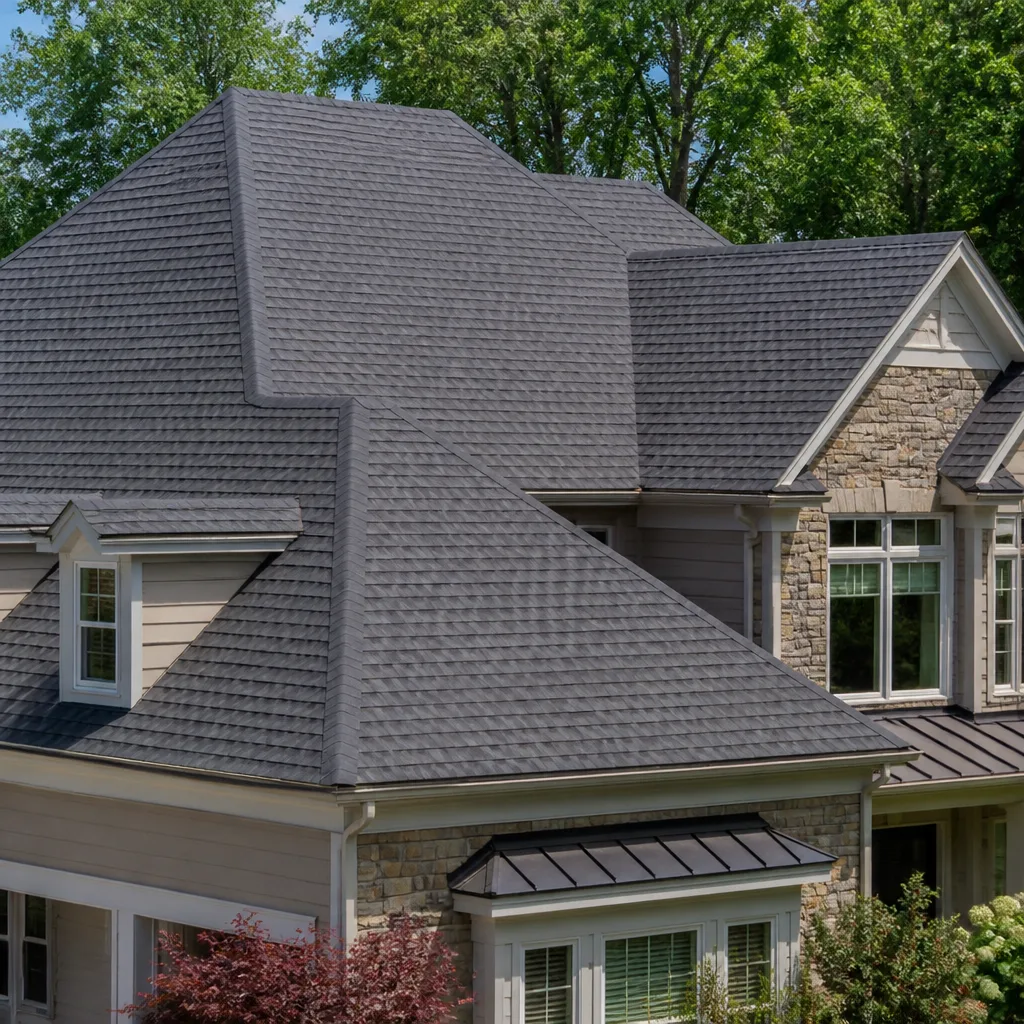
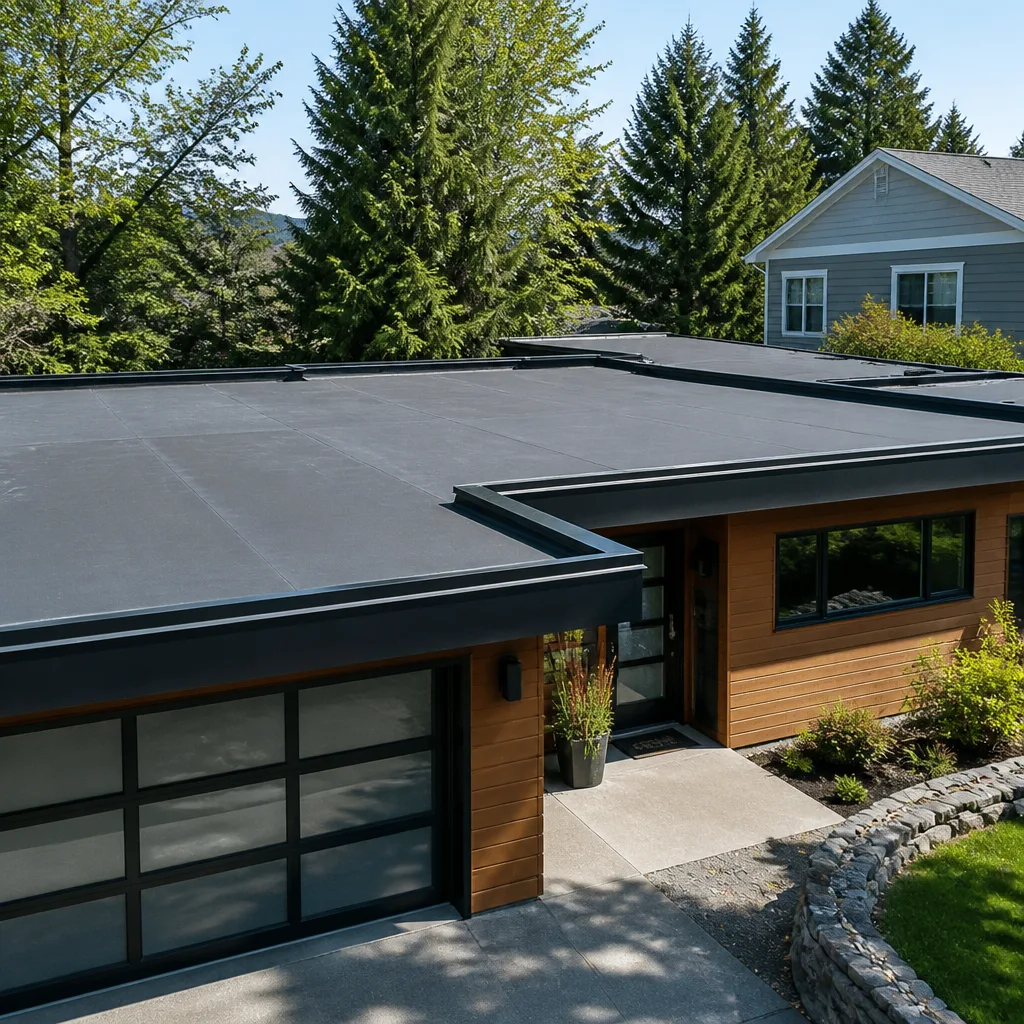
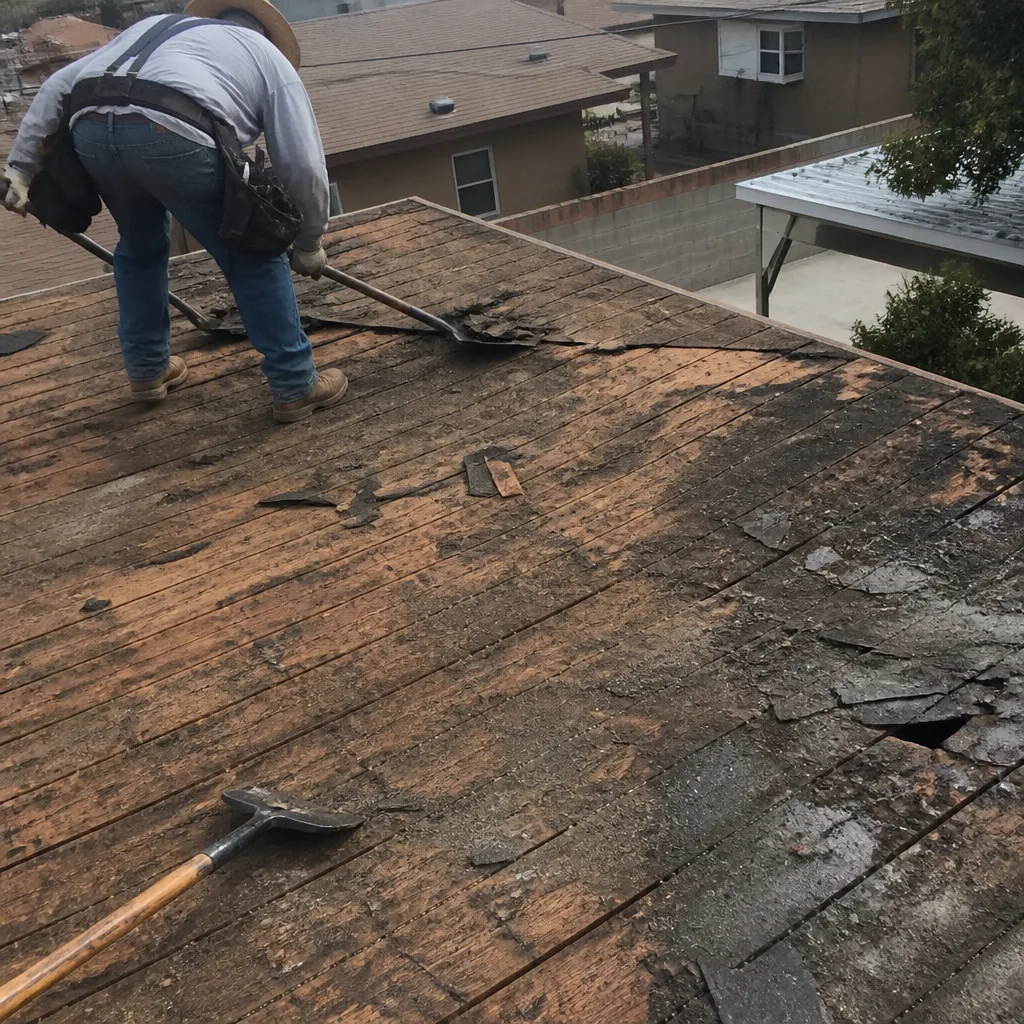 Before
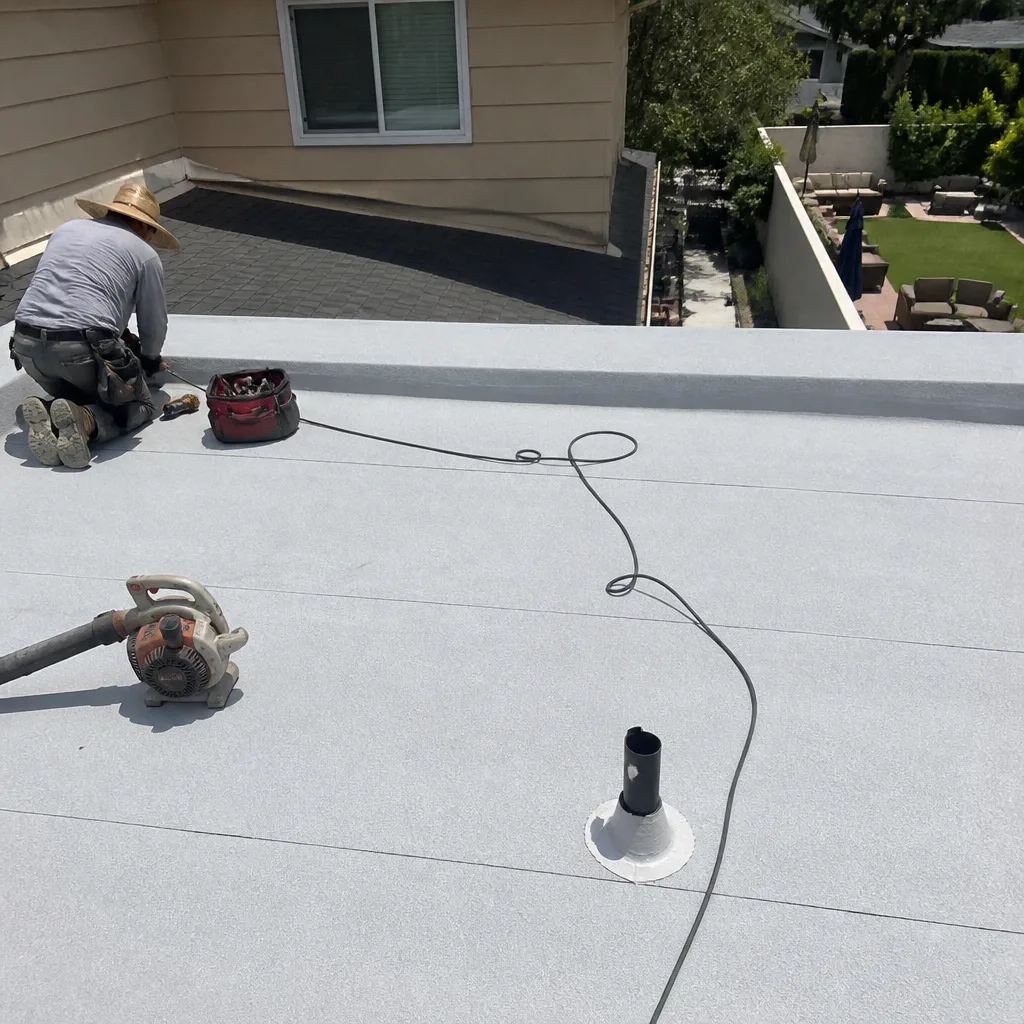 After
After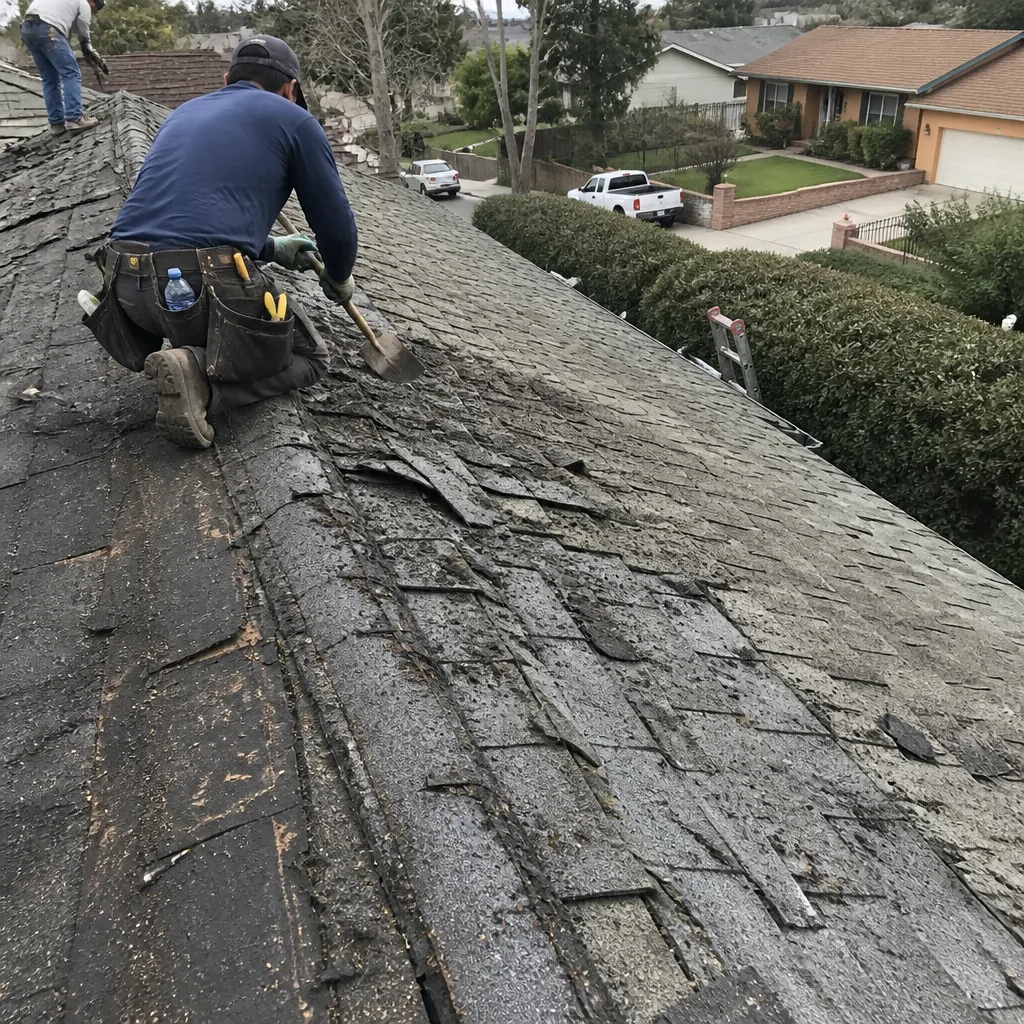 Before
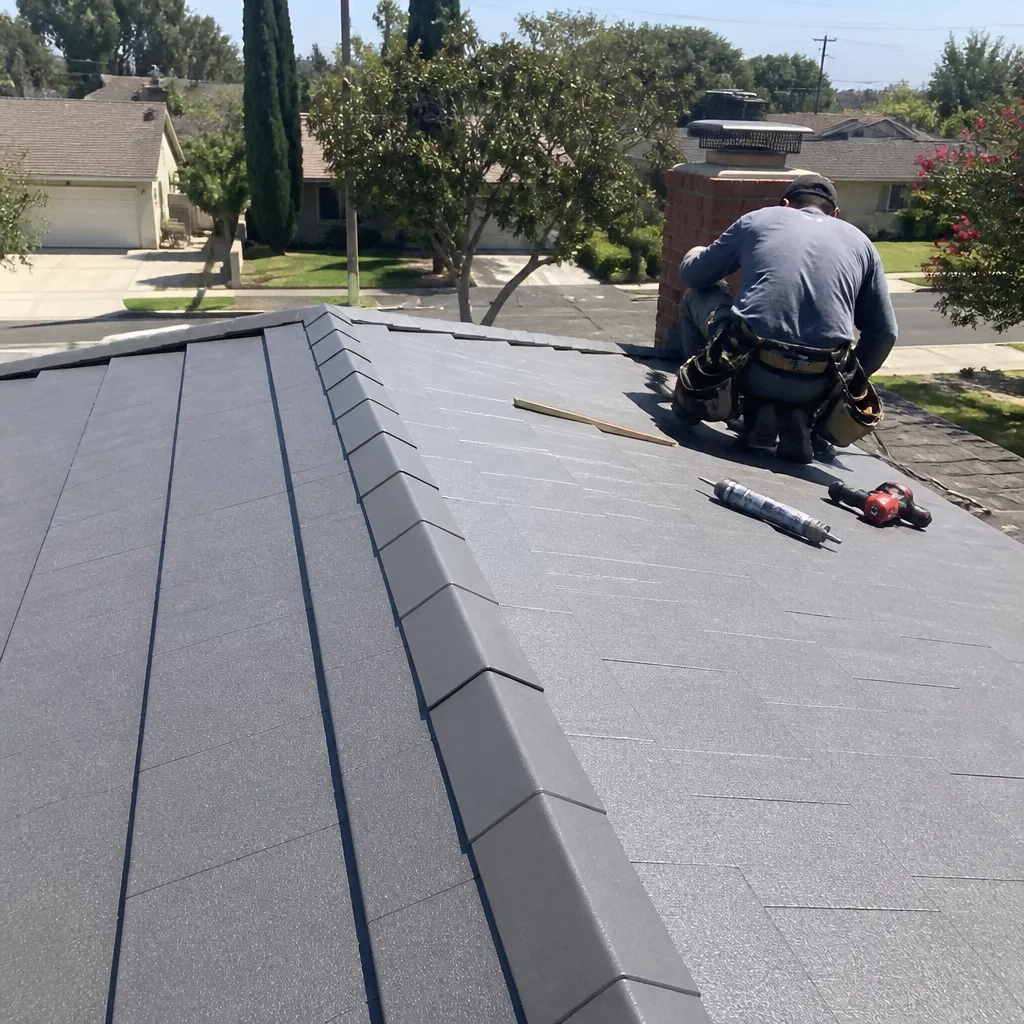 After
After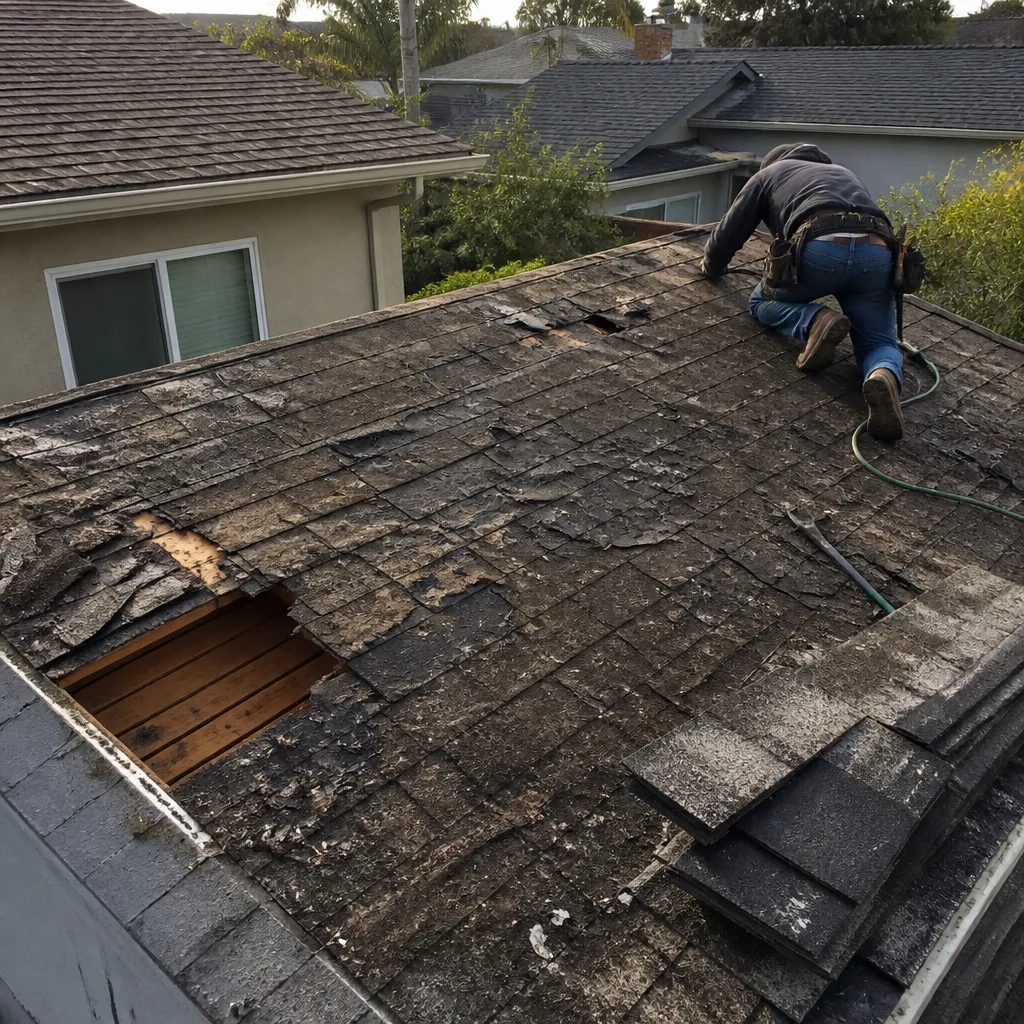 Before
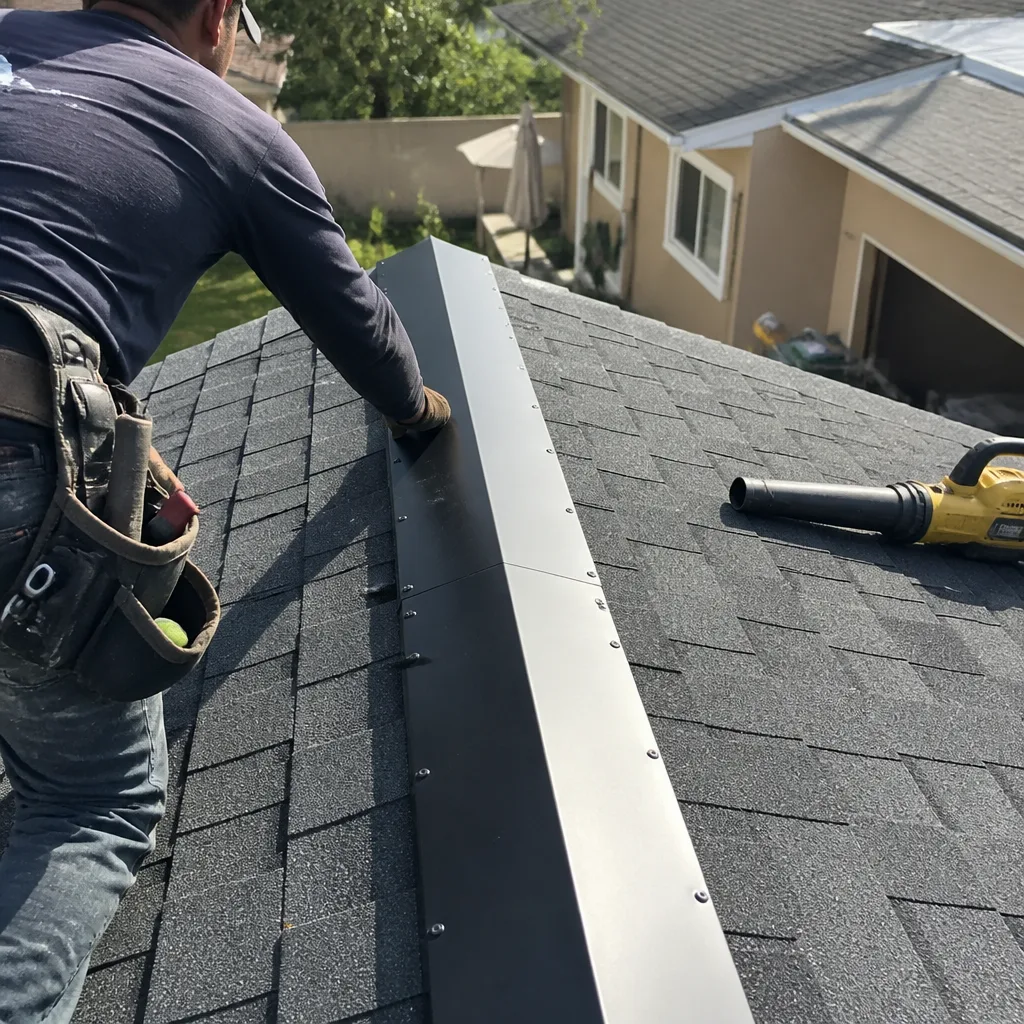 After
AfterCertainTeed Flashing Replacement: The Los Angeles Owner’s Guide
We stock and install CertainTeed-compatible flashing replacement across Los Angeles, with most jobs running $380 to $760 installed depending on the flashing type, roof pitch, and accessibility. Same-day service is available for active leaks when we have the part on the truck, which we usually do for standard CertainTeed profiles. Most homeowners discover a flashing problem the way you probably did: a water stain on the ceiling after rain, a drip near the chimney, or granules collecting in a gutter below a valley. The flashing itself rarely looks dramatic from the ground. It just quietly stops doing its job.
Flashing is the metal or membrane material that bridges the joints where your roof meets a wall, chimney, skylight, pipe, or valley. CertainTeed makes a full line of flashing products sized to work with their shingles and underlayments, and when one section fails, it sends water behind the shingles where it can rot decking and framing before you ever see a stain. Grant Whitlock has seen enough Los Angeles roofs opened up to know the rule: by the time water shows up inside the house, the flashing has usually been failing for months.
Key Takeaways:
- CertainTeed flashing replacement in Los Angeles typically runs $380 to $760 installed.
- Flashing fails at seams, bends, and fasteners long before the shingles around it wear out.
- We write a firm price before any work starts, and every flashing repair carries our 365-Day Done Right Promise.
- You’ll know your technician’s name and see their photo before they ring your doorbell.
Which CertainTeed Models This Applies To
CertainTeed flashing products work across their shingle lines, including Landmark, Landmark Pro, Presidential Shake, Grand Manor, and XT 30. The flashing itself comes in several formats: step flashing, counter flashing, valley flashing, drip edge, pipe boots, and ridge or hip cap flashing. The compatibility question is less about which shingle you have and more about the profile and gauge of the metal or membrane the original installer used. CertainTeed’s step flashing, for example, is fabricated in 26-gauge galvanized steel in standard dimensions, but older Los Angeles homes may have been flashed with thinner 28- or 30-gauge stock that fails faster.
If you can get to a ladder safely, look for the printed markings on the flashing itself. CertainTeed stamps some products, but many flashing components installed on a roof never carried a visible brand mark in the first place. What matters more is measuring the profile: step flashing pieces are typically 10 inches by 10 inches with a 2-inch fold, while counter flashing comes in 10-foot rolls. We match the replacement to what’s already on the roof, not just what the box says. For CertainTeed specifically, OEM flashing is manufactured to pair with their shingle thickness and fastener pattern, and that’s what we recommend. Quality aftermarket equivalents exist, and we’ll use them when the OEM part is discontinued or backordered, but we tell you which one you’re getting and why before we touch the roof.
One Los Angeles-specific gotcha: homes built before the 1990s in neighborhoods like Sylmar, Granada Hills, and Silver Lake often have flashing that was installed without modern membrane underlayment at the transition points. The flashing looks fine from above, but the waterproofing behind it failed years ago. When we open those up, the “flashing replacement” often includes replacing the underlayment beneath it to match CertainTeed’s installation spec. That’s not upselling. It’s how you keep the repair from failing again next winter.
We also stock and install flashing compatible with GAF and Owens Corning systems, so if you have multiple shingle brands on a multi-section roof, we can handle the whole job in one visit.
Signs Your CertainTeed Flashing Replacement Is Failing
- Water stains on ceilings or walls after rain. This is the classic symptom. Water follows the path of least resistance, so the stain often appears several feet from the actual flashing breach. The leak starts at a chimney, wall junction, or valley, then travels along a rafter before dripping onto your ceiling.
- Rust or corrosion visible on exposed flashing. Los Angeles is technically a coastal city, and even inland neighborhoods get enough marine air and morning fog to accelerate rust on galvanized flashing. Once the zinc coating is gone, pinholes form within a season or two.
- Curling, lifting, or separated flashing at roof-to-wall joints. Sun exposure on the south- and west-facing sides of your house heats the metal and the caulk or sealant around it. Over years, the sealant cracks, the flashing pulls away, and water slides behind it. Sylmar and the Valley see this constantly.
- Granules from your shingles piling up under a valley. This means water is moving through the valley faster than it should, which wears the shingle surface and eventually eats through the flashing channel underneath. The flashing may not be leaking yet, but the system is degrading.
- Pest activity in the attic near penetrations. Squirrels and rats in Los Angeles will chew through degraded flashing boots and sealant to get into the attic. If you hear scratching near a pipe boot or vent stack, the flashing around it is almost certainly compromised.
Replacement Cost & What’s Included
CertainTeed flashing replacement in Los Angeles typically lands between $380 and $760 installed for most single-location repairs. Here’s how that breaks down:
- Step flashing replacement (roof-to-wall): $380 to $520
- Chimney flashing (step and counter flashing): $520 to $760
- Pipe boot / vent stack flashing: $190 to $340
- Valley flashing replacement: $430 to $680
- Drip edge replacement (per linear section): $220 to $410
The range depends on roof pitch, how many stories up the flashing sits, and whether the decking or underlayment beneath the flashing has rot that needs to be addressed. We walk you through exactly what the price includes before work starts: the flashing materials, the underlayment and sealant needed for a correct install, removal and disposal of the old flashing, and our written guarantee. If the repair fails within 365 days, we come back and make it right at no charge. That’s the Mercer 365-Day Done Right Promise, and it applies to every flashing replacement we perform in Los Angeles.
DIY or Call Us?
Flashing replacement is not like swapping a light fixture. You are working at height, on a sloped surface, with materials that require bending, cutting, and sealing to exact tolerances. The most common DIY failure we see in Los Angeles is a homeowner who layers roof cement or silicone over a failing flashing seam. It holds for a season, then the sealant separates from the metal and the leak returns, usually worse, because the temporary patch hid the real problem during months when water kept getting in.
What you can safely do from the ground or a safe ladder position is inspect. Look for rust streaks, separated flashing, and cracked sealant. Take photos with your phone. Do not climb onto a steep roof without proper fall protection, and never work on a roof when it’s wet or dewy. Los Angeles mornings are damp more often than people expect. If you see signs of flashing failure, call us at (743) 200-8347. We’ll send a technician who arrives in a clean, marked uniform and presents a photo ID badge at your door, and you’ll know who’s coming before they arrive. The estimate is free, and the written price comes before any work starts.
FAQs
CertainTeed flashing installed correctly with matching underlayment should last 15 to 25 years in the Los Angeles climate, though exposed metal on south-facing walls may show corrosion earlier depending on proximity to the coast and how often the morning fog settles. The sealant at flashing joints typically fails before the metal, so resealing every 5 to 7 years extends the life of the flashing itself. Call (743) 200-8347 and we’ll evaluate yours during the estimate.
Yes, in specific cases. Minor separation at a wall joint can sometimes be resealed and re-secured, and a small rust spot can be patched with a compatible metal and sealant. But once flashing has pinholes, creases, or separation at multiple points, patching becomes a series of small leaks waiting to happen. We’ll tell you honestly which path makes sense for your roof because Grant’s rule is simple: it is cheaper to fix it right once than to fix it wrong twice. Estimates are free.
Most single-location flashing replacements, like a chimney or roof-to-wall section, take 2 to 4 hours once the technician is on the roof. Jobs involving multiple penetrations, steep pitches, or damaged decking can run a full day. We give you a written time estimate alongside the price estimate before any work begins, so you know what to expect from start to finish.
We keep standard CertainTeed-compatible step flashing, pipe boots, valley flashing, and drip edge on our trucks, which means most Los Angeles flashing replacements can be completed the same day we diagnose the problem. For less common profiles or commercial-format flashing, we source the material within one to two business days. When we write your estimate, we’ll tell you exactly what’s in stock and what needs to be ordered.
Call Mercer Roofing for CertainTeed Flashing Replacement in Los Angeles
A roof that’s doing its job is one you never think about. Let’s keep it that way. If your CertainTeed flashing is showing signs of failure, or you’ve got a stain on the ceiling telling you something is already wrong, call (743) 200-8347 for a free estimate. You’ll speak to a live person, get a written price before any work starts, and know exactly who’s coming to your door. That’s how we’ve done it since 2000, and that’s how we’ll do it for your home.
Written by Grant Whitlock, Owner, Mercer Roofing at Mercer Roofing, serving Los Angeles and nearby areas.