
Free roof inspection with deck photos before we talk money - GAF and Owens Corning certified installation
 Before
 After
After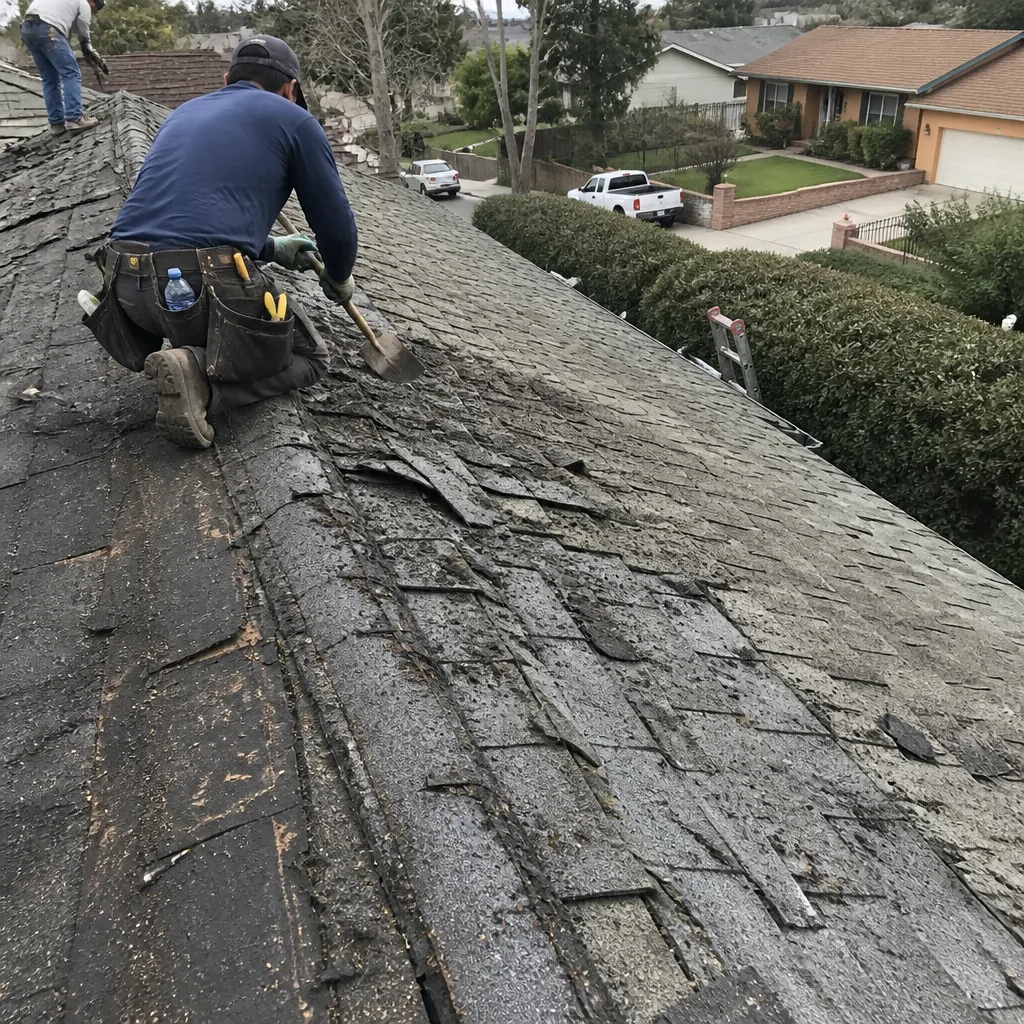 Before
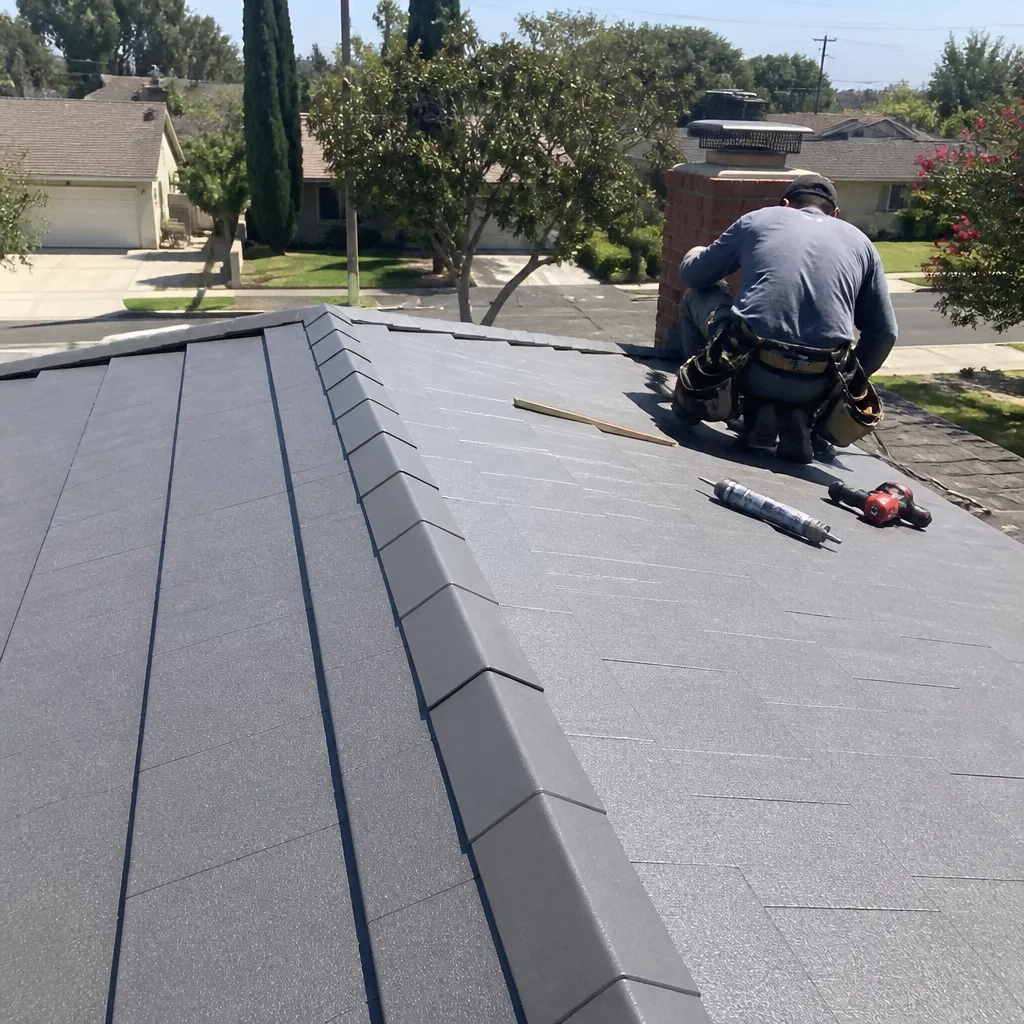 After
After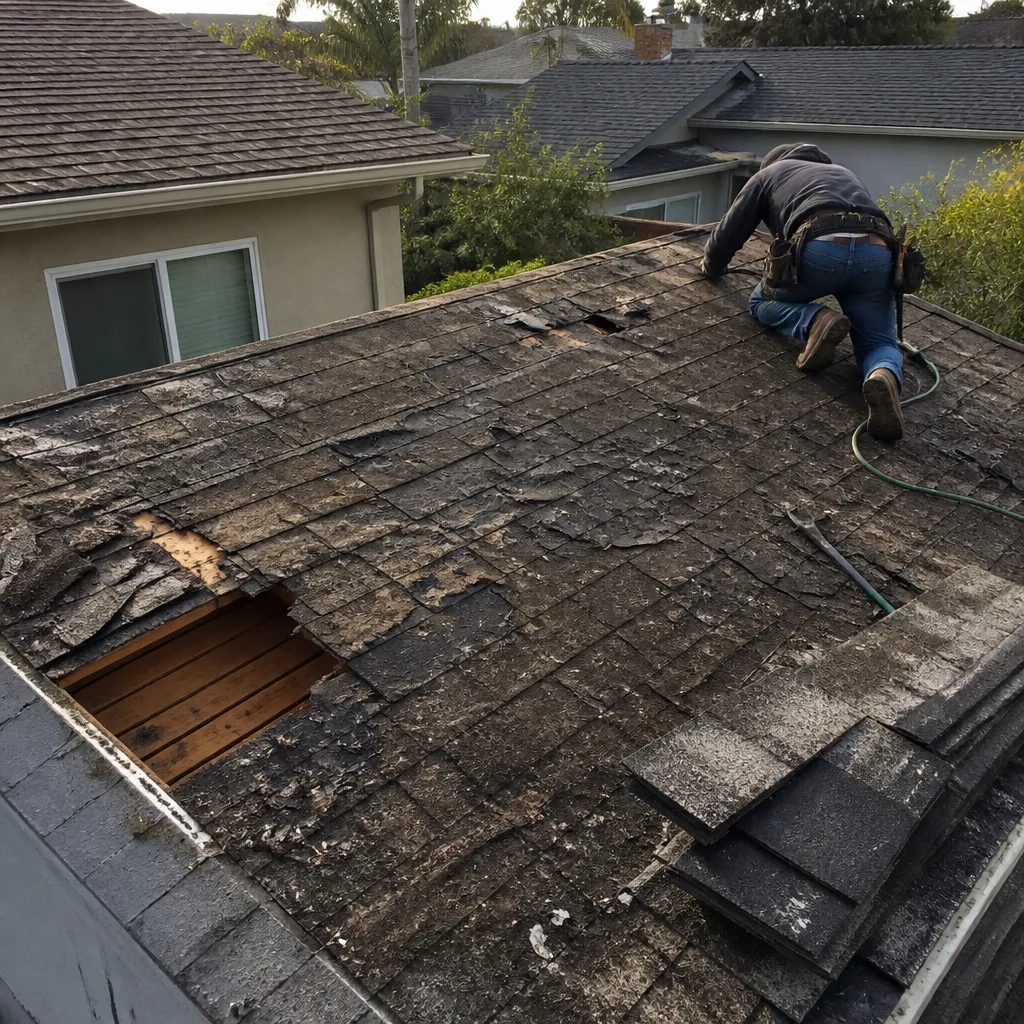 Before
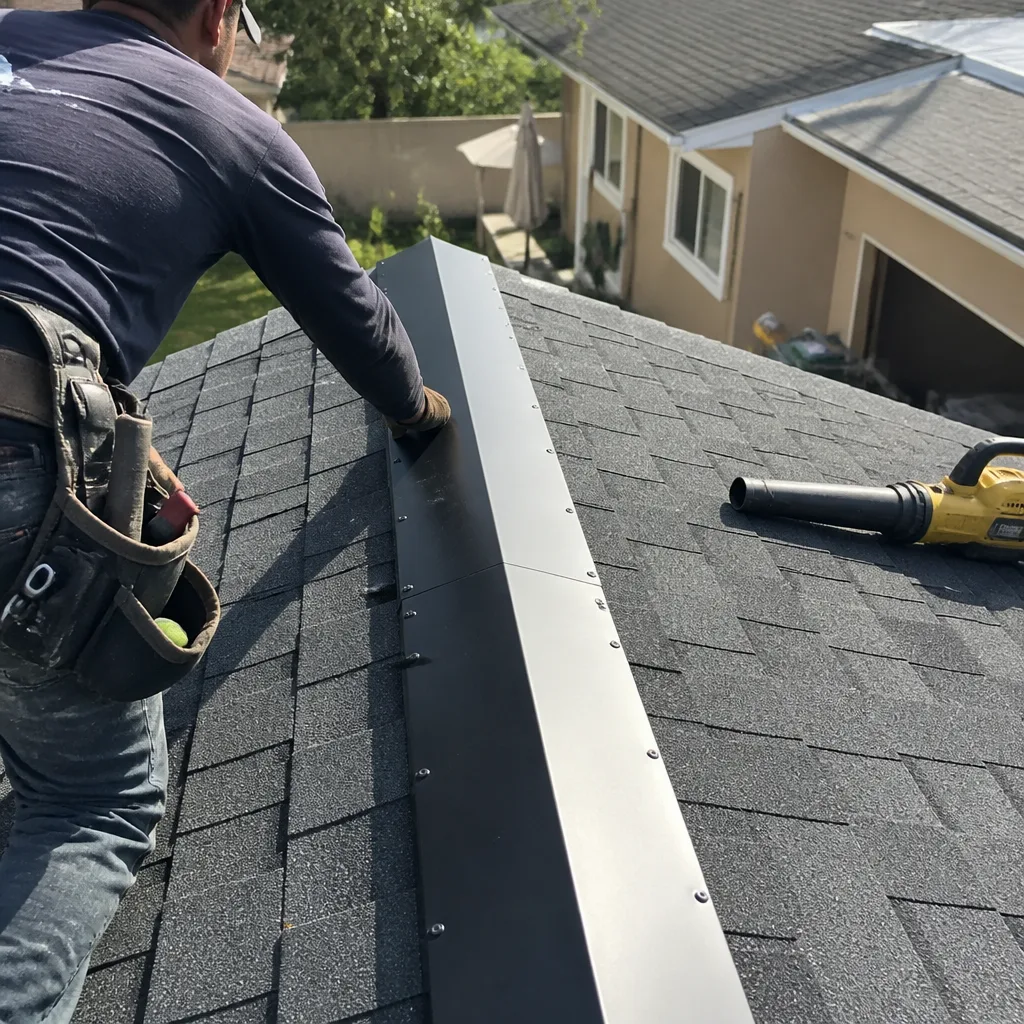 After
AfterIKO Flashing Replacement: The Los Angeles Owner’s Guide
We stock and install IKO-compatible flashing replacements across Los Angeles, and most flashing jobs on IKO shingle roofs run between $350 and $900 installed, depending on the length of the run, the flashing type, and how much of the surrounding shingles need to be lifted and re-sealed. In most cases, our technicians can complete the repair the same day they arrive. Homeowners usually discover the problem after a heavy rain when a water stain shows up on a ceiling or along the interior of an exterior wall, or during a visual inspection when the metal looks pulled away, rusted through, or the sealant around it has cracked and separated from the shingle surface.
If you’re seeing water where it shouldn’t be and your home has IKO shingles, the flashing is where we look first, because flashing failures account for the majority of roof leaks on otherwise healthy shingle systems. The shingles themselves can last decades here, but the metal transitions wear out faster, especially under Los Angeles sun and the occasional heavy winter storm that pushes water sideways against chimney bases, skylights, walls, and valleys. Here’s what you need to know before you spend a dollar.
Which IKO Models This Applies To
IKO flashing requirements vary by shingle line, and the compatibility details matter more than most homeowners expect. The IKO architectural lines most common in Los Angeles include Cambridge, Dynasty, and Nordic, and the key flashing dimension to match is the shingle’s exposure height, which determines how far the flashing’s step pieces need to extend up the vertical surface and how much overlap is needed where each shingle course meets the metal.
Here’s the compatibility gotcha we see regularly: IKO Cambridge and Dynasty shingles share a standard exposure, so off-the-shelf step flashing in the 5-by-7-inch range generally laps correctly, but Nordic’s heavier profile has a thicker butt and a different exposure that calls for a taller step flashing piece. If a roofer slaps standard step flashing under Nordic shingles, the laps end up too short and the sealant line sits in the wrong place, which is exactly the kind of mistake that leaks within two or three seasons. We match the flashing height to the shingle’s exposure on every job, not just to whatever is on the truck.
On the OEM versus aftermarket question: IKO does not manufacture its own flashing. The flashing is matched to the roof system by the roofing contractor, using corrosion-rated metal that meets local code and the shingle manufacturer’s installation requirements. For Los Angeles, that means 26-gauge galvanized steel or aluminum step flashing for most wall and chimney transitions, and self-adhering membrane flashing at roof-to-wall intersections to meet California’s Title 24 cool-roof and moisture-management expectations. We prefer name-brand flashing components from suppliers that stamp their gauge and coating on every piece, so there’s no guessing about what is going under your shingles.
Mercer Roofing is an independent service provider. We’re not affiliated with IKO, and we don’t pretend to be, but our technicians install and repair IKO systems alongside GAF, Owens Corning, CertainTeed, and the other major shingle brands, with the right flashing for each one.
Signs Your IKO Flashing Replacement Is Failing
- Water staining on ceilings or the top edges of interior walls after rain. This is the classic step-flashing or headwall-flashing failure signal, especially along exterior walls under roof eaves, because water wicks behind the flashing and travels inward along the framing before it shows up on drywall.
- Rust staining or visible corrosion on any exposed metal at roof transitions. Los Angeles coastal air, especially in neighborhoods west of the 405, carries enough salt to accelerate corrosion on flashing that was never coated for this environment, and once the galvanization breaks down, pinholes form and leaks follow within a season or two.
- Pulled-away or lifted flashing at chimneys, skylights, and wall junctions. Repeated heating and cooling cycles expand and contract the metal, and the old nail-and-sealant method eventually lets go, leaving a visible gap between the flashing and the surface it’s supposed to protect.
- Cracked, dried, or missing sealant around flashing edges in the sun-exposed sections of the roof. South-facing and west-facing flashing in the San Fernando Valley and the foothills bakes harder than anywhere else in the city, degrading caulk and butyl sealant faster than the metal itself.
- Granule loss concentrated along flashing lines rather than across the whole shingle field. When water gets under the shingle edge at a flashing transition, it erodes the shingle’s protective granules from below, leaving a telltale dark line or bald patch along the metal edge that mirrors the flashing path.
Each of these symptoms points to a water path behind the flashing. The fix is not more caulk on top, which is the most common DIY response we see, and it fails quickly because the water is already behind the metal. The proper repair lifts the surrounding shingles, removes the old flashing, and installs new material with correct lapping and clean sealant lines.
Replacement Cost & What’s Included
For a typical IKO flashing replacement in Los Angeles, plan on $350 to $900 installed, with the final number driven by three main factors. First is the linear footage: a short chimney base or a 6-foot wall run costs far less than a 30-foot headwall flashing along a two-story home. Second is access: steep pitches, especially up in the hillside neighborhoods like Mount Washington or Eagle Rock, take more time and staging care than a low-slope ranch in the Valley. Third is material: standard galvanized step flashing is the most economical, while thicker copper flashing or specialized chimney saddle flashing adds material cost and labor hours.
Every quote includes the flashing material, the fasteners and sealant, the labor to lift and reset the surrounding shingles, haul-away of the old metal, and a written line-item price before any work starts. There are no change orders on our flashing work unless we open the roof and find decking damage hidden underneath, and if that happens, we stop, photograph it, explain the issue, and give you a written price for the additional repair before we proceed. Every flashing replacement carries our 365-Day Done Right Promise: if the repair leaks or fails within a year, we return and make it right at no charge, and the written guarantee is included with every job, not offered as an add-on.
DIY or Call Us?
You can safely inspect for visible signs from the ground or an upper window: rust staining, lifted metal, cracked sealant, missing flashing at penetrations. What you should not do is walk the roof, pull up shingles, or attempt to re-seal flashing from the top, because the danger is not just the fall risk, it’s that a partial fix hides the real problem until the next big rain exposes it on your ceiling. Flashing failures are usually behind the surface, not on it, and sealant alone cannot correct bad laps, reversed pieces, or missing step flashing.
If you’re comfortable doing a visual check from a ladder or the ground, that’s useful information for us when you call, and we’ll ask what you see. But the actual replacement belongs to a trained technician working with fall protection on the roof and the correct flashing profile for your specific IKO line. Call (743) 200-8347 and we’ll schedule a free estimate, with the technician’s name and photo sent to you before they arrive.
FAQs
Most galvanized flashing around chimneys, walls, and skylights lasts 15 to 25 years in Los Angeles, but south-facing and west-facing runs exposed to direct afternoon sun and salt air can fail in 10 to 15, so if your roof is approaching that age and the flashing has never been touched, an inspection is worth the time. Call (743) 200-8347 and we’ll take a look as part of a free estimate.
Small sealant gaps can sometimes be re-sealed if the metal underneath is still intact and properly lapped, but corroded, lifted, or incorrectly lapped flashing should be replaced, because patching over failed metal pushes water to the next weak seam instead of stopping it. The honest assessment is part of why we show you photos of what we find before we recommend the work.
Most single-run flashing replacements, like a chimney base or a standard wall run, take 2 to 4 hours once we’re on the roof, and most Los Angeles jobs are completed the same day we arrive. Longer runs or multi-penetration jobs can stretch to a full day, and we’ll tell you the expected timeline before the work starts.
Yes, our trucks carry standard and tall-profile step flashing, headwall flashing, chimney saddle components, and self-adhering membrane flashing in the gauges and coatings we use for Los Angeles conditions, so most repairs can start the same visit. If your job needs a specialty profile or copper flashing, we’ll source it and schedule the install, with the material cost included in your written quote.
If you suspect your flashing is failing, don’t wait for the next storm to confirm it. Call (743) 200-8347 for a free estimate. A live person answers 24/7, and your technician’s name and photo are sent to you before they ring the bell, with a photo ID badge at the door. A roof that’s doing its job is one you never think about. Let’s keep it that way.
Written by Grant Whitlock, Owner, Mercer Roofing at Mercer Roofing, serving Los Angeles and nearby areas.