
Free roof inspection with deck photos before we talk money - GAF and Owens Corning certified installation




 Before
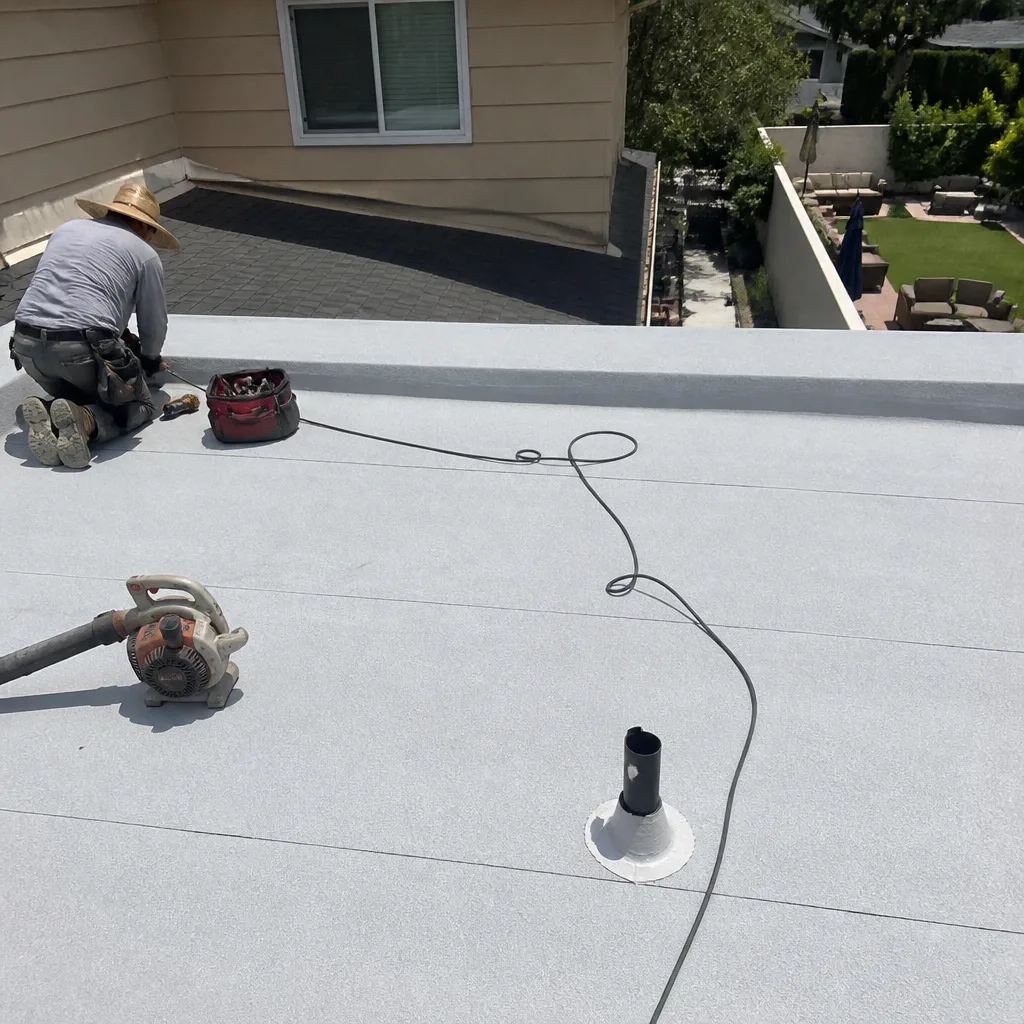 After
After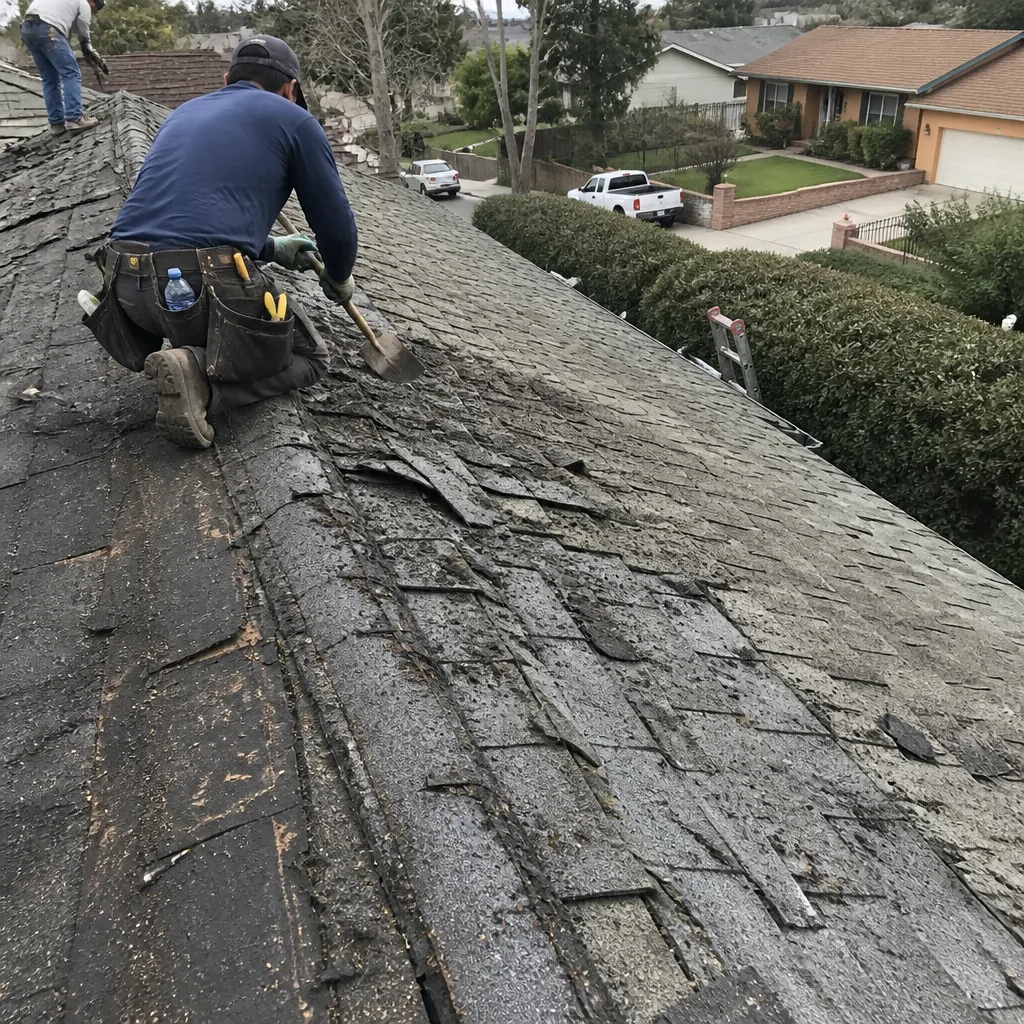 Before
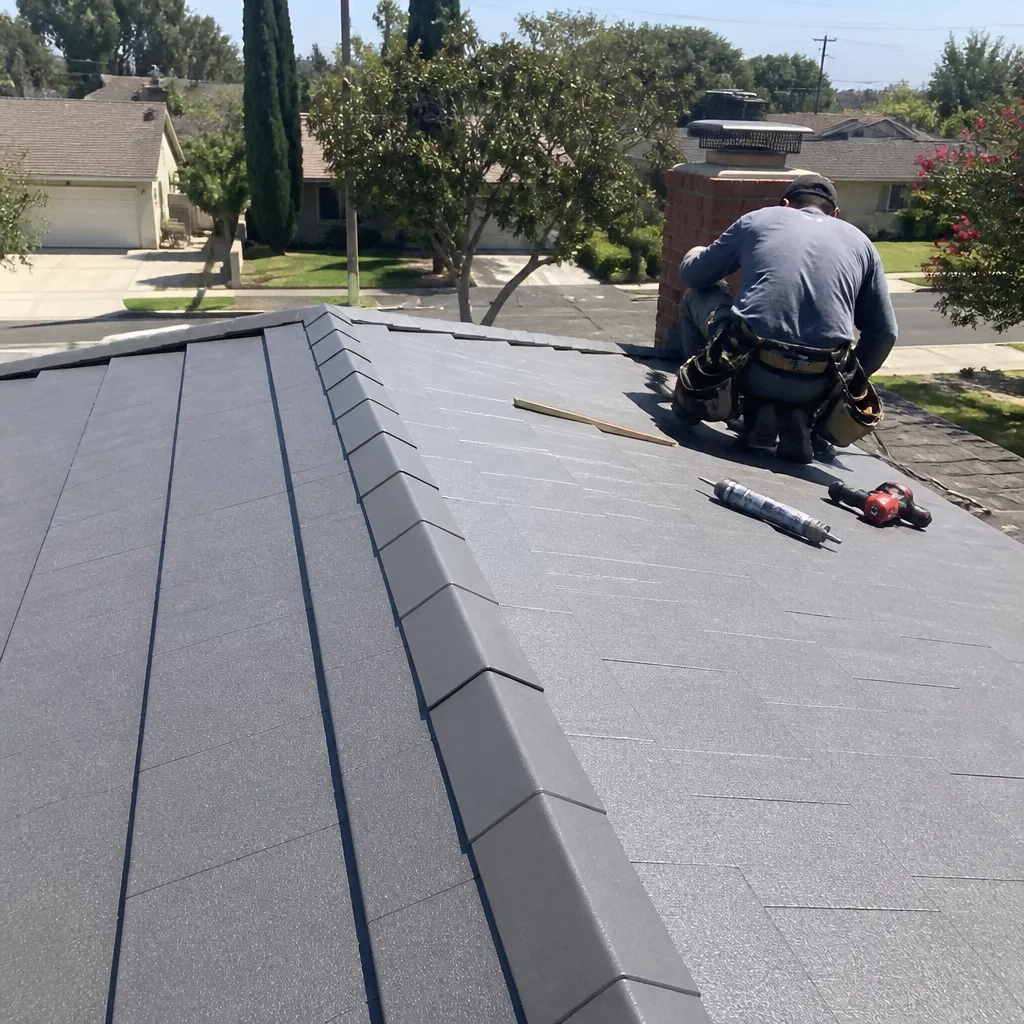 After
After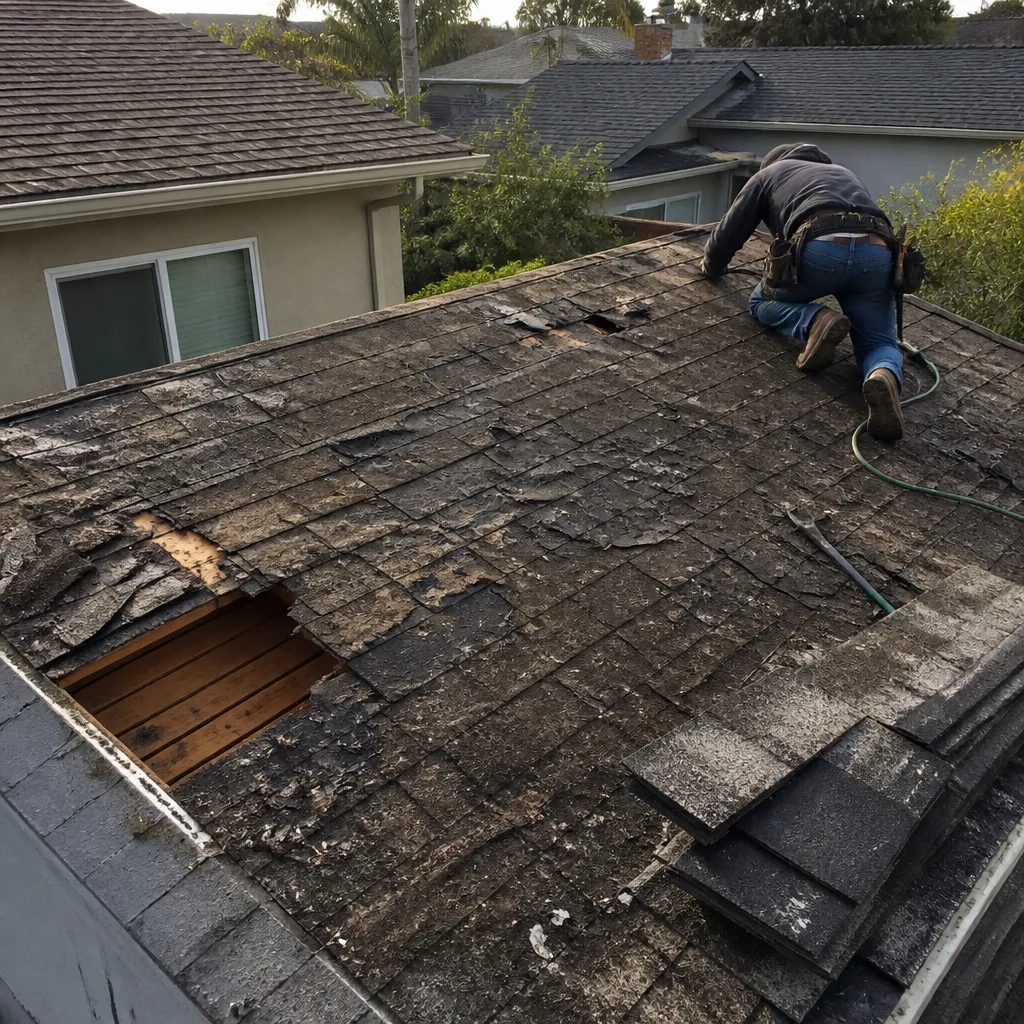 Before
 After
AfterFlashing Pulling Away from the Chimney
Chimney flashing that is separating from the masonry is almost always a sign that the seal between your roof and chimney has failed. Water can enter the gap immediately, especially during any rain, and the damage it causes inside the home tends to move fast. This is not a cosmetic issue – it is an active leak waiting to happen, or one that has already started.
The flashing is the thin metal barrier – usually galvanized steel, aluminum, or lead – that bridges the joint where your chimney meets your roof deck. That joint expands and contracts with every temperature swing, which is exactly why the seal fails over time. When it pulls away, even a small gap is enough for water to track down the chimney face, under shingles, and into your attic or the ceiling below. The longer the gap stays open, the deeper the damage goes.
Why It Happens
The Caulk or Sealant Has Dried Out and Cracked
Most flashing is held to the chimney with a layer of roofing caulk or sealant along the top edge. That material does not last forever. Heat, cold, and UV exposure harden it until it cracks and lets go – sometimes in one clean line, sometimes in a series of small gaps. If you can see a dark, shrunken bead of old caulk along the base of your chimney, or white chalky residue where the seal used to sit, this is almost certainly what you are looking at. It is the most common cause of flashing separation by a significant margin.
The Step Flashing or Counter Flashing Has Loosened
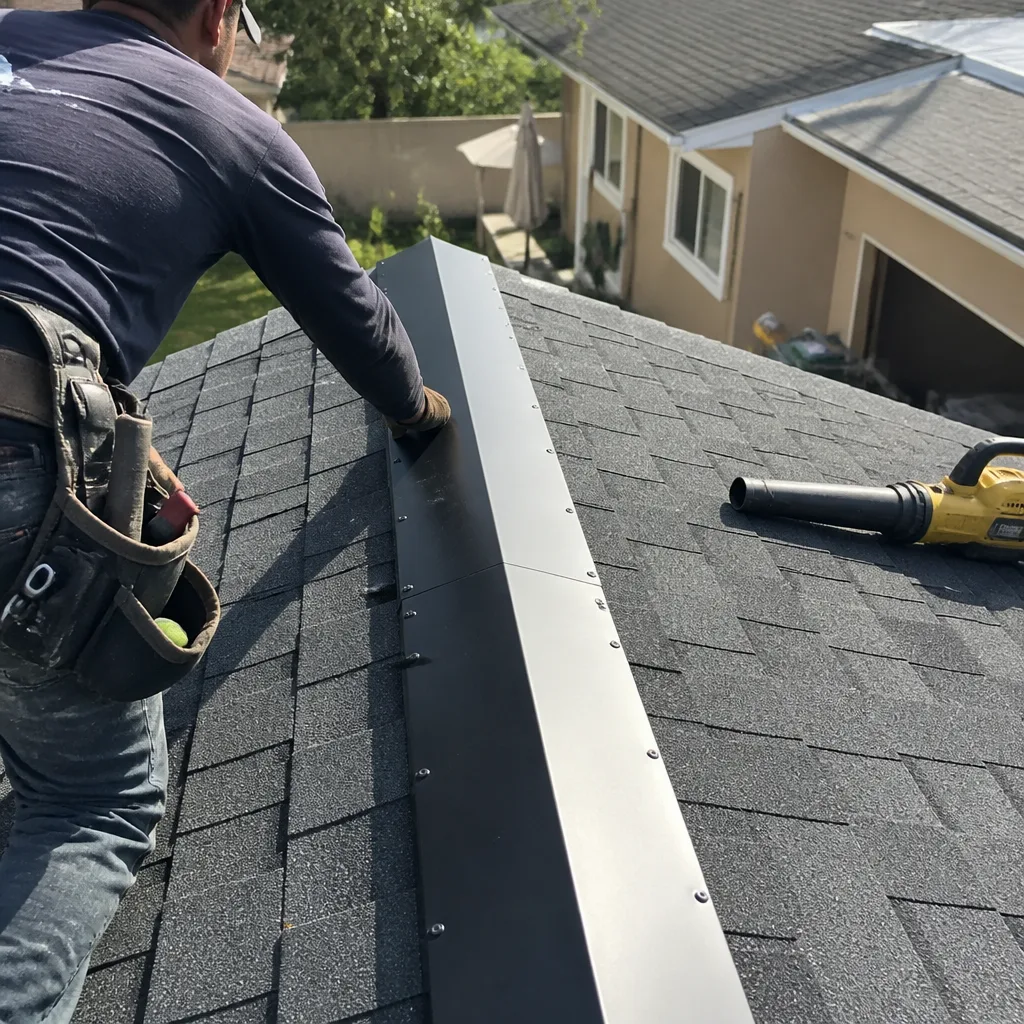
Chimney flashing is actually two layers: step flashing (L-shaped pieces tucked under each shingle course along the sides) and counter flashing (a separate metal strip embedded into a horizontal groove, called a reglet, cut into the chimney mortar). Counter flashing is secured with mortar or fasteners, and when either deteriorates, the flashing peels forward and down under its own weight. If the flashing is physically sticking out from the chimney wall – not just the seal, but the metal itself – and you can slide a finger behind it, the counter flashing has let go of the reglet.
Mortar Joints Have Eroded Around the Reglet
The reglet groove is only as strong as the mortar holding it closed. Chimneys are exposed to freeze-thaw cycles year after year, and that repeated expansion and contraction grinds mortar out of joints over time. When the mortar around the reglet fails, the counter flashing loses its anchor and the whole assembly begins to separate. You can often see this from the ground: look for missing or crumbling mortar along the horizontal joints of the chimney, especially near the roofline. Staining or dark streaking on the chimney face below those joints is another signal.
The Roof Deck Has Shifted or the Flashing Was Poorly Installed
Sometimes the problem is not wear – it is movement. An older home may have experienced enough structural settling that the roof deck has shifted slightly relative to the chimney, and that movement pulled the flashing out of position. Poor original installation can also leave the flashing undersized, poorly overlapped, or fastened in a way that cannot handle normal thermal movement. If your flashing looks buckled or wavy in addition to being separated, and if the gap is uneven rather than a consistent line, movement or original workmanship is likely a factor.
What to Do Right Now
- Photograph the gap before you do anything else. Get as close as safely possible from the ground or through an upstairs window. A clear photo of where the flashing has pulled away, and how far, helps your local Mercer Roofing team understand the scope before they even arrive.
- Check the ceiling and attic below the chimney. Go inside and look at the ceiling directly below or adjacent to the chimney for water staining, soft drywall, or dark spots. If you can safely access your attic, look at the underside of the roof deck near the chimney base for wet wood, staining, or insulation that looks compressed and discolored from moisture.
- Stop using your fireplace or wood stove until the flashing is assessed. A gap in chimney flashing can also mean the chimney crown or cap has compromised, and an active fire adds both heat stress and combustion gases to an already vulnerable joint. Do not add heat to the problem while the seal is open.
- Do not attempt to caulk or reseal the flashing yourself from a ladder. Rooflines are steep, surfaces are slick, and working at height near a chimney is genuinely dangerous without proper footing and equipment. A temporary fix that fails quietly can also mask ongoing water damage that a professional would otherwise catch. This one belongs on a professional’s to-do list, not yours.
- Note whether you have seen any interior water signs before today. Staining on a ceiling or wall that you wrote off as old may actually trace to this gap. Tell the technician – that history changes how they scope the repair and what they look for in the decking below.
How We Fix It
When your local Mercer Roofing technician arrives, the first thing they do is get eyes on the full flashing system – not just the section that is visibly separated. Step flashing, counter flashing, the reglet condition, the chimney crown, and the shingles immediately surrounding the base all get checked before any work plan is written.
From there, the repair path depends on what they find. If the sealant has simply failed and the metal is still properly positioned, the old material is cleaned out completely and the joint is resealed with a product rated for the thermal movement a chimney joint sees. If the counter flashing has separated from the reglet, the groove is cleaned, the flashing is repositioned and secured, and the mortar joint is repointed. If the step flashing under the shingles is corroded or displaced, those sections are replaced as part of the same visit. Most chimney flashing repairs are completed in a few hours.
This is a Roof Repair job, and sometimes a partial Roof Installation of the flashing system itself if the metal has corroded past serviceable condition. Before any of that starts, you get a written price. No work begins without it. The repair is covered by a written guarantee, and if it fails, a second visit is included – that is the 365-Day Done Right Promise, and it is in writing before we leave your driveway.
Frequently Asked Questions
It can physically wait, but every rainstorm between now and the repair is an opportunity for water to enter the gap and soak into your roof deck, insulation, or ceiling framing. Water damage compounds quickly – what costs a straightforward repair today can turn into decking replacement or interior remediation if it sits through multiple wet days. If you have already seen interior staining, the gap has likely been open longer than you realized. Call (743) 200-8347 and get a written assessment before the next rain.
The immediate danger is water damage, which can move faster than most homeowners expect once a roof-to-chimney seal fails. If you use the fireplace regularly, there is also the question of whether the separation has compromised the chimney crown or surrounding mortar, which is worth checking for both structural and ventilation reasons. Stop using the fireplace until the flashing has been inspected by a professional. Call (743) 200-8347 – a live person answers, day or night.
The honest answer is that it depends on what the technician finds once they assess the full flashing system: how much metal needs to be replaced, whether the reglet mortar needs repointing, and what condition the surrounding shingles and decking are in. Mercer Roofing does not quote prices until we have seen the actual job – but every price we give is in writing before any work starts, and it does not change once work is underway. Call (743) 200-8347 to schedule your free written estimate.
Before your technician arrives, your local Mercer Roofing team sends you their name and photo. When they get to the door, they present a photo ID badge and arrive in a clean, marked uniform – that is the Threshold Standard, and every Mercer technician is background-checked and identity-verified before they ever arrive at a customer’s home. If anyone shows up who you were not told to expect, that visit is on us and we make it right.
Get It Fixed
Flashing that has pulled away from the chimney is not something to watch and wait on. Call (743) 200-8347 – a live person answers every call, day or night – or book online to schedule your free written estimate. Your local Mercer Roofing team will assess the full flashing system, put the price in writing, and get the job done right.
Written by Grant Whitlock, Owner at Mercer Roofing, part of the Threshold Group family of home-service companies serving communities nationwide since 2000.
What Our Customers Say
"Full tear-off and new shingles on our two-story. They covered the landscaping with tarps and ran a magnet over the yard afterward. Didn't find a single nail."
- Karen V."Good roof repair. The crew was a day later than planned because of rain, which I understand, but the scheduling got moved twice. Work itself is clean and has held up."
- Dale T."Replaced the ridge cap and drip edge, and fixed a sagging gutter that nobody else mentioned. Fair price."
- Phil N.