

Free roof inspection with deck photos before we talk money - GAF and Owens Corning certified installation





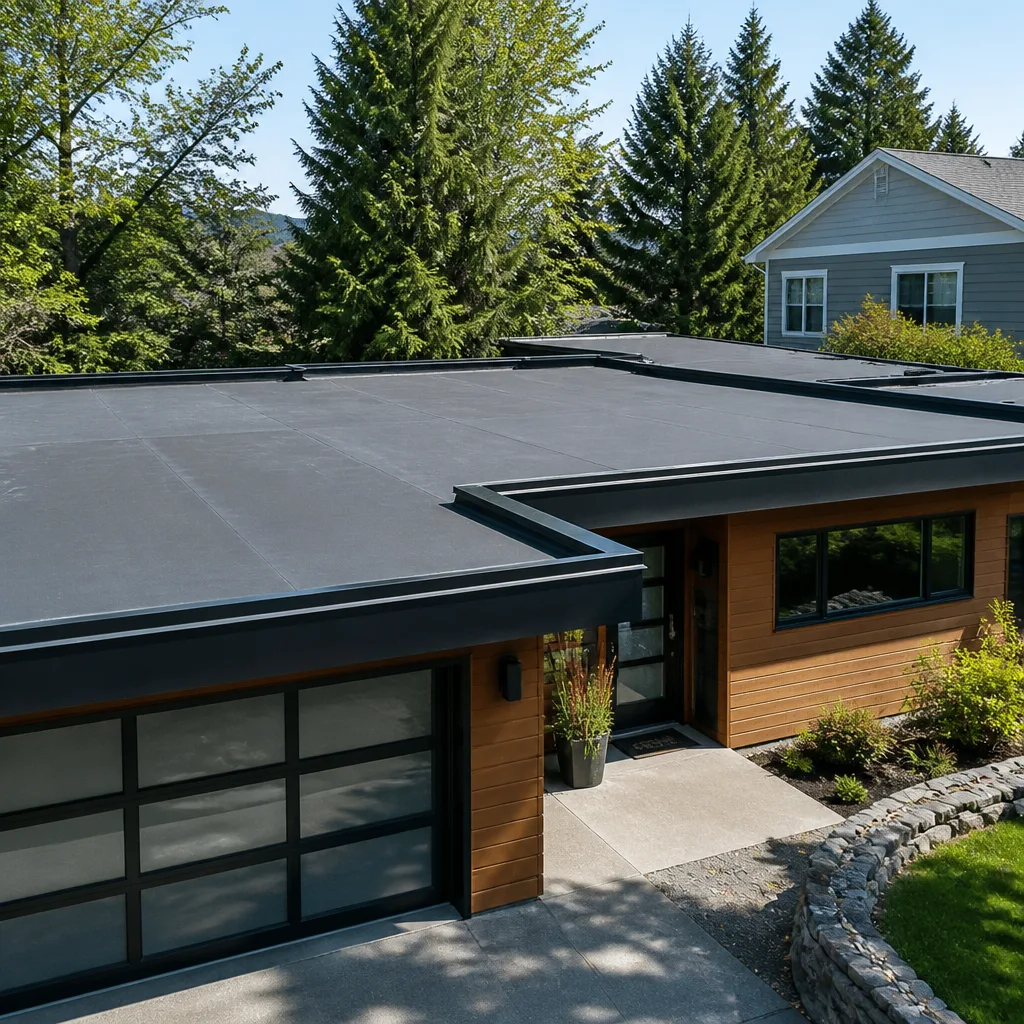
 Before
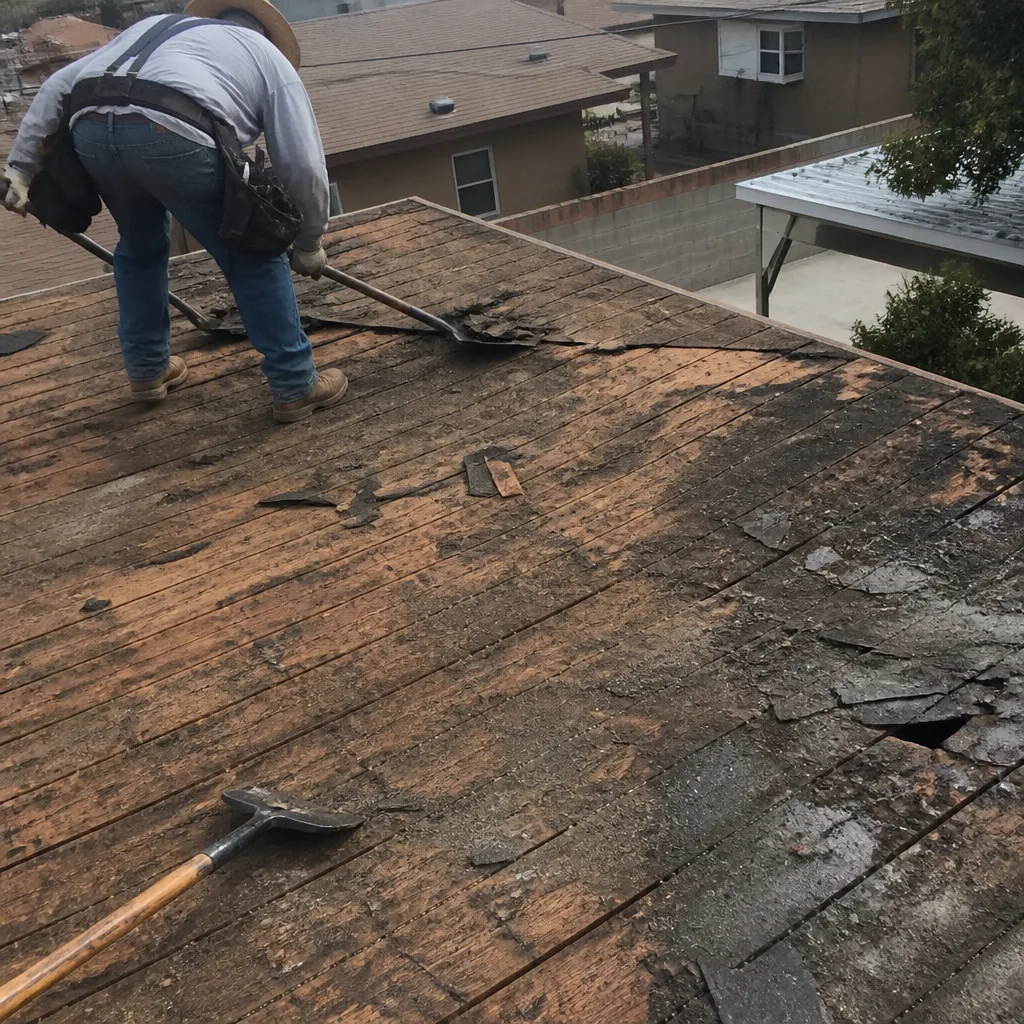
 After
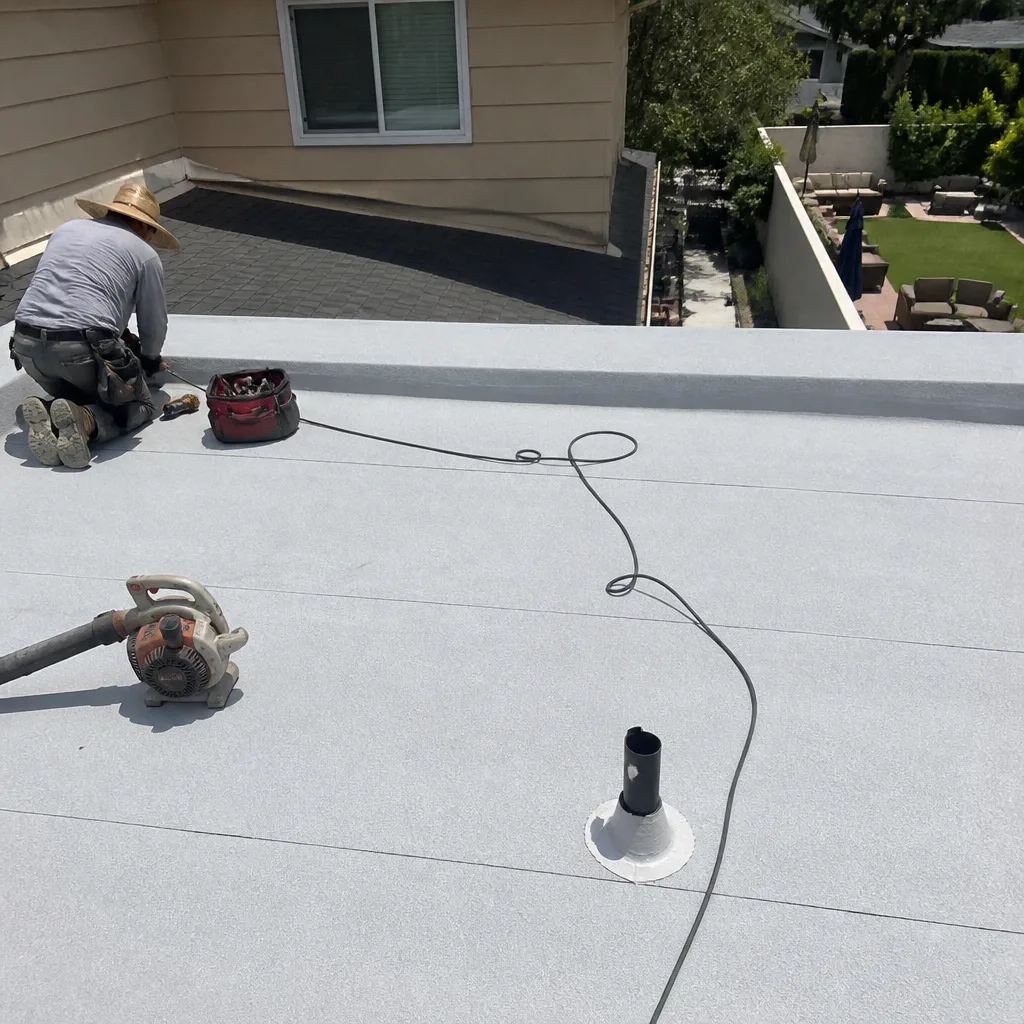
After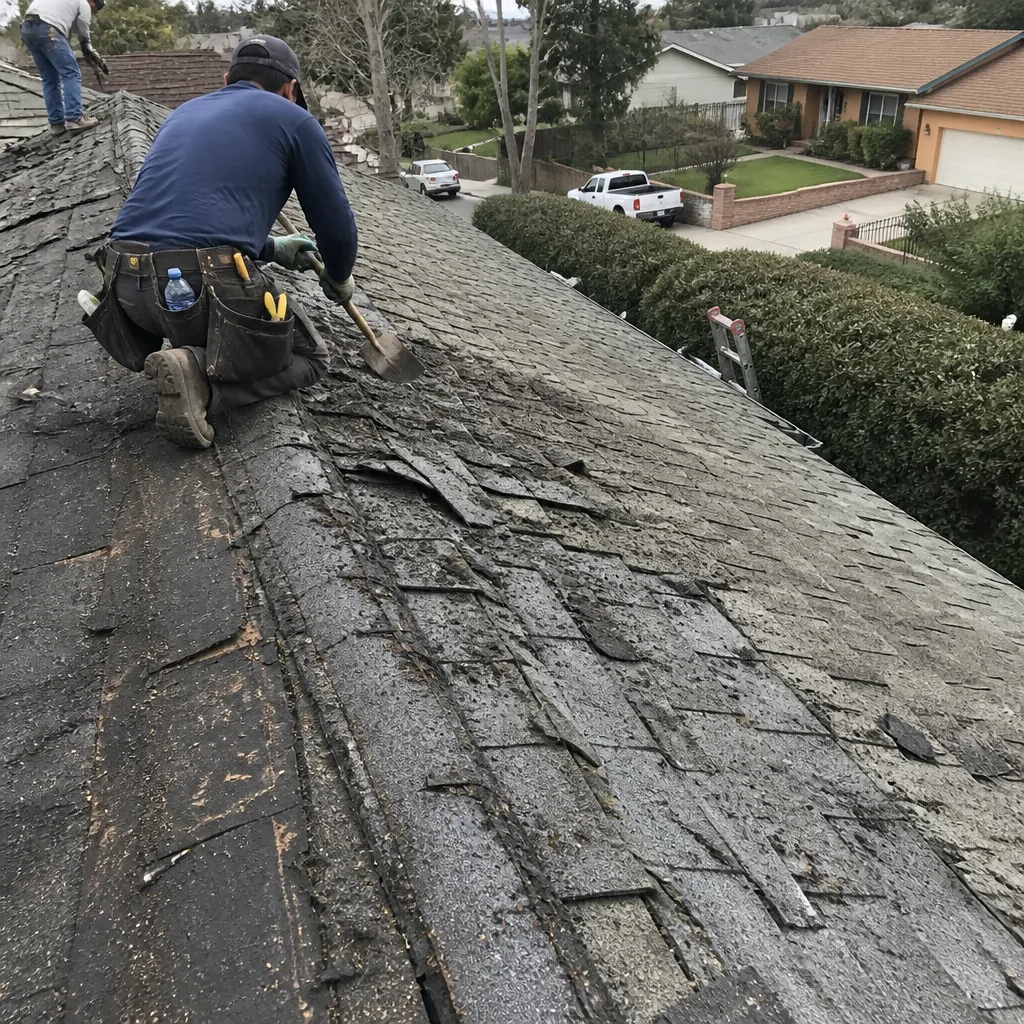 Before
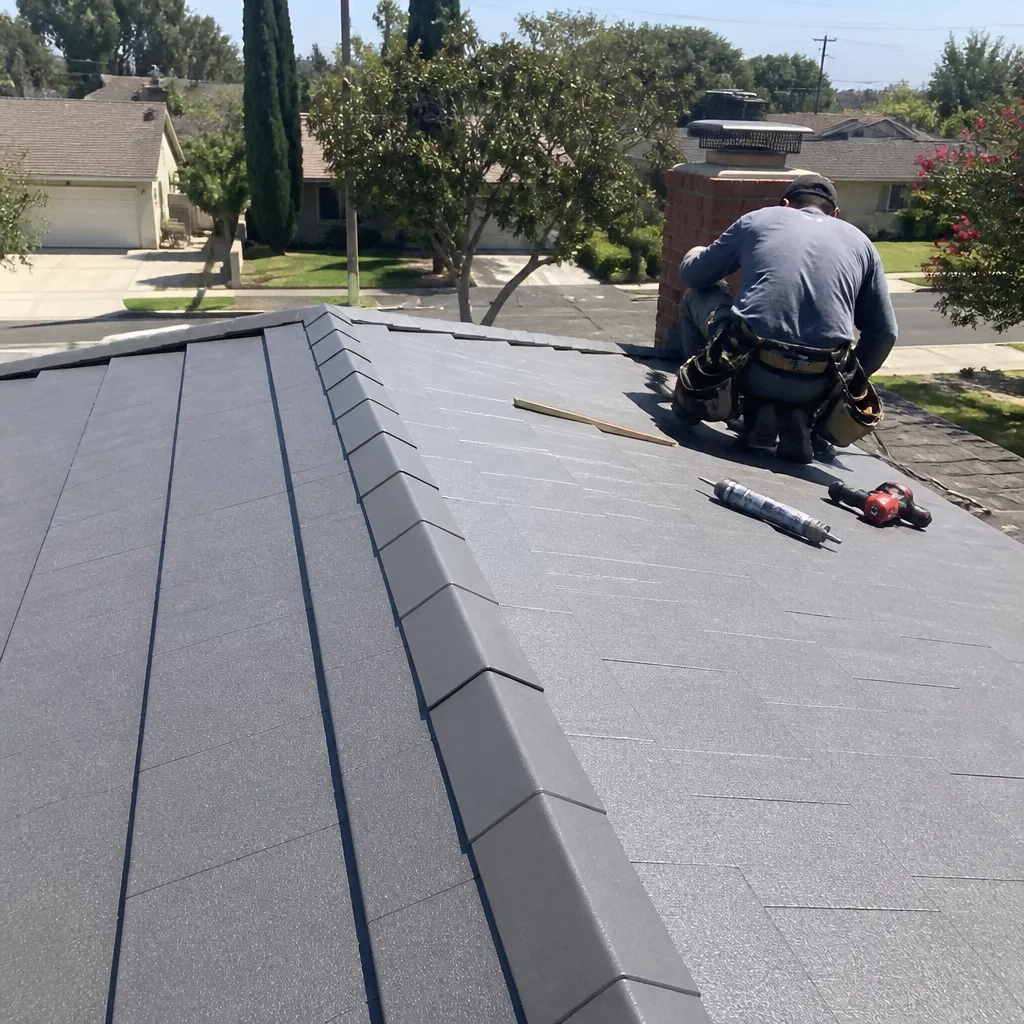 After
After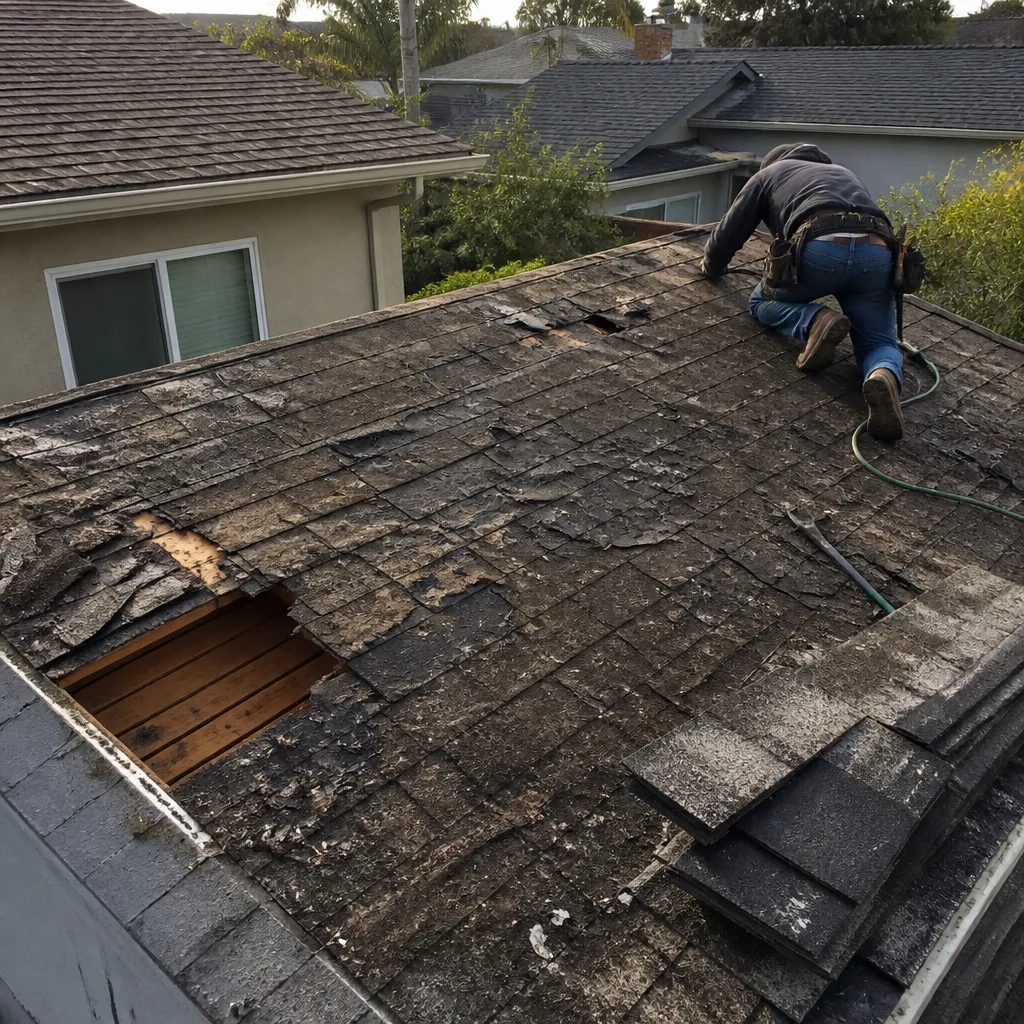 Before
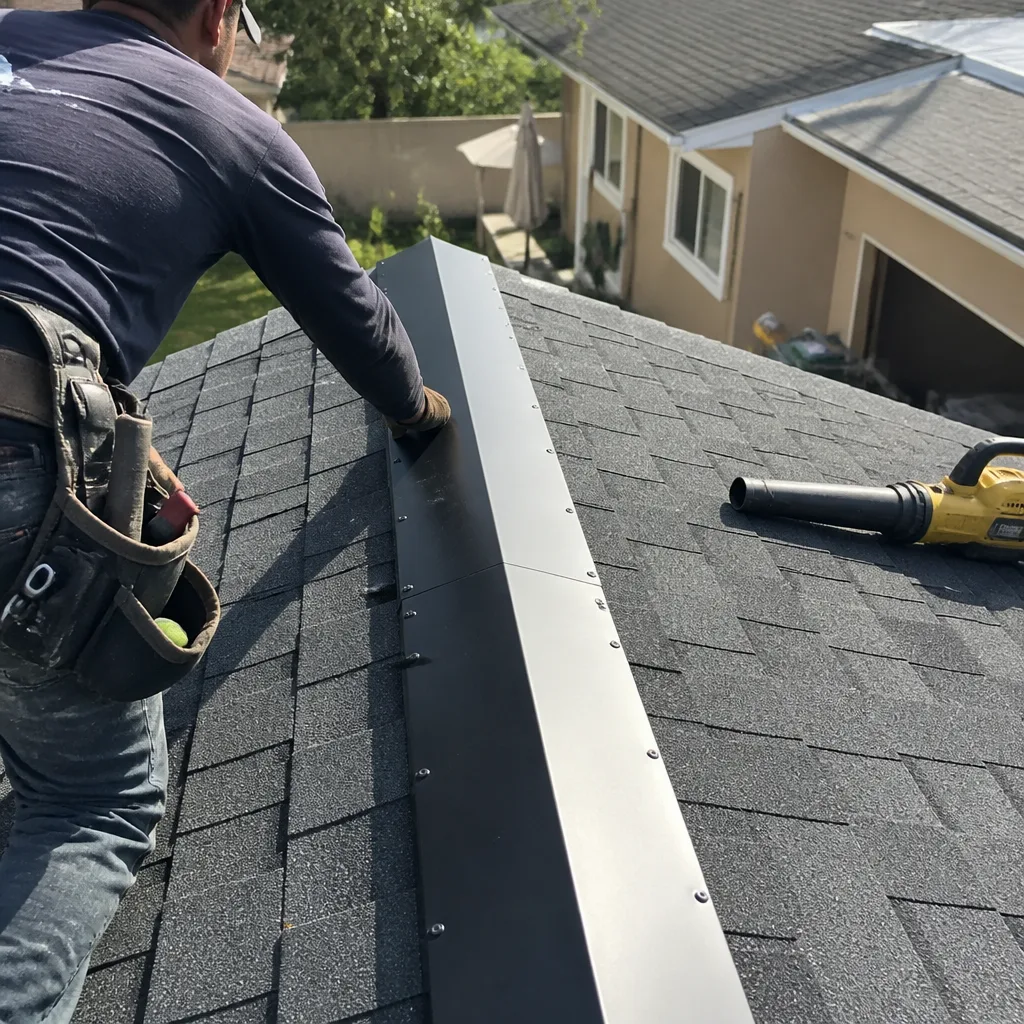 After
AfterGranules in the Gutters
You noticed dark, sand-like grit collecting in your gutters or scattered across your driveway after a rain. That’s asphalt shingle granules, and finding them in significant volume almost always means your roof is aging past the point of cosmetic wear and moving into a phase where leaks follow. A professional inspection is the right next step – the sooner, the better.
Every asphalt shingle is coated with mineral granules. They protect the asphalt layer underneath from ultraviolet light and heat. When those granules start shedding in noticeable quantities, the asphalt itself begins to dry out, crack, and lose the flexibility it needs to keep water out. A few granules after installation is normal. A gutter full of grit, or dark bare patches you can see from the ground, is a different conversation entirely.
Why It Happens
Age-Related Wear
Most asphalt shingles are engineered to last two to three decades, but granule loss tends to accelerate sharply in the final years of a roof’s life. The factory adhesive that holds the granules to the asphalt weakens over time, and heat cycles speed the process along. If your roof is fifteen or more years old and you’re scooping grit out of the gutters regularly, the roof is telling you it’s on borrowed time. Look for bald or dark patches on the shingles from the ground – those are spots where the granule layer is already gone.
Storm and Impact Damage
Hail, wind-driven debris, and even heavy rain can knock granules loose in a single event. If you noticed the grit appeared after a storm rather than building up slowly over months, impact damage is likely. Walk around the perimeter of your house and look at the shingles from ground level. Circular dents, cracked tabs, or areas where the shingle surface looks chewed up are signs that something hit the roof hard enough to matter.
Manufacturer Defects or Low-Grade Shingles
Occasionally, granule adhesion fails prematurely because of a manufacturing issue or because a previous contractor installed a shingle grade that was undersized for the climate and pitch of the roof. This kind of loss tends to appear in patches rather than evenly across the whole surface. If your roof is less than ten years old and you’re already filling your gutters with grit, that’s a pattern worth having a professional look at rather than something to attribute to normal wear.
Poor Ventilation Baking the Roof from Below
A roof that can’t breathe traps heat in the attic, and that heat pushes upward into the shingles from the underside all day long. Over time, that accelerated thermal stress loosens granules faster than normal aging would. You might notice the granule loss is worst on south- or west-facing slopes that take the most direct sun. If your attic feels noticeably hot in summer or you see ice dams forming at the eaves in winter, ventilation is worth adding to the inspection conversation.
What to Do Right Now
- Photograph the gutters before you clean them. Get a clear photo of the volume of granules sitting in the gutter channel. That image is useful context for whoever inspects the roof.
- Look at the roof from ground level. You don’t need to climb anything. Walk the perimeter and look for dark, bald patches on the shingles or areas where the surface texture looks uneven. Note which slopes look the worst.
- Check your attic for daylight or staining. From inside the attic, look toward the roof deck. Any pinpoints of light coming through mean the deck has a breach. Water stains on the decking or insulation mean water has already gotten in. Take photos of anything you find.
- Do not go on the roof yourself. A roof with granule loss is also a roof with compromised surface grip – the bare asphalt is slicker than intact shingles. Roof heights are genuinely dangerous, and the inspection itself is something a trained technician handles with the right equipment. Stop at ground level and let the professional take it from there.
- If water is already getting inside, stop using the affected rooms normally. Move anything valuable away from ceiling areas that feel soft or show water staining. Place a bucket if there’s active dripping, and call immediately – granule loss that has progressed to an active leak needs to be looked at the same day.
How We Fix It
When your local Mercer Roofing team arrives, the technician will do a systematic inspection of the roof surface, the gutters, the flashing, and – where accessible – the attic deck. Before anyone picks up a tool, you’ll have a written price in hand. That’s not a policy we bend on.
What happens next depends on what the inspection finds. Localized damage from a storm or a failed section of shingles is typically addressed through Roof Repair – replacing the affected shingles or flashing and sealing the area properly. If the granule loss is widespread and the shingles are past useful life, the honest answer is usually Roof Installation – a full replacement using shingles from manufacturers we work with regularly, including GAF, CertainTeed, Owens Corning, IKO, Atlas, Tamko, and Boral.
Every repair is covered by a written guarantee, and if the repair fails, we come back at no charge. That’s the 365-Day Done Right Promise – not a sales line, a written commitment that comes with the job.
Frequently Asked Questions
Granule loss is a warning sign, not an immediate emergency on its own – but it has a tendency to become one faster than homeowners expect. Once the granule layer thins enough, the underlying asphalt dries out and cracks, and water finds those cracks during the next rain event. The smarter move is to get an inspection now rather than wait until you’re dealing with a ceiling stain or rotting decking. Call (743) 200-8347 to schedule a free written estimate – it costs you nothing to know where you stand.
There’s no honest number to give you here without seeing the roof. A localized repair on a few damaged shingles costs considerably less than a full replacement, and the only way to know which situation you’re actually in is a proper inspection. Your local Mercer Roofing team provides a written price before any work starts – that price doesn’t change once the job begins. Call (743) 200-8347 and we’ll get someone out to put a real number in writing.
Our phone is answered by a live person every hour of every day – not a voicemail, not a callback form. If you call (743) 200-8347 right now, a real human picks up and can start the scheduling conversation immediately. Whether that appointment is today or the next available day depends on your local team’s current schedule, but you’ll know quickly and won’t be left wondering.
Sometimes, yes. A ten-year-old roof shedding granules at a high rate usually points to a ventilation problem, a manufacturing defect, or substandard shingles installed during a previous repair. None of those automatically mean full replacement – a repair may be the right call – but they do mean the roof needs a professional eye on it sooner rather than later. An inspection will tell you exactly what you’re dealing with, and the estimate is free and in writing.
Get It Fixed
Granules in the gutters are your roof telling you something. Your local Mercer Roofing team will inspect it, give you a written price before any work starts, and back every repair with the 365-Day Done Right Promise. Call (743) 200-8347 now – a live person answers – or book online. The estimate is free.
Written by Grant Whitlock, Owner at Mercer Roofing, part of the Threshold Group family of home-service companies, serving communities across the country since 2000.
What Our Customers Say
"Leak showed up in the hallway ceiling after a big storm. They found the failed pipe flashing in about ten minutes, replaced it, and checked the attic for wet insulation."
- Sophie R."Chimney flashing was the culprit for years of dark stains on the ceiling. Fixed it in one visit and no more stains."
- Ian O."Roofer showed his ID and gave me the crew lead's name before anyone climbed the ladder. Replaced a patch of missing shingles and resealed two vent boots. Written estimate matched the final bill."
- Brian J.