
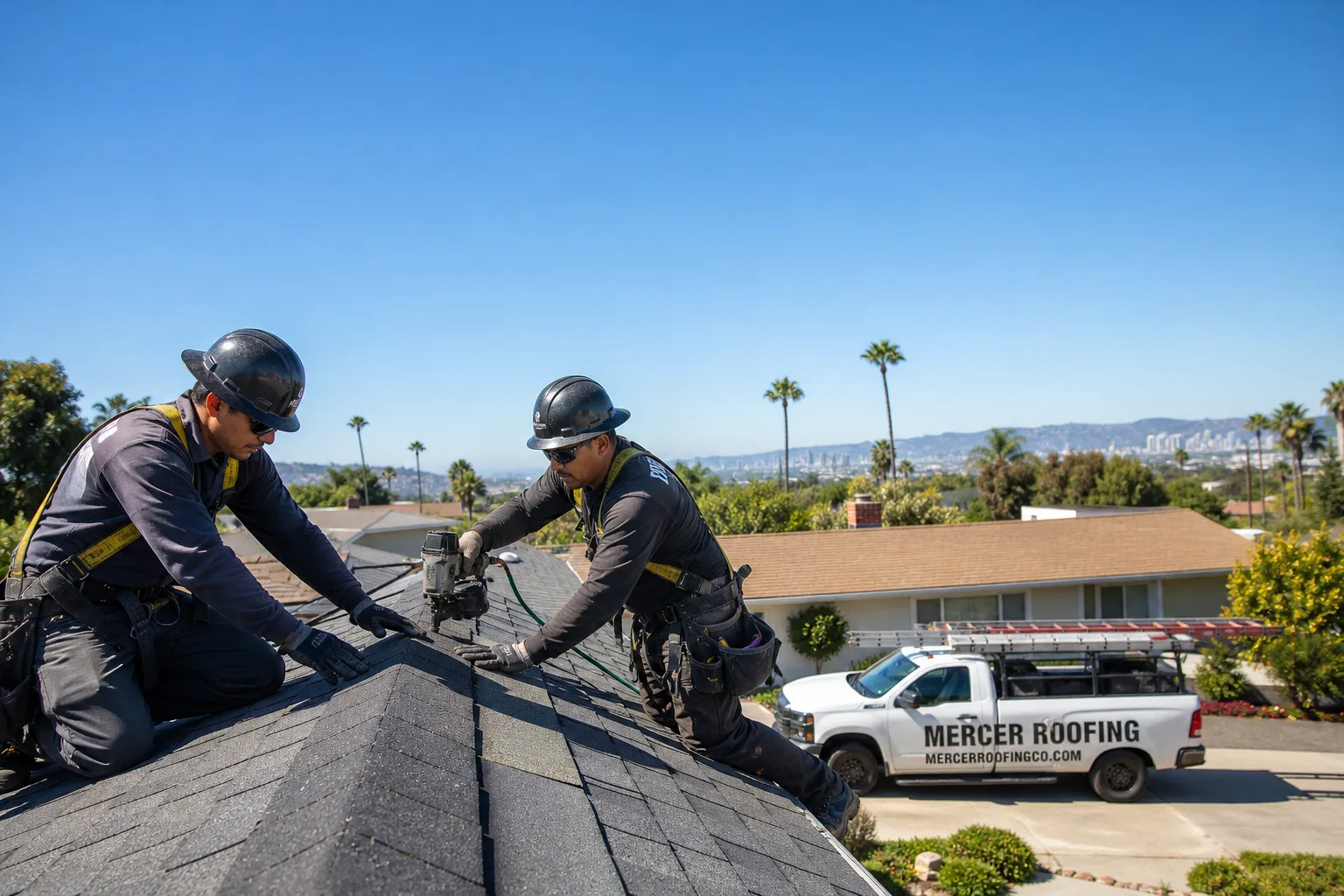
Free roof inspection with deck photos before we talk money - GAF and Owens Corning certified installation
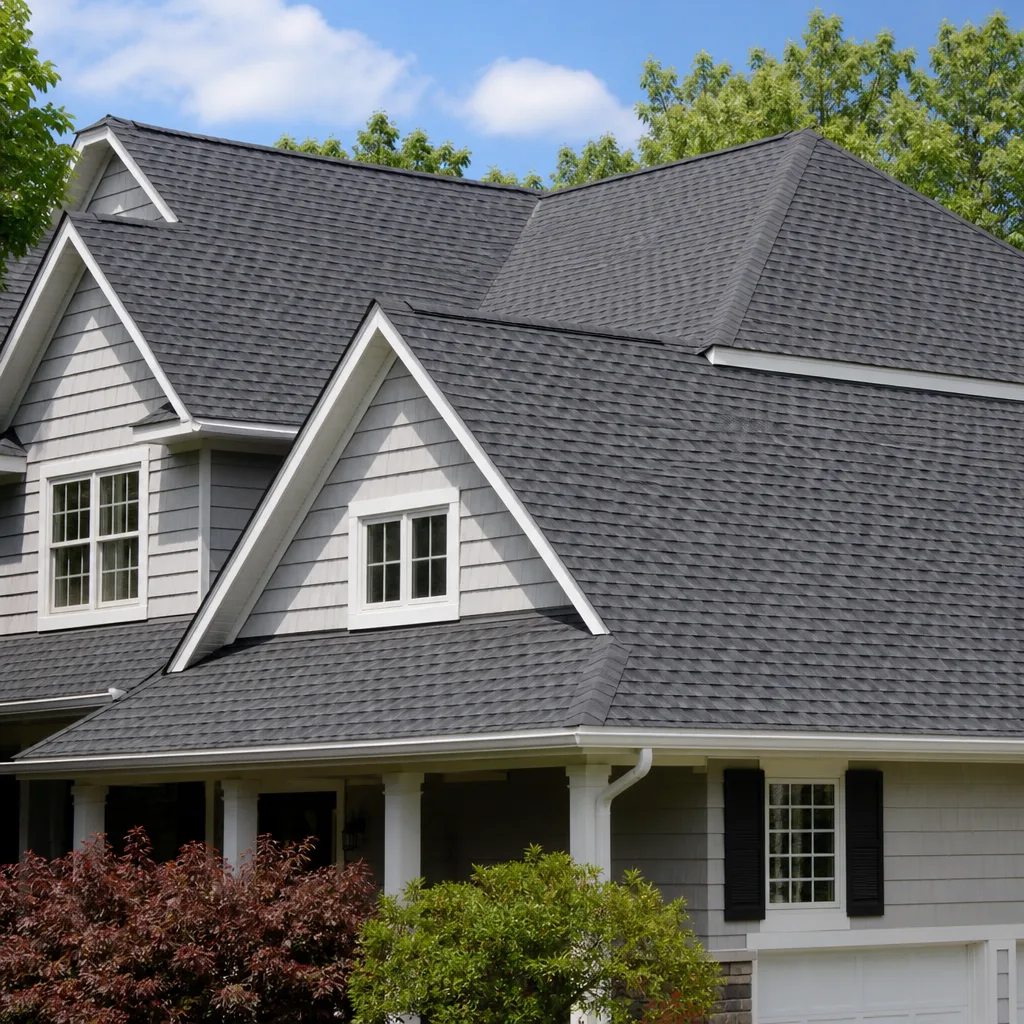
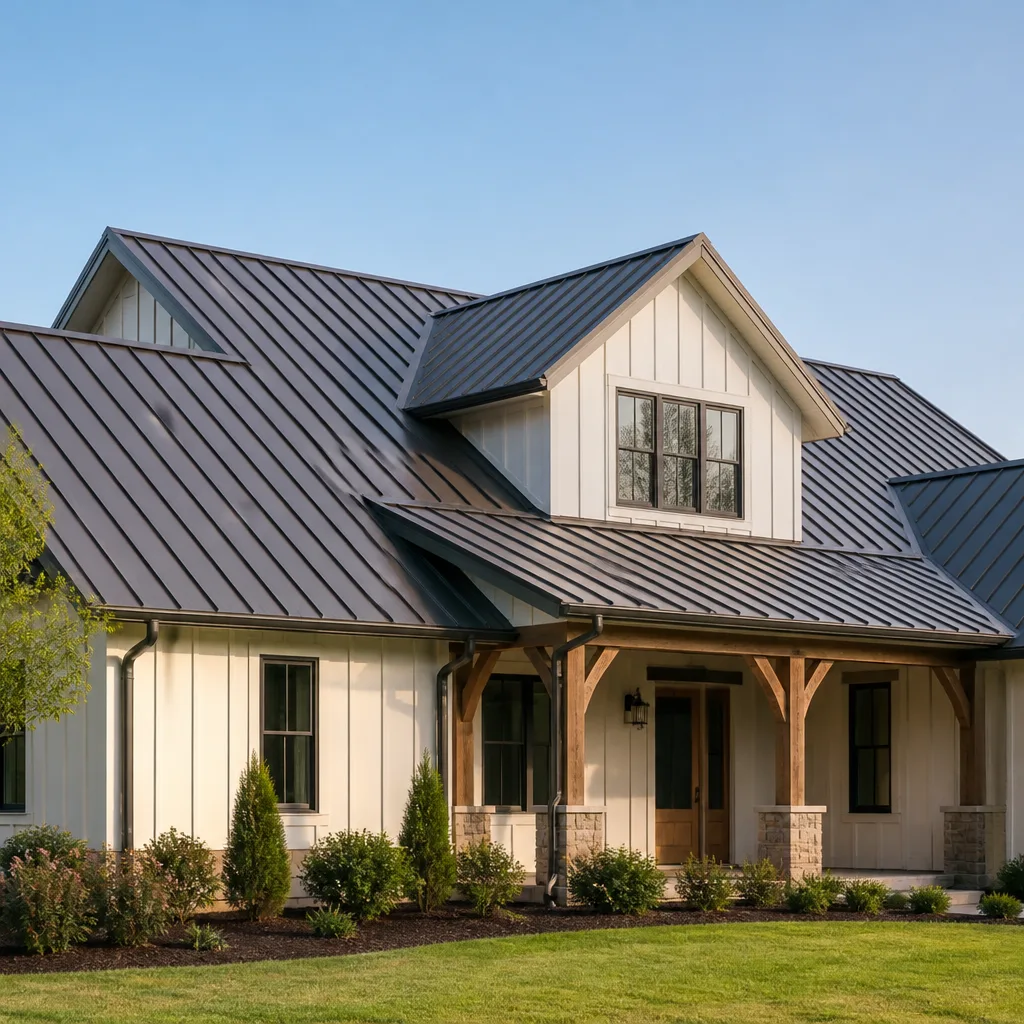
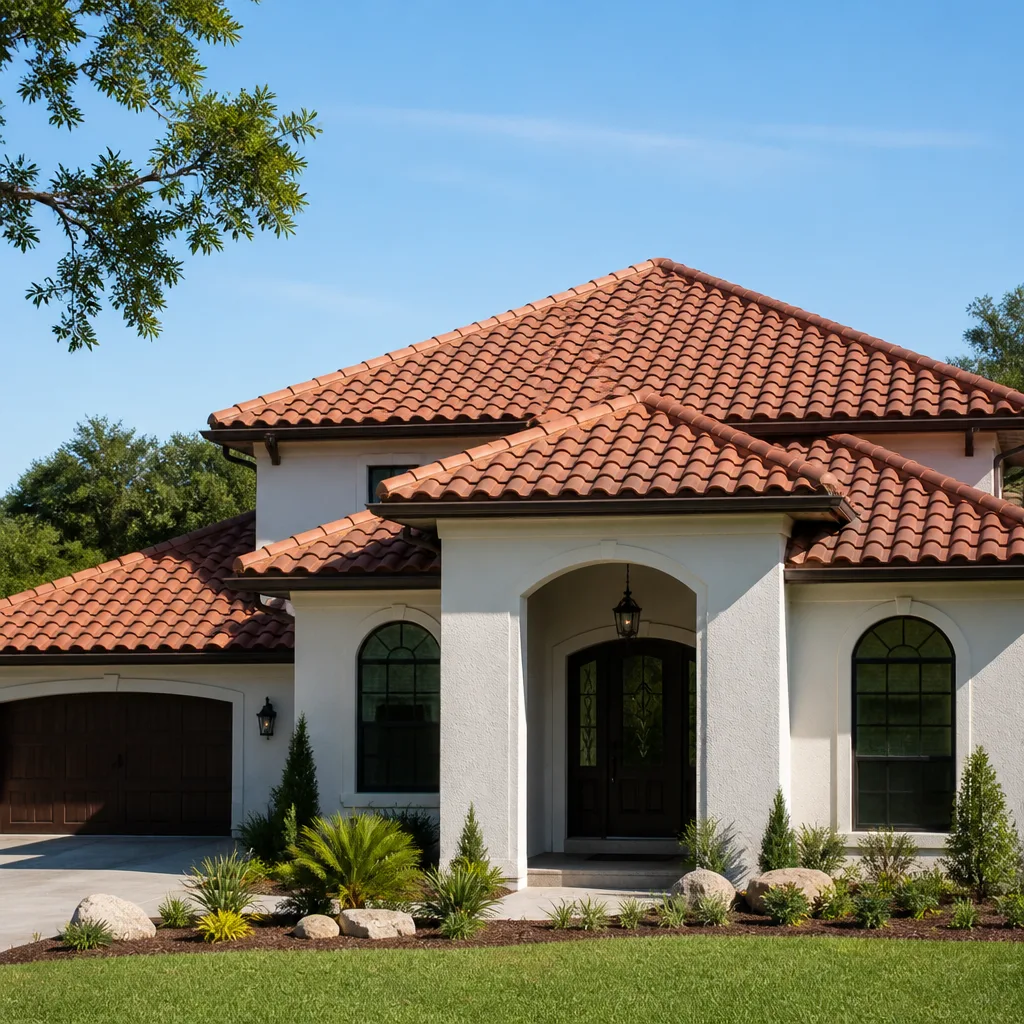
 Before
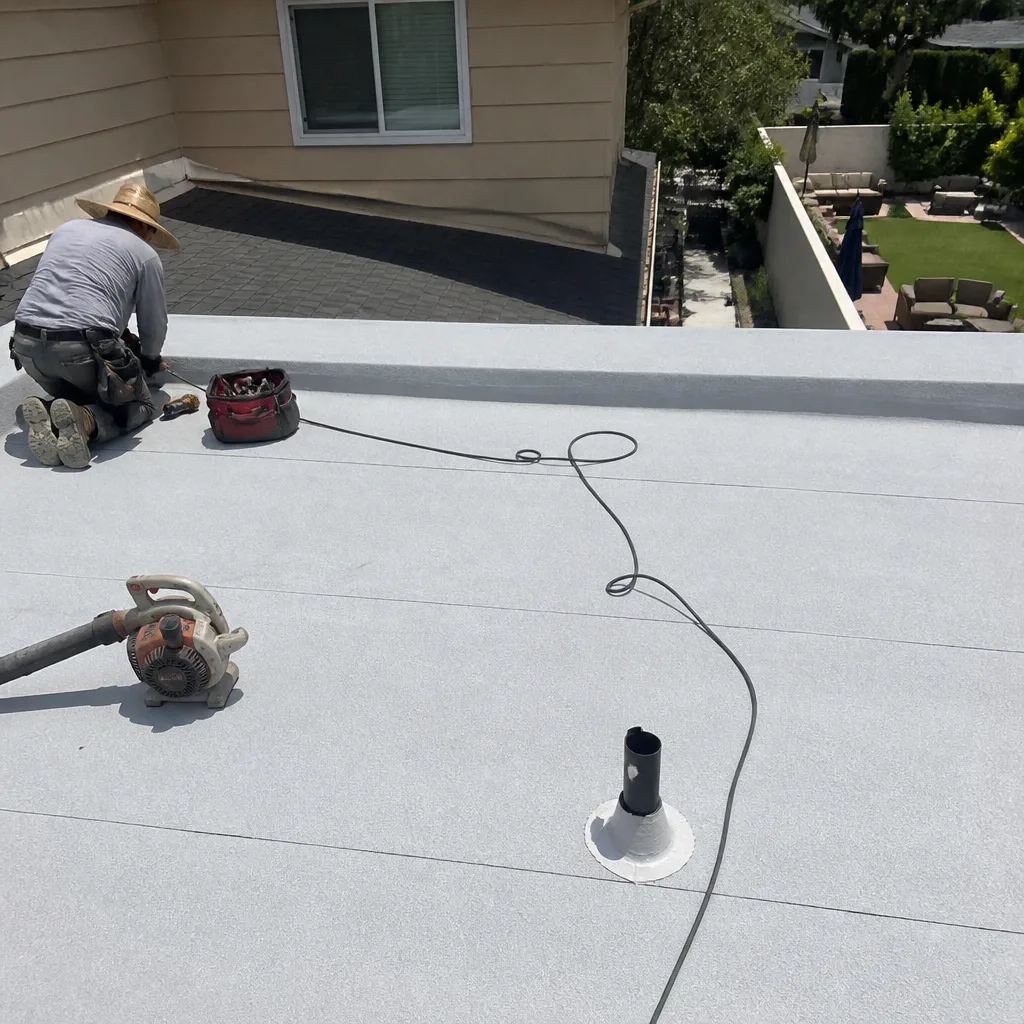 After
After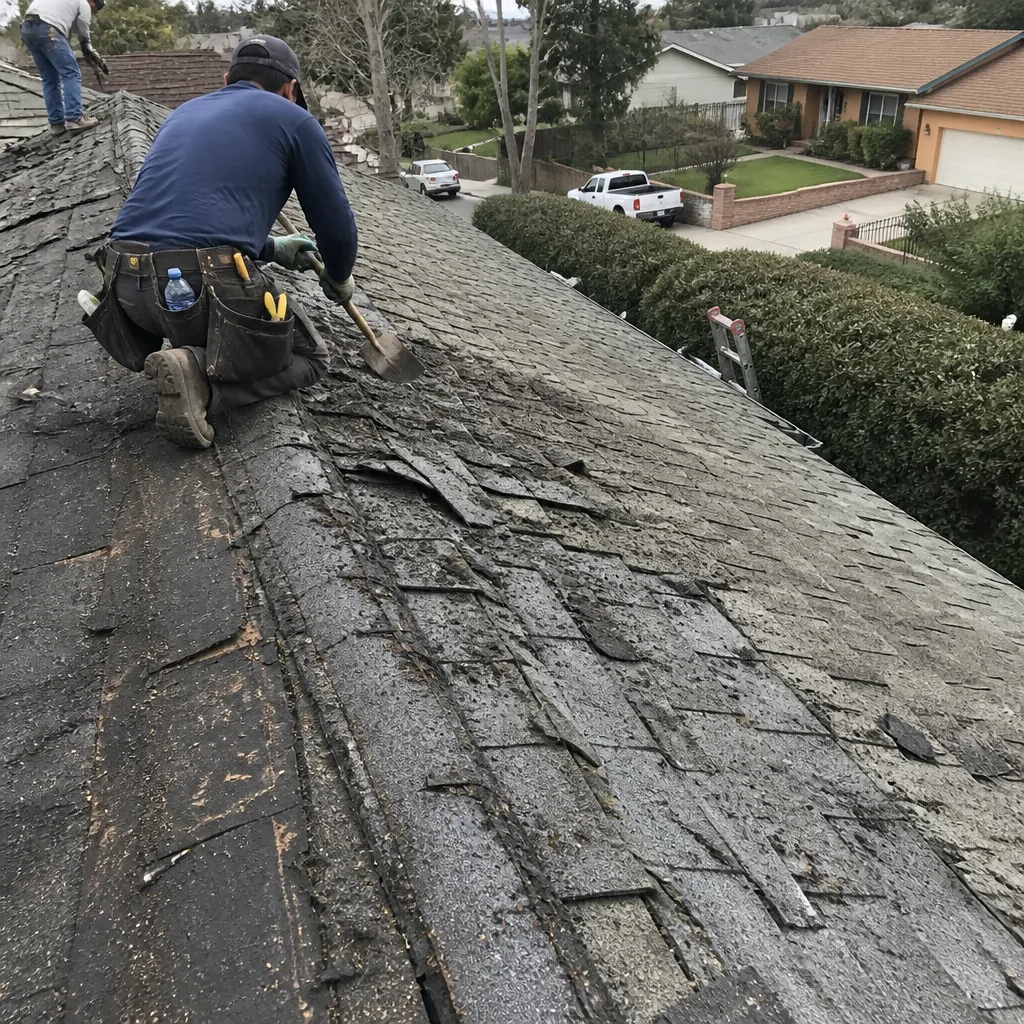 Before
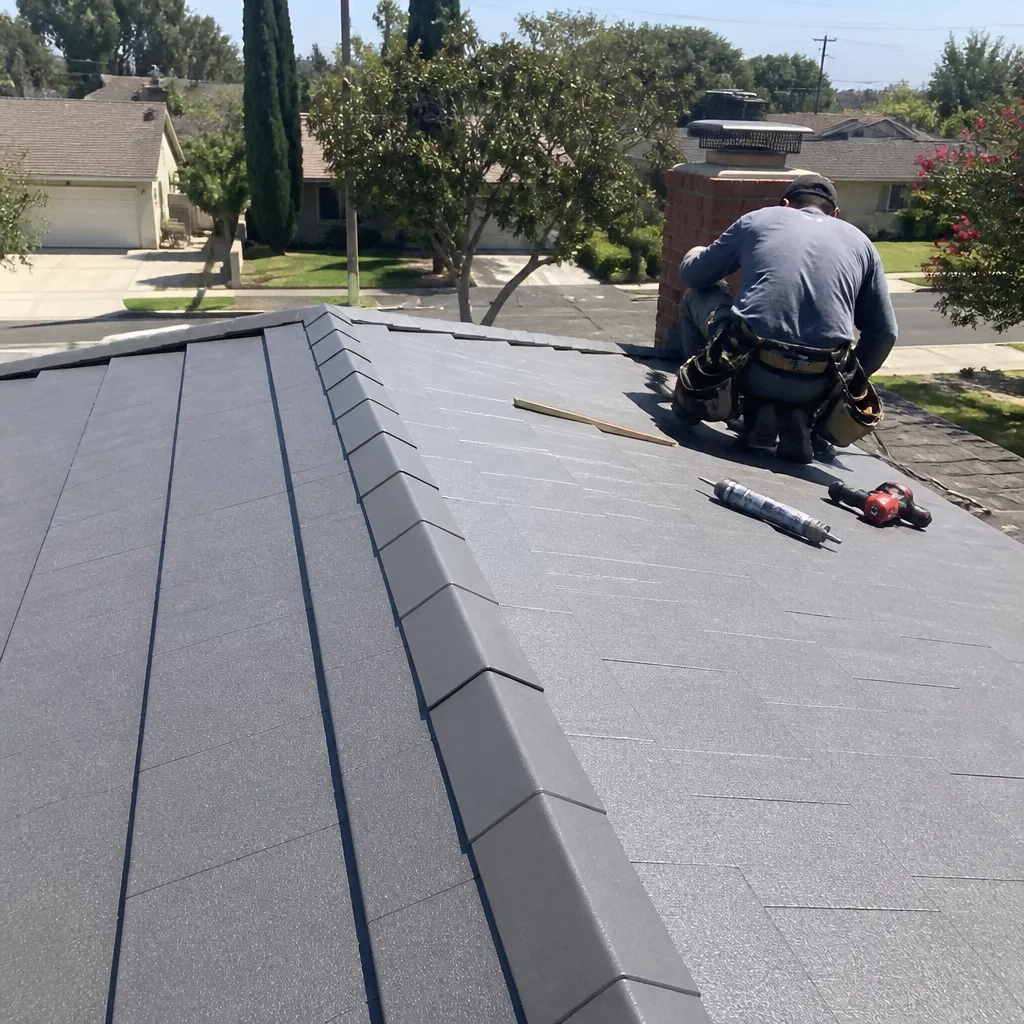 After
After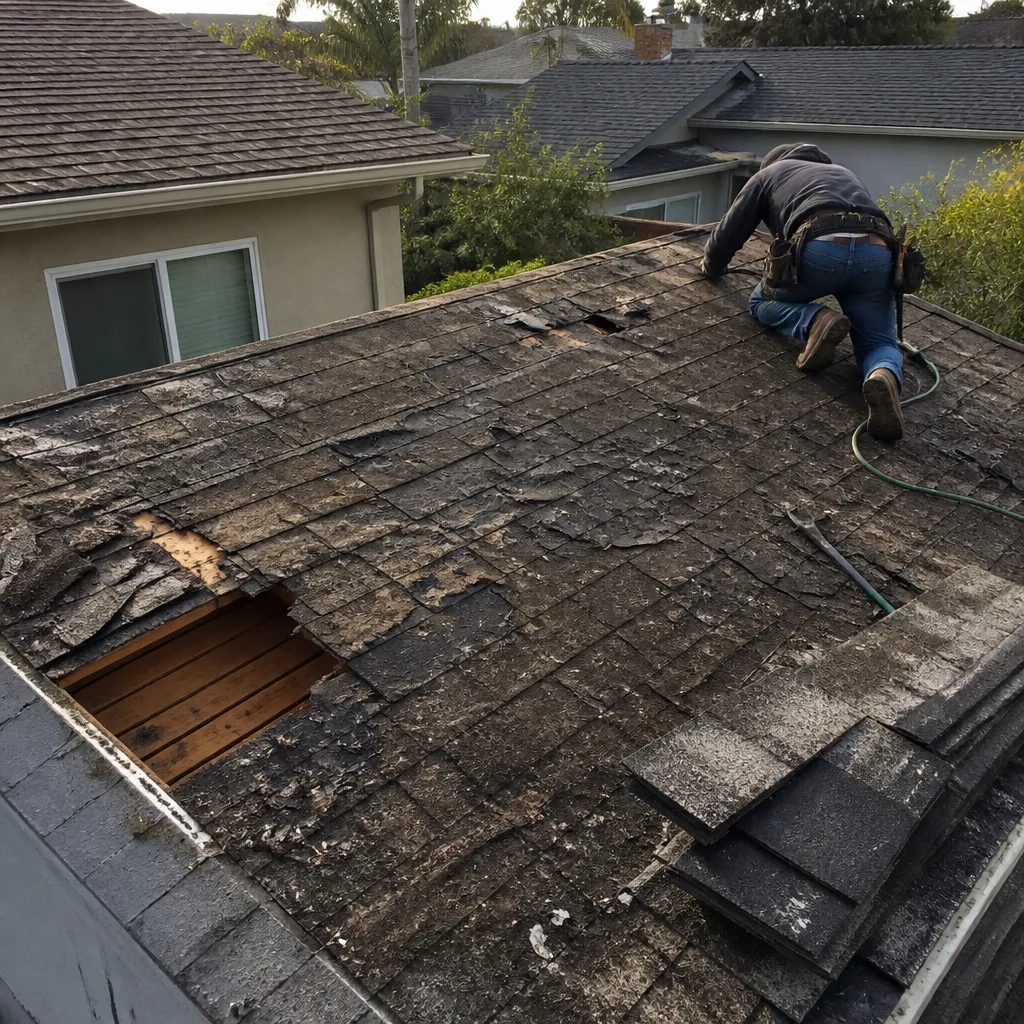 Before
 After
AfterWhat’s Happening
Ice dams are a roofing and insulation problem, not just a weather problem. They form when heat escaping through your attic melts snow on the upper part of your roof, the water runs down, and then refreezes at the colder eaves and gutters – trapping more meltwater behind a growing wall of ice. That backed-up water has nowhere to go except under your shingles and into your home.
If you’re seeing icicles along your roofline, water stains spreading across your ceiling or interior walls, or ice buildup that’s clearly heavier in some spots than others, you’re looking at an active ice dam. The danger isn’t the ice itself – it’s the water sitting behind it that has very likely already worked its way past your shingles. Left alone, that water damages decking, insulation, interior framing, and drywall. The longer it sits, the more it costs to fix.
Why It Happens
Inadequate Attic Insulation
This is the most common cause. When your attic doesn’t have enough insulation, warm air from your living space rises straight into the attic and heats the roof deck unevenly. The ridge and middle of the roof stay warm while the eaves stay cold. You can often spot this pattern from outside: if snow is melting noticeably faster near the peak than at the edges, your insulation is almost certainly the issue. A well-insulated roof should hold snow relatively evenly across its surface in cold weather.
Blocked or Insufficient Attic Ventilation
Even with decent insulation, a roof needs proper airflow – cool air in through soffit vents at the eaves, warm air out through ridge vents at the top – to keep the deck temperature consistent. When soffit vents are blocked by insulation, debris, or a past roofing job that simply missed them, heat builds up in the attic and the cycle starts. If you have ice dams every winter regardless of how cold it gets, and the problem runs the full length of the eave rather than just one spot, ventilation is a likely culprit alongside insulation.
Ice and Water Shield That’s Missing or Failing
Ice and water shield is a self-adhering membrane installed under your shingles along the eaves specifically to prevent meltwater from getting into the deck. Older roofs – anything installed before building codes made this layer standard in cold climates – may not have it at all. Roofs where a previous repair was done quickly and cheaply may have gaps. You won’t be able to see this from the ground, but if water is getting in right at the exterior wall line, that’s a strong indicator the barrier below the shingles isn’t doing its job.
Air Leaks From the Living Space Into the Attic
Recessed lights, attic hatches, plumbing penetrations, and unsealed gaps around ductwork can push warm, moist air directly into the attic even when the bulk insulation looks fine. These “thermal bypasses” create hot spots on the roof deck above them. If your ice dam is concentrated over one section of the roof rather than spread uniformly across the eave, look at what’s directly below that area on the ceiling – a recessed light or poorly sealed attic hatch is often the answer.
What to Do Right Now
- Don’t go on the roof. A snow- and ice-covered roof is one of the most dangerous surfaces a homeowner can step onto. Even a shallow pitch becomes a serious fall hazard in winter conditions. Leave the roof itself to trained technicians with the right safety equipment.
- Photograph everything you can see from the ground or from inside. Get shots of the ice buildup along the eaves, any icicles, and any water stains or drips on interior ceilings and walls. These help a technician understand what’s happening before they’re even on-site.
- Stop using rooms directly below active leaks if water is dripping. Water near electrical fixtures is a safety risk. If you see water near a ceiling light or outlet, treat it as an electrical hazard and call an electrician before re-entering that space.
- Move valuables and furniture away from any area showing ceiling stains or active drips. Waterlogged drywall can let go without much warning. Give yourself margin.
- If you have a roof rake and can safely reach the lower edge of the roof from the ground, clearing fresh snow from the bottom few feet can slow new ice from forming. Do this only from the ground, with a lightweight plastic roof rake – never use a metal tool, never stand on a ladder to reach higher, and stop immediately if you feel any instability underfoot.
How We Fix It
When your local Mercer Roofing team arrives, the first thing we do is a full assessment – roof surface, attic access if available, and the interior areas showing damage. We’re looking at the shingle condition at the eaves, whether ice and water shield is present and intact, and what the attic situation tells us about heat loss.
The repair path almost always involves two services working together: Roof Repair to address any shingle or deck damage the ice dam has already caused, and, where the underlying problem is inadequate protection at the eave line, a Roof Installation of proper ice and water shield during re-roofing. We work with manufacturer-recognized shingle brands including GAF, CertainTeed, Owens Corning, IKO, Atlas, Tamko, and Boral, so material choices depend on what your roof needs and what matches what’s there.
Before any work starts, you get a written price – that’s not optional at Mercer Roofing, it’s how every job begins. And every repair is backed by our 365-Day Done Right Promise: if it’s not right within a year, we come back and make it right, at no charge, with that commitment in writing.
Frequently Asked Questions
Ice dams can cause serious structural damage, and waiting usually makes it worse. Water sitting on top of a compromised roof deck or against interior framing throughout the rest of winter is not a slow problem – it accelerates wood rot, fuels mold growth, and can compromise the structural integrity of the decking itself. If you’re seeing active water intrusion inside the home, this is not a “deal with it in March” situation. Call (743) 200-8347 and let us assess what’s actually happening up there.
Call us at (743) 200-8347 and your local Mercer Roofing team will talk through what you’re seeing and get you scheduled as quickly as conditions allow. Winter roofing inspections depend on weather and safety, so we’ll be straight with you about timing – but we’re not going to leave you waiting without a real conversation. A live person answers that number around the clock, not a voicemail.
Many homeowner’s insurance policies cover the interior damage caused by an ice dam – the ceiling, walls, and insulation – but coverage for the roof itself varies significantly by policy and by how the damage is categorized. The most useful thing you can do right now is document the damage thoroughly with photos and call your insurer to open a claim. Having a written assessment from a roofing professional helps, and that’s something we can provide.
No. A written price before any work starts is not a Mercer Roofing preference – it’s a requirement on every single job, every time. If our assessment reveals additional damage once we’re in, we stop and talk to you before anything changes. You’ll never open an invoice and find a number that wasn’t agreed to in writing beforehand.
Get It Fixed
Ice dams don’t fix themselves, and the water behind them is moving right now. Call (743) 200-8347 – a real person answers, around the clock – or book online to get your local Mercer Roofing team out for a written assessment. No work starts without a price in your hand first.
Written by Grant Whitlock, Owner at Mercer Roofing, part of the Threshold Group family of home-service companies, serving homeowners nationwide since 2000.
What Our Customers Say
"Chimney flashing was the culprit for years of dark stains on the ceiling. Fixed it in one visit and no more stains."
- Ian O."Roofer showed his ID and gave me the crew lead's name before anyone climbed the ladder. Replaced a patch of missing shingles and resealed two vent boots. Written estimate matched the final bill."
- Brian J."Full tear-off and new shingles on our two-story. They covered the landscaping with tarps and ran a magnet over the yard afterward. Didn't find a single nail."
- Karen V.