
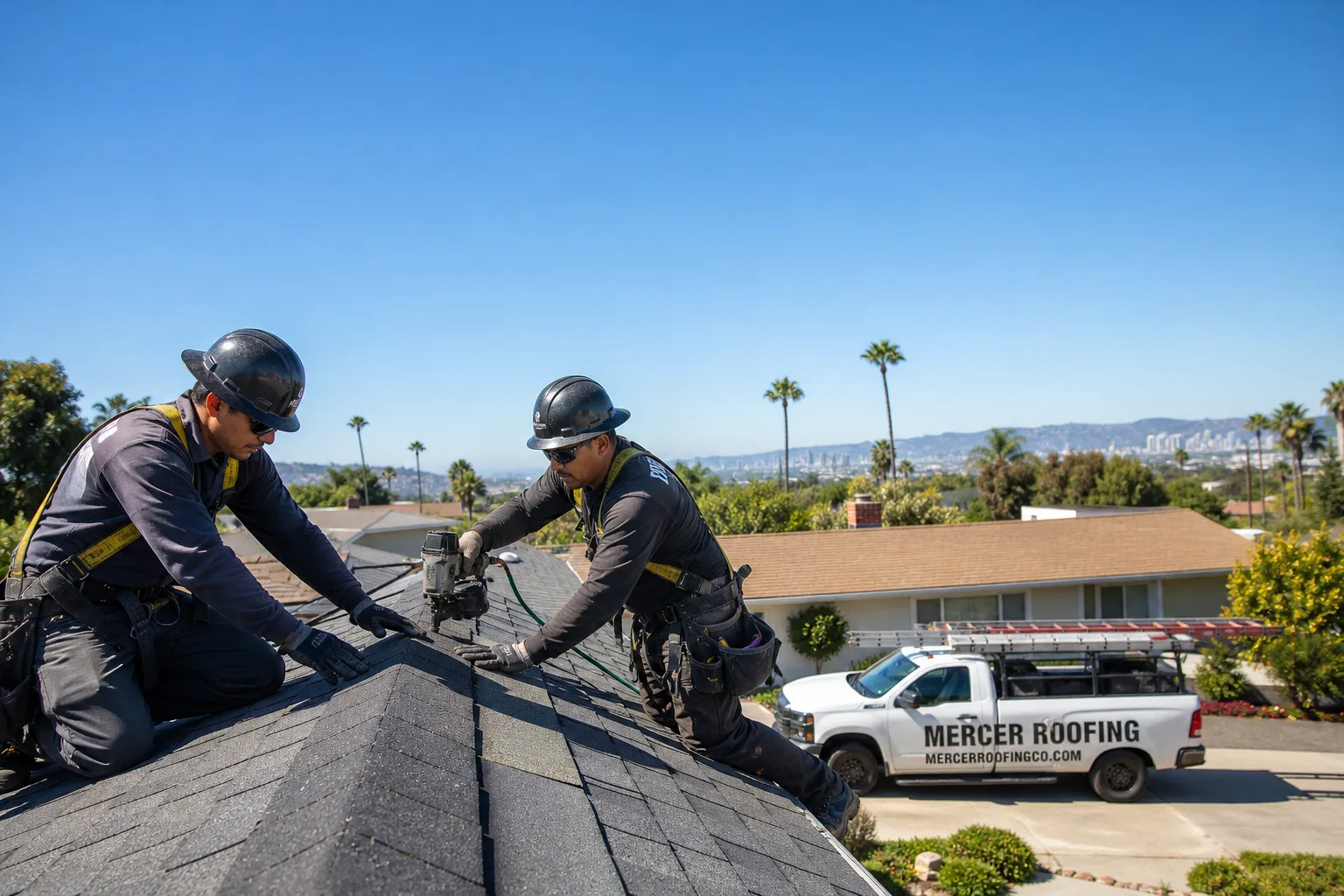
Free roof inspection with deck photos before we talk money - GAF and Owens Corning certified installation
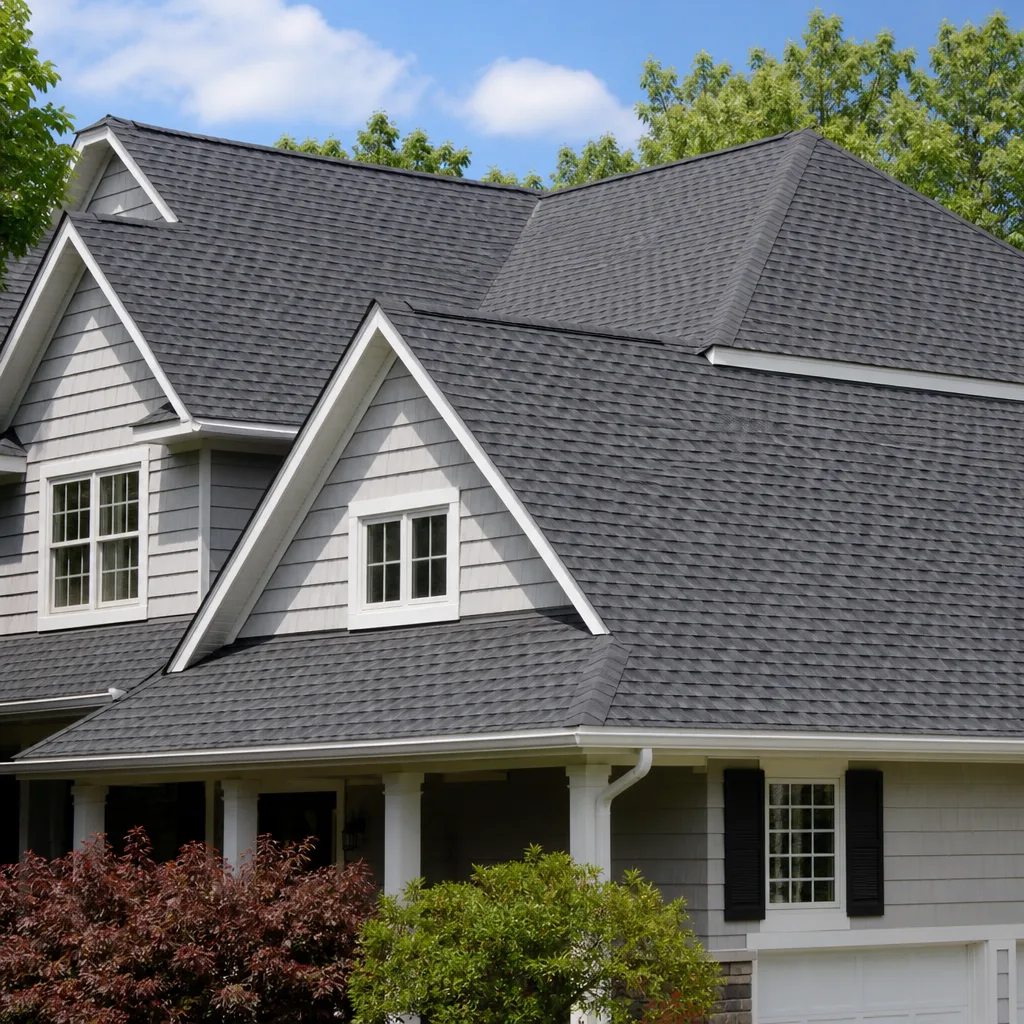
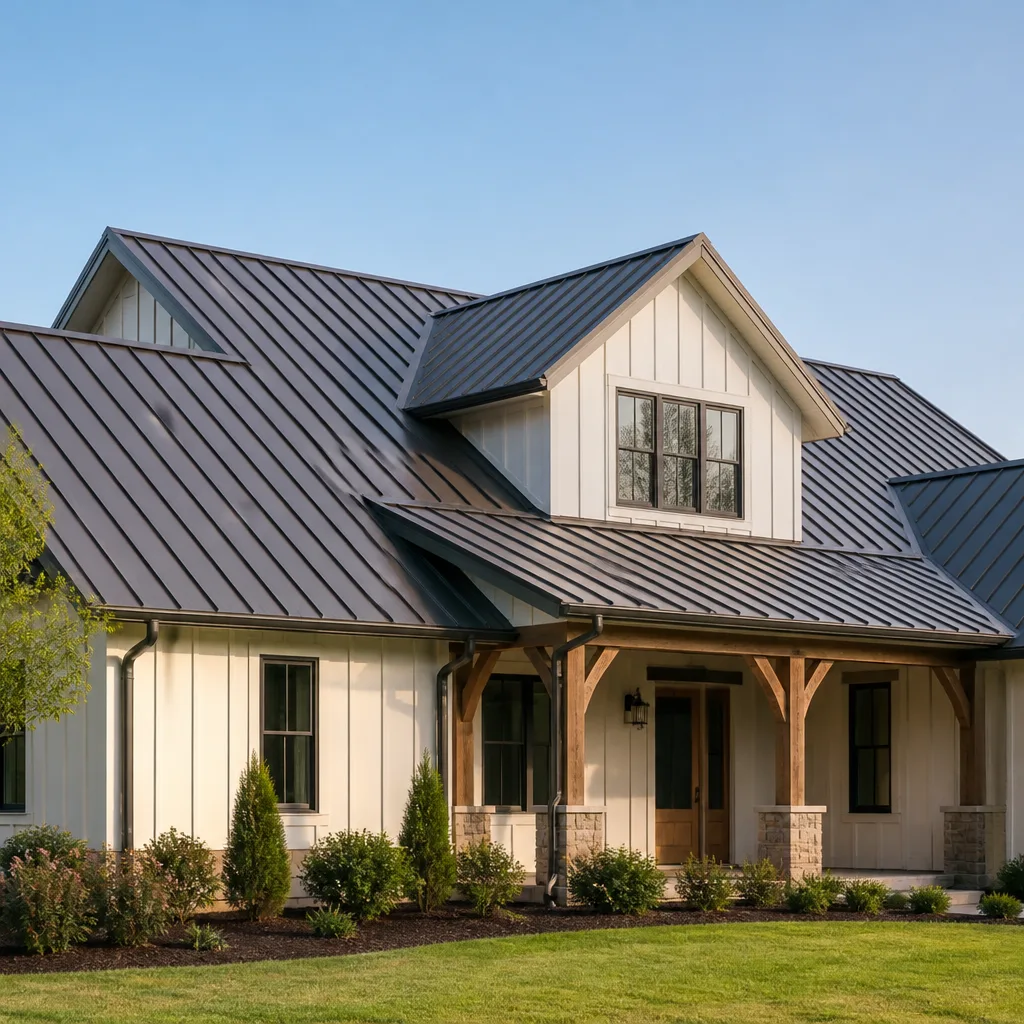
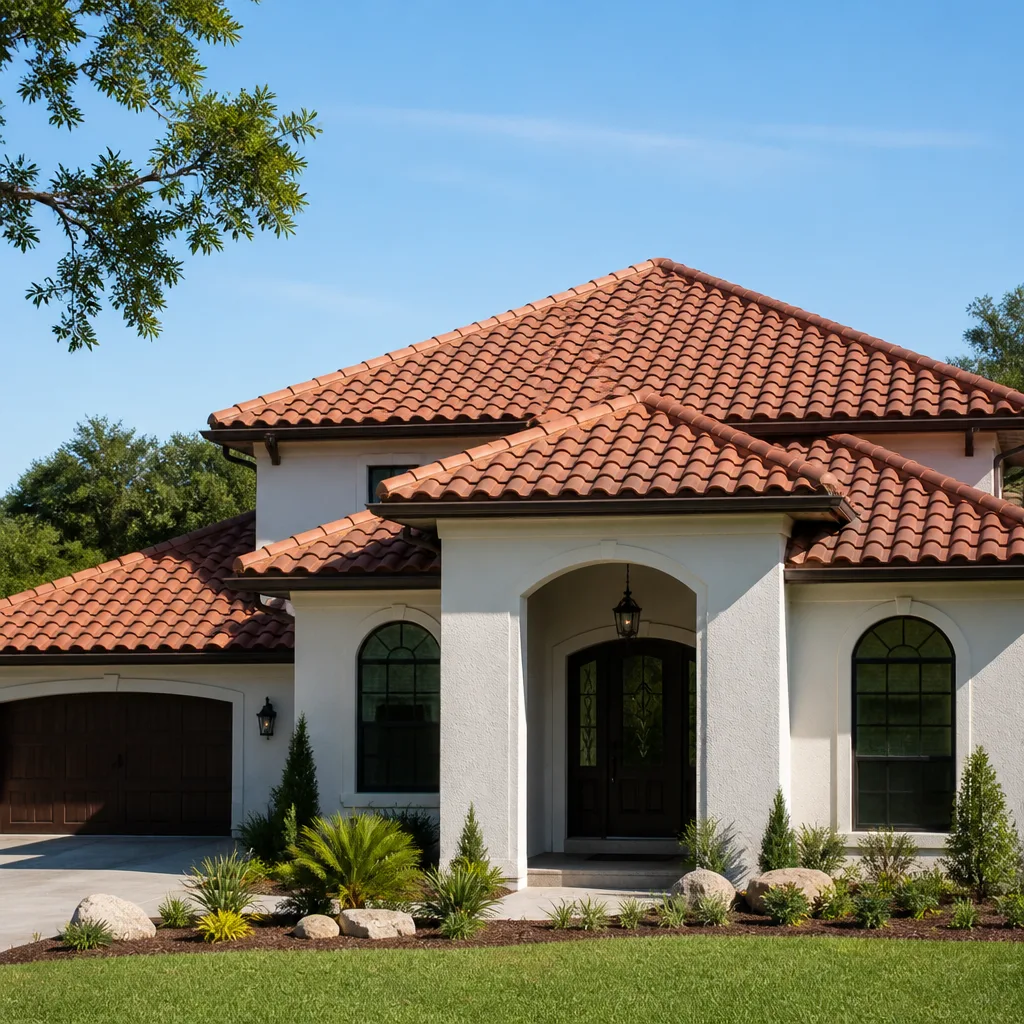
 Before
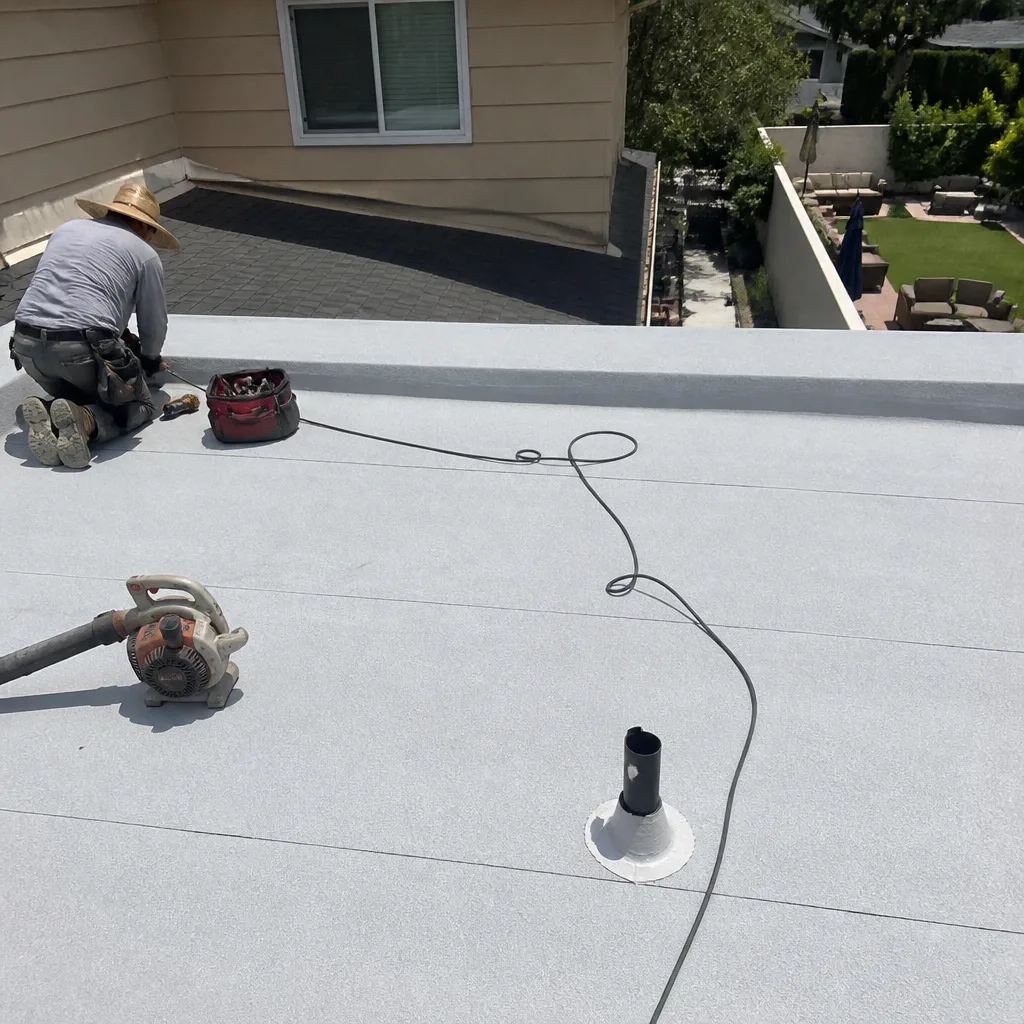 After
After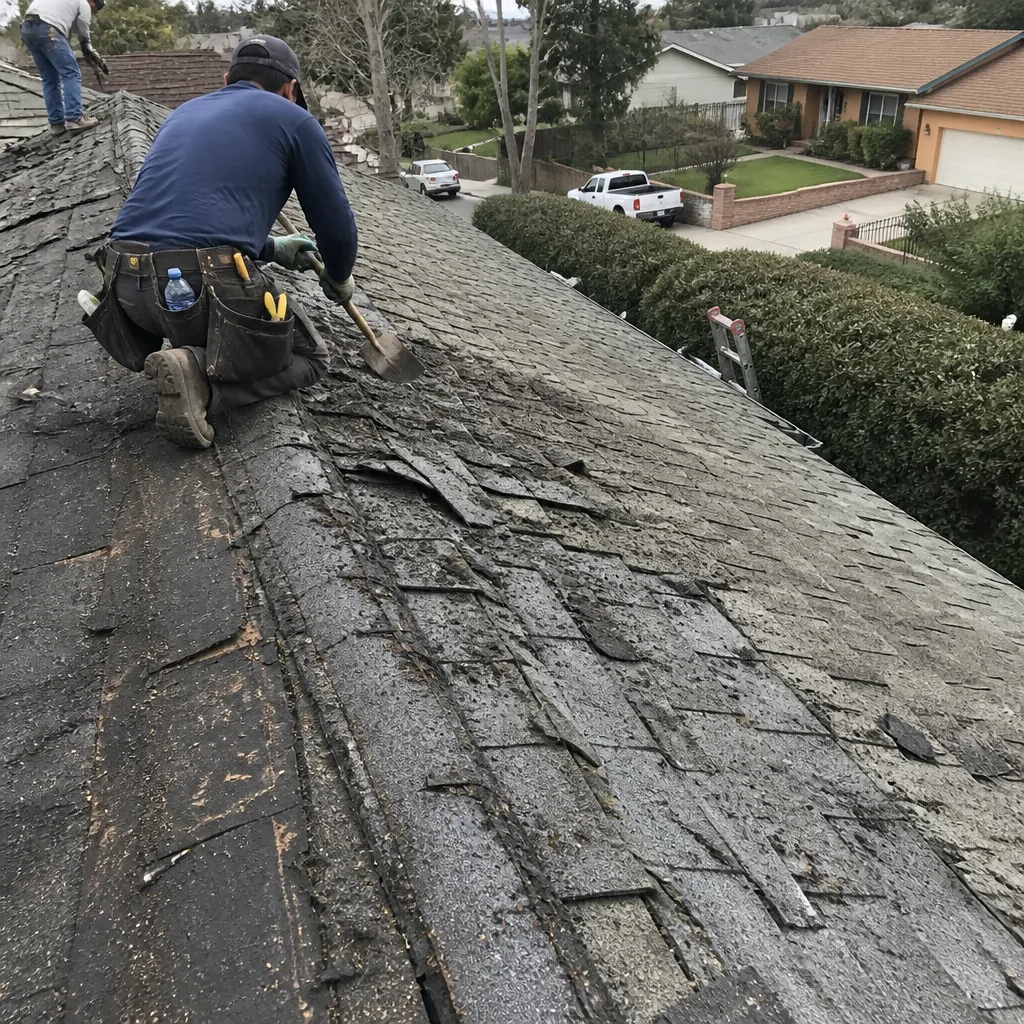 Before
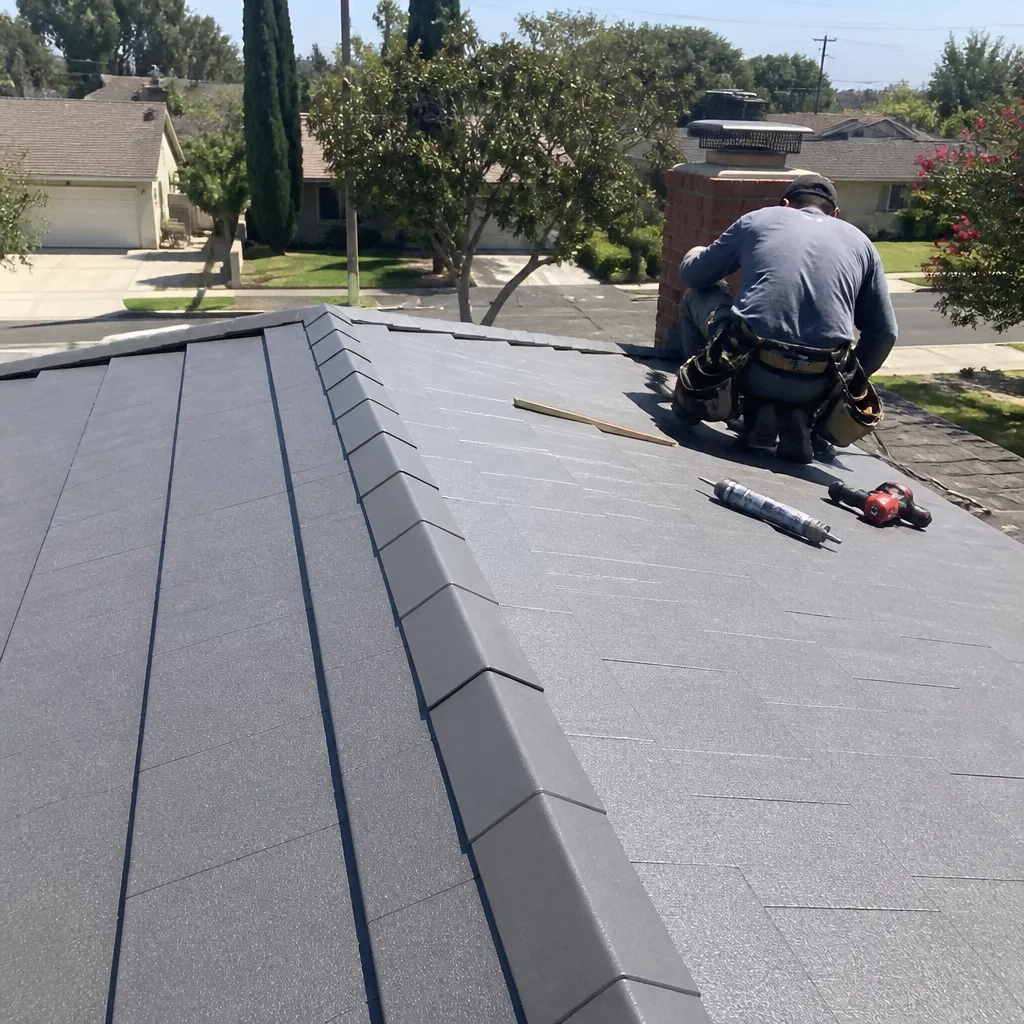 After
After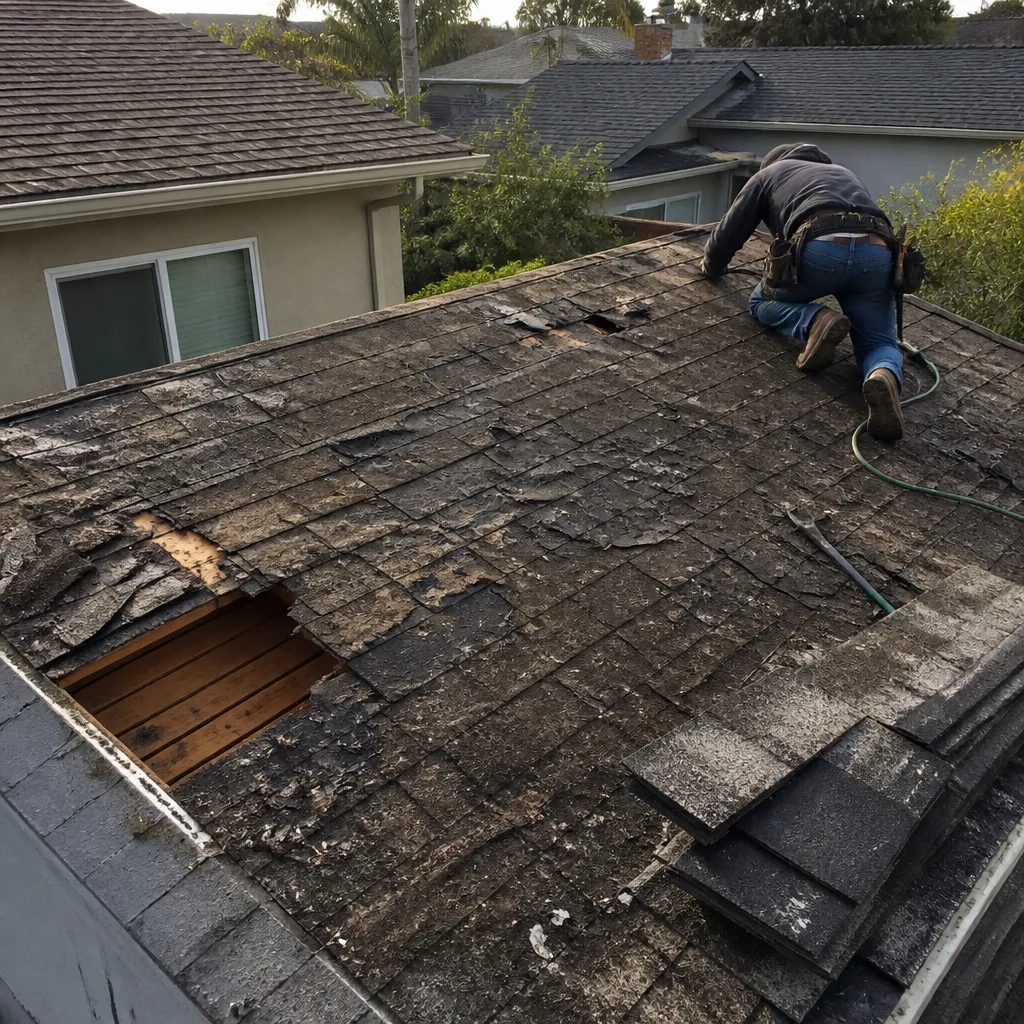 Before
 After
AfterMissing or Curling Shingles
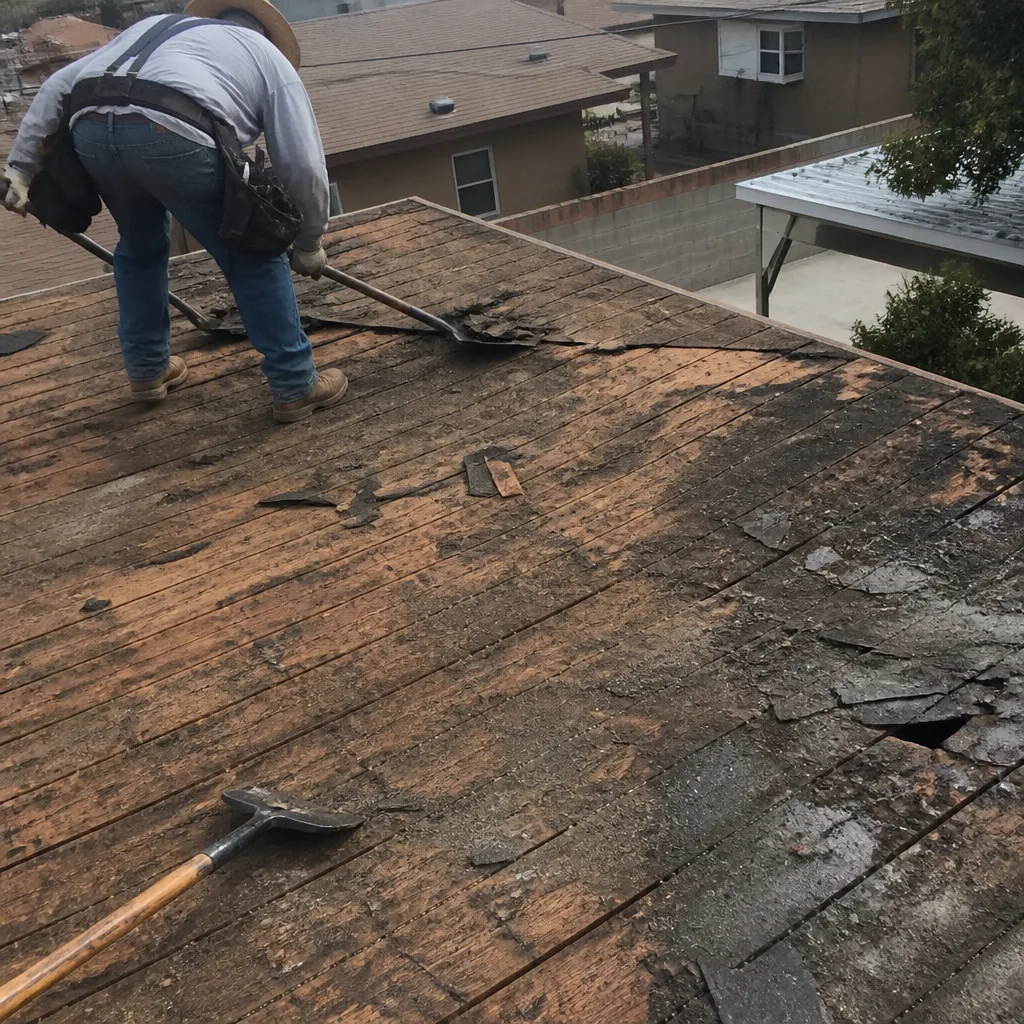
Missing or curling shingles almost always mean your roof’s protective layer has started to fail – either from age, inadequate ventilation, or physical damage – and the deck underneath is now exposed to water. This is not a cosmetic problem. Left alone, it becomes a leak, and a leak becomes rot, and rot becomes a much larger repair bill. The good news: caught early, this is a straightforward fix.
Shingles are designed to lie flat and overlap, creating a surface that sheds water down and away from your home. When they curl at the edges, lift at the corners, or disappear entirely after a storm, that drainage system has a gap in it. Every rain event after that point is an opportunity for water to find its way under the remaining shingles, into the decking, and eventually into your attic or living space. The shape of the damage – how many shingles, where they are, whether the curl is upward or downward – tells a trained eye quite a bit about what went wrong and how far along the problem is.
Why It Happens
Age and Normal Wear
Most asphalt shingles are rated for 20 to 30 years, but they don’t quit all at once. As the asphalt dries out over time, shingles lose flexibility and start to curl upward at the corners – a pattern called cupping – or to curl downward in the center, which is called clawing. If your roof is more than 15 years old and you’re seeing this across wide sections rather than isolated spots, age is the most likely culprit. You’ll often also notice granule loss: the small, sand-like particles that protect the asphalt will start washing into your gutters.
Poor Attic Ventilation
Heat and moisture trapped in the attic cook shingles from below, dramatically shortening their lifespan. If the curling is concentrated on south- or west-facing slopes that take the most sun, or if your attic feels unusually hot compared to the rest of the house, ventilation is a strong suspect. This is one of the more frustrating causes because replacing shingles without fixing the ventilation just means the new shingles fail early too. A good technician checks the attic before recommending a repair scope.
Wind Damage
A strong storm can lift shingles at the edges, break the seal strip that holds them down, or pull them off entirely. Wind damage tends to look different from age-related curling: you’ll see it in concentrated patches, often on the leading edge or ridge of the roof, rather than spread evenly across a slope. Missing shingles after a major wind event are almost always wind damage. If you found shingle pieces in the yard after a storm, photograph where they landed – that tells a technician roughly which part of the roof to examine first.
Installation Problems
Shingles that were nailed too high on the tab, installed without proper starter strips, or laid over an existing layer when the deck wasn’t in good enough shape can start curling within a few years. If your roof is relatively young – under ten years old – and you’re already seeing widespread curling, the original installation deserves a close look. You might also notice the problem showing up in a specific section of the roof that was repaired or replaced at a different time than the rest.
What to Do Right Now
- Stay off the roof. Height, a potentially slick surface, and structurally compromised decking underneath are a bad combination. Even if you’re comfortable on a ladder, this is a job to observe from the ground until a professional has assessed it. There is no visual check worth the fall risk.
- Photograph everything you can see from the ground. Walk the perimeter of the house and take photos of the affected areas, any shingles you find in the yard, and the gutters if they’re accessible from ground level. Time-stamp the photos – this matters for insurance claims.
- Check your attic for daylight or moisture. From inside the attic, look for light coming through the roof decking, water staining on the rafters, or soft spots on the plywood. Do not touch or probe anything that looks like it could be a structural member under stress. If you see active water, put a bucket down and call.
- Clear your gutters if it’s safe to do so from a stable, ground-level position. Blocked gutters during rain will push water back under the edge of the roof, making the problem worse. Do not climb onto the roof to do this.
- Note when the problem started or worsened. Think back to recent storms, heavy winds, or unusual temperatures. If you have a home inspection report from when you bought the house, pull it out. The more context you can give a technician, the faster the diagnosis goes.
How We Fix It
When your local Mercer Roofing team arrives, the technician begins with a systematic roof inspection – slope by slope, ridge to eave – to count damaged shingles, check the decking underneath for soft spots or rot, and look at the flashing around chimneys, vents, and valleys where water tends to concentrate. Before any work starts, you’ll get a written price. That’s not a ballpark and it’s not conditional on what they find once they’re up there; it’s the number, in writing, before the first nail comes out.
For localized damage, the fix is a targeted Roof Repair: damaged or missing shingles are removed, the decking underneath is checked and repaired if needed, and new shingles from a manufacturer-recognized brand – GAF, CertainTeed, Owens Corning, IKO, Atlas, Tamko, or Boral – are installed and sealed. If the inspection shows the damage is widespread or the roof is too far into its service life to repair economically, Roof Installation becomes the honest conversation. Either way, every repair comes with a written guarantee and Mercer’s 365-Day Done Right Promise: if the work isn’t right within a year, we make it right.
Frequently Asked Questions
It depends on how many shingles are affected and whether rain is in the forecast. A single missing shingle on a dry week is a low-urgency situation. Several missing or heavily curled shingles with rain coming is not – exposed decking absorbs water fast, and water damage to the structure underneath is far more expensive to fix than the shingles themselves. If you’re unsure, the safe call is to have someone look at it before the next storm. Call (743) 200-8347 and a live person will help you decide how quickly to move.
Your local Mercer Roofing team works to schedule inspections as quickly as the situation calls for. Call (743) 200-8347 – someone answers every call, around the clock – and let them know what you’re seeing. They’ll tell you what’s available and what makes sense given your specific situation.
It depends on the cause. Wind and storm damage is typically covered; wear and age-related deterioration usually is not. The photos you took and the technician’s written assessment are both useful for an insurance claim. Your local Mercer team can document the damage clearly – what they found, where, and what it will take to fix it – but they can’t file or manage your claim. That part is between you and your insurer.
There’s no honest way to give a number before someone gets eyes on the roof – the cost depends on how many shingles need to go, whether the decking underneath is damaged, the pitch of the roof, and the shingle type. What we can tell you is that you’ll have the price in writing before anything starts, every time, no exceptions. Call (743) 200-8347 to schedule a free written estimate.
Get It Fixed
Call (743) 200-8347 – a real person picks up, any hour. Tell them what you’re seeing and your local Mercer Roofing team will schedule an inspection, give you a written price before any work starts, and get your roof back to doing its job.
Written by Grant Whitlock, Owner at Mercer Roofing, part of the Threshold Group family of home-service companies, serving communities across the country since 2000.
What Our Customers Say
"Roofer showed his ID and gave me the crew lead's name before anyone climbed the ladder. Replaced a patch of missing shingles and resealed two vent boots. Written estimate matched the final bill."
- Brian J."Full tear-off and new shingles on our two-story. They covered the landscaping with tarps and ran a magnet over the yard afterward. Didn't find a single nail."
- Karen V."Good roof repair. The crew was a day later than planned because of rain, which I understand, but the scheduling got moved twice. Work itself is clean and has held up."
- Dale T.