
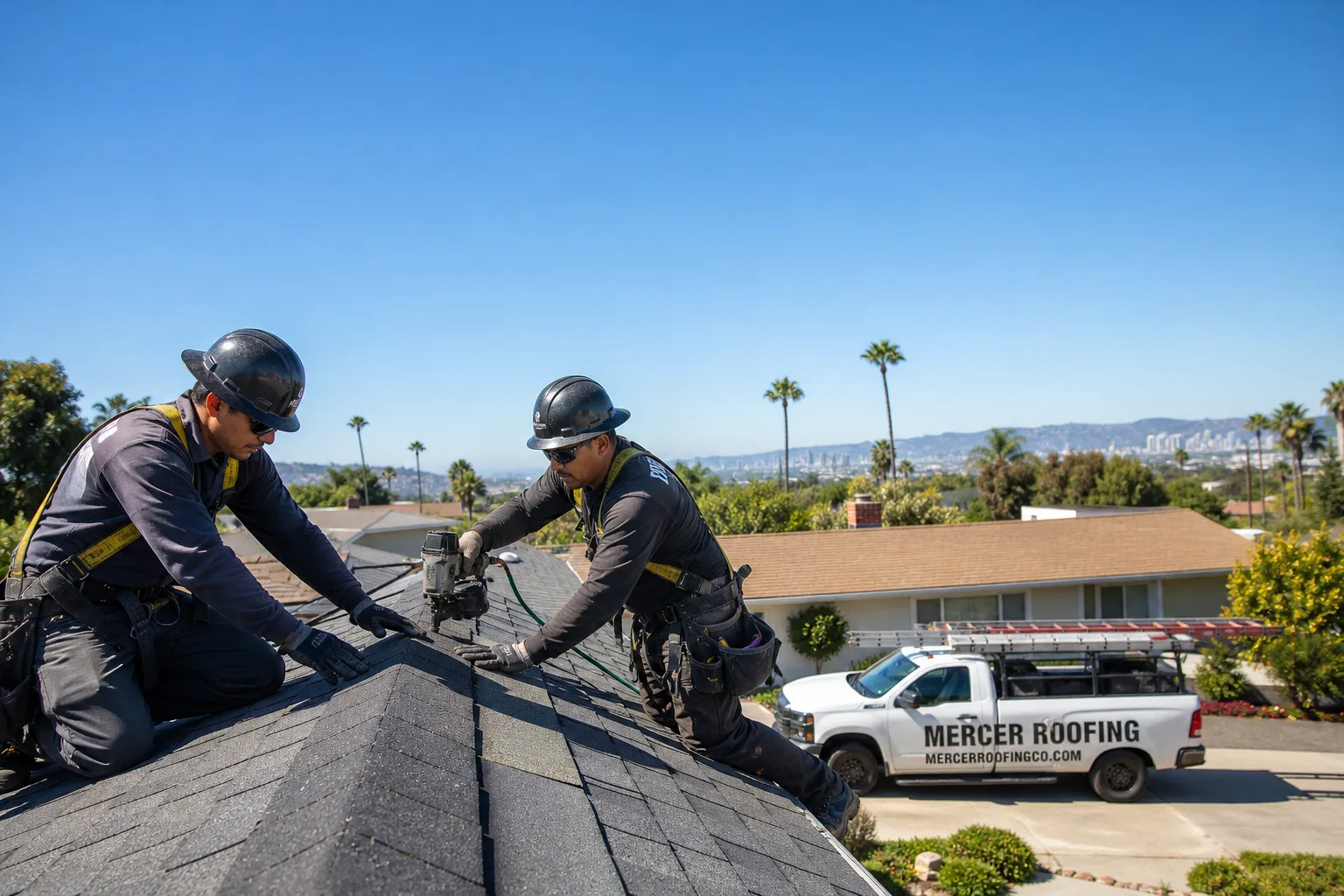
Free roof inspection with deck photos before we talk money - GAF and Owens Corning certified installation
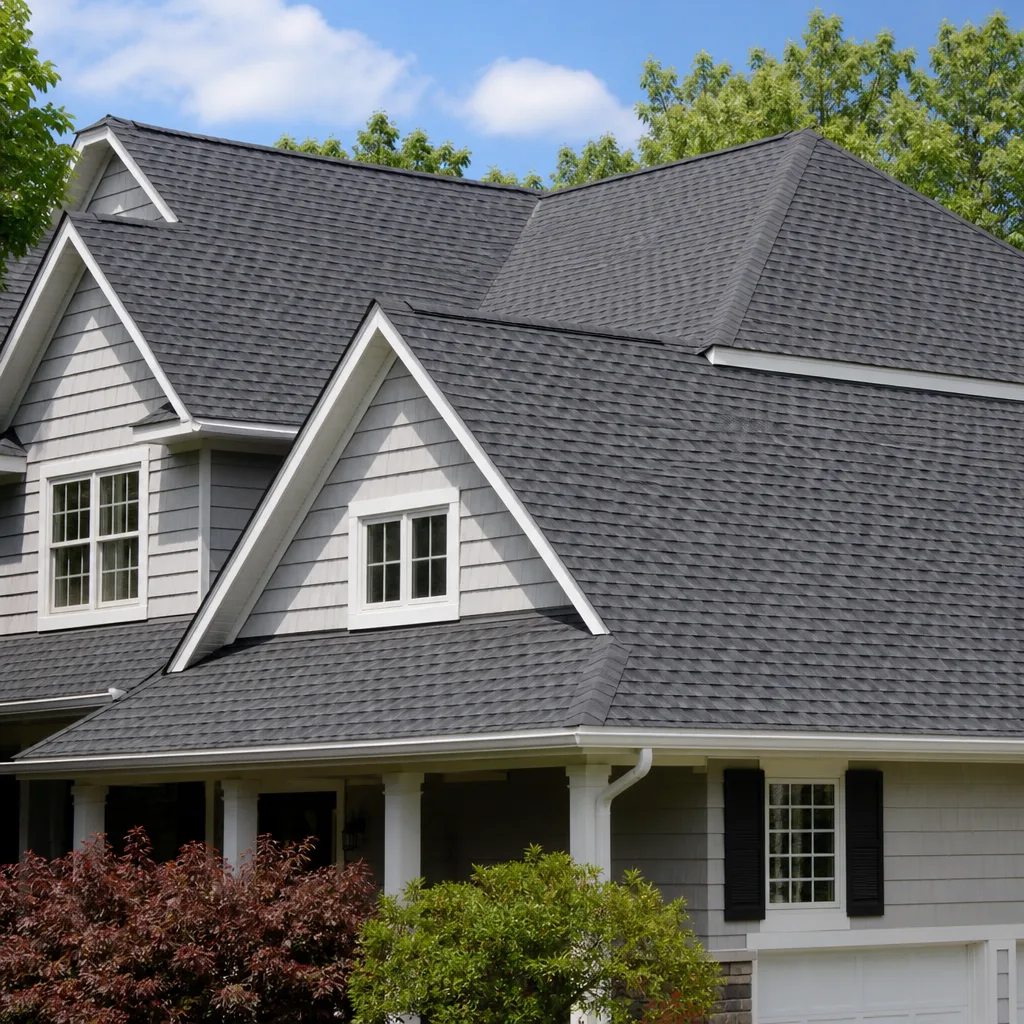
 Before
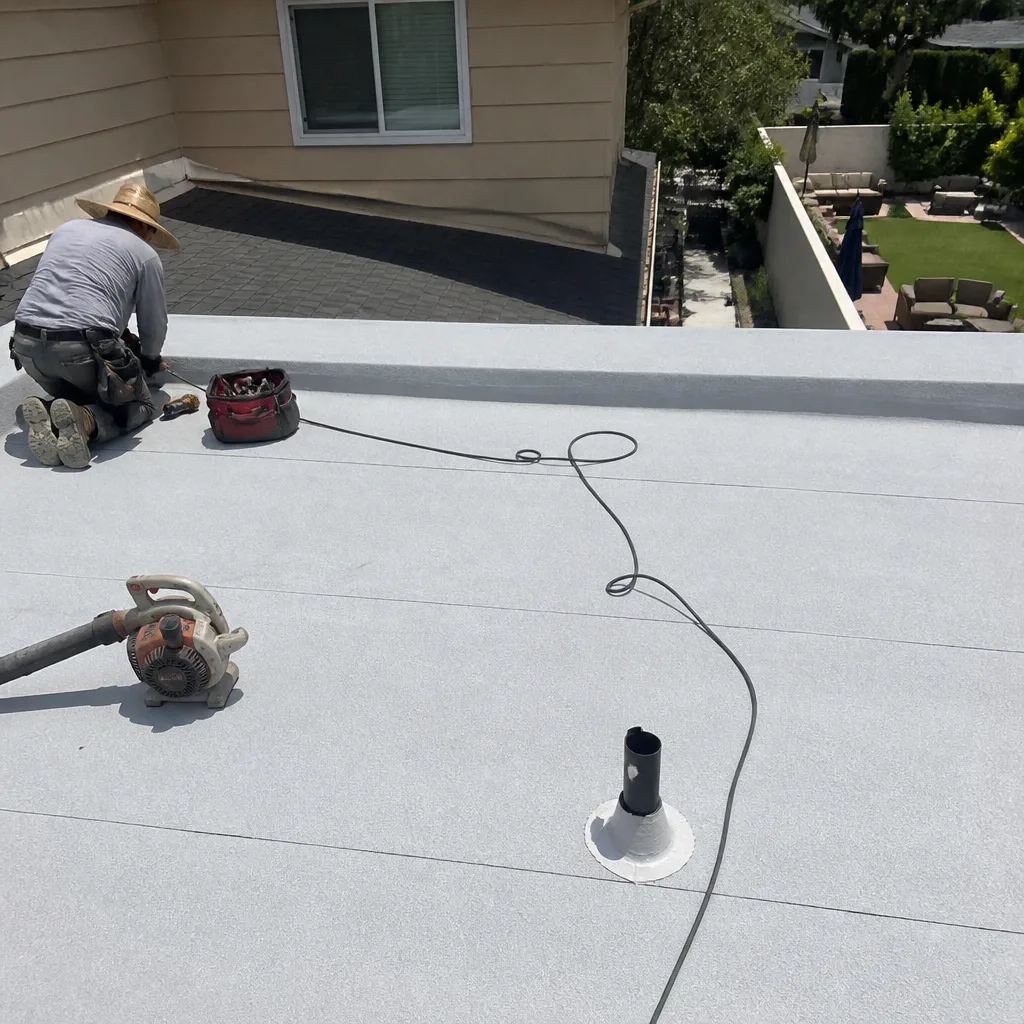 After
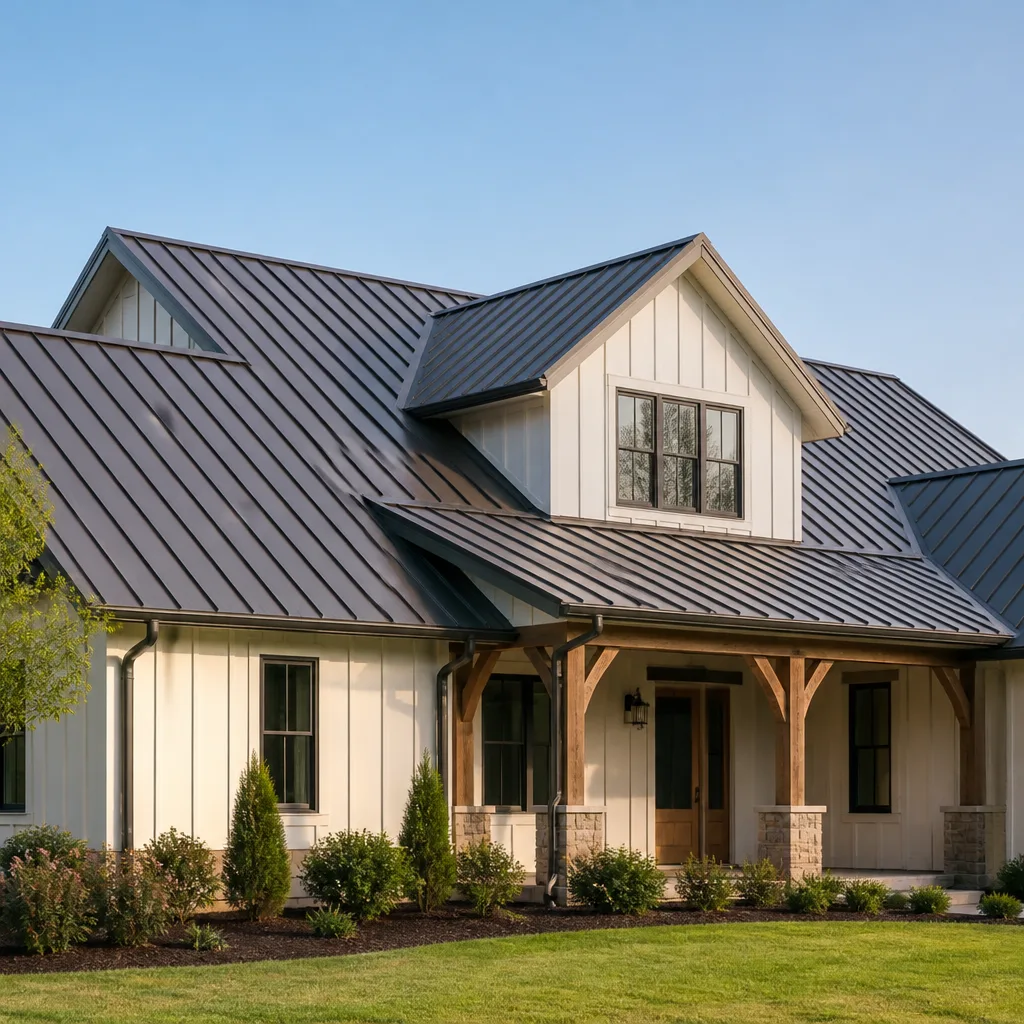
After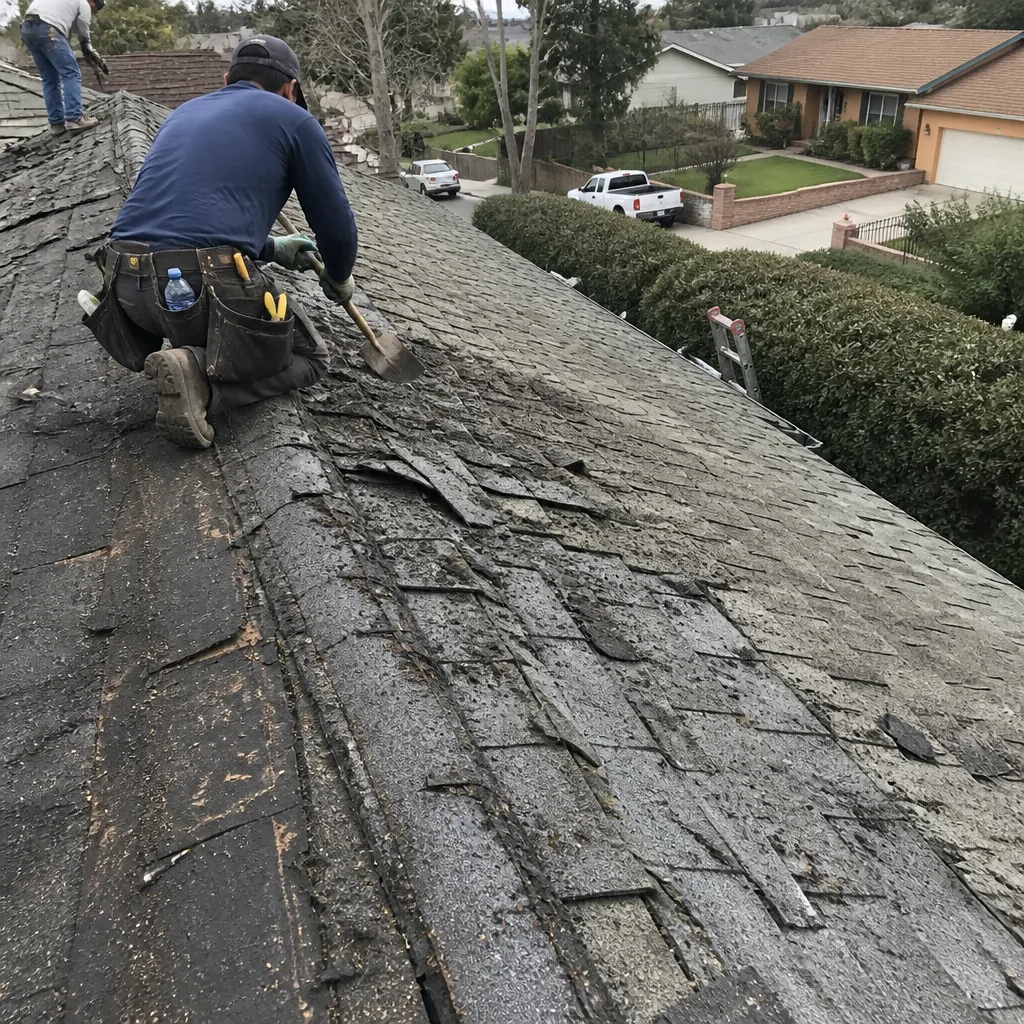 Before
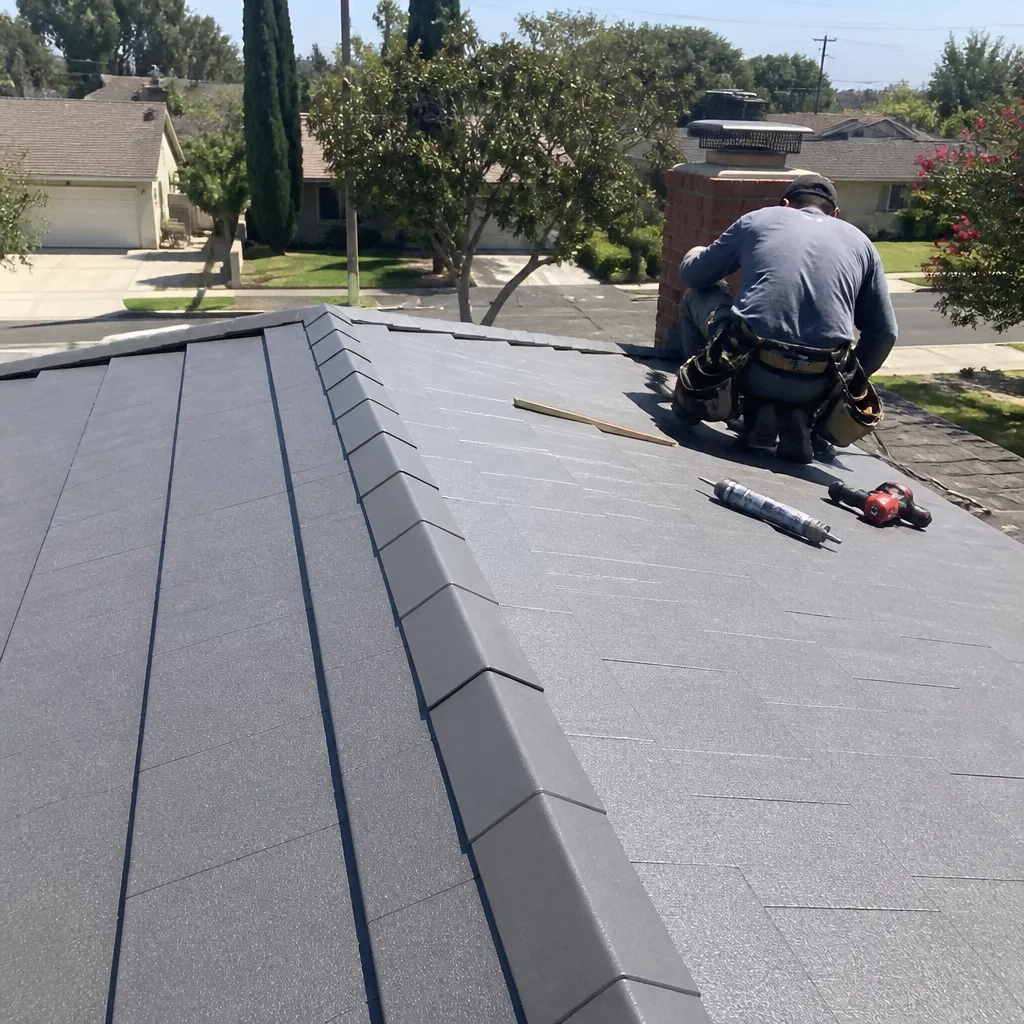 After
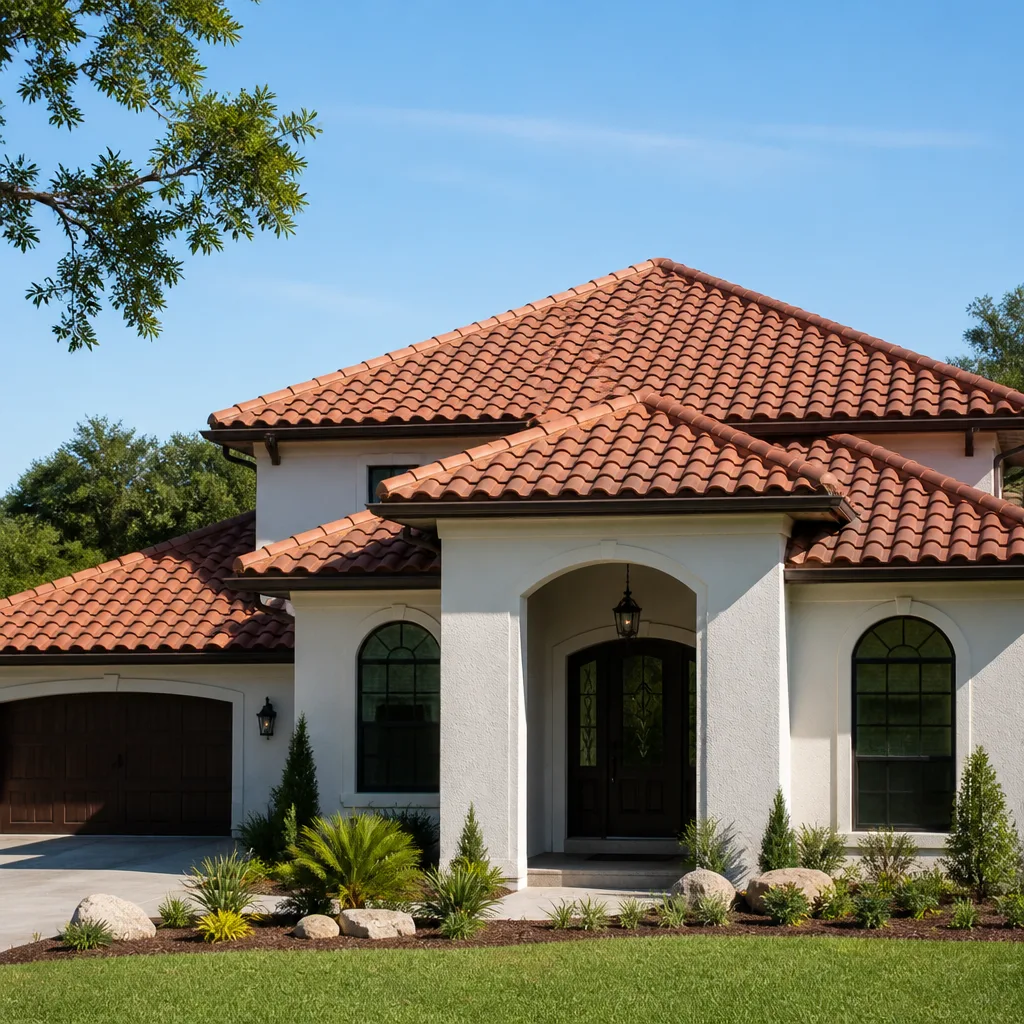
After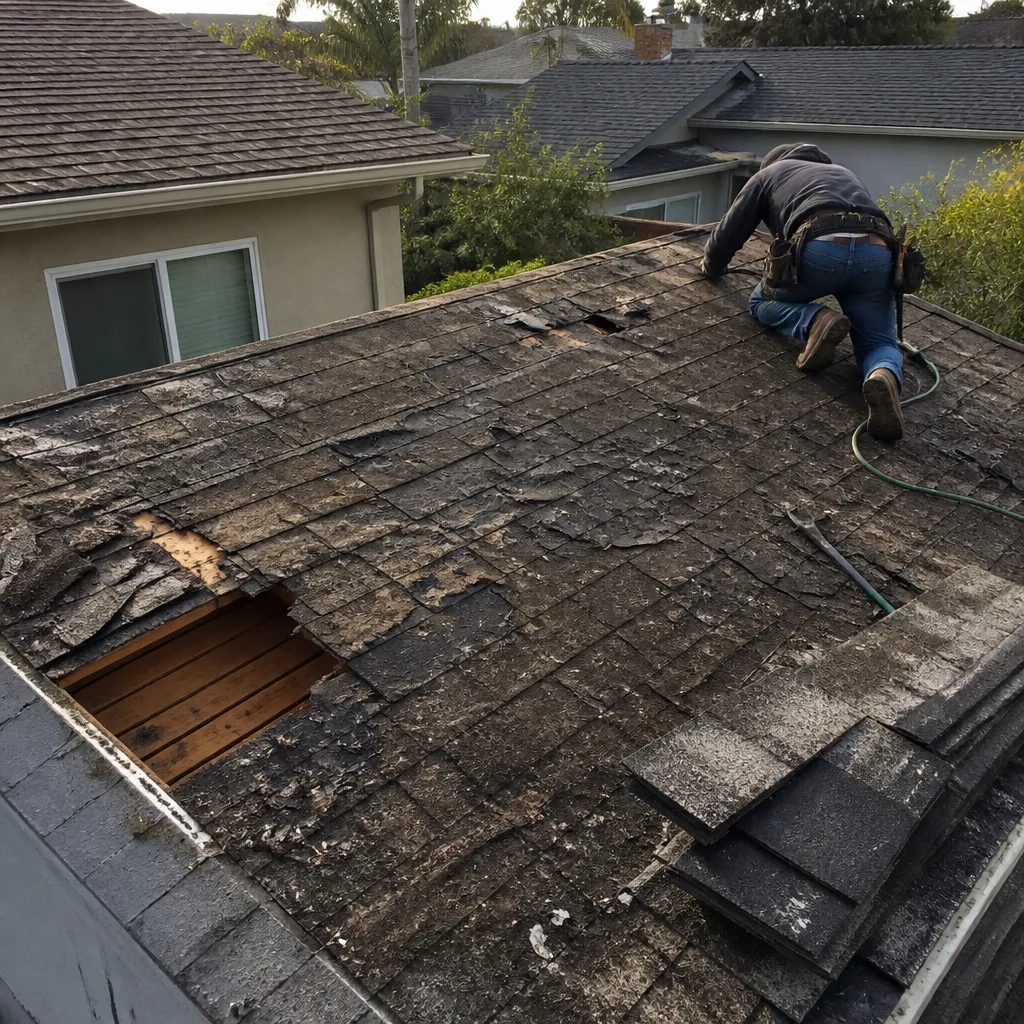 Before
 After
AfterFast, Reliable Roof Installation Across Agoura Hills
A full roof installation in Agoura Hills typically runs $14,000 to $38,000 depending on square footage, material choice, and what the tear-off uncovers. That price range reflects the reality of building here: fire-zone compliance, hillside access, and county inspection requirements all shape the job. We schedule every project with a written line-item price before any tear-off begins, and as a roofing company in Agoura Hills, we dispatch crews who know the local permitting path by heart. If you need a straightforward answer about your roof, call (743) 200-8347.
We’re not a stranger to Agoura Hills. Our crews work the streets off Kanan Road, the hillside lots above Old Agoura, and the ranch-style tracts south of the 101. When we quote a roof here, we quote it for what Agoura Hills actually requires, not for what a flatland roof requires. That matters more here than almost anywhere else in Los Angeles County. Roof Installation in this city is a different job than it is in Calabasas or Thousand Oaks, and we’ll explain exactly why throughout this page.
Pricing for Roof Installation in Agoura Hills, CA
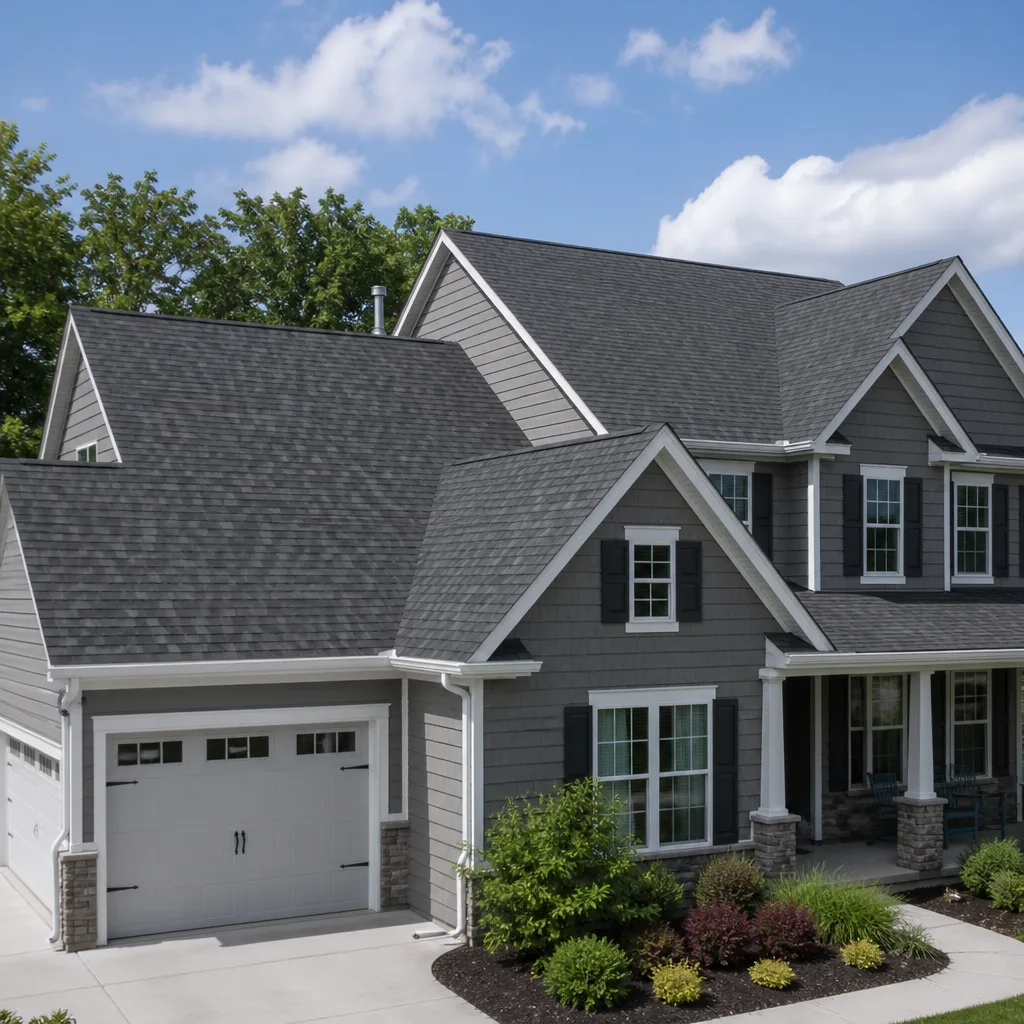
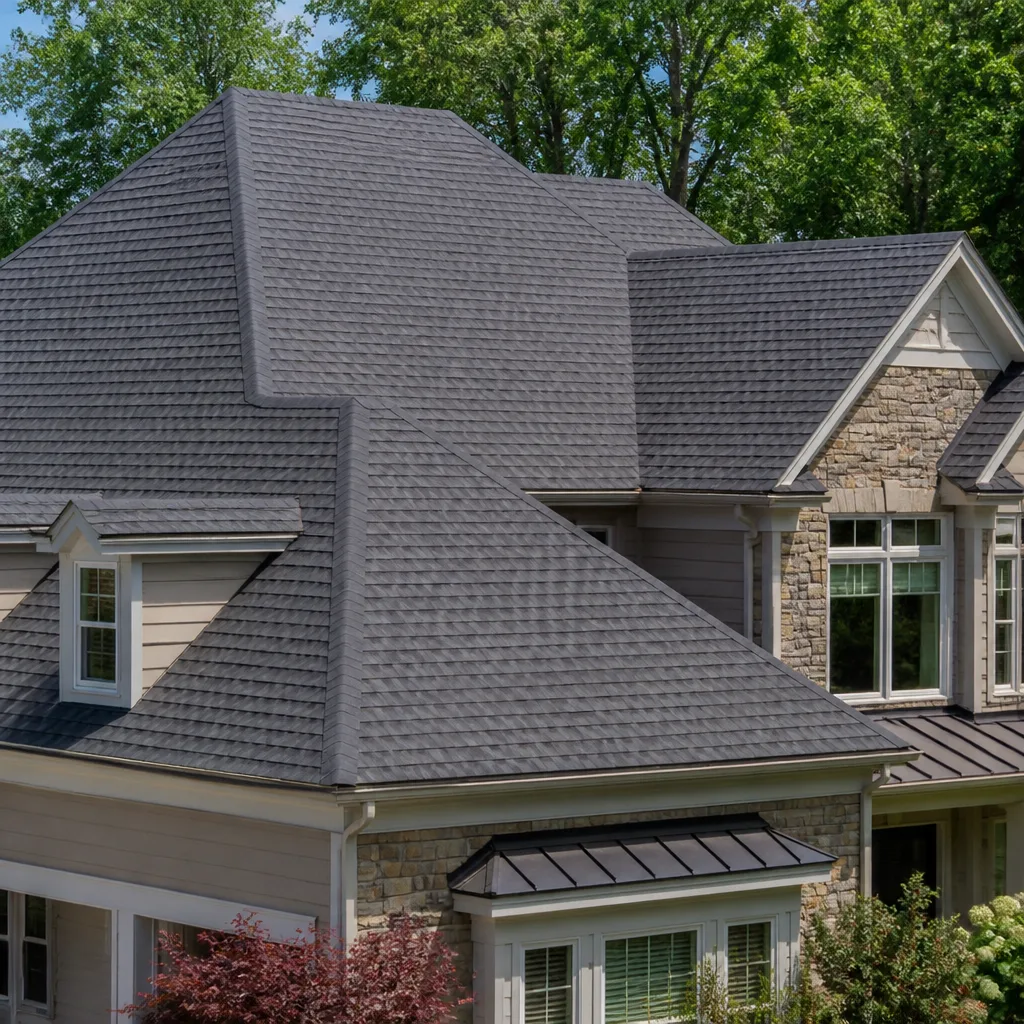
Let’s put numbers on the table. A typical 2,000 to 2,600 square foot single-story tract home in Agoura Hills runs $16,000 to $28,000 for a full tear-off and Class A composition shingle installation. Concrete tile on a Spanish-influenced home typically runs $22,000 to $38,000 because of the added weight, the tile itself, and the longer labor. A hillside home requiring crane work, extra staging, or longer material hauls off Medea Creek Road can add $2,500 to $6,000 to the total. Here’s how the line items break down:
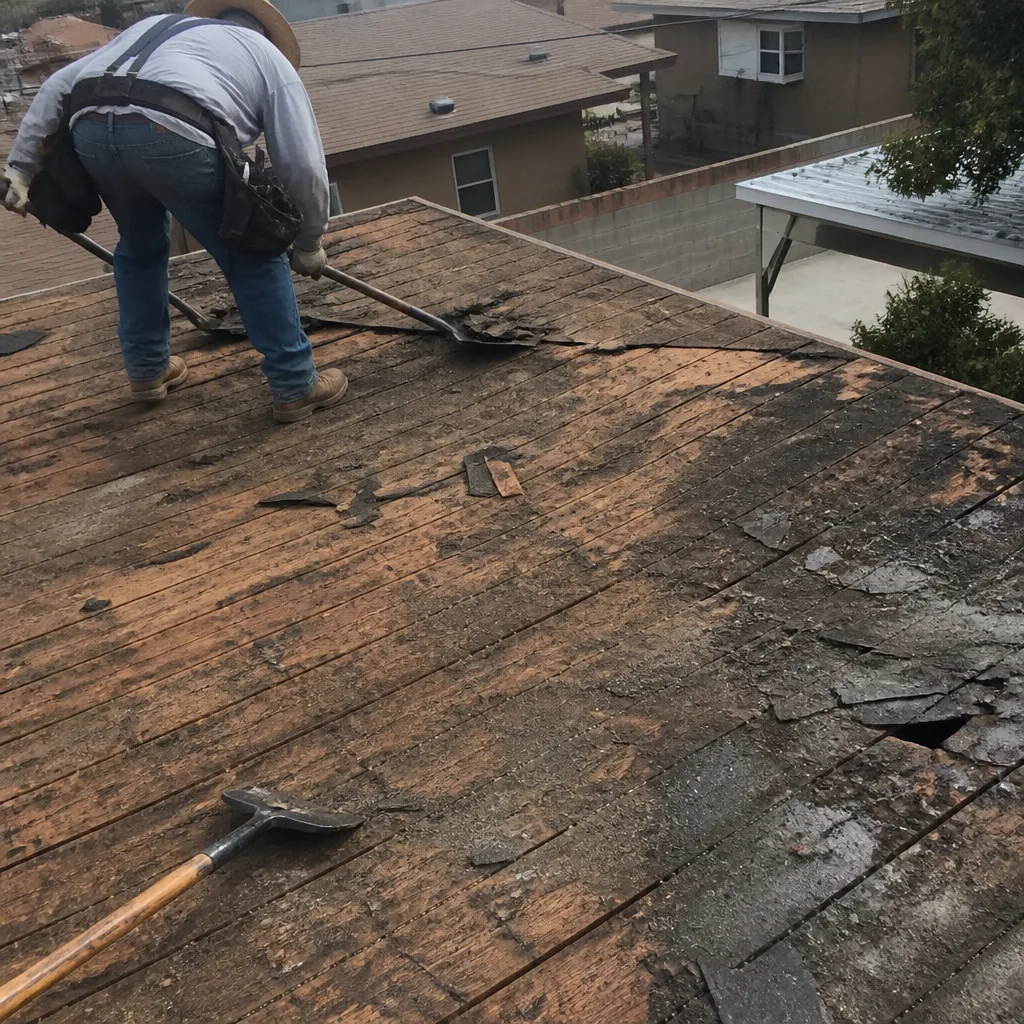
- Tear-off and disposal: $2,800 to $5,500 depending on layers and whether wood shake is coming off.
- Re-decking (if needed): $1,800 to $4,200. We won’t know the full extent until the old roof is off, and our written price reflects that honestly.
- Class A fire-rated underlayment: $1,500 to $3,200. This is not optional in Agoura Hills, and we’ll explain why below.
- Composition shingle installation (GAF, Atlas, or CertainTeed): $9,000 to $18,000 including labor, fasteners, and ridge caps.
- Permits and county inspection coordination: $800 to $1,500. LA County, not the city, reviews fire-zone details.
Every one of those numbers is a starting point, not a mystery. We write the price before we start, and the invoice matches the quote unless the tear-off reveals something the county will require us to fix. When decking is rotted or underlayment is desiccated – which we see constantly on 1970s Agoura Hills homes – we’ll show you photos and give you a written change before we proceed. Call (743) 200-8347 to schedule a free estimate. You’ll get a real number, not a ballpark.
Why Mercer Roofing Is Agoura Hills’s Preferred Roof Installation Company
Customers here tell us the same thing again and again: they wanted to know who was walking onto their property. So before any technician arrives, you get their name and photo sent to you. When they ring the bell, they’re in a clean, marked uniform, and they hand you a photo ID badge. That’s the Threshold Standard, and every Mercer Roofing technician is held to it. Grant Whitlock, who leads our team, made this the non-negotiable starting point for every visit. No exceptions, no surprises.
We’ve re-roofed homes throughout Agoura Hills, from the oak-lined streets near Old Agoura to the hillside properties off Ladyface Mountain. What we’ve learned is that this city’s roofs fail in predictable ways: fire-zone underlayment that was never upgraded, Santa Ana wind damage along exposed ridges, and valley flashing packed with years of chaparral debris. We know what the LA County inspector will flag, because we’ve stood beside them on enough Agoura Hills rooftops to anticipate the red-flag details before they become stop-work orders.
Every repair and installation includes our 365-Day Done Right Promise in writing. If something isn’t right within a year, we make it right at no charge. That’s not a slogan. It’s a written guarantee on every job we do in Agoura Hills. And when you call, a live person answers. Not a voicemail tree. At 2 PM or 2 AM, you’ll get a human being who can dispatch a crew.
Roof Flashing Installation in Agoura Hills
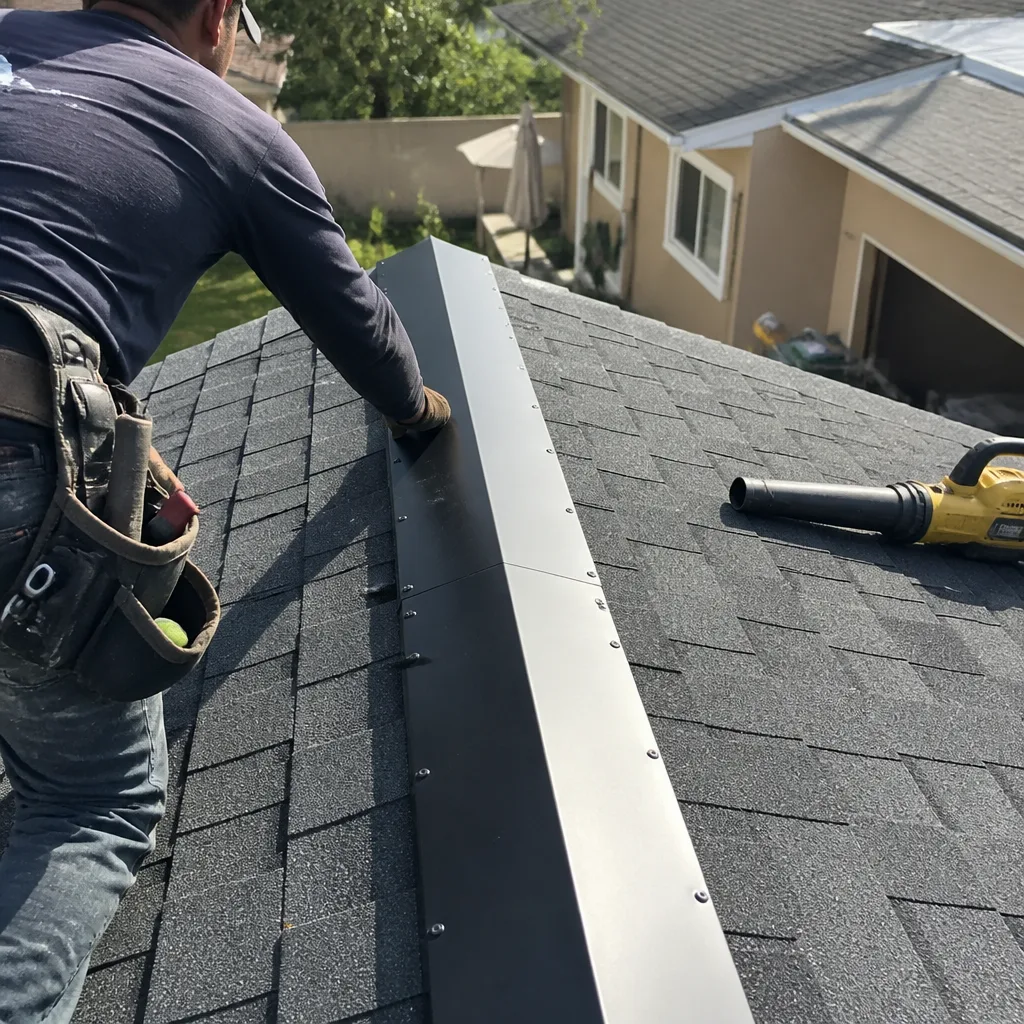
Roof Flashing Installation in Agoura Hills is where we catch the failures that cause the most expensive leaks: the metal transitions around chimneys, skylights, vents, and sidewalls where roof planes meet vertical surfaces. Flashing gets hammered here. The Santa Ana winds funneling along Kanan Road and Ladyface Mountain don’t just push against the shingles, they lift the flashing edges and work water underneath. Loose or corroded flashing is the single most common source of roof leaks we repair in this city, and it’s a standard part of every full installation we do.
When we install a new roof in Agoura Hills, we replace all existing flashing rather than reuse it. Reusing old flashing under a new roof is a shortcut that fails here within a few seasons. Our crews fabricate and seal flashing to match the roof’s pitch, and we double-check every penetration before the final inspection. Typical flashing replacement as part of a full roof installation runs $800 to $2,400 depending on how many penetrations exist.
Valley and Chimney Details
Valley flashing takes the most abuse in Agoura Hills. The canyon wind patterns drive rain sideways into the roof valleys, and chaparral debris collects there and holds moisture against the metal. We install ice and water shield under every valley, then lay the flashing with proper overlap so water sheds downhill instead of backing up under the shingles.
What We Check for on Agoura Hills Homes
Homes built in the 1970s and 1980s often have original galvanized flashing that’s now rusted through at the seams. On re-roofs, we regularly find chimney flashing that was never properly counter-flashed – meaning the sealant did the waterproofing, not the metal. That fails fast here. We also verify that the drainage plane at sidewalls isn’t relying on caulk alone, which the county inspector will flag on a fire-zone re-roof.
TPO Roofing Installation in Agoura Hills
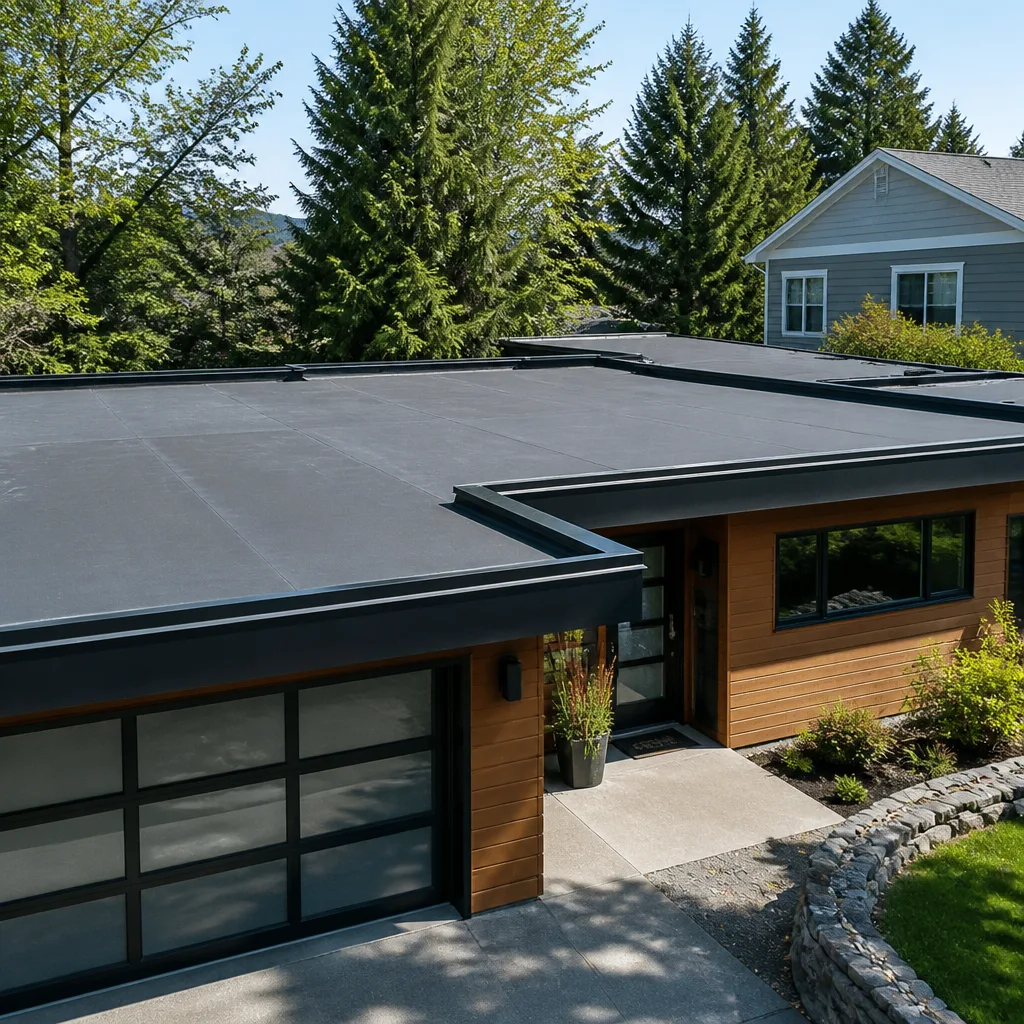
TPO Roofing Installation in Agoura Hills covers flat and low-slope sections – garage roofs, modern additions, patio covers, and especially the detached ADUs and outbuildings common on acreage properties north of the 101. TPO is a heat-welded single-ply membrane that works well under intense Southern California sun, and it’s a practical choice for the flat roof sections that don’t shed water the way a pitched shingle roof does. A typical TPO roof section in Agoura Hills runs $7,500 to $16,000 depending on size and whether we’re tying it into an existing pitched roof.
Not every Agoura Hills home needs TPO. But many of the ranch-style and mid-century homes here have flat-roofed additions or carports that were originally built with torch-down or old roll roofing that’s now cracked from UV exposure. When we replace those, TPO is often the right call because it welds into a continuous membrane with no exposed laps or fasteners for wind to work loose. We also use TPO on detached ADUs and workshops on larger lots, where a single membrane simplifies the roof and keeps maintenance predictable for decades.
Why TPO Handles Agoura Hills Conditions
High UV exposure and Santa Ana winds are the two forces that kill flat roofs here. TPO’s white reflective surface keeps surface temperatures down on 90-plus-degree summer days, which slows the thermal aging that cracks old roll roofing. The heat-welded seams are also far harder for wind to peel than glued or nailed laps.
When We Recommend TPO Over Shingles
If the slope is under 2:12, shingles won’t shed water reliably, and that’s a code issue, not just a preference. We’ll recommend TPO or another low-slope system on those sections. On outbuildings and detached structures, TPO also means one fewer maintenance surface to worry about as the chaparral sheds debris onto the roof every winter.
Building on Acreage Around Agoura Hills
Agoura Hills sits entirely within a Very High Fire Hazard Severity Zone in the Santa Monica Mountains foothills. That single fact changes roofing more than any other. Every roof installation must use a Class A fire-rated assembly, and that means the underlayment, not just the visible shingle or tile. Legacy wood shake roofs, once common on 1970s and 1980s tract homes here, are no longer code-legal in the zone. The 2018 Woolsey Fire made that transition urgent, and LA County inspectors – not a city building department – sign off on the fire-zone details. That’s a regulatory reality flatland LA County cities simply don’t face in the same way.
For acreage properties and hillside lots, the job gets more complex. Many of these parcels fall under county jurisdiction even when the mailing address says Agoura Hills, which means county permits, county inspections, and often septic and well setbacks that affect where materials can be staged and how equipment can access the roof. Long driveways and narrow hillside roads off Medea Creek Road or Kanan Road mean material deliveries need to be coordinated, not assumed. We scope access, setback, and staging before we ever write a quote, because those logistics change the final number.
On a recent hillside lot off Medea Creek Road in Old Agoura, our crew tore off a 1970s wood shake roof and found the original underlayment had dried to a brittle sheet. We re-decked the worst sections, laid a Class A fire-rated underlayment, and set GAF architectural shingles with a six-nail pattern and sealed hip-and-ridge caps. The county inspector flagged the hip-and-ridge sealing as the exact detail he checks after Woolsey. With the decking exposed, we also replaced the drip edge and added ice and water shield in the valleys where chaparral debris had been accumulating for years. That’s what a proper Agoura Hills roof installation looks like.
Trusted Brands We Service in Agoura Hills
We install and repair using manufacturer-recognized shingle brands including GAF, Atlas, and Boral, and we stock the fasteners, underlayment, and flashing details these systems require for Agoura Hills’s wind and fire conditions. That means we’re not waiting on a supply house run from across the county mid-project. For Agoura Hills homeowners, that local parts availability translates to a faster tear-off-to-inspection timeline. We’ve also worked with enough GAF and Atlas systems on hillside homes to know which assemblies the county inspector will pass and which details need to be tightened before the first inspection is scheduled. That knowledge keeps your project moving.
Common Roof Installation Problems We See in Agoura Hills Homes
- Non-rated underlayment under a Class A covering. The visible shingle might be brand-name and Class A, but if the underlayment beneath it doesn’t meet fire-zone requirements, the entire assembly fails county review. We’ve seen red tags and full stop-work orders issued for exactly this on Agoura Hills re-roofs, especially near Old Agoura where post-Woolsey scrutiny is highest.
- Wind-driven fastener and ridge-cap failures. The canyon corridors along Kanan Road and Ladyface Mountain funnel gusts over 60 mph. Under-nailed shingles and improperly sealed hip-and-ridge caps get pulled loose. We use a six-nail pattern on every composition shingle and mechanically seal every ridge cap.
- Chaparral debris packed into tile valleys and behind penetrations. Desiccated wood shake remnants plus years of leaf and twig accumulation create an ignition path that defeats an otherwise compliant roof. We remove and re-flash these areas rather than roof over them.
- Dried-out decking and underlayment on 1970s to 1990s homes. The original roof assemblies in this era often fail underneath while looking fine from the curb. When we tear off, we regularly find plywood that’s lost its structural integrity and underlayment that’s become a brittle sheet. Both must be addressed before the new roof goes down, or the county inspector will require it after the fact.
We Also Serve Cities Near Agoura Hills
Our Agoura Hills customers often ask us to look at properties in nearby areas. We regularly work in Westlake Village, Oak Park, Calabasas, and Thousand Oaks, where the fire-zone rules and wind patterns differ from Agoura Hills. If you own property in one of those cities, we can coordinate a roof installation there under the same written-price and Threshold Verified standards we bring to every Agoura Hills job. For a full picture of how we serve this specific city, visit our Roof Installation in Agoura Hills page.
Serving Agoura Hills, CA - Our Local Coverage Area
We’re based in the Agoura Hills area and know this community well. Use the map below to see our service coverage - if you’re nearby, we can almost certainly help.
FAQs About Roof Installation in Agoura Hills
A roof installation in Agoura Hills needs LA County permits, and the county handles the inspections, not the city. Because Agoura Hills falls entirely within a Very High Fire Hazard Severity Zone, the county inspector reviews fire-zone details like Class A underlayment and hip-and-ridge cap sealing. We pull every permit ourselves and coordinate the inspections. You won’t stand in line, and you won’t wonder whether the paperwork was filed. Call (743) 200-8347 and ask us about the permit path for your specific street.
No. Legacy wood shake roofs are no longer code-legal in Agoura Hills’s fire hazard zone, and if you have one, you’ll need to convert to a Class A fire-rated assembly – concrete tile, metal, or Class A composition shingles. Many insurance carriers will not renew a policy on a home with a wood shake roof in this zone, which is why so many Agoura Hills homeowners are scheduling tear-offs now. We handle that conversion start to finish, including the decking repairs that are usually needed underneath.
Santa Ana winds in Agoura Hills regularly exceed 60 mph in the canyon corridors along Kanan Road and Ladyface Mountain, so we install with more fasteners than a standard coastal roof requires. Composition shingles get a six-nail pattern instead of four, every hip-and-ridge cap is mechanically sealed, and valley flashing is overlapped to shed wind-driven rain. These details cost a little more in labor and fasteners, but they’re the difference between a roof that survives the next wind event and one that loses cap shingles before the inspection is even scheduled. Get a written quote that reflects this standard at (743) 200-8347.
Acreage around Agoura Hills changes access, staging, and scope. Long driveways and narrow hillside roads mean material deliveries must be coordinated, and some properties require crane work or extra equipment to get materials to the roof deck. Septic and well setbacks can limit where we stage materials and park equipment. We walk every acreage property before quoting and factor those logistics into the written price, so you’re not surprised by a change order after tear-off begins. For a site-specific number, call (743) 200-8347.
We price an acreage roof installation in Agoura Hills the same way we price every job: with a written line-item quote before work starts. The line items reflect the property’s realities – access distance, whether a crane is needed, how many roof planes exist, what the tear-off reveals, and what the county will require for fire-zone compliance. A typical acreage home roof runs $18,000 to $38,000, but the only way to know your number is to have us walk the property. Estimates are free. Call (743) 200-8347 to schedule a site visit.
Get Your Agoura Hills Roof Installation Quote Today
You’ll get a written price, a real person on the phone, and a technician whose name and photo you’ll know before they arrive. That’s the Mercer Roofing standard for every Agoura Hills home, whether it’s a tract house off Kanan Road or an acreage property in the hills. Call (743) 200-8347 to schedule your free estimate. We’ll walk the property, answer the fire-zone questions, and hand you a number you can plan around.
Written by Grant Whitlock, Owner at Mercer Roofing, serving Agoura Hills and surrounding communities under the Threshold Verified standard.