
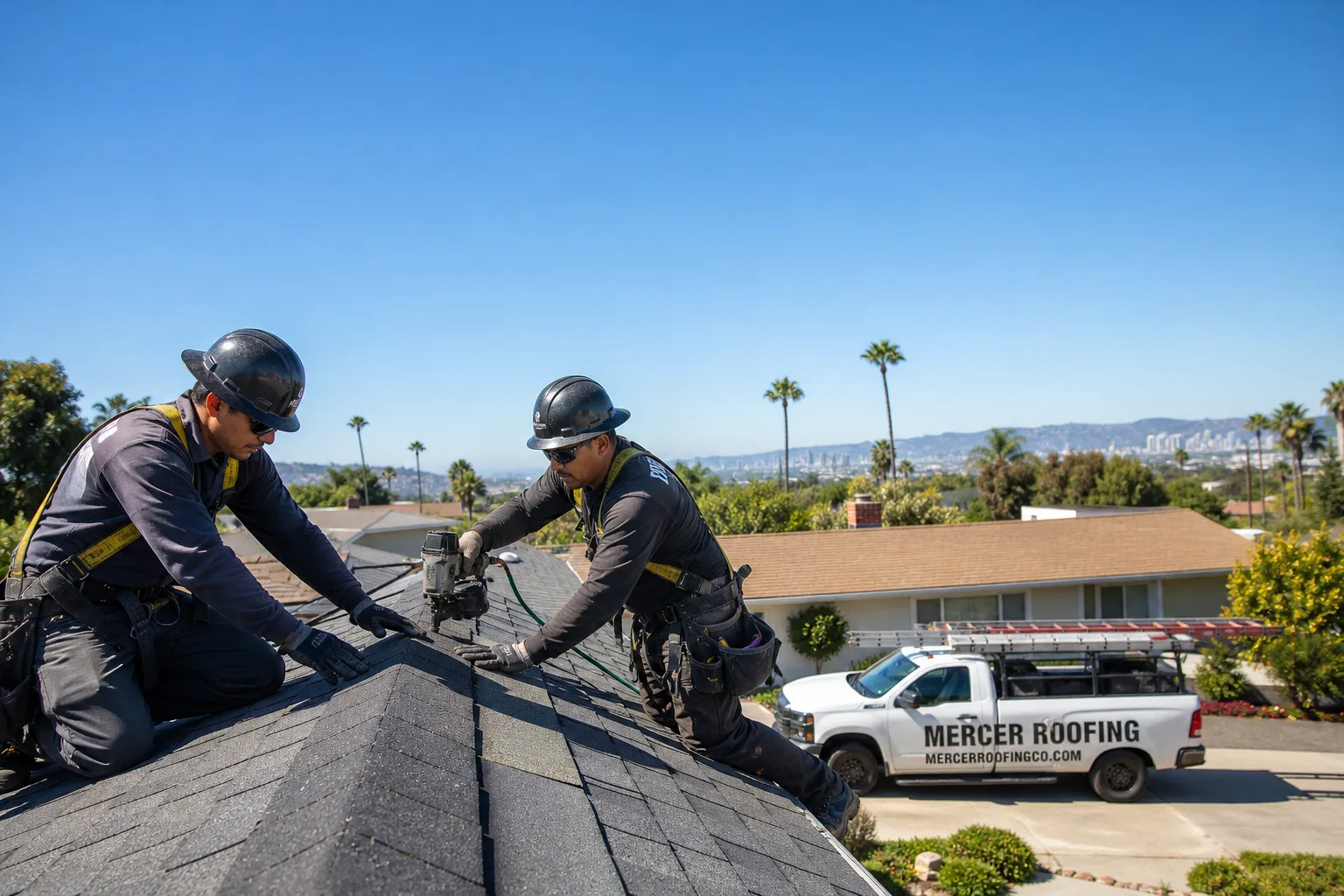
Free roof inspection with deck photos before we talk money - GAF and Owens Corning certified installation
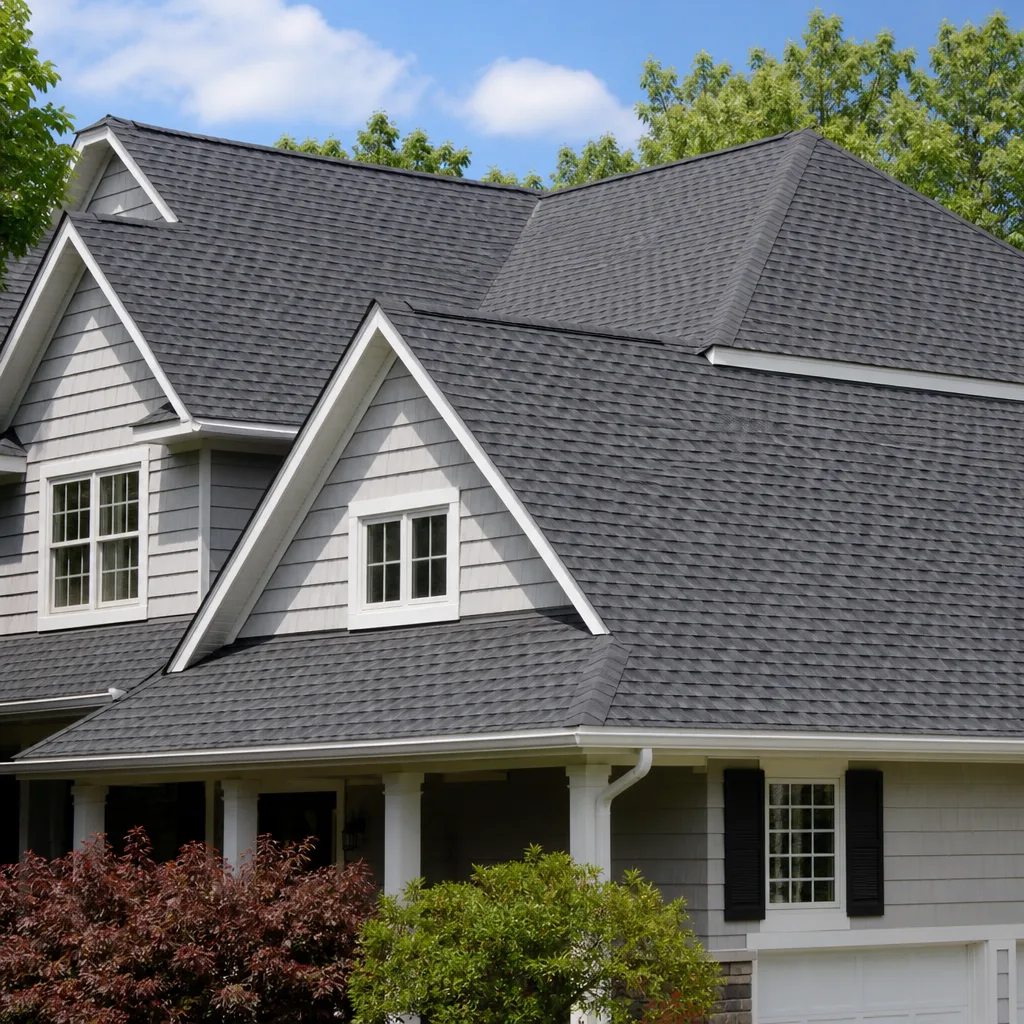
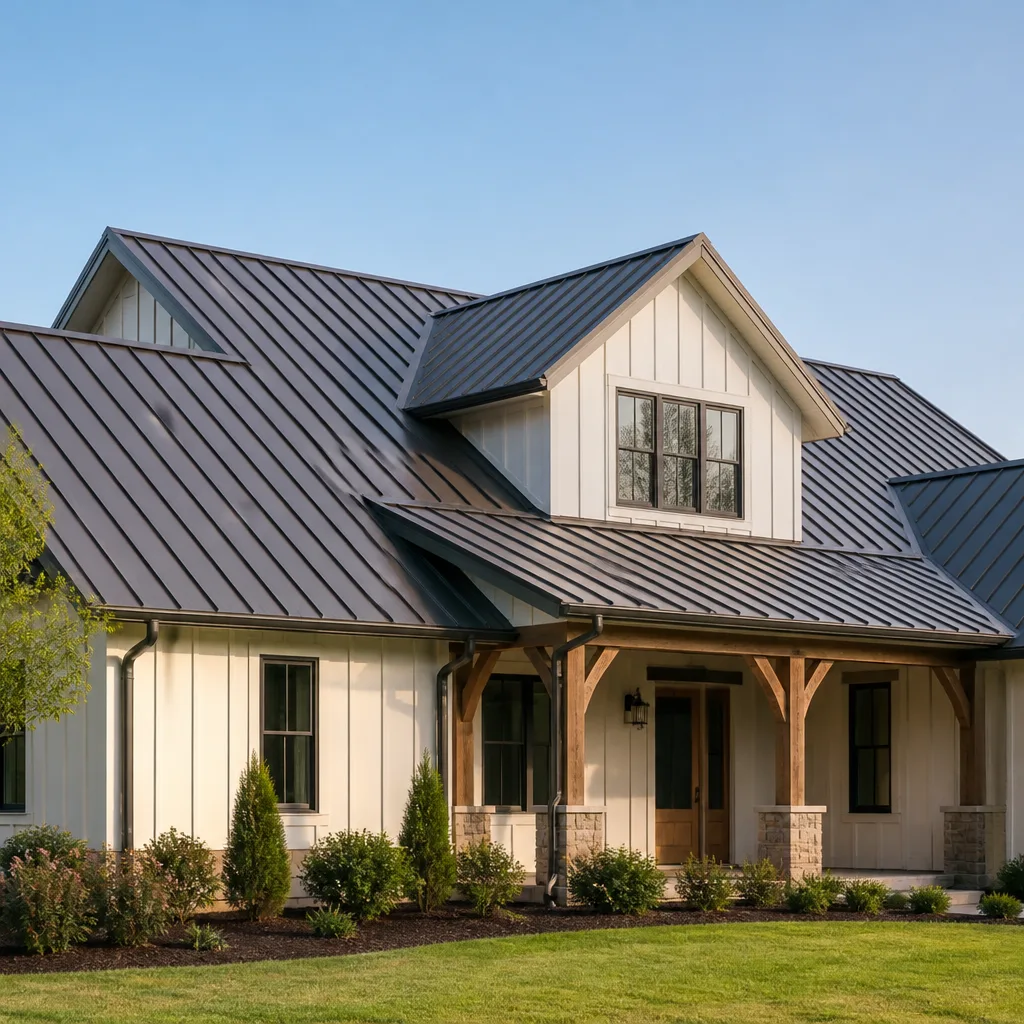
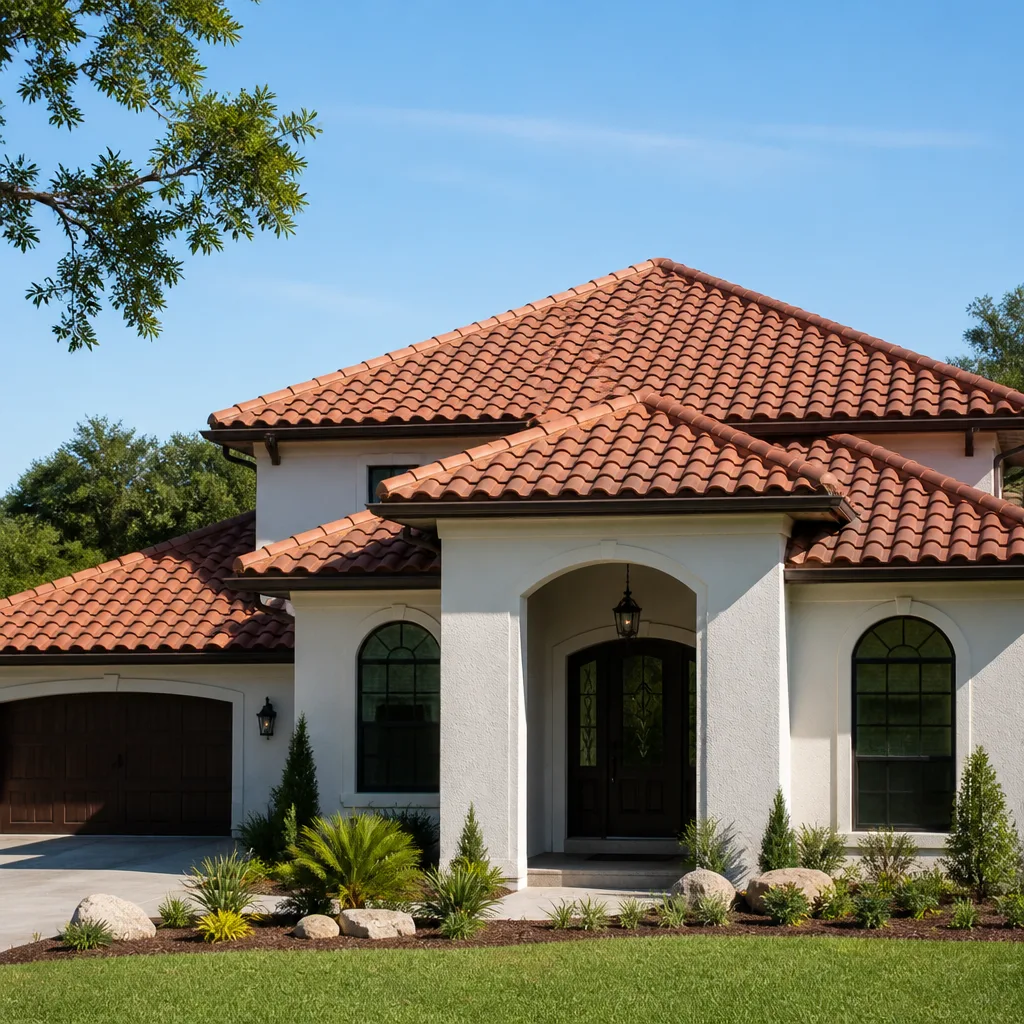
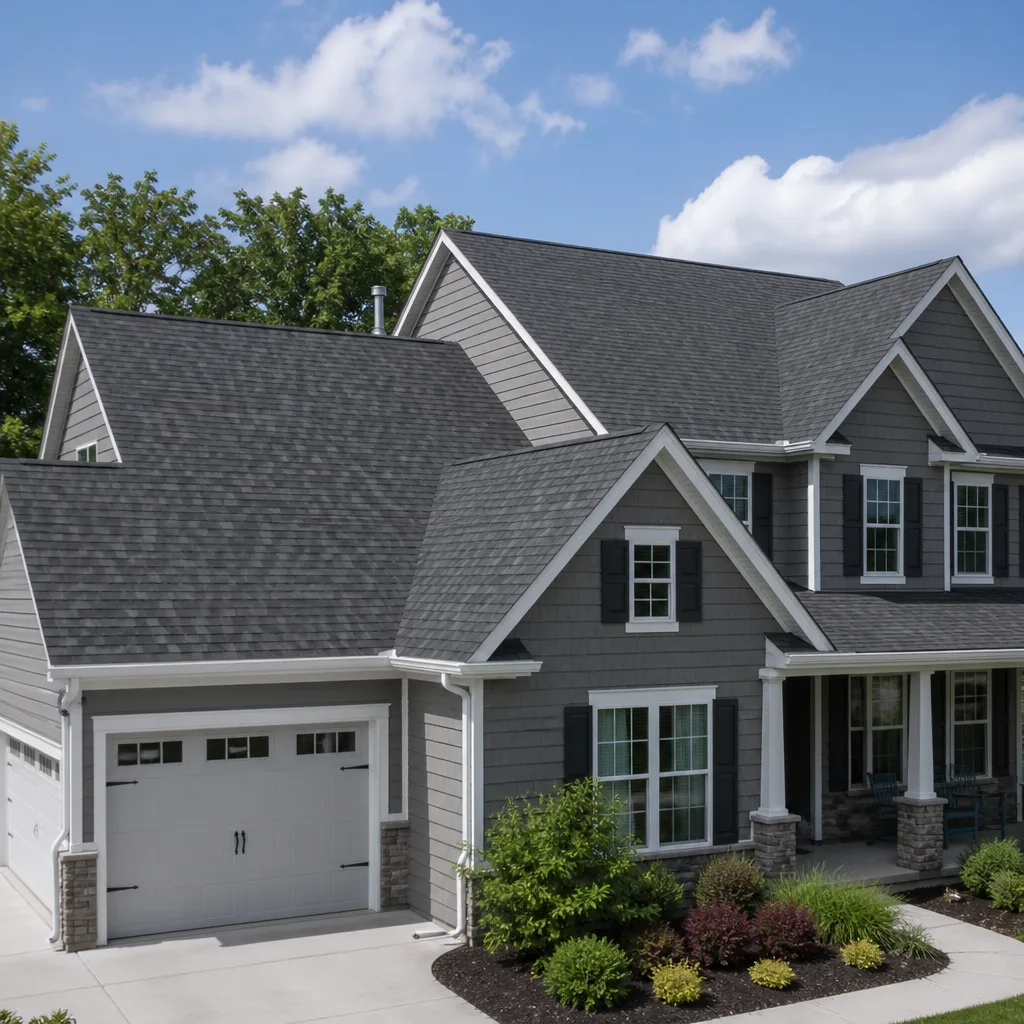
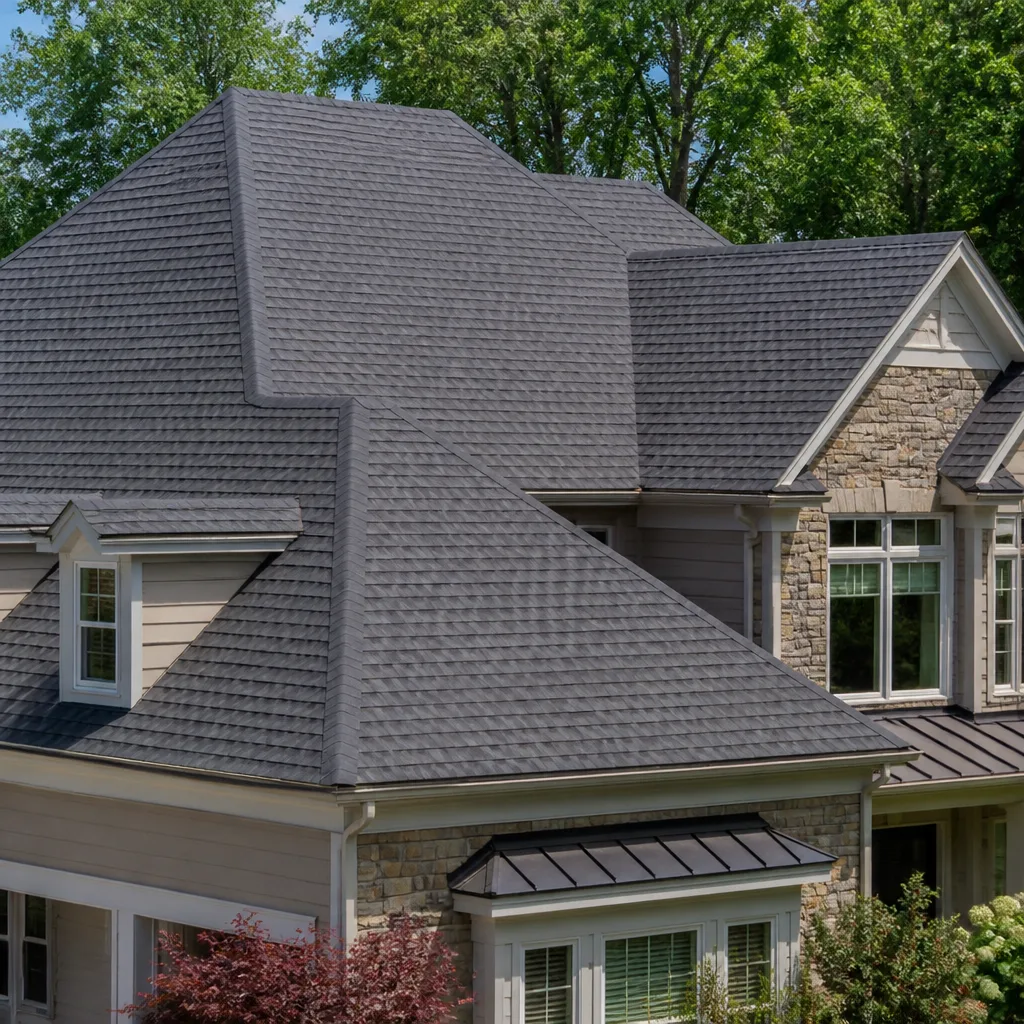
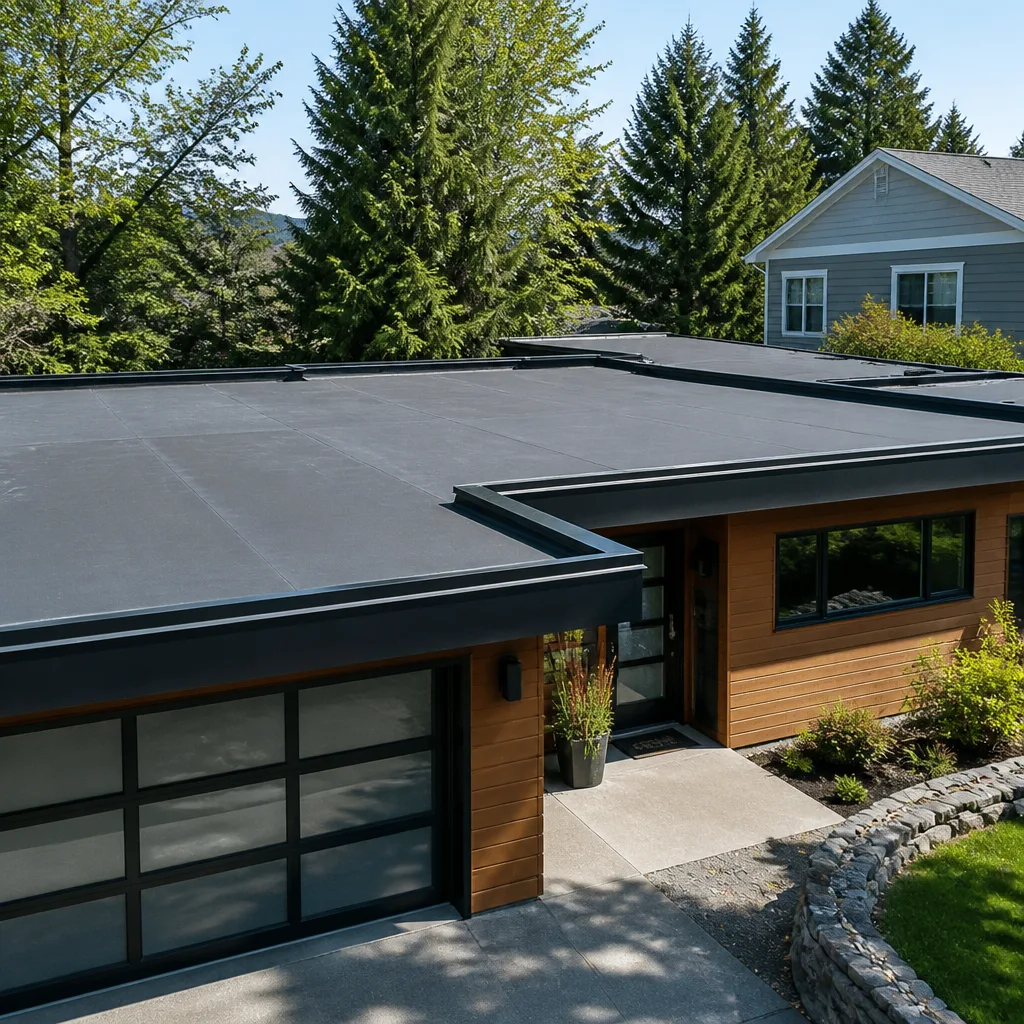
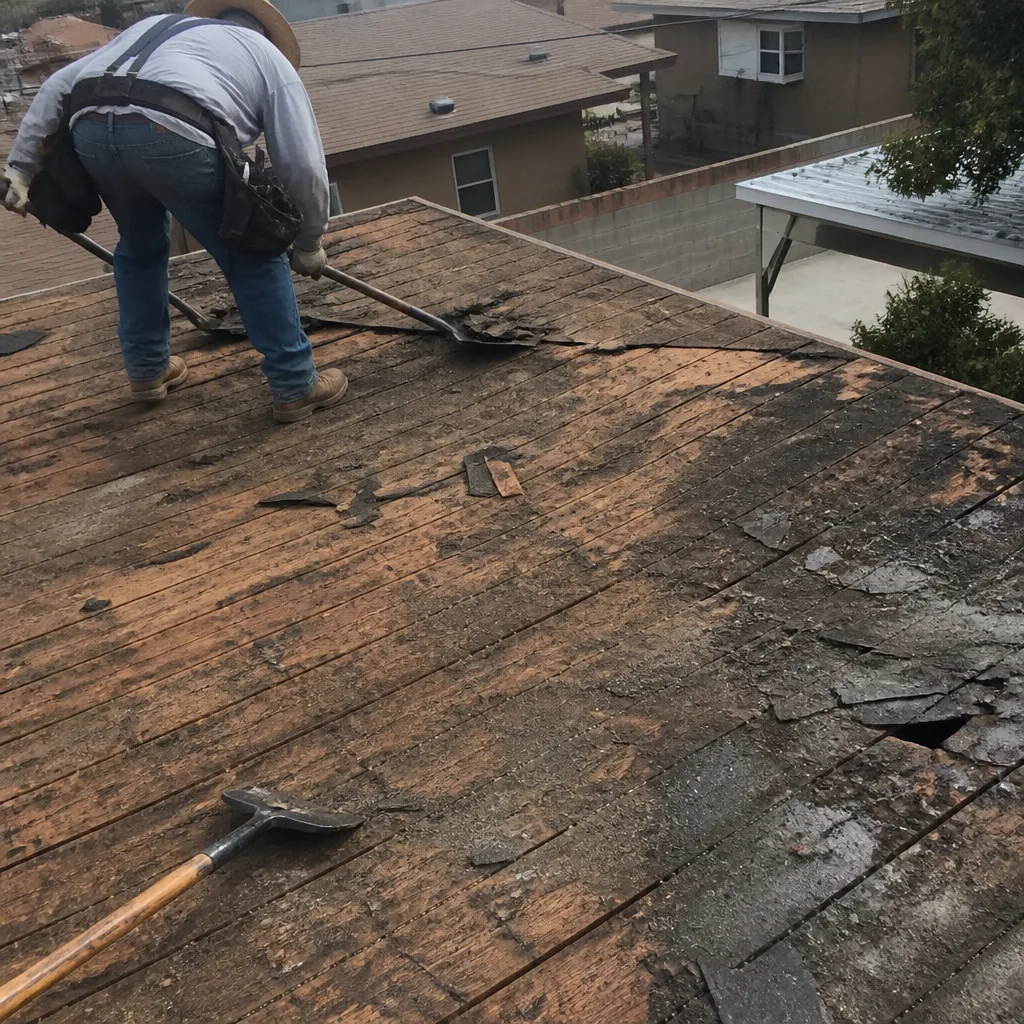 Before
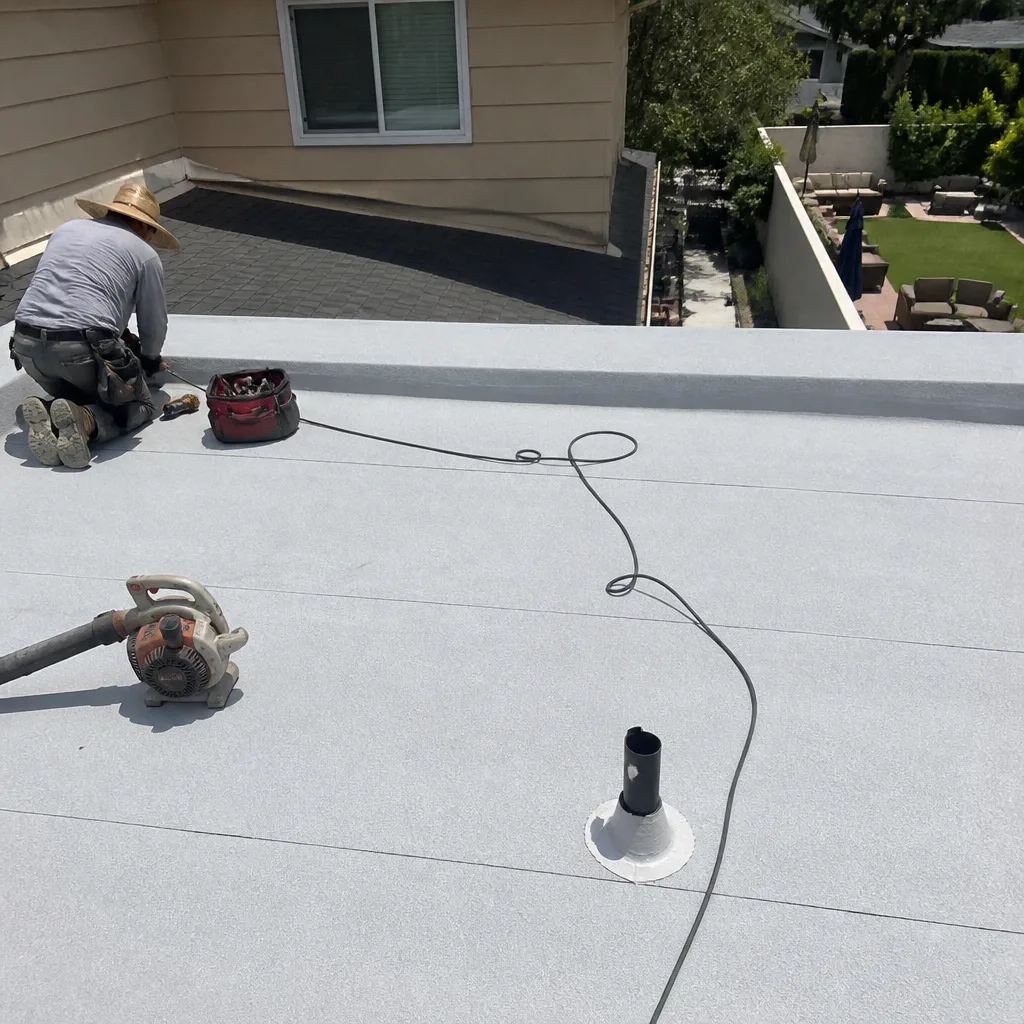 After
After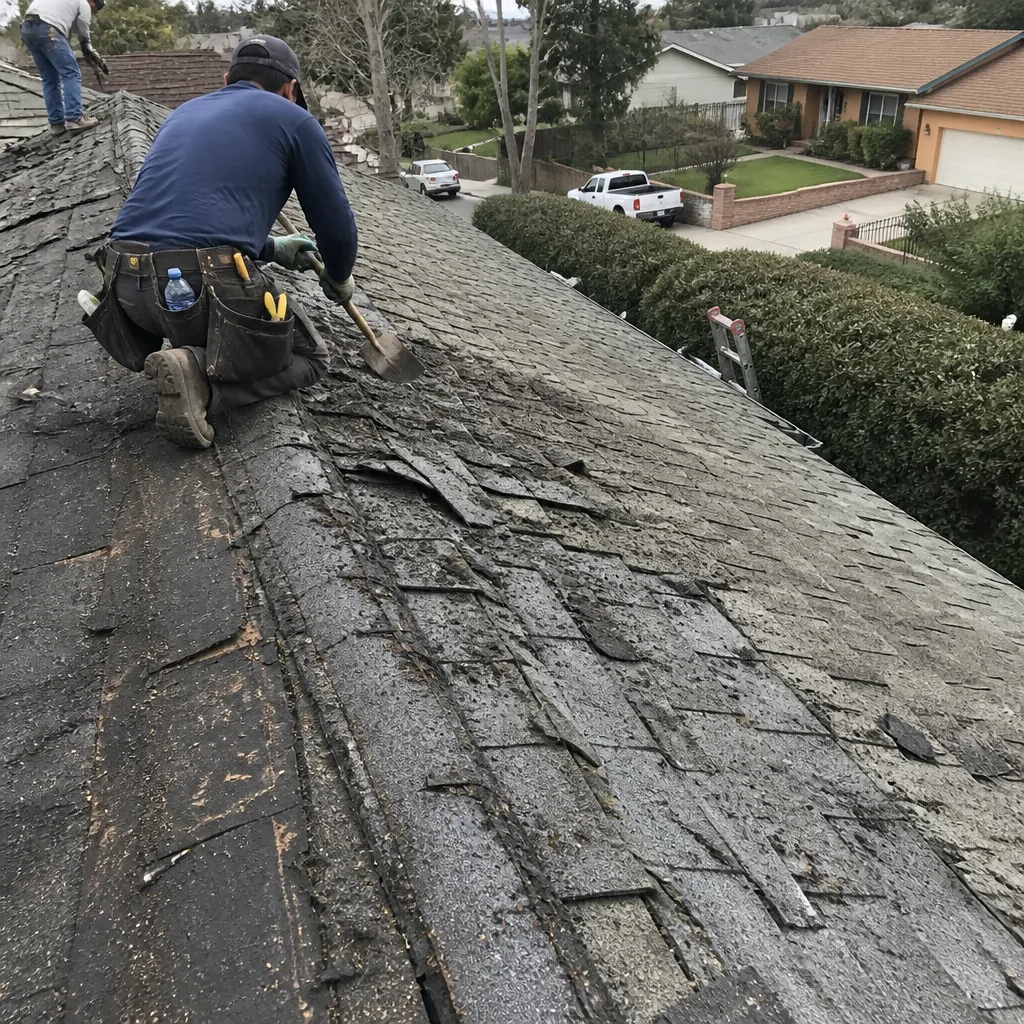 Before
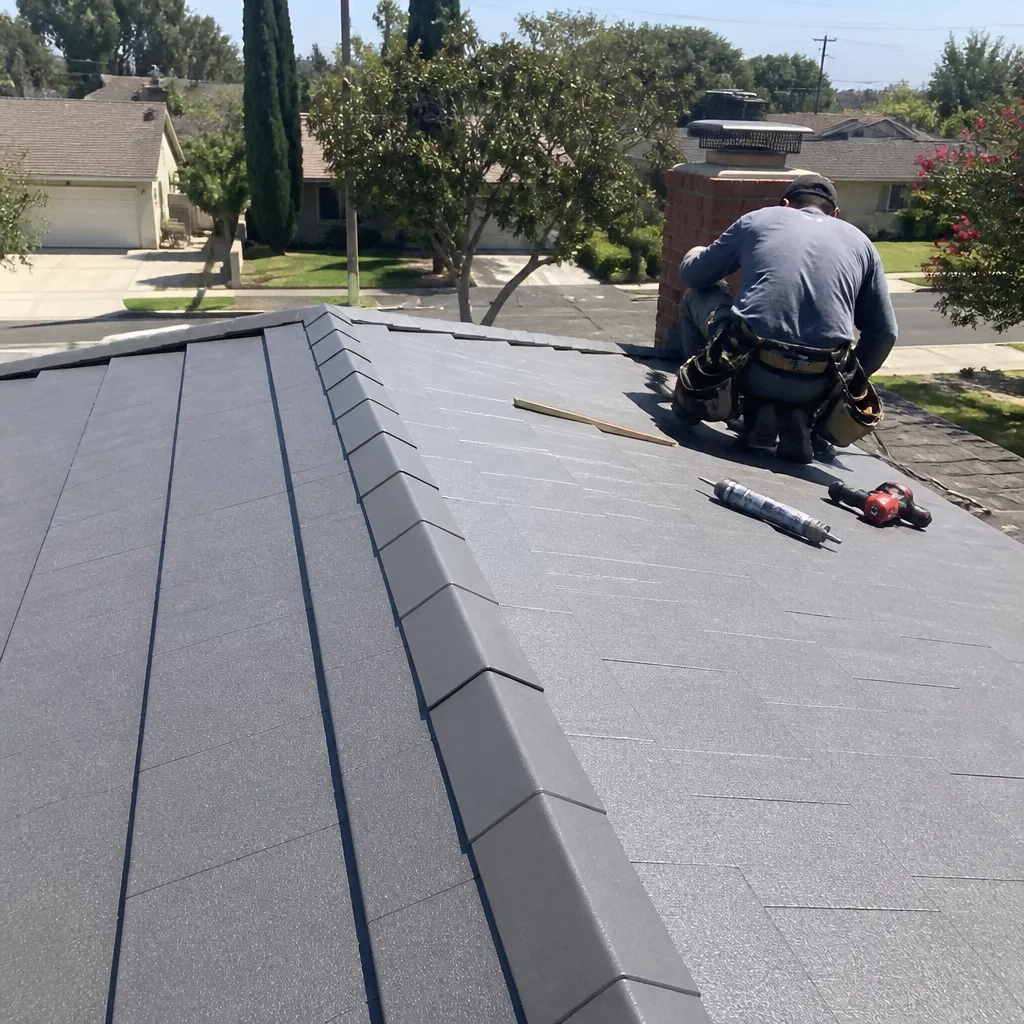 After
After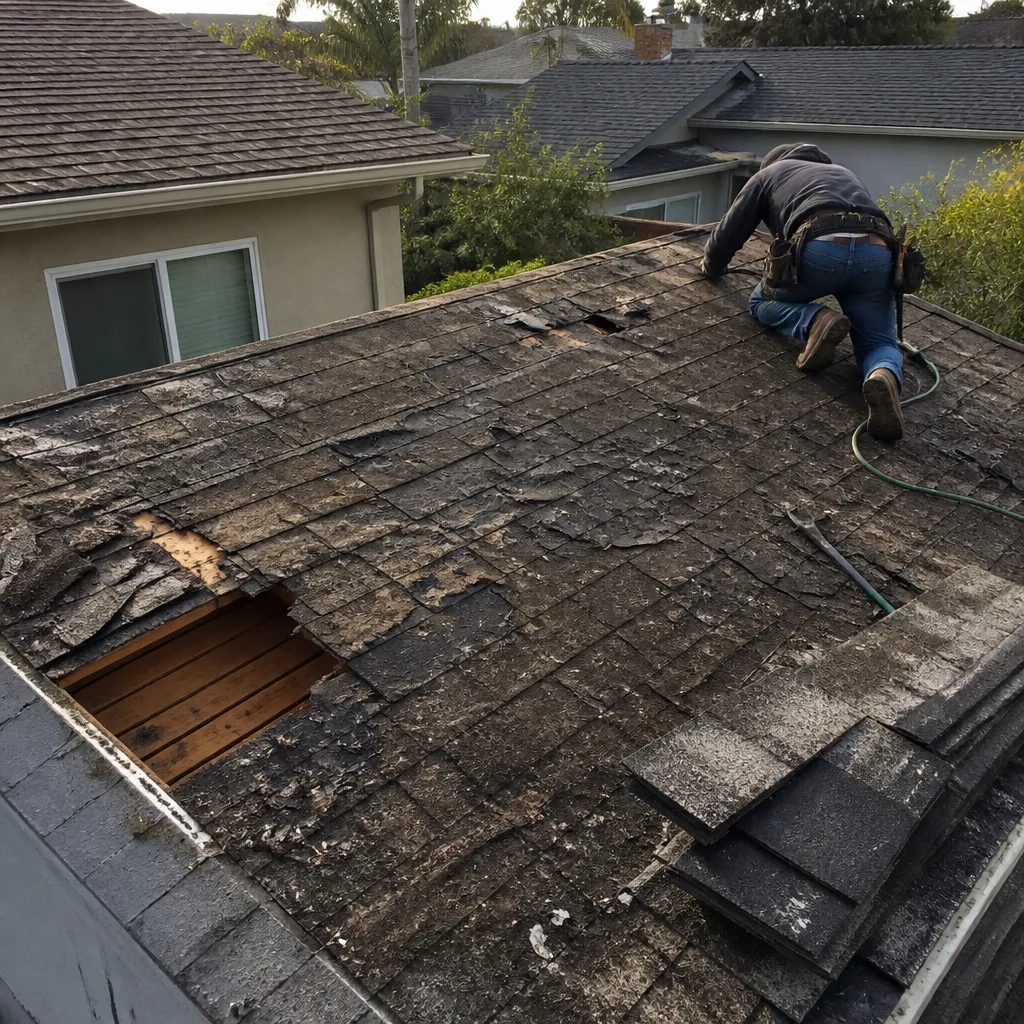 Before
 After
AfterFast, Reliable Roof Installation Across Alamo
A full roof installation in Alamo typically runs $22,000 to $48,000 for the large estate homes that define this community, with the biggest variable being the tile or shingle system you choose and what the old roof hides underneath. We work in Alamo every week, and our crews know the difference between a roof that looks fine from Stone Valley Road and one that’s actually sound beneath the surface. Getting an accurate number starts with a real inspection, not a square-footage guess. Call (743) 200-8347 and we’ll send a background-checked, photo-badged technician whose name and photo you’ll have before they knock.
Why Mercer Roofing Is Alamo’s Preferred Roof Installation Company
Alamo homeowners tend to ask harder questions than most, and that’s appropriate given what’s at stake here. The homes are bigger, the tile work is older, and the insurance pressure in this fire hazard zone is real. Our crews have walked hundreds of Alamo roofs, from the Roundhill estates backing toward Las Trampas Ridge to the wide-lot ranch homes off Danville Boulevard. We know what a 1960s clay barrel-tile installation looks like when the felt underneath has failed while the tile above still reads as intact, because we’ve pulled enough of them to recognize the pattern before we ever remove a single tile.
Every Alamo project starts the same way: a written price before any work begins. Not an estimate range that drifts upward once the underlayment is exposed. A line-item quote based on what we actually find during inspection, including the decking, flashing, and fire-rated components that insurance carriers now require. If the scope changes because the decking is rotted, you approve that change in writing before we order anything. That’s how we’ve built our reputation in Alamo, and it’s why homeowners here refer us to neighbors on the same street rather than shopping five companies every time a tile cracks.
We also work on Alamo’s schedule, not ours. When a homeowner on Stone Valley Road needs a reroof fast because their carrier sent a non-renewal letter, we can often start tear-off within two to four weeks, assuming the tile or shingle system is locally available. Long-lead specialty orders, which we’ll cover below, stretch that timeline, and we’ll tell you the truth about that upfront. You’ll know exactly who is coming to your door, what they’ll do, and what it will cost. That combination is rarer in Alamo roofing than it should be.
Grant Whitlock, who leads our Alamo crews, has walked more failed tile underlayments in this community than he can count, and he signs off on every Alamo quote personally. You’re not getting a salesperson with a drone photo. You’re getting a roofer who can explain what he found in plain English and show you the written price before you decide anything.
Roof Ventilation in Alamo
Roof ventilation in Alamo matters more than in most Bay Area cities because the Diablo Valley heat load is relentless, with summer highs regularly landing in the mid-to-upper 90s, and a poorly vented attic on a 3,500-square-foot estate turns that heat into a kiln above your ceiling. Roof ventilation is the system of intake and exhaust that moves air through the attic space, and in Alamo it’s the difference between a 40-year shingle that lasts 25 and one that actually reaches its rated life. For most Alamo homes, we’ll be adding or upgrading ridge vents, soffit vents, or powered attic fans as part of the roof installation, because the original builders in the 1970s and 1980s rarely did.
What it costs in Alamo
A roof ventilation upgrade during a full Alamo roof installation runs $1,800 to $3,400 depending on attic size and whether we’re adding ridge venting only or pairing it with new soffit intake. Standalone ventilation work on an existing roof usually lands between $900 and $2,100. That’s money returned through lower cooling bills and a decking system that isn’t being cooked from below year after year.
When Alamo homeowners need it
If your upstairs rooms feel 10 degrees hotter than downstairs in July, or you see condensation on the underside of the roof decking in December, the ventilation is failing. On the older Alamo estates with original tile roofs, the problem compounds because the failed felt underlayment we find so often here traps moisture in the decking that ventilation would normally carry away.
Roof Flashing Installation in Alamo
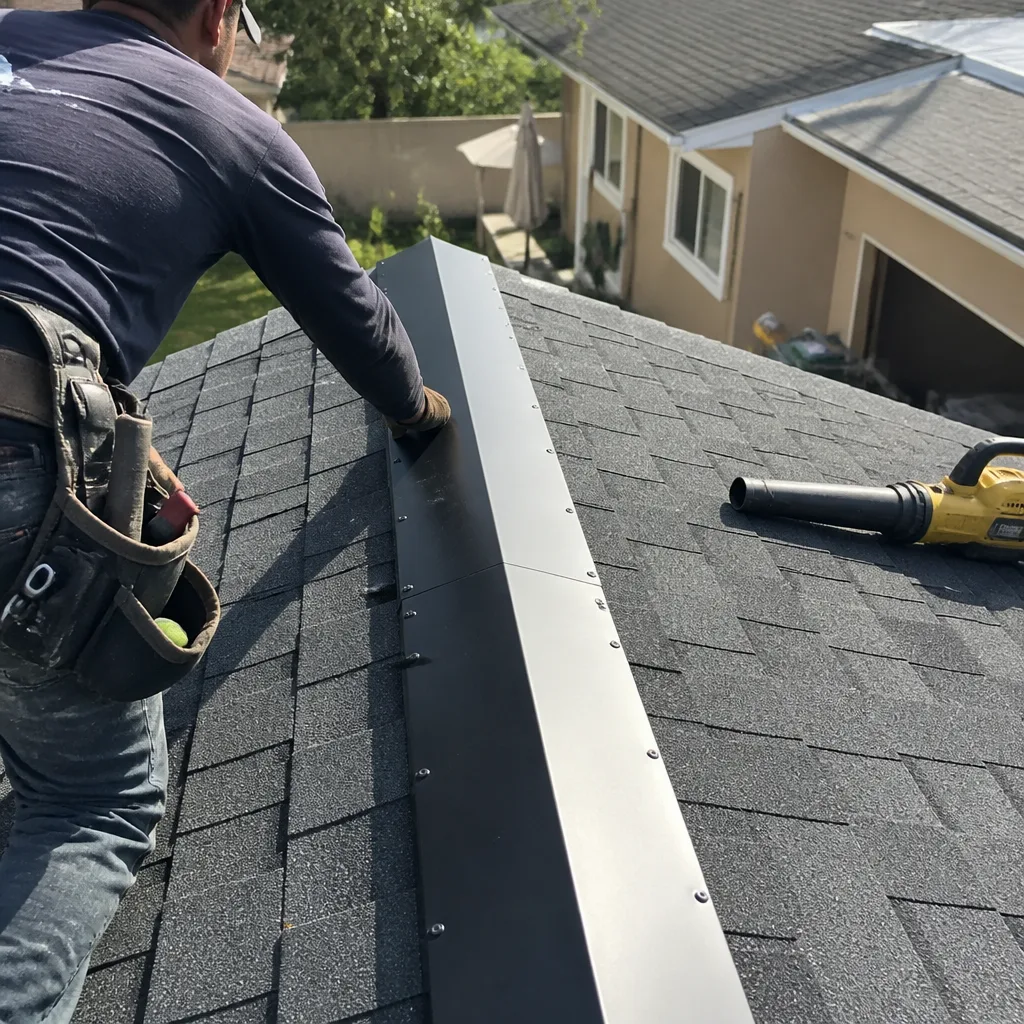
Roof flashing installation in Alamo is where a lot of local roofs quietly fail, because the Diablo wind events that funnel through the passes near Mount Diablo work step flashing and ridge cap mortar loose season after season. Roof flashing is the metal, typically galvanized steel or copper, that seals the joints where the roof meets a chimney, wall, skylight, or valley, and when those joints open, water gets in regardless of how good the tile above looks. On a proper Alamo roof installation, we replace all flashing at every penetration, not just the pieces that look bad from the ground.
What Alamo homeowners pay
Flashing replacement as part of a full roof installation in Alamo typically adds $1,400 to $3,200 to the total, depending on how many penetrations, chimneys, and valleys the home has. If we’re doing a targeted flashing repair on an otherwise sound roof, the range is usually $650 to $1,500. A lot of Alamo roofs with intact tile still leak at the flashing, and on hillside homes we check every step flashing joint during inspection because Diablo gusts work them loose in ways you won’t see from the yard.
Why it fails first here
The wind isn’t the only factor. Alamo’s hot, dry summers bake the sealants around flashing until they shrink and crack, and then the winter rains do the damage. By fall, when the first offshore wind event hits, that flashing has already lost its bond. We see it repeatedly on the hillside-adjacent homes backing toward Las Trampas Ridge, where the gusts are strongest and the failures concentrate at ridges and hip lines.
Trusted Brands We Service in Alamo
We install and service shingle and tile systems from GAF, Atlas, and Boral, which covers the range of what Alamo homeowners actually need, from a Class A asphalt shingle assembly for a ranch home near Danville Boulevard to a Boral tile system that matches the Mediterranean profile neighbors expect on Stone Valley Road. We keep commonly used flashing components, underlayments, and ridge materials stocked for fast turnaround on Alamo projects, and when you need 1,200 square feet of a specific barrel tile profile, we order it early and lock the written price before the order goes in. What we won’t do is substitute a cheaper product mid-project to make a margin. The brand we quote is the brand that goes on your roof, in writing, every time.
Common Roof Installation Problems We See in Alamo Homes
- Tile that looks fine while the felt rots beneath it. Alamo’s custom estates from the 1960s through early 1990s often wear original clay barrel tile that still looks presentable from the street. The original felt underlayment beneath has cracked and split, which means the roof is already leaking protection even though the tile isn’t broken. We see this on nearly every older Alamo estate we inspect.
- Diablo wind damage to ridges and flashing. The fall wind events mechanically stress ridge caps, hip tile mortar, and step flashings, particularly on homes that back up toward the ridges. Mortar pops, flashing joints open, and water finds a path. Most Alamo leak calls we receive in early winter trace back to wind-stressed flashing, not missing tile.
- Live oak leaf litter holding moisture in valleys. On the wooded lots along Stone Valley Road and in the Roundhill area, oak leaves pack into roof valleys and gutters and stay there for months. That wet mass sits against the tile and underlayment through the winter, accelerating rot from beneath even on roofs that look pristine from the curb.
- Heat-driven sealant and material fatigue. Alamo runs hotter than coastal Contra Costa, and that heat is hard on roofing. Sealants dry out and crack faster, asphalt shingles lose granules sooner, and the constant thermal cycling between hot days and cool nights works materials harder than in Walnut Creek or Lafayette. A 25-year shingle in Alamo doesn’t get the same life it would in a cooler microclimate.
Pricing for Roof Installation in Alamo, CA
A full roof installation in Alamo typically runs $22,000 to $48,000 for the estate homes that make up most of this market, with smaller ranch homes on the lower end and larger two-story custom builds higher. What drives the number beyond square footage is the system: a GAF asphalt shingle roof lands lower, a Boral clay or concrete tile system lands higher, and a Class A fire-hardened assembly with a fire-rated underlayment and ember-resistant details adds meaningful cost that your insurance carrier may now require. Decking replacement, which we find on a significant share of Alamo reroofs once the old tile comes off, adds $3,500 to $9,000 depending on rot extent. The written price we give you before work starts is the price you pay, and if we find hidden decking damage mid-project, we show you the change in writing before ordering a single board. Call (743) 200-8347 and we’ll come out, inspect the roof properly, and hand you a number you can plan around.
We Also Serve Cities Near Alamo
Beyond our roof installation work in Alamo, our crews regularly handle projects in Roof Installation across Walnut Creek, Moraga, Lafayette, and Danville. Each community has its own building patterns and roof profiles, and we carry that local knowledge from one job to the next. If you’re in Alamo or any nearby city, Alamo remains our home base for this area’s work, and we’ll bring the same written-price, photo-badged standard to your door.
Serving Alamo, CA - Our Local Coverage Area
We’re based in the Alamo area and know this community well. Use the map below to see our service coverage - if you’re nearby, we can almost certainly help.
FAQs About Roof Installation in Alamo
Your carrier is looking at Alamo’s Very High Fire Hazard Severity Zone designation and the Diablo wind fire weather, and they’ve decided that a 35-year-old tile roof over a failed felt underlayment isn’t a Class A fire-hardened assembly they’re willing to underwrite anymore. What looks fine from the street is often hiding cracked, failing underlayment beneath, and from an ember-resistance standpoint, that’s a vulnerability. Many Alamo homeowners are being forced into reroofs now, with fire-rated underlayments and Class A components, solely because their insurance company changed its underwriting rules. We’ve documented hundreds of these projects for homeowners who needed to prove the new assembly to keep their policy. Call (743) 200-8347 and we’ll walk you through what your carrier is actually requiring and what it costs to get there.
With in-stock asphalt shingles, our Alamo crews can typically complete a full tear-off and reinstallation in 5 to 10 working days depending on home size. The schedule stretches when your home needs a specialty tile profile or Class A fire-rated components that aren’t sitting in a local warehouse, because those orders can take 8 to 16 weeks before a single square of material is delivered. That’s not a labor problem; it’s a supply-chain reality on high-end Alamo systems, and it’s why we lock the written scope and price before ordering anything. The crews are ready. The tile is often what we’re all waiting on.
Alamo carries a higher concentration of large custom estates with original clay barrel-tile systems, and it sits inside a stricter fire hazard zone that Walnut Creek and Lafayette don’t face at the same level. That creates the insurance-driven reroof wave we’re seeing here, where homeowners are being required to install documented Class A assemblies on homes that look perfectly fine from the curb. The roofing work itself isn’t harder; the stakes and the paperwork are. We build every Alamo quote around what your carrier actually needs to keep your policy, not just what keeps the rain out.
The sustained northeast gusts that Diablo wind events push through the passes near Mount Diablo create mechanical stress on ridge caps, hip tile mortar, and step flashing that other Bay Area communities don’t experience at the same intensity. Each wind season pops a little more mortar, opens a few more flashing joints, and weakens the roof’s water barrier, especially on hillside-adjacent homes. We inspect every ridge and flashing joint on Alamo roofs before quoting installation, because wind-stressed flashing is often the real leak source even when the tile looks intact. If your roof has been through several wind seasons, call (743) 200-8347 and we’ll inspect those joints before they open up further.
On Alamo’s wooded lots, particularly along Stone Valley Road and in the Roundhill area, live oak leaves pack into roof valleys and gutters and hold moisture against the tile for months through the winter. On roofs where the original felt underlayment is already cracked, that constant moisture accelerates rot in the decking from beneath, and you’d never see it from the street. We flag it because we’ve opened enough Alamo roofs where the tile looked clean but the decking underneath had turned spongy. A roof installation here isn’t complete until the new valley system sheds water and debris the way it’s supposed to, and we include that in the written scope before we start.
If you’re weighing a roof installation in Alamo and want a straight answer about what needs to happen, what it will cost, and who exactly will be at your door, call (743) 200-8347. We’ll send a background-checked technician with a photo ID badge whose name and photo you’ll have before they arrive, and you’ll get a written price before any work begins. No pressure, no vague ranges, no surprises. Just the work your roof actually needs, priced honestly.
Written by Grant Whitlock, Owner at Mercer Roofing, serving Alamo and the surrounding communities since 2000.