
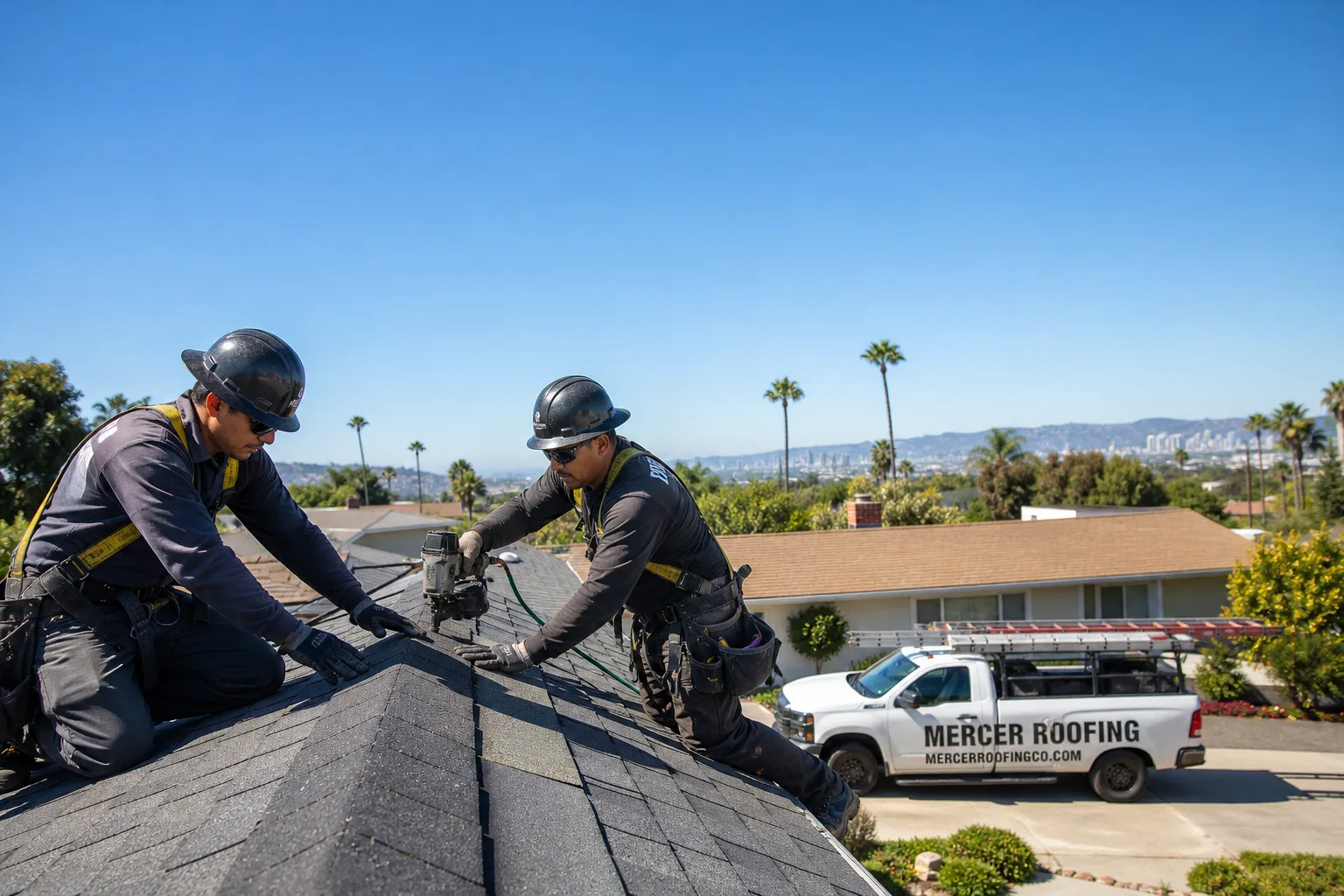
Free roof inspection with deck photos before we talk money - GAF and Owens Corning certified installation
 Before
 After
After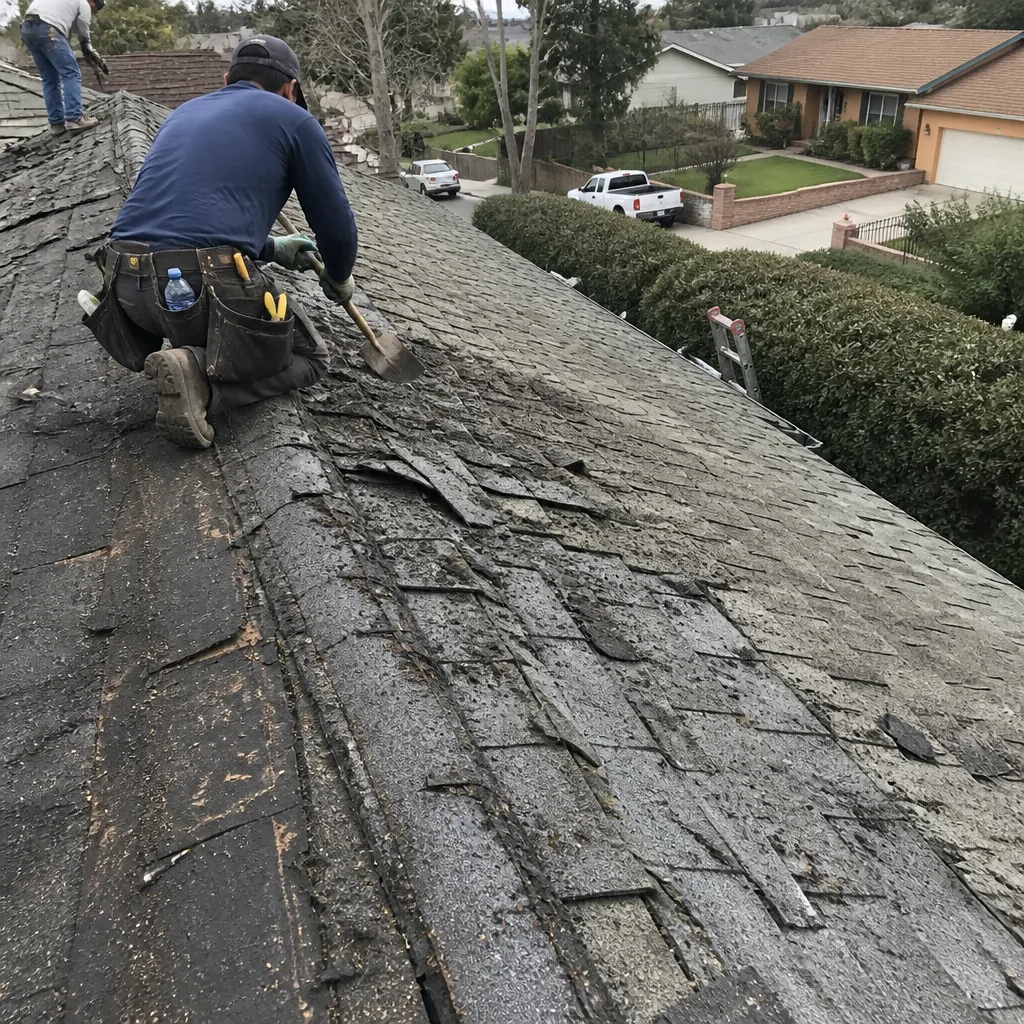 Before
 After
After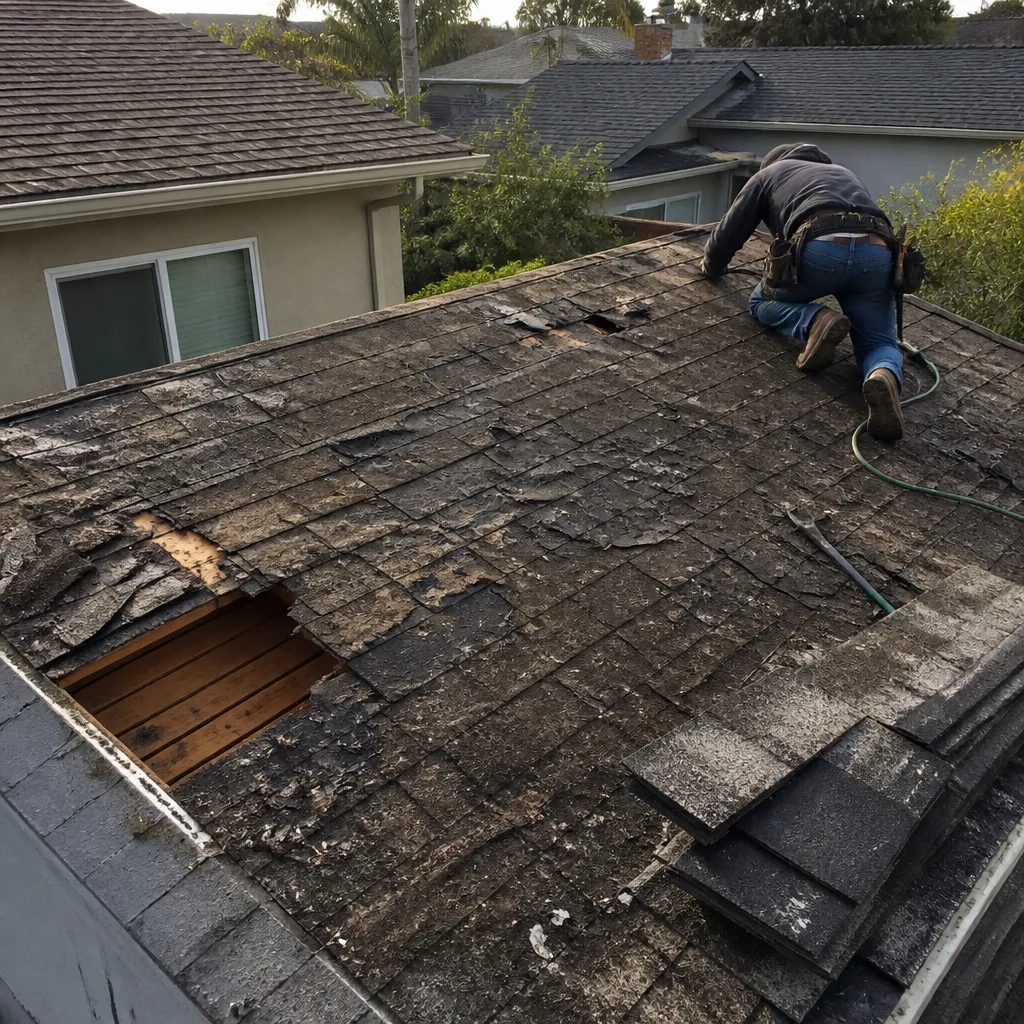 Before
 After
AfterFast, Reliable Roof Installation Across Canyon Country
Roof installation in Canyon Country means working with the land, not against it. We know the ridgelines off Soledad Canyon Road, the older tracts tucked behind Sierra Highway, and the way heat and wind move through this valley. If you need a full re-roof or a new roof on a Canyon Country home, call (743) 200-8347 for a free estimate. Every job starts with a written price before any work begins, and every technician who arrives at your door is background-checked, badged, and identified by name and photo before we ever set foot on your property.
Most Canyon Country re-roofs in 2026 run $11,000 to $24,000 depending on square footage, deck condition, and material class. We’ll get to exact numbers below, but that’s the honest range we quote most often. No surprises. No change orders without a signature.
Why Mercer Roofing Is Canyon Country’s Preferred Roof Installation Company
Canyon Country homeowners keep calling our roofing company in Canyon Country because we show up the way one should. Before the crew arrives, you get the technician’s name and photo sent to your phone. They ring the bell in a clean, marked uniform and hand you a photo ID badge to check. That’s the Threshold Verified standard, and it matters more here than most people expect. Canyon Country has plenty of older homes whose owners have dealt with door knockers after windstorms, and the difference between a roofer you can verify and one you can’t is everything.
Our Roof Installation team has seen nearly every failure mode Canyon Country throws at a roof, from heat-cracked shingles on Rainbow Glen tracts to wind-lifted ridge caps near Sand Canyon. We stock parts locally for Canyon Country jobs, which shortens the time between inspection and installation. Grant Whitlock, who leads Mercer Roofing, set the standard years ago: write the price down, hand it over, and stand behind the work for 365 days. If something isn’t right within a year, we come back and make it right. That’s the Done Right Promise, and it’s in writing on every job we do.
We’re part of the Threshold Group family, founded in 2000. Every Mercer location is independently owned and operated, held to the same Threshold Verified framework. A live person answers the phone 24/7, so when you call at 7 a.m. or 9 p.m., you get a human being, not a voicemail.
TPO Roofing Installation in Canyon Country
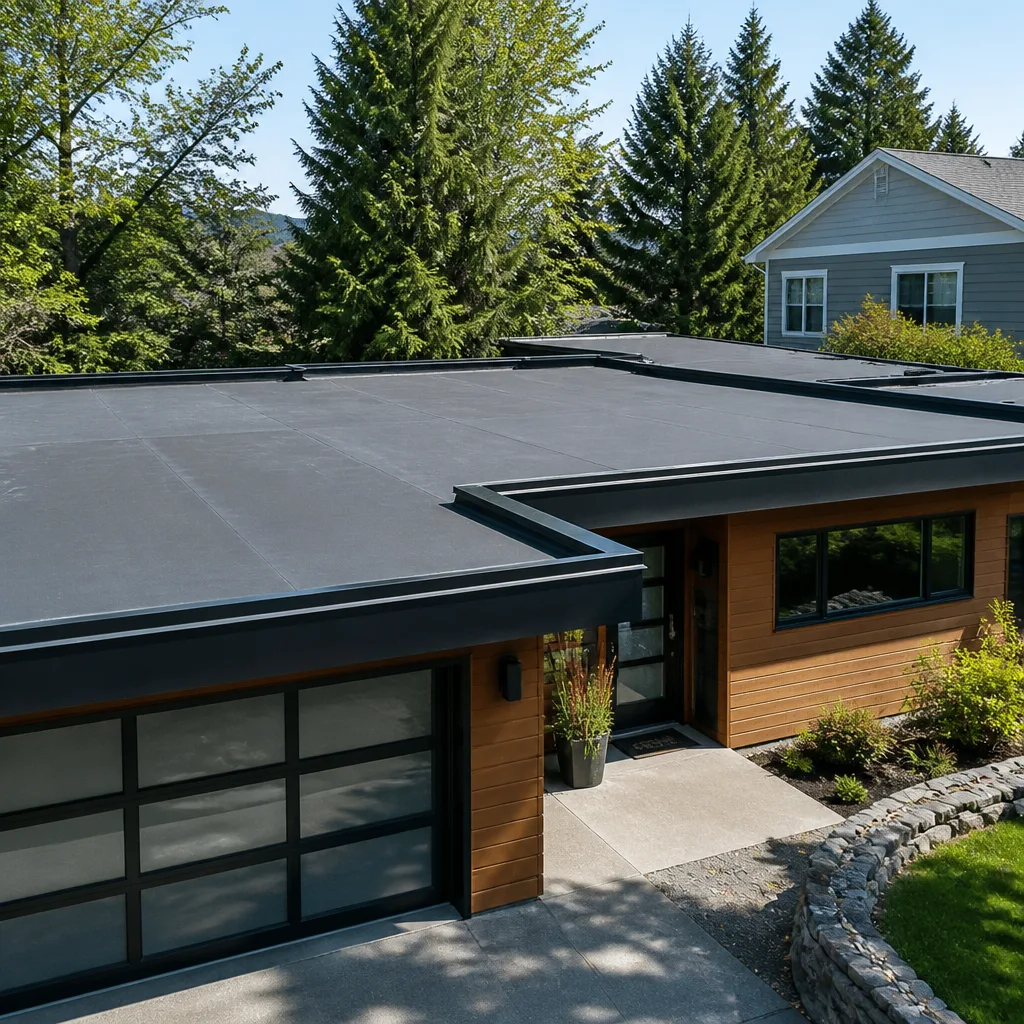
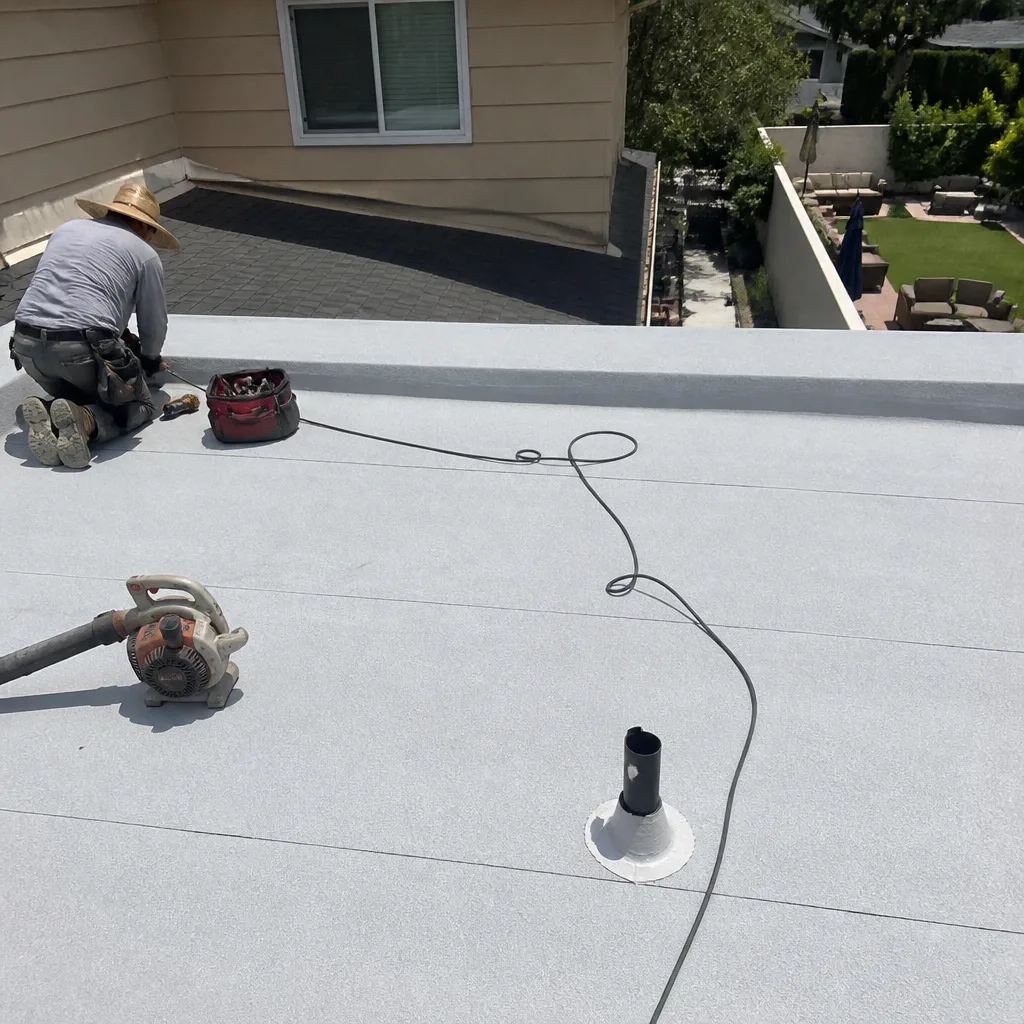
TPO Roofing Installation in Canyon Country is most common on flat or low-slope sections of homes, patio roofs, and the occasional accessory structure. TPO, short for thermoplastic polyolefin, is a heat-welded single-ply membrane that reflects a lot of the high-desert heat Canyon Country gets from June through September. On a flat section of a 1970s ranch off Via Princessa, a TPO overlay might run $8 to $12 per square foot installed, depending on whether we’re peeling off an old cap sheet or starting fresh over new insulation board.
Heat-Welded Seams Hold Up In Canyon Country Heat
The welds are what make TPO work here. Canyon Country summers regularly push past 100°F, and a membrane that’s mechanically fastened without properly welded seams will open up at the lap joints within a few seasons. We hot-air weld every seam so the membrane acts as one continuous sheet, then we flash every penetration, curb, and parapet with the same material.
When A Homeowner Needs TPO Instead Of Shingles
Not every Canyon Country roof is pitched. Plenty of 1980s Spanish-style homes off Soledad Canyon have flat-run sections over garages or additions, and walking those with shingles only works if the slope is steep enough. When the pitch drops below 2:12, we recommend TPO or a comparable membrane, because shingles on a near-flat surface will pond water and fail early. If you’ve got a leak on a flat section and the deck still holds water, the fix usually isn’t another patch. It’s a membrane system designed for the shape of the roof.
Shingle Roof in Canyon Country
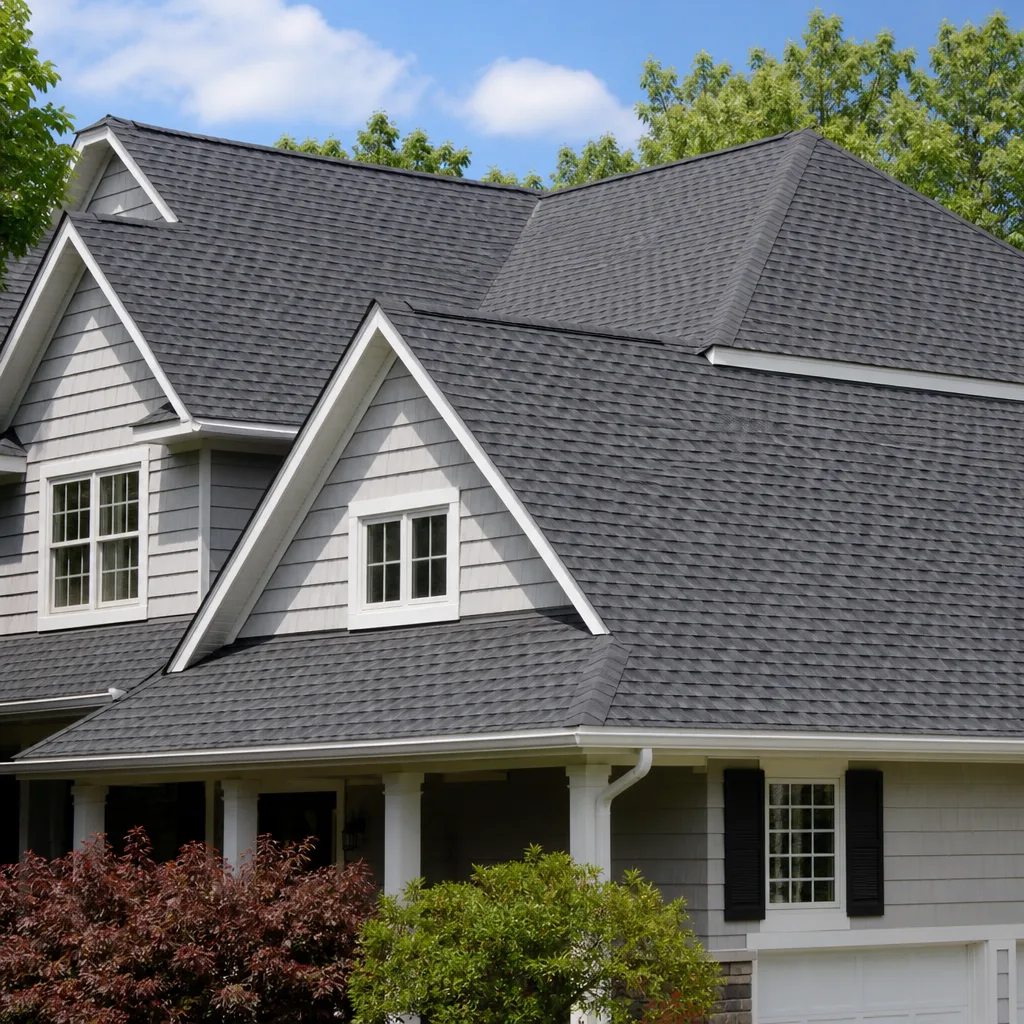
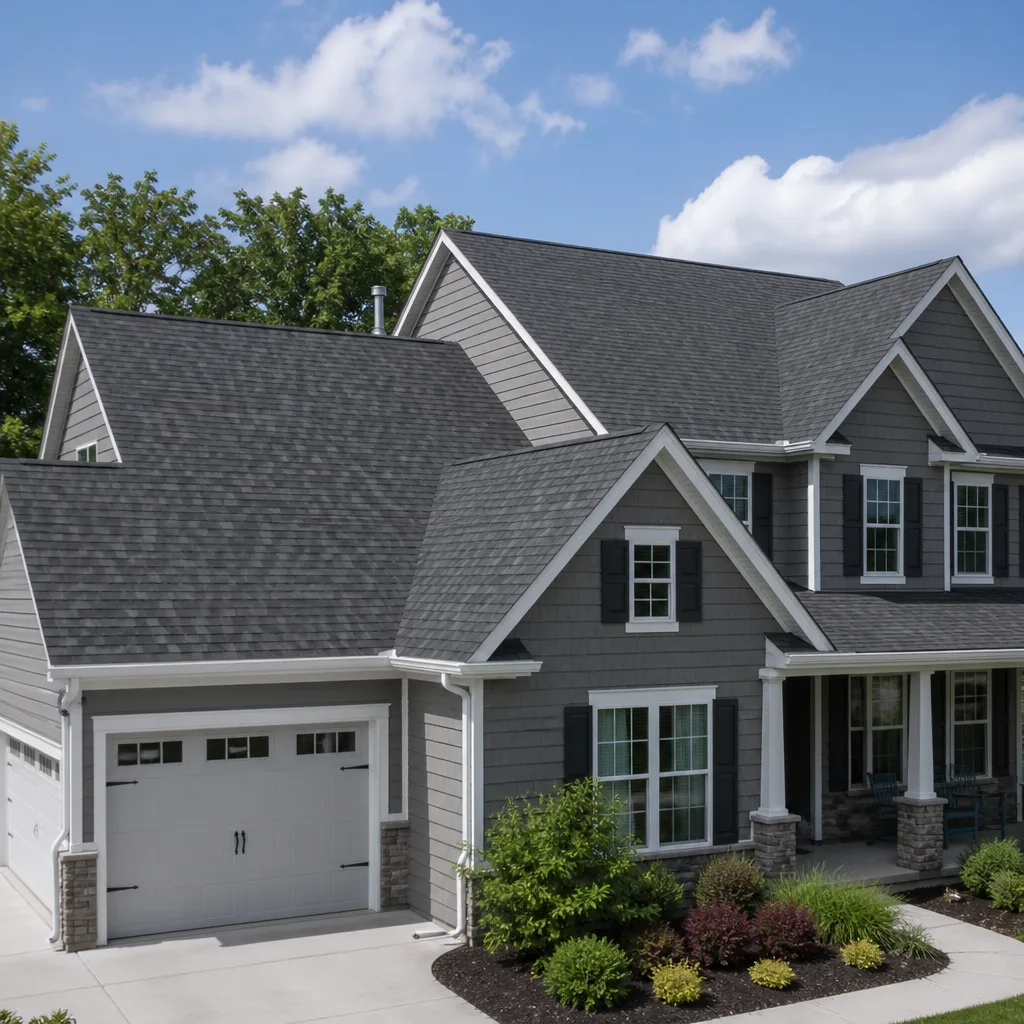
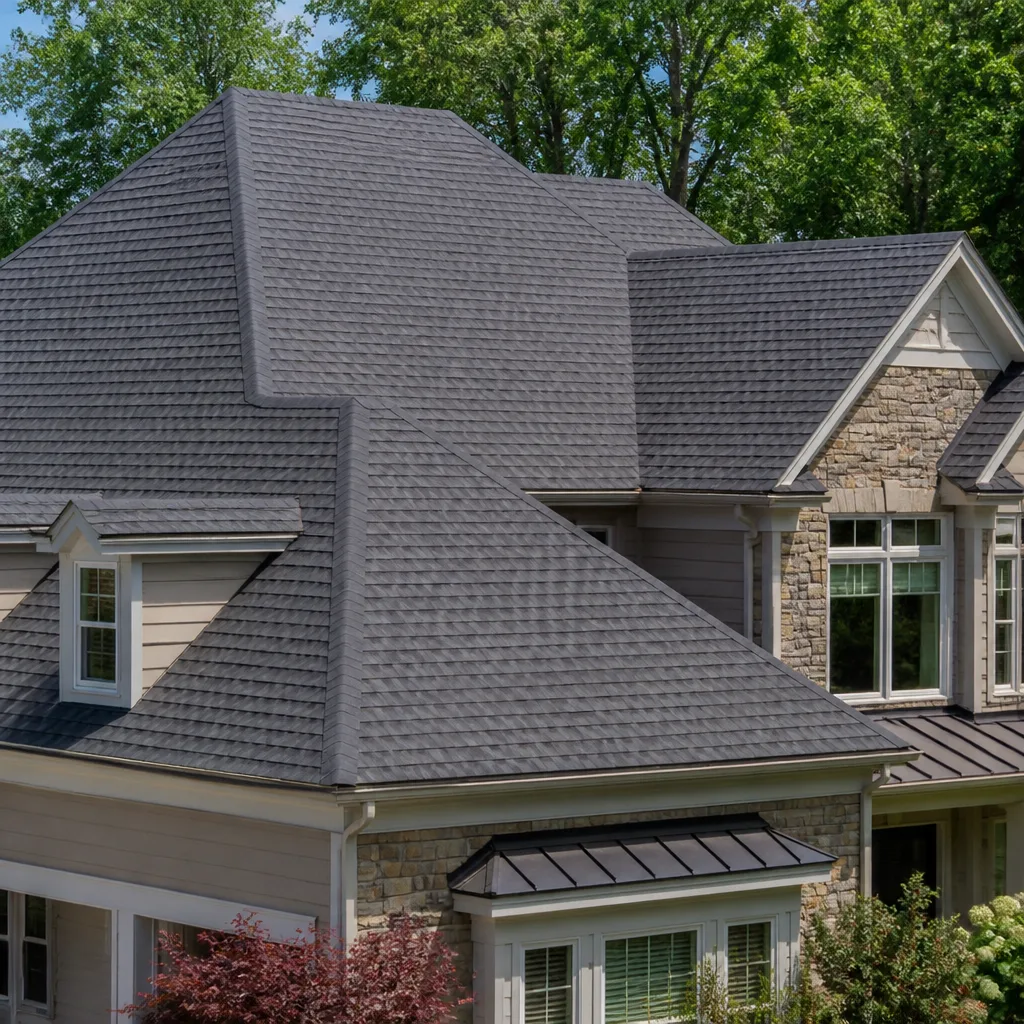
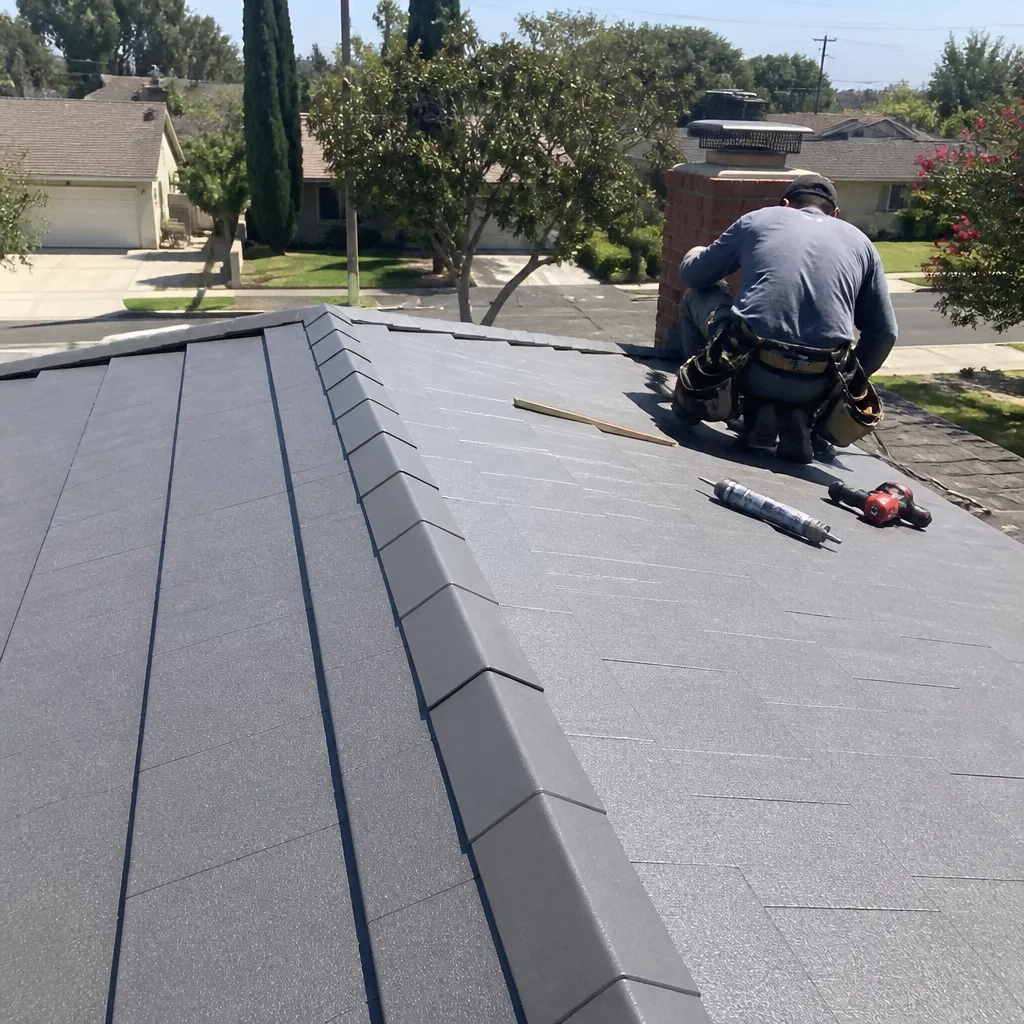
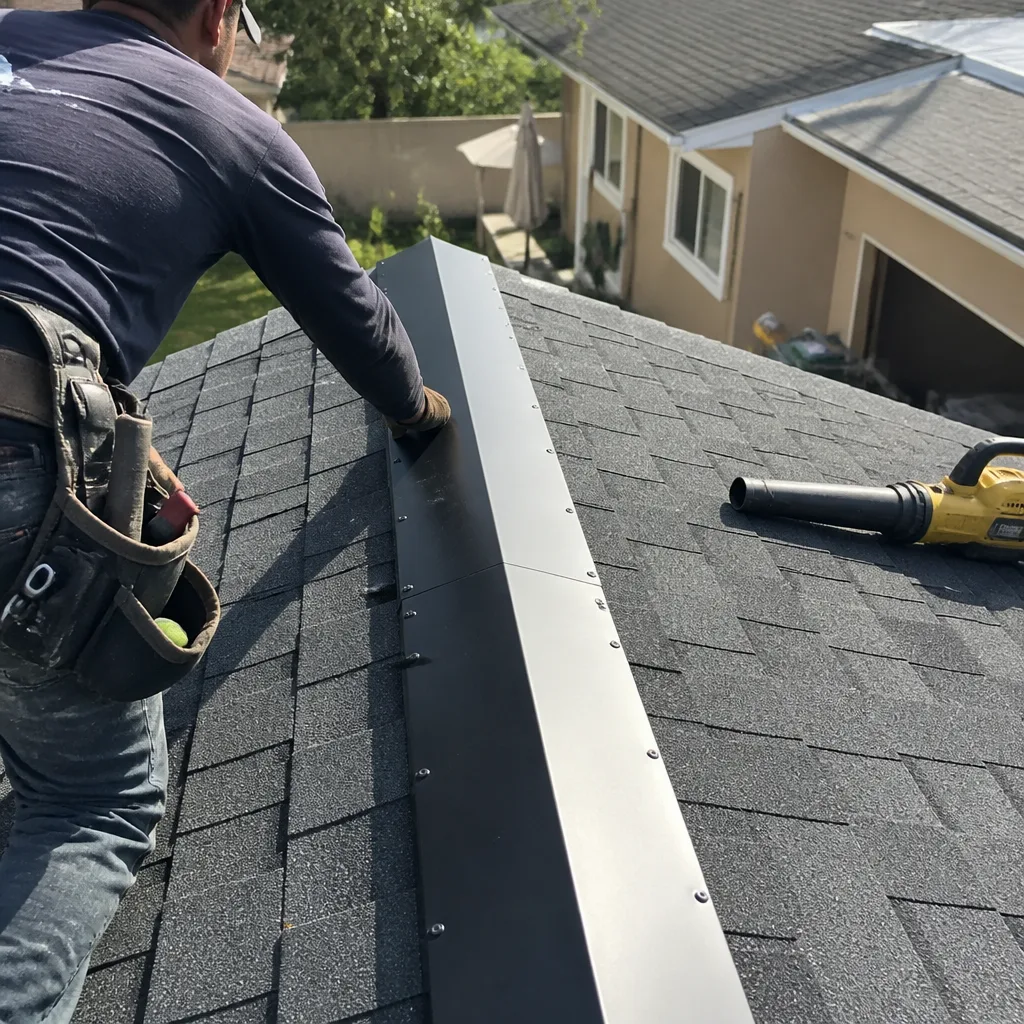
Shingle Roof work in Canyon Country is most often architectural asphalt shingles on the low-pitched tracts that fill the neighborhoods between Sierra Highway and Sand Canyon Road. We carry GAF, CertainTeed, and Owens Corning lines for Canyon Country jobs, and we quote installations in the $5.50 to $8.50 per square foot range for a standard tear-off and re-shingle, assuming the deck is sound. If the deck is not sound, that number moves, and we explain exactly why in writing before anything else happens.
Class A Fire Rating Is Not Optional Here
Santa Clarita zones the entirety of Canyon Country inside a Very High Fire Hazard Severity Zone. California’s building code requires Class A fire-rated roofing on virtually every re-roof here. Standard three-tab shingles don’t carry that rating. Wood shake, which many of these 1980s tract homes were built with, hasn’t been legal to install for years and can’t be patched either. The shingle we put on your roof has to carry a Class A fire rating, and architectural shingles from the major manufacturers do. That single fact changes the math for a lot of Canyon Country homeowners calling in what they thought was a repair.
Underlayment Specs Matter In This Climate
Before shingles go down, the underlayment has to be right. Canyon Country’s temperature swings, from 105°F afternoons to 40°F winter nights, expand and contract everything on the roof deck. We use a minimum 30-pound synthetic underlayment, and on lower slopes or eaves we step up to peel-and-stick ice and water shield in the valleys and around penetrations. It costs a little more and it’s the difference between a 12-year roof and a 25-year roof.
Trusted Brands We Service in Canyon Country
We install and warrant shingle systems from GAF, CertainTeed, and Owens Corning, and we carry local stock of their most common Canyon Country lines so turnaround stays tight. GAF’s Timberline HDZ and CertainTeed’s Landmark series are the two we quote most often for the 1970s – 1990s tract stock that dominates the valley. We’re a manufacturer-recognized installer, which means the material warranty on your roof is backed by the manufacturer, not a third party. If you’ve got a brand preference, tell us when you call, and we’ll price it against the comparable option. Our Canyon Country customers rarely wait more than a week for material once the contract is signed.
Common Roof Installation Problems We See in Canyon Country Homes
- Original wood shake roofs at structural end-of-life. A huge share of the 1980s tract homes around Canyon Country still carry their original wood shake, which is now 35 – 45 years old and simultaneously failing structurally while being flatly illegal under the VHFHSZ Class A mandate. What a homeowner calls in as a leak repair frequently forces a full tear-off, because code won’t allow patching a non-compliant roof. We walk you through that conversation on the first inspection, not after you’ve spent money on a repair that won’t hold.
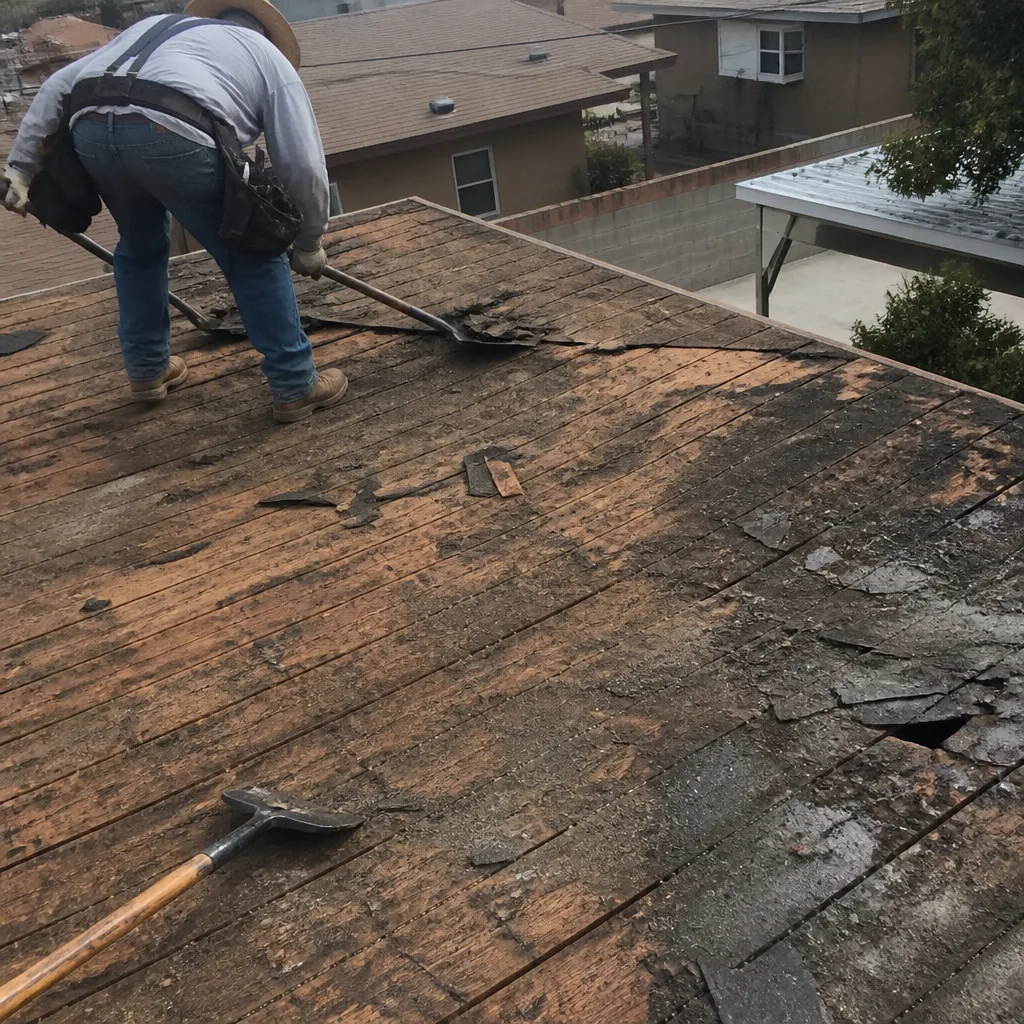
- Heat-fatigued decking and failed underlayment. Decades of 100°F+ summers bake plank decking and OSB until it loses its grip on fasteners. When we tear off a 1980s roof near Sierra Highway, we routinely find deck sections that pull up with the old shakes, along with underlayment that’s degraded to dust and flashing that’s rusted through at the chimneys and vents. Those problems are invisible until the roof is open, which is why we write deck and flashing allowances into every Canyon Country contract.
- Wind lift and shingle stripping from Santa Ana events. The canyon geography funnels 50 – 60 mph gusts through the ridges, and whatever the heat has already loosened, the wind strips off. We see this most on the western-facing slopes near Sand Canyon and the open tracts off Soledad Canyon Road. The fix starts with nailing patterns, not material upgrades. If the shingles weren’t nailed in the proper zone, a heavier shingle just means heavier pieces flying off in October.
- Rusted flashing at penetrations and valleys. Canyon Country’s dry heat hides its damage differently than coastal rust does. Flashing here corrodes slowly at the seams, then cracks open during a single wind event, and the leak shows up months later. On older ranch homes, the plumbing vent boots and chimney step flashing are almost always first to fail. We replace every penetration flashing as part of the re-roof, and we check the valley metal before quoting so the price includes what the roof actually needs.
Pricing for Roof Installation in Canyon Country, CA
A full tear-off and re-roof on a typical 1970s – 1990s Canyon Country ranch runs $11,000 to $24,000. The spread comes from three things: square footage, deck condition, and material class. A 1,500-square-foot single-story tract home with sound decking and architectural shingles typically lands around $12,500 to $16,000. The same house with heat-damaged plank decking, failed underlayment, and a need for full deck remediation moves closer to $19,000 – $22,000. TPO sections add $8 to $12 per square foot for the membrane area specifically.
We write every Canyon Country estimate as a line-item price, not a lump sum. Deck remediation, flashing replacement, and code-required upgrades are listed as allowances, and nothing changes without a written price and your signature. Call (743) 200-8347 for a free estimate on your specific roof.
We Also Serve Cities Near Canyon Country
Along with Roof Installation in Canyon Country, Mercer Roofing handles full re-roofs in Santa Clarita, Valencia, Newhall, and San Fernando. Each community sits on a slightly different side of the heat and wind equation, but the permitting and material requirements carry across the valley. If you’re a few miles over the line, we’ve probably roofed your street already.
Serving Canyon Country, CA - Our Local Coverage Area
We’re based in the Canyon Country area and know this community well. Use the map below to see our service coverage - if you’re nearby, we can almost certainly help.
FAQs About Roof Installation in Canyon Country
No. Virtually every re-roof in Canyon Country falls inside the Very High Fire Hazard Severity Zone, where California building code mandates Class A fire-rated roofing. Wood shake, even in good condition, does not carry that rating, and code won’t allow a repair that extends the life of a non-compliant roof. If your shake roof is leaking, the honest answer is a full tear-off and code-compliant replacement. Call (743) 200-8347 and we’ll inspect the roof and give you the real options in writing.
Most often, deteriorated plank decking, failed underlayment, and rusted flashing at the vents and chimneys. These 30 – 45-year-old roofs baked through decades of 100°F+ canyon summers and dry heat cycled the wood and fasteners until sections lose structural grip. We write deck remediation into the contract as an allowance and give you a written price before any change is made. Our job is to have the roof meet current code and the manufacturer’s installation spec, and sometimes that means replacing what’s underneath first.
Two reasons. First, Canyon Country sits inside the VHFHSZ, which mandates Class A fire-rated materials on every re-roof, while neighboring cities west of the ridgeline have different, sometimes less expensive, requirements. Second, the age and original materials of Canyon Country’s housing stock, dominated by 1970s – 1990s tracts with aging plank decking, means more deck remediation and more code upgrades than you’d see on newer Valencia builds. The price isn’t markups; it’s materials and labor for what code actually requires here. Want an exact number for your roof? Call (743) 200-8347 for a free written estimate.
They work as a one-two punch. The inland canyon geography traps summer heat above 100°F, which thermally expands and cracks aging shingles and dries out underlayment. Then Santa Ana wind events funnel 50 – 60 mph gusts through the ridgelines, lift the shingle edges the heat already loosened, and strip them off the deck. That’s why Canyon Country roofs fail measurably faster than coastal or San Fernando Valley installations, and why we pay close attention to nailing patterns, fastener choice, and underlayment spec on every re-roof here.
You can install any roofing material that carries a Class A fire rating under California’s VHFHSZ code requirements. In practice, that’s architectural asphalt shingles from GAF, CertainTeed, or Owens Corning, plus Class A-rated TPO membranes for flat and low-slope sections. Standard three-tab shingles and wood shake are out. We walk you through the compliant options during the free estimate, then put the exact material, labor, and permit pricing in writing. Call (743) 200-8347 to schedule yours.
We tore the original wood shake off a 1982 tract home near Sierra Highway and found the plank decking so heat-fatigued that whole sections pulled up with the shakes. Full deck replacement went down before a single architectural shingle. Because the VHFHSZ Class A mandate wouldn’t let the homeowner legally patch it, we wrote the deck remediation into the contract as an allowance, priced the extra squares in writing, and upgraded the ridge vent and drip edge to current code before final inspection. That’s how a Canyon Country re-roof goes when you do it right, and that’s the only way we work.
Call (743) 200-8347 to schedule your free roof installation estimate in Canyon Country. A real person answers, day or night. You’ll get a written price, a badged technician you already know by name and face, and a roof that meets the code your canyon actually requires.
Written by Grant Whitlock, Owner at Mercer Roofing, serving Canyon Country as part of the Threshold Group family since 2000.