
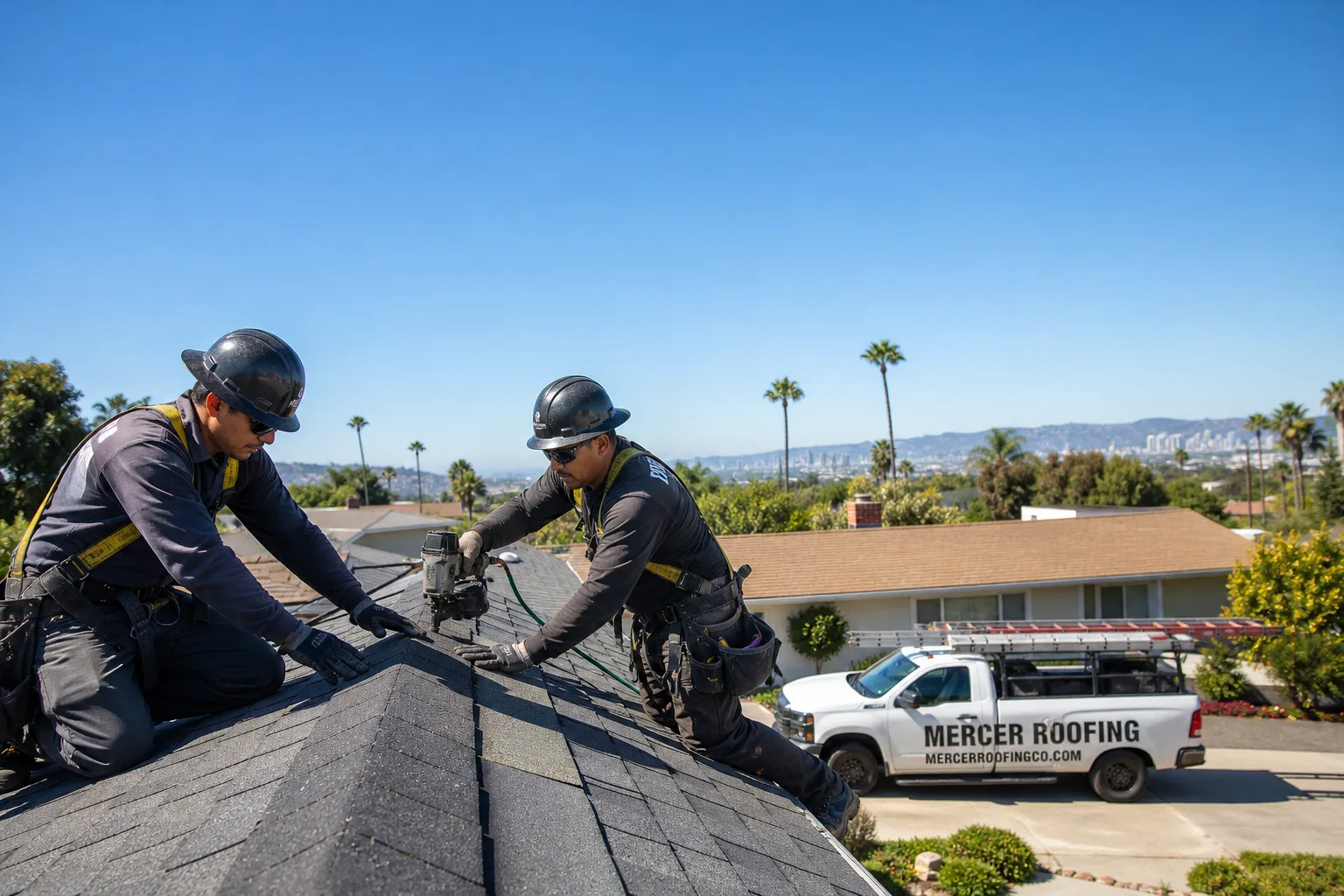
Free roof inspection with deck photos before we talk money - GAF and Owens Corning certified installation
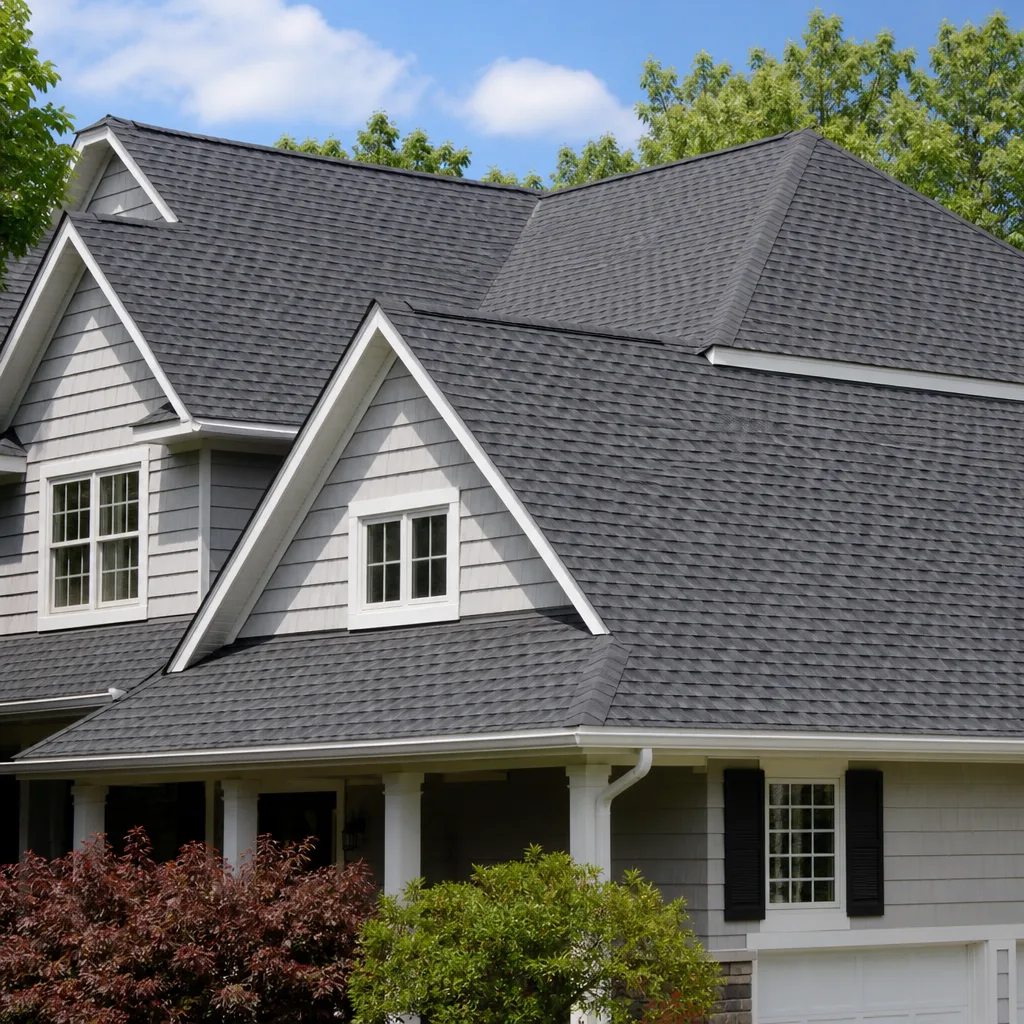
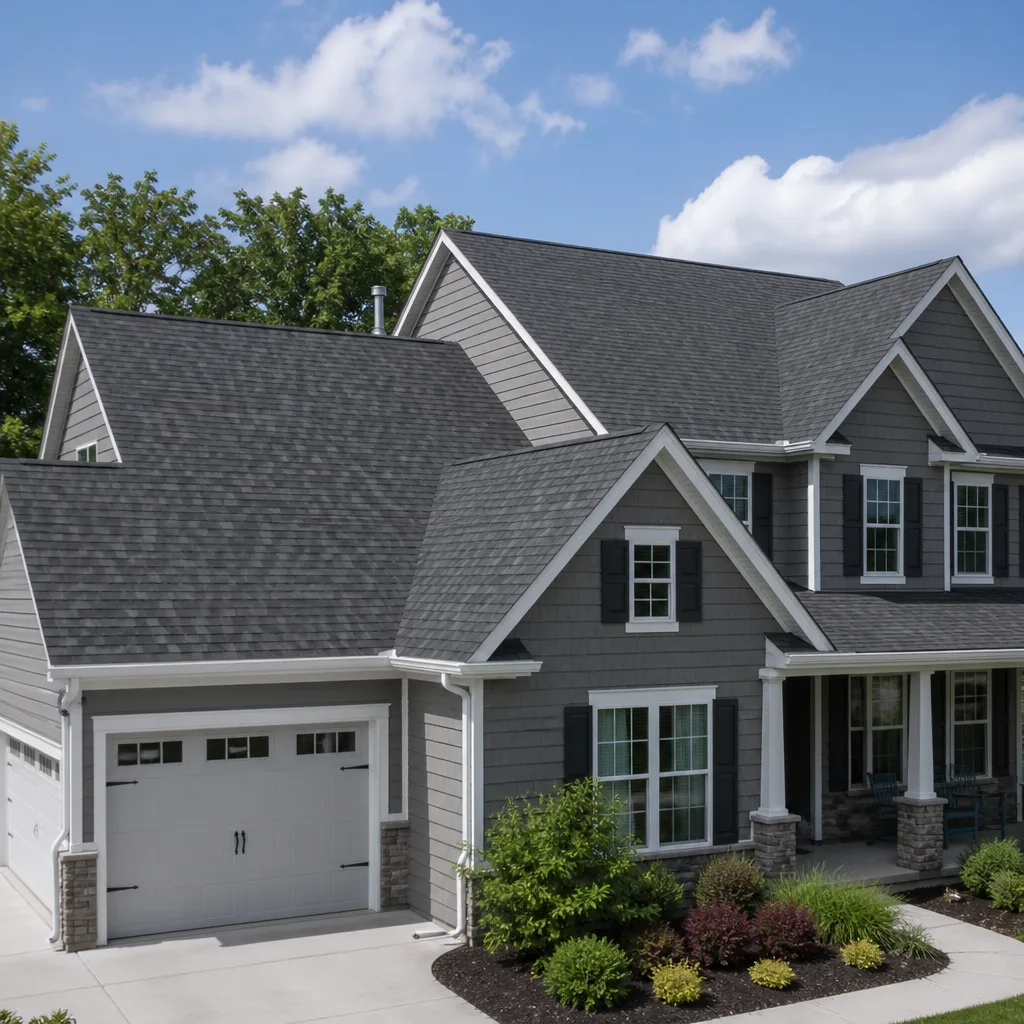
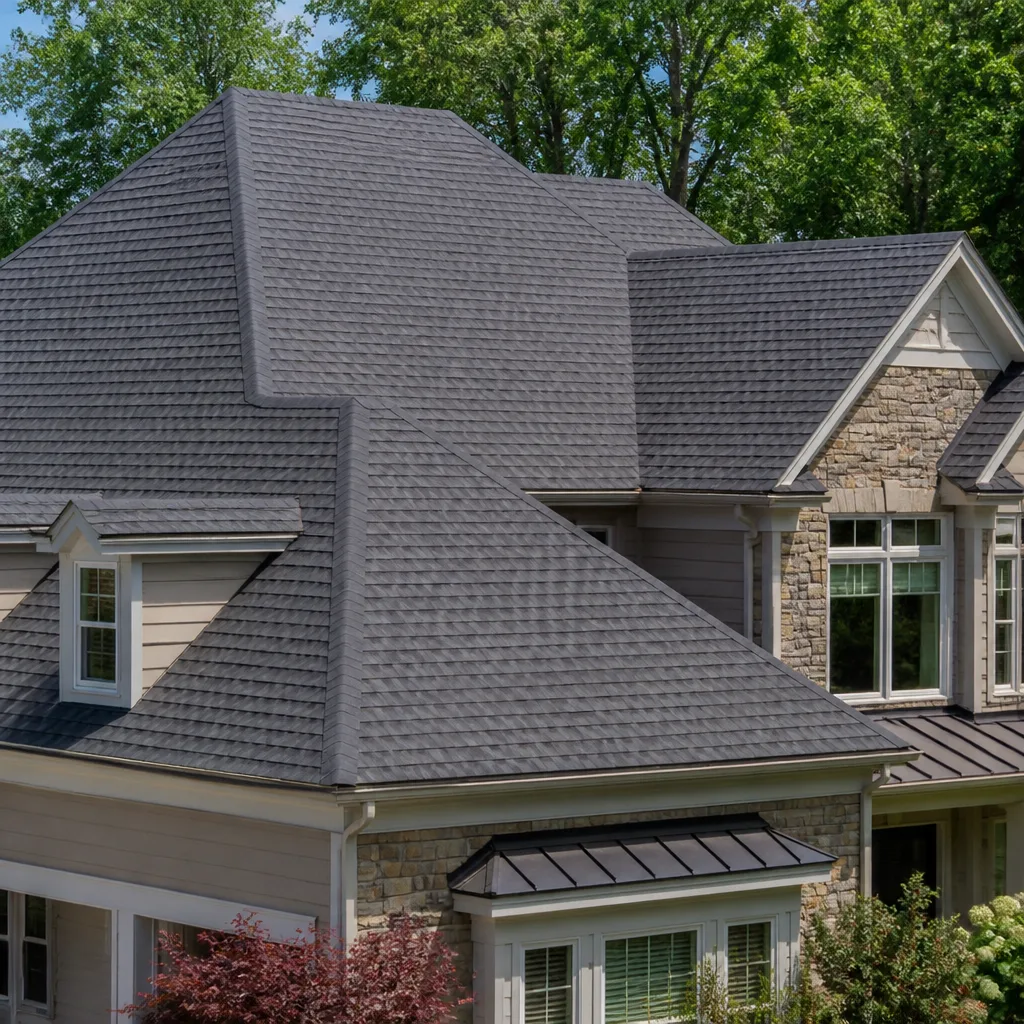
 Before
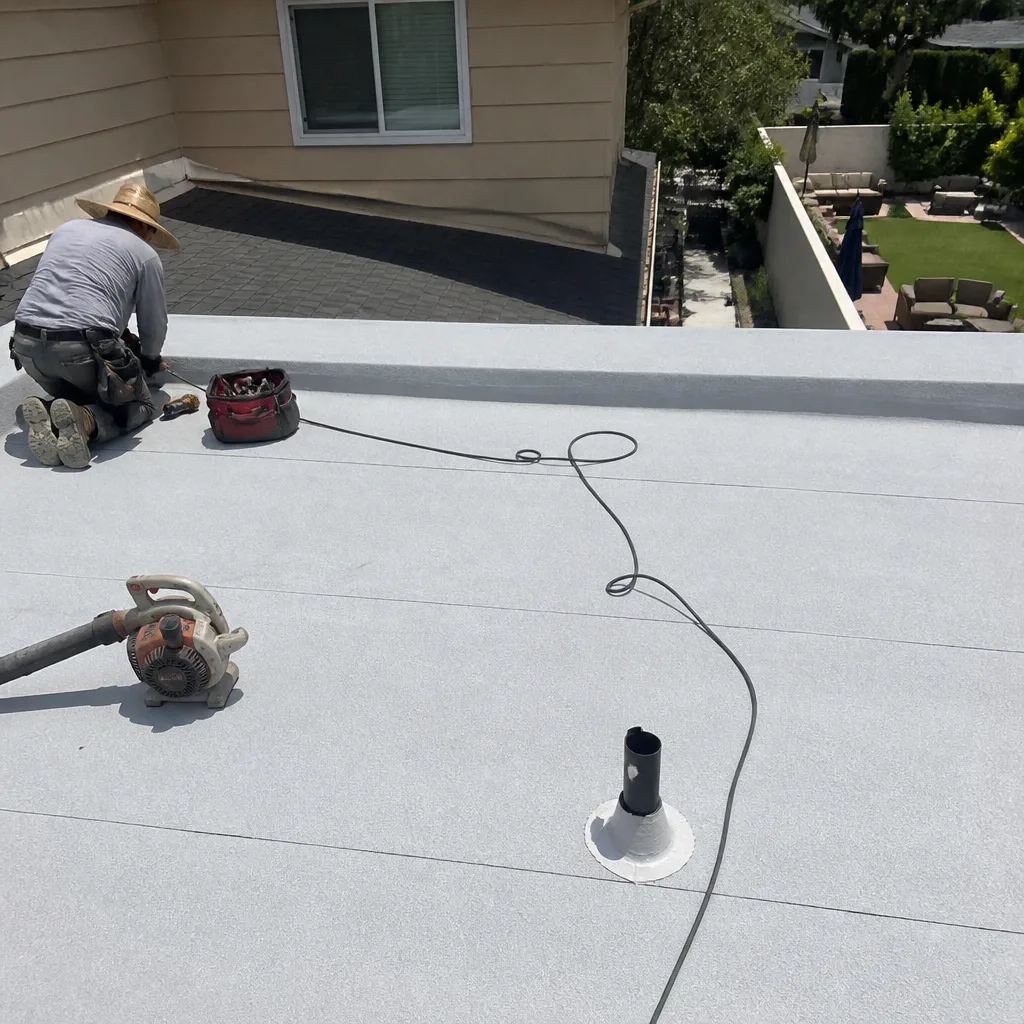 After
After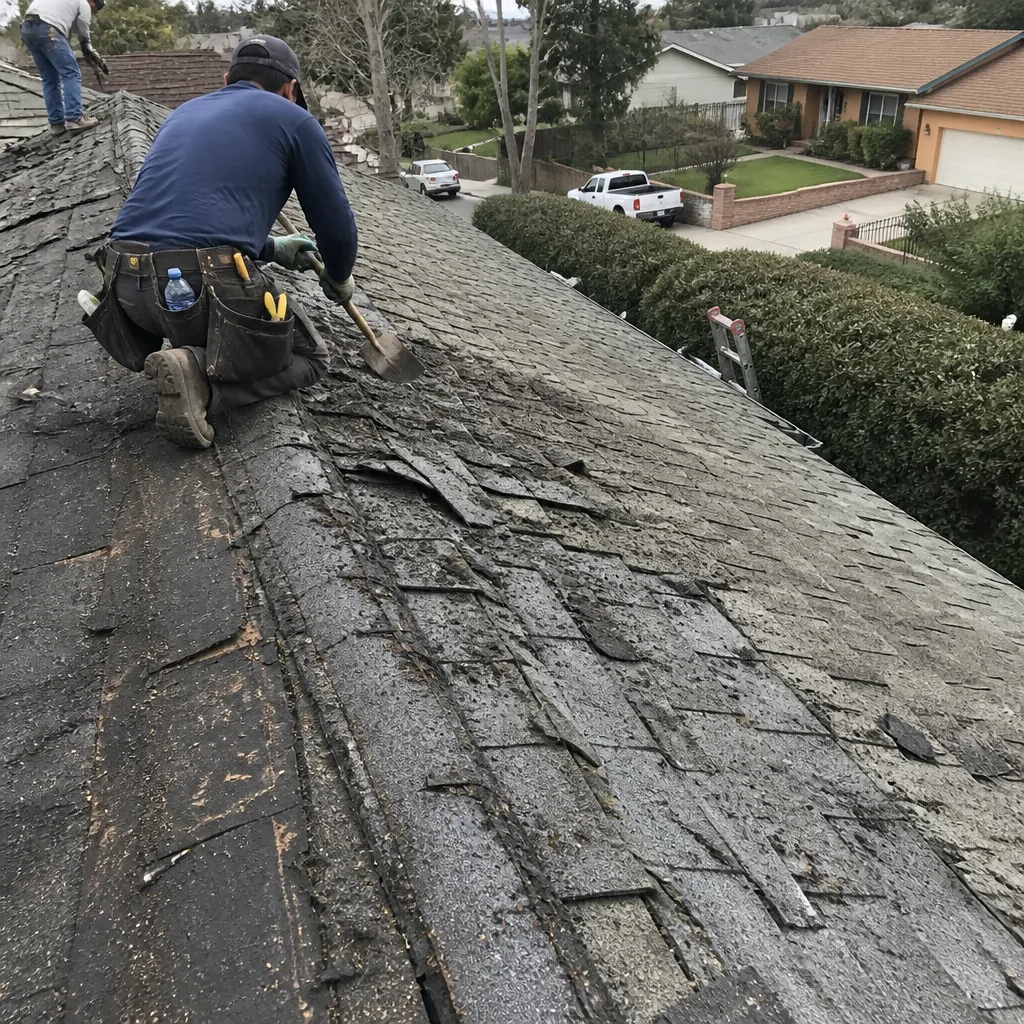 Before
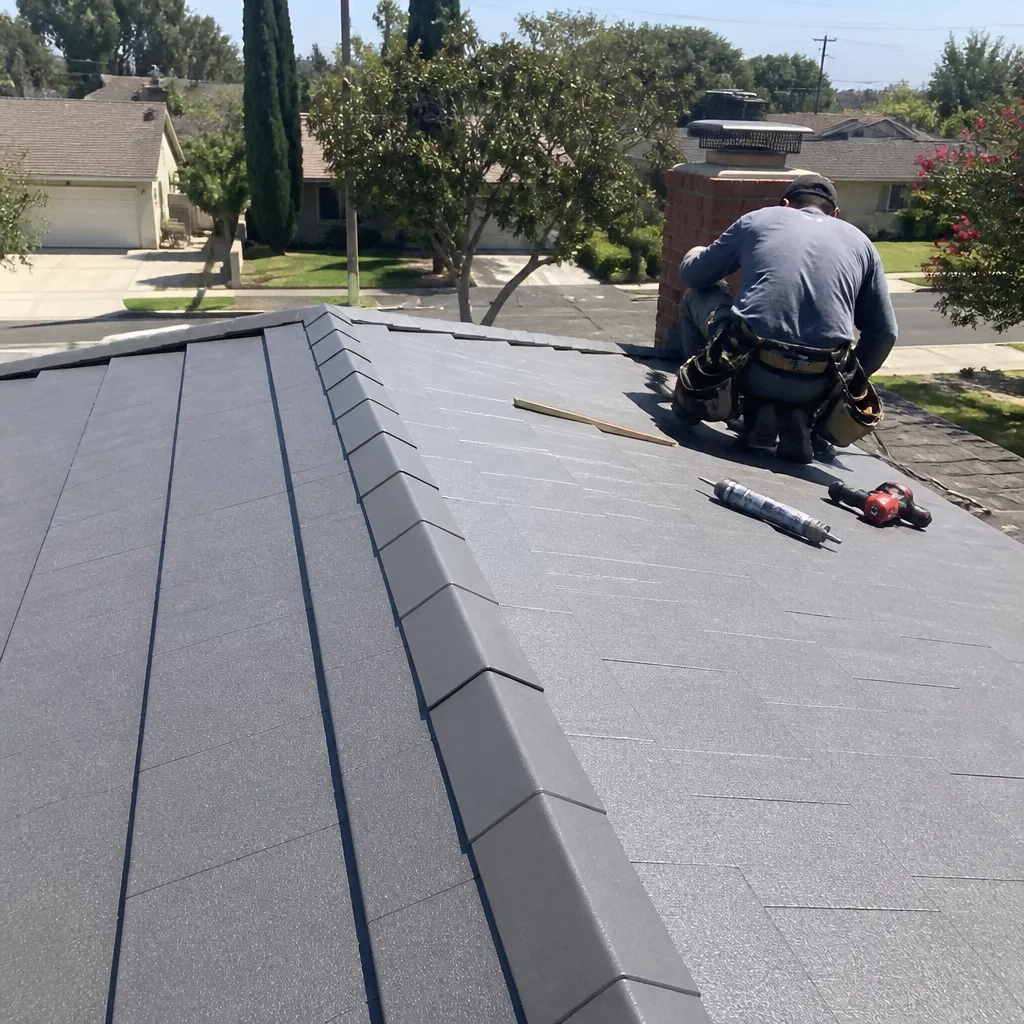 After
After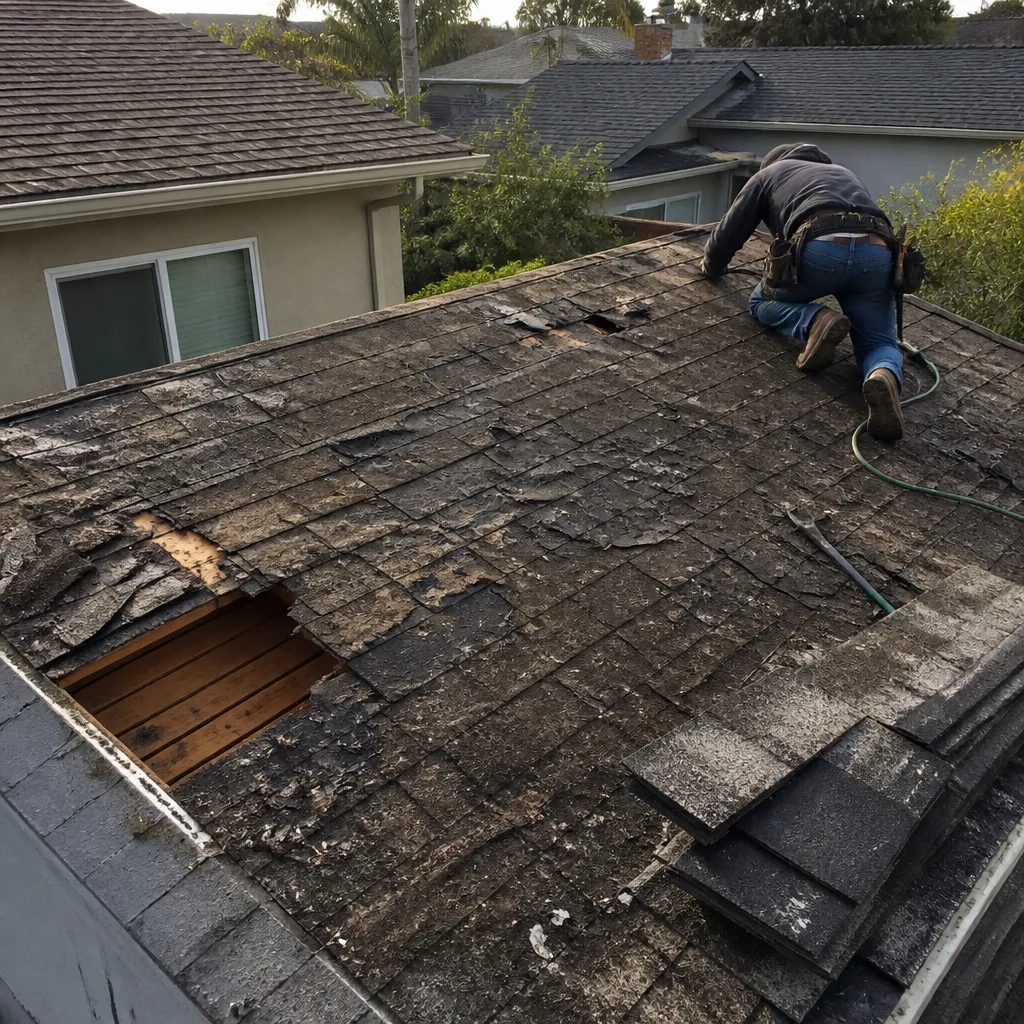 Before
 After
AfterFast, Reliable Roof Installation Across Desert Hot Springs
Roof installation in Desert Hot Springs has to account for one thing before anything else: the San Gorgonio Pass wind. Sustained gusts of 50 to 80 mph routinely funnel through the city’s western edge, and any roof not fastened for that reality will fail early, often within the first two seasons. Mercer Roofing installs shingle, standing seam metal, and tile systems in Desert Hot Springs with fastening schedules and starter strips chosen specifically for this wind corridor. We’re not guessing at what works here. We’ve torn off enough wind-damaged roofs across this city to know exactly which corners get cut by installers who don’t respect the pass, and we build against that from the first nail. Call (743) 200-8347 to schedule your free estimate.
Why Mercer Roofing Is Desert Hot Springs’s Preferred Roof Installation Company
Homeowners in Desert Hot Springs call us because we put the same paperwork behind our work that we’d want on our own roof. Every project starts with a written price before any work begins. That’s not a promise we make in the sales pitch and forget in the contract. It’s the rule. If the number changes, you see it in writing and approve it first.
Our technicians arrive in clean, marked uniforms and carry photo ID badges. Before the visit, we send you the name and photo of the person coming to your door. For a homeowner who’s home alone, or who has young kids in the house, that’s the difference between opening the door with confidence and not opening it at all. Every Mercer technician is background-checked and identity-verified under the Threshold Verified standard, which our location is contractually held to as part of the Threshold Group family, founded in 2000.
Grant Whitlock, who leads our roofing work in Desert Hot Springs, has walked more of this city’s rooftops than most contractors will in a decade. He knows what the wind does to a rake edge on Hacienda Heights homes near Palm Drive, and he specs fasteners accordingly. If a repair or installation isn’t right within 365 days, our Done Right Promise means Mercer makes it right. That guarantee is written, not implied.
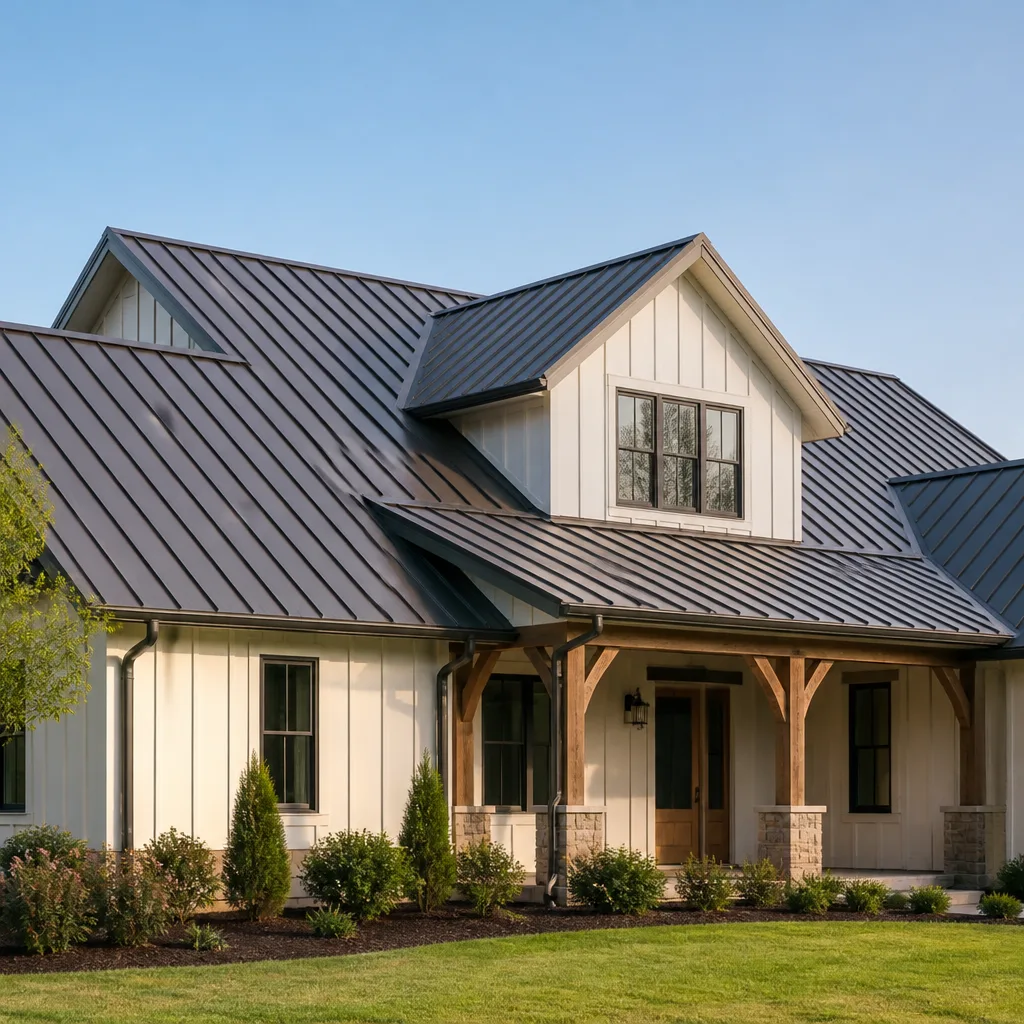
Standing Seam Metal Roof in Desert Hot Springs
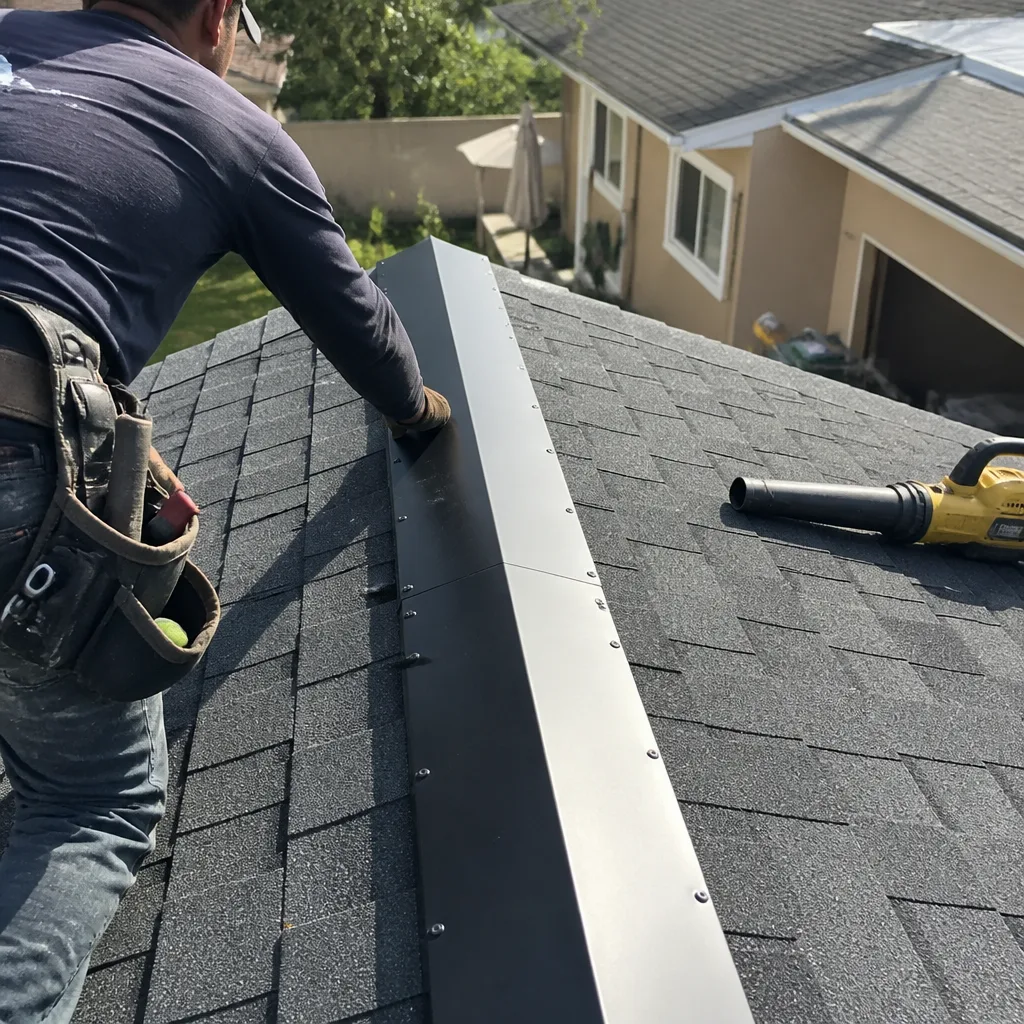
A standing seam metal roof in Desert Hot Springs is the most wind-resistant option a homeowner can put on their house, and in this specific climate, that matters more than anywhere else in the Coachella Valley. The vertical seams and concealed fasteners mean the San Gorgonio Pass winds have almost nothing mechanical to grab onto. Compare that to an asphalt shingle roof where every exposed fastener is a potential failure point under repeated 60 mph gusts, and the reasoning writes itself.
Expect to pay between $18 and $32 per square foot installed for a standing seam metal roof in Desert Hot Springs, depending on gauge, panel profile, and whether we’re tearing off an existing roof or installing over a single layer. A typical 1,800-square-foot roof in the city runs $32,000 to $58,000 before any structural repairs come into play. It’s a bigger number up front than shingles. It’s also the last roof many homeowners will ever pay for.
Wind Rating and Fastening Schedule
We fasten standing seam panels with stainless steel clips and screws rated for 130 mph wind uplift, which is the same rating our shingle systems carry when installed with the six-nail pattern we use on every rake and eave in Desert Hot Springs. It’s not the panel that fails in this wind corridor. It’s the connection. We detail the connection so the panel never gets the chance to leave.
Thermal Movement and Desert Heat
Metal expands and contracts under the 115°F summer heat that’s common here, and a standing seam roof in Desert Hot Springs needs a clip system that allows that movement without working fasteners loose over time. Our panels float on the clips the way the manufacturer designed them to, which keeps the roof tight through decades of thermal cycling that would crack lesser systems.
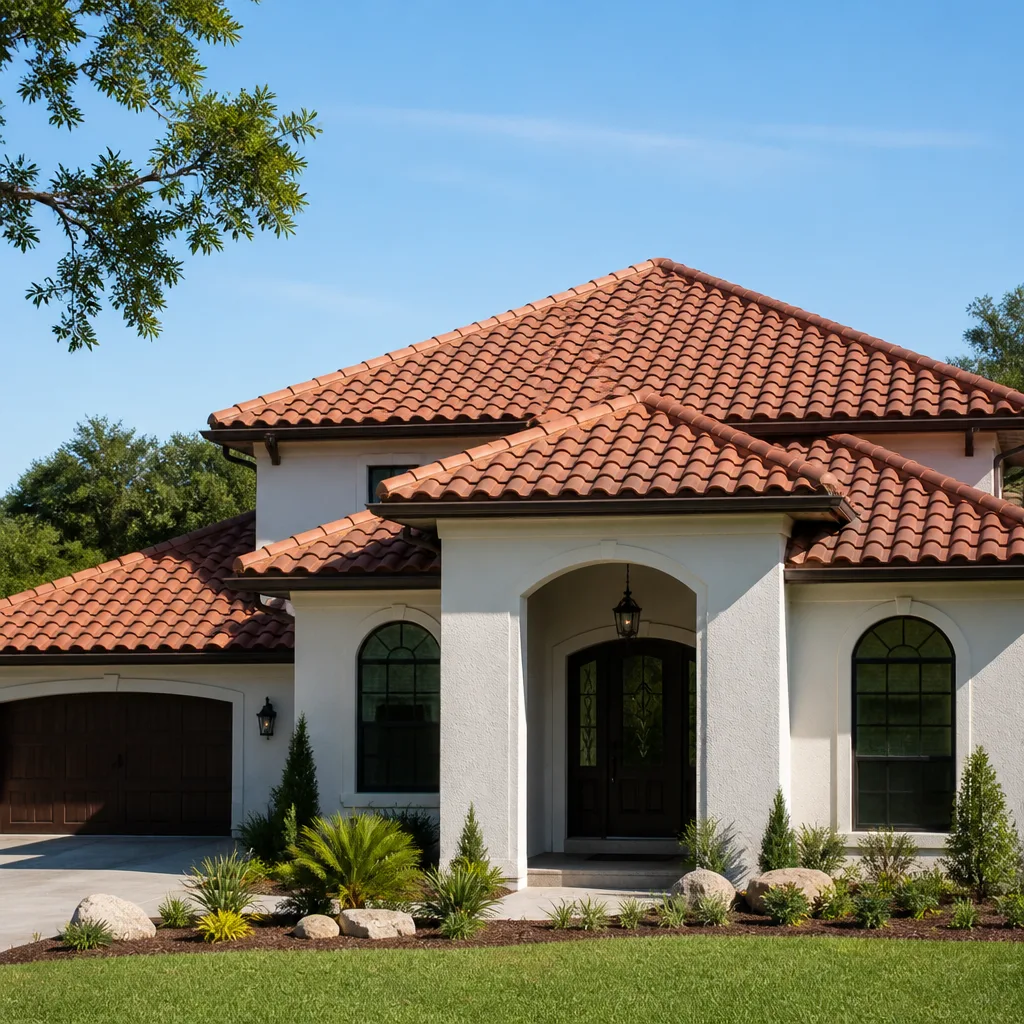
Tile Roof in Desert Hot Springs
A tile roof in Desert Hot Springs gives homeowners two things at once: serious curb appeal and genuine protection against the UV load that eats asphalt shingles faster here than nearly anywhere in the continental United States. Concrete and clay tile don’t oxidize the way asphalt does. They don’t granule-shed under Mojave UV. The tile itself will still be there in forty years if the underlayment beneath it holds up.
A new tile roof in Desert Hot Springs typically runs $12 to $22 per square foot installed, so an 1,800-square-foot roof lands between $21,600 and $39,600 depending on tile profile, underlayment spec, and whether we’re installing on a new deck or over an existing one. The wildcard in this city is not the tile. It’s what’s underneath it.
Underlayment Specification for Desert Heat
We install heavyweight synthetic underlayment under tile roofs in Desert Hot Springs, not the standard 30-pound felt that breaks down after a decade of 115°F deck temperatures. The underlayment is the actual waterproofing layer on a tile roof. The tile is a wear surface. We spec the underlayment to outlast the first tile replacement cycle.
Decking Inspection Before Tile Goes On
Desert Hot Springs has a significant stock of tract homes built from the 1960s through the 1990s, and a lot of them have sheathing that’s been quietly rotting under roofs that looked fine from the street. Before we lay tile, we inspect the decking and replace any sheathing that’s delaminated or rotted from years of horizontal rain intrusion along the valleys. Tile hides the problem. We don’t.
Trusted Brands We Service in Desert Hot Springs
Mercer Roofing installs and services roofing systems from GAF, Owens Corning, and Atlas, among other manufacturer-recognized brands. We stock the accessory components that matter for Desert Hot Springs, including heavy-gauge starter strips, hot-dip galvanized ring-shank nails, and stainless or hot-dipped hardware for rake and eave connections, so we’re not waiting on a supply house run when your tear-off reveals more wind damage than expected. If you already have a specific shingle or tile brand in mind, we’ll quote it. If you need guidance on what holds up best in this wind corridor, Grant will walk you through the trade-offs in plain English.
Common Roof Installation Problems We See in Desert Hot Springs Homes
- Wind-sheared fasteners at the rake and eave. The pass winds back out standard electro-galvanized nails along the west-facing rake line, popping the drip edge and starter strip. We’ve torn off roofs in Desert Hot Springs where you could pull the nails out with your fingers along the entire windward edge. That’s why we spec hot-dip galvanized or stainless ring-shank nails on every rake and eave, on every job.
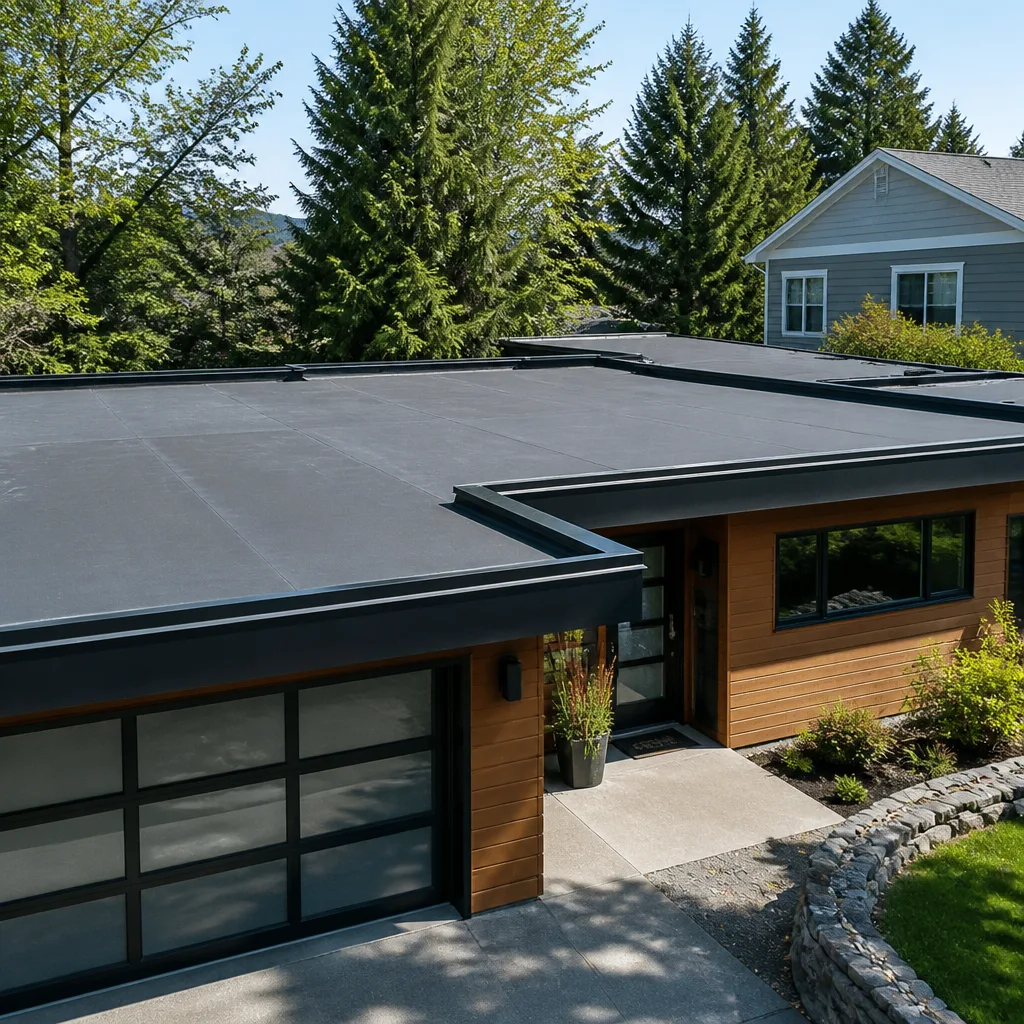
- Thermal cracking on flat and low-slope membranes. Summer deck temperatures in Desert Hot Springs can exceed 140°F when the air is 115°F, and that bakes torch-down and modified bitumen membranes until they crack at the flashings and penetrations. Many of the city’s manufactured and mobile homes carry flat or low-slope roofs that have already gone through this cycle once. We inspect the membrane for microfractures before we talk about recoating versus replacing.
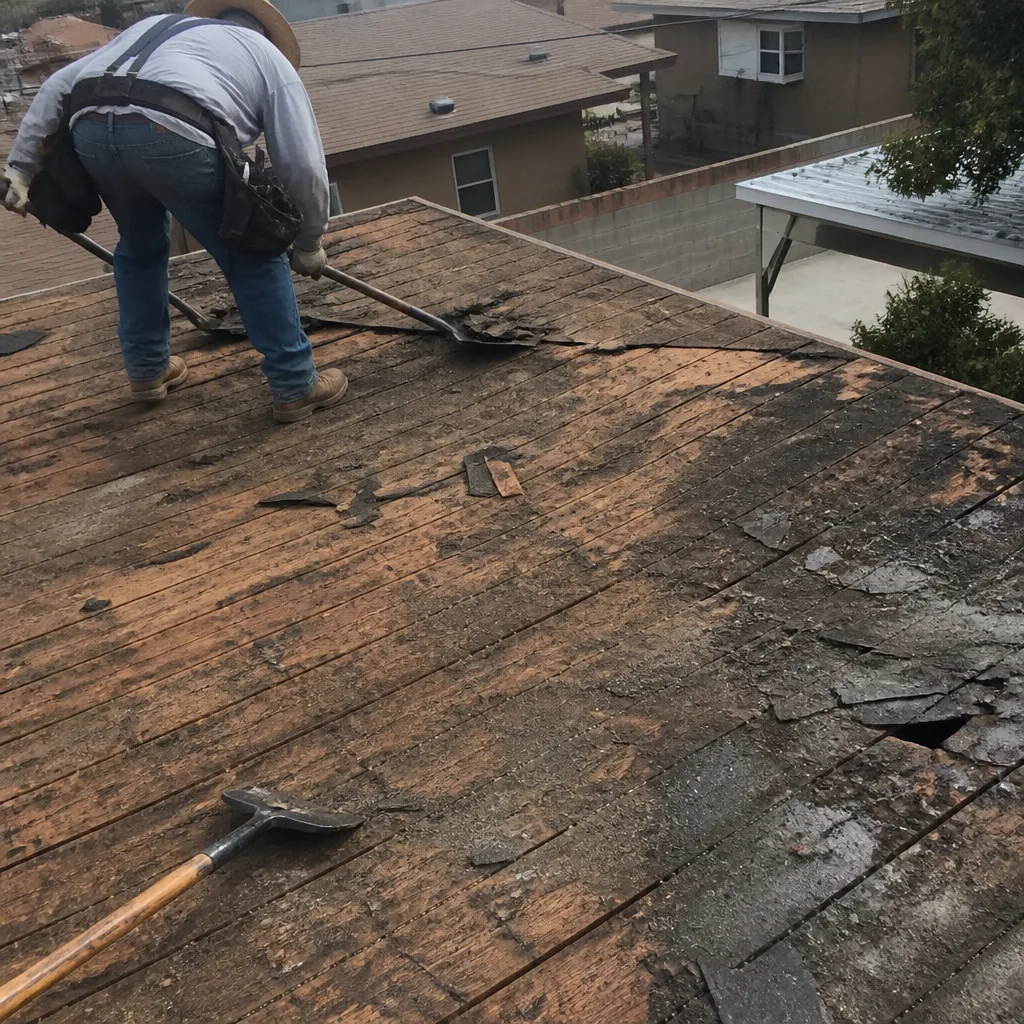
- Hidden decking rot under seemingly intact shingles. Monsoon rain comes in off the pass nearly horizontal, and improperly lapped flashing or open valleys that would hold fine in Cathedral City will drive water under the shingles here. The shingle surface looks fine. The decking underneath is mush. We catch this with a decking inspection before any new roof goes on, and we’ll show you photos of what we found before we ask you to approve the repair.
- Underlayment disintegration beneath a surface coat that still looks passable. On many of the 1970s and 1980s tract homes in Desert Hot Springs, the original asphalt-saturated felt underlayment has turned to powder under UV and heat exposure. The roof doesn’t leak yet because the shingles above are still shedding water. But the next wind event or monsoon will find the gap. We replace underlayment on every full re-roof, no exceptions.
Pricing for Roof Installation in Desert Hot Springs, CA
Roof installation in Desert Hot Springs runs wider than people expect, and the spread is usually about fasteners and underlayment, not just the shingle or tile you see from the street. A straightforward architectural shingle re-roof on a typical 1,400 to 1,800-square-foot tract home falls between $9,500 and $16,000, including tear-off, underlayment, six-nail fastening, and a written guarantee. Standing seam metal on the same footprint lands between $32,000 and $58,000. Tile roofs span $21,600 to $39,600. The honest answer is that wind-corridor upgrades like upgraded starter strips, stainless hardware at the rakes, and heavyweight underlayment add real dollars to the quote. They also add real years to the roof. Call (743) 200-8347 and we’ll walk your roof, measure it, and put a written line-item price in your hand, free, before you decide anything.
We Also Serve Cities Near Desert Hot Springs
Our Desert Hot Springs crews also run full Roof Installation jobs in Palm Springs, Cathedral City, Thousand Palms, and Rancho Mirage. Scheduling is coordinated from our Inland Empire office, with local crews dispatched to every Coachella Valley city. If you’re just over the line in any of these communities, the same pricing, same written guarantee, and same Threshold Verified technicians apply. Our page on Roof Installation in Desert Hot Springs covers the local specifics in more depth.
Serving Desert Hot Springs, CA - Our Local Coverage Area
We’re based in the Desert Hot Springs area and know this community well. Use the map below to see our service coverage - if you’re nearby, we can almost certainly help.
FAQs About Roof Installation in Desert Hot Springs
A standing seam metal roof in Desert Hot Springs costs more because the material itself is more expensive, the installation requires more skilled labor, and the fastening system uses stainless steel clips and screws that hold up under the San Gorgonio Pass wind load where standard shingle fasteners would eventually work loose. The gap is real: roughly $32,000 to $58,000 for metal versus $9,500 to $16,000 for architectural shingles on the same typical home. What you’re paying for is a roof that will not peel back at the rakes during the next sustained wind event, and that’s worth a hard look in this specific city. Call (743) 200-8347 for an exact quote on your roof.
Yes, roof installations in Desert Hot Springs require a building permit through the City of Desert Hot Springs Building and Safety Division, and the permit includes inspections on the nailing pattern and underlayment before the final surface goes on. We pull the permit for you, schedule the inspections, and make sure the job passes every time. The permit fee and inspection costs are included in our written estimate, so you see them before work starts, not as a surprise line item on the final invoice. Call us for the current fee schedule as part of your free estimate.
We use a six-nail pattern on every shingle, place the nails exactly where the manufacturer’s high-wind spec calls for them, and install heavy-gauge starter strips on all rakes and eaves with hot-dip galvanized or stainless ring-shank nails. That fastening schedule meets the 130 mph wind rating on GAF, Owens Corning, and Atlas architectural shingles when installed this way. The reason we’re specific about it is that the pass winds in Desert Hot Springs will find a four-nail job and peel it. We don’t install four-nail roofs in this city, period.
We install heavyweight synthetic underlayment under every tile roof in Desert Hot Springs, not the standard 30-pound asphalt felt that breaks down under the 115°F summer deck temperatures and Mojave UV load this city gets. The synthetic underlayment holds its tensile strength through decades of thermal cycling and provides the real waterproofing barrier under the tile. If the underlayment on a tile roof is already cracked or powdering, we strip the tile, replace the underlayment, and reinstall the tile if it’s still sound. Call (743) 200-8347 to have us inspect your current underlayment.
A flat or low-slope roof in Desert Hot Springs needs replacement roughly every 12 to 18 years, while a properly fastened pitched shingle roof can go 20 to 25 years with good underlayment. The difference is thermal cycling: flat membranes in this city bake at 140°F-plus deck temperatures every summer and crack at the flashings and penetrations long before the surface looks bad. Many of the manufactured and mobile homes in Desert Hot Springs carry flat roofs, and we see membrane cracking on those systems regularly. If you’re in a manufactured home community, ask us about the membrane condition before you recoat. A fresh roof installation will last longer than a patch.
Written by Grant Whitlock, Owner at Mercer Roofing, serving Desert Hot Springs since the company’s founding in 2000.