
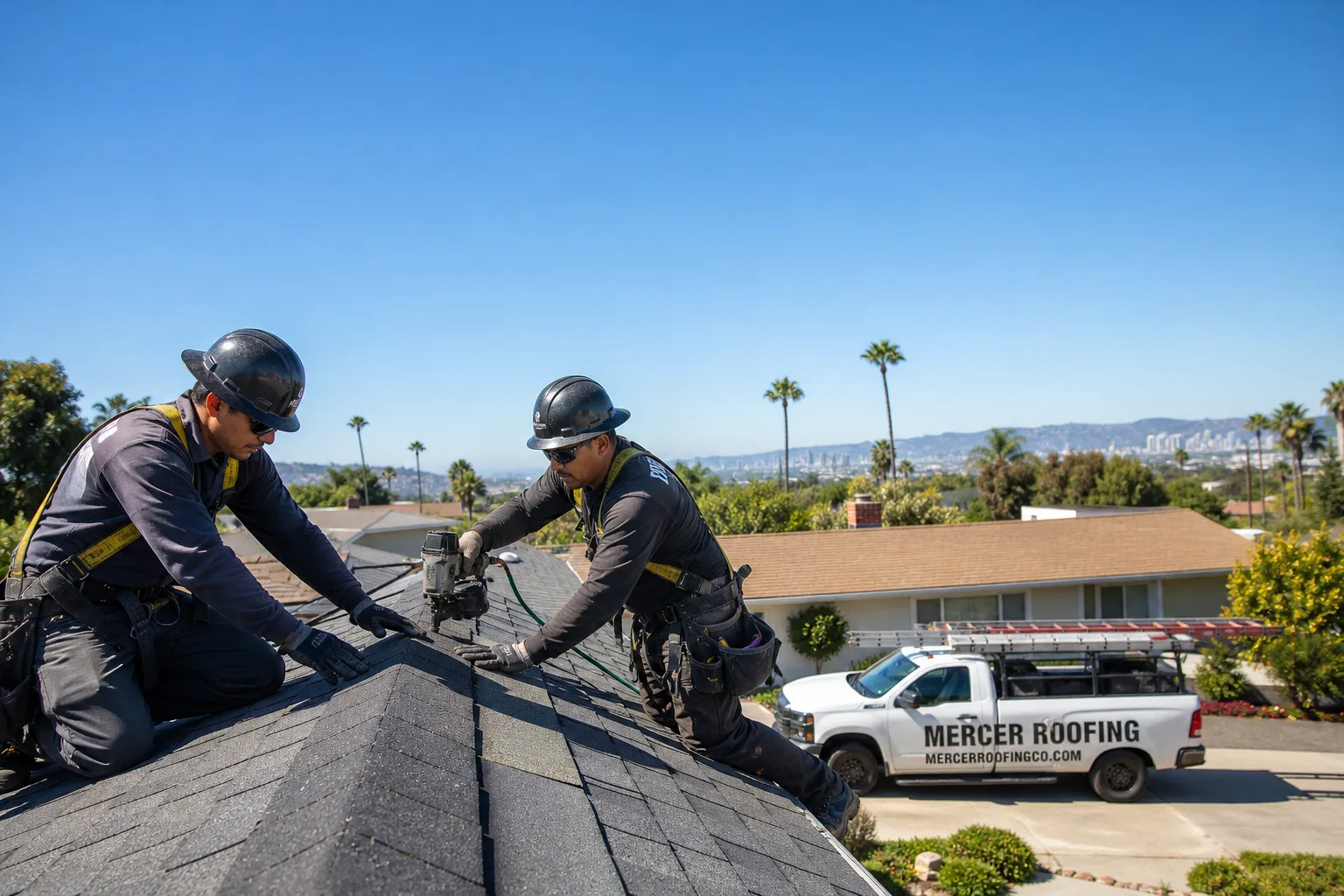
Free roof inspection with deck photos before we talk money - GAF and Owens Corning certified installation
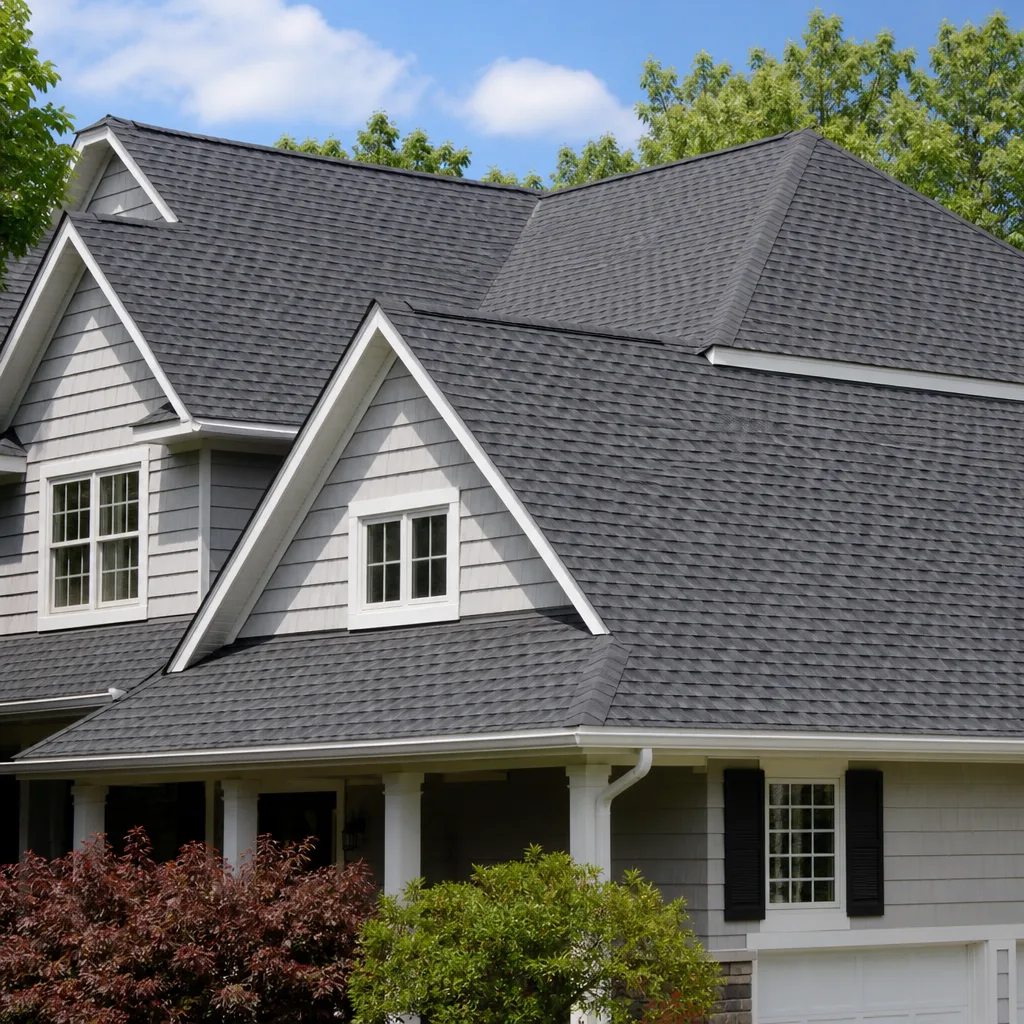
 Before
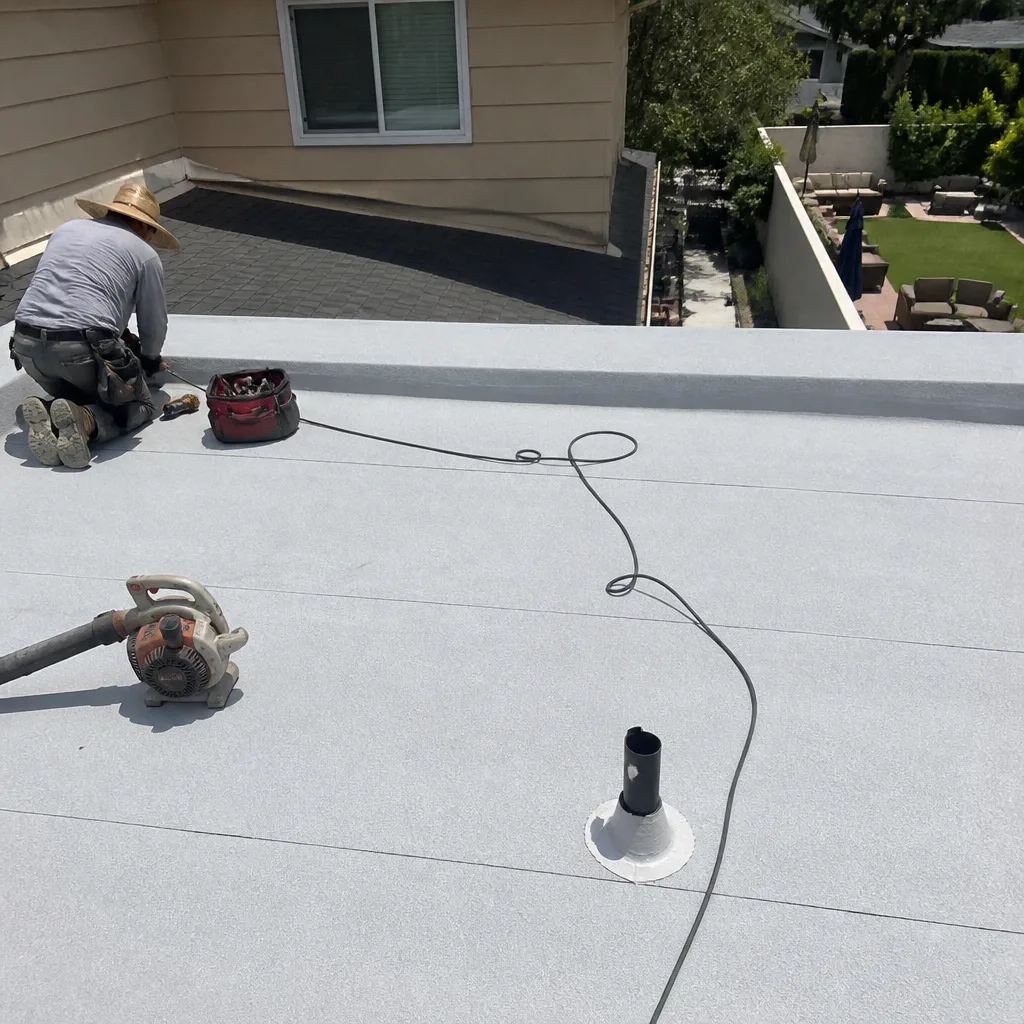 After
After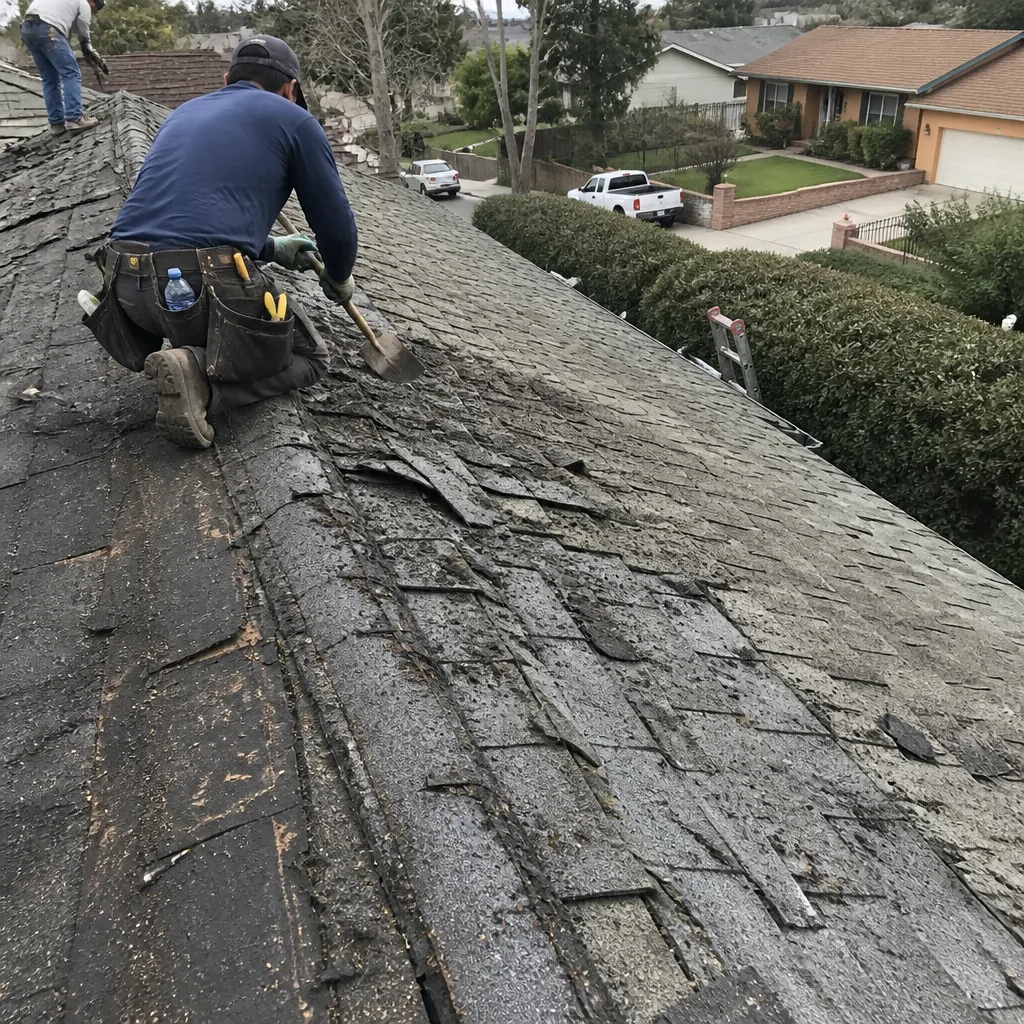 Before
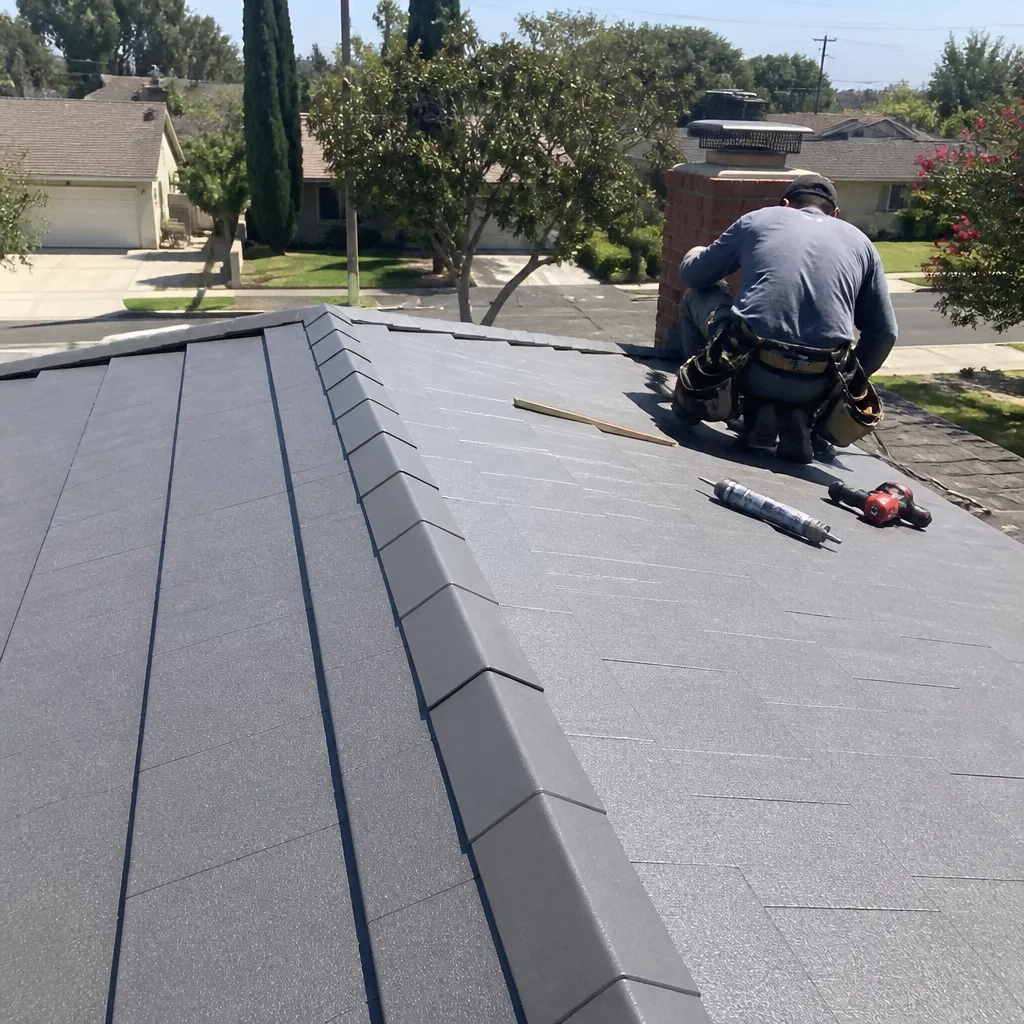 After
After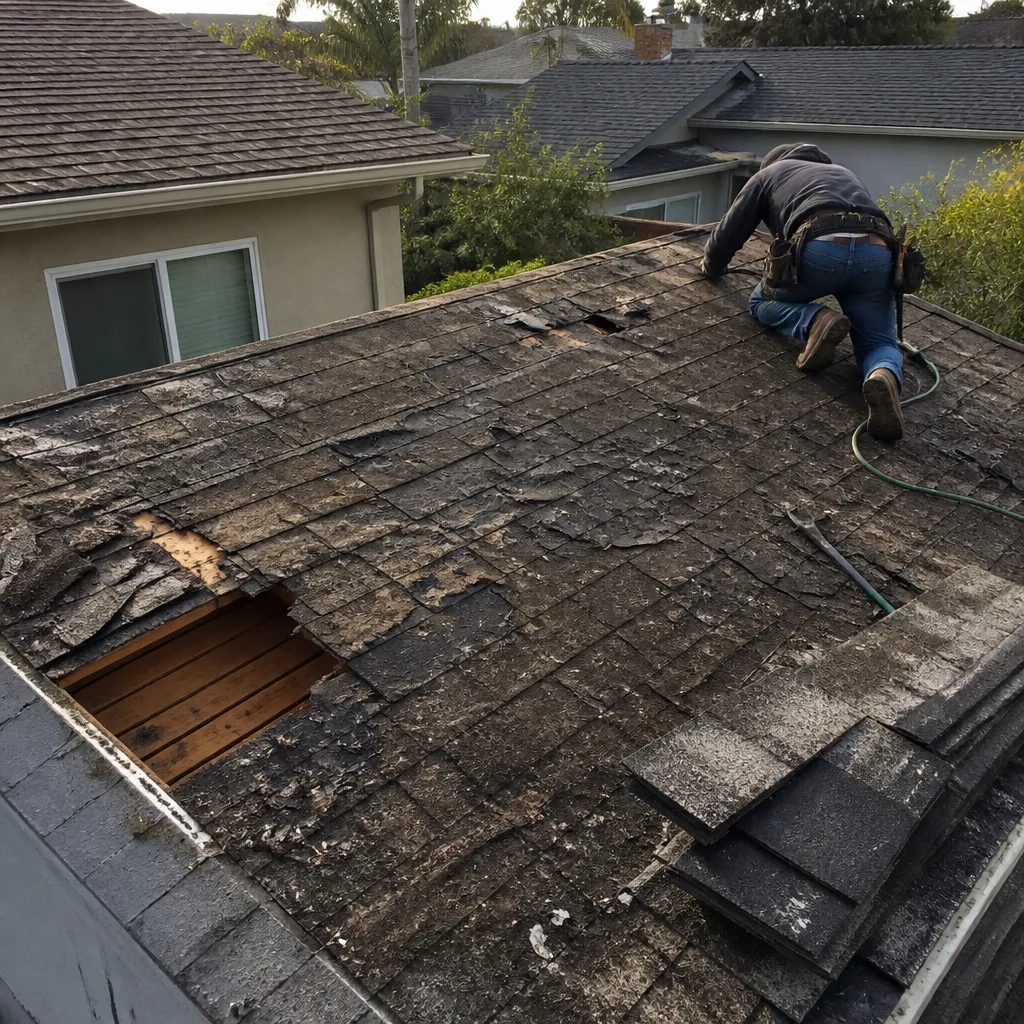 Before
 After
AfterFast, Reliable Roof Installation Across Homeland
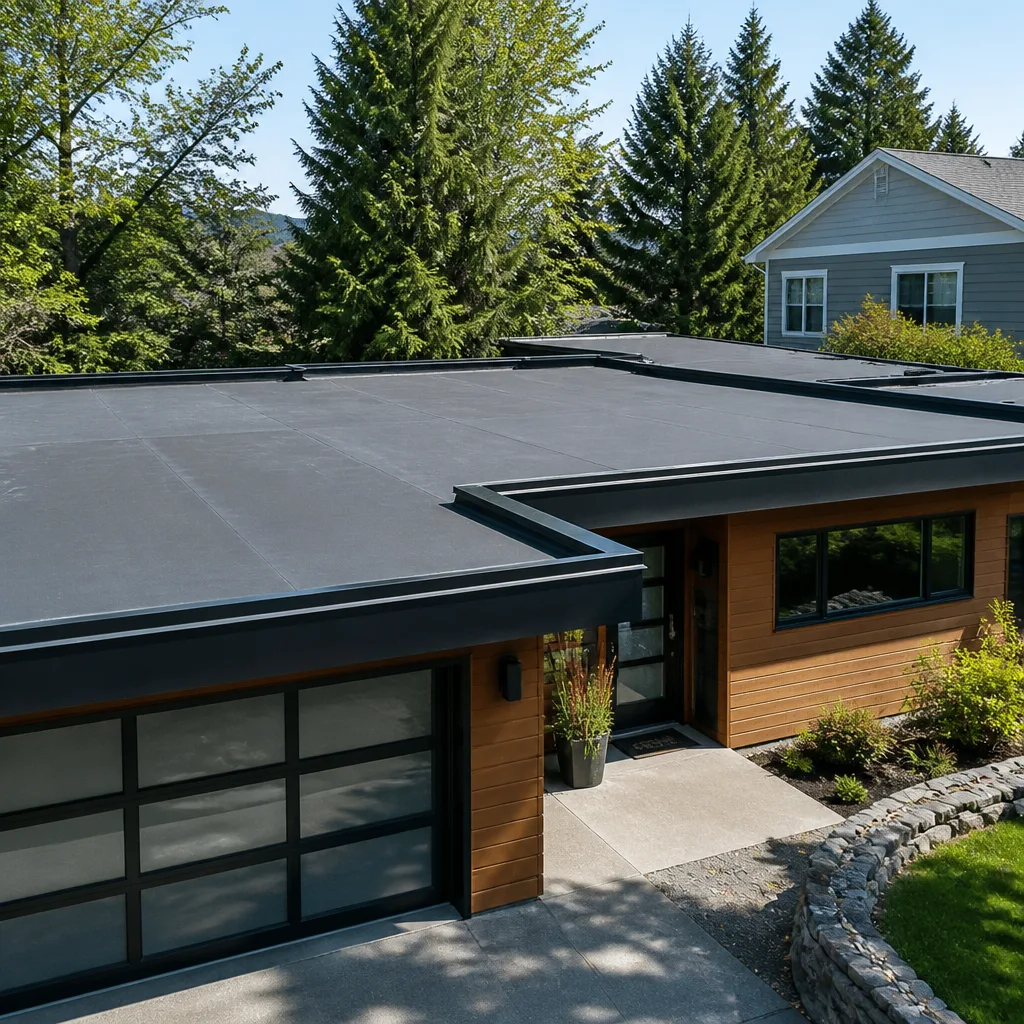
A new roof over a manufactured home in Homeland rarely means a simple shingle swap. Most of the houses here were built between the late 1960s and early 1990s, and a large share are HUD-code manufactured homes with shallow-pitch or near-flat rooflines that standard shingle crews never touch. When we install a roof in Homeland, we start with the actual condition of your decking, flashing, and low-slope membrane, not with a drive-by estimate. We’ll send a technician whose name and photo you’ll have before we arrive, and you’ll get a written price before a single fastener goes in. To schedule a free estimate, call (743) 200-8347.
Why Mercer Roofing Is Homeland’s Preferred Roof Installation Company
Homeland sits in an unincorporated pocket of Riverside County, which means every permit goes through the county building department, and re-roofing a manufactured home adds HUD compliance steps that contractors in Hemet or Menifee often skip or don’t know exist. We handle that paperwork as part of the job. Our crews work in Homeland regularly, from the parks along Ritter Avenue to the tract homes off Highway 74, and we know what the San Jacinto Valley wind does to a low-slope roof when a Santa Ana blows through.
Every Homeowner we serve gets the same threshold before we start: a written price, a written guarantee, and a technician who arrives badged, uniformed, and background-checked under the Threshold Verified standard. That matters here because so much of Homeland’s housing stock is older manufactured homes where hidden rot under old aluminum coatings turns a small quote into a big surprise. We open it up before we quote it.
When you call Mercer Roofing, a live person answers, 24/7. Not a voicemail. Not a callback form. You’ll speak to someone who can schedule your estimate and answer questions about HUD compliance, low-slope membranes, or standing seam metal in plain English. Founded in 2000 and part of the Threshold Group family, Mercer Roofing is independently owned and operated, and our crews are dispatched from the Inland Empire office to serve Homeland directly.
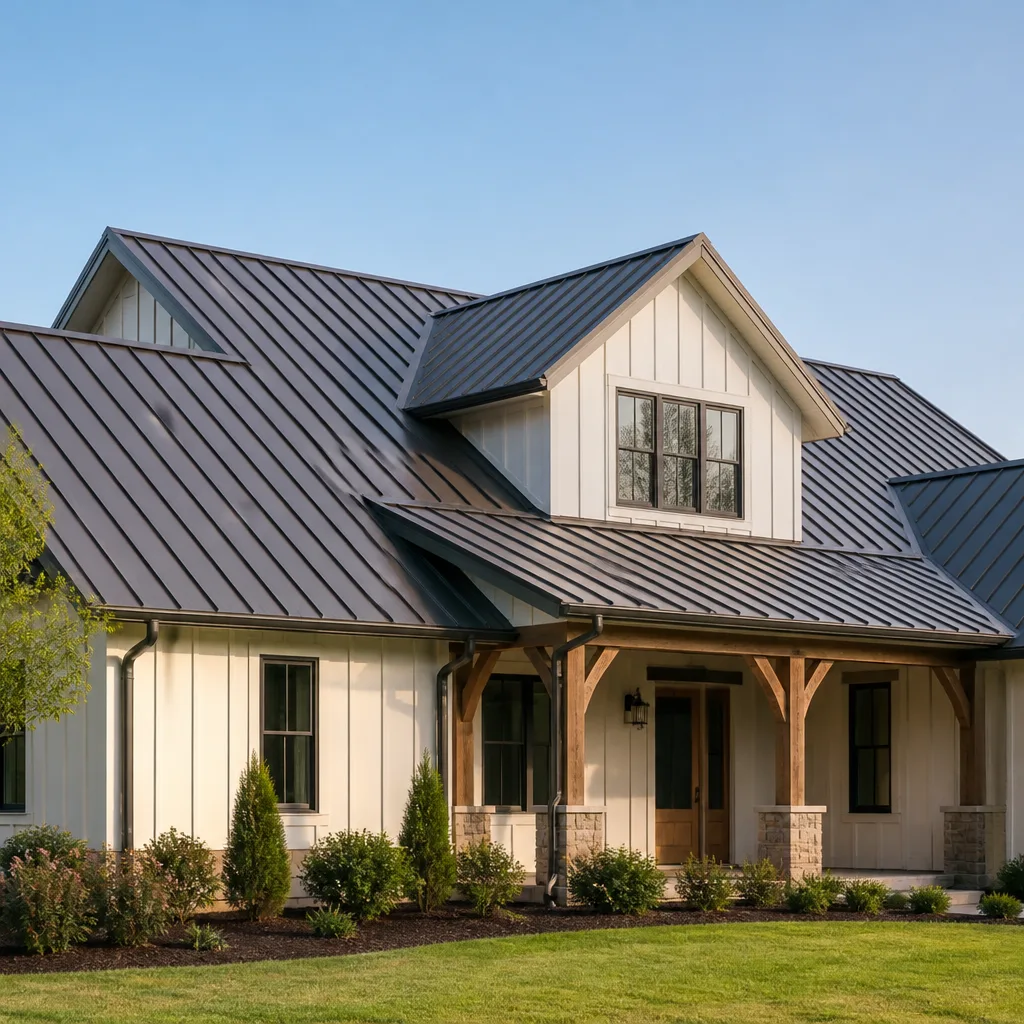
Standing Seam Metal Roof in Homeland
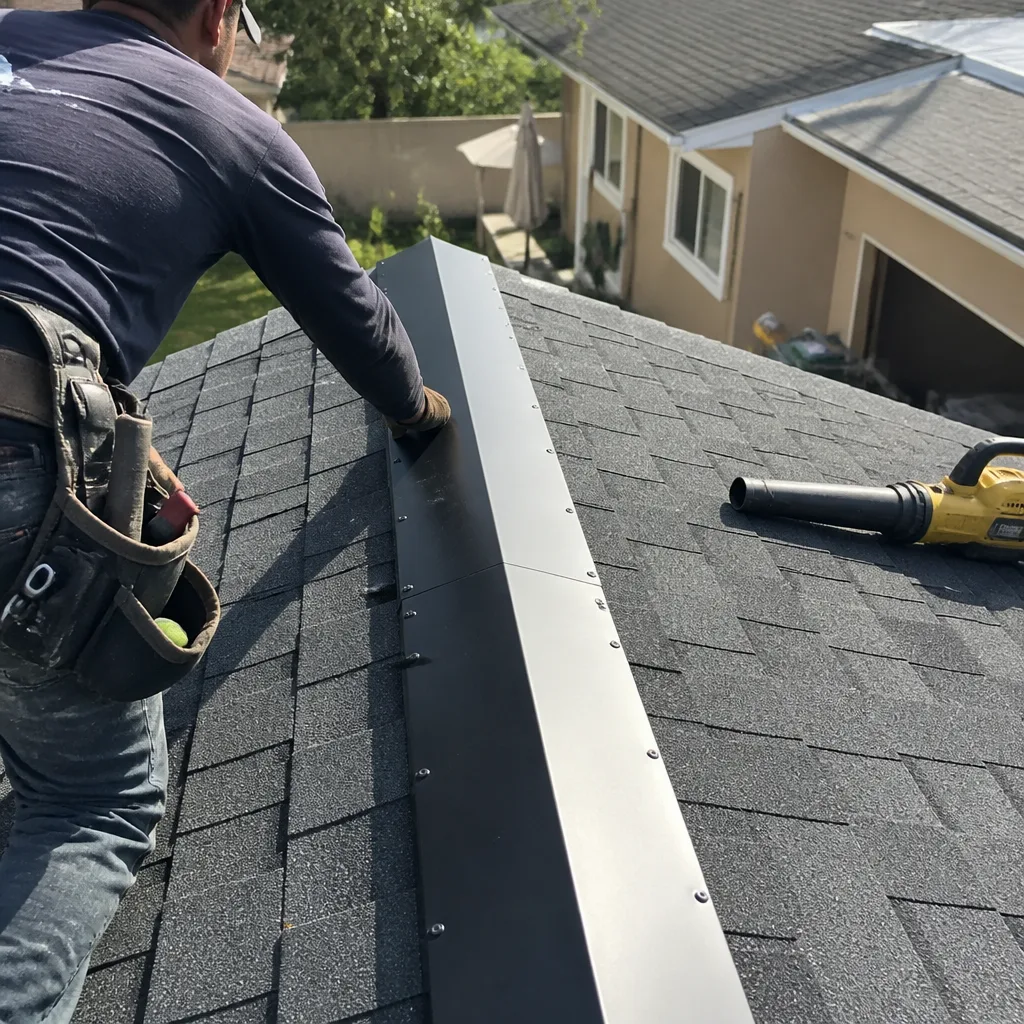
A standing seam metal roof in Homeland is usually the smartest long-term answer for the manufactured homes and low-slope structures that dominate this community. The San Jacinto Valley’s summer heat pushes past 105°F while winter nights drop near freezing, and that thermal cycling cracks elastomeric coatings and opens seams on thin rubber membranes far faster than in coastal Riverside County. Metal handles that swing without failing. It also stands up to the Santa Ana gusts that funnel through the Homeland corridor past 50 mph and peel back aged, poorly-adhered roofing membranes in a single afternoon.
For a Homeland manufactured home, a standing seam metal roof installation typically runs $18,000 – $32,000 depending on square footage, tear-off scope, and whether the original decking has to be replaced. We use marine-grade Kynar finishes because the valley’s dry heat and wind-blown grit eat standard finishes within a decade, and we install self-adhered ice and water shield on the low-slope sections before the metal goes down.
On-Site Flashing for HUD-Code Homes
Homeland’s 1970s and 80s manufactured homes were built with 2×3 or 2×4 walls and rooflines that are rarely square or plumb to standard lumber. Stock drip edge and corner flashing leave gaps that wind-driven rain pushes behind the siding, rotting the rim joist. We fabricate flashing on site to match each home’s actual geometry, which adds about half a day to every tear-off but keeps water out for the life of the roof.
Fasteners That Hold Up Here
Standard electro-galvanized nails lose their coating within a few seasons in Homeland’s heat and grit, then back out of the decking and let the roof lift. We specify stainless or hot-dip galvanized fasteners on every low-slope and metal roof in this area. It’s a small material upgrade that costs a few hundred dollars and prevents failures that would cost thousands later.
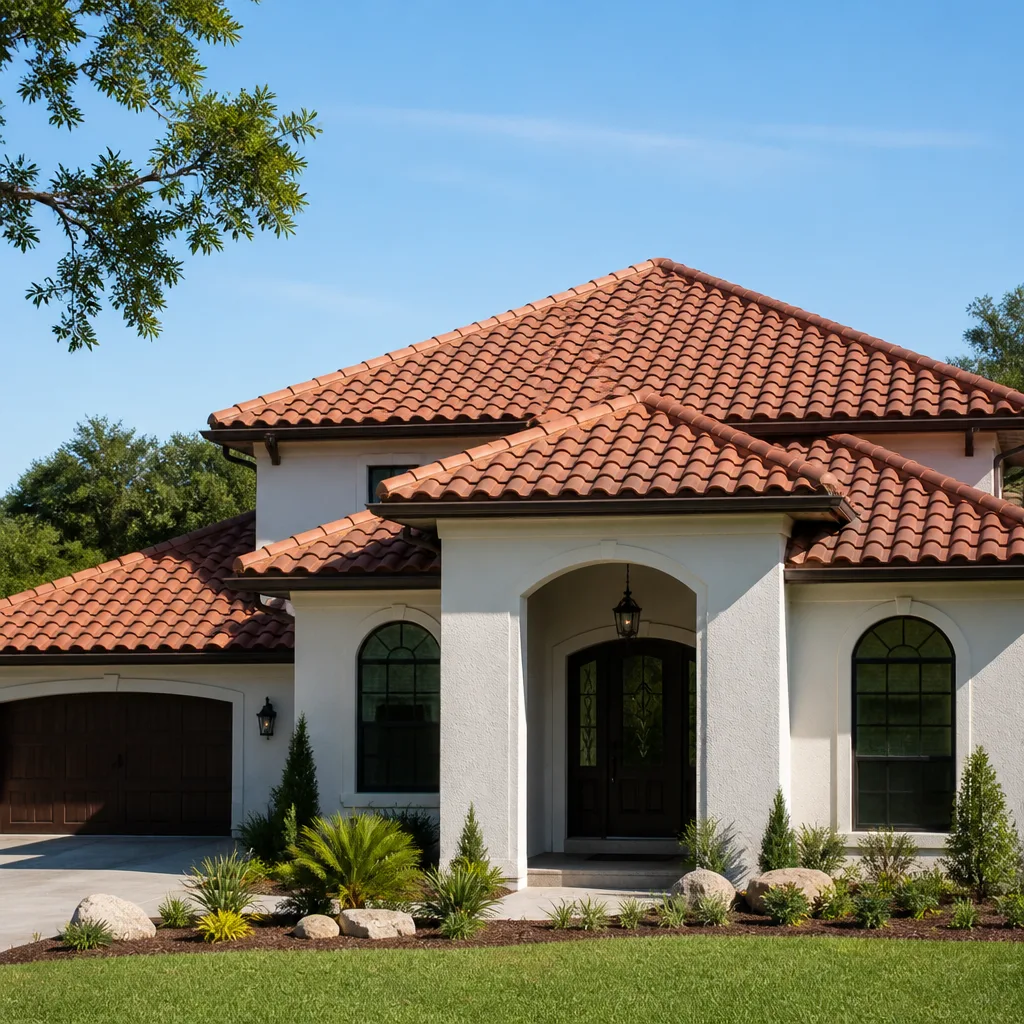
Tile Roof in Homeland
A tile roof in Homeland works well on the modest tract homes built here between the late 1960s and early 1990s, particularly those with a roof pitch that can carry the weight. Tile handles the San Jacinto Valley’s thermal cycling without cracking like thin membranes do, and it doesn’t care about the wind. The catch is weight: many older Homeland homes have roof structures that were never designed for tile, so before we quote a tile roof we check the framing, the decking, and the existing underlayment to confirm the structure can take it.
A tile roof installation in Homeland typically runs $22,000 – $40,000 for a standard single-family home, depending on tile profile, underlayment replacement, and whether we have to reinforce the decking. That price includes full tear-off, new underlayment, new flashing, and a written guarantee on the work. We don’t reuse old underlayment or old battens, because underlayment failure is what kills tile roofs in this valley, not the tile itself.
Underlayment Choices for the Valley Heat
Homeland’s summer afternoons bake the underlayment under every tile roof. We use high-temp synthetic underlayments rather than standard felt because felt dries out and splits after a decade of 105°F cycles. The difference in material cost is small; the difference in roof life is not.
Gutters and Edge Details
Tile roofs in Homeland fail first at the edges, where stock flashing meets walls that aren’t square on older tract homes. We flash every penetration, valley, and eave with metal cut and bent on site to match your home’s actual dimensions. If we’re replacing a roof on a home built in the 1970s or 80s, we assume nothing is square until we measure it.
Trusted Brands We Service in Homeland
We install and repair roofs using manufacturer-recognized shingle and membrane brands, and for Homeland’s mix of manufactured homes and aging tract houses we lean on GAF, Atlas, and CertainTeed systems because they hold up to the valley’s heat and carry clear warranty documentation that HUD and Riverside County inspectors recognize. Stocking local parts for Homeland customers means we don’t stop mid-job to wait on a supplier in Hemet. We keep common flashing profiles, low-slope membrane kits, and fastener stock on the trucks so the work keeps moving, and every repair and install is covered by our 365-Day Done Right Promise: if it’s not right within a year, we make it right.
Common Roof Installation Problems We See in Homeland Homes
- Aluminum roof paint masking delaminated membranes. Many manufactured homes in Homeland have been patch-coated with Henry’s-style aluminum paint two or three times over the decades. The paint hides active seam separation until a Santa Ana gust past 50 mph peels an entire section back, and by then the decking underneath is often rotted through.
- Stock flashing that doesn’t fit HUD-code walls. Because the walls and fascia on Homeland’s manufactured homes aren’t square to standard lumber, off-the-shelf drip edge and corner flashing leave gaps. Wind-driven rain gets behind the siding and rots the rim joist before anyone sees the damage.
- Fastener corrosion from heat and wind-blown grit. Standard electro-galvanized nails lose their coating within a few seasons in the valley’s dry heat and dust, then back out of the decking and let the roof membrane lift. We specify stainless or hot-dip galvanized fasteners on every low-slope and metal roof here.
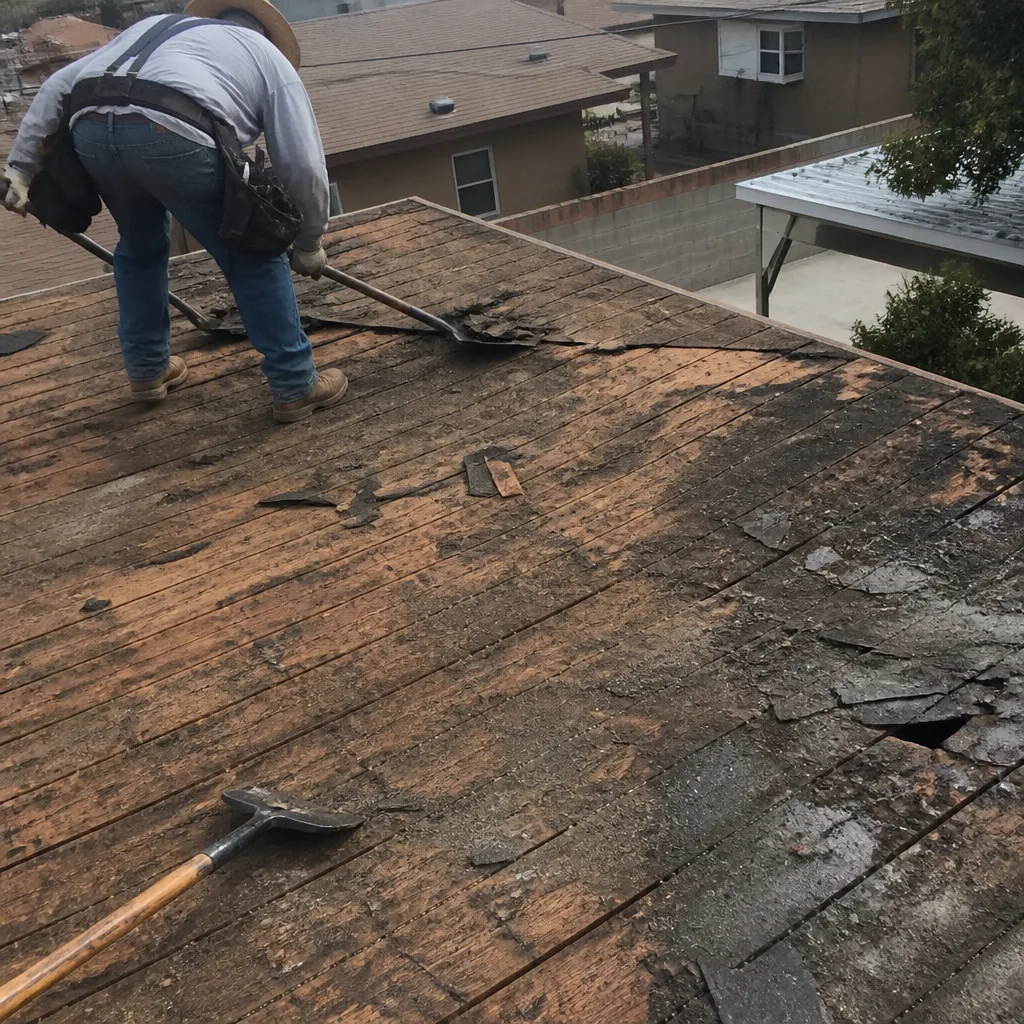
- Hidden rot under old rolled roofing. On a 1978 double-wide off Ritter Avenue in Homeland, our crew pulled back three layers of Henry’s aluminum coating and found the original OSB decking had rotted to the consistency of cardboard. We tore off to the joists, installed 5/8-inch CDX decking, laid a self-adhered ice and water shield on the low-slope sections, and finished with a standing seam metal roof in a marine-grade Kynar finish. The homeowner’s only complaint was the dumpster we filled.
Pricing for Roof Installation in Homeland, CA
A full roof installation in Homeland typically runs $18,000 – $40,000 depending on the structure, the material, and the condition of what’s underneath. Standing seam metal on a manufactured home runs $18,000 – $32,000. Tile on a standard tract home runs $22,000 – $40,000. A full tear-off with new decking adds $3,000 – $7,000 depending on square footage and how much rot we find. The biggest cost variable in Homeland is hidden damage under old aluminum coatings, because a drive-by estimate can’t see the cardboard-core decking until we open the roof. That’s why we quote after we inspect, in writing, with no price changes once work starts unless you ask for a change. Call (743) 200-8347 to schedule your free estimate and get a written line-item price.
We Also Serve Cities Near Homeland
Mercer Roofing serves Homeland and the surrounding Riverside County communities, including Roof Installation services in Nuevo, Menifee, Hemet, and Winchester. If you live in one of those areas and need a roof installed or replaced, the same Threshold Verified technicians and written-price guarantee apply. For homeowners in Homeland, we schedule local crews directly through our Inland Empire office, so response times stay short and the crew knows the area’s manufactured-home stock.
Serving Homeland, CA - Our Local Coverage Area
We’re based in the Homeland area and know this community well. Use the map below to see our service coverage - if you’re nearby, we can almost certainly help.
FAQs About Roof Installation in Homeland
Most manufactured homes in Homeland have shallow-pitch or near-flat rooflines that asphalt shingles aren’t rated for. Shingles rely on gravity and steep slope to shed water; on a low-slope roof, wind-driven rain pushes water uphill under the shingle laps and straight into the decking. HUD-code manufactured homes also have structural and fastening requirements that standard shingle systems don’t meet, which is why a low-slope membrane or standing seam metal roof is the correct install here. If you’d like us to evaluate your specific home, call (743) 200-8347 for a free estimate.
Re-roofing a HUD-code manufactured home in Homeland requires documentation that the new roof system meets HUD’s structural and fire standards for manufactured housing, and that documentation has to accompany the Riverside County permit application. The process includes verifying the roof structure can carry the new material, confirming the fastening pattern meets HUD wind-load requirements, and submitting the manufacturer’s compliance data for the roofing system being installed. We handle that paperwork for every Homeland manufactured-home roof we do. Call (743) 200-8347 and we’ll walk you through the steps for your home.
You usually can’t know without pulling back a section, and that’s the problem. Signs that warrant a closer look include soft spots when you walk the roof, visible seams lifting under the aluminum paint, water stains on interior ceiling panels, and any section that flapped or lifted during the last Santa Ana wind event. In Homeland’s manufactured homes, two or three coats of aluminum paint often conceal decking that has rotted to cardboard consistency. Our estimate includes opening a test section so you see exactly what we see before you commit to a number. Call (743) 200-8347 to schedule an inspection.
Stainless steel and hot-dip galvanized fasteners hold up best in Homeland’s climate. Standard electro-galvanized nails lose their zinc coating within a few seasons in the valley’s dry heat and wind-blown grit, then back out of the decking and let the roof membrane lift. On every low-slope and metal roof in Homeland, we specify stainless or hot-dip galvanized fasteners matched to the decking material. It’s a small upgrade with a big effect on roof life, and it’s included in every written quote we provide. Call (743) 200-8347 for exact pricing on your home.
Put the two bids side by side and look for four things: whether both include a full tear-off of the old roofing, whether both specify the same decking thickness and fastener type, whether both include on-site fabricated flashing for non-square HUD-code walls, and whether both state the exact underlayment and finish grade. In Homeland, the cheapest bid is usually the one that skips the tear-off, uses stock flashing, and specs standard fasteners, and that’s the roof that fails within a decade. Ask each contractor to show you the tear-off, the fasteners, and the flashing in writing before you sign. Then call Mercer Roofing at (743) 200-8347 for a line-item written estimate you can compare honestly.
If you’re ready to get a real number on your Homeland roof, call (743) 200-8347. We’ll schedule a free estimate, send a technician whose name and photo you’ll have before arrival, and put every price and guarantee in writing before any work starts. That’s the Mercer standard, on every roof in Homeland.
Written by Grant Whitlock, Owner at Mercer Roofing, serving Homeland with roof installation and repair since the company’s founding in 2000.