
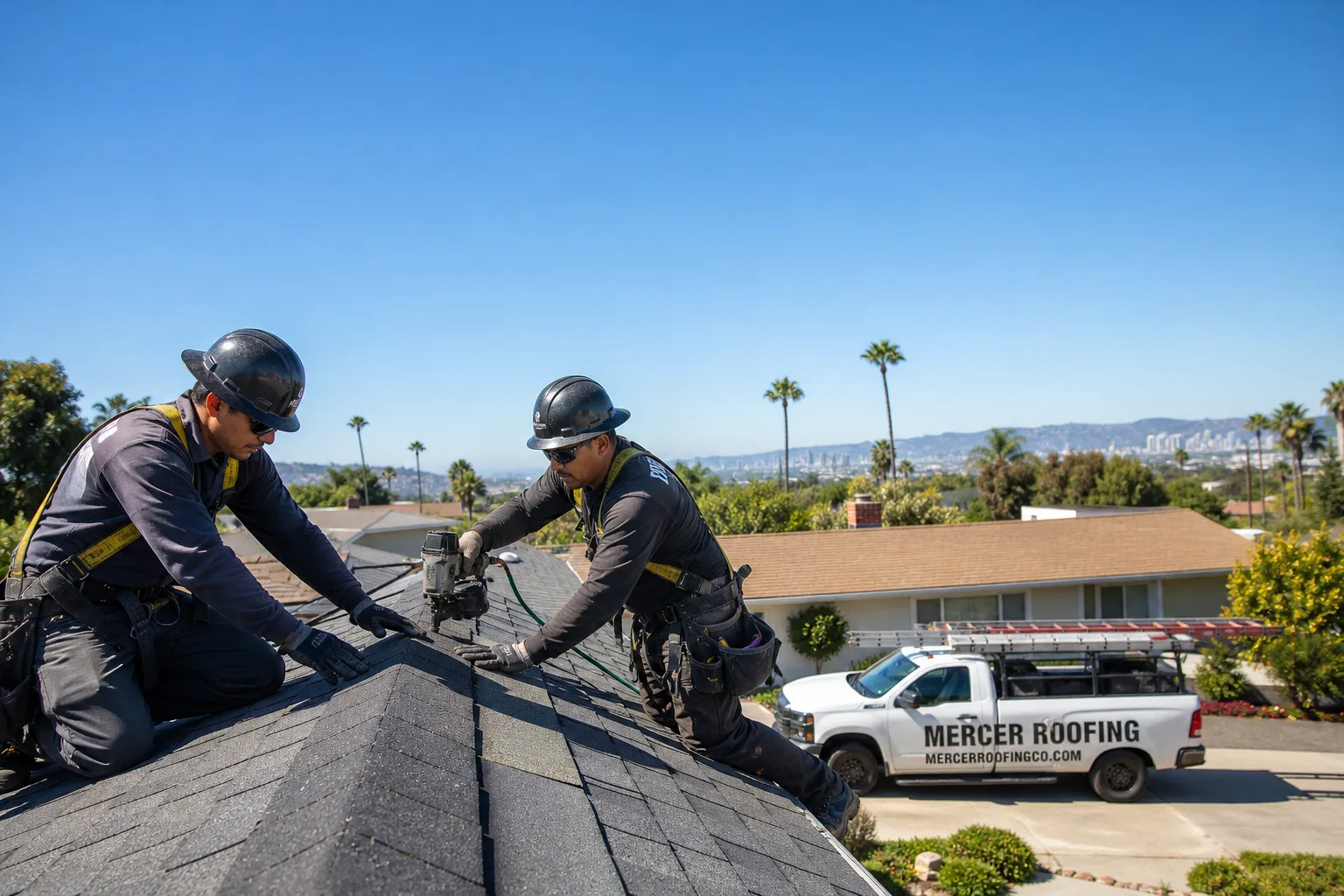
Free roof inspection with deck photos before we talk money - GAF and Owens Corning certified installation
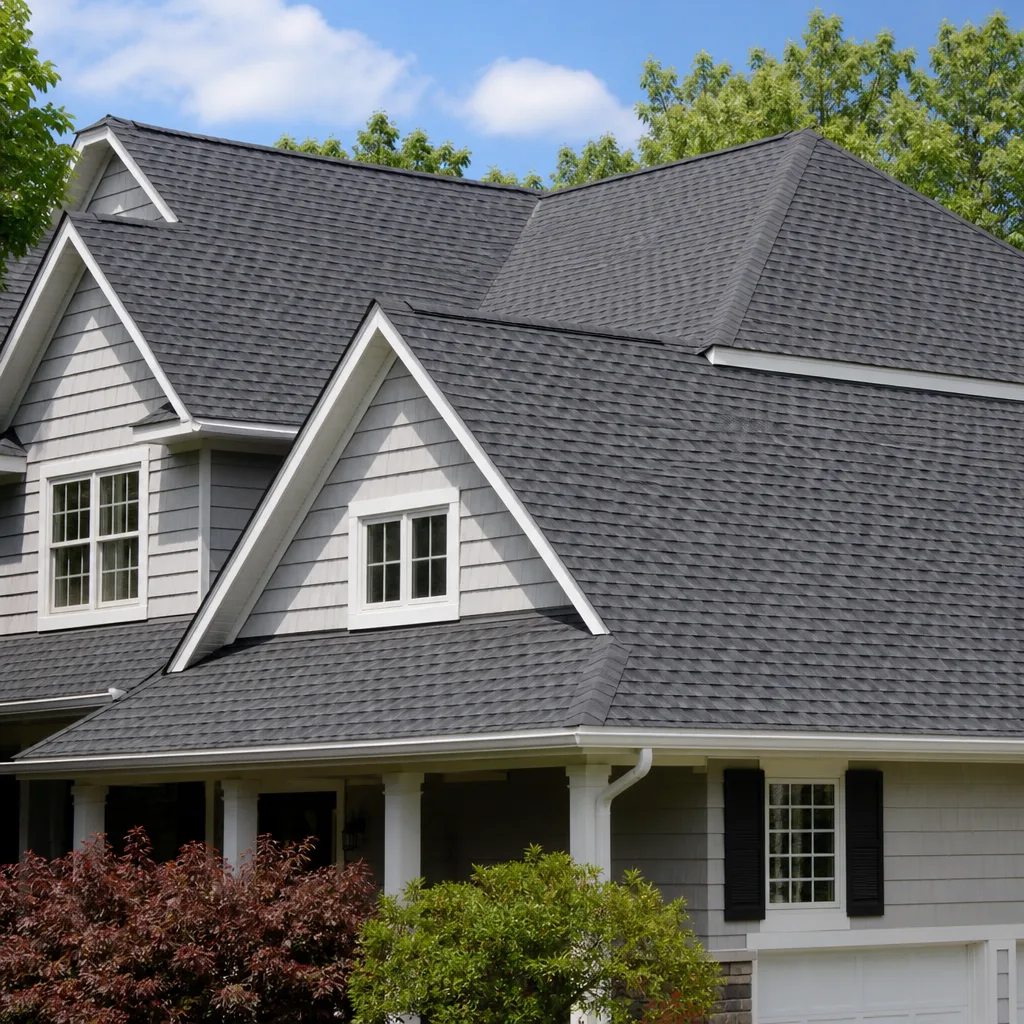
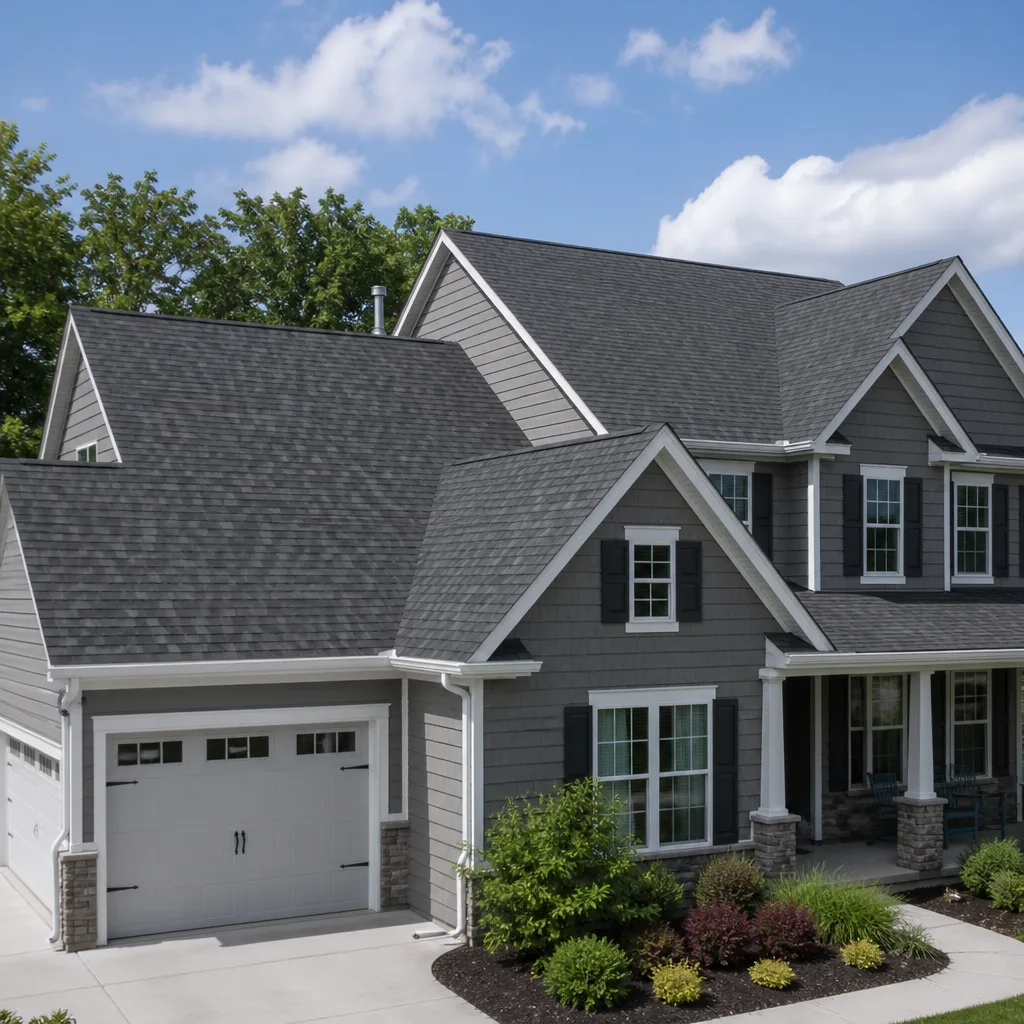
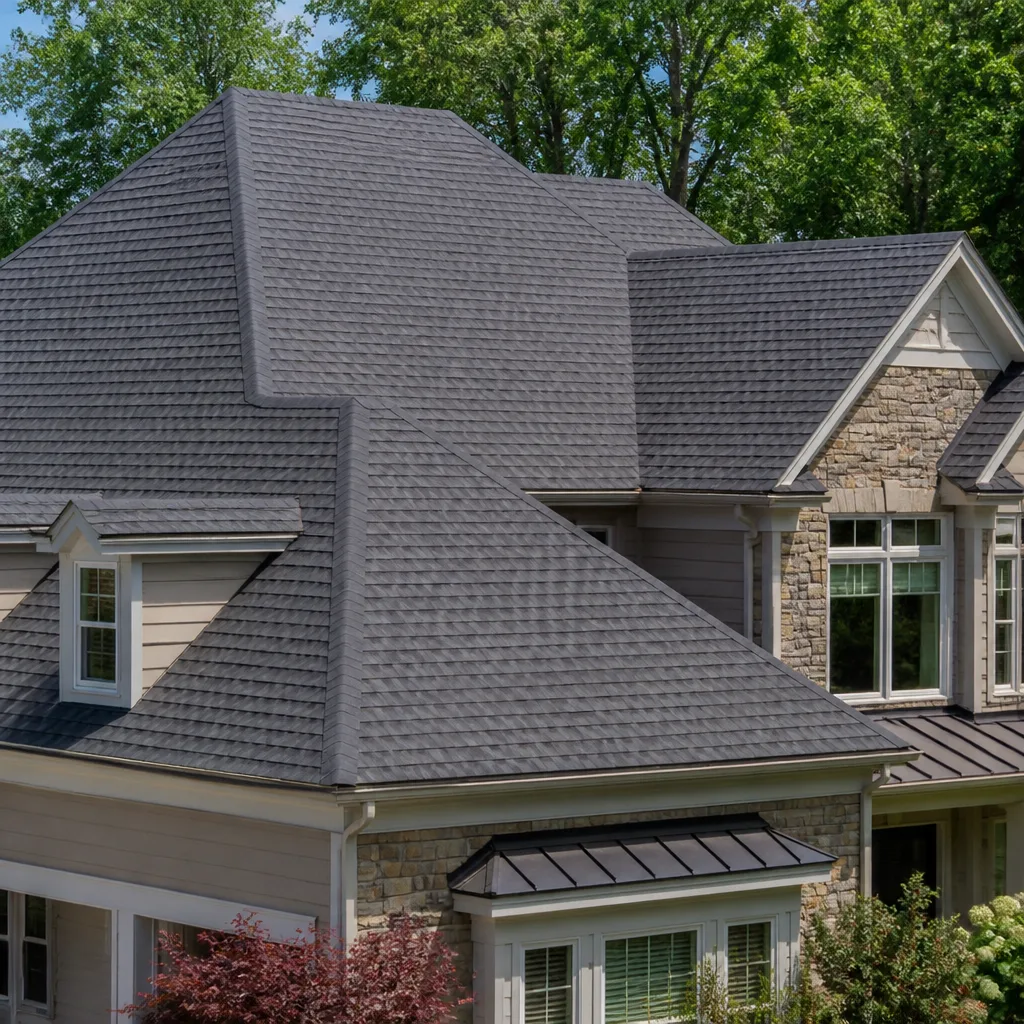
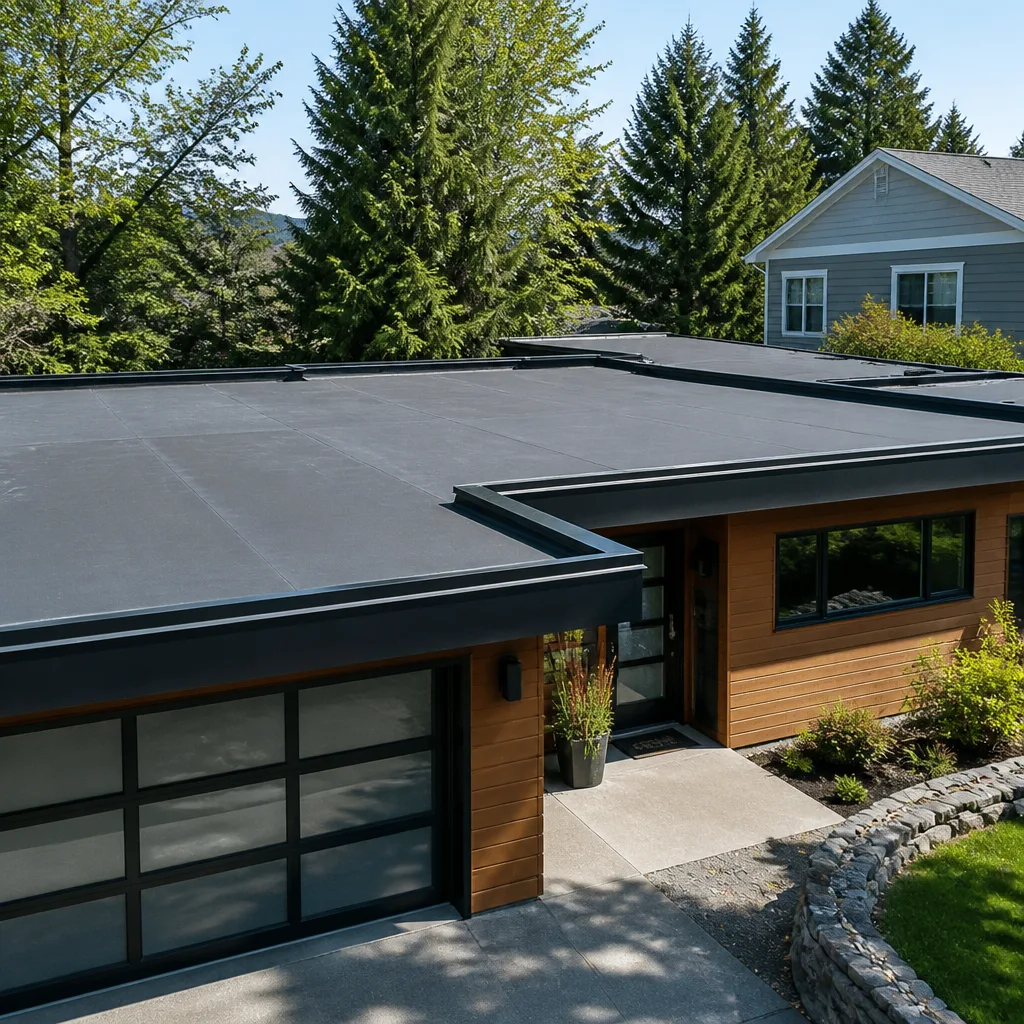
 Before
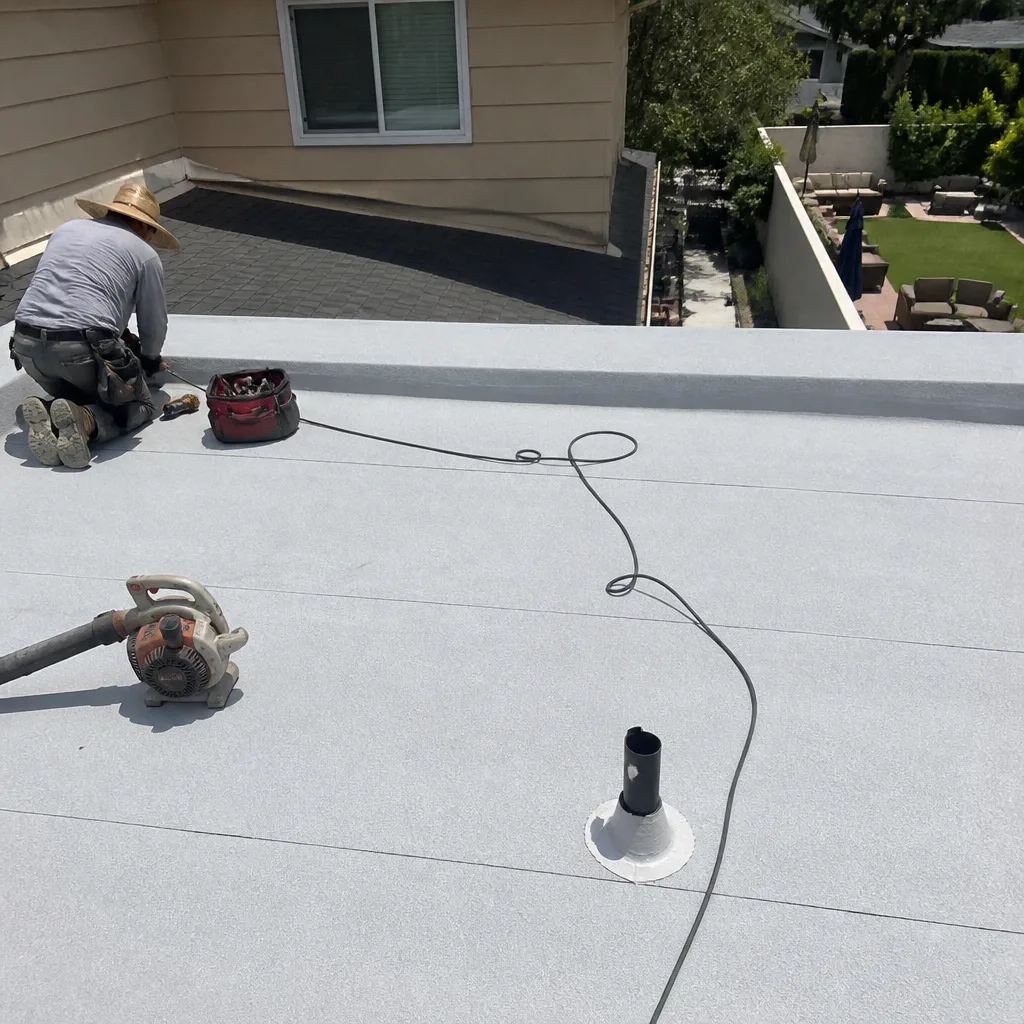 After
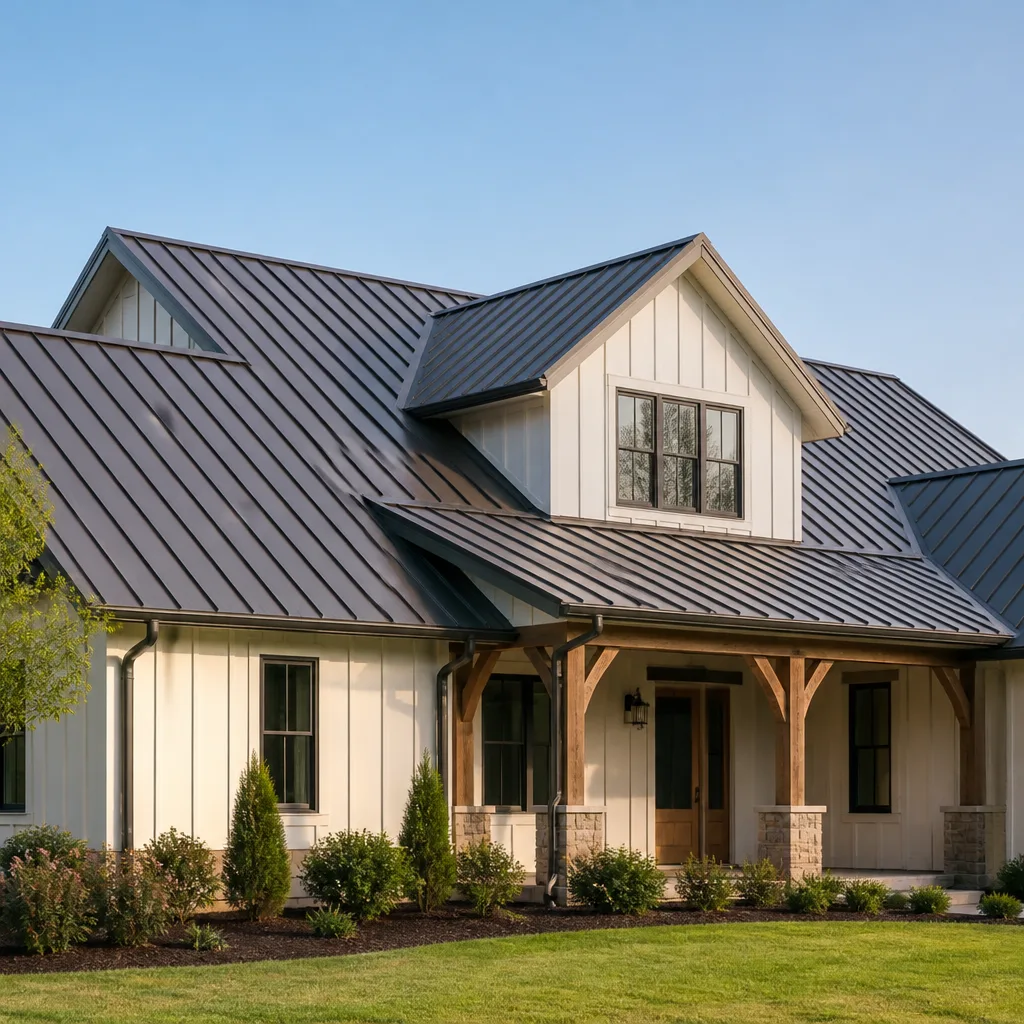
After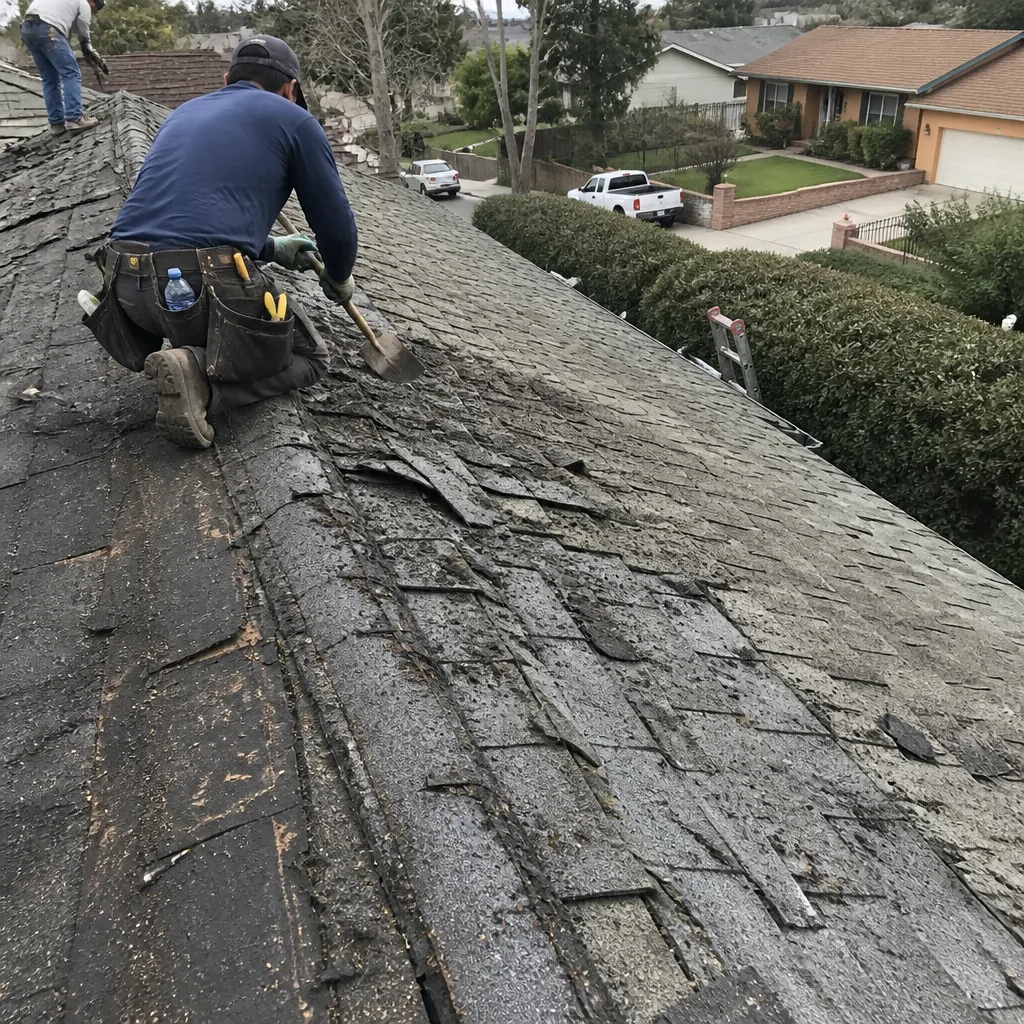 Before
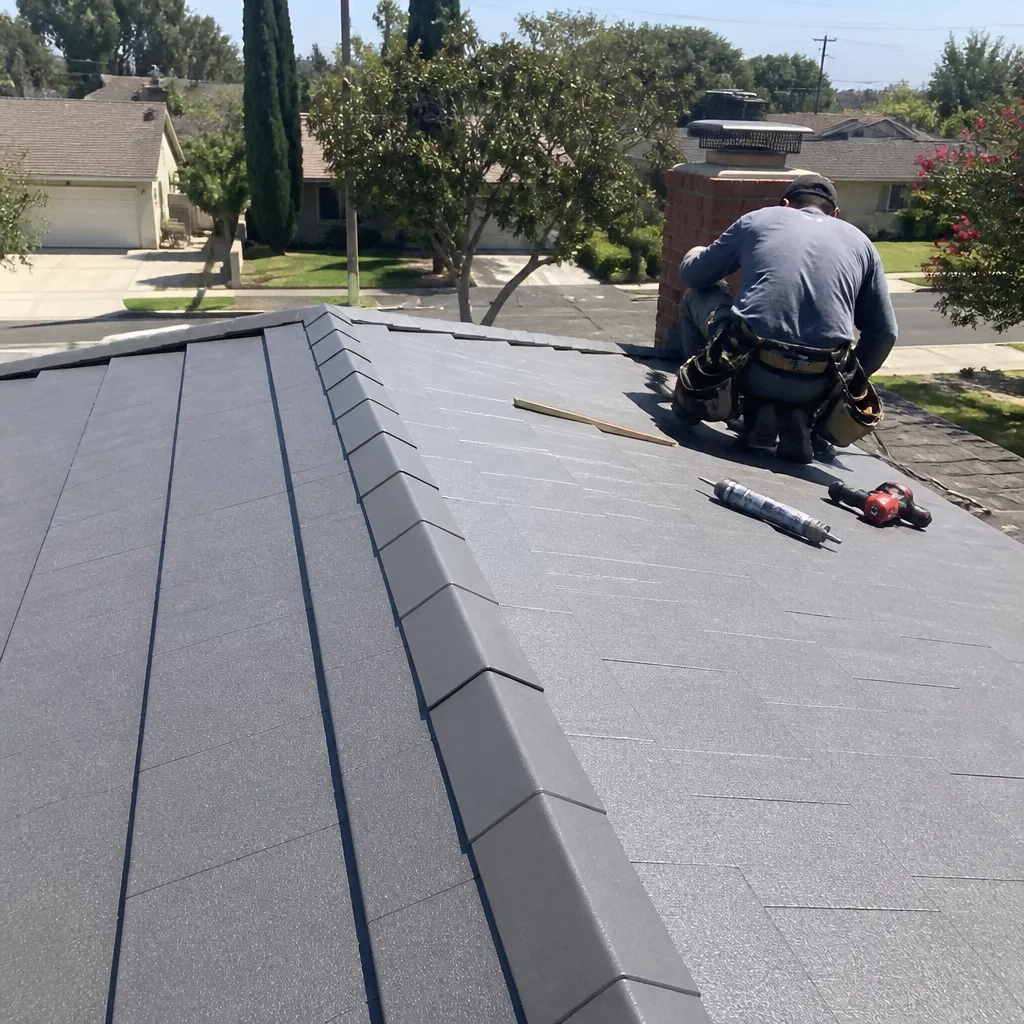 After
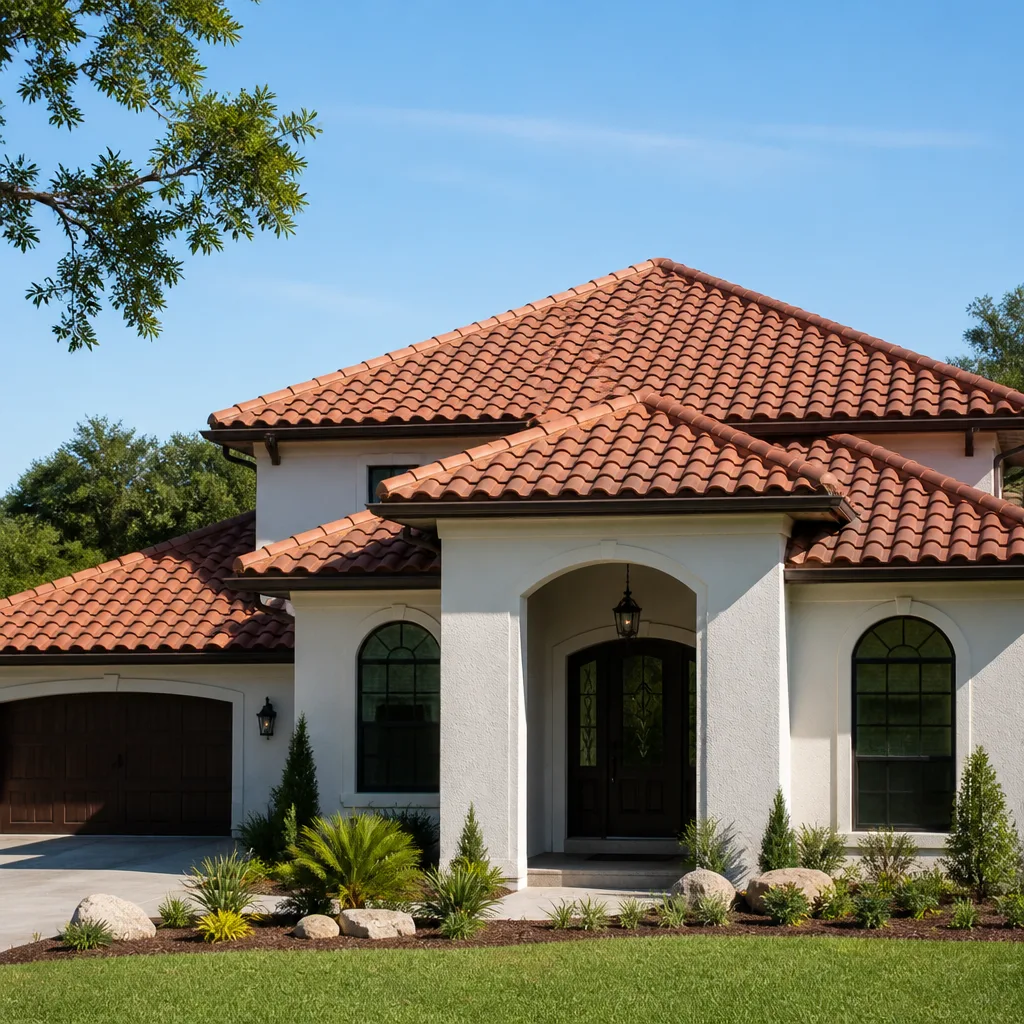
After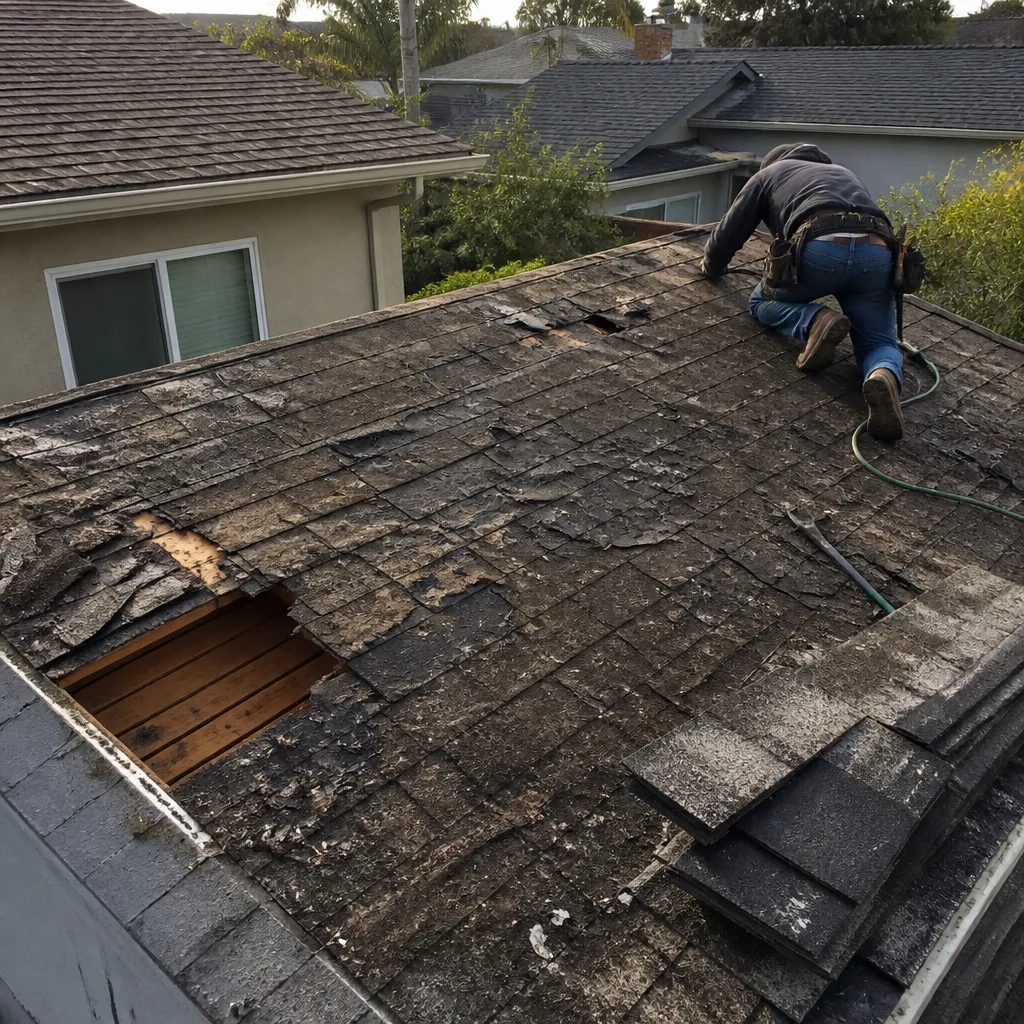 Before
 After
AfterFast, Reliable Roof Installation Across Lake Arrowhead
Roof installation in Lake Arrowhead usually runs $14,000 – $28,000 for a full tear-off and architectural shingle replacement on a typical 1,400 – 2,200 square foot mountain home, with snow-zone code upgrades like ice-and-water shield adding $1,800 – $4,200 at the eaves. That’s the honest range, and we put it in writing before any work starts. Mercer Roofing crews work throughout Lake Arrowhead regularly, from the Meadow Bay area to the lake’s north shore. Call (743) 200-8347 for a free written estimate, and we’ll send a technician’s name and photo before they ever knock on your door.
Why Mercer Roofing Is Lake Arrowhead’s Preferred Roof Installation Company
Lake Arrowhead homeowners deal with something most roofing companies never see: a house that has to handle snow load in winter and wildfire ember cast in summer, often sitting on a steep pitch with 60-year-old framing underneath. We know what that means for an install because we open these roofs regularly. Our crews have torn off original 1920s shake in the Grass Valley area and pulled back relatively new asphalt jobs in Palisades only to find the valley contractor skipped the ice-and-water shield the county requires at the eaves. That local knowledge changes how we quote, how we stage the job, and what we tell you before we start.
Every technician who arrives at your Lake Arrowhead door is background-checked, uniformed, and badged. You’ll get their name and photo before the visit. That’s the Threshold Verified standard, and it applies to every job we run in the San Bernardino Mountains. When a crew shows up for a tear-off near Lake Arrowhead Village or a ridge-vent install in Cedar Glen, you know exactly who is walking up the driveway.
Grant Whitlock leads our team, and he built our process around one habit: written prices before any work begins. Not a ballpark. Not a verbal “should be around.” A written line-item price you sign, and nothing changes unless we put it in writing and you approve it. That matters more up here, where opening a roof routinely uncovers things nobody could see from the ground.
We’re part of the Threshold Group family, founded in 2000. Every Mercer Roofing location is independently owned and operated, and every one is held to the Threshold Verified standard: background checks, photo badges, clean marked uniforms, and no exception. For homeowners who want to know who’s at the door, that’s the whole point.
Roof Ventilation in Lake Arrowhead
Roof Ventilation in Lake Arrowhead is not a nice-to-have; it’s the difference between a roof that dries out after a snow season and one that rots from the inside. Our snow zone produces ice dams when attic heat melts snowpack, sending meltwater under the shingles where it refreezes at the cold eave. Proper intake and exhaust ventilation keeps the underside of the roof deck close to outdoor temperature, so snow doesn’t melt and refreeze in the first place. A typical Lake Arrowhead cabin with ridge-and-soffit ventilation installed during a re-roof runs $900 – $2,400 depending on eave access and whether we add baffles at the soffit.
Ridge vent and soffit intake on steep cabin roofs
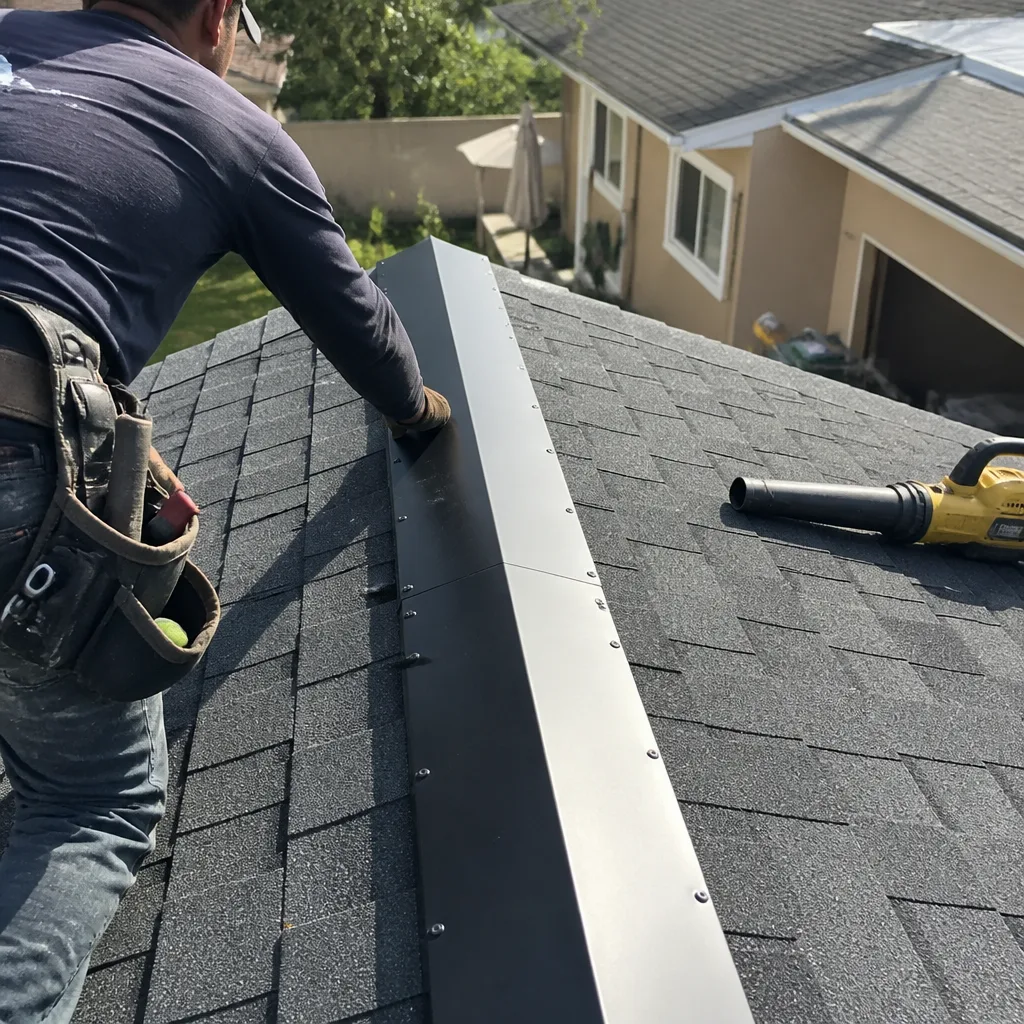
Many of the original cabins here have minimal or blocked soffit vents, often buried under decades of insulation. We open the eave, install baffles to hold the insulation channel clear, and run a continuous ridge vent along the peak. On a 6/12 or 8/12 pitch, that means working the full rafter length from both the eave and the ridge, which is slower than a valley cut-and-dry but necessary for snow-shedding performance.
Why valley-vented roofs fail here
Box vents and gable-end vents move air, but they don’t create the consistent low-pressure exhaust a continuous ridge vent does. In a freeze-thaw mountain climate, that inconsistent airflow leaves warm pockets near the eaves. We’ve diagnosed condensation rot on sheathing in Blue Jay homes where ventilation looked adequate from the outside but wasn’t moving air across the full deck.
Roof Flashing Installation in Lake Arrowhead
Roof Flashing Installation in Lake Arrowhead deals with the places roofs leak first: chimneys, valleys, skylights, and the eaves where snowmelt refreezes. Our crews replace step flashing along sidewalls, re-flash masonry chimneys that have cracked under freeze-thaw cycling, and install new drip edge before the shingles go down. Typical flashing work during a full re-roof runs $600 – $2,800 depending on how many penetrations and whether we’re fabricating custom chimney saddles on site.
Chimney flashing in freeze-thaw conditions
A stone or brick chimney on a Lake Arrowhead cabin expands and contracts all winter. Standard counter-flashing that works in the valley pulls loose after a few seasons up here. We cut a reglet into the masonry, set the counter-flashing in a high-bond sealant, and step-flash the sides so water running down the chimney never reaches the deck. That’s a detail you can’t inspect after the fact, so we photograph it before the shingles cover it.
Valley flashing and ice damming at the eaves
Open metal valleys handle the volume of snowmelt these roofs shed, but only if the underlayment beneath them is continuous and the valley metal extends past the eave. We install self-adhering membrane under every valley and extend it up the sidewalls at least 24 inches in the snow zone. Homeowners near the lake’s north shore see extra ice pressure at the eave line in February and March; that’s exactly where we concentrate the membrane.
Trusted Brands We Service in Lake Arrowhead
We install Roof Installation systems using shingles from GAF, CertainTeed, and Owens Corning. These manufacturers engineer Class A fire-rated architectural shingles that hold up to the sun and ember exposure you get at 5,100 feet, and they carry the wind ratings a ridge-line home needs in a Santa Ana event. We keep local distributor runs scheduled for Lake Arrowhead job sites, so a tear-off that started Monday doesn’t wait on materials when the weather window is tight. If you’re deciding between brands for a cabin or a full-time residence, we’ll walk you through the differences in impact rating, warranty transfer language, and which products we’ve seen hold color longer at altitude.
Common Roof Installation Problems We See in Lake Arrowhead Homes
- Missing ice-and-water shield at the eaves. The county requires it in this snow zone, but valley crews often skip it because their local code doesn’t call for it. We find relatively young shingle roofs already leaking at the eave line because snowmelt refroze and backed up under the shingles.
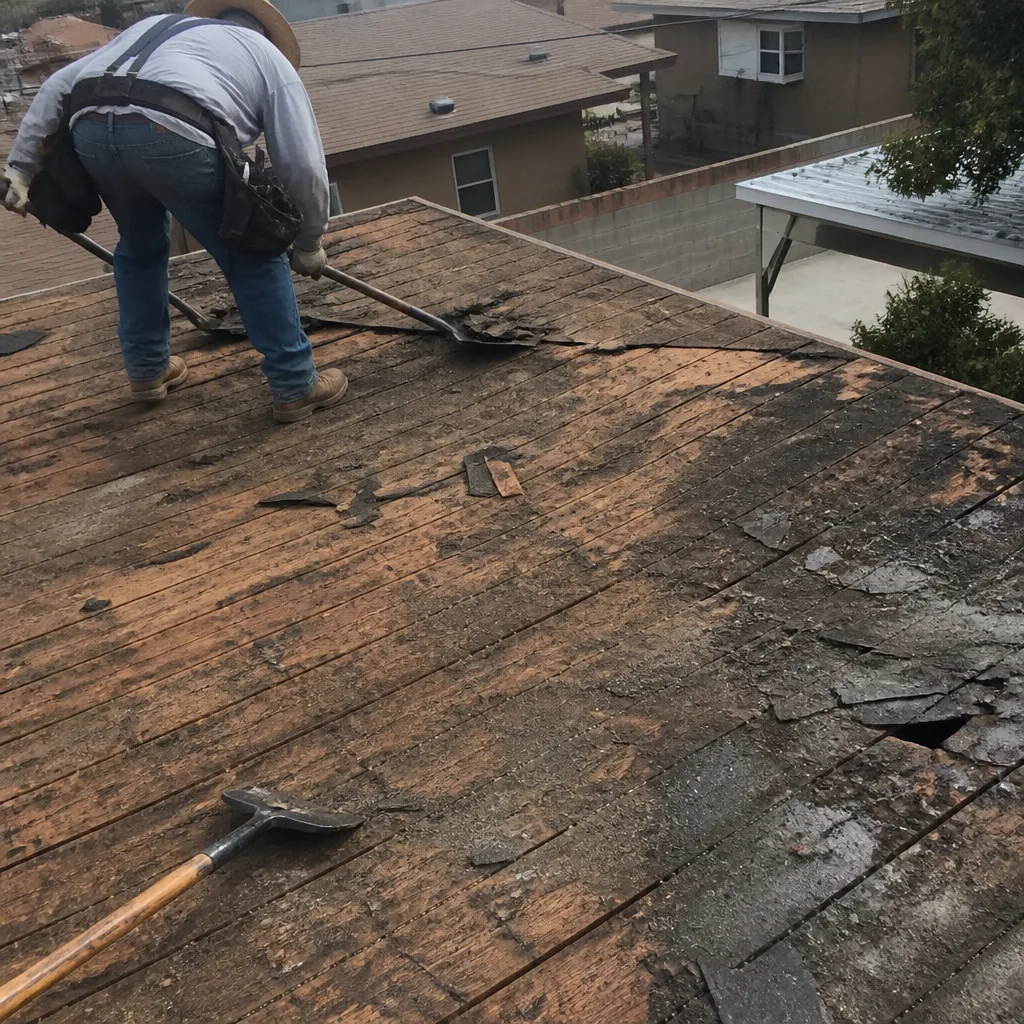
- Non-compliant wood shake and shingle on original cabins. California’s Very High Fire Hazard Severity Zone rules effectively ban wood roofing surfaces here, which means a tear-off on a 1920s – 1960s cabin. That tear-off exposes the decking, and the decking often tells a story of its own.
- Framing that wasn’t built for current snow load. Spliced or undersized rafters, some original to the 1950s, show up once the sheathing is off. If the county inspector flags it, you need a priced scope change, not a surprise invoice.
- Ventilation that never worked from day one. Blocked soffits and no ridge exhaust create condensation on the underside of the sheathing. By the time you see staining on the ceiling, the deck has often been wet for years.
Pricing for Roof Installation in Lake Arrowhead, CA
Here’s what we quote and why. A full tear-off and architectural shingle install on a typical Lake Arrowhead cabin runs $14,000 – $28,000 depending on square footage, pitch, decking condition, and how much of the old roof is non-compliant shake. Ice-and-water shield at the eaves adds $1,800 – $4,200. Chimney and valley flashing runs $600 – $2,800. Ventilation work adds $900 – $2,400. These are written ranges based on what we actually see in this market, and your written estimate breaks out every line item before we start. Call (743) 200-8347 to schedule a free written estimate in Lake Arrowhead. The price we quote is the price in the contract, and any change is priced and approved in writing before we touch it.
We Also Serve Cities Near Lake Arrowhead
Mercer Roofing runs crews to Lake Arrowhead regularly, and we cover the surrounding mountain communities too. Crestline, Running Springs, and Highland homeowners call (743) 200-8347 for the same written-price, badged-technician process. Down the hill, we serve San Bernardino as well, with dispatch and scheduling coordinated from our Inland Empire office.
Serving Lake Arrowhead, CA - Our Local Coverage Area
We’re based in the Lake Arrowhead area and know this community well. Use the map below to see our service coverage - if you’re nearby, we can almost certainly help.
FAQs About Roof Installation in Lake Arrowhead
Because San Bernardino County code requires ice-and-water shield at the eaves in this snow zone, and your neighbor’s roof was likely installed before the requirement was enforced or by a contractor who skipped it. We’ve torn off 12-year-old architectural shingles in the Palisades area and found bare wood at the eaves, already wicking moisture from snowmelt that refroze overnight. If your roof is leaking at the eave line and the shingles look fine, the membrane underneath is probably missing. Fixing it means a targeted tear-off at the perimeter or a full re-roof, depending on the deck condition. Call (743) 200-8347 and we’ll inspect it in writing.
Yes, and we plan for it. When we pull a permit for a Lake Arrowhead roof install, the county inspector checks the framing, the sheathing, the ventilation, and any wiring exposed along the roof line. On older cabins, that inspection can flag undersized rafters or outdated knob-and-tube wiring stapled to the sheathing. That’s why we write allowances into the contract before we start, and any upgrade the inspector requires gets priced and approved in writing before we do it. You won’t get a surprise invoice from us. If you want to know exactly how the allowance works for your home, call (743) 200-8347.
Yes. Class A architectural shingles from GAF, CertainTeed, and Owens Corning go on steep pitches all over Lake Arrowhead, including cabins with exposed rafter tails. The key is deck preparation: we inspect the rafter tails for rot at the eave line, replace any that have been soaking up snowmelt, and set the drip edge so water clears the tail end. The shingle itself doesn’t care about the pitch; the underlayment and fastening schedule do. On an 8/12 or steeper roof, we may add extra fasteners at the eave and rake to handle the snow load. Call (743) 200-8347 for a written estimate on your specific roof.
We inspect first, then write allowances into the contract for what we’re likely to find. A tear-off on an original 1958 cabin in Meadow Bay turned up spliced rafters, knob-and-tube wiring stapled to the sheathing, and zero ice-and-water shield at the eaves. We priced the sistered rafters, new decking, and GAF ice-and-water membrane in writing, got it signed, and only then set the new shingles and ridge vent. That’s our sequence up here, because the tear-off routinely changes the scope. The allowance means you know the ceiling before we open anything. Call (743) 200-8347 and we’ll walk you through it on your roof.
Continuous ridge vent with baffled soffit intake is the setup that stops ice dams here. You need consistent airflow from eave to peak so the underside of the deck stays close to outdoor temperature, which keeps snow from melting and refreezing at the eave. On a cabin with no accessible soffit, we can sometimes cut intake into the gable ends, but the ridge vent is the non-negotiable part. Typical ventilation work during a re-roof runs $900 – $2,400. Call (743) 200-8347 and we’ll check what your current setup is doing.
If your Lake Arrowhead roof is coming due, call (743) 200-8347 for a free written estimate. You’ll get a real person on the phone, a technician’s name and photo before the visit, and a price in writing before any work starts. That’s how we protect the house you’re in.
Written by Grant Whitlock, Owner at Mercer Roofing, serving Lake Arrowhead and the surrounding San Bernardino Mountains.