
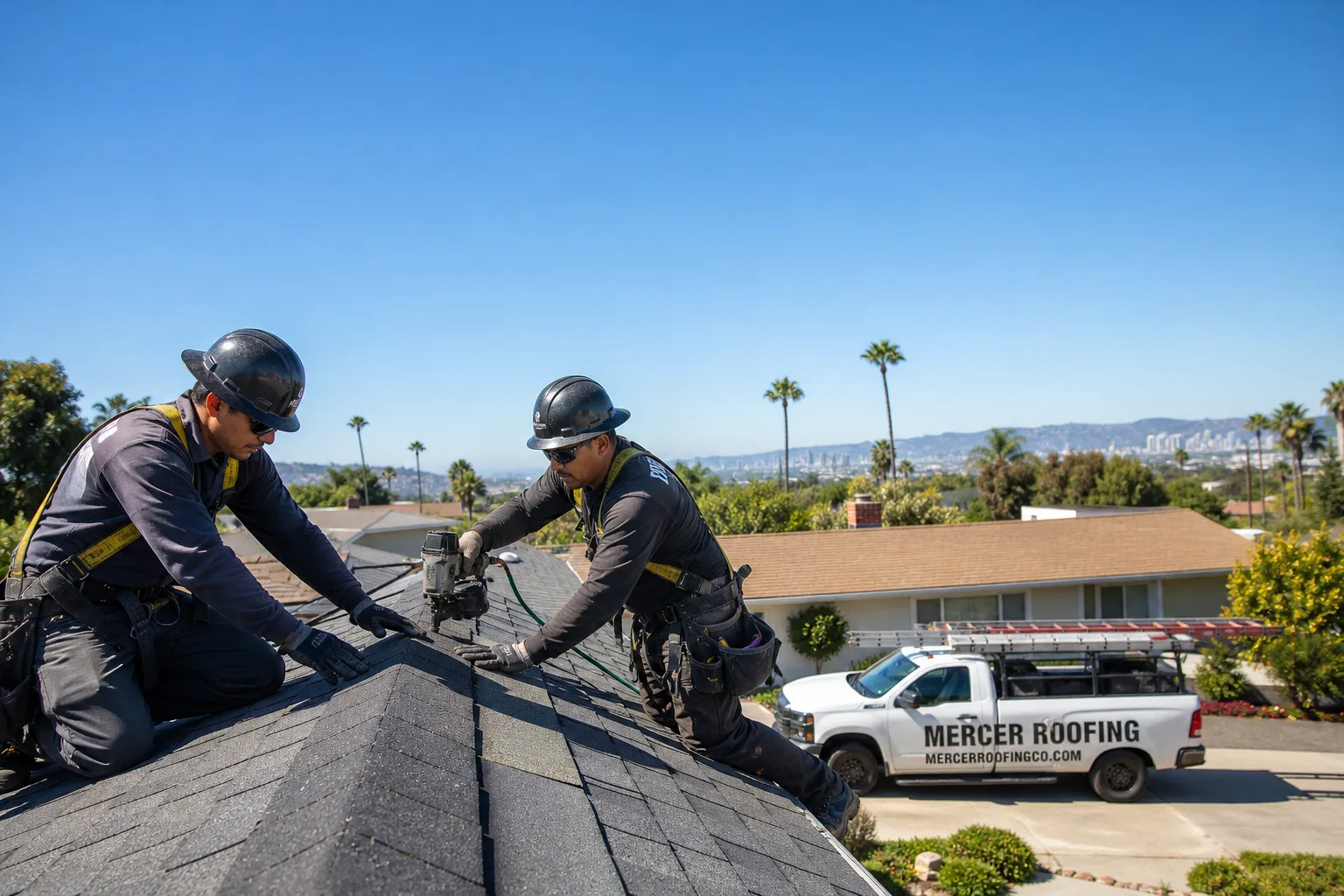
Free roof inspection with deck photos before we talk money - GAF and Owens Corning certified installation
 Before
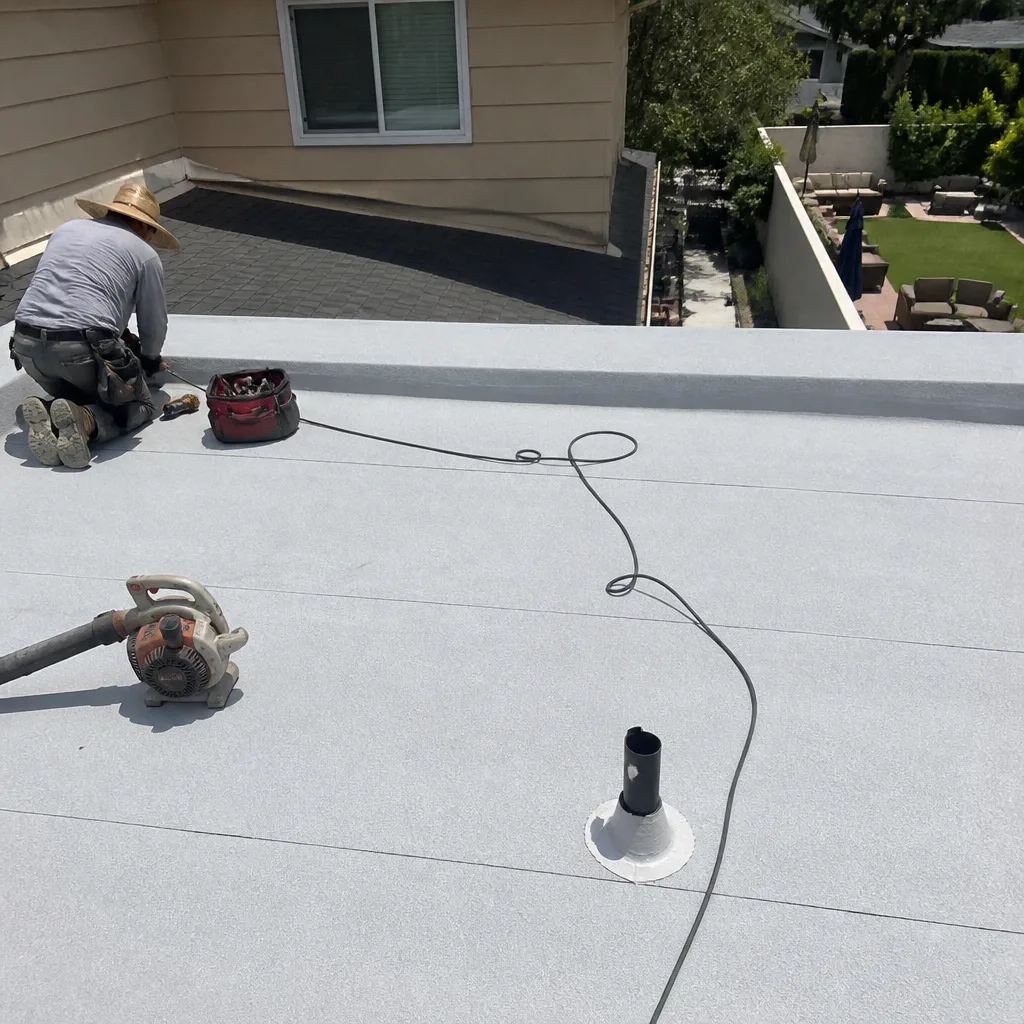 After
After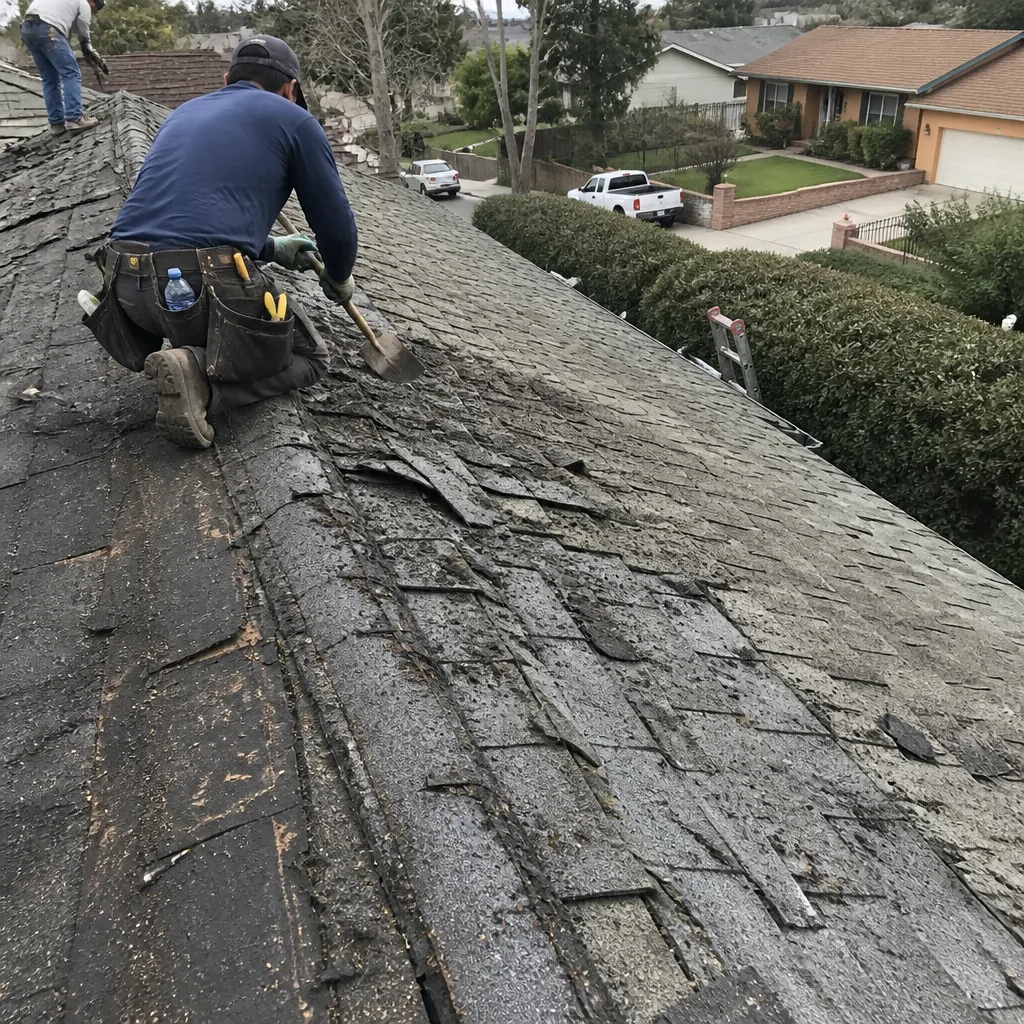 Before
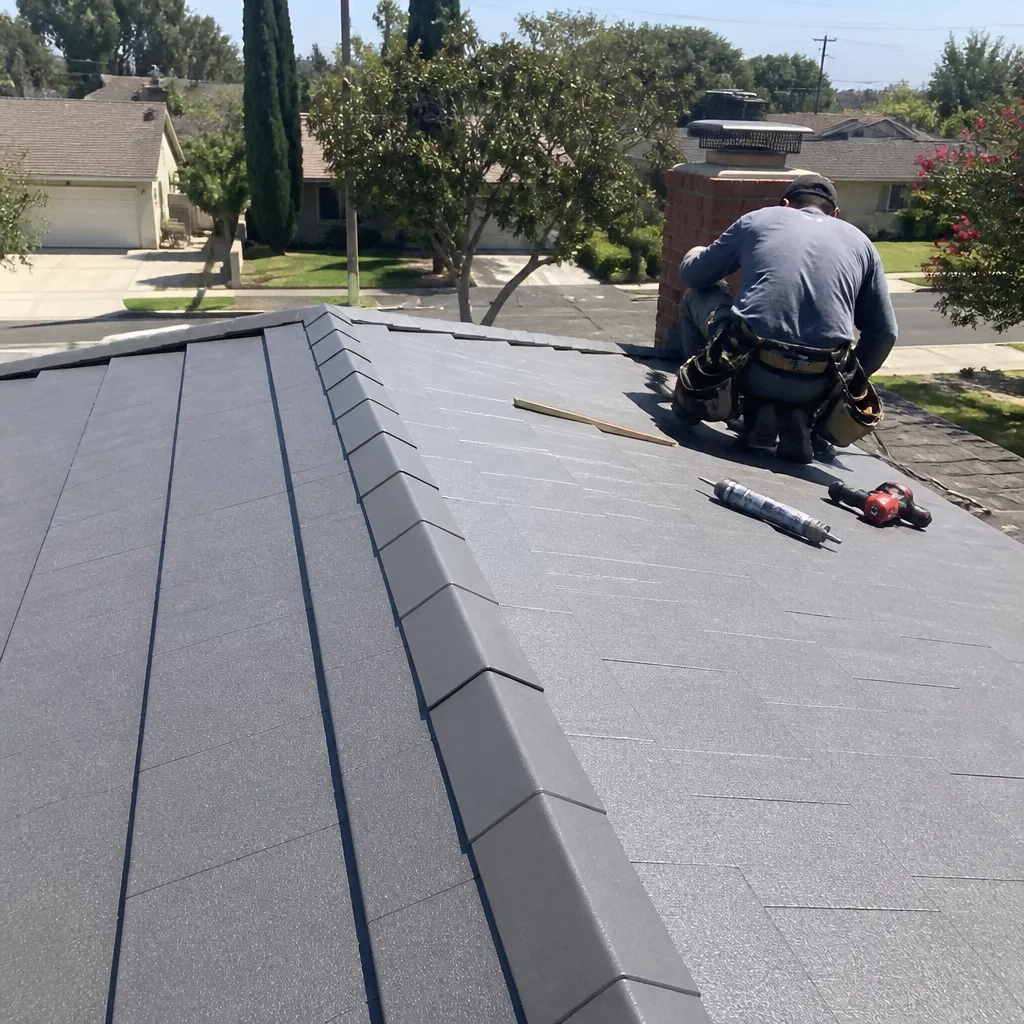 After
After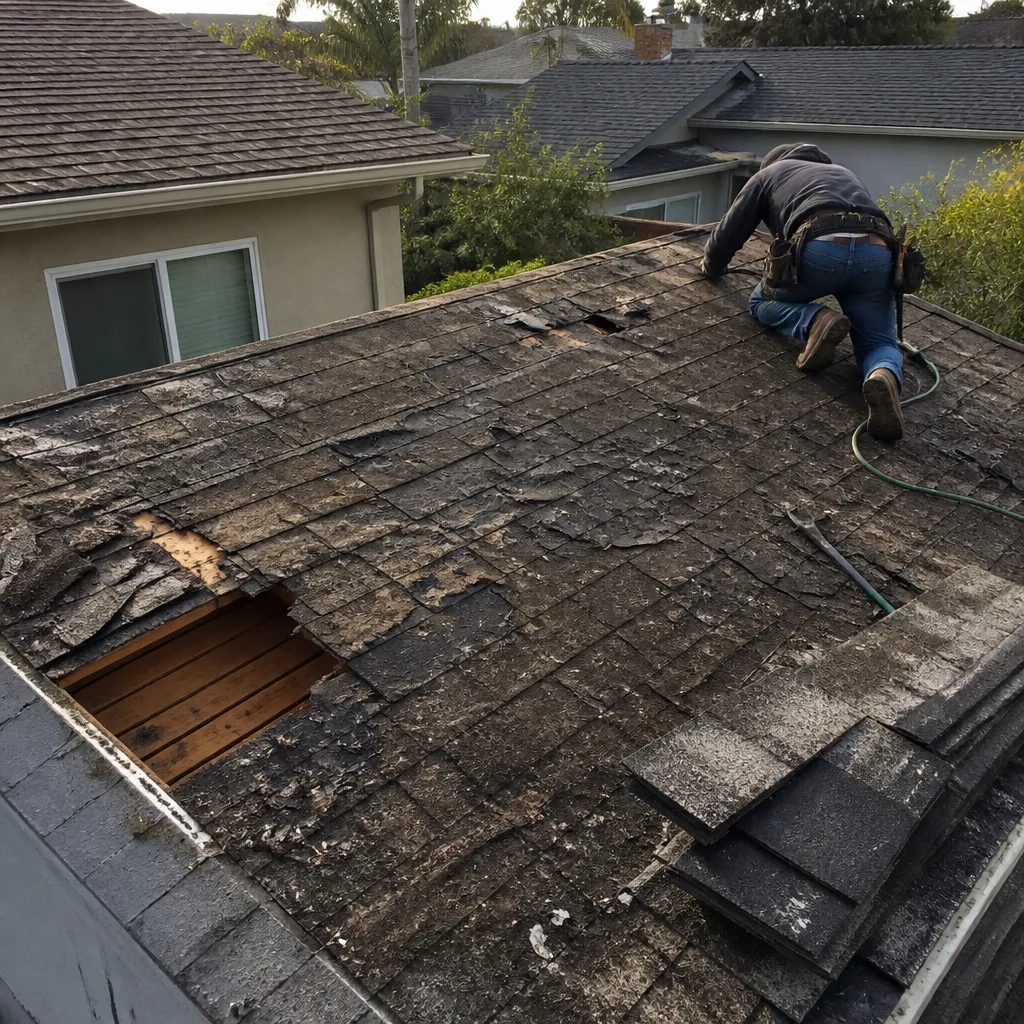 Before
 After
AfterFast, Reliable Roof Installation Across Long Beach
Roof installation in Long Beach typically runs between $11,000 and $28,000 for a full tear-off and replacement on an average home, with architectural shingle work landing around $14,000 to $19,000 and standing seam metal starting near $22,000 and climbing past $30,000 depending on slope, decking condition, and whether you have a Spanish Colonial flat section that needs re-flashing. Most Long Beach homeowners we work with are replacing roofs that went on during the 1930s rebuild or the postwar 1940s and 1950s boom, which means we are almost always dealing with decking rot, outdated underlayment, and code upgrades once the old material comes off. That is not a reason to panic. It is a reason to hire a crew that knows what a 90-year-old Long Beach roof actually looks like underneath, writes the scope in plain English, and puts the price in writing before we touch anything. Call (743) 200-8347 and you will talk to a live person who can schedule a free estimate.
Why Mercer Roofing Is Long Beach’s Preferred Roof Installation Company
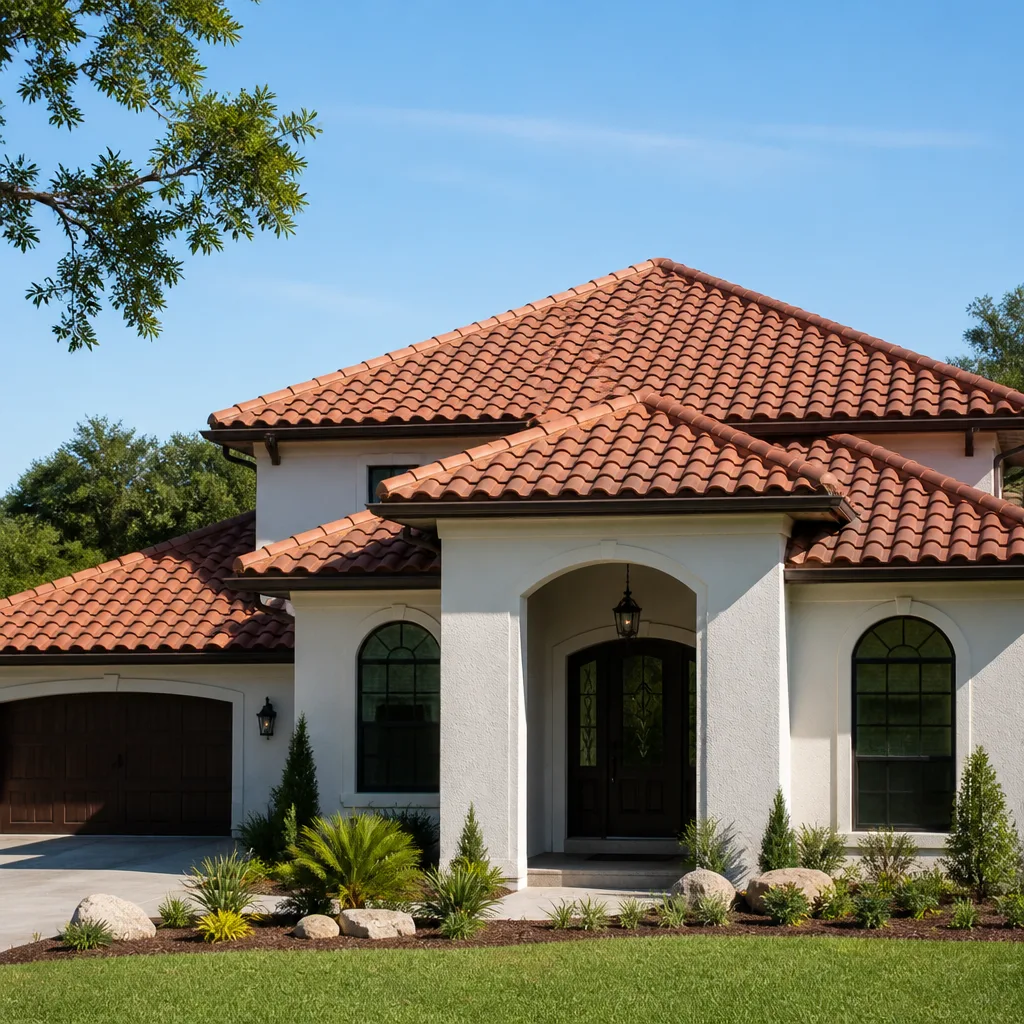
Long Beach homeowners call us because the city has an unusual roofing challenge most companies never see. The 1933 earthquake flattened much of the building stock, and what replaced it through the late 1930s was a wave of Spanish Colonial Revival and Streamline Moderne homes with low-slope clay tile roofs and flat section transitions. Those transitions leak. The marine layer keeps them damp. The port air corrodes the flashings. When we tear off a roof in Wrigley or Bixby Knolls, we know exactly what we are going to find, because we have opened dozens of them.
Before any technician arrives at your door, you get their name and photo. When they arrive, they present a photo ID badge at the door. Every Mercer technician is background-checked, identity-verified, and held to the Threshold Verified standard, which requires clean uniform, marked vehicle, and identification before they step onto your property. Grant Whitlock runs our Long Beach crews to this standard on every single job. If you are home alone with young kids, or you are an older homeowner who wants proof of who is at the door, that badge matters more than any brochure.
Every project starts with a written price. Not a verbal ballpark. A written scope with line items, material specs, and a number. And every installation carries our 365-Day Done Right Promise: if it is not done right within a year, we make it right. That is in writing too.
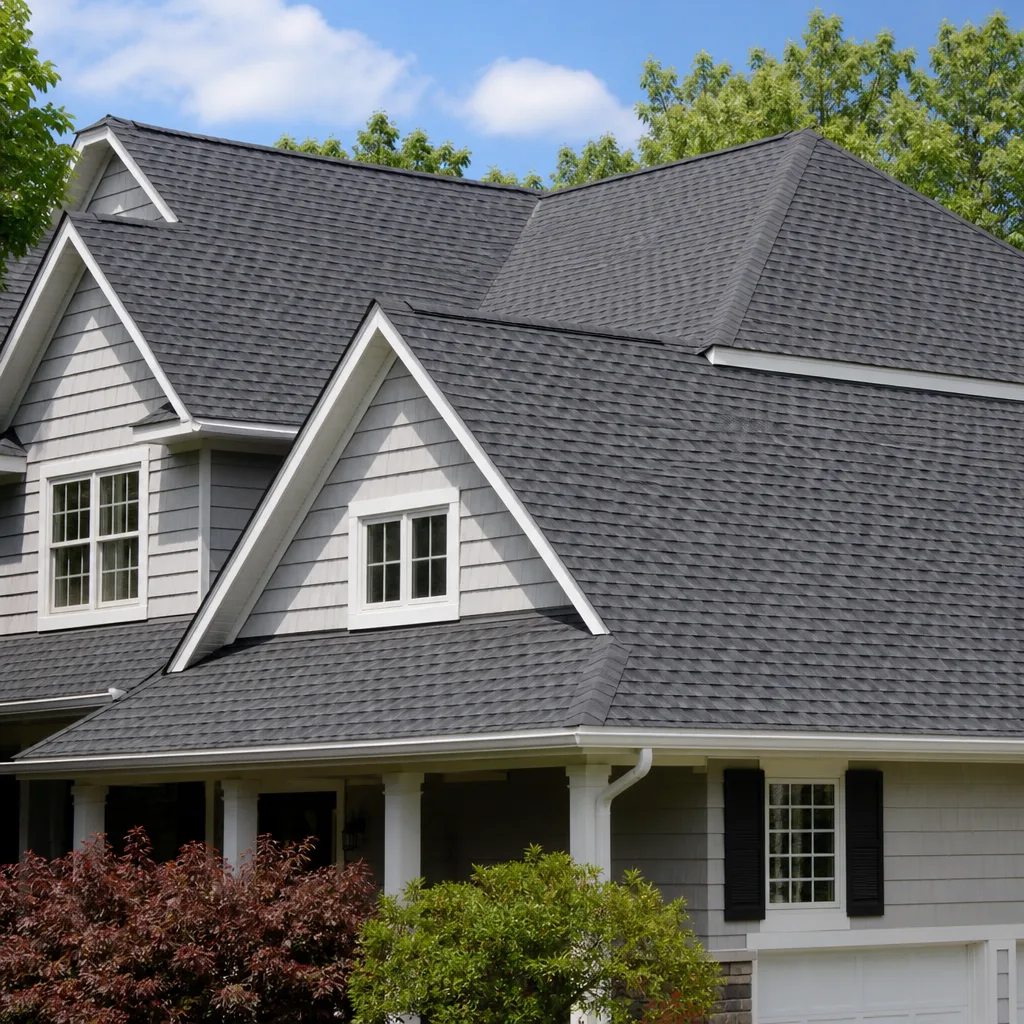
Shingle Roof in Long Beach
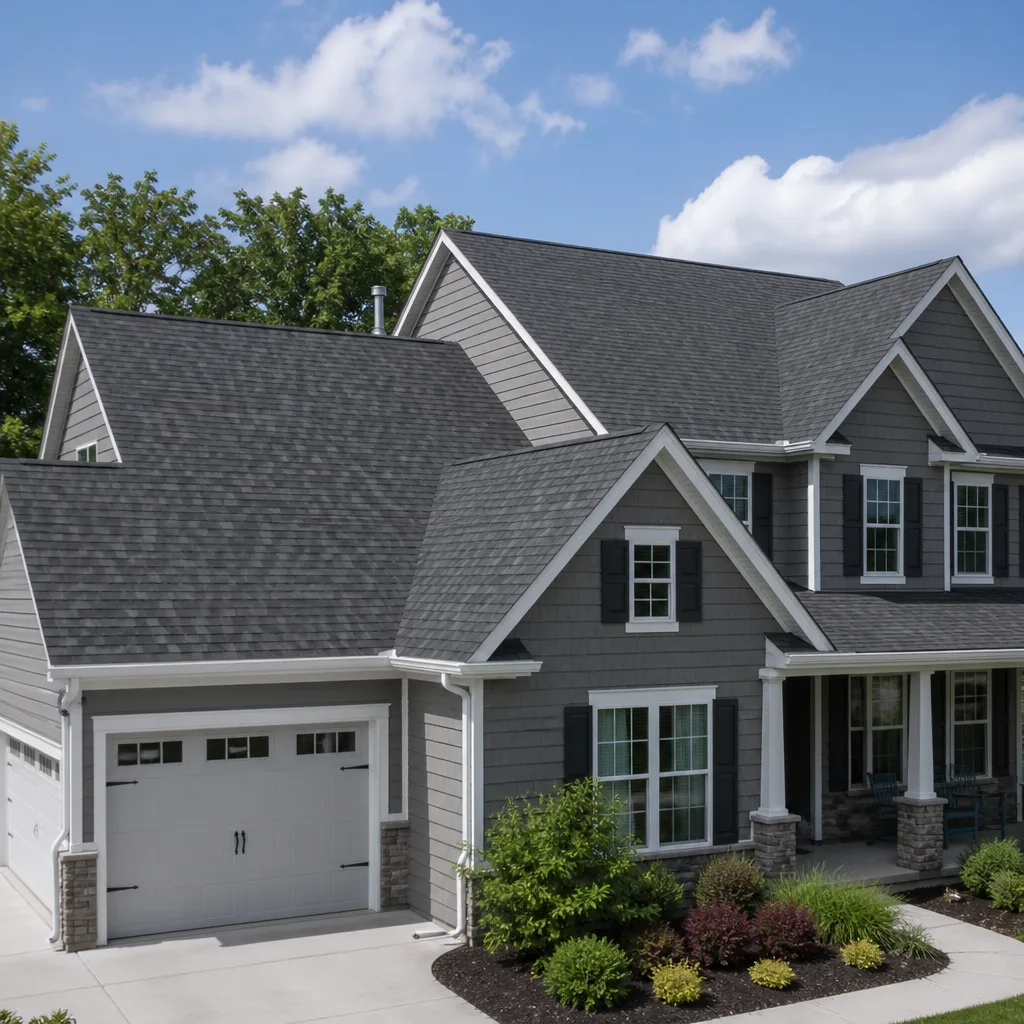
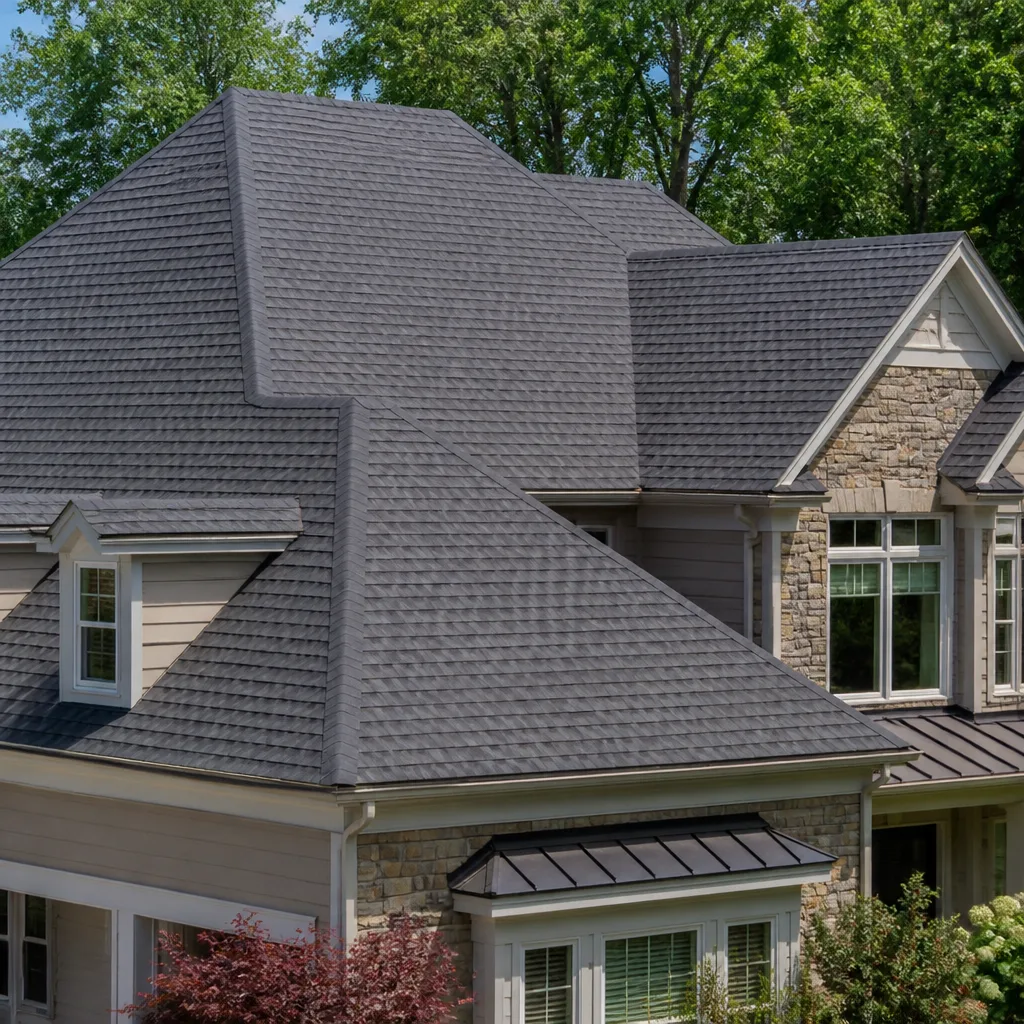
A shingle roof in Long Beach is the most common installation we handle, and the port air changes how it ages. West of the 710, diesel particulates and cargo dust settle onto north-facing slopes and ridge caps. The grit sits there, staining the shingles black and wearing the granules off years before the manufacturer’s rated lifespan. So when we install shingle roofs in Long Beach, we spec materials and ventilation with that particulate load in mind, and we inspect the north-facing slopes first.
Expect a shingle roof replacement in Long Beach to run between $11,000 and $22,000 for a typical single-family home, with most architectural shingle jobs landing around $14,000 to $19,000. The range moves based on whether we find rotted decking during tear-off, whether you need new underlayment and ice-and-water shield in the valleys, and whether the permit inspection triggers ventilation or strapping upgrades.
Architectural Shingle Systems
We install GAF, CertainTeed, and Owens Corning architectural shingles most often on Long Beach homes. These are thicker, laminated shingles rated for higher wind and better granule retention than three-tab. On the Westside and in neighborhoods downwind of the port, we recommend them over three-tab because the particulate staining and granule loss happens slower, and the wind rating holds up against the gusty afternoons off San Pedro Bay.
Decking and Underlayment First
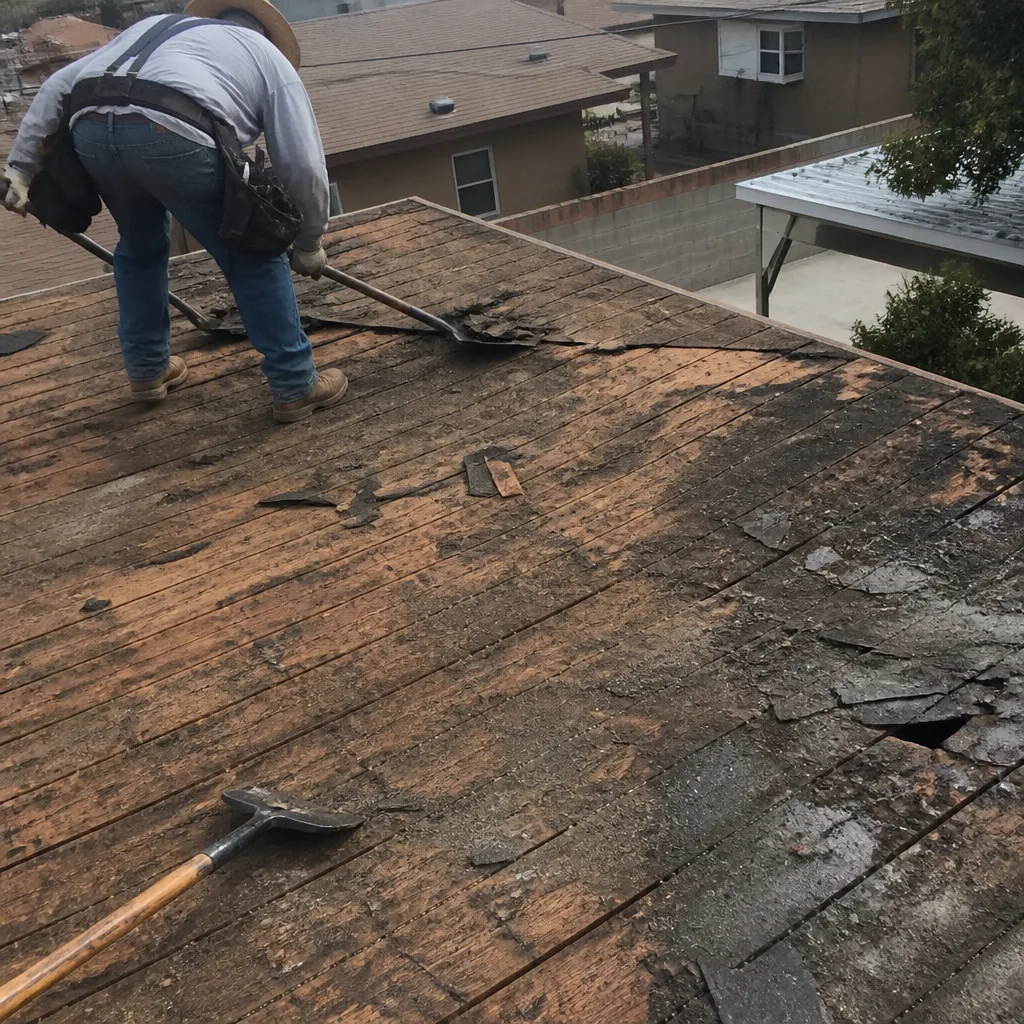
Before a single shingle goes on, we inspect the decking. On 1930s and 1940s Long Beach homes, we routinely find soft spots at the flat-section transitions and along eaves where marine-layer moisture wicked under the old roof. Replace the rotted decking, install fresh synthetic underlayment, add ice and water shield through valleys and around penetrations, and then the shingles go down. That is the order that stops leaks for decades, not seasons.
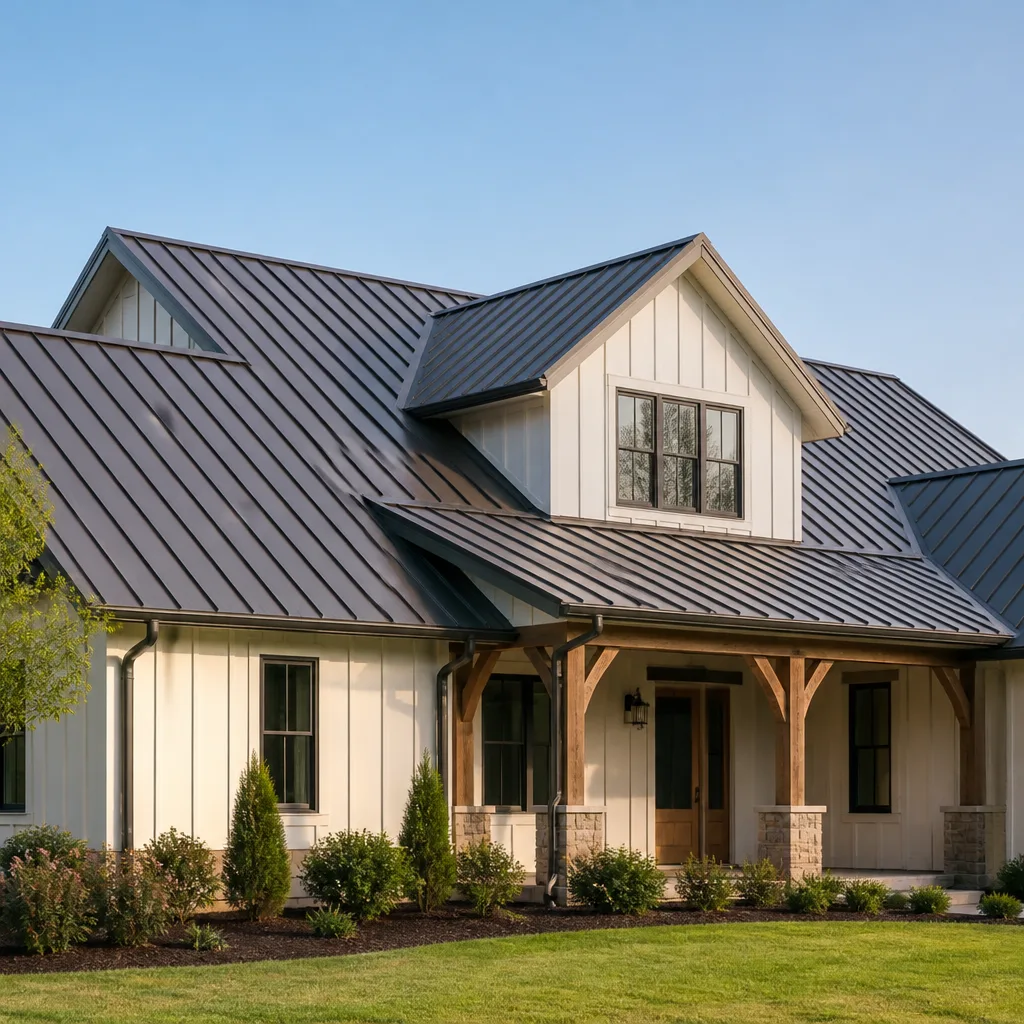
Standing Seam Metal Roof in Long Beach
A standing seam metal roof in Long Beach is a stronger choice than most homeowners realize, especially on the flat and low-slope sections of Spanish Colonial Revival homes. Metal handles salt air far better than asphalt, sheds port particulate instead of holding it, and the raised seams lock panels together so marine-layer moisture cannot wick underneath. The catch is the upfront cost.
Standing seam metal installation in Long Beach starts around $22,000 and runs past $30,000 depending on roof complexity, panel gauge, and how much of the old decking needs replacing. It costs more than shingles, but the lifespan is two to three times longer, and on a coastal home with chronic moisture exposure, it can be the last roof you install on that house.
Low-Slope and Flat Sections
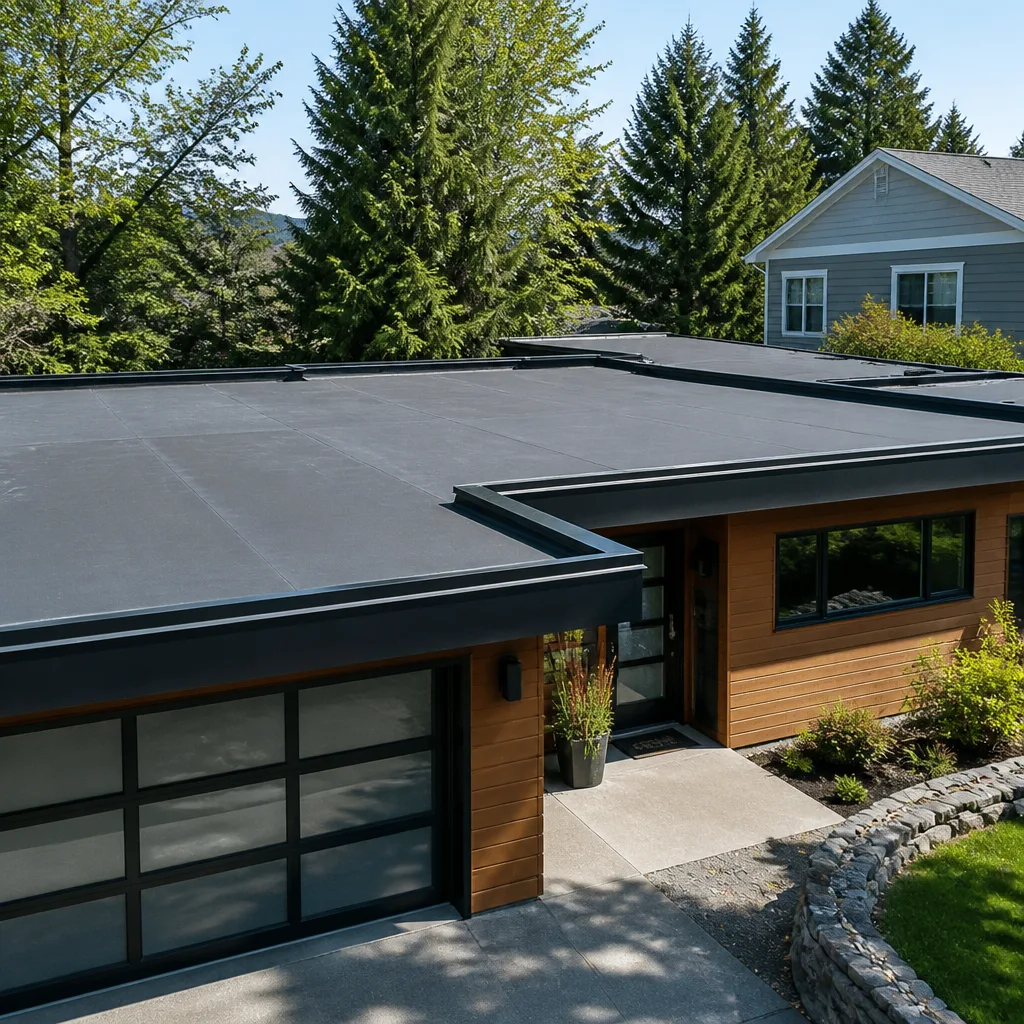
Long Beach’s 1930s Spanish Colonials almost always have a flat or low-slope section over the front porch, the rear addition, or a sunroom. Standing seam metal, properly installed with the right seam height and flashing detail, solves the leaking that has plagued those sections for nine decades. This is where we see the biggest improvement after a metal upgrade.
Coastal Corrosion Resistance
The same zinc and aluminum coatings that make standing seam panels last 40 to 60 years inland are what protect them from the corrosive salt and port particulate load in West Long Beach. We stock panels from Atlas and Tamko, and we can get most Long Beach orders measured, fabricated, and installed within a two-week window.
Trusted Brands We Service in Long Beach
Mercer Roofing installs and repairs Roof Installation systems using manufacturer-recognized shingle brands including GAF, CertainTeed, Owens Corning, IKO, Atlas, Tamko, and Boral. For Long Beach specifically, we most often work with GAF architectural shingles, Atlas metal panels, and Tamko products because they hold up well against the combined coastal moisture and port particulate exposure. We keep common flashing, underlayment, and ridge cap stock ready for Long Beach jobs, which shortens turnaround when you are mid-project and a second material run would stall the crew. If you have a preferred brand or your HOA specifies one, tell us at the estimate and we will spec it into the written scope.
Common Roof Installation Problems We See in Long Beach Homes
Opening up an older Long Beach roof is not like opening a roof in Lakewood or Signal Hill. The housing stock is older, the air is saltier east of the port, and the 1933 rebuild created a specific set of recurring problems. Here is what we see most often when we tear off a roof in Long Beach:
- Port particulate on north-facing slopes and ridge caps. West Long Beach and the Westside sit directly downwind of the Port of Long Beach, and the diesel cargo dust settles as a gritty black film that stains shingles and scrapes granules off. The same roof that would last 25 years in Lakewood can fail at 15 or 18 here if the particulate load is heavy and the slopes hold it.
- Under-flashed Spanish Colonial flat sections. The original clay tile roofs from the 1930s rebuild were often installed with a flat section transition that was never properly flashed. Marine-layer dampness gets trapped at that seam, wicks into the decking, and rots it from underneath. The tile can look fine from the street while the structure underneath is soft.
- Rotted decking and framing uncovered at tear-off. On roughly half the 1930s and 1940s Long Beach homes we open, the decking in valleys and around penetrations has moisture damage that was hidden by the old roof. This is the single biggest reason a roof replacement quote moves. We handle it by inspecting first, writing allowances into the contract, and getting your written approval before we replace anything beyond the original scope.
- Code upgrades triggered by the permit. Long Beach’s building code requires current strapping, ventilation, and underlayment standards once you tear off and reinstall a roof system. That means your 1950s Wrigley home may need additional strapping or eave ventilation that did not exist when it was built. We factor those into the estimate up front so the permit inspection does not surprise you.
Pricing for Roof Installation in Long Beach, CA
A full roof installation in Long Beach runs between $11,000 and $28,000 for most single-family homes. Architectural shingle tear-offs land around $14,000 to $19,000. Standing seam metal runs $22,000 to $35,000 depending on material and roof shape. What moves the number: decking repair found after tear-off, flat-section re-flashing on Spanish Colonials, port particulate damage that requires additional surface prep, and code-required strapping or ventilation upgrades. We give you a written price before we start, and every change beyond that scope gets priced and approved in writing before we touch it. No change orders, no surprise line items. Call (743) 200-8347 for a free estimate in Long Beach, and we will walk the roof with you and explain what we are seeing in plain English.
We Also Serve Cities Near Long Beach
Our crews serve Long Beach and the surrounding communities, including Signal Hill, Carson, Seal Beach, and Lakewood. If you live just outside Long Beach proper and need roof installation, call (743) 200-8347 and we will confirm service for your street. The port particulate issue is strongest in Long Beach itself, but the same quality standard and written pricing applies everywhere we work.
Serving Long Beach, CA - Our Local Coverage Area
We’re based in the Long Beach area and know this community well. Use the map below to see our service coverage - if you’re nearby, we can almost certainly help.
FAQs About Roof Installation in Long Beach
West Long Beach sits directly downwind of the Port of Long Beach, where diesel exhaust and cargo dust settle onto roof surfaces as a gritty black particulate. That particulate stains ridge caps and north-facing slopes and accelerates granule loss on asphalt shingles, often cutting 5 to 10 years off the rated lifespan. Lakewood and Signal Hill are a few miles inland and outside the direct particulate plume, so the same shingle can hit its full rated life there. Call (743) 200-8347 and we can inspect your roof for particulate staining and tell you what you are working with.
We stop, document it, and bring you onto the roof or show you photos before we proceed. Your contract includes an allowance for decking replacement, and if we find damage beyond that amount, you get a written change order with a specific price and you approve it before we touch anything. The same applies to outdated wiring or strapping that the permit inspection requires. Nothing beyond the original written scope gets done without your signed approval.
The original flat-section transitions on 1930s Long Beach rebuild homes were rarely flashed properly, which means marine-layer moisture gets trapped at the seam where the flat section meets the pitched clay tile. That moisture wicks into the decking and framing, and the leak you see inside is usually the last symptom, not the first. We replace the rotted decking, install new flashing and underlayment at the transition, and in many cases convert that section to standing seam metal so it stops leaking permanently. Call (743) 200-8347 for an estimate on a proper flat-section repair.
Port particulates act like sandpaper on shingle granules. The dust settles on north-facing slopes, holds moisture, and slowly grinds the protective granule layer off the asphalt beneath. Once granules are gone, UV breaks the shingle down fast. You cannot stop the particulate from settling, but you can choose architectural shingles with thicker granule embedment, improve attic ventilation so slopes dry faster, and have us inspect ridges and north slopes every few years. A preventive maintenance visit is cheaper than a full roof five years early.
Many can be repaired if the decking underneath is still sound, but the 1933 rebuild cohort is now 85 to 90 years old, and a significant share of those roofs have reached end-of-life. Clay tile can last a century, but the underlayment beneath it does not, and the built-up flat roofs from that era typically fail after 25 to 30 years. If the decking is soft or the underlayment is gone, we recommend a full replacement rather than another patch. The repair-versus-replacement decision is always written up with photos and a price so you can make an informed call.
Written by Grant Whitlock, Owner at Mercer Roofing, serving Long Beach since 2000. Mercer Roofing is part of the Threshold Group family; each location is independently owned and operated and held to the Threshold Verified standard.