
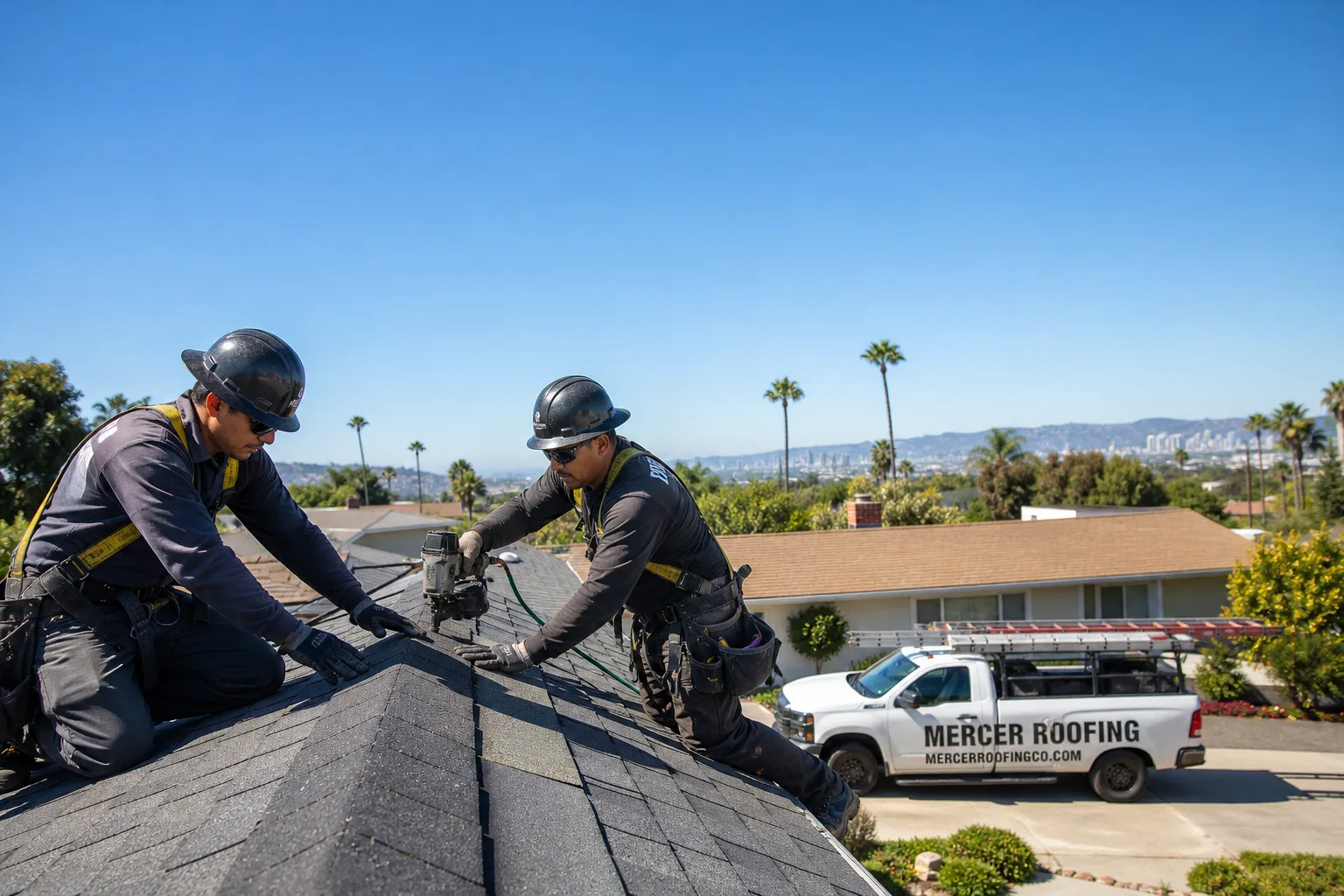
Free roof inspection with deck photos before we talk money - GAF and Owens Corning certified installation
 Before
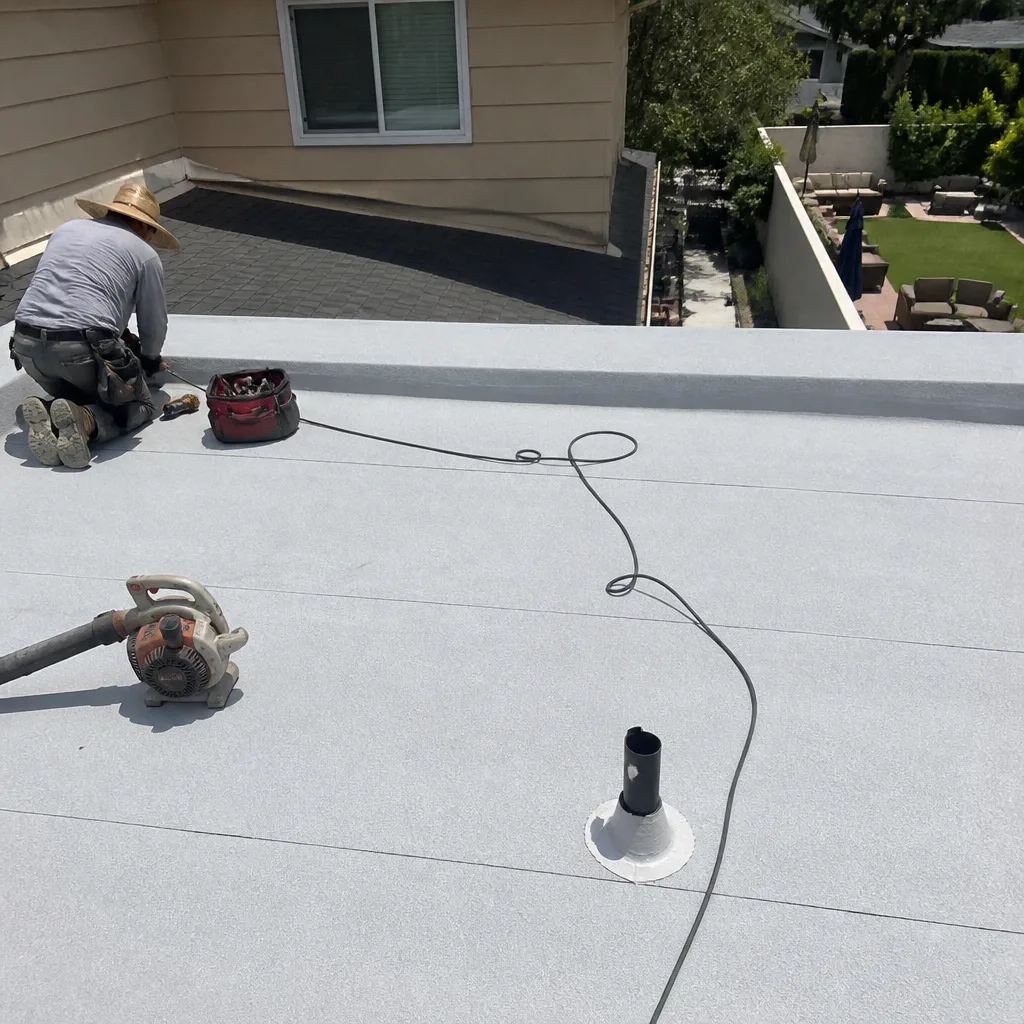 After
After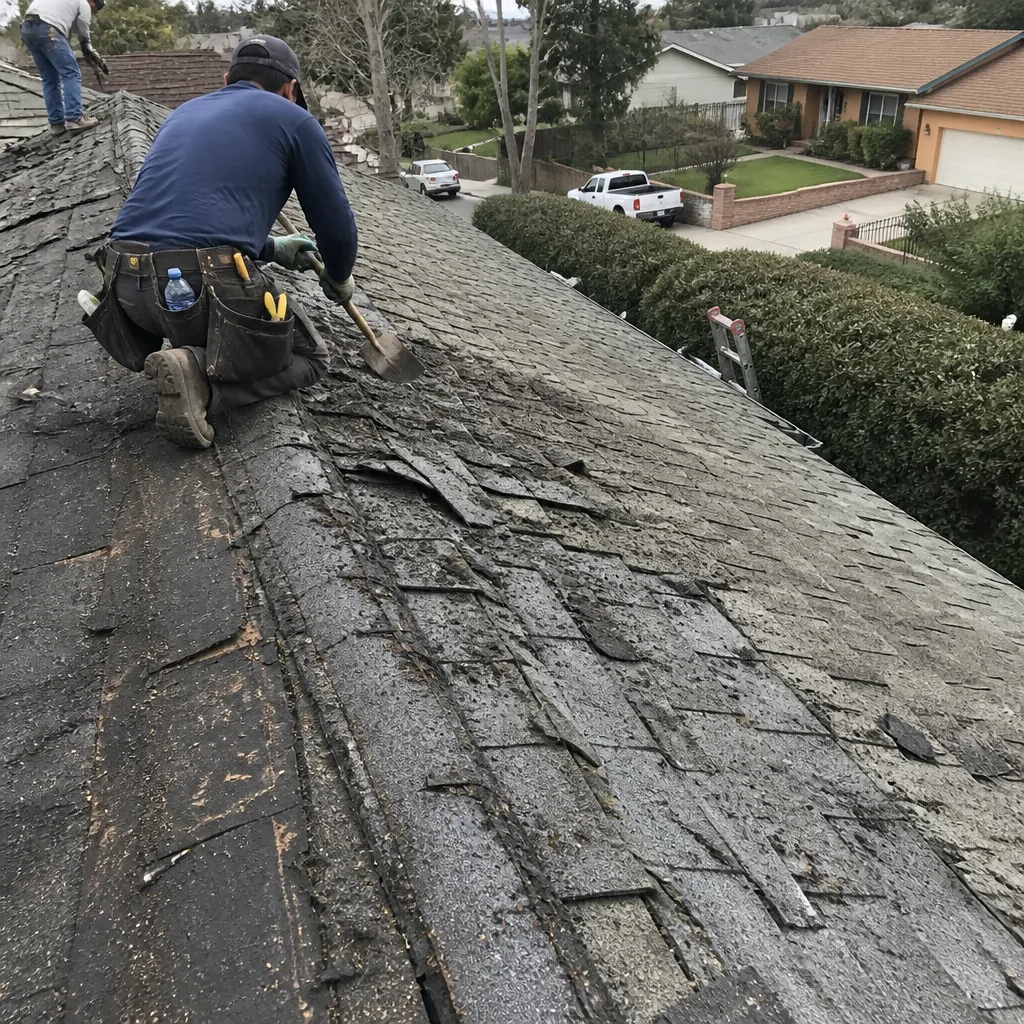 Before
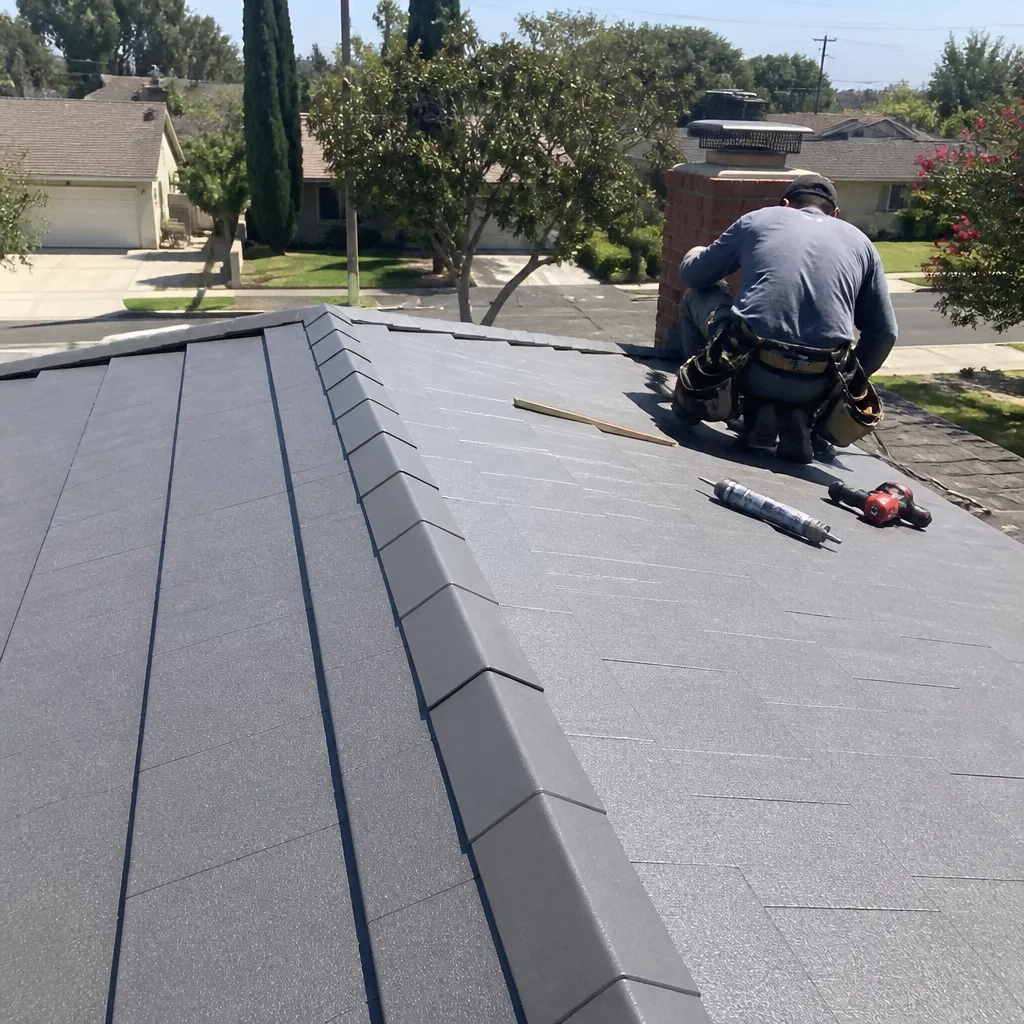 After
After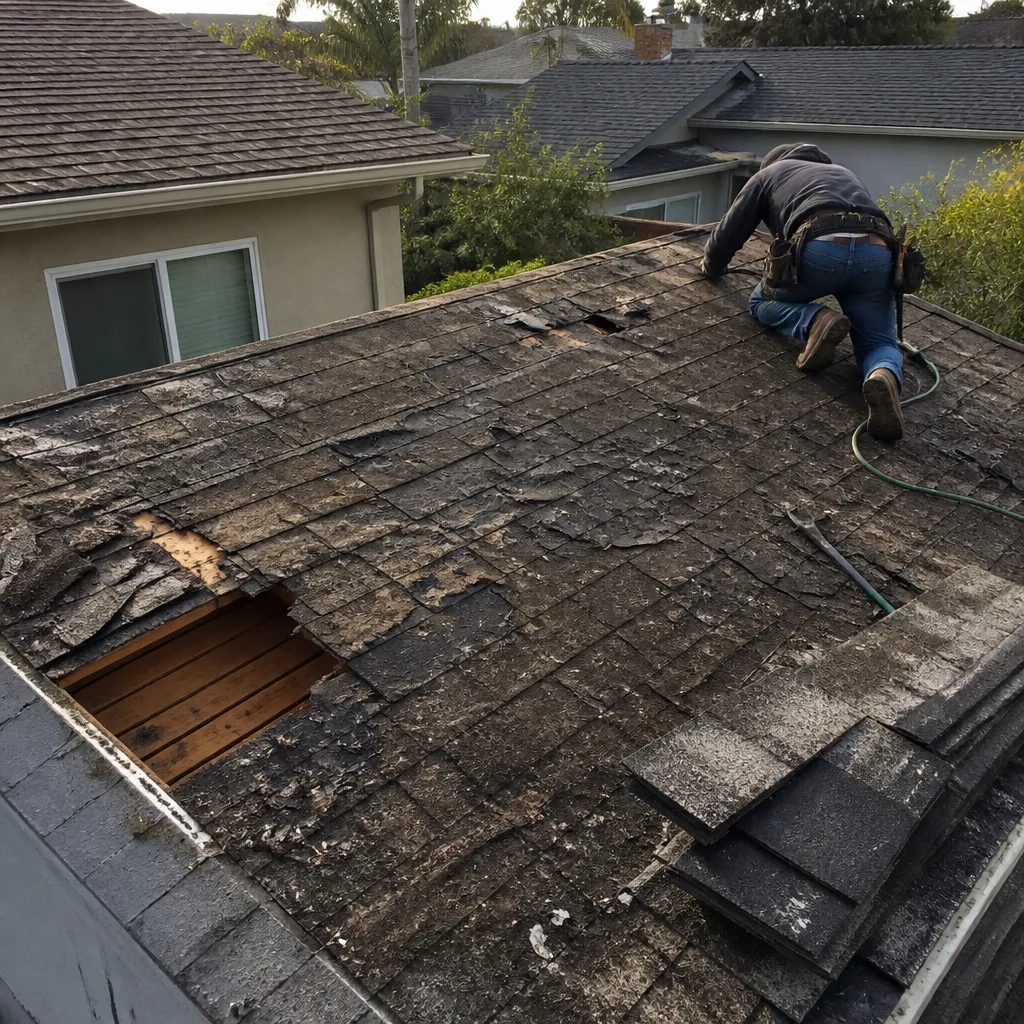 Before
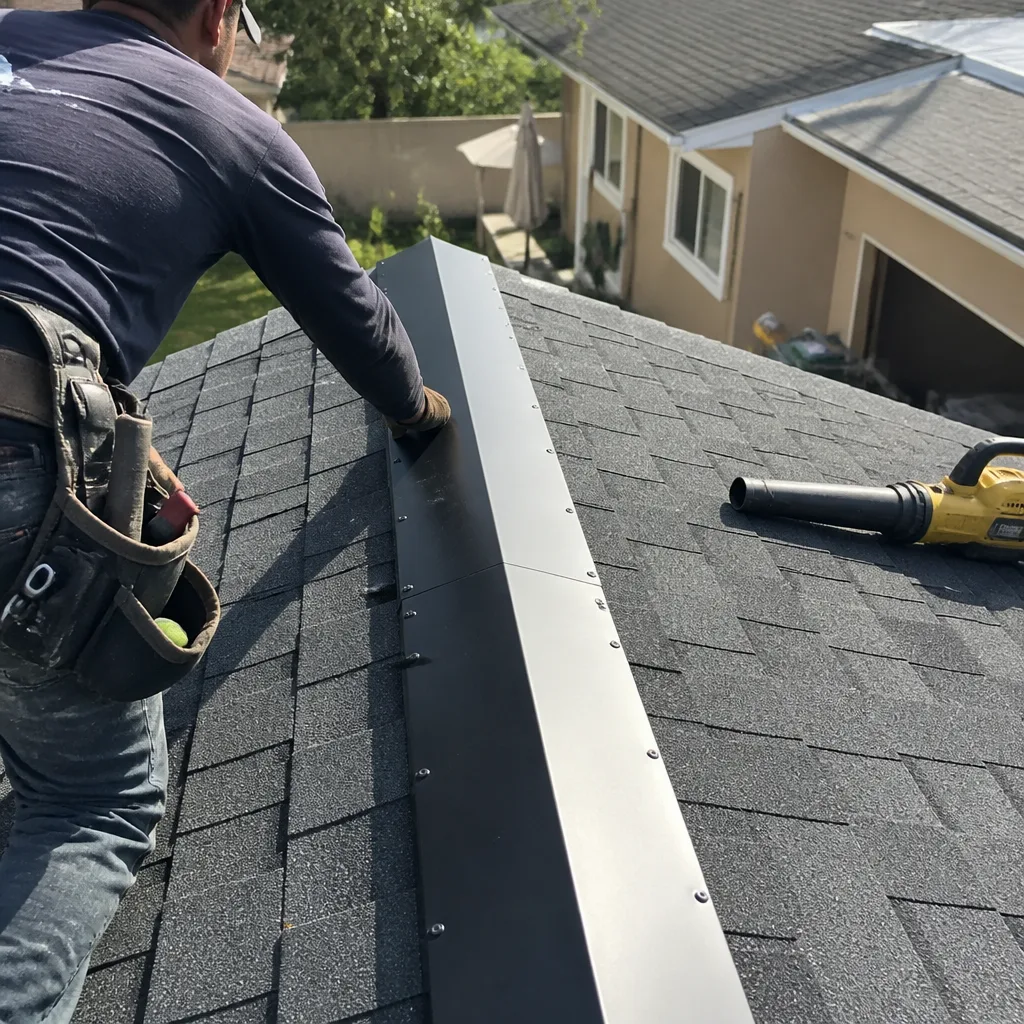 After
AfterFast, Reliable Roof Installation Across Mill Valley
A full roof installation in Mill Valley typically runs $18,000 to $42,000 for architectural shingles on an average 2,200-square-foot home, with standing seam metal landing between $38,000 and $68,000 depending on pitch, decking condition, and canyon access. That’s the honest range before we set foot on the roof. Mercer Roofing has been replacing and installing roofs across Marin since 2000, and we know Mill Valley’s canyon streets, fog-soaked hillsides, and fire-code requirements better than most. If you’re weighing a re-roof on a wood-shake home in Blithedale Canyon or a new metal roof off Cascade Drive, call (743) 200-8347 for a free estimate from Grant Whitlock and our Mill Valley crew.
Why Mercer Roofing Is Mill Valley’s Preferred Roof Installation Company
Mill Valley homeowners don’t just want a roof that sheds water. They want a roofing crew they can trust at the front door, on the property, and around the family. That’s the problem we built Mercer Roofing to solve, starting with the Threshold Standard: every technician is background-checked, identity-verified, and dispatched in a clean uniform with a photo ID badge. Before your crew arrives, you get their name and photo sent to you. No stranger-at-the-door surprises.
We work the canyon neighborhoods here, Homestead Valley, Sycamore Park, and the steep lots above downtown, week in and week out. Mill Valley customers regularly mention two things in their feedback: the written price that arrives before any work starts, and the 365-Day Done Right Promise that says if the installation isn’t right within a year, we make it right. That guarantee covers every job we do, in writing, no fine print. Call (743) 200-8347 and a live person answers, day or night.
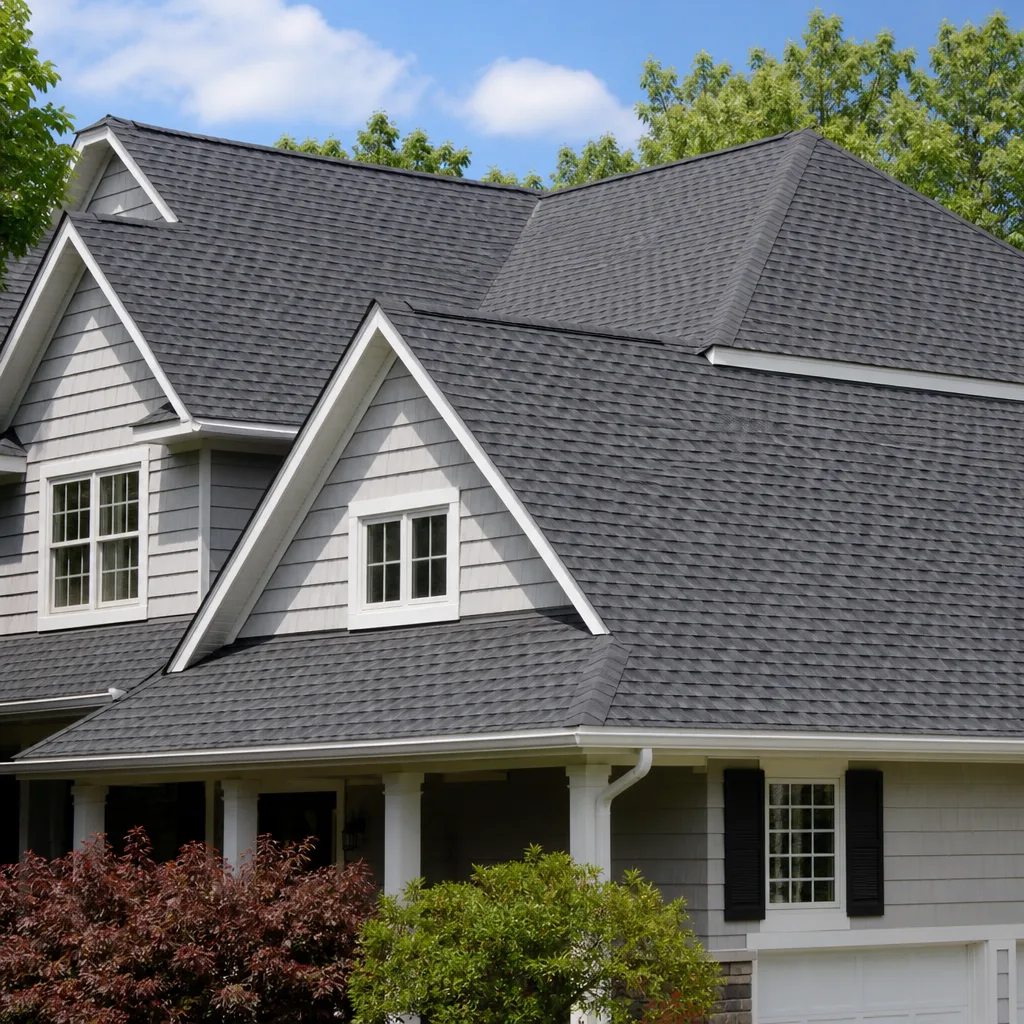
Shingle Roof in Mill Valley
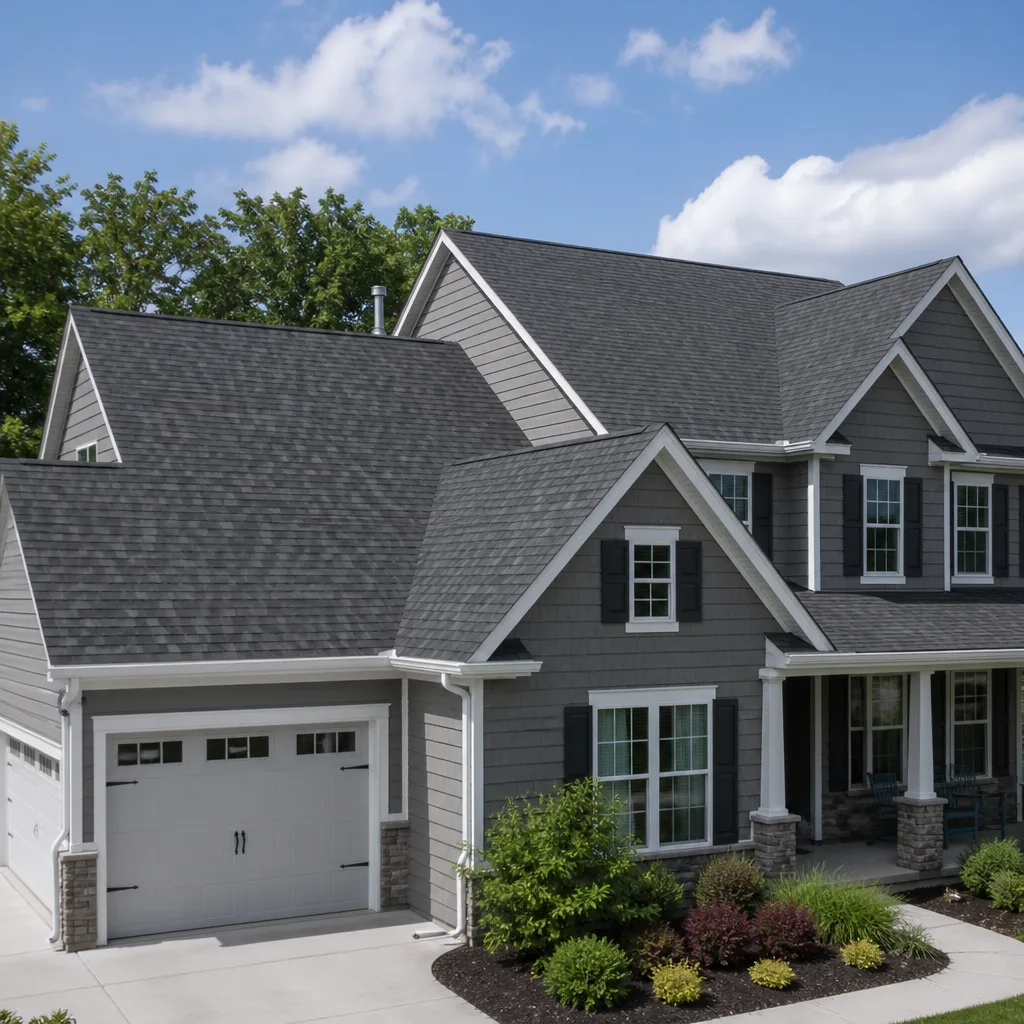
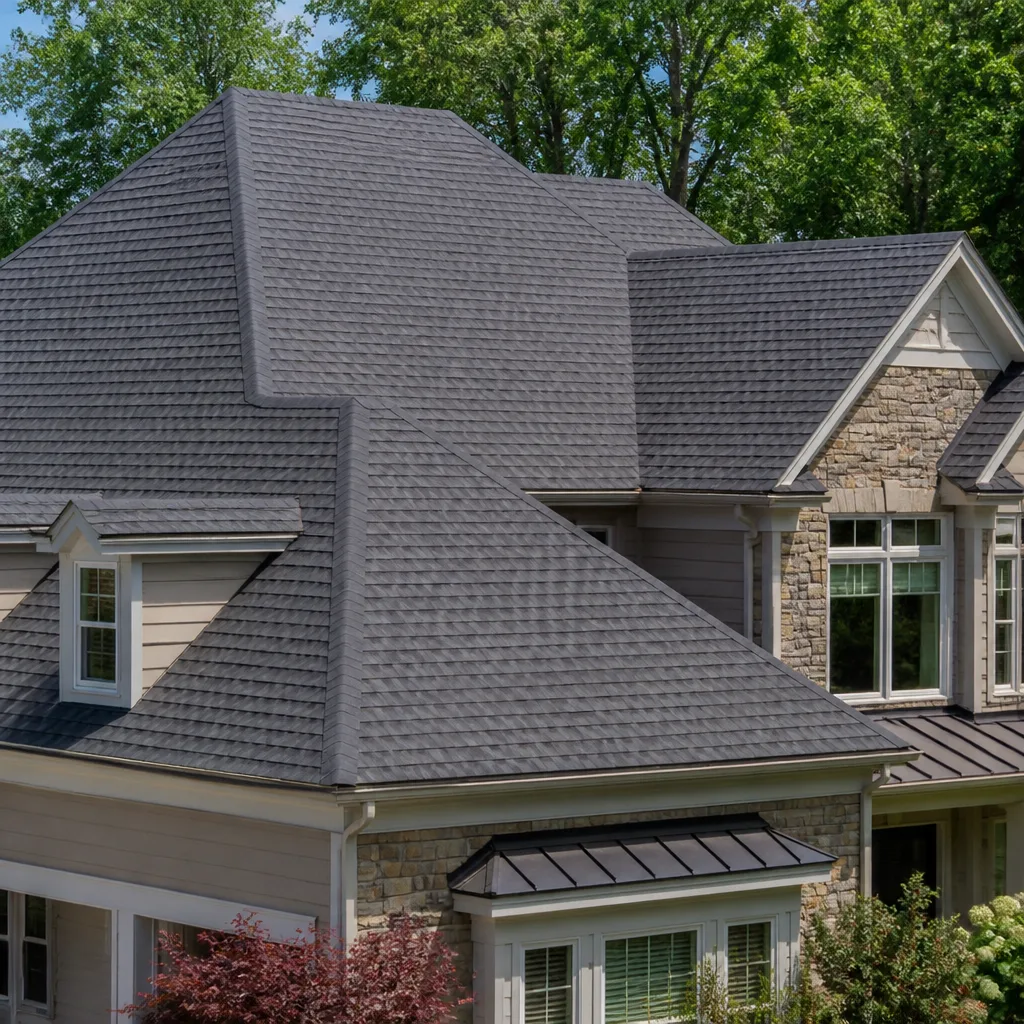
A shingle roof installation in Mill Valley is, for most homes, the right balance of fire resistance, cost, and curb appeal. Architectural asphalt shingles carry a Class A fire rating that meets California’s WUI Title 7A requirements in Mill Valley’s Very High Fire Hazard Severity Zone, while giving you a look that sits comfortably alongside the town’s Craftsman and cottage character. Expect to pay $18,000 to $42,000 for a full tear-off and shingle roof installation here, with the final number shaped by roof pitch, decking condition, and how many layers of old wood shake need to come off first.
What goes into a full shingle re-roof
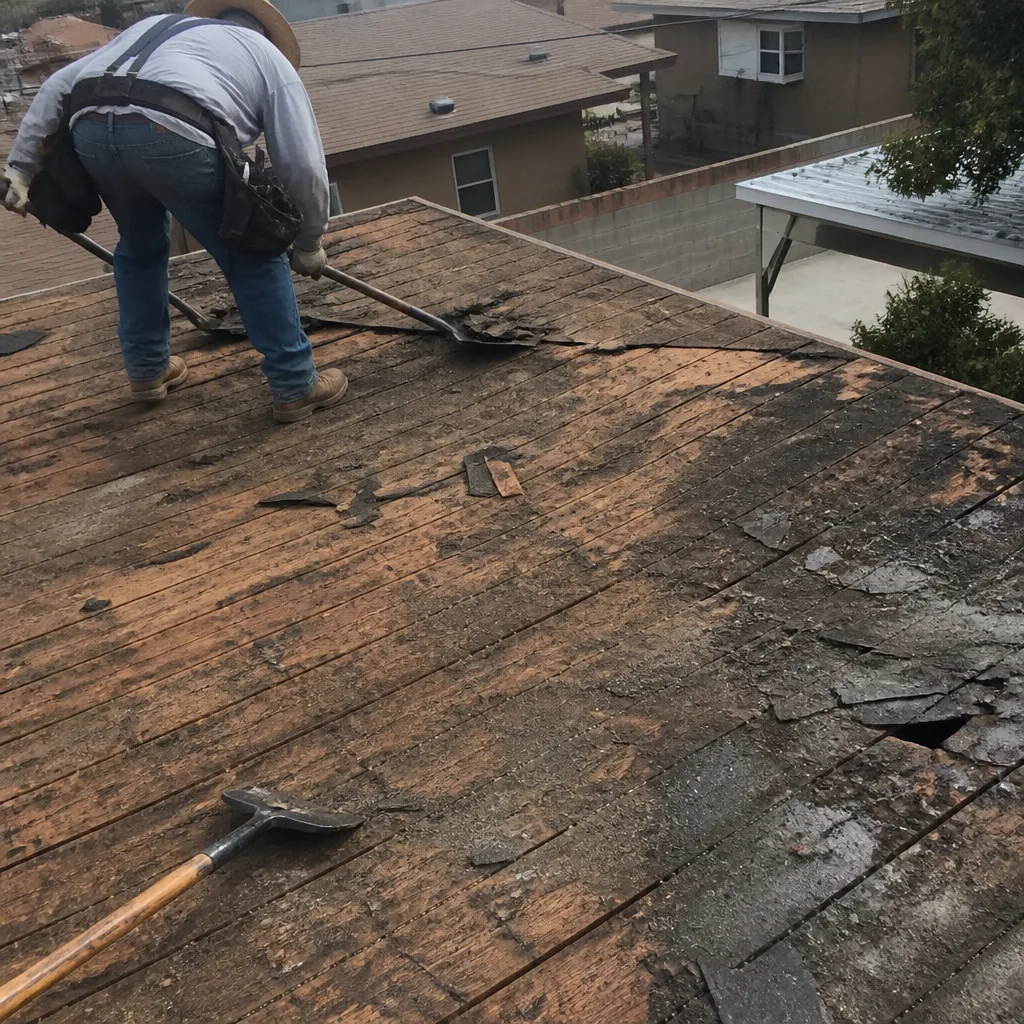
We start with a tear-off down to the sheathing, because Mill Valley’s older homes often hide rot under the old shingles, especially on north- and east-facing planes that catch fog drip from redwoods. Then it’s new underlayment, ice and water shield in valleys and along shared walls, starter strips, architectural shingles nailed to manufacturer wind specs, ridge vent, and drip edge. If the decking is soft, the quote includes the square-footage price for replacement before we begin, never as a surprise mid-job.
When to choose shingles over metal
Shingles make sense when you want the lowest installed cost, quicker turnaround, and a roof that matches the neighborhood’s original feel. They’re also easier to repair section-by-section later. For Mill Valley homes with complex multi-pitched roofs over additions and dormers, shingles often handle the geometry more gracefully than standing seam panels.
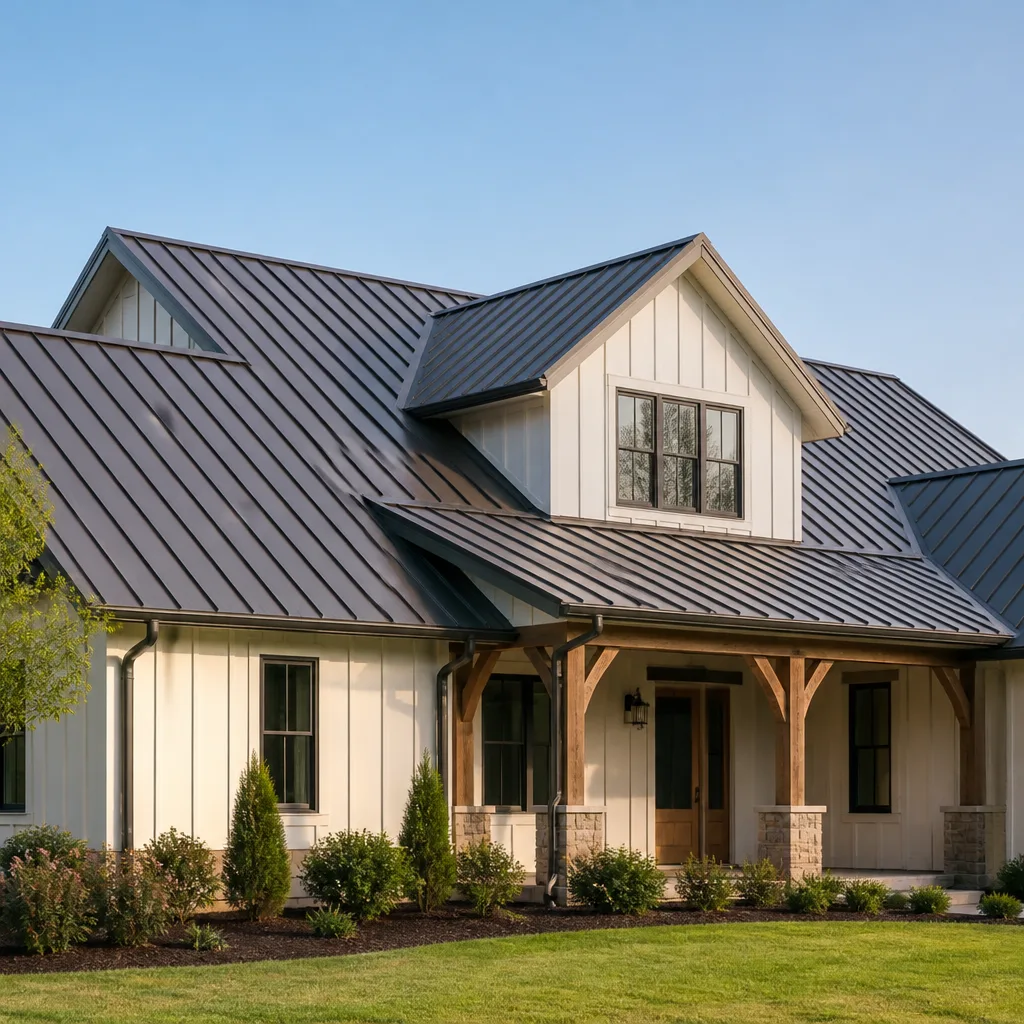
Standing Seam Metal Roof in Mill Valley
A standing seam metal roof installation in Mill Valley is the strongest answer to the fire zone, the fog, and the redwood litter that makes this town’s roofline work harder than most. Metal carries the highest Class A fire rating, won’t absorb moisture from fog or hold moss the way shakes and even shingles can, and sheds redwood duff quickly when roof slopes allow. A standing seam roof here typically runs $38,000 to $68,000, with canyon lot access and roof pitch having real influence on that number.
Why metal earns its cost in the canyons
The hidden benefit in Mill Valley is longevity. A standing seam roof can last 50 years or more, which means fewer re-roofs, fewer permit cycles, less disruption to neighbors on tight lots. For owners in Cascade Canyon or Blithedale Canyon who are tired of the moss-scrape-and-treat routine every other year, metal eliminates that maintenance cycle altogether.
Metal panels on steep, wooded slopes
Standing seam panels come in 16-inch and 18-inch widths, which helps when staging material up a narrow driveway or around a hillside home with no real laydown yard. The panels can be cut to length off-site, so we’re not wrestling 20-foot sheets around your neighbor’s parked cars. That planning matters on Mill Valley streets where a material truck can’t always turn around.
Trusted Brands We Service in Mill Valley
Mercer Roofing installs shingle and metal systems from brands we trust to hold up in Marin’s damp, fire-prone environment: GAF, CertainTeed, Owens Corning, Atlas, and Tamko for shingles, plus standing seam from manufacturers whose panels meet Class A fire requirements. We keep common accessories and flashing profiles stocked locally so a Mill Valley job doesn’t stall over a missing ridge cap or drip edge. When you call (743) 200-8347 for an estimate, we’ll spec the brand and product line that fits your roof’s pitch, your canyon exposure, and your budget, in writing.
Common Roof Installation Problems We See in Mill Valley Homes
- WUI Title 7A compliance surprises. Mill Valley sits inside Cal Fire’s Very High Fire Hazard Severity Zone, so any re-roof must use Class A fire-rated materials. Homeowners who put a Class B or non-rated product on a wood-decked roof can face a forced tear-off and re-inspection, and that’s an expensive redo no one wants to explain to a building inspector.
- Redwood duff rotting decking from the top down. Fine needles and bark flakes pack into valleys and behind chimneys, hold fog moisture, and quietly soften plywood and skip sheathing. We find this on nearly every older Mill Valley tear-off, especially on north- and east-facing planes shaded by mature redwoods.
- Tight canyon staging that breaks flatland budgets. Narrow streets, steep driveways, and shared walls mean material can’t just be dropped in a wide driveway. Without a staging plan, the job spends extra hours hand-carrying bundles, and that labor shows up in the final invoice if it wasn’t priced upfront.
- Old wood-shake decks that need full replacement. A 1920s Craftsman in Sycamore Park may have original 1×6 skip sheathing under the shakes. That sheathing often can’t support modern shingle nailing patterns to wind code, so the deck itself needs sheathing over or replacing, a line item that belongs in the quote from day one.
Pricing for Roof Installation in Mill Valley, CA
Here’s the honest shape of Mill Valley roofing costs. A full shingle roof installation on a typical 1,800 to 2,400-square-foot home runs $18,000 to $42,000. Standing seam metal runs $38,000 to $68,000. What moves the needle: roof pitch (steep canyon roofs cost more in labor and safety), decking condition (older shake roofs almost always need sheathing work), access and staging, and whether your roof has dormers, valleys, or unusual geometry. Every Mercer Roofing estimate is a written line-item price before any work starts, and it doesn’t change unless you change the scope. Call (743) 200-8347 for your free estimate.
We Also Serve Cities Near Mill Valley
Our crews cover Mill Valley and the surrounding Marin communities, including Corte Madera, Larkspur, Sausalito, and Kentfield. If you’re just over the hill or down near the bay, reach out about Roof Installation and we’ll schedule a site visit. For homeowners in Mill Valley proper, we’re on the canyon streets weekly.
Serving Mill Valley, CA - Our Local Coverage Area
We’re based in the Mill Valley area and know this community well. Use the map below to see our service coverage - if you’re nearby, we can almost certainly help.
FAQs About Roof Installation in Mill Valley
If you’re only repairing a roof, you can generally keep the same materials in place. But the moment a re-roof happens in Mill Valley’s Very High Fire Hazard Severity Zone, California’s WUI Title 7A requires you to move to a Class A fire-rated assembly, which wood shake and redwood shingle cannot meet without prohibitively expensive treatments. So yes, a full replacement means transitioning to architectural shingles, standing seam metal, or another Class A system. We walk every Mill Valley homeowner through the compliance requirement before we quote, so there’s no surprise at the permit counter. Call (743) 200-8347 to talk through what your roof can support.
Fog and canopy shade mean your roof stays damp longer, so we prioritize moisture-resistant materials, proper ventilation, and underlayment that can handle persistent humidity. Standing seam metal resists moss and algae better than any shingle product, and if you choose shingles, we spec algae-resistant lines and add ridge venting to move damp air out of the attic space. The redwood duff issue is real here, too: we recommend gutter guards and an annual cleanout schedule for every Mill Valley roof we install, because duff will rot a new roof from the valley upward if it’s left to collect.
One square equals 100 square feet of roof area, which is the standard unit roofers use to price material and labor. In Mill Valley, the square count often surprises homeowners because canyon roofs have multiple pitches, dormers, and overhangs that add surface area beyond the home’s footprint. A 2,000-square-foot ranch with a simple gable might be 24 squares, while a 2,000-square-foot Mill Valley hillside home with three roof levels could be 34 squares. That difference drives real money, and it’s exactly why we walk each roof plane with a measuring wheel instead of quoting from satellite imagery or a square-footage guess.
California doesn’t require a formal notice, but on Mill Valley’s tight lots and shared walls, notifying neighbors is the difference between a smooth job and a standoff. We coordinate a 24-hour heads-up with any adjoining homeowner, explain the work hours we’ll keep, and confirm where our material staging won’t block a driveway or access path. For homes with party walls, we also take care to protect the shared plane during tear-off and underlayment so no debris ends up on the other side. It costs us an hour of coordination and it keeps a five-figure project from turning into a neighbor dispute.
Access is a line item in any honest Mill Valley quote, not an afterthought. If our material truck can’t turn around on your street or your driveway won’t take a forklift, we hand-carry bundles to a staging area, and that labor is priced upfront. On steep lots, we may stage material at the street in a single morning drop to respect parking, then move bundles up by hand or with a tracked carrier. That planning is part of the written price, so you’re not absorbing a “difficult access” upcharge mid-job. Call (743) 200-8347 and we’ll come measure your site before quoting.
Typical scheduling from signed contract to tear-off is two to four weeks, depending on permit turnaround from the Mill Valley building department and material lead times. We don’t promise next-day roof installations; that’s not honest for permitted work. What we do promise is a confirmed start date once your permit is approved, and a written schedule before we begin. Grant Whitlock personally reviews every Mill Valley project schedule before it goes to the crew.
Yes. The 365-Day Done Right Promise is included on every Mercer Roofing installation in Mill Valley, in writing, with no conditions beyond notifying us of the issue within one year of completion. If the installation wasn’t done right, we make it right at no additional cost. It’s not a warranty card in a drawer; it’s a written guarantee on your job file. For exact terms on your roof, call (743) 200-8347 and we’ll send you a sample.
Written by Grant Whitlock, Owner at Mercer Roofing, serving Mill Valley and Marin County since 2000.