
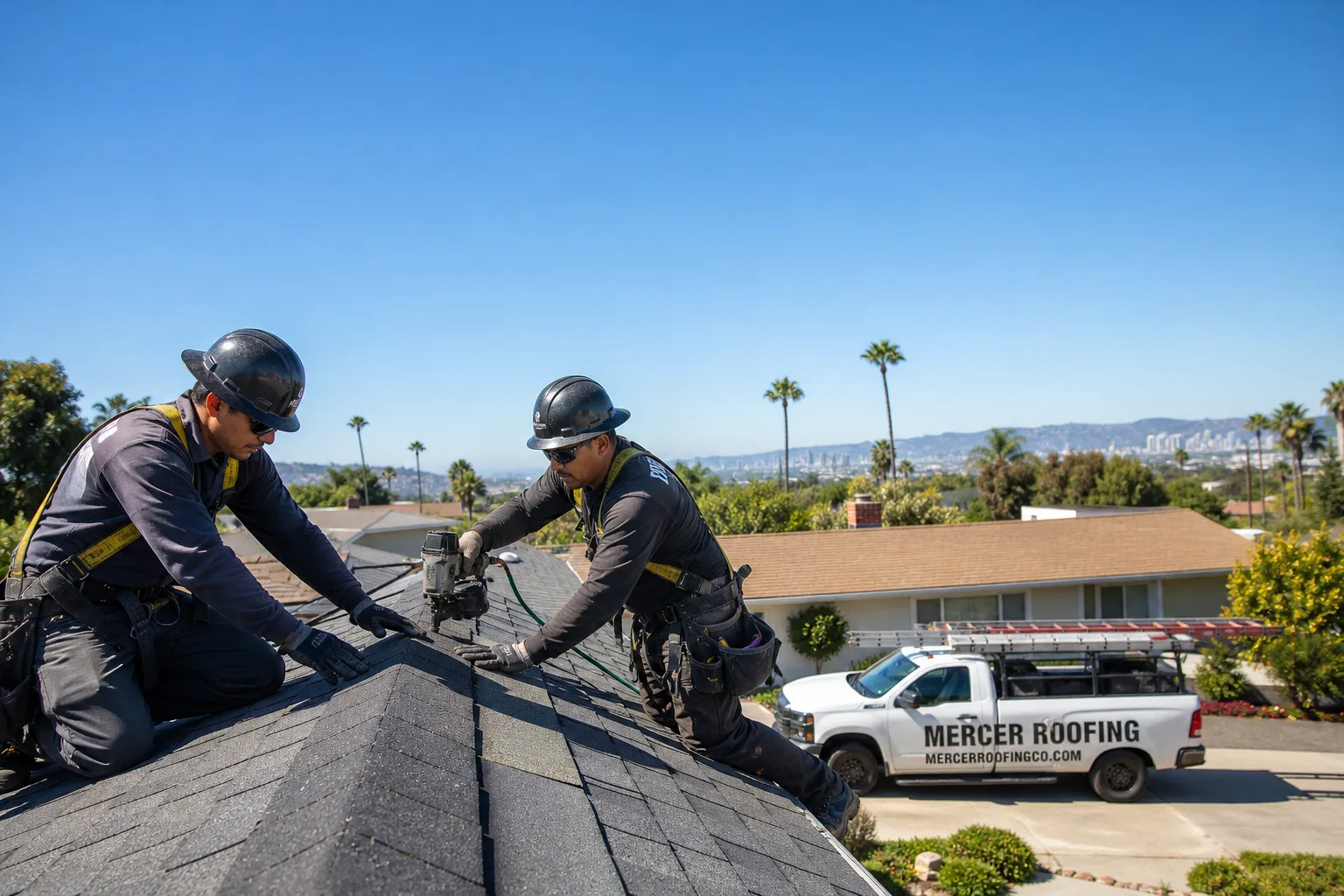
Free roof inspection with deck photos before we talk money - GAF and Owens Corning certified installation

 Before
 After
After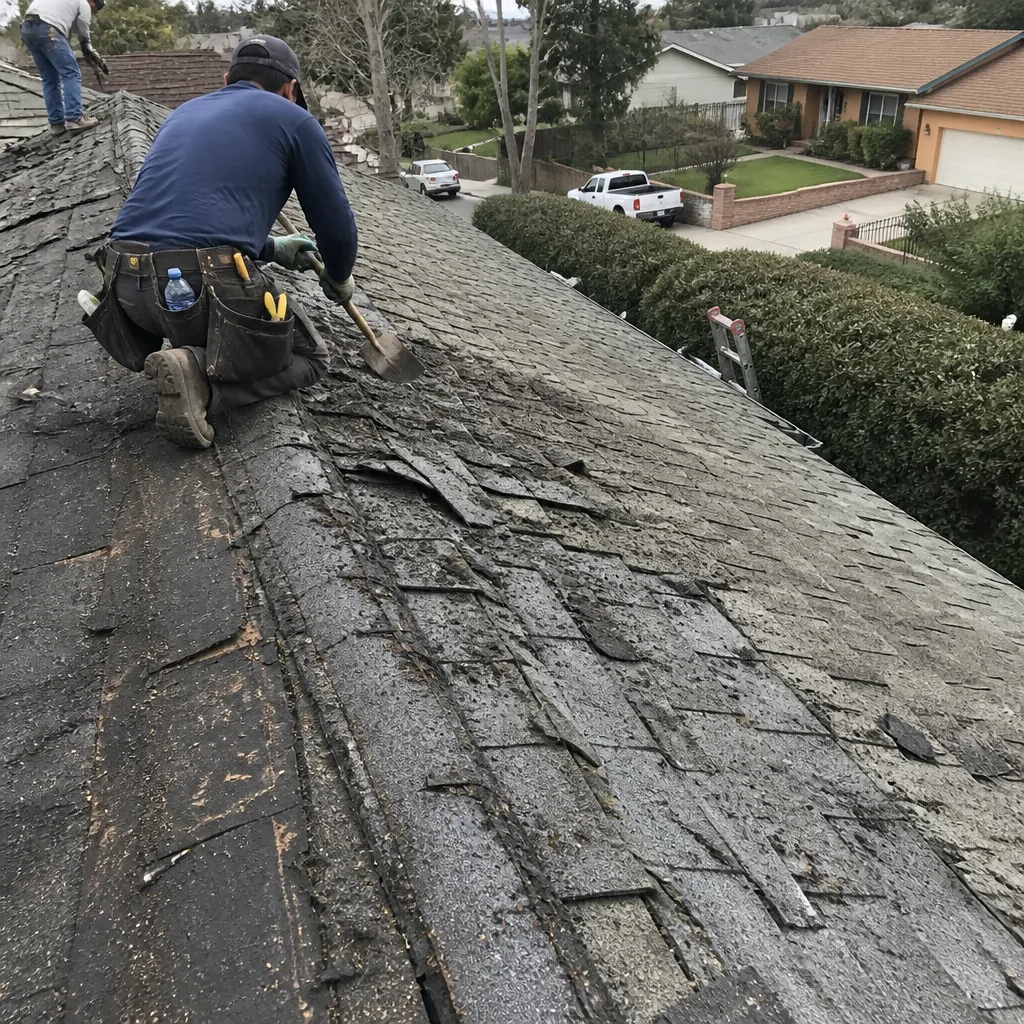 Before
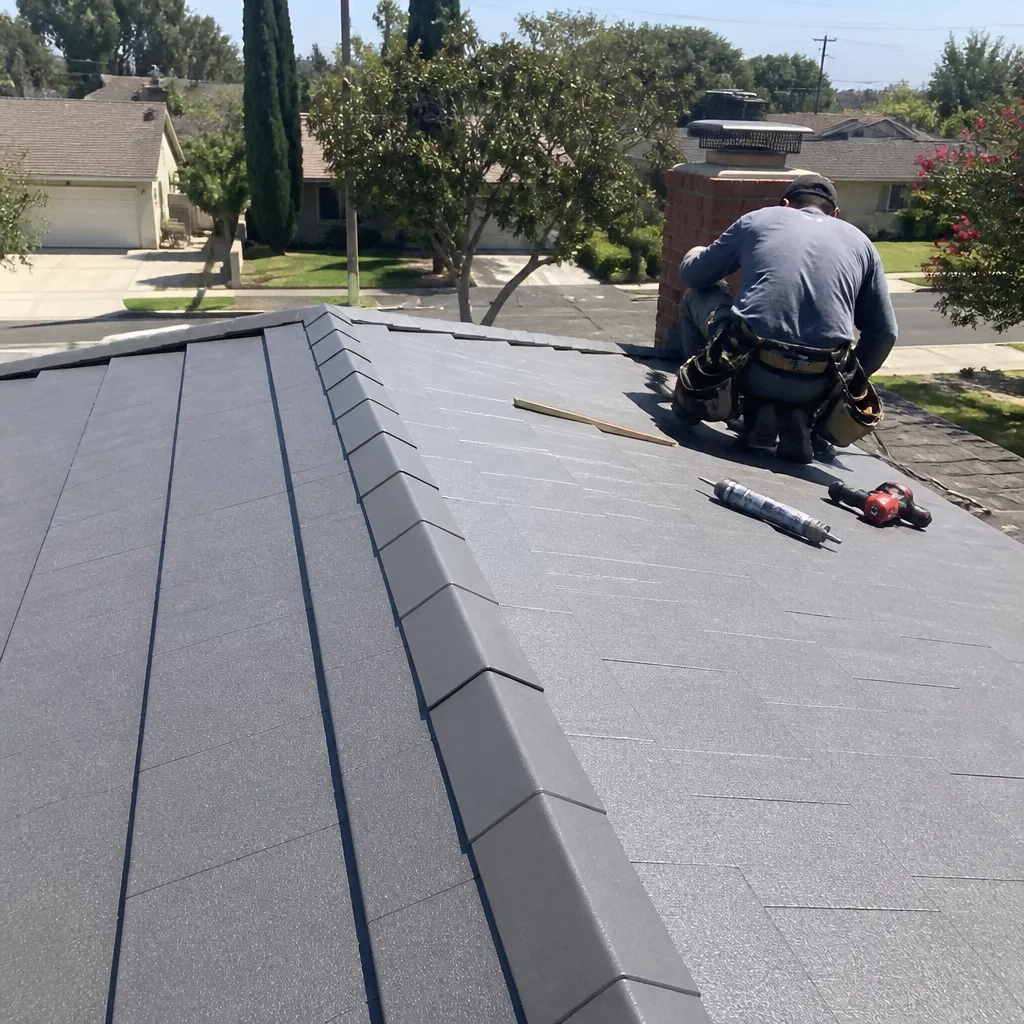 After
After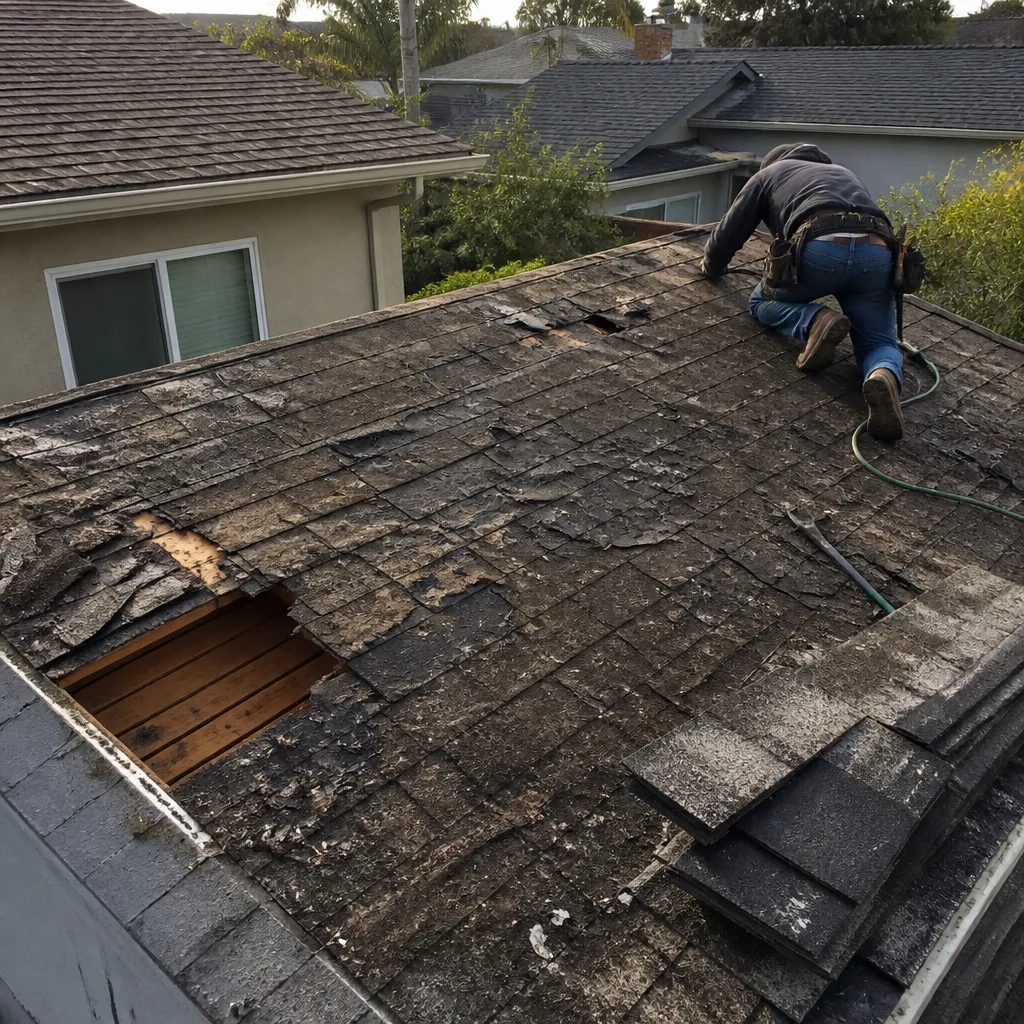 Before
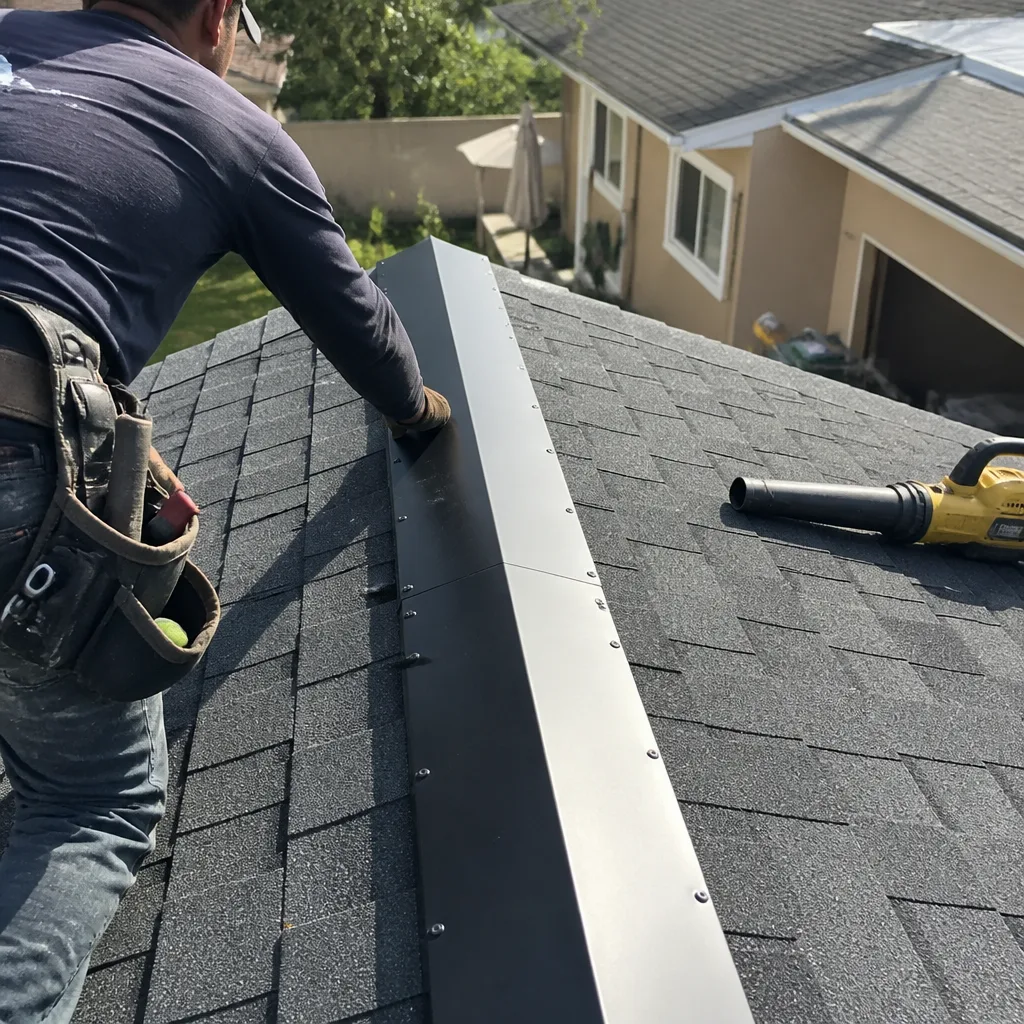 After
AfterFast, Reliable Roof Installation Across San Bruno
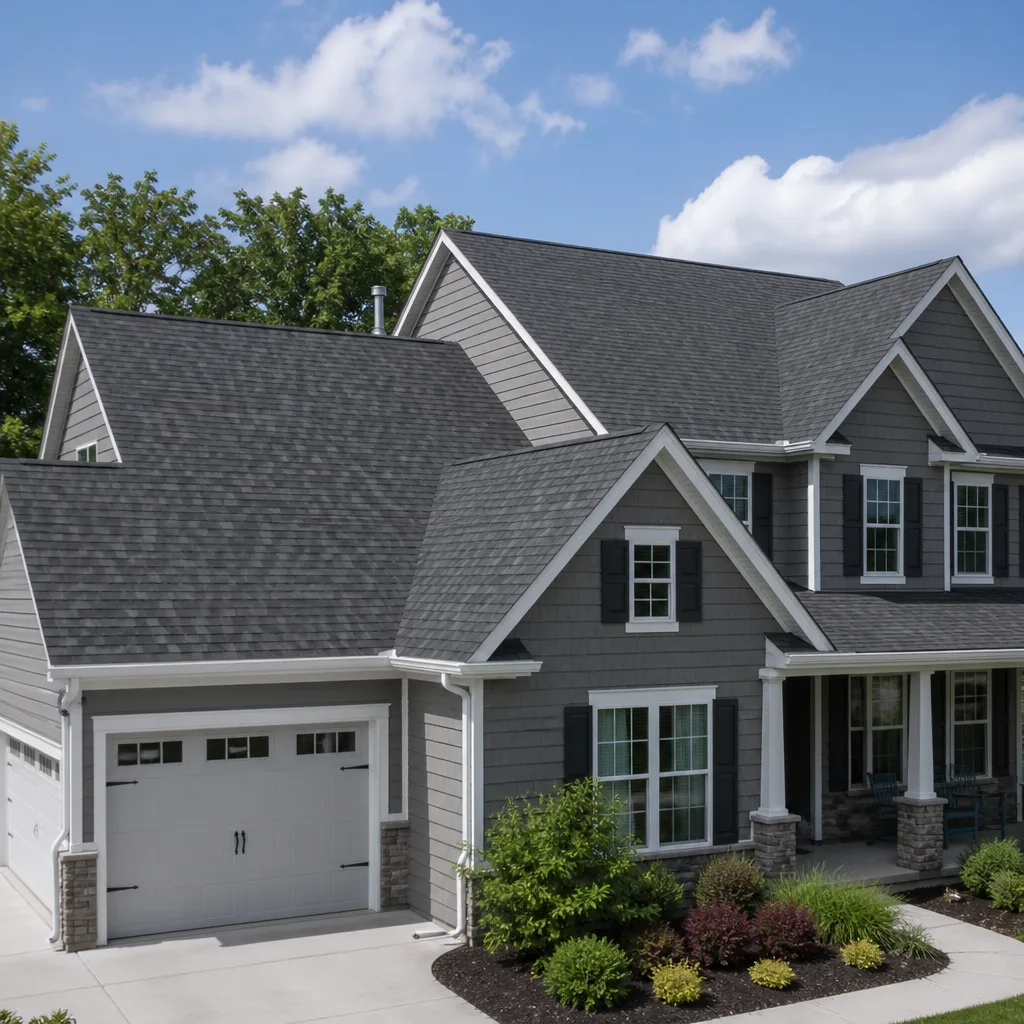
A full roof installation in San Bruno typically runs between $14,500 and $28,000 for a standard composition shingle roof on a postwar tract home, with standing seam metal running $32,000 to $58,000 and tile coming in at $28,000 to $52,000. The single biggest variable here isn’t square footage. It’s which way your roof faces. Homes in the San Bruno Gap take a beating on their north- and west-facing planes that the rest of the Bay Area simply doesn’t experience, and a roof spec that ignores that fact will fail early on one side while looking fine on the other. We’ve been installing roofs in San Bruno long enough to read a house the way a mechanic reads an engine: we look at the slope, the exposure, the fastener corrosion, and the deck moisture before we ever quote a number.
If you’re starting to research roof installation in San Bruno, call us at (743) 200-8347. Grant Whitlock leads our team, and he’ll walk you through exactly what your roof needs, what it costs, and who will be standing at your door.
Why Mercer Roofing Is San Bruno’s Preferred Roof Installation Company
Mercer Roofing has been installing and repairing roofs since 2000, and our Roof Installation crews know San Bruno’s housing stock better than most companies know their own hometown. The city is full of late-1940s through 1960s tract homes built fast for workers tied to SFO and the defense economy. Those homes have specific framing, specific roof pitches, and specific vulnerabilities that a crew from the East Bay or Marin simply won’t recognize until they’re already on the roof.
We send every technician’s name and photo to you before they arrive. When they knock, they’ll be in a clean, marked uniform with a photo ID badge. That’s the Threshold Standard, and it’s contractually required of every independently owned Threshold Group location. For San Bruno homeowners who are often home alone, or who have young kids, or who’ve had a bad experience with a stranger at the door, that’s the difference between dreading a roofing estimate and actually being able to relax while it happens.
Every San Bruno job starts with a written price. Not a verbal ballpark, not a “we’ll figure it out as we go.” A written line-item quote before a single nail is driven. And every installation carries our 365-Day Done Right Promise: if it’s not right within a year, we make it right. In writing.
Scheduling a roof installation in San Bruno means working around the marine layer, and we plan for that. Our crews know the fog pattern here, and we time tear-offs and adhesive work around the dry window you actually get in this city, not the one a generic roofing schedule assumes.
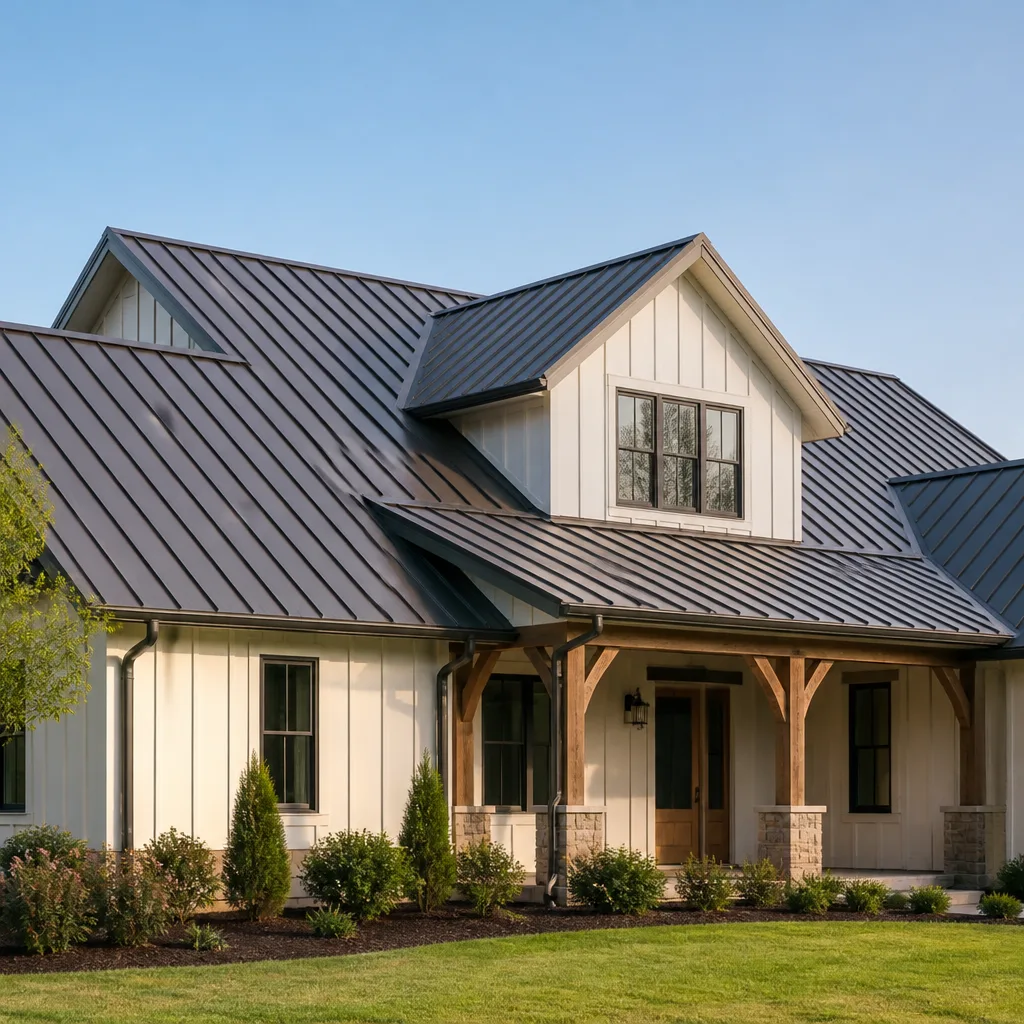
Standing Seam Metal Roof in San Bruno
A standing seam metal roof in San Bruno is the single best material answer to the San Bruno Gap’s wind and salt air, and it’s the roof we recommend most often to homeowners here who plan to stay in their house more than ten years. The vertical seams run continuously from ridge to eave, which means there are no horizontal joints for the Gap’s accelerated northwest winds to catch and pry up. In a city where ridge caps and hip shingles get lifted by wind-lift stress on exposed planes, a standing seam roof eliminates that failure mode almost entirely.
San Bruno homeowners choose standing seam metal when they’re done re-roofing the same windward plane every decade and want something that holds up to the marine layer’s persistent dampness without growing moss or losing granules. It costs more up front, but the math works out in the Gap.
Concealed Fasteners and Salt Air
Standing seam panels use concealed clips rather than exposed fasteners. That matters in San Bruno because the fog that pours through the Gap carries salt, and exposed fasteners corrode. With concealed clips, there’s no fastener head sitting in the weather, collecting salt and rusting through the panel. We also spec stainless clips and fasteners on any San Bruno coastal-exposure job, not electro-galvanized ones.
When Standing Seam Makes Sense Here
If your roof has multiple north- or west-facing planes above El Camino Real, or if you’re on a hillside where the wind hits your house hard in the afternoon, standing seam is worth the premium. A full standing seam installation in San Bruno runs $32,000 to $58,000 depending on roof complexity, panel gauge, and whether we’re tearing off one layer or two. The roof will outlast the rest of the house, and that’s the point.
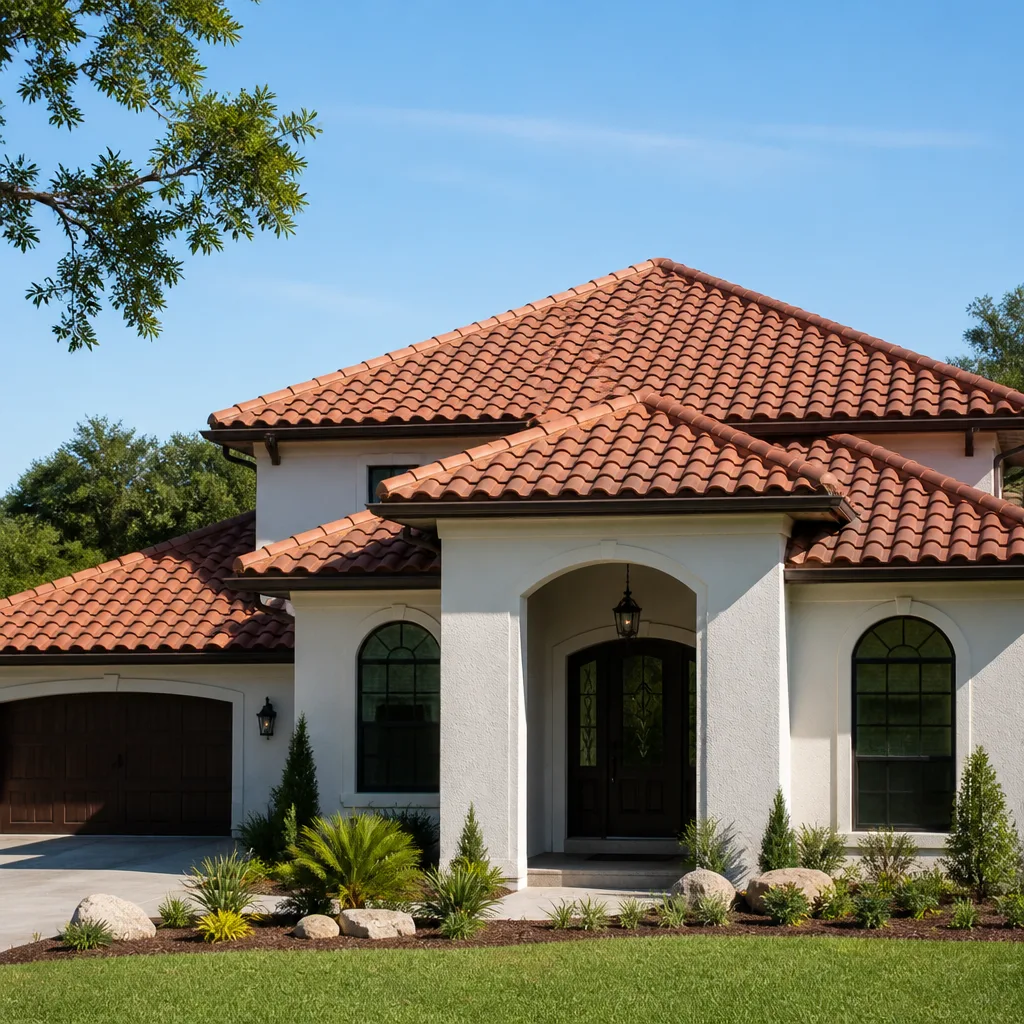
Tile Roof in San Bruno
A tile roof in San Bruno is a common sight on the city’s hillside streets, and for good reason: concrete and clay tile are heavy, and weight resists wind uplift. In a city where the Gap’s sustained winds can hit 30 to 40 mph on an average afternoon and gust much harder, that mass is doing real structural work. But tile also has vulnerabilities here, and a tile installation done without accounting for San Bruno’s salt-laden fog will fail at the flashings long before the tile itself does.
Tile roofs in San Bruno run $28,000 to $52,000 for a full installation. The spread depends on whether you’re using concrete or clay, the complexity of your roof geometry, and the condition of the deck and underlayment beneath. When we tear off an old tile roof in San Bruno, we often find the underlayment underneath has been doing all the actual waterproofing for years while the tile above it just looked good.
Flashing and Underlayment Are the Real Roof
On a tile roof, the tile is mostly a wear layer. What keeps water out of your San Bruno house is the underlayment and the flashing at valleys, chimneys, and sidewalls. The marine layer keeps decks damp well into summer mornings here, so underlayment must be rated for high-temperature exposure and installed only when the deck is actually dry. We won’t staple felt to a wet deck just to hit a schedule date.
Tile and the Windward Plane Problem
Tile roofs need to be looked at plane by plane on a San Bruno hillside house. A north-facing plane above El Camino Real takes wind-driven rain at an angle that south-facing planes never see, which fatigues flashing and underlying granular surfaces faster. If one plane of a tile roof is getting replaced, we assess that plane’s exposure independently, not as a percentage of the whole roof’s square footage.
Trusted Brands We Service in San Bruno
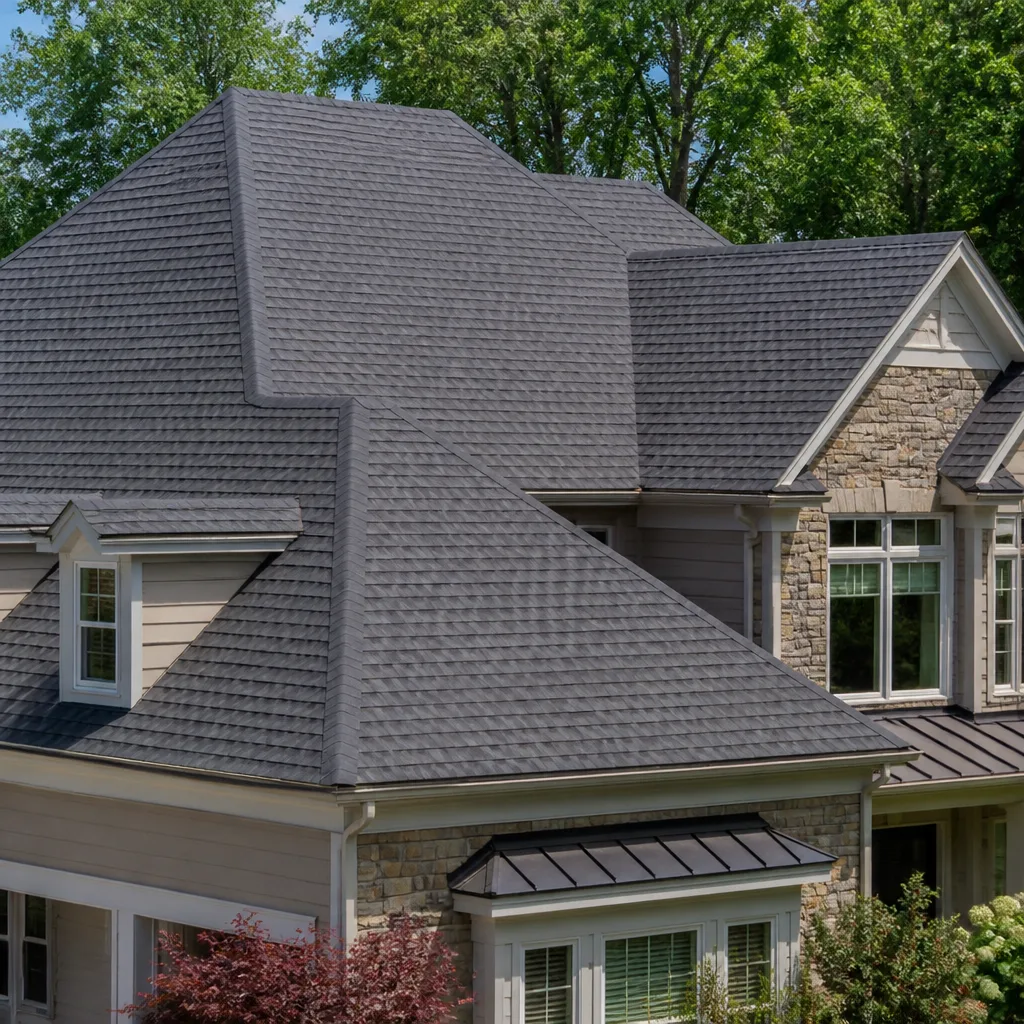
We install and repair roofs using manufacturer-recognized shingle brands including GAF, Atlas, and Tamko, and we keep local stock available for San Bruno homes so turnarounds don’t stall waiting on materials. For standing seam and metal roofing, we specify panels and clips that are rated for coastal exposure, because the fog coming through the San Bruno Gap carries enough salt to shorten the life of standard hardware. Whether you’re replacing a composition roof on a 1950s tract home near San Bruno Avenue or installing tile on a Crestmoor rebuild, we quote the material that fits the exposure, not just the budget.
Common Roof Installation Problems We See in San Bruno Homes
- One roof plane wearing out years ahead of the others. On hillside streets above El Camino Real, the north- and west-facing planes of 1950s-era homes often show visible mat while the southeast-facing plane on the identical house next door looks years younger. Gap-channeled wind-driven rain hits those exposed planes at an angle that strips granules and fatigues flashing far faster than the sheltered side. Out-of-town crews who price all slopes equally under-spec the windward side, and the homeowner pays for it in leaks and a second repair call.
- Ridge caps and hip shingles lifting in Gap winds. The San Bruno Gap funnels sustained northwest winds through the city at speeds measurably higher than Millbrae or South San Francisco. On post-WWII tract roofs, that chronic wind-lift stress pries up ridge caps and hip shingles that weren’t fastened with the right pattern or the right fasteners. We re-set them, but for an installation, we spec a six-nail pattern and stainless hardware on exposed planes.
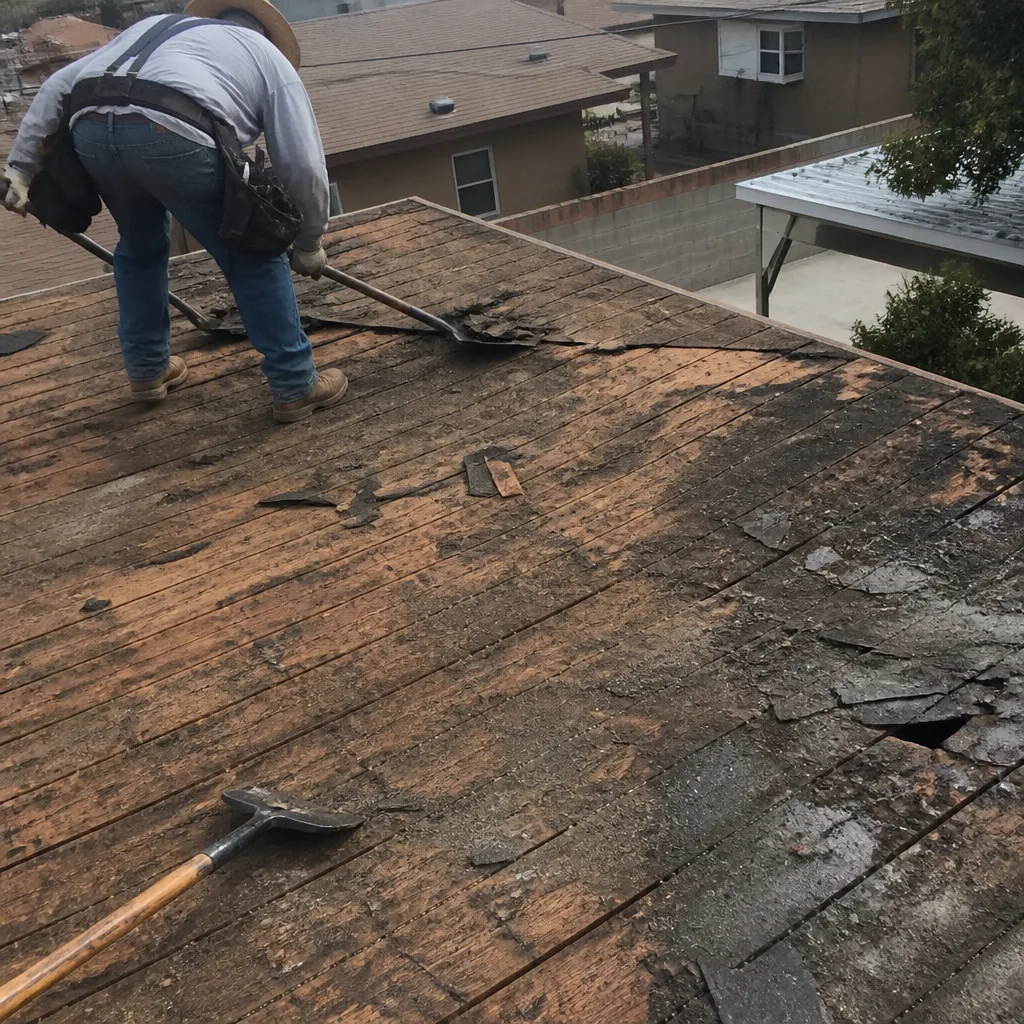
- Deck rot hidden under a roof that looks serviceable from the street. The marine layer that stalls over San Bruno keeps roof decks damp well into summer mornings, even when the air feels dry by noon. That hidden moisture rots decking slowly from the underside, and a tear-off is often the first time anyone sees it. We replace soft decking rather than nailing new shingles into it.
- Corroded fasteners bleeding through shingles on fog-exposed roofs. The salt-laden fog flowing through the Gap accelerates corrosion on standard electro-galvanized fasteners. On San Bruno homes near the hills, we regularly see rust-stained shingles where those fasteners have started to fail. For a new installation in San Bruno, we spec stainless or hot-dip galvanized fasteners as standard, not as an upsell.
Pricing for Roof Installation in San Bruno, CA
A full composition shingle roof installation in San Bruno runs $14,500 to $28,000 on a typical post-WWII tract home. Standing seam metal adds real material cost and runs $32,000 to $58,000. Tile sits between $28,000 and $52,000. The ranges are wide because San Bruno’s housing stock varies block by block: a flat, low-exposure lot near San Bruno Avenue costs less to roof correctly than a hillside lot off Sneath Lane where the windward planes take the full force of the Gap.
The coastal-spec version of any of these jobs costs more because the hardware and underlayment cost more. Stainless fasteners, high-temperature underlayment rated for damp decks, and ice-and-water shield in valleys all add material cost. The cheaper inland-spec quote saves you money now and costs you a second roof within a decade. We’ll show you both numbers in writing, but we won’t recommend the cheap spec for a San Bruno exposure. Call (743) 200-8347 for a free estimate with line-item pricing.
We Also Serve Cities Near San Bruno
Mercer Roofing provides roof installation throughout the north Peninsula. We serve Millbrae, South San Francisco, Pacifica, and Brisbane with the same written-price guarantee and the same Threshold Standard vetting on every technician. Whether your home is in San Bruno proper or just over the city line, call (743) 200-8347 and a live person will answer, any hour.
Serving San Bruno, CA - Our Local Coverage Area
We’re based in the San Bruno area and know this community well. Use the map below to see our service coverage - if you’re nearby, we can almost certainly help.
FAQs About Roof Installation in San Bruno
Because the San Bruno Gap funnels sustained northwest wind-driven rain directly onto the north- and west-facing planes of your roof, stripping granules and fatiguing flashing years before the sheltered southeast-facing planes show wear. This isn’t a product defect. It’s a site exposure issue, and it’s the single most common thing we diagnose on hillside homes above El Camino Real. The fix is a plane-by-plane spec that treats the windward side differently from the rest of the roof, not a uniform material price per square. Call (743) 200-8347 if you’re seeing bare mat or patchy granule loss on one plane.
Yes. The marine layer that stalls over San Bruno keeps roof decks damp well into summer mornings, so we schedule tear-offs and adhesive-set underlayment around the actual dry window, not a generic calendar. Installing self-adhered underlayment or architectural shingles on a damp deck means they won’t seal properly, and you’ll be chasing leaks within a season or two. We start tear-offs after the deck has had time to dry and we push adhesive work to the warmest, driest part of the day. Call (743) 200-8347 to schedule a deck assessment before you plan your installation.
Yes, stainless or hot-dip galvanized hardware is what we specify on any San Bruno roof exposed to the Gap’s salt-laden fog. Standard electro-galvanized fasteners corrode early in this city’s marine layer, and that corrosion compounds the wind-lift stress that already pries up ridge caps and hip shingles. Stainless fasteners cost more per box, but the difference is measured in hundreds of dollars on the total job, while a corroded fastener failure costs thousands to chase. We include stainless hardware in our standard San Bruno spec for exposed roof planes. For an exact quote, call (743) 200-8347.
For most San Bruno homeowners who plan to stay put, yes. Standing seam eliminates the horizontal joints that Gap winds pry up on composition shingle roofs, and its concealed fasteners don’t sit in the salt-laden fog corroding like exposed screws do. The upfront cost is higher, but a standing seam roof installed with stainless clips will outlast two or three composition roofs in a Gap-exposed location. For a standing seam estimate on your specific roof, call (743) 200-8347.
Yes. Even on Crestmoor homes rebuilt after the 2010 gas pipeline explosion, the new roofs sit adjacent to untouched original mid-century structures, and they still face the same Gap wind-driven rain as the rest of San Bruno. Post-2010 installs can have flashing fatigue at valleys and sidewalls, especially on north- and west-facing planes, within ten to fifteen years. A visual inspection of the flashing and valley metal on a Crestmoor rebuild costs nothing while we’re quoting an installation, and it catches problems before they leak. Call (743) 200-8347 to have us look.
Contact Mercer Roofing for Roof Installation in San Bruno
When you schedule with Mercer Roofing, you’ll get a written price before any work starts, a technician whose name and photo you’ll have before they arrive, and a 365-Day Done Right Promise in writing. Grant Whitlock and our San Bruno crews understand this city’s wind, fog, and salt air, and we spec every roof plane by plane, not by the square. Call (743) 200-8347 to schedule your free estimate.
Written by Grant Whitlock, Owner at Mercer Roofing, serving San Bruno since 2000.