
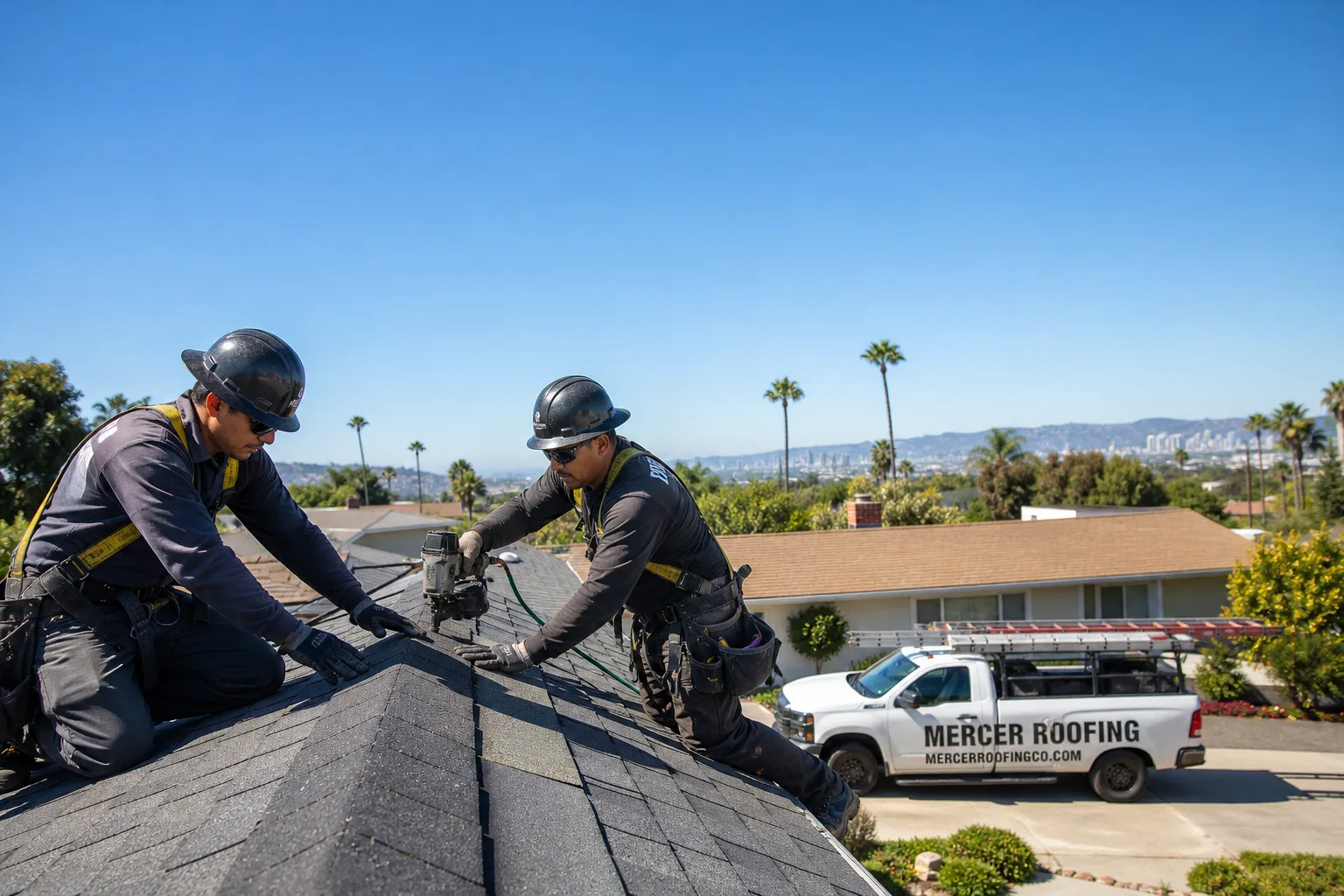
Free roof inspection with deck photos before we talk money - GAF and Owens Corning certified installation
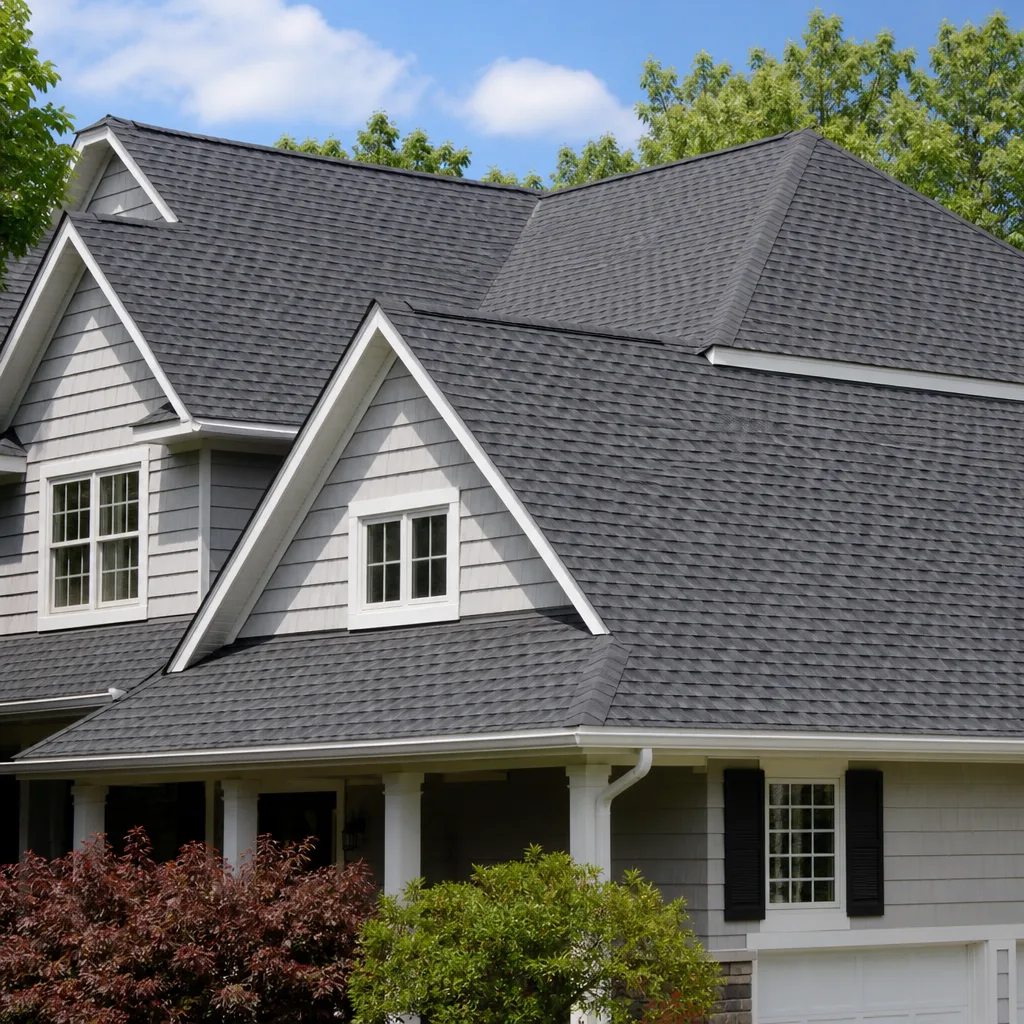
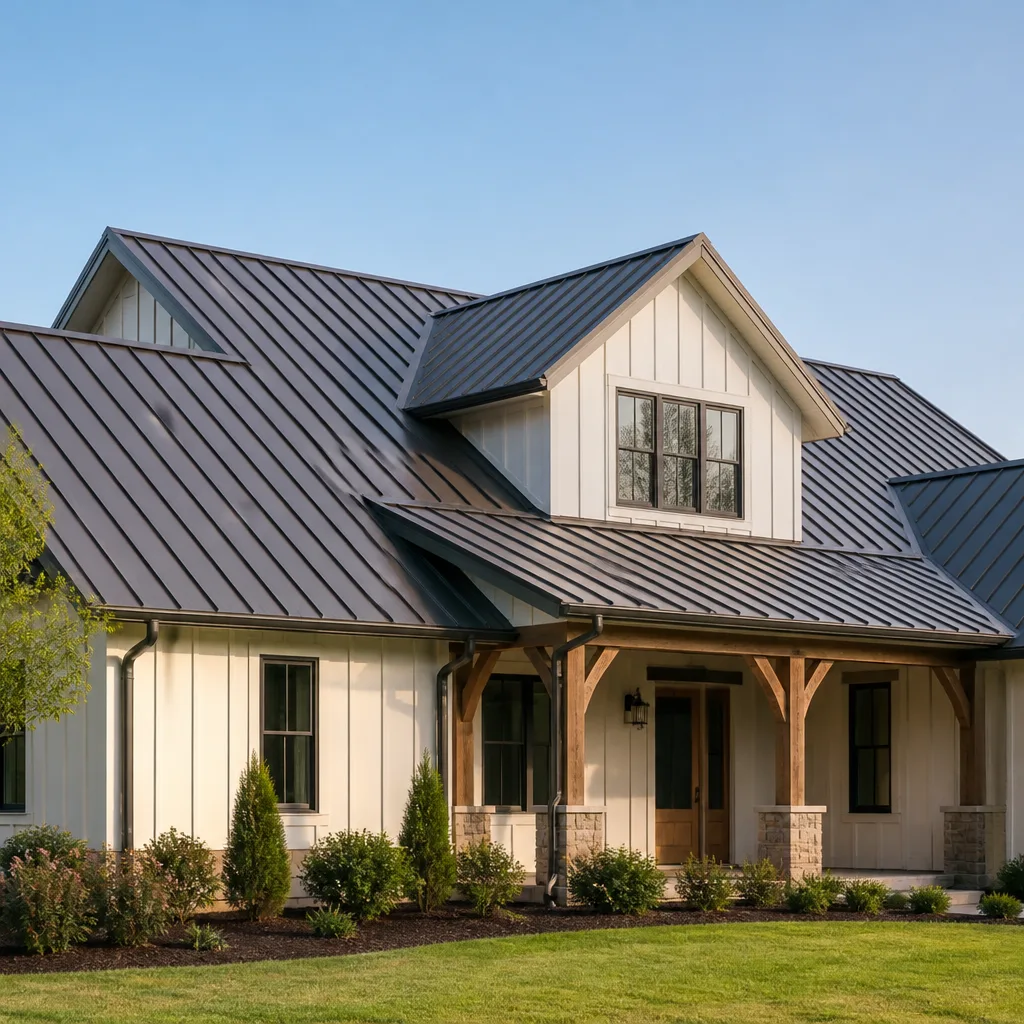
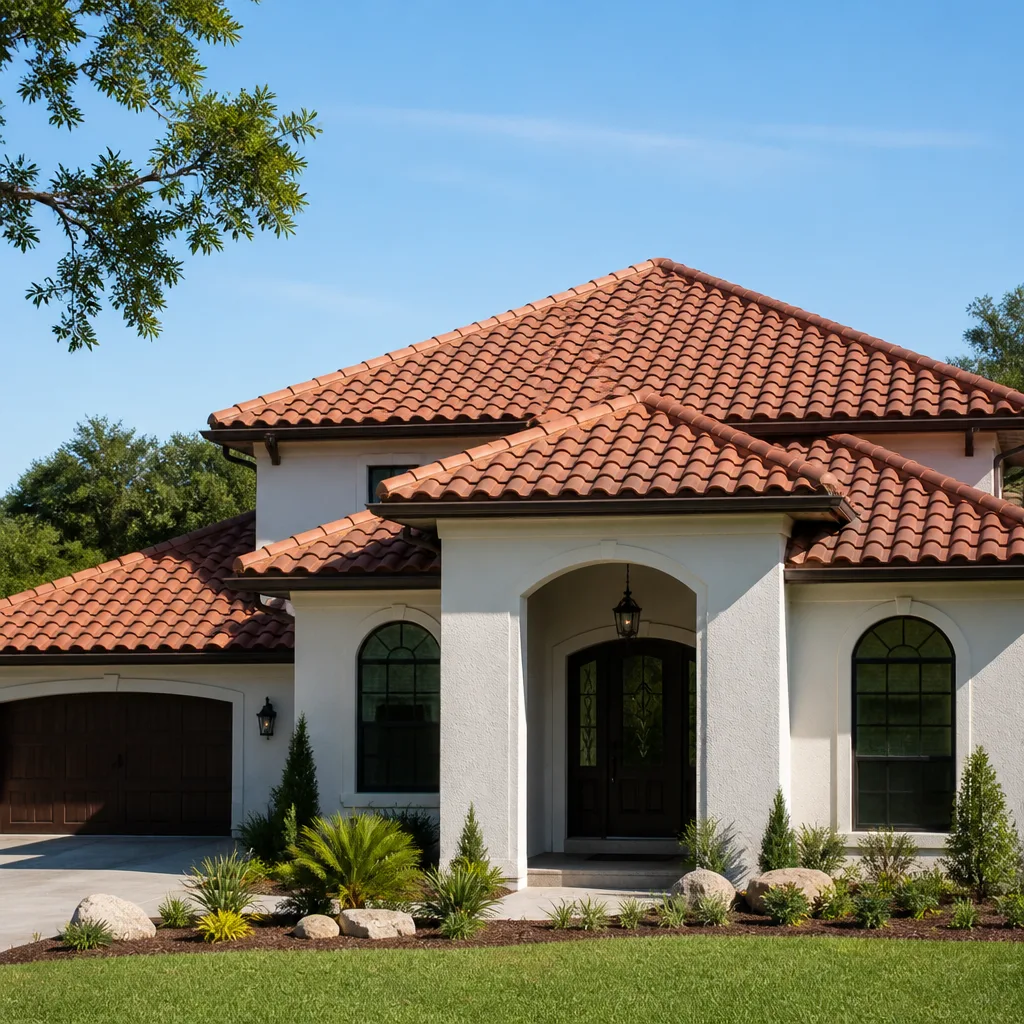
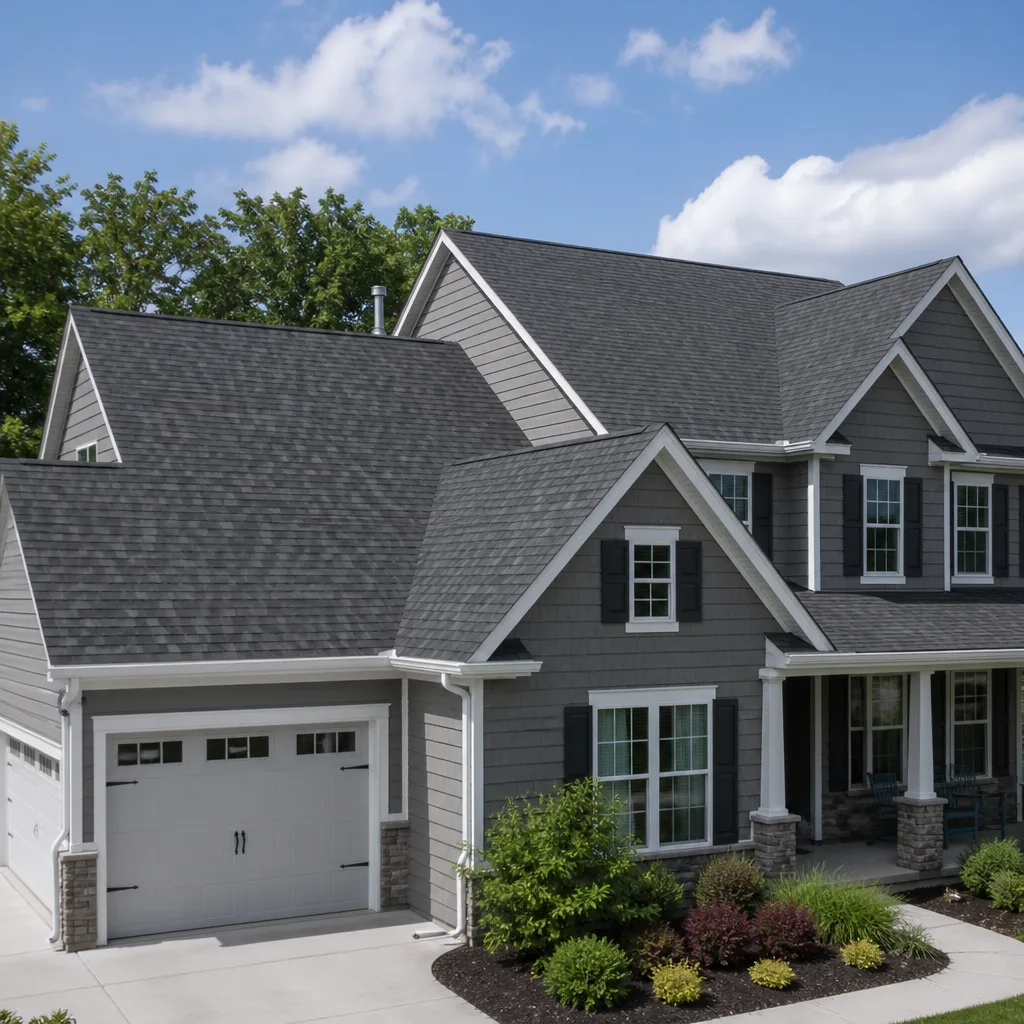
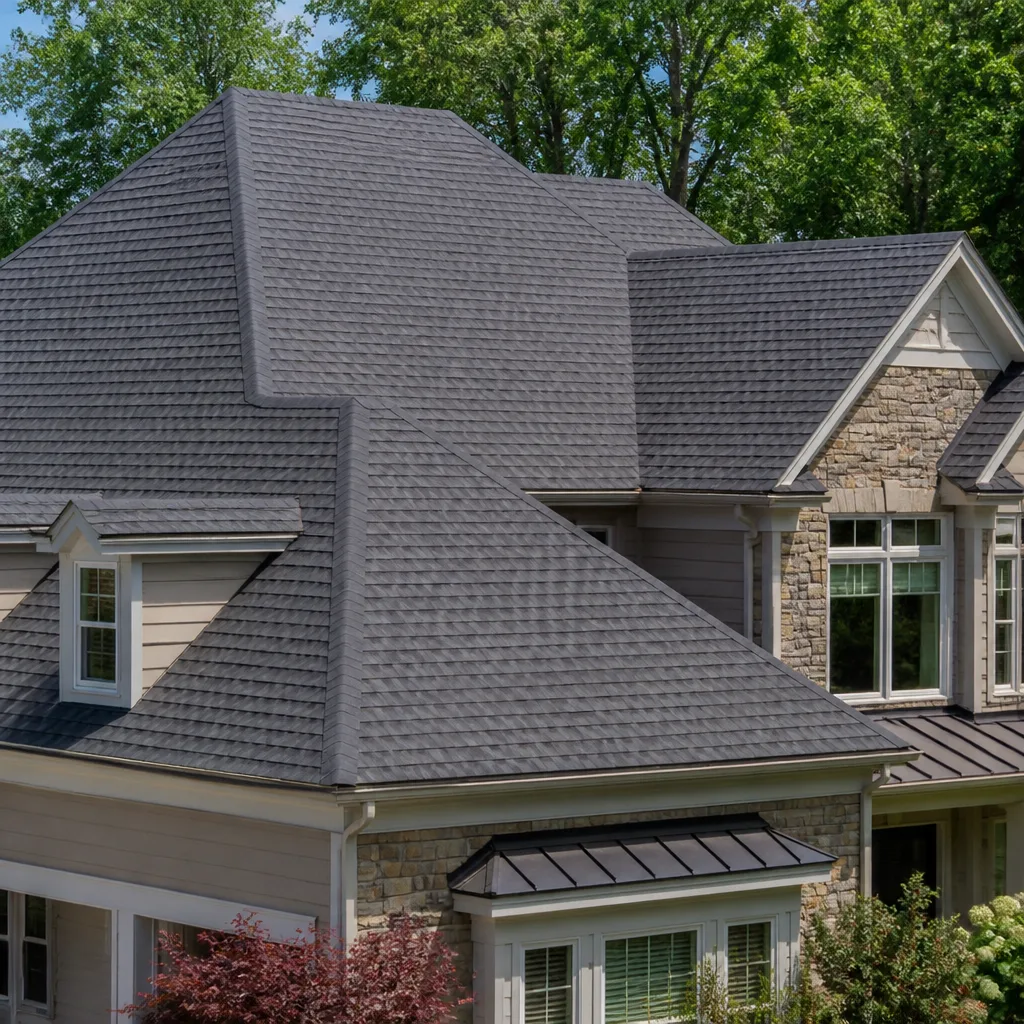
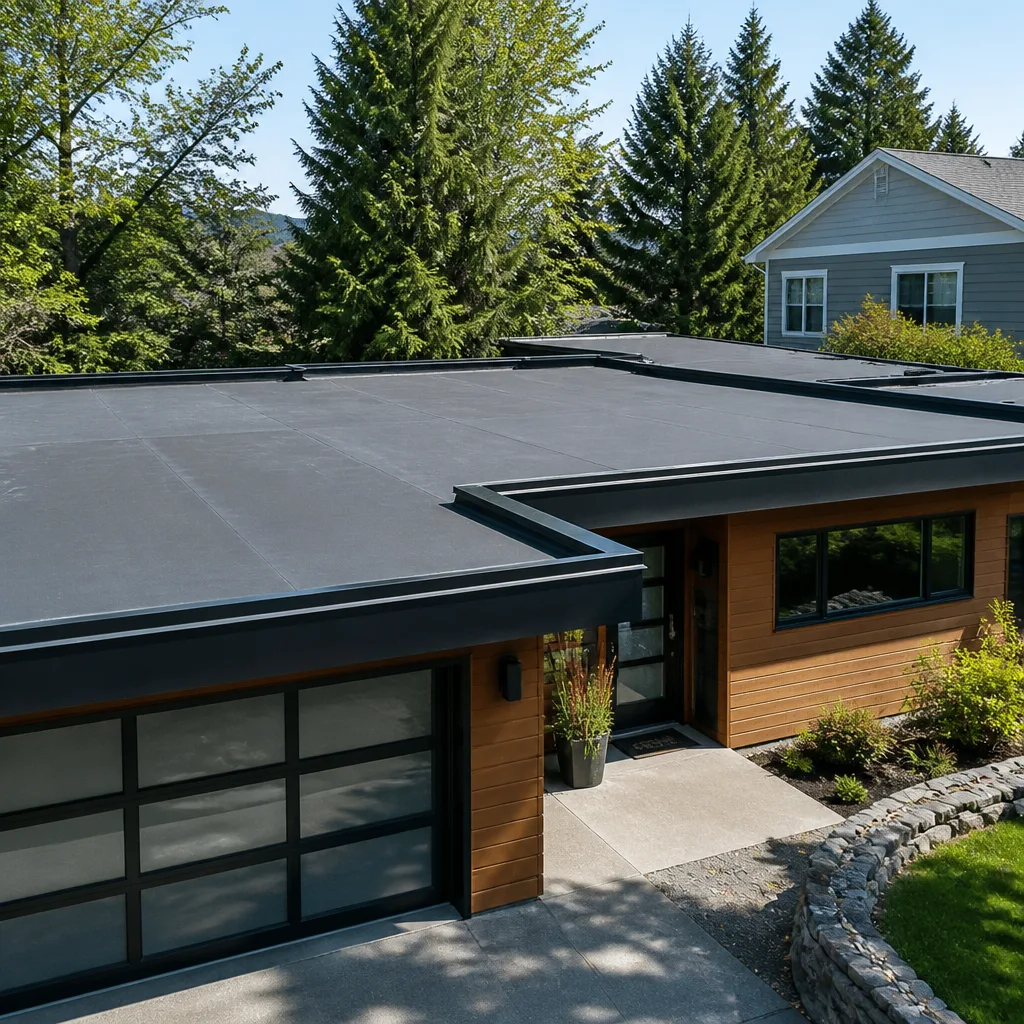
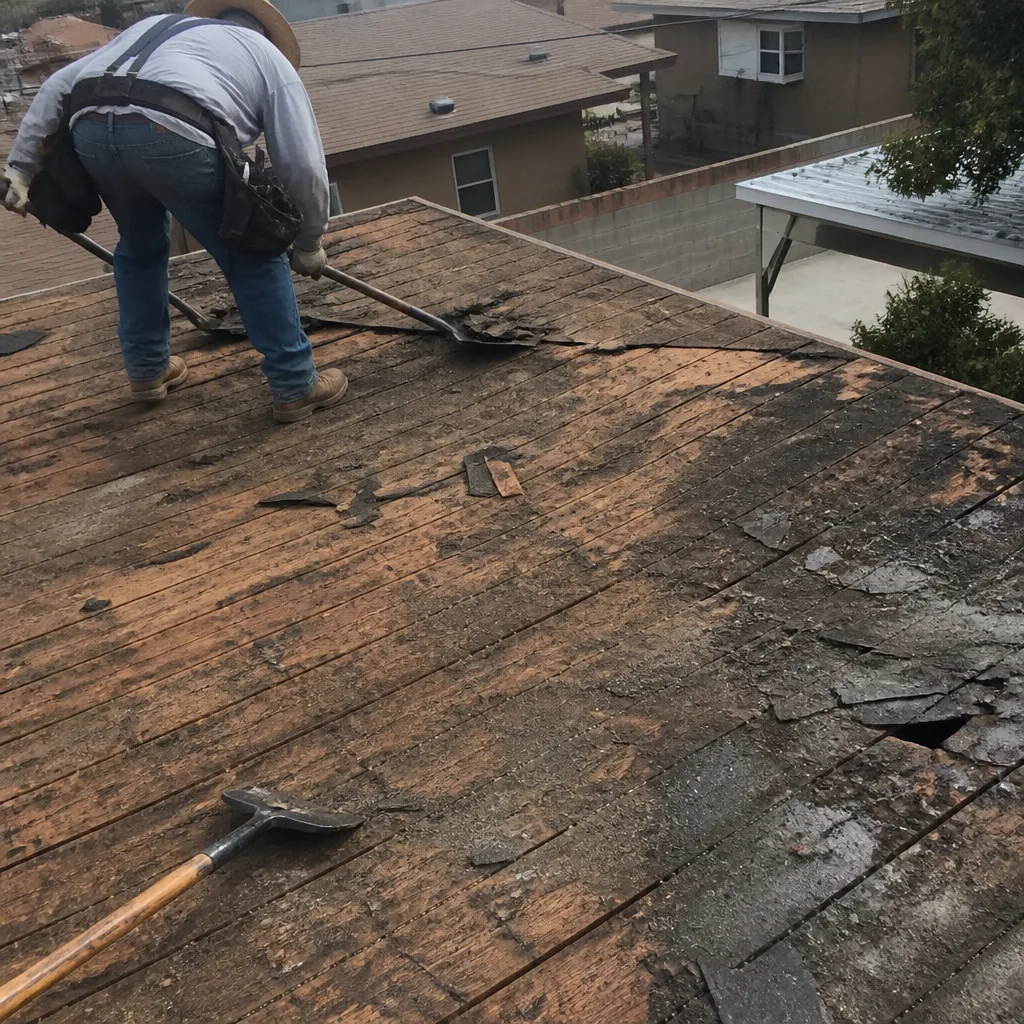 Before
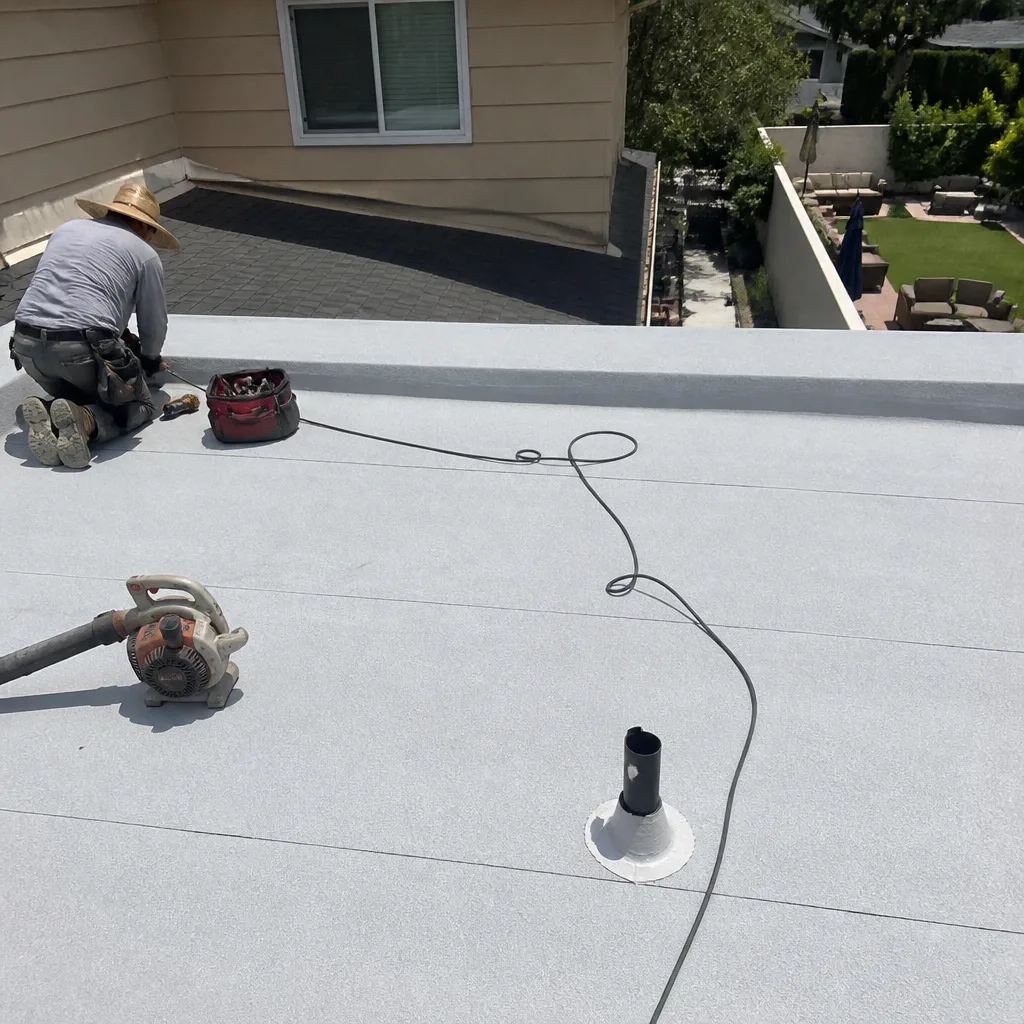 After
After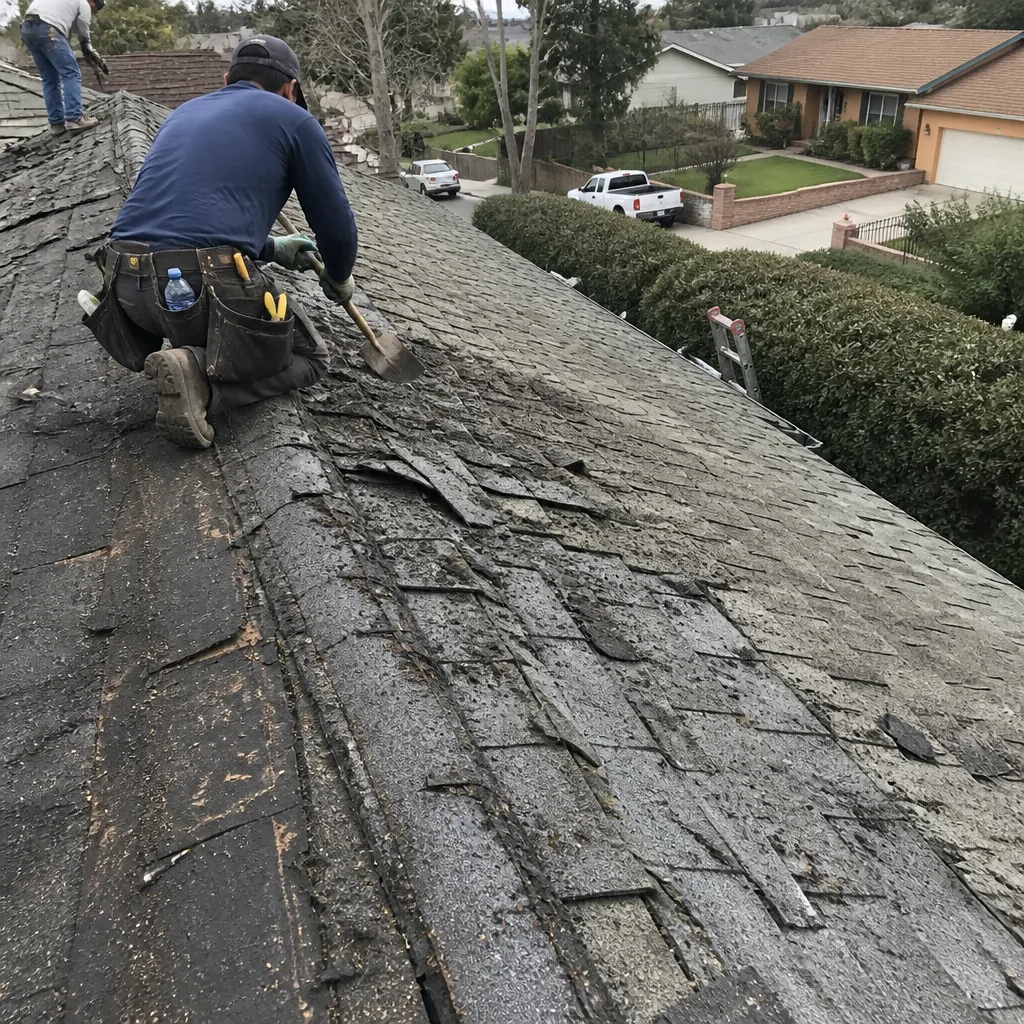 Before
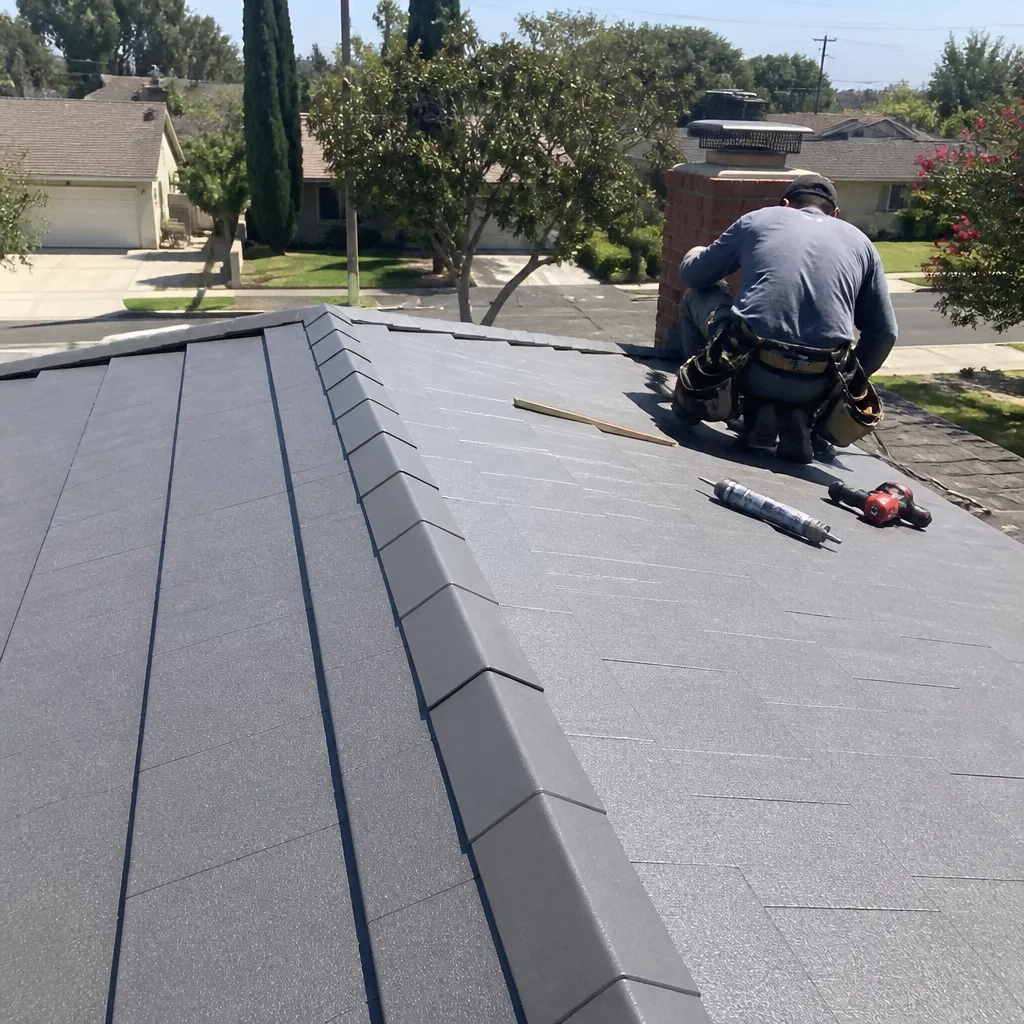 After
After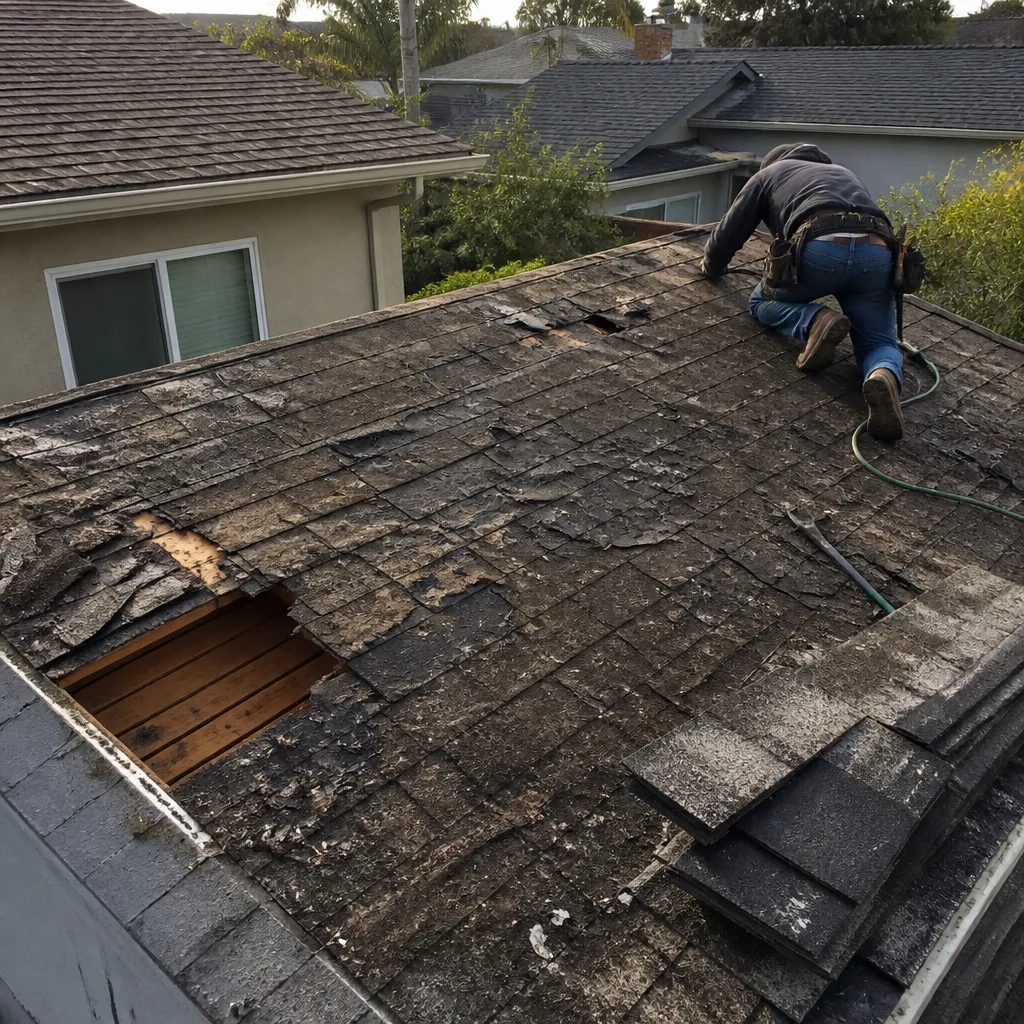 Before
 After
AfterFast, Reliable Roof Installation Across San Francisco
Roof installation in San Francisco runs $12,000 – $28,000 for a typical flat or low-slope rowhouse membrane system, and $18,000 – $45,000 when the job includes decking replacement, parapet flashing work, and coastal-spec hardware. Most installs take 3 – 7 working days once materials are staged, though attached rowhouses with no side-yard access add real labor hours for material hoisting. We know this city’s roofs, its fog-belt microclimates, and the zero-lot-line constraints that make a Mission District job different from an Outer Sunset job. If you’re weighing a re-roof, call Mercer Roofing at (743) 200-8347 and we’ll give you a written price before a single nail is driven.
Why Mercer Roofing Is San Francisco’s Preferred Roof Installation Company
We are not a volume shop. Mercer Roofing is part of the Threshold Group family, founded in 2000, and every San Francisco homeowner who calls us gets the same standard: a background-checked, identity-verified technician whose name and photo are sent to you before the visit. That person arrives in a clean, marked uniform and presents a photo ID badge at your door. For homeowners who are often home alone, parents with young children, or older residents who want proof of who is standing on the porch, that badge is not a nicety. It is the whole point.
Our San Francisco customers tell us the same thing: they called because the price was clear, the guarantee was written, and nobody asked them to trust a stranger on a ladder. Every install and repair comes with Mercer’s 365-Day Done Right Promise. If it is not right within a year, we make it right. Written price before work starts. Always. Every job. Grant Whitlock, who leads Mercer Roofing, set that standard for the Bay Area and we hold to it on every roof we touch in San Francisco.
We also answer the phone. A live person, 24/7. Not a voicemail tree. Not a call-back form. When a homeowner in the Richmond District calls at 9 p.m. because a parapet flashing is dripping into the bedroom, a human being picks up. That matters here.
Roof Ventilation in San Francisco
Roof Ventilation in San Francisco is a different animal than in the East Bay or the Peninsula, because the marine layer saturates western neighborhoods for weeks at a time while official rainfall stays near 20 inches a year. A ventilated roof assembly that works in Oakland can trap fog-driven moisture inside a flat rowhouse roof in the Outer Sunset, feeding algae, rot, and premature membrane failure. We design ventilation for the fog belt: ridge and parapet vents sized to move saturated air out of a low-slope cavity, paired with intake points that do not pull in more of Karl the Fog than they release.
Fog-Belt Ventilation Retrofits
Most Victorian and Edwardian rowhouses in San Francisco were built with little or no roof ventilation, and the 1906-era rebuilds added even less. A retrofit on a flat built-up roof in the Inner Richmond typically runs $1,800 – $4,500 depending on parapet count and rafter depth. We cut intake vents at the soffit or low parapet and exhaust vents near the ridge or high wall, then seal every penetration with marine-grade flashing.
When a San Francisco Homeowner Needs It
Dark ceiling stains, peeling paint along the top floor, or a persistent musty smell in a flat-roofed home are the classic signs. In fog-belt zip codes like 94122 and 94121, we also see moisture condensing on the underside of the roof deck during July and August when the marine layer hangs low for weeks. If your dry-season interior feels damp, the roof is not drying out either.
Roof Flashing Installation in San Francisco
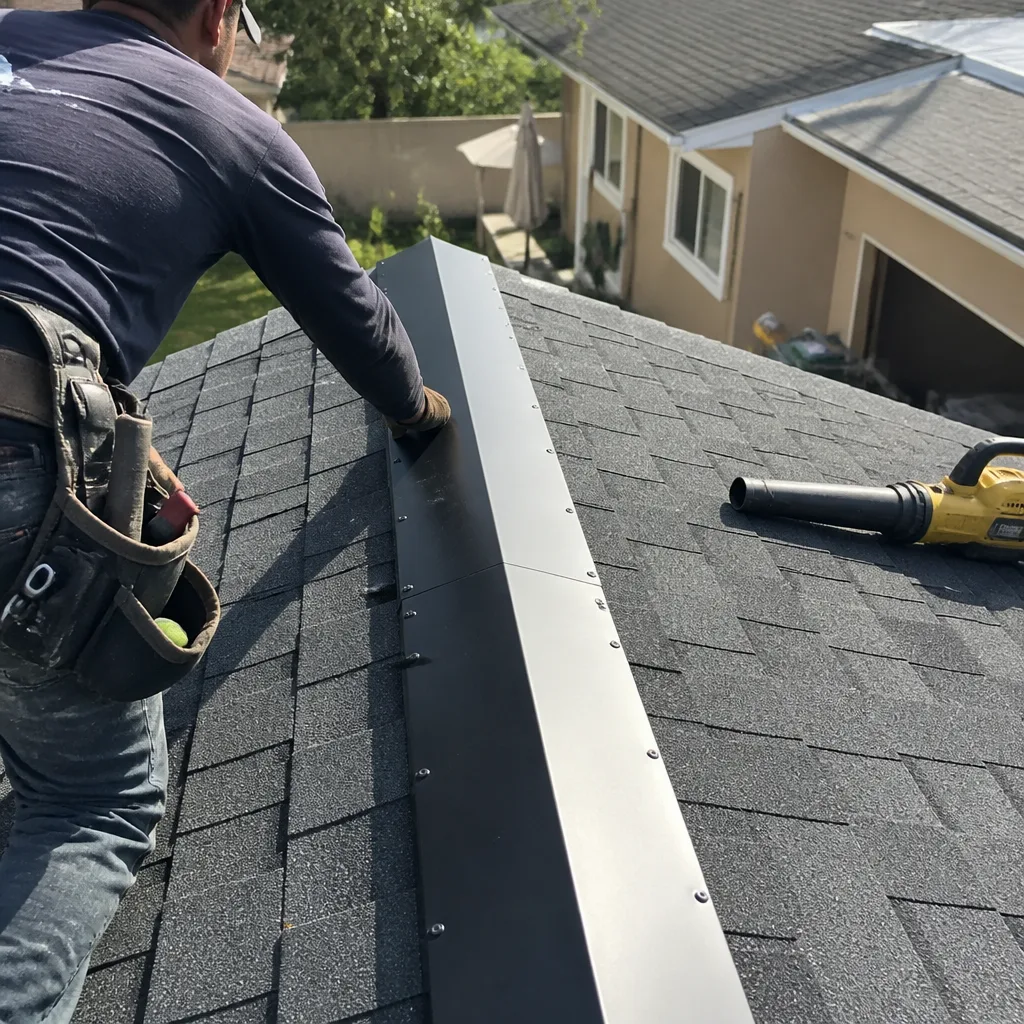
Roof Flashing Installation in San Francisco is where cheap bids fall apart fastest, because standard galvanized flashing pitting and failing at the parapet in three to five years is a pattern we see constantly in fog-belt neighborhoods. The marine layer is not dramatic rainfall; it is daily, low-grade saturation that sits on metal and never fully dries. We specify hot-dip galvanized drip edges and stainless-steel parapet and counter-flashing on every San Francisco install, regardless of roof slope or membrane type.
Parapet and Party-Wall Flashing
Attached rowhouses across the Castro, Mission, and Western Addition share party walls with no side access, so parapet flashing on both sides is the only line of defense against water running down the shared wall. Repairs here typically run $900 – $2,800 per parapet section. A full flashing replacement on a 1,200-square-foot flat roof usually lands between $3,500 and $7,500 when we include sealing all penetrations, drains, and the drip edge.
Coastal-Spec Hardware
We do not use standard electroplated fasteners on a Salt-and-fog roof. Stainless fasteners cost more on the front end, roughly $300 – $800 extra in materials on a typical flat roof, but the failure mode we saw on a 1920s stucco rowhouse in the Outer Sunset is what we are preventing: every fastener head along the old parapet flashing rusted through in four years, and the decking below was soft from chronic fog-driven saturation. We stripped the failed membrane, replaced the compromised decking, and installed a new modified bitumen system with stainless-steel fasteners, a hot-dip galvanized drip edge, and marine-grade sealed flashing, then hoisted all materials over the front parapet because the zero-lot-line party walls left no side access. Six years on, no callbacks for that roof.
Trusted Brands We Service in San Francisco
Nearly every roof we install in San Francisco is a membrane system, because the housing stock is overwhelmingly Victorian and Edwardian attached rowhouses and 1920s – 1940s Sunset and Richmond District stucco homes with flat or low-slope roofs. For the pitched exceptions, we work with manufacturer-recognized shingle brands including GAF, CertainTeed, Owens Corning, and Atlas. For flat systems, we install modified bitumen and built-up roofing from brands our crews know by feel, and we stock local parts and sealants for San Francisco customers so a minor repair does not wait on a distributor in Hayward. Our Roof Installation team handles both the rare steep-slope shingle job and the everyday membrane re-roof with the same written-price standard.
Common Roof Installation Problems We See in San Francisco Homes
- Fog-driven fastener corrosion. Standard galvanized hardware pits and fails in 3 – 5 years in fog-belt neighborhoods like the Outer Sunset and Inner Richmond, while identical hardware lasts decades in the Mission or Potrero Hill where the marine layer does not linger. We specify stainless or hot-dip on every job, full stop.
- Parapet flashing leaks on zero-lot-line rowhouses. Attached homes across the Castro and Western Addition have no side access, so water that gets behind a failed parapet flashing runs straight down the shared wall and into both homes. We seal and counter-flash every parapet we touch.
- Dry-season interior leaks. Flat BUR and modified bitumen membranes degrade from persistent saturation, not storm events, so the first visible leak often appears in September or October after months of summer fog. Homeowners assume the roof is fine because it did not leak during winter rains; the roof was already failing, it just had not surfaced yet.
- UV cycling at the fog edge. Roofs in neighborhoods like Inner Richmond and Twin Peaks sit right at the edge of the marine layer, where the membrane bakes in afternoon sun and then gets saturated again overnight. That cycle causes micro-cracking and algae growth years before identical roofs in drier parts of San Francisco show wear.
Pricing for Roof Installation in San Francisco, CA
A full flat-roof re-roof on a typical 1,200-square-foot San Francisco rowhouse lands between $14,000 and $24,000 when it includes membrane, underlayment, parapet flashing, and coastal-spec fasteners. If the decking needs replacement, which is common on 1920s Sunset District stucco homes where fog saturation has done its work for decades, expect $4,000 – $9,000 more for plywood or plank replacement and the additional labor to hoist materials over the front parapet. A smaller garage or rear addition roof runs $6,000 – $12,000. Coastal-spec hardware and sealed joints add roughly $500 – $1,200 on a mid-size flat roof compared with a standard inland bid, which is the single cheapest insurance you will ever buy on a San Francisco roof. Call (743) 200-8347 for a written estimate. It is free, and it is numbered before work starts.
We Also Serve Cities Near San Francisco
While this page is written for homeowners in San Francisco proper, our crews also take on roof installation work in Daly City, Brisbane, Sausalito, and South San Francisco. Each of those towns has its own fog pattern and its own building stock quirks, and we approach each job accordingly. If you are just across the county line and wondering whether coastal-spec hardware matters where you live, call us. For more on how we work across the Bay Area, see Roof Installation in San Francisco or call (743) 200-8347.
Serving San Francisco, CA - Our Local Coverage Area
We’re based in the San Francisco area and know this community well. Use the map below to see our service coverage - if you’re nearby, we can almost certainly help.
FAQs About Roof Installation in San Francisco
Because the marine layer forces better hardware. Stainless-steel fasteners and hot-dip galvanized flashings cost more than standard electroplated parts, and sealed-joint detailing takes more labor hours, so a coastal-spec install on a typical flat rowhouse runs $500 – $1,200 above an inland-spec bid using standard galvanized hardware. The cheap spec usually fails within a decade because the underlayment and flashing system corrodes from the underside up, long before the membrane itself wears out. Then you pay for a full re-roof instead of just the hardware upgrade. Call (743) 200-8347 and we will show you the exact line items for both specs.
Most San Francisco rowhouses need a flat membrane system, because the dominant housing stock is Victorian and Edwardian attached homes with flat or minimally-sloped roofs, plus 1920s – 1940s stucco homes in the Sunset and Richmond Districts built the same way. Architectural shingles are only practical on roofs with a pitch steep enough to shed water, which is the exception in San Francisco, not the rule. If your roof has visible slope, we will tell you honestly whether shingles work, and we install GAF, CertainTeed, Owens Corning, and Atlas products when they do. Call (743) 200-8347 for a straight answer.
We hoist materials over the front parapet. Attached rowhouses across the Castro, Mission, and Western Addition share party walls with zero side access, so every sheet of decking, every roll of membrane, and every bucket of sealant goes up and over the front of the building using rope and pulley, or is carried through the occupied interior when the front parapet is too delicate. It adds real labor hours to nearly every re-roof, which is why honest San Francisco bids include a hoisting line item that suburban bids never have. A bid that omits it will either change order you later or cut corners on hardware. Call (743) 200-8347 to get a written price that accounts for the actual logistics of your block.
Because the fog belt saturates western San Francisco flat roofs for weeks at a time, and that persistent moisture, not rainfall, is what corrodes fasteners. Hot-dip galvanized and stainless hardware that lasts decades in Oakland or San Jose pits and fails within years on Outer Sunset or Inner Richmond roofs, because the marine layer’s daily saturation never fully dries and works on metal like a slow acid bath. Stainless and hot-dip fasteners add a few hundred dollars to a typical job and eliminate the most common early failure mode we see in fog-belt zip codes. Call (743) 200-8347 for an exact quote, and we will show you both specs.
You need an inspection, because dark streaks on a flat roof in San Francisco usually mean algae growth and micro-cracking from fog-edge UV cycling, and by the time water shows up inside, the membrane has already been failing for years. We see this pattern most in neighborhoods like Inner Richmond and Twin Peaks that sit right at the marine layer’s edge, where the roof bakes in afternoon sun and re-saturates overnight. Whether it is a full re-roof or a targeted repair depends on the decking condition beneath the membrane, and you cannot know that from the surface. Call (743) 200-8347 and we will inspect it, tell you what is actually failing, and give you a written price before work starts.
Written by Grant Whitlock, Owner at Mercer Roofing, serving San Francisco since 2000.