
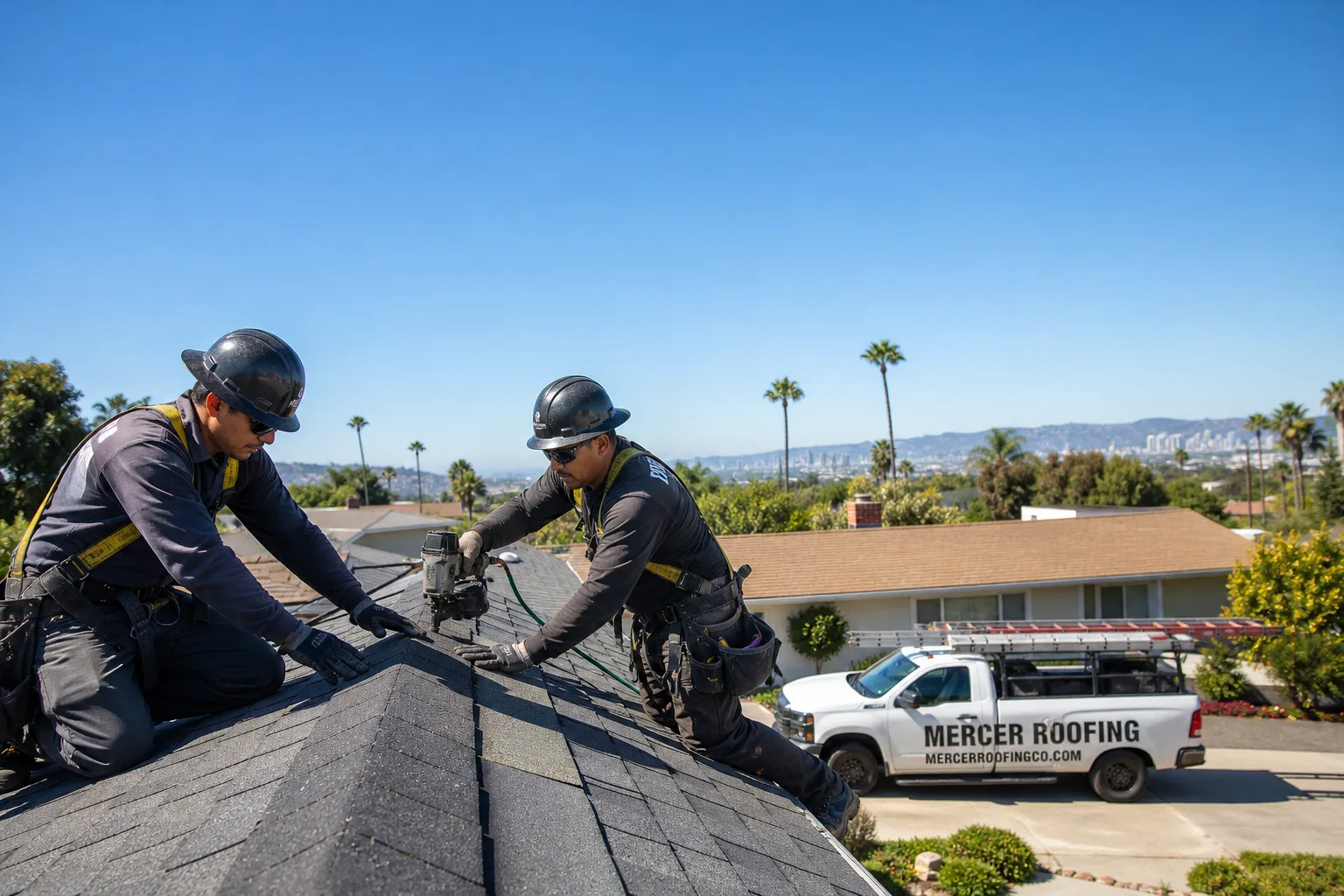
Free roof inspection with deck photos before we talk money - GAF and Owens Corning certified installation
 Before
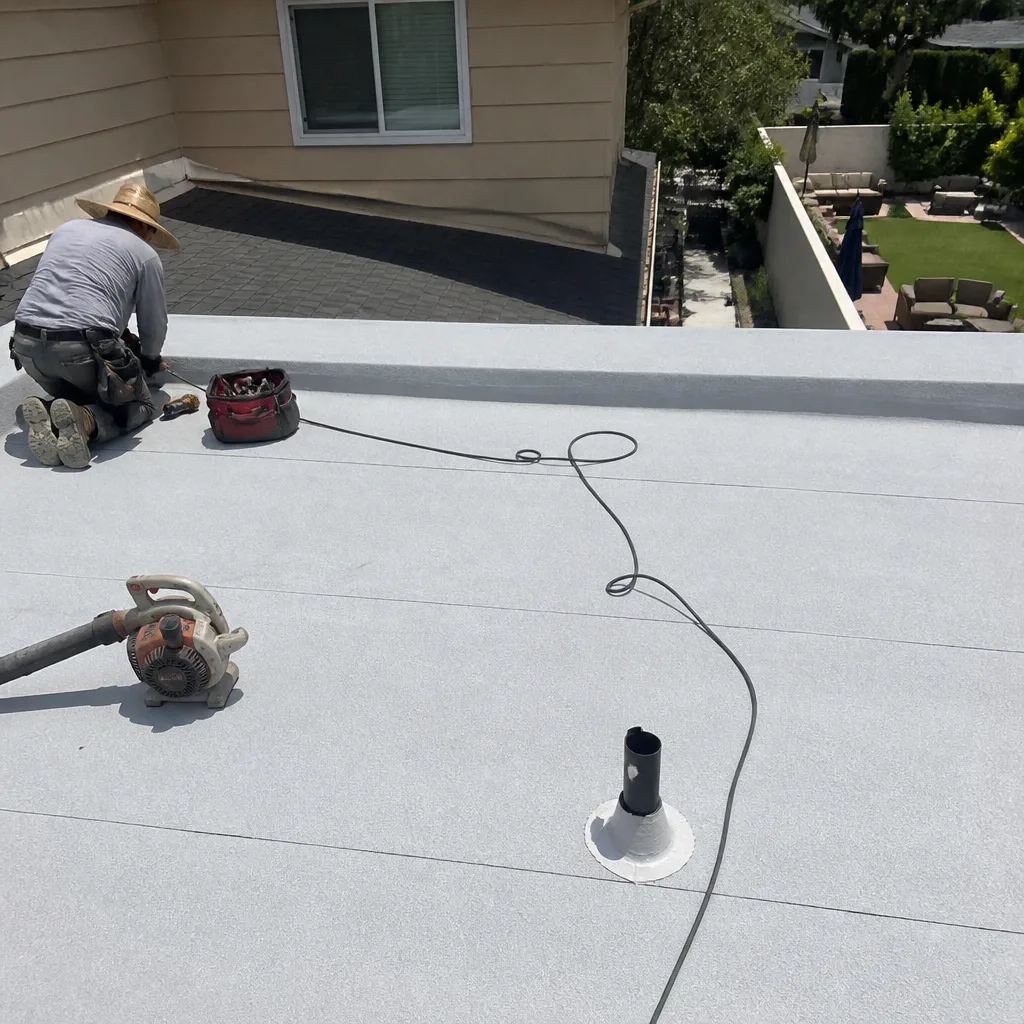 After
After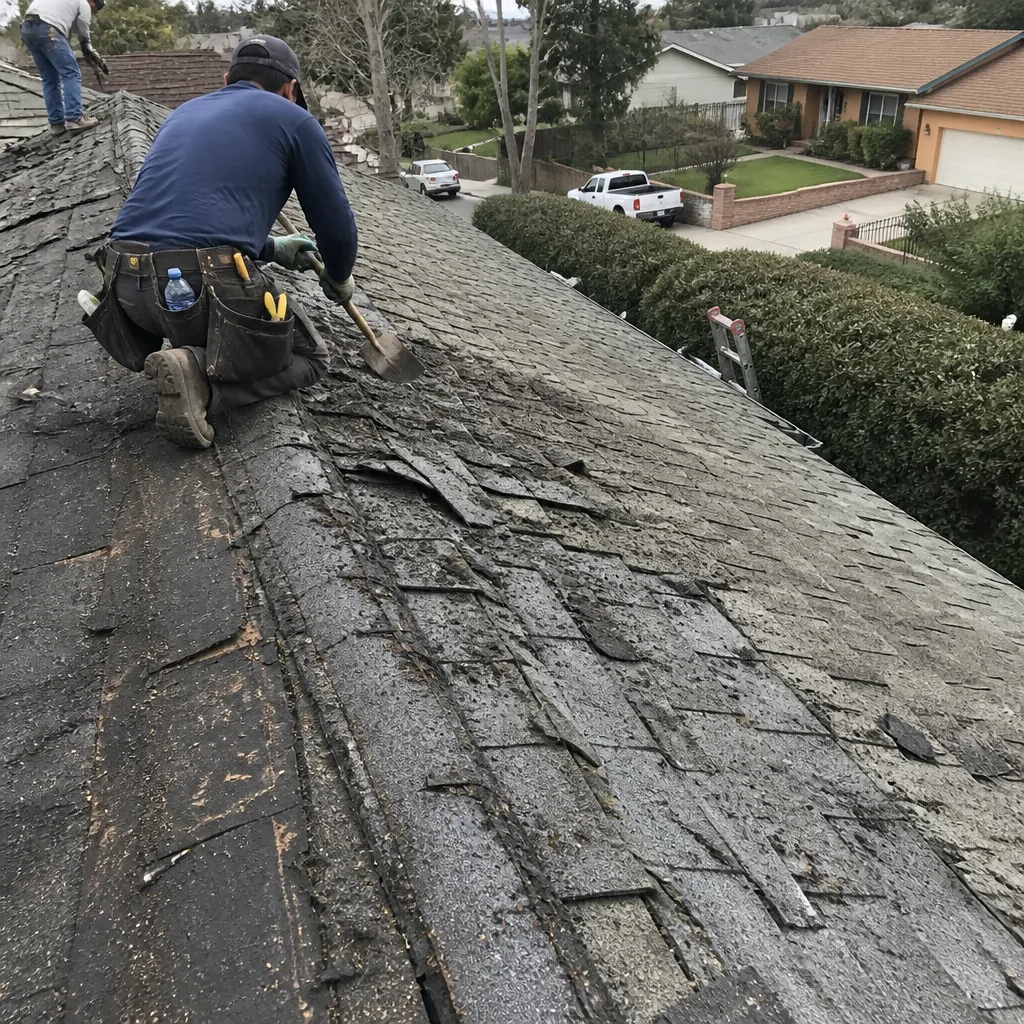 Before
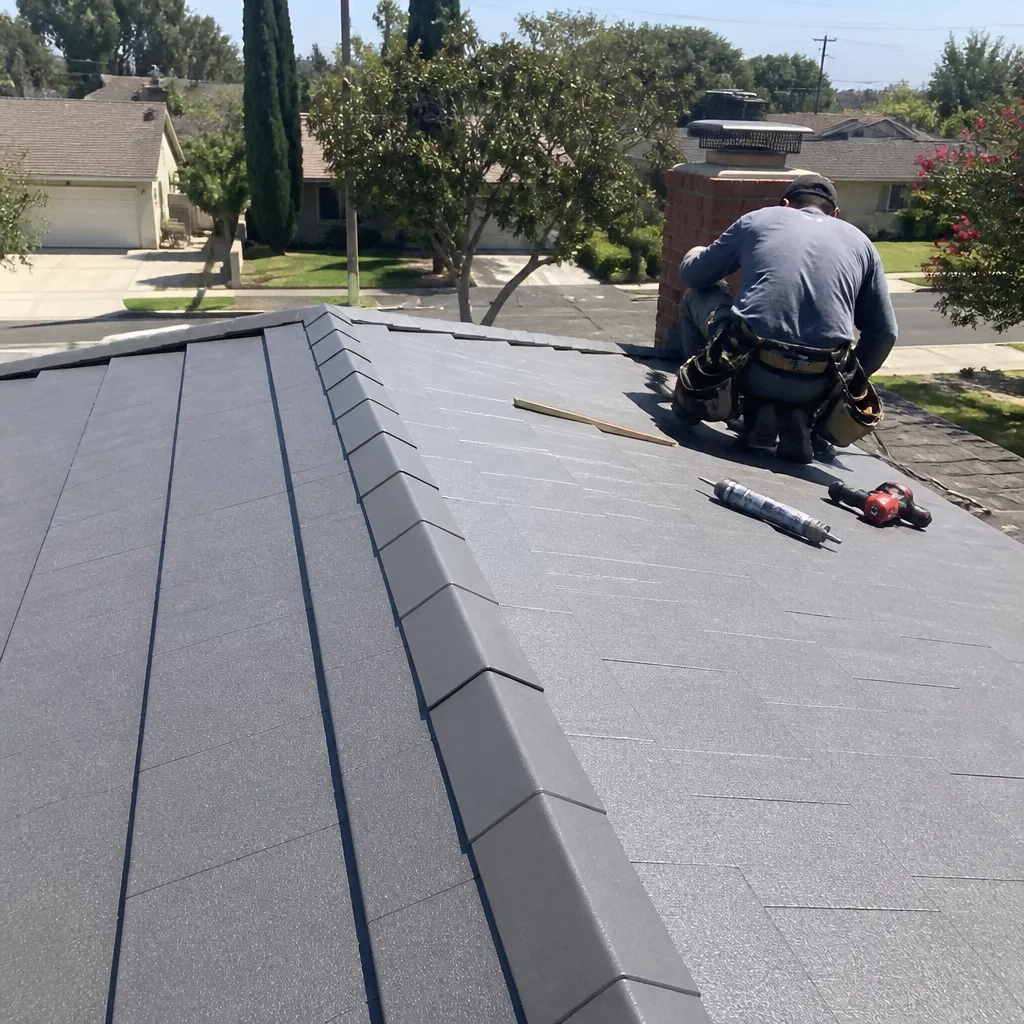 After
After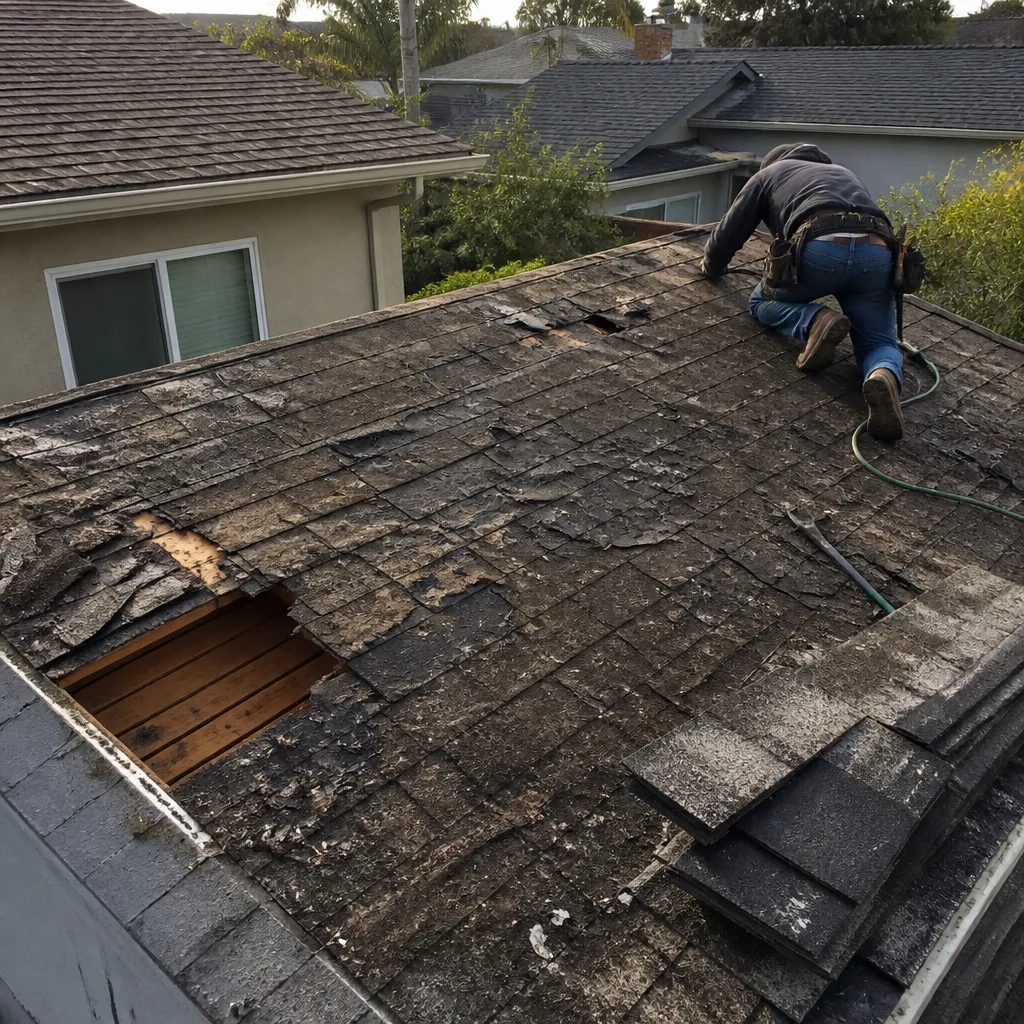 Before
 After
AfterFast, Reliable Roof Installation Across Stanford
Roof installation in Stanford typically costs between $18,000 and $42,000 for a standard home, depending on the material and the approval path. That’s the honest range we give homeowners before we ever walk the roof. If you’re in 94305, you’re dealing with a permitting process that exists nowhere else in Santa Clara County, and we know it well. Call (743) 200-8347 and we’ll walk you through what your specific roof needs, what it costs, and what the university will approve.
Stanford isn’t like Palo Alto or Menlo Park. Nearly every home sits on a ground lease owned by Stanford University, which means two approvals instead of one. Our Roof Installation team has navigated this process enough times to know exactly what gets approved, what gets rejected, and how to keep a project moving through both channels without leaving your roof open for two months. If you’re searching for Roof Installation in Stanford, you’ve found the company that already knows the rules here.
Why Mercer Roofing Is Stanford’s Preferred Roof Installation Company
We’ve installed and replaced roofs across Stanford’s faculty housing areas, from the historic Craftsman homes near Peter Coutts Circle to the mid-century moderns on the hillside streets approaching the Dish. Stanford homeowners tell us the same thing over and over: they want to know exactly who’s walking up their driveway and exactly what the job will cost before anything starts. That’s how we already work.
Every Mercer Roofing technician is background-checked, identity-verified, and arrives in a clean, marked uniform with a photo ID badge. We send the technician’s name and photo to you before the visit. This is the Threshold Verified standard, and every independently owned Mercer location is contractually held to it. Grant Whitlock leads our team, and he holds every job to that same bar.
Stanford homeowners also want a written price before work starts. That’s not an upgrade with us; it’s the only way we operate. You get the full scope, the material specs, and the line-item cost in writing. No work begins without your signature on that document. And every roof we install is covered by our 365-Day Done Right Promise: if something isn’t right within a year, we make it right at no cost to you. For Stanford’s roof installation needs, that’s the level of certainty that makes sense given what these homes require.
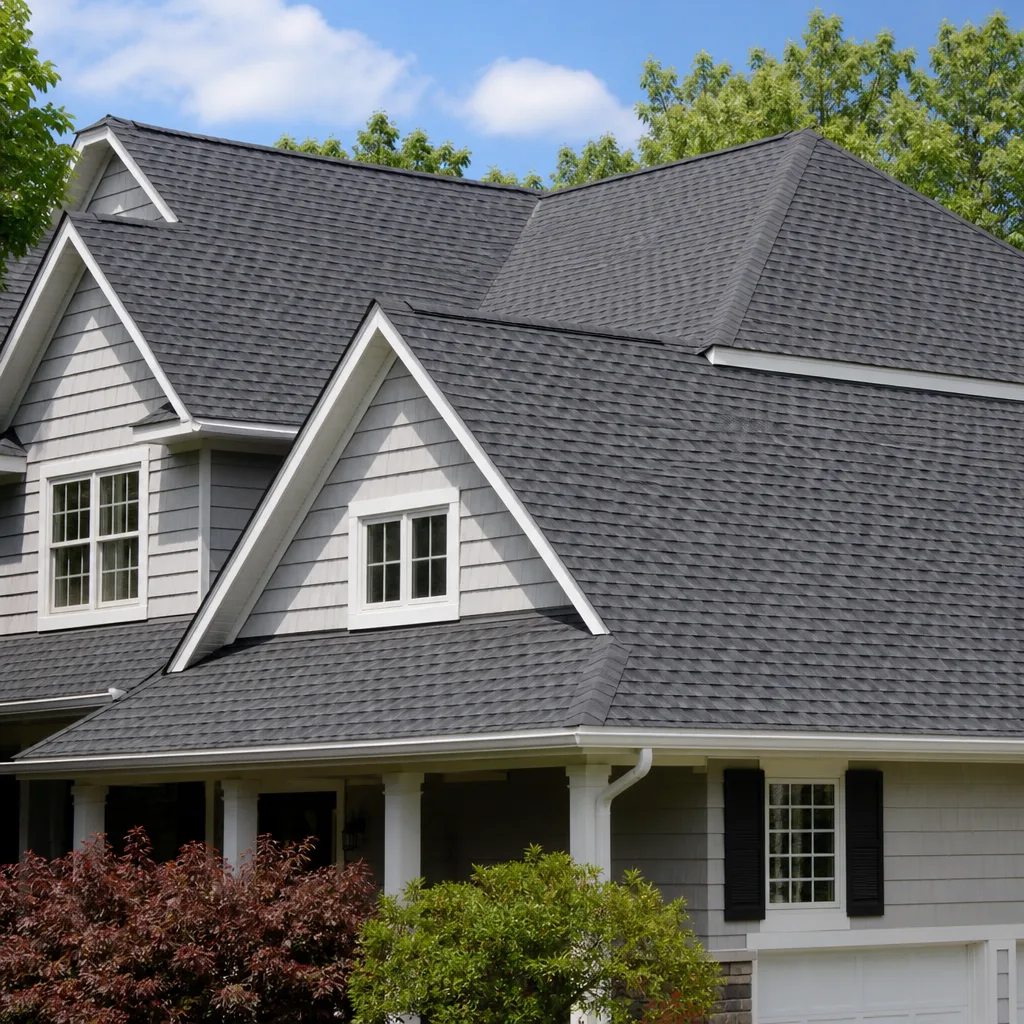
Shingle Roof in Stanford
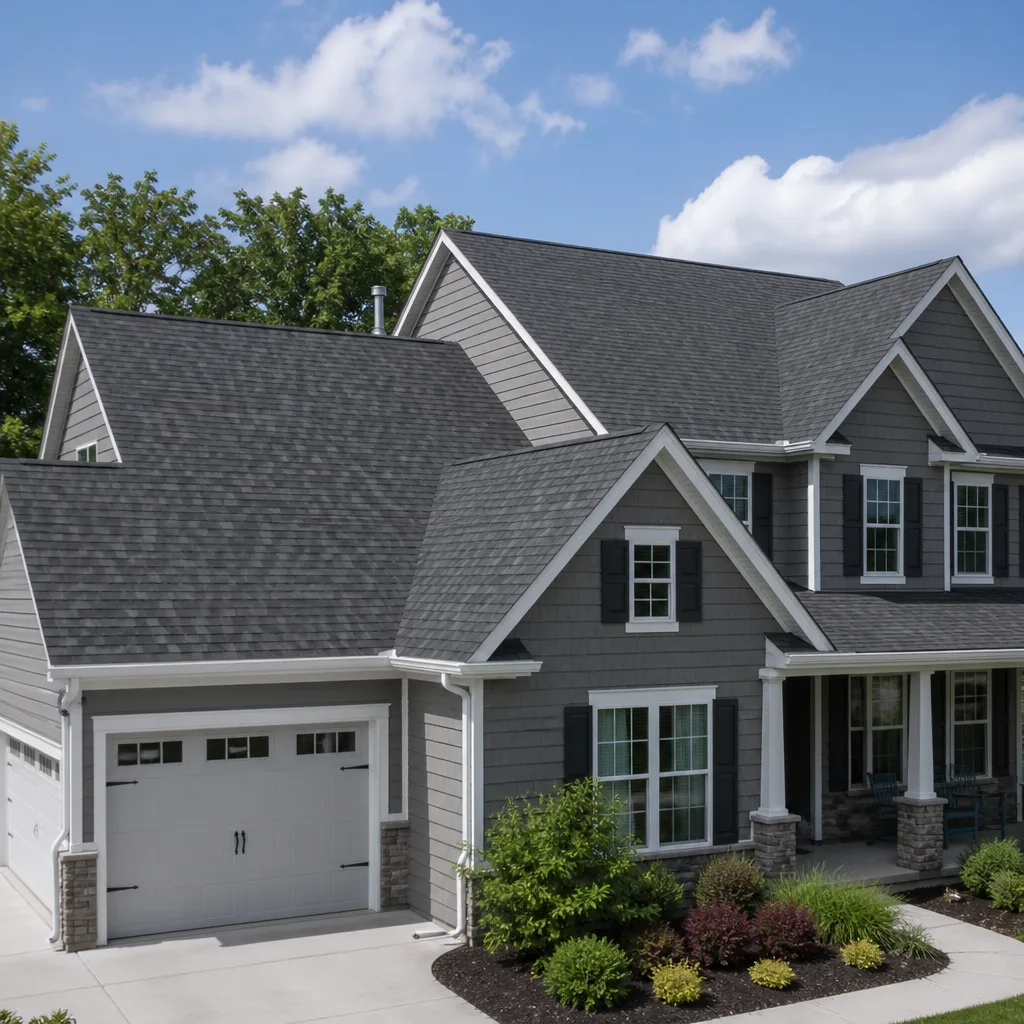
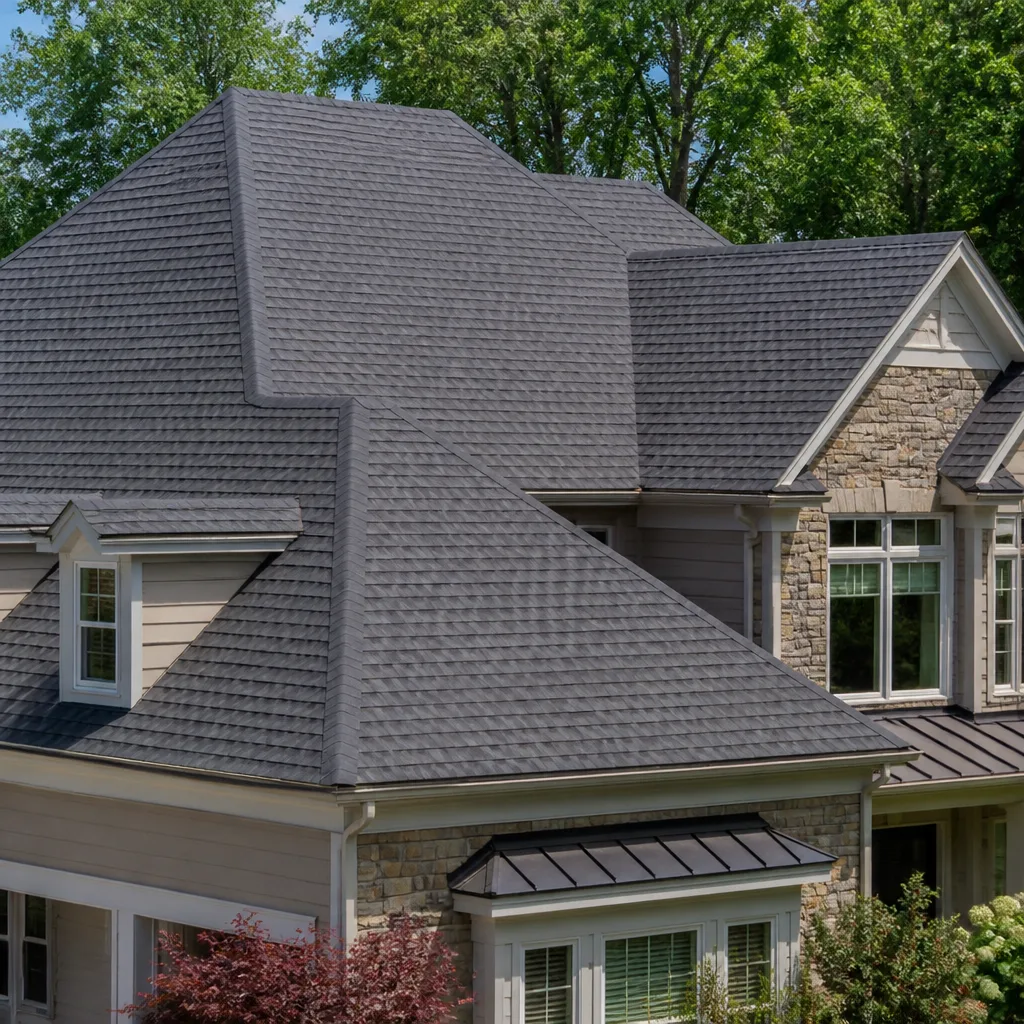
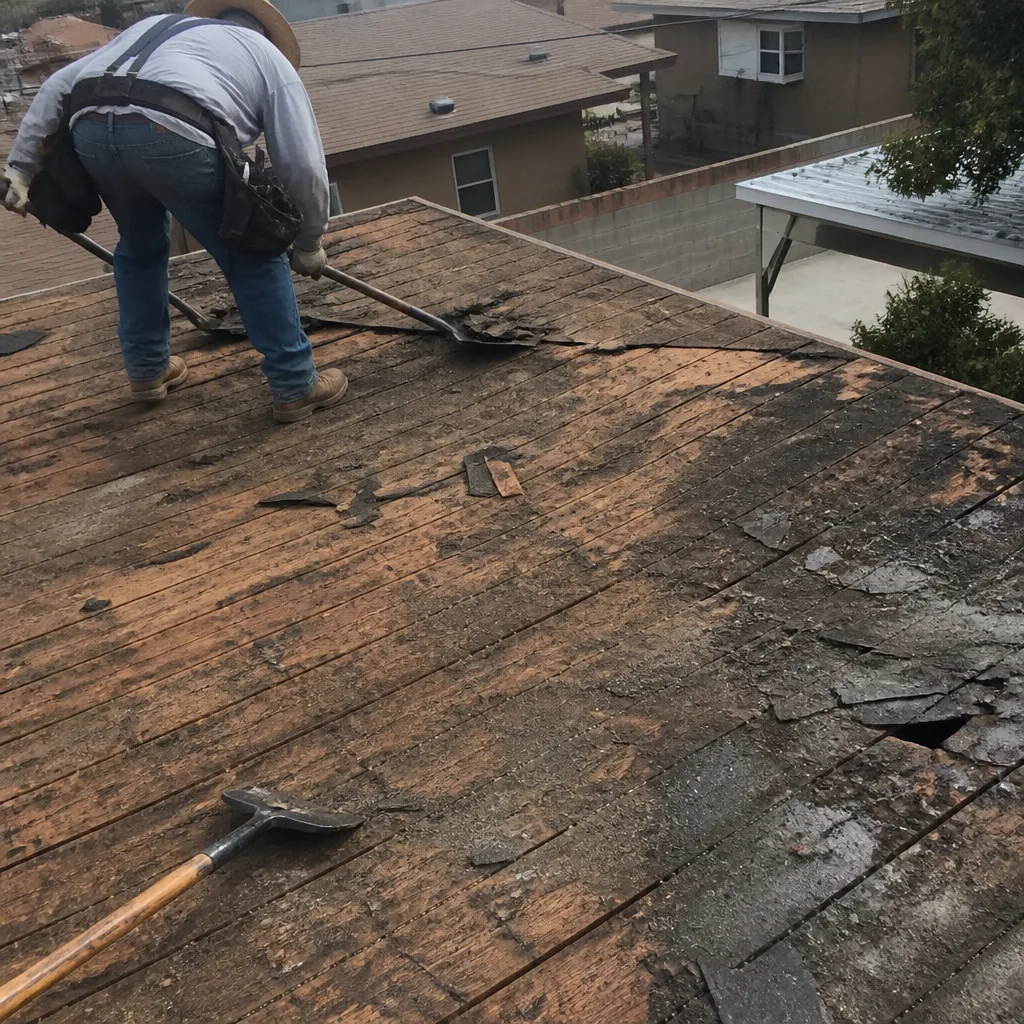
A shingle roof in Stanford is the most common replacement we do, and it’s where the university’s architectural review matters most. The job involves removing the existing roof to the decking, inspecting and replacing any rotted or water-damaged decking, laying new underlayment, installing the shingles to the manufacturer’s wind and fire specs, and finishing with flashing, ridge vent, and drip edge. We most often install GAF, CertainTeed, and Owens Corning architectural shingles here, because those brands have Class A fire-rated assemblies that clear LBRE review without back-and-forth. A full shingle roof on a typical Stanford home runs $18,000 to $28,000.
The LBRE Submittal Step
Before any shingle color gets nailed down, Stanford’s Land, Buildings & Real Estate department has to sign off. We prepare the submittal packet ourselves: material data sheets, the exact color, the fire rating, and photographs of comparable homes if needed. LBRE review typically adds two to four weeks to the project calendar, and we schedule around it so the roof isn’t stripped and left open waiting on a committee decision.
Fire-Rated Materials Are Not Optional Here
The entire Stanford campus area carries a Cal Fire Wildland-Urban Interface designation. That means Class A fire-rated shingles are effectively mandatory for any re-roof. We won’t spec a non-Class A assembly on a Stanford home, because it won’t pass and it wouldn’t be safe even if it did. Homeowners sometimes ask to save money with a lower-rated material; we explain that the county and the university will both reject it, and we show them the Class A options within their budget instead.
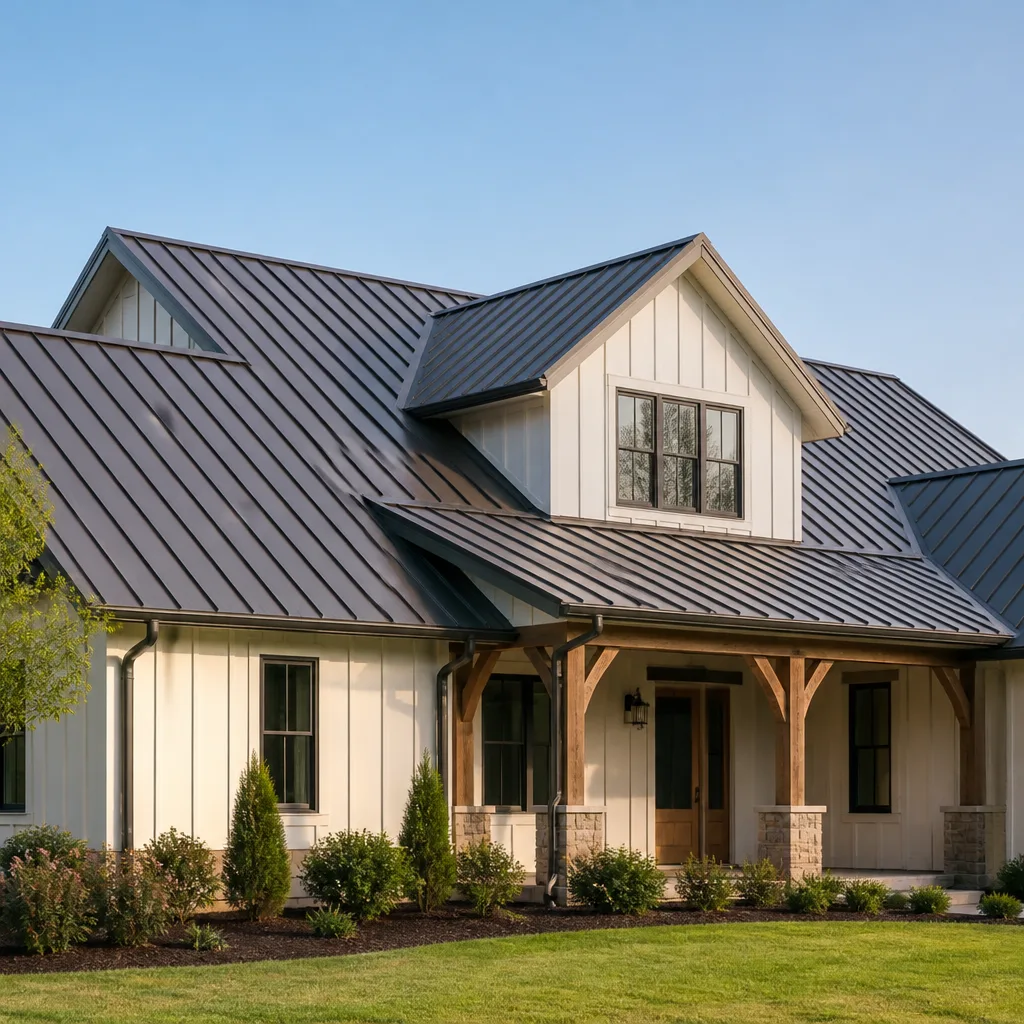
Standing Seam Metal Roof in Stanford
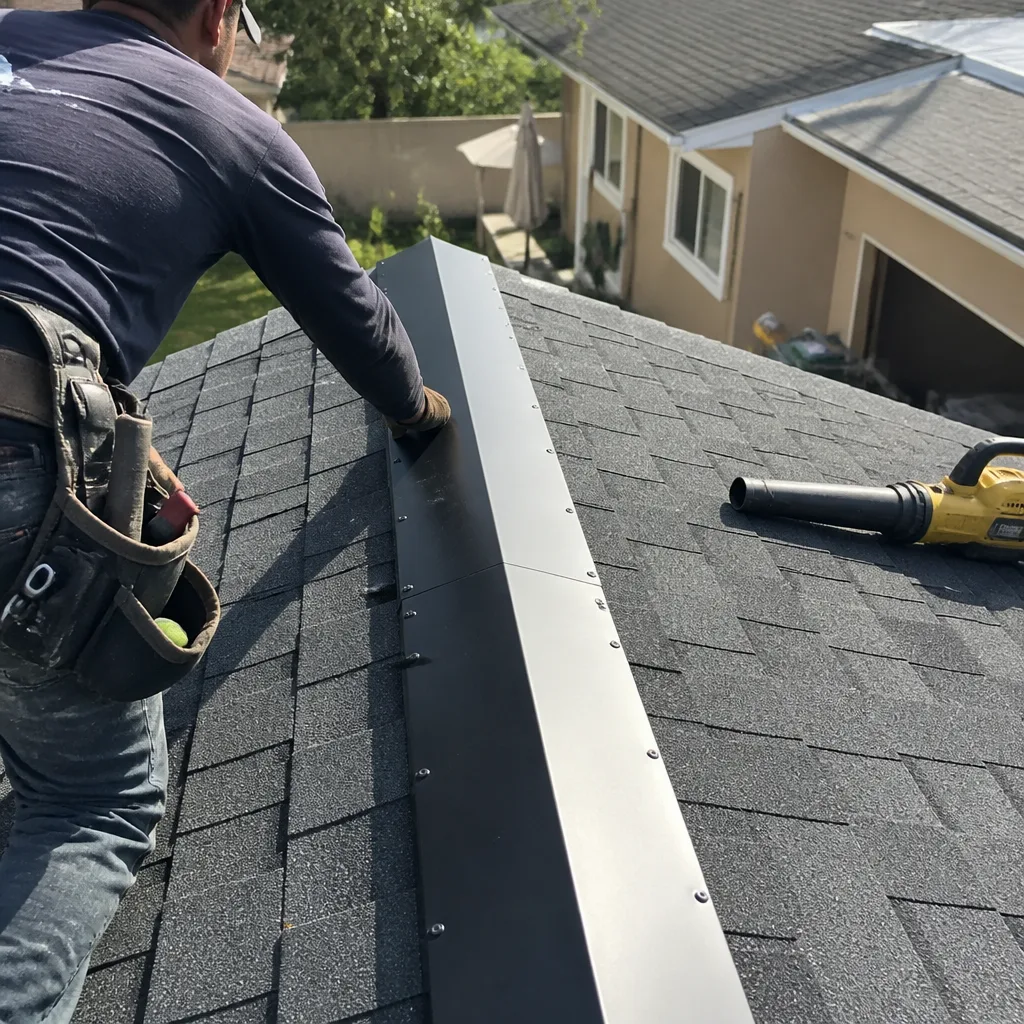
A standing seam metal roof in Stanford is a long-term investment that’s increasingly common on hillside homes where north-facing planes hold moisture and grow moss faster than flat Palo Alto lots. The job involves fabricating panels to the exact dimensions of each roof plane, installing them over a ventilated underlayment system, and hand-crimping seams that interlock to shed water and resist wind uplift. We most often install standing seam in pre-finished steel or aluminum with a Kynar 500 finish, and on Stanford homes it typically runs $32,000 to $45,000 depending on roof complexity and the number of dormers and valleys. LBRE review for metal usually goes faster than shingle because the material is inherently Class A, but the color still has to fit the architectural palette.
Why Metal Works on Foothill Roofs
Stanford’s position at the base of the Santa Cruz Mountain foothills means measurably more rainfall than flat Palo Alto immediately east. North-facing planes collect moss and lichen during the concentrated rainy season from November through March. Metal sheds that moisture cleanly; it doesn’t become a substrate for biological growth the way shingle granule surfaces can. For a hillside Stanford home with a roof pitch that holds water, standing seam often outlasts shingle by two decades or more.
What the Approval Path Adds
Even though metal passes fire review easily, LBRE still has final say on the finish and the panel profile. We’ve seen outside contractors install a county-approved metal roof only to have the university reject the color after panels were already ordered. We file the LBRE submittal before we ever place a material order, so that doesn’t happen on our jobs.
Trusted Brands We Service in Stanford
We install and service roofs using GAF, CertainTeed, and Owens Corning shingles, and we carry the full line of accessories each manufacturer requires for warranty coverage. That matters in Stanford because the university’s architectural review often asks for specific product data sheets, and we can provide those same-day from stock. If your roof was originally installed with another major brand, we can match existing courses for partial replacements as well. We order local for Stanford jobs so material lead time stays short, and our crews load directly from the supplier before staging at your property.
Common Roof Installation Problems We See in Stanford Homes
- Dual-permit confusion: Contractors pull the Santa Clara County building permit and skip the LBRE architectural submittal entirely. Then the university rejects a material or color swap mid-install, and the homeowner is stuck with a stripped roof and a crew waiting weeks for re-approval. We file both before the tear-off.
- Non-Class A assemblies in a WUI zone: Stanford’s Cal Fire WUI designation requires Class A fire-rated roofing. Crews that spec a lower-rated material to save money get stopped at the county level, or worse, install it and leave the homeowner with a roof that fails inspection and insurance review.
- Under-built nailing patterns on foothill roofs: Stanford hillside homes catch more wind than flat Menlo Park lots. When nails are driven high or spaced too wide, the shingle’s wind rating is never actually earned. We inspect nailing patterns as part of every estimate and flag this on homes over 20 years old.
- Moss and lichen eating north-facing planes: Stanford’s extra rainfall shows up most on the north side of a roof. If underlayment was skimped on at the original install, moss roots into the decking and rot follows years before the shingle’s rated life is up. We tear off to the decking and inspect every sheathing seam before laying new underlayment.
Pricing for Roof Installation in Stanford, CA
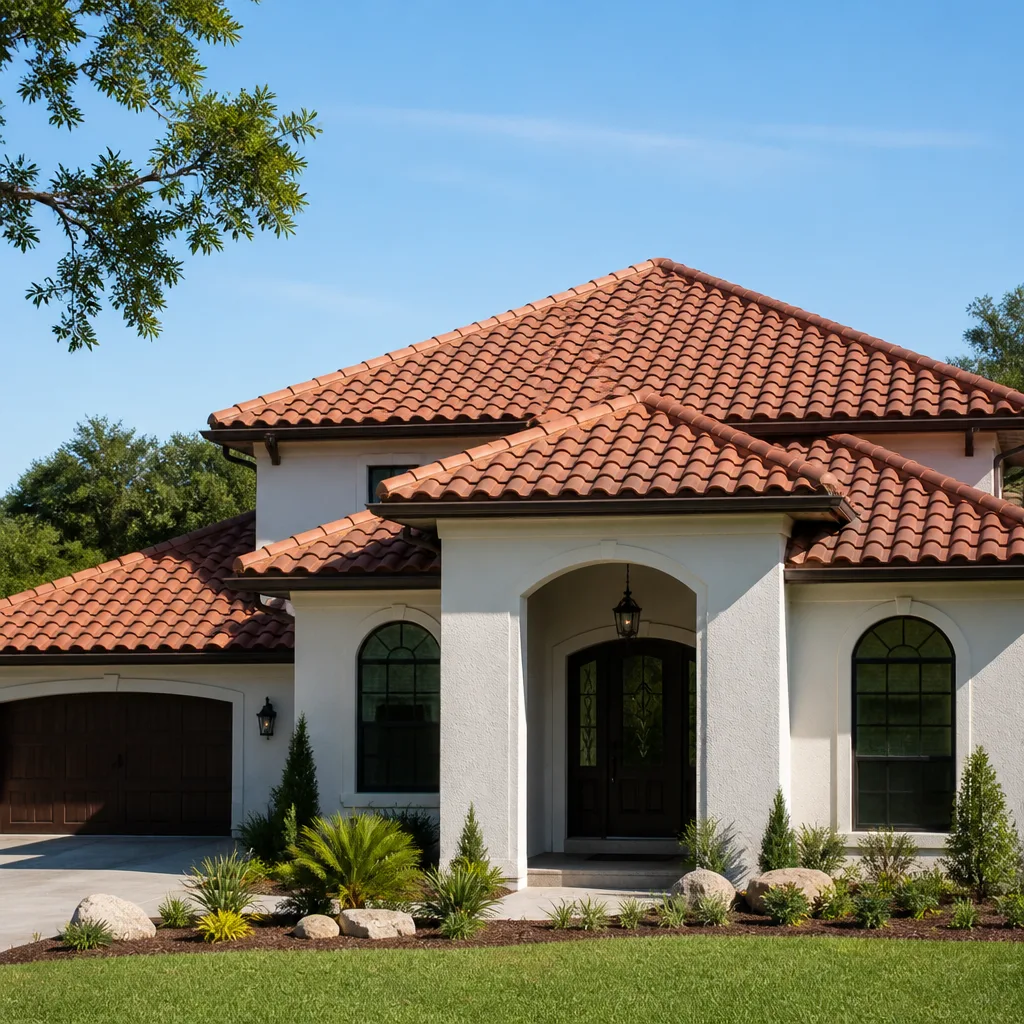
Here are real numbers for Stanford’s market. A full architectural shingle re-roof on a typical faculty home runs $18,000 to $28,000. Standing seam metal on a hillside home with dormers runs $32,000 to $45,000. Partial replacements, like a single roof plane or a garage roof, start around $6,000. What moves the number is roof complexity, decking replacement, and the material the university will approve for your specific home’s architectural style. A clay tile roof on a Romanesque Revival home near the main campus can run $40,000 to $60,000 since the tile has to match the original. We give you a written line-item price before anything starts, and that price does not change unless you approve a change order in writing. Call (743) 200-8347 to schedule your free estimate.
We Also Serve Cities Near Stanford
Mercer Roofing serves Palo Alto, Menlo Park, Atherton, and Los Altos as well. Each of those cities has its own permitting culture, but none of them have the dual county-plus-university review that Stanford does. If you’re outside the 94305 ZIP but need the same written-price, badge-at-the-door standard, we cover the whole area.
Serving Stanford, CA - Our Local Coverage Area
We’re based in the Stanford area and know this community well. Use the map below to see our service coverage - if you’re nearby, we can almost certainly help.
FAQs About Roof Installation in Stanford
We file the LBRE architectural submittal for you, and it typically takes two to four weeks for the university to respond. We prepare the full packet: material data sheets, color samples, fire ratings, and any required photographs. You sign the application once; we handle the back-and-forth.
In most cases, no. Stanford LBRE controls architectural standards across the ground-lease residential areas, and if your home’s original roofline is clay tile, the university will almost always require clay tile or a material they approve as a visual match. A swap that would sail through a county permit in Menlo Park can be rejected here even after the county signs off. We’ll check your home’s specific designation before you spend money on materials.
Class A fire-rated materials are the baseline because of the Cal Fire WUI designation. Within that, architectural shingles in earth tones and slate tones, standing seam metal in muted finishes, and clay tile that matches the original palette are the most common approvals. Bright or highly reflective metal finishes and bold shingle colors are routinely rejected. We can show you what’s been approved on similar homes in your neighborhood.
Stanford gets noticeably more rain than flat Palo Alto, and moss pressure on north-facing planes is real. That means we spend more time on underlayment than a flat-lot crew would: full ice and water shield through the valleys, proper drip edge, and ventilation that keeps the decking dry from below. A roof installed here without those details won’t last its rated life.
We sequence the job around the approval calendar. We file the county permit and the LBRE submittal in parallel, order materials only after both are in hand, and stage the tear-off for a window when the crew can complete the full install without interruption. On a 1920s Craftsman in Peter Coutts Circle, we waited out the dual county/LBRE sign-off before staging the tear-off so the roof was never left open. That’s how we run every Stanford job.
Written by Grant Whitlock, Owner at Mercer Roofing, serving Stanford, CA with written-price, badge-at-the-door roof installation.
Ready for a written price on your Stanford roof? Call (743) 200-8347 today. A live person answers, and your estimate is free.