
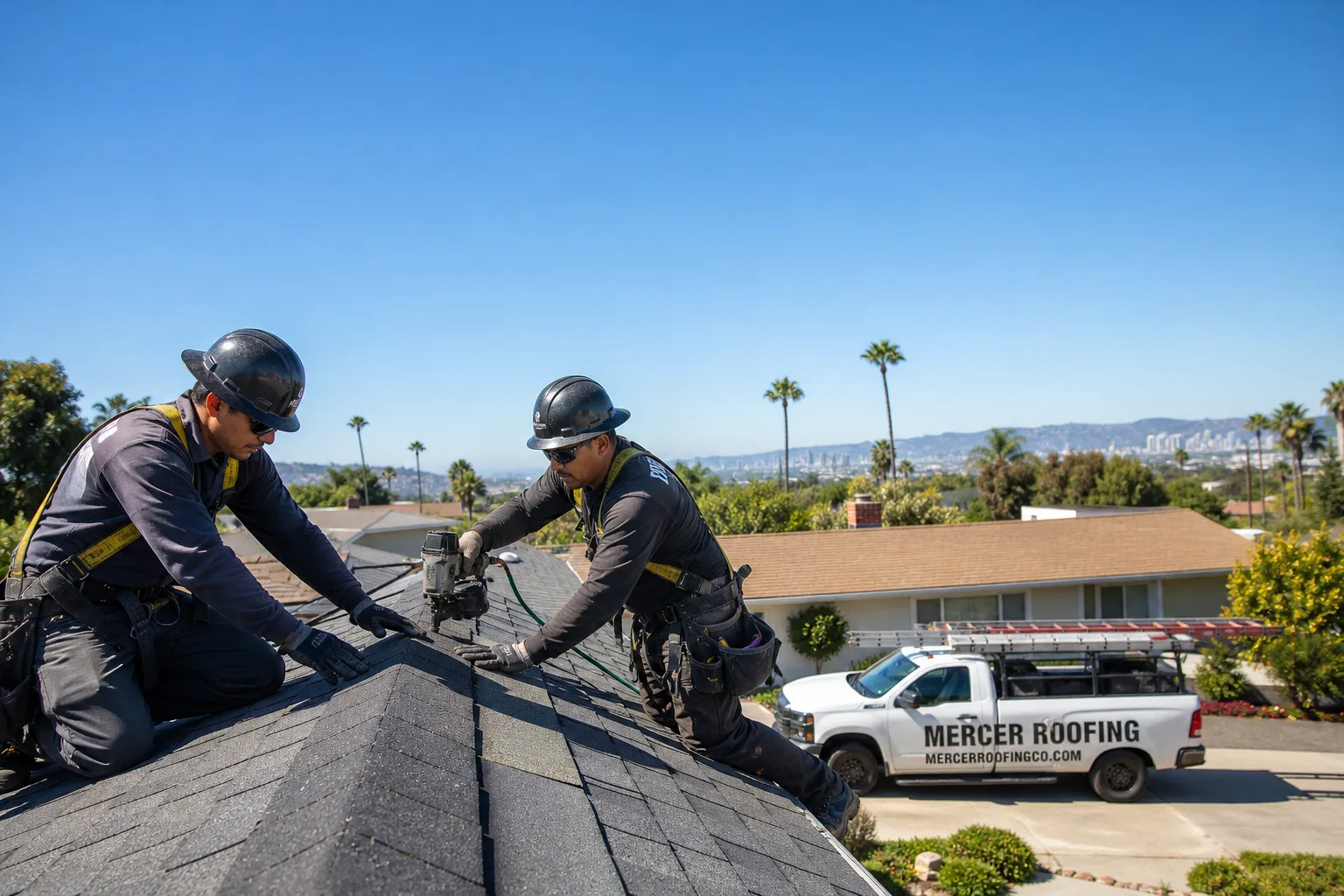
Free roof inspection with deck photos before we talk money - GAF and Owens Corning certified installation
 Before
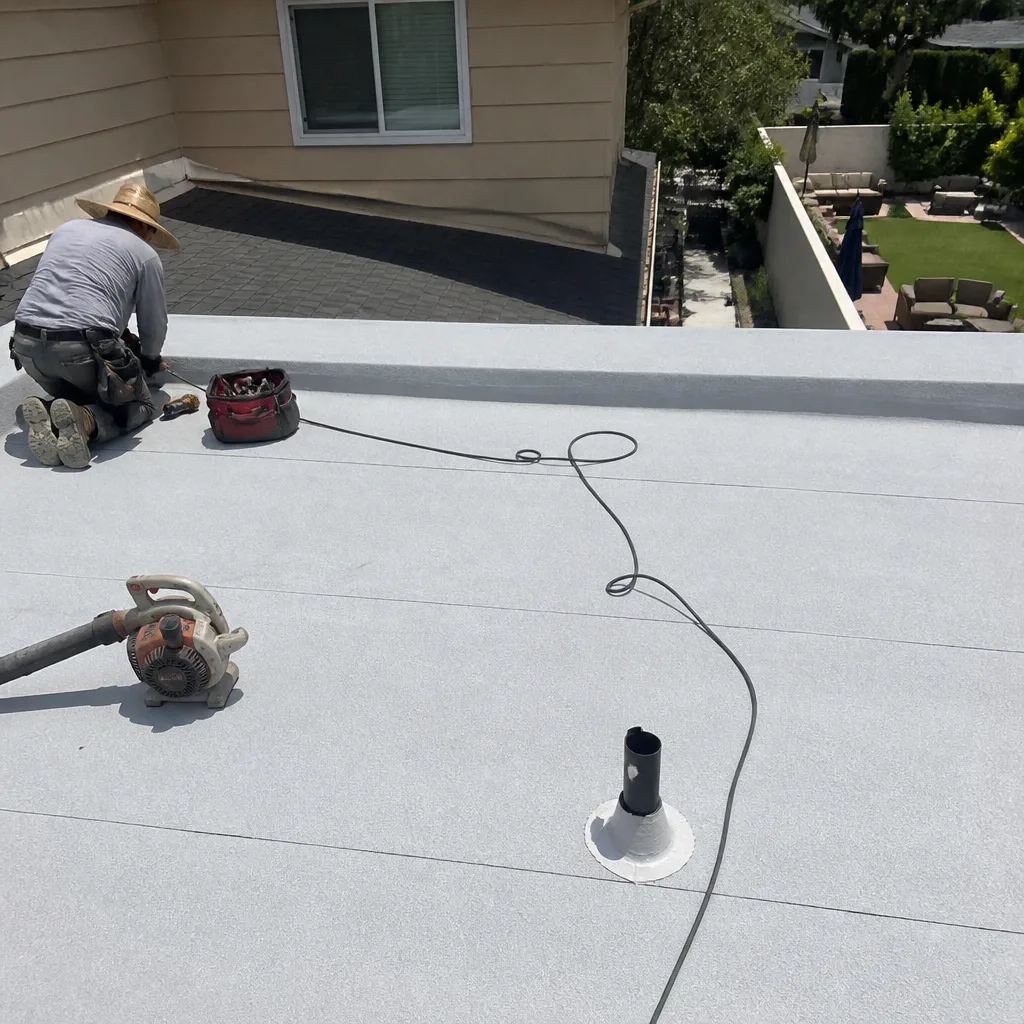 After
After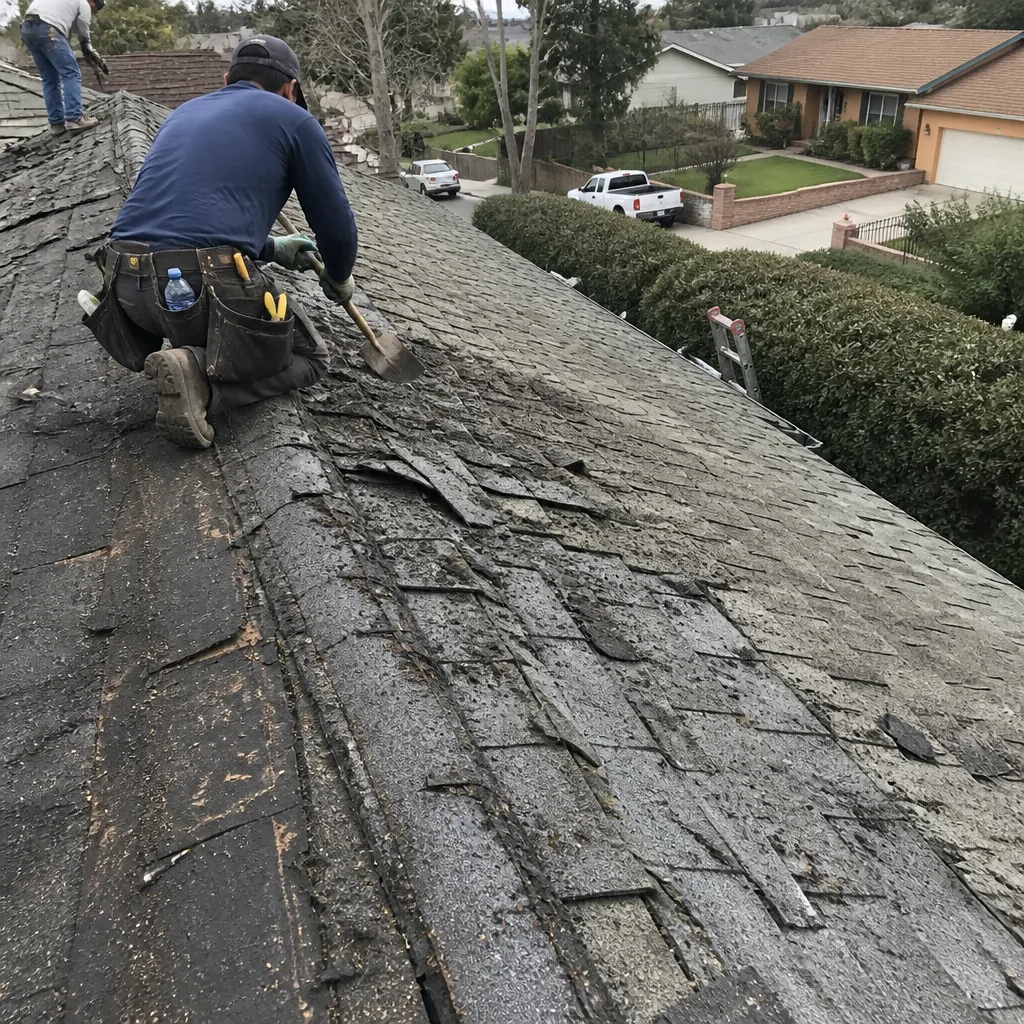 Before
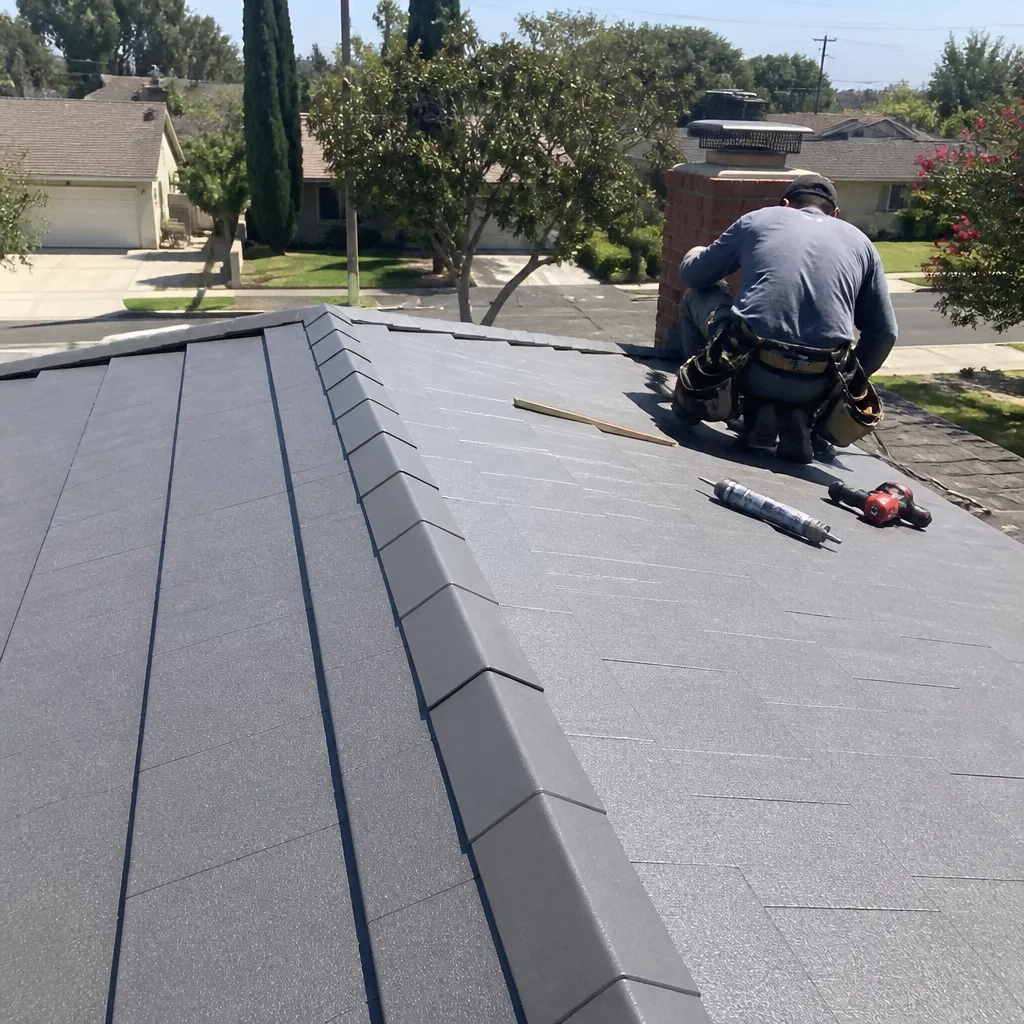 After
After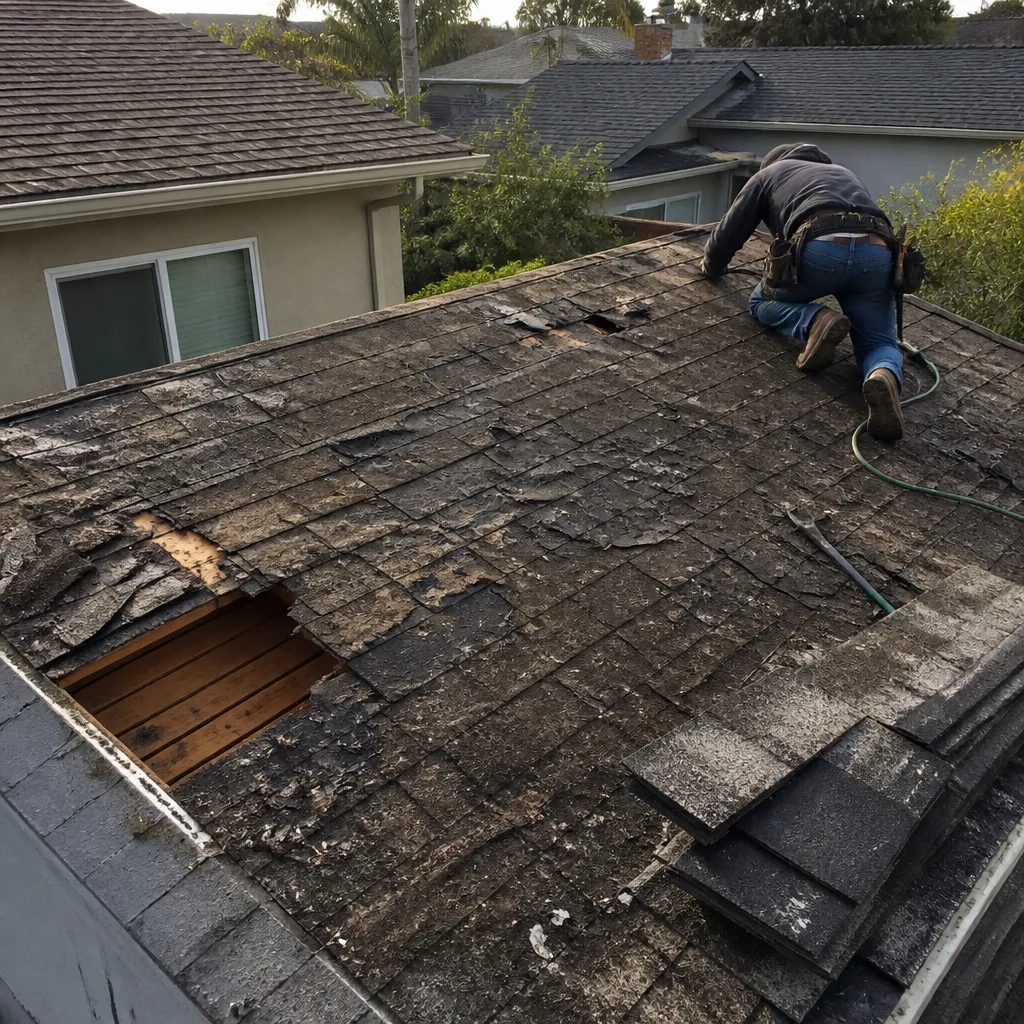 Before
 After
AfterFast, Reliable Roof Installation Across Temple City
Roof installation in Temple City comes down to one thing most roofers miss: this city’s specific mix of camellia shade, Valley heat, and older housing stock demands a different spec than what works in Rosemead or El Monte. We’re Mercer Roofing, and we’ve torn enough failed roofs off Temple City homes to know exactly which materials survive here and which ones don’t. Whether you’re replacing a worn-out roof on a 1952 ranch near Live Oak Park or putting a tile system on a new 4,000 sq ft custom build off Las Tunas Drive, we show up with a written price before any work starts. Call (743) 200-8347 for a free estimate.
Key Takeaways:
- Full roof installation in Temple City typically runs $14,000 to $38,000 depending on square footage, material, and decking condition
- Pre-1975 ranch homes on the interior grid need upgraded ventilation and marine-grade flashing to fight camellia debris and moss
- Every Mercer technician is background-checked, photo-badged, and sent to your door with their name and photo shared before arrival
- Written price before any work starts, every time – no surprises on the invoice
Why Mercer Roofing Is Temple City’s Preferred Roof Installation Company
Temple City homeowners call us because we treat a roof replacement the same way a local would: we know the camellia trees on your block, the way the northeast Santa Anas hit your gable ends, and what a 60-year-old ranch roof looks like when it finally gives out. Our roof installation team has worked on everything from original 1955 three-bedroom ranchers to brand-new two-story builds with clay tile over second-story decking. We don’t guess at the spec. We pull it from the failure patterns we see on the ground in this city.
Every estimate includes a written line-item price before the first nail goes down. That’s not conditional and it’s not a “maybe.” You’ll know the exact cost for tear-off, decking, underlayment, flashing, shingles or tile, ridge vent, and cleanup. If the job isn’t done right within 365 days, our Done Right Promise means we come back and make it right at no charge. That guarantee is in writing on every installation.
And here’s what matters most to the Temple City homeowner who’s home alone with the kids or just tired of opening the door to a stranger: before our technician arrives, you get their name and photo sent to you. They show up in a clean, marked uniform, and they badge in with a photo ID at your door. That’s the Threshold Verified standard, and every Mercer technician is held to it. No surprises at the door, no surprises in the quote.
Roof Ventilation in Temple City
Roof ventilation in Temple City is the difference between a roof that lasts 25 years and one that starts failing in 15, especially on the interior-grid blocks where camellia trees overhang north-facing roof planes. When a shaded roof plane stays damp from accumulated leaf litter and trapped moisture, the attic gets hot and humid at the same time. That combination bakes the underside of your decking, delaminates the underlayment, and speeds up granule loss on the shingle face. Proper ventilation – balanced intake at the soffits and exhaust at the ridge – moves that heat and moisture out so the materials don’t cook from underneath.
A homeowner in Temple City needs roof ventilation work when they notice moss staining on the north slope, musty attic air in summer, peeling paint on the eaves, or shingles that are cracking and curling well before their rated lifespan. If you’re already doing a full roof installation, upgrading ventilation adds roughly $800 to $1,400 to the total job and is the single best way to protect the new roof against this city’s specific failure pattern.
Ridge Vent And Soffit Intake On Older Ranches
Most 1940s to 1960s Temple City ranches were built with minimal or no continuous ridge vent and tiny, often painted-over soffit vents. When we install a new roof on these homes, we cut a proper ridge vent opening and confirm the soffits pull real air. The result is a roof plane that dries out instead of staying damp under tree cover.
Powered Ventilation For Low-Slope Sections
Some Temple City ranch additions and patio roofs have low-slope sections that can’t rely on passive ridge venting alone. In those cases we install a thermostat-controlled powered vent or solar attic fan to force air movement. It’s a small machine that does a big job on the shaded north planes.
Roof Flashing Installation in Temple City
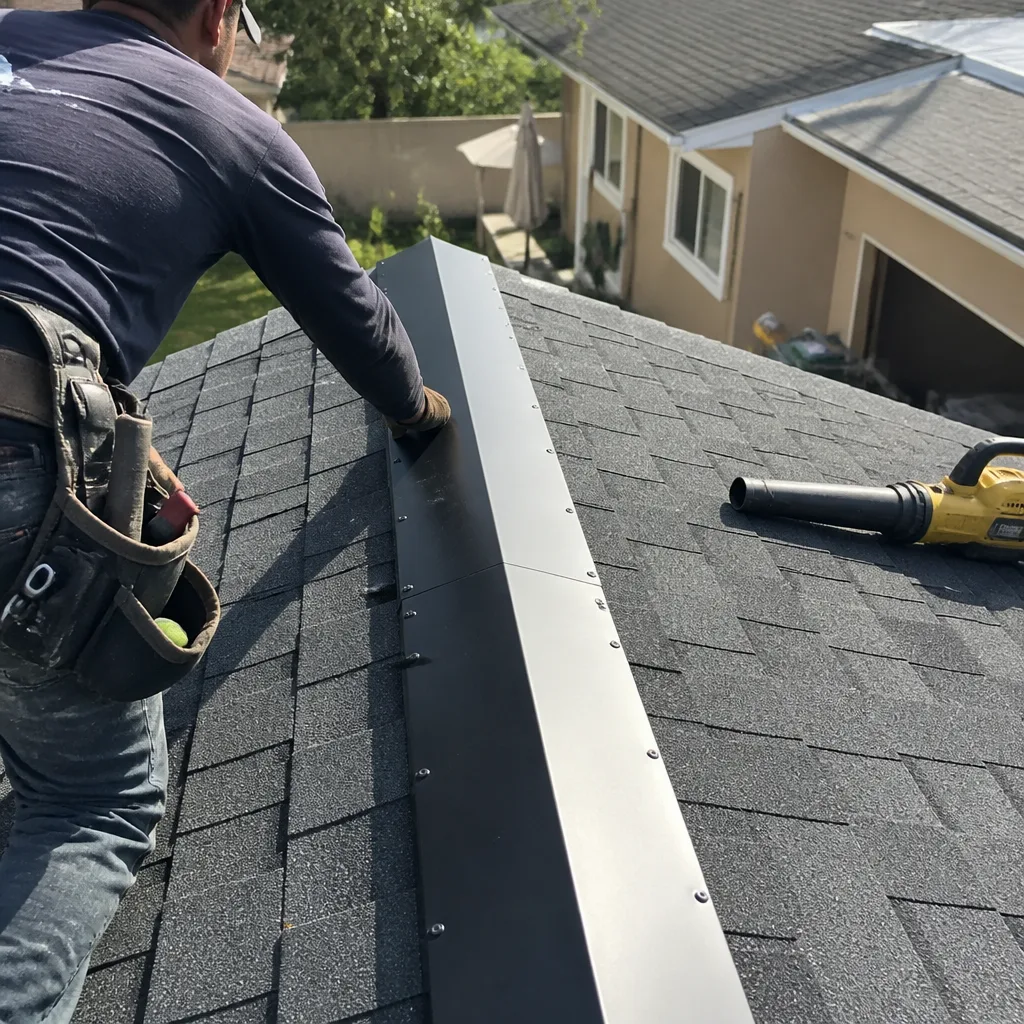
Roof flashing installation in Temple City is where water either gets stopped or gets a free pass into your attic. Flashing is the metal – usually galvanized steel or aluminum – that seals the joints where the roof meets a chimney, a wall, a vent pipe, or a valley where two slopes meet. On the 1945 to 1970 ranch homes that fill this city, original flashing is often dried out, cracked, or so thin it crumples under a screwdriver. When that flashing fails, water creeps in at the exact points you can’t see from the ground.
A Temple City homeowner needs flashing replacement when they see rusty metal around the chimney, water staining on the ceiling near a wall junction, or granules collecting in the gutter below a valley. If you’re doing a full installation, all new flashing is part of the job. On a repair basis, targeted flashing work runs $450 to $1,500 depending on how many penetrations need to be sealed.
Valley Flashing For Steeper Temple City Roofs
Many Temple City ranchers have steeper valleys than you’d expect, which means water channels through them fast during winter rains. We set self-adhered ice and water shield under the valley flashing, then run the metal in a way that keeps debris from catching. Camellia leaves love to pile in valleys, and a properly flashed valley sheds them instead of holding them against the shingles.
Chimney And Wall Step Flashing
Chimneys on older Temple City homes are a weak point – the original step flashing is often corroded or pulled away from the brick. We cut reglets into the brick and set new step and counter flashing, then seal the joint with a high-quality exterior sealant rated for the 100-degree heat we get on the Valley floor. This is one of those details that separates a roof that leaks in year three from one that stays dry for decades.
Trusted Brands We Service in Temple City
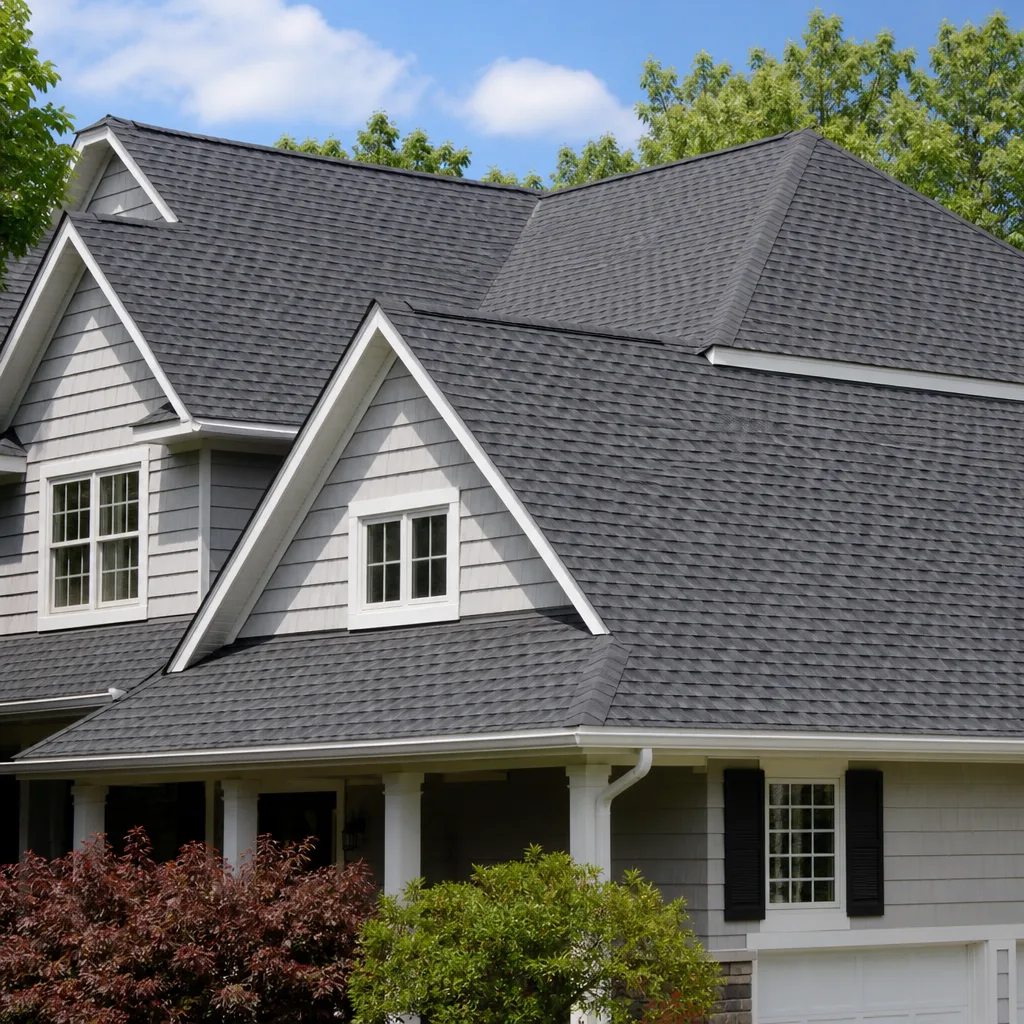
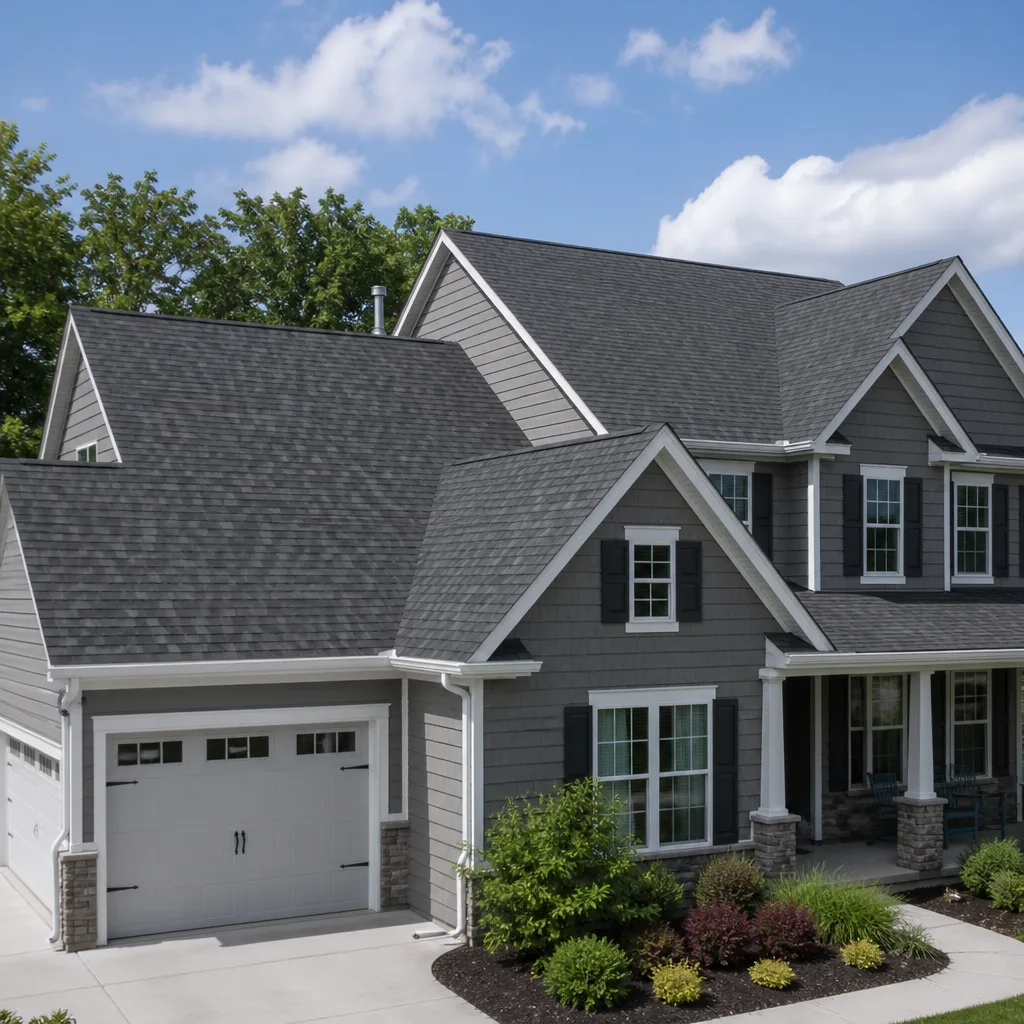
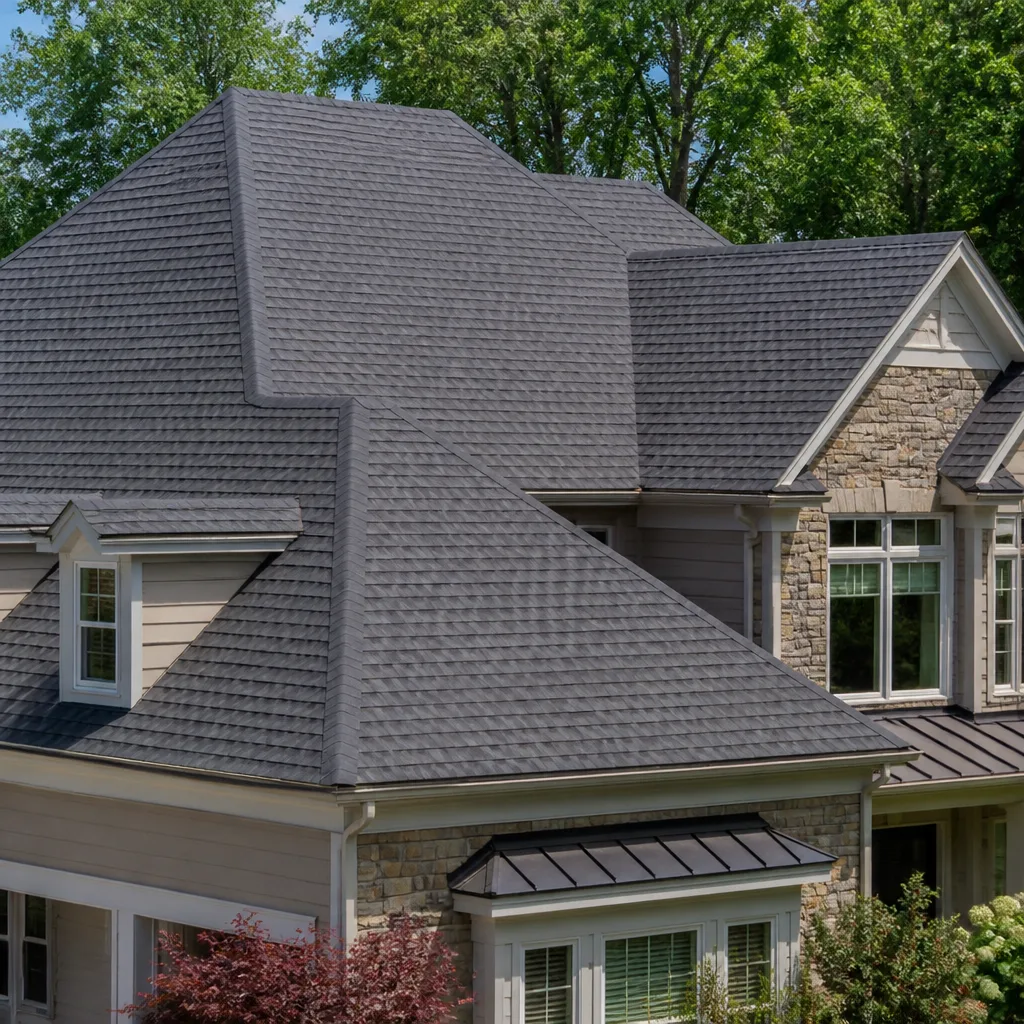
Our Roof Installation crews work with the shingle brands that hold up best in Temple City’s specific climate: GAF, Atlas, and Tamko for architectural asphalt shingles on older ranches, and Boral for concrete tile on the new custom builds going up across the city. We keep a local stock of these materials in rotation for Temple City jobs, which means we’re not waiting on a warehouse order from across the county when your tear-off is half done. If you’re comparing specific product lines, we’ll walk you through the actual performance differences that matter here – like which shingle resists moss staining better under camellia cover, and which tile system handles the 105-degree summer heat without fading.
Common Roof Installation Problems We See in Temple City Homes
- Camellia litter packing the north planes. The older camellia trees that line blocks around Live Oak Park and the interior grid drop a steady load of leaves and flowers onto shaded roof sections. That debris holds moisture against the shingles, feeds moss and algae, and strips granules fast. We see north-facing failure while the south side of the same roof still looks nearly new.
- Thermal cycling cracking on 100-degree days. Temple City sits on the inland Valley floor where summer temperatures hit 100 to 105 degrees regularly. That expansion-contraction cycle cracks shingles and dries out underlayment, especially on roofs that were installed without proper attic ventilation.
- Santa Ana wind lifting poorly fastened materials. The gusts that funnel out of the mountain passes to the northeast pick up speed across the Valley floor. On older Temple City ranches with undersized nails or a weak starter strip, those winds lift and tear off shingles every fall. The fix is stainless steel fasteners and a properly sealed starter course.
- Undersized overhangs and failing drip edge. Many original Temple City ranch homes have 12-inch overhangs with dried-out fascia and minimal drip edge. Water gets behind the gutter line, soaks the fascia, and eventually works into the decking. On new installations we replace that drip edge and often extend the eave protection to cover the full overhang.
Pricing for Roof Installation in Temple City, CA
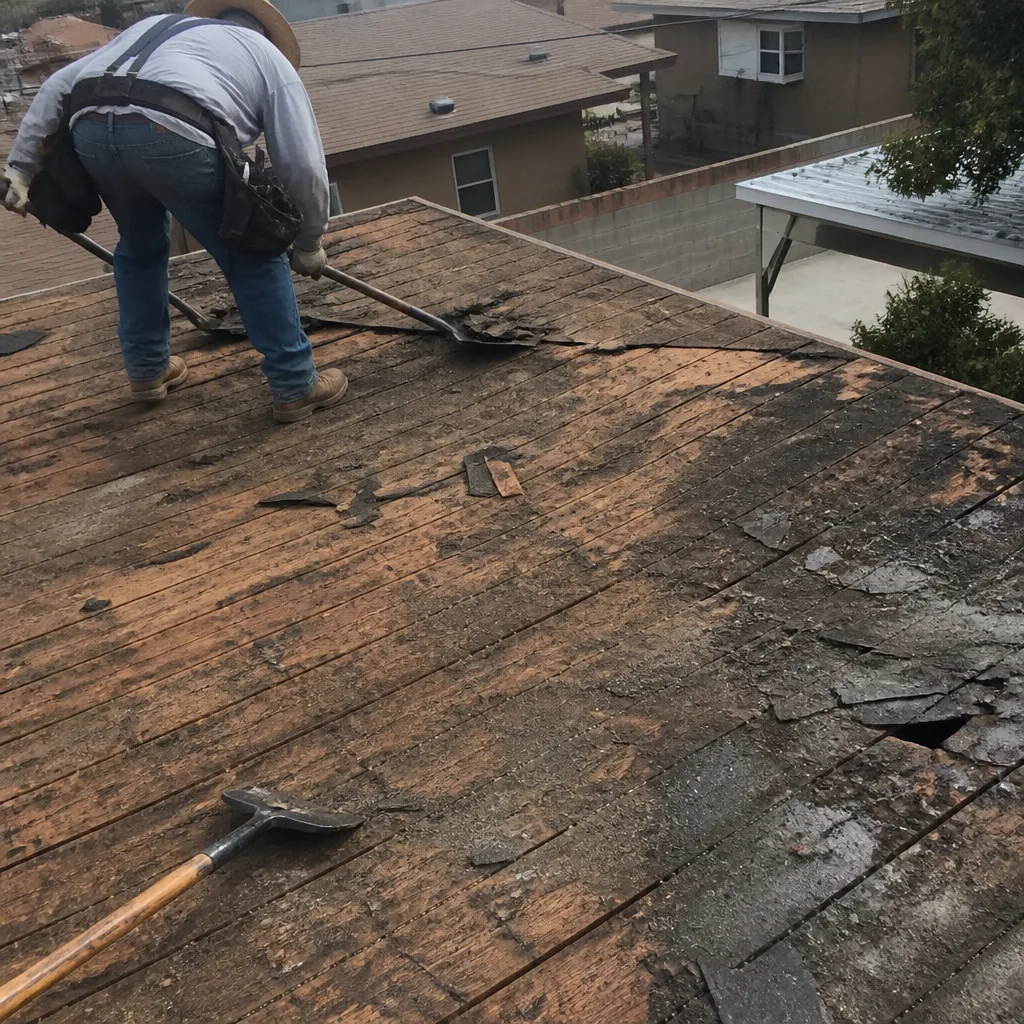
A full asphalt shingle roof installation on a typical 1,800 to 2,400 sq ft Temple City ranch home runs $14,000 to $26,000, including tear-off, new underlayment, flashing, shingles, ridge vent, and cleanup. If your decking needs replacement – and on pre-1975 homes it often does – add $2,000 to $6,000 depending on how many sheets are rotted. New construction tile roofs on the 3,500 to 5,000 sq ft custom builds going up across Temple City run $45,000 to $80,000 or more, driven by material cost, second-story height, and the additional underlayment and lath work tile requires. Every estimate we give includes a written line-item price before any work begins, so you know exactly what you’re paying for. Call (743) 200-8347 to schedule your free estimate.
We Also Serve Cities Near Temple City
While this page is built around Temple City, our crews also handle roof installation in El Monte, San Gabriel, Arcadia, and Rosemead. Dispatch and scheduling are coordinated from the brand’s Los Angeles office, and each location is independently owned and operated under the same Threshold Verified standard. The failure patterns differ block to block – Rosemead’s older housing stock has different shade profiles than Temple City’s interior grid – so we spec every job to the local conditions, not a generic template.
Serving Temple City, CA - Our Local Coverage Area
We’re based in the Temple City area and know this community well. Use the map below to see our service coverage - if you’re nearby, we can almost certainly help.
FAQs About Roof Installation in Temple City
Yes. The camellia trees that line Temple City’s interior streets deposit organic debris that traps moisture on north-facing roof planes, which accelerates moss growth and granule loss on standard asphalt shingles. For homes with heavy tree cover, we recommend stain-resistant architectural shingles like GAF Timberline HDZ or Atlas Pinnacle Pristine, paired with upgraded ventilation to dry out those shaded planes. Homes with lighter tree exposure can use a broader range of shingle options. Call (743) 200-8347 and we’ll tell you up front what your specific block actually needs.
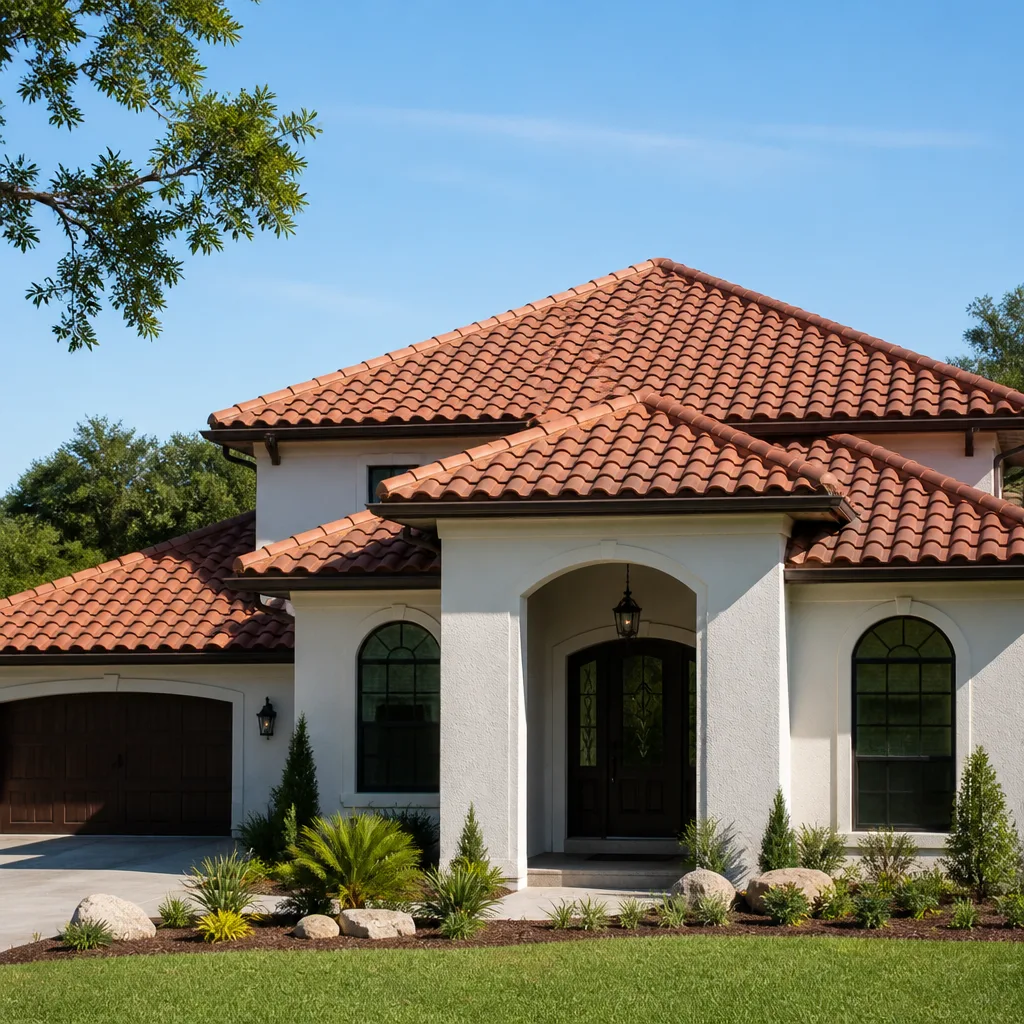
For the larger custom builds going up across Temple City, we typically recommend a concrete tile system like Boral or a high-spec architectural shingle with a full peel-and-stick underlayment, depending on the homeowner’s aesthetic preferences and the roof’s slope. These homes have steeper, more complex roof lines with multiple valleys and penetrations, which means the flashing and underlayment work is just as critical as the tile or shingle itself. We provide a detailed written spec for each section of the roof, not a single number thumbed from a price book.
In Temple City, a coastal-spec roof – which means stainless steel fasteners, marine-grade flashing, self-adhered ice and water shield in valleys and at penetrations, and upgraded ventilation – typically adds $1,500 to $3,500 to a full installation compared to a basic inland spec using galvanized fasteners and standard flashing. The cheaper spec fails faster here because the Valley heat dries out sealants and the camellia debris holds moisture against unprotected metal. Within ten years, that “savings” usually disappears in repair calls. We quote the coastal spec as our standard on every Temple City job because we’ve seen what the alternative does.
Your north-facing roof plane stays shaded and damp for long stretches, especially if camellia trees overhang it, and that consistent moisture is what’s driving the fast granule loss and moss staining. The problem is usually a combination of three things: poor attic ventilation trapping heat underneath, organic debris holding water against the shingle face, and original flashing that stopped sealing correctly years ago. The fix is a combination approach – new shingles, better ventilation, and new flashing – not just another patch on the worn side. Call (743) 200-8347 for a free estimate and we’ll show you what’s actually failing up there.
Compare them line by line, not just by the bottom number. Look at the fastener spec – stainless vs. galvanized changes what happens in year five when the Santa Anas hit. Look at the underlayment – peel-and-stick in valleys and at penetrations is the difference between a roof that leaks in year two and one that doesn’t. Look at the flashing details – are they cutting reglets into the chimney or just caulking over the old metal? And check whether the contractor’s written guarantee covers the full installation for 365 days or just the shingle manufacturer’s warranty. We give you a written price with every line item spelled out before any work starts, and our Done Right Promise covers the job for a full year. Call (743) 200-8347 and we’ll walk through your existing bid together.
Written by Grant Whitlock, Owner at Mercer Roofing, serving Temple City and the surrounding San Gabriel Valley.