
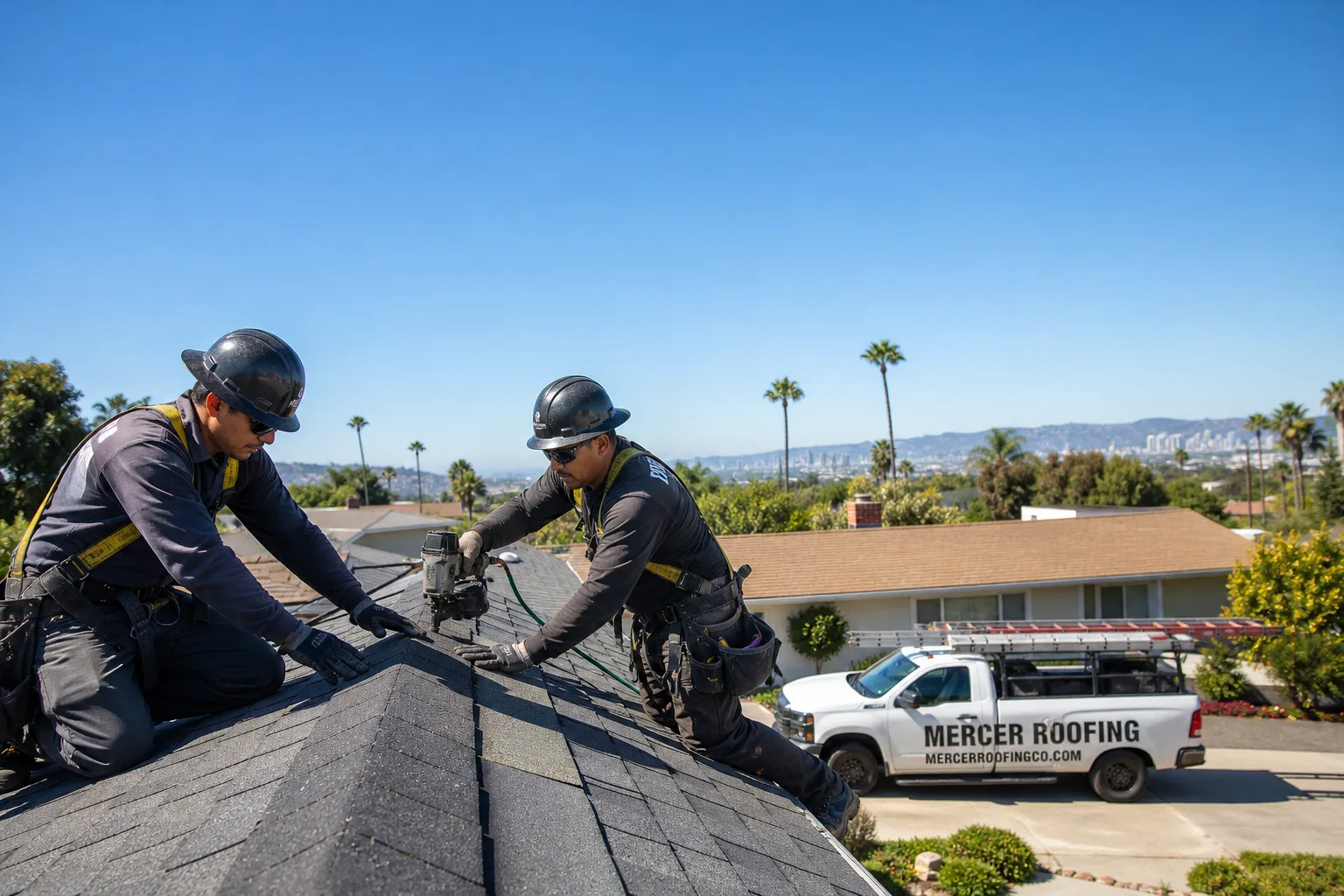
Free roof inspection with deck photos before we talk money - GAF and Owens Corning certified installation
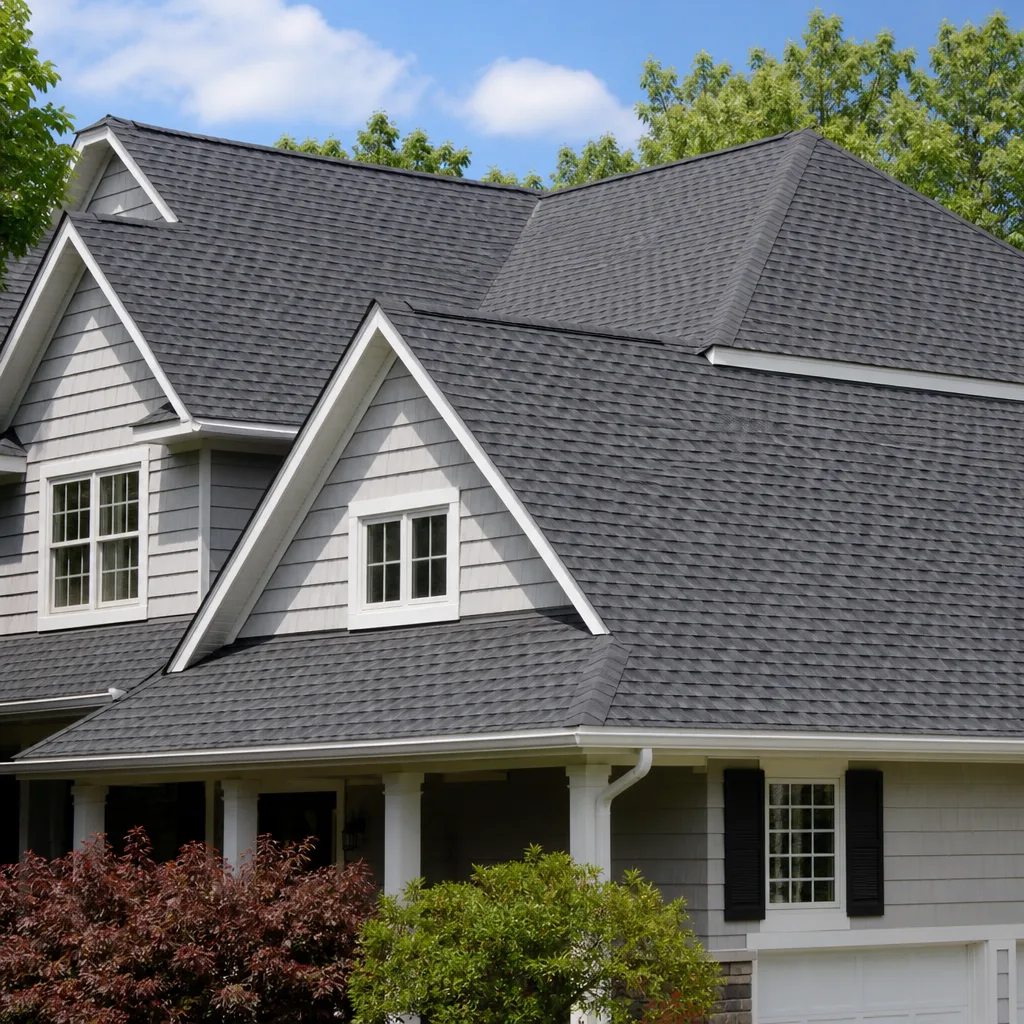
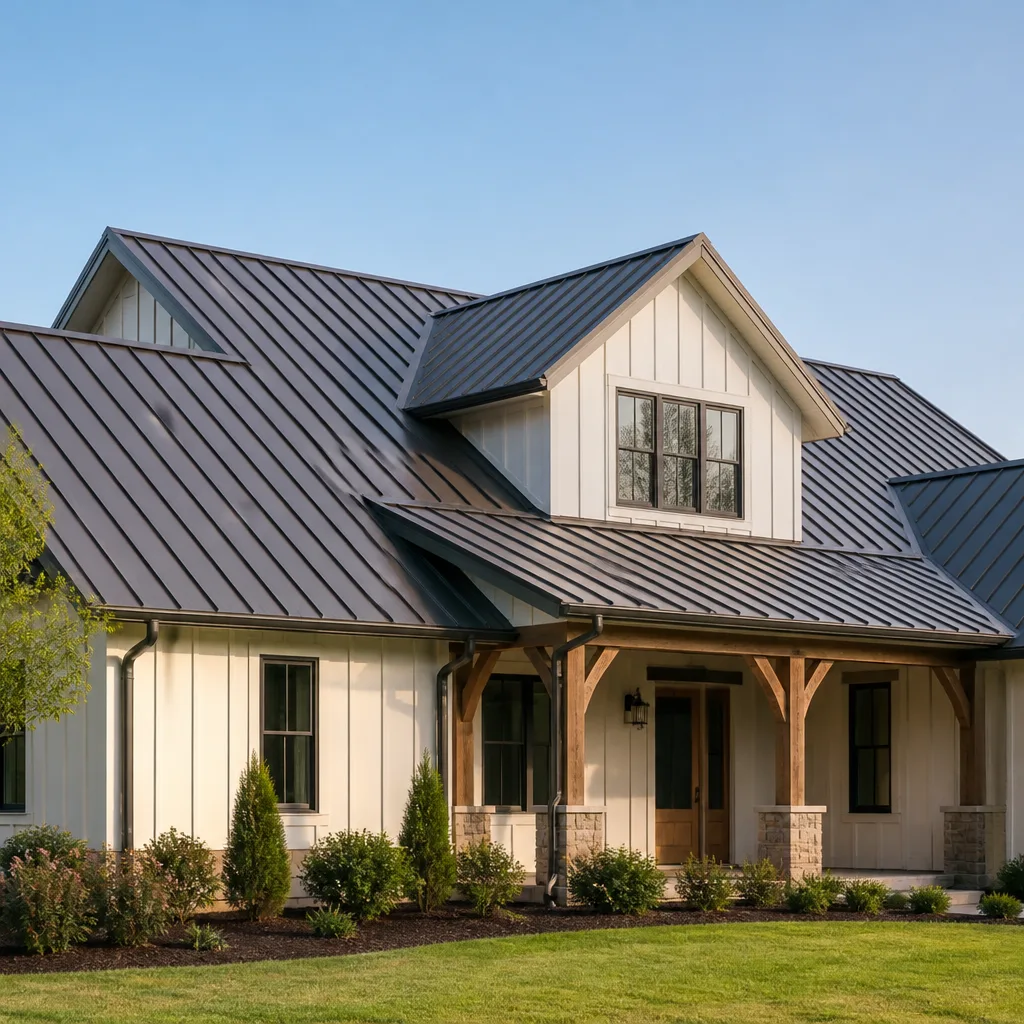
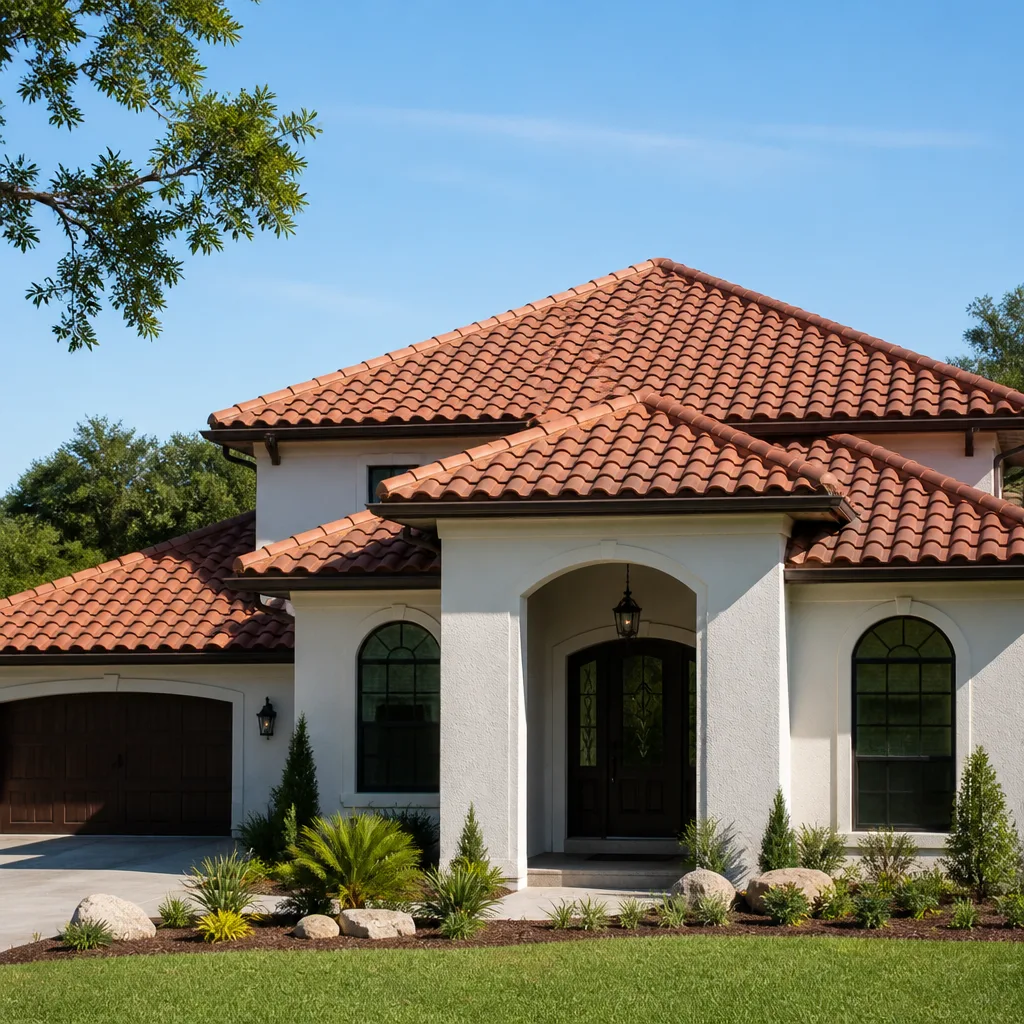
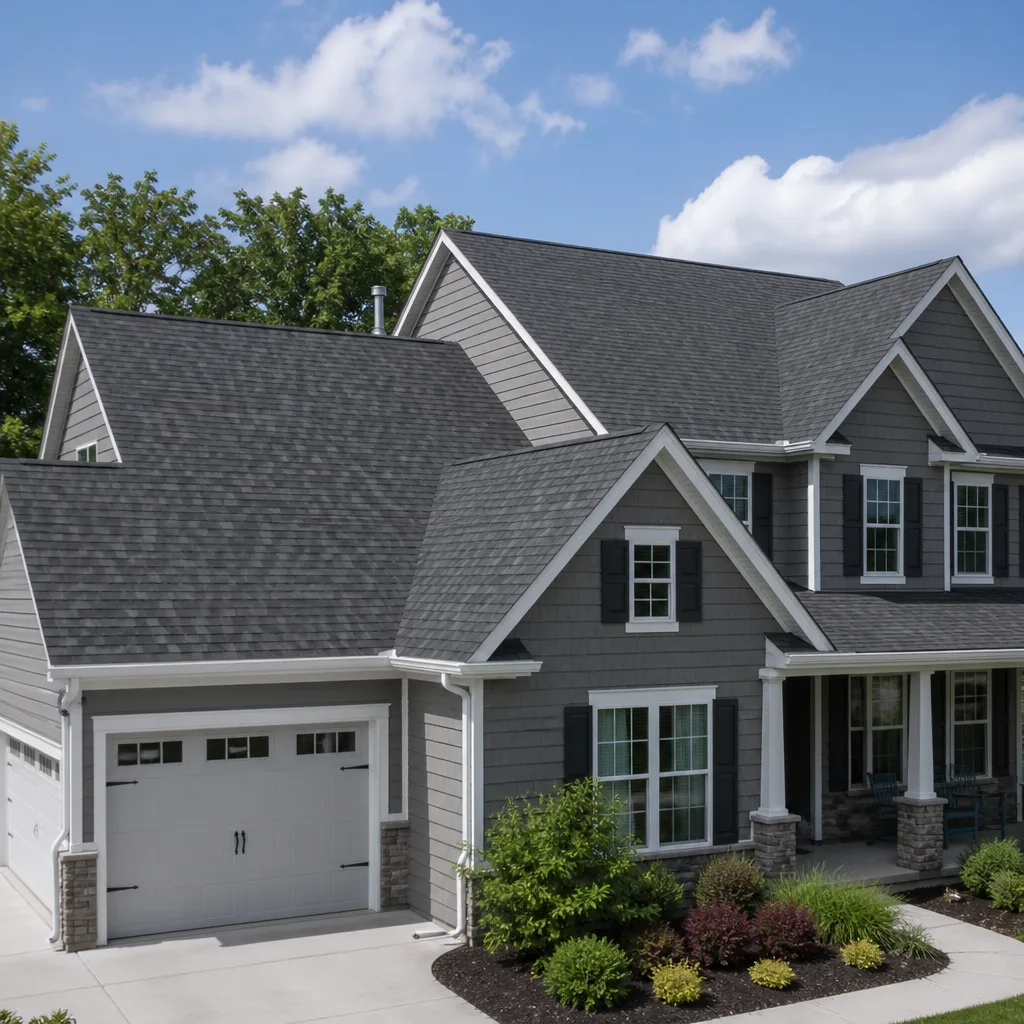
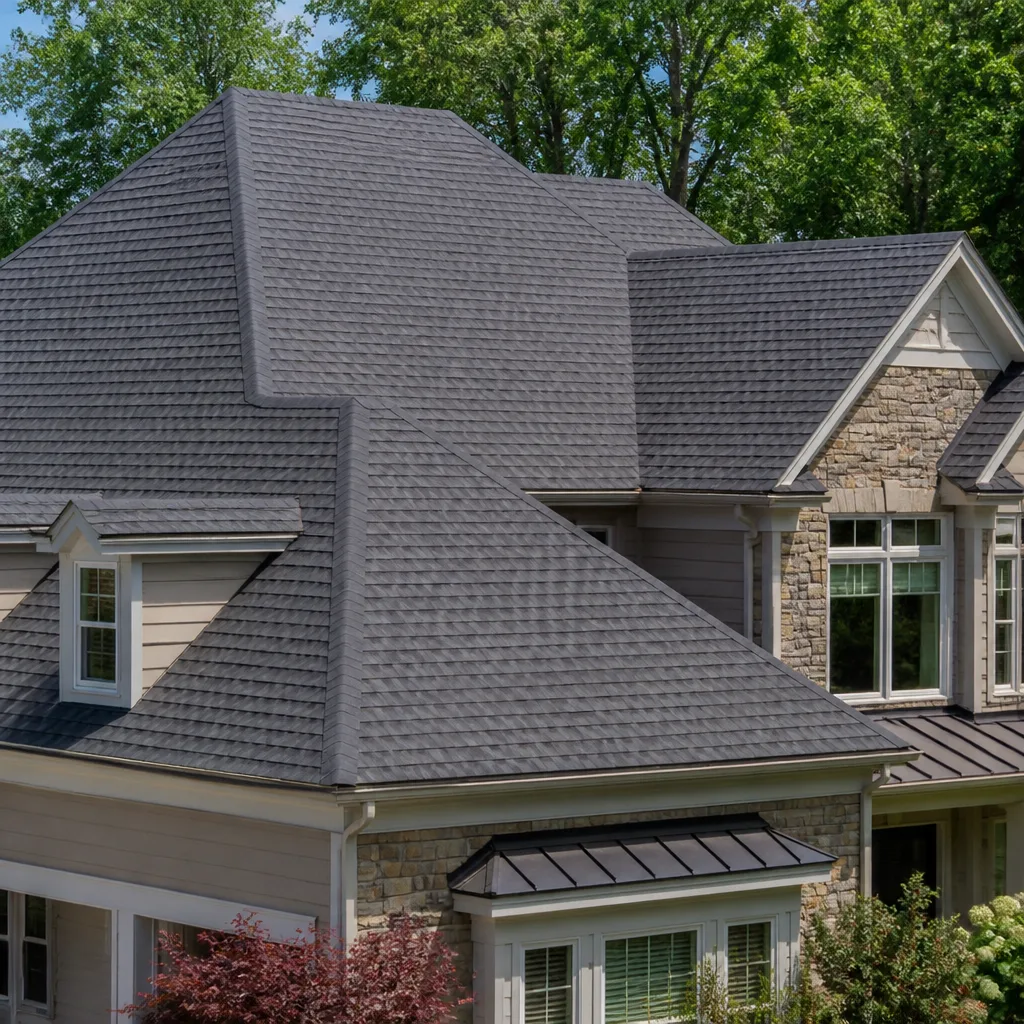
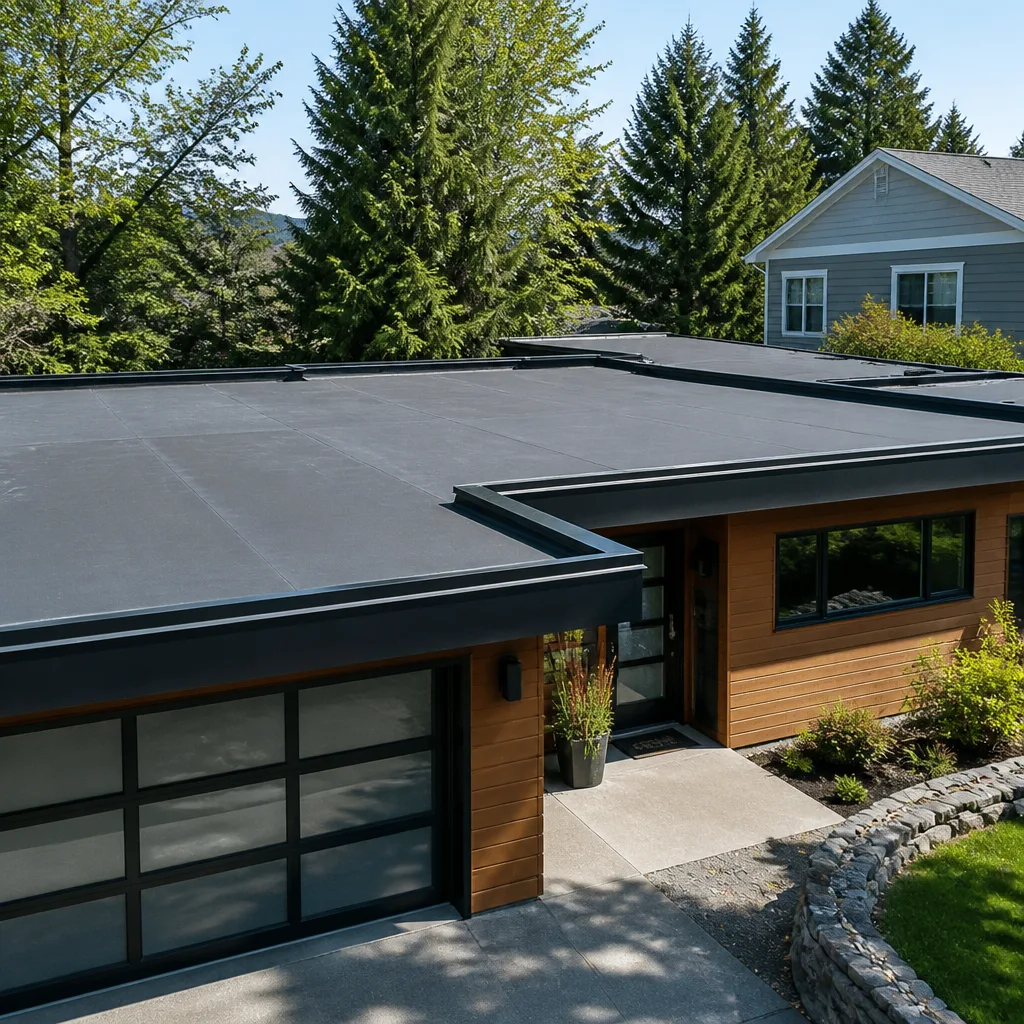
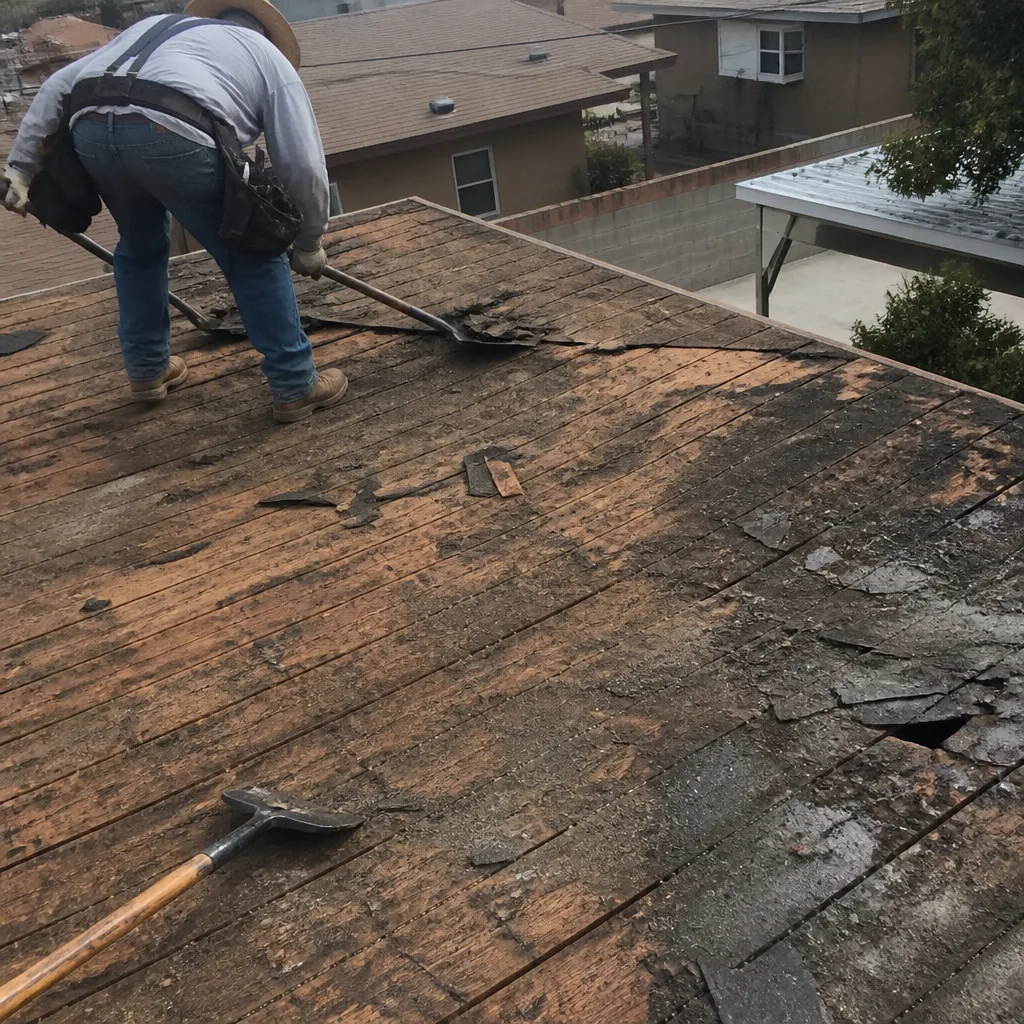 Before
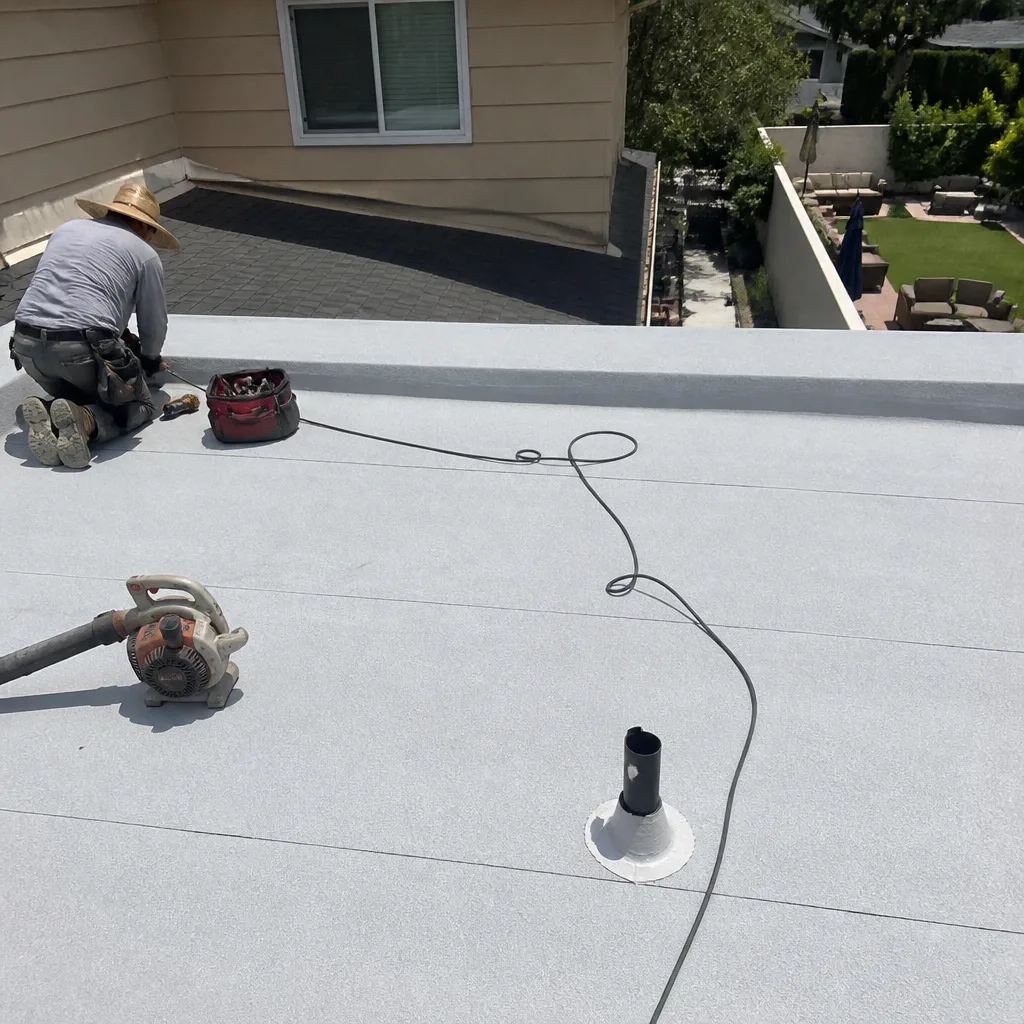 After
After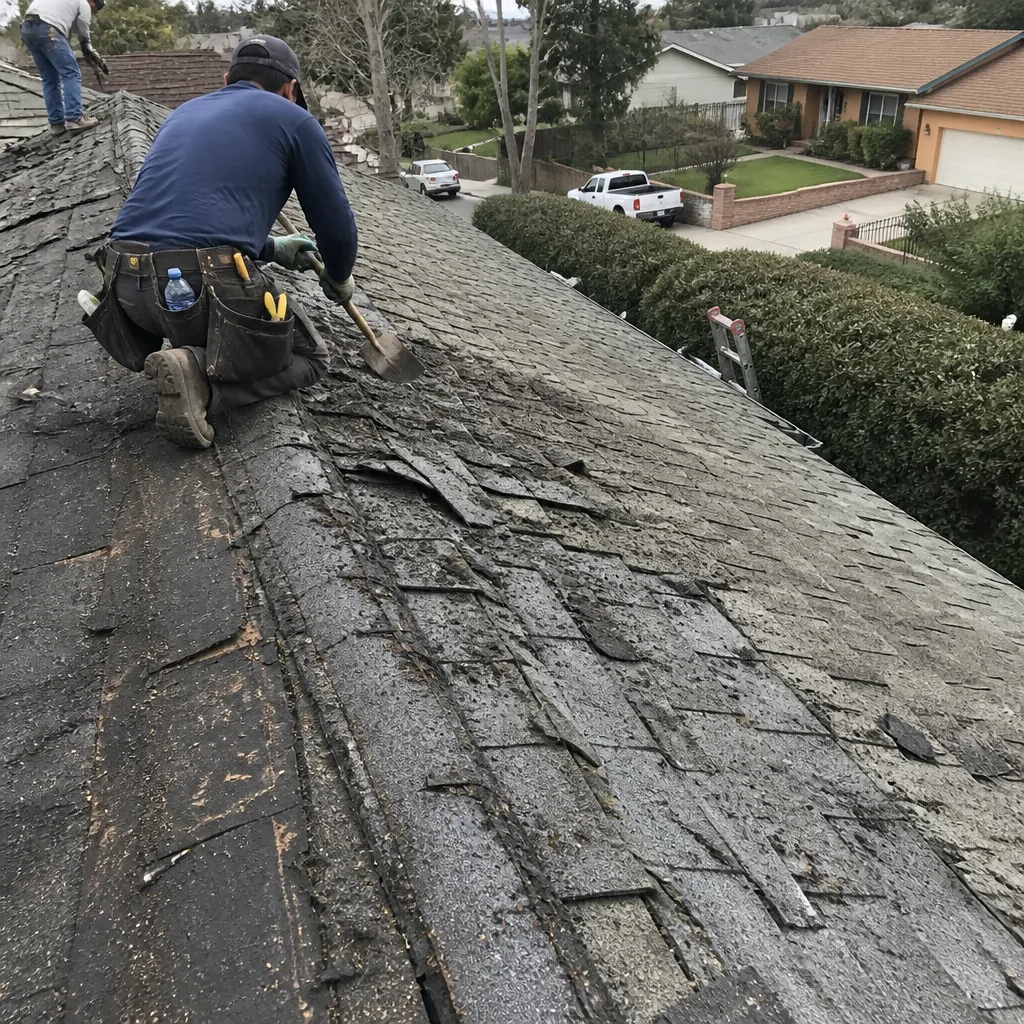 Before
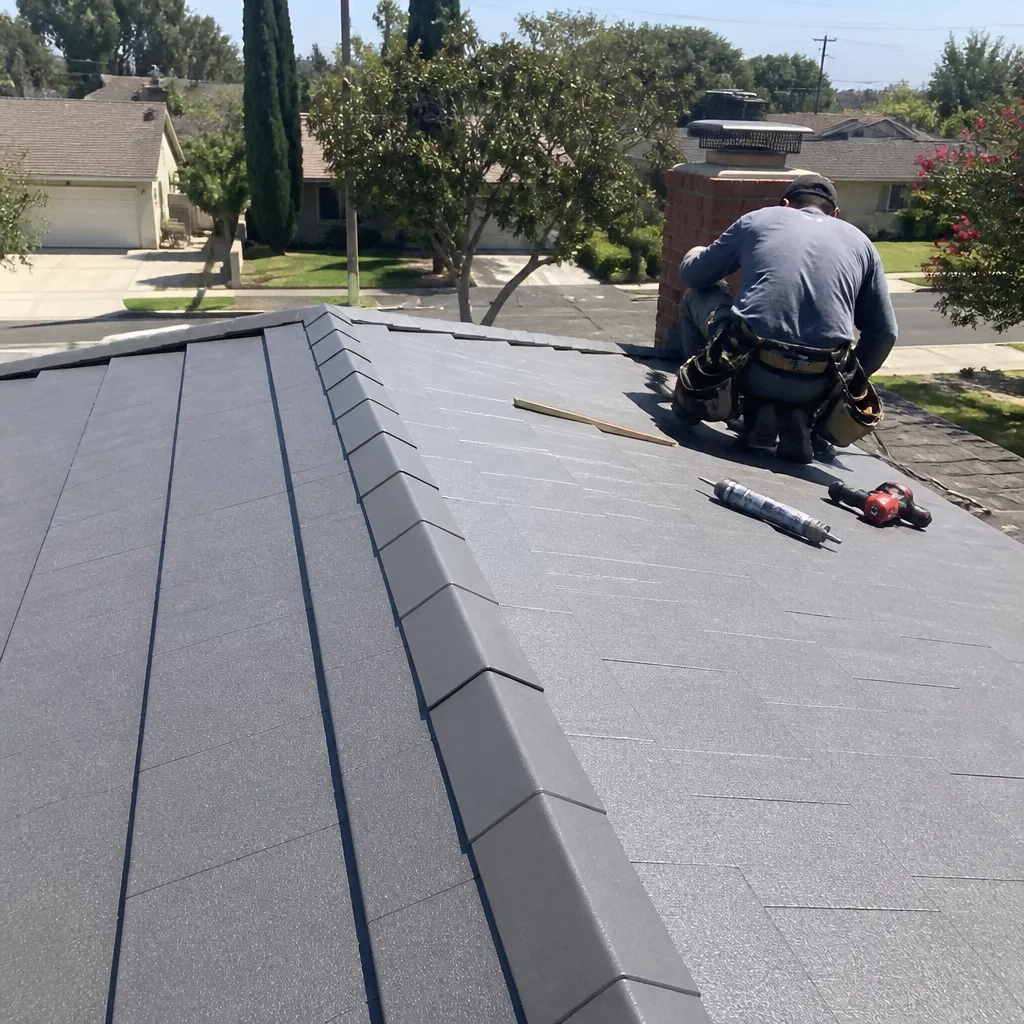 After
After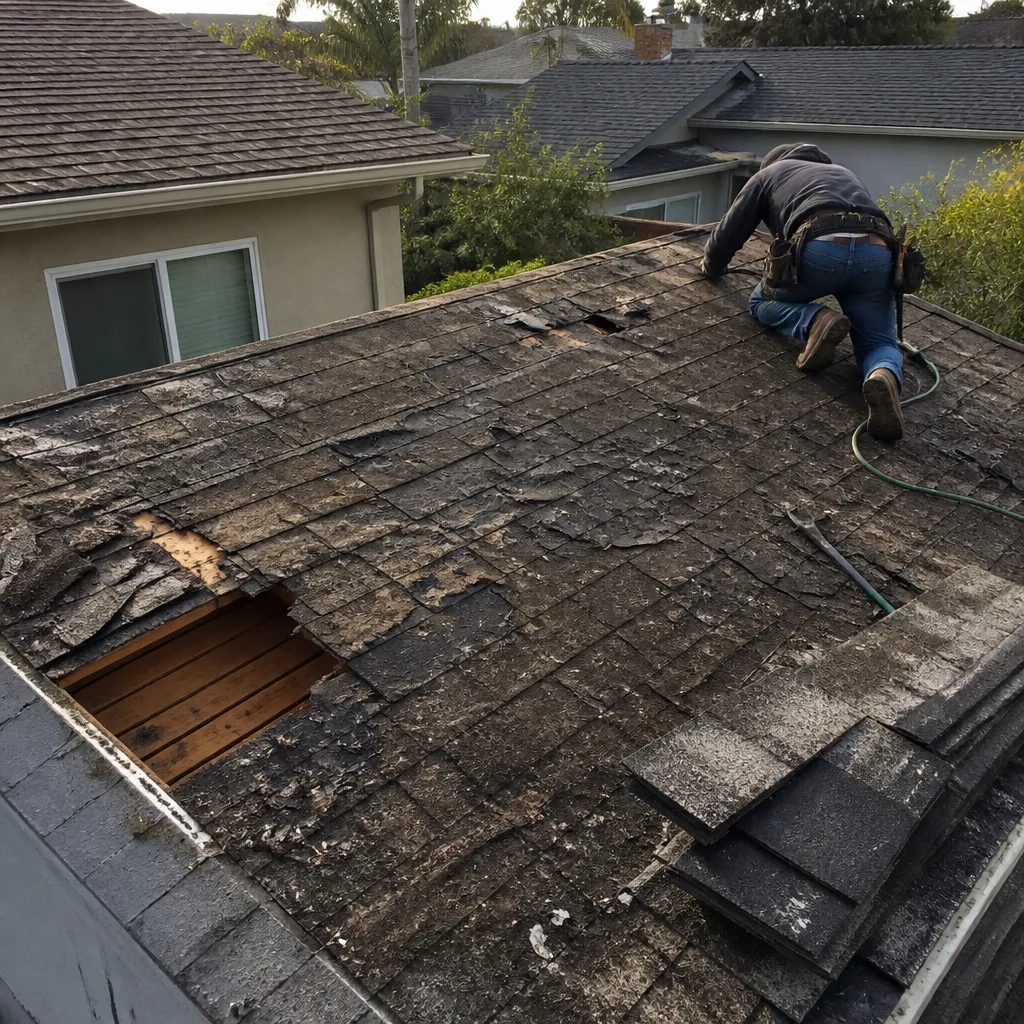 Before
 After
AfterFast, Reliable Roof Installation Across Upland
Roof installation in Upland costs between $9,500 and $24,000 for most homes, with the spread driven by the city’s Class A fire-rating requirements and the mixed housing stock from Euclid Avenue bungalows to north foothill custom builds. Most of Upland sits inside Cal Fire’s Very High Fire Hazard Severity Zone, which means your permit will require a Class A assembly rating whether you’re replacing wood shake or a worn composition roof. We’re Mercer Roofing, a Roofing Company - Upland area homeowners have trusted since 2000 as part of the Threshold Group family. Call (743) 200-8347 for a written quote before any work starts.
Upland isn’t a city where a roofer can wing it. The canyon-mouth geography at the base of the San Gabriels means inspectors here enforce fire-zone requirements that flat-corridor roofing companies often miss until a job gets red-tagged. We know what the San Bernardino County fire-zone overlay requires, and we document every rating and fastener spec so your inspection passes the first time.
Why Mercer Roofing Is Upland’s Preferred Roof Installation Company
Here’s what we hear from Upland homeowners again and again: they want to know exactly who is walking up their driveway before they open the door. Grant Whitlock leads our team, and he built our process around that one concern. Every technician who comes to your Upland home is background-checked, identity-verified, and photo-badged under the Threshold Verified standard. Before the crew arrives, you get the technician’s name and photo sent to you. At the door, they badge in with a photo ID. That’s the threshold, literally and figuratively.
We work across all of Upland, from the historic craftsman homes off Euclid to the newer tracts near the 210 and the north foothill neighborhoods below the San Gabriels. Our crews carry manufacturer-recognized materials from GAF, CertainTeed, and Owens Corning, and we stock what Upland permits commonly require so we’re not waiting on a distributor run mid-install. When a reroof needs to move fast because a Santa Ana event tore off ridge caps, that local parts inventory matters.
Every project starts with a written price. Not a verbal ballpark, not a “we’ll see how it goes.” A written line-item quote before a single nail is driven. And every installation is backed by our 365-Day Done Right Promise. If it’s not right within a year, we make it right. A live person answers our phone 24/7, so when you call (743) 200-8347, you’re talking to a human, not a voicemail.
Roof Ventilation in Upland
Roof ventilation in Upland does more than move hot air out of an attic; it’s part of how your roof survives canyon-mouth Santa Ana winds and the moisture that orographic lift dumps on the foothills. Upland gets noticeably more annual precipitation than Ontario or Fontana a few miles south, because the San Gabriels squeeze rain out of passing systems. A roof that holds water in its decking rots from the inside out, and a ventilation plan that works for a flat valley city often underserves a Upland home. We typically install ridge vents paired with soffit intake, sized to your attic square footage and roof pitch, and figure this work into the full installation quote.
Attic and Ridge Venting Specifics
Most Upland reroofs we do include new ridge vent along the full peak, cut back to open the air channel. On older craftsman homes off Euclid, where soffits are narrow or non-existent, we add eave baffles or gable-end vents so intake keeps pace with exhaust. The goal is a neutral pressure attic that pulls heat out in summer and keeps the decking dry through Upland’s wetter winters.
When Ventilation Needs to Be Replaced
If your current roof has no ridge vent, or you see rusted turbine vents that howl in a Santa Ana, ventilation is likely failing. Homeowners in north Upland foothill tracts where wind channels hard through San Antonio and Cucamonga Canyons often discover their ridge caps and vents are the first things to go. A full Roof Installation is the right time to fix ventilation properly, because half-measures under a new roof just become next year’s problem.
Roof Flashing Installation in Upland
Roof flashing installation in Upland deals with the joints where leaks actually start: chimneys, skylights, wall intersections, valleys, and pipe penetrations. Upland’s extra rainfall off the San Gabriels means flashing gets tested harder here than in the drier basin cities, and valley drainage is the difference between a roof that holds and one that sends water into the ceiling. We install galvanized and aluminum flashing with proper step-flashing patterns, seal every joint, and use ice and water shield membrane through valleys and along wall lines as standard practice on Upland reroofs.
Replacing Old or Failed Flashing
On older Upland homes, especially postwar ranch and 1960s custom builds in the northern tracts, we regularly find flashing that was never properly integrated with the underlayment. The fix is a careful peel-back, new step flashing tucked under each shingle course, and a sealed apron at the base. We quote flashing replacement as a line item on every installation, not an add-on that shows up mid-project.
Valley and Wall Flashing Standards
Valley flashing in Upland needs to handle concentrated water flow during winter storms. We use open metal valleys with a W-profile or closed-cut valleys with ice and water shield beneath, depending on roof slope and the shingle brand. Along wall intersections, we run step flashing up under the siding or stucco and counter-flash it, which stops the classic Upland leak pattern where wind-driven rain climbs a wall and works under the shingle edge.
Trusted Brands We Service in Upland
We install and service roofing systems from GAF, CertainTeed, and Owens Corning, chosen for Upland’s specific demands. CertainTeed’s Presidio line carries the Class A fire rating Upland’s VHFHSZ permits require, which is why we use it often on north foothill conversions. GAF’s Timberline HDZ and Owens Corning’s Duration series both offer Class A assemblies we spec for reroofs throughout Upland. We keep common line items stocked locally so a material shortage doesn’t stall your permit window or inspection date, and our crews are trained on the manufacturer’s installation standards so the product warranty stays intact.
Common Roof Installation Problems We See in Upland Homes
- Class A fire-rating mismatch: Contractors who work the flat Inland Empire corridor often spec a wood-look shingle or standard 3-tab that isn’t Class A certified. A Upland inspector will red-tag that job mid-installation. We verify the assembly rating on the quote before the first tear-off, so there’s no stop-work order.
- Fastener pull-through in Santa Ana winds: Canyon-mouth gusts through San Antonio and Cucamonga Canyons hit north Upland harder than open valley floor cities. Under-driven or wrong-gauge fasteners let shingles lift and ridge caps fly. We spec a six-nail high-wind pattern on every Upland reroof.
- Board sheathing under old shake: Upland’s early-1900s homes off Euclid and its northern foothill builds often have 1×6 board decking under original wood shake. That decking won’t hold a flat tile set and often fails the deck inspection. We overlay new OSB before installing Class A materials, and we include that line item in the written quote up front.
- Flashing failures where wind-driven rain climbs walls: The wetter winters and gust patterns around the canyon mouths mean step flashing that’s fine in Fontana fails at Upland wall intersections. We run ice and water shield through valleys and along wall flashing as standard, then counter-flash so nothing works its way under the shingle edge.
Pricing for Roof Installation in Upland, CA
A full roof installation in Upland runs $9,500 to $24,000 for most single-family homes, and the two biggest factors are roof size and what the Class A requirement forces in your neighborhood. A standard 1,200 – 1,500 square foot ranch on the valley floor with a Class A composition shingle installs toward the $9,500 – $13,000 end. A wood-shake-to-tile conversion on a north foothill home off the 210, where decking overlay, tile underlayment, and high-wind fastening are required, lands between $18,000 and $24,000. Roof ventilation and flashing installation are included as line items, not surprises. Call (743) 200-8347 for a written quote, free and specific to your Upland address.
We Also Serve Cities Near Upland
Mercer Roofing installs roofs across the Inland Empire foothills and valley floor. We serve Upland plus Rancho Cucamonga, Claremont, Montclair, and Ontario, with crews dispatched from our Inland Empire office. The fire-zone requirements shift across city lines, and we adjust specs accordingly. Call (743) 200-8347 to find out what your city’s permit requires.
Serving Upland, CA - Our Local Coverage Area
We’re based in the Upland area and know this community well. Use the map below to see our service coverage - if you’re nearby, we can almost certainly help.
FAQs About Roof Installation in Upland
Yes, in nearly all of Upland. Because most of the city sits inside Cal Fire’s Very High Fire Hazard Severity Zone, Upland enforces a Class A assembly rating on essentially every reroofing permit. Inspectors will red-tag a job mid-install if they see a non-Class A wood-look shingle or standard 3-tab. We document the product’s Class A certification on your quote and at every inspection, so there’s no gap between what was spec’d and what goes on the roof. Call (743) 200-8347 to confirm your specific parcel’s requirement.
They increase the nail count and change the pattern. In north Upland, where San Antonio and Cucamonga Canyon winds channel hard, we spec a six-nail high-wind pattern on every shingle rather than the standard four-nail pattern used on valley floor installs in Ontario or Fontana. We also use a Class A-rated starter strip and ridge cap, and we check fastener pull-through resistance on the decking before installation. These specs are documented in the written quote, and they matter for inspection sign-off and for how the roof holds up in the next big blow.
No, and a Upland inspector won’t pass it. The old shake has to come off so the decking can be inspected, and the board sheathing underneath usually needs an OSB overlay before new Class A materials go down. We pull the shake, assess the deck, and bring it up to spec. This also lets us install new underlayment and ice and water shield, which a layover would skip. It’s the difference between a roof that passes inspection and one that gets red-tagged.
At minimum: the specific Class A assembly rating for every material, the fastener pattern and nail gauge, decking overlay if you’re converting from shake, ice and water shield through valleys and along wall flashing, and ventilation that handles Upland’s wetter climate. A cheap quote often specs a generic shingle without the fire rating, uses four nails, skips the deck work, and omits ventilation line items. Then the inspector stops the job, and the price climbs anyway. Our written quote includes every line item before work starts, so the number you see is the number you pay.
It can be the difference between a covered claim and a fight. Insurance carriers in California increasingly ask for proof of Class A assembly and wind-load fastening when you file a roof claim. We document every material rating, fastener spec, and inspection sign-off, and we provide that record after installation. Homeowners who keep it can show their carrier the roof meets current Upland code, which supports a claim and may help on premium reviews. Call (743) 200-8347 and we’ll walk you through what documentation you receive with a completed installation.
Written by Grant Whitlock, Owner at Mercer Roofing, serving Upland and the Inland Empire foothills since 2000.