
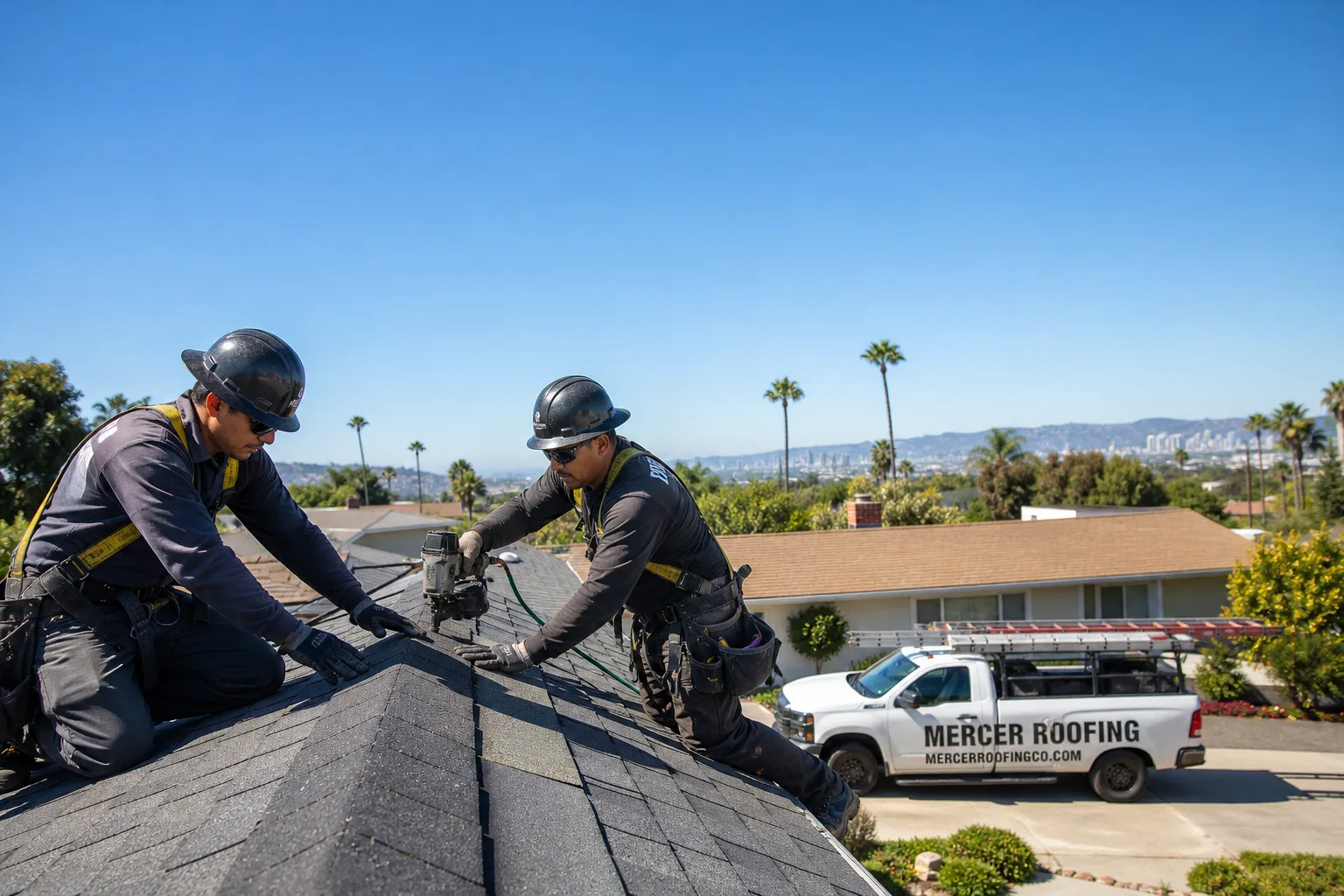
Free roof inspection with deck photos before we talk money - GAF and Owens Corning certified installation
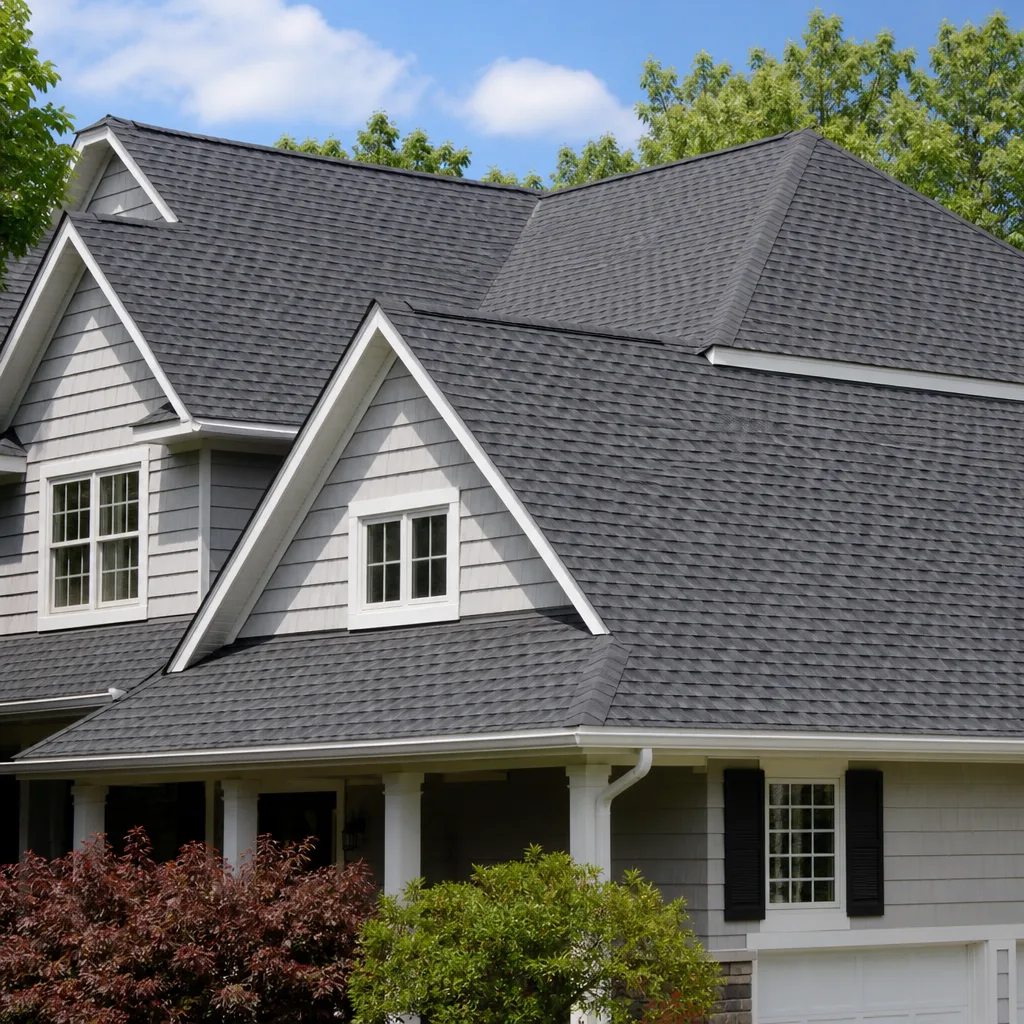
 Before
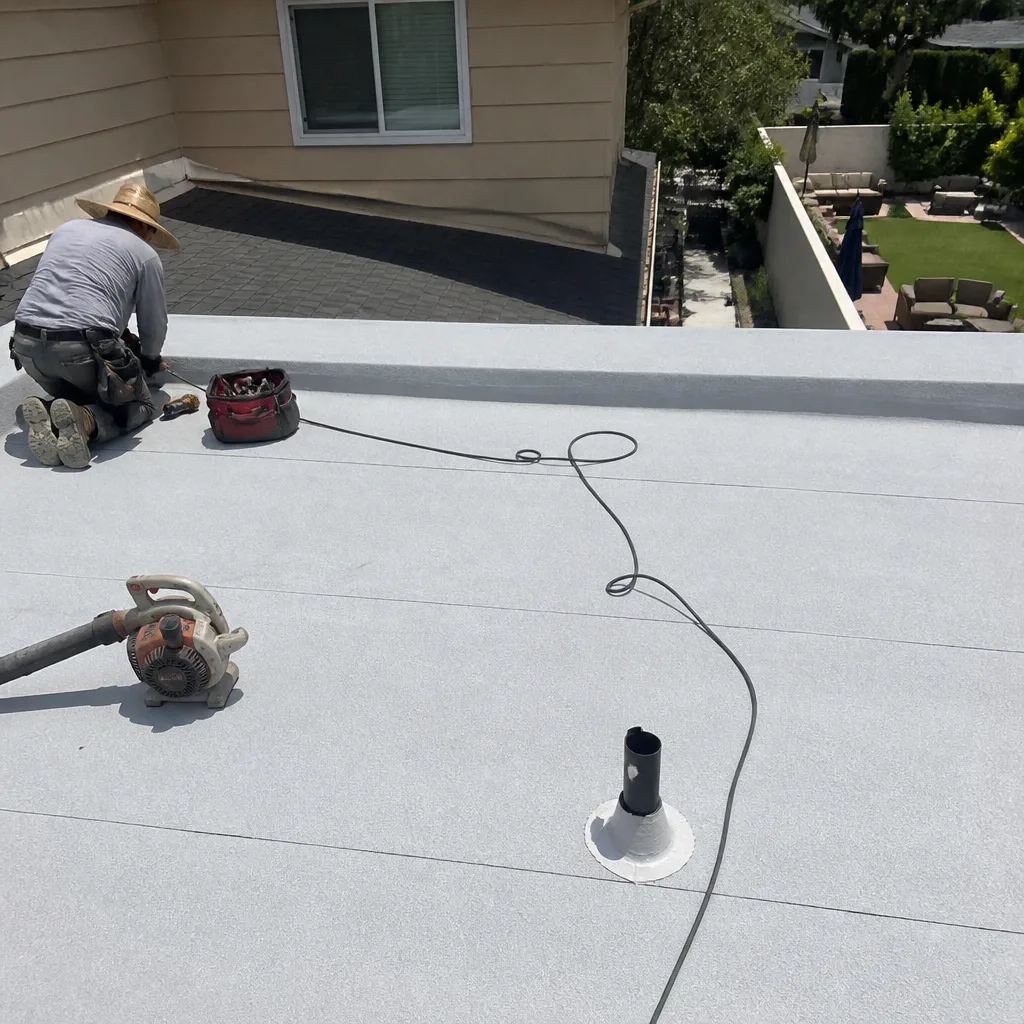 After
After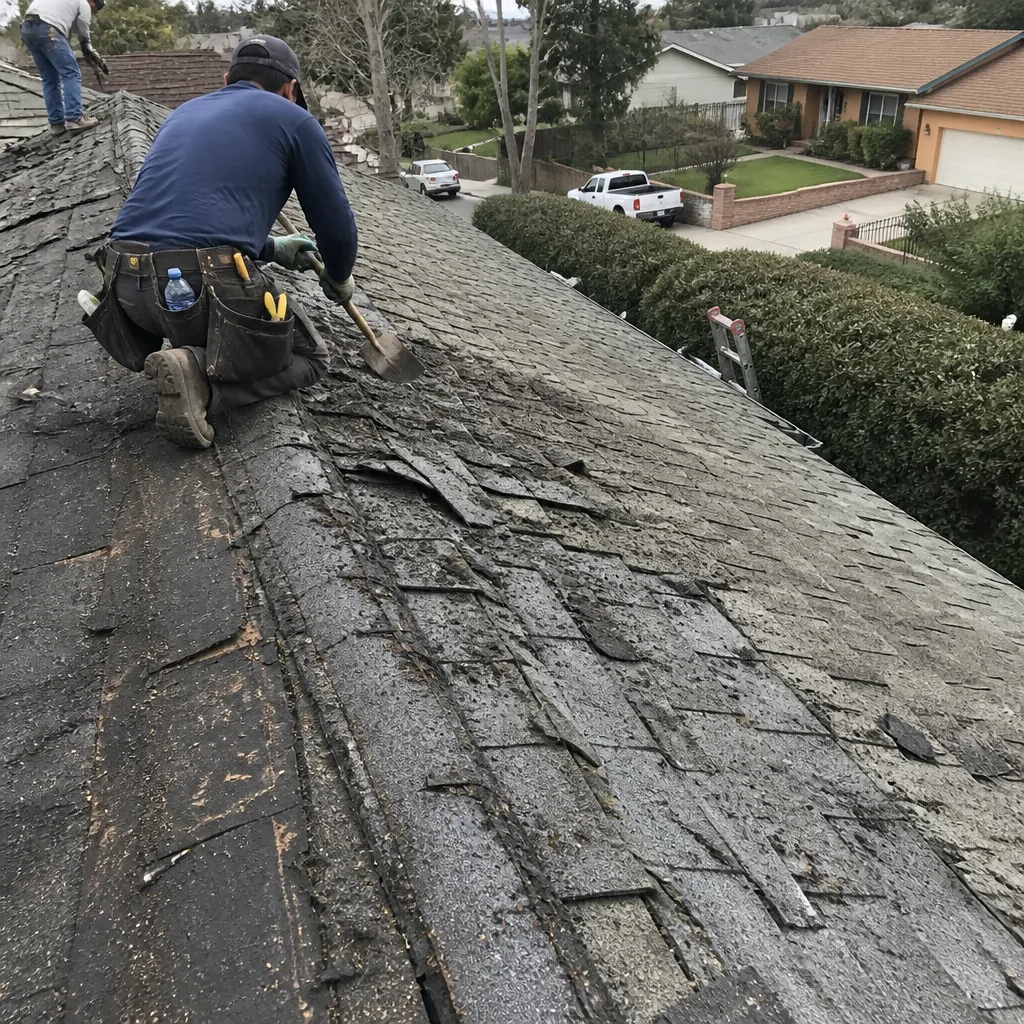 Before
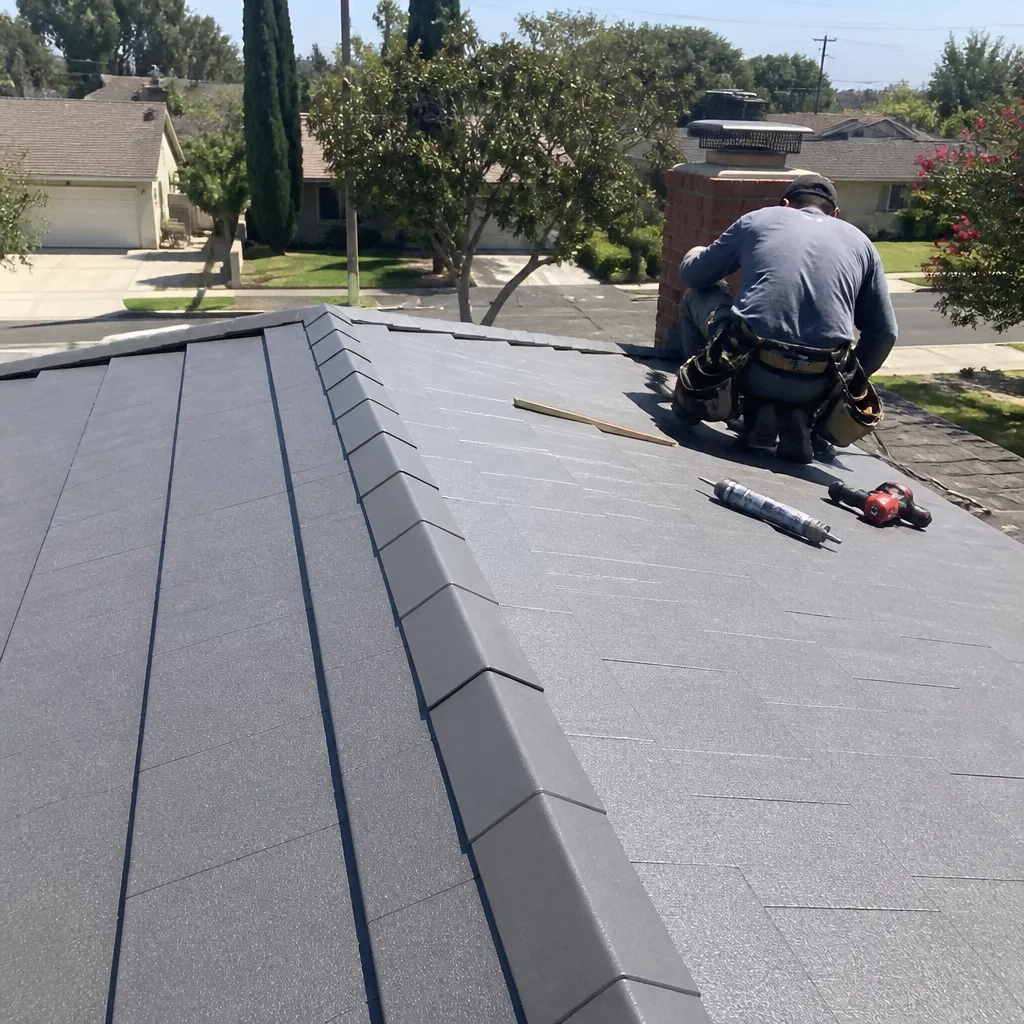 After
After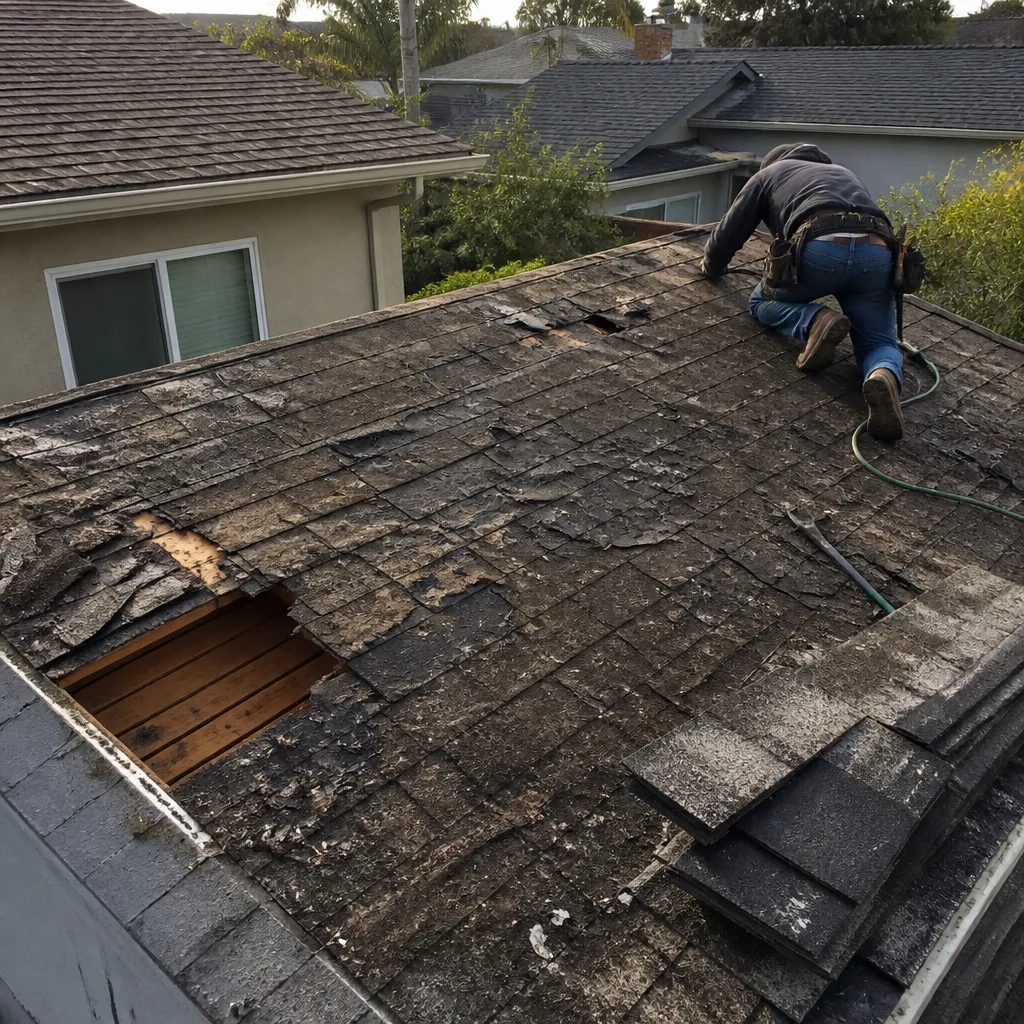 Before
 After
AfterFast, Reliable Roofing Company Across Castro Valley
Roof repair and replacement in Castro Valley runs roughly $450 – $1,250 for targeted repairs, $9,500 – $22,000 for a full composition reroof, and $18,000 – $42,000 for standing-seam metal, depending on pitch, decking condition, and whether your home sits inside Alameda County’s Very High Fire Hazard Severity Zone. Most Castro Valley homes date to the 1950s – 1970s boom, and a large share still carry original wood-shake or early composition roofs that are simultaneously worn out and legally non-compliant with current fire-rating rules. Our Roofing Company team works these hillside lots every week, so we know what the county inspector will flag and what the marine layer will do to cheap fasteners. Call (743) 200-8347 and a live person answers, day or night.
We’ve been roofing Castro Valley long enough to know two things most contractors from flat-land cities miss. First, every permit here runs through Alameda County, not a city hall, and the county enforces fire-rating paperwork at final sign-off. Second, the damp valley basin rots electro-galvanized nails at the rafter tails while the shingles still look fine. That local knowledge changes the spec and the final price. It’s why we lead with it.
This page covers what Castro Valley homeowners actually ask us: what metal roof installation costs here, what residential roofing on a steep hillside lot involves, which shingle brands hold up in this microclimate, and why the coastal-spec bid is usually the cheaper roof over ten years. If you want a written price before anyone touches your roof, call (743) 200-8347.
Why Mercer Roofing Is Castro Valley’s Preferred Roofing Company
We’re known in Castro Valley for one thing above all: a written price before work starts, and a written 365-day guarantee on every repair. That guarantee says if the work is not right within a year, we come back and make it right at no charge. Not a promise. A piece of paper you keep.
Every Mercer technician who walks up your driveway is background-checked, identity-verified, and badged under the Threshold Verified standard. Before they arrive, we send you their name and photo. When they knock, they present a photo ID at the door. For homeowners here who are often alone, or parents with young kids, or older residents who want proof of who’s at the door, that badge is the most concrete thing any roofing company can offer.
Our dispatch and scheduling are coordinated from Mercer Roofing’s San Francisco Bay Area office, but the crews who show up in Castro Valley are local to the East Bay hills, and they know the difference between a Proctor Road split-level and a San Lorenzo tract home. They know the county inspector’s fire-rating checklist. They know which flashing details fail on the north-facing planes above Castro Valley Boulevard. That’s not marketing. That’s just having done the work here.
Founded in 2000, Mercer Roofing is part of the Threshold Group family, and every independently owned location is contractually held to the same standard: uniformed, photo-badged, background-checked technicians on every visit. Written price before a single nail is driven. Written guarantee on every repair. A live person on the phone, 24/7, not a voicemail tree.
Metal Roof Installation in Castro Valley
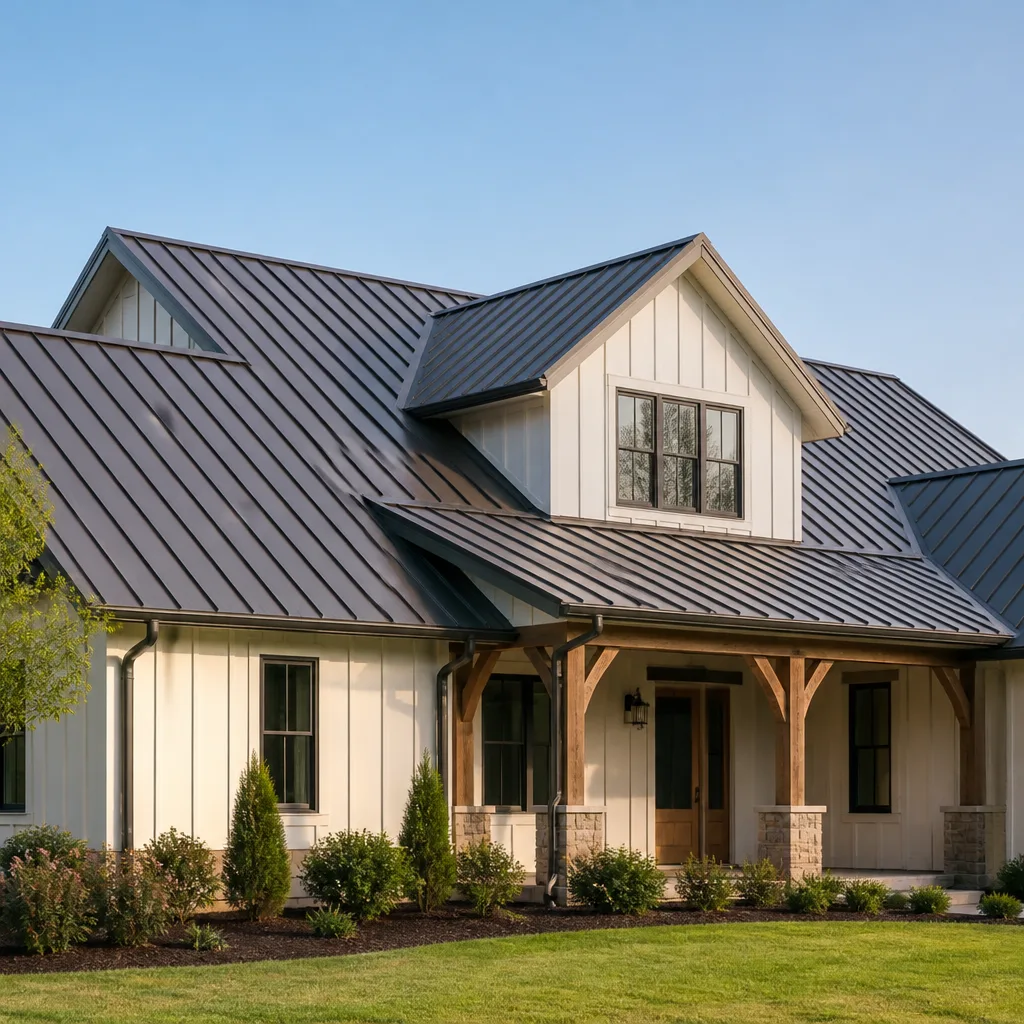
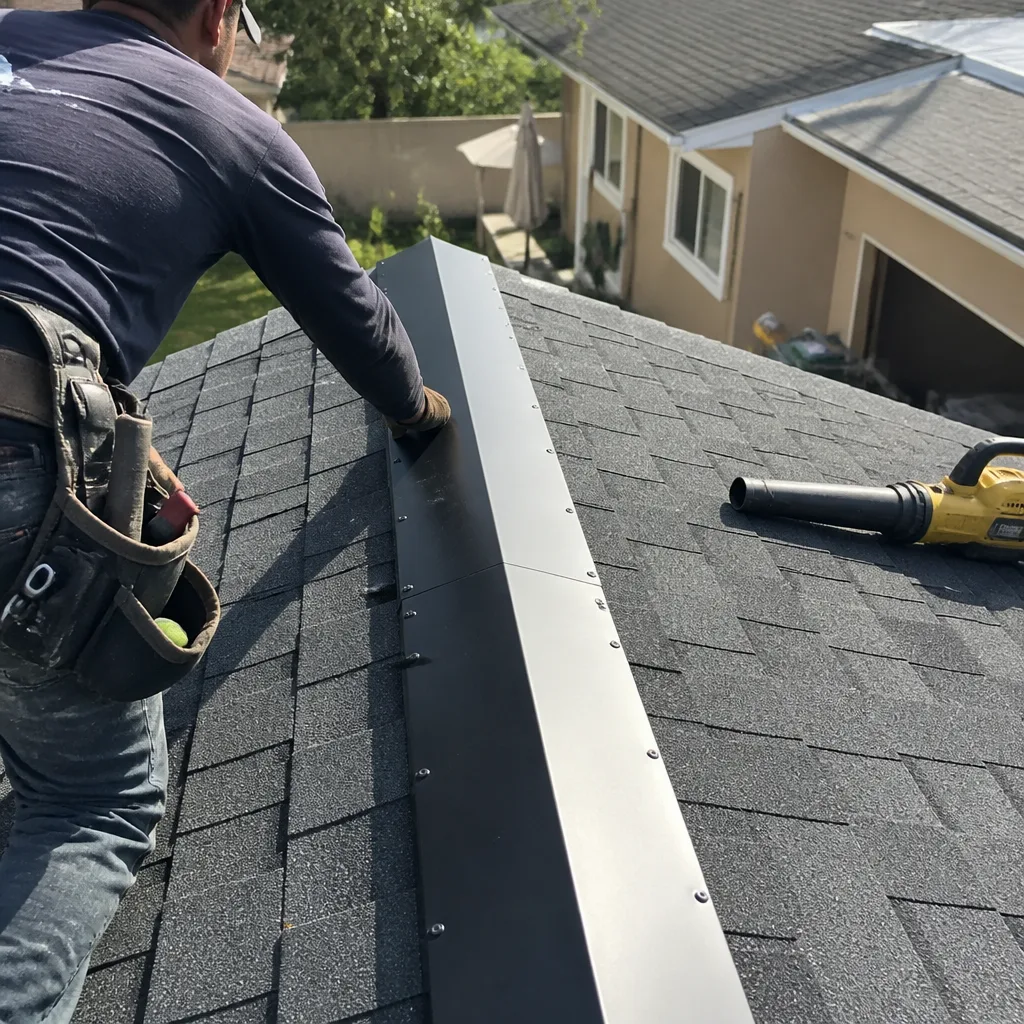
Metal roof installation in Castro Valley is often the smartest long-term play on a steep hillside lot, and it typically runs $18,000 – $42,000 here depending on panel profile, roof complexity, and whether we’re tearing off old shake or going over existing decking. Our Roofing Company in Castro Valley installs standing-seam and exposed-fastener systems with Class A fire-rated assemblies that pass Alameda County’s VHFHSZ overlay the first time. The marine layer that settles into the valley basin overnight is brutal on standard steel hardware, so we specify stainless fasteners and hot-dip galvanized clips as the default, not an upcharge option.
For a hillside home off Redwood Road or Proctor Road, metal also sheds the concentrated winter rainfall better than any shingle system. Steep planes funnel 18 – 22 inches of annual rain down into the valleys and gutters at speed. A metal roof with properly sealed seams and full-length panels reduces the leak points that composition shingles multiply.
Coastal-Spec Hardware Choices
We write two versions of every metal roof quote: inland-spec and coastal-spec. The coastal-spec uses stainless steel fasteners, marine-grade sealant at every penetration, and heavy-gauge drip edge. It costs 8 – 15% more up front. It lasts decades longer in Castro Valley’s damp basin air. The inland-spec version is what a flat-land bidder from Hayward will quote you, and we see those roofs back in ten years with rust streaks and corroded clips.
Class A Assembly Requirements
In Castro Valley’s Very High Fire Hazard Severity Zone, a metal roof is only as compliant as the assembly beneath it. You can’t just lay Class A panels over a non-rated underlayment and call it done. The county inspector checks. We document the full Class A assembly, including the cap sheet and underlayment ratings, before we schedule final sign-off. That’s the difference between passing inspection and getting bounced.
Residential Roofing in Castro Valley
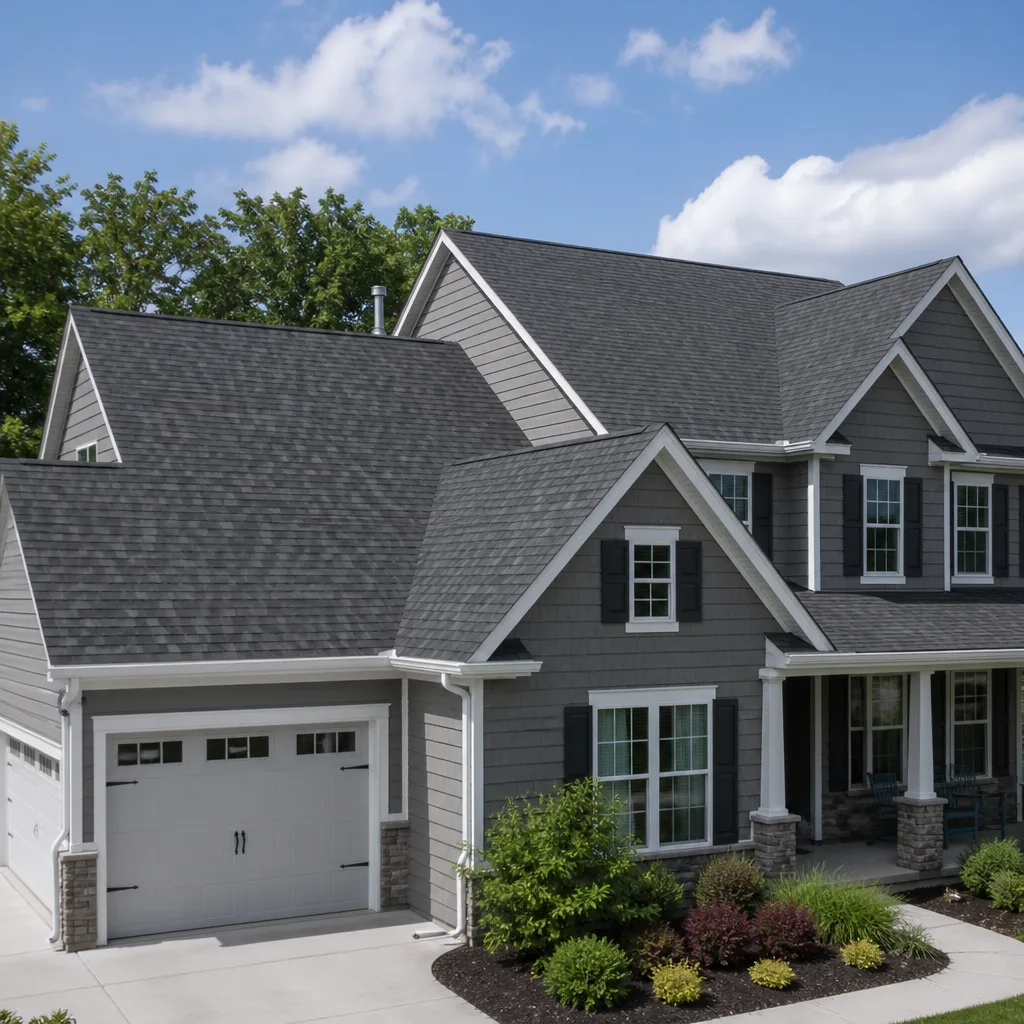
Residential roofing in Castro Valley means working on homes that were mostly built between 1950 and 1980, on lots that slope steeply enough to make staging a real puzzle. A full composition reroof here runs $9,500 – $22,000, with most ranch and split-level homes landing in the $13,000 – $17,000 range. The final number depends on decking condition, pitch, and whether the county’s fire-rating overlay requires a Class A assembly upgrade. Most Castro Valley homes need exactly that upgrade, because their original roofs predate the current code by decades.
We show up with a written line-item price before any work begins. No change orders after tear-off unless we discover rotted decking that couldn’t be seen from the attic, and even then you approve the number in writing before we proceed. Homeowners here tell us that kind of clarity is rare, and we don’t understand why it should be.
Steep-Pitch Access and Staging
Steeper hillside lots in Castro Valley require pump jacks, toe boards, and sometimes crane work to stage materials. That’s already built into our price, not a surprise add-on. Flat-land companies that mostly roof San Leandro tracts often under-bid these jobs because they don’t account for hillside access, then hit the homeowner with a change order mid-job.
Tear-Off and Decking Replacement
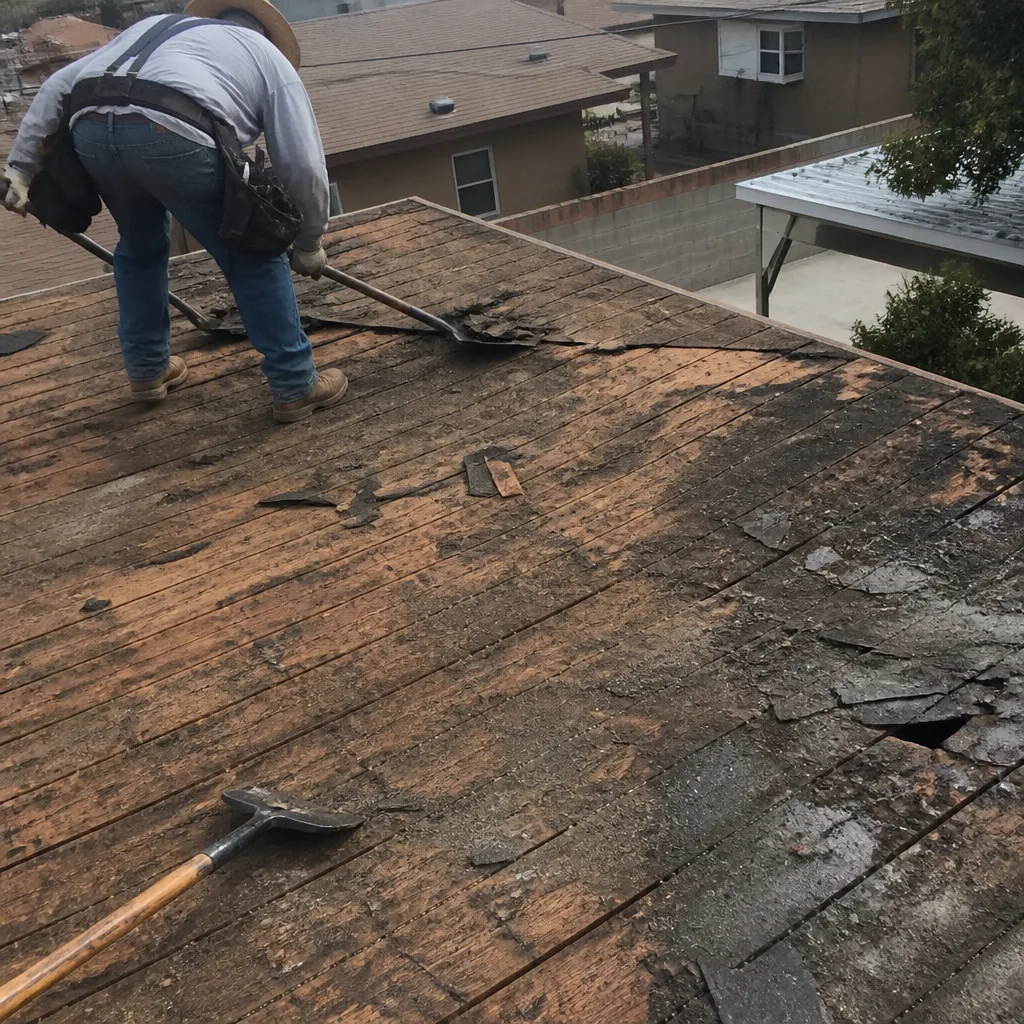
When we tear off a 1960s wood-shake roof in Castro Valley, the decking underneath is usually skip-sheathing with gaps, not solid plywood. That means the old shake had no continuous nailing surface, and the fasteners at the rafter tails are often rusted through from decades of valley dampness. We replace that decking, set the underlayment, and specify hot-dip galvanized nails for the field and stainless at the drip edge.
Trusted Brands We Service in Castro Valley
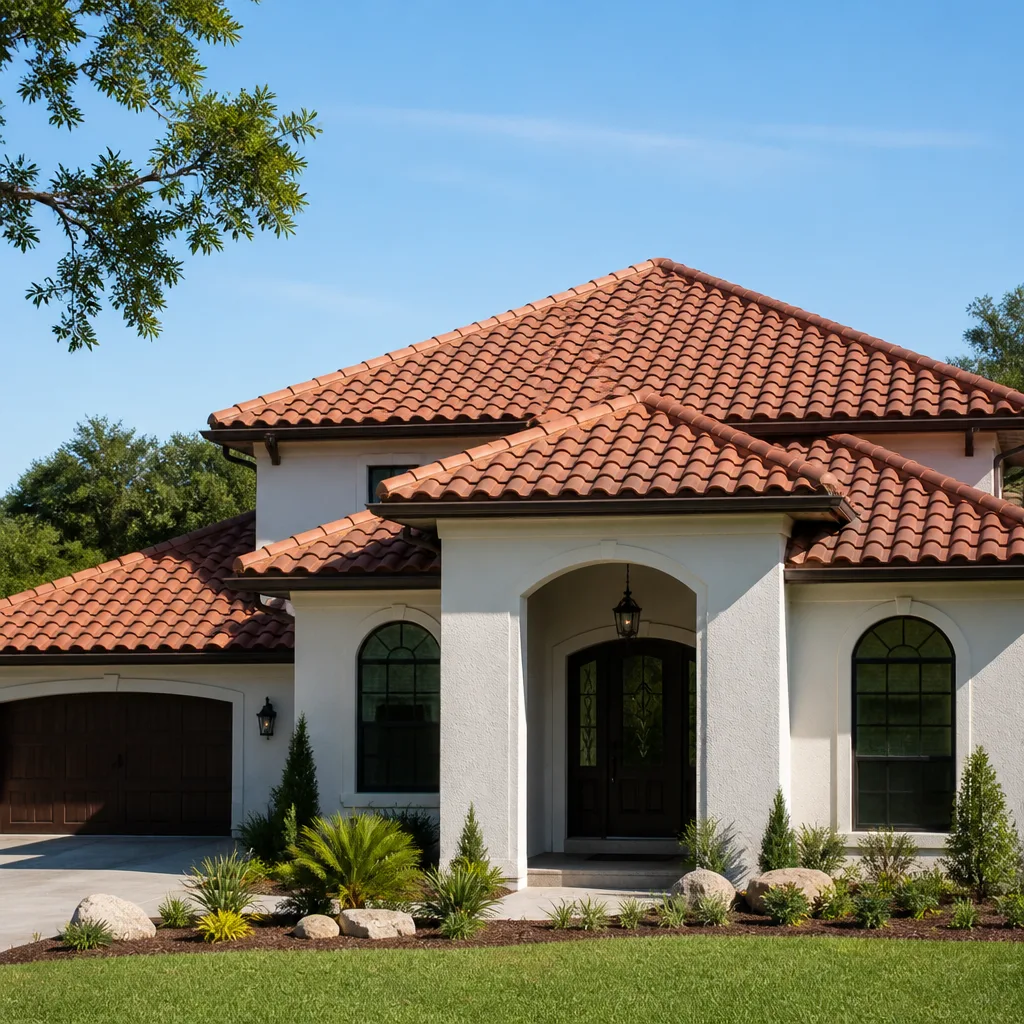
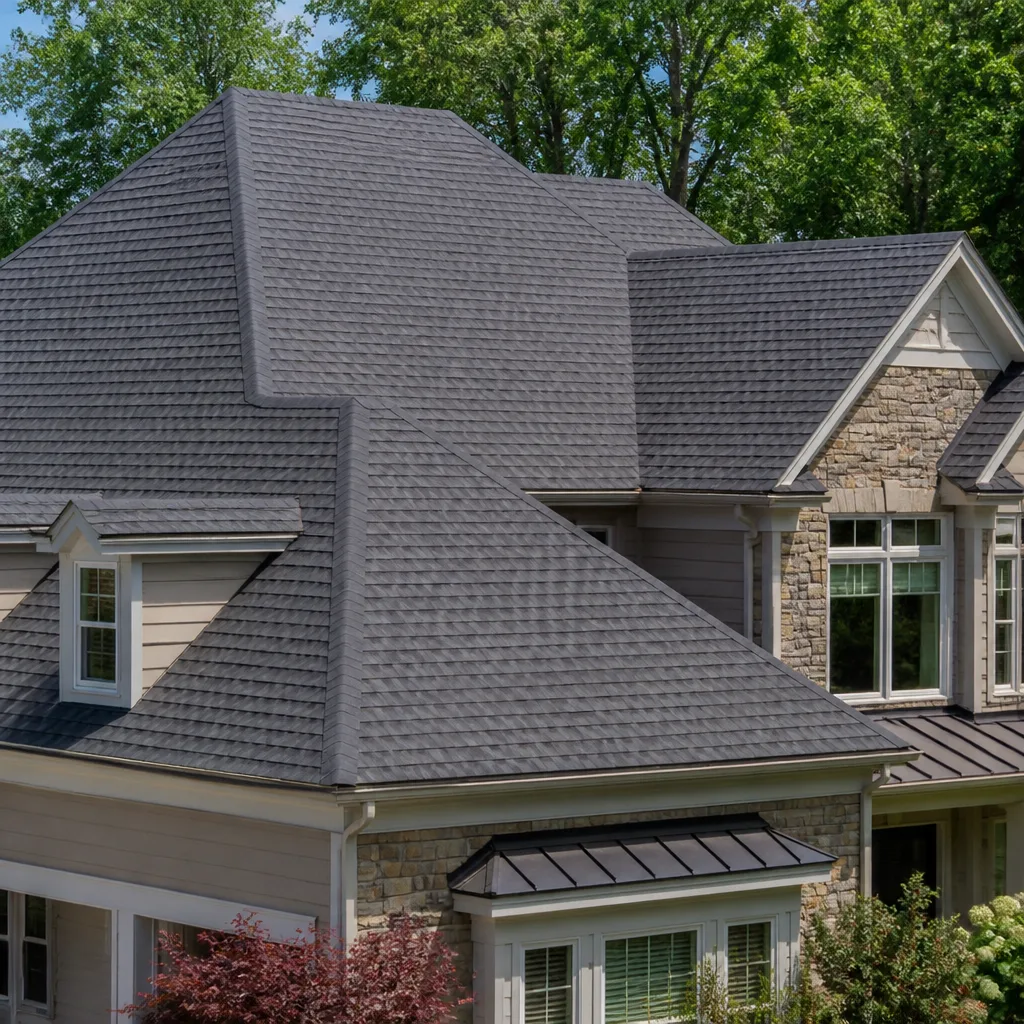
We install and repair GAF, CertainTeed, Atlas, and Tamko shingle systems, and we stock common matching accessories for Castro Valley homes so repairs don’t wait on a distributor order from the other side of the Bay. For tile and flat roofing, our crews work with the same manufacturer-recognized installation methods those brands require for warranty coverage. We don’t push one brand. We spec the shingle that matches your roof’s pitch, your fire-zone requirements, and your budget, then write the price before we start. Castro Valley’s damp north- and east-facing planes are hard on shingle granules, so we often recommend zinc or copper strips at the ridge to slow moss growth, a detail most bids here simply leave out.
Common Roofing Company Problems We See in Castro Valley Homes
- Rusted fasteners at the rafter tails. Electro-galvanized nails and standard steel drip edge corrode within a decade in Castro Valley’s damp valley basin. The shingles still look fine. The roof is quietly failing at its most critical connection.
- Bounced county inspections over fire-rating documents. Alameda County enforces the VHFHSZ Class A overlay at final sign-off, and a roofer who treats fire rating as a product sticker instead of a rated assembly will fail that inspection. We see it constantly.
- Moss and algae on north- and east-facing planes. The marine layer lingers on those surfaces until late morning, and by year eight the granules are gone from shingles that had a 30-year nominal life. Zinc or copper strips solve it early and cheaply.
- Old wood-shake roofs that were never compliant. Many 1950s – 70s Castro Valley homes still wear wood-shake roofs that were non-compliant with fire codes from day one. They’re not a repair candidate. They’re a mandatory Class A reroof.
Pricing for Roofing Company in Castro Valley, CA
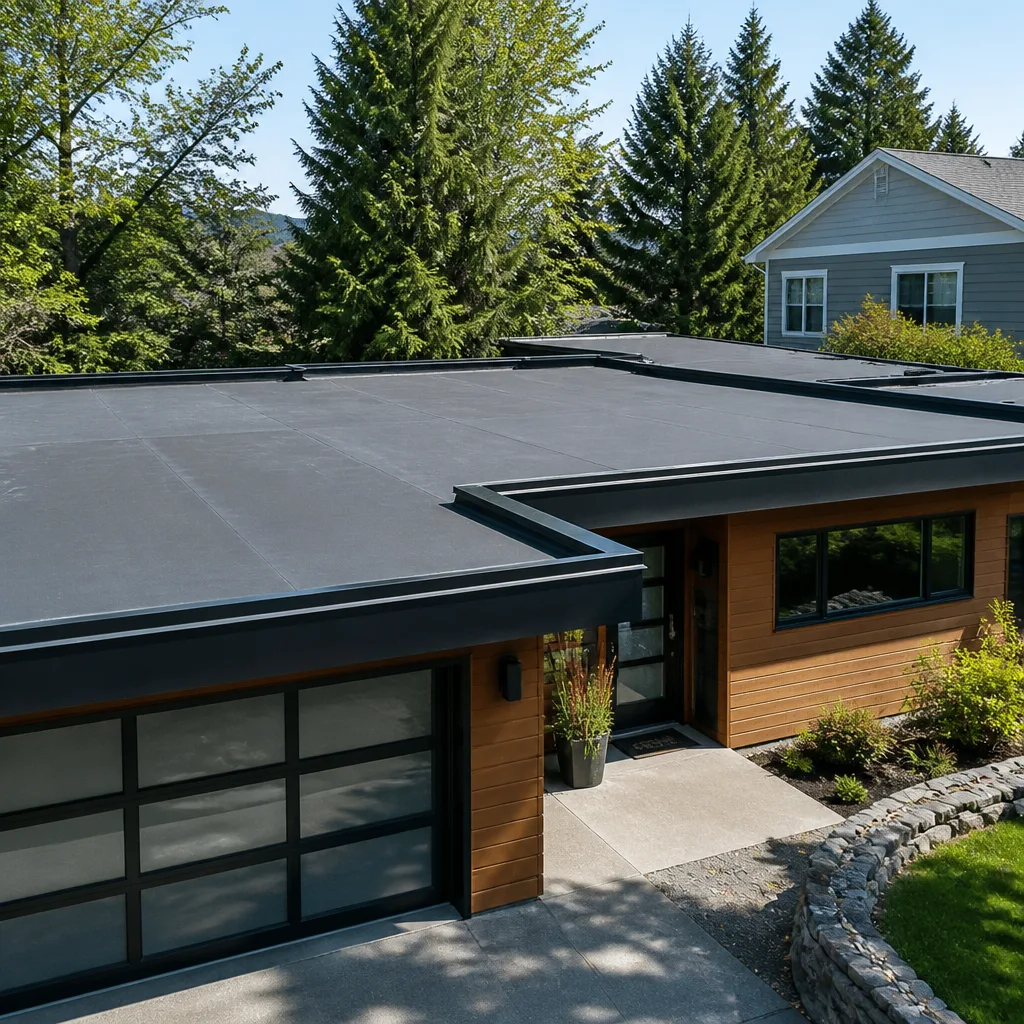
Here are honest numbers for Castro Valley, not a national average. Targeted roof repair: $450 – $1,250. Full composition reroof on a standard ranch or split-level: $9,500 – $22,000. Standing-seam metal: $18,000 – $42,000. Tile repair: $600 – $1,400. Flat roof coating or membrane repair: $800 – $2,200. Roof inspection: $0 when it leads to a repair, and we always provide a written report.
What moves the price in Castro Valley specifically: steep-pitch access, decking replacement, and whether your home falls inside the VHFHSZ overlay requiring a documented Class A assembly. The coastal-spec hardware upgrade adds 8 – 15% to materials but typically doubles the fastener and flashing life. We write every price before work starts, and that written price is the price you pay. No surprises on the invoice. Call (743) 200-8347 to schedule a free estimate.
We Also Serve Cities Near Castro Valley
Beyond Castro Valley, our crews work the neighboring East Bay communities of San Lorenzo, San Leandro, Union City, and Dublin. Each has its own permit quirks and microclimate, which is why we send local crews who know the difference between a county inspection and a city one. If you’re in one of these nearby cities and need a roofer who puts the price in writing first, call (743) 200-8347.
Serving Castro Valley, CA - Our Local Coverage Area
We’re based in the Castro Valley area and know this community well. Use the map below to see our service coverage - if you’re nearby, we can almost certainly help.
FAQs About Roofing Company in Castro Valley
Castro Valley is unincorporated, so every roofing permit runs through Alameda County Building Department, not a city hall, and that county path enforces the VHFHSZ fire-rating overlay at final sign-off. A contractor who only knows Oakland or Fremont city permits sometimes misses the fire-rating documentation step and fails inspection. We don’t, because we file Castro Valley permits through the county routinely. For a specific quote on your roof, call (743) 200-8347.
Yes, if your home sits within the Very High Fire Hazard Severity Zone, a permitted reroof requires a Class A fire-rated assembly, which a 1960s wood-shake roof does not provide. The county inspector enforces this at final sign-off, and it’s not a negotiable item. If your roof is near the end of its life anyway, the Class A upgrade is simply part of the job, and we write it into the price from day one.
Castro Valley’s inland valley position traps the marine layer overnight, and it lingers on north- and east-facing roof planes until late morning, keeping them damp far longer than sunnier San Leandro exposure. That sustained moisture accelerates moss and algae colonization, which strips granules and shortens shingle life. We often add zinc or copper strips at the ridge to slow the growth. Call (743) 200-8347 and we’ll scope it for you.
Choose the coastal-spec, which uses stainless steel fasteners, marine-grade sealant, and heavier-gauge drip edge, because the standard inland-spec version will corrode at the rafter tails within a decade in Castro Valley’s damp basin air. The coastal-spec adds roughly 8 – 15% to the upfront price but typically doubles the hardware life, making it the cheaper roof over ten years. We write both numbers on the quote so you can see the gap yourself.
Standing-seam metal with stainless hardware is the longest-lasting system on a steep pitch, and Class A composition shingles with proper underlayment are the best mid-range choice, especially in the fire zone. Steep planes concentrate rainfall at the valleys and eaves, so sealed metal panels or properly flashed composition valleys matter more than the shingle brand. We’ll spec both options with written prices before you decide. Call (743) 200-8347 for a free estimate.
On a steep split-level off Proctor Road in the hills above Castro Valley Boulevard, we tore off a 1960s wood-shake roof that had been legally non-compliant the day it was installed, then replaced the skip-sheathing with new decking and set a Class A assembly with ice and water shield in the valleys and full starter strip along the eaves. The original fasteners had corroded through at the rafter tails, so we specified hot-dip galvanized nails and stainless hardware on the drip edge and fascia before the county fire-rating paperwork went to final.
That job is the reason we don’t sell the cheap inland-spec roof. Castro Valley’s unincorporated-county permit path and VHFHSZ Class A mandate are directly tied to the material spec: stainless and hot-dip hardware, marine-grade finishes, sealed joints. A homeowner who sees that connection understands why the coastal-spec bid is the cheaper roof over ten years, not the pricier one.
If you want a roofer in Castro Valley who sends a name and photo before the visit, badges at the door, writes every price before work starts, and backs every repair with a written 365-day guarantee, call (743) 200-8347. A live person answers, 24/7. We’ll schedule a free estimate and give you the real numbers for your roof.
Written by Grant Whitlock, Owner at Mercer Roofing, serving Castro Valley since the company’s founding in 2000.