
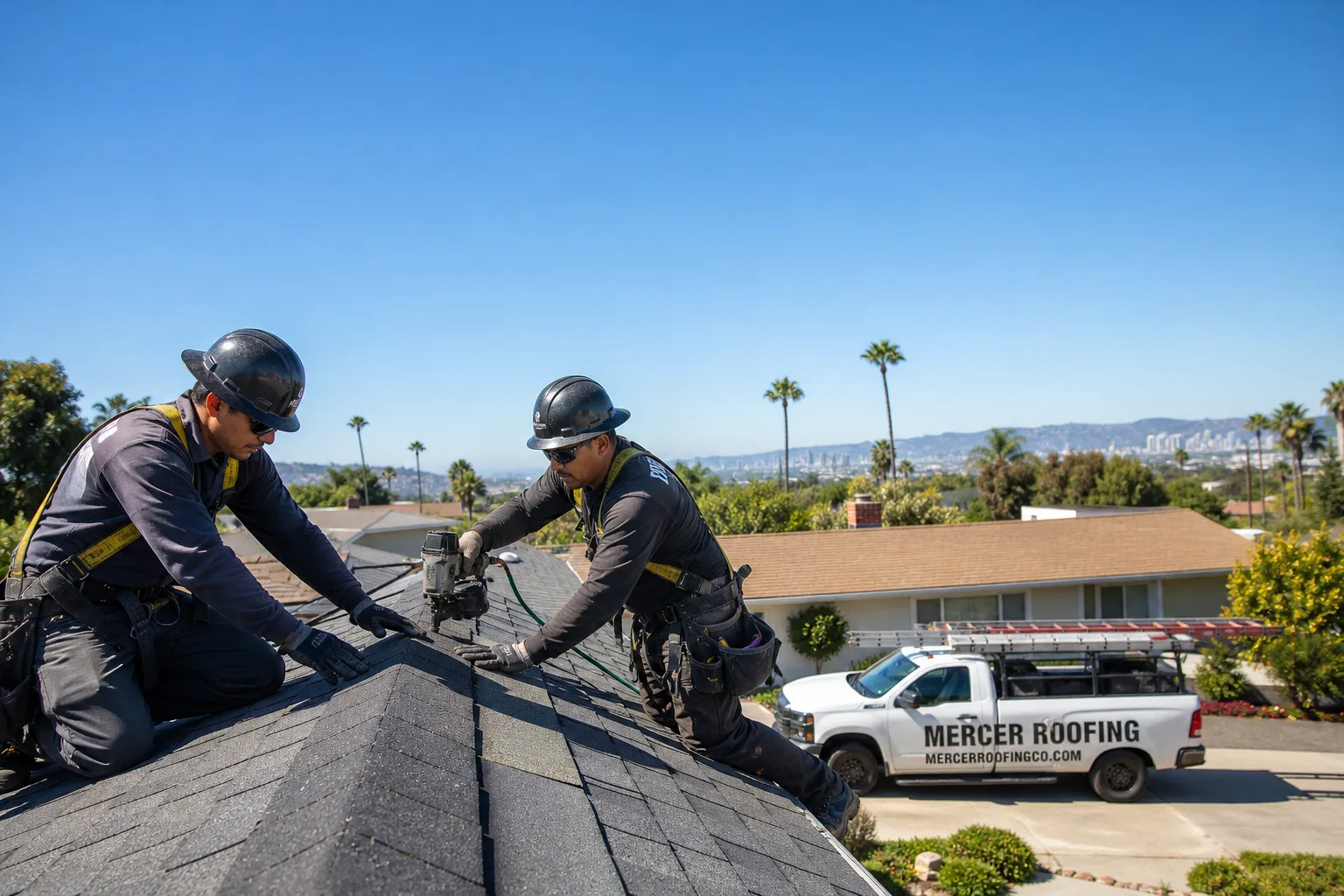
Free roof inspection with deck photos before we talk money - GAF and Owens Corning certified installation
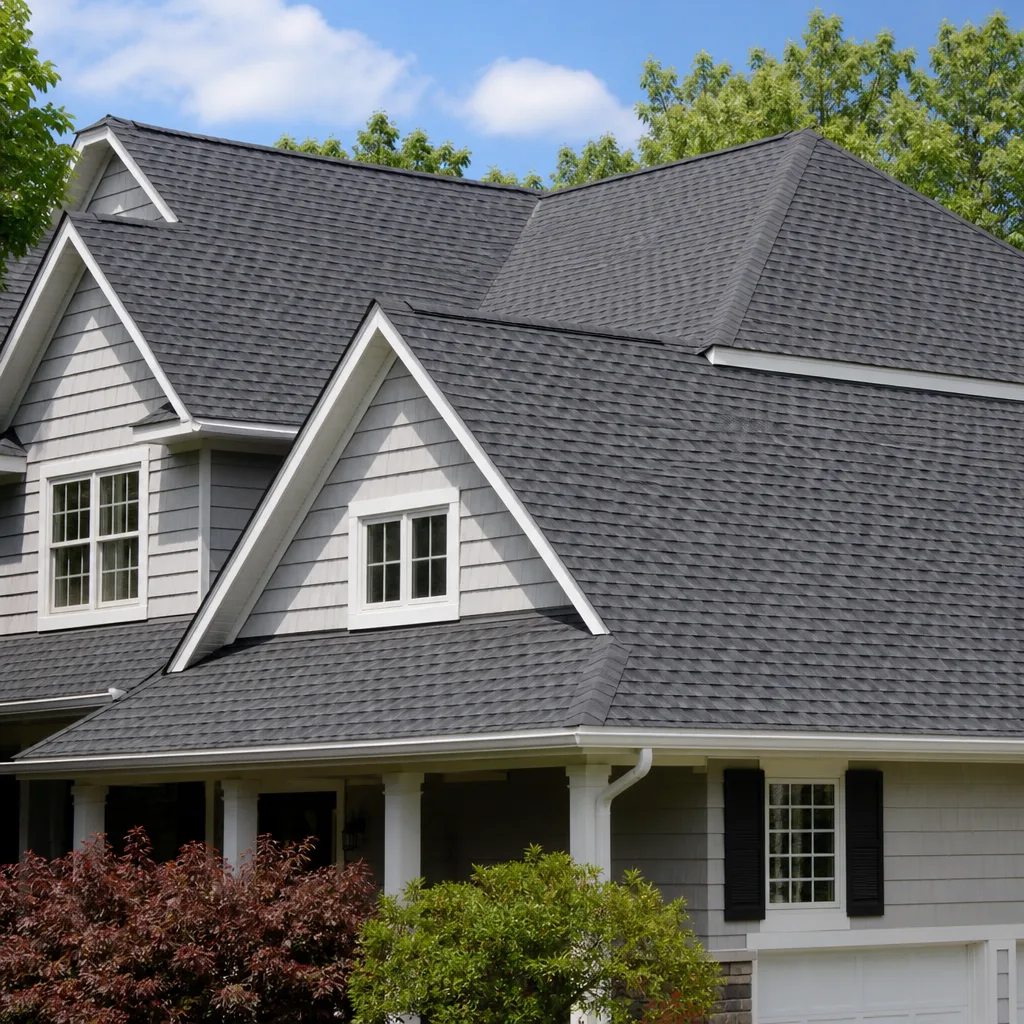
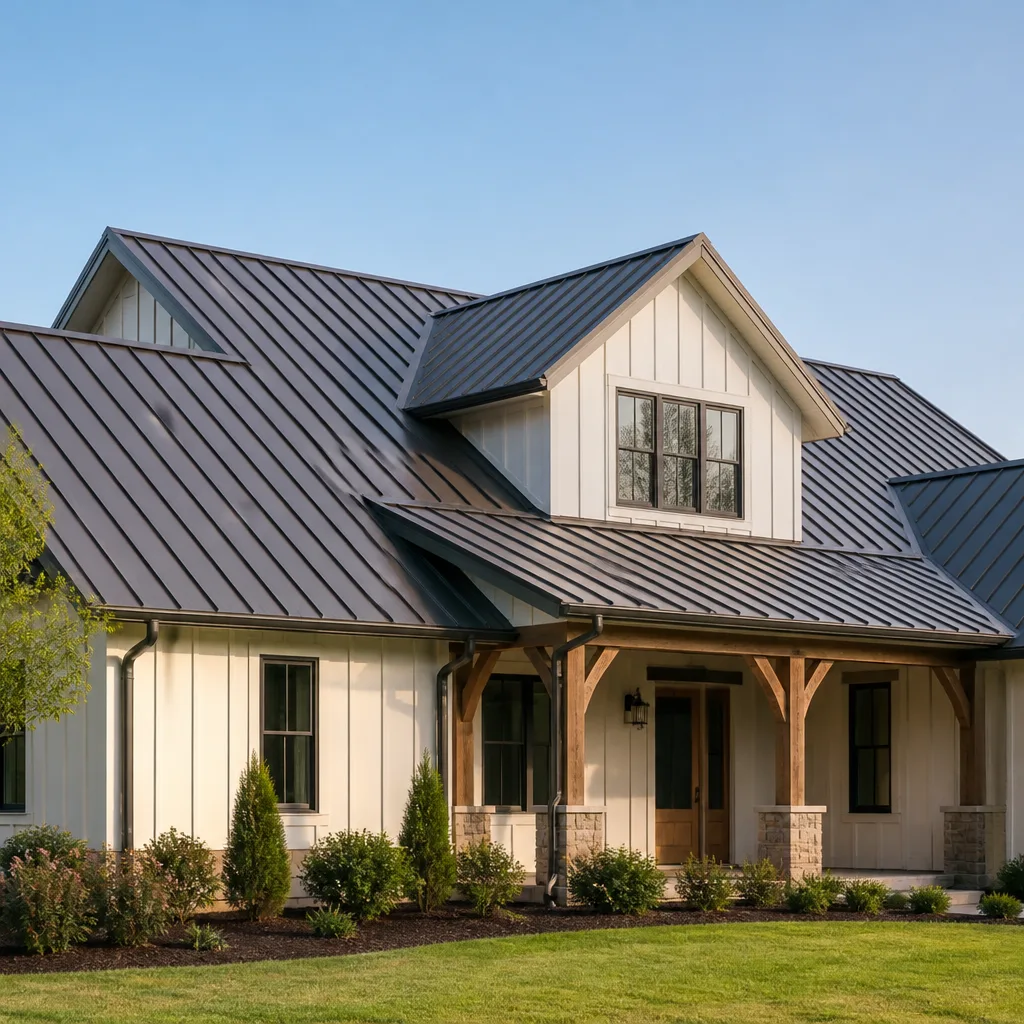


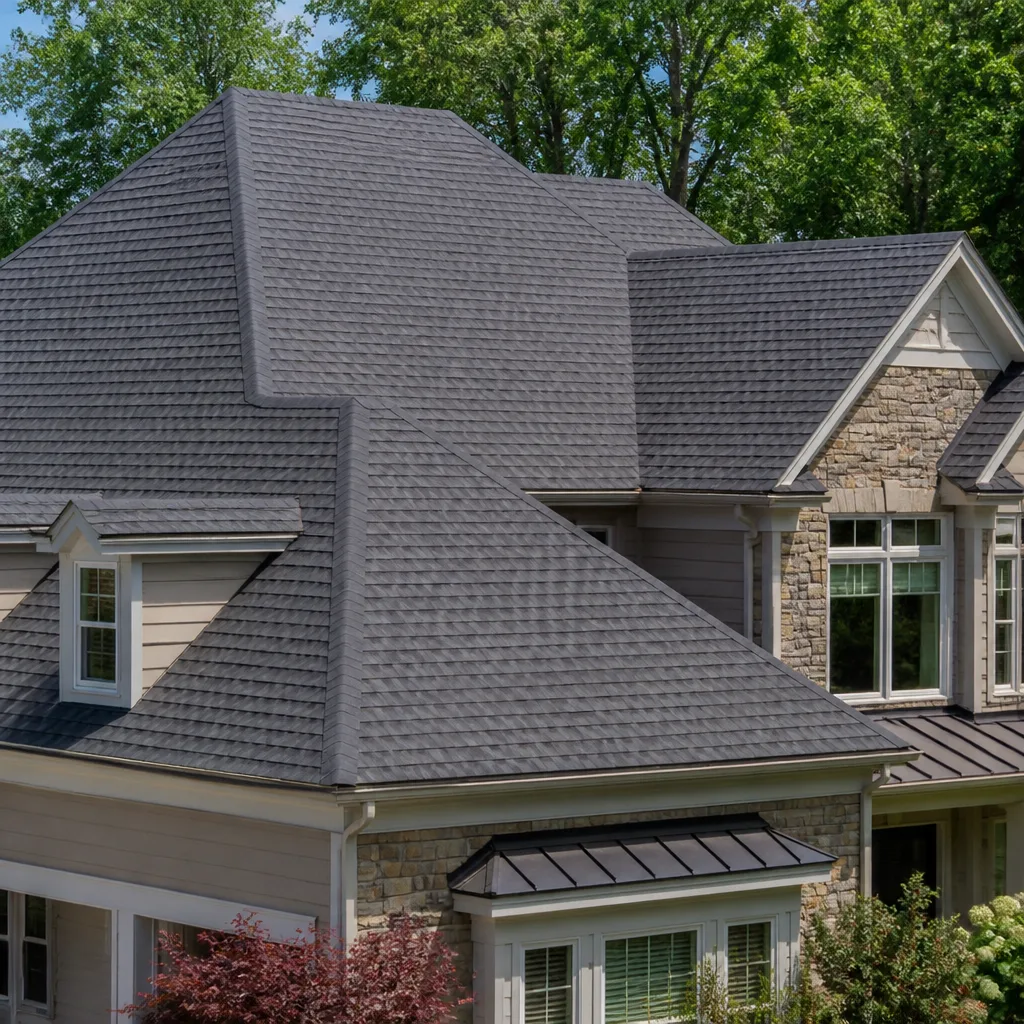
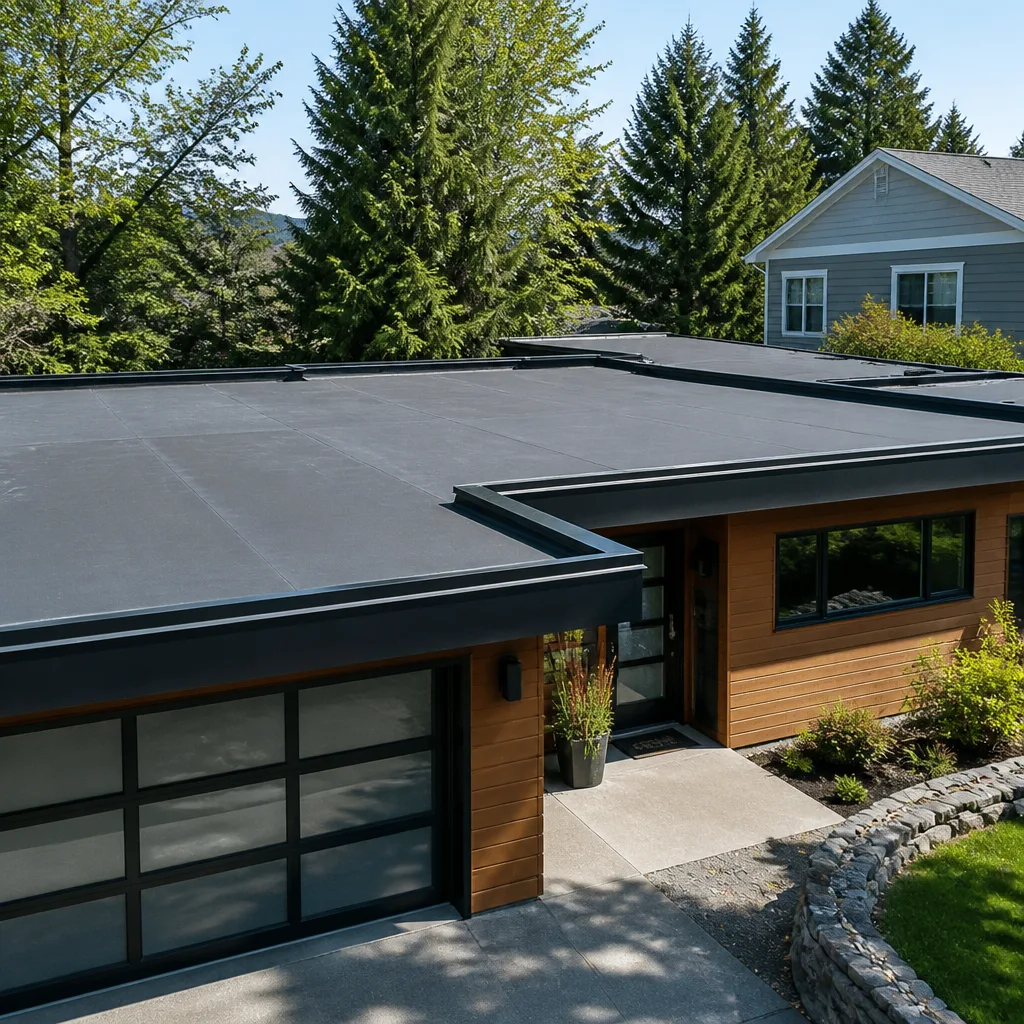
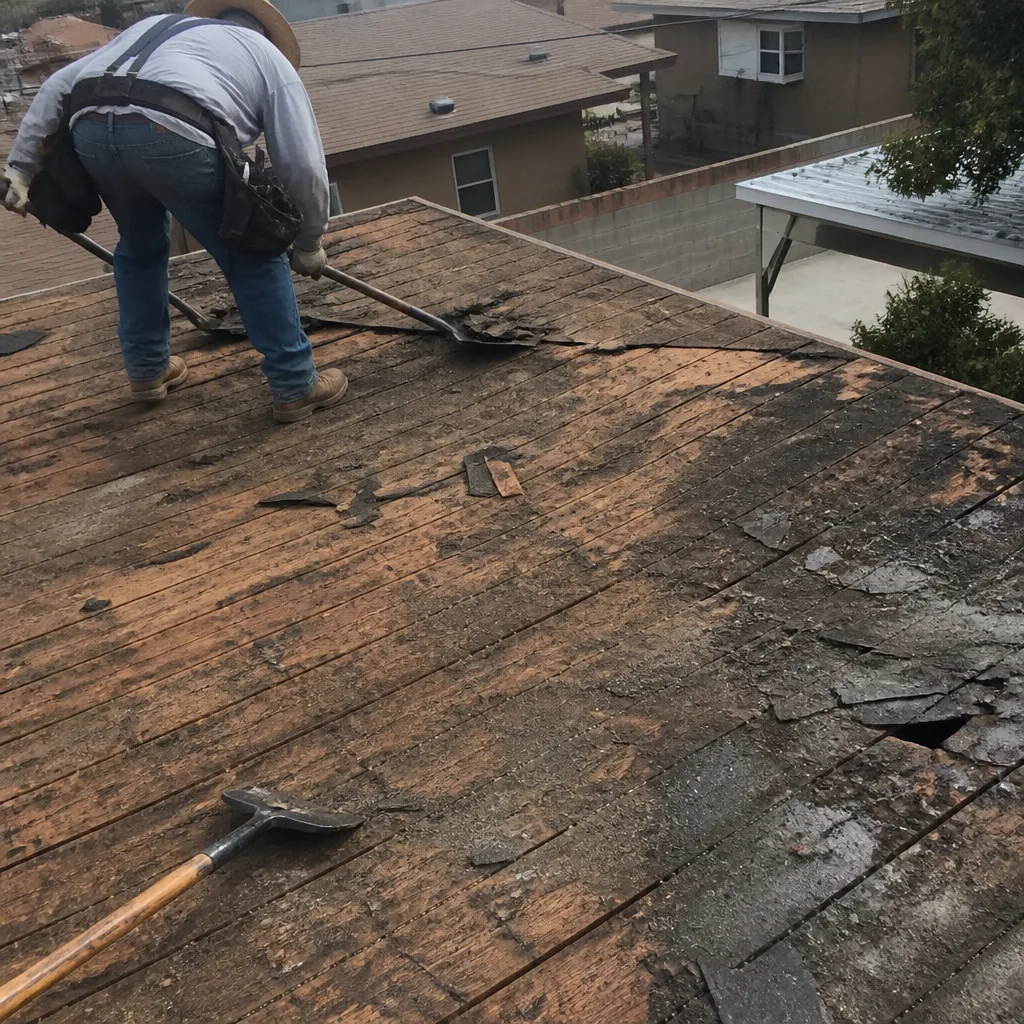 Before
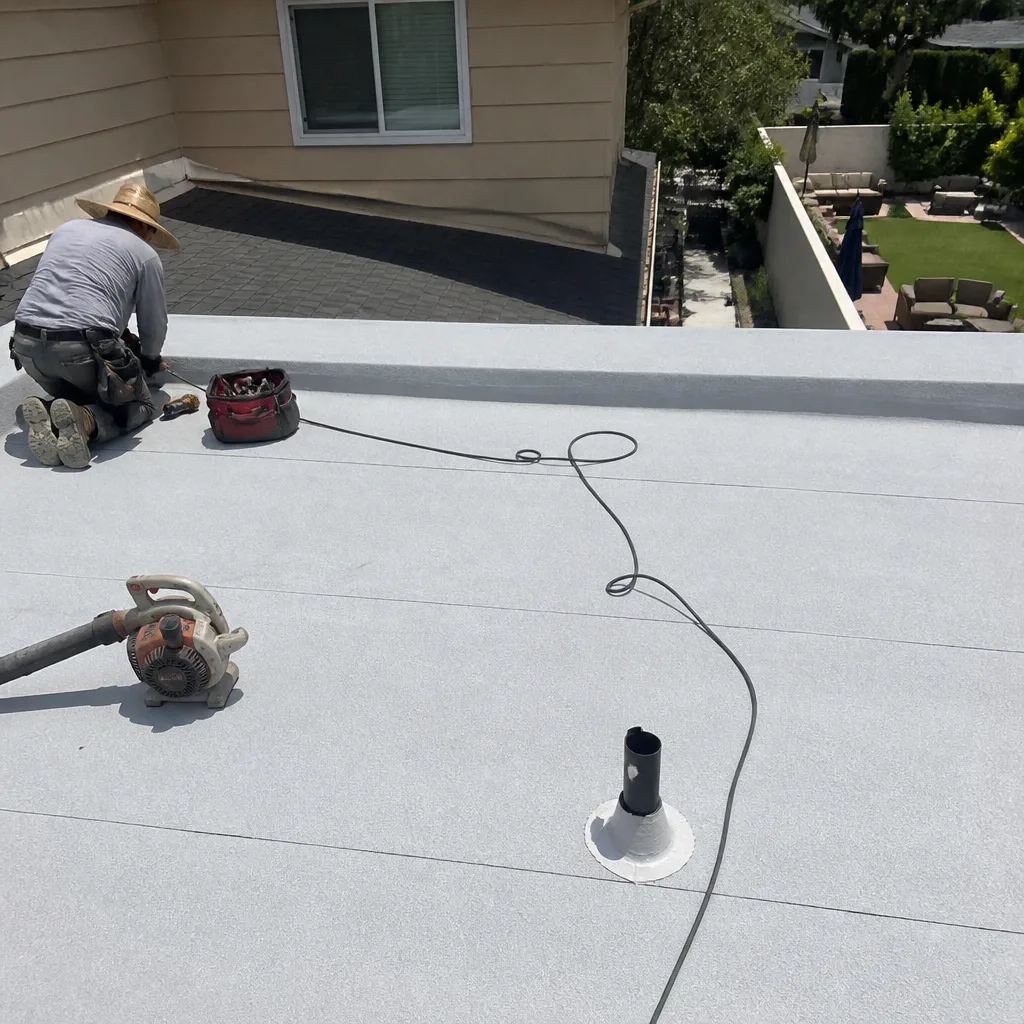 After
After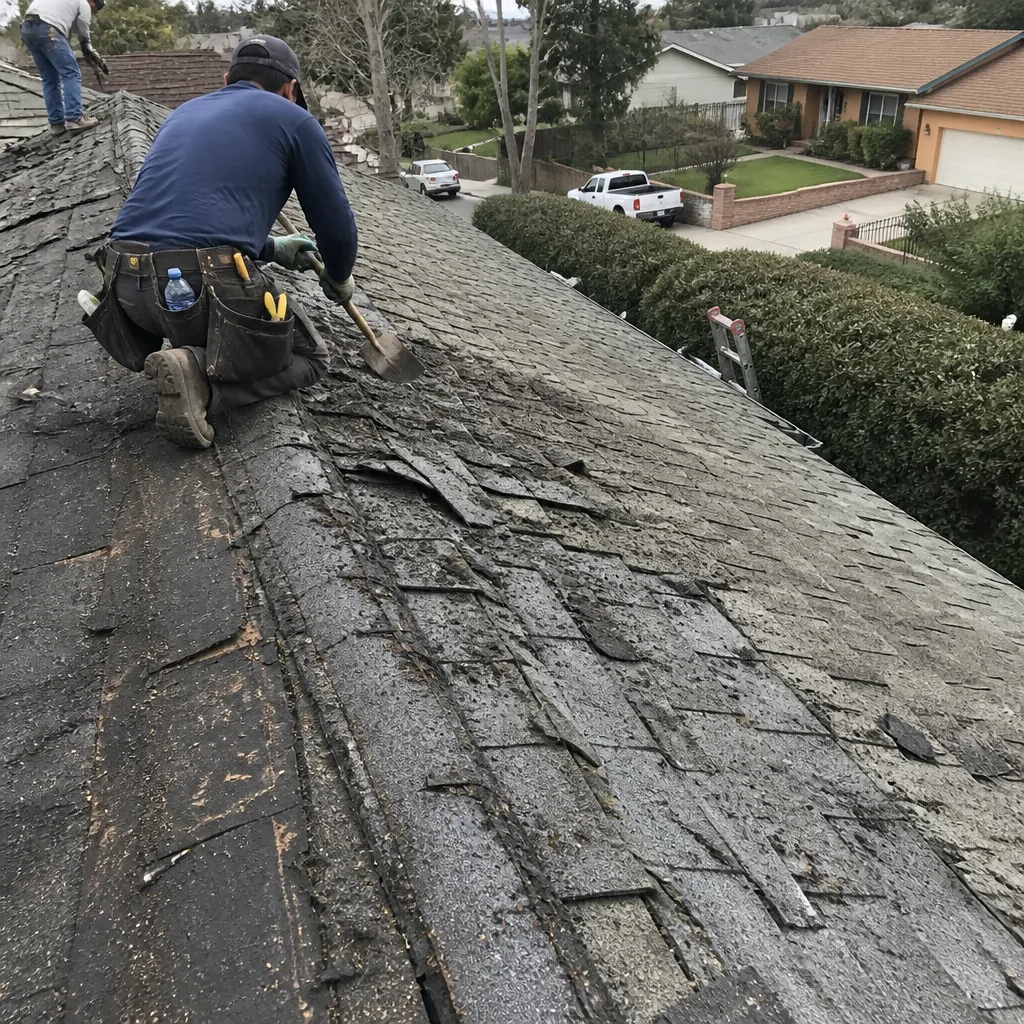 Before
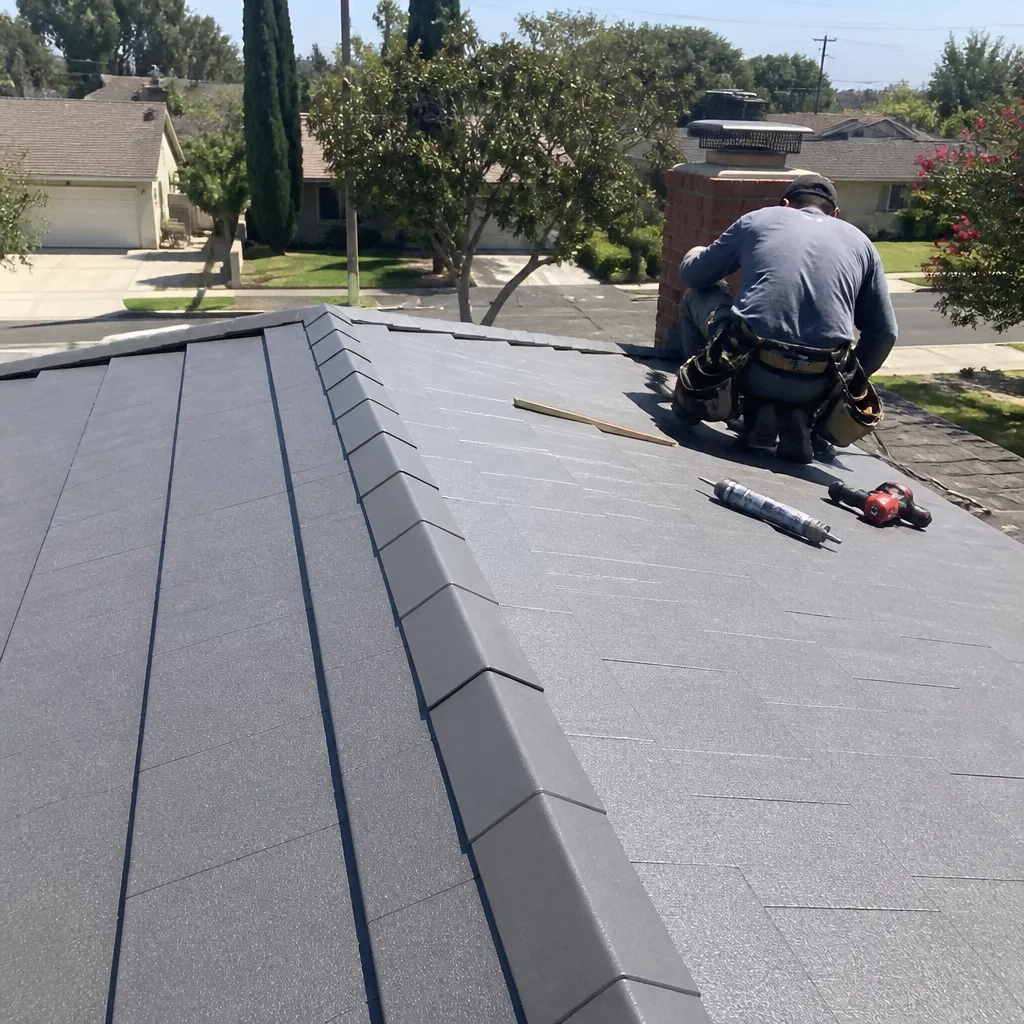 After
After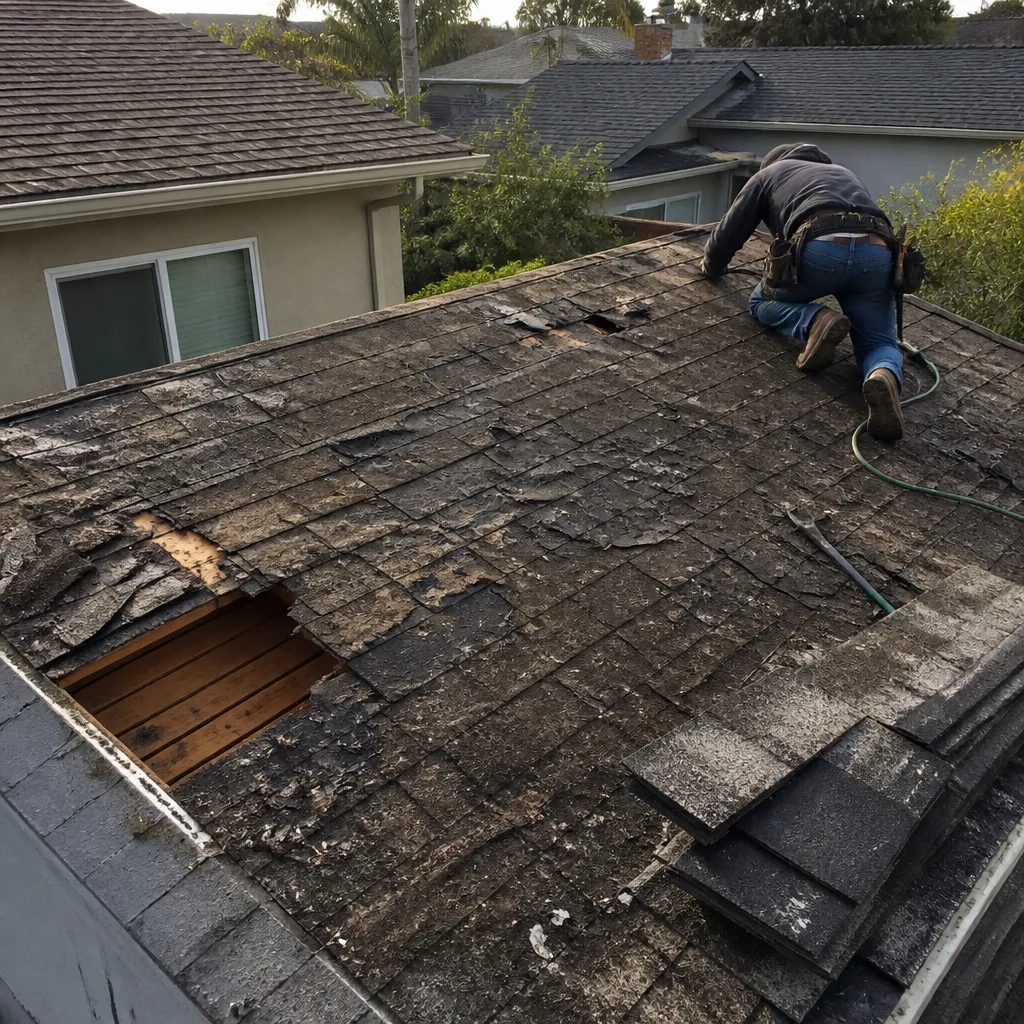 Before
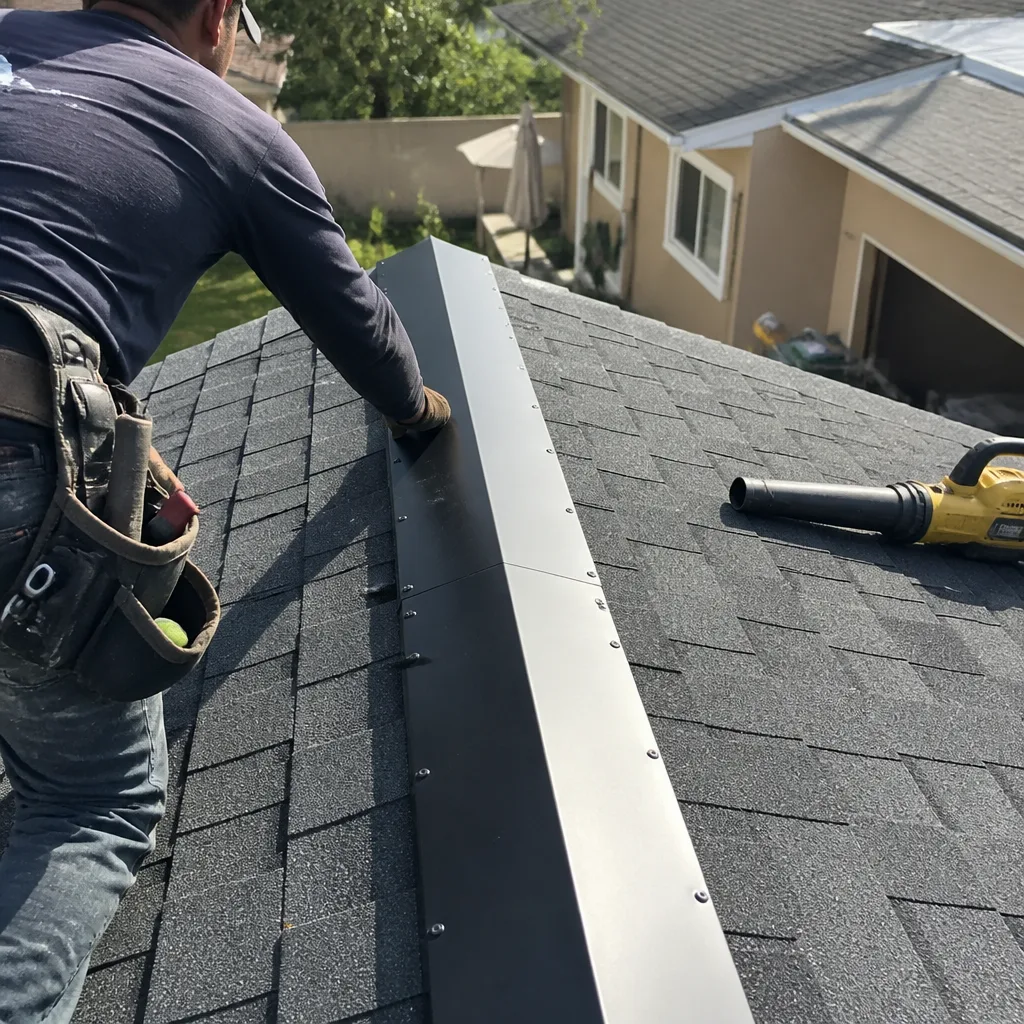 After
AfterShingles Blown Off After a Windstorm
What’s Happening
When wind pulls shingles off a roof, the underlayment and decking beneath them are now exposed to whatever weather comes next. This is an active leak risk, not a cosmetic problem, and the longer those bare patches sit open, the more water can get into the structure below. The right move is to get the damage assessed and covered the same day if at all possible.
What most homeowners see from the ground – bare patches of gray felt or dark wood, curled shingle edges, or shingles scattered across the yard – is usually the visible result of one of a few specific failures: old sealant strips that gave out, improper nailing during the original installation, shingles that were already near the end of their life, or a sustained wind event strong enough to overwhelm an otherwise healthy roof. A roofing technician can tell you which one applies to your situation, and it matters, because the fix is different in each case.
Why It Happens
The Sealant Strip Failed
Every asphalt shingle has a factory-applied strip of heat-activated adhesive along its lower edge. That strip bonds each shingle to the one below it, creating a unified surface that resists wind uplift. Over years of heating and cooling, the adhesive can harden and lose its grip – sometimes long before the shingle itself looks worn. If you lost a clean cluster of shingles in a relatively straight line, with the tabs still intact but simply detached, a sealant failure is the likely cause.
The Shingles Were Under-Nailed or Mis-Nailed at Installation
Each shingle is supposed to be fastened with a specific number of nails driven through a defined nailing zone marked on the back of the shingle. Nails placed too high on the shingle – above that zone, which is called a “high nail” – hold the shingle loosely rather than securing it properly. When wind gets underneath, those shingles lift and release. If the shingles that blew off look otherwise new and undamaged, a nailing problem from the original job is worth investigating.
The Shingles Were Already at or Past Their Service Life
Asphalt shingles become brittle as they age. The granule coating – the grit that gives shingles their texture and UV protection – wears thin over time, and the shingle itself loses flexibility. When a windstorm arrives, older shingles crack, split, or lift rather than flex. If the shingles that came off are crumbling, show heavy granule loss, or have visible cracks along the edges, age is likely a contributing factor, and a broader inspection is warranted to find the others that are close behind.
Wind Speed Exceeded the Shingle’s Rated Threshold
Every shingle product is rated to withstand wind up to a certain speed, and manufacturer ratings vary considerably across product lines. A severe wind event can overpower even a relatively healthy roof if gusts climb past those thresholds. In this case, you may find damage in multiple scattered areas rather than a single concentrated patch, and the underlayment beneath may show stress tears as well. This scenario doesn’t mean the roof was installed wrong – it means the event was genuinely severe, and a full inspection will tell you how much of the surface was compromised.
What to Do Right Now
- Stay off the roof. This is not a safe moment to attempt a repair or even a close look. Wind-damaged roofing can include loosened sections that are not obviously displaced from the ground, and wet or disturbed decking is unpredictable underfoot. Leave the height work to someone equipped and insured for it.
- Document from the ground. Walk around the house and photograph everything you can see from a safe distance – bare patches, lifted edges, scattered shingles in the yard, and any granule deposits washing out of your gutters or downspouts. Those photos matter for your insurance claim and for the technician’s assessment.
- Check inside for water entry. Go into your attic if you can do so safely. Look for daylight coming through the decking, wet insulation, or dark staining on the rafters. If you see active dripping, place a bucket and note the location relative to the exterior damage.
- Protect anything below the exposed area. If there’s furniture, electronics, or stored items directly under a compromised section of ceiling, move them. A small tarp over valuables costs nothing and prevents a secondary problem.
- Call for an inspection before the next rain event. Bare underlayment is not a permanent barrier. It slows water, it doesn’t stop it. The window between a windstorm and the next weather front is often short. Call (743) 200-8347 and your local Mercer Roofing team will schedule an assessment.
How We Fix It
When your local Mercer Roofing technician arrives, they’ll do a full inspection of the affected area – both the sections where shingles are visibly missing and the surrounding field, which often shows stress that isn’t obvious from the ground. They’ll check the underlayment condition, assess the decking beneath it, and look at the fastening pattern on intact adjacent shingles to understand whether this was a localized event or a broader installation or age issue.
From there, the repair path is straightforward: damaged or missing shingles are removed to clean edges, the underlayment is inspected or replaced as needed, and new shingles are matched as closely as possible from manufacturer-recognized brands – GAF, CertainTeed, Owens Corning, IKO, Atlas, Tamko, and Boral – and fastened to specification. If the decking itself is damaged, that gets addressed before any new material goes down.
This is Roof Repair work, and for more extensive damage, it may involve Roof Installation considerations if a significant portion of the surface is affected. Before any work begins, you’ll receive a written price. That’s not a formality – it’s how every Mercer job starts, every time. And the repair is backed by a written guarantee, with a free second visit included if it fails within the coverage period. The 365-Day Done Right Promise applies to every job we touch.
Frequently Asked Questions
Missing shingles should be treated as urgent, not scheduled for next week. Once the underlayment is exposed, any rain event can push water into the decking, insulation, and framing below – and interior water damage accumulates quickly and quietly. A small repair now is almost always less expensive and less disruptive than the structural work that follows a few wet weekends. Call (743) 200-8347 to get your local Mercer Roofing team out for an assessment before the next storm rolls in.
If you can reach the shingles from the ground, you’re not on the roof – and the ones you need to fix are. Working at roof height without proper safety equipment is genuinely dangerous, and an improper repair can create a leak point that’s worse than the one it replaced. A shingle that looks back in place but isn’t sealed or fastened correctly will lift again in the next wind event, often taking more material with it. Let a trained technician do the height work; that’s what the job calls for.
Most standard homeowner’s insurance policies cover wind damage as a named peril, but coverage depends on your specific policy terms, your deductible, and whether the damage meets your carrier’s threshold. Your local Mercer Roofing team can provide the written documentation – photos, inspection notes, and a written repair scope – that your adjuster will need to process the claim. We can’t file the claim for you, but we can make sure you have what you need to support it.
Call (743) 200-8347 and speak directly with a live person – we answer 24/7, not a voicemail. Your local Mercer Roofing team will tell you honestly what the schedule looks like and get you on it as quickly as possible. Urgency matters here, and we treat it that way.
Get It Fixed
Call (743) 200-8347 right now – a live person answers, every time of day. Your local Mercer Roofing team will schedule an inspection, give you a written price before any work starts, and back every repair with the 365-Day Done Right Promise. You can also book online if that’s easier.
Written by Grant Whitlock, Owner at Mercer Roofing, part of the Threshold Group family of home-service companies, serving communities across the country since 2000.
What Our Customers Say
"Detailed written quote with the shingle line and warranty spelled out. No surprises at the end."
- Laura B."Honest inspection. He went up, took photos, and told me I had maybe five more years instead of selling a full replacement."
- Xavier L."Leak showed up in the hallway ceiling after a big storm. They found the failed pipe flashing in about ten minutes, replaced it, and checked the attic for wet insulation."
- Sophie R.