
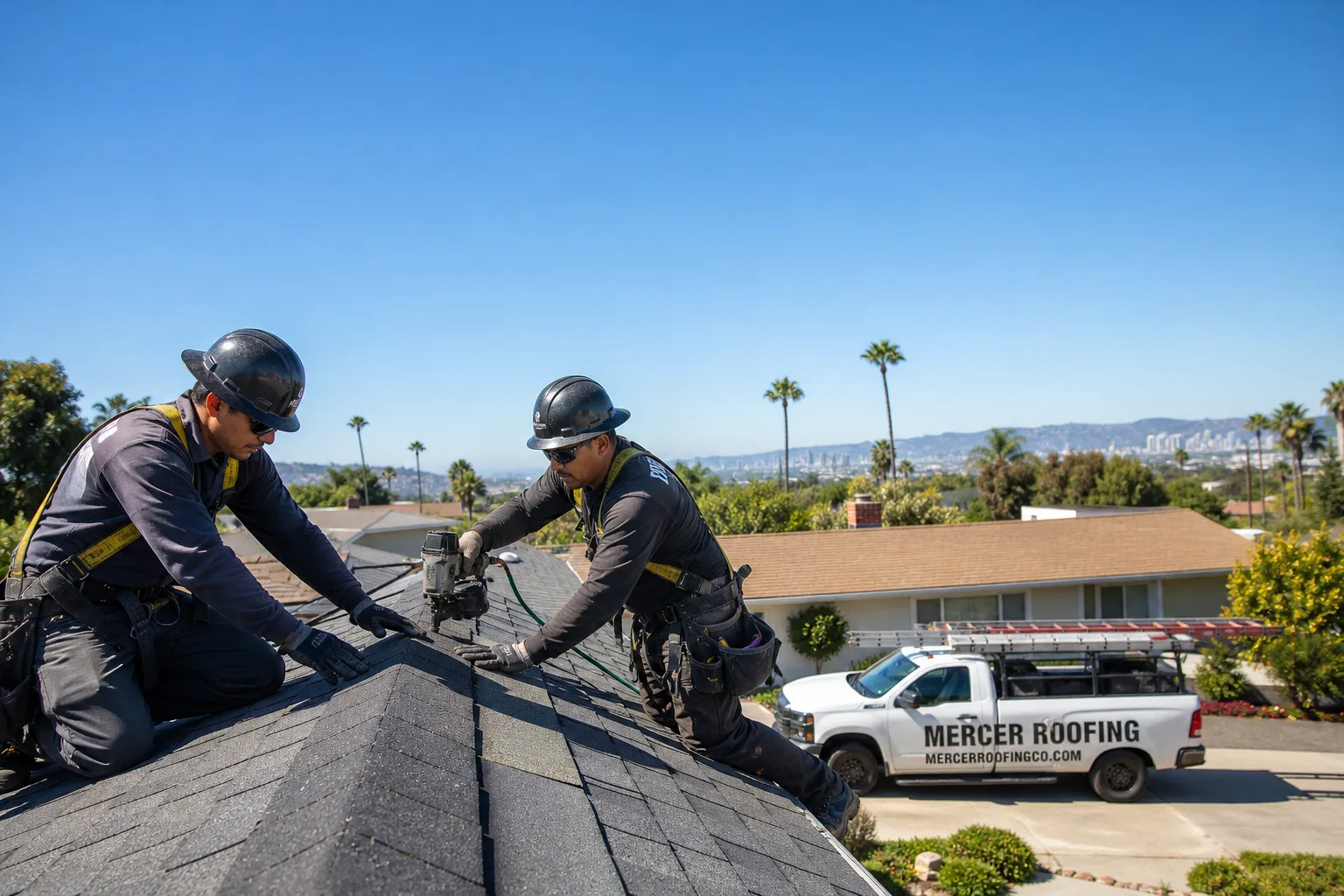
Free roof inspection with deck photos before we talk money - GAF and Owens Corning certified installation
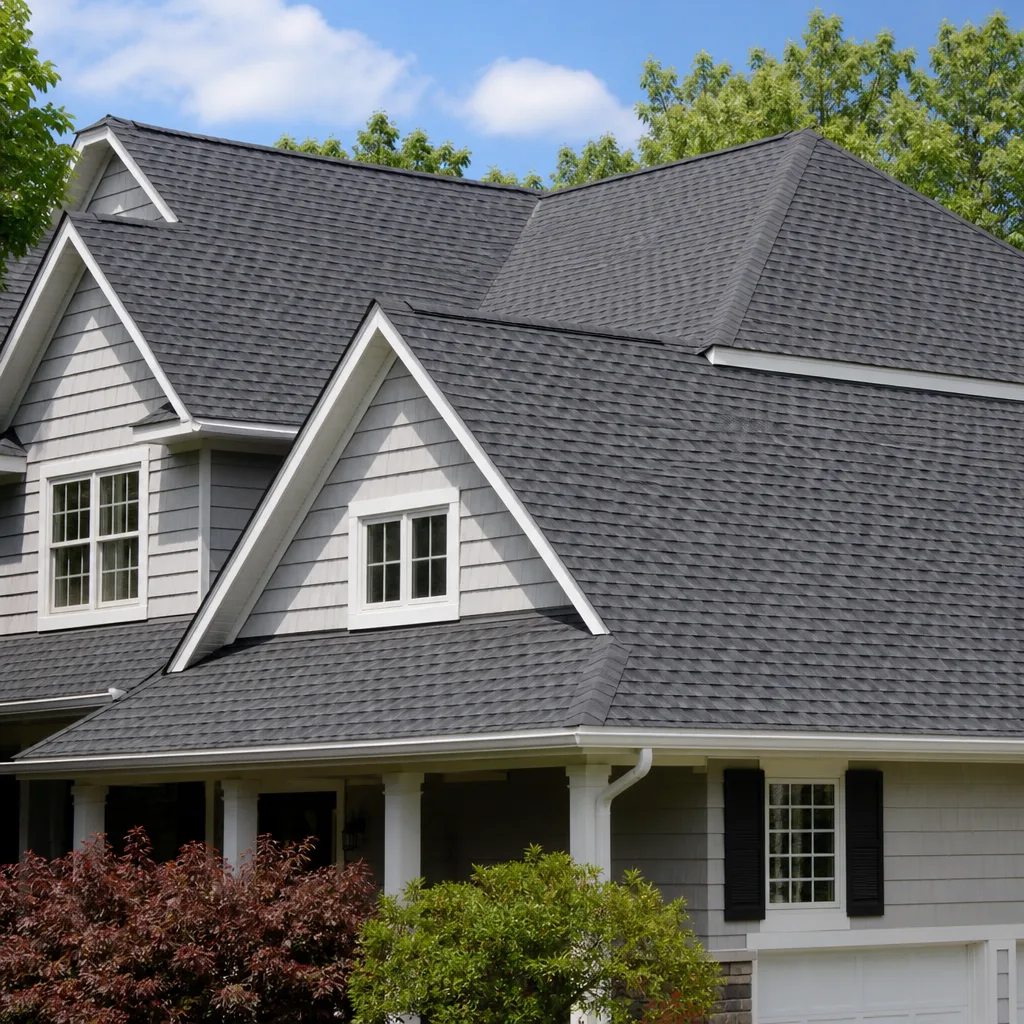
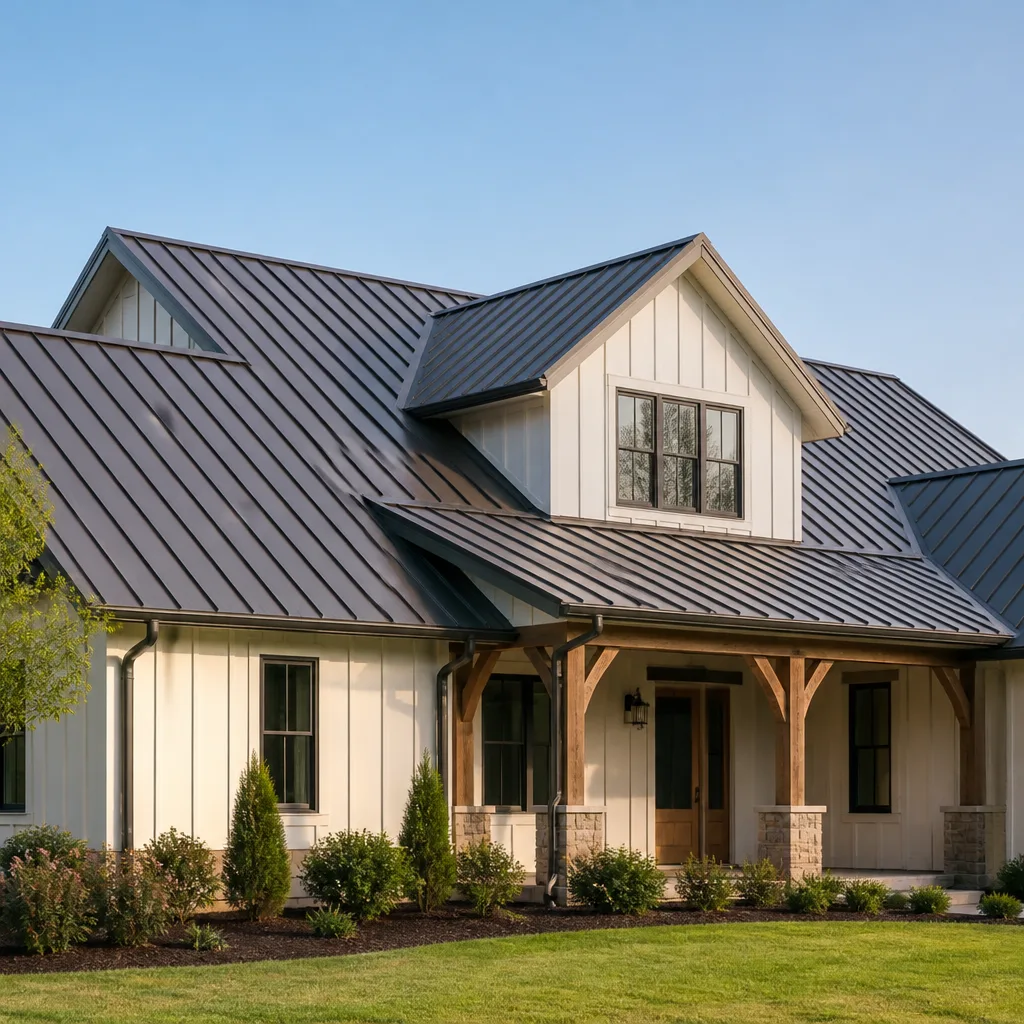
 Before
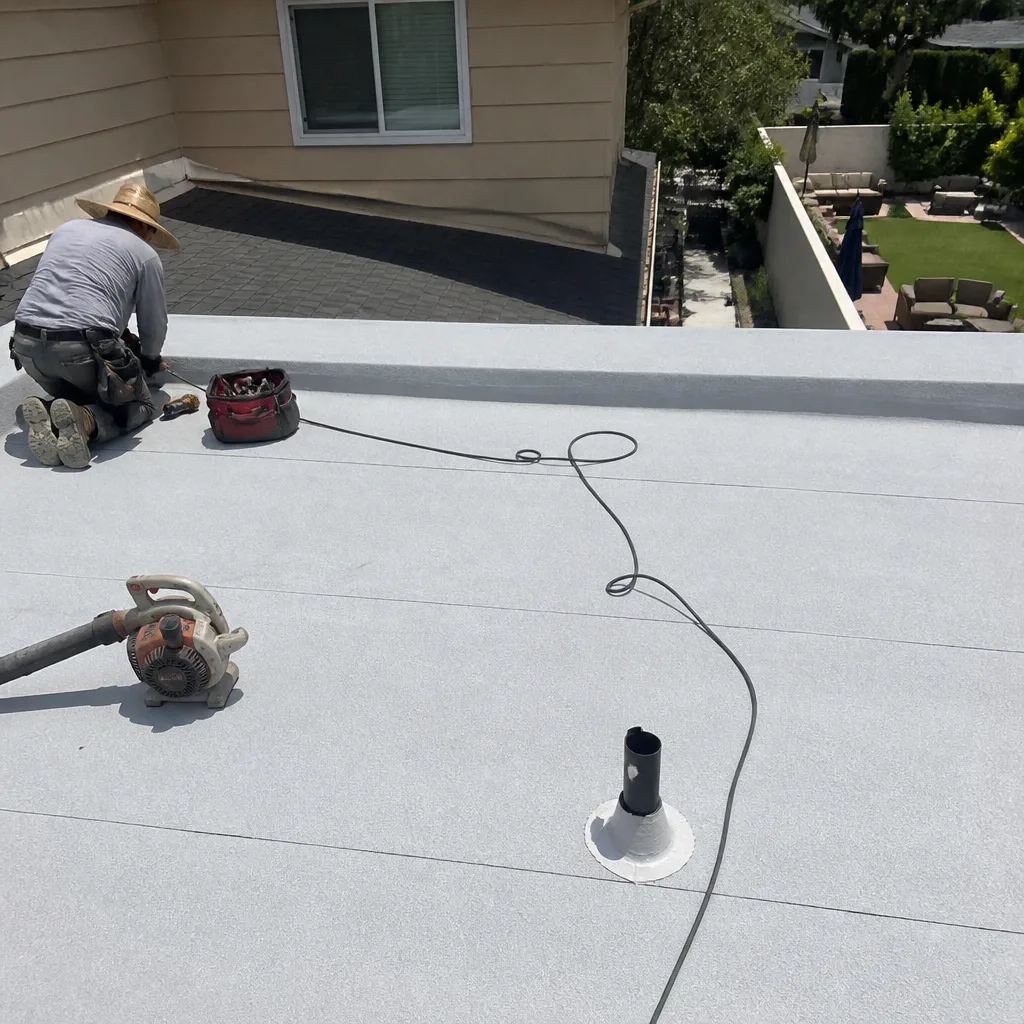 After
After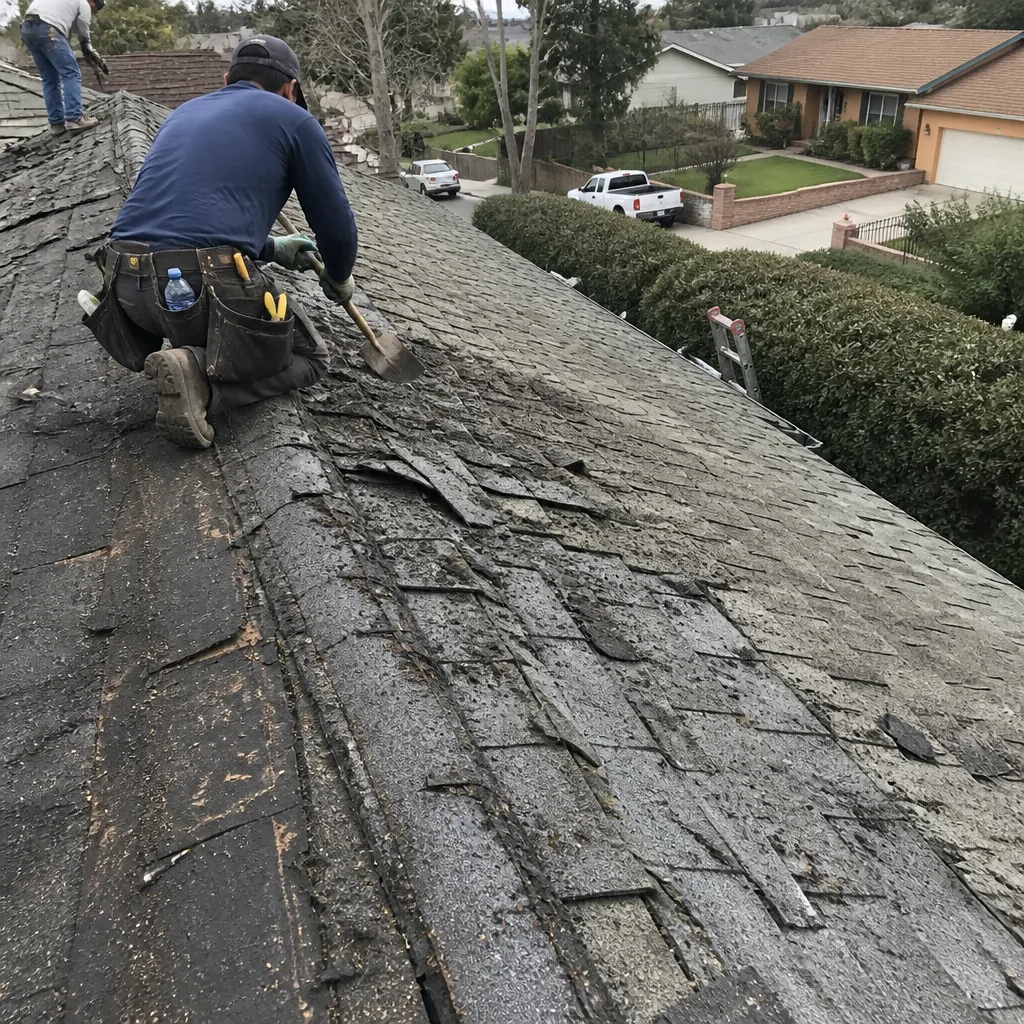 Before
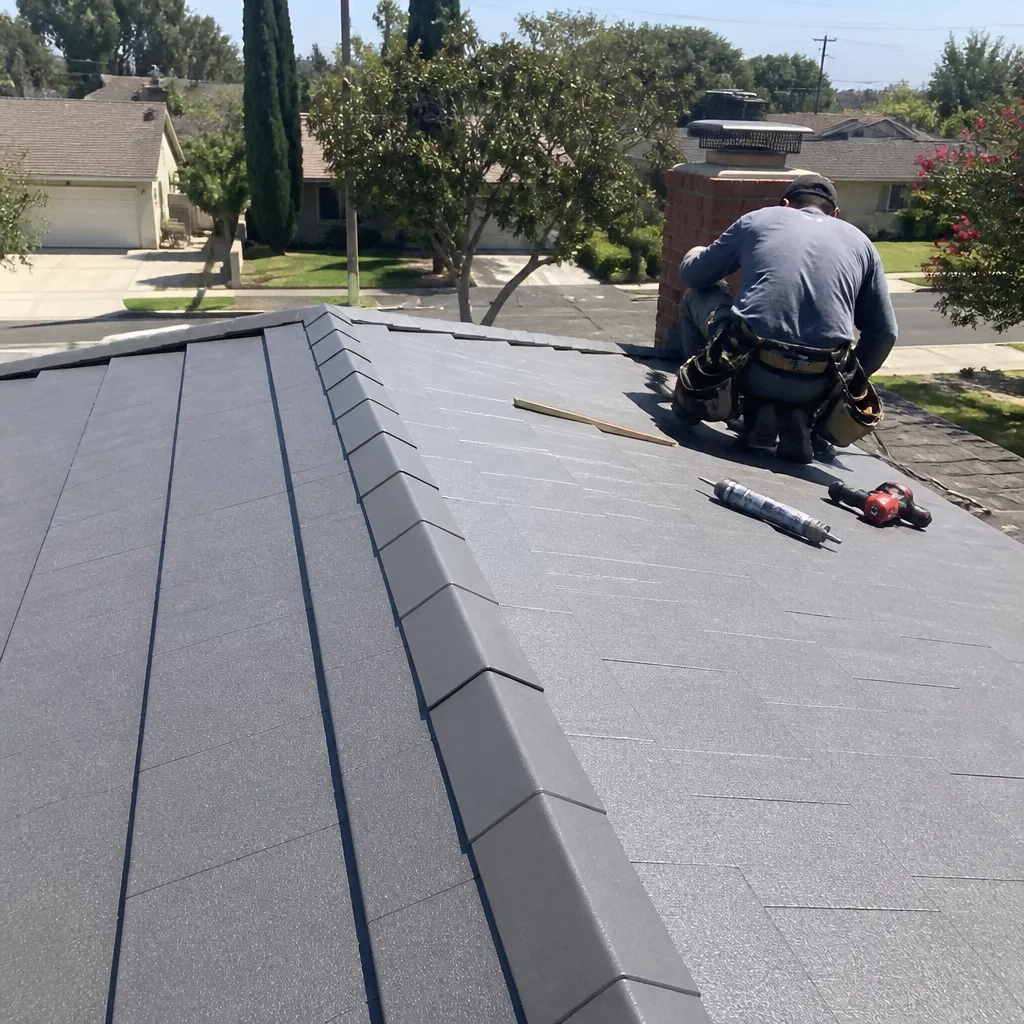 After
After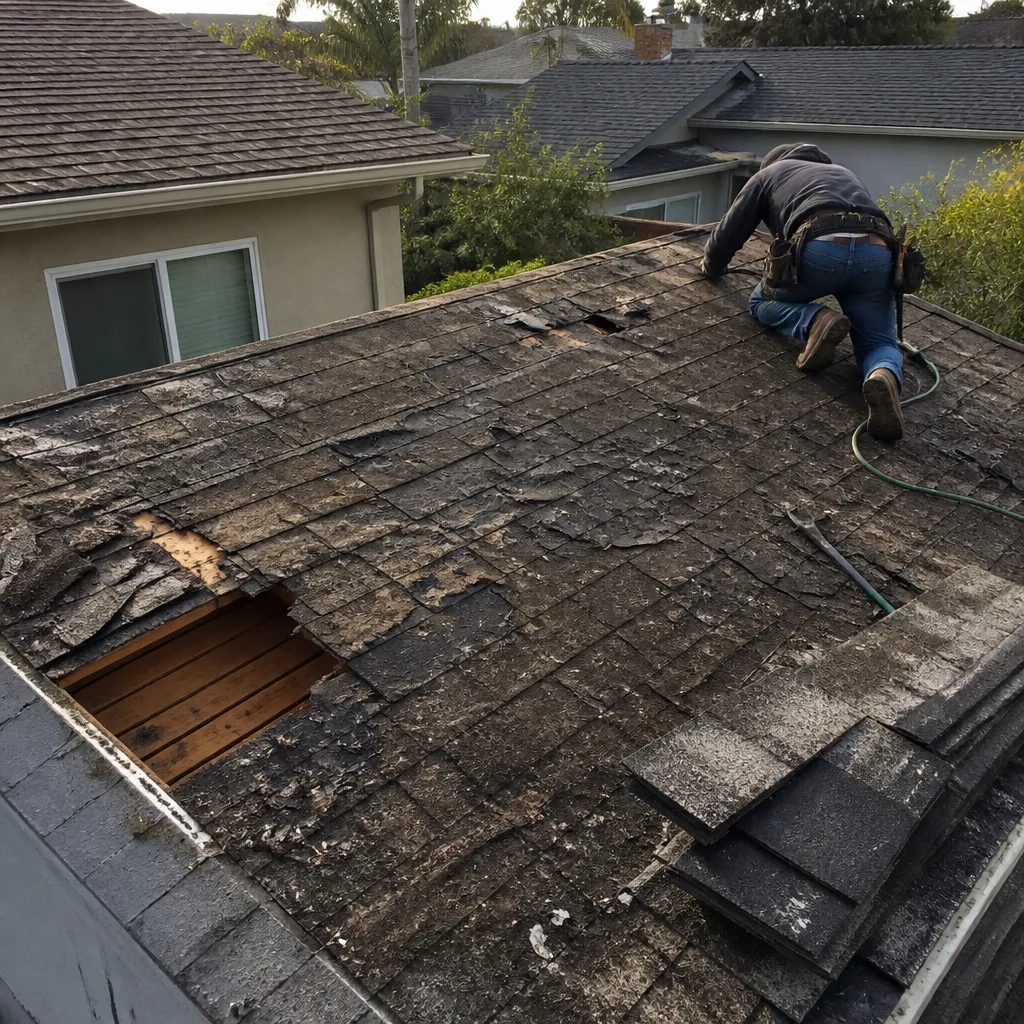 Before
 After
AfterFast, Reliable Roof Installation Across Running Springs
Roof installation in Running Springs, CA comes with a set of demands most roofing crews never face. The town sits at roughly 6,000 feet, inside a state-designated High Fire Hazard Severity Zone, and it gets some of the heaviest snow in Southern California. A new roof here has to satisfy San Bernardino County’s Class A fire-resistant material mandates and hold up under engineered snow loads, all while surviving a freeze-thaw season that runs from October through April. We know the difference between a roof that passes inspection and one that actually protects a Running Springs home for decades. Call (743) 200-8347 to talk through your project and get a written price before any work begins.
Why Mercer Roofing Is Running Springs’s Preferred Roof Installation Company
Homeowners in Running Springs call us because we show up the way they want a stranger at their door to show up. Every Mercer technician is background-checked, identity-verified, and arrives in a clean, marked uniform with a photo ID badge. Before the visit, we send the technician’s name and photo to your phone. You’ll know exactly who is walking up your driveway before they knock. That’s the Threshold Standard, and it’s non-negotiable for every independently owned Mercer location.
We were founded in 2000 and are part of the Threshold Group family of home-service companies. The workmanship carries our 365-Day Done Right Promise: if something isn’t right within a year, we make it right. Every repair also includes a written guarantee, and if a repair fails, the second visit is free. And when you call us at (743) 200-8347, a live person answers. Not a voicemail. Not a call-back form. We know homeowners in Running Springs often deal with absentee-owned cabins and steep mountain roads; the last thing you need is a roofing company that treats your schedule like an inconvenience.
Grant Whitlock, the owner behind Mercer Roofing, has made the badge-at-the-door promise the center of how we operate. In a mountain community where many homes sit empty for months at a time, knowing exactly who is on your roof and when matters more than a slick sales pitch.
How Running Springs’s Climate Changes Roof Installation
Running Springs roofs sit under a dual mandate that simply does not exist 30 miles downhill in Redlands or San Bernardino. Class A fire-rated assemblies are required by county code, so the old wood-shake re-roofs that defined mid-century mountain cabins are effectively dead. But at the same time, those Class A assemblies have to be installed with a snow-load-rated fastening pattern, because the same roof that resists ember intrusion also has to carry 50 to 100 inches of seasonal snow. Miss either requirement and the roof fails within a few seasons. The freeze-thaw cycle that runs from October through April compounds everything: water works under shingles, refreezes, expands, and shears fasteners loose. North-facing eaves on Running Springs homes take the worst of it, because they rarely dry out under heavy pine canopy.
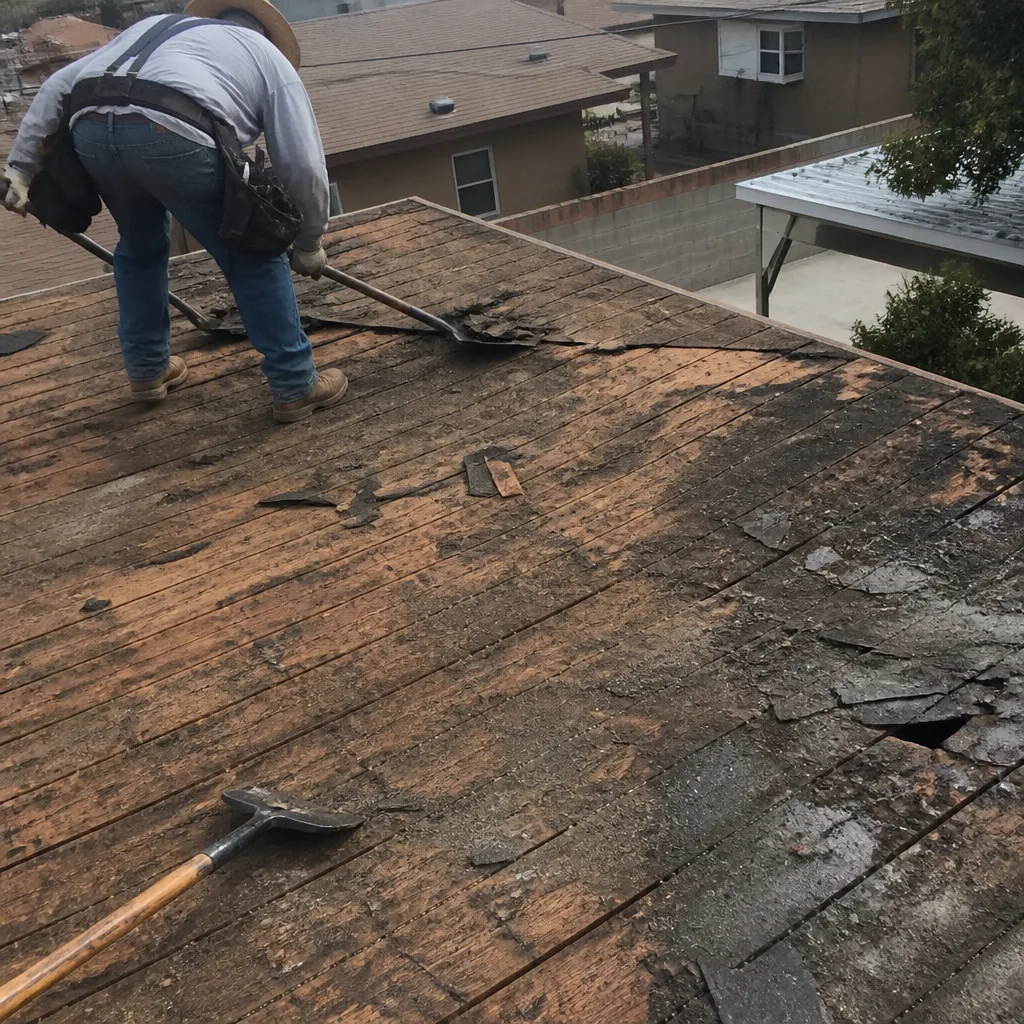
We see this play out on projects across town, from the A-frame cabins near Rim of the World Drive to the wood-frame homes off Highway 18 and around the Arrowbear area. The decking surprises on these roofs are predictable to anyone who has worked here long enough. Pulling back sheathing on a north-facing slope often reveals saturated decking and rotted rafter tails the homeowner never knew about, because the cabin sat empty for most of the winter. That’s why our Roof Installation team always scopes for decking replacement before quoting, not after. A written price should mean something.
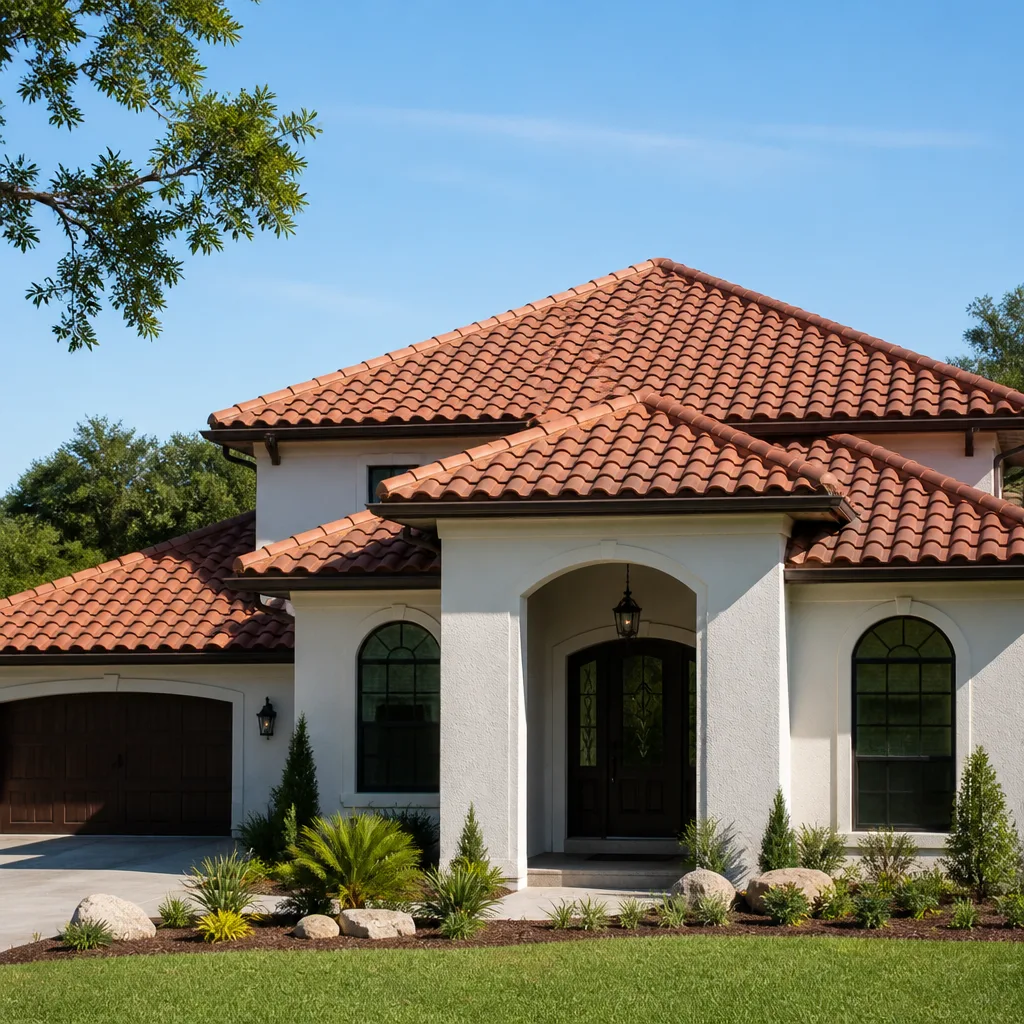
Tile Roof in Running Springs
A tile roof in Running Springs has to do more than look right: it has to carry heavy snow without cracking at the fastener points and survive a six-month freeze-thaw season without letting water under the tile. We install tile systems that are mechanically fastened to a snow-load-rated pattern, with ice and water shield run along every eave and valley before the first tile goes down. Running Springs homeowners choosing tile are usually replacing a failed wood-shake roof or an older composition shingle system that has reached the end of its service life at altitude.
Concrete and Clay Tile Systems
The two tile options we install most often in Running Springs are concrete and clay. Concrete tile carries snow load well and comes in profiles that shed snow cleanly, which reduces ice damming on north-facing slopes. Clay tile is lighter for the same profile and handles the freeze-thaw cycling at 6,000 feet without spalling, but it costs more per square. Expect a tile roof installation in Running Springs to run from roughly $18 to $28 per square foot depending on profile, underlayment, and decking repairs.
Underlayment and Fastening on Steep Pitches
Steep pitches are the norm in Running Springs, because the homes were built to shed snow. Tile on a 8/12 or 10/12 roof requires staging, fall protection, and a fastening pattern that accounts for the extra uplift at the ridge. A tile roof installed on a shallow-pitch mountain home will fail differently than one on a steep pitch, and the fix is never cheap. We scope the pitch, the decking condition, and the eave details before we ever hand you a number.
Roof Ventilation in Running Springs
Roof ventilation in Running Springs does not just keep the attic cool in summer. It controls the condensation and ice dam formation that a six-month freeze-thaw season creates. A poorly ventilated mountain roof traps warm air under the sheathing, which melts snow unevenly and sends water running down to the cold eave, where it refreezes and backs up under the shingles. Proper intake at the soffits and exhaust at the ridge changes that entire cycle.
Ridge Vent Systems for Snow Country
A continuous ridge vent is the most reliable exhaust solution for Running Springs roofs, because it runs the full length of the ridge and does not rely on powered components that fail in cold weather. We pair it with soffit intake vents sized to the attic’s square footage. On a cabin with a cathedral ceiling and no true attic, we look at the insulation plane and often recommend a different strategy, because ventilation without an air channel does nothing.
Ice and Water Shield Placement
This is not technically ventilation, but it works with it. Along every north-facing eave in Running Springs, we run ice and water shield at least 24 inches past the interior wall line, and farther on low-slope sections. It is the single most important detail on a mountain roof, and it is the detail most skipped by crews that learned roofing in flatland Inland Empire cities.
Trusted Brands We Service in Running Springs
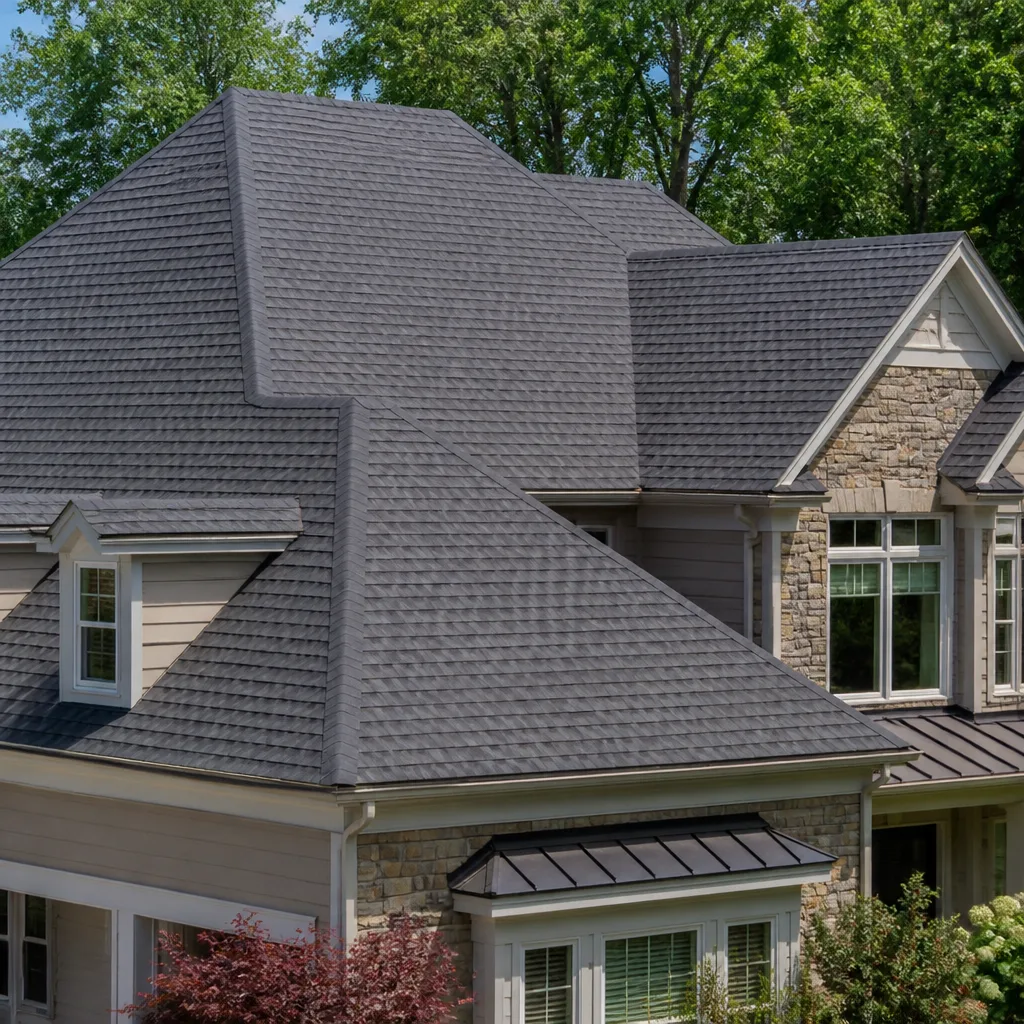
We install and repair roofs using shingle brands that are recognized by manufacturers and proven in mountain climates: GAF, CertainTeed, and Owens Corning are the ones we reach for most often in Running Springs. CertainTeed Landmark and GAF Timberline lines carry Class A fire ratings and hold up under repeated snow loading. We stock common profiles and components for Running Springs customers, so a repair or a punch-list item does not wait on a parts order out of the valley. If your existing roof is already a GAF or Owens Corning system, we can match it.
Common Roof Installation Problems We See in Running Springs Homes
- Wood shake that is now non-compliant. Many Running Springs homes were built with wood shake roofs in the mid-20th century. Under current San Bernardino County WUI codes, re-roofing with wood shake is effectively banned. Homeowners often learn this only when a sale falls through or an insurance inspection flags it.
- Ice damming along north-facing eaves. The freeze-thaw cycle from October through April pushes water under shingles, refreezes at the eave, and creates a ridge of ice that holds water against the roof. Homes shaded by pine canopy north of Highway 18 see this every winter.
- Rotted decking on absentee-owned cabins. Leaking penetrations and failed flashing on vacation cabins in Running Springs often go undetected for months. By the time anyone notices a ceiling stain, the sheathing and rafter tails are already compromised.
- Fastener shear from snow load. A roof installed with a standard fastening pattern will hold up fine in Redlands. The same roof in Running Springs, carrying 80 inches of Sierra snow and cycling through dozens of freeze-thaw events, will shear fasteners loose within two or three seasons.
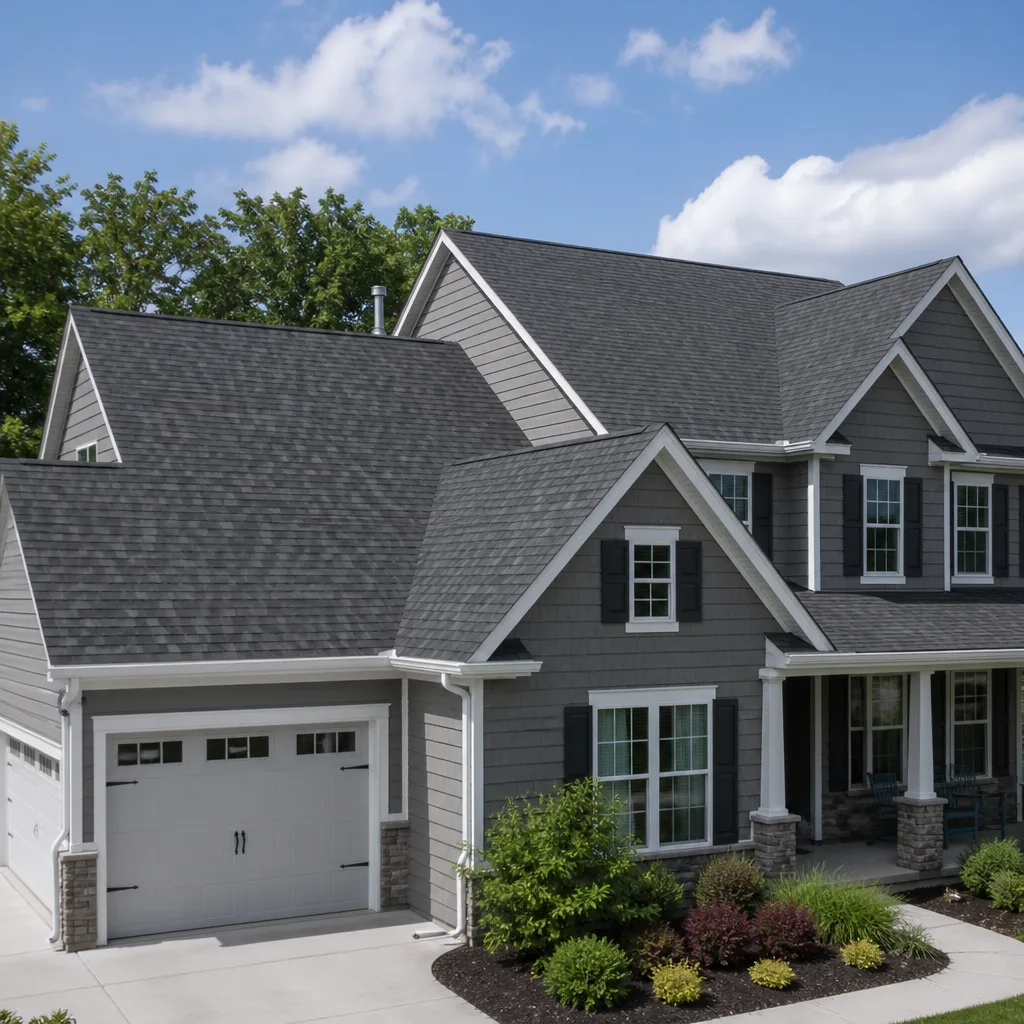
On a steep A-frame cabin off Rim of the World Drive, we stripped a non-compliant wood-shake roof, laid ice and water shield along the north-facing eave, re-decked two rotted rafter tails, and set a Class A architectural shingle system with a continuous ridge vent. Pulling back the sheathing exposed saturated decking the absentee owner had never seen from inside, so we replaced the compromised boards before any underlayment went down. That is what a real roof installation in Running Springs looks like.
Pricing for Roof Installation in Running Springs, CA
A full roof installation in Running Springs typically runs from $14,000 to $28,000 for a standard wood-frame home, depending on square footage, pitch, and the amount of decking that needs replacement. A composition shingle re-roof on a simple 1,200-square-foot cabin might come in around $12,000 to $16,000. Tile systems run higher, usually $18 to $28 per square foot. The wildcard in Running Springs is decking: because of ice damming and absentee-owned homes, expect some sheathing and rafter-tail replacement on many projects. That is a real cost, and we quote it honestly up front. Every project begins with a written price, no work starts without it, and the price on the page is the price on the invoice. Call (743) 200-8347 to schedule a free estimate.
We coordinate dispatch and scheduling from the brand’s Los Angeles office, with crews serving Running Springs locally. That keeps the back-end fast without pretending we are headquartered around the corner.
We Also Serve Cities Near Running Springs
Our Roof Installation in Running Springs work regularly takes our crews up and down the mountain. We serve homeowners in Lake Arrowhead, Highland, Mentone, and Crestline with the same written-price, badge-at-the-door process. Mountain codes and snow-load requirements differ from flatland work, and we scope every city accordingly.
Serving Running Springs, CA - Our Local Coverage Area
We’re based in the Running Springs area and know this community well. Use the map below to see our service coverage - if you’re nearby, we can almost certainly help.
FAQs About Roof Installation in Running Springs
Running Springs sits in a state-designated High Fire Hazard Severity Zone, and San Bernardino County requires Class A fire-resistant roof assemblies under its WUI codes. Wood shake does not meet Class A standards, so re-roofing with it is effectively banned. If your existing shake roof is at the end of its life, the replacement will need to be a Class A system, like an architectural asphalt shingle or a properly installed tile roof. Call (743) 200-8347 and we’ll walk you through what your specific roof needs.
Snow load changes the fastening pattern, the underlayment details, and the structural assumptions. A roof in Running Springs must be fastened to a snow-load-rated pattern that won’t shear loose during repeated freeze-thaw cycles, and the decking has to be sound enough to carry 50 to 100 inches of seasonal snow. Down in San Bernardino, a standard fastening schedule holds up fine. Up here, skipping the snow-load pattern means a roof that fails within a few seasons. That’s why local scoping matters.
Ice damming shows up most often on north-facing eaves, especially on homes shaded by heavy pine canopy. The snow melts unevenly, water runs to the cold eave, refreezes, and builds a dam that holds water against the roof. Over a single winter, that water works under shingles and into the decking. The fix is ice and water shield along every north-facing eave and valley, paired with proper attic ventilation. We include both on every Running Springs installation.
Because many Running Springs homes are vacation cabins that sit empty for months, and a leaking penetration or failed flashing goes unnoticed for a full season or more. By the time we pull back the old roofing, the sheathing underneath is often saturated, and the rafter tails on north-facing slopes are rotted. No roofer can see that from the outside. That’s why our written price includes a decking allowance and a clear explanation of what would trigger a change order. You’ll never be surprised by a price we didn’t warn you about first.
A typical composition shingle roof installation in Running Springs takes three to five working days from tear-off to final inspection, assuming the decking is sound. If we find rotted sheathing or rafter tails, the calendar extends by a day or two while we re-deck. Tile systems take longer, usually a week to ten days depending on pitch and complexity. Weather windows matter here: we sequence tear-off around snowfall forecasts and never leave a deck exposed overnight if precipitation is in the forecast. Plan on a two-to-four week lead time for scheduling, and call (743) 200-8347 to get your project on the calendar.
Call Mercer Roofing at (743) 200-8347 for a free roof installation estimate in Running Springs. You’ll get a written price, a real person on the phone, and a technician whose name and photo you’ll receive before they arrive.
Written by Grant Whitlock, Owner at Mercer Roofing, serving Running Springs since 2000.