
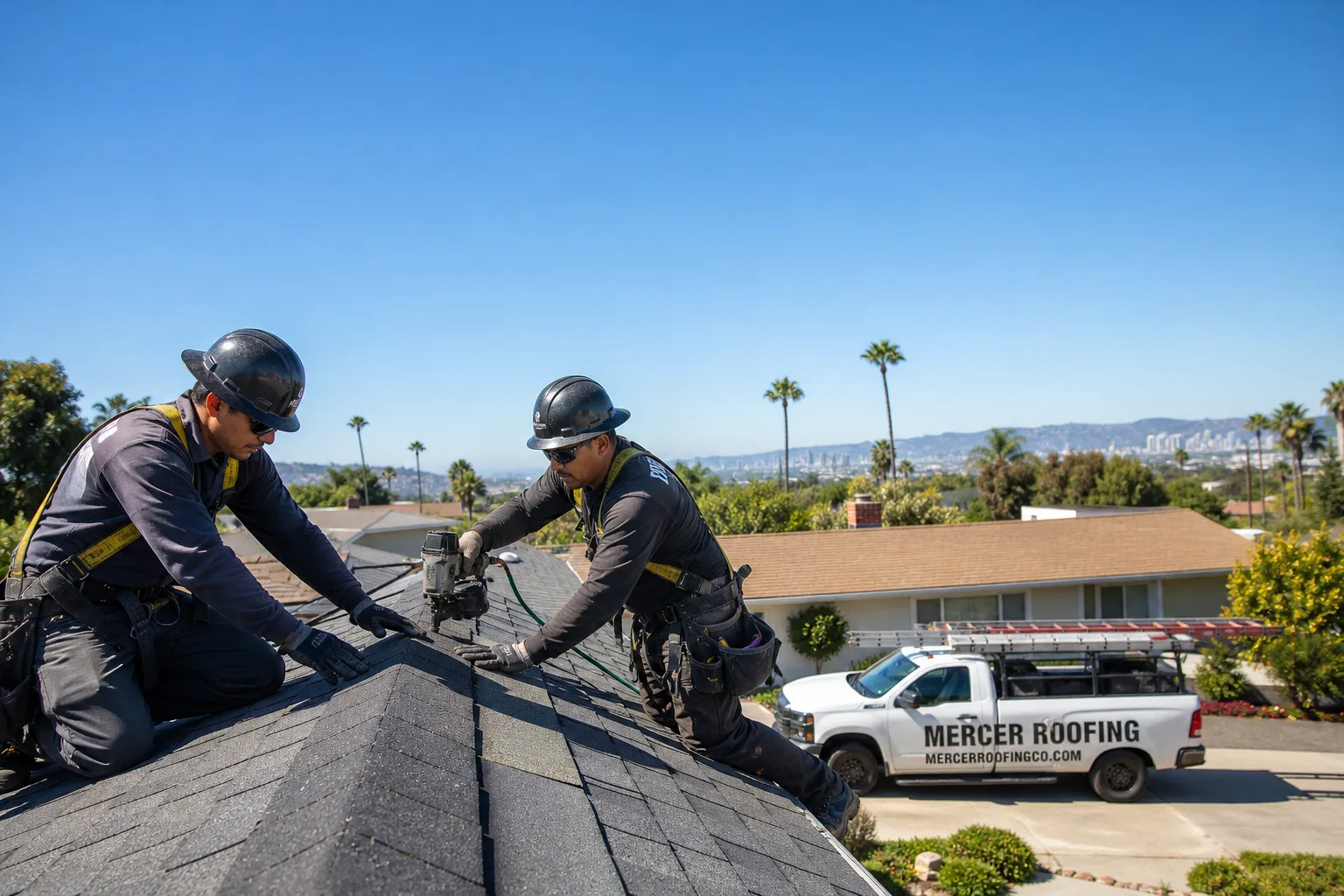
Free roof inspection with deck photos before we talk money - GAF and Owens Corning certified installation
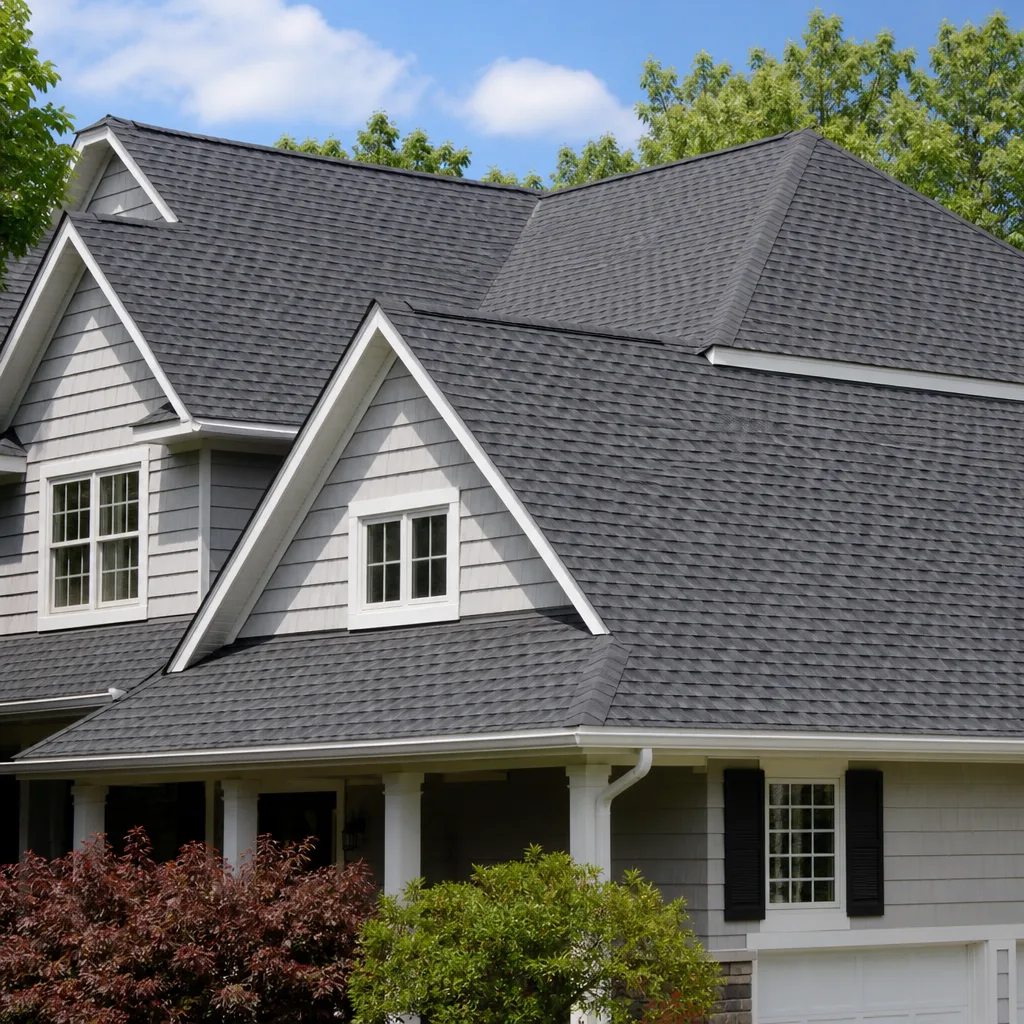
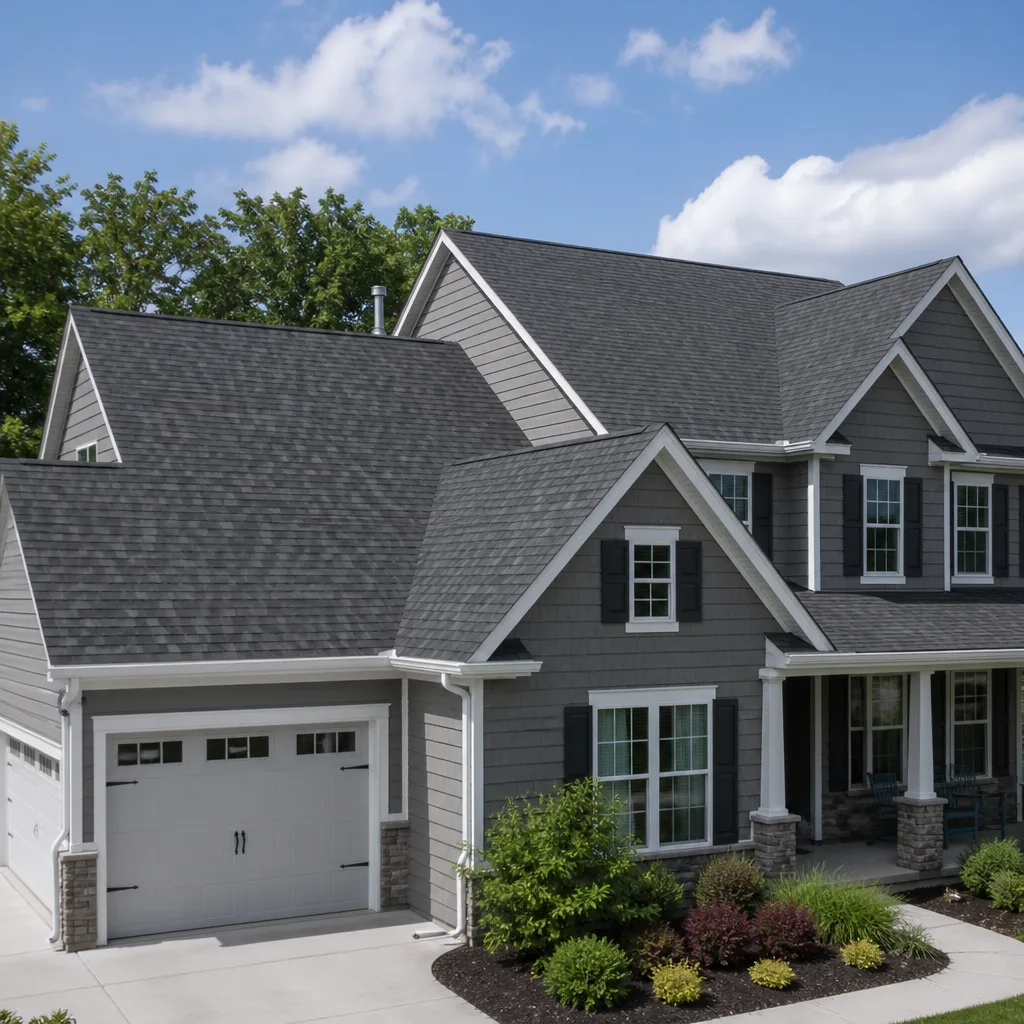
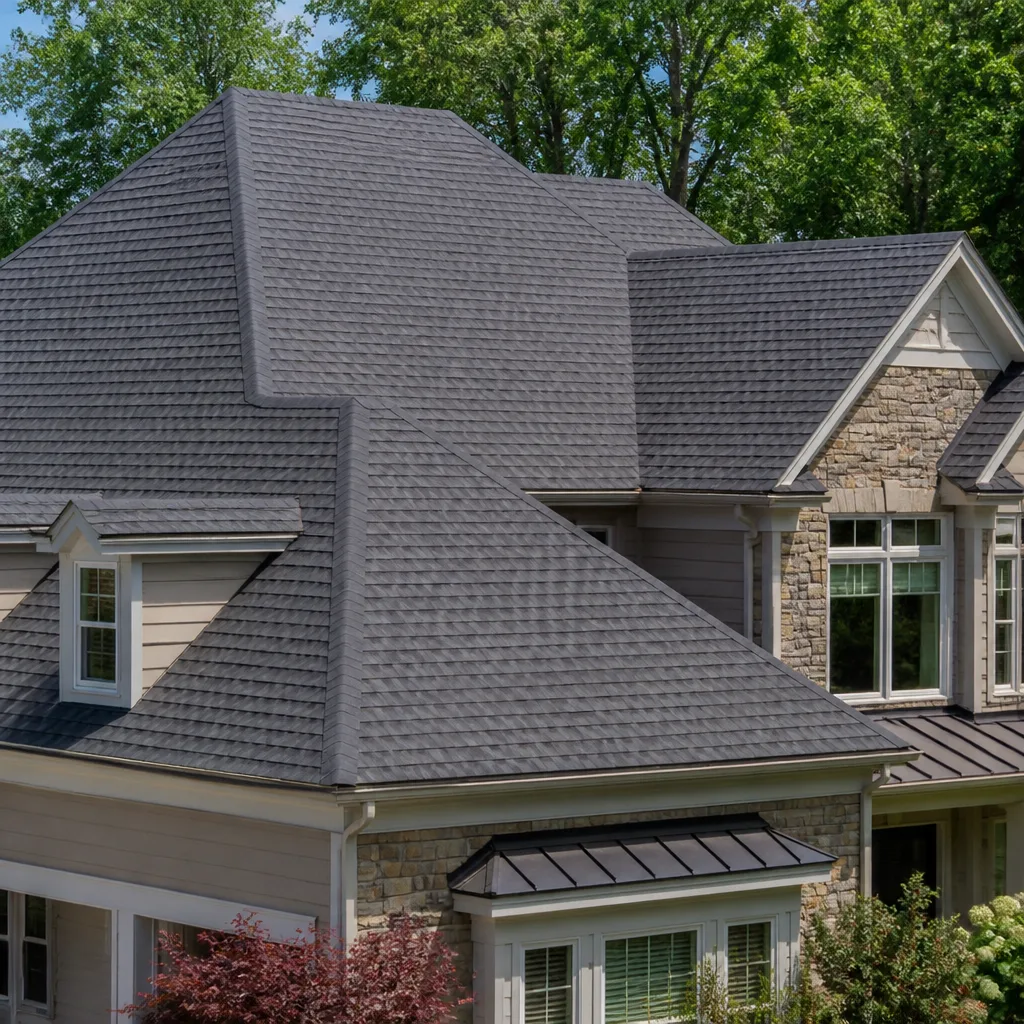
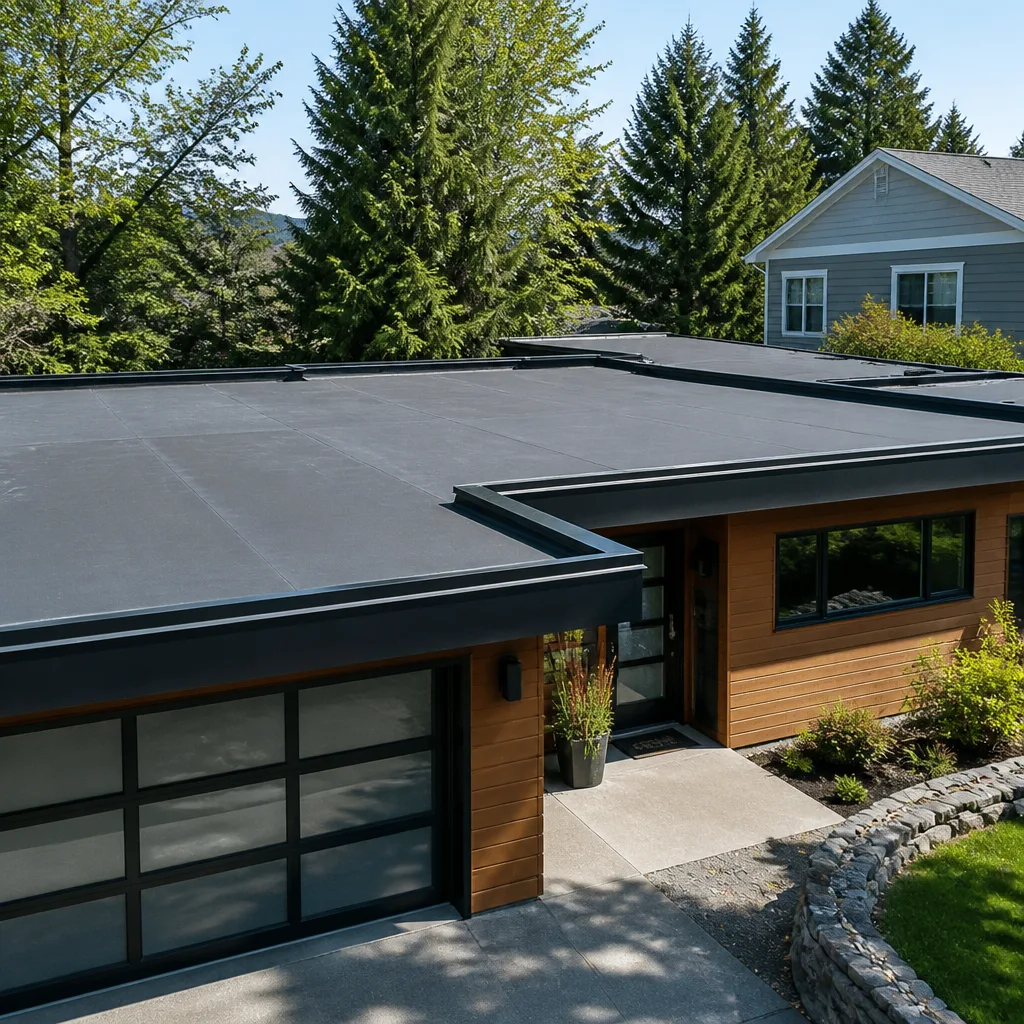
 Before
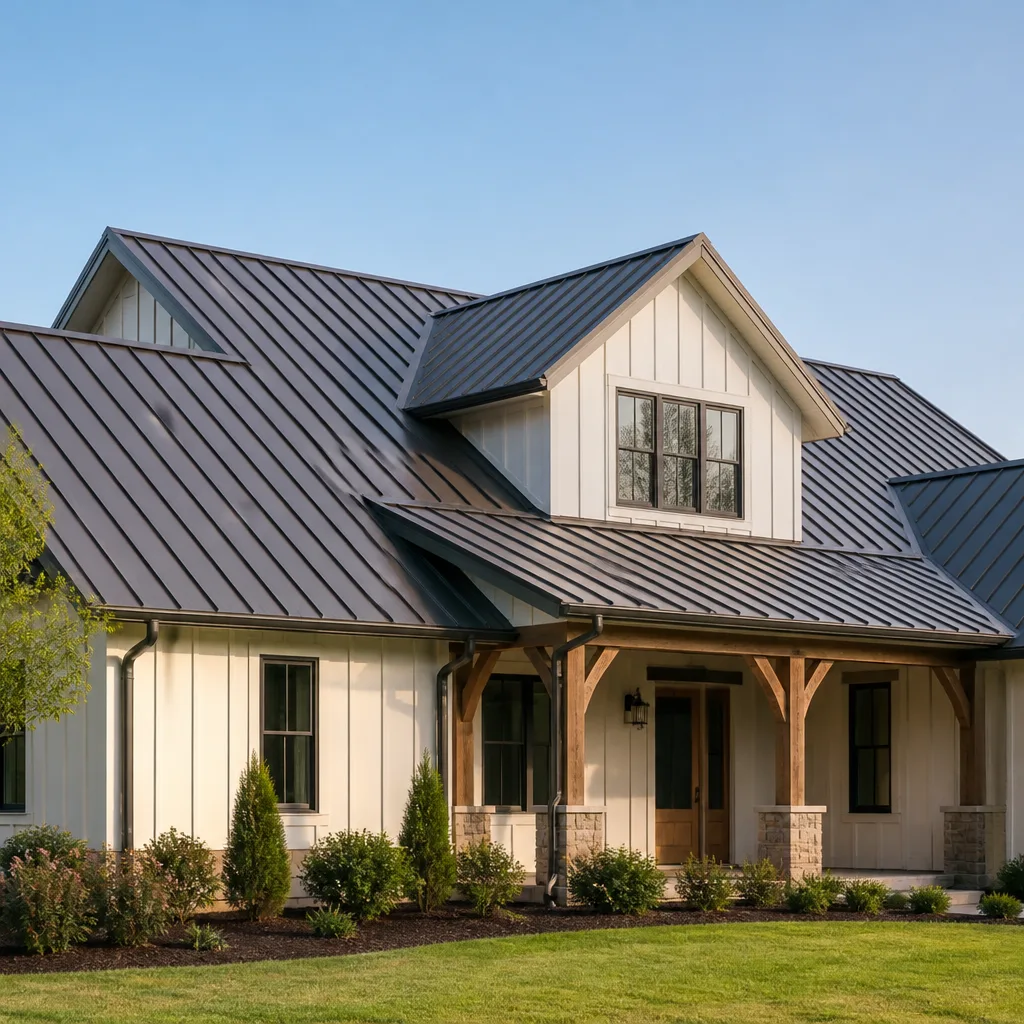
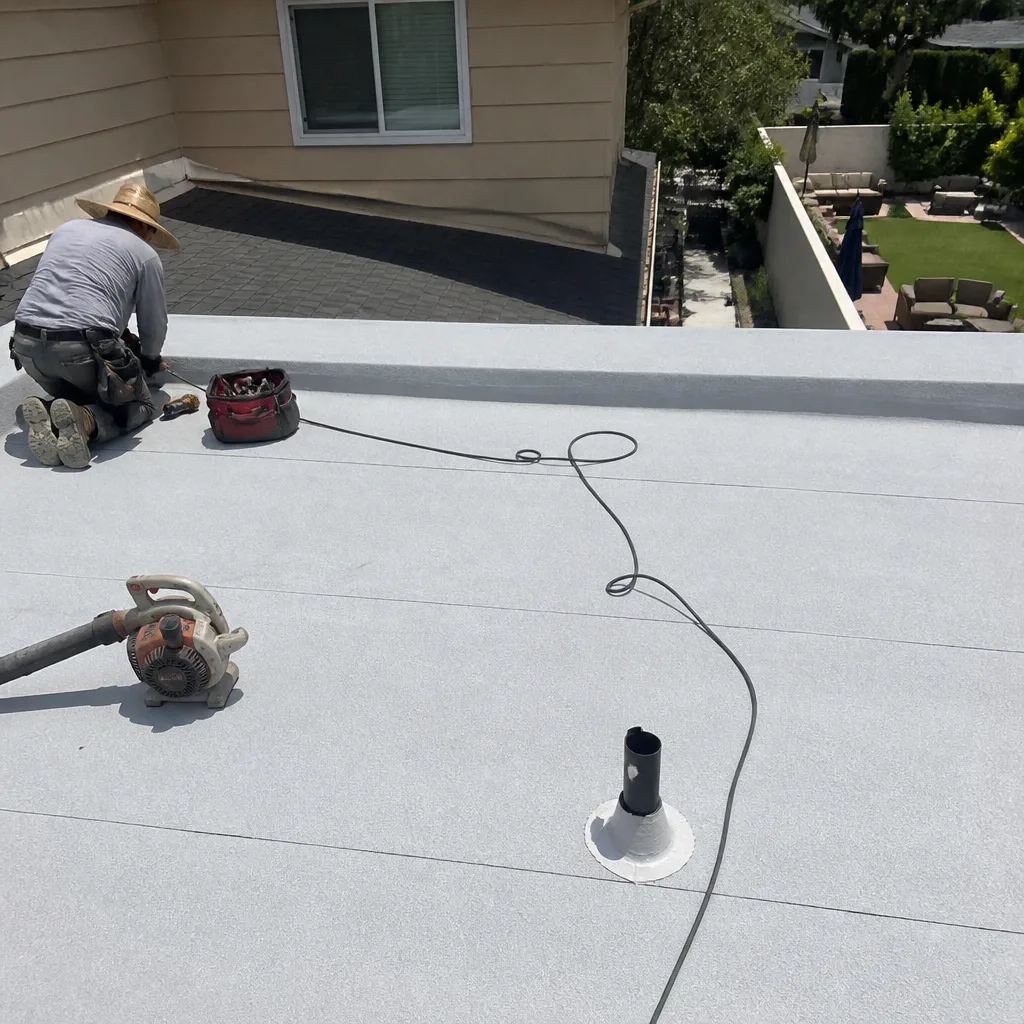 After
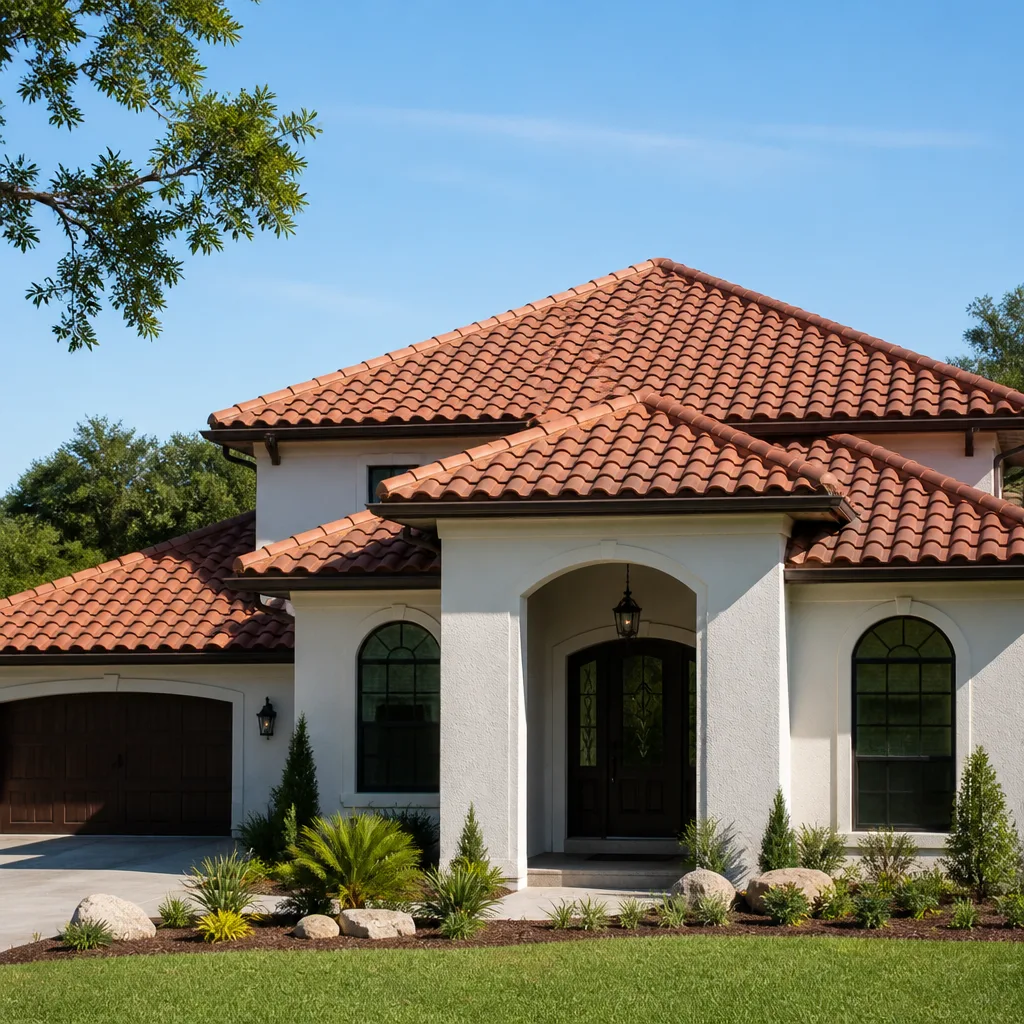
After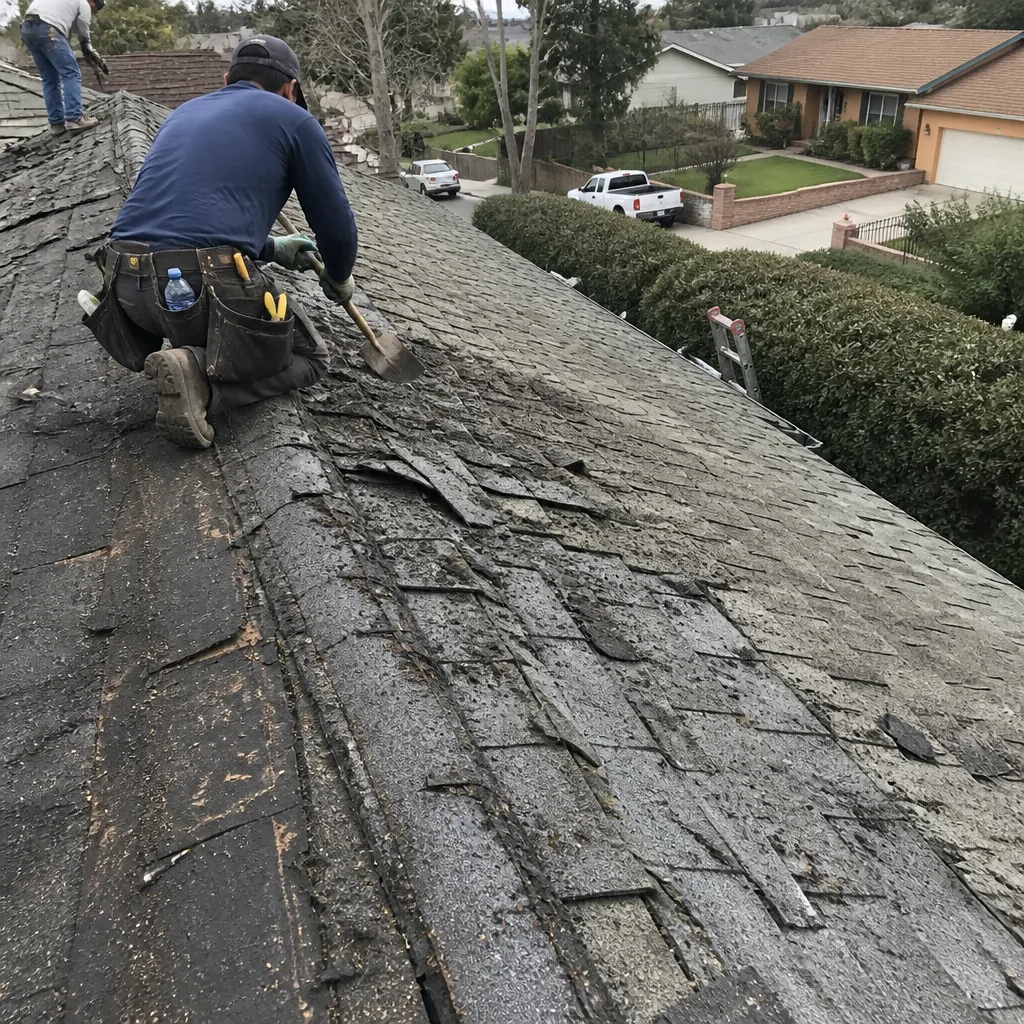 Before
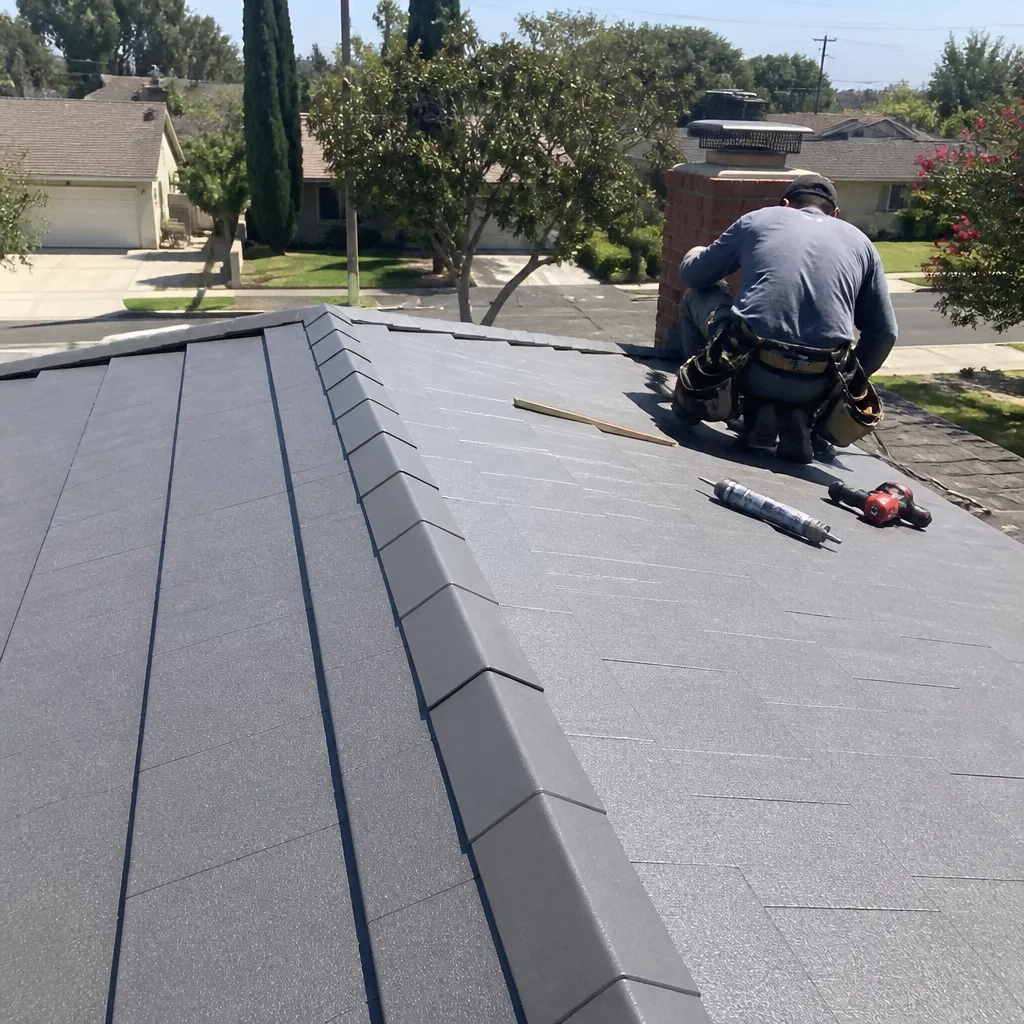 After
After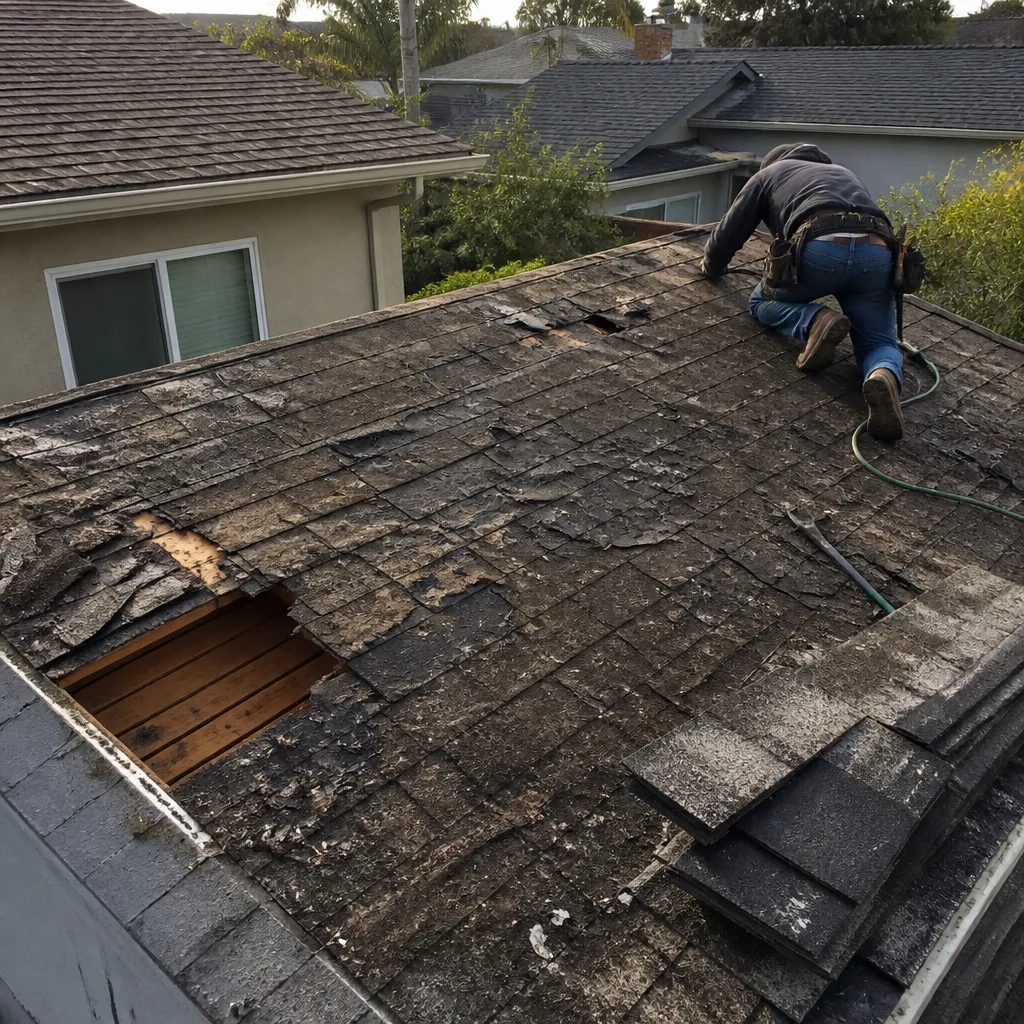 Before
 After
AfterFast, Reliable Roof Installation Across Charter Oak
Roof installation in Charter Oak runs $11,000 to $28,000 for a full tear-off and replacement on a typical 1,200 to 1,800 square foot ranch-style home, with most homeowners paying around $16,000 to $19,000 for a Class A-rated architectural shingle system. The permit itself is the thing that changes the math here: Charter Oak sits in unincorporated LA County, and a good share of the community falls inside the Very High Fire Hazard Severity Zone, which means the County requires a Class A fire-rated assembly on any permitted re-roof. We know this before we even look at your roof, because we work these foothill streets every week. Call (743) 200-8347 for a written line-item quote before you commit to anything.
Charter Oak’s roofs live a hard life. The Santa Ana winds that rip down from the San Gabriel Mountain passes strip granules off shingles, lift ridge caps, and work flashing loose years before the average Los Angeles roof would show the same wear. Combine that with summer heat that routinely clears 100°F, and you get a housing stock where a 50-year-old ranch on Glendora Avenue often needs more than shingles: it needs decking, a real ridge vent, and hardware that won’t give up in the next wind event.
Why Mercer Roofing Is Charter Oak’s Preferred Roof Installation Company
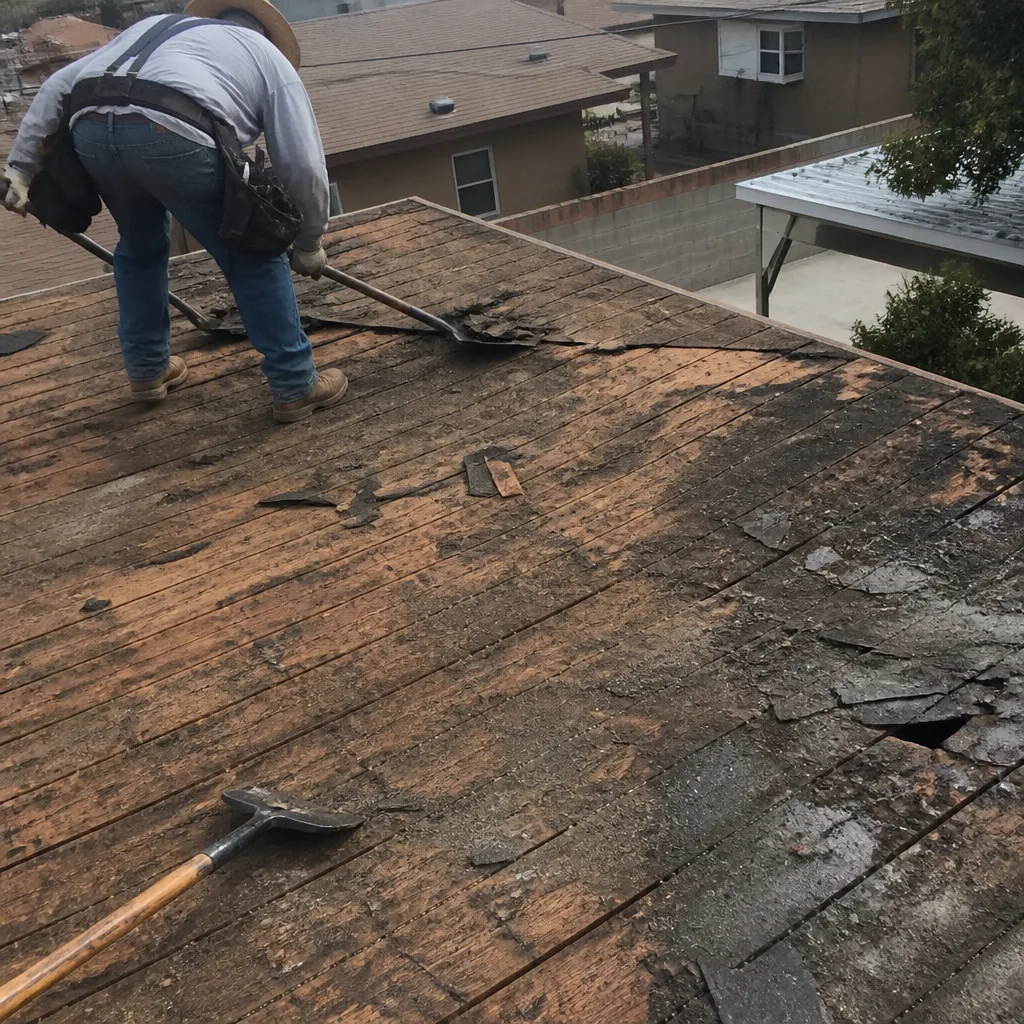
We’ve torn off enough roofs in Charter Oak to know what’s under them before we even pull the first shingle. The post-WWII tract homes here, the 1950s through 1970s ranch-style builds, tend to have two or three layers of old shingles stacked up, and the decking underneath is frequently soft from fifty years of heat cycling. That’s not a guess; it’s what we see on the majority of tear-offs in this community. We tell you that up front because a shingle-over quote that ignores the decking is a quote that changes after the job starts.
Every job begins with a written price. Not a rough number, not a handshake. A written line item quote that covers the permit, the tear-off, the decking, the underlayment, the shingles, the flashing, the venting, and the disposal. You sign it, we hold to it. If something changes mid-job, which happens when you open a 60-year-old roof and find what time did to it, we show you what we found and price the fix before we touch anything else.
Every technician who steps onto your property is background-checked, identity-verified, and badged under the Threshold Verified standard. Before the crew arrives, you get the name and photo of the person coming to your door. When they knock, they’ll be in a clean, marked uniform holding a photo ID badge. That’s not a courtesy; it’s the rule we operate under, and it matters especially for the homeowners here who are home alone, retired, or raising young kids and don’t want to open the door to a stranger.
Grant Whitlock leads our team, and he’s built a crew that treats Charter Oak’s roofs as a fire-safety and wind-loading problem, not just a shingle problem. That’s the difference between a company that’s worked these foothill streets and one that’s just quoting the same system they’d put on a house in the valley.
Roof Ventilation in Charter Oak
Roof ventilation in Charter Oak is not a bonus upgrade; it’s the difference between a roof that lasts 25 years and a roof that bakes itself into failure in 15. Charter Oak’s summer heat doesn’t just hit the shingles; it bottles up in the attic and radiates down into the living space, and that trapped heat is what causes decking to dry out, underlayment to crack, and the whole assembly to age faster than the calendar says it should. A proper ventilation system moves that superheated air out of the attic and pulls cooler air in, keeping the decking and the shingles closer to the temperature they were rated for.
Ridge Vents Along the Foothill Streets
Along Charter Oak’s northern streets, where the homes back up to the San Gabriel foothills, we specify ridge vents paired with soffit intake vents as the standard. The continuous ridge vent lets the hottest air escape at the highest point of the roof, which is exactly where it collects on a low-pitch ranch. On a 1,400 square foot ranch, a proper ridge and soffit vent system adds $900 to $1,800 to the job, and it’s the single best thing you can do for the lifespan of the shingles you’re about to pay for.
When a Charter Oak Attic Needs a Fan
Some Charter Oak homes, especially the ones with shallow 3:12 pitches or cathedral sections, can’t get enough passive airflow from a ridge vent alone. In those cases we add a solar-powered or wired attic fan, which typically runs $600 to $1,300 installed as part of a re-roof. The fan kicks on when the attic temperature spikes, and on a July afternoon along Barranca Avenue, that’s most afternoons. If your roof is being torn off anyway, it’s the cheapest time to install one.
Roof Flashing Installation in Charter Oak
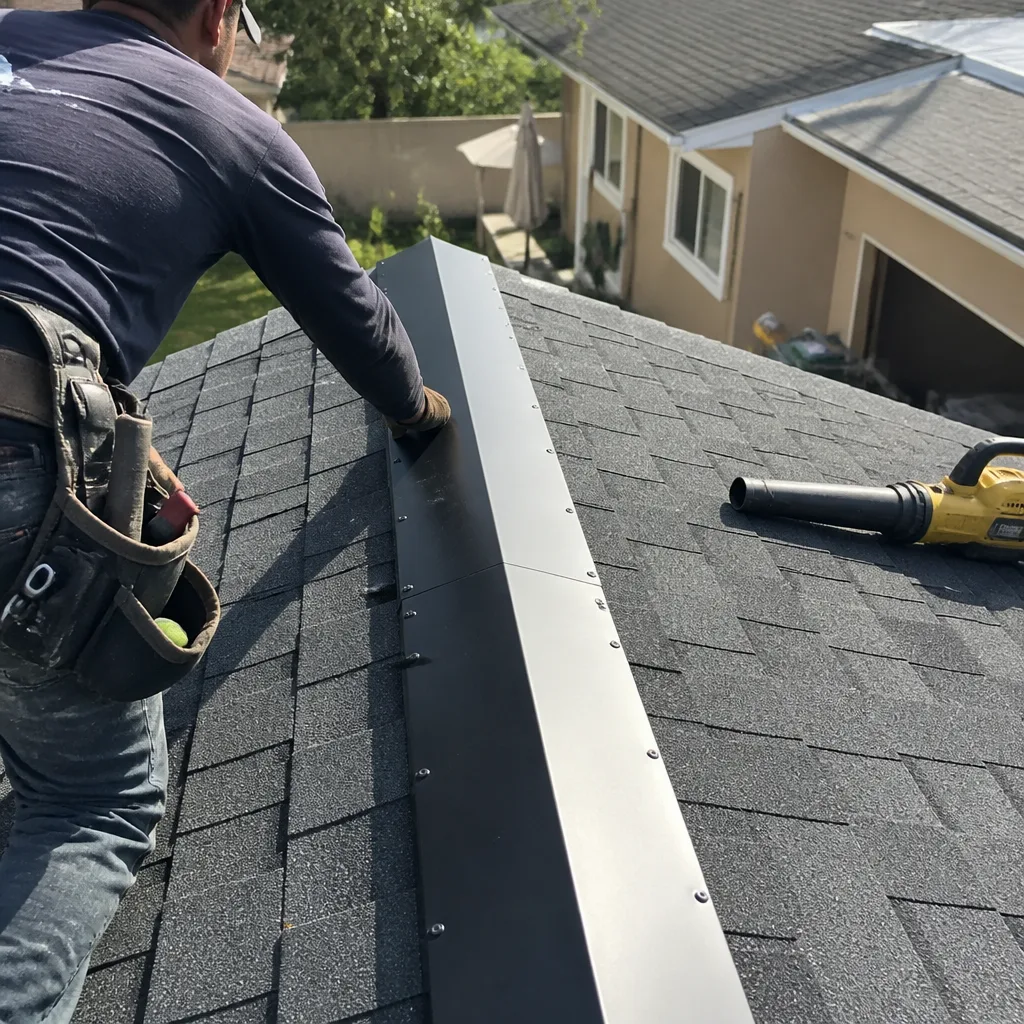
Roof flashing installation in Charter Oak is where we see the most avoidable failures on local homes, because the Santa Ana winds here treat flashing like a target. Flashing is the metal that seals the seams where the roof meets a chimney, a wall, a skylight, or a valley. When it’s done with cheap standard-steel or electrogalvanized material, it corrodes, pulls loose, and lets water run under the shingles, and in Charter Oak the wind speeds that whole process up by grabbing every lifted edge and working it like a lever. We install hot-dip galvanized or stainless steel flashing here as a matter of course, and we re-nail every starter strip to spacing that actually holds under mountain-pass wind loads.
What Flashing Replacement Costs on a Charter Oak Re-Roof
On a full re-roof, replacing step flashing, valley flashing, pipe collars, and chimney flashing typically runs $1,100 to $2,600 depending on how many penetrations the roof has. A roof with two plumbing vents, a chimney, and a valley gets the lower end. A roof with skylights, a wall junction, and multiple dormer transitions gets the upper end. We include the flashing in the written quote, in writing, before you sign.
Why We Specify Marine-Grade Hardware Here
The hardware on your roof, the fasteners, the nails, the flashing clips, is the part that fails first in this microclimate. So we spec the same stainless and hot-dip galvanized materials you’d choose if this house were a mile from the coast. The upcharge is small, a few hundred dollars across the whole job, and it buys a roof that doesn’t start dropping nails and lifting flashing after five Santa Ana seasons.
Trusted Brands We Service in Charter Oak
We install GAF, CertainTeed, Owens Corning, and Atlas roofing systems, and we keep the specific shingle lines those manufacturers rate for Class A fire assemblies on hand for Charter Oak jobs. That’s the practical side of working in a Very High Fire Hazard Severity Zone: you can’t put just any shingle on a permitted re-roof here, and we stock the ones that pass. We also keep Tamko and Boral products available for specific applications, and because we know which supply houses stock what, we can turn a Charter Oak material order around fast when we need a specific color or profile.
Common Roof Installation Problems We See in Charter Oak Homes
- Multiple layers of old shingles hiding deteriorated decking. Most of the ranches here have been re-roofed two or three times since the 1960s, and each overlay added weight and trapped heat. When we tear off, the sheathing underneath is often soft or delaminated, which means the decking replacement is part of the real price, not an extra.
- VHFHSZ compliance discovered at permit issuance. Homeowners here frequently budget for a standard 3-tab replacement and discover at the LA County permit counter that their address triggers a Class A fire-rated requirement. We run the address check before we quote, so the Class A assembly is in the price from day one.
- Wind-damaged flashing and lifted ridge caps. The Santa Ana winds channel through the passes above Charter Oak and hit the foothill homes with more force than the valley sees. That means flashing that’s been nailed but not properly sealed, or ridge caps that were set with the wrong fasteners, become the first point of failure within a few seasons.
- Heat-cracked underlayment and broken tile. Decades of 100°F-plus thermal cycling makes the old felt underlayment brittle, and when it’s finally exposed during a tear-off, you can snap it with your hands. That’s the point where a roof that looked fine from the street gets a full rebuild instead of a shingle swap.
Pricing for Roof Installation in Charter Oak, CA
A full tear-off and replacement on a typical Charter Oak ranch runs $11,000 to $28,000. The biggest factors are square footage, the number of existing layers we have to remove, whether the decking needs replacing, and whether the home falls in the fire zone, which it usually does. The Class A fire-rated assembly that LA County requires on VHFHSZ re-roofs adds roughly $1,500 to $4,000 over a standard 3-tab system, and it isn’t optional. A new ridge vent system adds $900 to $1,800. The written quote we give you breaks all of it down line by line, so you can see exactly where every dollar goes before you sign. Call (743) 200-8347 to schedule a free estimate, and we’ll walk your roof with you in person.
One thing about our pricing, and we’ll say it plainly: the cheap spec costs more within a decade. Basic steel flashing and standard fasteners will buy you a few good years and then a steady stream of small failures when the winds come through. The stainless and hot-dip hardware we specify is a fraction of the total job cost, and it means the roof doesn’t start failing at the seams in year six. We price the coastal-spec version of the job because in Charter Oak, with the wind and the heat and the fire-zone permits, the coastal-spec version is the one that actually works.
We Also Serve Cities Near Charter Oak
While this page focuses on Charter Oak, our Roof Installation team also covers nearby Los Angeles, San Diego, San Jose, and San Francisco. If you own a rental property in one of those cities, or you’re helping family with a roof, give us a call at (743) 200-8347 and we’ll send the same badged, background-checked crew in a clean marked uniform.
Serving Charter Oak, CA - Our Local Coverage Area
We’re based in the Charter Oak area and know this community well. Use the map below to see our service coverage - if you’re nearby, we can almost certainly help.
FAQs About Roof Installation in Charter Oak
Because LA County designated much of Charter Oak, especially the northern foothill streets, as a Very High Fire Hazard Severity Zone, and any permitted re-roof there must use a Class A fire-rated assembly per County building code. The address triggers the requirement at the permit level, not the contractor level, so it isn’t optional. A standard 3-tab shingle system won’t pass, and we price the Class A assembly, usually GAF or CertainTeed architectural shingles, into your written quote from the start. Call (743) 200-8347 and we’ll check your address against the VHFHSZ map before we even schedule the estimate.
An LA County permit. Charter Oak is an unincorporated Los Angeles County community, so building permits are processed through the LA County Department of Building and Safety, not a city hall. That’s a meaningful distinction here because the County’s VHFHSZ review is what triggers the Class A fire-rated requirement on many Charter Oak re-roofs. We pull the permit as part of the job, and the cost is in your written quote.
It matters more than the shingle square count. The fasteners, flashing, and drip edge are what fail first in Charter Oak’s Santa Ana wind corridors, and standard electrogalvanized hardware corrodes fast in this heat and wind exposure. We specify stainless and hot-dip galvanized hardware on every re-roof, which typically adds $300 to $700 over cheap inland-spec hardware. That’s the cheapest over-engineering you can buy, and it keeps the roof watertight through wind seasons that strip granules and lift cheap flashing within a few years.
We see two or three layers of old organic shingles, brittle felt underlayment, and decking that’s often soft enough to need replacement before we can set the new underlayment. On a ranch-style home off Glendora Avenue we recently tore off two layers of 1970s shingles and rebuilt the sheathing, then set a Class A GAF system with a ridge vent and hot-dip galvanized flashing. That’s the standard Charter Oak tear-off, not an exception. A low-pitch 1960s ranch is almost always a full rebuild once the old layers come off, and we price it that way up front.
Yes, if the flashing and fasteners are specced for the wind load, which is why we use hot-dip galvanized and stainless hardware and re-nail the starter strip to spacing that holds under mountain-pass gusts. The Class A rating covers fire spread, not wind; the wind resistance comes from the full assembly we install underneath and around the shingles. The Class A shingle itself will hold fine through Santa Ana events when the flashing doesn’t fail first, and that’s the part we build to last.
Written by Grant Whitlock, Owner at Mercer Roofing, serving Charter Oak and the surrounding foothill communities since 2000.
If you’re ready to know exactly what your roof will cost, call (743) 200-8347 for a free written estimate. We’ll send the name and photo of the technician before we come out, and the quote will be in writing before any work starts.