
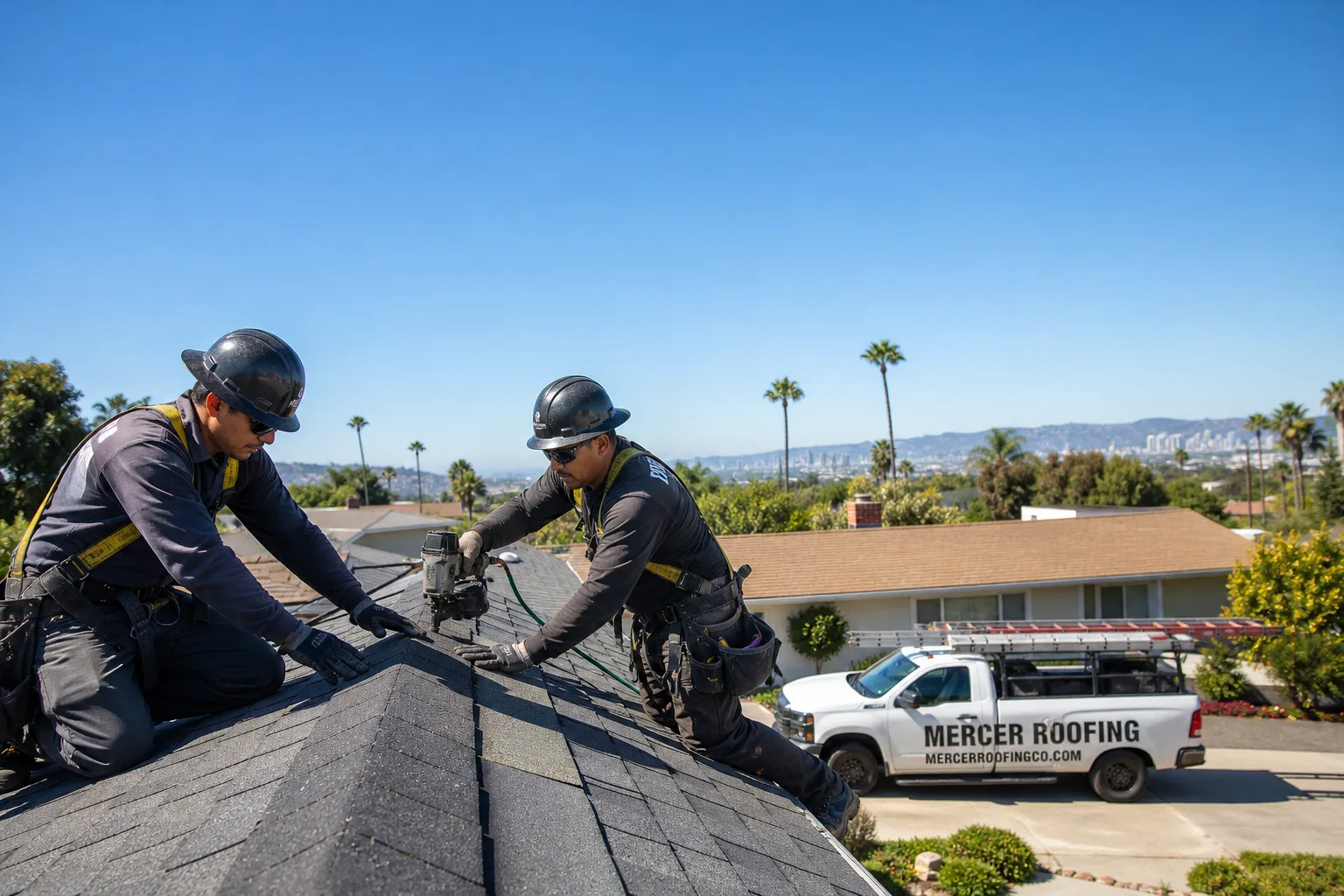
Free roof inspection with deck photos before we talk money - GAF and Owens Corning certified installation
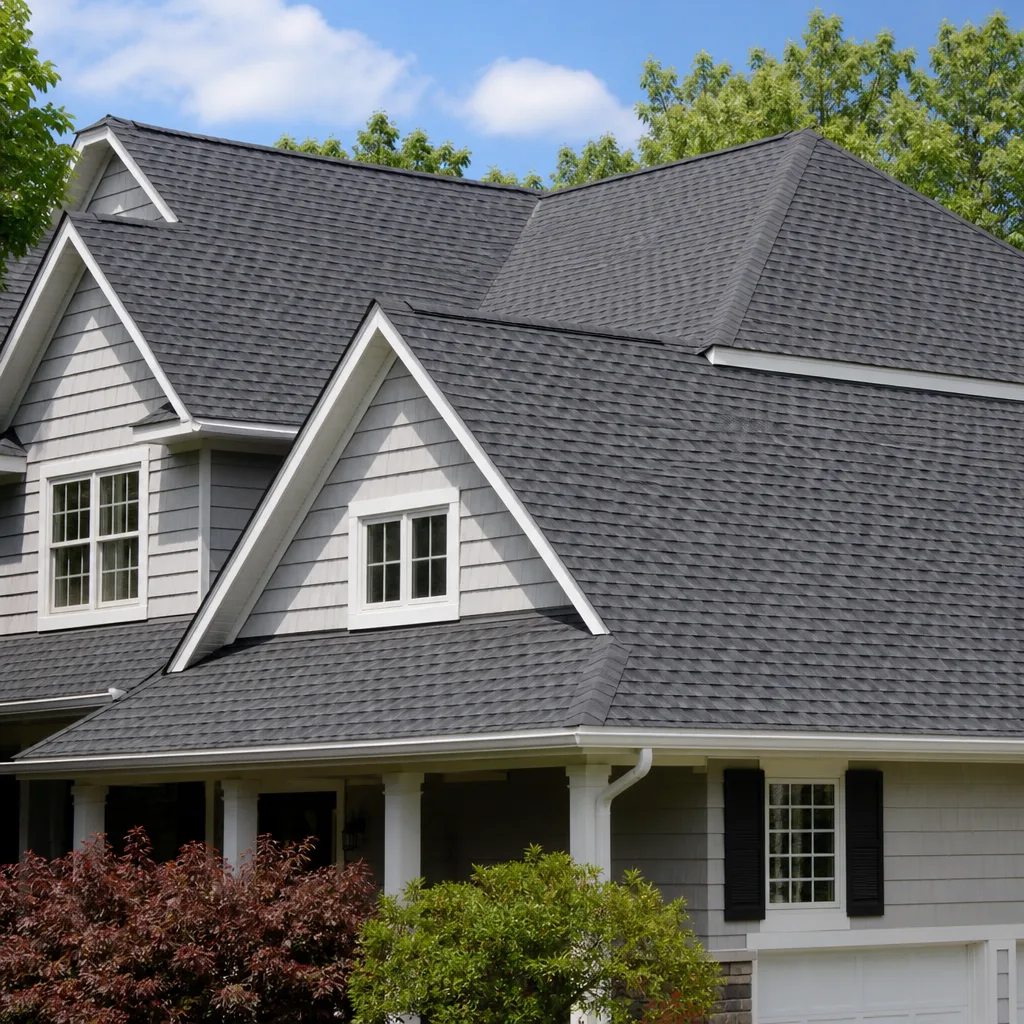
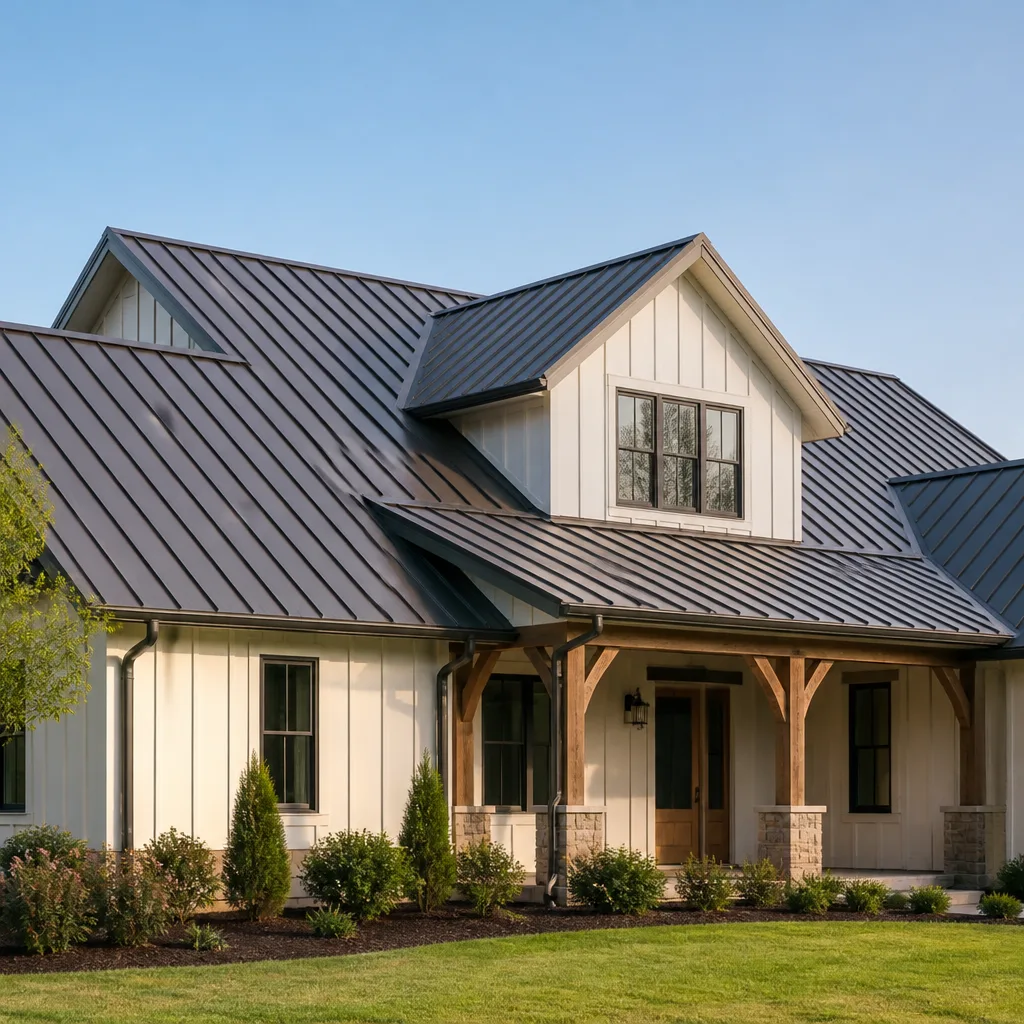
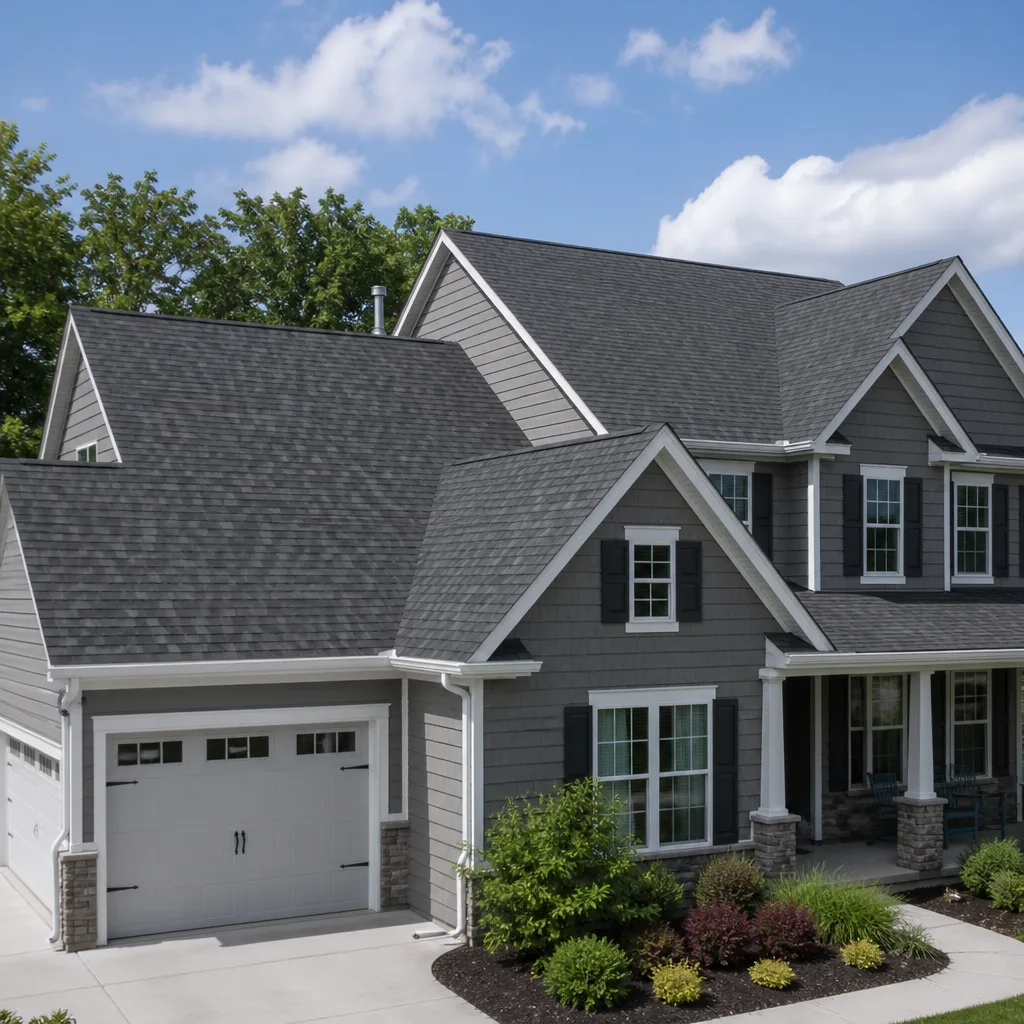
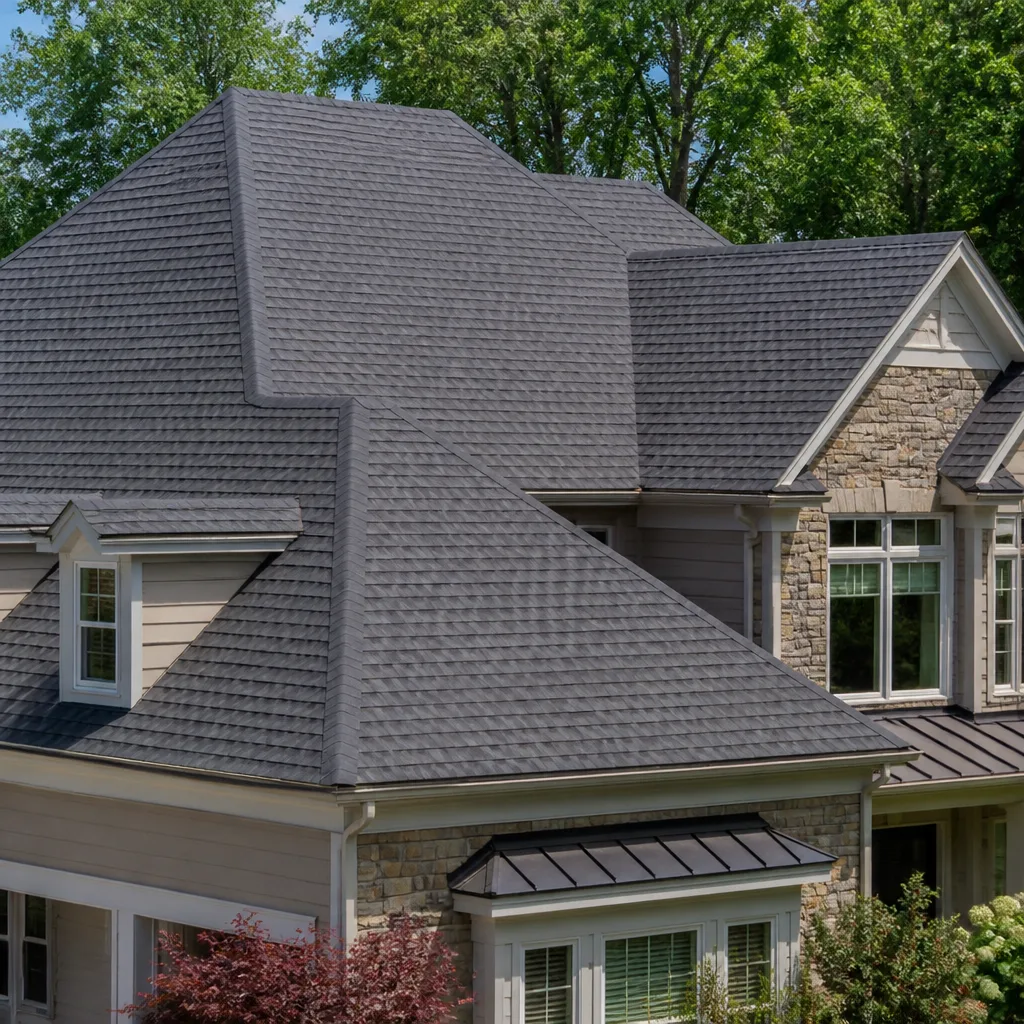
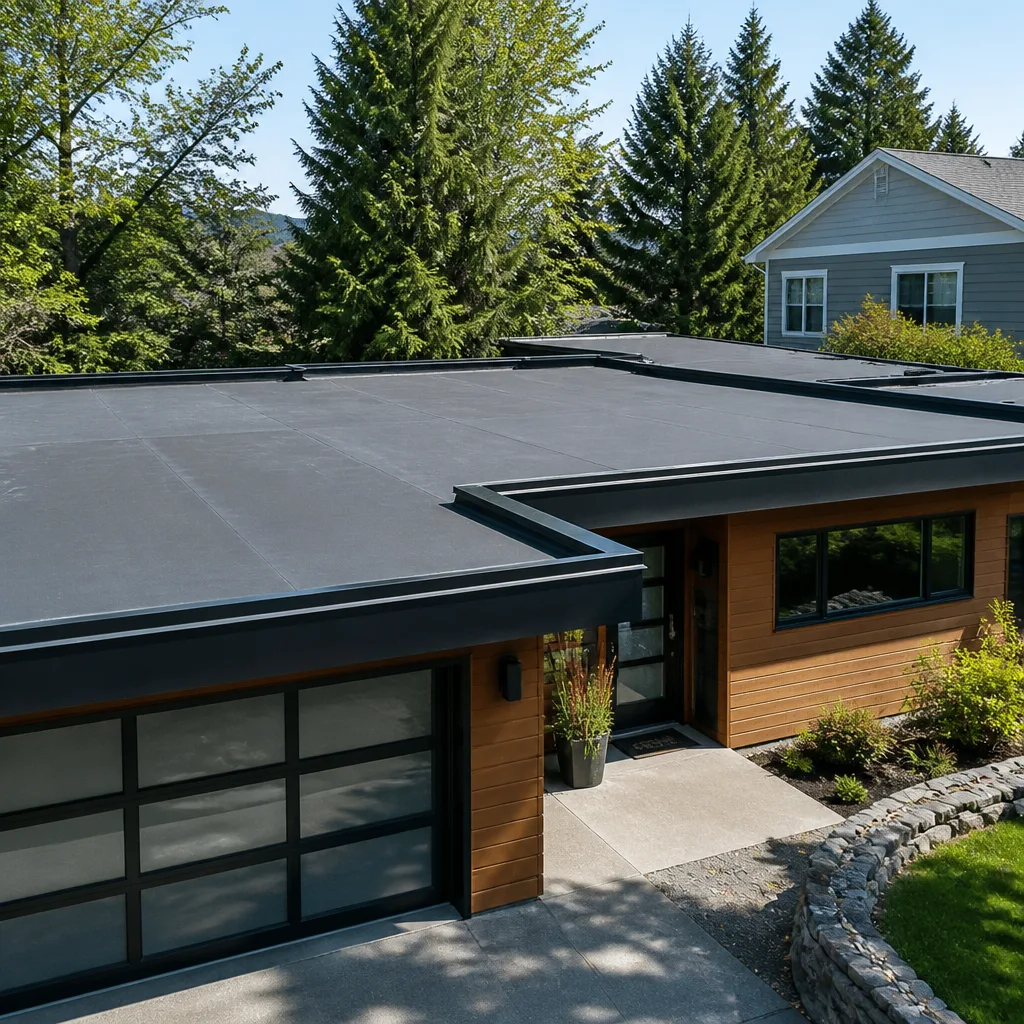
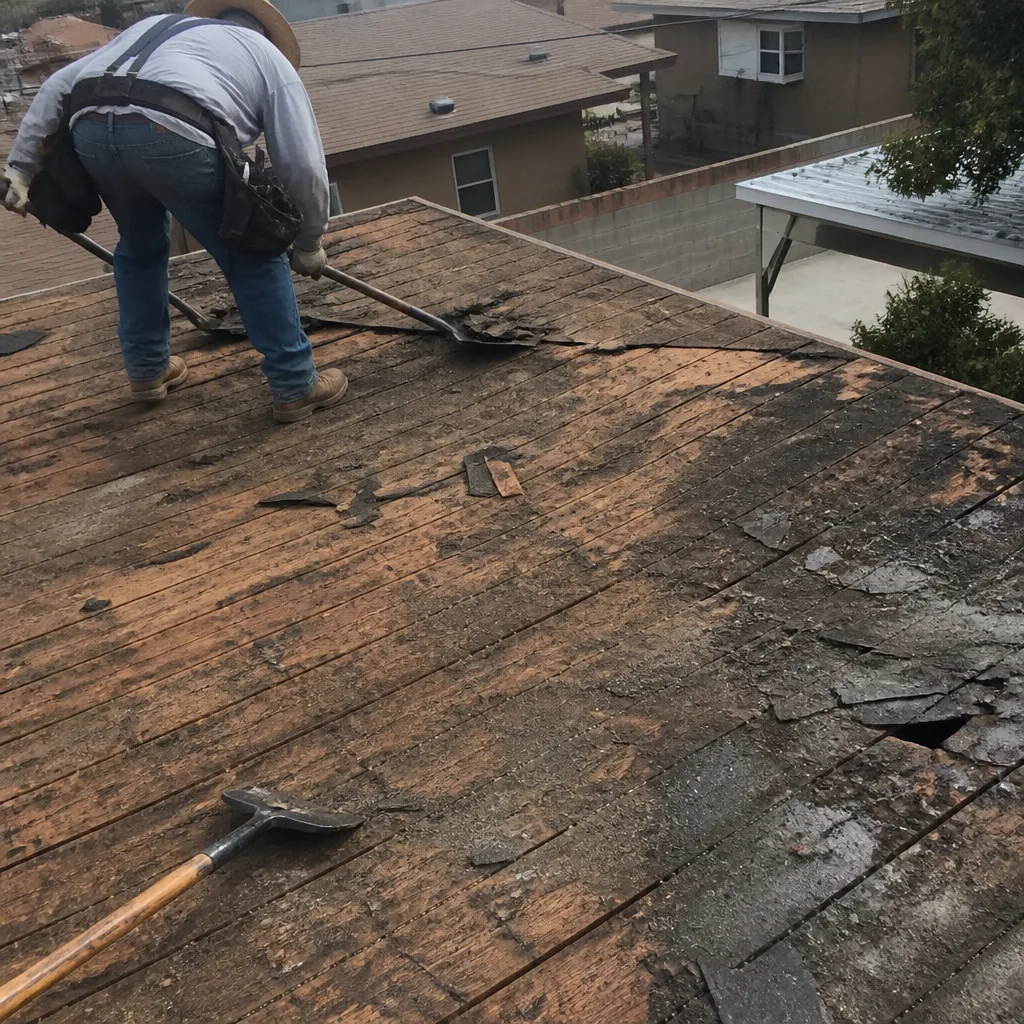 Before
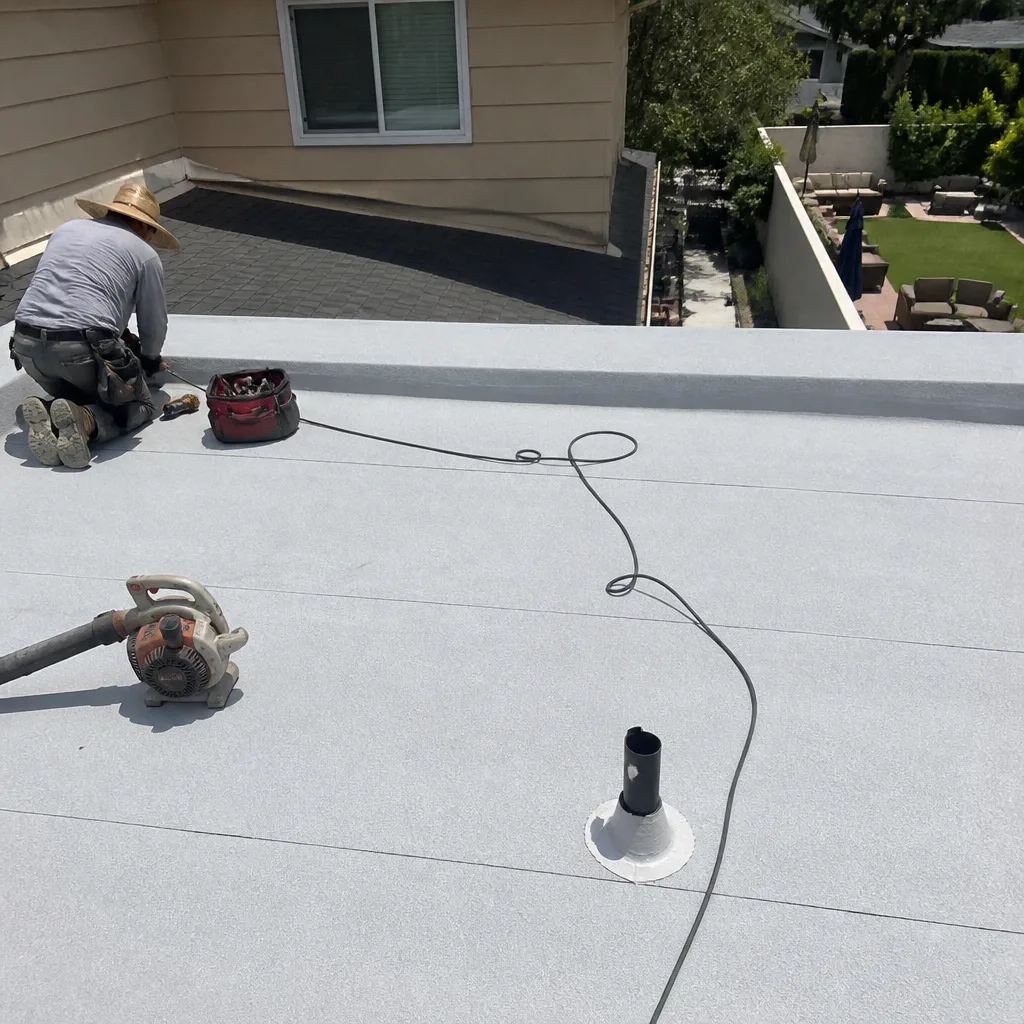 After
After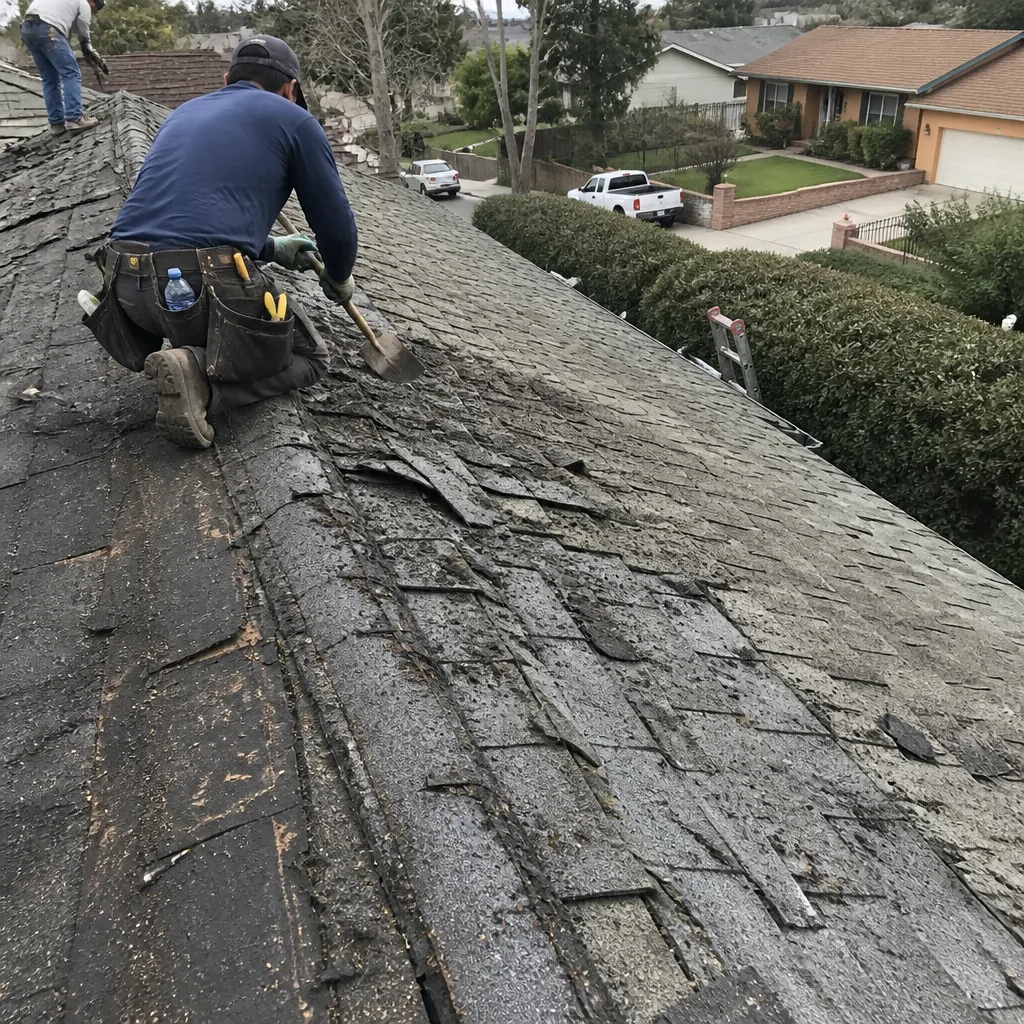 Before
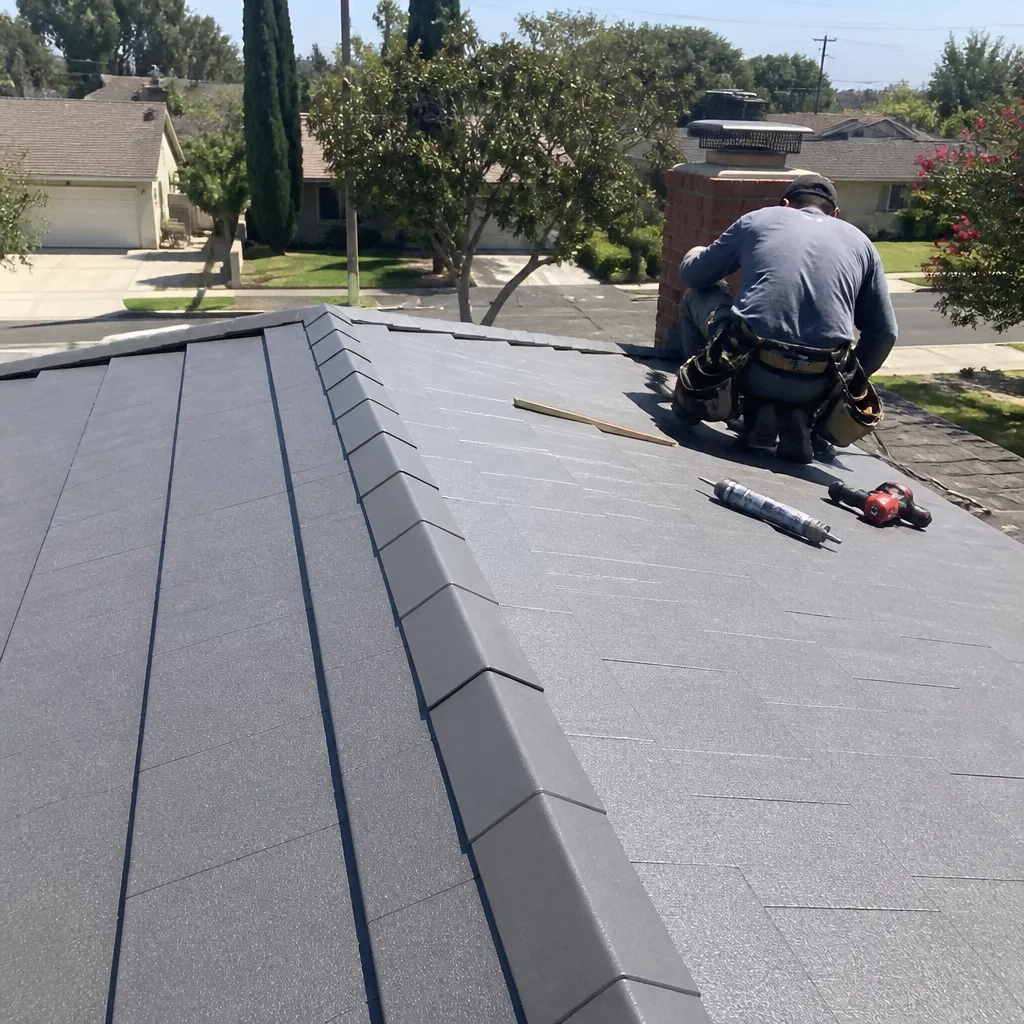 After
After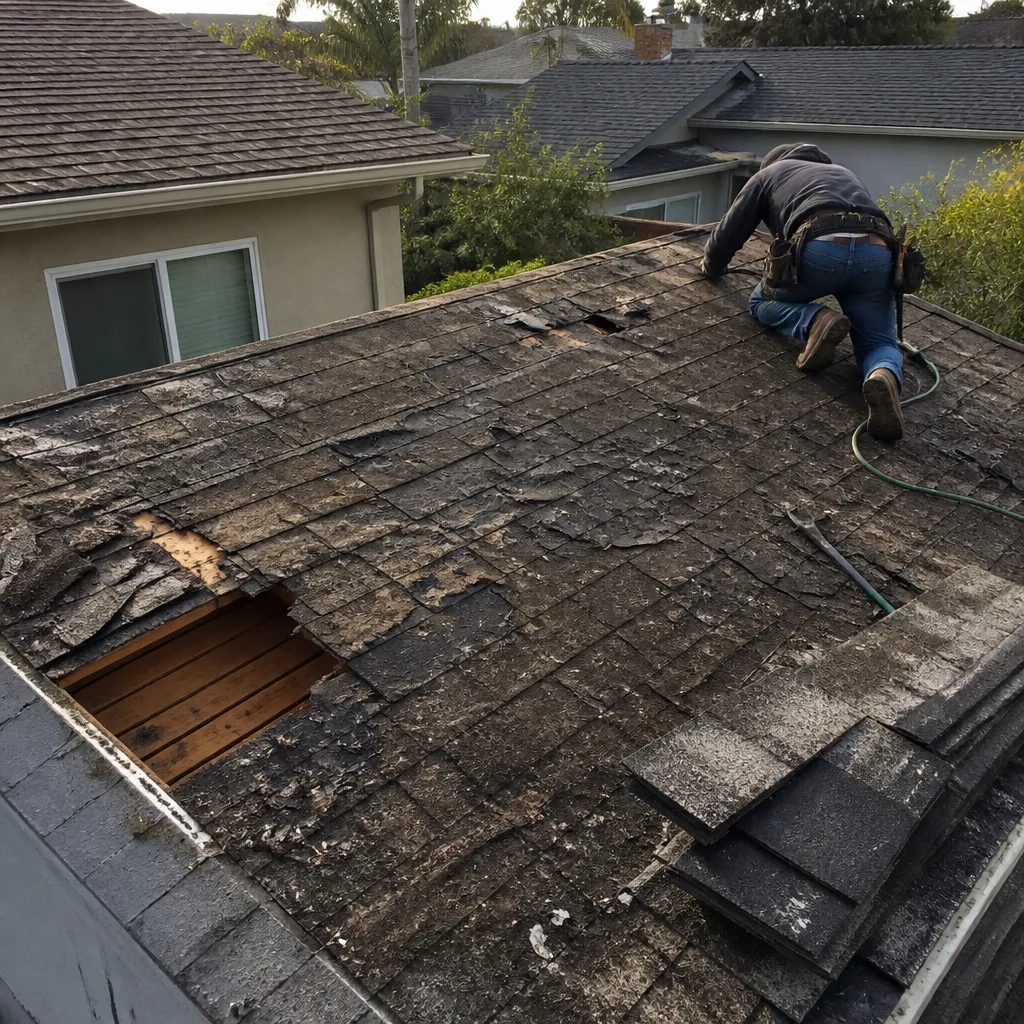 Before
 After
AfterFast, Reliable Roof Installation Across East Foothills
A full roof installation in East Foothills typically runs $14,500 – $28,000 for a composition shingle system on a standard ranch or split-level, and $26,000 – $48,000+ for concrete tile or standing seam metal. Most jobs take 5 – 10 working days once the permit clears, though homes in the CAL FIRE high-hazard zones often need an extra day or two for the Class A assembly inspection. We know these hillside tracts because our crews work them every week, from Mt. Hamilton Road up through the stepped lots off Alum Rock Avenue. If you’re pricing a re-roof, call (743) 200-8347 and we’ll walk you through exactly what your house needs before you spend a dollar.
Why Mercer Roofing Is East Foothills’s Preferred Roof Installation Company
East Foothills homeowners call us because we don’t send a stranger to their door. Every Mercer technician is background-checked, identity-verified, and dispatched under the Threshold Verified standard. Before the truck rolls, you get the technician’s name and photo. When they arrive, they badge in with a photo ID and a clean, marked uniform. You know exactly who’s walking onto your property, which matters when you’re home alone with the kids or you’ve lived in the same hillside house for thirty years and you’re tired of guessing.
We’re also the company that puts the price in writing before any work starts. No allowances that balloon. No surprise change orders. Grant Whitlock leads our team, and the standard he sets is simple: inspect first, write the real number down, and stand behind it. Every repair carries a written guarantee, and our 365-Day Done Right Promise covers every installation. If something isn’t right within a year, we make it right.
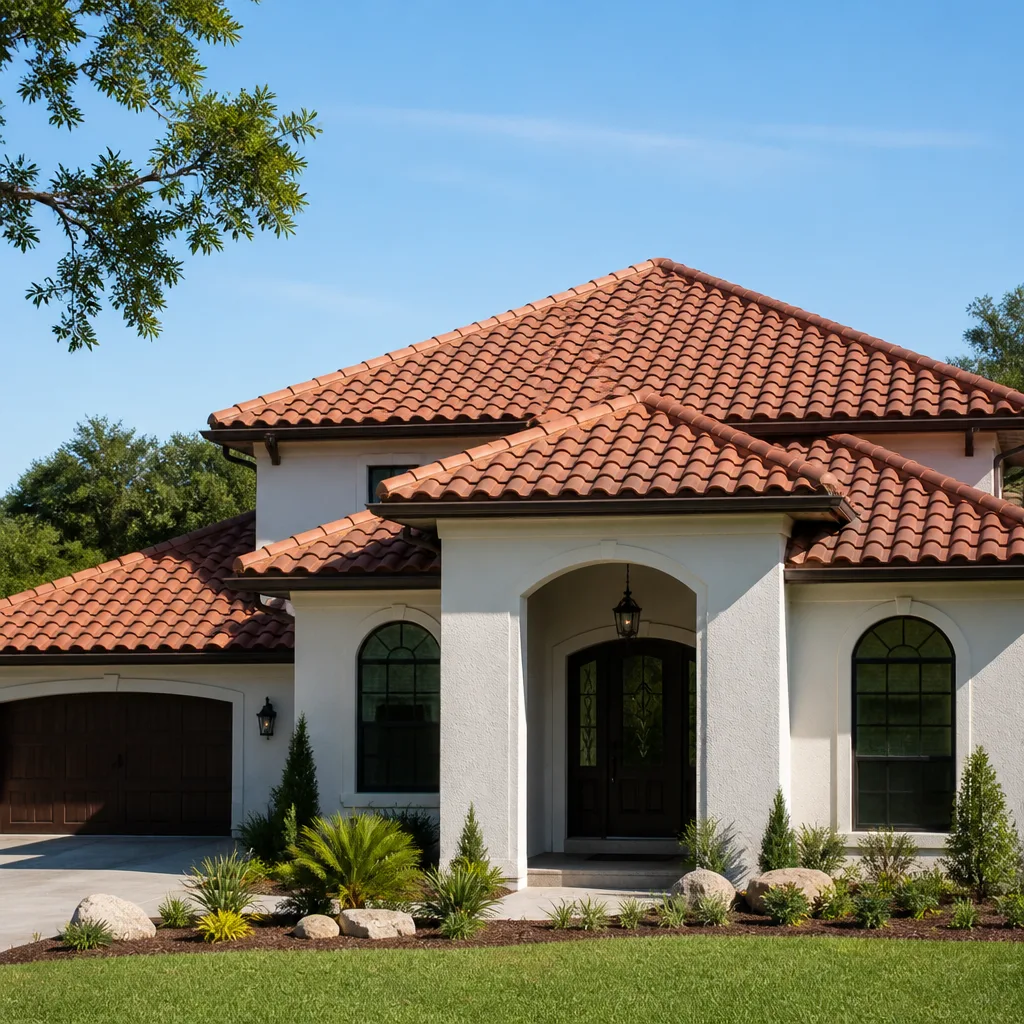
Tile Roof in East Foothills
Tile roof installation in East Foothills costs $26,000 – $48,000 on a typical hillside home, depending on pitch, access, and whether the existing decking can carry the added weight. The homes up here were built in the 1950s through early 1970s, and many original roof decks were framed for wood shake, not concrete tile. That means a tile conversion isn’t just a tear-off; it’s often a structural conversation. East Foothills sits on the lower slopes of the Diablo Range, and the stepped lots off Mt. Hamilton Road and Sierra Road regularly have rafter tails that were undersized even for the original shake.
We inspect the decking and rafter structure before we quote tile. If reinforcement is needed, it’s written into the price as a line item, not discovered mid-tear-off and handed to you as a change order. County inspectors up here are strict about point loads on older framing, and they should be. A properly engineered tile roof installed over reinforced decking will outlast most of us. One on a sagging deck is a problem waiting for the next wet winter.
Weight and reinforcement
Concrete tile runs 600 – 1,000 pounds per square, roughly three times what composition shingle weighs. On a 1,800-square-foot split-level with a 6:12 pitch, that’s a significant additional load. We evaluate rafter size, spacing, and grade before we ever write a tile estimate.
Underlayment and fire rating
In the CAL FIRE High and Very High Fire Hazard Severity Zones that cover large parts of East Foothills, tile installations require a Class A fire-rated assembly. That means the underlayment, not just the tile, has to meet the standard. We use a high-temperature peel-and-stick underlayment over the entire deck in those zones, which costs more than the base felt used on valley-floor homes, and it’s not optional if the permit is going to pass.
Roof Ventilation in East Foothills
Roof ventilation work in East Foothills typically runs $900 – $3,200 as a standalone project, and $1,800 – $5,500 when it’s done as part of a full roof installation. Ventilation matters more up here than on the valley floor because the afternoon diablo winds funneling through the foothill gaps don’t just cool the hillside; they drive wind-driven rain into any gap at the eave or ridge. A roof that can’t breathe also cooks shingles from underneath, and the UV exposure at 400 – 700 feet of elevation degrades the top surface faster than the same shingle would age in downtown San Jose.
For homes built in the 1950s and 1960s, the original ventilation was often just a few static box vents and whatever air happened to pass through the shake. That’s not enough for a modern composition or tile assembly, especially when the county requires a sealed Class A system. We calculate intake and exhaust based on the actual attic volume and the home’s orientation to the wind, not a generic one-per-150 rule.
Intake at the eaves
Most East Foothills ranch homes have solid soffits with no intake vents. Without balanced intake, ridge vents and box vents pull air from the conditioned house instead of outside, which is why some homeowners see higher cooling bills after a re-roof. We install soffit vents or a continuous intake system where the eave construction allows it.
Exhaust and wind-driven rain
On west-facing slopes, the afternoon diablo winds hit ridge vents straight-on and can push rain past the baffles. We use wind-rated ridge vents with internal baffles on those exposures and, in some cases, switch the design to low-profile static vents to avoid the problem altogether. It’s a small change that prevents a recurring ceiling stain in the master bedroom.
Trusted Brands We Service in East Foothills
We install and repair manufacturer-recognized systems from GAF, CertainTeed, Owens Corning, IKO, Atlas, Tamko, and Boral. For East Foothills specifically, we keep a running stock of Atlas and GAF Class A components because so many of the re-roofs up here are conversions out of wood shake, and those two lines give us the widest combination of fire rating and wind performance for the price. If we’re doing tile, we usually go Boral for weight consistency. We order per-job and verify the shingle lot numbers before we start so you’re not getting a mixed batch from three different distributors on the same roof.
Common Roof Installation Problems We See in East Foothills Homes
- Shake-to-shake replacement requests that die at the permit counter. Homeowners ask for new wood shake, not knowing their section sits inside a CAL FIRE High or Very High Fire Hazard Severity Zone. Santa Clara County requires a Class A assembly, which means the shake has to go, and we catch that before the customer has spent money on a bid that can’t be permitted.
- Failed flashing and ice and water shield around hillside chimney chases and stepped-lot valleys. East Foothills takes measurably more rain than the valley floor, and the leak shows up at the ceiling, not the roof. By the time you see it, the decking underneath has usually been wet for months.
- Unsealed shingle edges lifted by afternoon diablo winds funneling through the foothill gaps. Once the leading edge of a shingle lifts, UV gets underneath and the adhesive strip fails. Wind-driven rain follows the same path and ends up past the starter strip and drip edge.
- Original 1950s – 70s framing that was never meant to carry a modern tile roof. We regularly find 2×4 or undersized 2×6 rafter tails, especially on the stepped lots where the grade changes mid-roof. A homeowner signs a tile price, then the tear-off reveals the deck can’t take it, and suddenly there’s a change order. We write that allowance into the contract before the permit is pulled.
Pricing for Roof Installation in East Foothills, CA
A typical full roof installation in East Foothills runs $14,500 – $28,000 for composition shingle on a standard hillside ranch or split-level. Tile, as covered above, runs $26,000 – $48,000+. The biggest variables are whether the home sits in a CAL FIRE high-hazard zone (which mandates a Class A assembly and better underlayment), the roof pitch, the number of valleys and chimney chases, and whether the existing decking needs replacement. Decking replacement usually adds $2.50 – $4.50 per square foot depending on how much is rotted. Full tear-off of old wood shake adds $1.50 – $2.50 per square foot over a standard tear-off because of the added disposal and the mess under it. Call (743) 200-8347 for a written estimate. You’ll get a real number before any work starts, not a range with a wink.
We Also Serve Cities Near East Foothills
Mercer Roofing serves East Foothills and the surrounding Bay Area communities, including Los Angeles, San Diego, San Jose, and San Francisco. If you’re just outside the hillside tracts and wondering whether we cover your street, call (743) 200-8347. Our Roof Installation team coordinates scheduling from the Bay Area office and dispatches crews to East Foothills jobs every week.
Serving East Foothills, CA - Our Local Coverage Area
We’re based in the East Foothills area and know this community well. Use the map below to see our service coverage - if you’re nearby, we can almost certainly help.
FAQs About Roof Installation in East Foothills
In most of East Foothills, no. Large portions of the community fall inside CAL FIRE High or Very High Fire Hazard Severity Zones, and Santa Clara County enforces a Class A fire-rated roof assembly on all permitted re-roofs in those zones. Wood shake is not Class A. If your house was built with shake in the 1960s and you’re hoping to put the same thing back on, the permit will be rejected. Your realistic options are Class A composition shingle or concrete tile, and the conversion often requires decking and ventilation upgrades at the same time. Call (743) 200-8347 and we’ll check your parcel’s zone before you pay for a bid you can’t use.
Because on a hillside home built between 1950 and 1980, we don’t know what’s under the old roof until it’s open. The original shake can look fine from the ground and be hiding rotted decking, cracked rafter tails, and tar-patched flashing underneath. We write a specific allowance for decking replacement, structural reinforcement, and water-and-ice shield so those costs are visible and agreed to before we start. If we don’t use the allowance, you don’t pay it. If we find something beyond the allowance, you get a written price and your approval before we touch it. That’s the whole point: no mid-job change order presented after the tear-off is already done. Call (743) 200-8347 for a quote structured that way.
Yes. The elevation, the wind exposure, and the sealed Class A underlayment all change the ventilation calculation. East Foothills gets more rainfall than downtown San Jose, and the afternoon diablo winds drive rain underneath shingle edges and into ridge vents that would be fine in a flatland neighborhood. We calculate intake and exhaust based on actual attic volume, roof orientation, and wind exposure, and we often add intake at the soffits on 1950s and 60s ranch homes that were built with none at all. A roof that can’t breathe fails from underneath even when the shingles look fine from the street. Call (743) 200-8347 and we’ll look at your current ventilation during the estimate.
A permit on a re-roof in the CAL FIRE High or Very High Fire Hazard Severity Zones triggers a Class A fire-rated assembly requirement, which typically means replacing the entire roof system, not just the shingles: fire-rated underlayment over the whole deck, Class A shingle or tile, and in many cases upgraded ventilation and replacement of any decking that doesn’t meet current thickness standards. It can also trigger the inspector to flag structural issues the original 1960s construction never addressed, especially rafter tails and point loads on stepped lots. We inspect all of that before we pull the permit so you know what’s coming. Call (743) 200-8347 for a pre-permit inspection.
The diablo winds funnel through the foothill gaps and hit East Foothills roofs harder and more consistently than anything the valley floor experiences. Those winds lift unsealed shingle edges, let UV get underneath the adhesive strip, and drive rain past the starter strip and drip edge. The extra rainfall up here, combined with the wind, puts constant pressure on chimney chase flashing and stepped-lot valleys. We see homes in East Foothills with flashing failures that would take another fifteen years to show up in San Jose. It’s not the shingle brand; it’s the location. Call (743) 200-8347 and we’ll tell you what’s actually failing on your roof before it becomes a ceiling stain.
Written by Grant Whitlock, Owner at Mercer Roofing, serving East Foothills with inspected, written-price roof installations.