
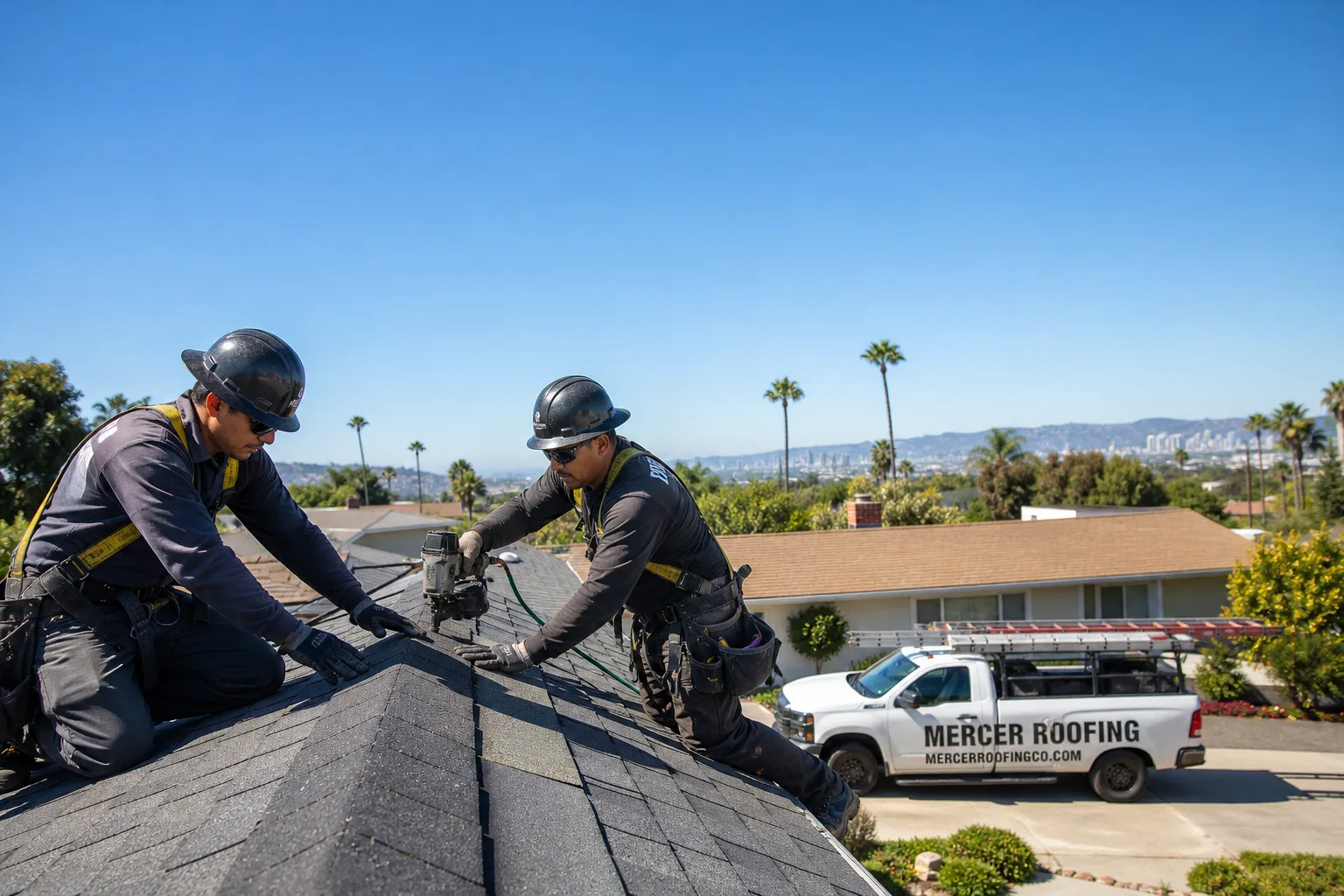
Free roof inspection with deck photos before we talk money - GAF and Owens Corning certified installation
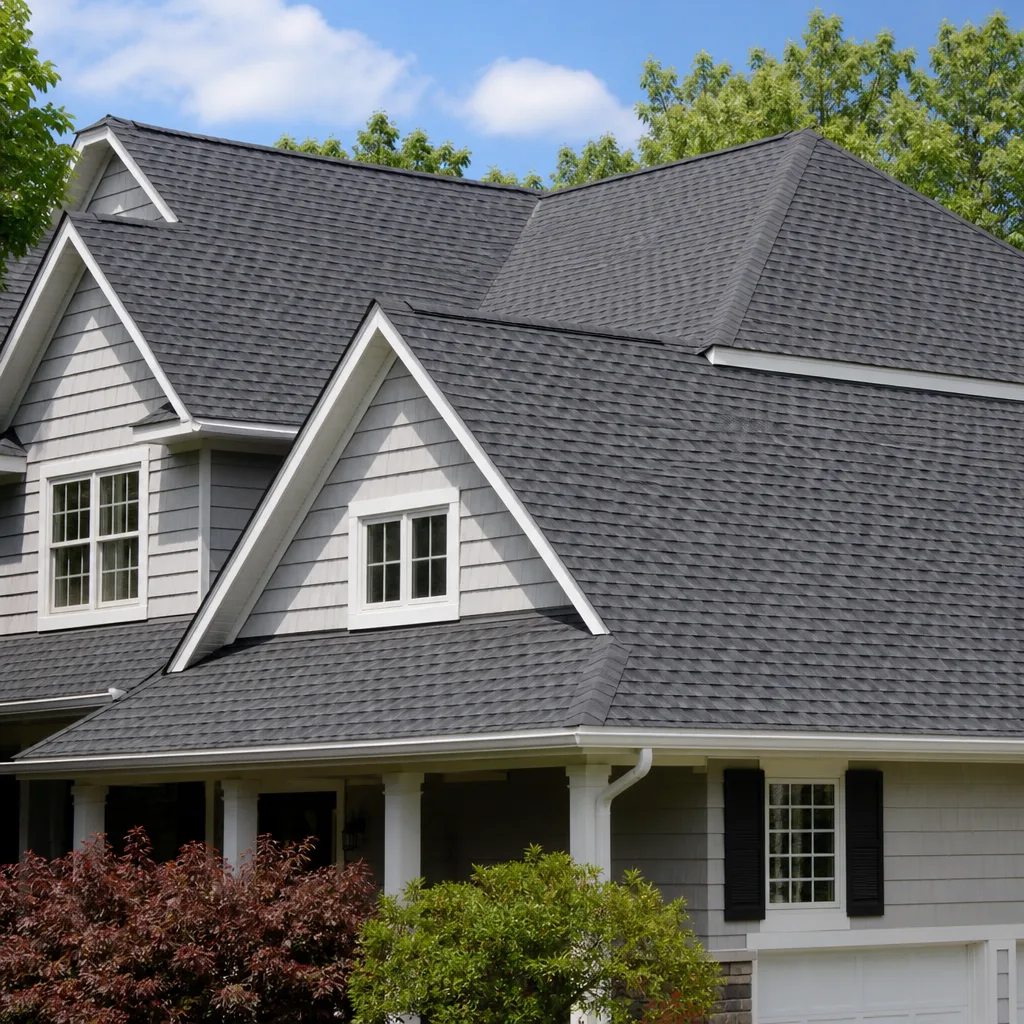
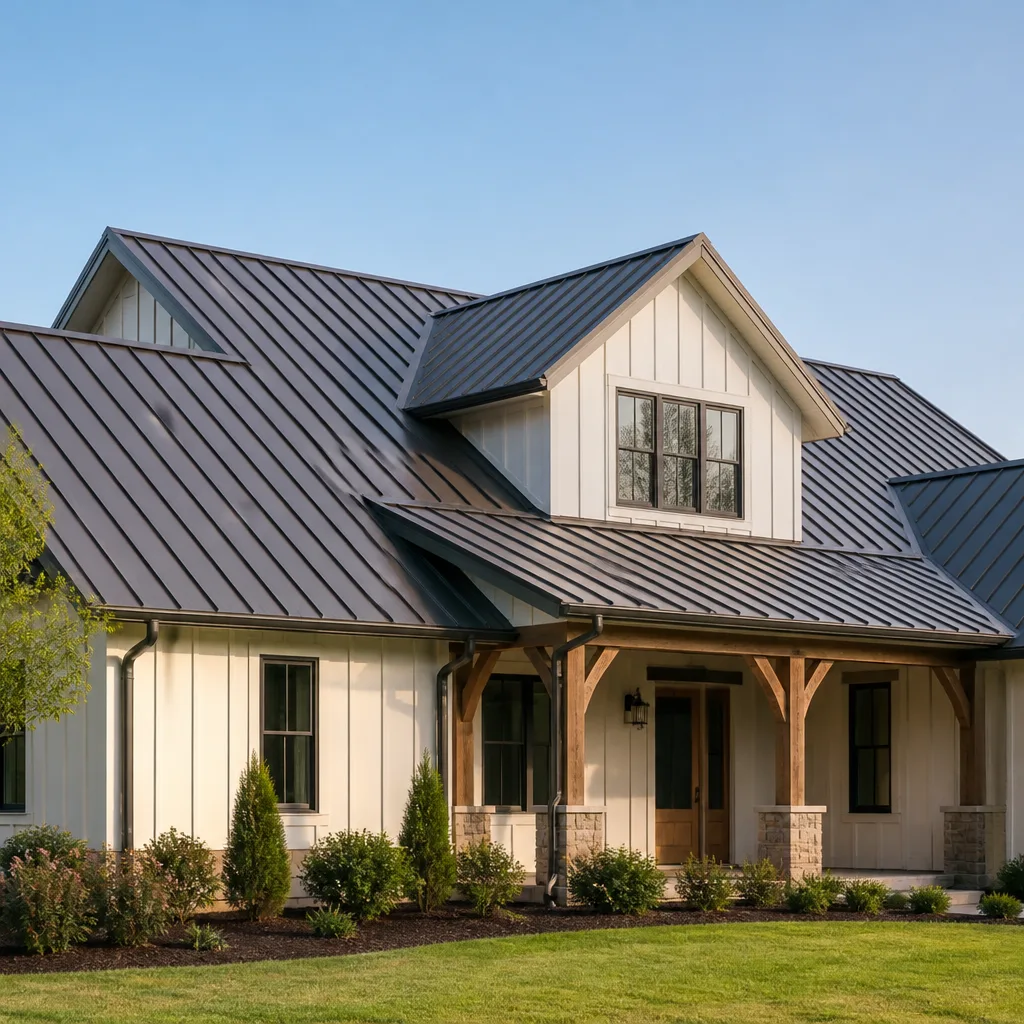
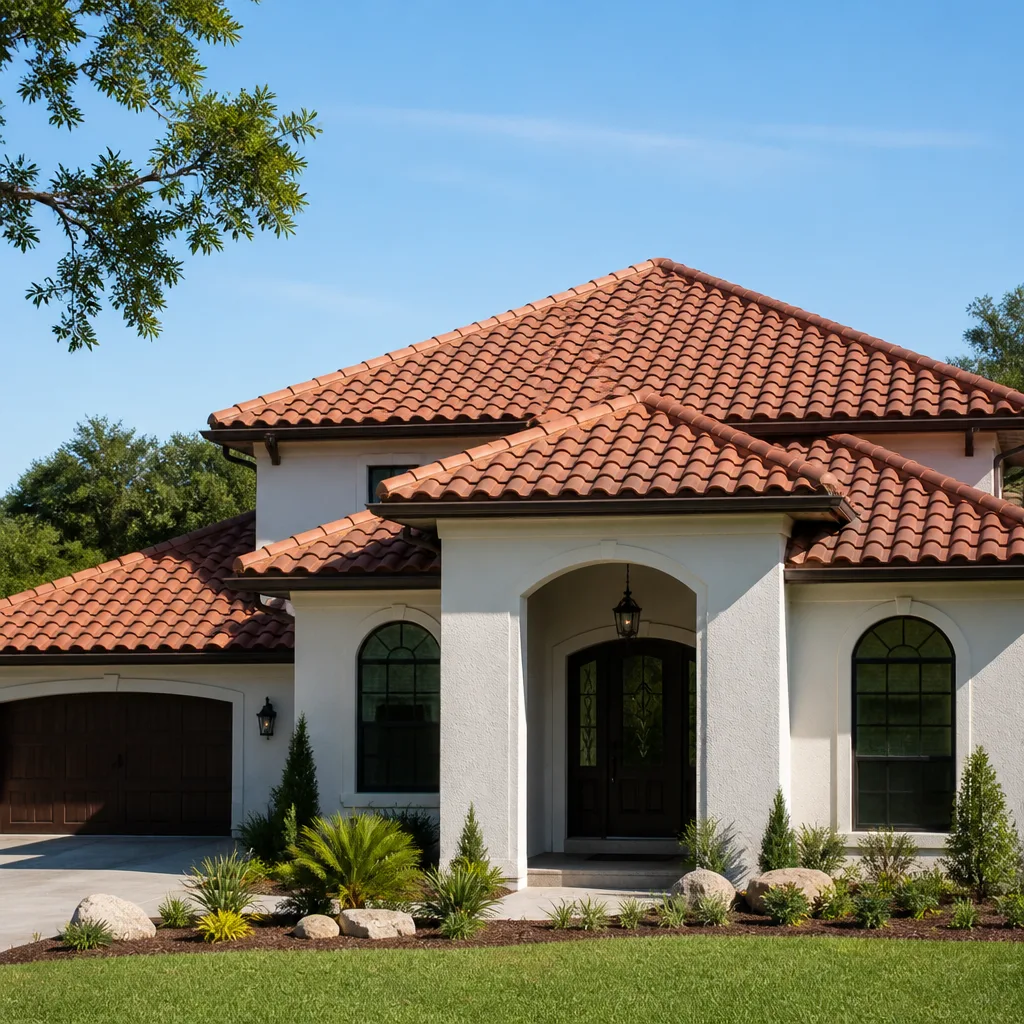
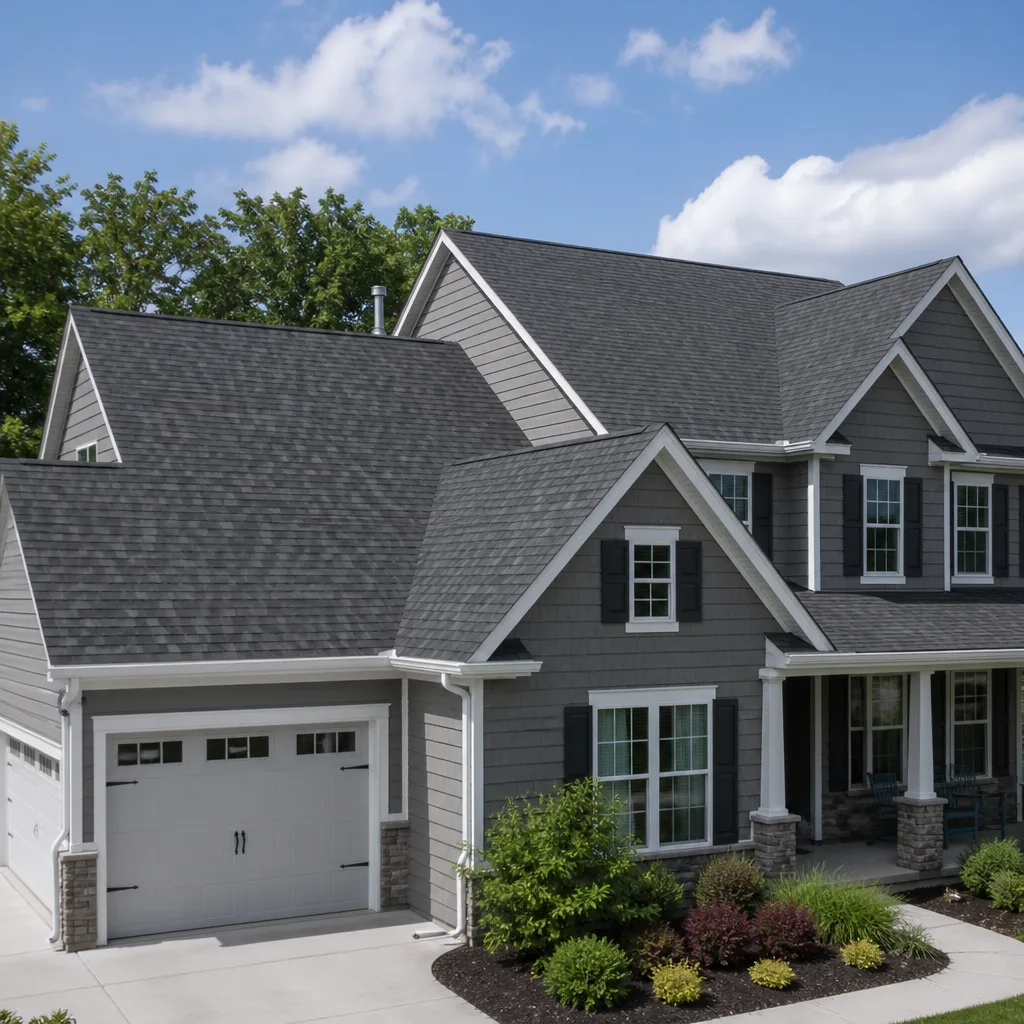
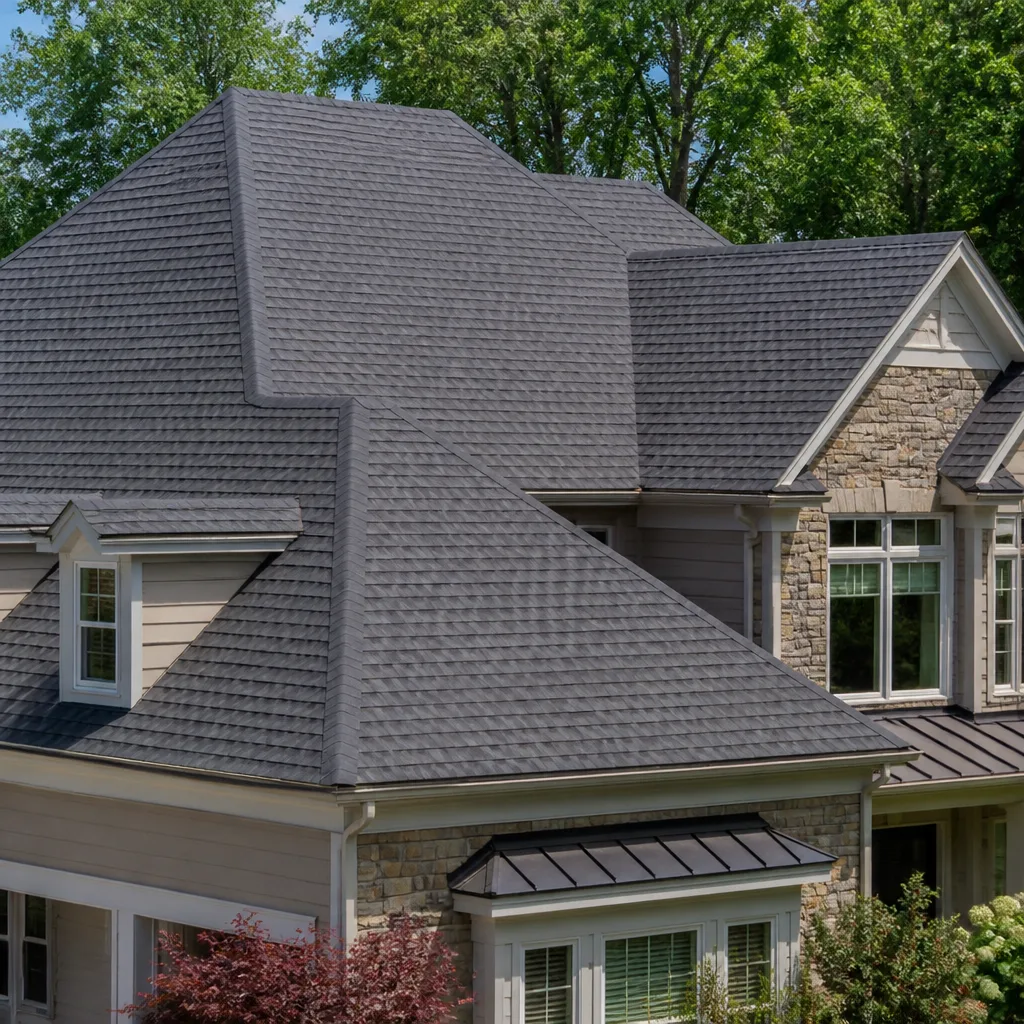
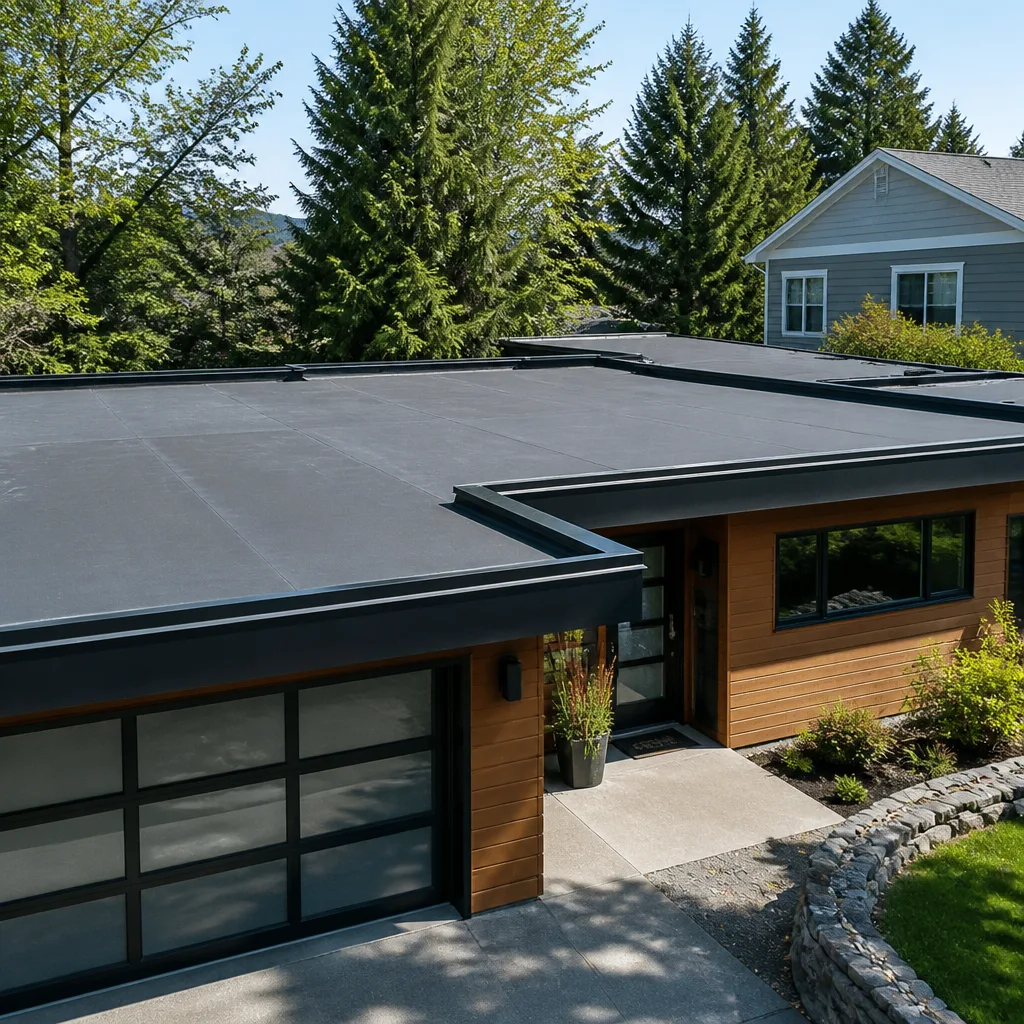
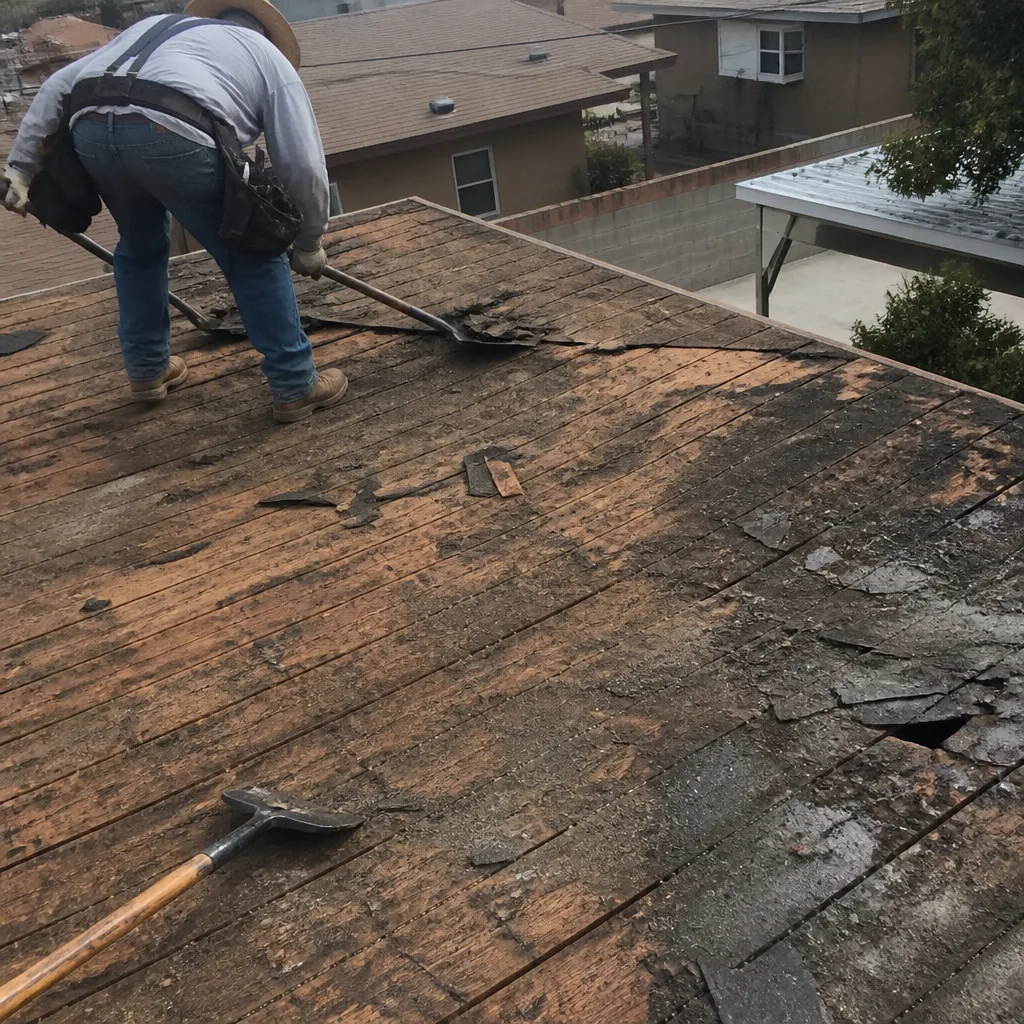 Before
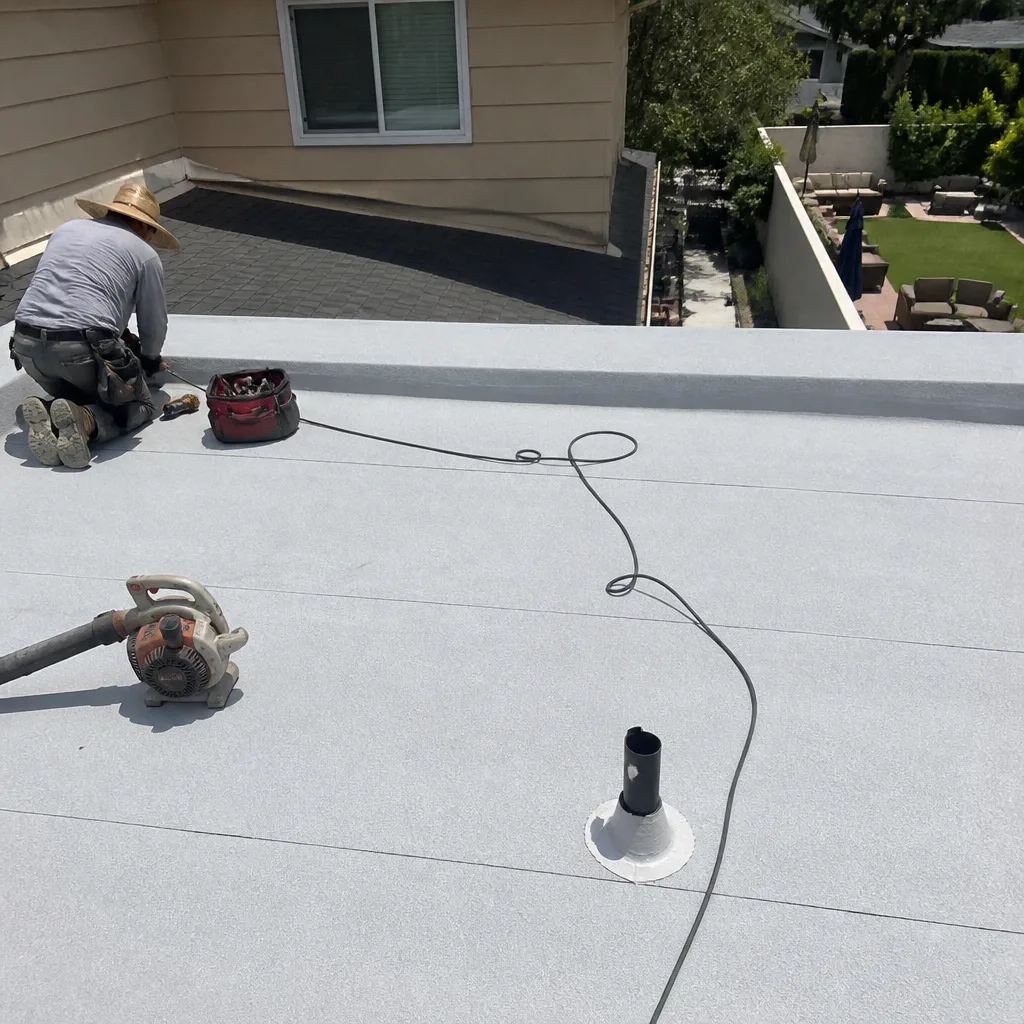 After
After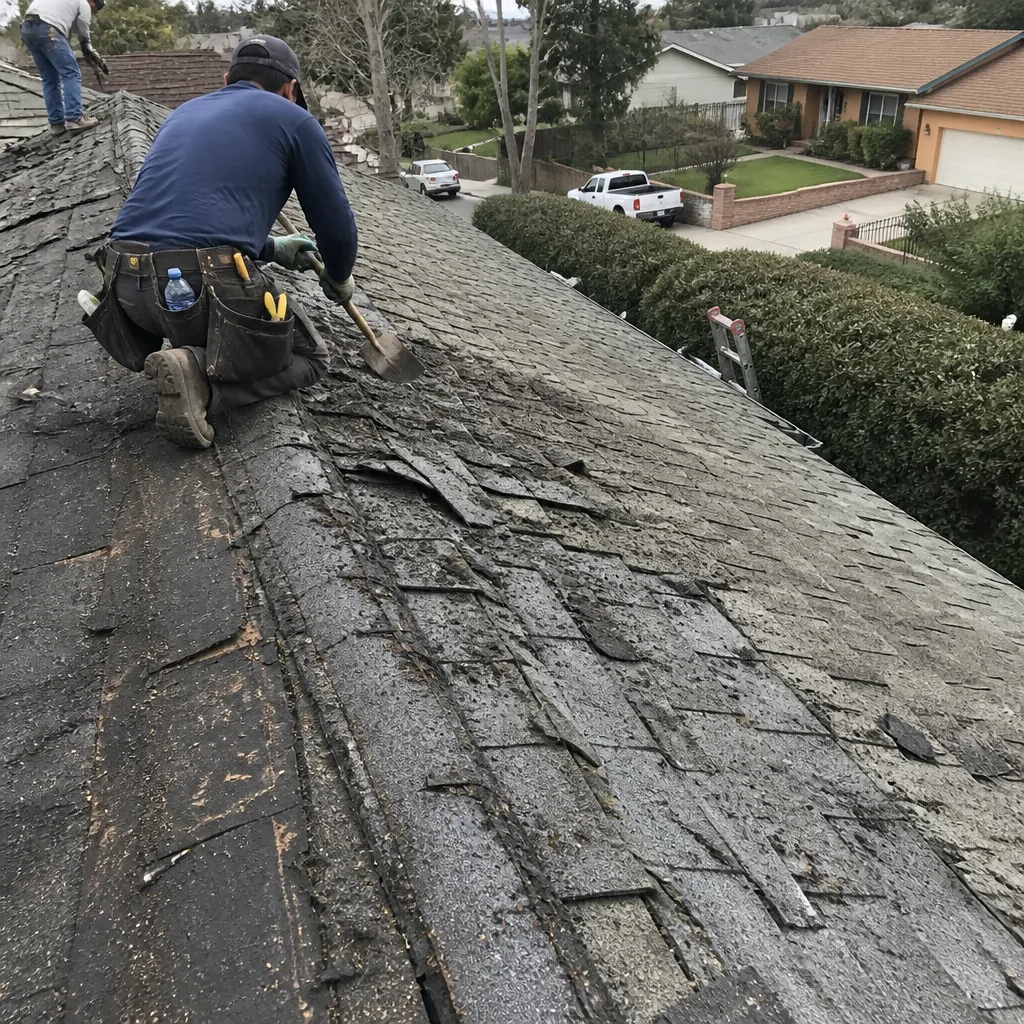 Before
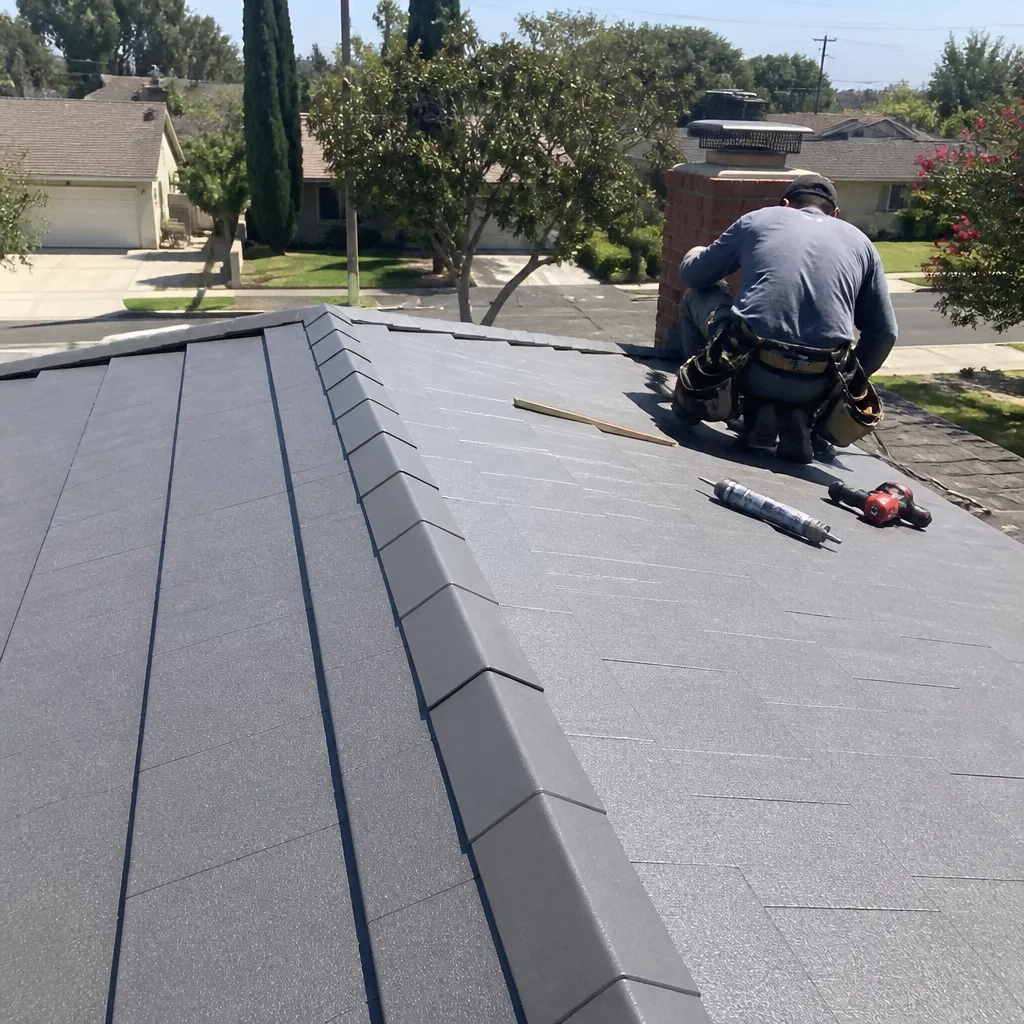 After
After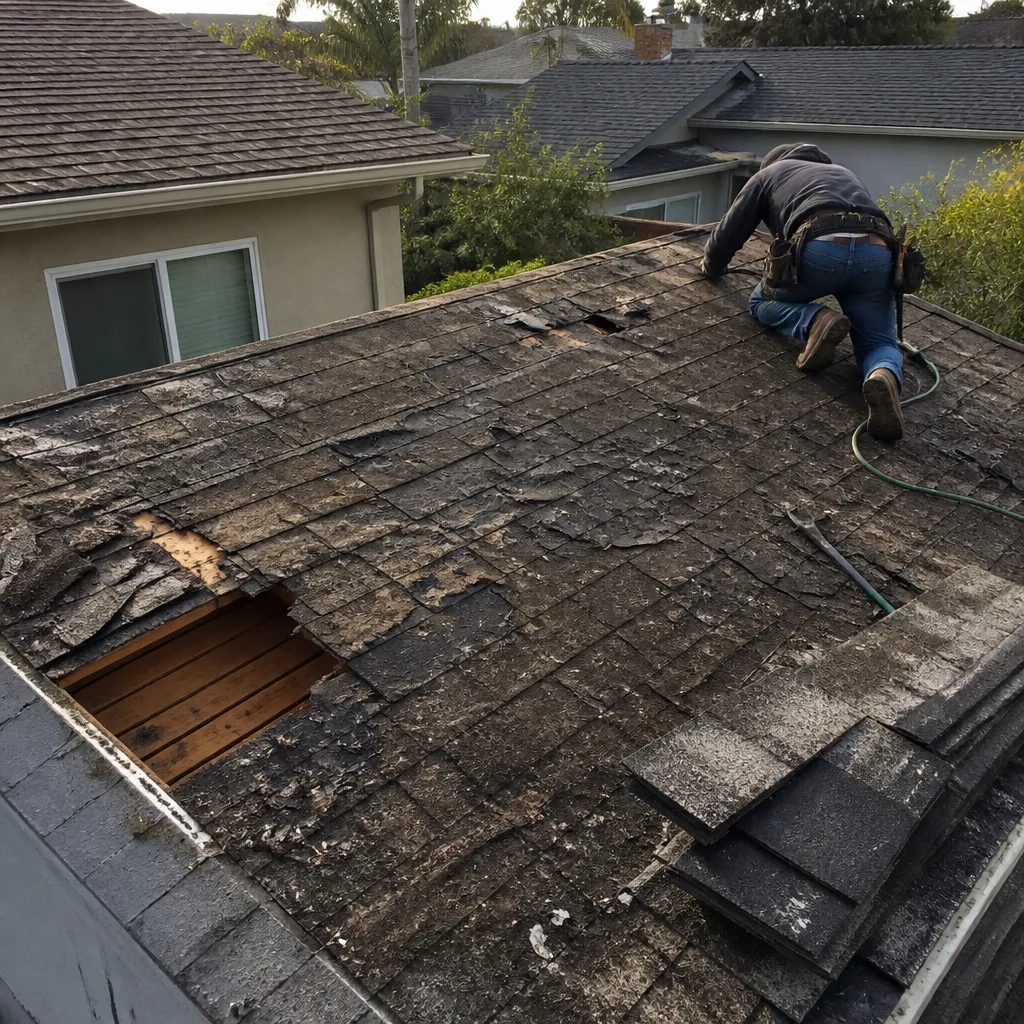 Before
 After
AfterFast, Reliable Roof Installation Across Hidden Hills
Roof installation in Hidden Hills runs $18,000 – $65,000 for a full re-roof on the city’s typical ranch-style or estate home, with the spec driven by LA County’s Very High Fire Hazard Severity Zone code before you ever pick a color. Most Hidden Hills jobs we handle are multi-gabled estate homes or original 1960s – 70s ranch roofs, and the real schedule driver here is rarely labor. It’s lead times on premium tile, standing-seam metal, and WUI-compliant underlayment, plus the gate-cleared access protocols every crew has to follow. If you’re pricing a re-roof, call (743) 200-8347 for a written line-item quote before anything gets ordered.
Why Mercer Roofing Is Hidden Hills’s Preferred Roof Installation Company
Hidden Hills isn’t like other service areas. Every job starts with a staffed gate. Our crews arrive with names and photos sent to you in advance, photo ID badges at the ready, and a written price in hand before a single nail is driven. Homeowners here often tell us the gate changes everything. They want to know exactly who is coming through it. Grant Whitlock runs our Roofing Company - Hidden Hills work that way as a fixed practice, not a selling point.
We’ve handled roof installations on Round Meadow Road, Long Valley Road, and off Jed Smith Road. The common thread is older estate housing stock, large parcels, and accessory structures. Barns, stables, guest houses. A roof installation in Hidden Hills rarely means one structure. It means the whole address, and we price it that way from the first visit.
Every technician is background-checked, identity-verified, and uniformed under the Threshold Verified standard. You get a written guarantee on every repair, included with every job. If it fails within 365 days, we make it right. No fine print, no follow-up call chasing a warranty.
Roof Ventilation in Hidden Hills
Roof Ventilation in Hidden Hills is a code and comfort issue baked into the valley’s extreme summer heat. Attics here routinely hit 140°F in August, and original 1960s and 1970s ranch homes often have little more than gable-end vents, if that. A properly ventilated roof assembly in Hidden Hills runs $2,500 – $7,500 depending on ridge count, eave length, and whether we’re adding intake at the soffits or upgrading to a balanced ridge-and-eave system. When ventilation is wrong, you’ll see it in upstairs rooms that never cool, shingles that curl early from underside heat, and energy bills that stay high all summer.
On a re-roof, ventilation is always part of the conversation before we order materials. On a standing-seam metal or tile roof, the thermal mass works differently than asphalt, and a stale attic can undermine the whole assembly.
Ridge and Eave Balancing
Most Hidden Hills homes have plenty of eave space but underperforming ridge exhaust. We calculate intake-to-exhaust ratio by square footage, not by guesswork. The fix is usually more exhaust at the ridge plus wider soffit intake, sized to the attic’s actual volume.
Post-Installation Airflow Testing
After any roof installation here, we verify airflow with a simple smoke test at the intake vents and by reading attic temperature against outside ambient. If the numbers don’t move, the job’s not done. That’s the 365-Day Done Right Promise in practice.
Roof Flashing Installation in Hidden Hills
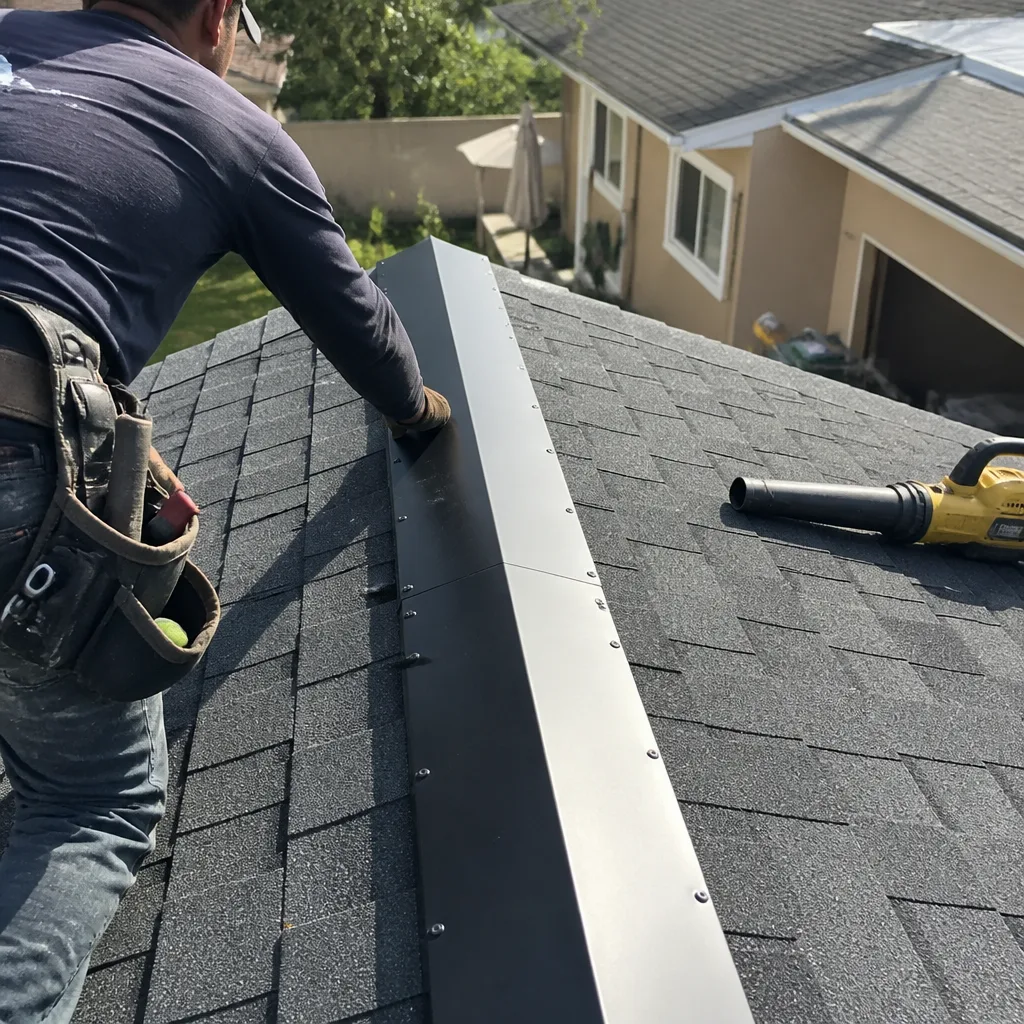
Roof Flashing Installation in Hidden Hills is where most roof failures actually begin, especially on the city’s multi-gabled estates and the low-slope ranch roofs from the 1960s and 1970s. Flashing is the metal that seals the joints where roof planes meet walls, chimneys, skylights, valleys, and vents. When it fails, water gets in. In Hidden Hills, flashing work on a typical re-roof runs $1,800 – $6,000 depending on how many penetrations, chimneys, and valley profiles the home has. If you’re adding skylights or moving mechanicals up there, the flashing scope grows fast.
Santa Ana winds put real stress on flashing. The localized gusts coming through the passes near the Santa Monica Mountains can lift cap metal, pry open step flashing, and crack the sealant the previous crew thought was good enough. Good flashing installation here means mechanical fastening, not caulk, at the critical laps.
Valley and Chimney Flashing
Valleys carry the most water on any roof, and on Hidden Hills ranch homes the valleys are long and concentrated. We run continuous metal valley liners, never rely on shingle weave in the valley, and use an ice-and-water shield membrane through the valleys on every re-roof. Chimney flashing here typically needs full replacement on 50-year-old homes. We cut reglets into the masonry and mechanically secure the counterflashing, which is the only method that holds through wind seasons.
WUI-Required Enclosed Eaves
Hidden Hills sits within the Very High Fire Hazard Severity Zone, which means the flashing and enclosure detailing at the eave line has to be built to WUI requirements, not just aesthetic standard. Inspectors here enforce enclosed eave details at final sign-off under California Building Code Chapter 7A. We build that in from the start so the roof passes the first time.
Trusted Brands We Service in Hidden Hills
We install and repair roofs using manufacturer-recognized material lines that hold up to Hidden Hills conditions, including GAF, CertainTeed, Tamko, and Boral. For the tile and metal-heavy housing stock here, we often specify Boral concrete tile and standing-seam metal in the gauges that meet WUI embossment. We keep local stock of common flashing profiles, underlayment, and fasteners so a Hidden Hills job doesn’t stall waiting for a part that should have been on the truck. Our Roof Installation team orders long-lead materials as soon as your written price is approved, because in this market you don’t order tile the week you want it on the roof. You order it the month before.
Common Roof Installation Problems We See in Hidden Hills Homes
- WUI underlayment skipped on a Class A surface. A homeowner or out-of-area contractor specs a Class A tile or shingle but skips the required WUI-listed underlayment and enclosed-eave detailing. It looks right, but the inspector red-tags it at final sign-off under California Building Code Chapter 7A. The fix means tearing back into a roof that was just finished.
- Accessory structures counted as an afterthought. The horse barn, stable, or guest house on the same parcel gets treated as a separate, simpler scope. Then the square count for the whole address is wrong, the material order is short, and the job stretches weeks while the crew waits on more tile or metal.
- Original 1960s – 70s decking reused under new materials. The old sheathing looks fine on top but is delaminating underneath. New tile or standing-seam metal goes over it, and the first strong Santa Ana wind event finds every weakened nail point. We pull test sections of decking before quoting, not after tearing off.
- Lifted ridge caps and cracked concrete tile after wind events. This pocket of Hidden Hills catches real wind, and the pattern is always the same: a single lifted ridge cap becomes a leak, hairline cracks in aged concrete tile become breaks. We inspect the entire ridge line and windward elevations after any Santa Ana episode, not just the spot the homeowner noticed.
Pricing for Roof Installation in Hidden Hills, CA
A full roof installation in Hidden Hills typically runs $18,000 – $65,000. The range is wide because the housing stock is: original 1960s ranch homes needing full tear-off and re-deck, estate builds with complex multi-gabled rooflines, and accessory barns, stables, and guest houses on the same parcel. Material choice is the biggest lever. Boral concrete tile and standing-seam metal run $14 – $22 per square foot installed here. Architectural asphalt from GAF or Tamko runs $7 – $11 per square foot installed.
WUI-compliant underlayment and enclosed-eave detailing add $1.50 – $3.50 per square foot depending on the assembly. Roof ventilation adds $2,500 – $7,500. Roof flashing installation adds $1,800 – $6,000. Every Mercer Roofing price is written before work starts and fixed once you approve it. No change orders unless you change the scope. Call (743) 200-8347 to set up a free estimate.
We Also Serve Cities Near Hidden Hills
Our Roof Installation in Hidden Hills work extends to nearby markets where the same standards apply: Los Angeles, San Diego, San Jose, and San Francisco. We coordinate dispatch and scheduling from our Los Angeles office, and crews serve Hidden Hills locally with the same written-price, photo-badged standard on every address.
Serving Hidden Hills, CA - Our Local Coverage Area
We’re based in the Hidden Hills area and know this community well. Use the map below to see our service coverage - if you’re nearby, we can almost certainly help.
FAQs About Roof Installation in Hidden Hills
Yes. Hidden Hills sits within LA County’s Very High Fire Hazard Severity Zone, so a code-compliant re-roof requires a WUI-listed underlayment and enclosed-eave detailing that inspectors enforce at final sign-off under California Building Code Chapter 7A. Class A surface material is the starting point, not the whole spec. A roof assembly that skips the WUI underlayment will fail inspection even if the shingle or tile itself is compliant. Call (743) 200-8347 for a written quote that includes the full WUI assembly from the first number.
Every crew and every material delivery has to clear the staffed entrance gate, which means advance credentialing, scheduled access windows, and a real name on the gate list. We send each technician’s name and photo before the visit and they badge in with photo ID at the gate and at your door. This adds coordination time to a Hidden Hills job that doesn’t exist in ungated communities. A crew that isn’t prepared for it gets turned away, and the job stalls. We plan gate clearance into every day’s schedule from the first estimate.
Lead times. Boral concrete tile and standing-seam metal in the profiles Hidden Hills estates use are often ordered 4 to 10 weeks out. Underlayment and custom flashing profiles add more. The labor is the quick part. A three-week Hidden Hills re-roof often spends two of those weeks waiting on the material queue. We order the long-lead items the day your written price is approved, which is why a fixed written price matters here. Call (743) 200-8347 and we’ll map your timeline before you commit.
Hidden Hills sits at the western inland edge of the San Fernando Valley, near passes in the Santa Monica Mountains. Santa Ana wind events funnel through those passes and generate localized gusts that lift ridge caps and crack aged concrete tile. The original 1960s and 1970s concrete tile on many Hidden Hills homes has been through 50-plus wind seasons, and the failures are often visible only as hairline fractures that open up later. We inspect the full ridge line and all windward elevations after any event, because the first visible cap is rarely the only one.
Put both bids side by side and check four things: whether the WUI-compliant underlayment and enclosed-eave detailing are written into the spec, whether accessory structures on the parcel are included in the square count, whether the decking is being re-nailed or replaced or just covered, and whether the price is fixed in writing before materials are ordered. A lower bid that skips the WUI underlayment isn’t cheaper. It’s an inspection red-tag waiting to happen. Mercer Roofing puts every one of those items in writing before you approve anything. Estimates are free at (743) 200-8347.
Call (743) 200-8347 to schedule your free roof installation estimate in Hidden Hills. We’ll walk the entire roof, check the decking, map every accessory structure on the address, and put a fixed written price in your hand before anything gets ordered.
Written by Grant Whitlock, Owner at Mercer Roofing, serving Hidden Hills with written-price, photo-badged roof installation since 2000.