
Last updated October 9, 2026
Free roof inspection with deck photos before we talk money - GAF and Owens Corning certified installation
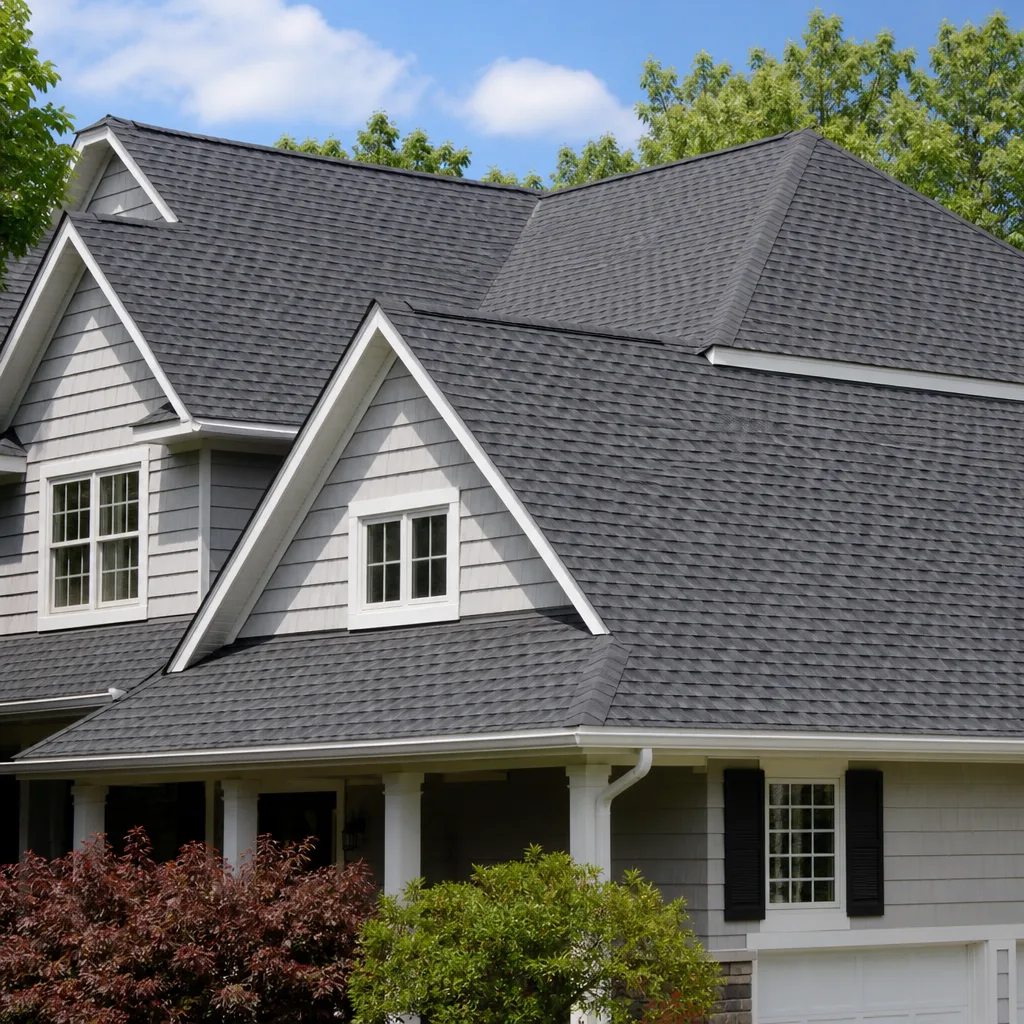
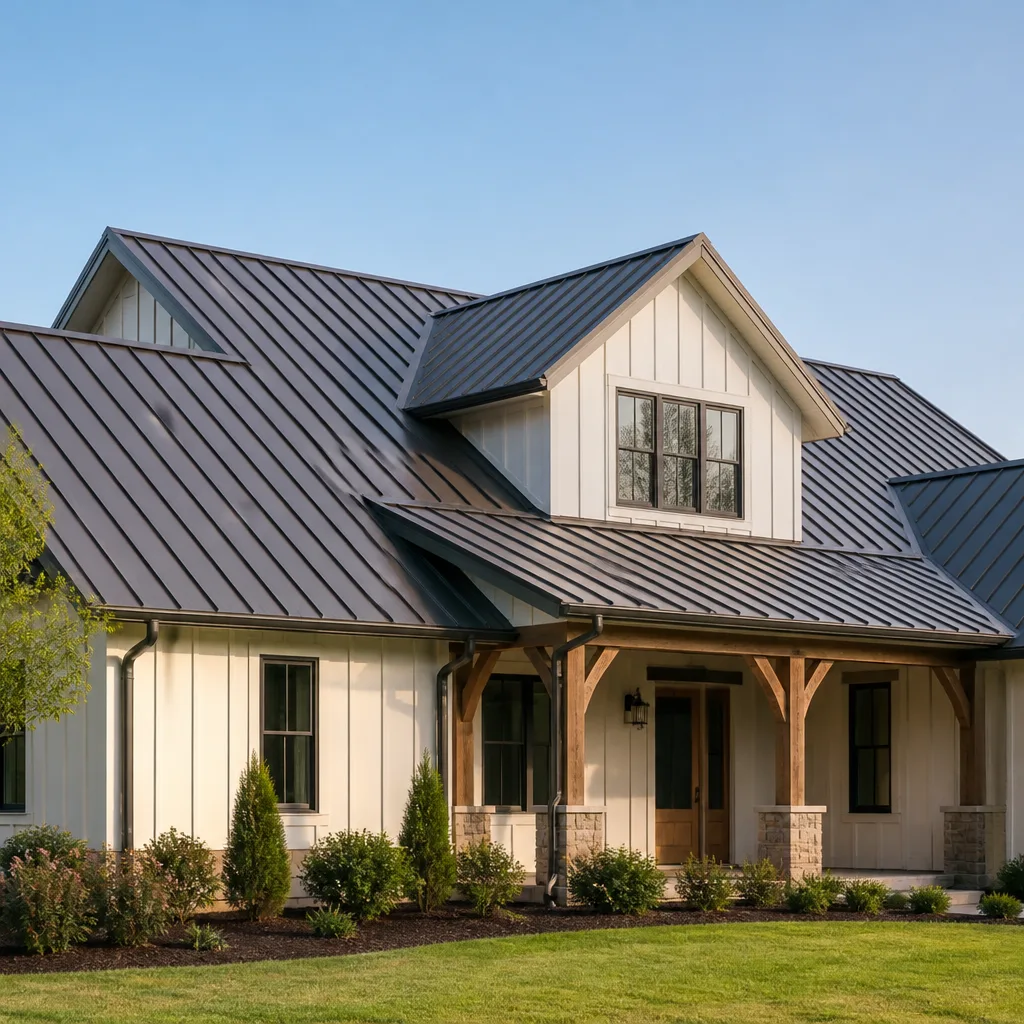
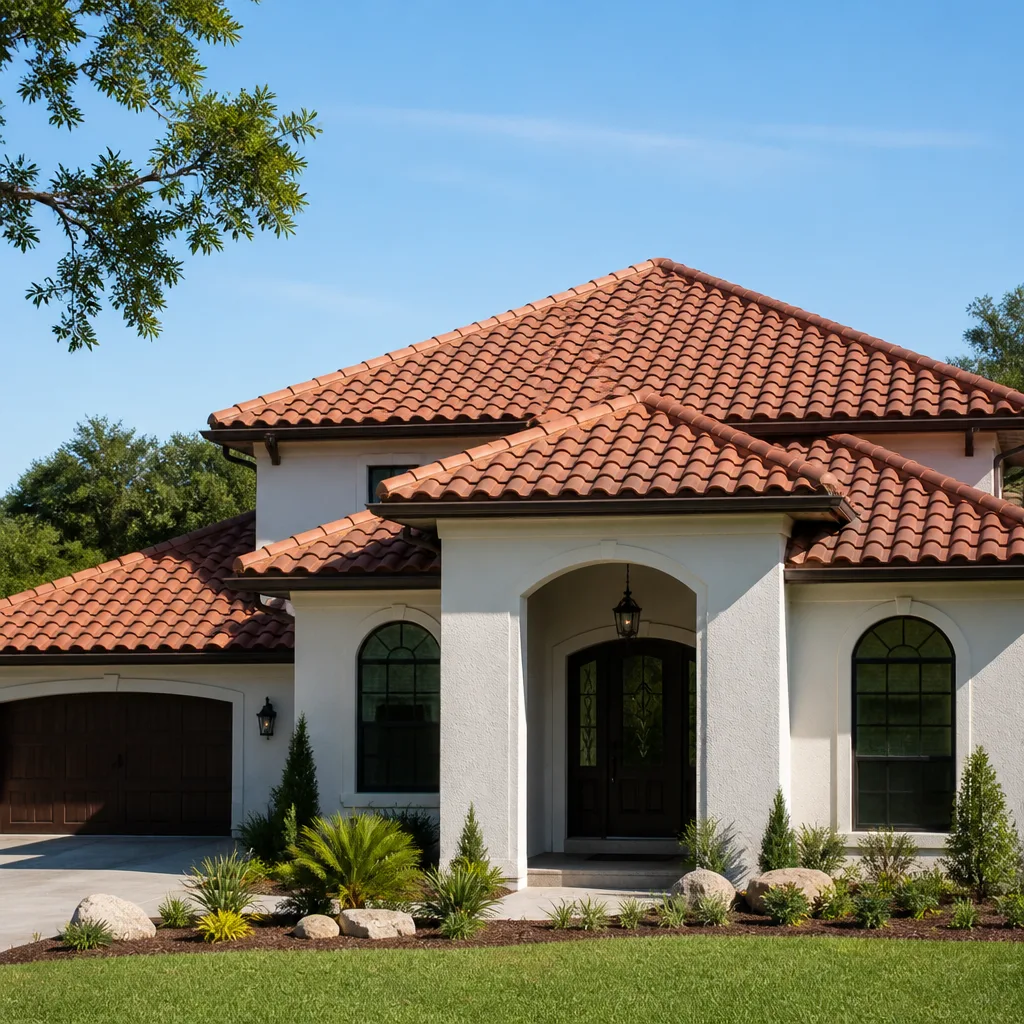
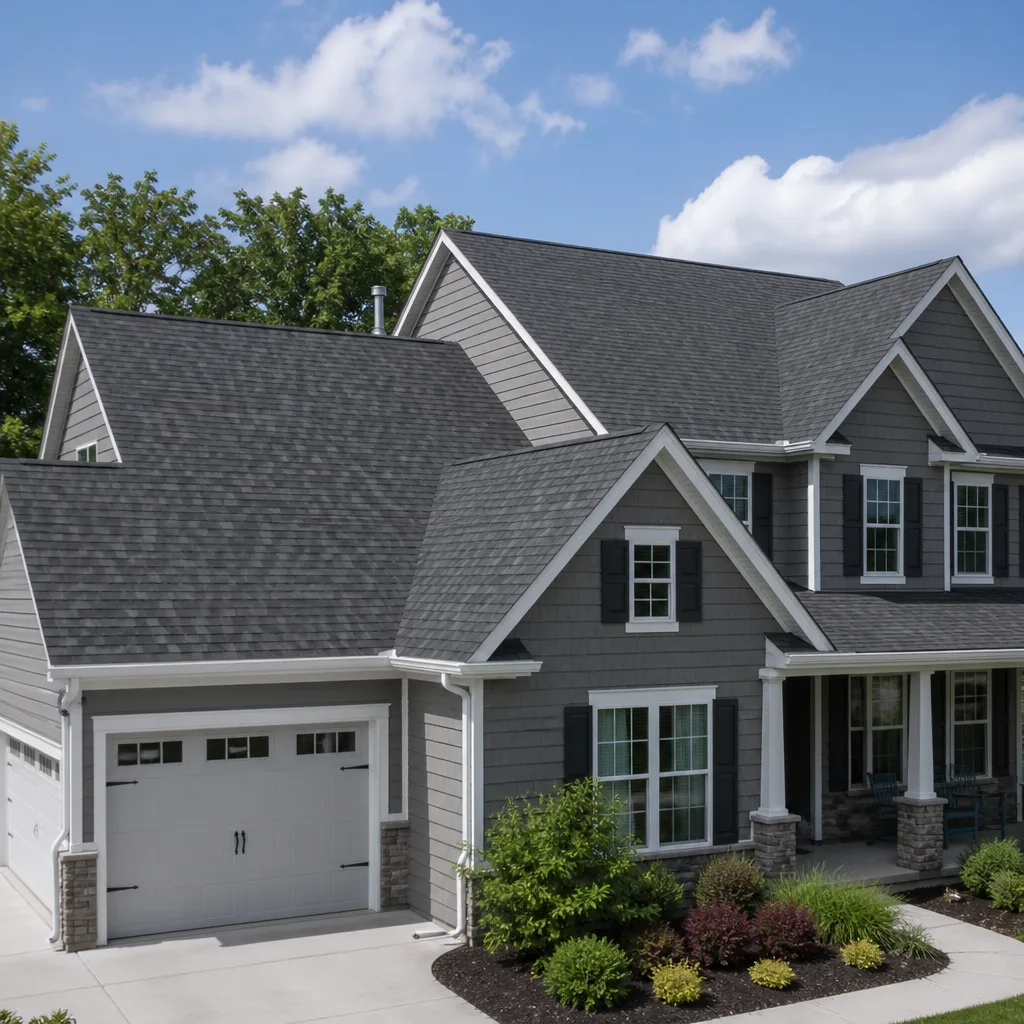
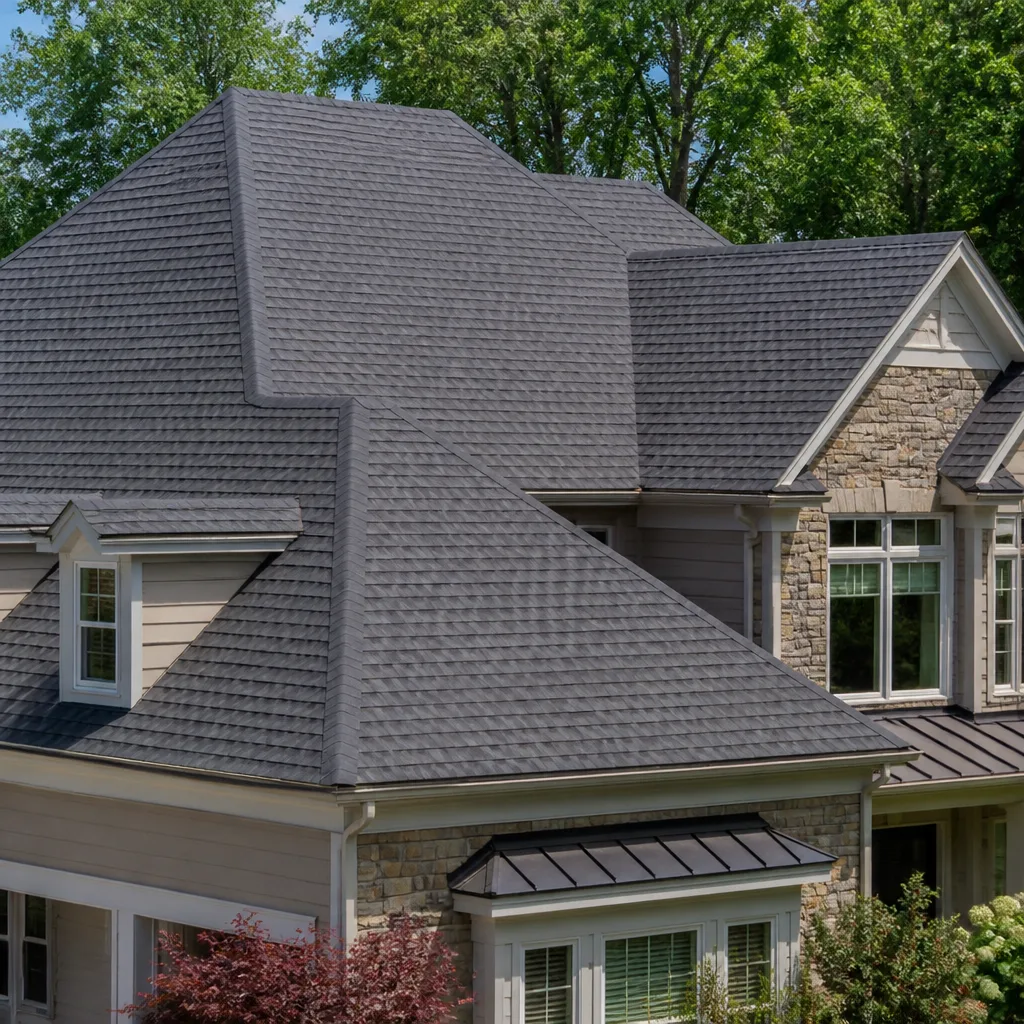
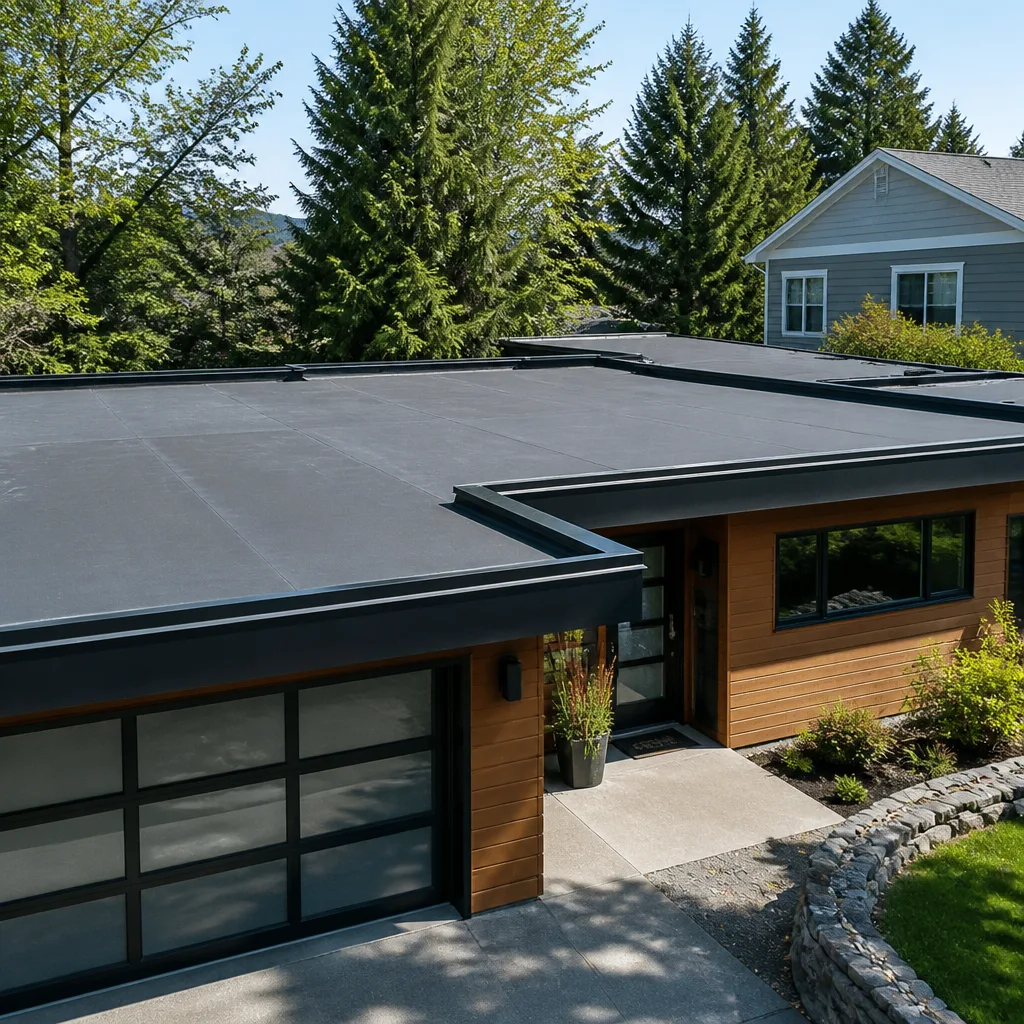
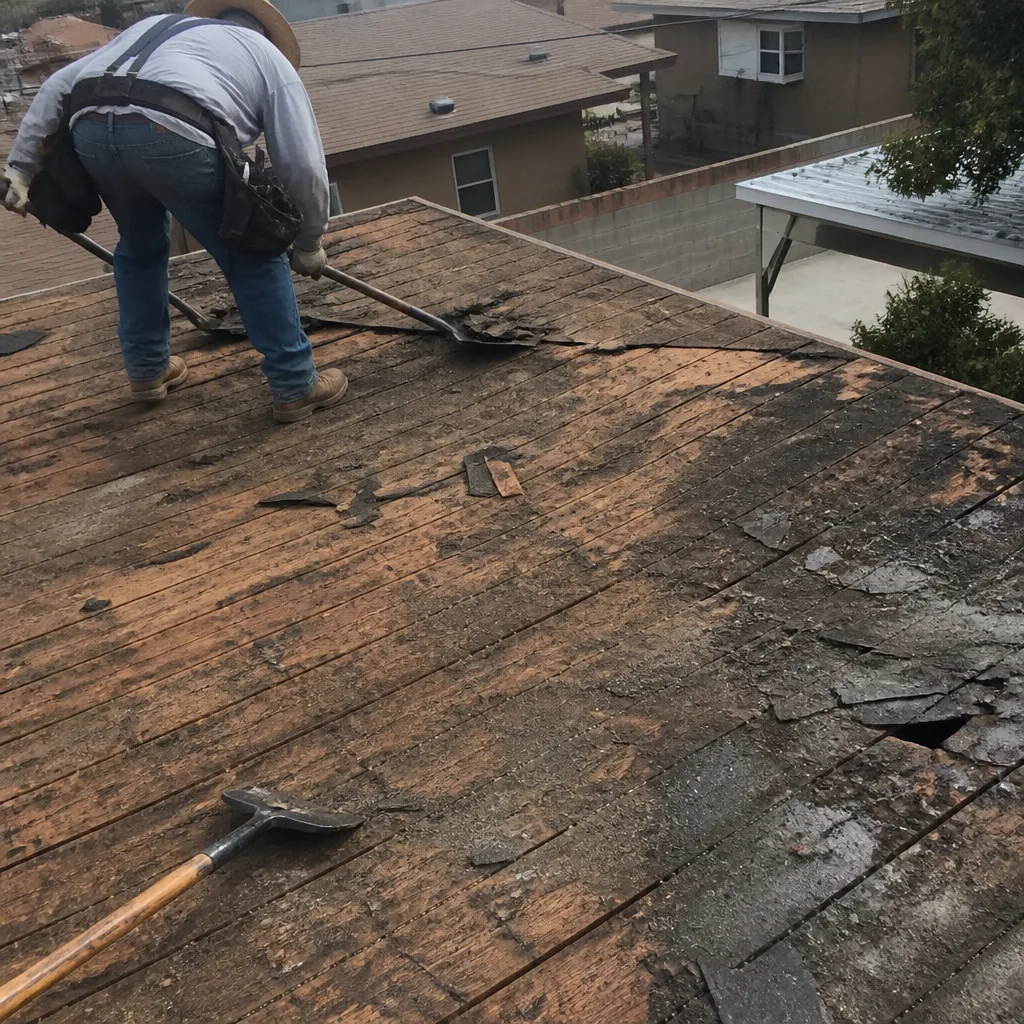 Before
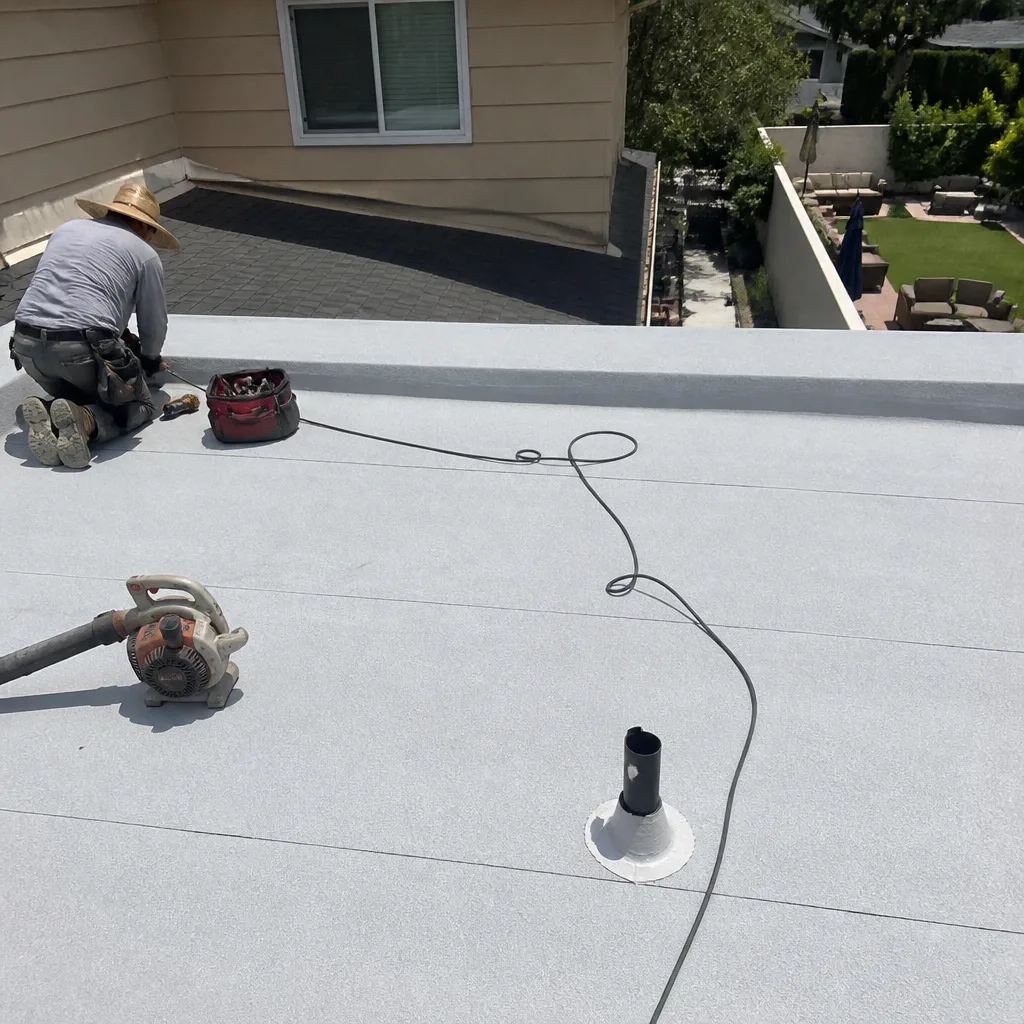 After
After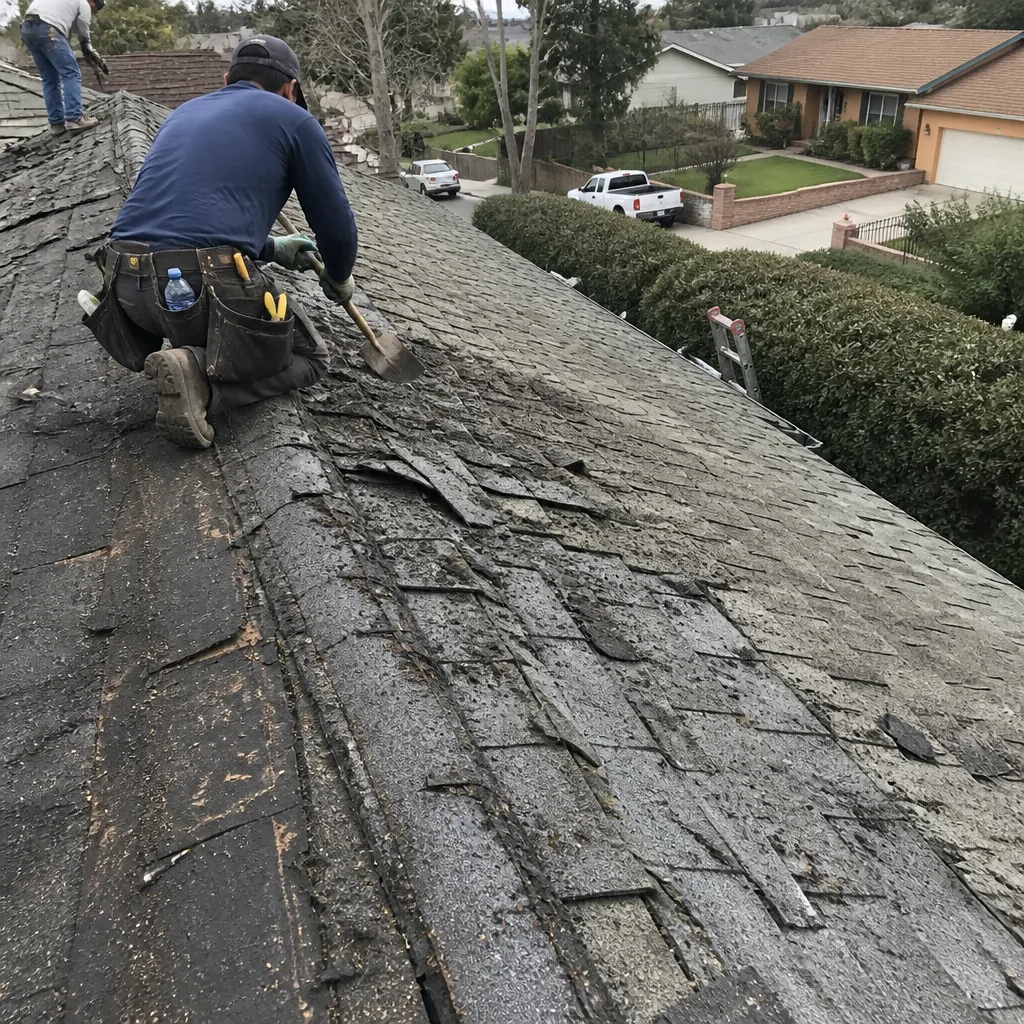 Before
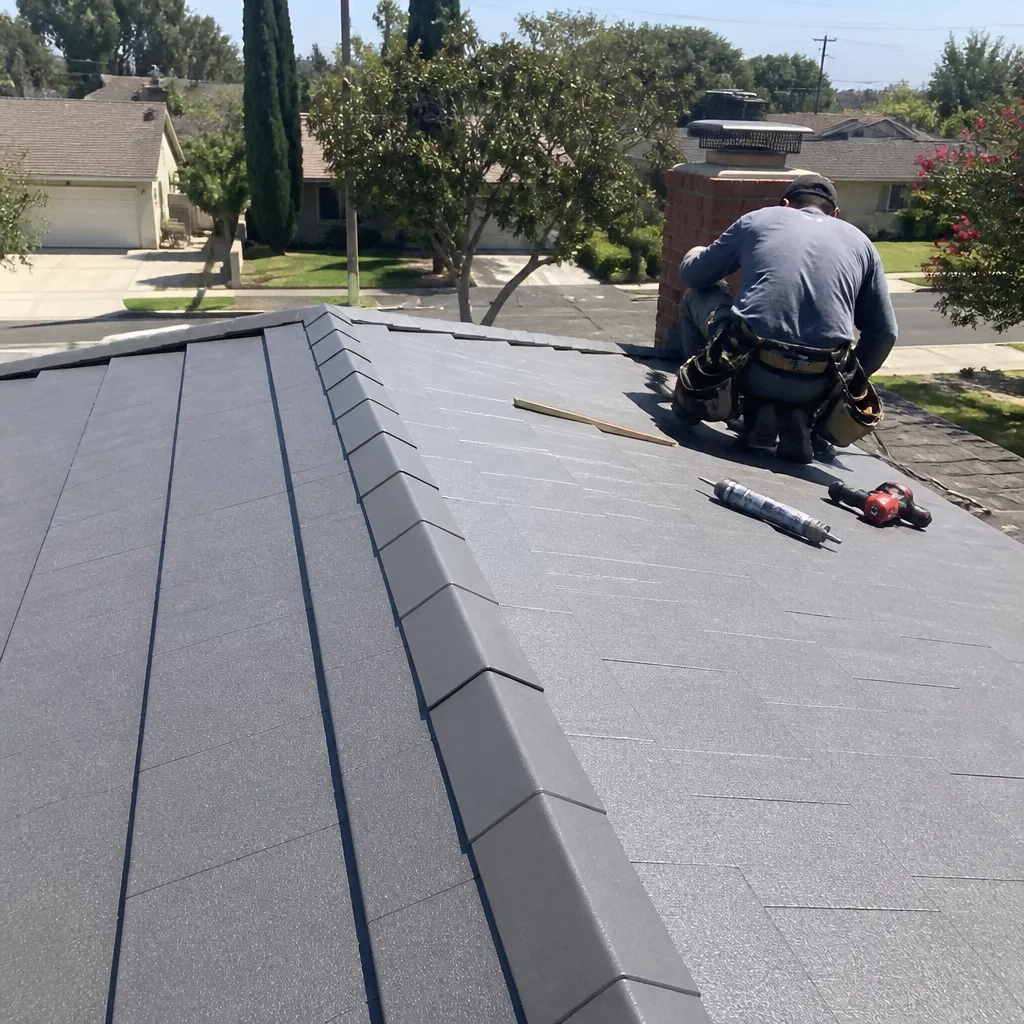 After
After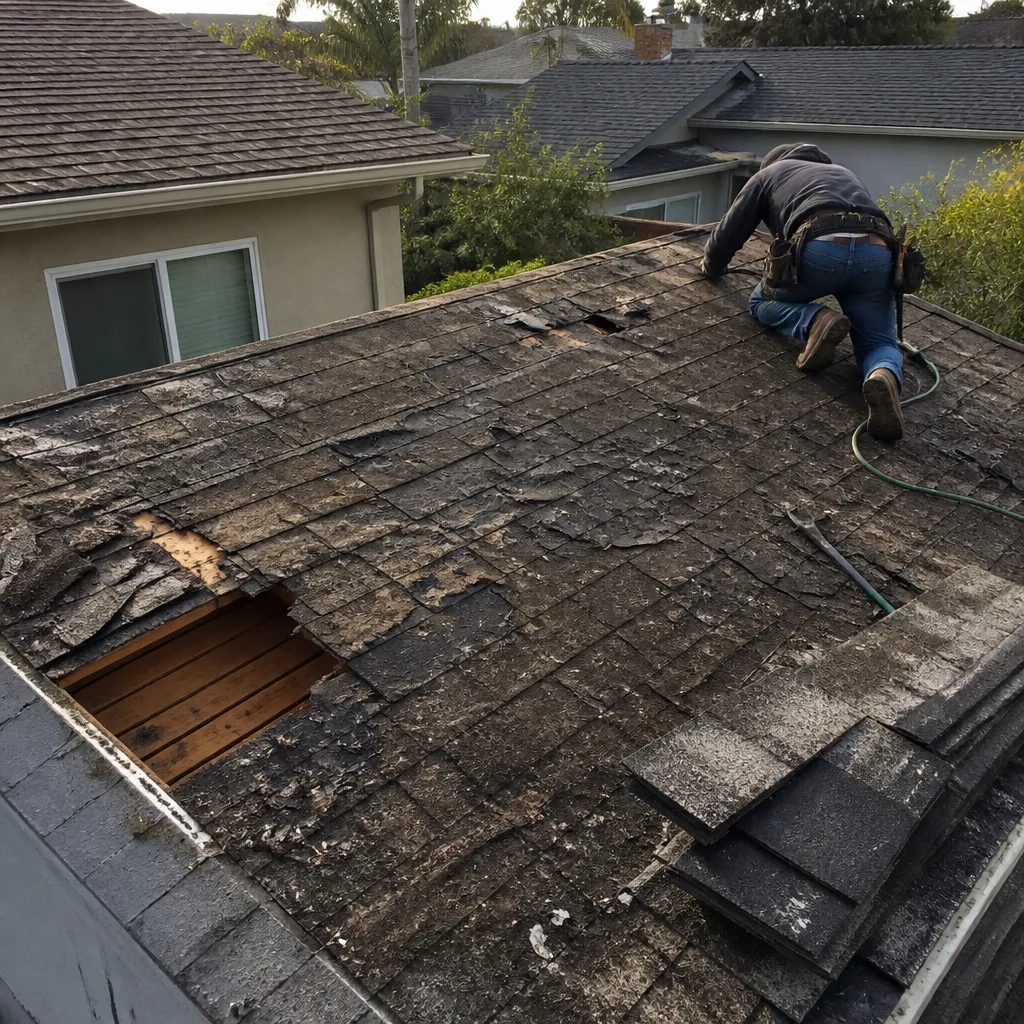 Before
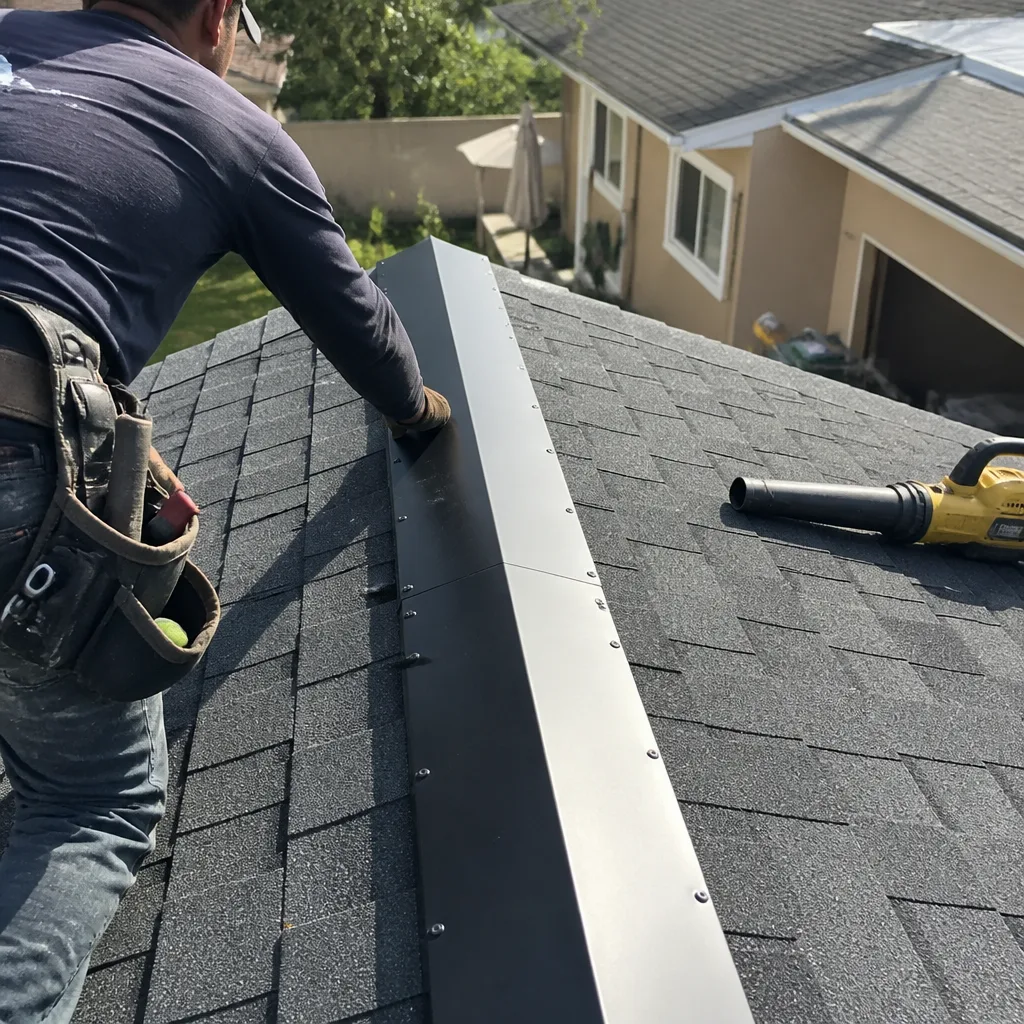 After
AfterChoosing the Right Roofing Brand: A Buyer’s Guide for Los Angeles
Here’s a fact most roofing brand literature won’t tell you: a 50-year shingle warranty sounds definitive until you read the clause that voids it if attic ventilation doesn’t meet the manufacturer’s spec. Most 1960s homes in Los Angeles fail that test before the ink is dry. This guide-along with our The Complete Guide to Roofing in Los Angeles-cuts through the marketing and evaluates the major shingle brands against the conditions that actually exist on Los Angeles rooftops: relentless UV exposure, fire-severity zoning, structural weight limits on older homes, and warranty fine print written for national averages, not Southern California reality. By the end, you’ll know which brands hold up here, which ones quietly exclude the failures we see most often, and how to read a warranty document like a contractor does.
Quick Answer
The best roofing brand for a Los Angeles home depends on three local factors most national comparisons ignore: your fire-severity zone, the age and framing of your house, and how the manufacturer’s warranty treats UV exposure and attic ventilation. For most LA homeowners, Owens Corning and CertainTeed offer the strongest combination of Class A fire ratings and realistic warranty terms, while Atlas provides strong value in coastal zones where algae resistance matters. The contractor’s workmanship warranty matters more than the manufacturer’s brand name in the first five years.
Table of Contents
- Why Los Angeles Is Different: Conditions That Change Brand Performance
- How to Read a Manufacturer’s Warranty Exclusion List
- UL Class A Fire Ratings and LA’s Very High Fire Hazard Severity Zones
- Weight Load: Tile Brands and Homes Built Before 1980
- Manufacturer Warranty vs. Contractor Workmanship Warranty
- California Title 24 Cool-Roof Compliance: Check Before You Buy
- Brand-by-Brand Breakdown for Los Angeles
- Common Mistakes to Avoid
Why Los Angeles Is Different: Conditions That Change Brand Performance
Los Angeles weather doesn’t punish roofs the way Minnesota winters or Florida hurricanes do, but it has its own quiet destroyers. The first is ultraviolet radiation. LA averages more than 280 sunny days per year, and that solar load breaks down asphalt shingle granules faster than almost any other climate variable in the country. A shingle rated for 30 years in Ohio can lose its granule layer in 18 to 22 years on a west-facing slope in the San Fernando Valley.
The second is the marine layer. Homes within five miles of the coast experience persistent morning moisture that encourages algae growth, particularly on north-facing roof planes that never fully dry. Some shingle formulations include copper-infused granules that resist algae, while others do not. The brand matters less than the specific product line within each brand.
The third factor is heat cycling. Los Angeles roofs routinely experience 40 to 50 degree temperature swings between daytime highs and nighttime lows. This expansion and contraction stresses the adhesive seal between shingle layers. Cheaper shingle lines with less aggressive adhesive strips are more likely to lift during Santa Ana wind events, which is why we see an uptick in repair calls every October and November. For a deeper look at preventing these issues, see The Complete Roof Repair Guide for Los Angeles Homeowners.
If you’re comparing national brand rankings written by someone in Chicago or Atlanta, you’re reading advice calibrated for a different climate. This guide evaluates brands against what actually happens on roofs in Los Angeles, not the national spec sheet.
How to Read a Manufacturer’s Warranty Exclusion List
Every asphalt shingle manufacturer structures its warranty the same way: a generous-sounding headline number supported by a list of exclusions that most homeowners never read. The headline might say “Lifetime Limited Warranty,” but the exclusion section tells you what actually gets covered. In Los Angeles, three exclusion categories matter more than any others.
1. Ventilation requirements. Most premium shingle warranties require attic ventilation that meets the manufacturer’s minimum specification, typically expressed as a ratio of net free vent area to attic floor area. Homes built before 1980 in Los Angeles frequently have inadequate ventilation by modern standards: small gable vents, no ridge vent, and soffits that are either blocked or nonexistent. If a shingle fails prematurely and the manufacturer’s inspector determines the attic wasn’t ventilated to spec, the warranty claim is denied. This isn’t hypothetical. We’ve walked through older neighborhoods in West LA, the San Fernando Valley, and the foothills where entire blocks fail this test.
2. UV degradation thresholds. Warranty documents define “premature granule loss” with specific thresholds: a certain percentage of granule loss within a defined time period. In high-UV environments like Los Angeles, granule loss is faster and more uniform, which means a roof that fails functionally may not cross the manufacturer’s threshold for a valid claim. The shingle looks worn out, but the warranty says it’s still performing to spec.
3. Algae and staining exclusions. Most warranties explicitly exclude algae staining as a cosmetic issue, not a functional defect. Coastal Los Angeles neighborhoods from Pacific Palisades to San Pedro see persistent algae growth on shaded roof planes. If you want a warranty that addresses algae, you need a product line with specific algae-resistance coverage, not a generic warranty.
Before you commit to any brand, request the full warranty document, not the marketing summary. Read the exclusion section first. If the ventilation clause gives the manufacturer an easy out and your home is pre-1980, the brand’s headline warranty number matters far less than it appears.
UL Class A Fire Ratings and LA’s Very High Fire Hazard Severity Zones
Large sections of Los Angeles sit inside Very High Fire Hazard Severity Zones (VHFHSZ), a designation that carries building code requirements for roofing materials. The hillside communities from Bel Air to Encino, the Santa Monica Mountains corridor, and parts of the San Gabriel foothills all fall under this classification. In these zones, the Los Angeles Department of Building and Safety requires a Class A roof covering, which is the highest fire rating available under UL 790 testing.
Here’s what most brand comparisons miss: not every product line within a major brand’s catalog carries a Class A rating. Owens Corning’s Duration and TruDefinition lines are Class A rated when installed with the manufacturer’s specified underlayment. CertainTeed’s Landmark series is Class A rated. But budget lines from the same manufacturers may carry only a Class B or C rating, or may achieve Class A only with specific underlayment combinations that add cost and complexity.
The underlayment requirement is the key variable. A Class A rating in roofing is a system rating, not a shingle rating. The shingle, the underlayment, and sometimes the decking material work together to achieve the fire classification. If a contractor substitutes a lower-grade underlayment to save money, the installed system may not meet the Class A standard even if the shingle brand is Class A rated.
What to verify before you buy:
- Confirm the specific product line, not just the brand, carries a UL Class A rating.
- Check whether your address falls within a VHFHSZ. You can verify this through the LA Department of Building and Safety’s zone maps.
- Require the contractor to specify the underlayment by brand and product name in the written proposal.
- Ask for documentation showing the roof system, as installed, meets the Class A assembly rating.
Owens Corning and CertainTeed both publish clear documentation showing which of their product lines achieve Class A ratings and with which underlayments. IKO and Tamko also offer Class A rated lines, but the documentation is less accessible, and we’ve found more variability in how their regional distributors communicate the requirements.
Weight Load: Tile Brands and Homes Built Before 1980
Clay and concrete tile roofs look right on Los Angeles homes, especially Spanish and Mediterranean styles common from Hancock Park to Pasadena. But tile is heavy. Concrete tile runs 900 to 1,200 pounds per square, and clay tile runs 600 to 1,000 pounds per square, depending on profile. Asphalt shingles, by comparison, run 225 to 400 pounds per square. That’s a three-to-four-fold difference in load on the roof structure.
Homes built before 1980 in Los Angeles were typically framed to handle wood shake or asphalt shingle loads, not tile. The framing members, particularly rafters spaced 24 inches on center, may deflect or fail under tile weight over time. We’ve inspected homes in the Mid-City area and South LA where tile was installed over original 1920s and 1930s framing without any structural review, and the ceiling joists show measurable sag.
If you’re considering tile and your home was built before 1980, schedule a structural review before you commit to a brand. A qualified contractor or structural engineer should evaluate rafter size, spacing, and span. The cost of reinforcing the roof structure can add $3,000 to $8,000 to the project, which is a meaningful number that most brand comparisons never surface. For full details on what to expect, refer to The Complete Roof Installation Guide for Los Angeles Homeowners.
For homeowners who want the tile look without the structural question, several manufacturers now offer stone-coated steel and synthetic tile products that replicate the profile at a fraction of the weight. Atlas and Tamko both offer lightweight alternatives worth evaluating. But this guide’s position is simple: know the structural capacity of your home before you fall in love with a tile brand.
Manufacturer Warranty vs. Contractor Workmanship Warranty
Here’s a distinction that shapes more roofing outcomes in Los Angeles than any brand comparison: the manufacturer’s warranty covers the shingle as a product. The contractor’s workmanship warranty covers the installation as a system. They are two different documents with two different claim processes, and in the first five years after installation, the contractor’s warranty is the one that matters more.
Most roofing failures in the first five years are installation failures, not product failures. A shingle that lifts in a Santa Ana wind event usually lifts because the nail placement was wrong, the nail count was insufficient, or the adhesive strip never sealed. The manufacturer’s warranty does not cover these failures. The manufacturer will correctly point out that the product performed as designed. Only the contractor’s workmanship warranty addresses this.
This is why the brand question, while important, should be secondary to the contractor question. A premium Owens Corning shingle installed poorly will fail before a budget Atlas shingle installed correctly. The inverse is also true: a well-installed mid-tier shingle will outperform a poorly installed premium shingle.
The five-year rule:
- Years 0 to 5: installation issues dominate. The contractor’s workmanship warranty is your primary protection.
- Years 5 to 15: product and installation issues overlap. Both warranties may apply depending on the failure mode.
- Years 15+: product degradation dominates. The manufacturer’s warranty, subject to its exclusions, becomes more relevant.
At Mercer Roofing, we include a written guarantee on every repair, and our 365-Day Done Right Promise means if the work isn’t right within a year, we make it right. That’s a contract with us, not a claim against a manufacturer’s exclusion list. When you’re comparing brands, compare the contractor’s warranty alongside the shingle brand’s warranty. The brand name is not the same thing as protection.
California Title 24 Cool-Roof Compliance: Check Before You Buy
California’s Title 24 energy code includes cool-roof requirements that apply to new construction and certain re-roofing projects in Los Angeles. A cool roof is defined by its solar reflectance and thermal emittance values, which determine how much solar heat the roof absorbs and re-radiates. In practical terms, a cool roof keeps attics cooler, reduces cooling loads, and extends the life of the roofing material by reducing thermal stress.
The mistake homeowners make is assuming all light-colored shingles qualify as cool roofs. They don’t. Cool-roof compliance is based on measured solar reflectance index (SRI) values, not color alone. A white shingle with low SRI may not meet Title 24 requirements, while a darker shingle with reflective granules might.
Here’s the process to follow before you purchase:
- Check whether your project triggers Title 24 requirements. Full re-roofs in Los Angeles typically do; repairs usually don’t.
- Ask the manufacturer for the CRRC (Cool Roof Rating Council) rating for the specific product line and color you’re considering.
- Verify that the CRRC rating meets the minimum SRI value required for your climate zone. Los Angeles spans multiple climate zones, so this isn’t a one-size-fits-all answer.
- Request written confirmation from your contractor that the installed product meets Title 24 requirements for your address.
Owens Corning and CertainTeed maintain searchable CRRC databases for their product lines, which makes verification straightforward. Other brands often require a call to their technical support line. Whatever brand you choose, do the Title 24 check before installation, not after. Retrofitting a non-compliant roof is expensive and entirely avoidable.
Brand-by-Brand Breakdown for Los Angeles
Here’s our honest assessment of four shingle brands against Los Angeles conditions. This is based on what we see in the field, not what the marketing brochures say.
Owens Corning: Strongest overall for LA. The Duration line carries a Class A fire rating, performs well under sustained UV exposure, and the company’s warranty documentation is the most transparent we’ve found for ventilation requirements and algae-resistance coverage. The TruDefinition color blends also age more gracefully on LA homes where curb appeal carries real weight. If you’re looking for a single brand recommendation, this is usually where we start, especially for full roof installations in Los Angeles.
CertainTeed: Strong choice for coastal zones. The Landmark series offers good algae resistance, which matters from Santa Monica to the Palos Verdes Peninsula. CertainTeed’s contractor certification program is also more rigorous than most, which means if you’re hiring a CertainTeed-certified installer, you’re hiring someone who has demonstrated competence to the manufacturer. That credential doesn’t replace your own vetting, but it’s a useful signal.
Atlas: Best value for budget-sensitive projects. Atlas shingles perform adequately in moderate coastal climates and the company has improved its product quality in recent years. The value proposition is strongest on rental properties and lower-budget projects where the owner doesn’t expect to hold the property for 30 years. The tradeoff is warranty documentation that’s harder to navigate and fewer certified installers in the LA market.
Tamko: Situational choice. Tamko’s Heritage line is competitive, but the brand’s market presence in Los Angeles is thinner than the other three, which means fewer contractors stock it and fewer installers are experienced with its specific installation requirements. We don’t see Tamko roofs failing at higher rates in LA, but we do see longer material lead times and less local technical support.
Whatever brand you choose, verify the specific product line’s Class A rating, check the ventilation exclusion clause, and get the contractor’s workmanship warranty in writing. The brand matters. The installation matters more.
Common Mistakes to Avoid
- Choosing a brand before checking your fire zone. If your home sits in a VHFHSZ, you need a Class A rated system. Some product lines from major brands don’t qualify. Check your zone first, then narrow the brand selection.
- Ignoring the ventilation exclusion. Most pre-1980 LA homes have marginal attic ventilation. If the warranty requires ventilation to spec and your attic doesn’t meet it, your warranty is weakened from day one.
- Comparing brand names instead of product lines. Owens Corning’s Duration and Owens Corning’s Oakridge are different products with different ratings and warranty terms. The brand name tells you little; the product line tells you everything.
- Underestimating tile weight. Clay and concrete tile look right on LA homes, but the structural question is real for pre-1980 construction. Get a structural review before you commit.
- Skipping the Title 24 check. Non-compliant cool-roof installations can create code enforcement issues and reduce energy efficiency. Verify the CRRC rating before purchase.
- Treating the manufacturer warranty as complete protection. The manufacturer covers the product, not the installation. In the first five years, the contractor’s workmanship warranty is what protects you most.
- Assuming the lowest bid uses the same materials. Two contractors can quote “Owens Corning” and deliver different product lines with different underlayments. Require product-line specificity in every written proposal.
When to Call a Professional
Roofing brand selection involves enough moving parts, fire codes, structural questions, and warranty fine print that a professional consultation saves money in the long run. If your home is in a VHFHSZ, if it was built before 1980, if you’re considering tile, or if you’ve never read a shingle warranty exclusion list, call a contractor who works in Los Angeles daily and knows these conditions firsthand. A good contractor will show you the specific product lines they recommend, explain why those lines work for your home’s conditions, and put everything in writing before any work starts. Mercer Roofing offers free estimates in Los Angeles – call (743) 200-8347 and we’ll walk through your brand options against your home’s actual conditions, not a national spec sheet.
Frequently Asked Questions
For most Los Angeles homeowners, Owens Corning’s Duration line and CertainTeed’s Landmark series offer the strongest combination of Class A fire ratings, UV durability, and transparent warranty documentation. The best brand for your specific home depends on your fire zone, attic ventilation, and whether you’re considering shingle or tile. Call (743) 200-8347 for a free consultation that evaluates your home against these specific factors.
If your home is in a Very High Fire Hazard Severity Zone, yes, Los Angeles building code requires a Class A roof covering. Many hillside neighborhoods in the Santa Monica Mountains and San Gabriel foothills fall under this requirement. Not every product line from major brands meets the Class A standard, so verify the specific product, not just the brand name.
Asphalt shingle roof replacement in Los Angeles typically runs $8,500 to $18,000 for an average single-family home, depending on square footage, roof pitch, tear-off requirements, and the shingle product line selected. Tile roofs run higher, often $20,000 to $45,000 or more, with additional structural reinforcement potentially required on older homes. Request a written line-item quote before committing to any contractor.
Most premium shingle warranties require attic ventilation that meets the manufacturer’s minimum specification, and insufficient ventilation is a common ground for warranty claim denial. Homes built before 1980 in Los Angeles frequently fail modern ventilation standards. If your warranty depends on ventilation compliance, have your attic evaluated before installation.
Shingles are lighter, less expensive, and easier to repair, while tile offers longer lifespan and the traditional look that suits many LA architectural styles. Tile requires a structural review on homes built before 1980 due to its weight. The decision should balance structural capacity, budget, and aesthetic preference against your home’s specific conditions.
A manufacturer warranty covers the shingle as a product, subject to exclusions like ventilation and UV degradation thresholds. A contractor workmanship warranty covers the installation quality, which is where most failures occur in the first five years. Both matter, but the contractor’s warranty is your primary protection in the years immediately following installation. At Mercer Roofing, every repair includes a written guarantee, and our 365-Day Done Right Promise covers you for a full year after the work is done.
The Bottom Line
Roofing brand selection in Los Angeles is not a national ranking contest. It’s a local engineering question. The right brand for your home depends on your fire severity zone, your attic ventilation, your home’s structural age, and your Title 24 compliance obligations. Read the warranty exclusion list before you believe the headline number. Verify the product line, not just the brand name. And remember that the contractor’s workmanship warranty protects you more in the first five years than any manufacturer’s document. Get everything in writing before you sign, and choose a contractor who explains these variables clearly instead of reciting a marketing pitch. That’s what protects the house.
Written by Grant Whitlock, Owner at Mercer Roofing, serving Los Angeles since 2000.