
Last updated October 9, 2026
Free roof inspection with deck photos before we talk money - GAF and Owens Corning certified installation
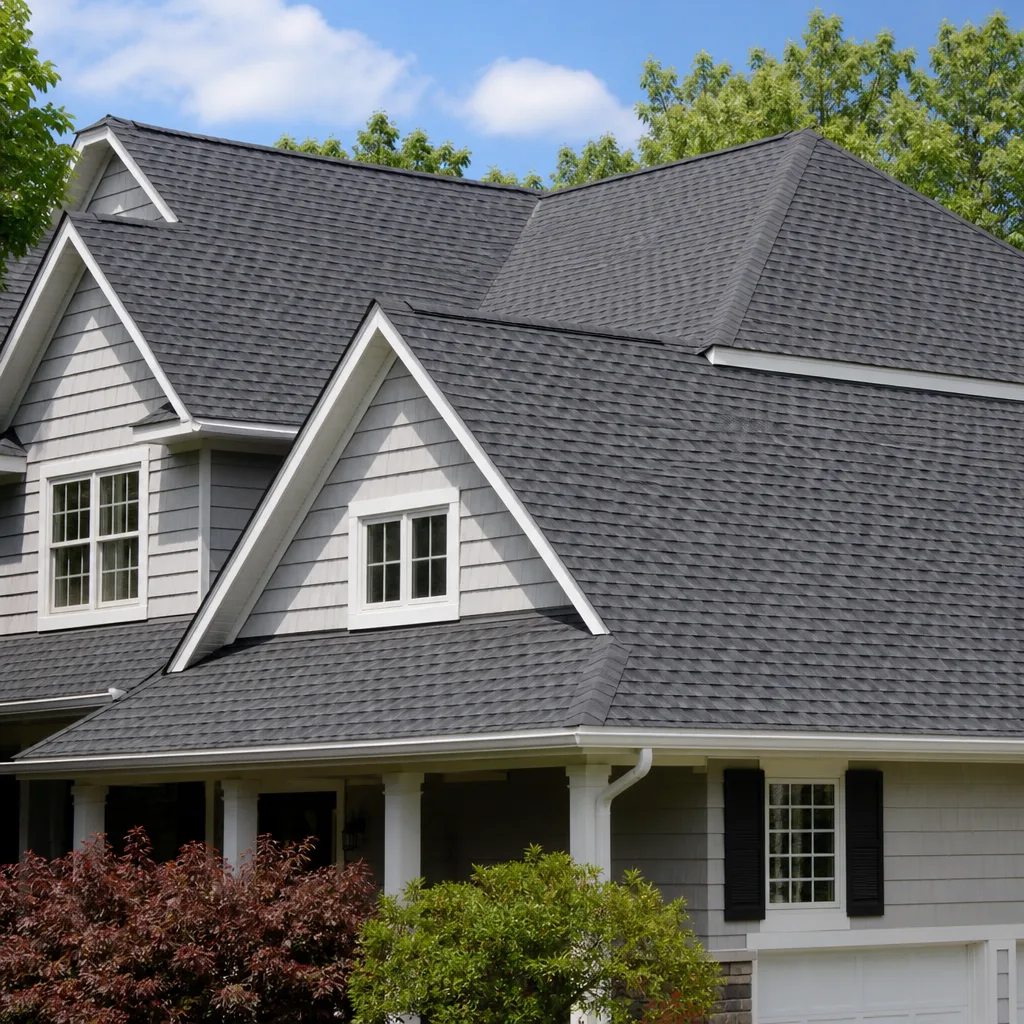
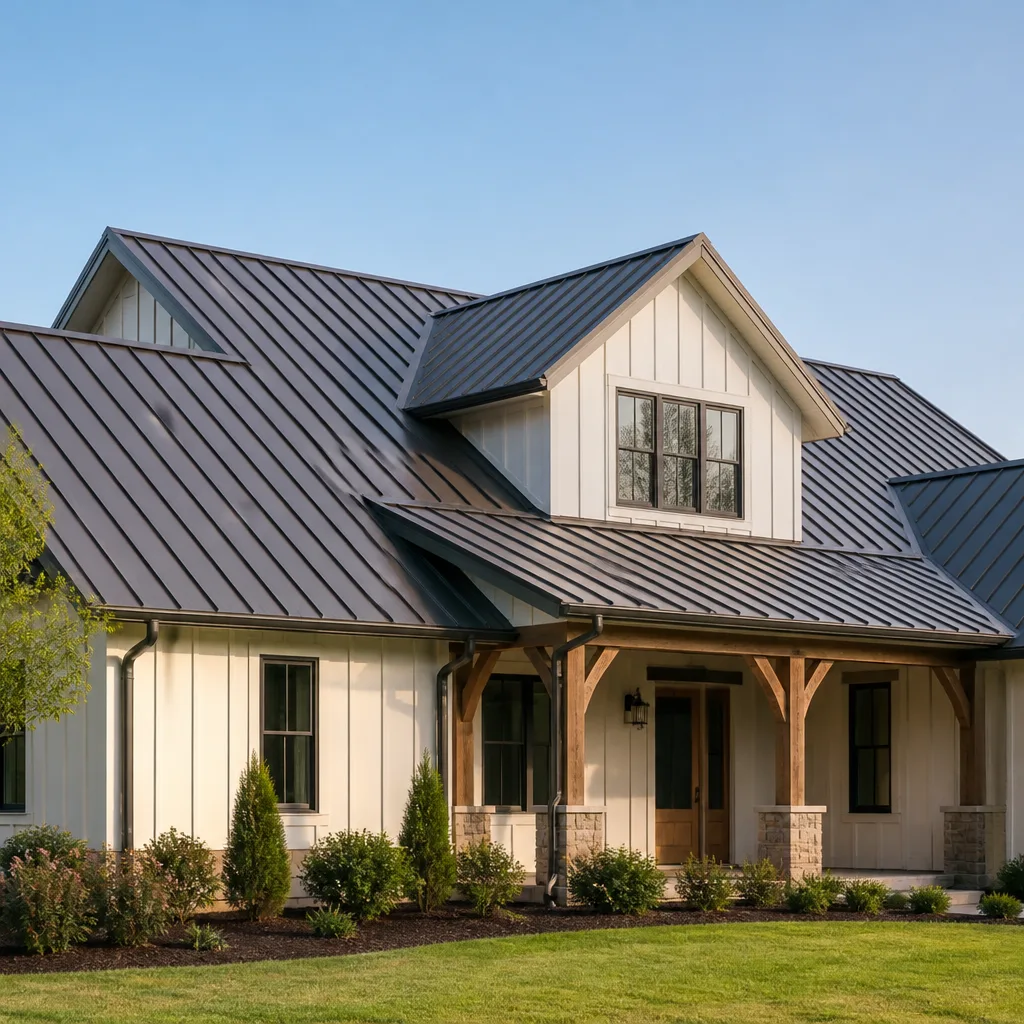
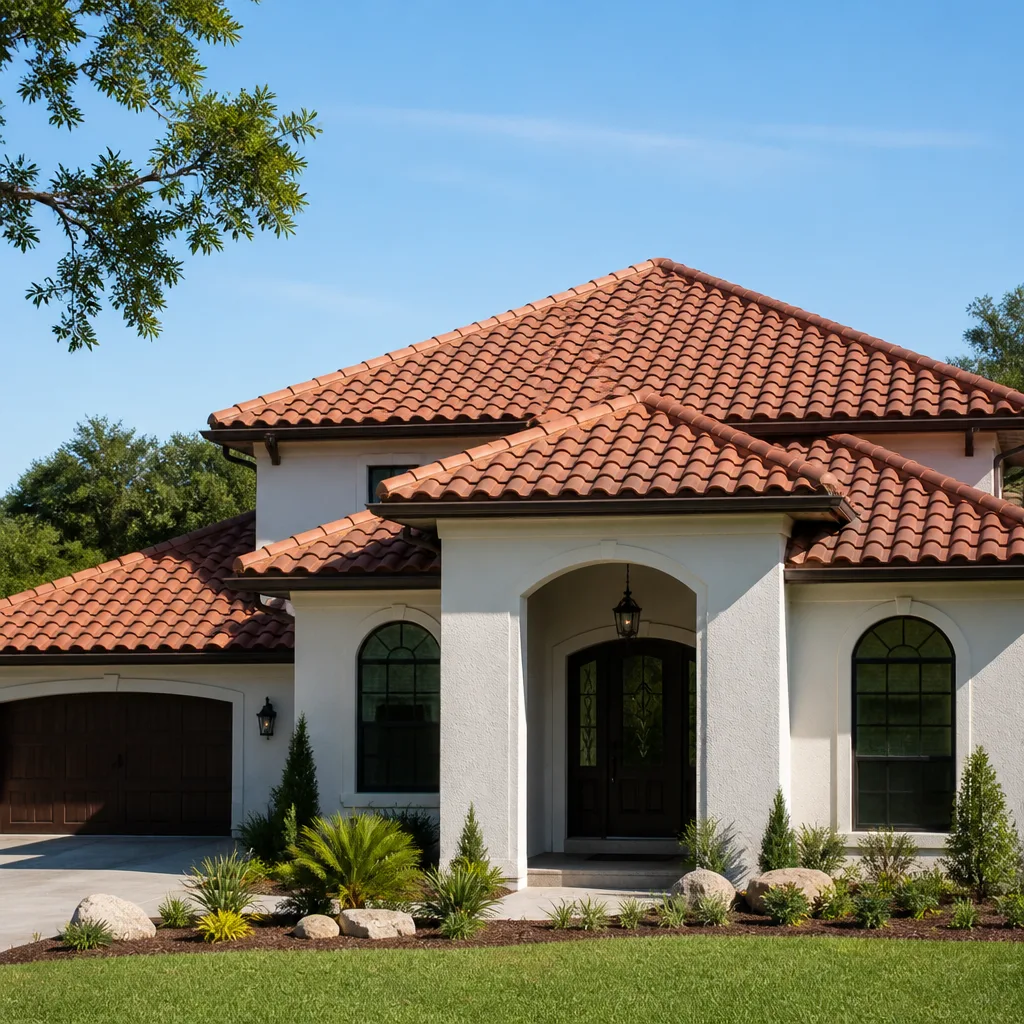
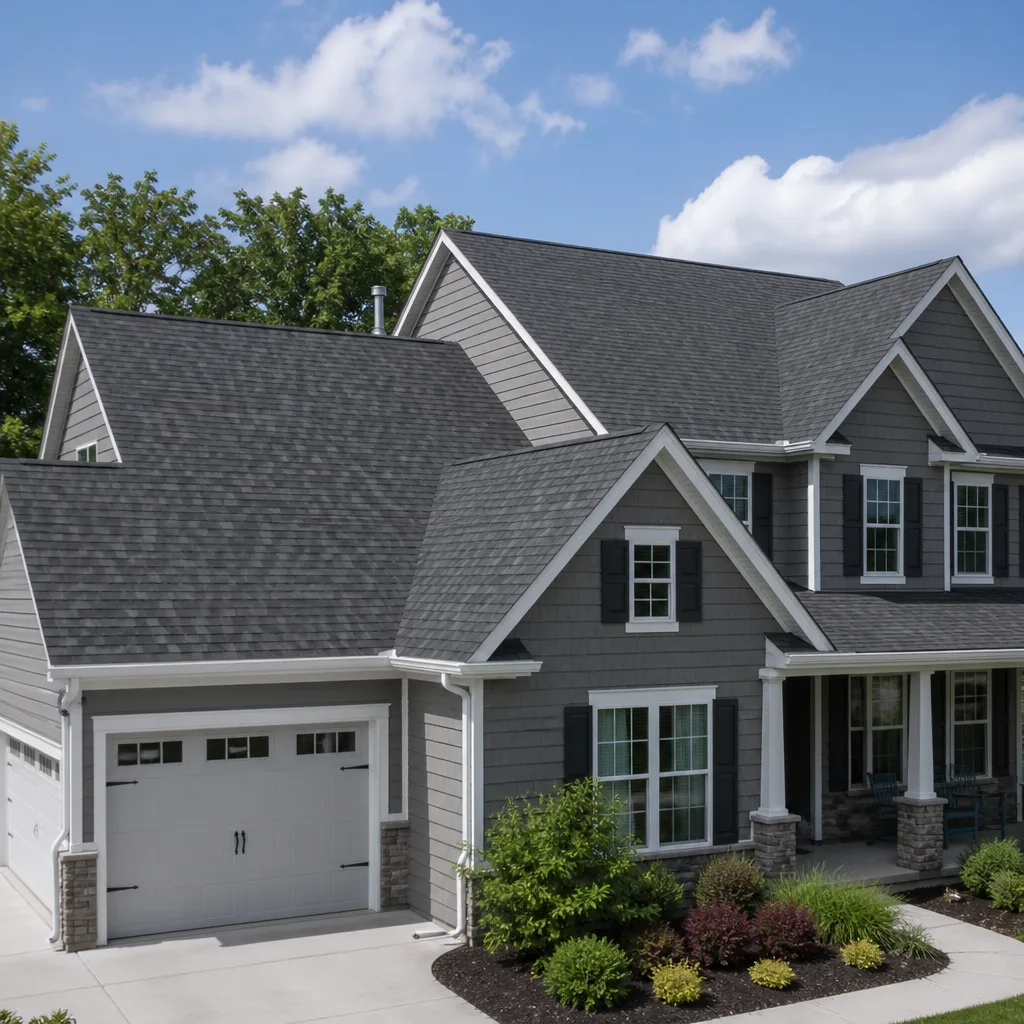
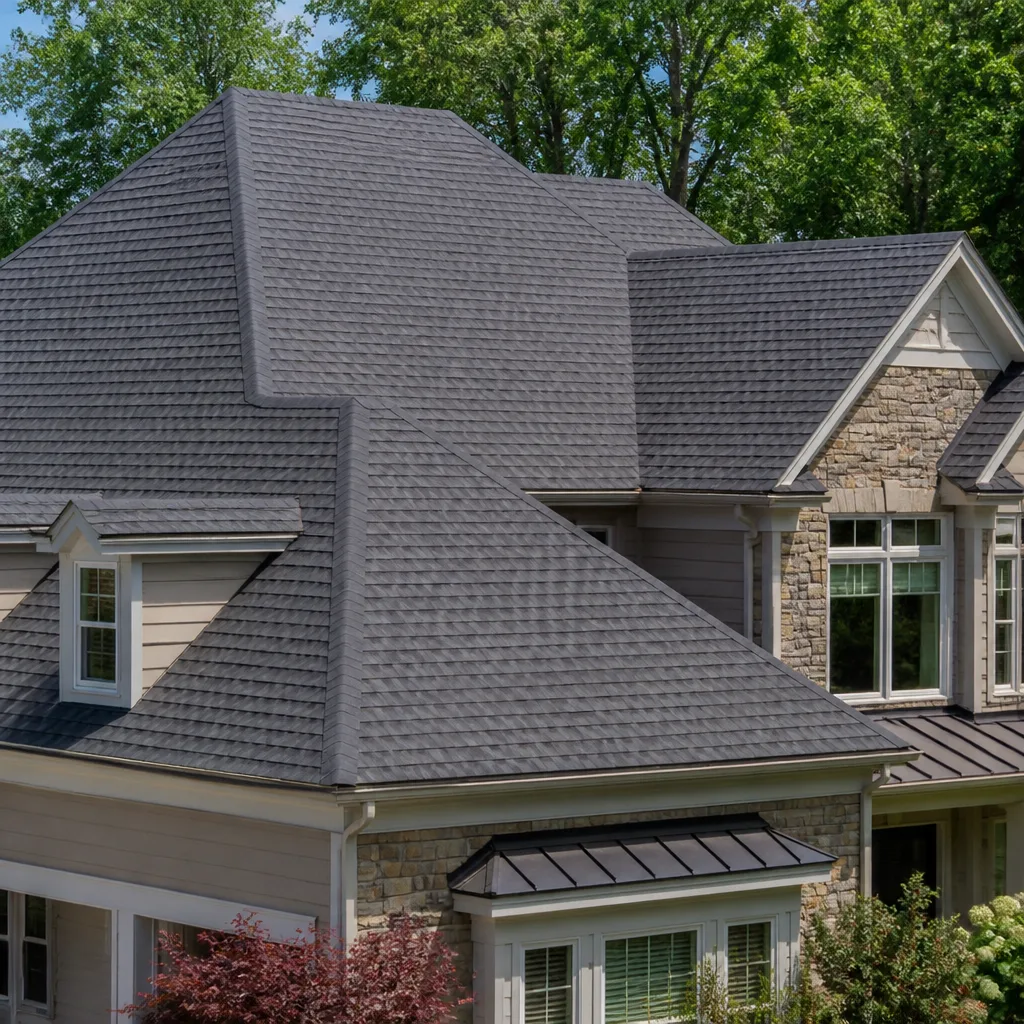
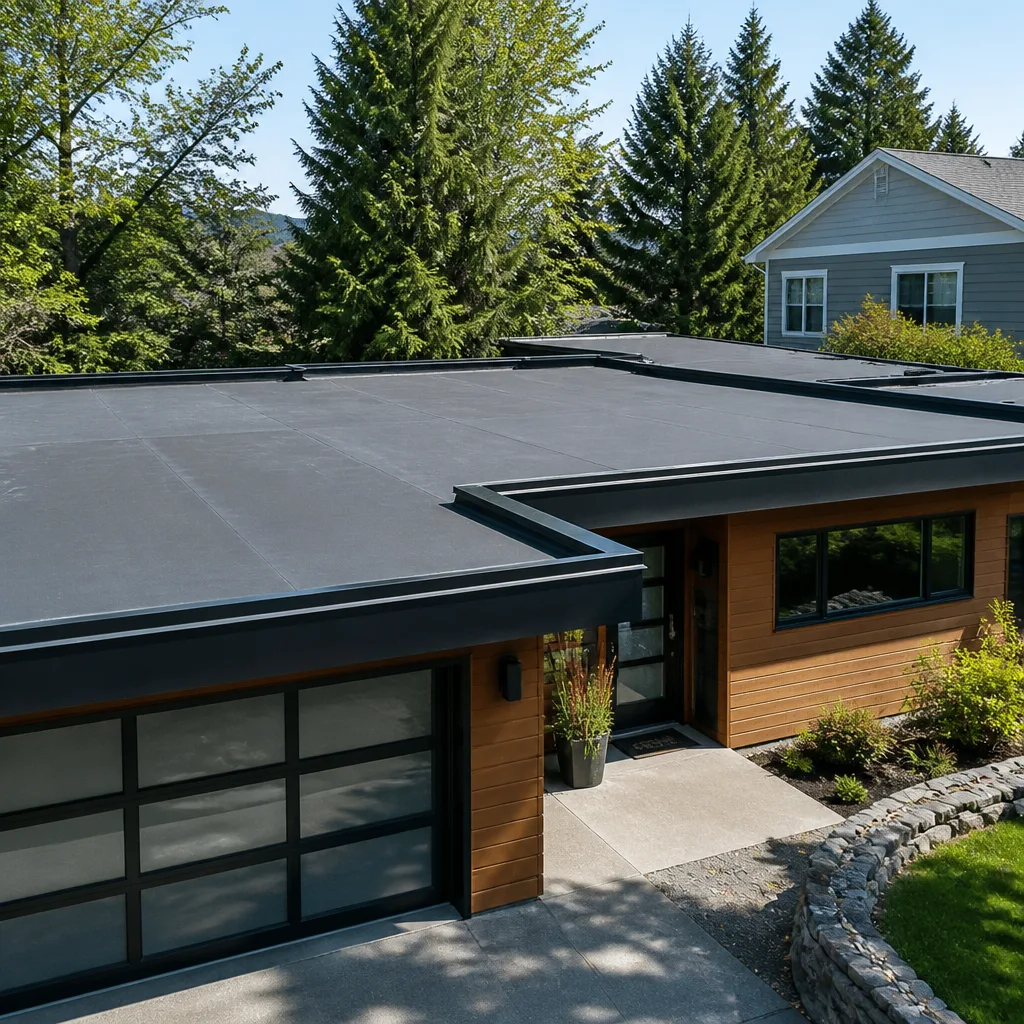
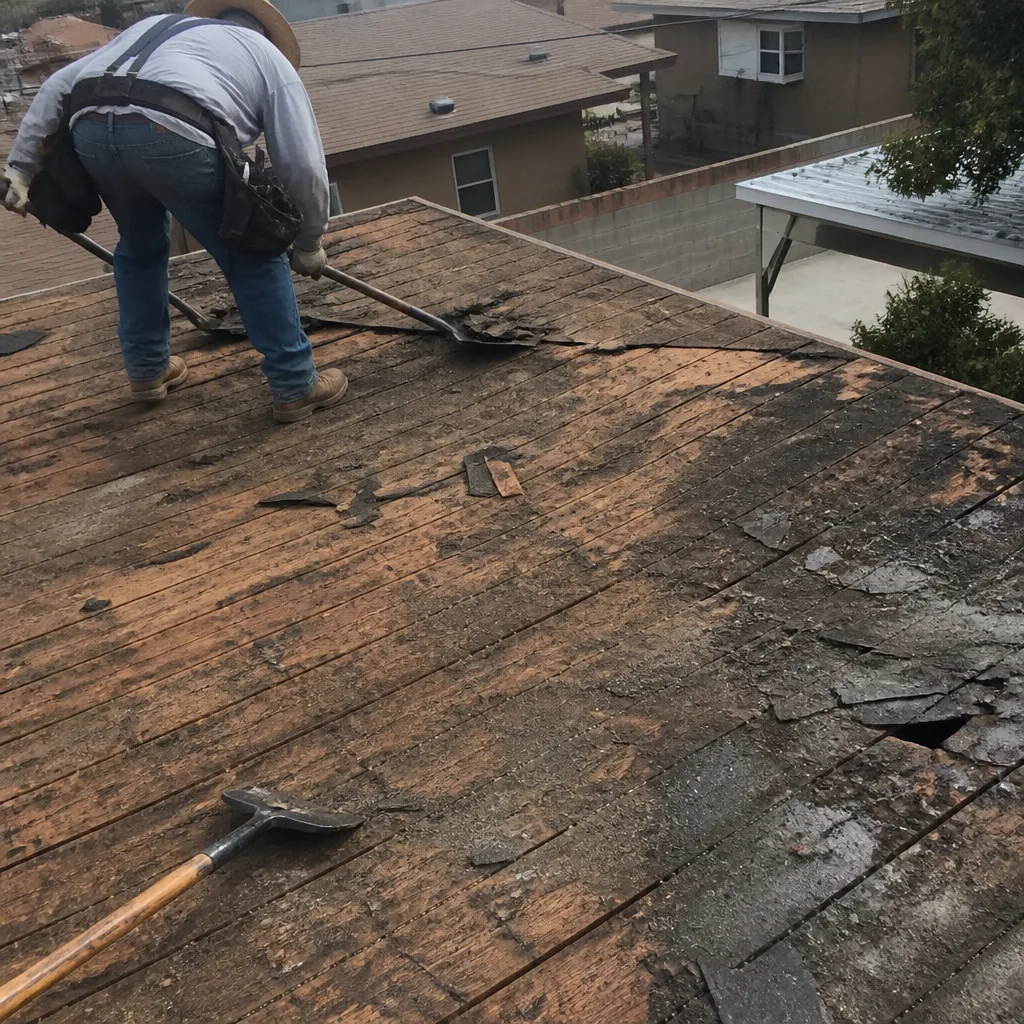 Before
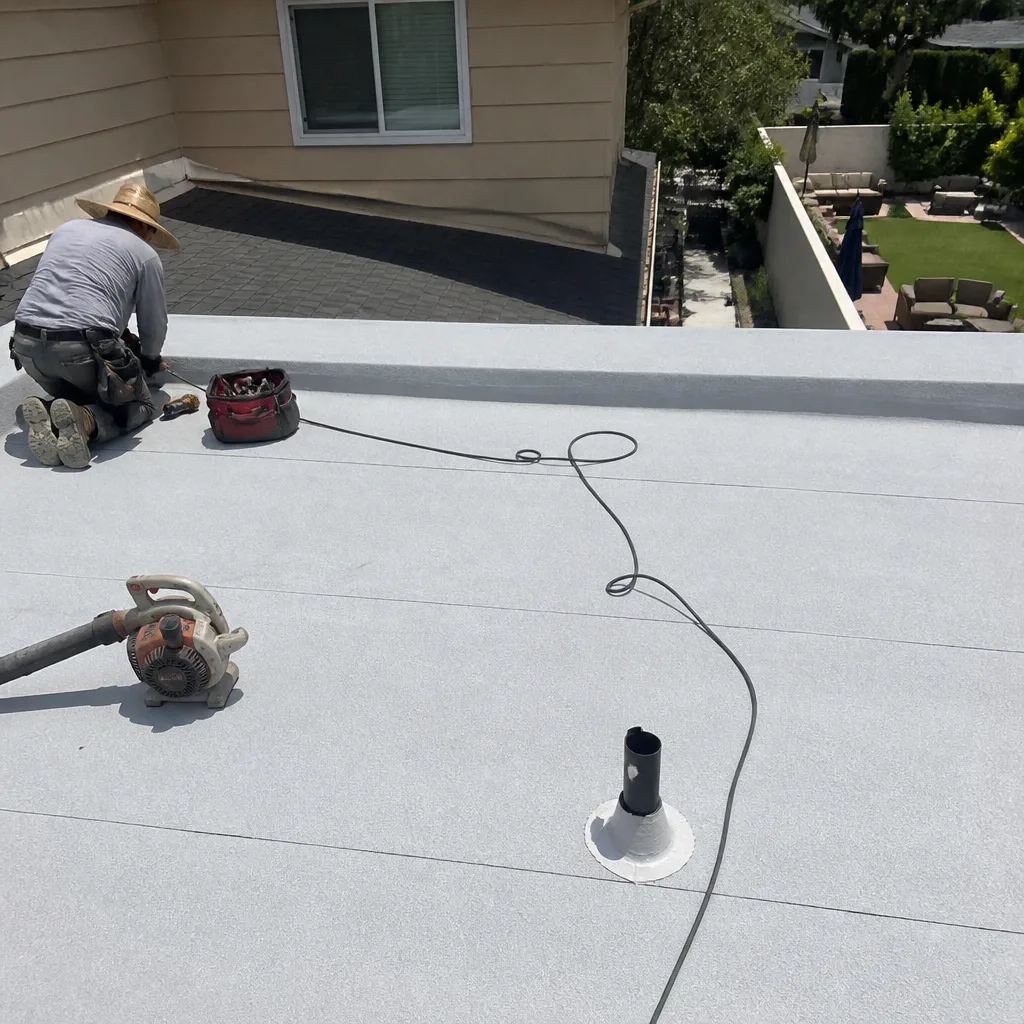 After
After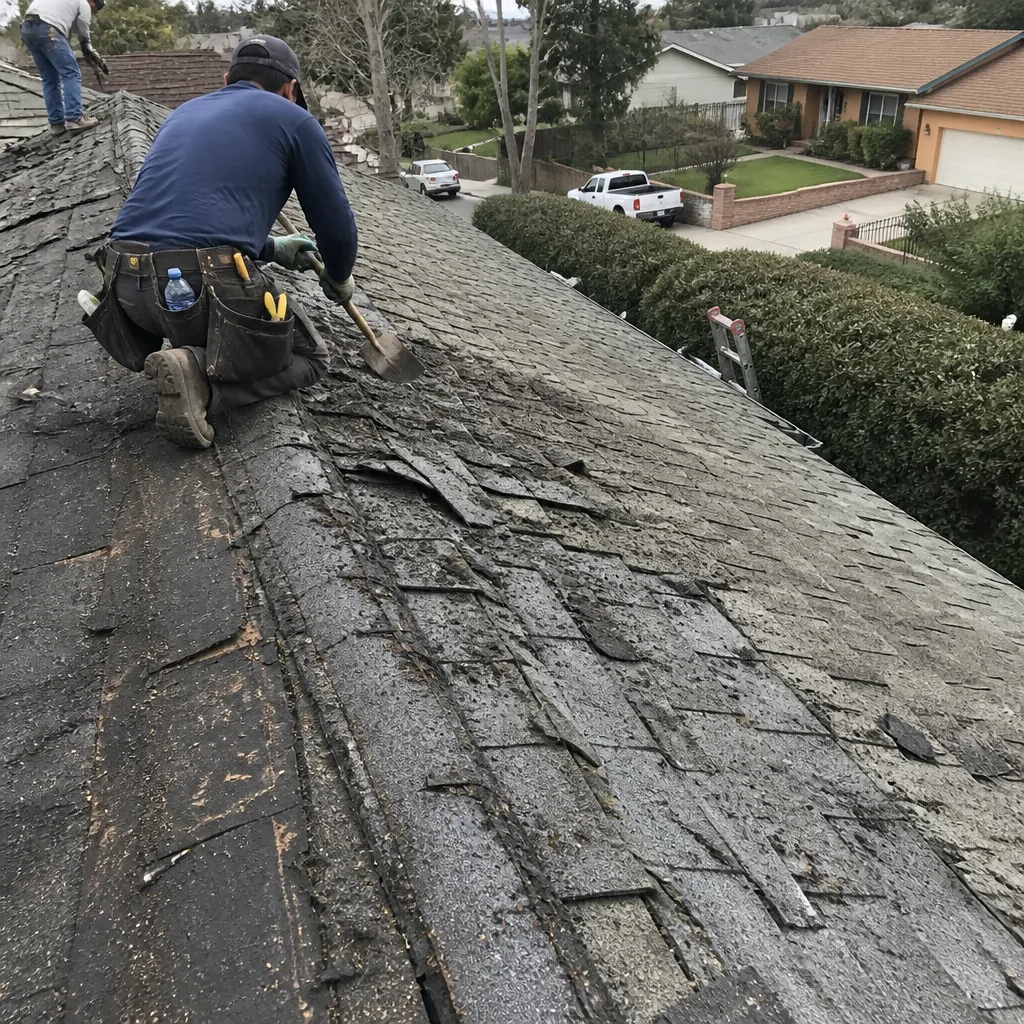 Before
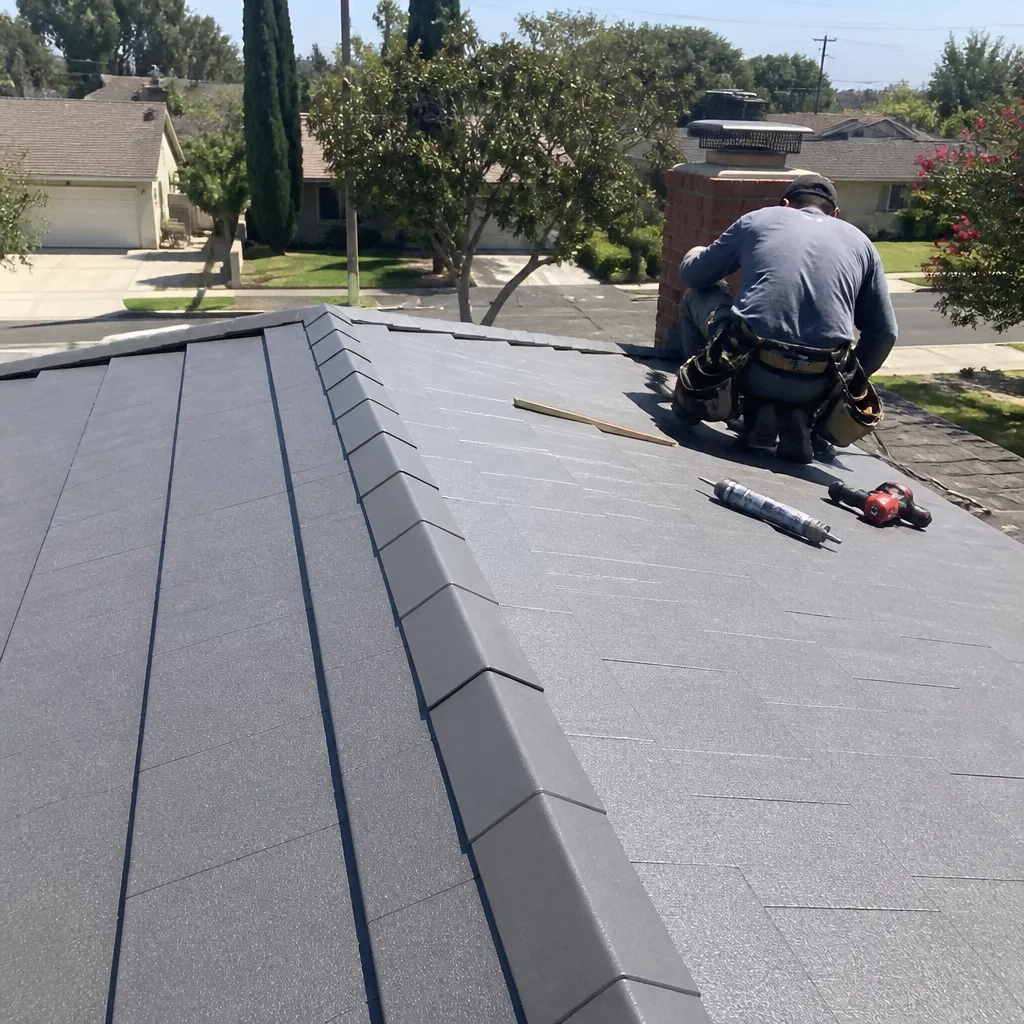 After
After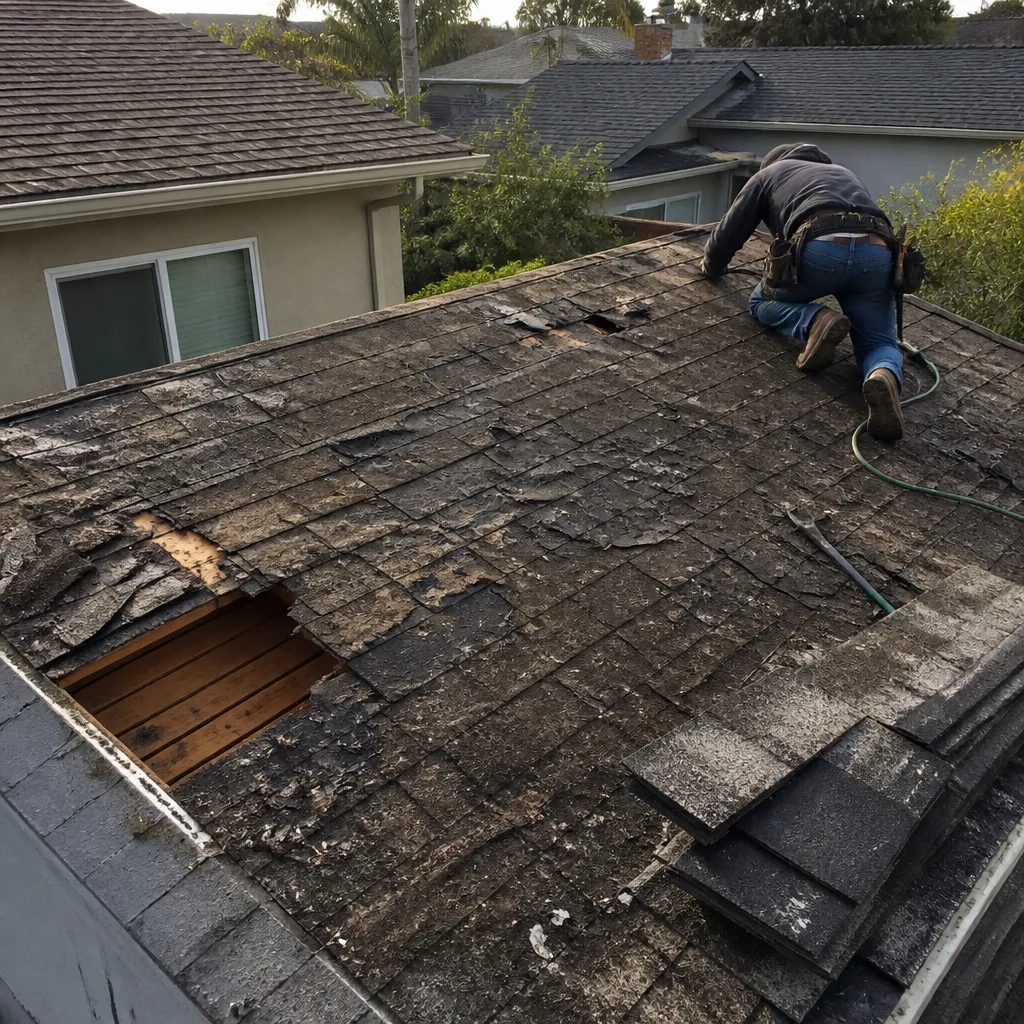 Before
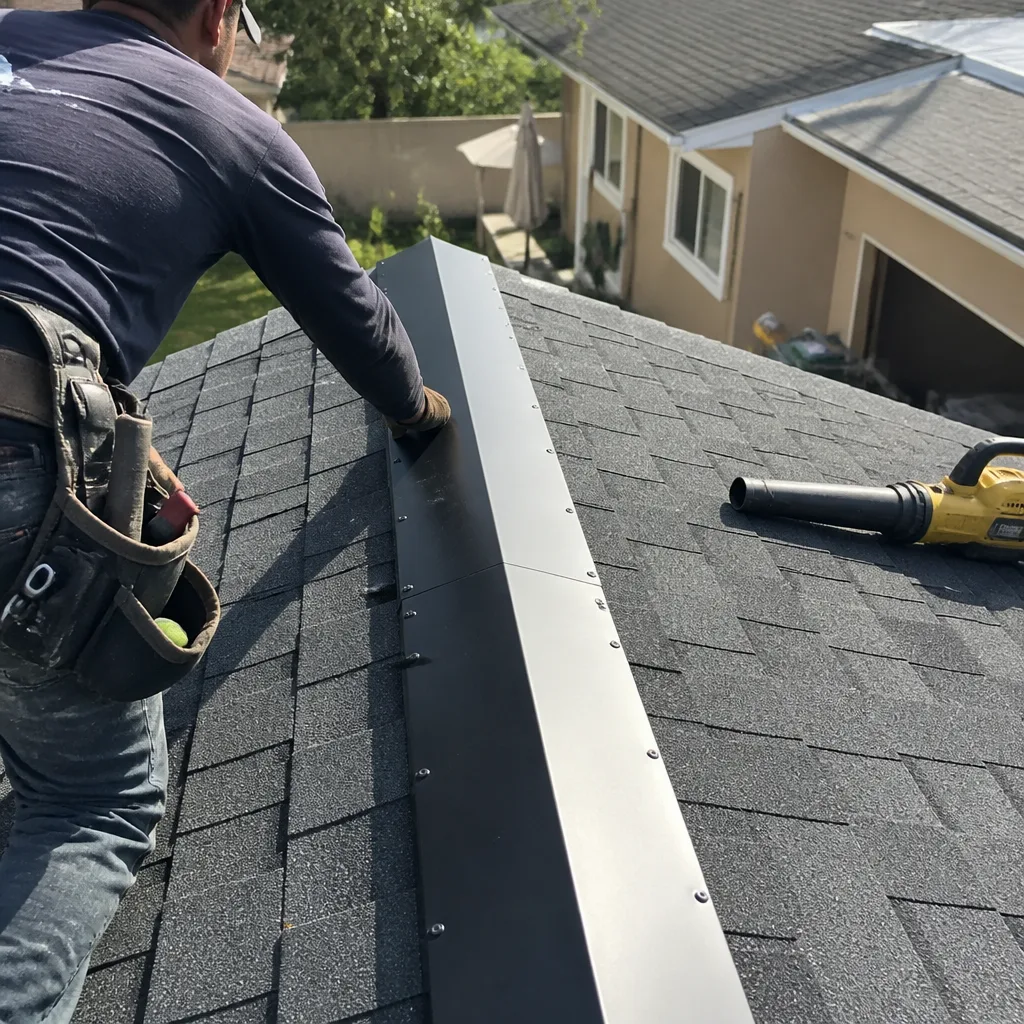 After
AfterThe Complete Guide to Roofing in Los Angeles
A homeowner in Woodland Hills and a homeowner in Venice Beach have almost nothing in common when it comes to roofing, yet most guides treat them identically. Los Angeles spans 469 square miles and shifts from salt-sprayed coastal fog to triple-digit valley heat within a 40-minute drive. What keeps a roof watertight in one part of the city can fail in another within a decade. This guide from Mercer Roofing home maps the microclimates, the dominant roof architectures, the fire codes, and the neighborhood-specific failure patterns so you can make a decision grounded in your actual zip code, not generic advice written for some other city.
Quick Answer
Roofing in Los Angeles means matching materials and maintenance schedules to five distinct microclimates, three dominant roof styles, and LAFD fire-zone restrictions that vary by hillside. A typical LA composite shingle roof lasts 18 to 25 years, a flat membrane roof lasts 12 to 20 depending on sun exposure, and Spanish tile can protect a home for 50 years or more when the underlayment is replaced on schedule. The most common mistake we see is treating the whole city as one climate zone, which shortens roof life and voids manufacturer warranties.
Table of Contents
- The Five Microclimates That Change Everything
- The Three Roof Architectures of Los Angeles
- LAFD Fire Zones and What They Mean at Permit Time
- Why LA’s Sun Damages Roofs Differently Than Cold Climates
- The Neighborhood-by-Neighborhood Cheat Sheet
- What Roofing Materials Actually Cost in Los Angeles
- What a Written Guarantee Should Cover
- Common Mistakes to Avoid
- When to Call a Professional
- Frequently Asked Questions
- The Bottom Line
The Five Microclimates That Change Everything
Los Angeles is not one weather system. It is five. Each one wears on a roof differently, and knowing which one you are in tells you how often to inspect, what materials will last longest, and what your maintenance budget should look like over a decade.
1. Coastal (Venice, Santa Monica, Playa del Rey, San Pedro)
The ocean gives you cool summers and mild winters, but it also gives you constant salt-laden moisture and marine layer fog that sits on roofing materials for hours every morning. Salt accelerates corrosion on metal flashing and fasteners. Algae and moss grow on north-facing slopes and in shaded valleys. Coastal roofs rarely fail from heat, they fail from slow moisture intrusion at flashing points and around penetrations. We recommend annual inspections in coastal Los Angeles, with particular attention to the condition of flashing at chimney bases, vents, and skylights.
2. Valley (Woodland Hills, Encino, Northridge, Sherman Oaks)
The San Fernando Valley regularly hits 100 degrees in July and August, then cools into the 40s on winter nights. That daily temperature swing forces roofing materials to expand and contract, which slowly loosens fasteners and opens seams. Composite shingles in the Valley bake from above, and attic temperatures can exceed 140 degrees, degrading the adhesive strips that hold shingles down. Valley roofs that get full afternoon sun may lose five to seven years off their expected lifespan compared to the same shingle installed in a coastal neighborhood.
3. Hillside (Hollywood Hills, Mount Washington, Laurel Canyon, Bel Air)
Hillside homes face wind, fire code, and terrain access problems. Wind gusts funnel through canyons and lift shingle edges. Fire zones restrict material choices. And the roof pitch on hillside construction can be steep enough that standard ladder work becomes dangerous. Hillside roofing in Los Angeles also carries higher labor costs because staging materials and debris removal require more time and equipment.
4. Inland (Pasadena, Glendale, Burbank, the San Gabriel Valley foothills)
Inland areas get the heat without the ocean breeze. UV exposure is relentless. When rain does come, it often arrives in the form of intense winter downpours that expose small failures quickly. Inland roofs tend to fail from a combination of UV-brittled shingles and water intrusion at the first real rain after a long dry stretch.
5. High-Desert Fringe (Santa Clarita, Palmdale, Lancaster, Acton)
These areas are technically Greater Los Angeles but behave like the desert. Summer temperatures swing 40 degrees between day and night. The air is dry, which slows algae and moss but stresses sealants and adhesives to the point of cracking. Flashings and roof penetrations on desert-fringe homes demand resealing more often than anywhere else in the region.
The Three Roof Architectures of Los Angeles
Most LA homes fall into one of three roof designs. Each has a different cost structure, lifespan, and failure mode, so it helps to know which one you have before you talk to any roofer. For a deeper look at choosing the right contractor, see our The Complete Roofing Company Guide for Los Angeles Homeowners.
Low-Slope Spanish Tile
Spanish tile dominates in older neighborhoods like Hancock Park, Los Feliz, and the historic districts of Pasadena. The tile itself is nearly indestructible, often lasting 50 to 80 years. What fails is the underlayment beneath it. The original underlayment on a 1970s Spanish tile roof was never designed to last decades, and once it deteriorates, water reaches the decking even though the visible tile looks fine. Homeowners often tell us “the tiles are fine,” which is true, while the roof underneath is actively leaking. Reroofing these homes typically means removing and reusing the tile, replacing the underlayment, and resetting the original tiles.
Flat Membrane Roofing
Flat roofs define the mid-century modern homes of the Hollywood Hills, Silver Lake, and Echo Park, as well as many commercial and apartment structures across Los Angeles. Flat roofs use membrane systems: modified bitumen, TPO, or single-ply systems. They require positive drainage and regular clearing of leaves and debris, because ponding water is the leading cause of flat roof failure. A flat roof in full LA sun can degrade at the seams and flashings within 12 to 15 years if not maintained, even if the membrane itself is rated for longer.
Composite Shingle Roofing
Composite asphalt shingles cover most single-family homes in the San Fernando Valley, the South Bay, and the sprawl of suburban Los Angeles. Shingle roofs are the most economical to install and the easiest to repair, but they are also the most vulnerable to heat and UV. If you’re weighing a full replacement, our The Complete Roof Installation Guide for Los Angeles Homeowners breaks down what to expect. The brand matters, and the brands we install most often include GAF and CertainTeed, which have strong manufacturer coverage when installed to spec. A properly ventilated shingle roof in Los Angeles lasts 20 to 25 years. A poorly ventilated one in the Valley can fail at 15.
LAFD Fire Zones and What They Mean at Permit Time
If your home sits in a designated LAFD Very High Fire Hazard Severity Zone, your roofing material choices are legally limited. The Los Angeles Fire Code requires Class A fire-rated roofing assemblies in these areas. That means certain untreated wood shakes are outright prohibited, and some shingle products require specific underlayment assemblies to meet code.
Here is what this means practically when you pull a permit:
- The City will require documentation that your chosen material is Class A fire-rated. Brands like GAF, CertainTeed, and Owens Corning publish fire-rating data for their shingles, so the information is available, but it has to be submitted correctly.
- Hillside rebuilds and significant reroofs may trigger additional requirements for the roof-to-wall intersection and eave construction, particularly in the “ember intrusion” areas the LAFD identifies as highest risk.
- If your roof uses composition shingles over spaced sheathing, code may require you to install solid sheathing before the new material goes on, which adds cost but dramatically improves fire resistance.
- Working with a Roofing Company in Los Angeles that has pulled permits in LAFD fire zones before means the paperwork gets done correctly the first time and the inspection is passed without rework.
We have seen homeowners buy the right material and still get stalled at permit because the fire-rating documentation was not attached. That is the kind of detail that separates a smooth reroof from a three-month headache.
Why LA’s Sun Damages Roofs Differently Than Cold Climates
Most national roofing advice assumes freeze-thaw cycles: water seeps into cracks, freezes, expands, and splits the material. Los Angeles has almost none of that, which is why a shingle roof here avoids the winter cracking you read about in guides written for the Midwest or New England. But what we have instead is relentless ultraviolet radiation and attic heat that cold-climate guides barely mention.
UV radiation breaks down the asphalt compounds in shingles at the molecular level. The shingles lose their granules as the asphalt becomes brittle, and once enough granules are gone, the underlying asphalt is exposed directly to sunlight and degrades even faster. The south-facing and west-facing slopes of a Los Angeles roof typically show visible granule loss and curling three to five years before the north-facing slope, simply because they receive more direct sun.
Attic heat is the second, quieter problem. When attic temperatures rise above 130 degrees, the adhesive strips that bond shingle courses soften and can fail. We have inspected Valley roofs where the shingles were only eight years old but the tabs had completely unsealed on the sun-facing slope. The fix is proper attic ventilation, which is one of the most overlooked factors in LA roof longevity.
If you are in a coastal neighborhood, the UV problem is less severe and the moisture problem is more severe. If you are in the Valley or inland, reverse it. The right maintenance schedule changes accordingly.
The Neighborhood-by-Neighborhood Cheat Sheet
Here is what we actually see when we get on roofs across Los Angeles. This is not generic advice. These are the failure patterns that repeat neighborhood after neighborhood.
Silver Lake and Echo Park
The dominant architecture is flat membrane and low-slope shingle. Flat roofs collect leaves from mature eucalyptus and jacaranda trees, and clogged drains lead to ponding water. We see membrane failures at the scupper and drain connections more often than anywhere else. The move here is twice-yearly drain and scupper cleaning, before and after the rainy season.
The San Fernando Valley
Shingle roofs on postwar tract homes with original or poorly updated attic ventilation. Expect granule loss on south slopes, curling at the eaves, and adhesive strip failure. Valley homeowners should inspect their roof every two years, minimum.
The South Bay (Manhattan Beach, Hermosa Beach, Redondo Beach, Torrance)
Coastal homes with substantial attic ventilation do fine, but the sea air corrodes flashing, fasteners, and vents. We replace rust-through pipe boot flashings in the South Bay more often than anywhere else in Los Angeles. Galvanic corrosion between dissimilar metals is also common on older homes where aluminum flashing was married to copper valleys.
Hollywood Hills and the Canyons
Wind and fire zone together. Wind lifts flashing and loosens tiles on ridgelines. Wildfire ember intrusion is the code-driven concern. If your home is in a fire zone and has a wood shake roof, it is not just a maintenance issue, replacement is required to meet current Class A code before any reroof can be permitted.
Pasadena and the Foothills
Older homes with Spanish tile over failing underlayment. The tile looks perfect, the interior shows water stains after a heavy rain, and the homeowner cannot figure out why. The underlayment is the answer in most cases. Pasadena’s historic districts also have design review requirements that may restrict visible material changes.
What Roofing Materials Actually Cost in Los Angeles
Roofing prices in Los Angeles reflect local labor rates, material transportation, and the cost of pulling city permits, which are not free. Here are realistic ranges for a typical 1,800 to 2,200 square foot single-family home as of 2026:
| Material | Typical Installed Cost | Expected Lifespan in LA |
|---|---|---|
| Composite asphalt shingle (architectural) | $11,000 to $18,500 | 18 to 25 years |
| Flat membrane (TPO or modified bitumen) | $10,000 to $16,000 | 12 to 20 years |
| Concrete tile (new install) | $24,000 to $40,000 | 50+ years |
| Spanish tile underlayment replacement only | $9,500 to $15,000 | 20 to 30 years (underlayment) |
| Standing seam metal | $28,000 to $45,000 | 40 to 60 years |
These are installed prices including tear-off of the old roof where applicable, new underlayment, and the basic permit fee. Tile and metal carry a premium because the material costs more to manufacture and transport, and installation requires more skill and time. Composite shingle pricing varies by brand and warranty tier. We install GAF, CertainTeed, and Owens Corning shingles most often in Los Angeles because their fire-rated assemblies are well documented for LAFD submissions.
Atlas and Tamko also produce solid products, and we are happy to discuss which brand fits your budget and warranty expectations during the estimate. For a deeper breakdown of what goes into an installation quote, see our Roof Installation in Los Angeles page.
What a Written Guarantee Should Cover
Two warranties matter on every roof job, and they are different things. The manufacturer warrants the material against defects. The contractor warrants the installation workmanship. In Los Angeles, where UV and heat stress materials faster than most of the country, contractor workmanship guarantees are the one that matters most in the first five years.
Every repair we complete at Mercer Roofing includes a written guarantee. It is not a handshake. The guarantee is on paper, it states exactly what was repaired, and it is valid for 365 days. For more on spotting problems early, read our The Complete Roof Repair Guide for Los Angeles Homeowners. If the repair fails within that window, we return at no charge and make it right. No re-billing the homeowner for the same leak. No arguing about whether it was a “new” problem. The guarantee is part of the job, included on every repair, every time.
Our 365-Day Done Right Promise extends the same principle to the full scope of our work: if it is not done right within a year, we make it right. Homeowners in Los Angeles should ask any roofing contractor the direct question: “Is your workmanship guarantee in writing, and what exactly does it cover?” If the answer is vague, that is your answer.
Common Mistakes to Avoid
- Treating the whole city as one climate zone. A maintenance schedule that works in Santa Monica will not protect a roof in Woodland Hills. Know your microclimate and inspect accordingly.
- Ignoring the underlayment on a Spanish tile roof. Tile can look pristine while the underlayment beneath it is disintegrating. If your home is over 30 years old and has original underlayment, have it evaluated.
- Assuming a material warranty covers installation problems. Manufacturer warranties cover material defects, not poor workmanship. Put your trust in the contractor’s written workmanship guarantee, and get it in writing.
- Letting flat roof drains clog. Ponding water is the number one killer of flat roofs in Los Angeles. Clear scuppers and drains twice a year, before and after the rains.
- Skipping permits in a fire zone. An unpermitted roof replacement in a Very High Fire Hazard Severity Zone can complicate your home insurance and future sale. Pull the permit.
- Choosing a roofer based on the lowest quote. The lowest bid often skips the underlayment replacement, the attic ventilation correction, or the permit. Three months later, the “savings” is a water stain on your ceiling.
- Replacing a roof without addressing attic ventilation. Even premium shingles fail early in the Valley when the attic is cooking at 140 degrees. Ventilation is part of the roof system.
When to Call a Professional
Some roof problems announce themselves: water dripping through a ceiling, shingles on the ground after a windstorm, a visible sag in the roofline. But most damage accumulates quietly. If you see granule buildup in your gutters, curling at the shingle edges, or if your roof is more than 15 years old and has never been professionally inspected, you are due for an evaluation. In fire zones, any visible damage should be addressed before the next Santa Ana season. Roof Repair in Los Angeles is far less expensive than water damage remediation. Mercer Roofing offers free estimates in Los Angeles, call (743) 200-8347 to schedule yours.
Frequently Asked Questions
A new composite shingle roof on a typical Los Angeles home costs $11,000 to $18,500 installed, while a flat membrane system runs $10,000 to $16,000, and tile or metal start around $24,000. Your specific price depends on roof size, pitch, number of stories, and whether the old roof needs tear-off. Call (743) 200-8347 for an exact quote, estimates are free.
A composite shingle roof in Los Angeles lasts 18 to 25 years, a flat membrane roof 12 to 20 years, and a tile roof 50 years or more with proper underlayment replacement. The biggest variable is your microclimate: Valley roofs burn out faster from heat, coastal roofs fail from moisture at flashing points.
Yes, reroofing in Los Angeles requires a permit from the Los Angeles Department of Building and Safety, and fire zone homes have additional Class A material requirements. A reputable contractor includes permit costs in the written quote and handles the paperwork for you. Call (743) 200-8347 if you want to understand what permits your specific roof needs.
For heat resistance in the Valley and inland areas, concrete tile and standing seam metal handle UV exposure better than composite shingle, though high-quality architectural shingles with proper attic ventilation perform well. The best material is the one correctly installed for your microclimate and roof slope. Call (743) 200-8347 for a free estimate and a discussion of what fits your home.
No, our written price is provided before any work begins, every time, with no surprises on the invoice. The only exception would be if we uncover hidden decking rot or structural damage that no one could see before tear-off, and we discuss that with you in writing before any additional work proceeds.
Yes, Mercer Roofing handles the permit application and inspection process for every reroof in Los Angeles. We document the fire-rating specifications when your home is in an LAFD Very High Fire Hazard Severity Zone, and we do not start work until the permit is approved. Call (743) 200-8347 to get your free estimate started.
The Bottom Line
The roof over your head does not fail because of one dramatic event. It fails because small things go unnoticed: a corroded flashing in the South Bay, a clogged drain in Silver Lake, a baked underlayment in Pasadena. Los Angeles rewards homeowners who understand their microclimate and choose a roofer who writes everything down. Prices before work starts, guarantees in black and white, a trained technician whose name and photo you know before they arrive. That is the standard every LA homeowner should expect, and it is the standard we hold ourselves to on every single roof. Explore more guides & resources to protect your home.
Written by Grant Whitlock, Owner at Mercer Roofing, serving Los Angeles since 2000.