
Last updated October 9, 2026
Free roof inspection with deck photos before we talk money - GAF and Owens Corning certified installation
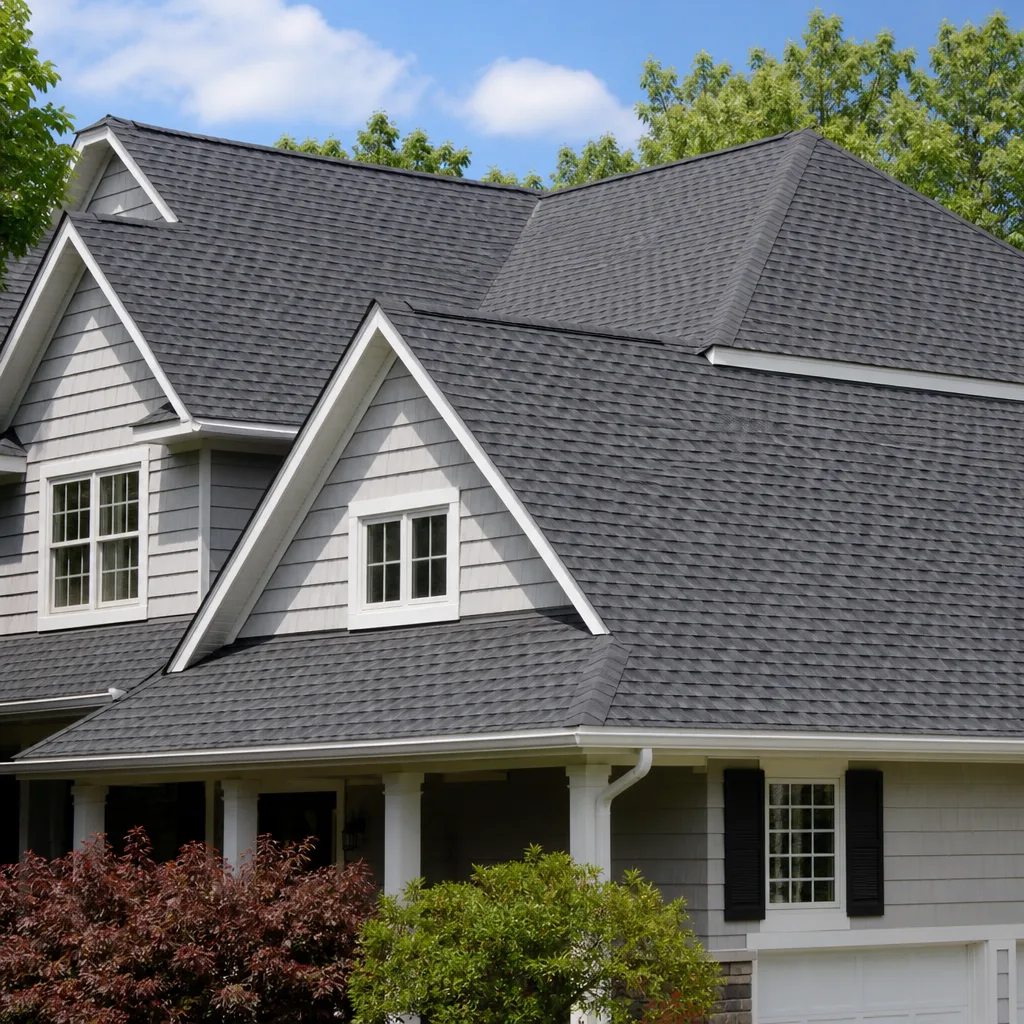
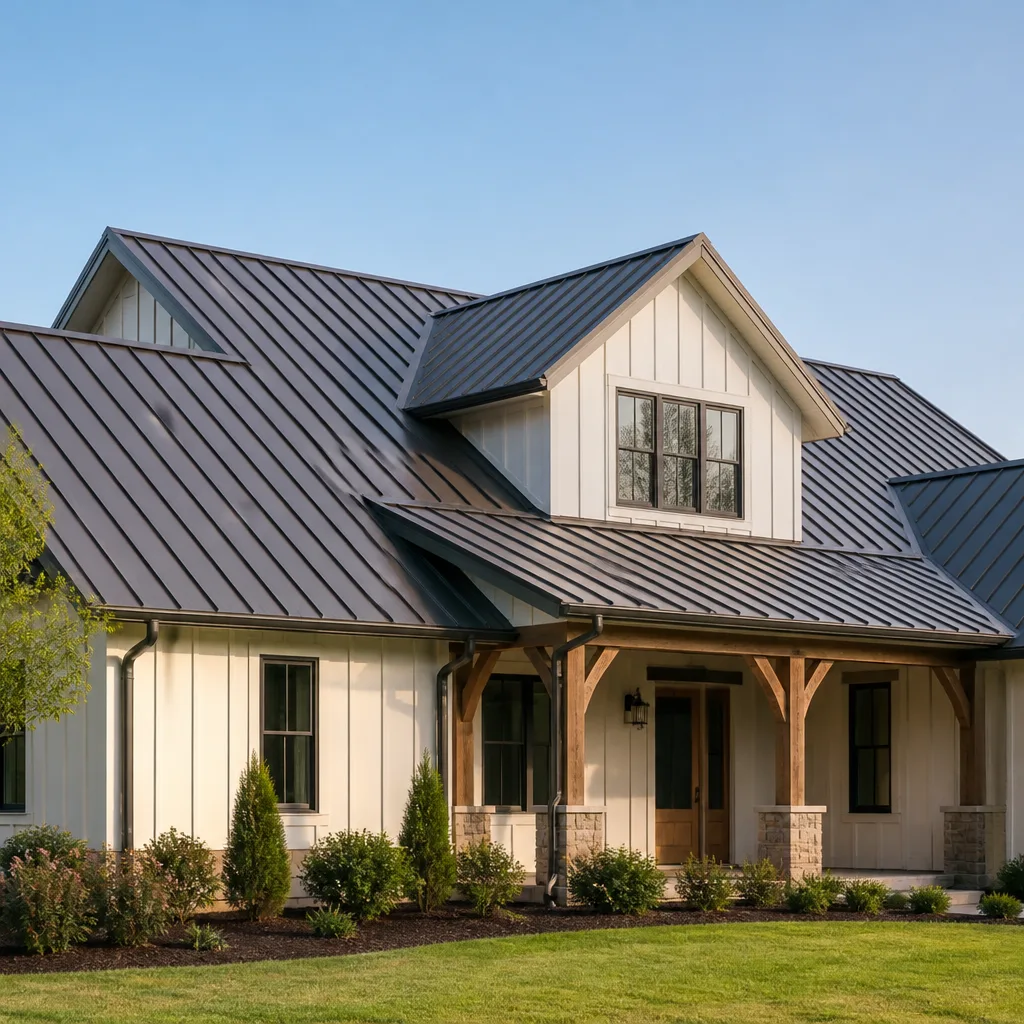
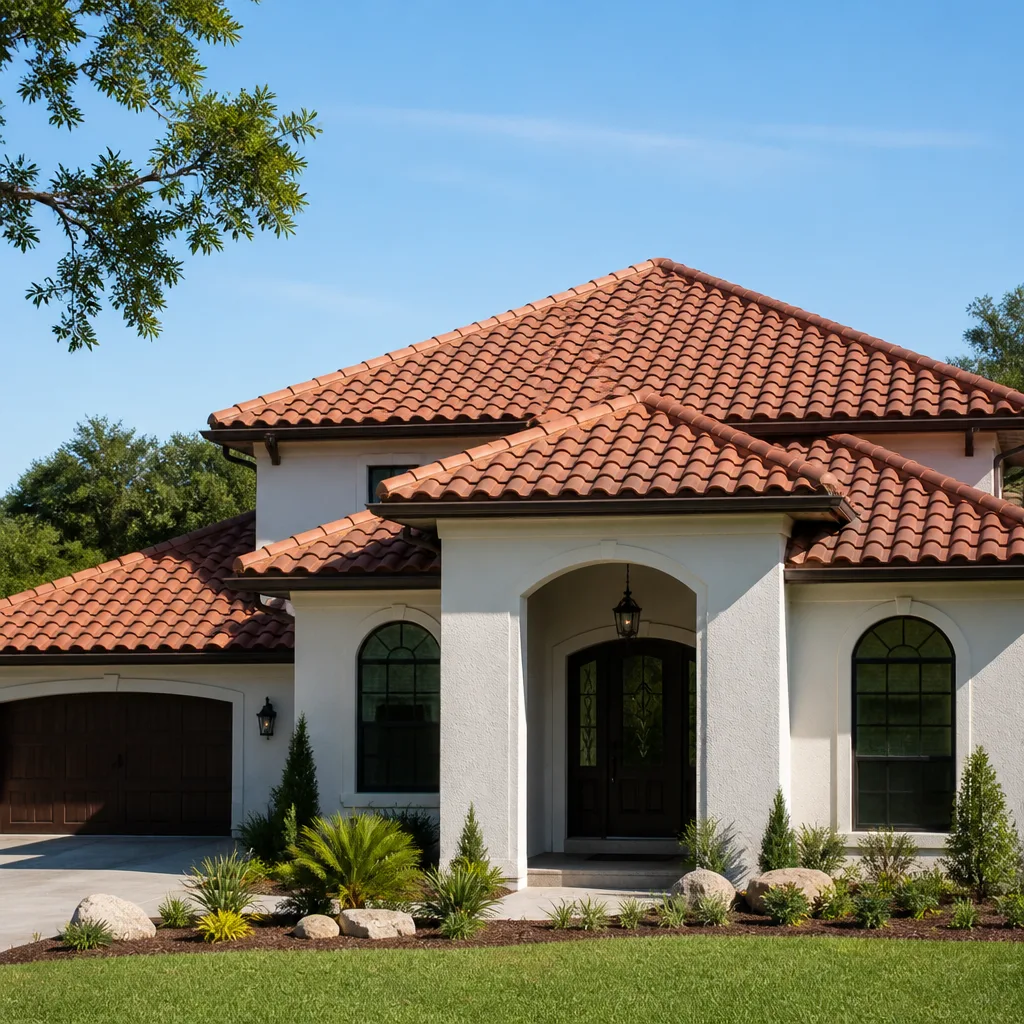
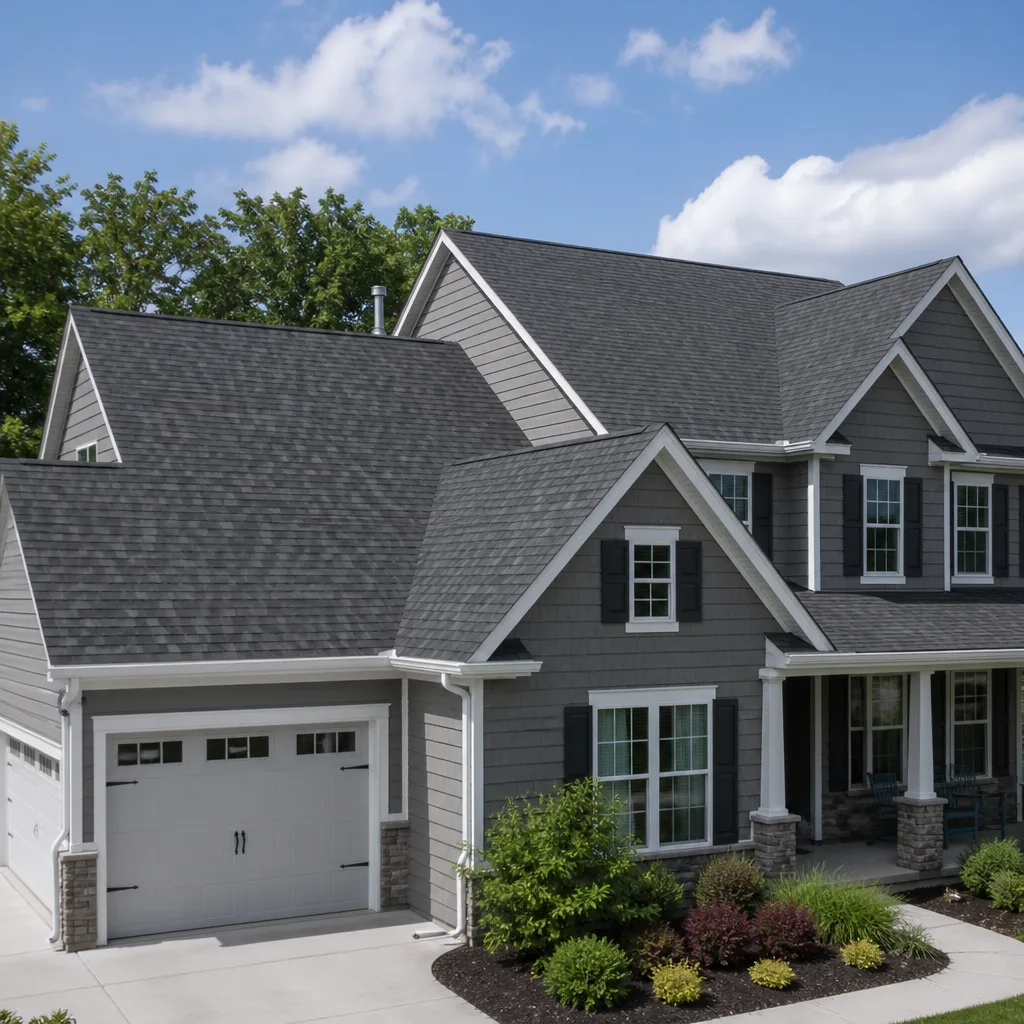
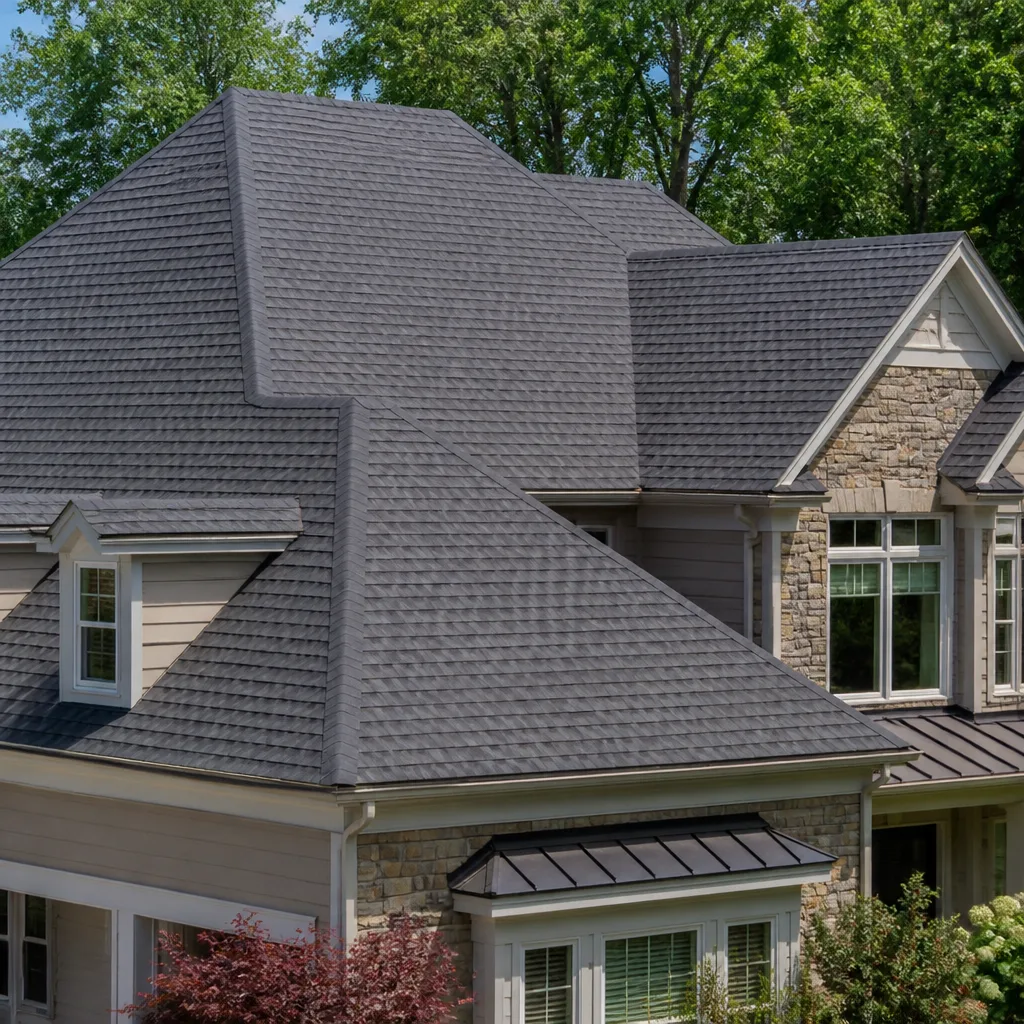
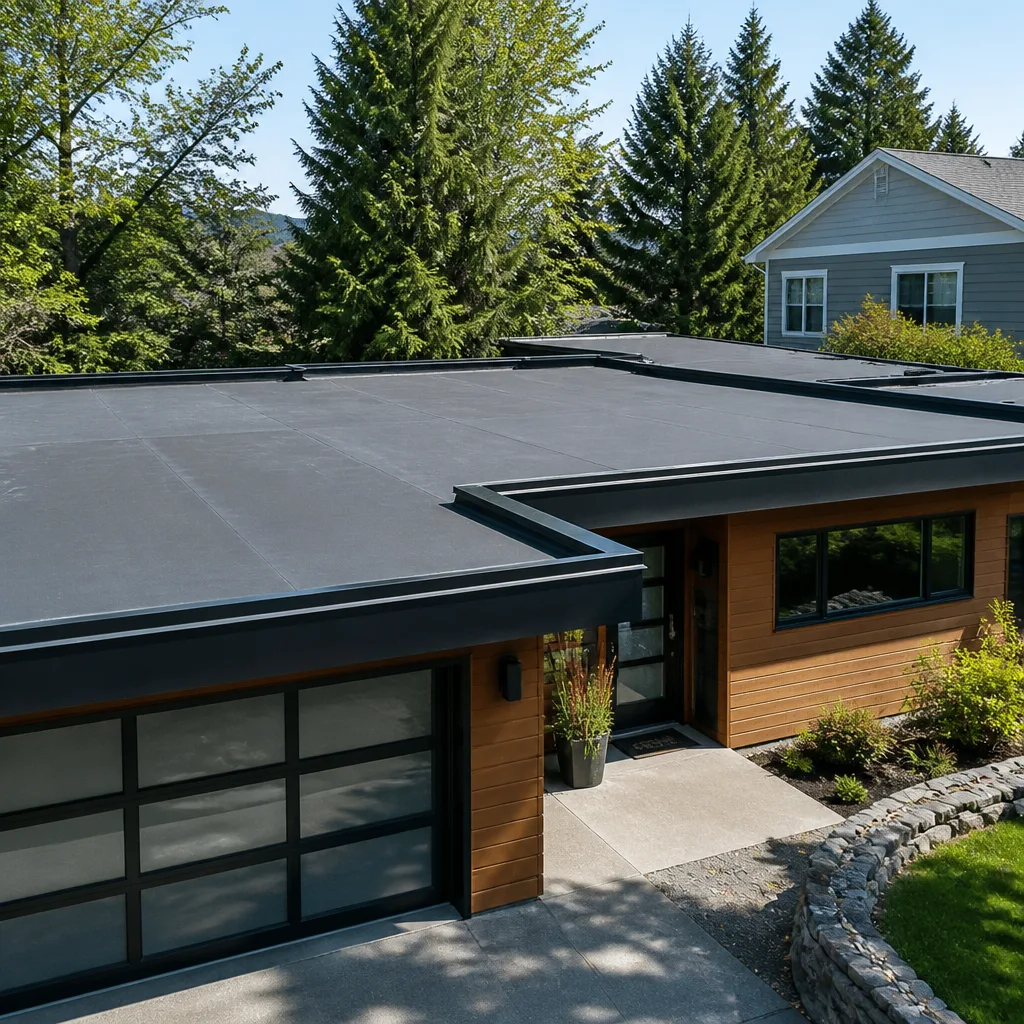
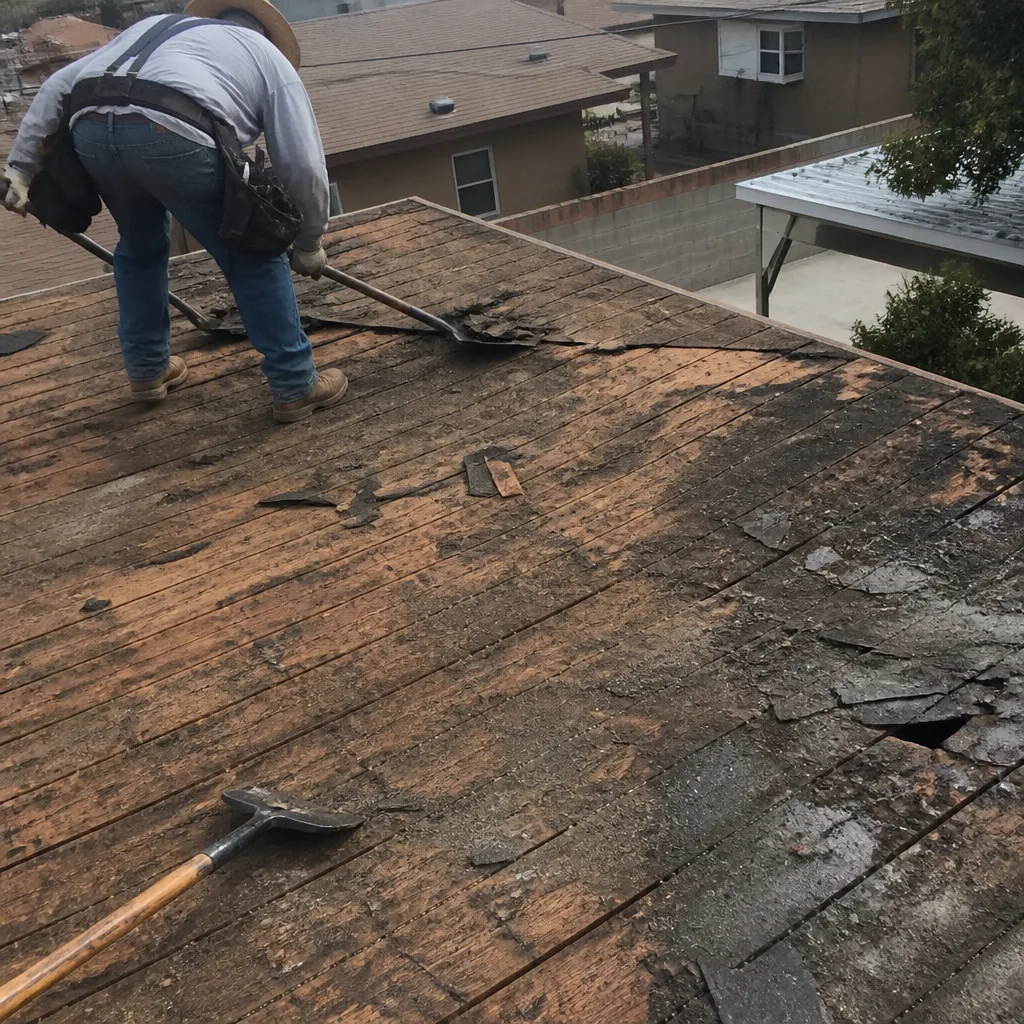 Before
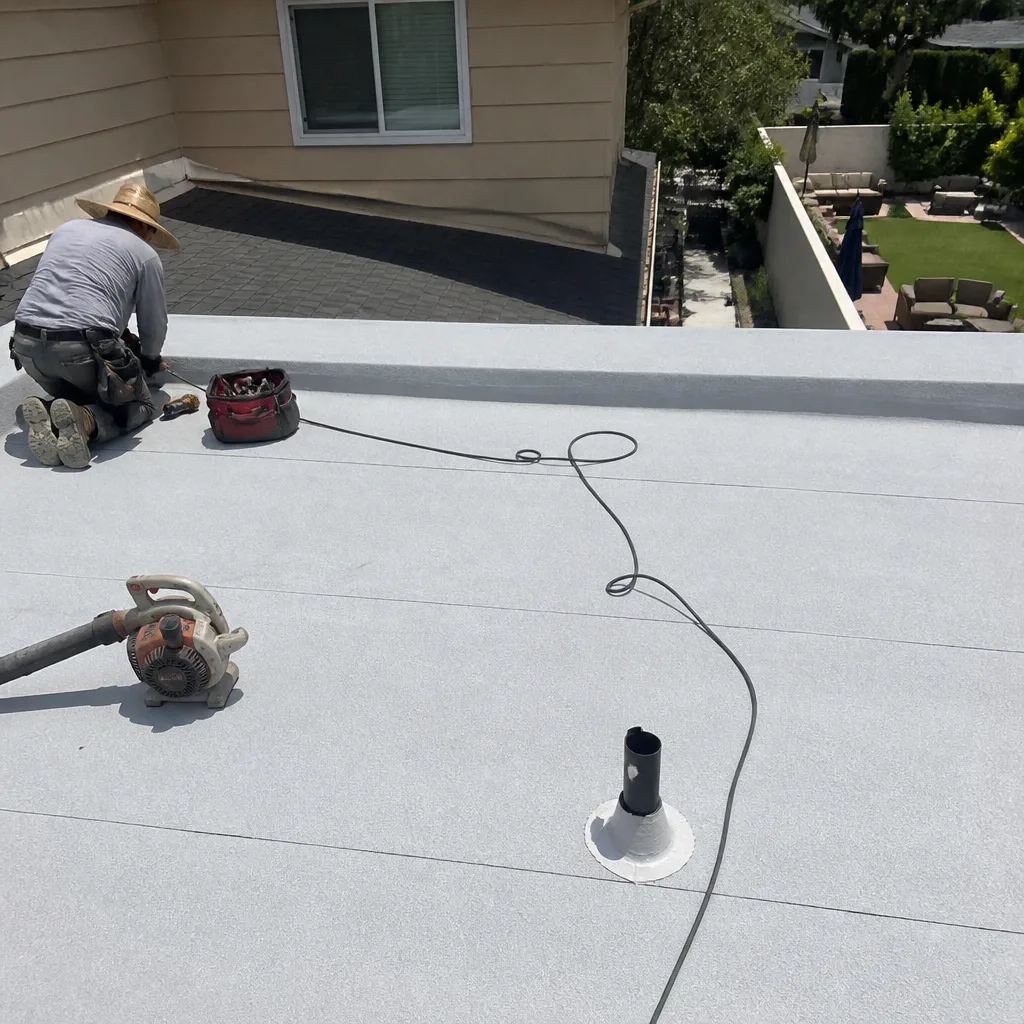 After
After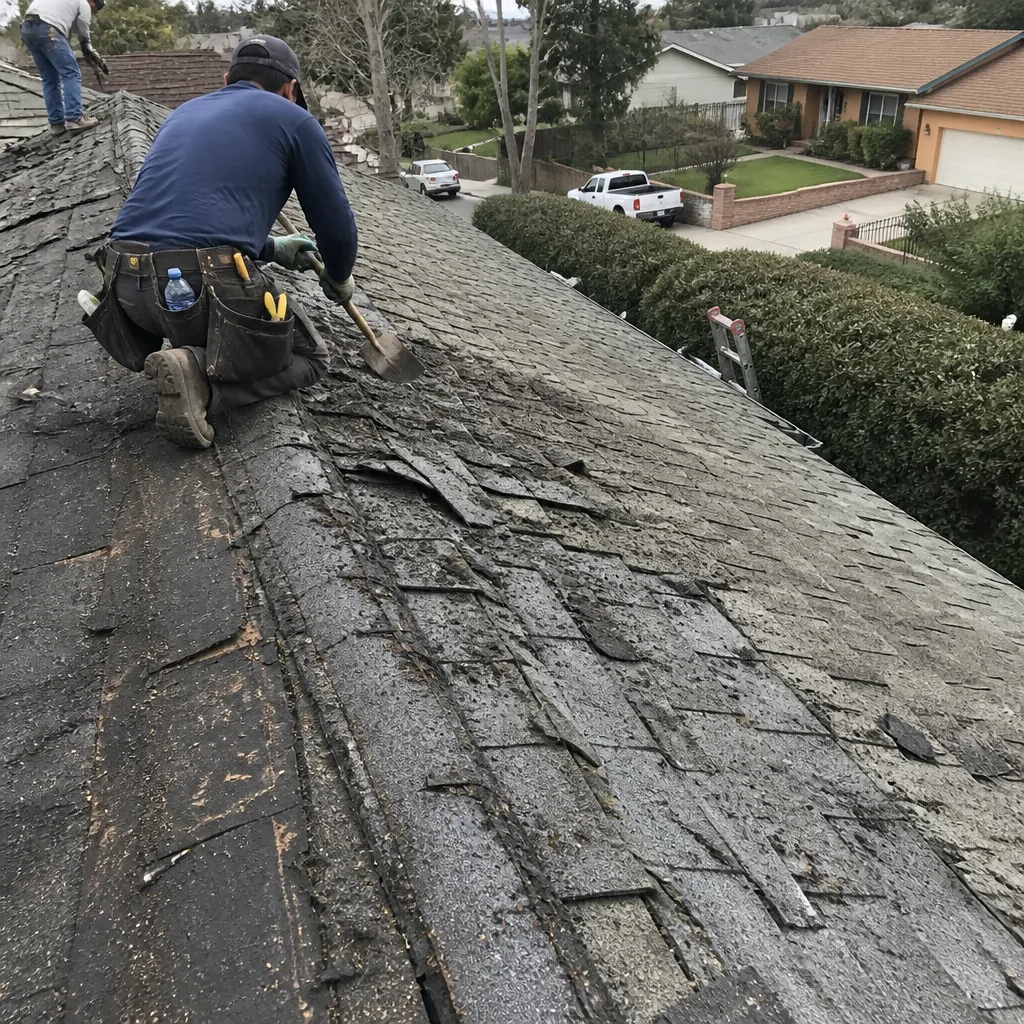 Before
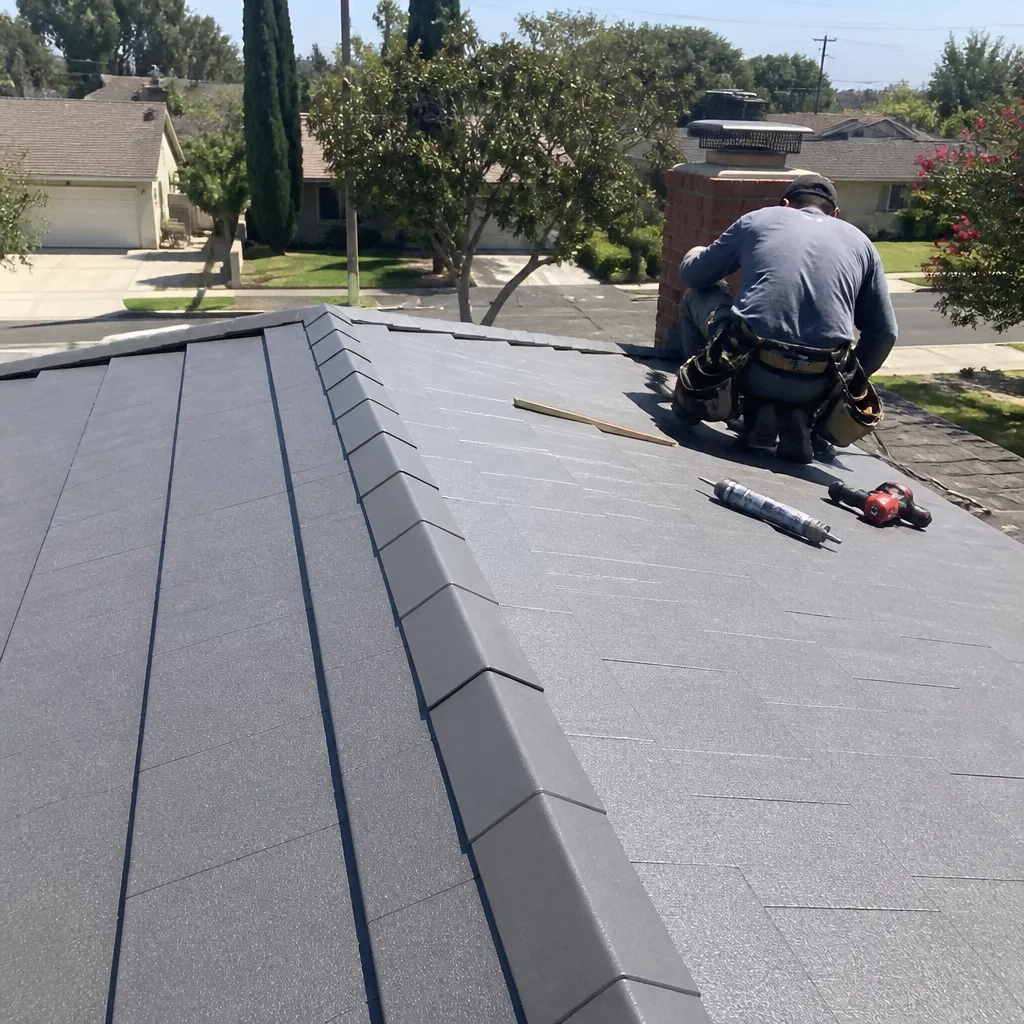 After
After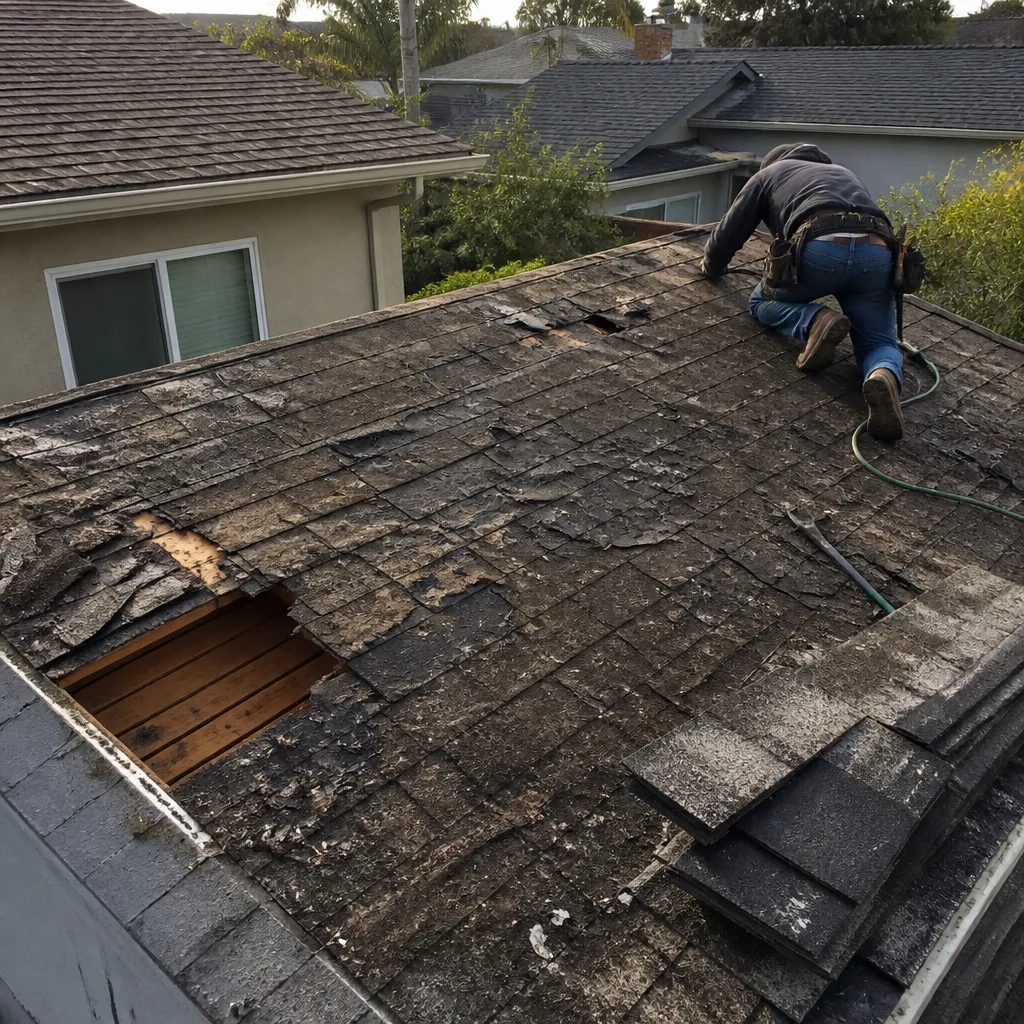 Before
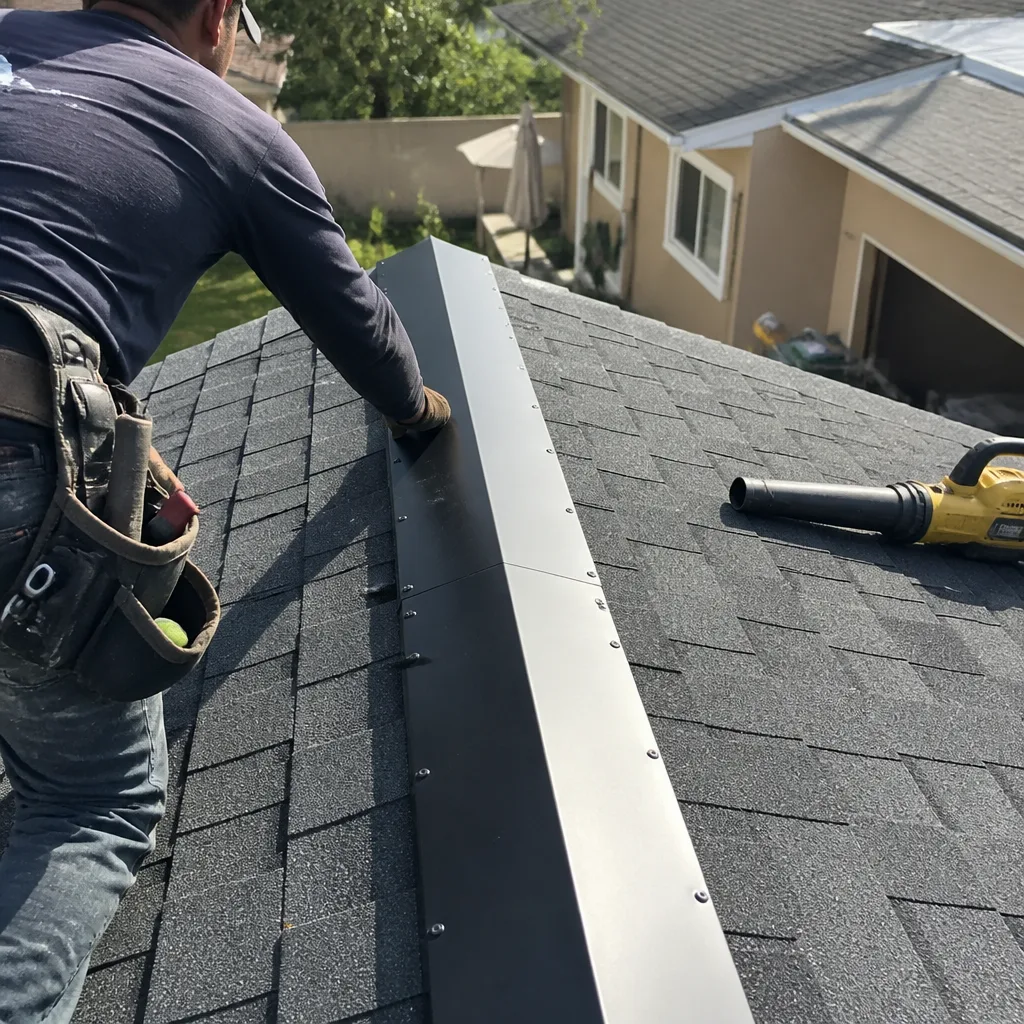 After
AfterThe Complete Roofing Company Guide for Los Angeles Homeowners
The California Contractors State License Board logged more than 20,000 complaints about unlicensed contractors in a recent year, and roofing consistently ranks in the top three trades for those complaints. In Los Angeles, the problem spikes measurably every January after the first significant rain of the season, when storm chasers and unlicensed operators fan out across neighborhoods from Encino to Eagle Rock. This guide is not about shingle brands or installation techniques. It is a buyer’s manual for verifying legitimacy before you let anyone walk on your roof. You will learn how to check a license in 90 seconds, what a real insurance certificate looks like, the red flags that appear in the first ten minutes, and what California law requires in every roofing contract.
Quick Answer
To hire a Roofing Company services in Los Angeles, verify the contractor’s C-39 roofing license on the CSLB website, confirm their insurance is current by calling the carrier directly, and require a written contract that includes lien waiver rights and the three-day cancellation notice. Never hire a roofer who shows up uninvited after a storm, demands a large deposit before work starts, or offers a verbal quote only. A legitimate Los Angeles roofing company will show you their license, put everything in writing, and pull the required LADBS permit for the job.
Table of Contents
- How to Verify a CSLB License in 90 Seconds
- The Insurance Verification Checklist
- Red Flags in the First 10 Minutes
- What a Legitimate Roofing Contract Must Contain
- How to Confirm Your Roofer Pulled the Permit
- What Roofing Actually Costs in Los Angeles
- Vetting the Technicians Who Show Up at Your Door
- Common Mistakes to Avoid
- When to Call a Professional
- Frequently Asked Questions
- The Bottom Line
How to Verify a CSLB License in 90 Seconds
The single most important step in hiring a roofing company in Los Angeles is verifying the license. It takes less than two minutes, and it eliminates most of the risk before you even make a phone call. Here is the exact process.
- Go to the CSLB website (cslb.ca.gov) and click “Check a License.”
- Enter the license number. You can also search by business name or by the owner’s name.
- Look at three things: the license status (it should say “Active”), the classification (it should say C-39 for roofing), and the expiration date.
- Check the “Workers’ Comp” field. If it says “Exempt,” that means the company has no employees and the owner does all the work. That is legal for a sole proprietor. If the company has employees and the field says anything other than an active policy on file, walk away.
Why does the C-39 classification matter? California issues different license types for different trades. A B general building license allows a contractor to build a house, but it does not mean they specialize in roofing. A C-39 is the roofing-specific classification, and it requires the contractor to demonstrate roofing experience before the state grants it. We have seen Los Angeles homeowners hire a general contractor for a re-roof, only to discover that the work was subcontracted to whoever was available that week. Ask for the C-39.
In Los Angeles specifically, unlicensed operators often borrow or rent a legitimate contractor’s license number. That is why you should also verify that the name on the license matches the name on the contract and the name on the person at your door. If the license belongs to “Smith Construction LLC” and the invoice says “Smith Roofing Services,” that discrepancy is a red flag. The Mercer Roofing home guide to hiring connects every step of this process to our own documentation standards.
The Insurance Verification Checklist
A license proves the contractor is allowed to work. Insurance proves that you will not be financially responsible when something goes wrong. The problem is that many Los Angeles homeowners accept a photocopied certificate of insurance without ever confirming that the policy is current. Certificates can be forged, expired, or canceled the day after they are issued. Here is the checklist we recommend to every homeowner.
- General liability insurance: Ask for at least $1 million in coverage per occurrence and $2 million aggregate. This protects your property and your neighbor’s property if the roofer causes damage.
- Workers’ compensation insurance: This is non-negotiable if the company has employees. In California, if a worker is injured on your property and the contractor has no workers’ comp, you can be held personally liable for the medical bills. That liability can run into six figures.
- Call the carrier. The certificate lists an insurance company and a policy number. Call the carrier’s verification line, give them the policy number, and ask if the policy is active. This takes ten minutes and closes the biggest gap in most homeowner due diligence.
- Ask to be named as an additional insured. A legitimate Los Angeles roofing company will add you to their policy for the duration of your project at no cost. If they refuse or make excuses, that is an answer in itself.
We have reviewed competitor contracts where the insurance certificate was dated three years earlier and the policy had lapsed eleven months prior. The homeowner never knew until a tile came loose and hit a parked car. The repair was $3,800 out of pocket. In Los Angeles, where houses sit close together and a dropped tool can go through a neighbor’s skylight, insurance verification is not optional. Grant Whitlock, who owns Mercer Roofing, has built our process around documentation that homeowners can verify independently, not trust.
For more on what a fully documented Roof Repair in Los Angeles engagement should include, our repair guide walks through the same standards applied to smaller jobs.
Red Flags in the First 10 Minutes
Most bad roofing experiences in Los Angeles announce themselves early. You just have to know what to listen for. Here are the warning signs that show up in the first ten minutes of any interaction with a roofing contractor. If you’re weighing whether to handle repairs yourself, read DIY vs Professional Roof Repair: What’s Safe to Do Yourself first.
- Door knock solicitation. Legitimate roofing companies in Los Angeles do not send crews door-to-door after a storm. Storm chasers do. If someone knocks and says they were “in the neighborhood” and noticed your roof, close the door. This is the number one source of roofing fraud in the city.
- Verbal-only quotes. If the price is delivered verbally and nothing is written down, you have no legal basis for what was promised. A written quote protects both parties. Walk away from any company that will not put the number on paper.
- Demands for large deposits. In California, the legal maximum down payment for a home improvement contract is $1,000 or 10% of the project cost, whichever is less. If a contractor asks for 30% or 50% before materials are delivered, they are either clueless about the law or counting on you being clueless. Either way, do not write the check.
- “We have leftover materials from a job down the street.” This is a classic unlicensed operator line. It creates a false discount and a false deadline. Roofing materials are ordered per job, not left over by the pallet.
- No physical address. Ask for the company’s Los Angeles address. If the only contact information is a cell phone and a Gmail address, you are dealing with a transient operation. A Roofing Company in Los Angeles with a real local presence will have a verifiable business address.
These warning signs matter because roofing is one of the few home services where the buyer rarely sees the work happening. You can watch a plumber fix a sink. You can watch an electrician wire an outlet. But most homeowners do not climb onto the roof, so the opportunity to take a deposit and disappear is structurally built into the trade. The verification steps in this guide exist to close that gap.
The single best countermeasure is knowing who is coming to your door before they arrive. Mercer Roofing sends each technician’s name and photo ahead of the visit, and every technician arrives in a marked uniform with a photo ID badge. That is the Threshold Verified standard, and it eliminates the stranger-at-the-door problem that plagues this market. If a company cannot tell you who is showing up, that is a red flag before they even arrive.
What a Legitimate Roofing Contract Must Contain
California law is specific about what a home improvement contract must include, and the rules exist because the state knows what can go wrong. A legitimate roofing contract in Los Angeles is not a one-page estimate. It is a multi-section document that protects the homeowner’s rights. Here is what it must contain under California Business and Professions Code and Civil Code provisions.
- A written description of the work. This includes the materials, the brand, the color, the scope, and the specific areas of the roof being worked on. “Fix the roof” is not a scope. “Install GAF Timberline HDZ shingles in Charcoal over the main roof area, approximately 2,400 square feet, with new underlayment and flashing” is a scope.
- The total contract price. Not an estimate, not a range, not a handshake number. A fixed number, in writing, before any work begins.
- The payment schedule. California caps the down payment at 10% or $1,000, whichever is less. Any additional payments must be tied to work completion milestones, not to calendar dates.
- A notice of the three-day right to cancel. Under California law, you have three business days to cancel a home improvement contract signed at your home for any reason. The contract must state this right in writing. If it does not, the contract has a legal defect.
- A mechanic’s lien warning. This tells you that subcontractors and material suppliers can place a lien on your home if the contractor does not pay them. The contract must describe your right to request lien releases.
- The contractor’s license number. Printed on the contract. If it is not there, the contract is not enforceable and the contractor is in violation.
Beyond the legal minimum, a strong contract includes a written workmanship warranty. Do not accept “we stand behind our work” as a warranty. That phrase means nothing in court. A real warranty says “if the installation fails due to workmanship within 365 days, we will repair or replace it at no cost.” Mercer Roofing’s 365-Day Done Right Promise is a written guarantee on every repair, included with every job, and a free second visit if the repair fails. That level of specificity is what you should look for from any Los Angeles roofer.
How to Confirm Your Roofer Pulled the Permit
Most roof replacements in Los Angeles require a permit from the Los Angeles Department of Building and Safety (LADBS). Repairs under a certain threshold may not, but a full re-roof almost always does. The permit is not a formality. It triggers inspections that verify the work meets current building code, including the roofing assembly requirements in the Los Angeles Residential Code.
Here is how to use the LADBS system to confirm your contractor actually pulled the permit after the job starts.
- Go to the LADBS website and find the Building Permit Search tool.
- Enter your home address. A list of permits will appear for your property.
- Look for a permit with a recent “issued” date that matches the start of your roofing project.
- Check the permit description for the scope, which should mention roofing or reroof.
- Check the contractor listed on the permit. If the permit lists a different contractor than the one you hired, that means your roofer subcontracted the permit to someone else, which can complicate liability.
Some unlicensed or lazy contractors will tell homeowners that a permit is not required for a re-roof, or that they can do the work and get the permit “later.” Do not accept either answer. An unpermitted roof becomes a problem when you sell the house, when an inspector reviews the work, and when your insurance company asks for documentation after a claim. We have walked into Los Angeles homes where a previous contractor replaced a roof without a permit and the homeowner discovered it only when refinancing. The fix was a full inspection and, in that case, a partial re-do because the underlayment did not meet current code.
A Roof Installation in Los Angeles performed by Mercer Roofing includes the permit, the inspections, and the paperwork, and we walk homeowners through the LADBS lookup so they can confirm it independently. That is the standard every Los Angeles roofer should meet.
What Roofing Actually Costs in Los Angeles
Roofing prices in Los Angeles run higher than the national average because of labor costs, haul-away fees, and the specific code requirements for earthquake and wind resistance. Here are real ranges we see across the city, from the San Fernando Valley to the Westside to South LA.
- Minor roof repair (flashing, small leak): $350 to $900. If a roofer quotes $150 for a leak repair, they are coating over the problem, not fixing the source.
- Moderate repair (replacing a section of underlayment, replacing broken tiles): $900 to $2,500 depending on access and roof pitch.
- Full tear-off and re-roof with asphalt shingles: $12,000 to $22,000 for a typical 1,800-to-2,400 square foot Los Angeles home, using brands like GAF, CertainTeed, Owens Corning, or Atlas.
- Full re-roof with standing seam metal: $28,000 to $45,000. Higher material cost, longer lifespan, and quieter in LA’s winter rains.
- Full re-roof with flat roof system (modified bitumen or TPO): $14,000 to $24,000, common in mid-century homes in neighborhoods like Van Nuys and Lakewood.
- Roof coating on an existing flat roof: $3,500 to $7,000. A good short-term extension, not a permanent fix.
These ranges assume a standard single-story home with reasonable roof access. Steep pitches, multi-story homes, and difficult access in hillside neighborhoods like Mount Washington or Baldwin Hills will push the number higher. The important thing is that the written quote you receive is a fixed price, not an estimate that “may change based on discoveries.” Discovery changes should be documented in writing with their own line-item pricing before the work continues.
Mercer Roofing provides a written price before any work starts, every time, with no surprises on the invoice. If a roofer will not commit to a number in writing, the eventual invoice will teach you why. For a more detailed breakdown on repair-specific pricing, see our Roof Repair in Los Angeles page.
Vetting the Technicians Who Show Up at Your Door
The company you hire can be fully licensed, fully insured, and fully permitted, and you still have not answered the most personal question: who is actually walking onto your property. In Los Angeles, where single-family homes are dense and neighbors live close, the person at the door matters as much as the company on the contract.
Ask these questions before you schedule a visit:
- Are the technicians employees or day laborers? A company that picks up workers at a parking lot for each job cannot vouch for who is on your roof. A company with background-checked employees can.
- Does the company run background checks on every technician? If the answer is vague, the answer is no.
- Will you send me the name and photo of the person coming before the appointment? This is the single most effective screening question. A company that can and will do this has a system. A company that cannot does not know who is coming to your house either.
- What identification does the technician carry? A company ID badge with a photo is the standard. Not a t-shirt. Not a clipboard. A verifiable badge.
Mercer Roofing was founded in 2000 as part of the Threshold Group family of home-service companies, and the Threshold Verified standard is contractual: every technician is background-checked, identity-verified, and dispatched in a marked uniform with a photo ID badge. The name and photo are sent to every homeowner before the visit. This is not a feature we offer just to stand out; it is the answer to the exact worry homeowners bring up when they talk about letting a stranger into their home. Parents home alone with kids, older homeowners in neighborhoods like Silver Lake and Westchester, people who have had a bad experience before: the badge at the door is the concrete proof that the person standing there is who the company said they were.
We work with manufacturer-recognized shingle brands including GAF, CertainTeed, Owens Corning, IKO, Atlas, Tamko, and Boral, so the materials on your Los Angeles roof are backed by both the manufacturer and by our installation standards. The brand matters less than the documentation, but a roofer who installs only no-name materials is cutting costs somewhere else too.
Common Mistakes to Avoid
- Hiring the first company that shows up after a storm. Post-rain door knockers are the most common source of roofing fraud in Los Angeles. Legitimate roofers do not canvas neighborhoods with a ladder.
- Skipping the CSLB license check because the bid was low. A low bid from an unlicensed operator usually becomes expensive. You lose the state’s complaint process, the license bond, and often the warranty.
- Accepting a certificate of insurance without calling the carrier. Certificates are pieces of paper. The carrier’s verification line is the truth. Ten minutes on the phone can prevent a six-figure liability.
- Signing a contract without the three-day cancellation notice. State law requires it for home improvement contracts signed at your home. Its absence is a sign the contractor does not follow California rules, and that pattern will continue in the work.
- Paying more than $1,000 or 10% down. Whatever a contractor tells you, the legal cap is clear. Anyone asking for more is either ignorant of the law or counting on your ignorance.
- Hiring a general contractor without a C-39 for a roofing job. A B license is not a roofing license. You want the C-39 classification on the CSLB record.
- Assuming the permit was pulled without checking. After the job starts, take five minutes on the LADBS permit lookup. If there is no permit, stop the work and ask questions.
When to Call a Professional
Some roofing problems announce themselves: water staining on a ceiling, granules collecting in gutters, missing tiles visible from the street. Other problems are quieter. A roof that is 20 years old in the Los Angeles sun may be degrading even with no visible leak. Flat roofs in the Valley hold water after winter rains and develop slow leaks that rot the decking before anyone notices. If you see daylight through the attic boards, hear dripping after rain, or find shingle granules in the gutter every time you clean it, the time to call is now, not after the next storm. Mercer Roofing offers free estimates in Los Angeles, call (743) 200-8347 and a live person answers, day or night.
Frequently Asked Questions
Search the company’s name or license number on the CSLB website at cslb.ca.gov and confirm the status is Active, the classification is C-39 for roofing, and the license expiration date is in the future. The license number must also appear on the contract you sign. Call (743) 200-8347 if you would like help walking through the verification before your first estimate with Mercer Roofing in Los Angeles.
A legitimate roofing contractor carries general liability insurance of at least $1 million per occurrence and workers’ compensation insurance if they have employees. Call the insurance carrier directly to verify the policy is current, and ask to be named as an additional insured for the duration of your project.
A full tear-off and re-roof with asphalt shingles on a typical Los Angeles home runs $12,000 to $22,000, while flat roof systems run $14,000 to $24,000 and standing seam metal runs $28,000 to $45,000. Your exact price depends on roof size, pitch, access, and material choice, which is why Mercer Roofing provides a written fixed price before any work starts.
Yes, most roof replacements in Los Angeles require a permit from the Los Angeles Department of Building and Safety, which triggers inspections to confirm the work meets current code. Verify the permit yourself on the LADBS permit lookup tool after the job starts. Call (743) 200-8347 for an estimate that includes all permits and inspections.
A typical asphalt shingle re-roof takes three to five working days for a standard Los Angeles home, depending on roof size, pitch, and weather. Flat roof systems can take five to seven days, and any decking repair adds time. Your contract should state the timeline in writing before work begins.
Only if the scope changes, and those changes should be documented in writing with their own line-item pricing before the additional work is performed. Mercer Roofing provides a written price before work starts and documents every change order separately, so there are no surprises on the invoice. Call (743) 200-8347 for a free estimate in Los Angeles.
The Bottom Line
Hiring a roofing company in Los Angeles is a verification problem before it is a construction problem. For more guides & resources on protecting your home and your investment, visit our blog. Check the C-39 license on the CSLB website. Call the insurance carrier. Require a written contract with the three-day cancellation notice and lien waiver rights. Confirm the LADBS permit after work starts. And know who is coming to your door before they arrive. A roofing company that passes all five tests deserves your business. A company that resists any of them is telling you something. Mercer Roofing has built its twenty-plus years in Los Angeles on those standards, with written prices, written guarantees, and photo-badged technicians on every visit. Call (743) 200-8347 for a free estimate and a live person who answers, because in this city, the phone call is the first test too.
Written by Grant Whitlock, Owner at Mercer Roofing, serving Los Angeles since 2000.