
Last updated October 9, 2026
Free roof inspection with deck photos before we talk money - GAF and Owens Corning certified installation
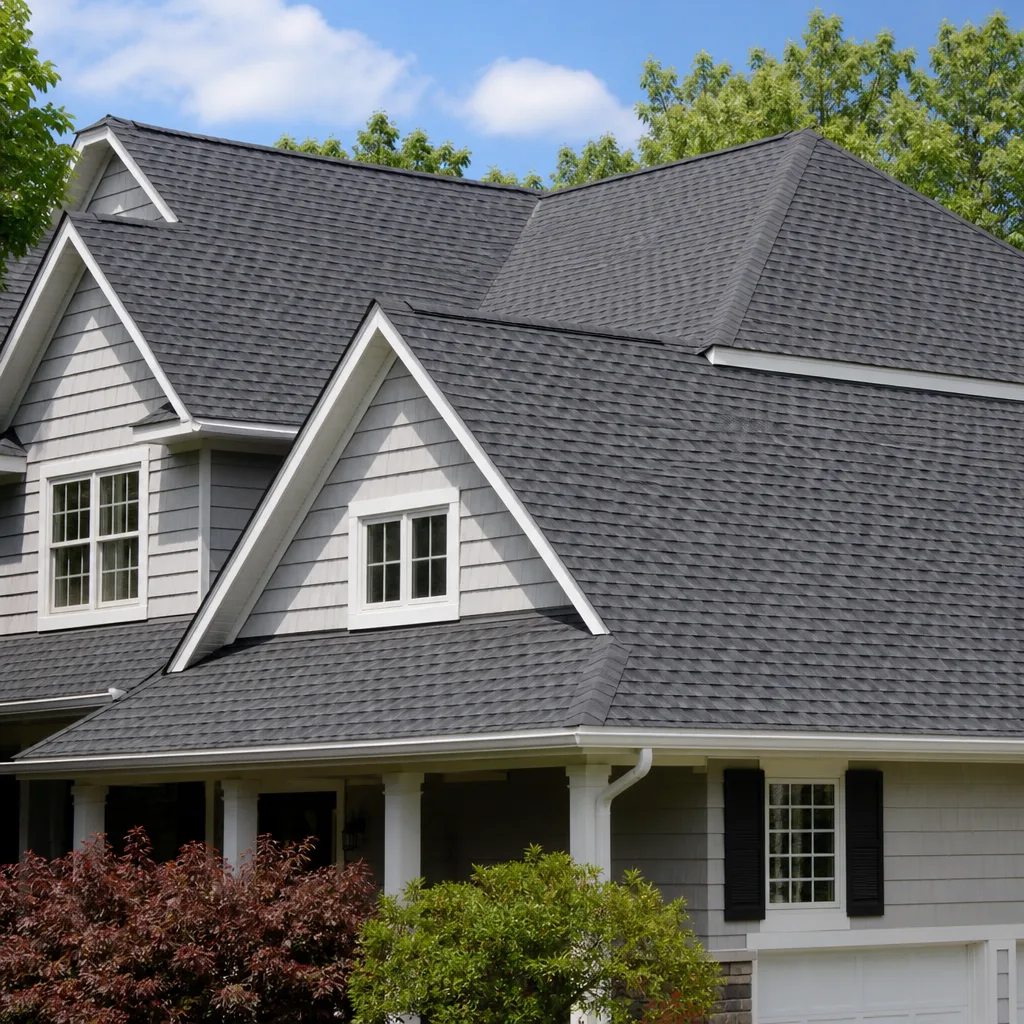
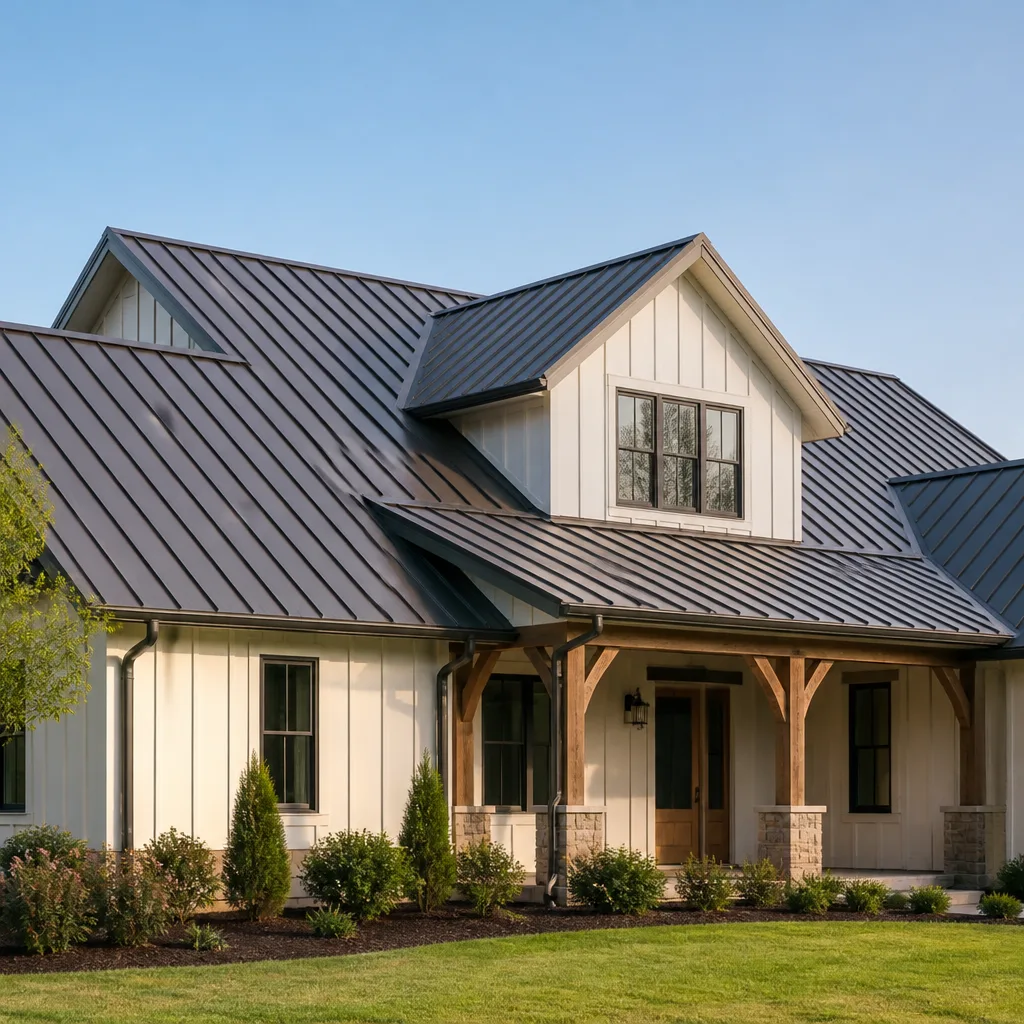
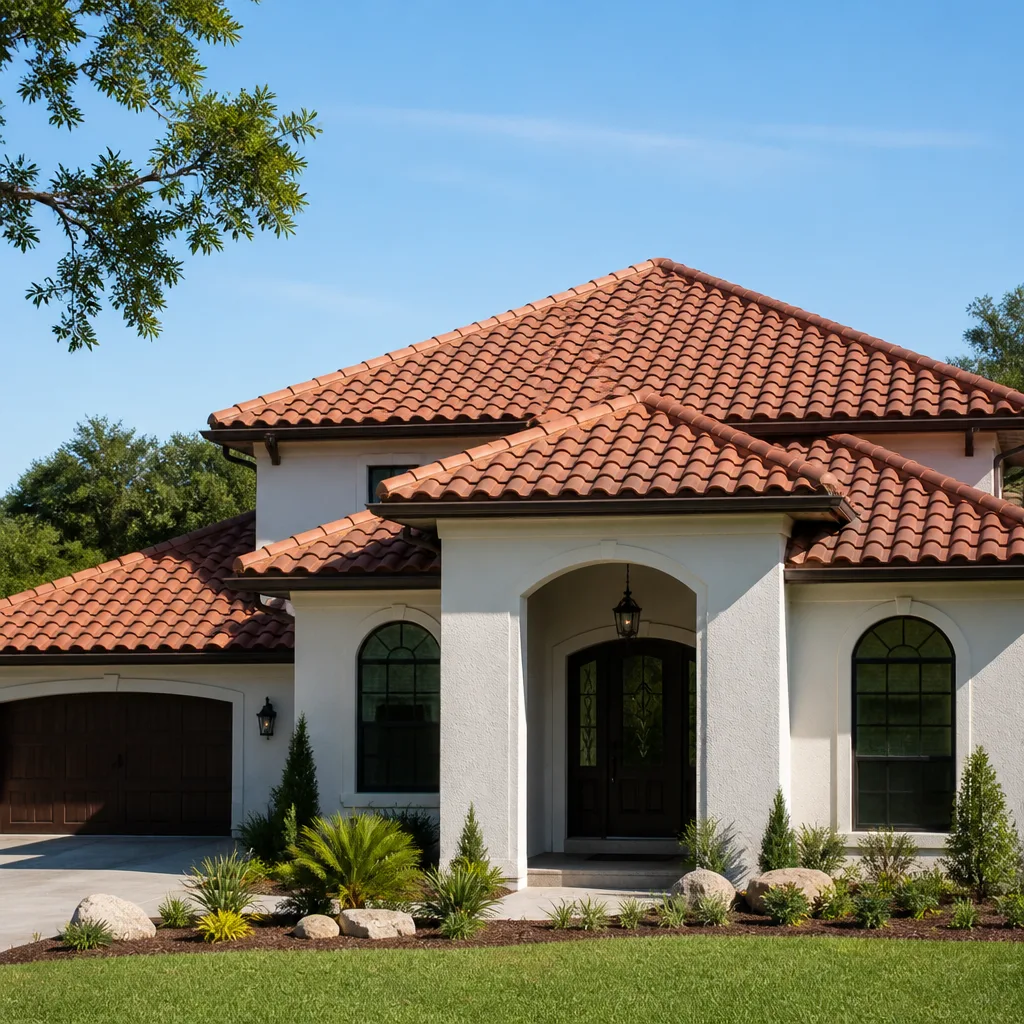
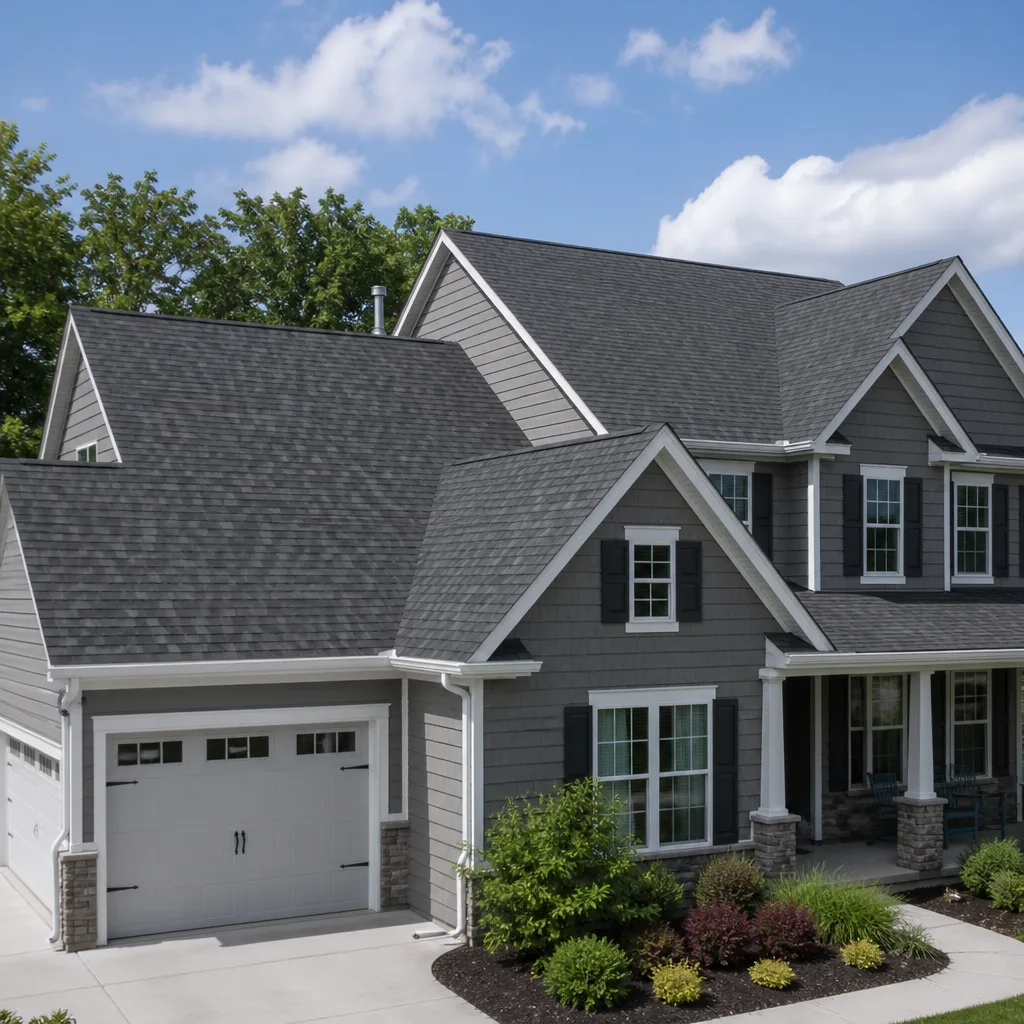
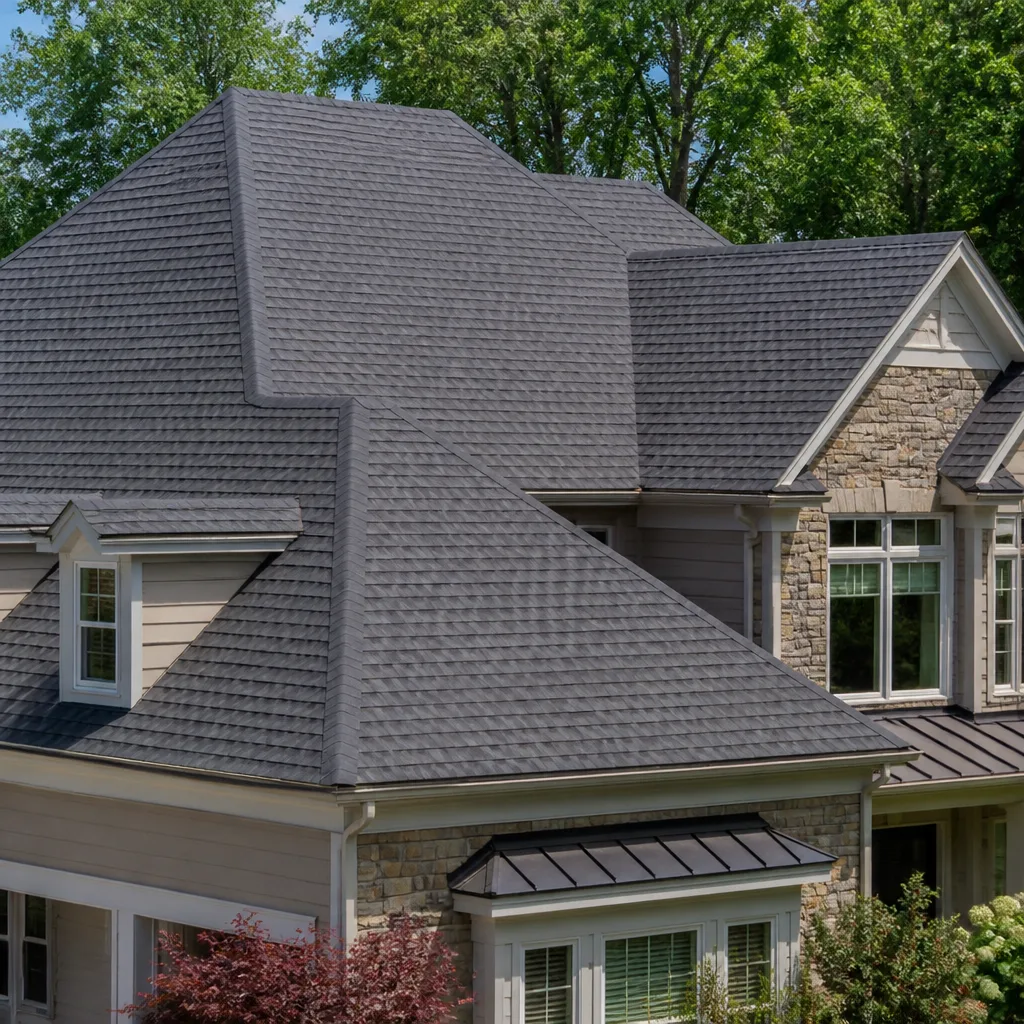
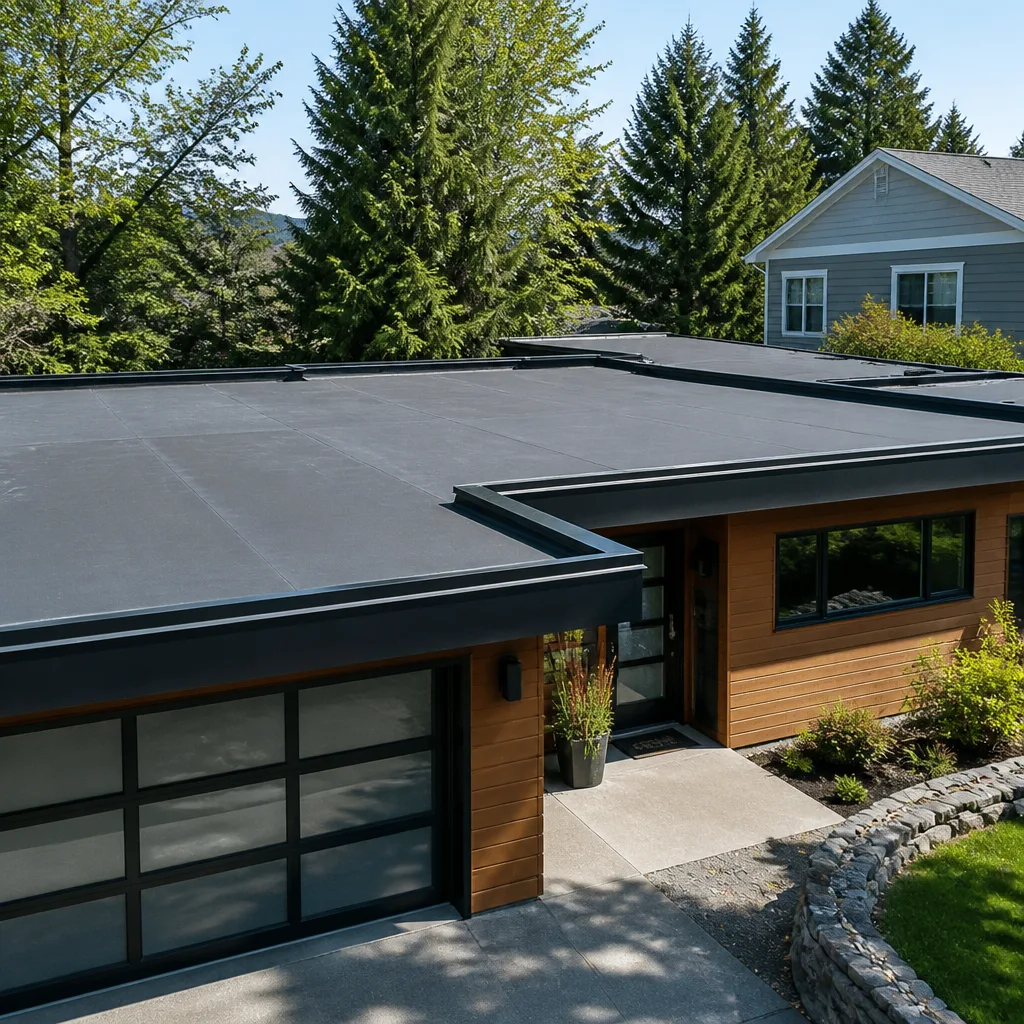
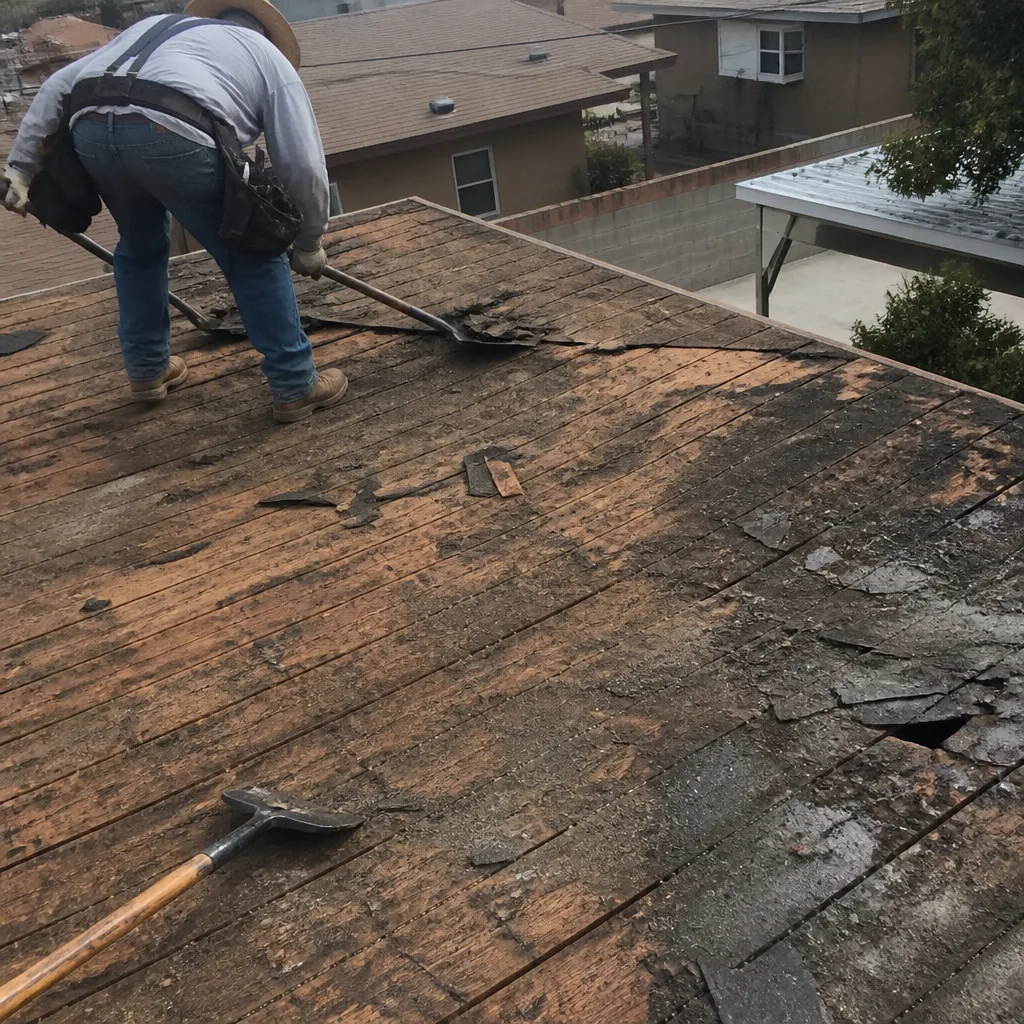 Before
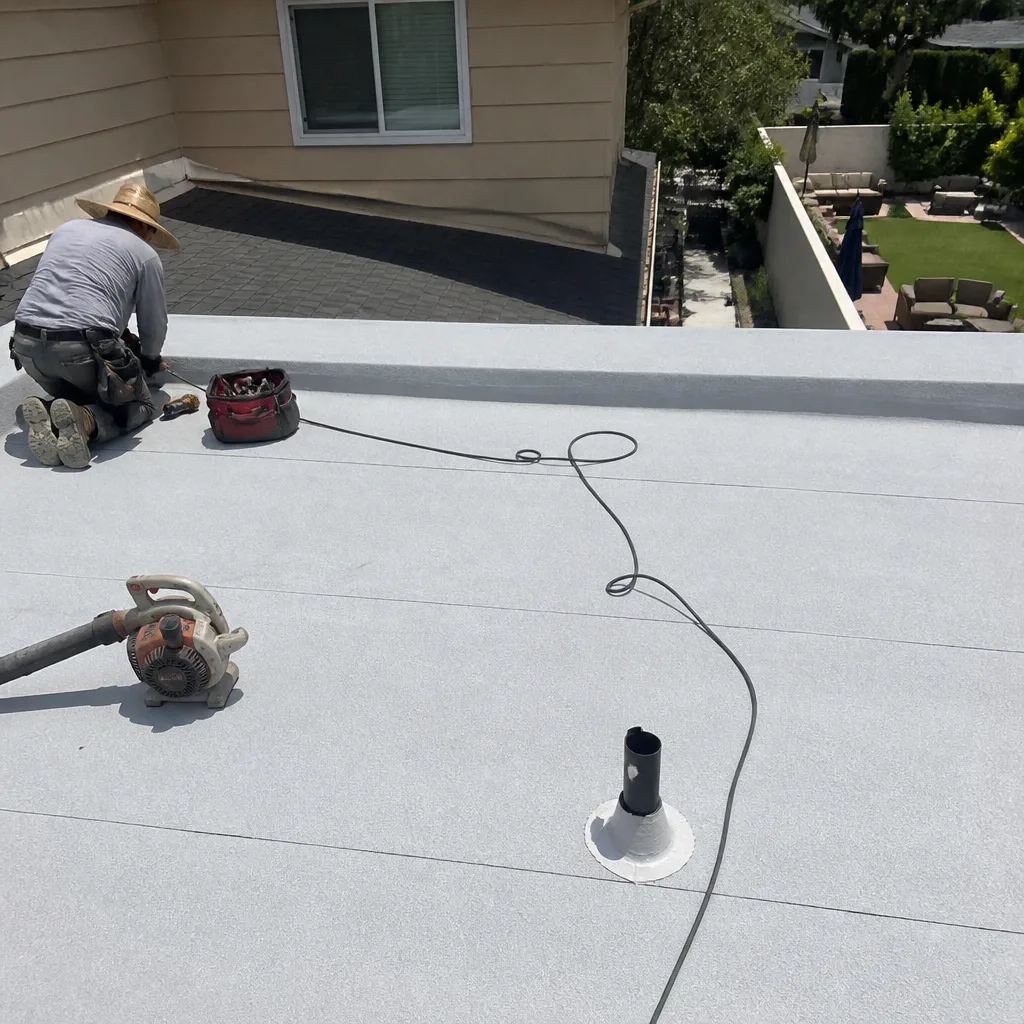 After
After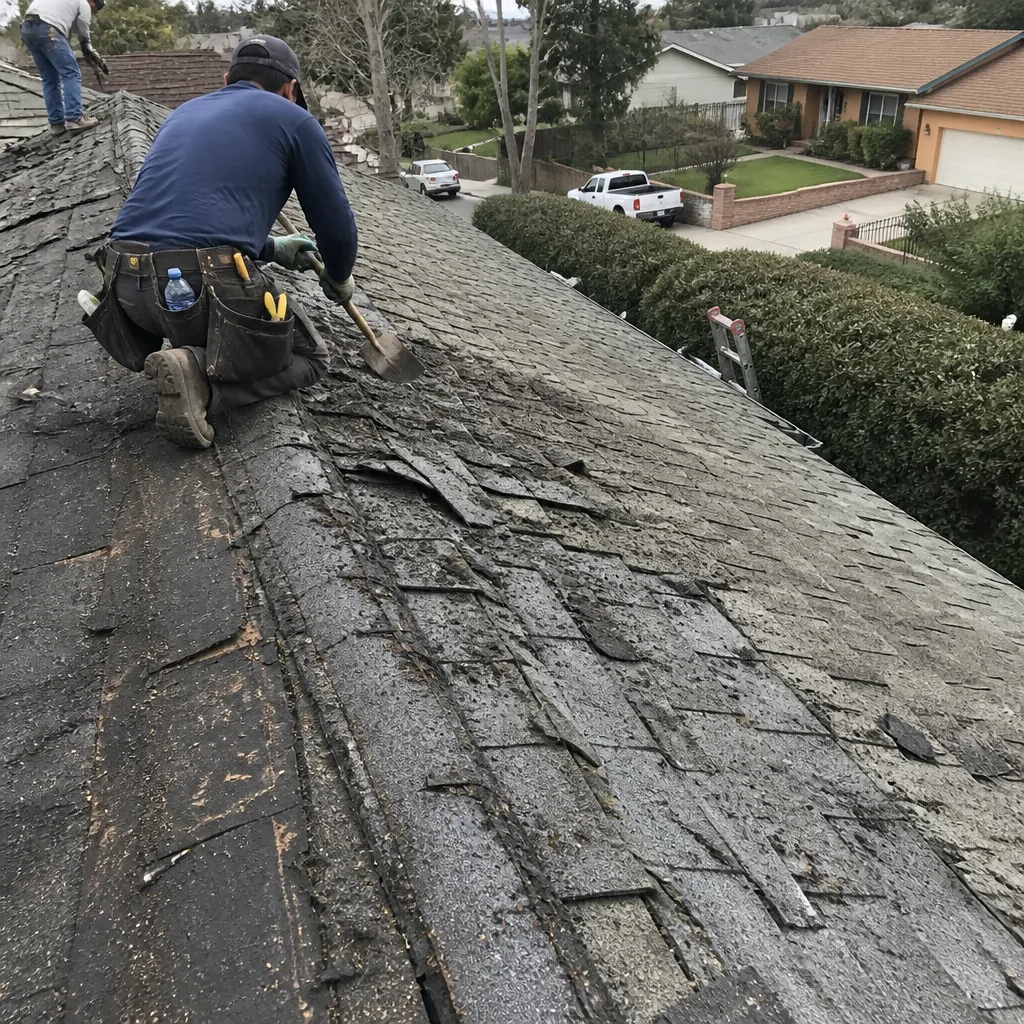 Before
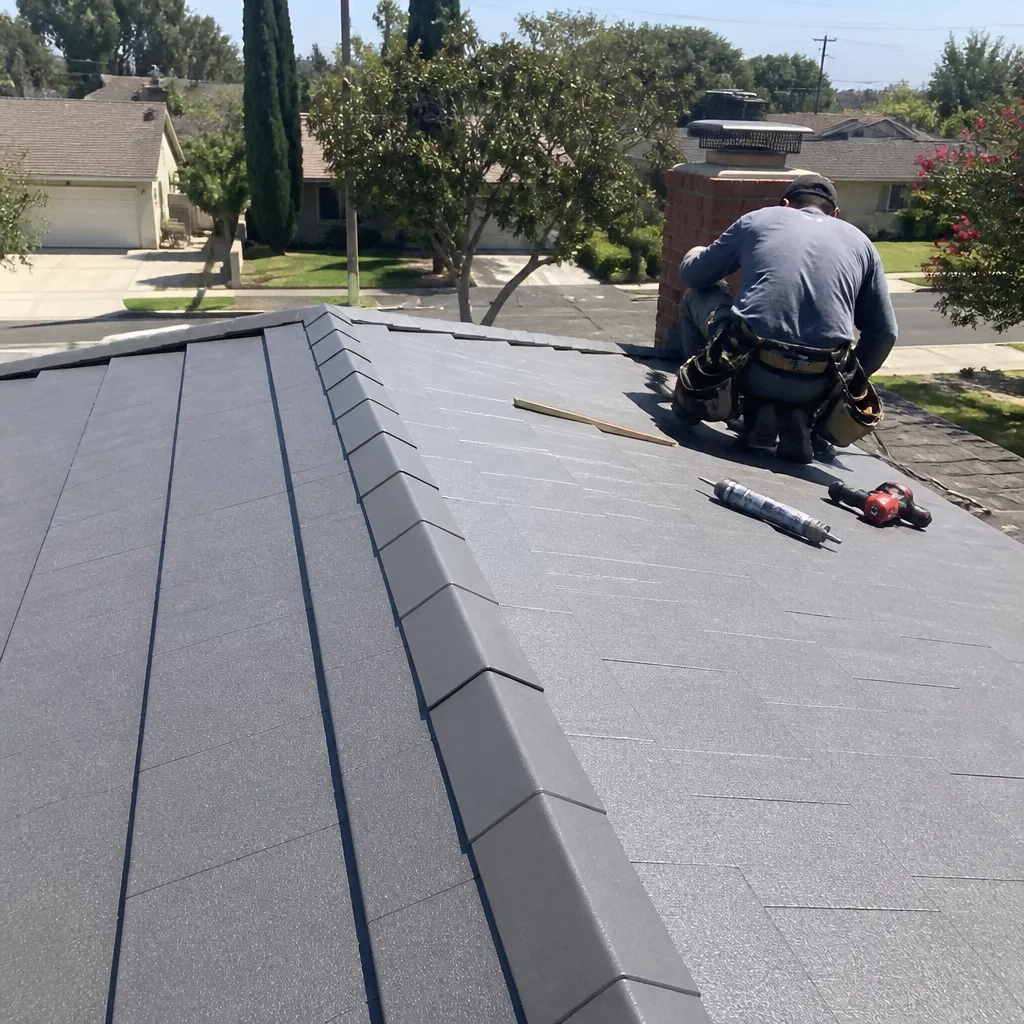 After
After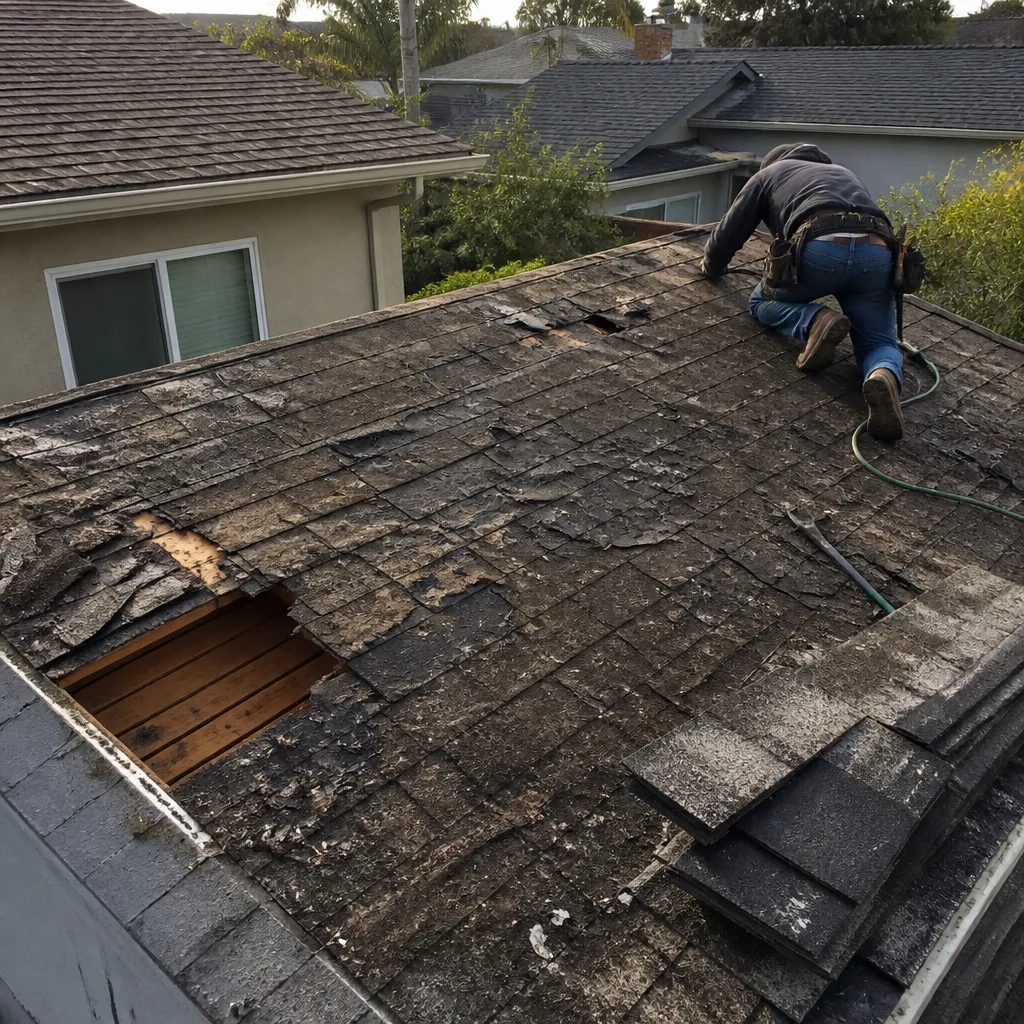 Before
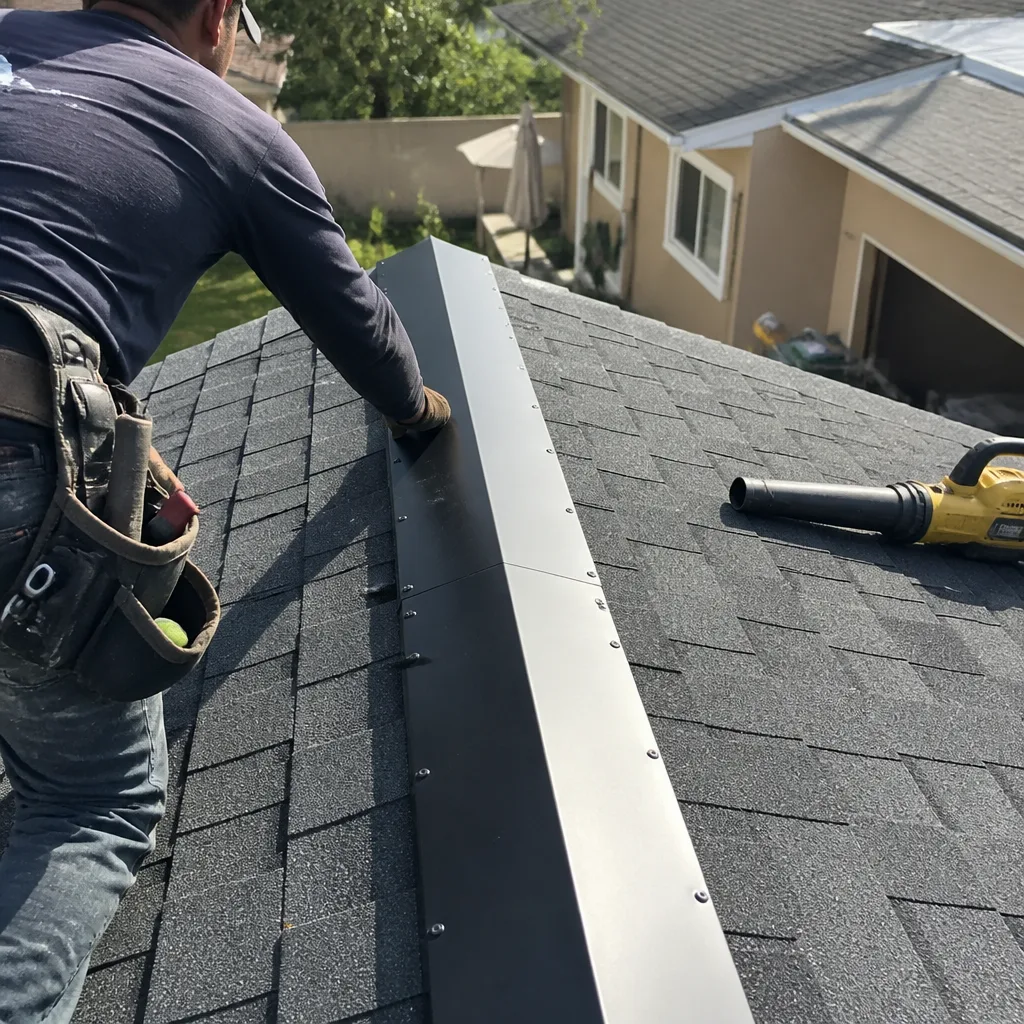 After
AfterDIY vs Professional Roof Installation: What’s Safe to Do Yourself
Most DIY roof guides open with a price chart and a cheerful note about sweat equity. They skip the part that actually matters in Los Angeles: pulling a permit as a homeowner-builder is legally different from hiring a licensed contractor, and that difference follows your house through every future sale. If you sell within three years of unlicensed work, you’re required to disclose it on the Transfer Disclosure Statement. A buyer’s inspector will flag it. A lender may balk. This guide covers what’s genuinely safe to do yourself, what isn’t, and what the permit and liability gap really costs you in Los Angeles County-similar questions we explore in our deeper comparison of DIY vs Professional Roof Repair: What’s Safe to Do Yourself.
Quick Answer
For most homeowners, safe DIY roof work starts and stops at ground level: clearing gutters, resealing minor flashing gaps, and replacing a handful of missing shingles on a single-story roof with a shallow pitch. Full tear-offs, structural repairs, and any work requiring a permit should go through a licensed contractor for proper Roof Installation. In California, doing your own permitted work as a homeowner-builder is legal, but it comes with disclosure and liability obligations that most guides never mention.
Table of Contents
- California’s Homeowner-Builder Permit Exemption (And the Three-Year Catch)
- What’s Actually Safe to Do Yourself
- What You Should Never DIY
- The True Cost Comparison: DIY vs. Professional
- The Insurance Reality Most Homeowners Miss
- When DIY Goes Wrong: Structural Risk on Older LA Homes
- The Warranty Gap You Can’t Buy Around
- Common Mistakes to Avoid
- When to Call a Professional
- Frequently Asked Questions
- The Bottom Line
California’s Homeowner-Builder Permit Exemption (And the Three-Year Catch)
California Business and Professions Code Section 7044 allows a property owner to act as their own general contractor on a residential project. That means you can pull a roofing permit in your own name, buy materials, and hire unlicensed day laborers to help, all without holding a contractor’s license. On paper, it sounds like pure savings. In practice, the exemption functions differently than most people assume.
Here’s what the homeowner-builder permit actually gives you:
- Legal permission to perform or oversee the work on your own residence, provided you occupy or intend to occupy it.
- The ability to act as the general contractor of record, which means you’re responsible for scheduling, inspections, and code compliance.
- Freedom from the requirement to hire a licensed contractor to pull the permit itself.
And here’s the obligation most DIY guides skip entirely: if you sell your Los Angeles home within three years of completing unlicensed work where you acted as the owner-builder, you must disclose that fact on the California Transfer Disclosure Statement. The form asks specifically whether the seller is aware of any “significant repairs or alterations” and whether they were done by a licensed contractor. Answering honestly triggers a buyer’s inspection request. The buyer’s inspector will check for permits. If the work was never inspected at the time, the buyer can demand a licensed re-do, a price reduction, or walk away entirely.
We’ve spoken with Los Angeles homeowners who saved $4,000 on a DIY tear-off and then lost $30,000 on the sale price two years later because the buyer’s lender refused to fund a house with an unpermitted roof. That’s not a hypothetical. It happens regularly in neighborhoods like Highland Park and Jefferson Park, where older homes attract first-time buyers using FHA or VA loans that are strict about unpermitted work.
The three-year window is not a loophole. It’s a quiet liability clock that starts the day the permit closes, or the day the work is finished if you skipped the permit entirely. For a roof installation in Los Angeles, that clock can outlast your enjoyment of the new roof.
What’s Actually Safe to Do Yourself
Let’s be clear about what a careful, physically capable homeowner can tackle without professional help. None of these tasks require a permit, and none of them put you on a steep pitch or near high-tension equipment. They also share a common trait: if you get them slightly wrong, the cost to fix is modest.
Safe DIY tasks include:
- Gutter clearing and resealing. Clogged gutters cause water to back up under the eaves, which is the leading cause of rotting fascia boards. Clearing them twice a year in Los Angeles (once after the winter rains, once after the Santa Ana winds drop debris) is realistic weekend work.
- Replacing a handful of missing shingles. After a windstorm in the San Fernando Valley, it’s common to find 3 or 4 shingles in the yard. Replacing them on a single-story roof with a 4/12 pitch or shallower is doable if you have a roofing nailer or are comfortable with a hammer and galvanized nails.
- Resealing small flashing gaps around vents and pipes. Roof cement in a caulk tube can seal a quarter-inch gap around a plumbing vent boot. This is the cheapest repair in roofing, and a homeowner can do it in ten minutes.
- Trimming overhanging tree branches. Branches that scrape shingles during Santa Ana winds will wear through the granule layer in one season. Trimming them back is safer than waiting for the damage, and it requires no roof access at all.
- Checking for popped nails and loose flashing after storms. You can inspect from a ladder without walking the roof. A popped nail pokes up through a shingle and leaves a pinpoint leak path. A dab of roof cement is a legitimate fix.
Every one of these tasks shares a safety floor: keep your ladder on level ground, never step onto a roof with a pitch steeper than 4/12 if you’re not experienced, and never work on a roof that’s wet from morning dew or rain. Los Angeles tile roofs, common in Spanish-style homes from Pasadena to West Adams, deserve their own warning: walking on clay or concrete tile without proper distribution boards will crack tiles faster than you can replace them.
What You Should Never DIY
Some roof work is dangerous enough that even experienced roofers take precautions. The following tasks are not weekend projects, no matter how many YouTube tutorials you watch.
Full tear-offs. Removing an entire roof layer means removing thousands of pounds of material, exposing the decking, and working on a surface that’s actively destabilizing. On a 1,400-square-foot Los Angeles ranch house, a full tear-off means roughly 4 to 6 tons of old shingles and underlayment headed to the dump. The physical labor alone is punishing. The risk of stepping through a rotted deck section is real.
Any work requiring a permit. In the City of Los Angeles, a full re-roof or structural roof repair requires a permit through the Department of Building and Safety. If the work requires a permit and you’re not prepared to carry the homeowner-builder disclosure obligation for three years, don’t pull the permit yourself.
Structural repairs. Sagging ridge lines, cracked rafters, and separated trusses are structural problems, not roofing problems. Improper load distribution on an older home’s framing can cause a partial collapse, even if the new shingles look great from the ground.
Flashing work at roof-to-wall intersections. Step flashing along chimneys, dormers, and side walls is the most leak-prone area of any roof, and the fix requires removing shingles, cutting metal accurately, and layering it in the right order. Getting it wrong means leaks that don’t show up for months, by which time the sheathing is already rotting.
Any work on a roof with a pitch steeper than 6/12. That means any roof where the angle makes standing difficult without roof jacks and toe boards. Falls from roofs account for a significant share of home injury visits to Los Angeles emergency rooms every year. The risk is not worth the savings.
Skylight installation or replacement. Cutting a hole in a perfectly good roof is the single best way to create a permanent leak. The flashing kits are proprietary, the curb dimensions are unforgiving, and the sealant has to be perfect on day one.
The True Cost Comparison: DIY vs. Professional
The cost of a new roof in Los Angeles breaks down differently than what a DIY calculator will tell you. A DIY materials quote usually includes shingles, underlayment, and nails. It rarely includes the dumpster, the permit fee, the tool rental, the safety equipment, and the cost of your own time. And it cannot include the warranty the way a contractor’s price does.
Here’s the honest math for a typical 1,400-square-foot single-story home in Los Angeles getting an architectural shingle re-roof.
- DIY materials: $4,200 to $6,800 for roughly 20 squares of architectural shingles, synthetic underlayment, ridge caps, drip edge, and fasteners. Brand matters: GAF or CertainTeed architectural shingles run higher than entry-level three-tabs.
- DIY permit and fees: $350 to $700 in the City of Los Angeles, depending on valuation.
- DIY tool rental and equipment: $300 to $600 for a roofing nailer, compressor, ladder stabilizers, fall-protection harness, and a dumpster rental of $450 to $900 if you don’t have a friend with a truck.
- Total DIY cost: $5,300 to $9,000, plus 4 to 8 full days of your labor.
- Professional installed price in Los Angeles: $11,000 to $18,000 for the same home, including permit, dumpster, labor, and the contractor’s workmanship warranty.
The spread, then, is roughly $6,000 to $9,000 in real savings if everything goes right. If something goes wrong – a leak, a failed inspection, a cracked rafter you didn’t know about – the spread narrows to almost nothing. And if you sell within three years, the disclosure requirement means the savings can go negative.
For a repair rather than a full replacement, the math shifts again. A roof repair in Los Angeles for a small leak around a vent boot typically runs $350 to $700 from a licensed contractor, including the written guarantee. The DIY version costs about $30 in materials. That’s a repair where the savings are real and the risk is modest, provided the leak is truly at the vent and not traveling from a rotted deck section three feet away.
The Insurance Reality Most Homeowners Miss
Homeowners insurance in California has changed dramatically since the 2017 and 2018 fire seasons. Carriers are dropping policies, raising deductibles, and scrutinizing claims more closely than ever. The result is a quiet rule that most DIY guides never mention: your policy likely requires that covered roof repairs be performed by a licensed contractor.
This is not a hypothetical in Los Angeles. Standard HO-3 policies in California include language stating that the insurer will pay the cost to repair or replace damaged property with “materials of like kind and quality,” but the carrier retains the right to require proof that work was done by a licensed professional. If you did the repair yourself and file a claim for subsequent damage, the adjuster can deny the claim on the basis that the repair was not performed to a professional standard.
For repairs over a certain dollar threshold – typically $1,000 to $2,500 depending on the carrier – the insurer may require a copy of the contractor’s invoice and license number before approving the claim. If you can’t produce one, the claim gets denied. The burden of proof sits with the homeowner.
There’s also the matter of the insurer’s right to subrogate. If a DIY repair fails and causes water damage to the interior, the carrier may investigate whether the failure resulted from unlicensed work. If so, the claim can be reduced or denied outright. In the current California insurance market, where carriers are actively looking for reasons to non-renew policies, giving them one is a bad trade.
The practical takeaway: if a leak causes enough damage that you’re considering an insurance claim, the repair should have been done by a licensed contractor from the start. The small repair you fix yourself today can be the reason a future claim gets denied.
When DIY Goes Wrong: Structural Risk on Older LA Homes
Los Angeles has one of the oldest housing stocks of any major U.S. city. In neighborhoods like Echo Park, Silver Lake, and Boyle Heights, a large share of the homes were built between 1920 and 1960. That means roof framing that predates current seismic codes, often with rafters spaced wider than modern standards and sheathing that’s cracked, water-damaged, or simply undersized.
When a DIYer tears off an old roof and lays down new shingles without checking the existing decking, they’re loading weight onto a structure that may already be compromised. Modern architectural shingles weigh about 240 to 340 pounds per square. Three-tab shingles from the 1970s weigh about 220 to 240 pounds per square. Add a layer of new underlayment, and the difference is enough to matter on a roof that’s already sagging slightly.
We’ve seen older Los Angeles homes where a homeowner installed a second layer of shingles over an existing layer to save on tear-off costs. The result was a roof deck that deflected under foot traffic and eventually cracked the ceiling drywall below. The fix required removing both layers, replacing several rafters, and applying structural reinforcement that cost more than the original DIY job would have saved.
The structural risk isn’t limited to weight. Improper nailing patterns reduce the shingle’s wind-uplift resistance. Los Angeles building codes now require roofing to withstand specific wind speeds based on exposure zones, and an inspector will check nail pattern compliance. Get it wrong, and the inspector may require a full re-do. The homeowner-builder permit does not exempt you from code.
The Warranty Gap You Can’t Buy Around
Manufacturer warranties from GAF, CertainTeed, Tamko, and Boral have two distinct parts: a material defect warranty that covers the shingles themselves, and a workmanship or system warranty that covers installation errors. The second part is only available when a manufacturer-certified contractor installs the roof.
As a homeowner-builder, you can buy the same shingles, but you get only the material defect warranty. That warranty covers manufacturing flaws, which are rare. It does not cover improper nail placement, underdriven nails, incorrect underlayment, poor flashing detail, or any of the dozens of installation errors that cause leaks. Those are workmanship failures, and the manufacturer will not pay for them on a DIY job.
Some manufacturers will also void the material warranty entirely if the roof was not installed by a licensed contractor. CertainTeed’s warranty documentation, for example, requires installation by a licensed professional for full coverage. Tamko and Boral have similar language in their warranty terms.
What a licensed contractor provides beyond the manufacturer’s warranty is where the real value sits. Mercer Roofing includes a 365-Day Done Right Promise on every job: if the work isn’t right within a year, we make it right. Every repair includes a written guarantee, and if a repair fails, a second visit is free. That’s a promise no DIY project can make. When you do the work yourself, the warranty is you. If the repair fails in month two, you’re back on the ladder, paying for materials again.
The warranty gap matters most on the bigger-ticket items. On a $14,000 re-roof, the workmanship warranty alone is worth several thousand dollars of risk transfer. On a $500 vent boot repair, the written guarantee is worth the difference between a fixed leak and a recurring one.
Common Mistakes to Avoid
- Skipping the permit on a full re-roof. Unpermitted roofing work in Los Angeles shows up on the building record when you sell. The buyer’s title search will find it, and the disclosure obligation doesn’t go away just because the work stayed hidden for a while.
- Assuming the homeowner-builder exemption has no strings. The three-year disclosure requirement is real, and it applies even if the work was done perfectly. If you plan to sell within three years, the savings evaporate.
- Overspending on materials for a small repair. A $400 premium tool set to replace three shingles doesn’t make sense. Match the tool budget to the job, not to the fantasy of future projects.
- Underestimating the dump weight. A full tear-off produces thousands of pounds of debris. A standard residential dumpster is not enough, and the overage fees wipe out savings quickly.
- Working alone on a roof pitch above 4/12. Falls are not about skill. They’re about a moment of imbalance and a surface that doesn’t forgive. A second person on the ground with a phone is the minimum.
- Ignoring the underlayment. The shingles are the pretty part. The underlayment is the waterproofing. Skipping a new synthetic underlayment on a re-roof because the old felt “looked okay” is a leak waiting to happen.
- Mixing shingle brands. Boral tile and Tamko shingles don’t belong on the same roof. Mixing brands voids manufacturer warranties and creates visual and installation mismatches that a buyer’s inspector will flag.
When to Call a Professional
Call a professional when the work requires a permit, when the roof is steep enough that standing requires roof jacks, when the leak source is unclear, or when the repair touches flashing at a wall intersection. Call a professional when the home is older and the framing has never been inspected. Call a professional when you’re not comfortable walking on the surface at all. And call a professional if you’re selling within three years and don’t want the disclosure liability.
Mercer Roofing offers free estimates in Los Angeles. Every technician is background-checked, identity-verified, and arrives in a clean uniform with a photo ID badge at the door. We send the name and photo of your technician before the visit, so you never open the door to a stranger. Call (743) 200-8347 to schedule an estimate.
Frequently Asked Questions
DIY materials for a 1,400-square-foot architectural shingle re-roof in Los Angeles typically run $5,300 to $9,000 including permit fees, tool rental, and dumpster, assuming you do the labor yourself. That compares to $11,000 to $18,000 for a professional installation. Call (743) 200-8347 for an exact quote on your home.
Yes. California’s homeowner-builder exemption under BPC Section 7044 allows you to pull a permit and perform the work on your own residence. However, if you sell within three years, you must disclose the unlicensed work on the Transfer Disclosure Statement, which can affect the sale.
Gutter clearing, resealing small flashing gaps, replacing a few missing shingles on a low-pitch single-story roof, and trimming overhanging branches are the safest DIY tasks. Anything involving a full tear-off, structural work, steep pitches, or flashing at wall intersections should go to a licensed contractor.
Most California homeowner’s policies require that repairs over a certain dollar threshold be performed by a licensed contractor to maintain coverage. A DIY repair that fails and causes interior damage can result in a denied claim, especially if the insurer determines the damage resulted from unlicensed work.
Only the material defect portion applies, and only from some manufacturers. The workmanship or system warranty from brands like GAF, CertainTeed, Tamko, and Boral requires installation by a manufacturer-certified contractor. A DIY install means you carry the full risk of installation errors yourself.
A typical single-story architectural shingle re-roof on a Los Angeles home takes 2 to 4 working days from tear-off to final inspection, weather permitting. A full tile roof takes longer, usually 5 to 10 days. Call (743) 200-8347 to get a timeline for your specific roof.
The Bottom Line
The DIY vs Professional Roofing Company: What’s Safe to Do Yourself decision is rarely about whether you can do the work. It’s about whether the savings survive the costs that don’t show up in a materials quote: the permit, the disclosure obligation, the insurance fine print, the missing warranty, and the structural risk on an older Los Angeles home. For small tasks like gutter clearing and minor shingle replacement, DIY is honest work with real savings. For everything else, the math favors a licensed contractor. When you’re ready for an honest assessment, call Mercer Roofing at (743) 200-8347. We’ll come out, look at the roof, and give you a written price before any work starts.
Written by Grant Whitlock, Owner at Mercer Roofing, serving Los Angeles since 2000.
Explore more: Mercer Roofing home