
Last updated October 9, 2026
Free roof inspection with deck photos before we talk money - GAF and Owens Corning certified installation
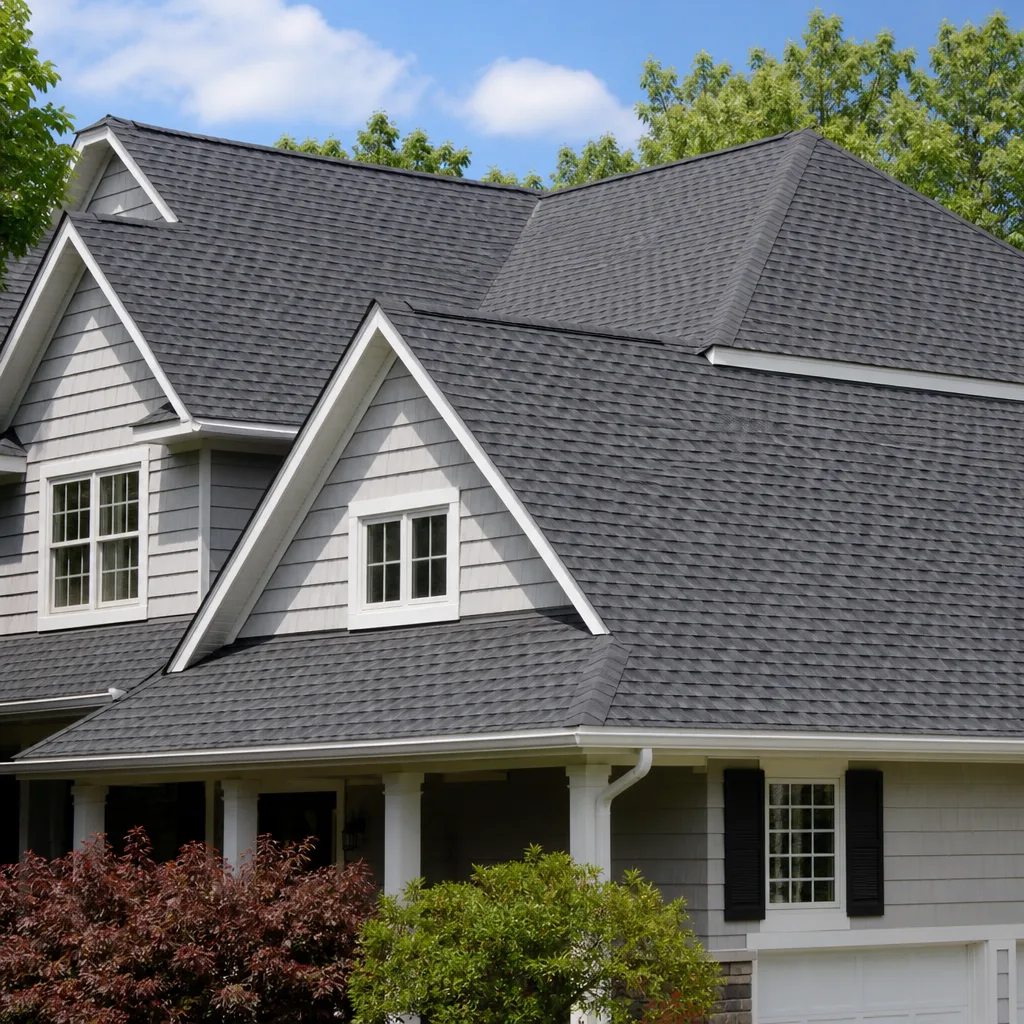
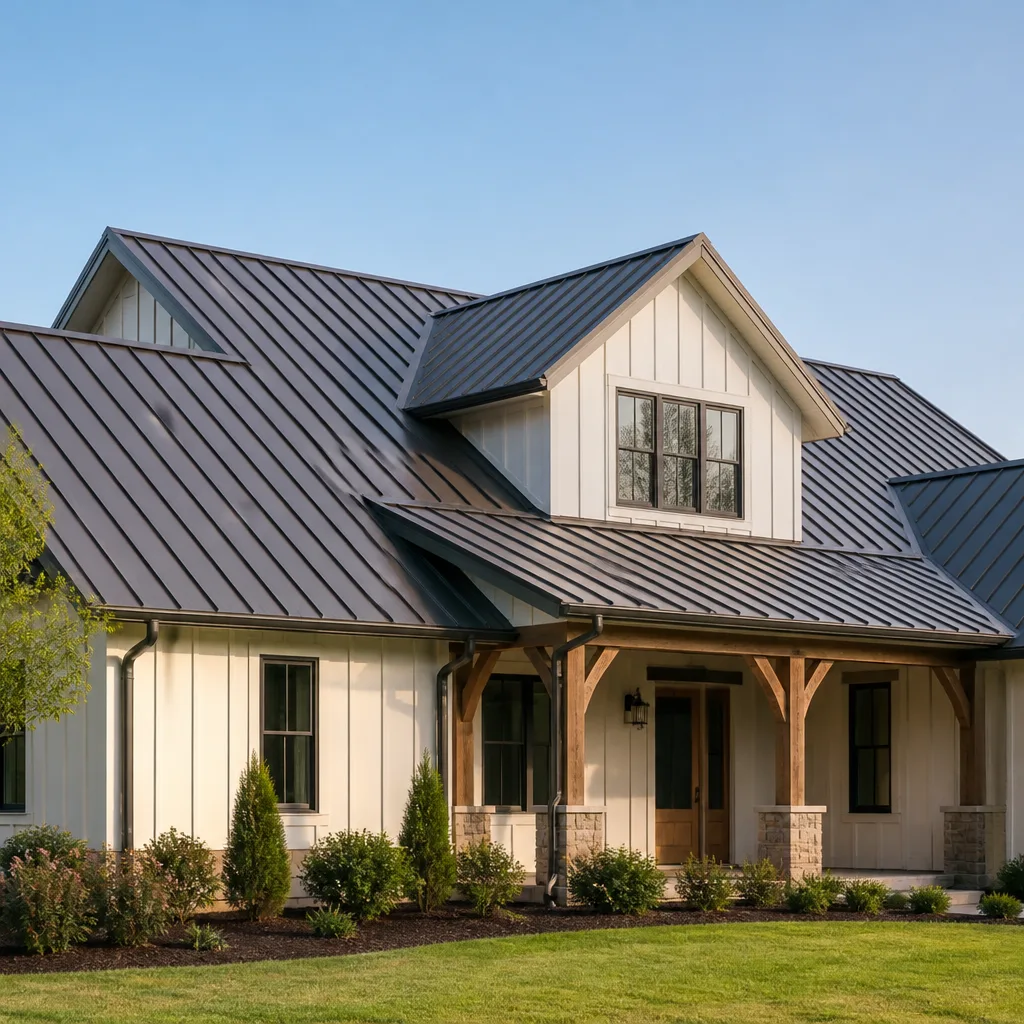
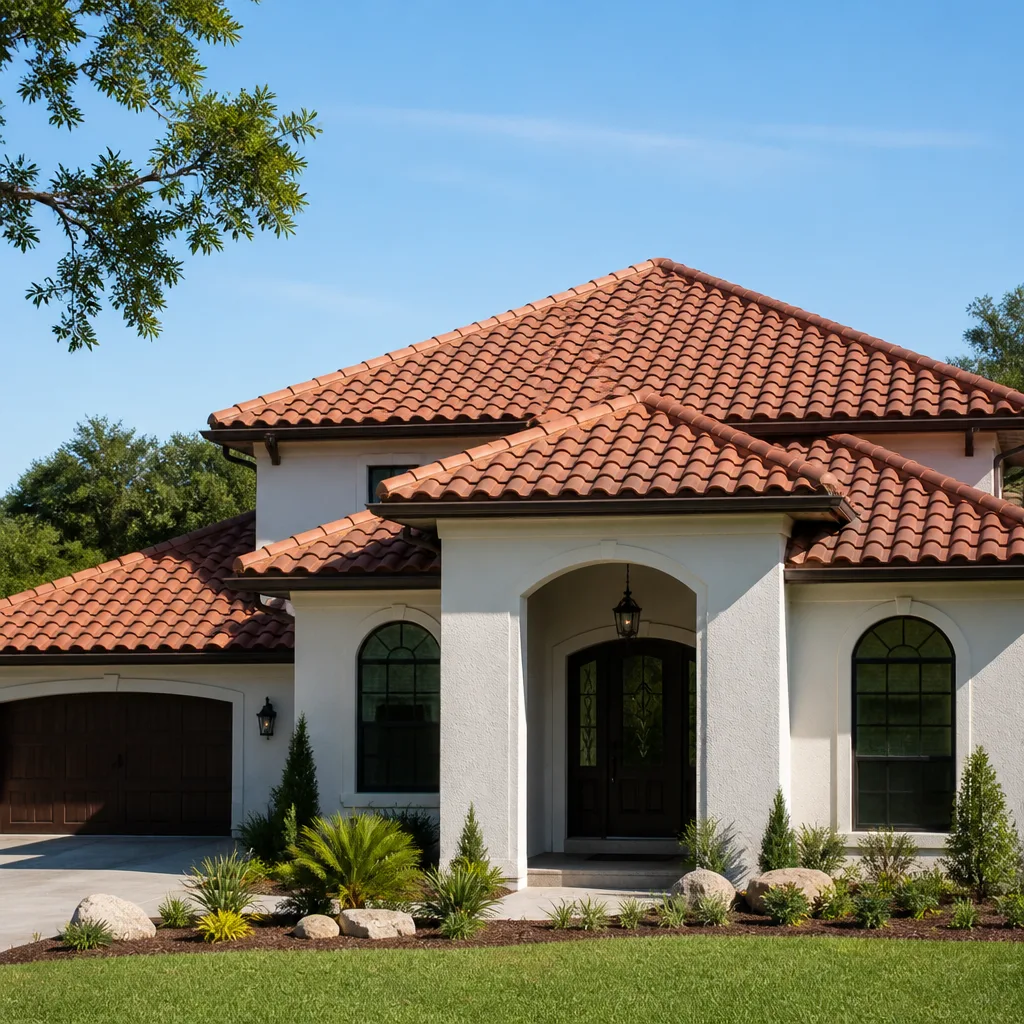
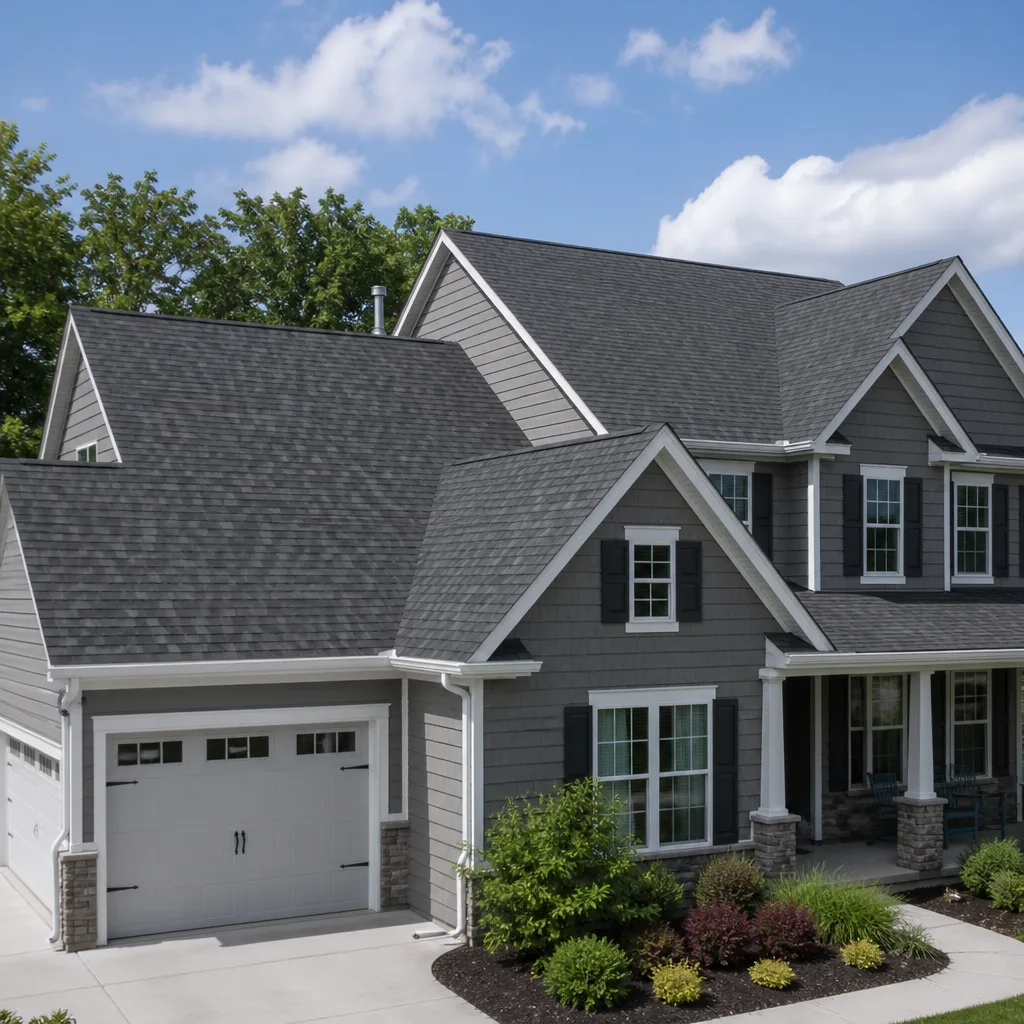
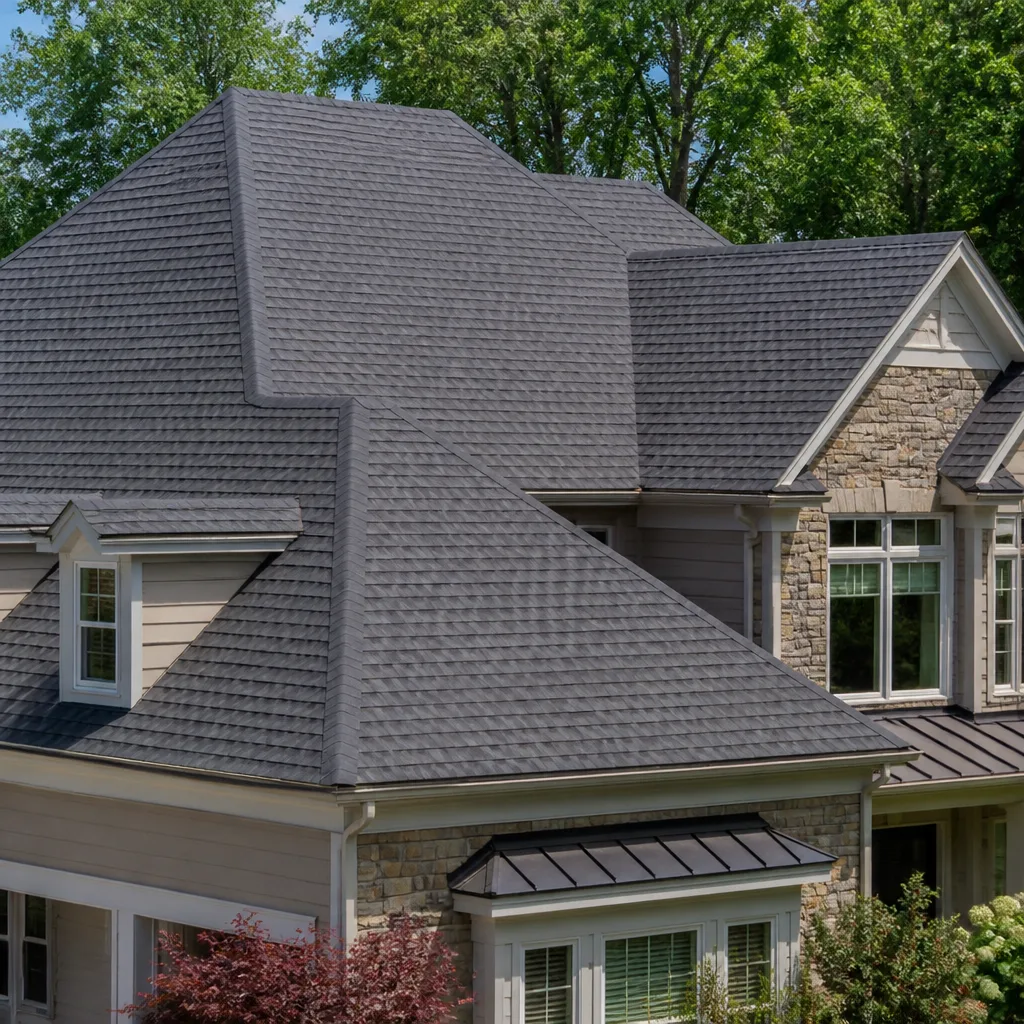
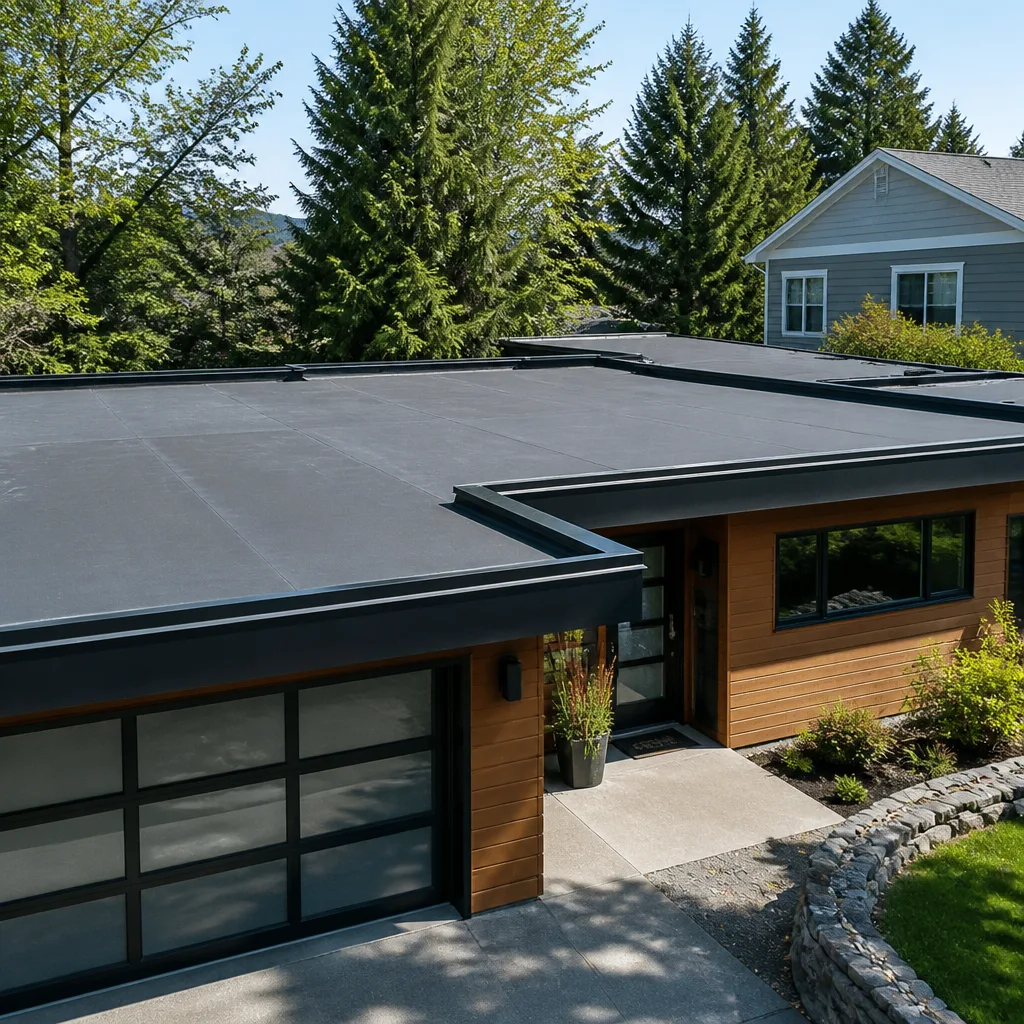
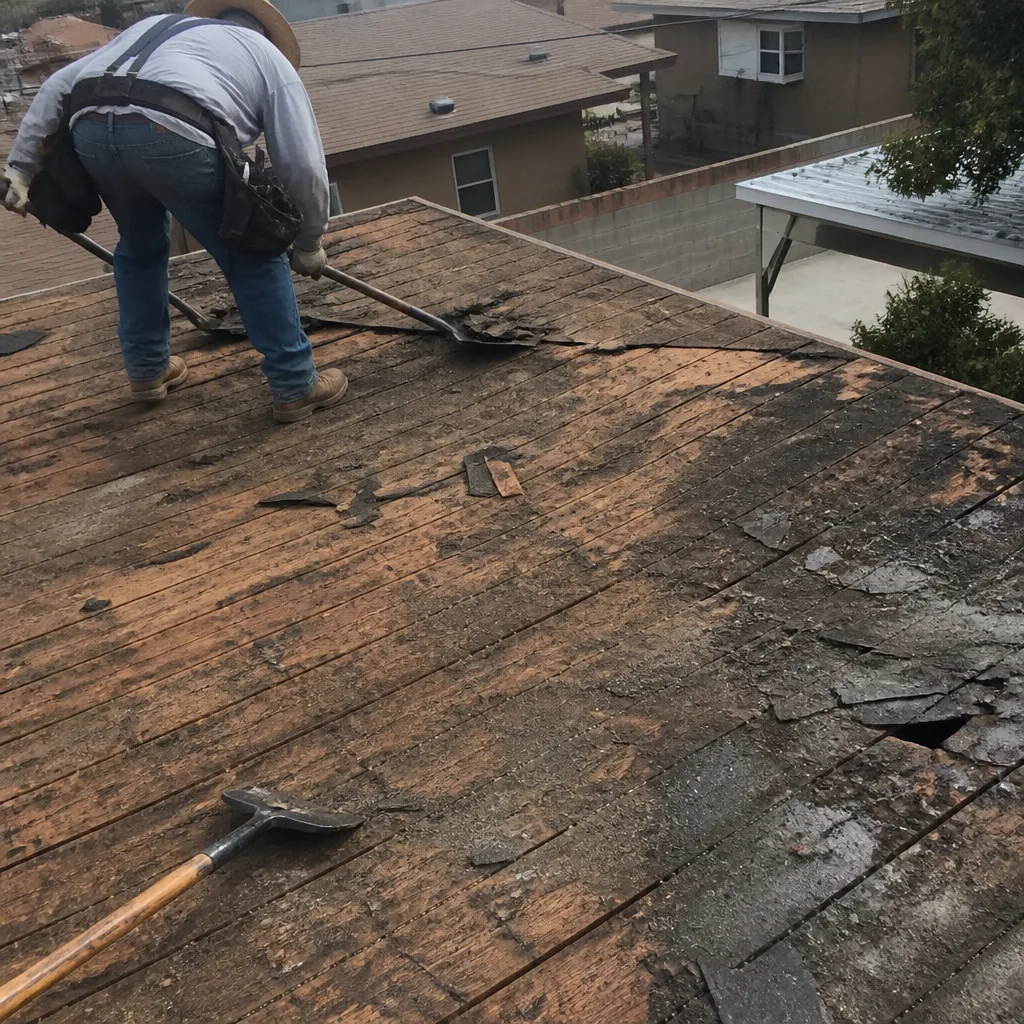 Before
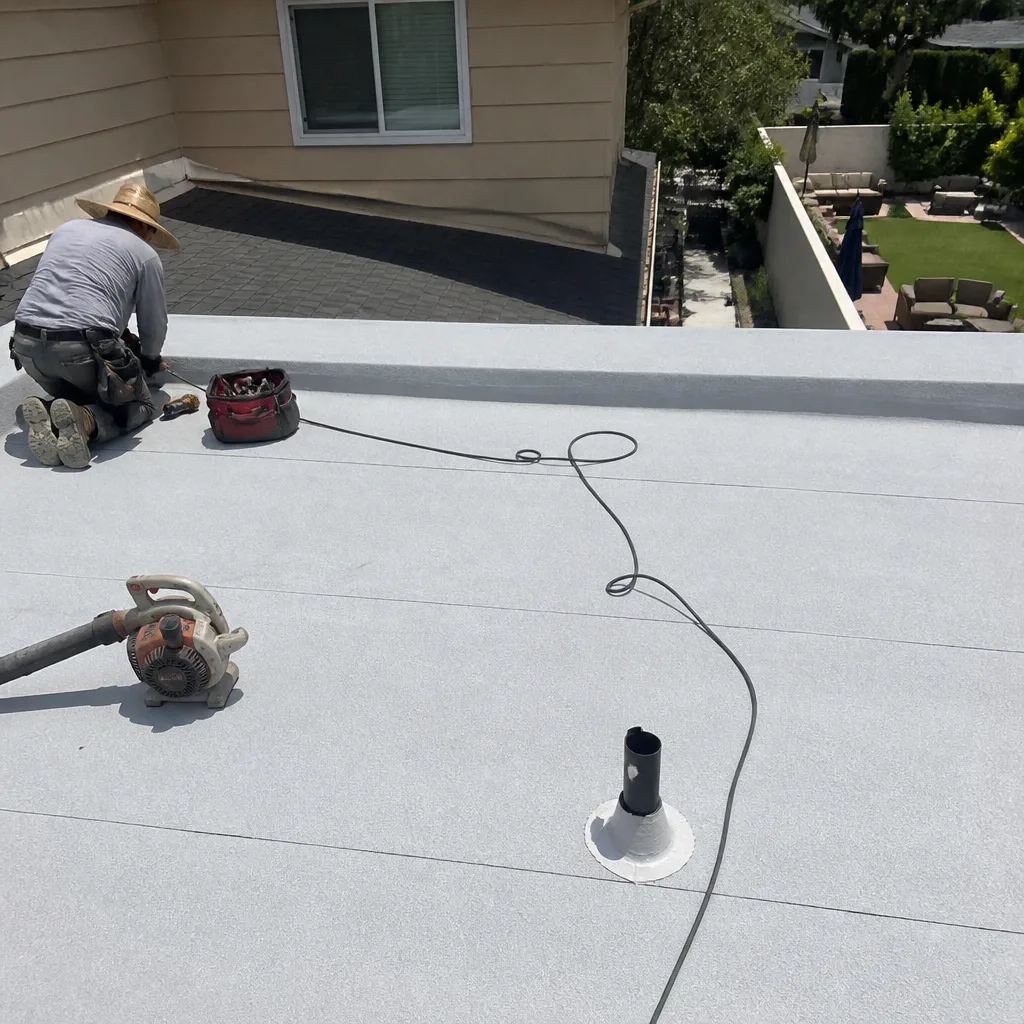 After
After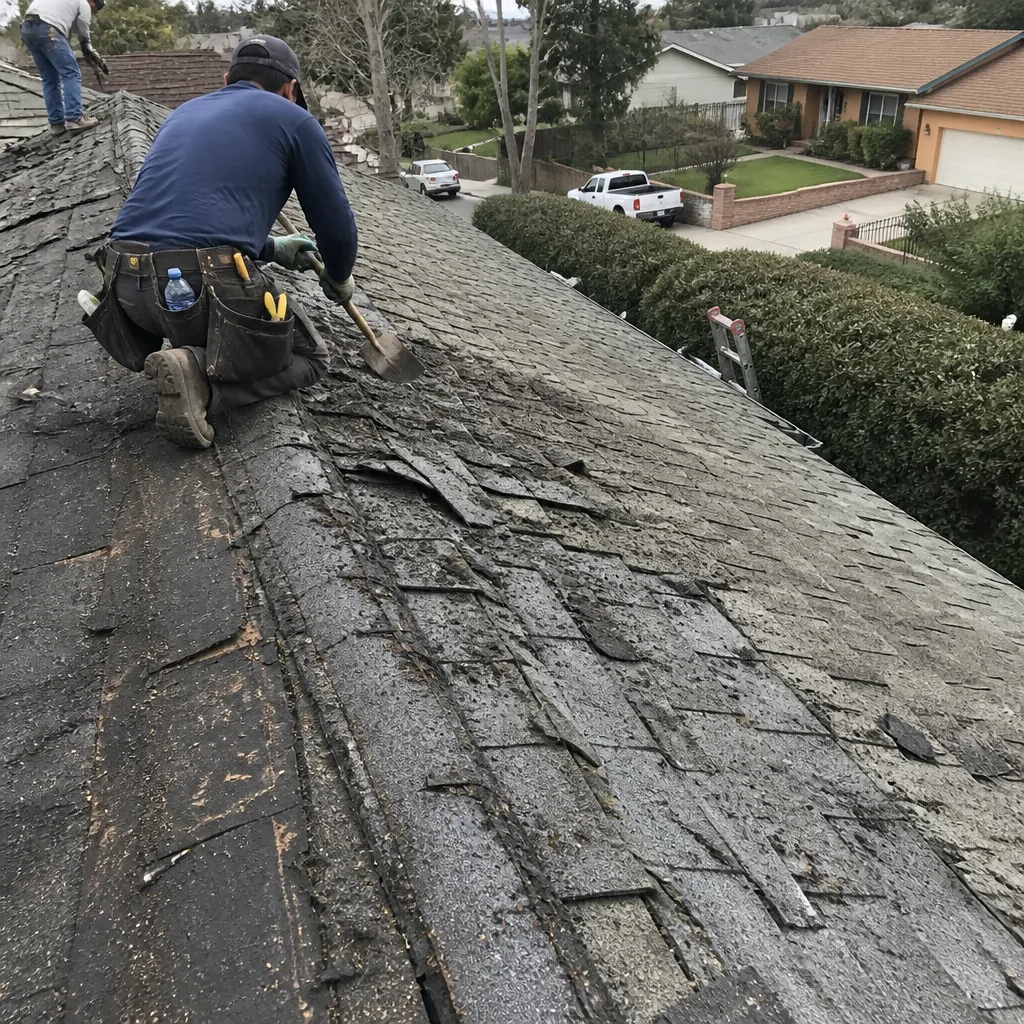 Before
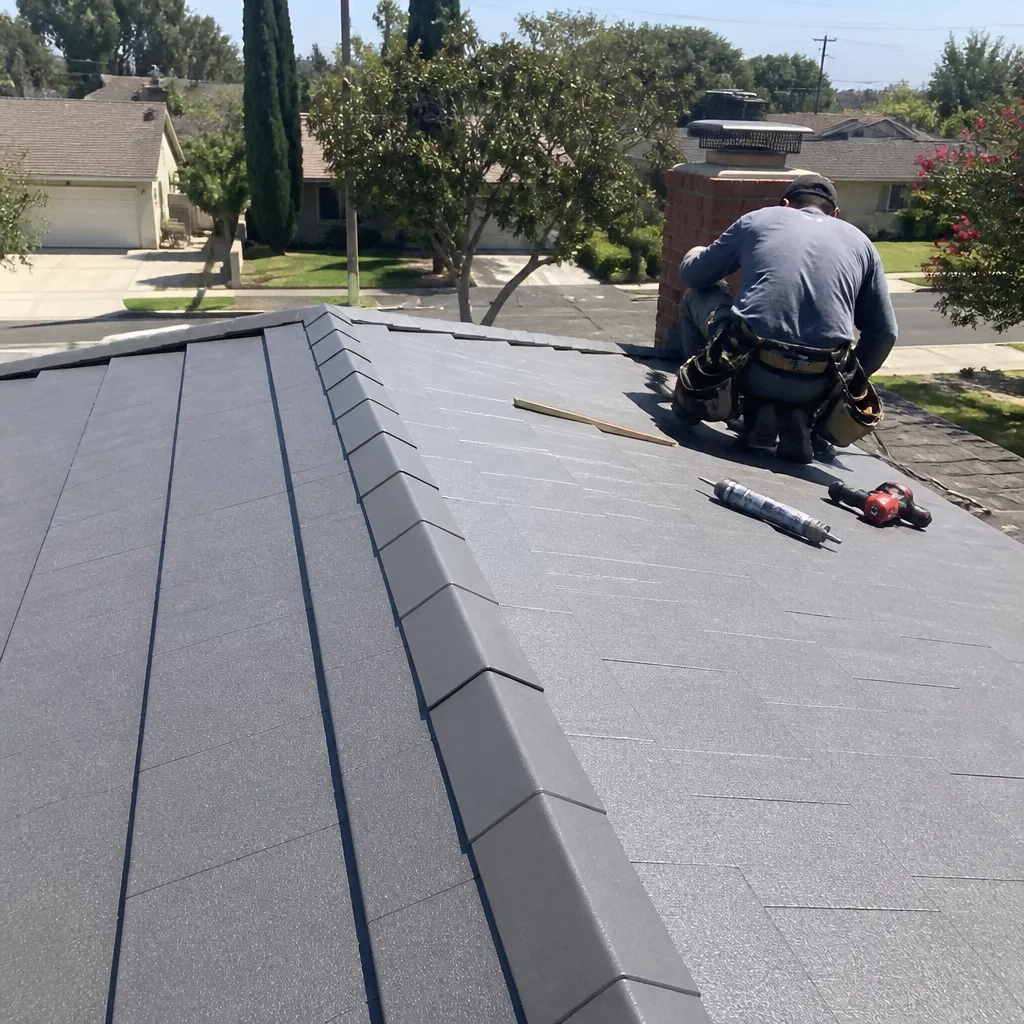 After
After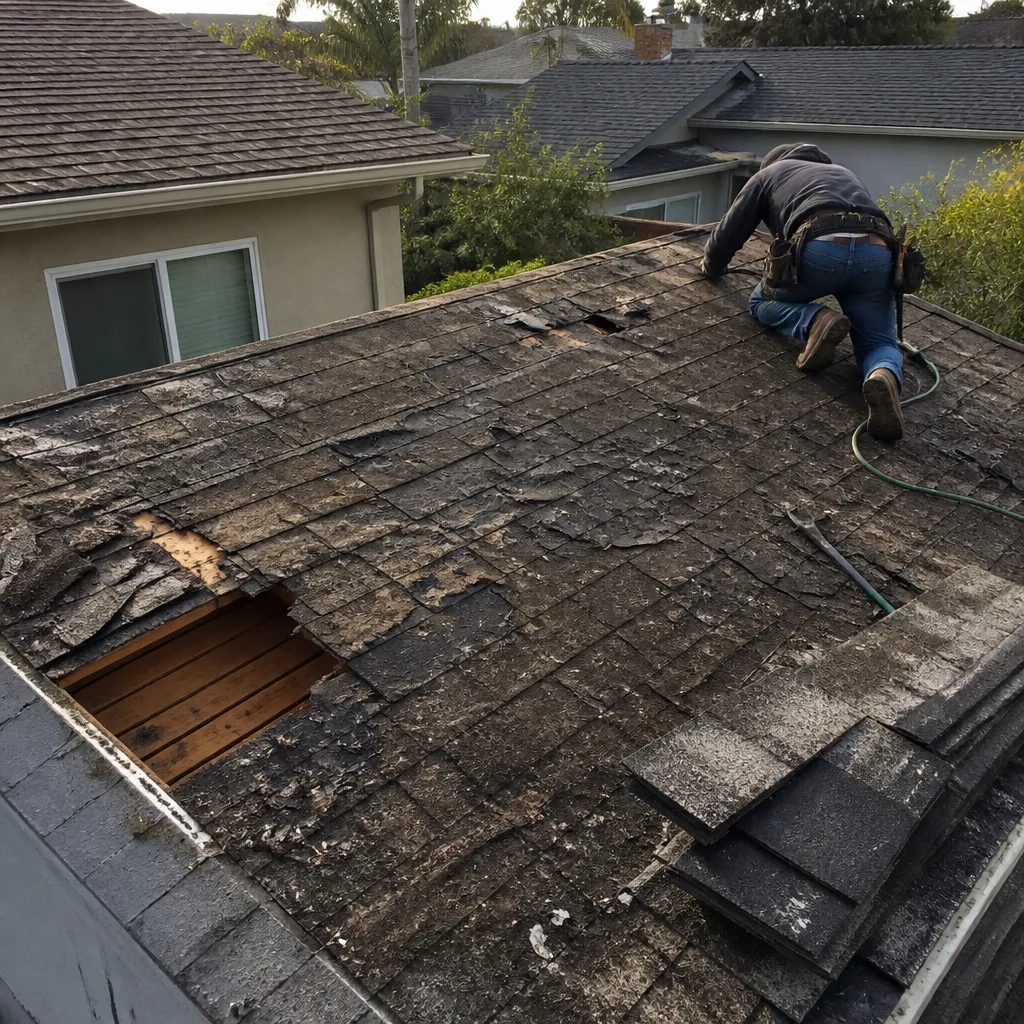 Before
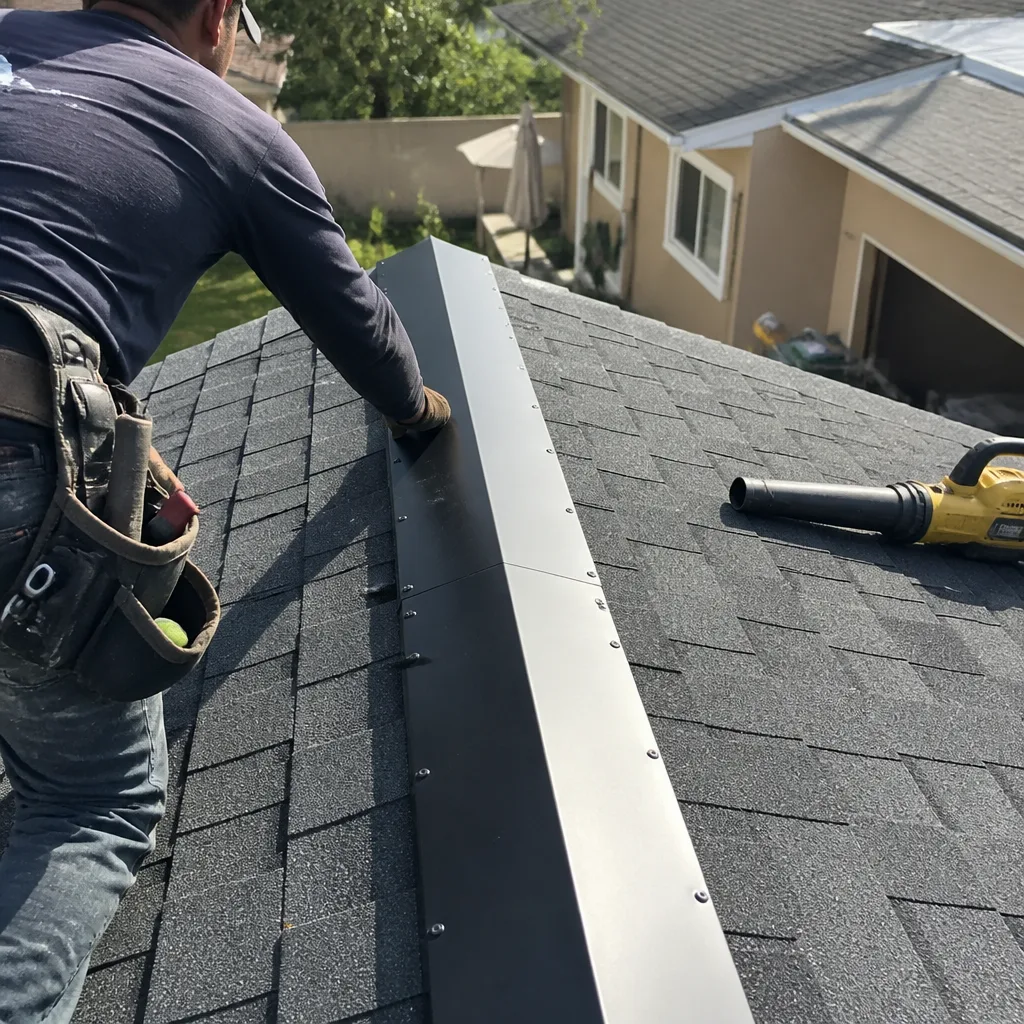 After
AfterDIY vs Professional Roofing Company: What’s Safe to Do Yourself
If an unlicensed roofer you hired falls off your roof, you are personally liable for their medical bills under California law, because hiring an unlicensed contractor makes you the employer of record. That single legal fact changes the entire DIY vs Professional Roofing: The Los Angeles Homeowner’s Decision Guide calculation before you even pick up a hammer. Most guides frame this as a question of skill or money. The real question is simpler: how much risk do you want to carry alone? This guide walks through what actually happens, legally and financially, when you climb the ladder yourself versus when a licensed Los Angeles roofing company takes the job.
Quick Answer
Most roofing work is not safe to do yourself. The roof is a structural system under warranty, code, and insurance obligations. The only genuinely safe DIY tasks are cleaning gutters from the ground and visually inspecting for obvious damage. Everything beyond that carries real risk of injury, leaks, voided warranties, and personal liability. You hire a professional to transfer those risks onto a licensed, insured entity.
Table of Contents
- The Liability Transfer: What Actually Happens When You Hire a Licensed Roofing Company
- What Is Actually Safe to Do Yourself (And What Is Not)
- The Hidden Costs of DIY Roofing No Calculator Shows You
- Permits and Title: Who Is Legally Accountable for Unpermitted Work
- Workmanship Warranties vs. Manufacturer Warranties: Why Both Matter
- How to Tell If a Professional Roofing Company’s Price Is Fair
- The Real Words Roofers Use (And What They Mean for Your Repair)
- Los Angeles Roofing Conditions: Climate, Code, and Market Realities
- Common Mistakes to Avoid
- When to Call a Professional
- Frequently Asked Questions
- The Bottom Line
The Liability Transfer: What Actually Happens When You Hire a Licensed Roofing Company
When you sign a contract with a licensed, insured roofing company, you are not just buying labor. You are buying a formal transfer of risk. The entity you hire absorbs workers’ compensation coverage, general liability insurance, and legal responsibility for job-site safety. If a technician is injured on your roof, that claim lands on the company’s policy, not your homeowner’s insurance, not your personal assets.
Do it yourself, or hire an unlicensed worker, and the equation flips. Under California Labor Code and common law principles, you become the employer of record. You are personally responsible for on-site injuries. If that person falls, you can be sued for medical bills, lost wages, and pain and suffering. Homeowners insurance rarely covers this situation. This is why “cheap labor” from a guy with a truck can become the most expensive roofing decision you ever make.
We see this dynamic play out across Los Angeles neighborhoods like Highland Park, Van Nuys, and Westchester. Homeowners often do not realize that the cash discount on an unlicensed roofer evaporates the moment anyone sets foot on the ladder. A licensed Los Angeles roofing company carries the liability so you do not have to. That is the actual product, as much as shingles and flashing.
- Licensed contractor: injury claims go to the company’s workers’ comp policy.
- Unlicensed worker: injury claims go to you, personally, as the employer of record.
- DIY: you carry 100 percent of injury risk, with no fall protection training, no harness system, and no safety net beyond your own balance.
What Is Actually Safe to Do Yourself (And What Is Not)
Honest answer: on a roof, almost nothing is safe to do yourself. The surface is sloped, the materials are heavy, and one wrong step can put you in an emergency room. But there are two tasks you can perform safely, and we tell every Los Angeles homeowner to do them regularly.
Safe: Ground-Level Inspections and Gutter Cleaning
Walk around your home twice a year, after winter rains and again after summer sun, and look for visible damage from the ground. You can spot missing shingles, sagging sections, displaced flashing, and granule loss in your gutters without ever leaving the ground.
- Use binoculars to inspect the roof plane from the sidewalk or yard.
- Clean gutters while standing on a stable ladder, never stepping onto the roof itself.
- Look for cracked caulk, rusted flashing, or shingles curled at the edges.
- Check for granules in gutters, which signal shingle wear.
Not Safe: Structural Repairs, Flashing Work, and Anything on the Roof Surface
Walking on a roof requires training and fall-protection equipment. Repairs require understanding how water moves, how materials expand and contract, and how to seal transitions. The cost of a repair done wrong is not zero. It is the cost of the repair, plus the cost of fixing the water damage the botched repair caused. In Los Angeles, with our long dry stretches, a small mistake can hide for months and rot out decking before anyone notices.
The Hidden Costs of DIY Roofing No Calculator Shows You
Most DIY cost comparisons look at materials only. Shingles cost X, a roofer charges Y, so DIY saves Z. That math is wrong in ways that matter, and it is worth seeing the real numbers side by side.
Actual DIY Roofing Costs (Los Angeles Market, 2025)
- Architectural shingles (GAF Timberline class): $110 to $160 per square (100 square feet), but you will buy more than you need. Over-ordering 10 to 15 percent is standard for waste, cuts, and starter rows.
- Underlayment (synthetic): $60 to $100 per roll, with a typical home needing 6 to 10 rolls.
- Flashing (step, counter, pipe boots): $150 to $400 total, depending on roof penetrations.
- Fasteners, sealant, drip edge: $200 to $500.
- Tool rental (nail gun, compressor, harness): $150 to $350 per day.
- Dumpster rental for tear-off debris: $400 to $700 per week in Los Angeles.
- Time: A typical 1,500-square-foot roof takes a professional crew 2 to 3 days. A solo homeowner working weekends typically needs 3 to 5 weeks.
The Rework Cost Nobody Budgets For
Rework is the silent killer of DIY roofing budgets. A wrong nail pattern, a missed starter strip, a flashing detail sealed incorrectly: these are not hypotheticals. We have walked onto roofs in Burbank, Glendale, and Pasadena where a confident homeowner nailed a new layer over rotting decking. The result is always the same, and it is always more expensive than doing it right the first time.
Permits and Title: Who Is Legally Accountable for Unpermitted Work
Los Angeles requires a building permit for any roof work that involves structural changes, including full tear-offs, decking replacement, and major repairs. A licensed roofing contractor pulls the permit, does the work to code, and closes the permit with a passing inspection. That creates a public record the next buyer can see.
Do it yourself, or hire an unlicensed worker, and you carry the permit risk. Unpermitted work does not disappear. It shows up when you sell the home. Buyers ask for permit history. Lenders flag unpermitted improvements. Title companies can delay or kill a sale over unpermitted structural work, because it becomes a disclosure obligation the moment you are aware of it. At Mercer Roofing, we pull permits on every job that requires one in Los Angeles County, and we close them out with the inspection passed. That paperwork is part of what you are paying for.
Workmanship Warranties vs. Manufacturer Warranties: Why Both Matter
You are buying two different protections when you hire a roofing company, and they cover two different failure points. Knowing the difference changes what you ask for in an estimate.
Manufacturer warranty covers the shingle itself against defects. If a GAF, Atlas, or Tamko shingle fails prematurely, the manufacturer pays for replacement materials, and sometimes a prorated amount of labor. The warranty activates only if the shingles were installed to the manufacturer’s specification. Improper nail placement, wrong exposure, or missing underlayment can void it.
Workmanship warranty covers the installation. If the roofer installs the shingles correctly, gets the flashing right, and seals everything tight, the workmanship warranty covers labor and materials if the roof leaks due to an installation error. At Mercer Roofing, every repair and installation in Los Angeles carries the 365-Day Done Right Promise: if the work is not right within a year, we make it right. Every repair also includes a written guarantee and a free second visit if the repair fails. That is the moment where the liability transfer becomes tangible: a written promise, tied to a named company, that you can hold in your hand.
How to Tell If a Professional Roofing Company’s Price Is Fair
A fair roof price in Los Angeles is not the lowest number. It is the number that includes the things that protect you. Here are the line items to question, and the ones that signal quality.
Line Items That Should Be Written Out
- Tear-off and disposal: Will they remove the old roof, or nail over it? Tear-off costs more and is almost always the right call. Nailing over old shingles hides deck rot and shortens the new roof’s life.
- Underlayment: Synthetic underlayment costs more than felt and performs dramatically better in Los Angeles heat and rain.
- Flashing replacement: Reusing old flashing is a shortcut. New flashing is a quality signal.
- Decking repair: Good estimates include a per-sheet price for plywood replacement if rot is found.
- Permit fees: A licensed company includes permits. If the quote has no permit line, ask why.
Red Flags on a Quote
- No written estimate, just a verbal number.
- No line items, just a total.
- No mention of warranty terms in writing.
- Pressure to sign the same day.
At Mercer Roofing, every Los Angeles project starts with a written price before any work begins, with no surprises on the invoice. The same price stays the price. That is not a sales promise; it is the operating rule.
The Real Words Roofers Use (And What They Mean for Your Repair)
When a roofer says “flashing,” they mean the metal strips that seal the places where the roof meets a wall, chimney, or vent. When they say “decking,” they mean the plywood or OSB layer under the shingles. When they say “underlayment,” they mean the water-resistant barrier between the decking and the shingles themselves.
These are not trade secrets. They are the vocabulary you need to evaluate any estimate, compare apples to apples, and know when a quote is missing something. A roofer who will not explain what “IWS” (ice and water shield) is, or why a valley needs special treatment, is a roofer to avoid. A good Los Angeles roofing company will tell you in plain English what they are doing and why.
Los Angeles Roofing Conditions: Climate, Code, and Market Realities
Los Angeles roofing is its own discipline because the conditions are specific and extreme in ways that surprise newcomers. We get intense UV exposure 300 days a year, which breaks down asphalt shingles faster than in cooler climates. We get sudden winter downpours that test every seal and flashing detail. In some neighborhoods, like the Hollywood Hills or the Santa Monica Mountains, we get wind-driven rain and wildfire-adjacent conditions that demand fire-resistant materials and careful installation.
California Title 24 energy code applies to roofing in Los Angeles, requiring cool-roof compliance in many installations. Los Angeles County building code requires specific nailing patterns, underlayment types, and ventilation standards. A local roofing company knows these rules because it works with the same inspectors every week. A DIY roofer learns about them when the inspection fails.
When to Call a Professional
Call a professional if you see missing shingles after a wind event, water stains on a ceiling, granules accumulating in gutters, daylight visible in the attic, or any sagging in the roof plane. Call a professional if you are selling your home and need to resolve an unpermitted roof condition before listing. Call a professional if you bought a house with no roof history and want a written assessment. Mercer Roofing offers free estimates in Los Angeles. Call (743) 200-8347 and a live person answers, 24/7, not a voicemail. We will send a background-checked, photo-badged technician whose name and photo you receive before the visit.
Common Mistakes to Avoid
- Walking on a steep roof without fall protection. Los Angeles hillside homes have roof pitches that punish overconfidence. A fall from even a single-story roof causes serious injury.
- Nailing new shingles over old shingles. It hides deck rot, adds weight, and voids manufacturer warranties. It is the most common shortcut in Los Angeles, and it always comes back.
- Sealing leaks with caulk instead of replacing flashing. Caulk fails in Los Angeles heat within a season. Flashing is the actual fix.
- Not pulling permits. Unpermitted roof work becomes your problem at sale, not at install, when it is far more expensive to resolve.
- Hiring an unlicensed roofer to save money. The injury liability alone outweighs any labor savings. Ask for the California contractor license number and verify it with the CSLB.
- Skipping the written estimate. A verbal price is not a price. It is a starting point for a conversation that ends with you paying more.
- Ignoring attic ventilation. A roof without proper ventilation cooks itself from underneath in Los Angeles heat, shortening shingle life by years.
Frequently Asked Questions
You should hire a licensed roofing company for any work that involves the roof surface, structure, flashing, or water protection. The only safe DIY tasks are ground-level inspections and gutter cleaning. Hiring a professional transfers legal liability, warranty obligations, and permit responsibility onto the company, and leaves you with a written warranty instead of a personal risk.
A typical roof repair in Los Angeles costs between $500 and $2,500 depending on the scope. Small flashing repairs, pipe boot replacements, or patch work fall on the low end. Structural repairs involving decking or framing fall on the high end. Full roof replacements in Los Angeles typically run $12,000 to $30,000 for a standard home. Call (743) 200-8347 for an exact quote, estimates are free.
Yes, a homeowner can work on their own roof, but any work requiring a permit must still be permitted and pass inspection. You are also entirely responsible for your own safety and any injury that occurs on the job. There is no legal protection that covers a homeowner the way workers’ compensation covers a roofing company’s employees.
With Mercer Roofing in Los Angeles, no. We provide a written price before any work starts and that price holds. The only legitimate reason a price changes is discovering hidden deck rot or structural damage during tear-off, and that is discussed with you, in writing, before any additional work proceeds.
Yes, a licensed roofing company pulls the permit, does the work to code, and closes the permit with a passing inspection. Mercer Roofing pulls permits on every Los Angeles project that requires one and closes them out with the inspection passed.
A workmanship warranty covers installation errors, which are the most common cause of roof leaks. It includes labor and materials to fix leaks caused by the installer’s work. The manufacturer warranty covers shingle defects separately, and only applies if the shingles were installed to specification. Mercer Roofing includes the 365-Day Done Right Promise with every job: if it is not right within a year, we make it right.
The Bottom Line
Roofing is not a skill question. It is a risk question. Doing it yourself means carrying the full weight of injury liability, permit compliance, warranty voidance, and rework costs on your own shoulders. Hiring a licensed Los Angeles roofing company means transferring those risks to an insured, accountable entity that puts its promises in writing. The price you pay is not for shingles and nails. It is for the transfer. For How Long Does Roof Installation Take? Timelines and What to Expect, and when you are ready to talk numbers, call Mercer Roofing at (743) 200-8347. A live person answers, and every estimate is free.
Written by Grant Whitlock, Owner at Mercer Roofing, serving Los Angeles since 2000. See our more guides & resources.