
Last updated October 9, 2026
Free roof inspection with deck photos before we talk money - GAF and Owens Corning certified installation
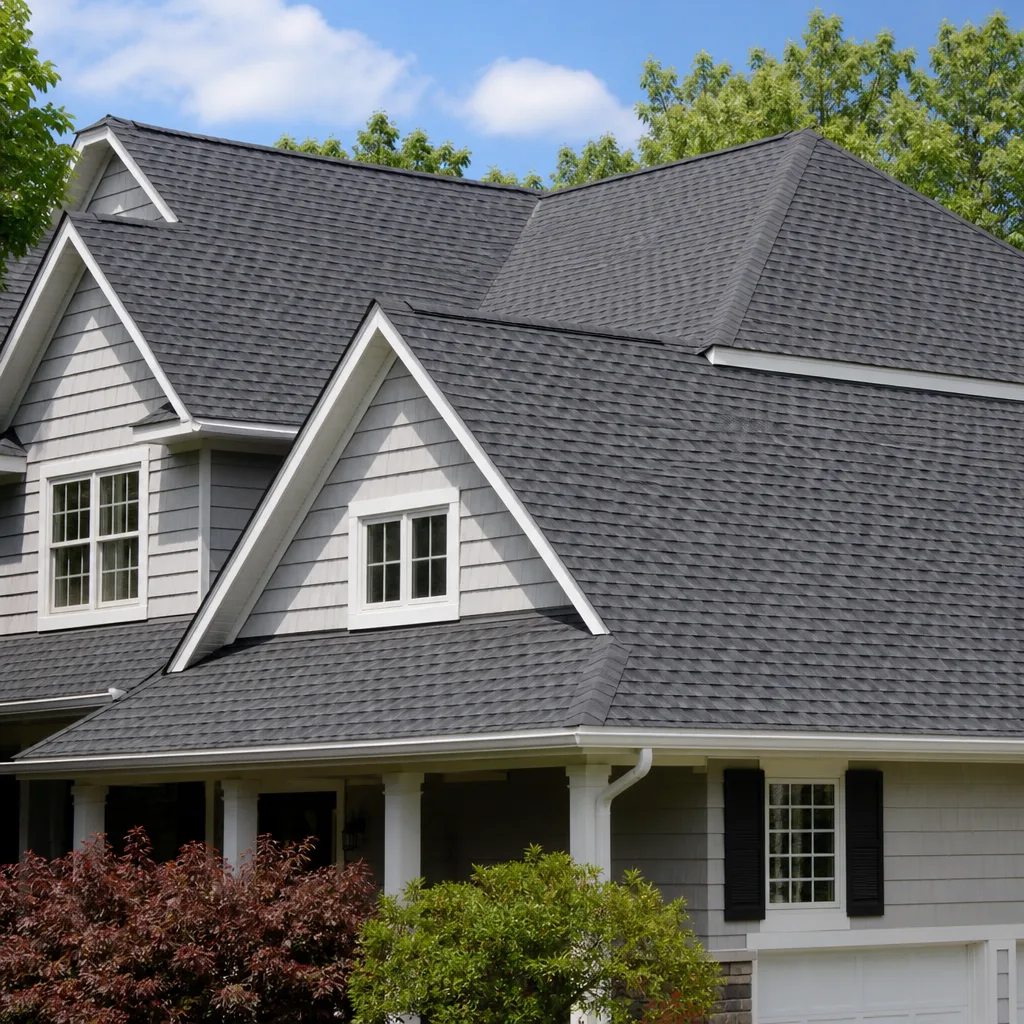
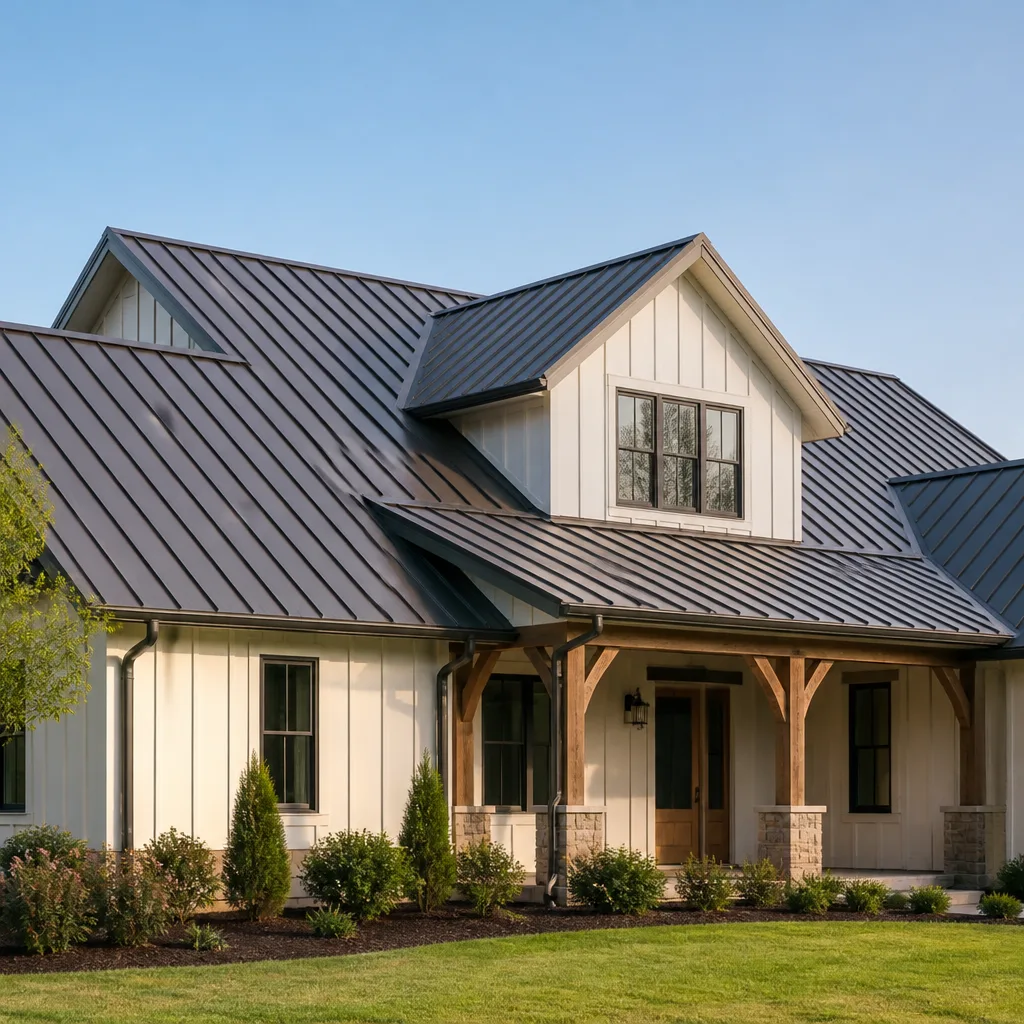
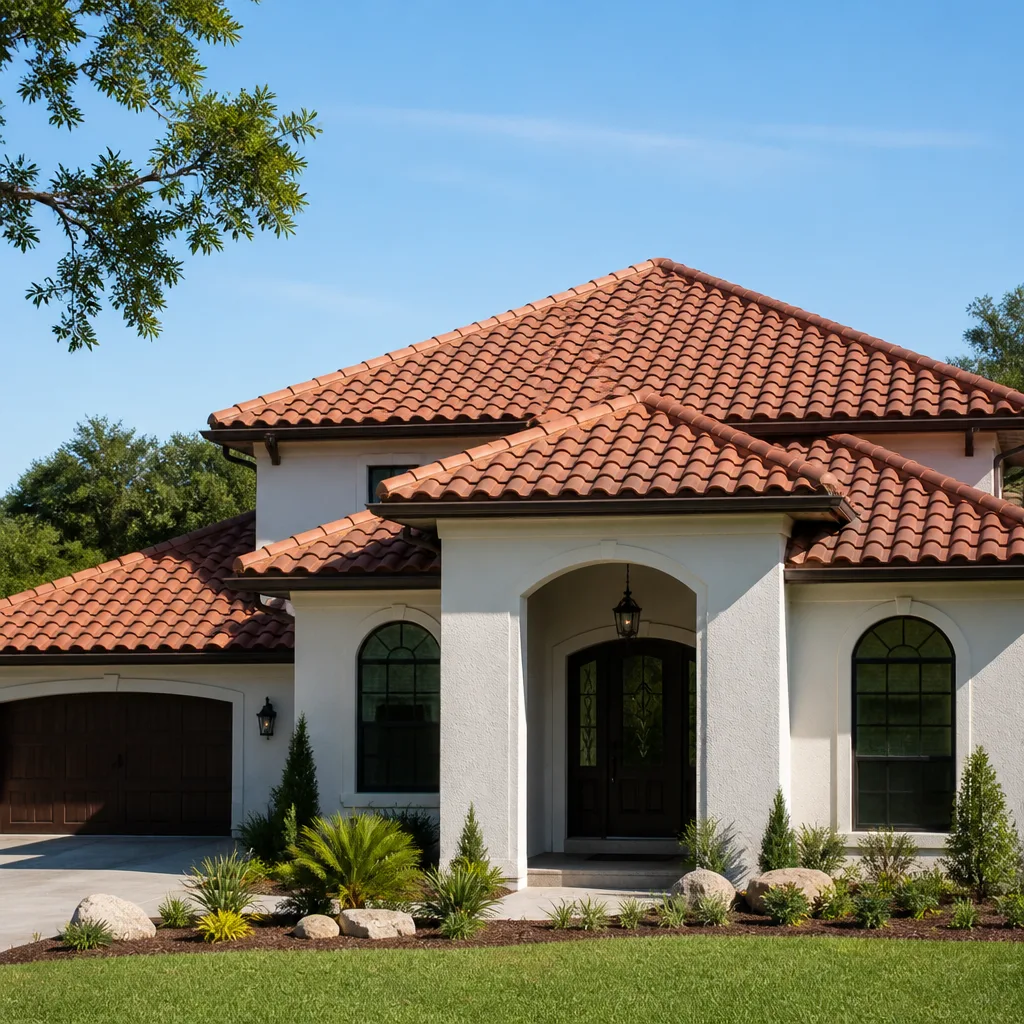
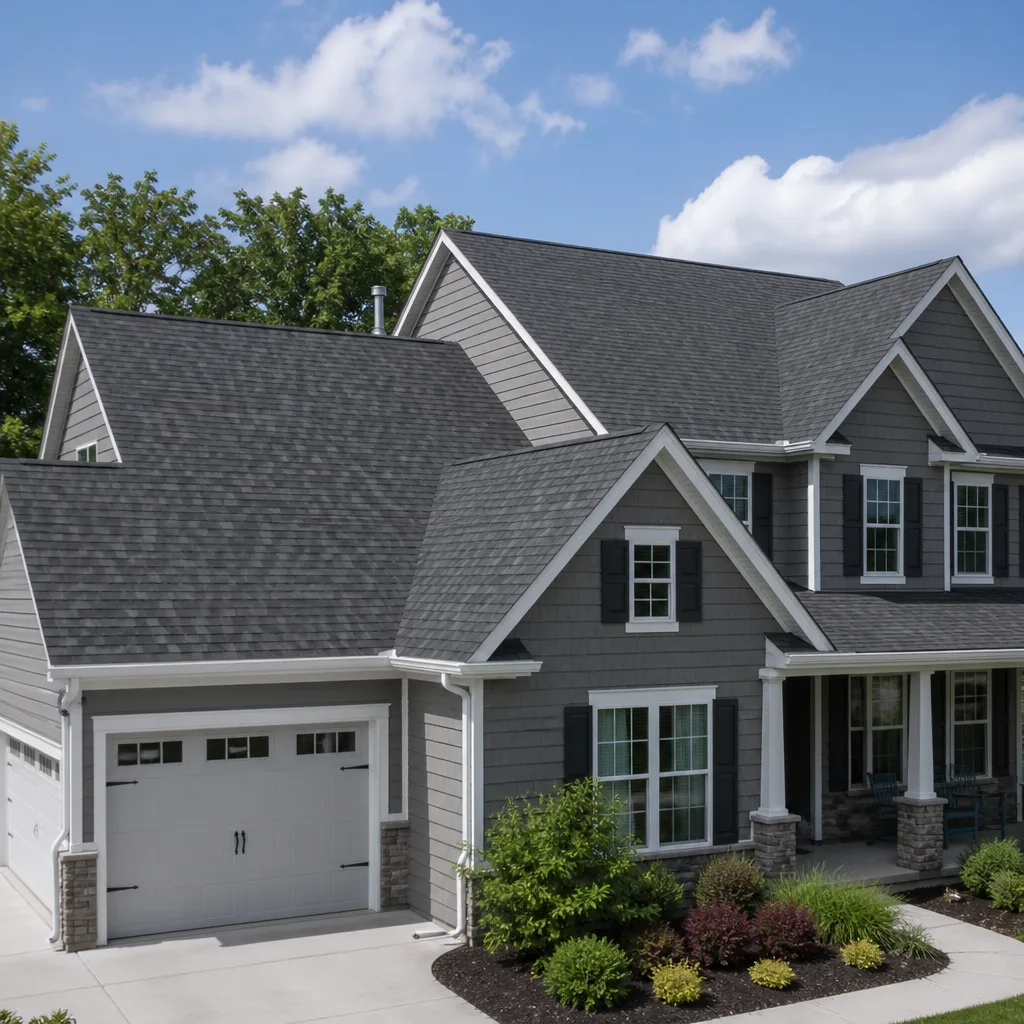
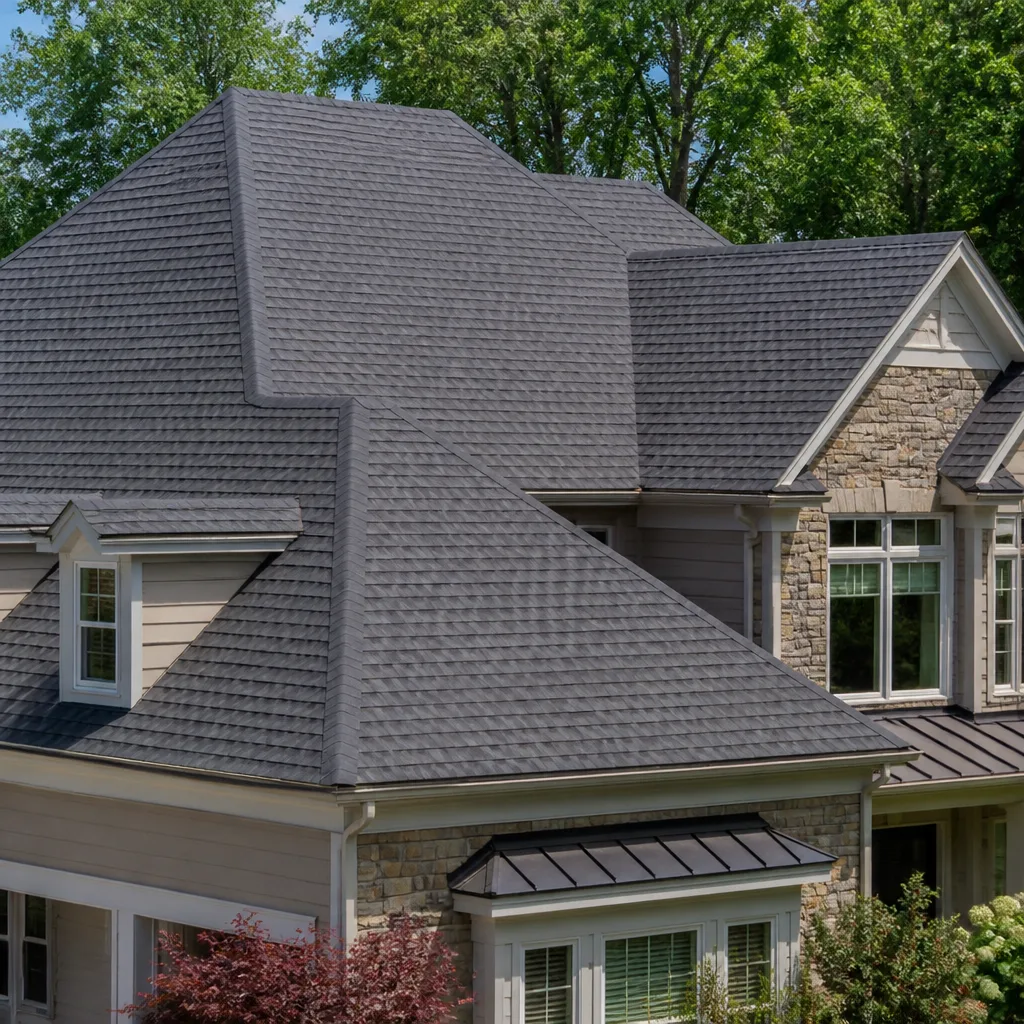
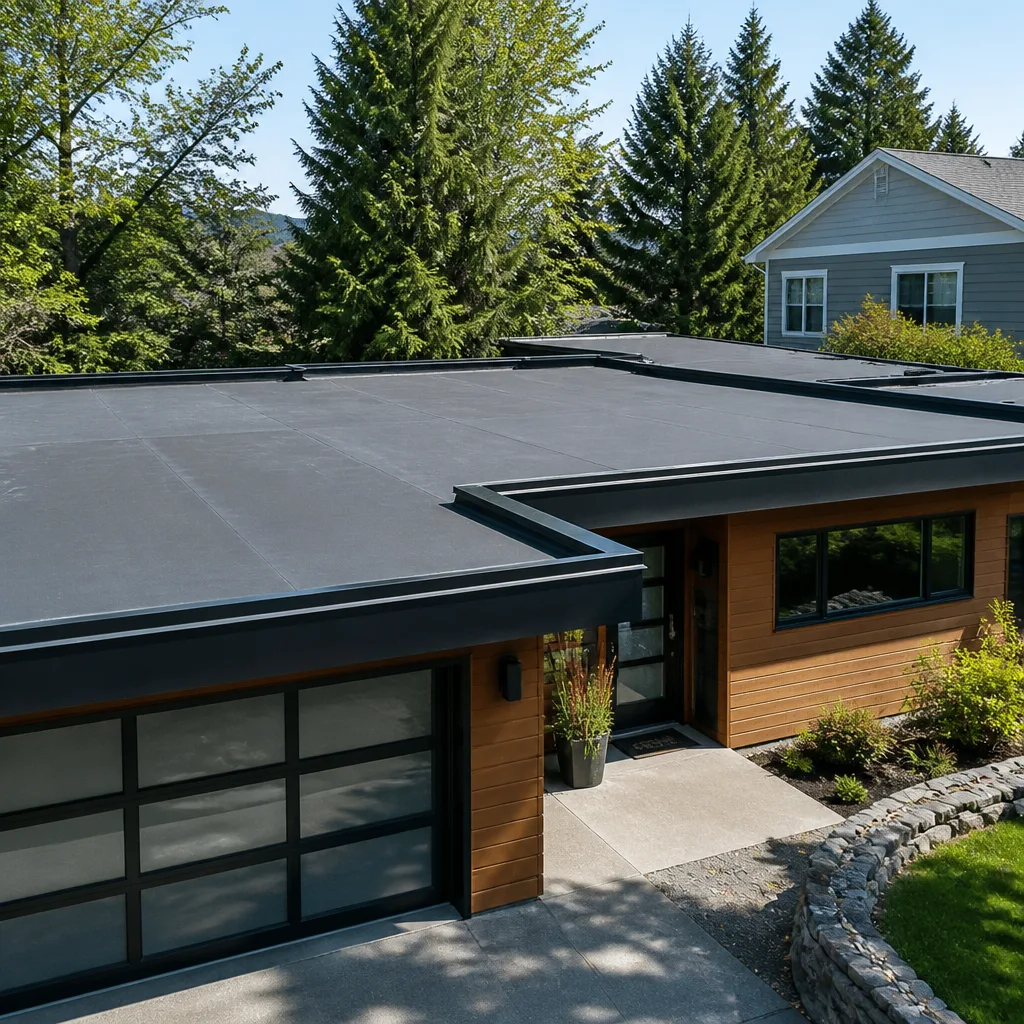
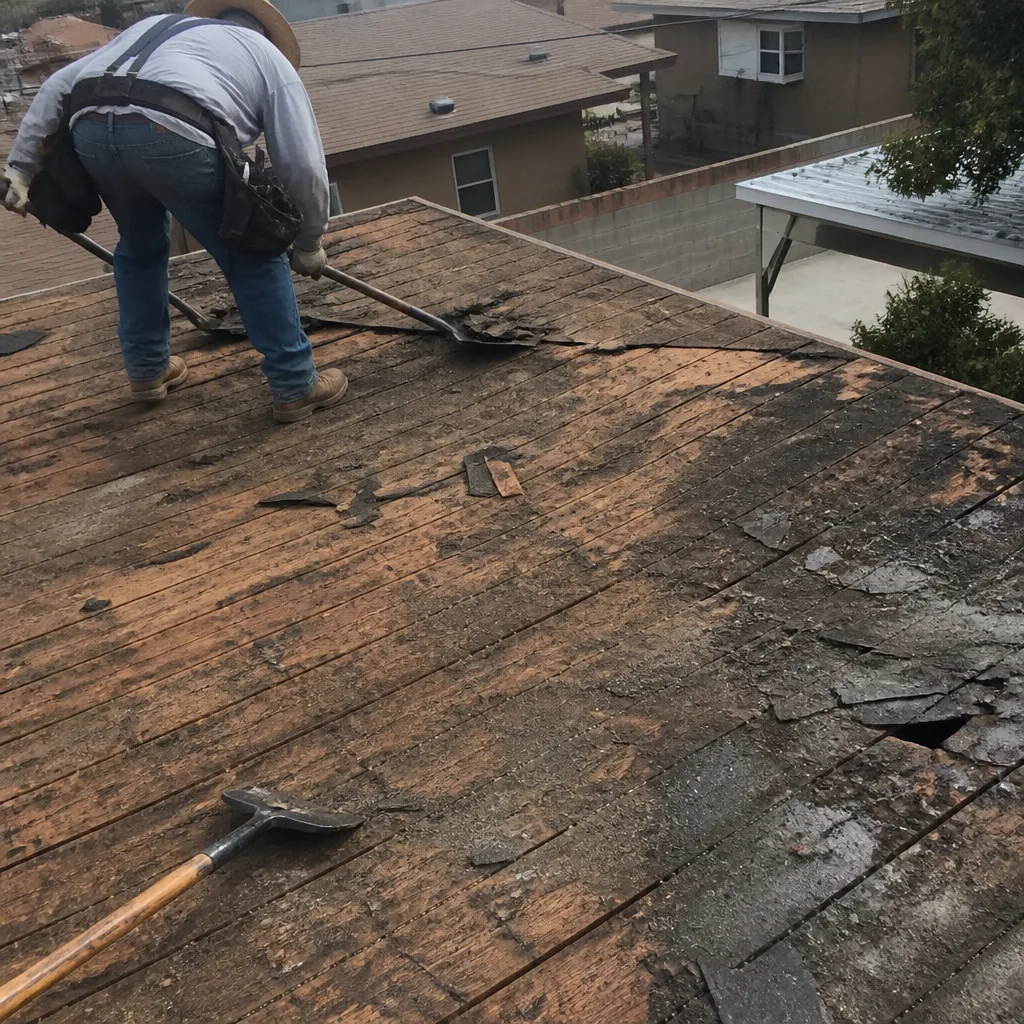 Before
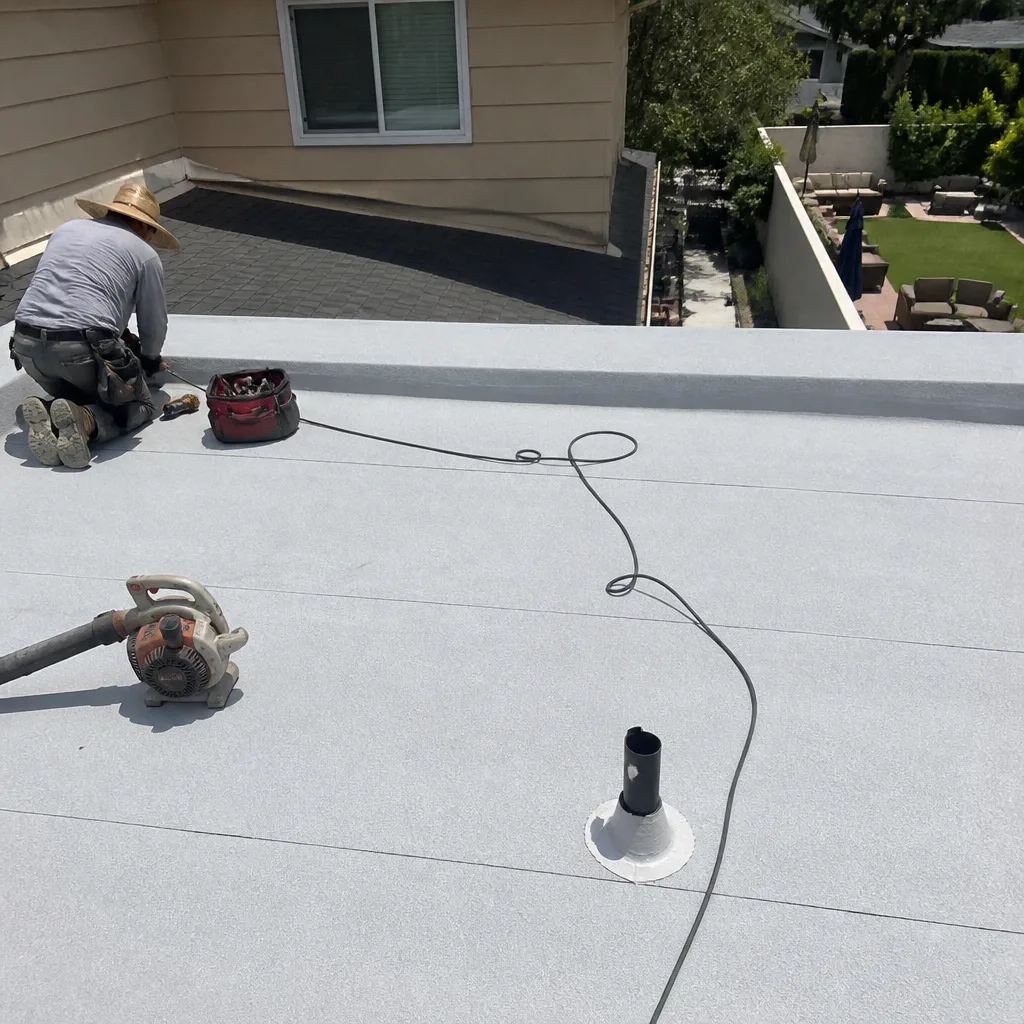 After
After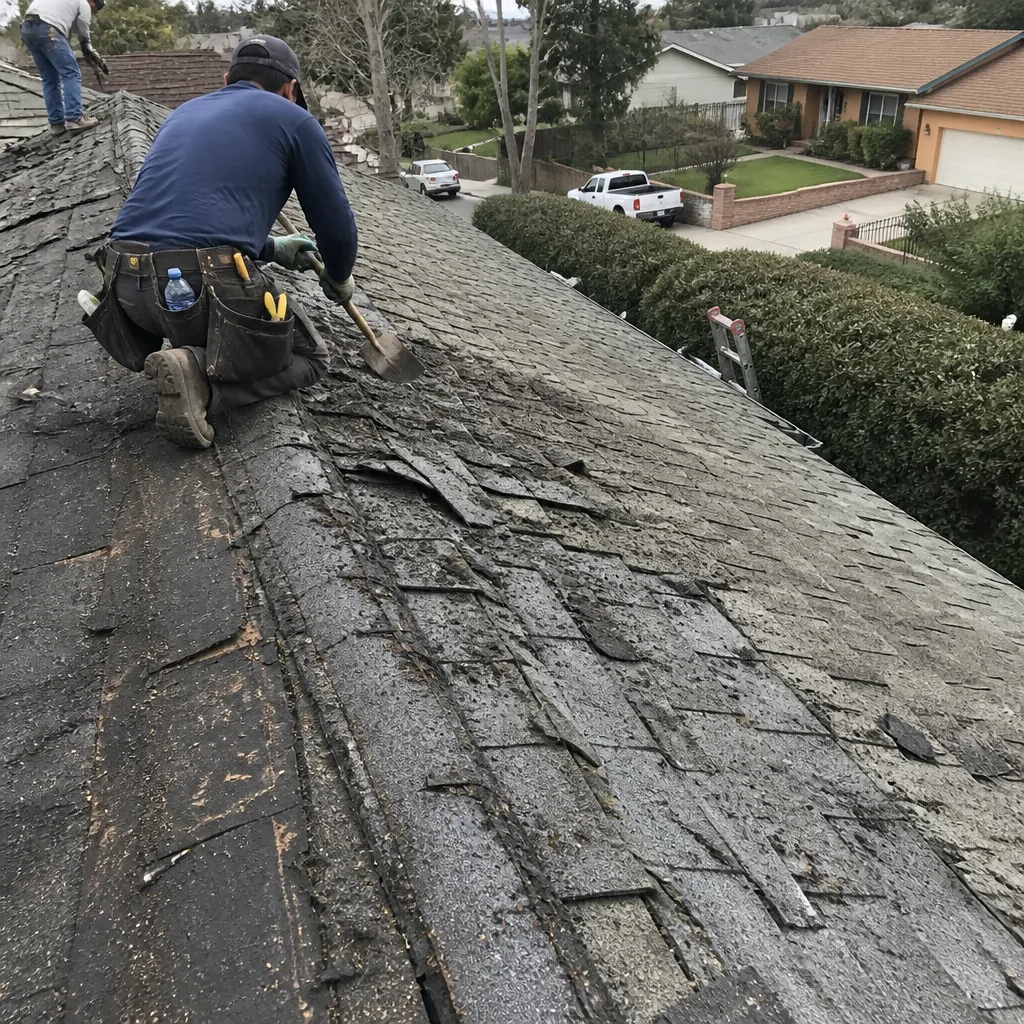 Before
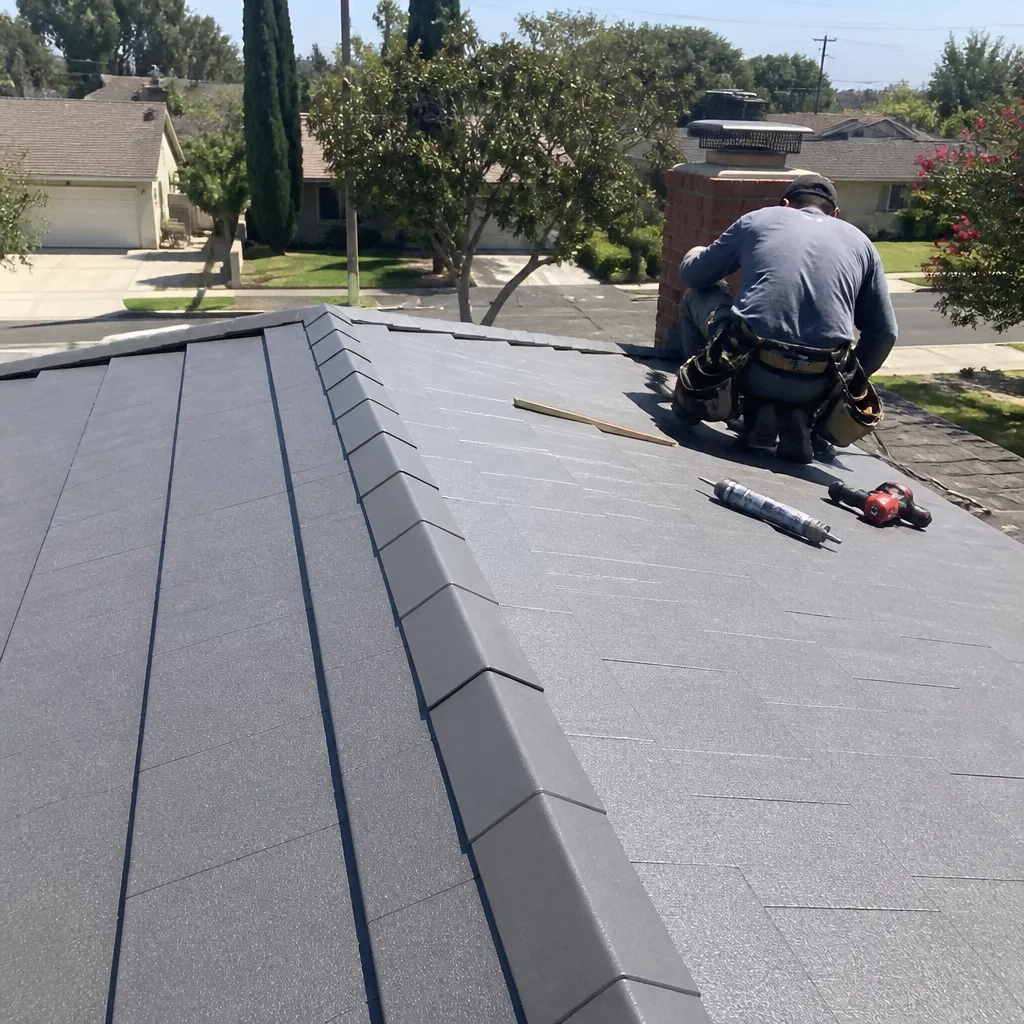 After
After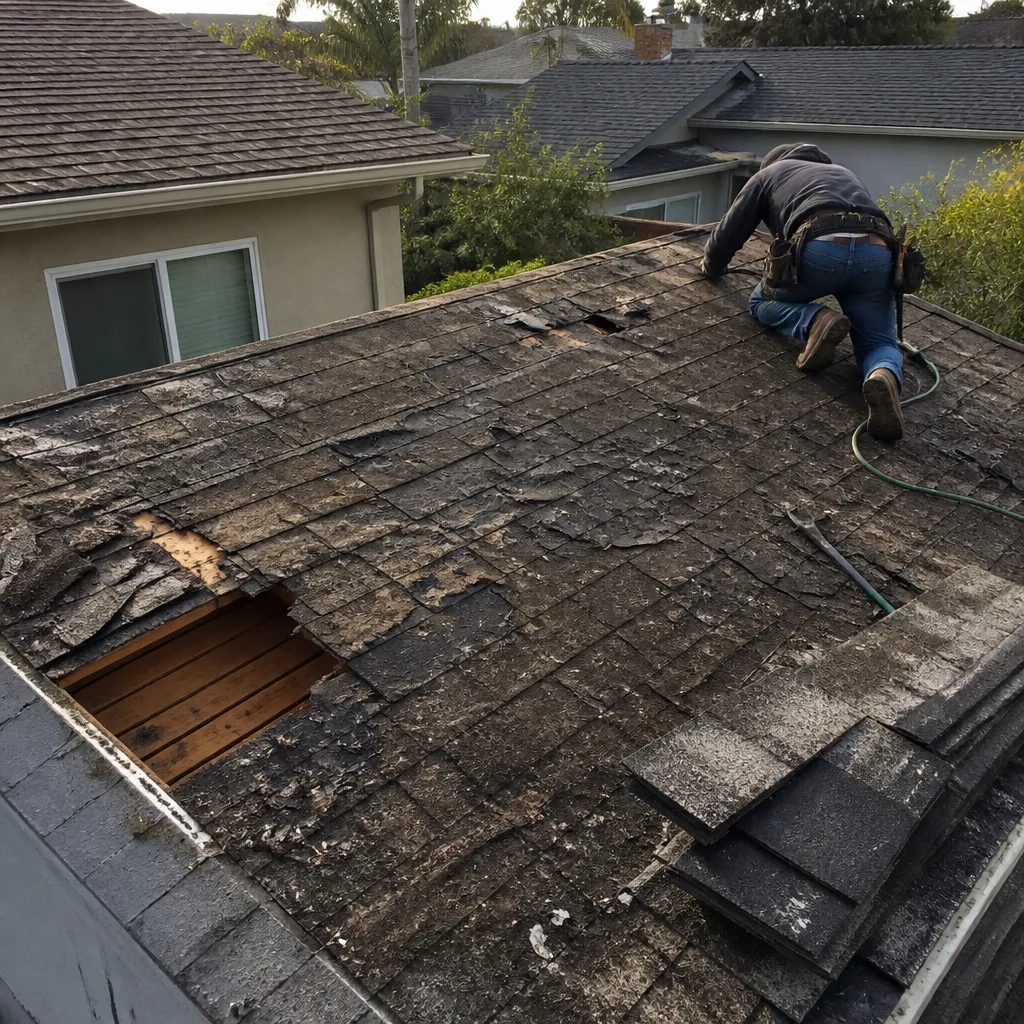 Before
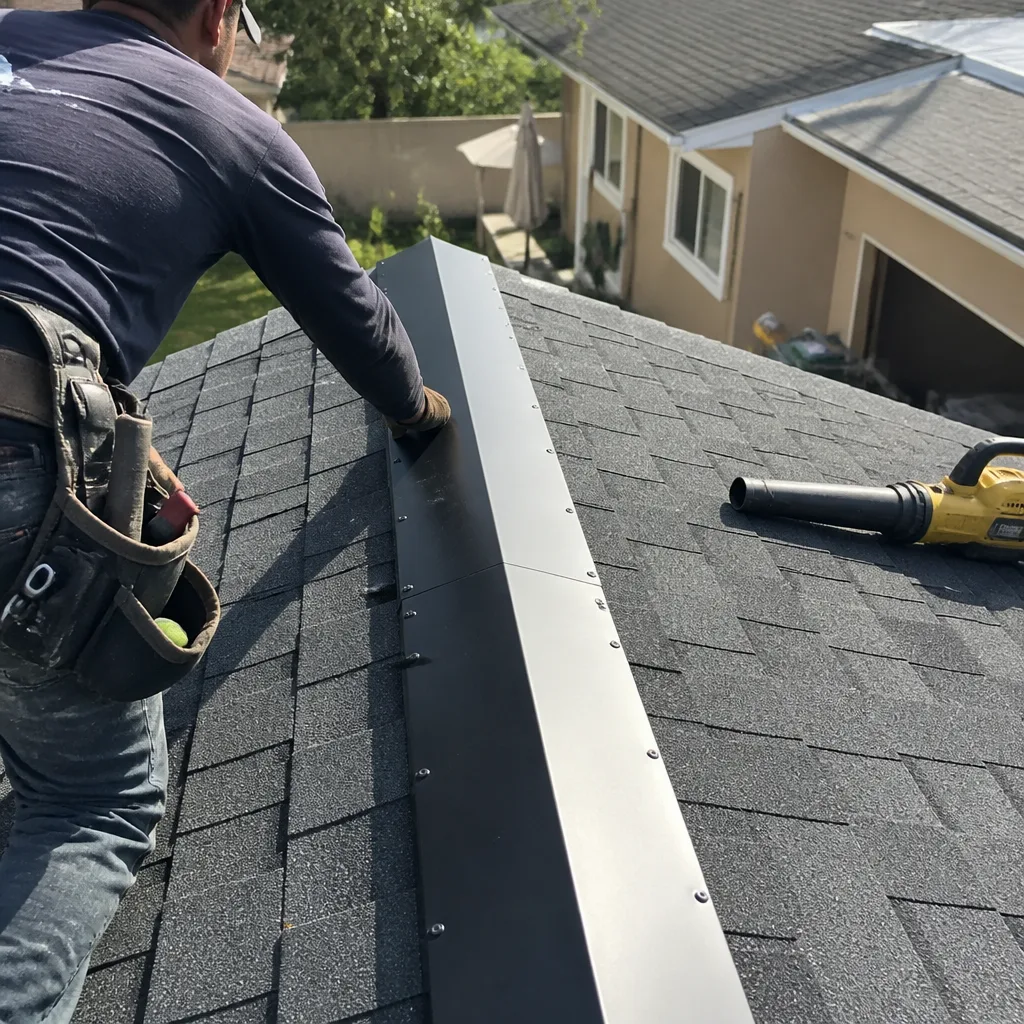 After
AfterHow Long Does Roof Installation Take? Timelines and What to Expect
Most Los Angeles homeowners hear “we’ll have your roof done in a day” and picture a finished job: permit pulled, materials delivered, old roof gone, new roof nailed down, inspector signed off, dumpster hauled away. What that one-day promise actually covers is narrower than you’d think. The physical tear-off and nail-down on a standard LA home often does take just a day or two. Everything around it, the permit, the material delivery, the final inspection, the weather holds, stretches the real timeline to somewhere between 10 and 21 days. This guide breaks down exactly where those days go, what legitimately speeds a job up, and what questions to ask so your roof installation in Los Angeles doesn’t surprise you.
Quick Answer
Roof installation in Los Angeles typically takes 1 – 3 labor days for the physical work on an average single-family home, but the full project timeline from permit application to final inspection runs 10 to 21 days. Variables that extend labor days include roof pitch, number of layers being torn off, and material type (concrete tile installs slower than asphalt shingle). A written day-by-day schedule from your contractor, before work starts, is the single best tool for keeping the job on track.
Table of Contents
- Labor Days vs. Total Project Days: The Gap Nobody Explains
- Permits and LADBS: How Long Before the First Nail
- Material Delivery and Lead Times in Los Angeles
- How Roof Size, Pitch, and Material Change the Labor Estimate
- Weather Delays in Los Angeles: Rain Windows and Rain-Hold Clauses
- What Final Inspection Means in LADBS Terms
- Three Questions That Produce a Written Day-by-Day Schedule
- Common Mistakes to Avoid
- When to Call a Professional
- Frequently Asked Questions
- The Bottom Line
Labor Days vs. Total Project Days: The Gap Nobody Explains
Here is the distinction that rarely gets stated plainly: labor days are the hours crews are physically on your roof. Total project days are the calendar stretch from the day you sign the contract to the day the city signs off. On a standard 1,800-square-foot Los Angeles home with a simple gable roof, the crew typically tears off and installs in one to two labor days. The total project span is usually 10 to 21 days. The gap between those two numbers is made of waiting, not working.
What fills the gap in LA specifically:
- Permit review: The Los Angeles Department of Building and Safety (LADBS) often takes 5 to 10 business days to issue an over-the-counter reroof permit, depending on current volume and whether any plan check is triggered.
- Material delivery: Shingle orders placed through local supply yards typically arrive in 2 to 5 business days. Concrete tile and certain Boral products can take longer if the color or profile is not stocked locally.
- Dumpster and dump permit: In some LA neighborhoods, a temporary dumpster requires its own placement considerations and can add a day of coordination.
- Inspection scheduling: After the final nail, LADBS inspections are usually scheduled within 1 to 3 business days, not the same afternoon.
- Weather holds: Between December and March, Los Angeles rain events can pause a job for 2 to 5 days while the deck dries out.
When a roofer says “two days,” ask the follow-up: “Two labor days, or two calendar days from contract to sign-off?” The answer tells you more about the company than the roof.
Permits and LADBS: How Long Before the First Nail
Every legitimate roof installation in Los Angeles requires a building permit through LADBS. The reroof permit process for a standard asphalt shingle replacement is typically handled over the counter, meaning no full plan check is required, and issuance usually takes 5 to 10 business days. A contractor who says they can start tomorrow almost certainly has not pulled the permit.
The permit timeline breaks down like this:
- Contract signed and deposit paid: Day 1. Your contractor should file the permit application the same week.
- LADBS review: 5 to 10 business days for a routine reroof permit. If your home is in a Historic Preservation Overlay Zone (like parts of Hancock Park or Angelino Heights), the review can take longer and may require additional documentation.
- Permit issued and posted: The permit card must be displayed on the job site for the duration of the work.
- Work begins: Typically 1 to 3 days after permit issuance, depending on material delivery timing.
One thing we stress at Mercer Roofing: the written price you receive includes the cost of the permit, and we do not start a single roof in Los Angeles without the permit card posted. A contractor who skips the permit saves you a few days and costs you a failed inspection, a potential fine, and a disclosure headache when you sell the house.
Material Delivery and Lead Times in Los Angeles
Most Los Angeles roofing supply yards stock full lines of GAF, CertainTeed, and Owens Corning architectural shingles, which means a standard color like weathered wood or charcoal ships in 2 to 3 business days. The moment you step outside standard stock, the calendar stretches.
What affects material lead time in the LA market:
- Asphalt shingles in stock colors: 2 – 3 business days from order to delivery.
- Specialty shingle colors or upgraded lines: 5 – 10 business days if the yard has to pull from a regional warehouse.
- Concrete tile (Boral and similar): 1 to 3 weeks if the profile or color is not stocked locally. Tile is heavier and slower to unload, and delivery windows are less flexible.
- Standing seam metal or specialty systems: Often custom-fabricated, which can add 2 to 4 weeks.
For homeowners replacing an LA roof during the dry summer months, material availability is rarely the bottleneck. For tile roofs in neighborhoods like Sherman Oaks or Studio City, where concrete tile is common, the tile lead time can become the longest single line item in the schedule. Ask your contractor to confirm, in writing, that the materials have been ordered before demolition day is set.
How Roof Size, Pitch, and Material Change the Labor Estimate
Roof size is only part of the labor equation. Pitch and material type shift the crew count and the days on-site as much as square footage does, sometimes more.
Roof size: A small 1,000-square-foot roof in Echo Park can often be torn off and re-shingled in a single long day with a full crew. A 3,000-square-foot roof in Pacific Palisades typically needs 2 to 3 labor days. Larger roofs also generate more tear-off debris, which means more dumpster loads and more trips to the landfill, each of which eats a couple of hours.
Roof pitch: A flat or low-slope roof (common on mid-century homes in the San Fernando Valley) installs faster because crews can walk it safely and work standing. A steep 8/12 pitch roof in the Hollywood Hills installs slower because the crew moves more carefully, uses additional safety equipment, and nails fewer courses per hour. Pitch alone can double labor time on the same square footage.
Material type: Asphalt shingles are the fastest common material to install. Lightweight tile is slower. Full-weight concrete tile from Boral is slower still, and it requires careful staging because of the roof load. TPO or PVC membrane on a flat commercial-style LA roof is a different process entirely, with heat-welded seams that have their own pace.
In our experience, a single-story 1,500-square-foot home with a 4/12 shingle roof in the Valley can be a one-day tear-off and one-day install. The same square footage as a 7/12 tile roof in Mount Washington becomes a 3 to 4 labor-day job. Same size, different roof, different calendar.
Weather Delays in Los Angeles: Rain Windows and Rain-Hold Clauses
Los Angeles has a dry season that runs roughly April through October and a wet season from November through March. Most roof installations happen between May and September, not because roofers are busier then, but because that is when the weather cooperates.
What a rain delay actually means for an LA roof job:
- Deck must be dry: Shingles and underlayment need a dry wood deck to install correctly. Even after rain stops, the plywood or OSB decking may need a full day of dry weather before crews can proceed.
- Underlayment protects between tear-off and covering: A good crew tears off only what it can re-cover the same day. If rain is forecast, the job pauses before the tear-off, not after, leaving your home protected.
- Rain-hold clauses: Legitimate Los Angeles roofing contracts include a rain-hold or weather-delay clause stating that weather-related pauses extend the schedule without penalty. If a contract lacks one, that is a red flag about the contractor’s experience, not your luck.
A December roof installation in Los Angeles is possible. It just requires more patience and a contractor who plans around the forecast rather than racing it. We schedule winter jobs with buffer days on either side of the labor window for exactly this reason.
What Final Inspection Means in LADBS Terms
The final inspection for a Los Angeles roof installation is done by an LADBS inspector, not by the roofing company. The inspector verifies that the installed roof matches what the permit called for and that the work meets current code.
What gets inspected:
- Underlayment and fastening: The inspector may spot-check nailing patterns and underlayment installation, especially if the inspection is called for mid-job (a “nail pattern inspection,” common on some LA reroof permits).
- Flashing: The inspector looks at flashing at roof penetrations, walls, valleys, and chimneys to confirm proper overlap and material.
- Edge metal and drip edge: Code requires drip edge at eaves; the inspector verifies it is present and fastened correctly.
- Roof covering: The shingle or tile course alignment, exposure, and overall installation quality are reviewed against the approved permit.
Who needs to be present: the responsible party (typically the contractor or a designated representative) must be on-site with the permit card and any manufacturer installation documents. The homeowner does not need to be present, though you are welcome to be there.
What happens if it fails: the inspector leaves a correction notice, the contractor fixes the listed items, and a re-inspection is scheduled. Re-inspections in LA usually take 1 to 3 business days to get back on the schedule. This is a normal part of construction and not a sign of disaster, but it is one more reason the “done in a day” promise only covers the labor, not the close-out.
Three Questions That Produce a Written Day-by-Day Schedule
Most roofers give a verbal timeline. A few give a written schedule. The difference matters when you are scheduling time off work, arranging for kids or pets to be out of the house, and deciding whether to book a hotel for a night. Here are three questions to ask during the estimate that push the conversation from vague to specific, including asking about how long roof repair takes:
- “Can you put the schedule in writing, day by day, from permit filing to final inspection?” A contractor who cannot or will not produce a written schedule is telling you they have not thought through the logistics. The answer should include permit timing, material delivery date, tear-off day, install day, and the inspection window.
- “What happens to the schedule if it rains mid-job?” Listen for the phrase “rain-hold clause” or a clear explanation of how weather delays are handled. A contractor who says “we work through the rain” is either overconfident or installing on a wet deck, and neither protects your home.
- “Who exactly is on my roof, and how will I know they’re supposed to be there?” This question reveals more about company operations than any other. At Mercer Roofing, every technician’s name and photo is sent to the homeowner before the visit, and every technician badged in at the door with a photo ID. That is the Threshold Verified standard we operate under, and it is the difference between a known crew and a surprise at the door.
A written day-by-day schedule is not a guarantee against every delay. It is a baseline you can hold the contractor to, and it is the single best way to distinguish a roofing company that runs a real operation from one that runs on promises.
Common Mistakes to Avoid
- Believing “done in a day” means done in a day. The labor might take a day. The permit, delivery, inspection, and close-out do not. Plan for the full project span, not the labor window.
- Choosing a contractor who offers to skip the permit. In Los Angeles, an unpermitted roof is a liability at resale and a failed inspection waiting to happen. The roof installation in Los Angeles process runs on permits, and a contractor who skips them is cutting the wrong corner.
- Waiting until October to schedule. Pick a contractor between April and August and you are working with the LA dry season. Wait until the first rain and you are competing with every other homeowner who noticed a leak.
- Paying the full contract amount upfront. A standard LA roofing contract typically calls for a deposit at signing and payment at completion, after the final LADBS inspection. Full upfront payment removes your leverage if the job stalls.
- Not asking who exactly will be on the roof. You deserve names, photos, and ID badging before work starts. If a company is vague about who shows up, they are vague about everything else, too.
- Ignoring the tear-off count. Most LA homes have one layer of shingles. Some have two or three. Each additional layer adds tear-off time, dumpster loads, and cost. Ask what is under the top layer before you sign.
- Rushing the deck inspection. The deck is the plywood under the shingles. If it is rotted in spots, it needs replacement before the new roof goes on. A crew that skips this check is building your new roof on a bad foundation. Ask for a written deck condition report as part of the estimate.
When to Call a Professional
If your roof is over 20 years old, you see granules in your gutters, you have water stains on the ceiling, or you are planning to sell a home in Los Angeles within the next five years, a professional roof evaluation is the right next step. Roof installation is not a weekend project and it is not a handyman job. The permit, the decking inspection, the underlayment, the flashing details, the LADBS final inspection, all of it requires a licensed, insured crew that does this work every day. Mercer Roofing offers free estimates in Los Angeles, with a written price before any work starts and a 365-Day Done Right Promise on every job. For more guides & resources, visit our blog. Call (743) 200-8347 to schedule yours.
Frequently Asked Questions
Labor on a standard single-family LA home takes 1 to 3 days; the full project from permit filing to final inspection typically runs 10 to 21 days. The gap is filled by LADBS permit review, material delivery, and inspection scheduling, not by crews working slowly.
Yes, a small single-story home with a simple roof and a full crew can often be torn off and re-shingled in one labor day, but that does not include the permit process or the final LADBS inspection, which add days on either side of the labor.
Between April and October, when the dry season means fewer weather holds. Winter installations are possible, but December through March rain windows add schedule risk. The best time to schedule is before the first rain, not after it.
A standard reroof permit through LADBS typically takes 5 to 10 business days for an over-the-counter issuance. Homes in Historic Preservation Overlay Zones or with unusual conditions may take longer.
A legitimate LA contractor stops work before rain arrives, leaves the underlayment in place to protect the home, and resumes when the deck is dry. A rain-hold clause in the contract extends the schedule without penalty, and it is standard practice on professional roofing jobs.
Yes. Mercer Roofing handles the LADBS permit as part of every roof installation, and no work starts without the permit card posted. The written price you receive includes the permit cost, and the job does not close until the final inspection passes. Call (743) 200-8347 for an exact quote on your roof, estimates are free.
The Bottom Line
Roof installation in Los Angeles is a one-day to three-day labor event wrapped in a two-to-three-week project. The physical work is quick. The permit, the material delivery, the weather windows, and the LADBS inspection are not. Smart homeowners plan for the full calendar span, ask for a written day-by-day schedule, and choose a roofing company in Los Angeles that sends known, badged technicians and puts every price and guarantee in writing before the first nail. That combination of speed on the roof and certainty around it is what a good roof installation actually looks like. For roof repair in Los Angeles or full installation, start with a free written estimate from the Mercer Roofing home team. Call (743) 200-8347 today.
Written by Grant Whitlock, Owner at Mercer Roofing, serving Los Angeles since 2000.