
Last updated October 9, 2026
Free roof inspection with deck photos before we talk money - GAF and Owens Corning certified installation
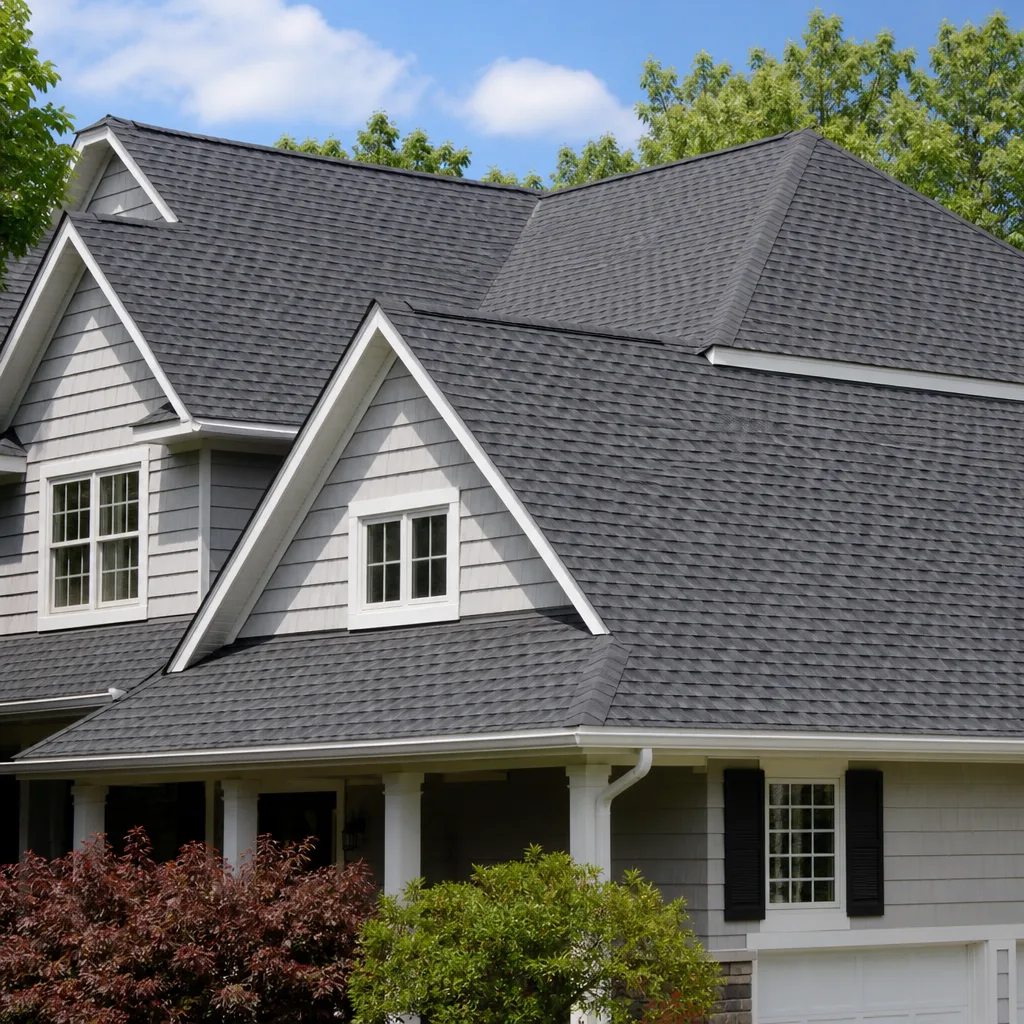
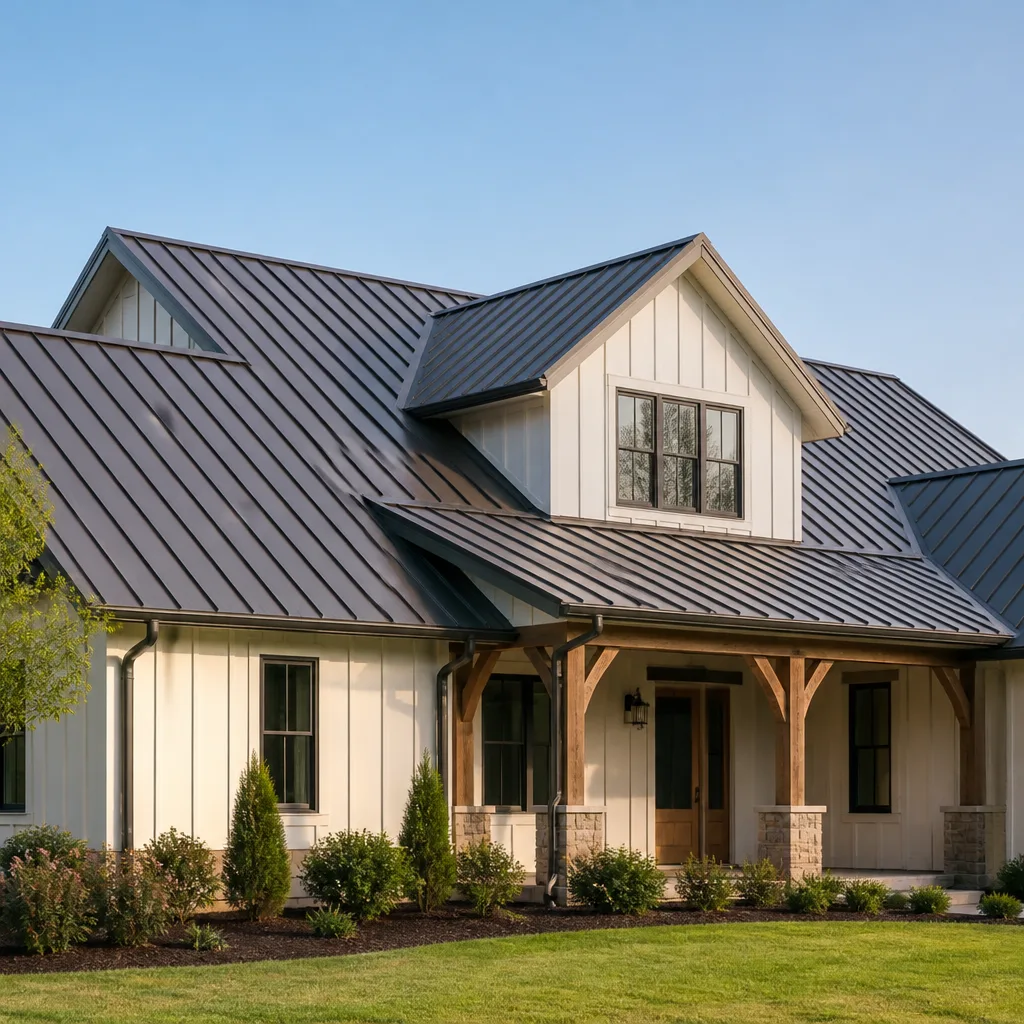
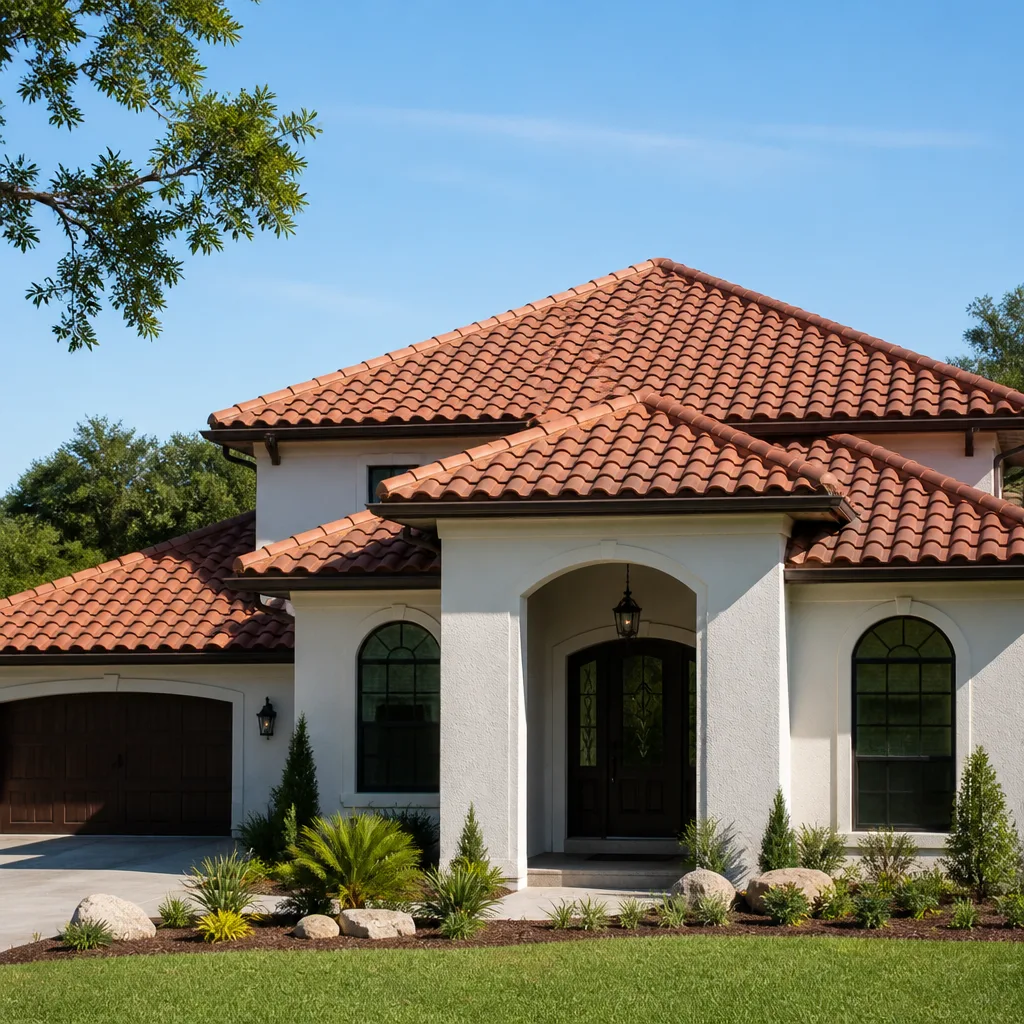
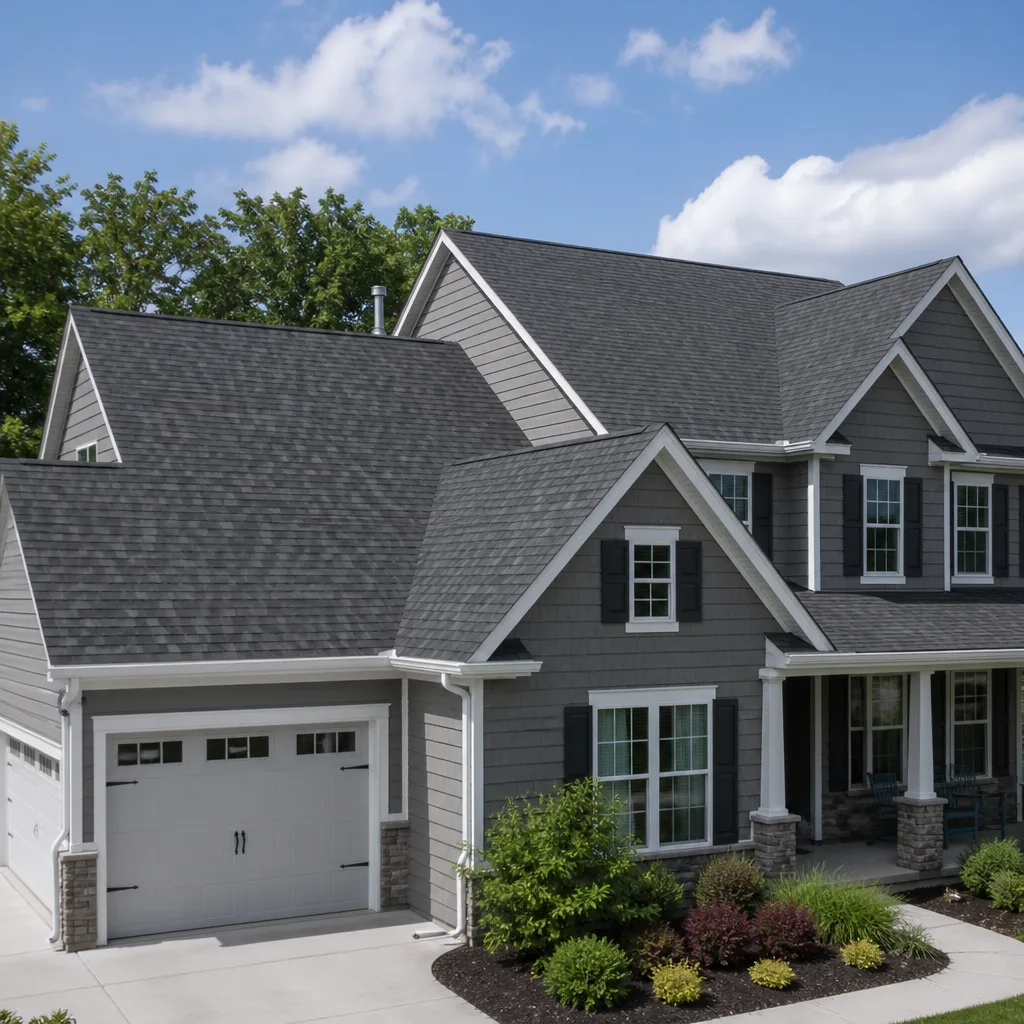
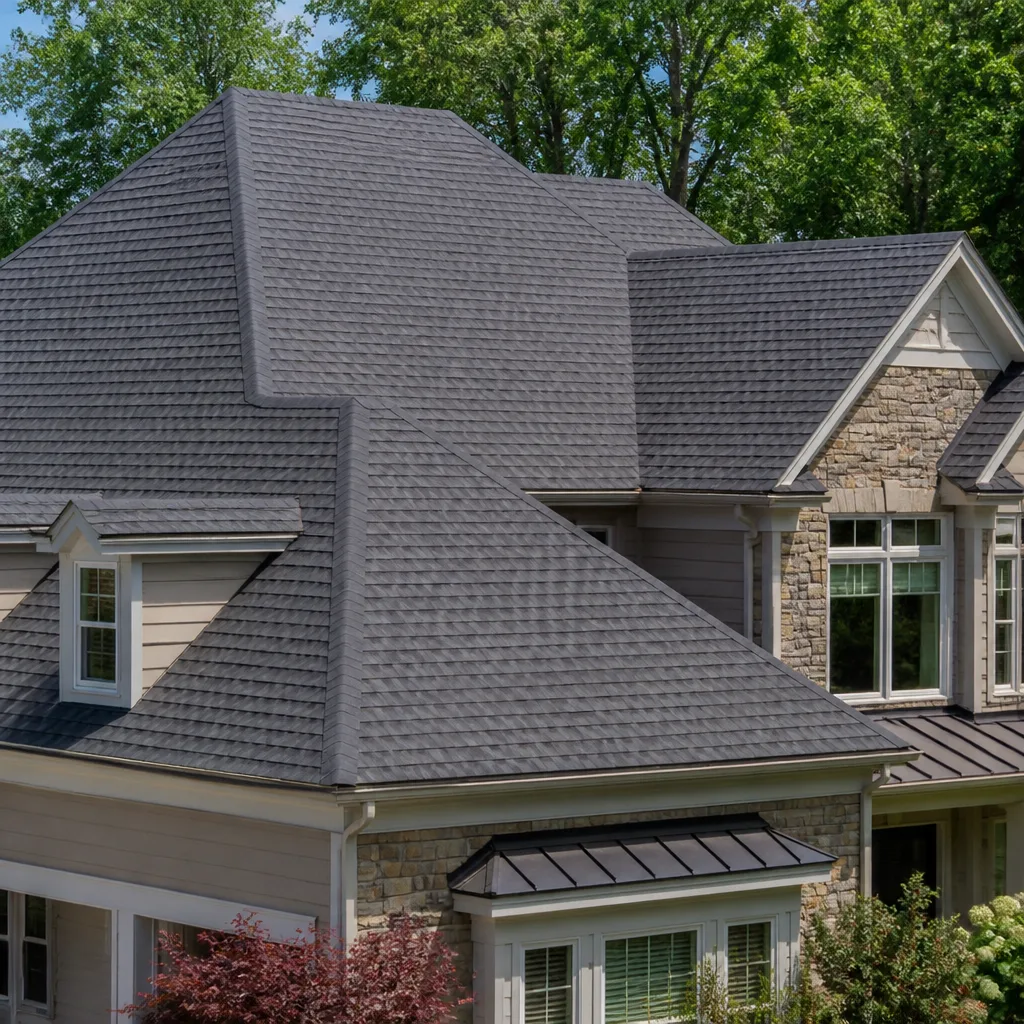
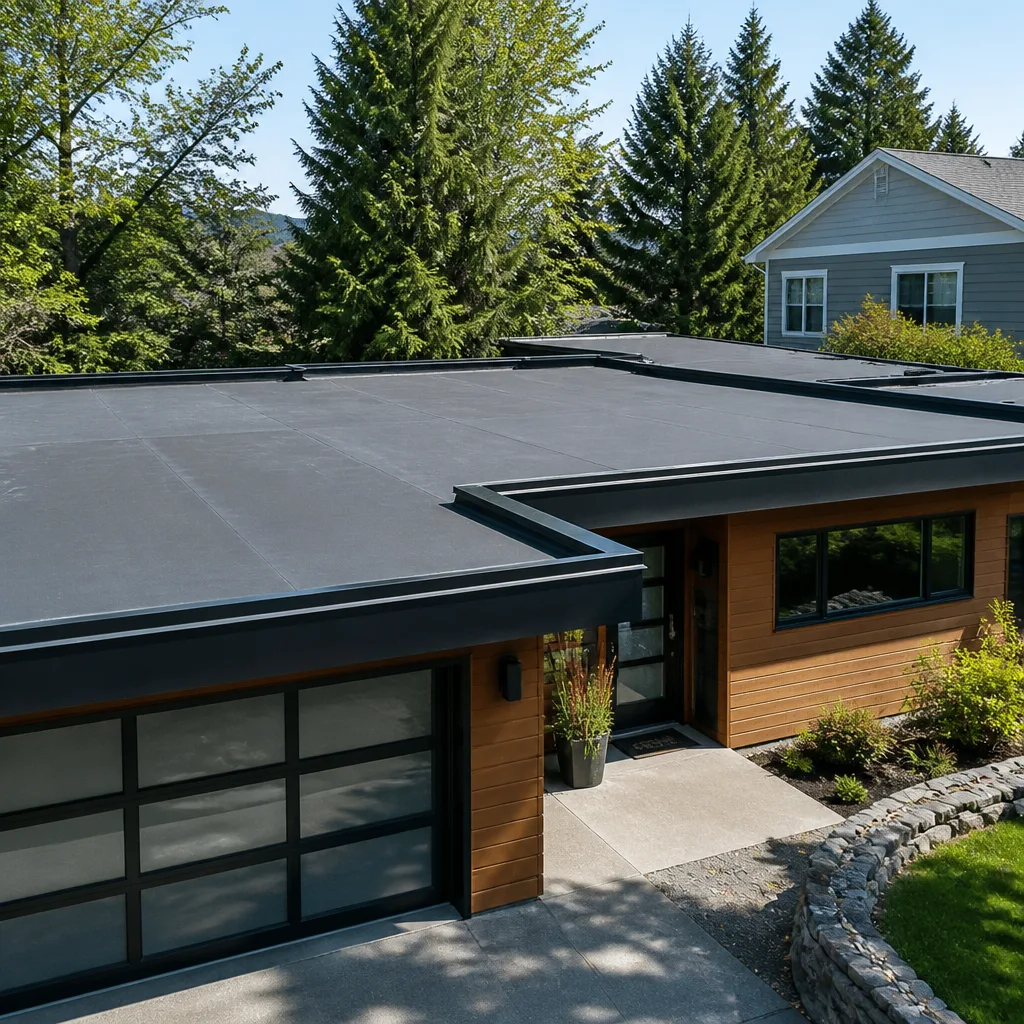
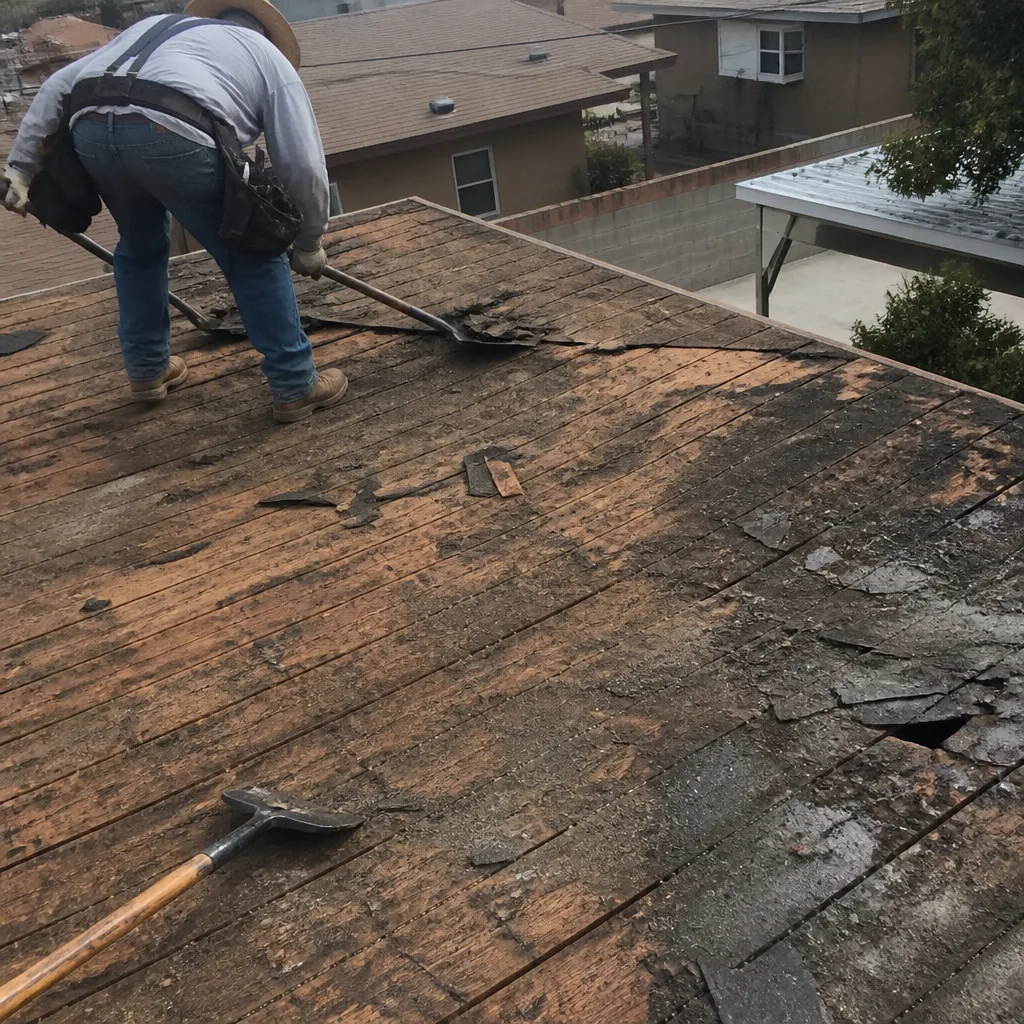 Before
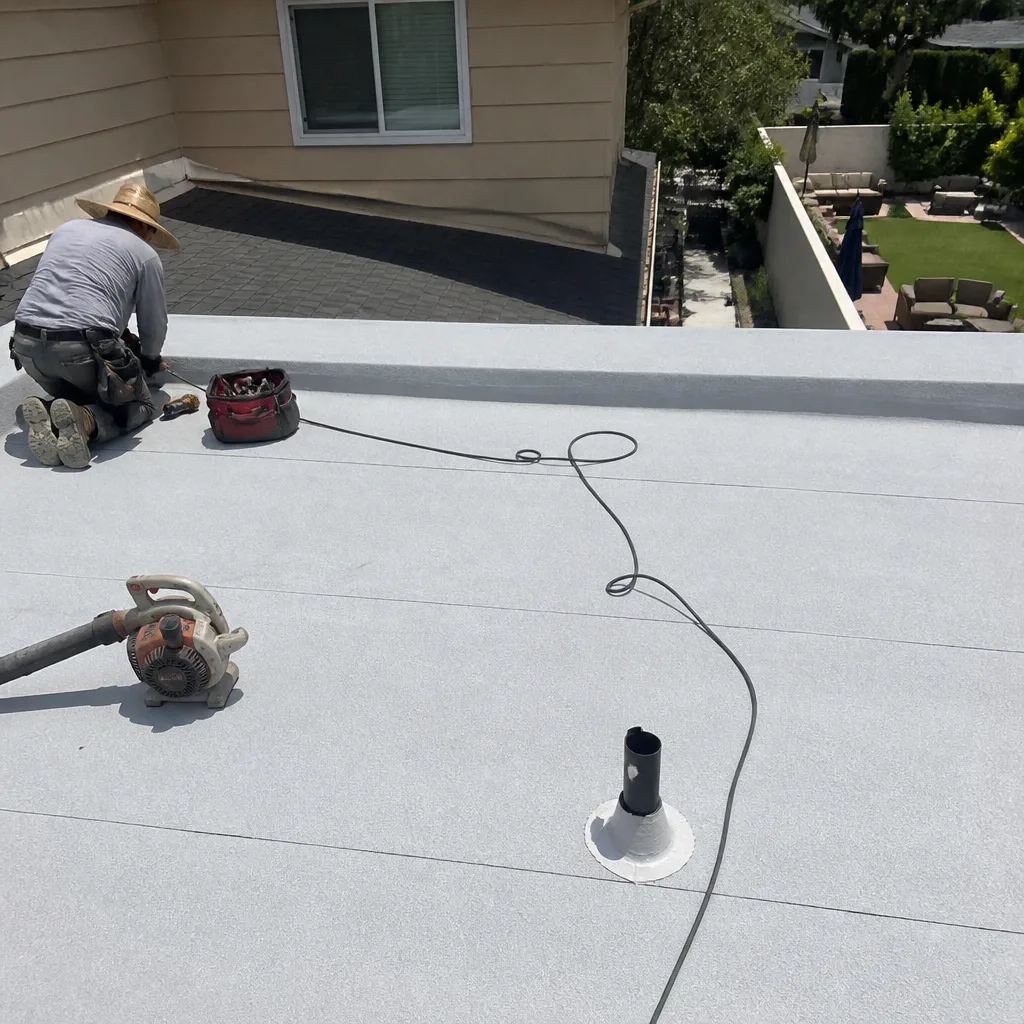 After
After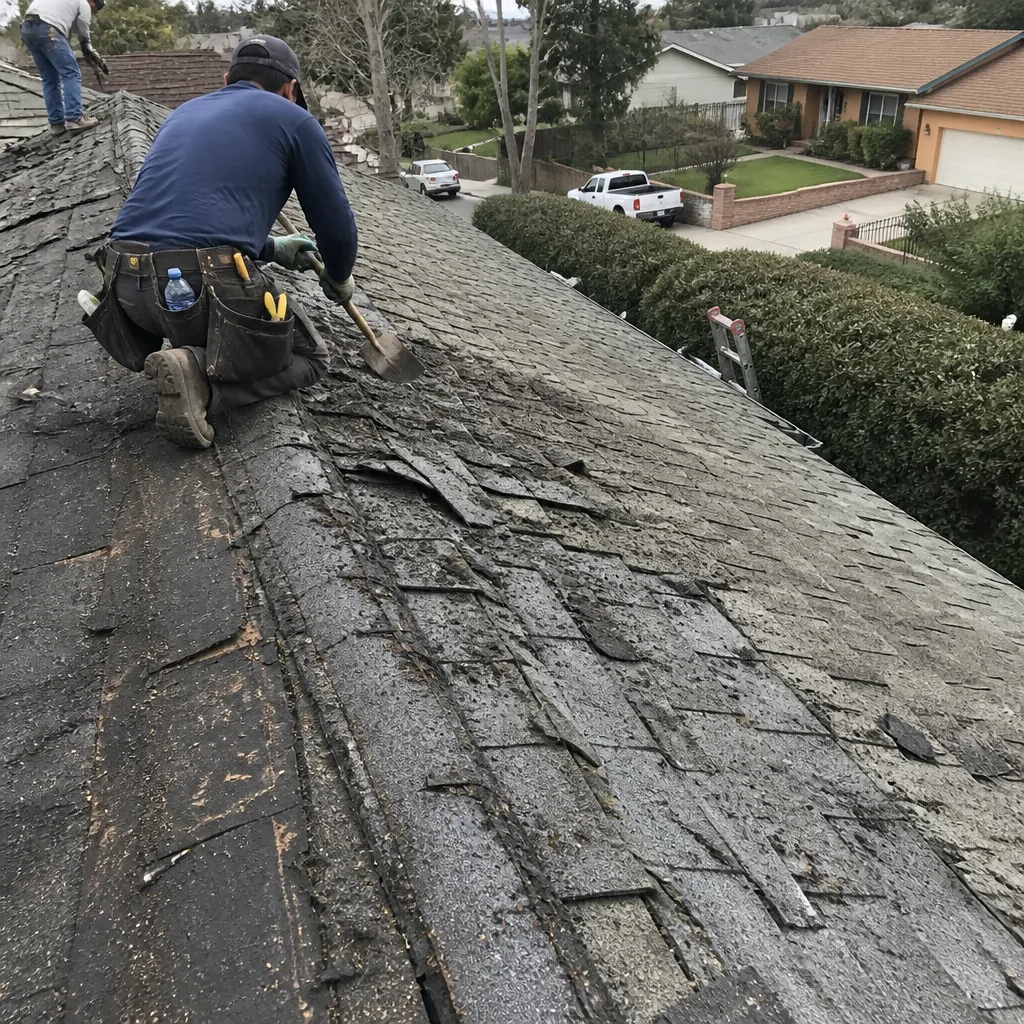 Before
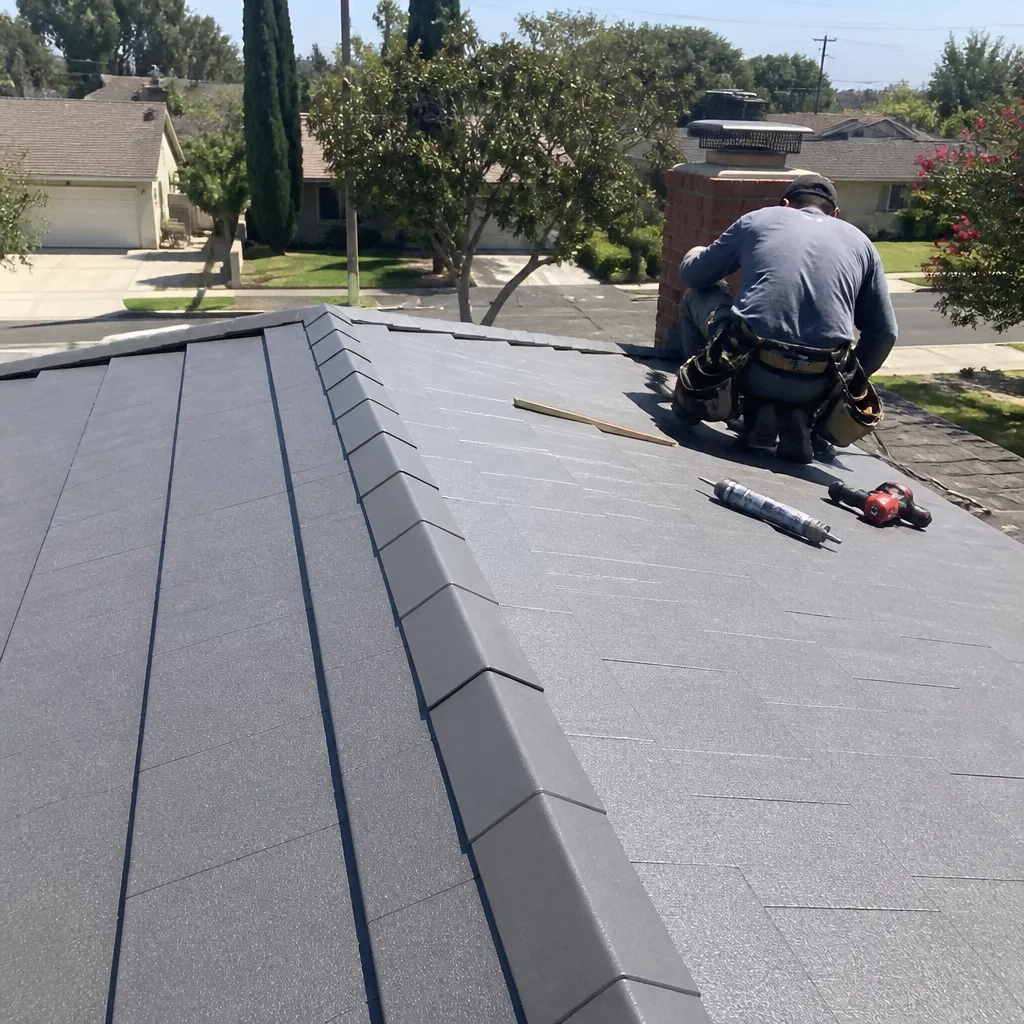 After
After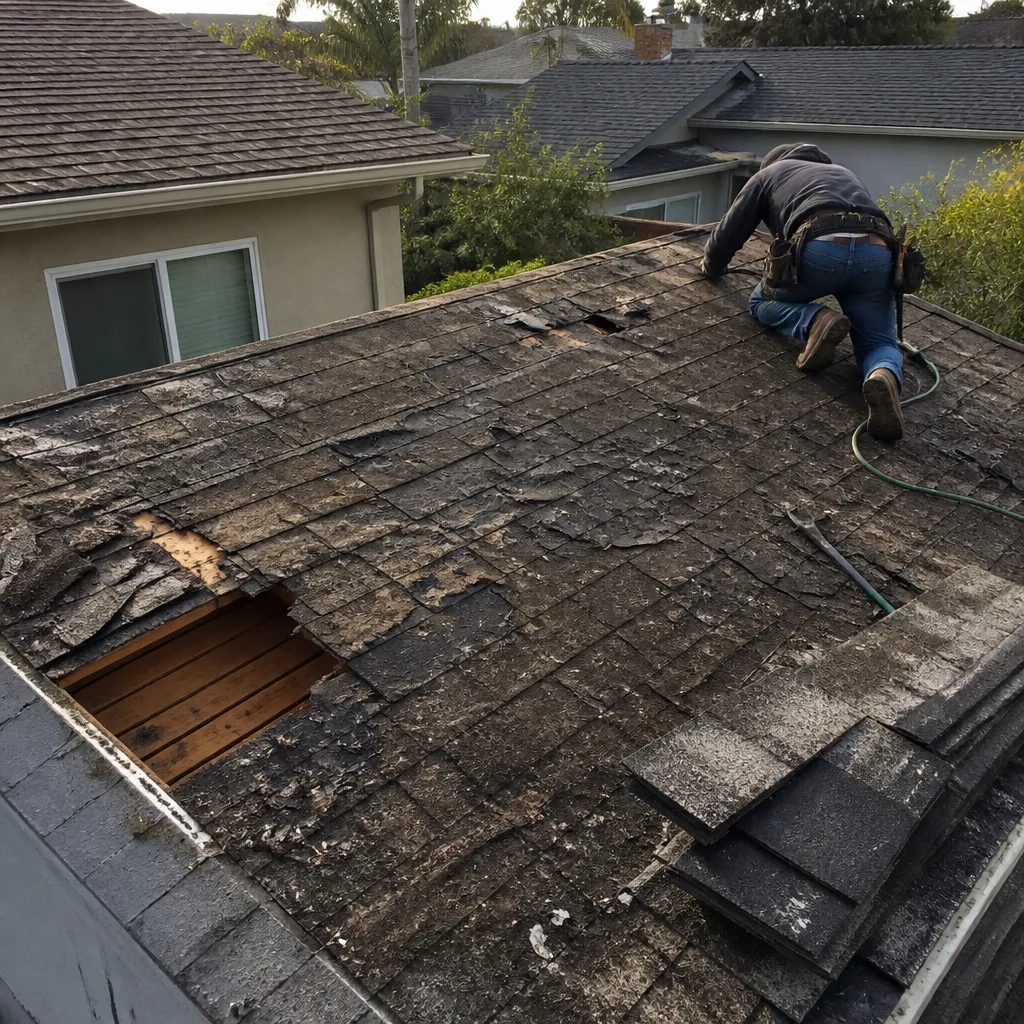 Before
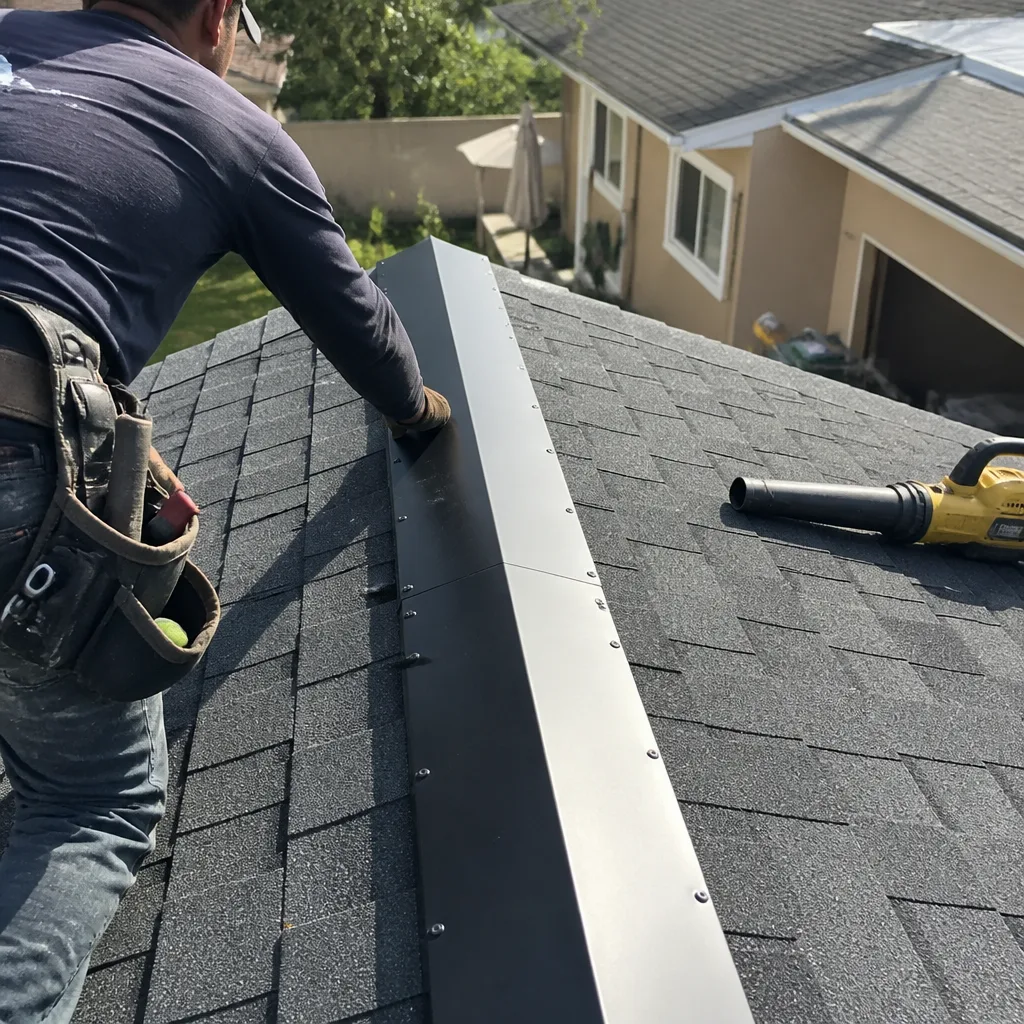 After
AfterHow Long Does Roofing Company Take? Timelines and What to Expect
Most roofing quotes promise a “one-to-two day job,” but the average Los Angeles homeowner waits 11 – 18 days from signed contract to finished roof – and no one warns them about the gaps in between. Those gaps are not sloppy scheduling. They are the structural reality of how roofing works in a city with strict building codes, heavy demand for skilled crews, and shingle supply chains that shift with the season. This guide breaks down the five phases of a roofing project, gives you real day-counts for each in Los Angeles, and shows you what to do (and what not to do) while you wait. For How to Hire a Roofing Contractor in Los Angeles: A Step-by-Step Guide, see our companion resource. By the end, you will know exactly which questions to ask before you sign, and which timeline promises deserve a second look.
Quick Answer
A typical roofing company in Los Angeles takes 11 – 18 days from signed contract to completed job. The actual install is usually 2 – 4 days for a standard shingle roof, but three hidden waiting periods – material ordering, permit approval through LADBS, and final inspection scheduling – add 7 – 10 business days most homeowners never hear about up front.
Table of Contents
- Phase One: The Inspection (1 – 2 Days)
- Phase Two: Material Ordering (2 – 5 Days)
- Phase Three: Permit Pull Through LADBS (3 – 7 Business Days)
- Phase Four: Active Install (2 – 4 Days)
- Phase Five: Final Inspection and Closeout (1 – 3 Days)
- How Supply Chain Delays on Shingle Brands Affect Your Timeline
- What a Written Schedule Commitment Looks Like
- Common Mistakes to Avoid
- When to Call a Professional
- Frequently Asked Questions
- The Bottom Line
Phase One: The Inspection (1 – 2 Days)
The timeline does not start when you sign the contract. It starts when a roofing company sends someone to look at what you actually have up there. In Los Angeles, that inspection matters more than in most cities because roof age, material condition, and existing decking vary enormously from neighborhood to neighborhood. A 1920s bungalow in Highland Park has a completely different roof structure than a 1990s tract home in Porter Ranch, and a single layer of old shingles reads differently than a roof that already has two layers under the California code limit.
Here is what a legitimate inspection covers:
- Shingle condition and layers: Are the shingles cupping, granule-bald, or cracked? How many layers are already there? Los Angeles building code generally allows no more than two layers of asphalt shingles before a full tear-off is required.
- Decking: The plywood or OSB underneath. A roofer should check for soft spots, water stains, and sagging. If the decking is compromised, the install takes longer and costs more – and you want to know that before the first nail goes in, not after a crew finds rot at hour two.
- Flashing: The metal pieces at chimneys, walls, valleys, and pipe penetrations. Flashing failures are the most common source of roof leaks we see across Los Angeles, especially in older homes where original flashing has been patched rather than replaced.
- Ventilation: Ridge vents, soffit vents, and attic airflow. Los Angeles heat puts enormous strain on attics, and poor ventilation shortens shingle life and can void manufacturer warranties.
- Permit history: Does the existing roof have records with LADBS? Some Los Angeles homes have unpermitted roof work from previous owners, which can complicate a new permit application.
The inspection itself takes 45 – 90 minutes. The scheduling of it takes 1 – 2 days with most companies, sometimes longer in peak season. Ask for a written inspection summary with photos. If a company will not put their assessment in writing, treat that as a red flag about every other verbal timeline promise that follows.
Phase Two: Material Ordering (2 – 5 Days)
Once you have agreed to a scope of work, the roofing company orders materials. This is the first hidden waiting period. Most Los Angeles roofing contractors do not keep full shingle inventories in stock. They order after the contract is signed, and the order depends on the shingle brand, color, and style you selected.
Standard architectural shingles from brands like GAF and CertainTeed often arrive within 2 – 3 business days if a local supplier has the color in the Los Angeles warehouse. But less common colors, specialty styles, or premium lines can take 4 – 5 days or longer. Here is what to expect by brand:
- GAF: Wide availability through Los Angeles distributors. Common colors like charcoal, weathered wood, and barkwood typically ship in 2 – 3 days. Specialty lines like Timberline UHDZ in less common colors can push 5 – 7 days.
- CertainTeed: Another heavily stocked brand in Southern California. Landmark series shingles are usually 2 – 4 days out. Landmark Pro in premium colors can take a full week.
- Owens Corning: Duration and Duration Flex ship regularly into LA supply houses, but demand from new construction and re-roofing means stock-outs happen in busy months. Allow 3 – 5 days.
- Boral: Concrete and clay tile roofing from Boral often carries the longest lead times in Los Angeles – 5 – 10 business days or more for specific tile profiles – because tile roofing is less common as a replacement product and is often ordered direct from regional distribution.
Before you sign, ask which specific shingle brand and color you are buying, and whether the contractor can confirm stock at their distributor that day. “We’ll order it this week” is not a commitment. “Here is the distributor stock sheet showing 42 bundles available in your color” is a commitment.
Phase Three: Permit Pull Through LADBS (3 – 7 Business Days)
This is the part of the timeline most roofers never quote up front, and it is the single biggest reason Los Angeles roofing projects run long. Almost every re-roof in the City of Los Angeles requires a building permit through the Los Angeles Department of Building and Safety (LADBS). Some homeowners assume roofing does not need a permit. In Los Angeles, it almost always does.
Here is what actually happens:
- Plan check or over-the-counter permit: Simple re-roofs with no structural changes can often be processed over the counter at an LADBS office or through the e-permit system. This typically takes 1 – 3 business days if all paperwork is complete.
- Corrections or additional review: If the roof has existing unpermitted work, if there are structural questions, or if the LADBS reviewer requests revisions, the permit timeline extends. Corrections add 2 – 4 business days per round.
- Fees and issuance: Once approved, the permit is issued and a set is posted at the job site. The permit itself specifies the scope of work, the materials allowed, and which inspections will be required.
In our experience working across Los Angeles, the LADBS permit phase realistically adds 3 – 7 business days from submittal to issuance for a standard asphalt shingle re-roof, and sometimes longer in summer when the department processes a much higher volume of applications. A company that quotes a “start date” without mentioning the permit at all is not giving you a real schedule. Ask for the permit submittal date and the expected issuance date as line items in your written schedule.
Phase Four: Active Install (2 – 4 Days)
For a standard single-family home with an asphalt shingle roof in Los Angeles, the active install phase typically takes 2 – 4 days. That range depends on five things:
- Roof size and complexity: A 1,000-square-foot bungalow roof installs faster than a 3,000-square-foot two-story home with multiple valleys, dormers, and skylights. Every angle, hip, and penetration adds labor hours.
- Tear-off vs. overlay: A full tear-off of one or two existing layers adds a day or more versus laying new shingles over a single existing layer. Los Angeles code allows up to two layers total in most cases, but we generally recommend tear-off because it lets you inspect the decking underneath.
- Decking repairs: If the crew finds rotted or delaminated decking once the old shingles come off, that repair adds time. In older Los Angeles neighborhoods like Echo Park and West Adams, where roof decks may be 40+ years old and have absorbed years of moisture through failed flashing, decking replacement is common.
- Weather: Los Angeles has a dry season that runs roughly April through November. Rain stops roofing work. Even light morning drizzle can push an install back because shingles will not properly seal to a damp surface. Summer heat is the other constraint – crews start early and stop by early afternoon when roof surface temps exceed safe working conditions.
- Crew size: A crew of 5 – 8 roofers moves faster than a crew of 3. Ask how many people will be on your roof, not just “how long will it take.”
During active install, the best thing you can do is stay out of the work zone and keep children and pets inside. Falling debris, nail gun noise, and the movement of heavy materials make the roof and the ground directly below it unsafe during install. A good crew will mark the drop zones and keep the job site as clean as possible at the end of each day.
Phase Five: Final Inspection and Closeout (1 – 3 Days)
Once the last shingle is set and the crew cleans the site, the job is not done. The permit requires a final inspection by LADBS. This is the second hidden waiting period most homeowners do not anticipate: you can have a finished roof and still be 1 – 3 days from having a closed permit.
Here is how the closeout phase works:
- The contractor schedules the inspection: The roofing company calls or submits the inspection request to LADBS. In busy periods, the inspection is scheduled for 1 – 3 business days out.
- The inspector reviews the work: An LADBS inspector checks the roof against the approved permit scope – correct shingle type, proper nailing, flashing at penetrations, ventilation, and clean compliance with code.
- Pass or corrections: If the inspection passes, the permit is signed off and officially closed. If corrections are required, the contractor fixes them and schedules a re-inspection, adding 2 – 3 days.
- Final walkthrough and documentation: You should receive a copy of the signed permit card, the shingle manufacturer’s warranty registration, and any workmanship warranty paperwork from the roofing company.
Do not schedule interior painting, gutter cleaning, or any other work that requires ladders or roof access until the final inspection is signed off. We have seen homeowners in Silver Lake and Studio City book painters the day after the roof crew finished, only to have the LADBS inspector still need ladder access and the painters in the way. Wait for the closed permit.
How Supply Chain Delays on Shingle Brands Affect Your Timeline
Los Angeles sits at the end of long distribution chains, and shingle supply is more fragile than most homeowners realize. Southern California roofing demand spikes after heavy rain seasons, during re-roof rushes following Santa Ana wind events, and in the summer months when homeowners finally tackle deferred maintenance. When demand spikes, warehouses run low on common colors, and roofers get stuck waiting on restocks.
The brands that perform most predictably in Los Angeles are the ones with established West Coast distribution. GAF and CertainTeed both operate large regional distribution centers serving the LA basin, which means common colors are rarely more than a few days out. Owens Corning has strong availability through major LA supply houses but can thin out during peak season. Boral tile products carry the longest lead times simply because tile replacement roofs are less frequent and stock is held in fewer locations.
Before you sign a contract, ask these three questions about materials:
- “Which brand, line, and color am I getting, exactly?” – You need the exact product name, not “a quality architectural shingle.”
- “Can you confirm current stock at your LA distributor?” – A real answer is a stock sheet or a distributor confirmation. A vague “we order all the time” is not.
- “What happens to my timeline if the material is backordered?” – A good company will tell you the plan: a backup color option, a comparable alternative brand, or a transparent delay with a revised start date.
The answer to these questions tells you whether you are working with a contractor who controls their supply chain or one who is hoping for the best. Los Angeles is too large a market for any credible roofer to be caught off guard by shingle availability. They either check stock before quoting, or they do not. Ask which one you are getting.
What a Written Schedule Commitment Looks Like
A verbal “we’ll start Monday” is not a schedule. It is a hope. In Los Angeles, where roofing demand consistently outpaces quality crew availability, start dates slip all the time. The difference between a professional roofing company and a salesperson with a ladder is whether the schedule exists in writing before you sign.
A real written schedule should include at minimum:
- Permit submittal date: The exact day the permit application goes to LADBS, and who is responsible for filing it.
- Expected permit issuance window: A range, not a single date, because LADBS controls their own review time.
- Material order date and confirmation: The day materials are ordered and the expected delivery window, tied to the specific shingle brand and color you selected.
- Install start date: A specific date, understood to be contingent on permit issuance and material arrival.
- Estimated install duration: A day-count range (e.g., 2 – 4 days), not a single optimistic number.
- Final inspection request date: The day the roofer schedules the LADBS inspection after install completes.
At Mercer Roofing, every project begins with a written price and a written scope of work, and the schedule is part of that document, not a conversation. If work is not done right within a year, our 365-Day Done Right Promise covers making it right. Every repair includes a written guarantee, and if a repair fails, the second visit is free. That is what a binding commitment looks like: in writing, before money changes hands. Mercer Roofing home offers the same standard on every job, from a small flashing repair in Westchester to a full roof replacement in Los Angeles.
Common Mistakes to Avoid
- Signing a contract with no permit timeline. If the word “permit” is not in the contract, you do not have a schedule – you have a wish. LADBS timeline is 3 – 7 business days on top of everything else, and no roofer can bypass it.
- Choosing a shingle color without checking stock. We see this every month in Los Angeles: a homeowner picks a beautiful shade, signs the contract, and then waits three extra weeks because that color is backordered from the manufacturer. Check distributor stock before you commit.
- Scheduling interior work before final inspection. Painters, interior decorators, and even furniture delivery that requires wall access can conflict with the LADBS inspector’s roof access. Wait until the permit is closed.
- Accepting “we’ll start Monday” without a written schedule. Verbal start dates shift constantly in this market. If it is not in writing with a permit submittal date attached, it is not a commitment.
- Going with the lowest quote and shortest timeline. Los Angeles has plenty of roofing contractors who promise 5-day turnarounds and deliver sloppy work with unpermitted crews. The lowest price and fastest timeline usually means corners cut somewhere.
- Not asking who is actually on the roof. You should know the name and face of every person entering your property. At Mercer Roofing, every technician is background-checked, identity-verified, uniformed, and arrives with a photo ID badge – and we send their name and photo to you before they show up. That is the Threshold Standard, and it is non-negotiable for us.
- Overlooking decking inspection during tear-off. If the old shingles come off and the contractor does not discuss the condition of the decking underneath before laying new felt, you may be paying for a new roof over structural rot. In Los Angeles homes built before 1980, decking deterioration is common around failed flashing points.
When to Call a Professional
If you are seeing water stains on your ceiling, granules collecting in your gutters, or shingles that curl at the edges in direct Los Angeles sun, do not wait. Roof problems compound quickly here, where the wet season arrives violently after months of dry heat. A small flashing gap becomes a ceiling stain, then a decking replacement, then a much longer timeline and a much larger invoice. If you are planning a re-roof and want a real timeline – with the permit phase, material lead time, and install window all in writing – talk to a company that gives you that document up front. Mercer Roofing offers free estimates throughout Los Angeles with a written price before any work starts. Call (743) 200-8347 and we will walk you through your specific timeline, phase by phase, with the real numbers for your neighborhood.
Frequently Asked Questions
In Los Angeles, a standard asphalt shingle re-roof takes 11 – 18 days from signed contract to final inspection, with the active install phase lasting 2 – 4 days. The remaining time is spent on material ordering and LADBS permit processing – two phases that most roofers do not include in their verbal estimates.
LADBS reviews every re-roof permit, and while simple over-the-counter permits can issue in 1 – 3 business days, most residential roofing in LA requires 3 – 7 business days for review, issuance, or corrections. No contractor can legally start work without the issued permit, so the LADBS timeline is a hard floor on your schedule. Call (743) 200-8347 and we will tell you the current LADBS wait times for your project type.
Yes, for a very small roof – think a detached garage or a simple flat section on a bungalow – a one-day install is possible with a full crew and no tear-off. But a whole-house re-roof in Los Angeles almost always takes 2 – 4 days for the install alone. Anyone promising a one-day whole-roof replacement is either leaving out the tear-off, the permit, or the final inspection.
Do not schedule interior work, do not remove your own gutters, and do not allow any other contractor on the roof. The waiting periods between material ordering, permit issuance, and final inspection are when most scheduling conflicts happen. Use that time to confirm your shingle warranty documentation is ordered, ask your roofer for a weekly update on the permit status, and review our Roof Installation Maintenance Schedule: What to Do and When.
Yes. Common GAF and CertainTeed architectural shingles in standard colors are typically available from Los Angeles distributors in 2 – 3 days, while specialty colors can take 5 – 7 days. Owens Corning stock varies by season. Boral tile products can take 5 – 10 business days or more due to lower local inventory. Always ask your contractor to confirm distributor stock before you sign. For more on this, see our roof installation in Los Angeles guide.
A failed LADBS inspection means the inspector identified work that does not match the permit scope or code. The contractor fixes the issue and schedules a re-inspection, which adds 2 – 3 days to your timeline. A reputable company fixes it at no cost – the failure is on them. If your contractor asks you to pay for corrections after a failed inspection, that is a red flag. For more guides & resources, visit our blog. Mercer Roofing’s 365-Day Done Right Promise covers exactly this: if it is not right within a year, we make it right, no additional charge.
The Bottom Line
A roofing timeline in Los Angeles is not a single number. It is five phases – inspection, material ordering, LADBS permitting, active install, and final inspection – and the three phases that happen before and after the actual roof work are the ones most contractors gloss over. Expect 11 – 18 days from contract to closeout. Ask for a written schedule that names specific dates for permit submittal, material confirmation, and install start. And if a company will not put their timeline in writing, do not put your signature on their contract. For a free estimate with a real, phase-by-phase timeline for your Los Angeles home, call (743) 200-8347 – Mercer Roofing is the roofing company in Los Angeles that puts it all in writing before the first nail is driven.
Written by Grant Whitlock, Owner at Mercer Roofing, serving Los Angeles since 2000.