
Last updated October 9, 2026
Free roof inspection with deck photos before we talk money - GAF and Owens Corning certified installation

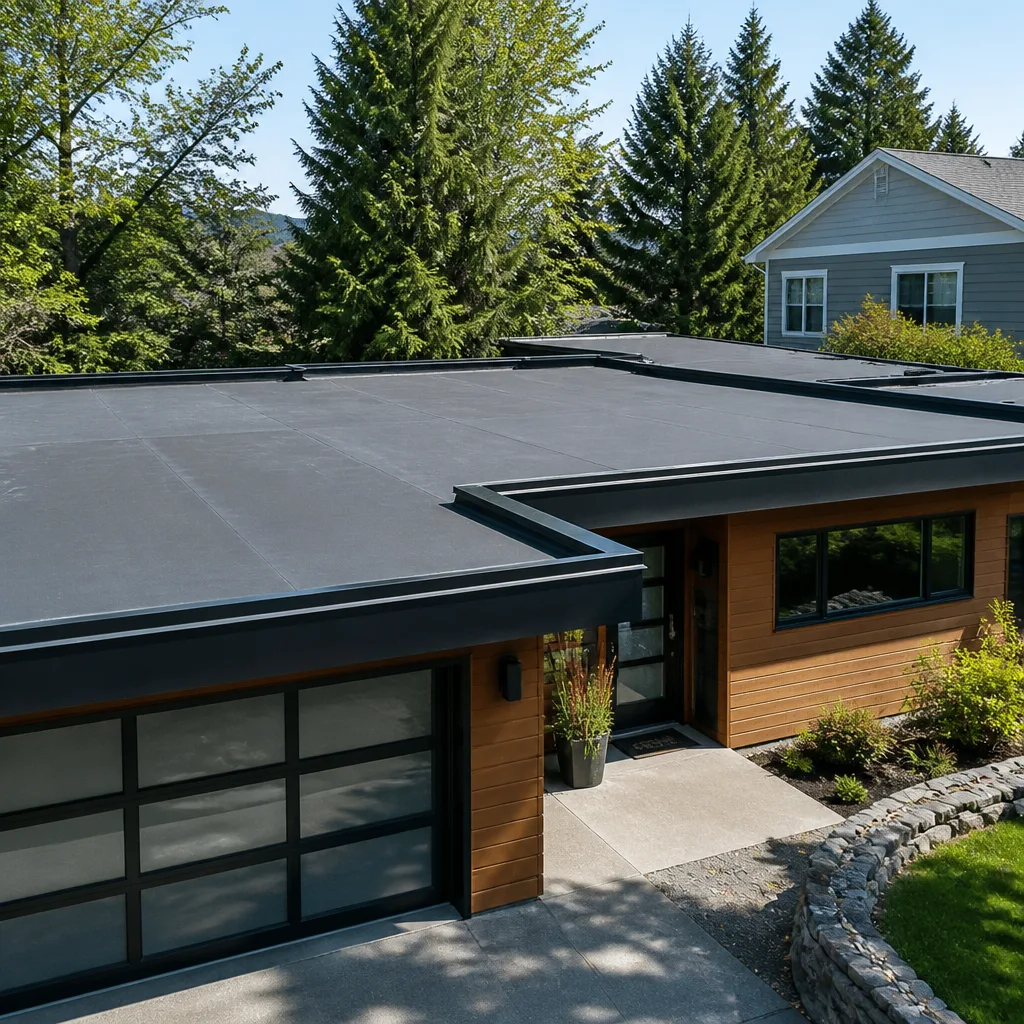
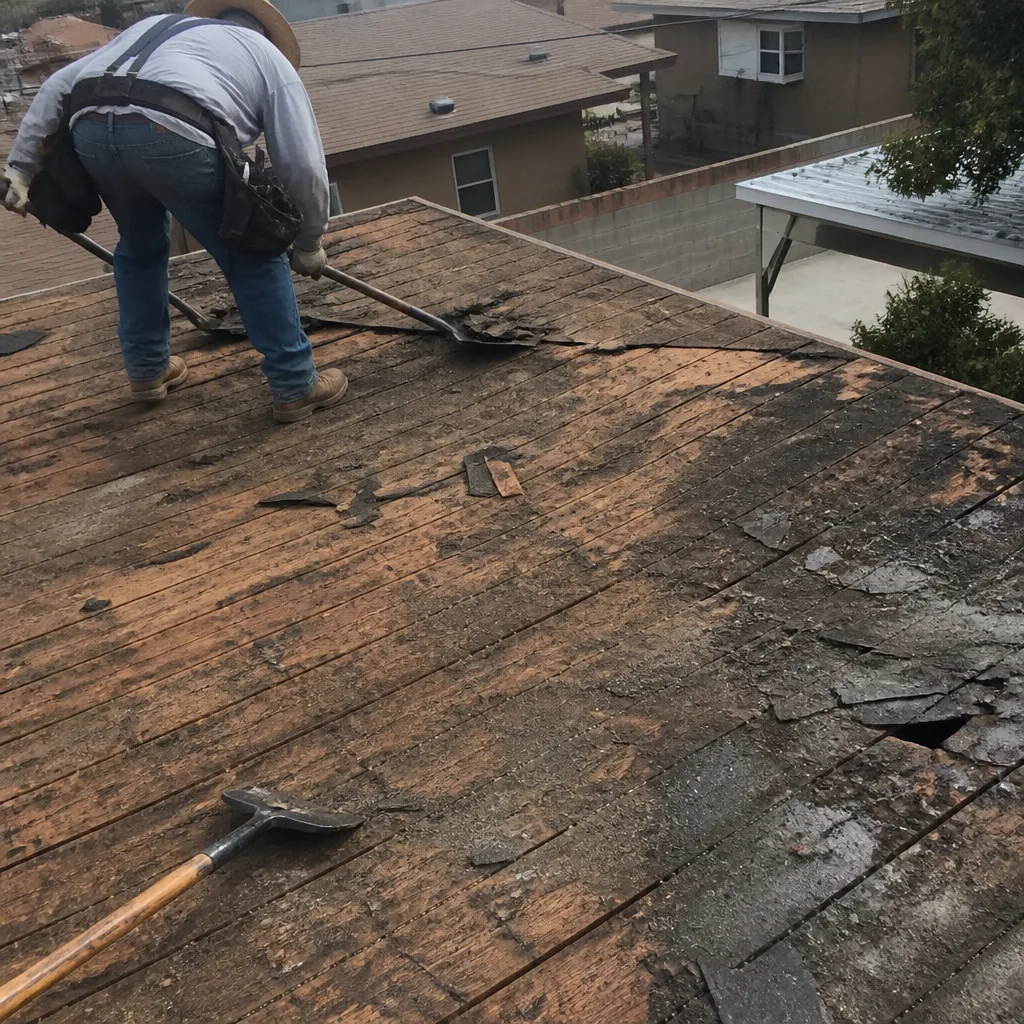 Before
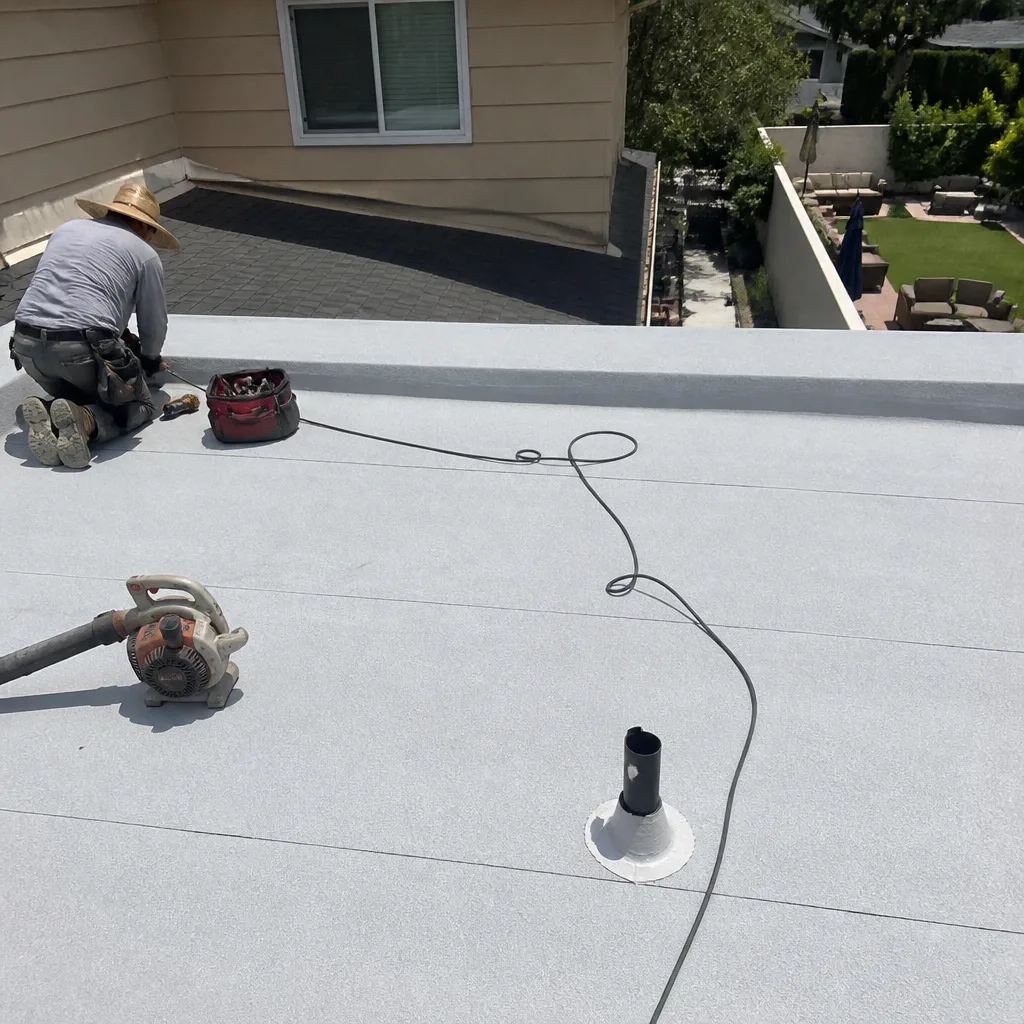 After
After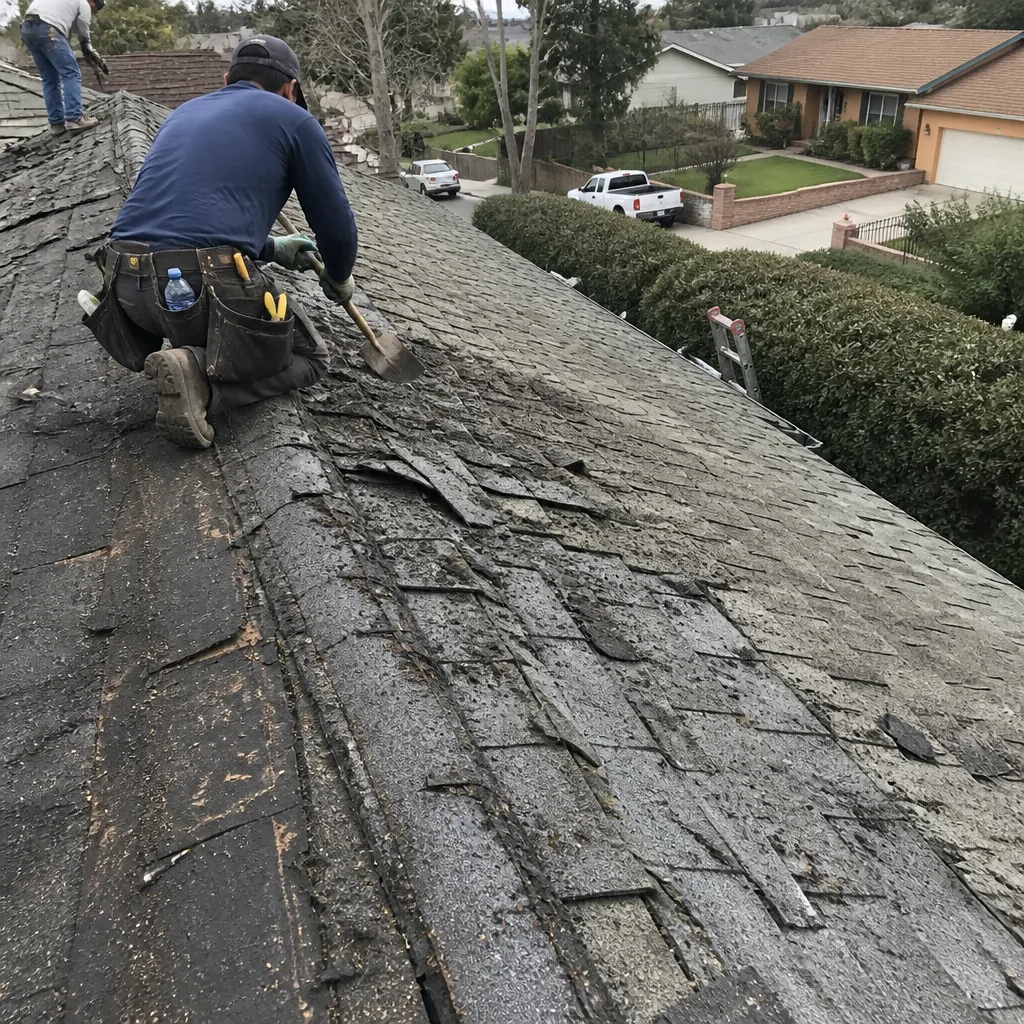 Before
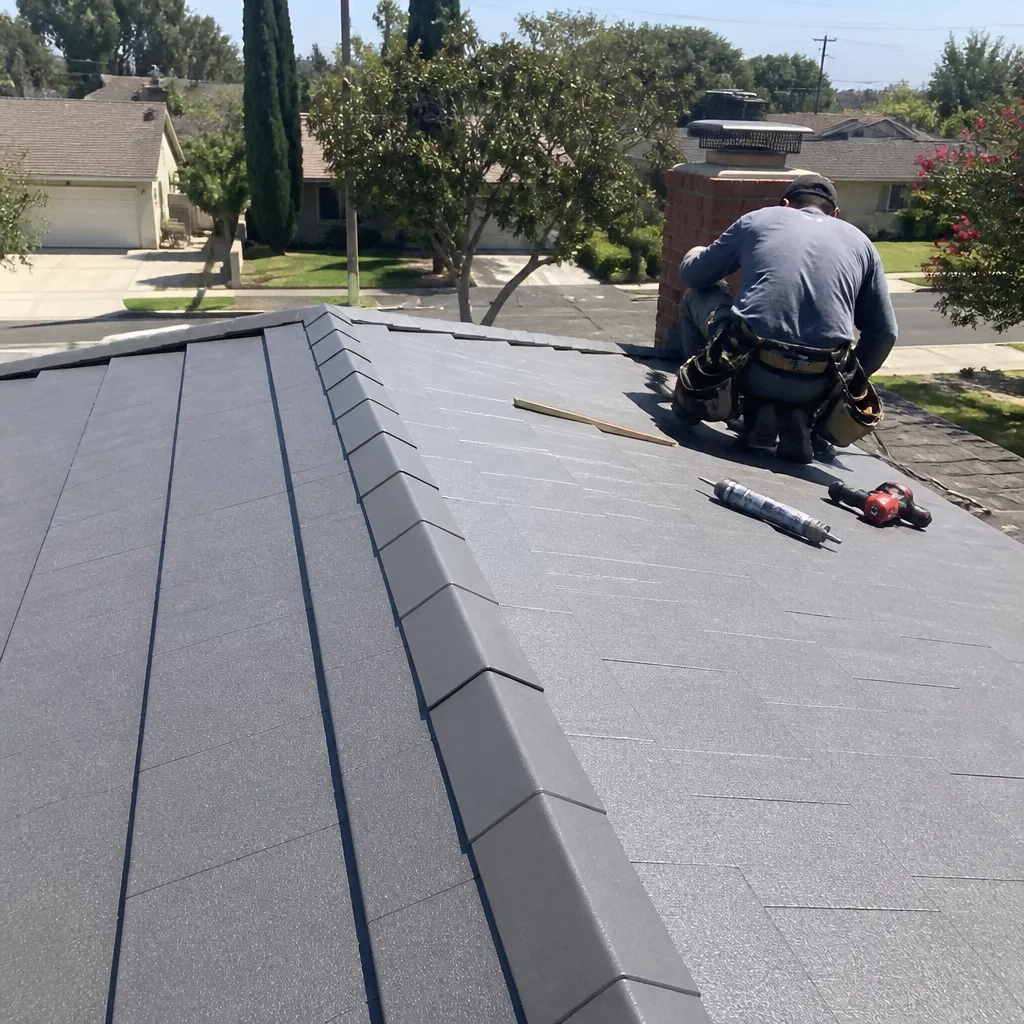 After
After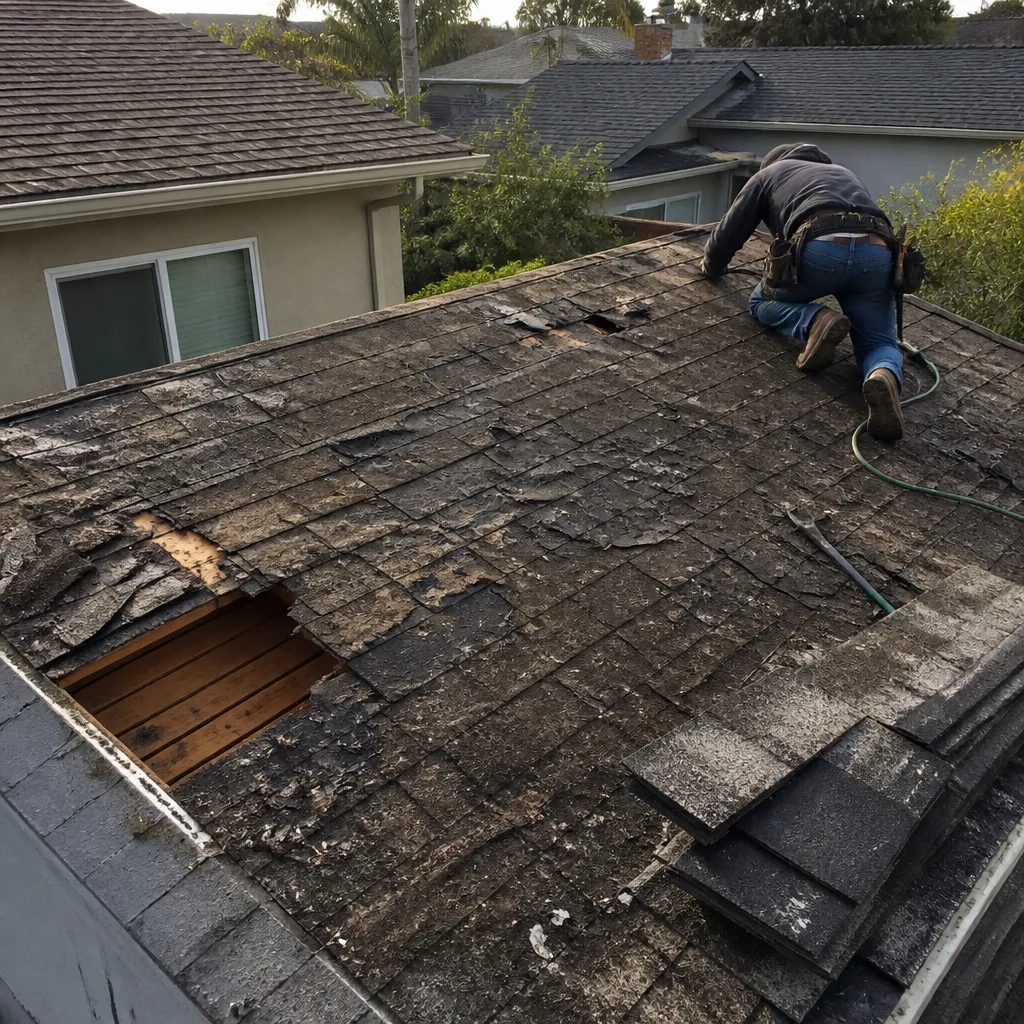 Before
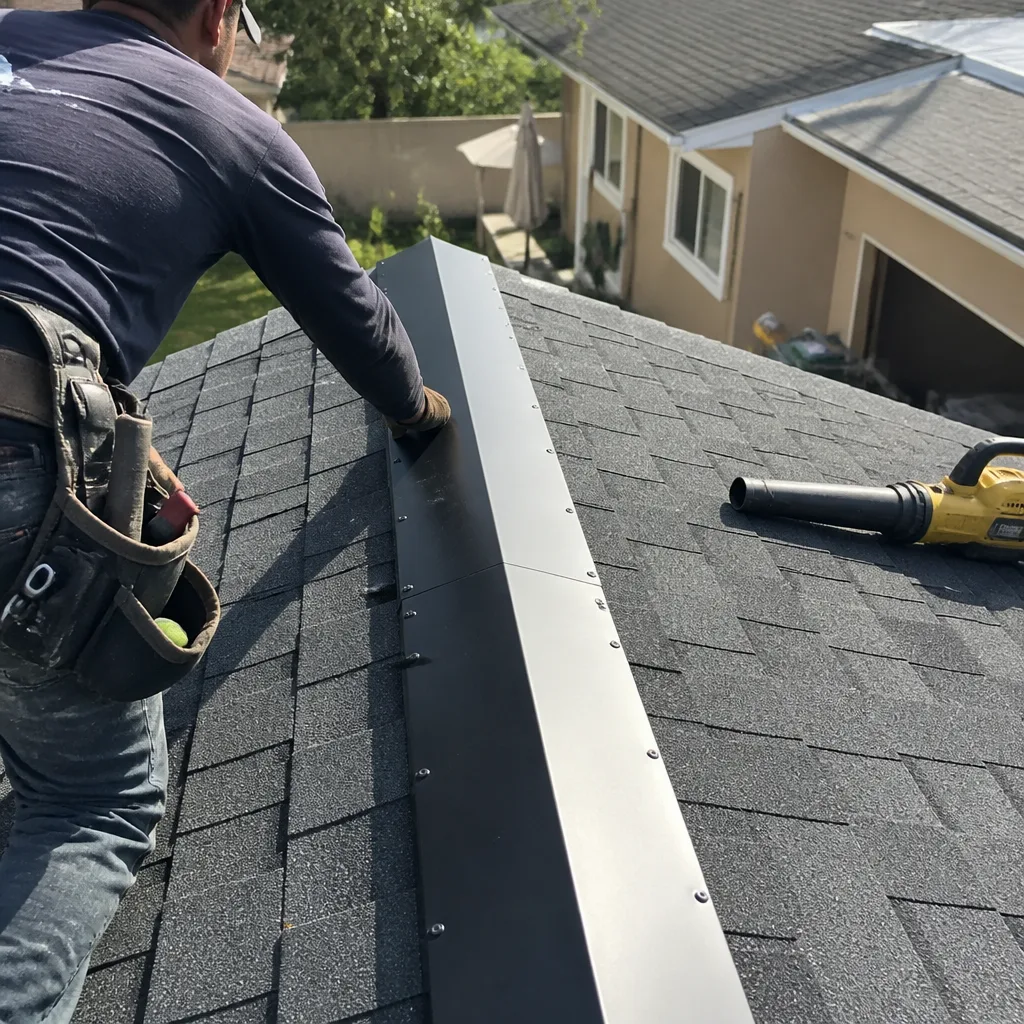 After
AfterRoof Installation Maintenance Schedule: What to Do and When
The average Los Angeles homeowner does nothing to their roof for the first five years after installation, then spends $1,400 to $3,200 on repairs that a $150 annual inspection would have prevented. That’s not an exaggeration; we see it every week in neighborhoods from Woodland Hills to Pasadena. A new roof feels permanent, so it gets ignored until a Santa Ana wind rips a section of flashing loose or a winter rain finds the one compromised seam. This guide gives you a realistic, Los Angeles-specific maintenance schedule that protects your investment and keeps your warranty valid.
Quick Answer
A newly installed roof in Los Angeles needs a professional inspection once a year, ideally in October after the summer UV peak, plus light DIY maintenance in September before Santa Ana winds, in January during the rainy season, and in April after winter rains end. Budget roughly $150 to $330 for the annual inspection, keep a simple written log of every inspection and repair, and you’ll catch the small problems before they become $3,000 ones.
Table of Contents
- Why Los Angeles Needs Its Own Roof Maintenance Schedule
- A Month-by-Month Los Angeles Roof Maintenance Calendar
- What You Can Do Yourself vs. What Needs a Licensed Contractor
- What a Professional Annual Inspection Should Include (and Cost)
- How Different Roofing Materials Age in Los Angeles
- The Maintenance Log That Protects Your Warranty
- Common Mistakes to Avoid
- When to Call a Professional
- Frequently Asked Questions
- The Bottom Line
Why Los Angeles Needs Its Own Roof Maintenance Schedule
Copying a roof maintenance schedule from a national home-improvement site is like dressing for a Chicago winter in Malibu. Most generic guides obsess over ice dams, snow load, and freeze-thaw cycles. Los Angeles roofs face a completely different set of pressures. We’ve replaced roofs in Los Angeles that looked pristine from the street but had underlayment so baked by UV exposure it crumbled like dried leaves when we lifted the shingles. The sun here is relentless; a south-facing roof slope in the San Fernando Valley absorbs roughly 300 days of intense solar radiation every year. That constant UV breaks down asphalt shingle granules long before the structural decking shows any sign of trouble. Then come the Santa Anas, those hot, dry winds that gust through the passes from October through December, lifting unsealed shingle edges and turning tree limbs into airborne projectiles. Add Los Angeles’s extended drought cycles, and you get brittle, dried-out tree branches that snap in moderate wind and puncture or scrape roof surfaces. The maintenance schedule that works for a roof in Minneapolis means almost nothing here. What works in Los Angeles is a calendar built around three local events: pre-Santa Ana season in September, the winter rain stretch from December through March, and the post-summer UV peak in October.
This guide is built for that reality. We’re not going to tell you to rake snow off your roof, because you’ll never need to. We’re going to tell you when to clear your gutters in Echo Park versus when to schedule an inspection in Sherman Oaks, and we’re going to be specific about what each task costs and what happens if you skip it. If you’re new to Los Angeles homeownership, or you just had an roof installation in Los Angeles completed, this is the schedule to follow from day one. If you’ve owned your home for a decade and haven’t thought about the roof since the last big rain, this is the fastest way to figure out what you’ve been missing before the next one.
A Month-by-Month Los Angeles Roof Maintenance Calendar
Los Angeles doesn’t have four seasons, but it does have distinct weather events that dictate roof care. Here’s the schedule we recommend to every homeowner after a new installation, and the one we follow when we do roof repair in Los Angeles for existing homes.
September: Pre-Santa Ana Preparation
Santa Ana winds typically begin in late September and can gust past 60 mph in the foothill communities. The week before they start is your single most important DIY maintenance window of the year.
- Walk the perimeter of your home. Look up. Check for loose shingle edges, lifted flashing, or anything that looks out of place from the ground. You’re not looking for leaks; you’re looking for wind liability.
- Clear all gutters and downspouts. After a long, dry summer, gutters fill with dust, dead leaves, and that fine layer of airborne grit that’s unique to Los Angeles. Clogged gutters during a Santa Ana event send debris onto the roof, where it traps moisture against the surface.
- Trim back overhanging branches. Drought-stressed trees drop limbs easily in high wind. A single eucalyptus branch through a section of shingles is a $600 to $1,200 repair that takes ten minutes of pruning to prevent.
- Check attic ventilation from inside. Hot, dry wind flowing over a roof with poor ventilation accelerates shingle aging. Open your attic access panel and make sure you can feel air movement. If it’s stagnant, make a note for your October inspection.
September is also a good month to pull out the photos from your installation. Compare the roofline to what you see now. If anything has shifted, lifted, or changed color significantly, document it with your phone camera before the rainy season starts.
October: Professional Inspection After UV Peak
This is the non-negotiable one. Every year, in October, a licensed Los Angeles roofing contractor should walk your roof top to bottom. August and September are the harshest UV months here, and by October the cumulative damage of the summer is visible. An inspector is looking for granule loss on asphalt shingles, hairline cracks in clay or concrete tile, and UV degradation on flat-roof membranes. We’ll cover exactly what this inspection should include later in this guide, but commit to October now. It’s the single highest-leverage maintenance action you’ll take all year.
November: One Last Gutter Check Before Rain
Santa Anas rip through whatever they knock loose. After the first significant wind event of the season, do a quick gutter and downspout check. Even if you cleared them in September, wind-driven debris accumulates fast. A five-minute walk around the house with a ladder is enough. While you’re up there, check any roof penetrations: vent pipes, skylights, chimneys. These are the most common leak points in Los Angeles roofs during winter rains, not the large roof fields themselves.
December through February: Monitor During Rains
Los Angeles gets 80 percent of its annual rainfall between December and March, and when it comes, it comes in short, intense bursts. After every significant storm, do two things.
- Check the attic or top-floor ceiling for moisture. Stains, damp insulation, or musty odors after rain are early warning signs. Catching a small leak now is a $300 repair. Catching it in April after weeks of accumulated water damage is $1,500 or more.
- Check exterior walls below rooflines. Water that penetrates the roof often travels down interior walls before showing itself. Look for paint bubbling, drywall discoloration, or efflorescence on masonry near the top of exterior walls.
Here’s an insider observation from years of doing roofing work in Los Angeles: most winter roof leaks aren’t caused by the rain falling on the roof. They’re caused by water backing up behind debris dams in valleys and around penetrations, then finding a pinhole in the flashing. That’s why gutter and debris maintenance matters as much as the roof surface itself.
April: Post-Rainy Season Assessment
When the last significant rain has passed, usually by early April, do a thorough visual review. The winter rain cycle stressed every weak point on your roof, and now is when that stress becomes visible.
- Walk your property and photograph every roof slope. Compare with October photos.
- Check for water staining around skylights, chimneys, and roof vents.
- Inspect the roof edge and drip edge for signs of trapped moisture or rot.
- If you have a flat or low-slope section, look for ponding water that didn’t drain within 48 hours of the last rain. Standing water on a membrane roof is a silent killer.
April is also the month to schedule any minor repairs you noticed during the winter. Los Angeles roofing contractors book quickly in spring; if you wait until June, you’ll wait longer and may pay a slight premium.
May through August: Monitor and Document
Summer in Los Angeles is the low-activity season for roofing, but not the no-activity season. Intense heat expands metal flashing and softens asphalt. If you hear popping or creaking sounds from your roof on very hot days, that’s normal thermal expansion, not a structural problem. What you’re watching for in summer is anything out of place after heat waves: shifted tiles, separated flashing joints, or visible blistering on flat roof coatings. Document any change with photos. If you have a newer roof and notice something unusual, call the installing contractor; most installation warranties require the homeowner to mitigate damage promptly, and waiting until October gives a small problem eight months to compound.
What You Can Do Yourself vs. What Needs a Licensed Contractor
Honesty matters here. There are a handful of roof maintenance tasks a careful homeowner can handle safely with a ladder, and there are several that should always go to a licensed Los Angeles roofing contractor. The dividing line is simple: anything that involves walking on the roof surface, touching the roof material, or working above head height from an unstable position is professional work.
Safe for DIY
- Gutter and downspout clearing. If you can do it from a sturdy extension ladder with both feet on the rungs, it’s a reasonable DIY task. If your home is two stories or your gutters require working off the roof surface, call someone.
- Debris removal from the ground. A roof rake or a leaf blower from a ladder can handle leaves and small branches in valleys. Never walk on the roof to remove debris.
- Visual inspections from the ground. A pair of binoculars gets you a close look at shingle edges, flashing, and tile conditions without leaving your lawn.
- Attic checks after rain. Moisture, staining, and musty smells are easily identified by any attentive homeowner.
- Photographing changes over time. Your phone camera is a legitimate maintenance tool. Document your roof every April and October, and compare.
Leave to a Licensed Contractor
- Walking the roof surface. Tile roofs crack under foot traffic. Asphalt shingles scuff and loosen. A professional knows how to move across a roof without causing damage, and they carry the fall-protection gear if something goes wrong. The risk to your body is the main reason this isn’t DIY.
- Any repair involving flashing, underlayment, or decking. These are the waterproofing layers of your roof. An incorrect repair creates a leak that will cost far more than the original fix.
- Replacing or reseating individual tiles or shingles. Material-specific adhesives, manufacturer-compatible sealants, and correct overlap patterns matter. A homeowner with a caulk gun and good intentions causes more problems than they solve.
- Flat-roof coating or patching. TPO, modified bitumen, and other membrane systems require specific primers and compatible materials. Using the wrong patch compound on a flat roof will fail within months.
- Skylight, chimney, or vent flashing. High-difficulty, high-consequence work. A flashing leak around a skylight that’s been poorly resealed will rot the surrounding decking before you notice it.
If you’re ever uncertain whether a task is in the DIY column, err toward calling a contractor. A Mercer Roofing home inspection costs $150 to $330, and the peace of knowing a trained person walked your roof is worth more than that on the first rainy night after you skipped it.
What a Professional Annual Inspection Should Include (and Cost)
In Los Angeles, a professional roof inspection costs between $150 and $330 for most single-family homes. At the high end, you’re paying for a steep or complex roof, multiple stories, or a flat-roof component that needs closer membrane evaluation. Some companies offer free inspections, but in our experience, a free inspection is often a sales call in disguise. A paid inspection from a licensed contractor buys you an honest assessment, because the contractor is being paid for their expertise regardless of whether you need repairs.
Here’s what a thorough annual inspection should include, and the questions to ask to verify the work was done properly.
- Full roof-surface walk. The inspector should physically walk every accessible slope, not just look from the ladder. Ask: “Did you walk every slope?” If they hesitate, the inspection wasn’t thorough.
- Flashing inspection at every penetration. Vents, pipes, skylights, chimneys, and valleys all have flashing that must be checked for separation, rust, or missing sealant. Ask: “Can you show me photos of the flashing at my chimney and vents?” A good inspector takes photos and shares them.
- Gutter and drainage evaluation. Inspectors should confirm gutters are securely fastened, pitched correctly, and clear. Ask: “Did you check the drainage path from every downspout?” Water that exits the downspout but pools against the foundation is a roof-system failure.
- Attic inspection from inside. The inspector should enter the attic to check for water staining on the decking, ventilation effectiveness, and insulation condition. Ask: “Did you inspect the attic from inside, and what did you find?”
- Granule-loss assessment on asphalt shingles. They should look for excessive granule accumulation in gutters and bald spots on the shingle surface. Ask: “What’s the condition of my granules compared to what you’d expect for a roof of this age?”
- Tile-specific checks if you have tile. Cracked, chipped, or slipped tiles should be noted individually, with photos. Ask: “How many tiles show damage, and is any of it urgent?”
- Flat-roof membrane evaluation if applicable. For flat or low-slope areas, the inspector should look for cracking, blistering, seam separation, and ponding. Ask: “Did you check the seams on my flat section, and are they sealed?”
- A written report. You should receive a written condition report with photos and prioritized recommendations, even if nothing needs repair. If the inspector won’t put findings in writing, consider it a red flag.
At Mercer Roofing, every inspection includes a written report with photos. That’s not a premium feature; that’s the baseline for a professional inspection. Grant Whitlock, who leads our Los Angeles team, asks every inspector one question before he signs off: “If this were your house, would you sleep better knowing what you now know?” If the answer is no, the inspection wasn’t finished.
How Different Roofing Materials Age in Los Angeles
Los Angeles is a testing ground for roofing materials. The same sun that makes our city famous is brutal on roofing surfaces, and different materials respond in materially different ways. Knowing how your specific roof ages determines what you watch for year to year.
Asphalt Shingles: Granule Loss Is the Tell
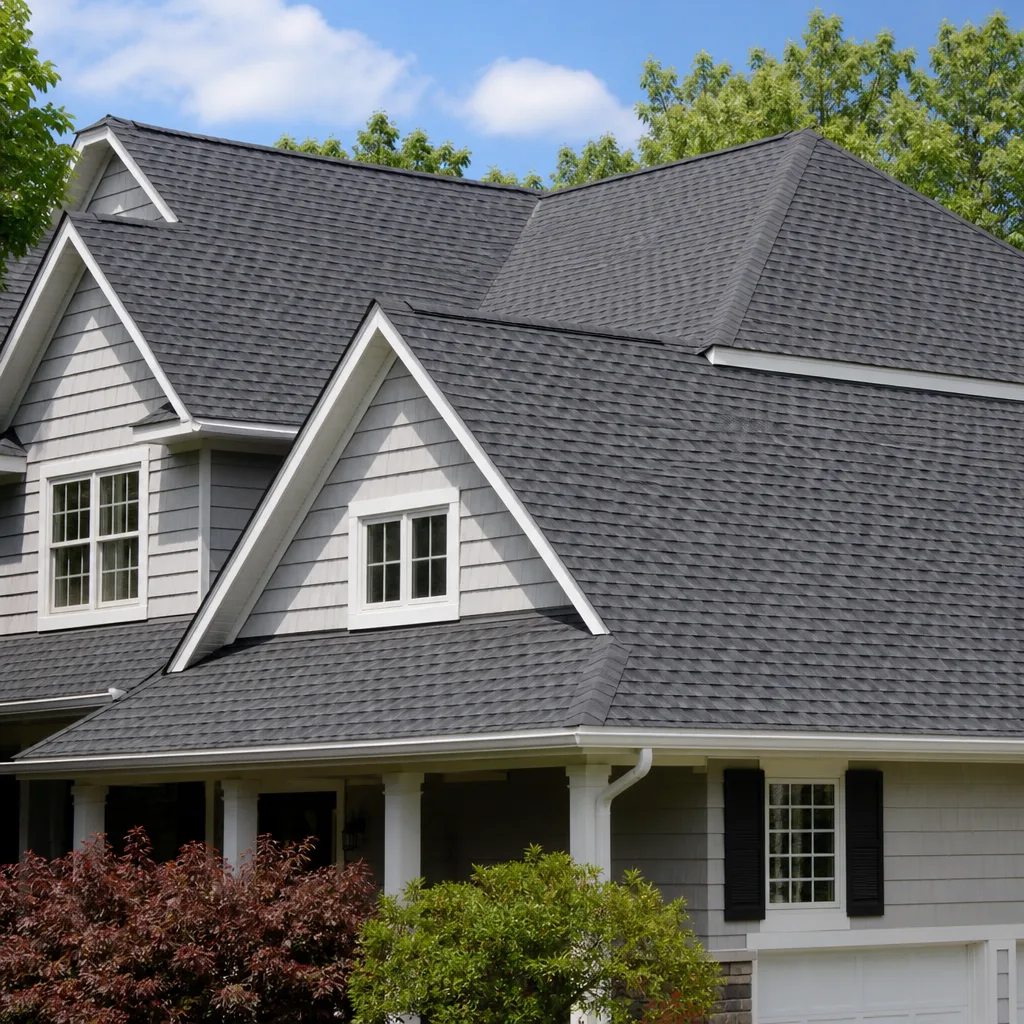
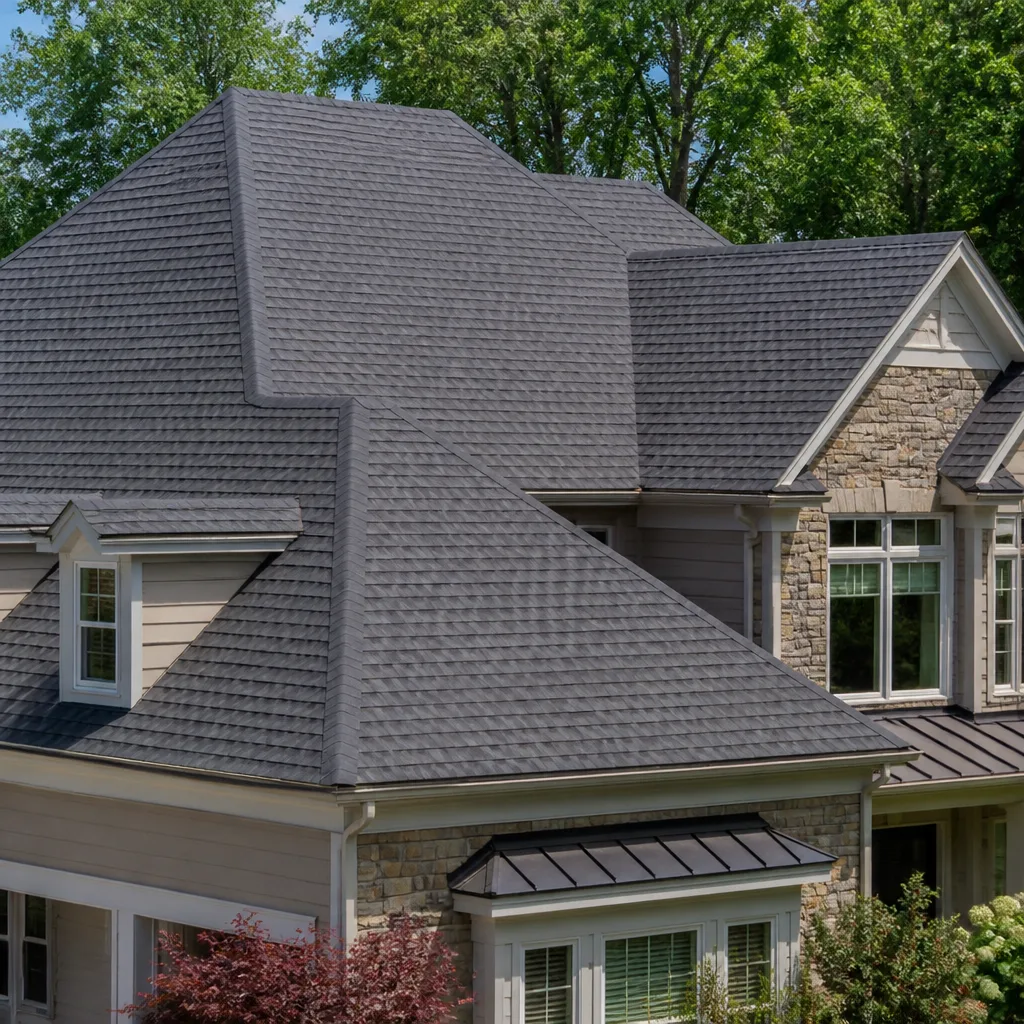
Asphalt shingles, including those from GAF, CertainTeed, and Owens Corning, are the most common roofing material in Los Angeles. They age primarily through UV-driven granule loss. Those tiny ceramic granules on the shingle surface are the sunscreen; they protect the asphalt layer underneath. As they wear away, you’ll see them accumulating in gutters and at the base of downspouts. A few granules in the gutter is normal for the first year or two. A visible stream of granules every time it rains, or bald spots where the asphalt layer shows through, means the shingle has lost its UV protection and is aging rapidly. In our Los Angeles experience, south- and west-facing slopes lose granules 30 to 40 percent faster than north-facing slopes on the same roof. A good inspector checks slope-by-slope, not just roof-wide.
Clay and Concrete Tile: Crack and Slip, Not Rot
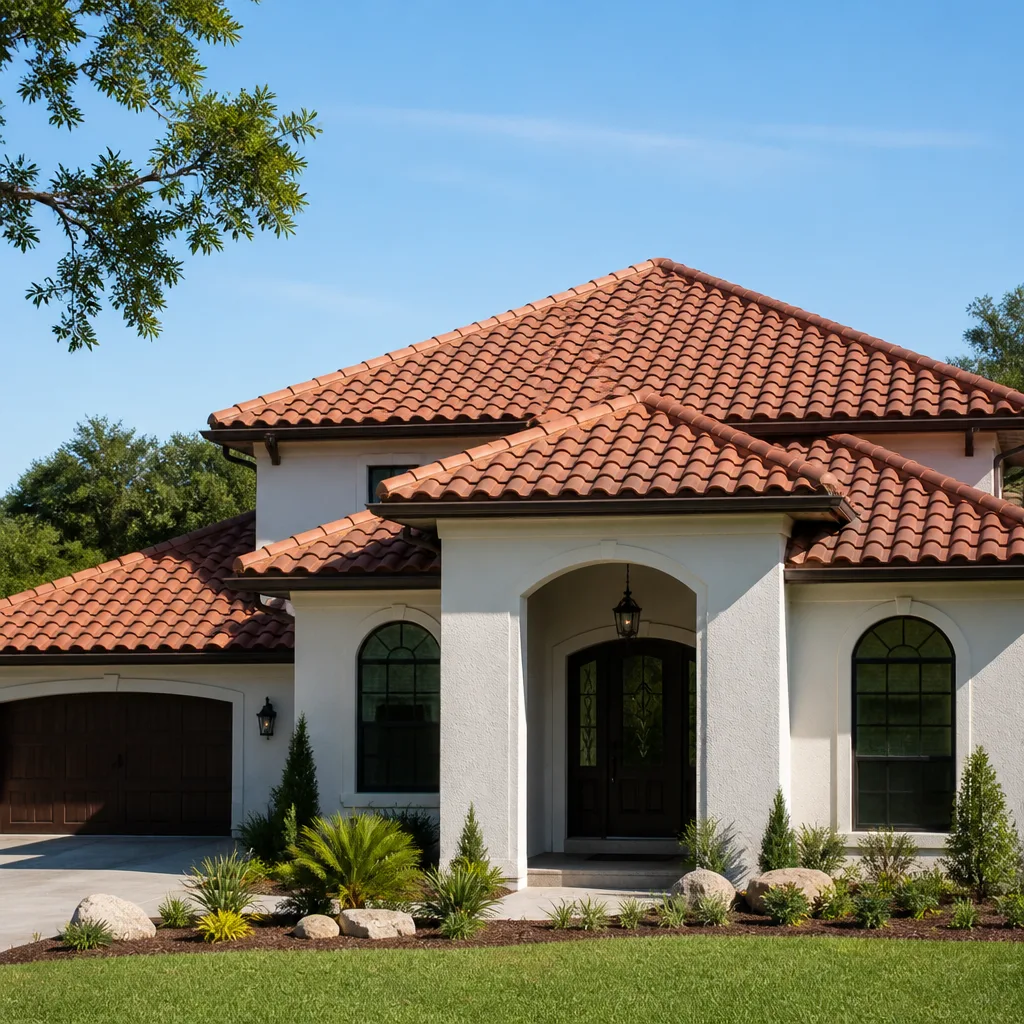
Tile roofs in Los Angeles, especially in the older neighborhoods of Hancock Park, Los Feliz, and Pasadena, can last 50 years or more. But they’re not maintenance-free. Tile cracks under impact from wind-blown debris and under the stress of foot traffic. A cracked tile isn’t an immediate leak risk, because tile is the cosmetic top layer; the waterproofing comes from the underlayment beneath. However, cracked and slipped tiles expose that underlayment to UV, and underlayment has a 20- to 30-year life. Watch for visible tile cracks, slipped tiles that have moved out of position, and tile edges that look faded or pitted from decades of sun. Boral is a tile brand we install regularly, and their clay and concrete tiles are genuinely built for the Los Angeles climate, but no tile survives a eucalyptus branch at 50 mph.
Flat Roof Membranes: UV Cracking at Seams
Flat and low-slope roofs are common in Los Angeles mid-century homes, especially in neighborhoods like Silver Lake, Echo Park, and the hillside communities. TPO and modified bitumen membranes age through UV-driven plasticizer loss, which shows up as hairline cracks, especially at seams and around penetrations. On a TPO roof, you’ll see a network of fine surface cracks that looks like drying mud. Those cracks don’t leak immediately, but each rainy season pushes water deeper, and eventually one of them reaches the decking. If you have a flat roof in Los Angeles, your October inspection is more important than for any other roof type, because flat-roof failures are slow, hidden, and expensive. A complete flat-roof replacement on a 1,500-square-foot home in Los Angeles runs $12,000 to $22,000, and the only way to delay that is by catching membrane degradation early.
The Maintenance Log That Protects Your Warranty
Here’s the conversation we have with half the homeowners we meet after a failed roof installation: they’re denied warranty coverage because they can’t prove the roof was maintained. Every major roofing manufacturer in Los Angeles, including GAF and CertainTeed, writes maintenance requirements into their warranty language. If you can’t produce documentation that you performed the required maintenance, your warranty claim is denied. It’s that simple.
Starting a maintenance log takes ten minutes and saves thousands. Here’s how to keep one that holds up.
- Create a simple document or spreadsheet. Label it with your property address and the roof installation date. Include the installer’s name, the roof material, the manufacturer, and the warranty number.
- Log every inspection. Record the date, the inspector’s name and company, what was inspected, and any findings. Attach or link the written report.
- Log every repair, no matter how small. Include the date, the specific repair made, the materials used, the contractor name, and the cost. Photograph the repair area before and after.
- Log every DIY maintenance task. Write down when you cleared gutters, trimmed branches, or removed debris. Two sentences and a date are sufficient.
- Store it somewhere you’ll find it. A cloud document is better than paper, because paper gets lost. Share the document with a spouse or family member if possible.
- Review it before filing a warranty claim. A complete maintenance log changes the dynamic of a claim conversation. You’re no longer asking for a favor; you’re demonstrating that you held up your end of the agreement.
One specific Los Angeles note: if your home is in a hillside area with a homeowners association, your HOA may require annual roof inspections as part of your CC&Rs. Your maintenance log doubles as compliance documentation. Keep it thorough.
Common Mistakes to Avoid
- Assuming a new roof needs no attention for 20 years. The materials may be new, but the environment is unchanged. Los Angeles sun and wind begin working on your roof the day it’s installed. The five-year mark is when unattended roofs in this climate start showing their first serious problems.
- Clearing gutters only when they overflow. By the time a gutter overflows, debris has been trapping moisture against the roof edge for weeks or months. In Los Angeles, where rain comes in short, intense bursts, a gutter that overflows during a storm has been failing silently for a long time.
- Paying for a “free” inspection and treating it as thorough. A free inspection is a lead-generation tool, not a roof assessment. You’ll get a sales pitch and often a recommendation for work you may not need. A paid inspection from a licensed contractor is an honest consultation.
- Walking on the roof to inspect it yourself. Every untrained footstep on a tile roof risks cracking tiles and voiding your warranty. Every untrained footstep on a pitched asphalt roof is a fall-risk. The view from a ladder or the ground with binoculars is safer and nearly as informative.
- Skipping the attic check after rain. Most Los Angeles roof leaks show up in the attic before they show up on the ceiling. By the time you see a water stain in your living room, the leak has been active for weeks and has damaged insulation, drywall, and possibly decking.
- Ignoring a small leak because it’s a small leak. Water follows the path of least resistance through your roof system. A small leak at a nail hole becomes a large leak at the first heavy rain. Small fixes now compound into large savings later.
- Hiring the lowest bidder for an annual inspection. An inspection is only as valuable as the person performing it. A $99 inspection performed by someone in a hurry is worth less than a $250 inspection performed by a contractor who counts on your long-term business. In Los Angeles, the going rate for a quality inspection is $150 to $330, and the expertise difference is real.
When to Call a Professional
Call a licensed Los Angeles roofing contractor immediately if you see water stains on your ceiling or attic, if you notice sagging in any roof plane, if you find loose or missing flashing after a wind event, if your roof is over 15 years old and has never had a professional inspection, or if you’re buying or selling a home and need a roof condition assessment for the transaction. These are not maintenance items. They’re urgent conditions that get more expensive every day they’re ignored. Mercer Roofing offers free estimates in Los Angeles, and every estimate includes a written price before any work starts. Call (743) 200-8347 to schedule yours.
Frequently Asked Questions
A roof in Los Angeles should be professionally inspected once a year, and the ideal time is October after the summer UV peak. You should also perform lighter visual checks from the ground after major Santa Ana wind events and after every significant winter rainstorm. Homes with flat roofs in high-UV neighborhoods like the San Fernando Valley may benefit from a second inspection in April after the rainy season ends.
A professional roof inspection in Los Angeles typically costs between $150 and $330 depending on roof size, complexity, slope, and whether the home has flat-roof sections. Some companies offer free inspections, but those are generally sales calls in disguise. If you’d like an honest, thorough inspection with a written report and photos, call (743) 200-8347 to schedule one.
Visual inspections from the ground or from a ladder are safe for most homeowners. Use binoculars to check shingle edges, flashing, and tile condition without leaving your lawn. You can also check your attic for moisture, staining, and ventilation issues. Walking on the roof surface is not safe for homeowners; the fall risk and the risk of damaging tiles or shingles are both real. Leave the roof-surface walk to a licensed professional.
Most roof warranties require the homeowner to perform reasonable maintenance and keep documentation proving it. Failure to maintain your roof, DIY repairs that damage the roof, and failure to mitigate damage promptly after a storm are all common warranty-voiding issues. Keep a simple maintenance log with inspection reports, repair receipts, and photos, and you’ll have what you need if a warranty claim becomes necessary.
In the Los Angeles climate, asphalt shingle roofs from manufacturers like GAF, CertainTeed, and Owens Corning typically last 20 to 30 years, depending on slope orientation, ventilation quality, and maintenance consistency. Clay and concrete tile roofs can last 50 years or more, while flat TPO and modified bitumen membranes generally last 20 to 30 years before needing significant repair or replacement. The single biggest variable is whether the roof was consistently inspected and maintained.
Watch for curling or missing shingles, cracked or slipped tiles, water stains in the attic or on ceilings, granule accumulation in gutters, visible flashing separation around vents and chimneys, and ponding water on flat-roof sections. If you see any of these, the right move is a professional assessment. Mercer Roofing is a roof repair company in Los Angeles that provides written estimates before any work begins, so you’ll know exactly what’s needed before you commit.
The Bottom Line
A new roof in Los Angeles is a major investment, and the only way to protect that investment is with a maintenance schedule built for the climate we actually have. Inspect in October, clear debris in September and November, monitor after every rainstorm, and keep a simple written log of everything. Budget $150 to $330 a year for a professional inspection, spend a couple of hours on DIY maintenance, and you’ll avoid the $1,400 to $3,200 repair bill that follows years of quiet neglect. The schedule is simple, the costs are modest, and the alternative is worse than either.
Written by Grant Whitlock, Owner at Mercer Roofing, serving Los Angeles since 2000.