
Last updated October 9, 2026
Free roof inspection with deck photos before we talk money - GAF and Owens Corning certified installation

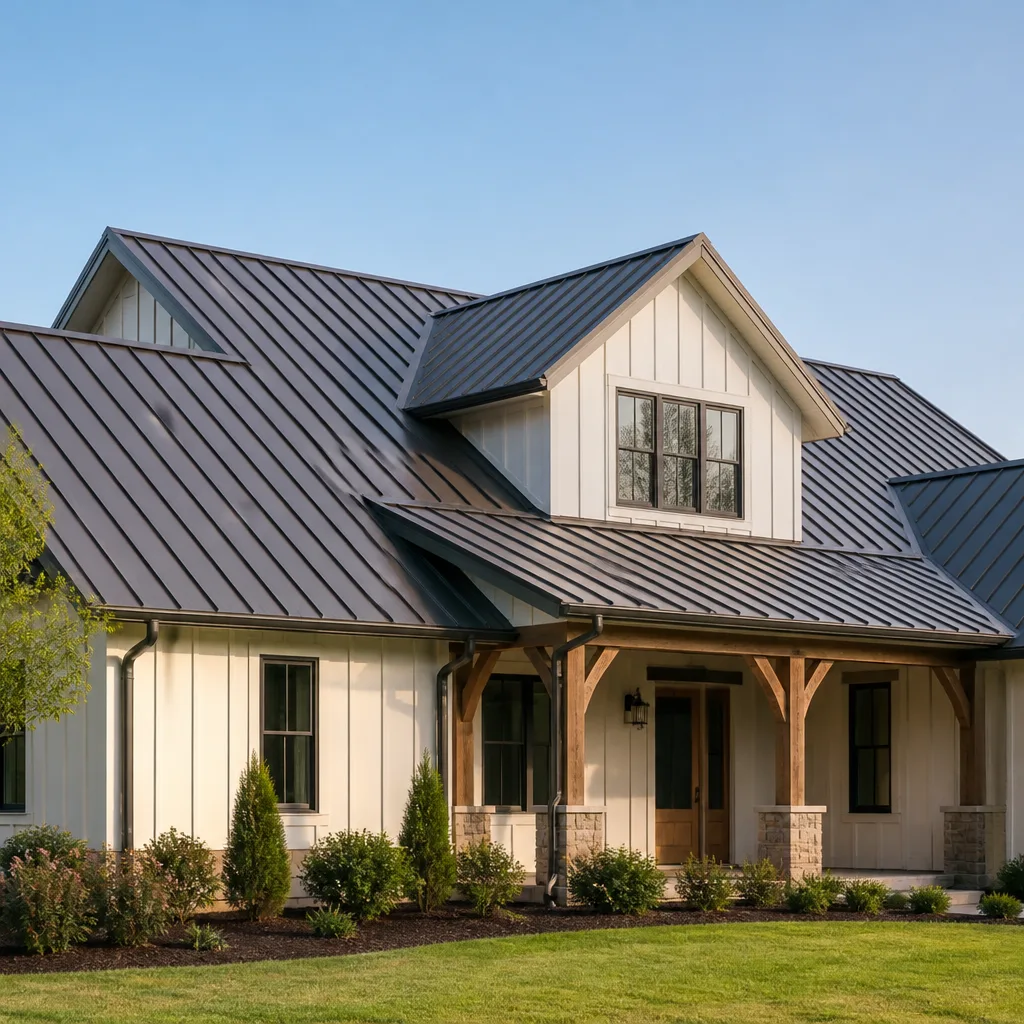


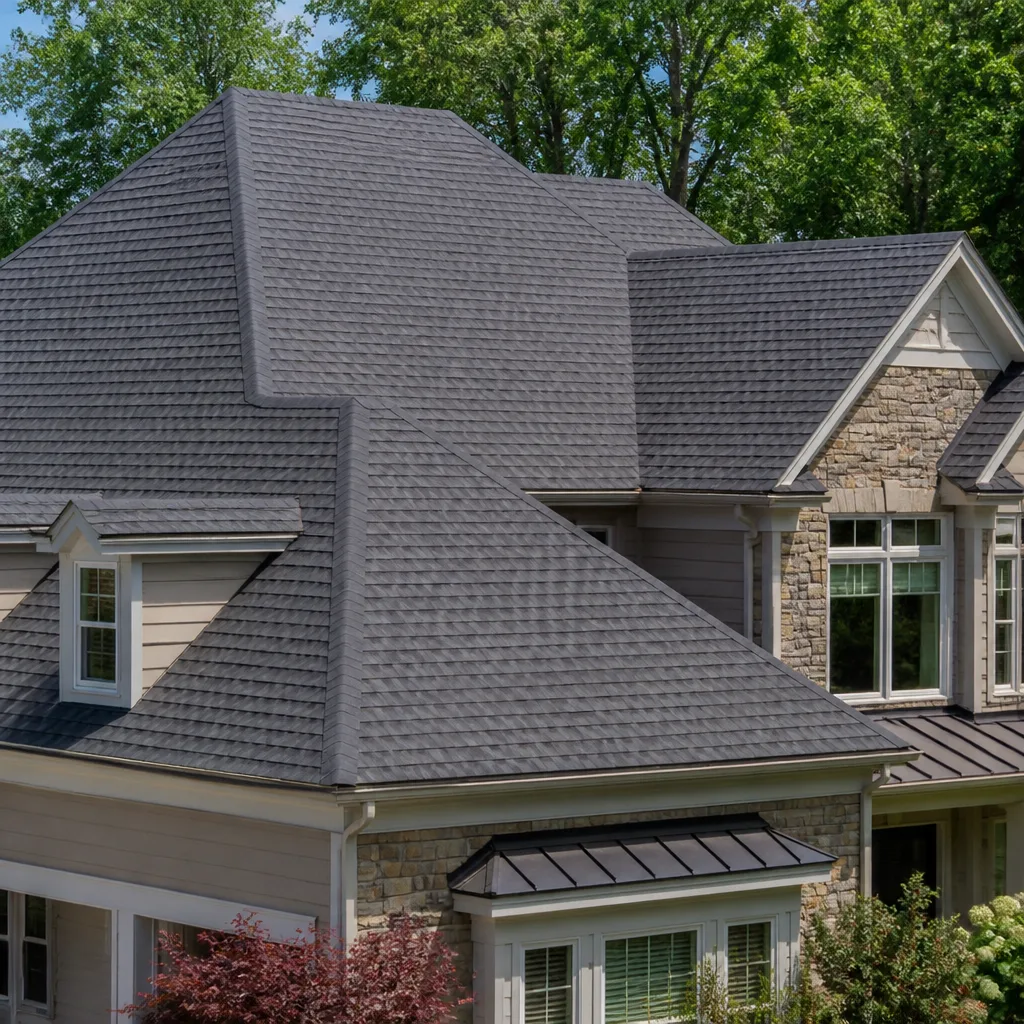
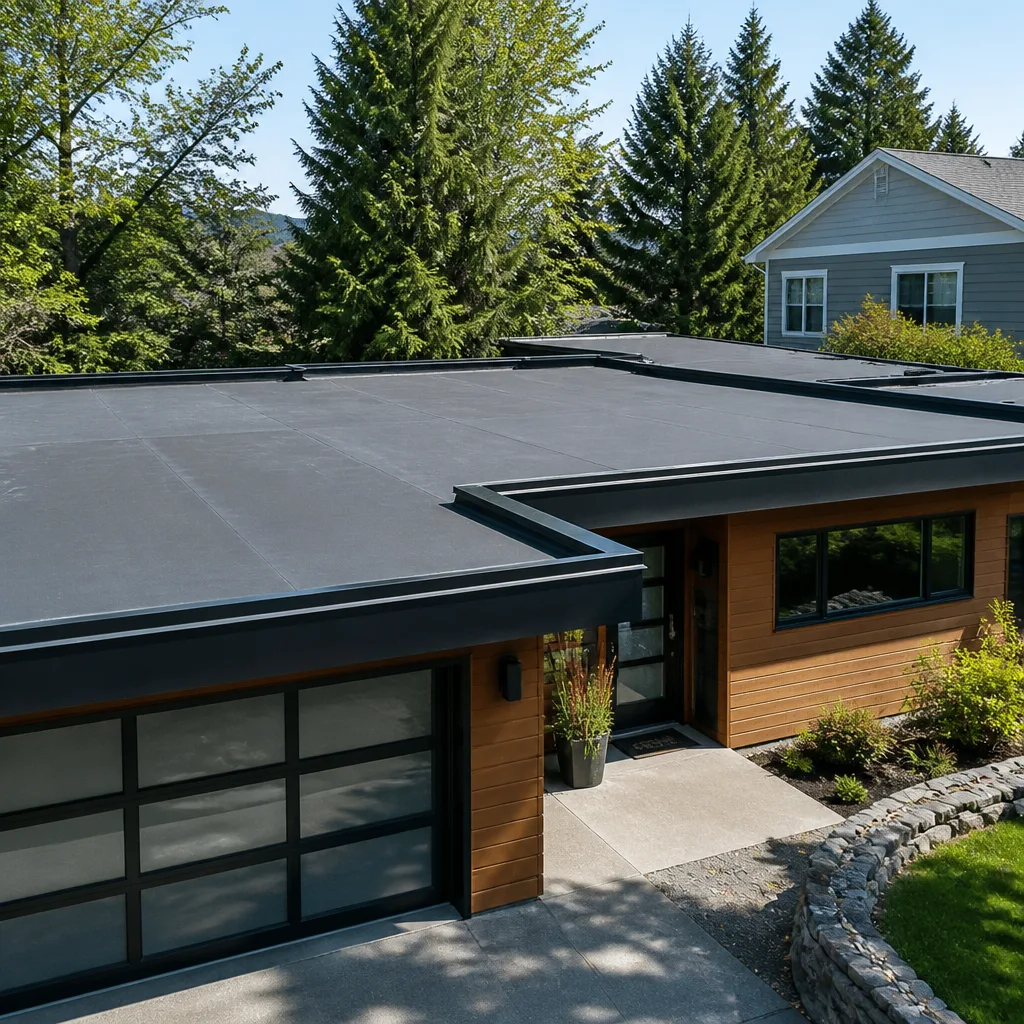
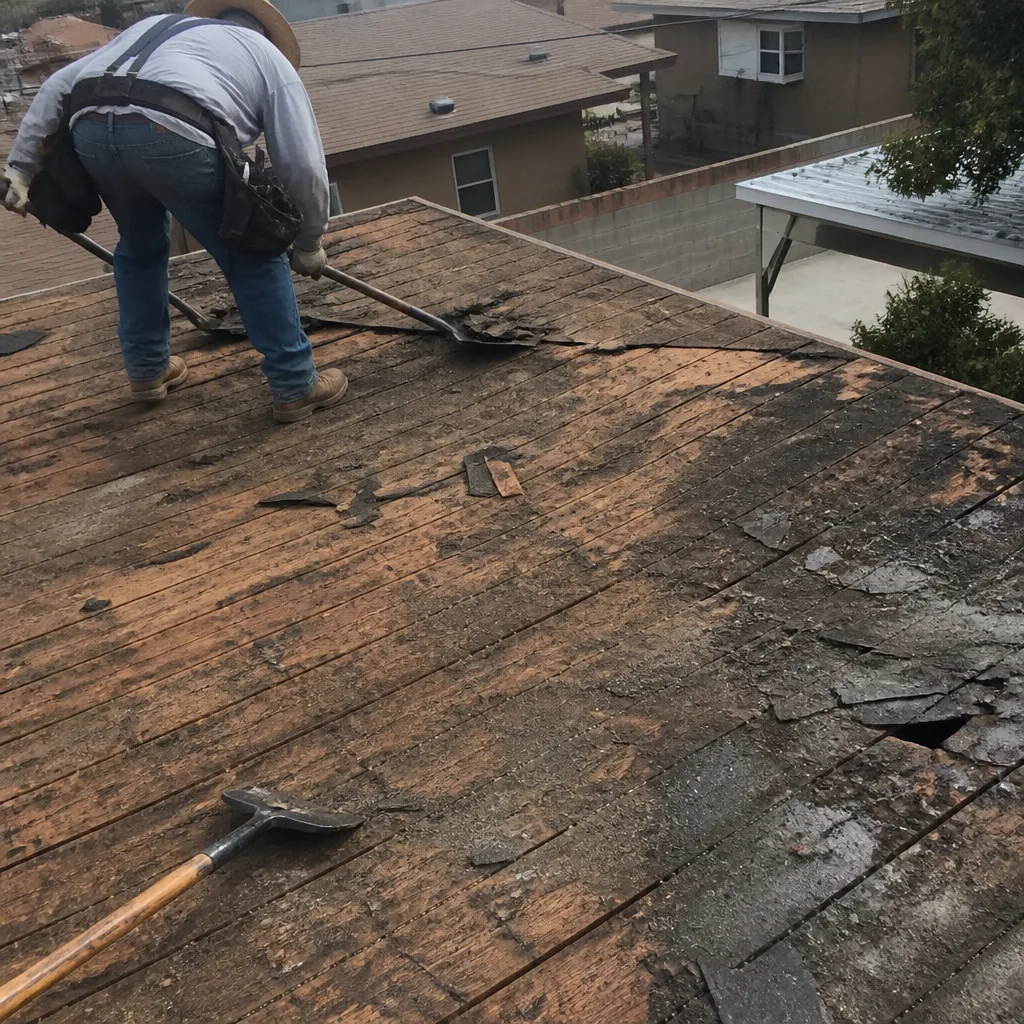 Before
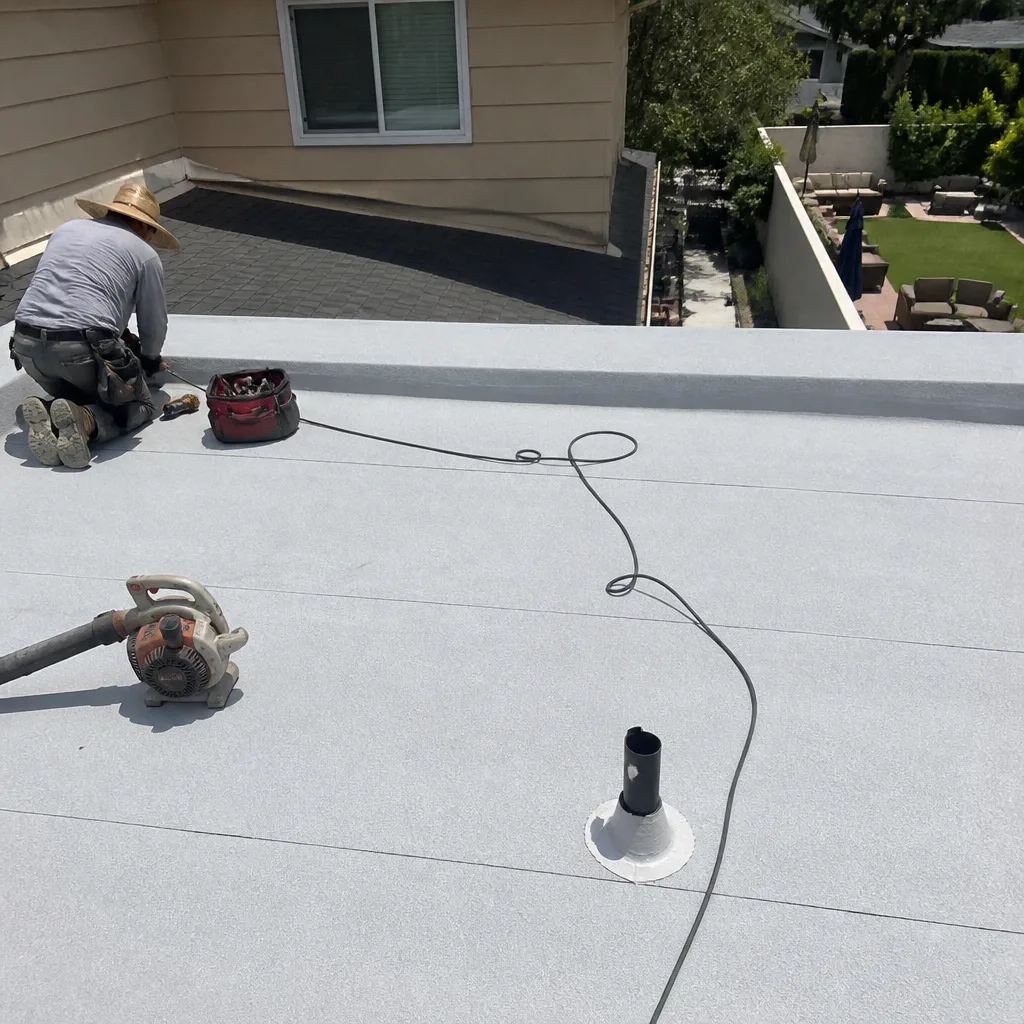 After
After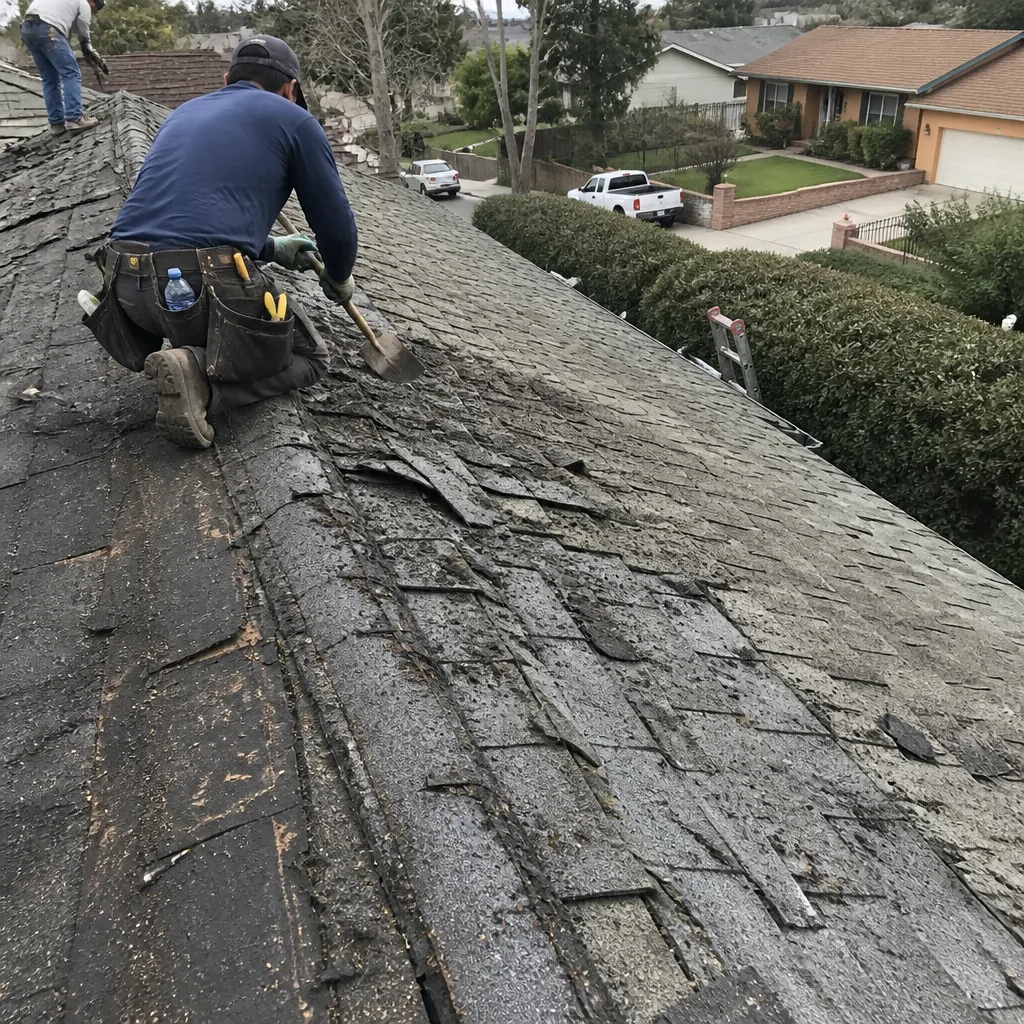 Before
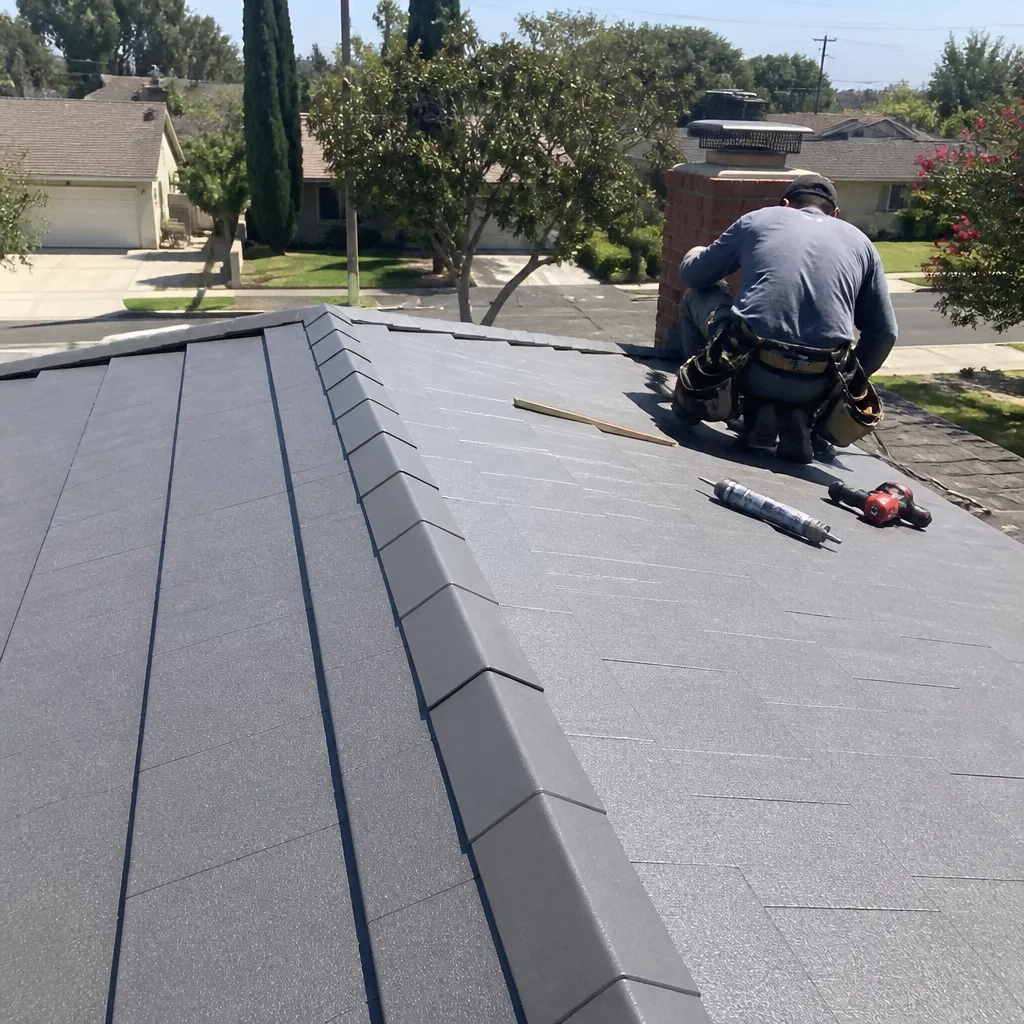 After
After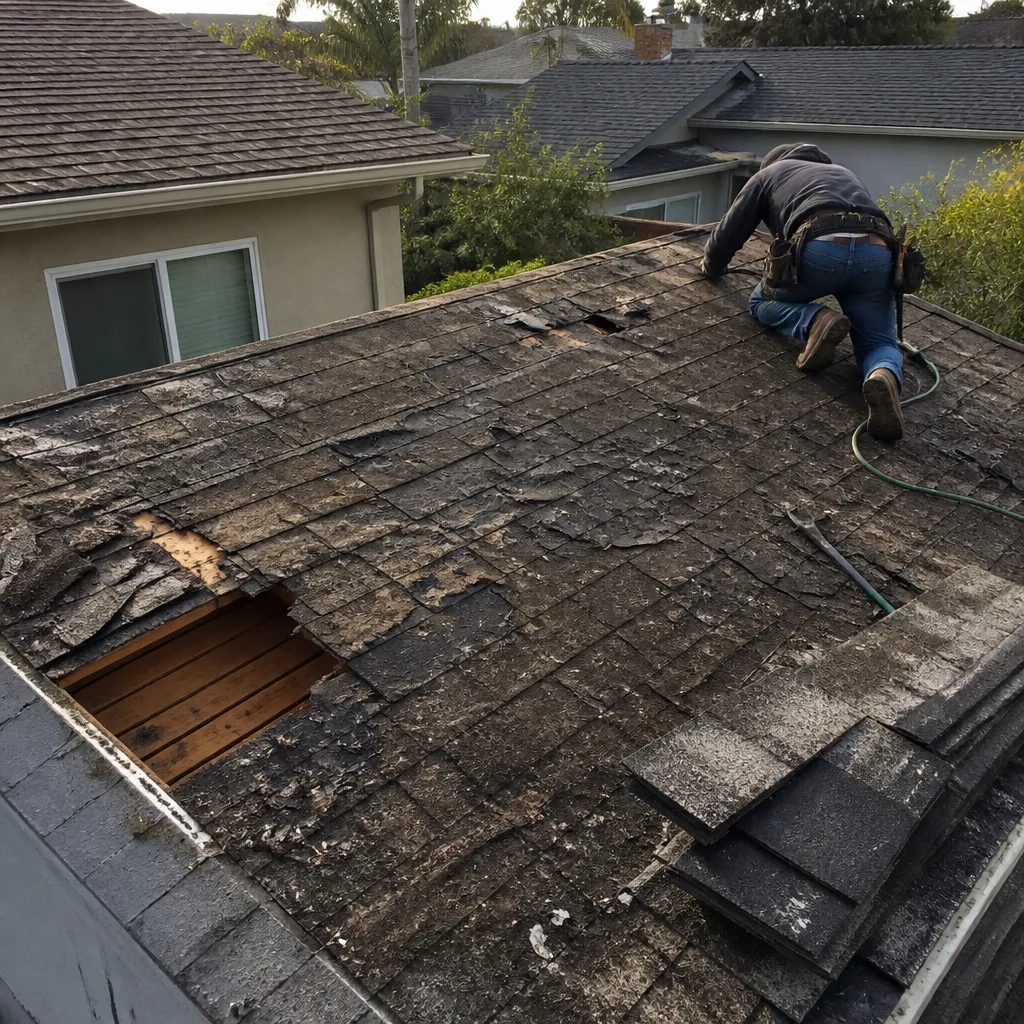 Before
 After
AfterRoof Installation Warning Signs Every Homeowner Should Know
The most expensive Roof Installation services failures announce themselves quietly. A 12% spike in your cooling bill. A faint musty smell in the attic in October. A ridge line that looks straight from the curb but bows three inches when you climb up for a closer look. Homeowners in Los Angeles spend an average of $9,000 to $14,000 on a full roof replacement, and the difference between a roof that lasts 30 years and one that fails in 8 often comes down to what was done beneath the shingles, not what you can see from the street. This guide walks you through the warning signs that appear early, the ones you can spot from your attic or your utility statement, long before water darkens the ceiling.
Quick Answer
Bad roof installation usually shows up first as a combination of three things: a measurable jump in cooling costs during Los Angeles summers, an attic that feels sealed and stagnant instead of ventilated, and subtle deformation in the roof plane that you can see from inside or from a ladder at the eave line. Lifted shingles, missing granules, and water stains are late-stage signals. The earliest warnings are structural and atmospheric, and catching them within the first 30 to 90 days after installation can save you from a complete tear-off years later.
Table of Contents
- The 30-Day Attic Inspection Every Homeowner Should Do
- How to Read Your Energy Bill as a Roof Diagnostic Tool
- Flashing Failure Signals That Appear Before Ceiling Leaks
- What Granule Accumulation in Gutters Actually Means
- Structural Signals Only Visible From Inside the Roof
- Ridge Line and Roof Plane Distortion: Reading the Silhouette
- Ventilation Failure: The Sealed-Off Soffit Problem
- Common Mistakes to Avoid
- When to Call a Professional
- Frequently Asked Questions
- The Bottom Line
The 30-Day Attic Inspection Every Homeowner Should Do
Thirty days after your new roof goes on, the shingles have settled, the underlayment has had a full weather cycle, and any installation shortcuts are starting to show-see our Roof Repair Maintenance Schedule: What to Do and When for a full timeline. Most homeowners never go into their attic after a roof replacement. We’ve found that the ones who do catch problems while they’re still cheap to fix, and the ones who don’t discover them years later when the repair bill has a comma in it.
Here is the inspection sequence we recommend, in order:
- Go up in the late afternoon on a day when outside temperatures are above 75°F. The heat differential makes ventilation problems obvious. If the attic is noticeably hotter than the outside air, that’s your first flag.
- Look at the underside of the roof decking. With the lights off, let your eyes adjust. You should not see daylight through the boards anywhere except at designed vents. Pinpoints of light mean gaps in the decking or improperly seated fasteners, both installation defects.
- Check the soffit areas from the inside. Place your hand near the eave where the roof meets the outer wall. A proper installation has a continuous flow of air moving from the soffit upward. If the air is still and the area feels stagnant, the soffit may have been sealed off during installation, which traps heat and moisture.
- Look for fresh sawdust, wood shavings, or loose nails on the insulation. These are signs that decking was replaced or repaired during installation, which is fine, but debris that was never cleaned up can puncture the vapor barrier or work its way into the living space over time.
- Inspect the ridge beam and trusses for any new stains. A roof that is correctly flashed and ventilated should not produce moisture on the structural framing. Dark streaks or white mineral deposits on the wood suggest condensation, which in Los Angeles almost always traces back to ventilation failure rather than actual leaks, especially outside the rainy season.
This inspection takes 20 minutes. If you find stagnant air, daylight, or moisture, document it with photos and call a Roof Installation in Los Angeles professional who can trace it to the source before it becomes a structural issue.
How to Read Your Energy Bill as a Roof Diagnostic Tool
Your utility statement is the earliest and most reliable roof diagnostic tool you already own. After a new roof installation, your cooling costs should hold steady or improve slightly, especially if you upgraded from an older roof with degraded ventilation. A measurable spike in the summer months, on the order of 8% to 15% with no change in thermostat habits, is a signal that something under the shingles is not working the way it should.
Here’s what different patterns on your Los Angeles energy bill can indicate:
- A sudden increase in July or August cooling costs after a recent installation often points to underlayment or ventilation failure. When soffit vents get blocked, or the installer used a single-layer underlayment where a breathable system was needed, the attic becomes a heat box. That heat radiates down through the ceiling, and your AC runs longer to compensate.
- A winter heating bill that creeps up can indicate the opposite problem: an attic that is over-ventilated or has gaps in the decking that allow conditioned air to escape. In Los Angeles, winter heating costs are lower than cooling costs, so this signal is subtler, but a December-to-February increase of 6% or more is worth investigating.
- Compare month-over-month and year-over-year. One hot month is weather. Three consecutive hot months with a 10% increase over the same months last year, adjusted for any new appliances or lifestyle changes, is a roof problem.
The utility company provides historical usage data for your address. Pull it. If the upward slope starts the month after your new roof went on, that timeline is not a coincidence. Underlayment that traps heat, soffit vents that were covered with flashing, and ridge vents that were installed backward, all show up as numbers on your statement long before the ceiling shows a stain.
Flashing Failure Signals That Appear Before Ceiling Leaks
Flashing is the metal material, usually galvanized steel, aluminum, or copper, that seals the joints where the roof meets something vertical: a chimney, a wall, a vent pipe, a skylight. When flashing is installed wrong, water rarely drips straight down through the ceiling in a single obvious spot. It travels. It follows the rafter, soaks into the sheathing, and shows up as a stain on an interior wall 15 feet from the actual point of entry.
The pre-leak signals for flashing failure are specific and repeatable:
- Stains on interior walls near chimneys or dormer junctions that appear as a tea-colored wash, not a dark water spot. This is moisture working through the wall cavity from a flashing seam that is open but not gushing.
- Efflorescence on interior brick around a chimney. That white, chalky mineral deposit on the bricks inside your living space means water has been migrating through the flashing and evaporating through the masonry. By the time efflorescence appears indoors, the flashing has been compromised for a while.
- Paint bubbling or peeling on the ceiling near skylights in dry months. Skylight flashing failures rarely produce active drips because the water travels along the frame. What you see instead is paint losing adhesion as moisture works through the drywall from above.
- Loose or missing flashing visible from the ground or a ladder. After a rainstorm or a Santa Ana wind event, step outside and look at the chimney and the roof-to-wall junctions. Flashing that lifts, gaps away from the brick, or shows exposed nails with missing rubber washers is a leak waiting for the next heavy rain.
In Los Angeles, flashing fails differently than in other climates. We get long, hot, dry stretches punctuated by short, intense rain. That cycling causes metal flashing to expand and contract repeatedly, and any fastening mistake becomes a gap within 12 to 18 months. If you notice any of these signals, address them now. Flashing repair is a fraction of the cost of replacing water-damaged framing.
What Granule Accumulation in Gutters Actually Means
Shingle granules are the sand-like ceramic coating on asphalt shingles. They protect the asphalt from UV radiation. Some granule loss is completely normal, especially in the first 90 days after installation when the shingles are settling and excess surface granules from manufacturing wash off. In our experience in Los Angeles, we expect a light dusting of granules in gutters during the first season. What you don’t expect is a steady, heavy accumulation that continues for months.
Here’s how to distinguish normal from abnormal granule shedding:
- Light, uniform dusting in the first 60 to 90 days: Normal. Shingle manufacturers including GAF, CertainTeed, and Tamko all produce shingles with slight over-coverage of granules that settle and release during break-in. This is expected and does not affect shingle life.
- Piles of granules at every downspout opening after every rain in year one: Abnormal. This often indicates that the shingles were installed with incorrect exposure, the part of the shingle that is supposed to be covered but is left exposed to direct sun. Improper exposure accelerates granule loss because the bonding surface is not designed to be exposed to UV continuously.
- Bald spots on shingles visible from the ground or ladder within the first two years: A material defect or severe installation error. CertainTeed and GAF both warrant their shingles against granule loss for decades, but neither warranty covers loss caused by incorrect installation. This distinction matters because it determines who pays for the replacement.
- Granule color mismatch or granule loss concentrated on one slope: The slope that faces south or west in Los Angeles gets more UV than the north slope. If the south slope is losing granules while the north slope looks pristine within a year, the issue is UV overexposure from incorrect installation, not material failure.
Clean your gutters twice a year regardless. But when you clean them, pay attention. The gutter is the most underrated diagnostic surface on the entire house, and it tells you more about your roof’s health than the roof itself does from the ground.
Structural Signals Only Visible From Inside the Roof
The framing beneath your shingles is where installation quality either holds or fails over decades. Most roof problems that become catastrophically expensive start as subtle changes in the plane and structure of the decking, changes you can only see from inside.
Walk through your attic or top-floor rooms and look for these four things:
- Sagging decking between rafters. Stand at one end of the attic and sight down the plane of the roof deck. Properly installed decking sits straight and flat between rafters. If you see gentle curves or dips between the rafter lines, the decking is either too thin for the rafter spacing, was installed with gaps, or has absorbed moisture and lost structural integrity. In older Los Angeles homes with 24-inch rafter spacing, builders sometimes used 3/8-inch plywood, which sags over time under the weight of modern shingle systems.
- Daylight visible through roof boards in random spots. This is different from the organized light you see at properly installed ridge and soffit vents. Random pinpoints or thin slivers of daylight between boards mean the decking was not properly seated, or the boards have warped and separated. Any gap in the decking is a pathway for water, pests, and conditioned air to escape.
- Nail pops and pulled fasteners visible from inside. When you see the tips of roofing nails protruding through the underside of the decking with the backing material pulled away, it means the nails were overdriven during installation or have worked loose from wood expansion. Nails that pull out of the decking are no longer holding the shingle above them.
- Discolored or soft decking that gives under finger pressure. Press on any discolored area. Solid plywood and OSB resist pressure firmly. If your finger sinks or the wood flakes, the decking is compromised. In our experience, a homeowner who finds soft decking during a routine attic check has usually found the problem five to ten years before it would have shown up as an interior leak.
Structural issues rarely announce themselves loudly. They are slow, visible, and completely catchable if you know what a healthy roof deck looks like. If any of these signals are present, the problem is beneath the shingles, which means the shingles have to come up to fix it properly. That is not a repair job. That is a re-installation. Call a Roofing Company in Los Angeles that will give you a written diagnosis and a fixed price before touching anything.
Ridge Line and Roof Plane Distortion: Reading the Silhouette
From the curb, most roofs look fine. The human eye corrects for subtle asymmetry. But from a specific angle, or with a straight reference line, installation failures in the roof plane become obvious.
Here’s how to read the silhouette of your roof:
- Stand at the corner of your property and sight down the ridge line. The ridge should run straight and level from end to end. A bow of even two inches in 30 feet is a structural red flag. Ridge sag usually indicates that the ridge beam is undersized or that the framing beneath was never properly aligned during installation.
- Look at the roof from a 45-degree angle in raking light, either early morning or late afternoon. Low-angled sunlight casts a shadow over every depression and wave in the roof plane. A properly installed roof looks like a single continuous plane. Waviness means the decking is uneven, the shingles were installed over a bad surface, or both.
- Check for shifted or misaligned shingle courses near the eaves. When shingles drift out of alignment as they approach the eave, it means the installer failed to snap control lines and allowed the courses to wander. This is a visual signal that the crew was working fast and not measuring, which correlates with other shortcuts you can’t see.
- Look at the roof line against adjacent structures. A roof that is too flat or pitches the wrong way for the style of the home, or that does not align with the rooflines of neighboring homes of the same vintage, suggests the framing was altered or the decking was replaced incorrectly during a prior installation.
Los Angeles has an enormous variety of roof styles, from flat-top mid-century homes in the Valley to steep-pitched Spanish and Craftsman designs across the city. Each style has its own structural norms. A sag or a wave that should not be there is the same signal regardless of style. If you see it, photograph it from several angles and get a professional read on the cause.
Ventilation Failure: The Sealed-Off Soffit Problem
Roof ventilation is the least visible and most misunderstood part of a roofing system. In Los Angeles, where summers push attic temperatures above 140°F, a properly ventilated roof is not a luxury. It is structural protection. When an installer seals off soffit vents during a roof replacement, either by covering them with flashing or by not re-cutting the underlayment, the attic becomes a sealed chamber. Hot air has no path out. Moisture has no path out. Your shingles bake from below.
The sealed-off soffit problem shows up in a predictable sequence:
- Attic temperatures climb. Within the first summer after installation, the attic runs 20 to 30 degrees hotter than it should. You feel the heat radiating through the ceiling of the top floor.
- Shingle life shortens. Asphalt shingles from manufacturers like Owens Corning and Boral are rated for specific temperature ranges. Constant heat from below degrades the asphalt binder faster, which leads to premature curling, cracking, and granule loss, the same symptoms that appear at year 15 on a good roof showing up at year 5.
- Moisture accumulates. Without airflow, any moisture that enters the attic, from bathroom exhaust fans, from cooking, from a small flashing seep, stays there. Condensation forms on the underside of the decking. Mold follows.
- The decking rots from the inside out. This is the most insidious part. From outside, the roof looks fine. From inside the attic, the decking is softening. By the time water stains appear on the ceiling, the structural damage is done.
The fix for a sealed-off soffit is not complicated: the vents need to be reopened and proper air channels installed. But it does require access to the eave from both inside and outside, and it should be done by a roofer who understands ventilation as a system, not as an afterthought. If your attic feels stagnant 30 days after installation, do not wait. Call a Roof Repair in Los Angeles professional and ask them to trace the airflow from soffit to ridge.
Common Mistakes to Avoid
- Hiring the low bid without comparing scope. Two roof quotes for the same house can differ by $4,000. Usually the difference is in the layers: decking repair, underlayment quality, drip edge, ventilation. A company that found structural issues and priced them in will always look more expensive than one that ignored them. Ask for line items.
- Accepting a verbal estimate. In Los Angeles, any roofer who will not give you a written, line-item price before work begins is not protecting you. The contract is your only legal protection if the installation fails. Mercer Roofing puts the price and the guarantee in writing before a single nail is driven, every time, no exceptions.
- Skipping the attic inspection in the first 30 days. The window for catching installation defects early is narrow. Once extreme heat, rain, and time have worked on the failure, the repair cost multiplies.
- Not verifying who is actually doing the work. Many roofing companies in Los Angeles subcontract to crews they have never met. Ask whether the technicians who do the work are background-checked and identity-verified. Mercer sends every technician’s name and photo ahead of the visit, and they badge in with a photo ID at the door, under the Mercer Roofing home Threshold Verified standard.
- Fixing a symptom without finding the cause. Replacing a few lifted shingles does nothing if the problem is a sealed soffit or sagging decking. The shingles will lift again. Diagnose the system, not the symptom.
- Waiting for a leak before investigating ventilation. By the time water gets through the ceiling, the failure has been underway for years. The energy bill, the attic heat, the granule loss, all of those were early warning signs.
- Assuming the manufacturer’s warranty covers installation errors. GAF, CertainTeed, Owens Corning, Boral, Atlas, Tamko, and IKO all warrant their materials. None of them warrant bad installation. The installer’s workmanship warranty is what actually protects you, and you need that in writing.
When to Call a Professional
Call a roofer when you see sagging in the roof plane, daylight through the decking, a 10% or higher sustained increase in cooling costs after a new installation, or heavy granule loss that has not slowed after the first 90 days. Call if your attic is noticeably hotter than the outside air, or if you notice efflorescence or tea-colored stains on interior walls near a chimney. These are not watch-and-wait situations. The failure is active. Mercer Roofing offers free estimates in Los Angeles, including a written diagnosis and a line-item price before any work begins. Call (743) 200-8347 and a live person answers, 24/7, not a voicemail.
Frequently Asked Questions
The most reliable early indicators are a persistent increase in cooling costs of 8% or more, an attic that feels sealed and stagnant, daylight visible through the decking, and shingle granule loss that continues past the first 90 days. Any single one of these warrants an investigation. Call (743) 200-8347 for a written diagnosis from Mercer Roofing in Los Angeles.
Fixing a bad installation costs anywhere from $1,200 for localized flashing repairs to $9,000 to $16,000 for a full tear-off and re-installation, depending on the size of the roof, the extent of decking damage, and whether the framing was compromised. The earlier the problem is caught, the cheaper the fix. That is why the 30-day attic inspection matters.
Yes, a light, uniform granule dusting in the first 60 to 90 days is normal and expected as shingles settle. Heavy granule piles at downspouts after every rain, or bald spots appearing within the first two years, are not normal and suggest incorrect exposure or a material defect. Call (743) 200-8347 for a free estimate on an inspection.
Yes. When soffit vents are sealed off or underlayment is installed incorrectly, the attic becomes a heat trap in Los Angeles summers, and your cooling system runs longer to compensate. A sustained 8% to 15% increase in cooling costs after a new installation, with no change in thermostat behavior, is a classic installation failure signal.
Yes, roof installation in Los Angeles requires a valid California contractor’s license, and the work must comply with local building codes and permit requirements. Always ask to see the license and confirm it is active before signing. Mercer Roofing provides written documentation of credentials, permits, and pricing before work begins.
A workmanship warranty covers installation errors, not the shingles themselves. At Mercer Roofing, every repair and installation includes a written 365-Day Done Right Promise: if the work is not right within a year, we make it right. If a repair fails, a second visit is free. Get that promise in writing. If a roofer will not put it in writing, the warranty does not exist.
The Bottom Line
Roof installation failures are caught by homeowners, not by builders. The attic inspection 30 days after installation, the energy bill comparison, the gutter check, the silhouette scan from the corner of the lot. These are the tools. Most of the damage we see in Los Angeles could have been prevented if someone had looked inside the attic before the water reached the ceiling. Mercer Roofing was founded in 2000, and every installation still begins with a written price and ends with a written guarantee. The technicians who arrive at your door have already been background-checked, identity-verified, and badged. Their name and photo arrive before they do. That is the Roofing Company in Los Angeles standard, and it protects the homeowner as much as the roof itself.
Written by Grant Whitlock, Owner at Mercer Roofing, serving Los Angeles since 2000. For more guides & resources, visit our blog.