
Last updated October 9, 2026
Free roof inspection with deck photos before we talk money - GAF and Owens Corning certified installation

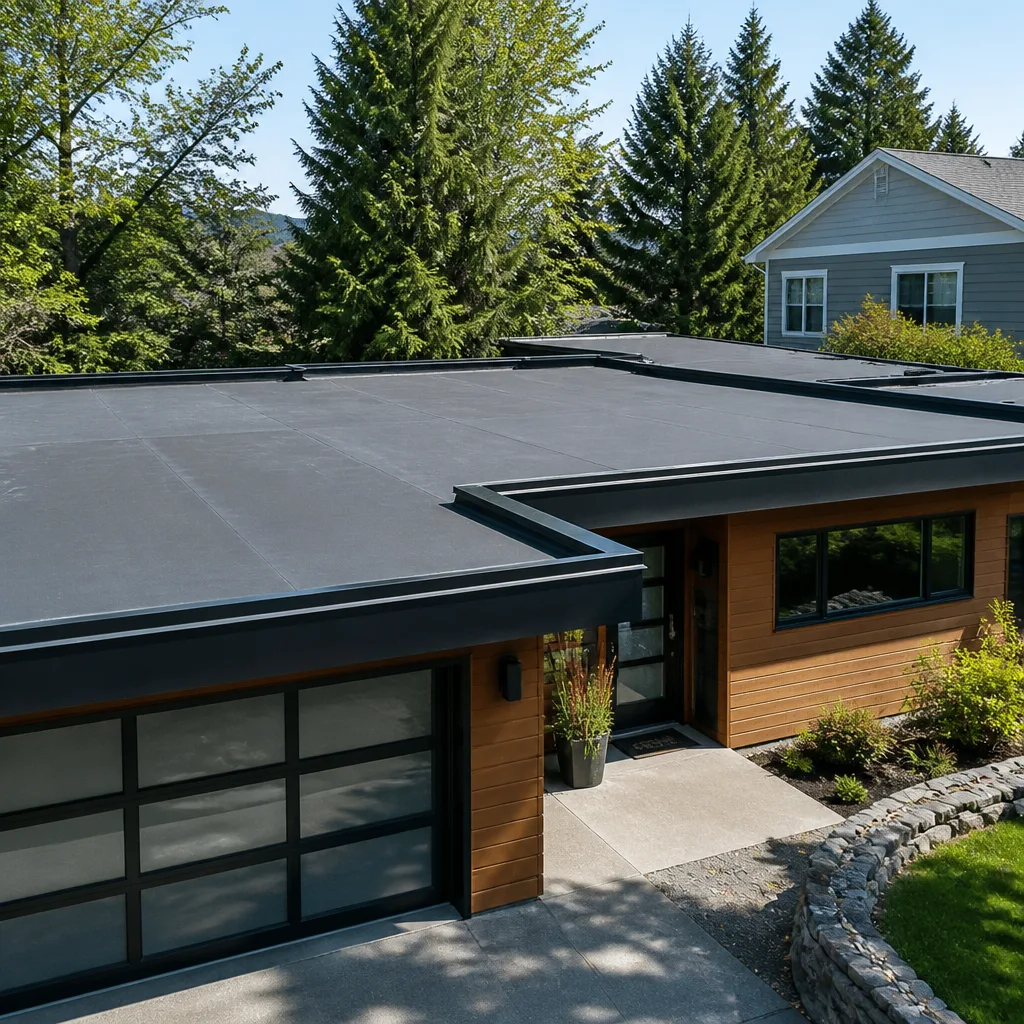
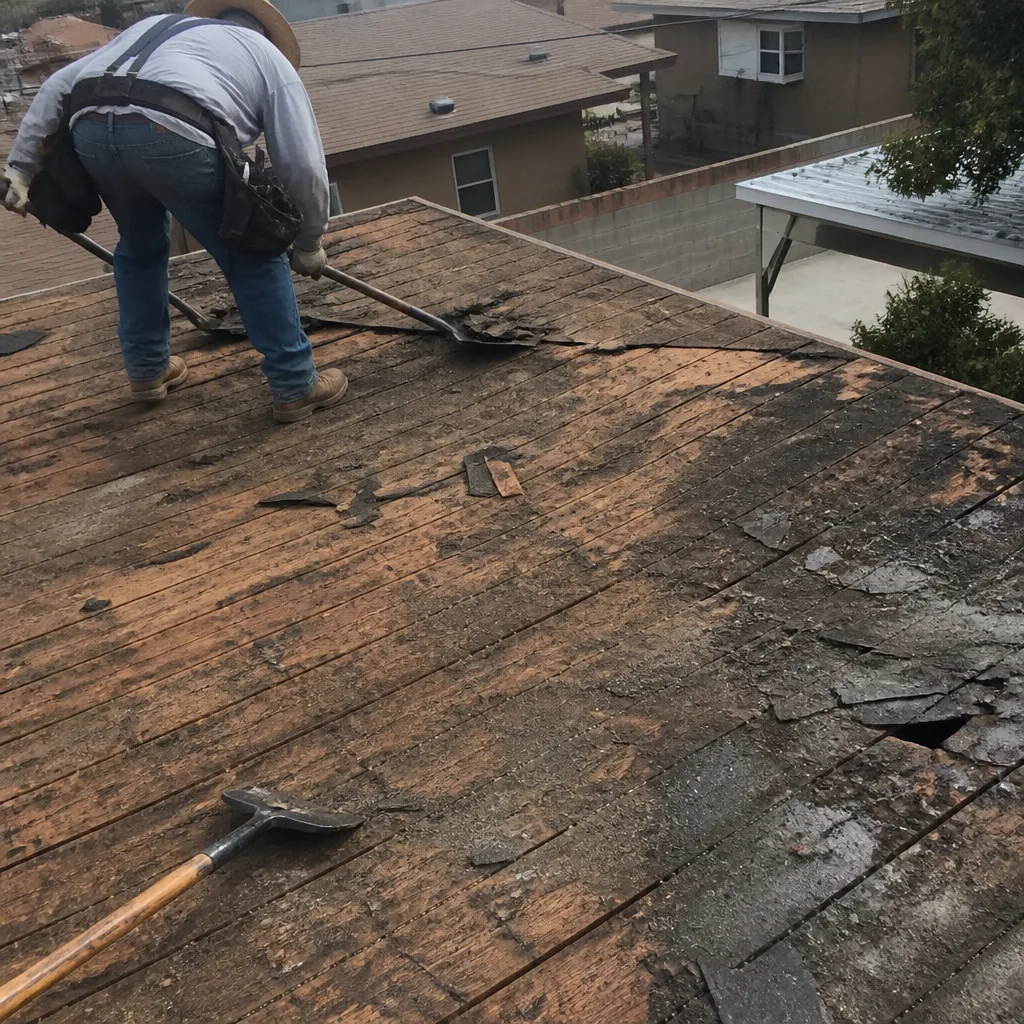 Before
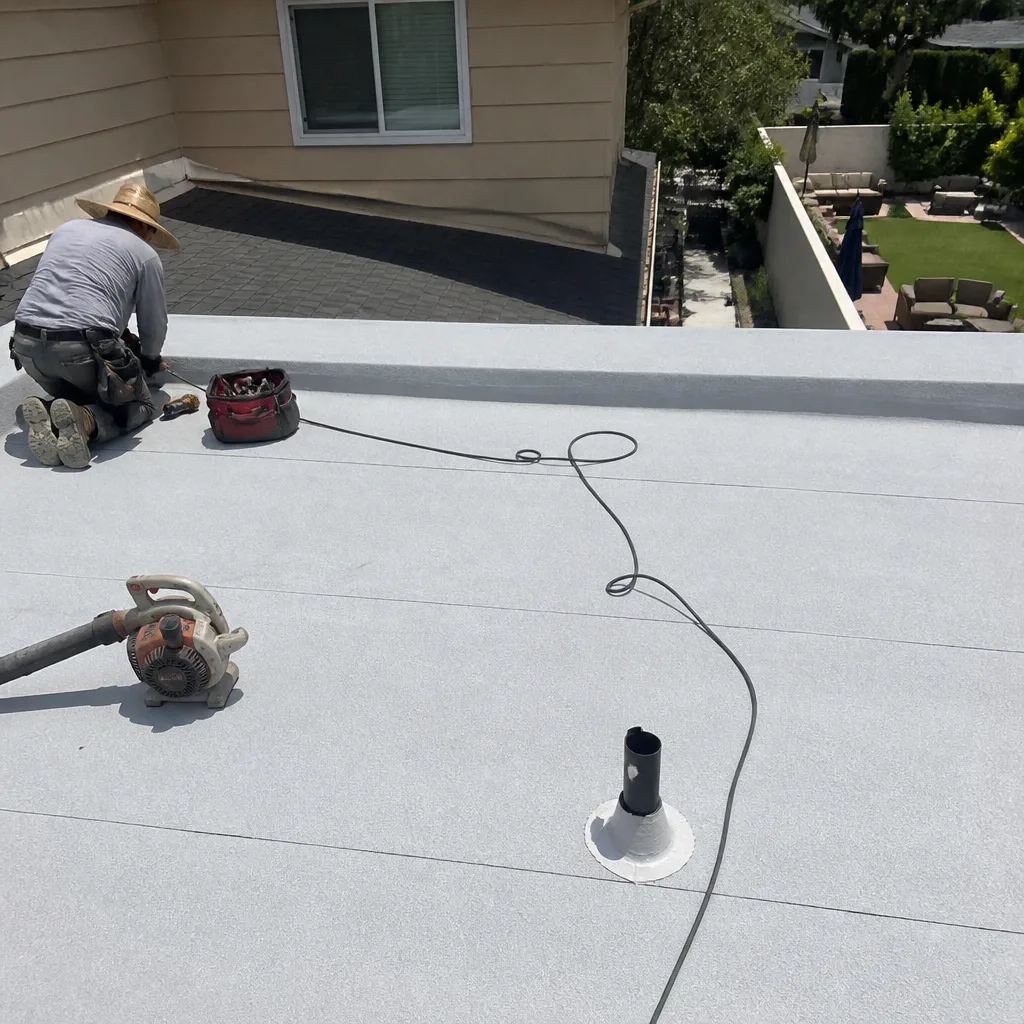 After
After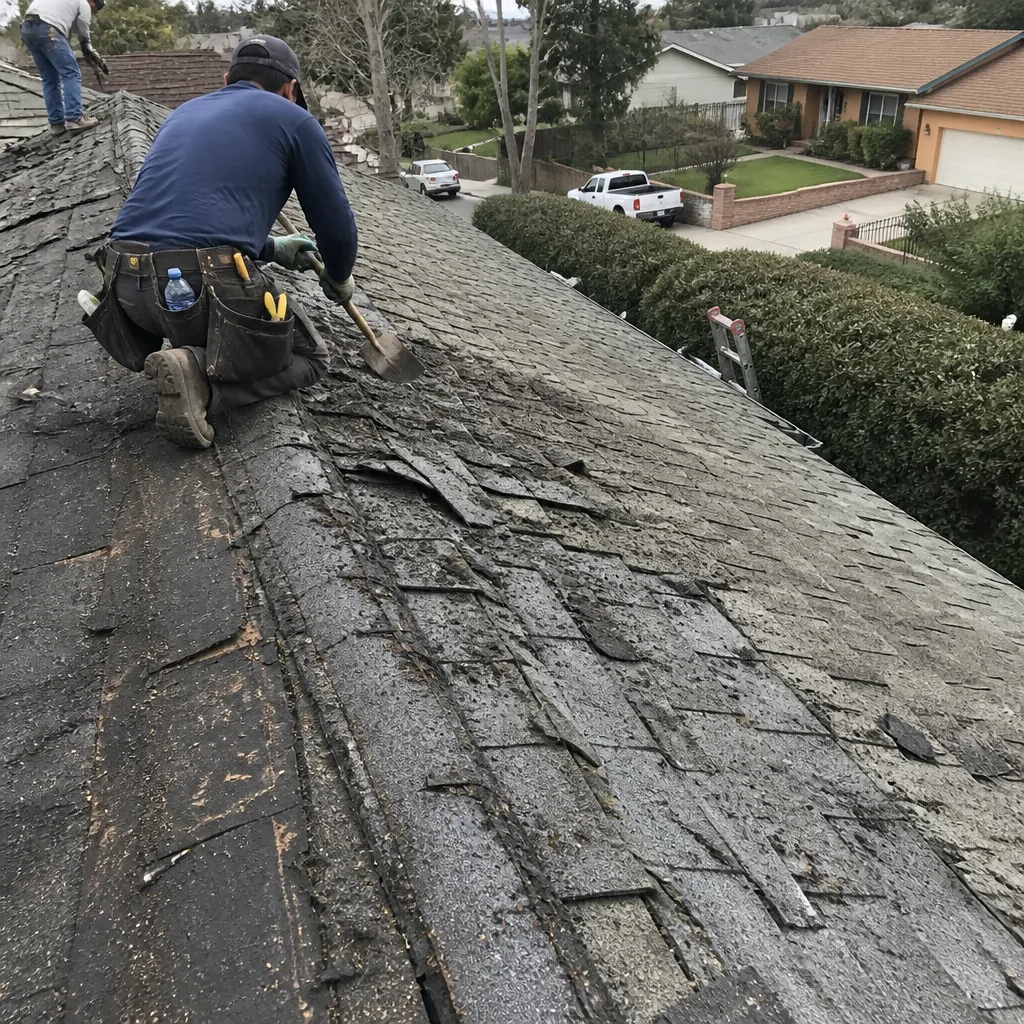 Before
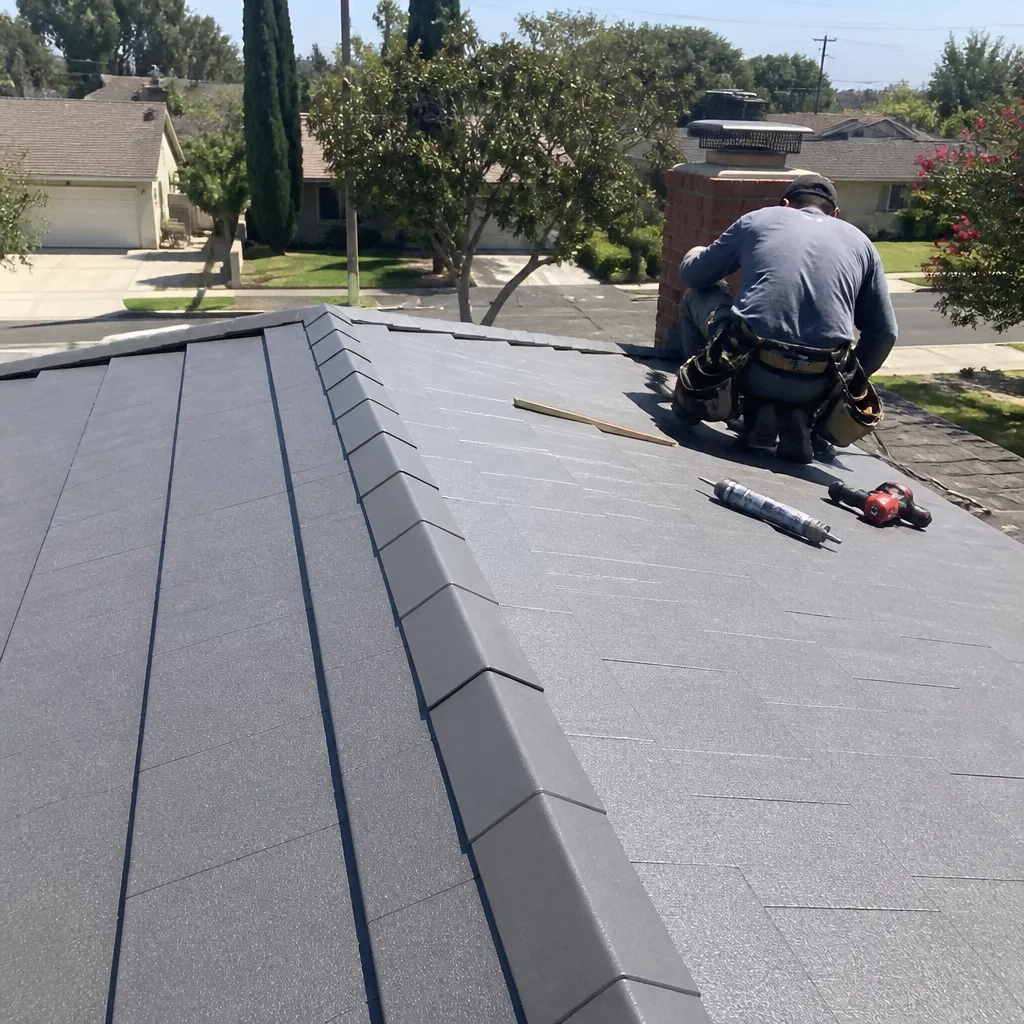 After
After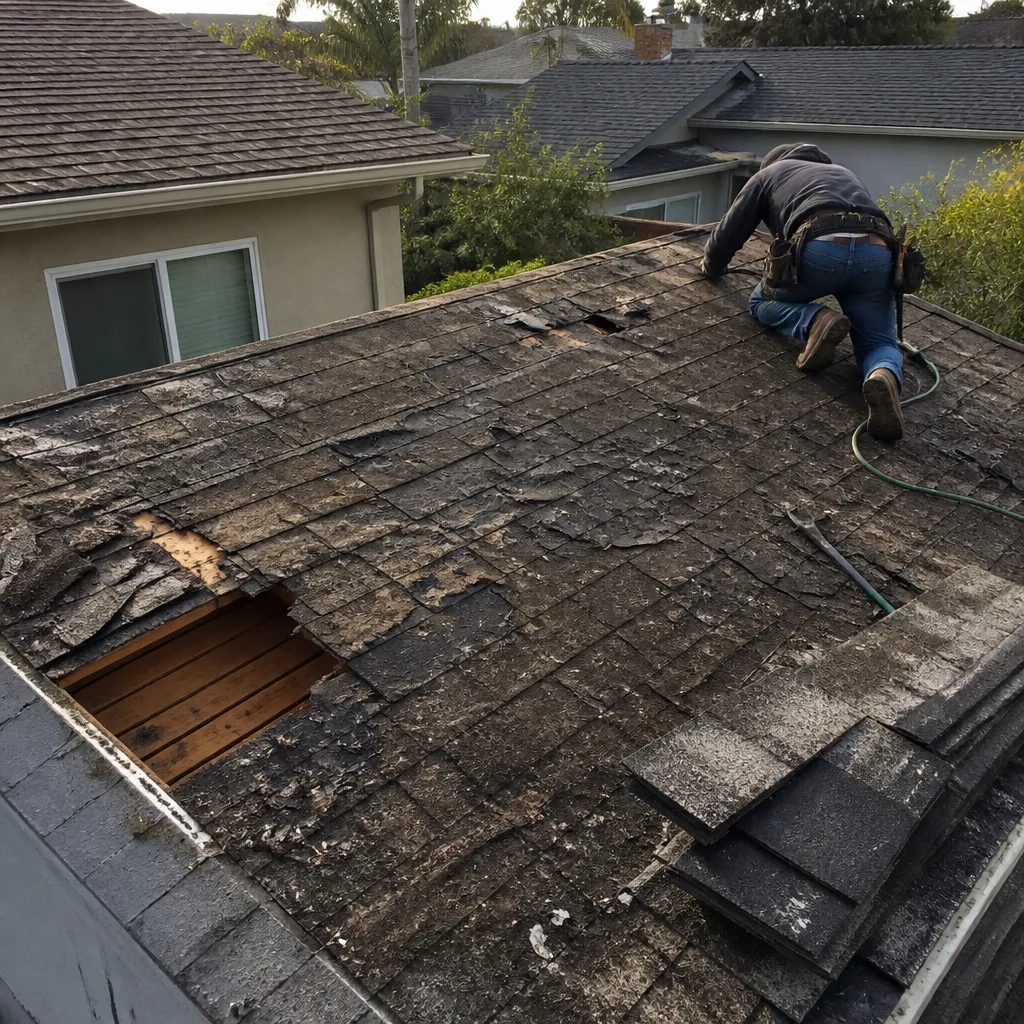 Before
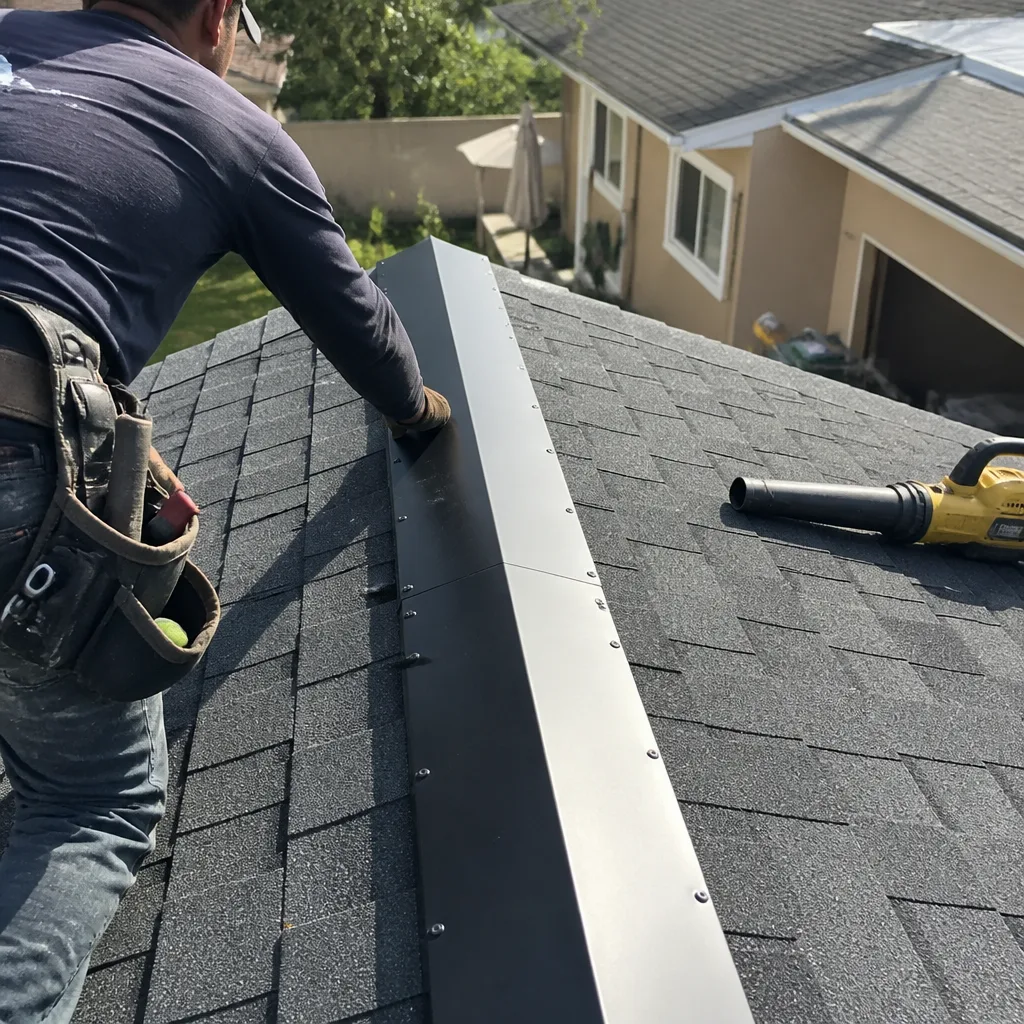 After
AfterRoof Repair Maintenance Schedule: What to Do and When
Los Angeles homeowners spend an average of $8,400 on roof replacement, yet most of the failures that force that expense begin as $200 repairs that were ignored for two or three years. The standard “inspect every spring and fall” advice fails here because Los Angeles doesn’t have spring and fall in any meaningful roofing sense. What it has is a nine-month dry season that bakes materials under UV, a short winter rain window that tests every seal, and a fall wind season that punishes anything loose. This guide gives you a maintenance schedule that actually matches how roofs age in Los Angeles, what to check by material type, and which five tasks you can do from the ground versus which ones genuinely need a pro. For more guides & resources, visit our blog.
Quick Answer
A Los Angeles roof needs two real maintenance windows each year: one in September before Santa Ana winds arrive, and one in April after the rainy season ends. What you check depends on your roof material and age, but the core routine is clearing debris, checking flashing and seals, and documenting everything in writing. A roof under 10 years old needs this twice yearly; a roof over 20 years old needs inspection every four to six months.
Table of Contents
- The Real Los Angeles Roofing Calendar: Month by Month
- Material-Specific Maintenance: What Fails on Tile, Shingle, and Flat Roofs
- The 5 Ground-Level Checks You Can Do Safely (and the 5 You Can’t)
- How Roof Age Changes Your Maintenance Schedule
- The Written Maintenance Log: What It Should Include and Why Insurance Cares
- Warning Signs That Mean Your Maintenance Window Has Already Closed
- What Roof Maintenance and Common Repairs Cost in Los Angeles
The Real Los Angeles Roofing Calendar: Month by Month
Roofers who tell you to “inspect every spring and fall” are giving you advice calibrated for Ohio. Los Angeles has two real maintenance windows: before Santa Ana season in September and after the rainy season ends in April, and the tasks at each are nothing alike. The September pass is about securing anything that wind can grab. The April pass is about finding everything winter water found its way into. Here’s the month-by-month reality for the Los Angeles basin, from the Valley to the South Bay and across the hills in between.
January-February: Rain Watch
This is when Los Angeles gets roughly 80% of its annual rainfall, most of it arriving in a handful of concentrated storms. You’re not doing maintenance now. You’re watching for water entry after each storm. Check ceilings for discoloration, check the attic for dampness, and look at exterior walls below roof penetrations for staining. If you see water, consult our Roof Repair Troubleshooting: Common Problems and How to Fix Them or call for a repair immediately because the next storm is usually days behind. If you see nothing, resist the urge to climb up. Wet shingle roofs are slippery and tile roofs are brittle in cold temperatures.
March: Post-Storm Assessment
March is the last month of meaningful rain and the first month you can safely assess damage. The ground is still soft but the roof has typically dried enough for a safe walk if you insist on going up. Better advice: use March to document everything you noticed during the rain, because memory fades fast. Which corner of the bedroom ceiling showed a shadow? Which downspout overflowed? Write it down now because April is when you act.
April: The Big Post-Rain Inspection
This is your first real maintenance window. The rainy season is over or nearly over, and you now have a complete picture of what winter exposed. April is when you clear winter debris from valleys and scuppers, check every flashing point that got hammered by wind-driven rain, and re-seal anything that shows cracking. If you’re going to have a professional inspection done, April is the cheapest time to get it because most Los Angeles roofing companies are between the winter emergency rush and the summer heat slowdown. Waiting until August means paying peak-season dispatch rates and slower scheduling.
May-June: Dry Season Prep
By May, we’re trending toward our first 90-degree days and UV starts doing real work on sealants and underlayment. This is the window for any repair identified in April, before heat makes sealant application less reliable. Quality sealants applied in 95-degree weather can cure too fast and fail within two years. Applied in May at 75 degrees, the same tube lasts five. If your roof needs re-sealing around vents, pipes, or chimneys, May is the month to do it in Los Angeles.
July-August: Heat and UV Watch
Not much happens on Los Angeles roofs in high summer except slow, invisible degradation. Composition shingles shed granules into gutters; check downspout outlets for a buildup of colored grit, which tells you aging is accelerating. Flat roofs with modified bitumen can develop small blisters in sustained heat. You can’t fix those from the ground and shouldn’t walk a 140-degree flat roof. Just note where you see them with binoculars or a camera zoom and monitor whether they grow.
September: Santa Ana Prep
This is the second real maintenance window and arguably the more important one. Santa Ana winds arrive as early as late September and peak in October and November. The September pass is about securing anything that wind can grab: check tile roofs for loose, cracked, or slipped tiles; check flashing for lifted edges; trim tree branches that overhang the roof; and clear valleys and gutters so wind-driven debris has somewhere to go. We’ve seen more roof damage in Los Angeles from single Santa Ana events than from entire rainy seasons. A single lifted tile catches 60 mph wind and becomes a projectile that cascades damage across the entire slope.
October-November: Wind Damage Assessment
After the first major Santa Ana event, do a ground-level check for shifted tiles, lifted shingles, or debris accumulation. Don’t climb during wind warnings, period. If you see something out of place, photograph it from the ground and call for our Roof Repair services. Wind damage claims in Los Angeles often hinge on documentation showing the damage occurred during a specific event window. Writing down the date range of the wind event next to your photos matters for insurance.
December: Pre-Rain Final Pass
December in Los Angeles is a coin toss. Some years the first real storm arrives in November; other years we stay dry into January. Use any dry December days to do a final pre-rain pass: check that downspouts discharge away from the foundation, verify that gutters are clear, and confirm that nothing shifted since September. Then photograph the roof from all four corners. These dated photos create your baseline for the winter and for any insurance conversation you might have in March.
Material-Specific Maintenance: What Fails on Tile, Shingle, and Flat Roofs
A 5-year-old clay tile roof and a 20-year-old modified bitumen flat roof need completely different attention at completely different times. Los Angeles has three dominant roof types, and each fails in its own way. Here’s what actually goes wrong with each, and what to look for during your maintenance passes.
Clay and Concrete Tile
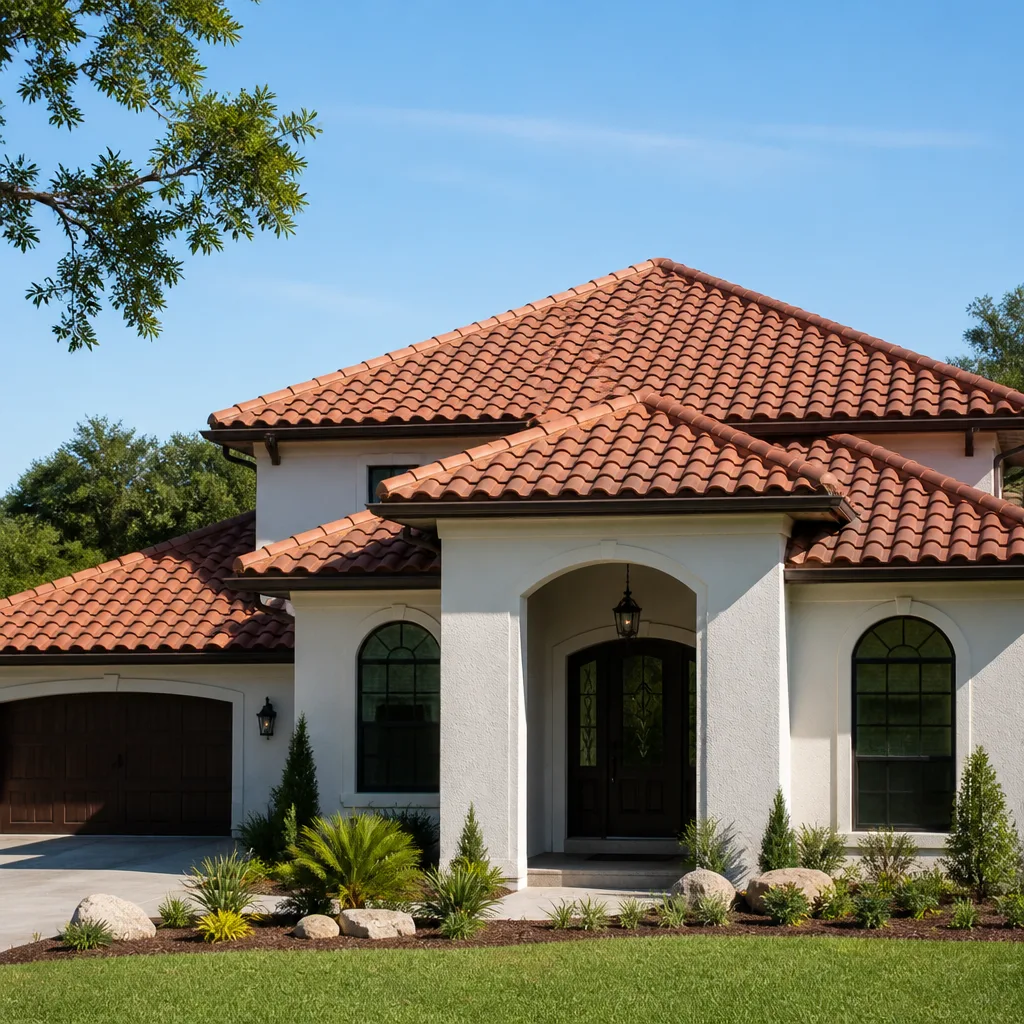
Tile roofs in Los Angeles are everywhere, particularly in Spanish-style homes from Pasadena to Long Beach. The tiles themselves last 50 years or more. What fails is everything underneath them. The underlayment, typically 30-pound felt or a synthetic equivalent, breaks down from heat and UV exposure through the gaps between tiles, and most tile roofs in Los Angeles need underlayment replacement around year 30 to 40, long before the tiles fail.
On your maintenance passes, look for: cracked or broken tiles, especially after wind events; slipped tiles that expose the underlayment beneath; rusted flashing at valleys and penetrations; and soft decking around chimneys or skylights. The real risk on tile roofs is walking on them incorrectly. Tile is brittle, and walking the valleys instead of the crown of the tile will crack it. If you’re going to inspect a tile roof yourself, do it from a ladder at the eaves or with binoculars. Leave the walking to someone who does it daily.
Clay tile from manufacturers like Boral or US Tile holds up beautifully in Los Angeles sun, but the cementitious mortar used at hips and ridges breaks down from thermal expansion and Santa Ana vibration. Check those mortar joints each September. Loose mortar at the ridge is one of the most common repair calls we get.
Composition Shingle
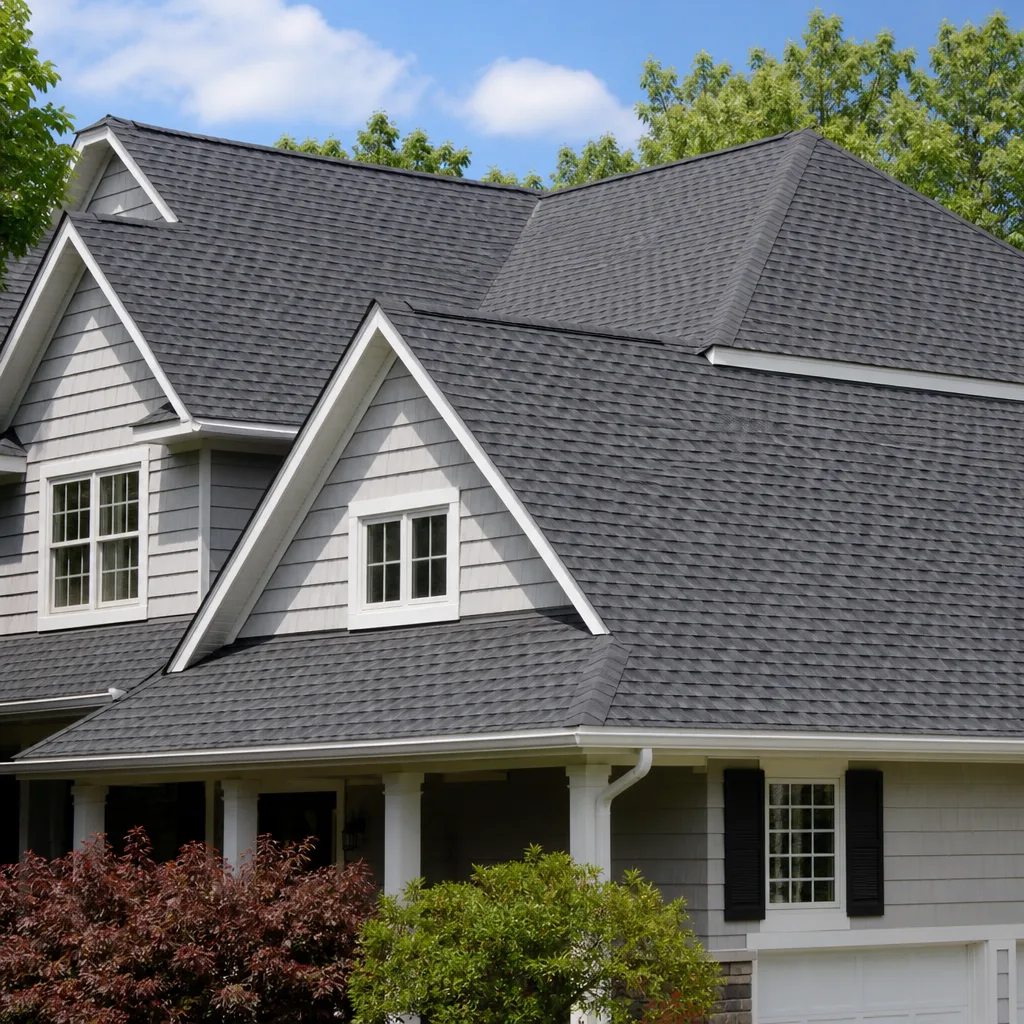
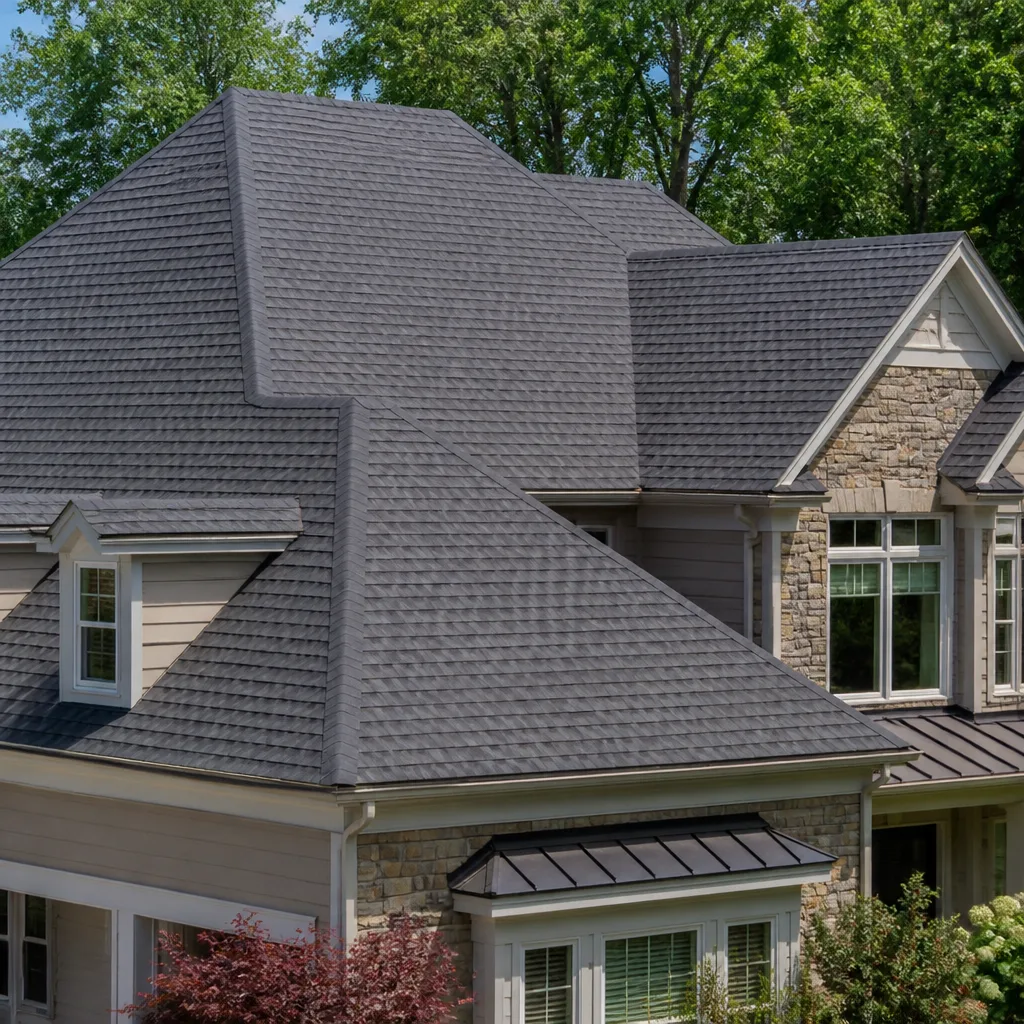
Composition shingle is the workhorse roof of the San Fernando Valley and newer construction throughout Los Angeles. Brands like CertainTeed, Owens Corning, IKO, and Atlas dominate the installed base, and they all age predictably in the Los Angeles climate. The failure mode is granule loss leading to UV degradation of the asphalt underneath, which shows up first as curling at the edges and cracking across the shingle face.
Your maintenance lookouts on shingle roofs: granule buildup in gutters (a sign of accelerated aging), shingles that have lifted or torn from wind, exposed nails or nail pops, and – most critically – flashing that has pulled away from penetrations. In our experience, at least half of the shingle roof leaks in Los Angeles are not shingle failures at all. They’re flashing failures around pipes, chimneys, and skylights where the sealant failed and water found a path underneath. A shingle roof can be 15 years young and still leak at a plumbing boot that cost $8 to replace.
Expect 20 to 25 years from quality architectural shingles in Los Angeles’s UV environment. Expect less from three-tab. And expect to replace sealant at penetrations every 3 to 5 years regardless, because our dry heat cycles are harsher on sealant than rain.
Modified Bitumen and Flat Roofs
Flat roofs cover much of Los Angeles’s mid-century housing stock, especially in areas like Mar Vista, North Hollywood, and the unincorporated county islands. Modified bitumen – torch-down or self-adhered – is the standard replacement material now. Its enemy is standing water, known as ponding, which accelerates seam failure and membrane cracking. Los Angeles flat roofs also deal with UV damage on uncoated surfaces, which is why many are topped with reflective coatings that need renewal every 3 to 5 years.
Maintenance on flat roofs means: clearing drains and scuppers before every rain, checking for blisters or alligator cracking in the membrane, checking the seams where the roof meets parapet walls, and inspecting any rooftop equipment supports for rust or looseness. If your flat roof ponds water more than 48 hours after a storm, that’s a drainage problem and it will take years off the roof’s life. Fixing the taper insulation or adding a cricket is a repair, but ignoring it turns a repair into a full replacement.
Flat roofs also collect debris that sloped roofs shed naturally. Leaves, palm fronds, and even the odd tennis ball from a rooftop game find their way into corners and hold moisture against the membrane. Your September and April passes on a flat roof should both include a full debris clearing.
The 5 Ground-Level Checks You Can Do Safely (and the 5 You Can’t)
Most roof maintenance in Los Angeles can be done from the ground or a ladder at the eaves, and you should do it. But there are tasks that require a professional, not because of gatekeeping, but because the risk isn’t worth it and the diagnosis requires experience. Here’s the honest split.
The 5 Checks You Can Do From the Ground
- Gutter and downspout inspection. Walk the perimeter and look for sagging gutters, separation at seams, and downspouts that discharge against the foundation instead of away from it. Clear debris with a gloved hand or a gutter scoop from a ladder.
- Binocular inspection of the roof surface. From across the street or from your yard, scan every slope for lifted shingles, cracked tiles, rusted flashing, and debris accumulation. A $40 pair of binoculars does 80% of what a professional walk does.
- Exterior wall and ceiling stain check. After every rain, walk every room looking up. Ceiling discoloration, bubbling paint, and wall staining below roof penetrations are the earliest signs of water entry.
- Attic inspection. If you have an accessible attic, go up on a dry day with a flashlight. Look at the underside of the decking for dark staining, check insulation for dampness, and check around any penetration for light coming through where it shouldn’t.
- Overhanging tree assessment. Walk your lot line and look for branches hanging over the roof. In Los Angeles, eucalyptus and pine are the serial offenders. Both shed constantly and both drop limbs. Anything within six feet of the roof surface should be trimmed.
The 5 Tasks That Require a Professional
- Walking any roof with a pitch steeper than 4:12. The geometry of a fall doesn’t care how careful you are. Los Angeles emergency rooms see ladder and roof falls weekly, and the majority are homeowners doing inspection work.
- Repairing or replacing flashing. Flashing work requires removing shingles or tiles, properly layering the new flashing, and sealing it correctly. Done wrong, it creates a bigger leak than it fixes. Done by a pro, it’s a 45-minute job with a written guarantee.
- Repairing tile roofs. Walking tile without cracking it takes specific training and the right spacing. Even replacing a single cracked tile requires lifting the surrounding tiles, not just pulling the broken one. And the underlayment beneath may need attention too.
- Any work involving the roof decking. If an inspection reveals soft decking, that’s structural. Soft spots mean water has been working in the area for a long time. Patching over rot locks moisture in and accelerates failure. The section has to be cut out and replaced.
- Flat roof repairs of any kind. Seam repair on modified bitumen requires cleaning, priming, and proper adhesion conditions. A homeowner product from the hardware store will fail within a season, and now you have a failed repair on top of the original problem. That failure often voids any material warranty.
If you’re not sure which list a task belongs on, the answer is the second list. The cost of a professional inspection in Los Angeles is lower than the cost of a hospital visit or a botched repair that becomes a leak.
How Roof Age Changes Your Maintenance Schedule
The single biggest variable in any roof maintenance schedule is age. A roof under 10 years old is in its prime and needs seasonal attention plus a professional check every couple of years. A roof over 20 years old is in the failure zone for most materials and needs shorter intervals. Here’s how the schedule shifts.
Years 0-10: The Stable Period
For the first decade, your roof should be doing its job quietly. Maintenance is about prevention and catching installation issues that show up early. Keep doing your April and September passes. Have a professional inspection every two to three years to catch sealant failure at penetrations, which is the most common early-life problem we see on composition roofs in Los Angeles. On tile roofs, the early years are when installation defects show up: cracked tiles from improper nailing, underlayment wrinkles, or inadequate flashing at valleys. These are warranty issues, not age issues, and they’re best caught early.
Years 10-20: The Inflection Point
Year 10 is when we’d start shortening the interval on professional inspections to every two years, or annually if the roof is in a high-exposure position – full southern sun, hillside wind exposure, or heavy tree cover. This is the period when composition shingles start losing granules at a visible rate and when sealants begin to crack. The roof isn’t failing, but it’s not young anymore, and the difference between a $200 repair and a $4,000 repair is often just how early you catch it.
For flat roofs, year 10 is when we start recommending an annual professional inspection, no exceptions. Modified bitumen roofs in Los Angeles start showing seam stress around this age, and catching a seam opening before winter rain is the difference between a maintenance repair and a water damage claim.
Year 20 and Beyond: The Accelerated-Failure Zone
At year 20, composition shingle roofs in Los Angeles are on borrowed time no matter what the manufacturer’s warranty says. UV degradation runs ahead of the national average here. This is when we recommend inspections every four to six months, with special attention before Santa Ana season and before winter rain. If a shingle roof over 20 years old has not had a professional inspection in more than a year, book one. The same applies to flat roofs over 15 years.
Tile roofs over 20 years old may look fantastic, but the underlayment beneath is aging. If you have a tile roof over 20 years old and you’ve never had the underlayment assessed, add that to the list. In Los Angeles, we regularly see tile roofs where the tiles are in perfect condition and the underlayment underneath has turned to dust. The roof leaks, but the tiles get blamed for what is really an underlayment failure.
You can read more about how these age patterns play out across common repairs and how a professional Roof Repair in Los Angeles works here. The short version: age determines inspection frequency more than any other single factor.
The Written Maintenance Log: What It Should Include and Why Insurance Cares
If you do nothing else from this guide, start a maintenance log. A simple notebook or a notes app with dated entries will do. The habit matters more than the format. Here’s what a maintenance log should capture and why it protects you.
What to Record
- Date of every inspection, DIY or professional. Include who performed it and what they found.
- Photos from all four roof corners. Dated photos create a baseline that proves when damage appeared.
- Every repair with the repairer’s name, the exact scope, and the cost. If a repair comes with a written guarantee, keep a copy with the entry.
- Storm events with dates. Note wind events, heavy rain, and hail if it occurs. Los Angeles hail is rare but it happens in the foothills.
- Tree work and debris clearing. Insurance adjusters like to see that you maintained vegetation.
Why Insurance Claims Depend on It
When you file a roof damage claim in Los Angeles, the adjuster will ask the same question in every conversation: when did this happen, and was this pre-existing? A maintenance log answers both questions. A homeowner who can show dated photographs and inspection records from before a Santa Ana event has a dramatically stronger claim than one who says “it was fine before the storm.” Insurance companies deny coverage for what they determine is long-term deterioration or lack of maintenance. Your log is your evidence that you maintained the roof.
If you ever sell the home, a maintenance log is also the single most reassuring document you can hand a buyer. It shows the roof was maintained, which means the roof has a documented history. That documentation can protect your sale price during inspection negotiations.
Warning Signs That Mean Your Maintenance Window Has Already Closed
Maintenance schedules assume the roof is currently sound. Sometimes the roof has already told you it needs repair, and continuing on a maintenance schedule instead of addressing the Roof Repair Warning Signs Every Homeowner Should Know is the expensive mistake. Here are the signs that mean it’s time to stop scheduling and start repairing.
- Ceiling stains that grow after each rain. This is active water entry, not a maintenance item. Every storm makes the damage worse and spreads water further into your framing.
- Granules collecting in gutters and at downspout elbows. A little shedding is normal. A visible pile after every rain is not. It means the shingles are losing their protective surface at an accelerated rate.
- Daylight visible through the attic decking. If you can see light coming through the roof boards, water can get through. This is an emergency repair, not a seasonal check.
- Curling shingles across multiple slopes. A single curled shingle is a quick fix. Curling across large areas means the shingles are reaching end of life and the roof needs planning for replacement.
- Mold or mildew smell in the attic after rain. That smell means water is entering somewhere and sitting in your insulation. Mold remediation is expensive, and it starts the day the first drop soaks in.
- Tiles sliding out of place after wind events. If you notice the same tiles shifting every Santa Ana season, the fastening system is failing. The tile itself isn’t the issue; the attachment is.
What Roof Maintenance and Common Repairs Cost in Los Angeles
Homeowners who know what things cost can tell the difference between a fair price and a high-pressure quote. Here are real, current price ranges for the most common maintenance and repair items in the Los Angeles market, based on our work across the basin from the Valley to the South Bay.
| Service | Typical Range in Los Angeles | Notes |
|---|---|---|
| Professional roof inspection | $150 – $350 | Often credited toward repair if you proceed |
| Gutter cleaning (full perimeter) | $150 – $300 | Higher for two-story or steep access |
| Pipe boot or vent sealant replacement | $180 – $400 | Single penetration; multiple penetrations add up |
| Flashing repair (per penetration) | $250 – $650 | Chimney and skylight flashing runs higher |
| Tile replacement (per tile) | $35 – $75 | Plus trip charge; breaks happen in multiples |
| Flat roof seam repair | $400 – $900 | Per seam; prep work matters more than the repair itself |
| Roof decking replacement (per sheet) | $75 – $150 | Labor typically separate; multiple sheets common |
| Tree branch trimming near roof | $200 – $500 | Tree service, not roofing; budget separately |
These numbers reflect what we see across Los Angeles as of 2025. Steep pitches, difficult access, and emergency timing all push toward the higher end. One note on pricing across the industry: a written price before the work starts is not a universal practice. If a roofer won’t put the price in writing before beginning, that’s a signal to get a second opinion. This is exactly why we provide written pricing on every job, every time – so the invoice matches the quote with no surprises.
Common Mistakes to Avoid
- Treating “spring and fall” as gospel in Los Angeles. The calendar that works in Minneapolis does not map to our climate. Your windows are September and April. Work around those.
- Walking on a tile roof without training. Every step on a clay tile roof risks cracking tiles you’ll then have to pay to replace. Use binoculars and a ladder at the eaves.
- Sealing over failed flashing instead of replacing it. Caulk and sealant are temporary bandages on flashing that has lifted or rusted. The failure continues underneath and the leak returns, usually bigger.
- Ignoring gutter granules. Homeowners often sweep granule buildup aside as dust. It’s actually the roof’s surface leaving, and it’s your earliest warning that aging has accelerated.
- Not documenting storm events. Insurance claims in Los Angeles rise or fall on documentation. A dated photo before and after a wind event is your best evidence.
- Skimping on ice and water shield in valleys during re-roofing. Los Angeles doesn’t get ice, but wind-driven rain behaves like ice damming in valleys. Proper underlayment matters as much here as anywhere.
- Letting flat roof ponding go because “it always does that.” Ponding is not normal; it’s a drainage failure. Every month you ignore it takes months off the roof’s life.
When to Call a Professional
You should call a professional when you see any of the warning signs above, when your roof is over 20 years old and hasn’t been professionally inspected in more than a year, or when your own inspection finds something you can’t identify from the ground. You should also call before you buy or sell a home with a roof of any age, because a documented professional assessment protects the transaction. If you’re in Los Angeles and want a second set of eyes on anything you’ve found, Mercer Roofing offers free estimates across the LA area – call (743) 200-8347 and a live person answers, 24/7. Every technician who comes to your door is background-checked, photo-badged, and uniformed under the Threshold Verified standard, and you’ll get their name and photo before they arrive. We send a written price before any work begins and back every repair with a 365-Day Done Right Promise.
Frequently Asked Questions
Twice a year – once in September before Santa Ana season and once in April after the rainy season ends – is the right DIY rhythm for all roofs. Add a professional inspection every two years for roofs under 10 years old, annually for roofs between 10 and 20, and every four to six months for roofs past year 20. Flat roofs should move to annual professional inspection starting at year 10.
A professional roof inspection in Los Angeles typically runs $150 to $350. Many companies, including ours, credit that fee toward the repair if you proceed with the work. It’s a small price compared to the cost of missing an early failure that turns into a $4,000 repair. Call (743) 200-8347 to schedule a free estimate from Mercer Roofing.
October and November, when Santa Ana winds arrive, cause the most wind-related damage – lifted shingles, displaced tiles, and debris impact. January and February cause the most water damage, with concentrated storms testing every seal. September and April are your defensive windows before each of those danger periods.
On a low-slope composition shingle roof with good traction, a careful homeowner can do a limited walk. On tile roofs, no – walking tile without experience cracks tiles, and the valleys are not safe footpaths. On flat roofs, no – you can’t see membrane stress from above and you can damage the surface. Use binoculars from the ground and a ladder at the eaves for anything you can’t see from there.
No. Insurance covers sudden, accidental damage from storms, fire, and falling objects. It does not cover routine maintenance or deterioration, and in Los Angeles, insurers increasingly ask for roof age and maintenance records when you renew or file a claim. That’s the other reason your written maintenance log matters – it proves you maintained the roof, which protects you when you need the policy to work.
In Los Angeles, yes, for most homeowners – especially those with roofs over 10 years old. A maintenance plan that includes two professional inspections per year typically costs between $300 and $600 annually, and it reliably catches $500 problems before they become $5,000 problems. Just make sure the plan includes written inspection reports and that the guarantees are also in writing, not verbal. Mercer Roofing puts every repair guarantee in writing, and our 365-Day Done Right Promise backs each visit – if something’s not right within a year, we make it right.
The Bottom Line
A roof maintenance schedule for Los Angeles isn’t a generic twice-a-year checklist. It’s a material-aware, age-aware plan built around two real danger windows: Santa Ana winds in October and November, and winter rain in January and February. Your defensive moves happen in September and April, and the tasks at each are different. Document everything in writing, know which checks are safe from the ground and which need a pro, and shorten inspection intervals as the roof passes year 10 and year 20. For a free estimate on any roof repair or maintenance work in Los Angeles, call Mercer Roofing’s installation and repair team at (743) 200-8347 – a live person answers, 24/7.
Written by Grant Whitlock, Owner at Mercer Roofing, serving Los Angeles since 2000.