
Last updated October 9, 2026
Free roof inspection with deck photos before we talk money - GAF and Owens Corning certified installation
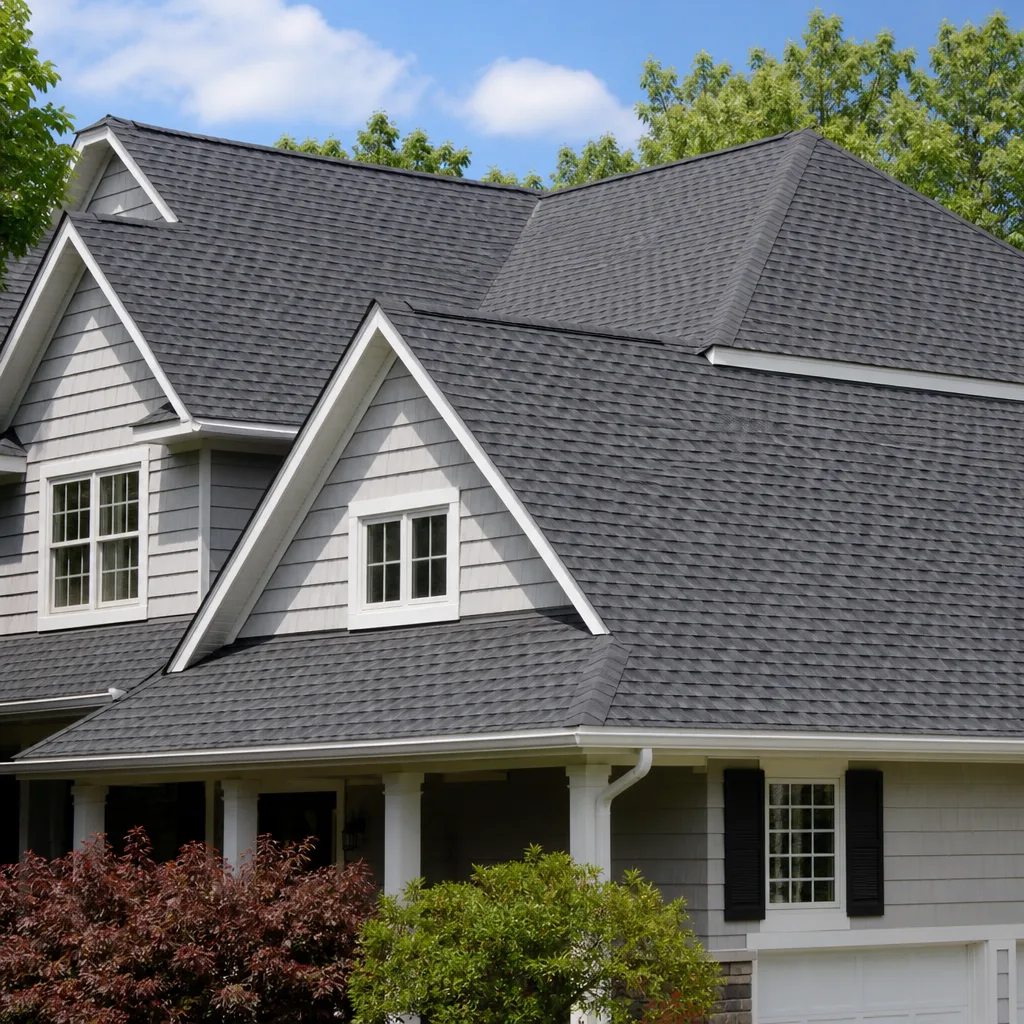
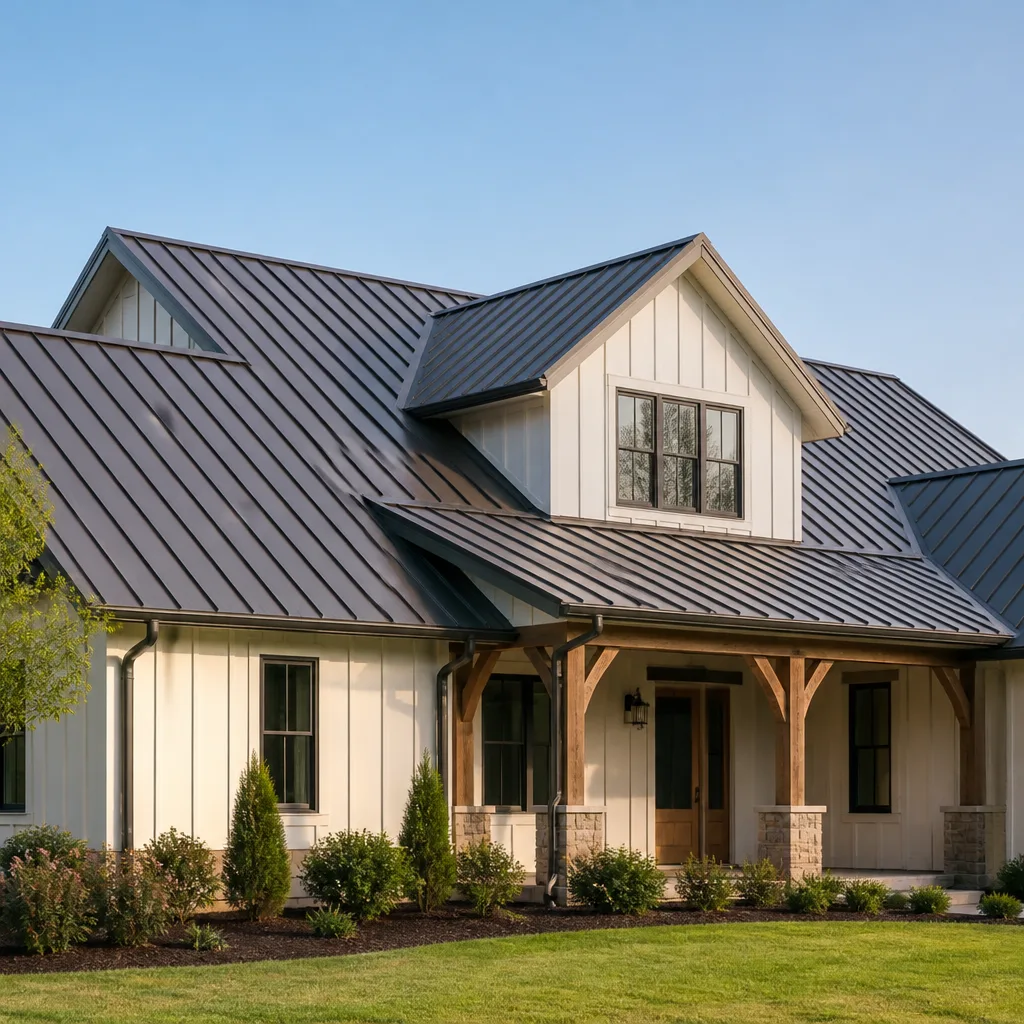
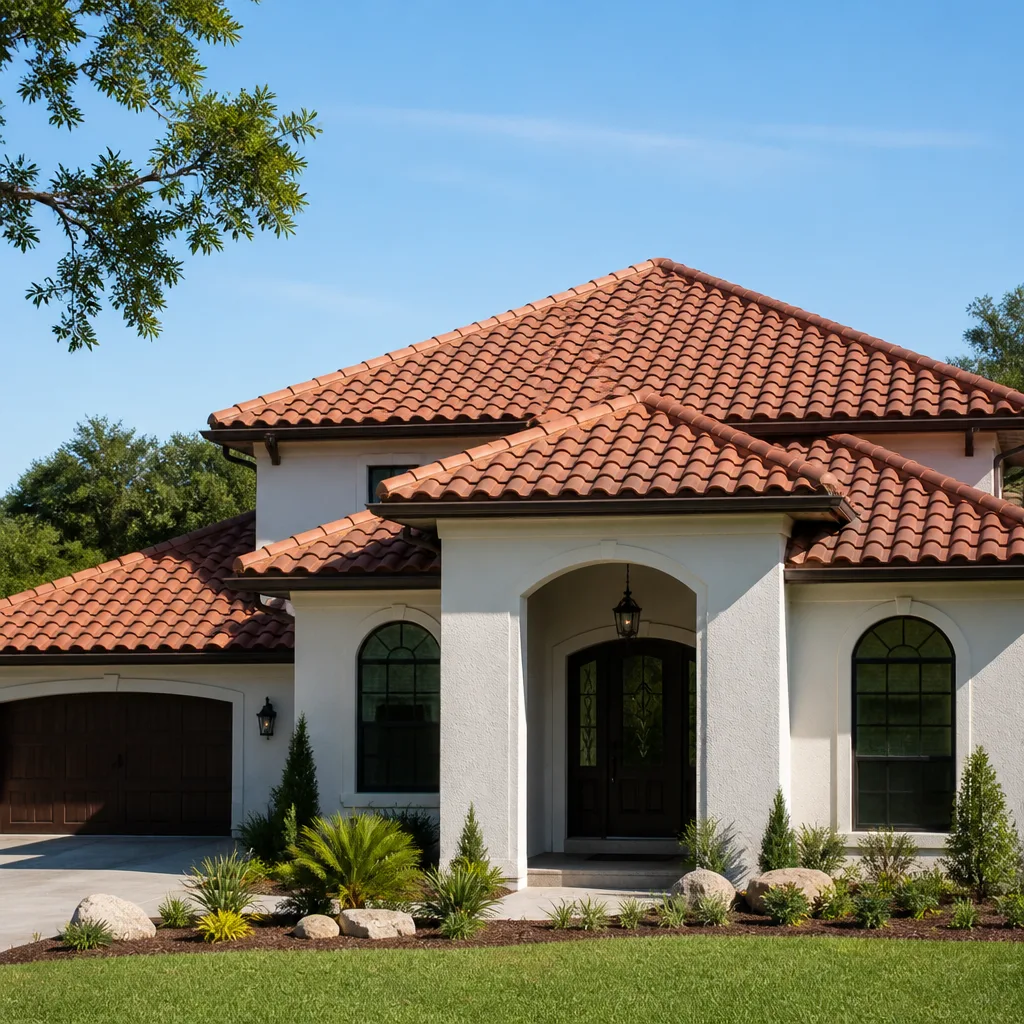
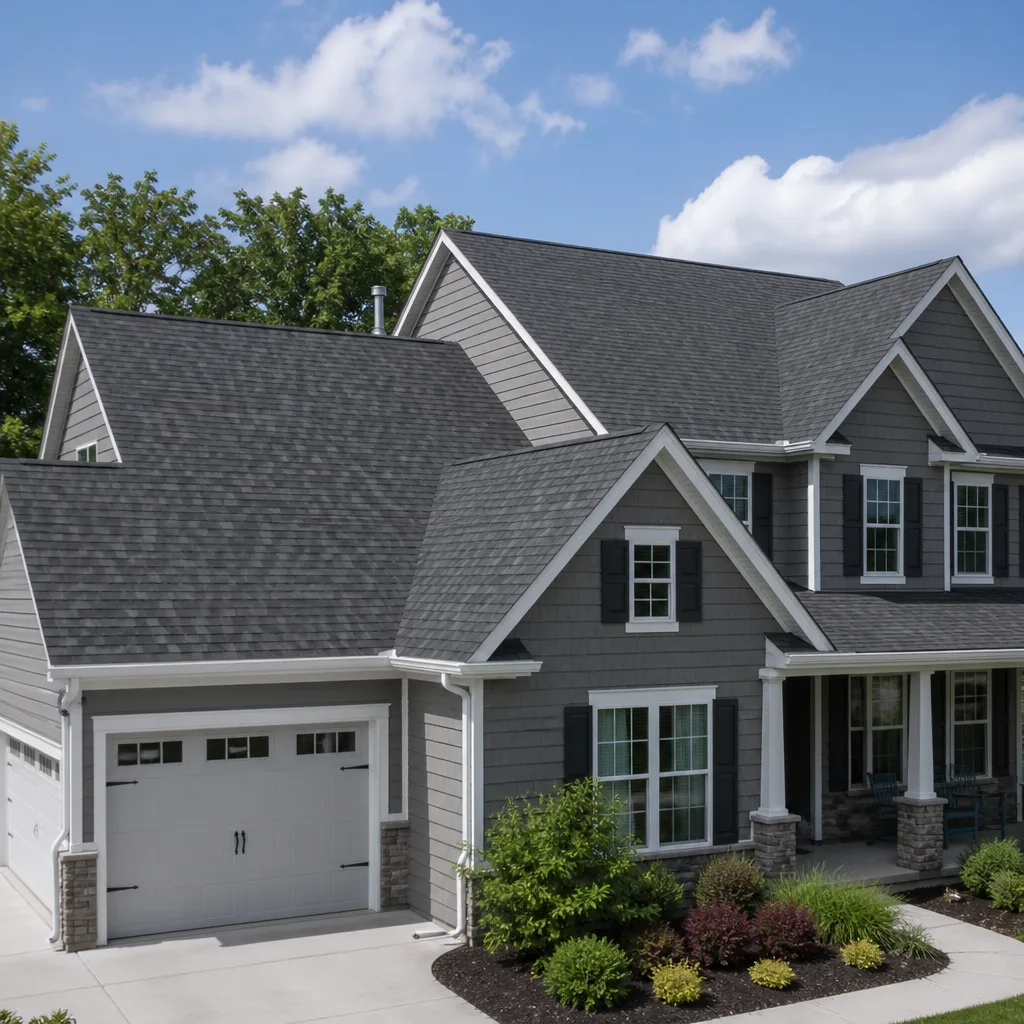
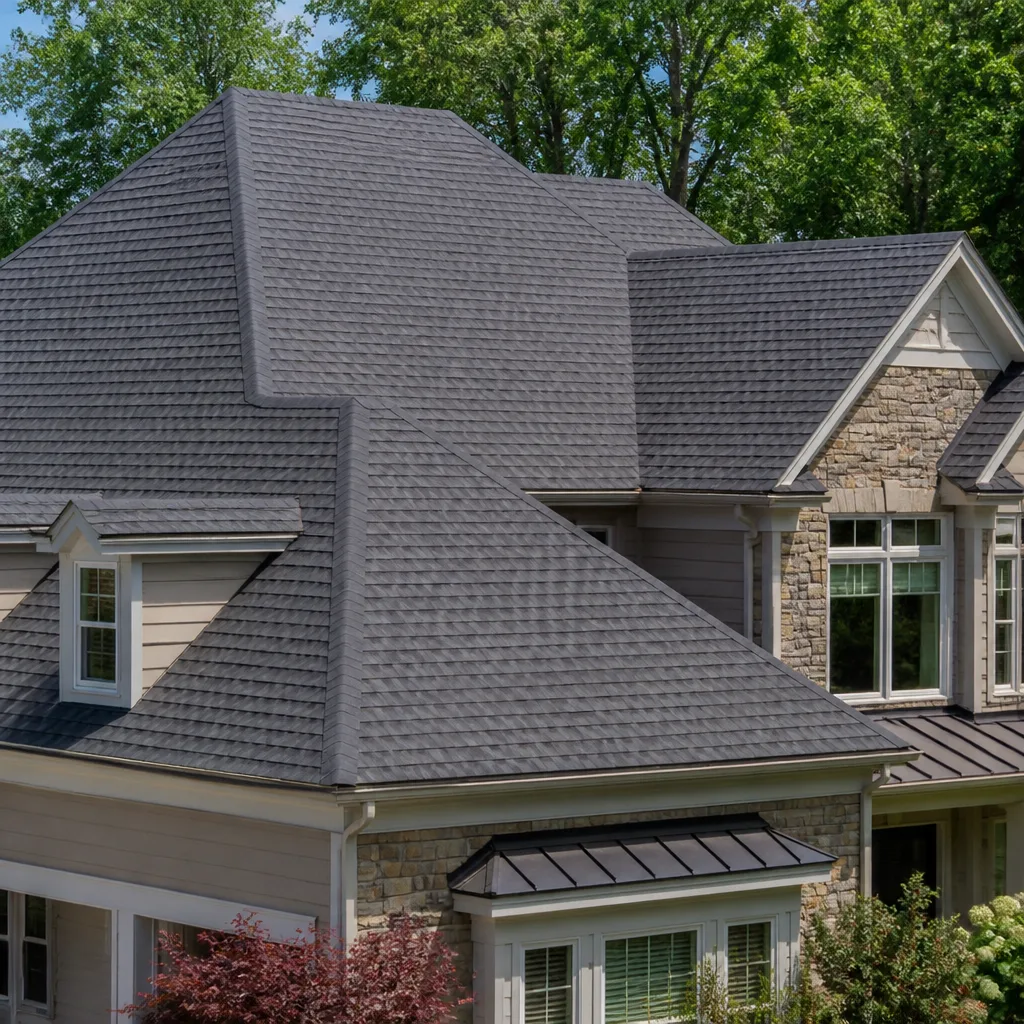
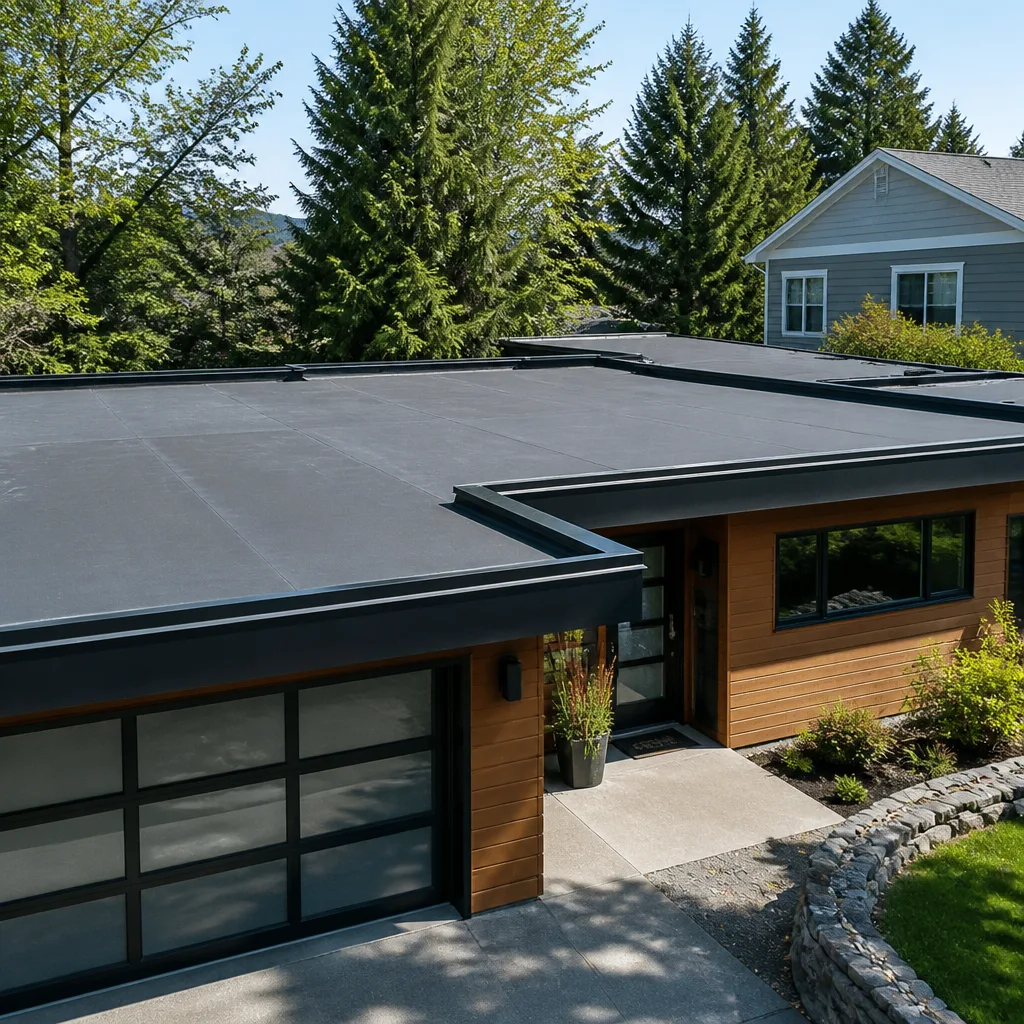
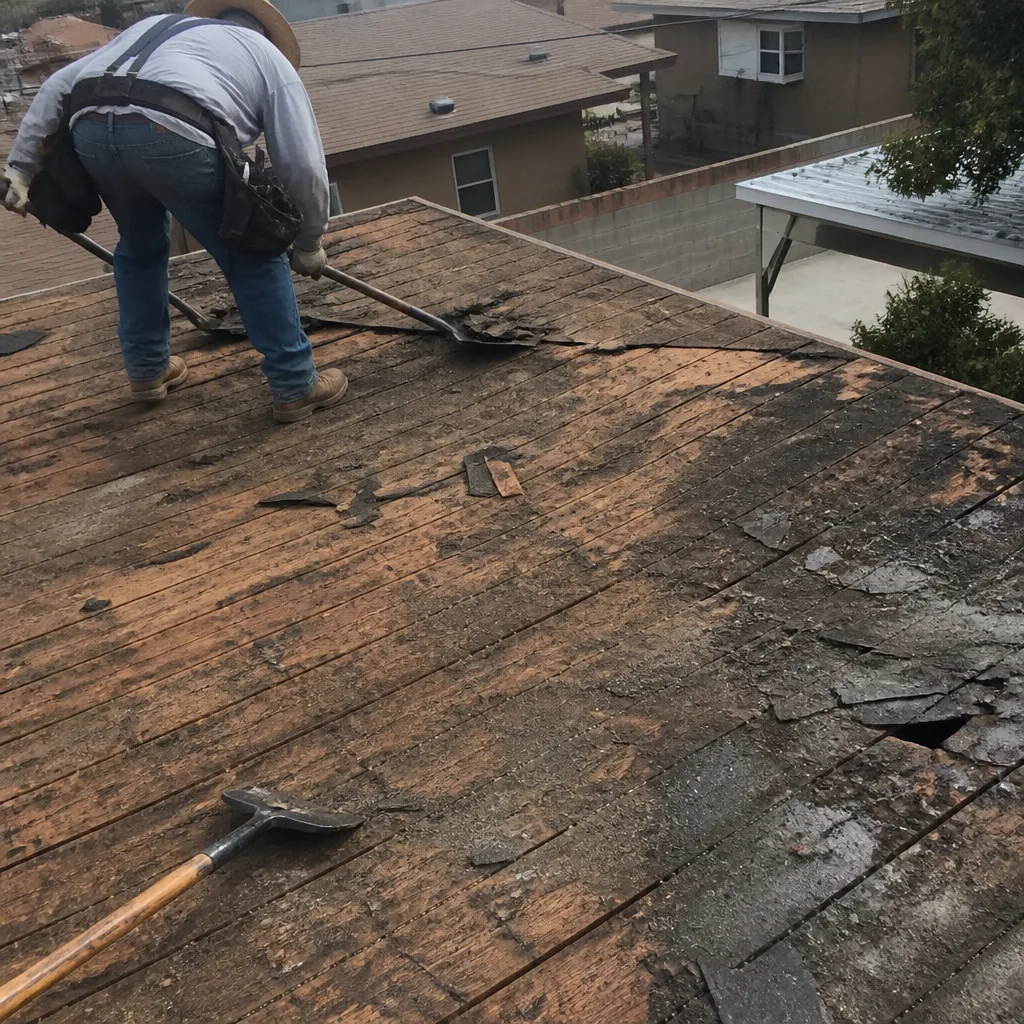 Before
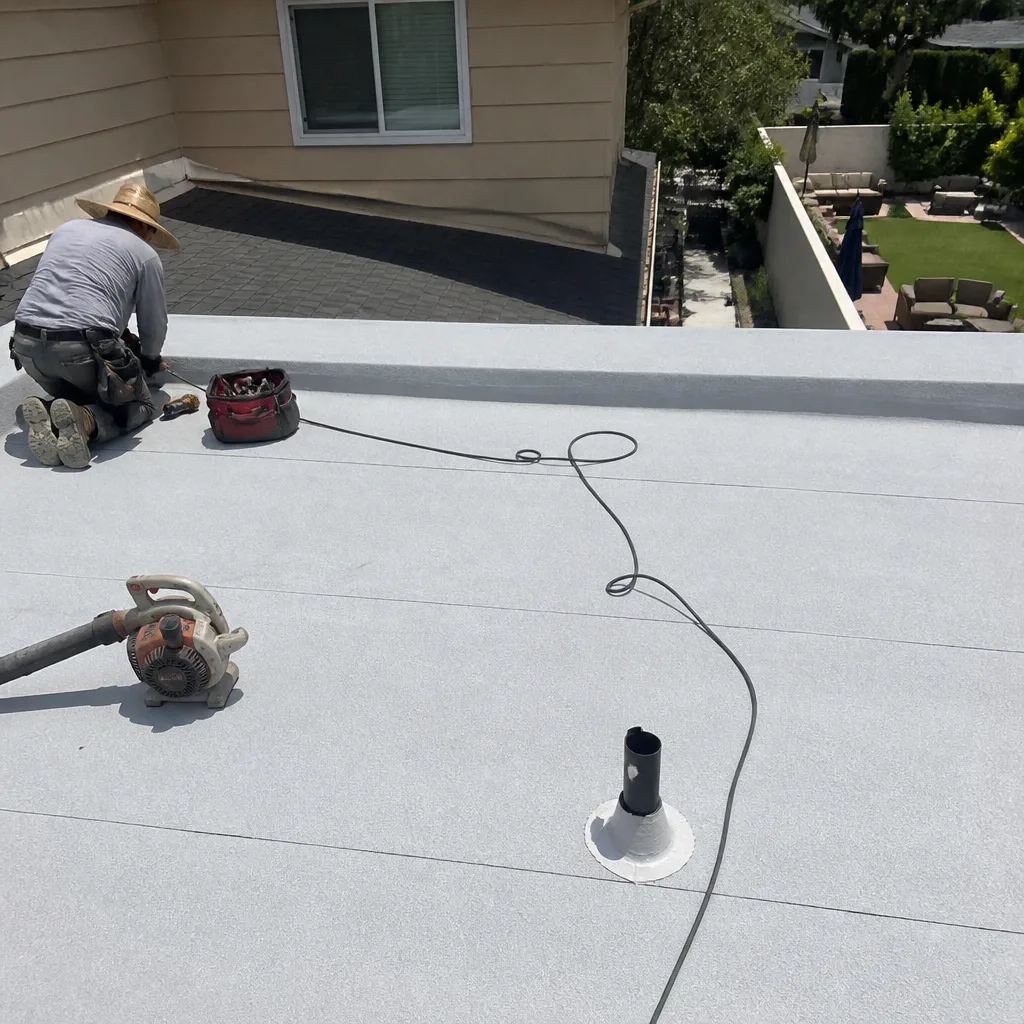 After
After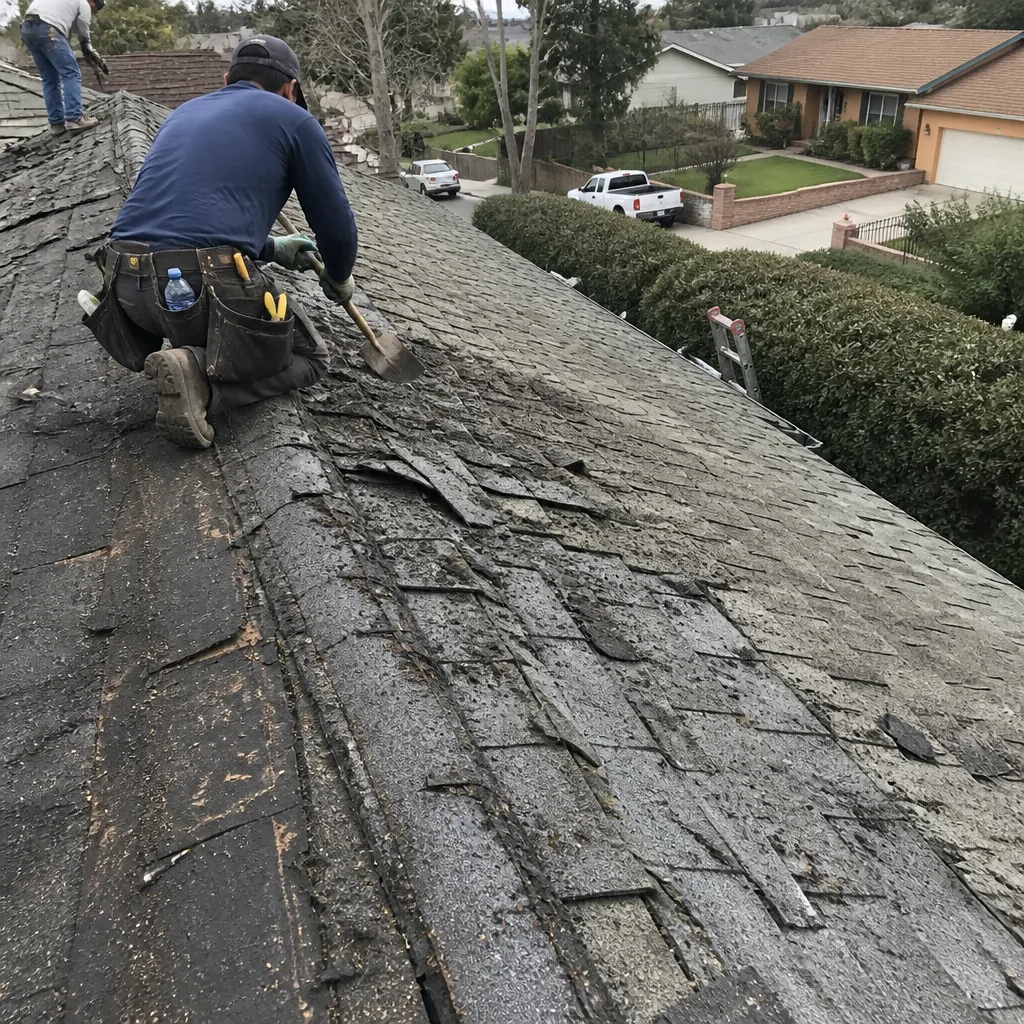 Before
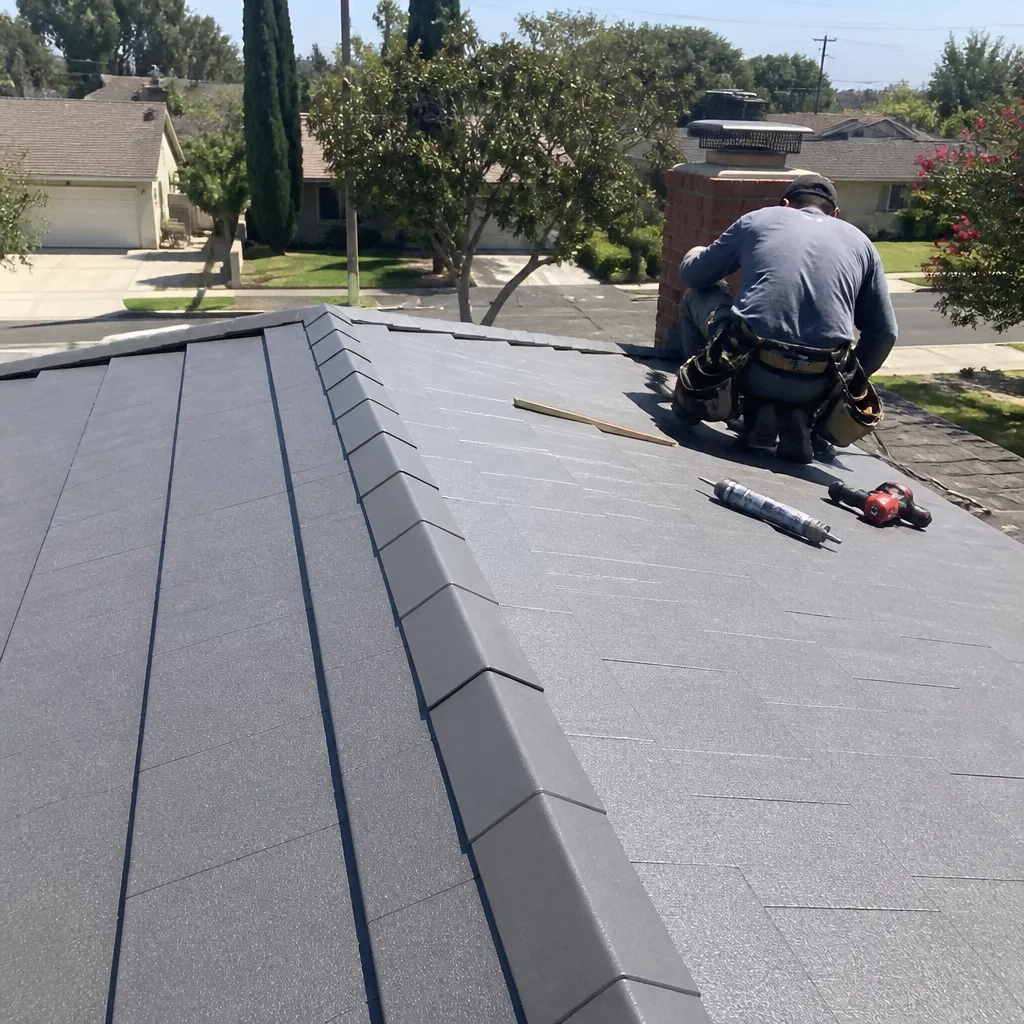 After
After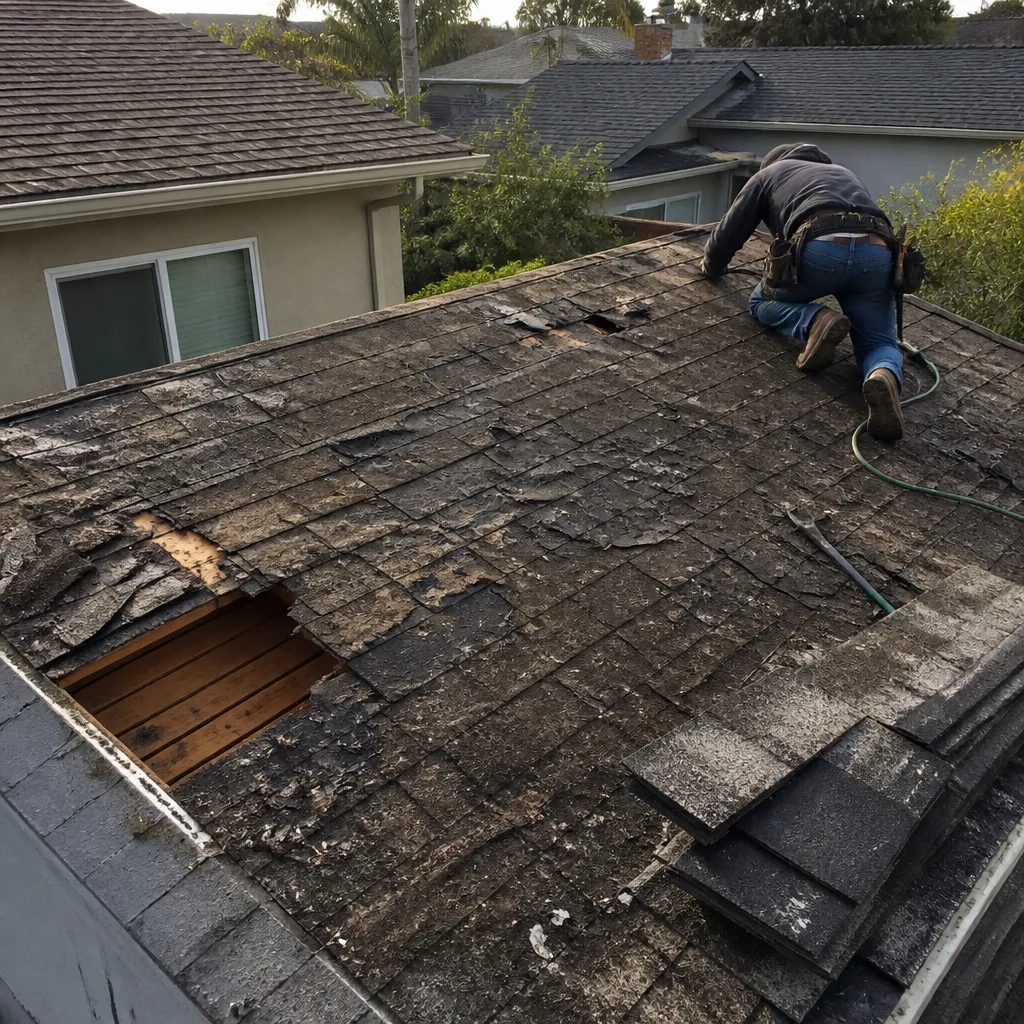 Before
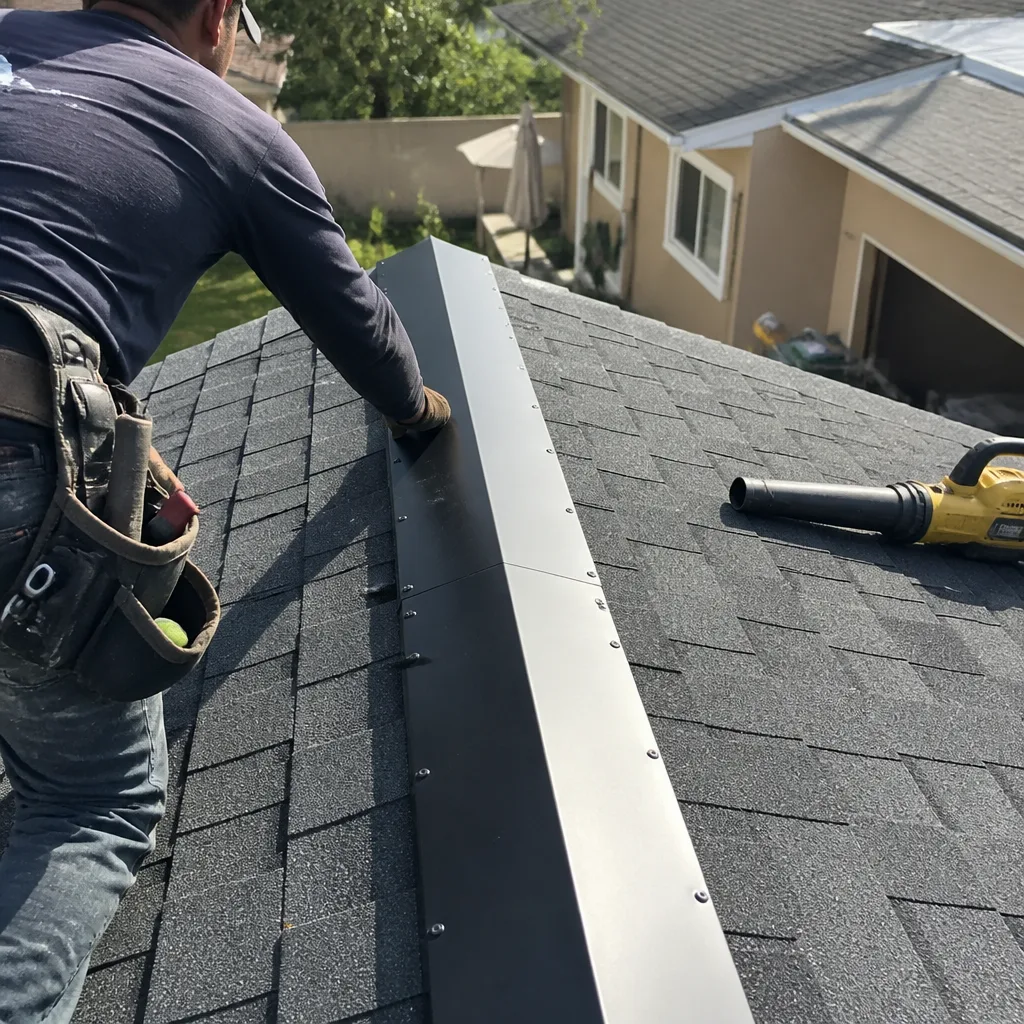 After
AfterRoof Repair Warning Signs Every Homeowner Should Know
A missing shingle gets noticed and fixed. The real money problems are the warning signs that look boring: a slightly darker patch of ceiling paint, granules in the gutter that look like black sand, a flashing edge that’s lifted a quarter inch. Those are the ones that become $15,000 repairs. In Los Angeles, where we get just enough rain to test a roof and just enough sun to bake it, these quiet signals deserve more respect than they get. This guide ranks warning signs by consequence, not by visual drama, so you know what to act on first.
Quick Answer
The most urgent Roof Repair warning signs are interior water stains on ceilings or walls, daylight visible through the attic roof deck, and lifted or missing flashing around chimneys and vents. In Los Angeles, granule loss that looks like black sand in gutters and hairline ceiling cracks near exterior walls are early signals homeowners routinely ignore for two to five years before a major leak forces action.
Table of Contents
- Interior Warning Signs You Can See From Your Couch
- What Your Attic Is Trying to Tell You
- Exterior Warning Signs on the Roof Surface
- Flashing: The Small Part That Causes the Biggest Claims
- Los Angeles-Specific Warning Signs
- Planned Repair vs. Emergency: How to Tell the Difference
- How to Photograph and Track Warning Signs Over Time
- What Roof Repair Costs in Los Angeles
Interior Warning Signs You Can See From Your Couch
Most roof guides start on the roof. That’s backwards. Your ceiling and walls are the first reporting system your roof has, and they report weeks or months before exterior damage becomes obvious from the street. A water stain on a ceiling is not a ceiling problem. It’s a roof leak that has already saturated insulation, traveled along a rafter, and found a low point to drip through. By the time it shows up as discoloration, the roof has been leaking long enough to darken drywall, which takes repeated exposure, not one storm.
Here’s what to look for, ranked by how much we see them in Los Angeles homes:
- Discolored ceiling patches – tan, brown, or rust-colored rings, often near exterior walls or under roof valleys. These are active or recently active leaks. A ring pattern means the leak has pulsed through multiple wet-dry cycles.
- Peeling or bubbling paint – moisture trapped behind paint lifts it away from drywall. This happens on ceilings and on walls directly below rooflines.
- Hairline cracks running along ceiling-to-wall seams – in LA, this can be roof-related when paired with any moisture sign. The crack itself may be settlement, but if it appears near a water stain or soft spot, it’s structural movement from water-weakened framing.
- Musty or damp smell in a specific room – trapped moisture in insulation or drywall has a distinct odor. If it’s stronger after rain, that’s a roof signal, not a housekeeping one.
- Sagging drywall or visible bulging – this is late-stage. Water has saturated the material and it’s losing structural integrity. California drywall is particularly unforgiving with moisture because it wicks fast in LA’s low-humidity climate once wet.
One thing we tell Los Angeles homeowners: if you see a stain, don’t paint over it. Primer and paint seal the moisture in, which accelerates mold growth behind the surface. The stain will also bleed through within months, and you’ll have lost the visual record of where the leak started. Photograph it first, note the date, then call for an inspection.
What Your Attic Is Trying to Tell You
Your attic is where roof problems announce themselves early, but only if someone goes up there. In our experience, fewer than one in ten Los Angeles homeowners inspects their attic more than once a year, and most never do until a leak forces it. That’s a missed opportunity, because the attic shows damage months before the ceiling does.
Here’s what to check, and what each signal means:
- Dark streaks or black staining on rafter undersides – this is moisture damage, not age. Wood darkens when water repeatedly wets it and dries. In Los Angeles attics, which get extremely hot, dark streaks can be mistaken for heat discoloration. But heat darkening is uniform; moisture staining follows drip paths and is concentrated near seams, nails, and penetrations.
- White powdery deposits on rafters or decking – this is salt residue left by evaporated water. It means water entered, sat, and dried repeatedly. On stucco homes in LA, this same deposit can appear on exterior walls below roof edges and is called efflorescence. It’s a mineral fingerprint of a leak.
- Daylight visible through any gap in the roof deck – if you can see light, water can enter. This is one of the most reliable warning signs a homeowner can check themselves, and it requires no tools. Go up on a bright day, turn off the attic light, and look for pinpoints of sky.
- Rust on nail heads protruding through the decking – nails are the primary fastener for roof sheathing and shingles. Rusted nail heads mean condensation or small leaks have been present long enough to oxidize metal. In an LA attic, this is often a ventilation problem combining with a minor water entry point.
- Damp or compressed insulation – insulation that looks flattened in a path or darker in patches has been wet. Wet fiberglass loses most of its R-value and stays damp for months in LA’s mild winters, breeding mold out of sight.
The underside of your decking is a record of every water event your roof has ever experienced. When a roof repair in Los Angeles contractor walks an attic, they’re not looking for one leak; they’re reading the history of the roof. You can do a simplified version of this yourself with a flashlight and ten minutes.
Exterior Warning Signs on the Roof Surface
When homeowners think about roof damage, this is the section they picture: shingles, granules, visible wear. But the visual scale and the consequence scale don’t match. A dramatic missing shingle after a windstorm is a $185 repair. A subtle sag between rafters that you can only see in certain light is a $12,000 structural problem. Here’s how to read what you’re seeing from the ground or a ladder.
- Granules in gutters that look like black sand – asphalt shingles shed granules as they age, but excessive granule loss, especially on a roof under ten years old, means accelerated wear. In Los Angeles, UV exposure breaks down the asphalt binder faster than rain does. If you can see the fiberglass mat peeking through shingle surfaces, the shingles are nearing the end of their functional life even if they’re not leaking yet.
- Curling, cupping, or clawing shingle edges – these are three distinct failure patterns. Curling means the shingle is losing adhesion and lifting at the corners. Cupping means the edges are turning upward, creating a bowl that holds water. Clawing means the center is lifting while edges stay down. All three are moisture and age signals, and all three create entry points for wind-driven rain.
- Shingles that look wet or darker in patches long after rain has stopped – this is trapped moisture. In Los Angeles’s wet season, which runs November through March, a roof should dry within a day or two of rain. Persistent dark patches mean water is sitting under the shingles, saturating the underlayment.
- A roof that looks wavy or has visible dips between rafters – this is the one to take seriously. Roof decking should be flat. A visible dip means the plywood or OSB underneath the shingles has absorbed water and lost rigidity. In Los Angeles, where many homes have 3/8-inch plywood decking from mid-century builds, water damage to decking is a common source of expensive repairs.
- Moss or algae growth – less common in dry Los Angeles than in the Pacific Northwest, but it appears on north-facing slopes and under overhanging trees. Moss holds moisture against shingles and accelerates granule loss. Algae is mostly cosmetic but signals chronic dampness.
If you’re comfortable on a ladder and can safely inspect your roof surface, do it twice a year: once before the rainy season in October, and once after it ends in April. If you’re not comfortable on a ladder, don’t push it. A Los Angeles roofing company can do a documented surface inspection without you leaving the ground.
Flashing: The Small Part That Causes the Biggest Claims
Flashing is the metal, usually galvanized steel, aluminum, or copper, that seals the joints where your roof meets something else: a chimney, a vent pipe, a skylight, a wall, or a valley where two roof planes meet. Flashing is installed to redirect water away from these joints. When it works, you never think about it. When it fails, the leak is often slow, hidden, and expensive by the time it’s found.
Flashing fails in three primary ways in Los Angeles:
- Lifted edges – the sealant bond between flashing and the roof surface breaks down from thermal cycling. LA roofs routinely hit 150 degrees in summer, then cool 80 degrees overnight. That daily expansion and contraction works sealant loose over three to seven years. A flashing edge lifted a quarter inch is enough to admit wind-driven rain.
- Rusted or corroded metal – especially on coastal Los Angeles homes from Venice to San Pedro, where salt air accelerates metal oxidation. Rust holes in flashing are direct water entry points, and they’re easy to miss because flashing is often painted to match the roof.
- Missing flashing entirely – we see this on older LA homes where a previous repair was done without replacing flashing, or where a chimney was resurfaced without re-flashing the roof joint. Stucco homes in Los Angeles are particularly vulnerable around chimney bases, because the stucco-to-flashing joint is a common weak point.
The flashing around chimneys and vent pipes is where we find the most expensive leaks in Los Angeles homes. A chimney flashing failure can run water down the interior of the chimney chase for years before it shows up as a stain on a ceiling two rooms away. If you have a stucco chimney, check for white mineral deposits (efflorescence) on the stucco surface below the roofline. That’s the salt signature of a flashing leak, and it’s a strong reason to call for a professional inspection.
Los Angeles-Specific Warning Signs
Los Angeles has a roofing climate that doesn’t exist anywhere else in the country: intense UV, occasional torrential rain, Santa Ana winds that can hit 80 mph in the canyons, and seismic activity that flexes every structure. This creates warning signs that a generic roof guide from Ohio or Florida will never mention.
Earthquake-related ridge movement. After a seismic event, even a minor one, check your roof’s ridge line. A ridge that looks wavy or has sections that appear to have shifted slightly is not a cosmetic issue. It means the roof framing has moved relative to the ridge beam, and that movement can open gaps in the shingles, underlayment, and flashing at the roof’s highest stress point. In Los Angeles, this is a structural signal that deserves a professional evaluation, not a “wait and see” approach.
Stucco efflorescence at roofline intersections. Los Angeles is a stucco city. When water leaks at the roof-to-wall intersection, it dissolves minerals in the stucco and deposits them as a white, chalky film on the wall surface below. This is called efflorescence, and it’s different from paint fading or sun bleaching. It appears in bands or streaks that follow water paths, and it means water is moving through the stucco system. On a stucco home, efflorescence below a roof edge is a flashing or underlayment problem until proven otherwise.
UV-baked shingles on south-facing slopes. A Los Angeles roof faces different conditions depending on which way it points. South-facing slopes get continuous sun and can age shingles 30 to 40 percent faster than north-facing slopes on the same roof. If your south-facing slope shows granule loss, curling, or cracking while the north slope looks almost new, that’s not a manufacturing defect. It’s UV wear, and it’s why Los Angeles homeowners should budget for partial roof restoration or slope-specific replacement rather than assuming the whole roof ages evenly.
Santa Ana wind damage that’s easy to miss. High wind doesn’t always tear shingles off. Often it lifts shingle edges just enough to break the sealant bond, leaving the shingle in place but unsealed. These loose shingles look fine from the ground but flap and admit water in the next rain. After a major Santa Ana event, a ground-level or drone inspection is worth scheduling, even if nothing looks wrong from the street.
Planned Repair vs. Emergency: How to Tell the Difference
Not every warning sign requires a contractor that day. Some allow months of planning. Knowing which is which prevents both panic and expensive delay. Here’s the framework we use when a Los Angeles homeowner calls us with a concern, and it’s the same framework you can apply at home.
Planned repair signals are warning signs that indicate a problem is developing or has begun, but the roof is not actively admitting water. These allow you to schedule an inspection, compare quotes, and plan the work:
- Granule loss without visible shingle damage
- Curling shingle edges on an older roof (10+ years)
- A single lifted flashing edge with no interior staining
- Minor moss or algae growth
- UV wear on one slope while the rest of the roof looks normal
- Light rust on flashing or vent pipes
These signals deserve attention within weeks to months. Delaying them for years is what converts a $400 flashing repair into a $9,000 decking replacement. But they don’t require emergency action.
Emergency repair signals mean water is actively entering the home or the roof’s structural integrity is compromised. These require immediate action to prevent compounding damage:
- Active water dripping from a ceiling or light fixture
- A visible hole in the roof or decking, even a small one
- Sagging drywall or visible bulging on a ceiling
- Water running down an interior wall
- Flashing that has fully separated and left a visible gap
- Roof decking that feels spongy or soft when walked on
In these situations, the right first step is to contain what you can safely, place a bucket under active drips, move valuables away from the affected area, and call a roofing professional. A temporary tarp can prevent thousands in additional damage while a permanent repair is scheduled.
How to Photograph and Track Warning Signs Over Time
One of the most useful things a homeowner can do is establish a visual record of their roof’s condition. This matters for three reasons: it shows whether a problem is progressing or stable, it provides documentation for insurance claims, and it establishes a timeline if a dispute ever arises about when a problem started.
Here’s the method we recommend, and it takes about 20 minutes twice a year:
- Use the same camera and same positions each time. Phone cameras are fine. Stand in the same spots, aim at the same angles, and take the same set of photos. For roof surface shots, use a ladder if you’re safe doing so, or shoot from ground level with zoom.
- Photograph the attic first, then the exterior. In the attic, shoot rafter undersides, decking, and any vents or penetrations. On the exterior, shoot each roof slope, the flashing at every penetration, and any area where you’ve seen previous damage.
- Use a photo with a date stamp or rename files with dates. The built-in date metadata on phones works, but visible date stamps or dated filenames are easier to sort later. You want to be able to look back and say, “This crack was not here in October.”
- Track the same specific areas every time. If you have a stain in the hallway ceiling, photograph it from the same angle every inspection. Changes in size, color, or shape are what tell you whether a leak is active.
- Store photos in a dedicated folder with notes. A simple note that says “dark stain above guest room window, 3 inches by 2 inches, dry to touch” gives you a baseline. Six months later, “now 5 inches by 3 inches, slight moisture after rain” tells you exactly what’s happening.
This record serves two audiences: your roofer, who gets a precise history instead of your memory, and your insurance company, which gets documentation that predates any claim. For homeowners who’ve had a roof repaired, this before-and-after record is the evidence that a repair failed, which matters because every Mercer Roofing repair includes a written 365-day guarantee. If your previous roofer didn’t offer that, your photo record is the documentation you need when you call someone who does.
What Roof Repair Costs in Los Angeles
Before you call anyone, it helps to know what Los Angeles roof repairs actually cost. Here are the ranges we see across the city, from the Westside to the Valley to the Eastside:
- Small flashing repair around a vent or pipe – $225 to $450. These are the most common repairs, and they’re often completed on the first visit.
- Chimney flashing replacement – $600 to $1,200, depending on chimney size and access. Stucco chimneys on LA homes sometimes require stucco patching as part of this work.
- Single shingle or small patch replacement – $250 to $500 for a small area under ten square feet. If the shingle is still under warranty and the roof is newer, this can be lower.
- Underlayment repair under shingles – $800 to $1,800, depending on the area size and whether decking is involved. This requires lifting and re-securing shingles, which is labor-intensive.
- Decking replacement for a damaged section – $1,500 to $4,000 for a typical section. The range depends on how much sheathing is affected and whether the roof is single-story or requires special access equipment.
- Full roof replacement in Los Angeles – $12,000 to $25,000 for an average 1,500 to 2,000 square foot home, depending on shingle brand, roof complexity, and whether old layers need removal. LA building code requires tear-off when the existing roof has two or more layers.
These are the prices a reputable Los Angeles roofer should be able to quote in writing before work begins. At Mercer Roofing, written pricing before any work starts is standard, not an upgrade, and every repair carries a written 365-day guarantee. If a repair fails within that year, the second visit is free and we make it right. Roof installation in Los Angeles follows the same written-price standard, whether you’re repairing or replacing.
Common Mistakes to Avoid
- Painting over ceiling stains as a “fix.” Paint seals moisture in and erases the visual record of a leak, but it does nothing to the water still entering above. The stain will return, and you’ll have lost track of when it first appeared.
- Assuming a newer roof can’t leak. Roof age is a rough guide, not a guarantee. We’ve repaired leaks on Los Angeles roofs that were two years old, usually at flashing points or areas where the original installation was rushed.
- Ignoring granule loss because “shingles always shed.” Some granule loss is normal in the first year after installation. Steady, ongoing granule loss on an older roof is a wear signal, and in LA’s UV environment it means the shingles are losing their protective layer faster than their calendar age suggests.
- Delaying a small flashing repair because it’s “just a quarter inch.” Water doesn’t need a big opening. A quarter-inch lifted edge admits wind-driven rain, and in Los Angeles’s winter storms, wind-driven rain is the rule, not the exception.
- Walking on your roof to inspect it without knowing what you’re stepping on. Foot traffic on an aging roof can crack shingles and create new entry points. If you’re not sure where to step, or if the decking feels soft, get off and call a professional. Falls from roofs are a leading cause of serious home injury, and no inspection is worth that risk.
- Waiting until the rainy season to check the roof. In Los Angeles, October is the month to schedule an inspection. You want problems found and fixed while the roof is dry and contractors are available. By the time the first atmospheric river of the season hits, every roofer in the city is booked out.
When to Call a Professional
Some warning signs are clear enough to act on immediately: active leaks, sagging ceilings, visible holes, or any interior water damage that’s getting worse. Others, like granule loss or minor flashing lift, might not look urgent, but they’re still worth a professional evaluation if they’ve been present for more than a few months. A trained roofer can spot the early-stage problems you’d miss from the ground and give you a written assessment with repair options and prices. Mercer Roofing offers free estimates in Los Angeles. Call (743) 200-8347 to schedule one, and you’ll get a written price before any work starts. Every technician who arrives at your door is background-checked, in a clean uniform, and carrying a photo ID badge. You’ll know their name and see their photo before they arrive.
Frequently Asked Questions
The most common warning sign we see in Los Angeles is granule loss that shows up as black sand in gutters and downspouts. The city’s intense UV exposure breaks down asphalt shingles faster than in most climates, and granule loss is the first visible stage of that breakdown. If you’re seeing significant granules after every rain, call (743) 200-8347 for a free inspection before the shingles fail outright.
Roof repair in Los Angeles typically costs between $225 and $4,000 depending on the type of repair. Small flashing repairs run $225 to $450, chimney flashing replacement runs $600 to $1,200, and decking replacement for a damaged section runs $1,500 to $4,000. Full roof replacement on an average LA home runs $12,000 to $25,000. Mercer Roofing provides a written price before any work starts, so you know your exact cost before committing.
A small roof leak should not wait if it’s active, meaning water is entering during rain. Active leaks damage insulation, decking, and drywall, and the repair cost grows with each rain event. In Los Angeles, winter rains are unpredictable, and a minor leak can become a major one during a single heavy storm. If the issue is granule loss or minor flashing lift with no active water entry, waiting a few weeks is generally fine. Call (743) 200-8347 if you’re unsure, and we’ll help you assess the urgency.
Homeowners insurance typically covers roof repair when damage is caused by a covered peril like wind, fire, or falling objects. It generally does not cover wear and tear, aging, or lack of maintenance. The photo tracking method described in this guide is exactly what insurance adjusters want to see: dated, documented evidence of when a problem started and how it progressed. If you’re filing a claim, your documentation is your strongest asset.
Once a year is the standard recommendation, with twice a year being ideal for older roofs: once in October before the rainy season, and once in April after it ends, following a Roofing Company Maintenance Schedule: What to Do and When. Los Angeles roofs face UV stress year-round and wind stress during Santa Ana events, so an annual inspection catches problems before they become leaks. Mercer Roofing’s inspections include a written assessment with photos and pricing for any recommended work.
Efflorescence on a chimney or stucco wall below a roofline means water is moving through the masonry or stucco and depositing dissolved minerals on the surface as it evaporates. On a Los Angeles home, this is most commonly a flashing leak at the chimney-to-roof joint or the wall-to-roof intersection. It’s a signal that water has been entering for some time, and it’s worth a professional inspection even if you haven’t seen any interior staining. Call (743) 200-8347 for a free estimate.
The Bottom Line
The warning signs that cost the most are rarely the ones that look the worst. A dramatic missing shingle is a cheap, quick repair. A faint ceiling stain, a quarter-inch flashing lift, or black sand in your gutters is the beginning of a problem that can compound for years. In Los Angeles, where UV bakes shingles, Santa Ana winds loosen seals, and earthquakes flex framing, these quiet signals deserve a homeowner’s respect. Photograph what you see, track it over time, and act on it before it becomes a five-figure repair. For more guides & resources, visit our blog. Your roof reports to you constantly. The only question is whether you’re listening.
Written by Grant Whitlock, Owner at Mercer Roofing, serving Los Angeles since 2000.