
Last updated October 9, 2026
Free roof inspection with deck photos before we talk money - GAF and Owens Corning certified installation

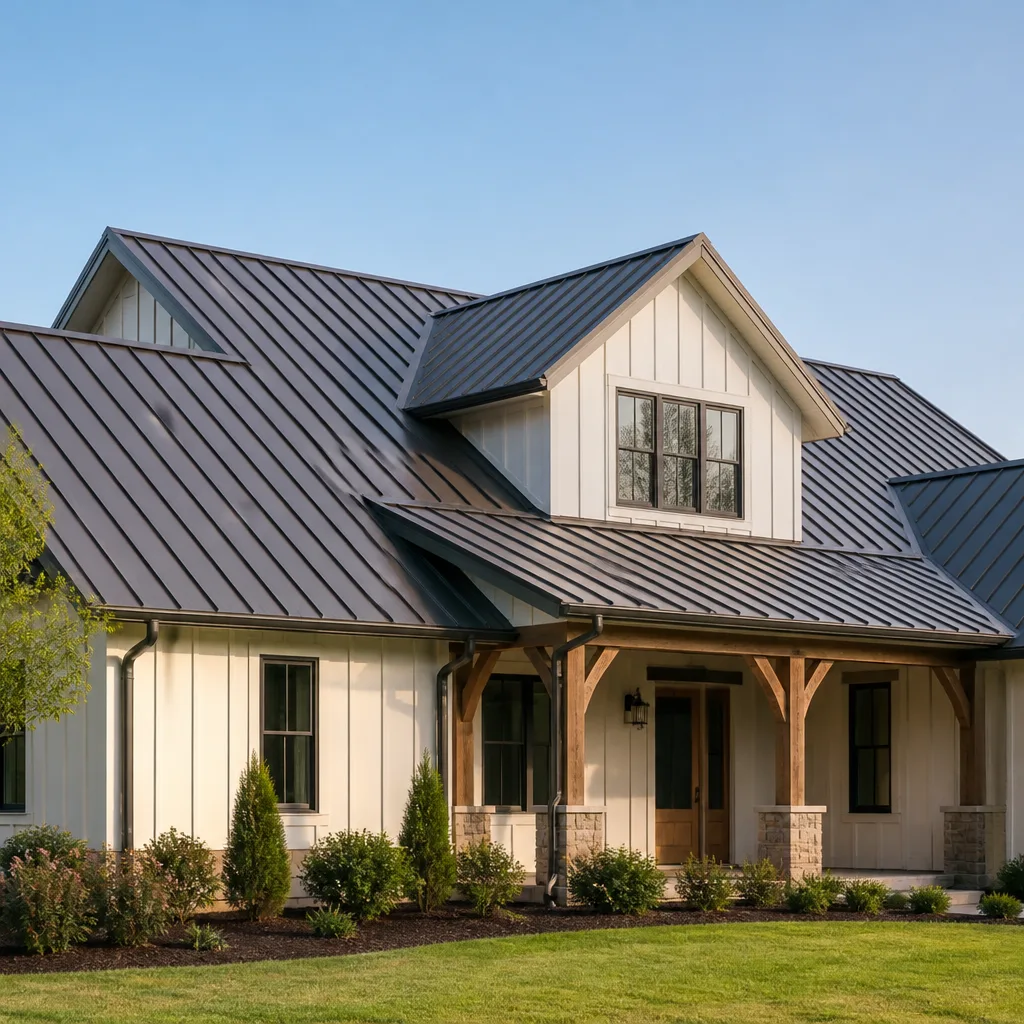



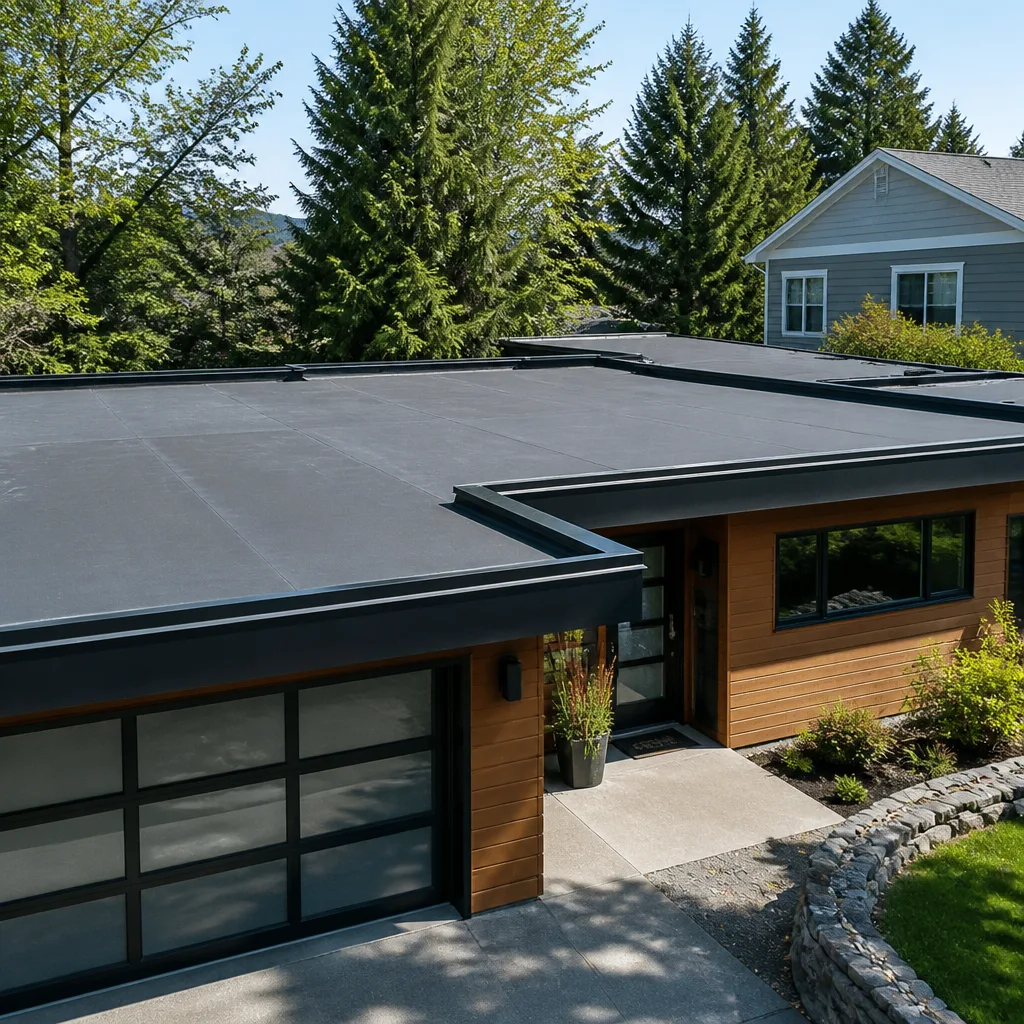
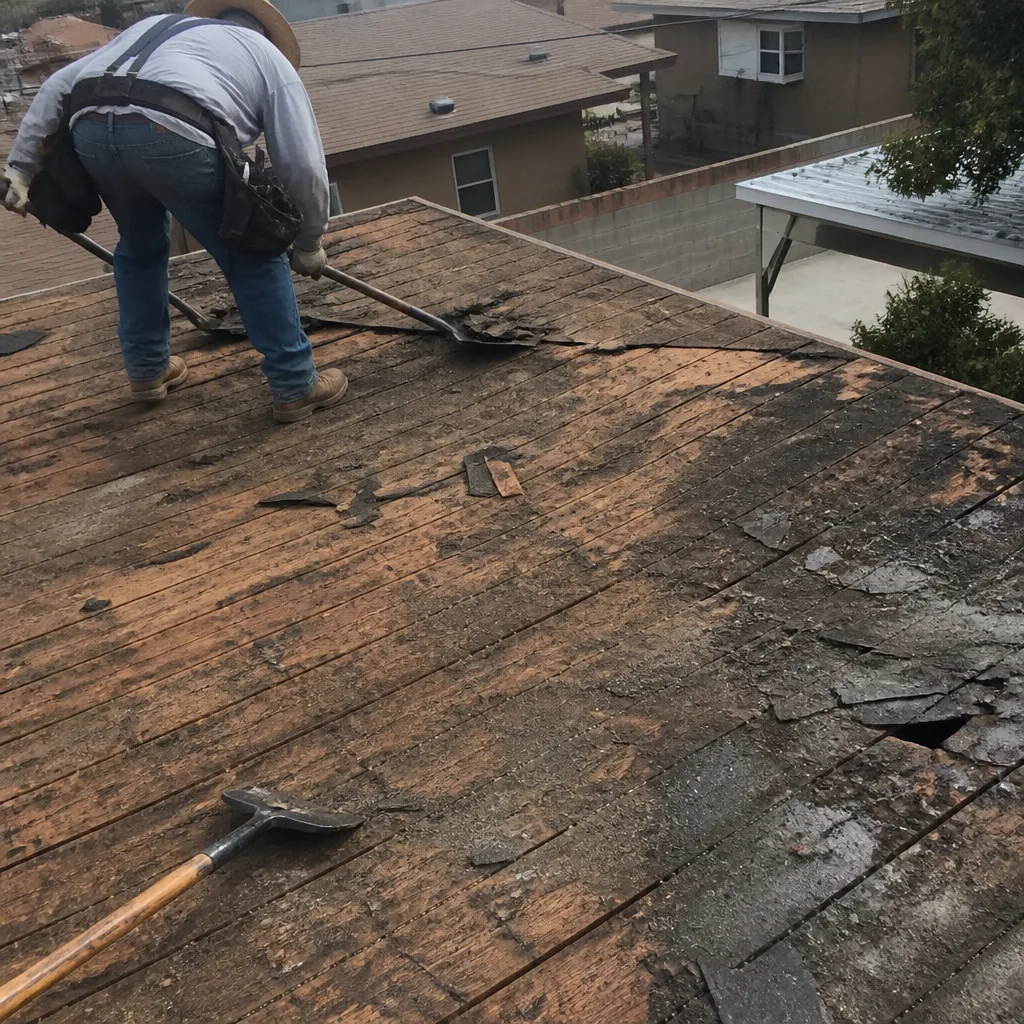 Before
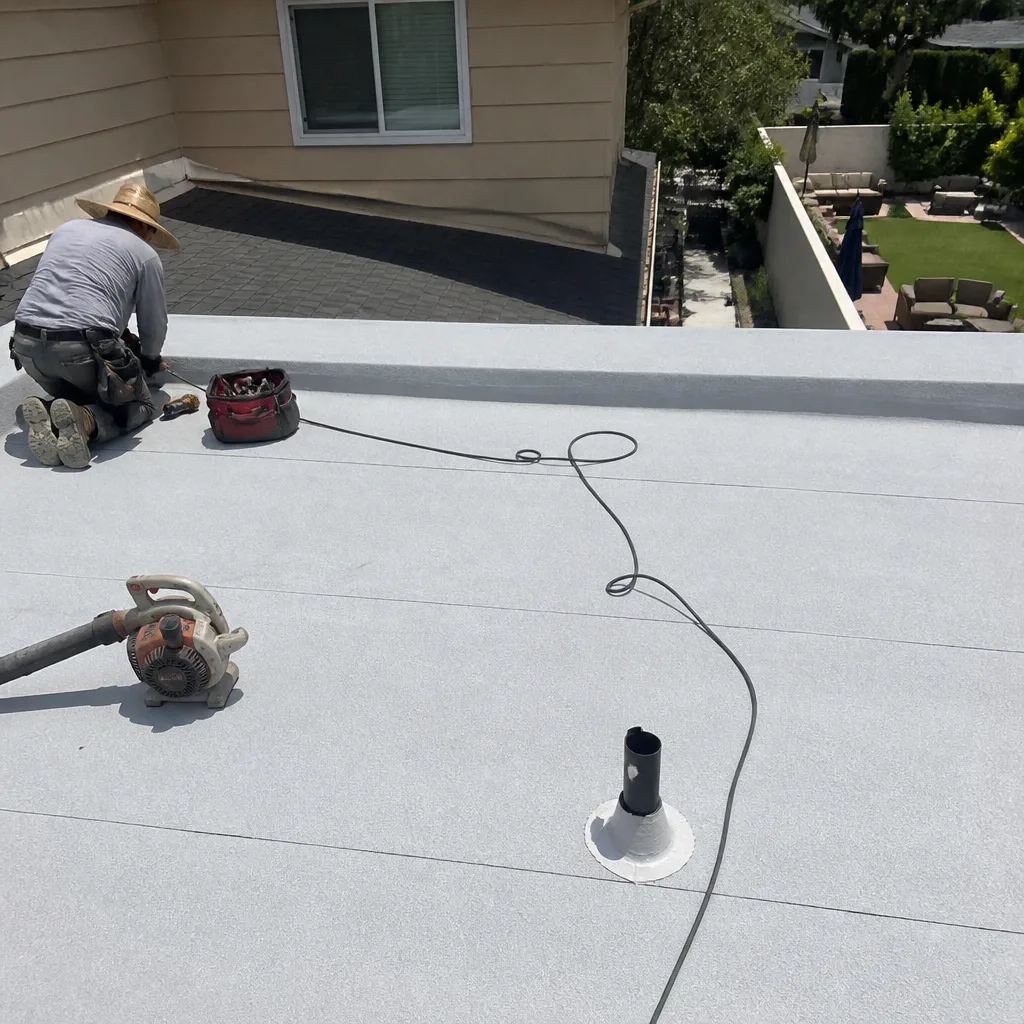 After
After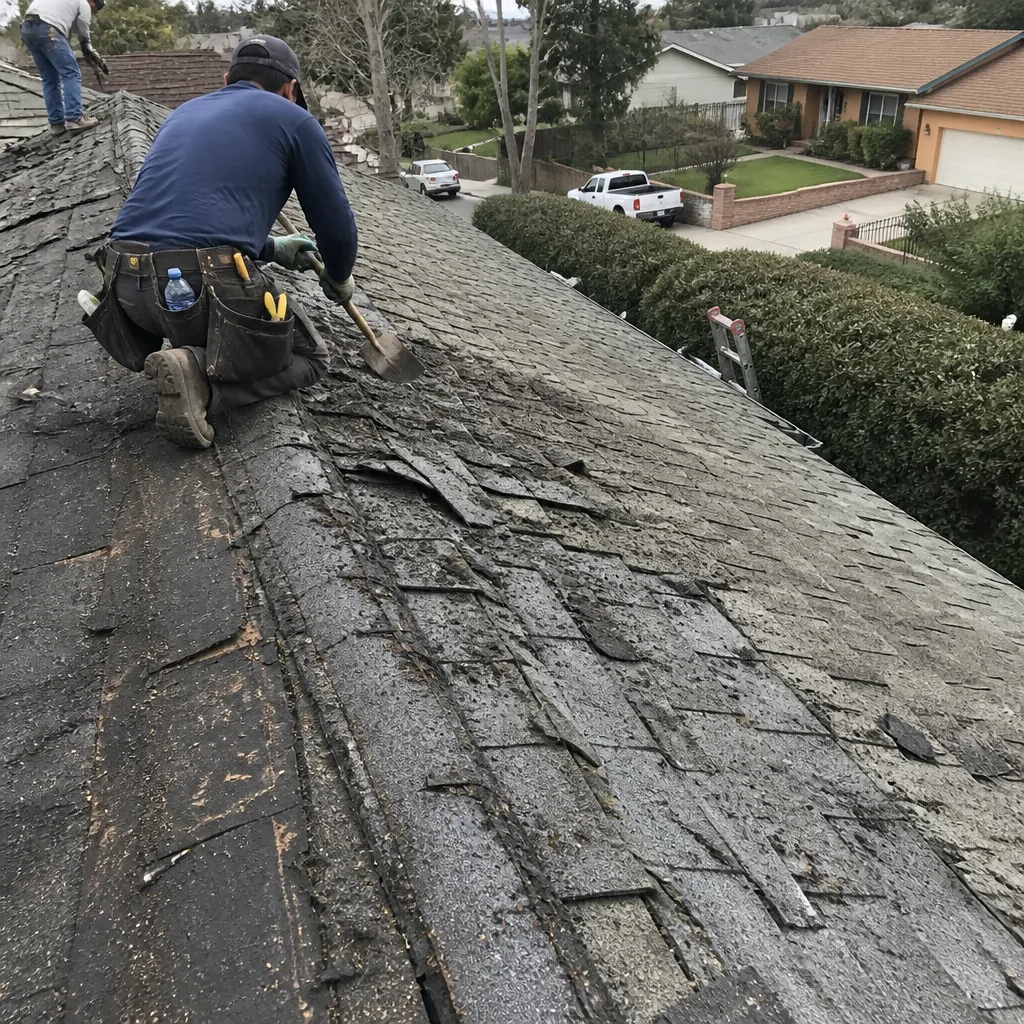 Before
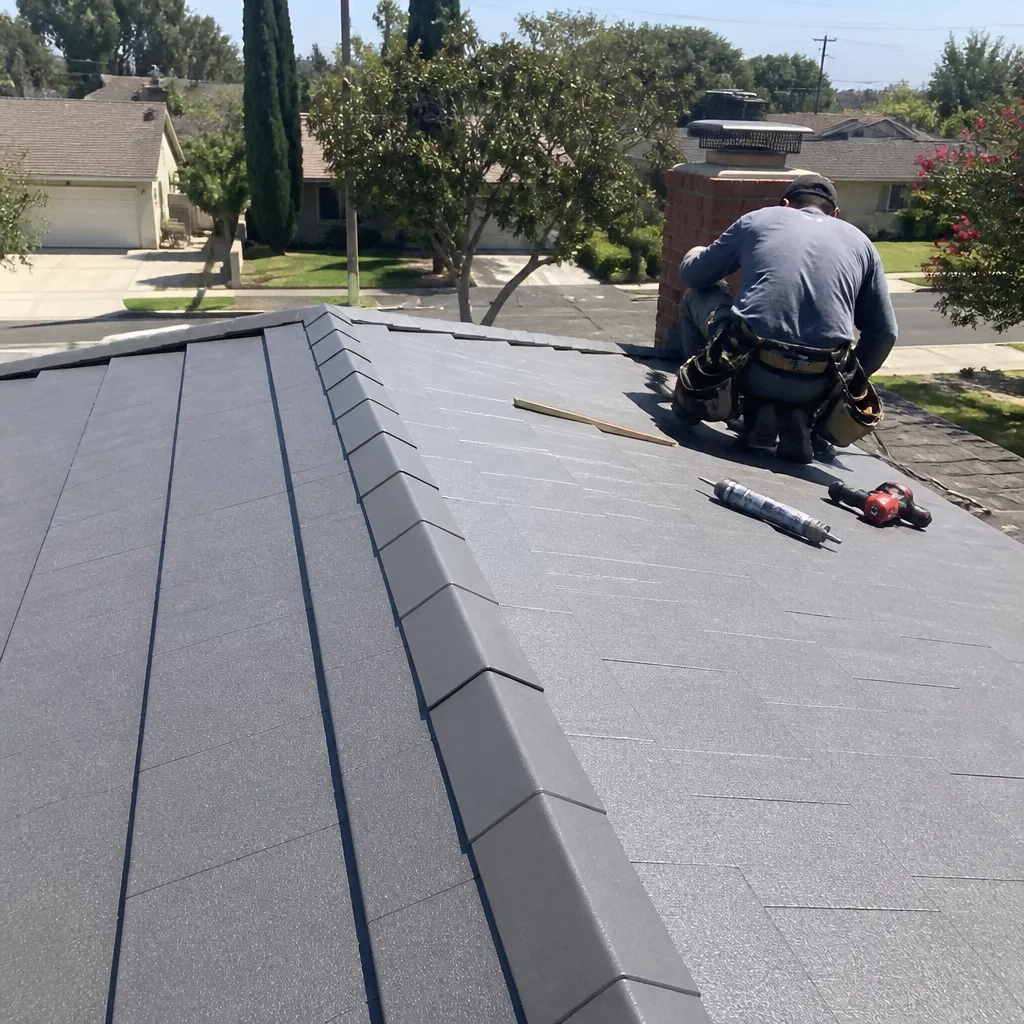 After
After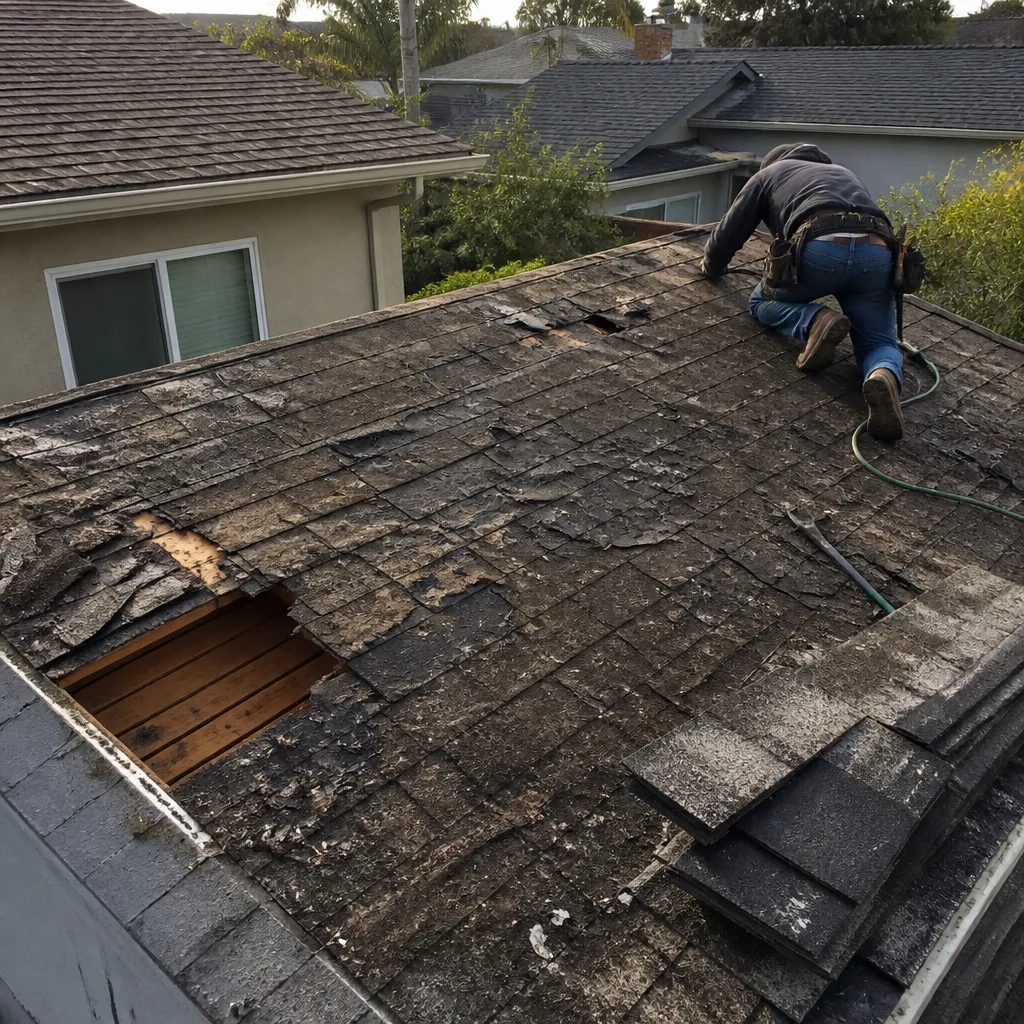 Before
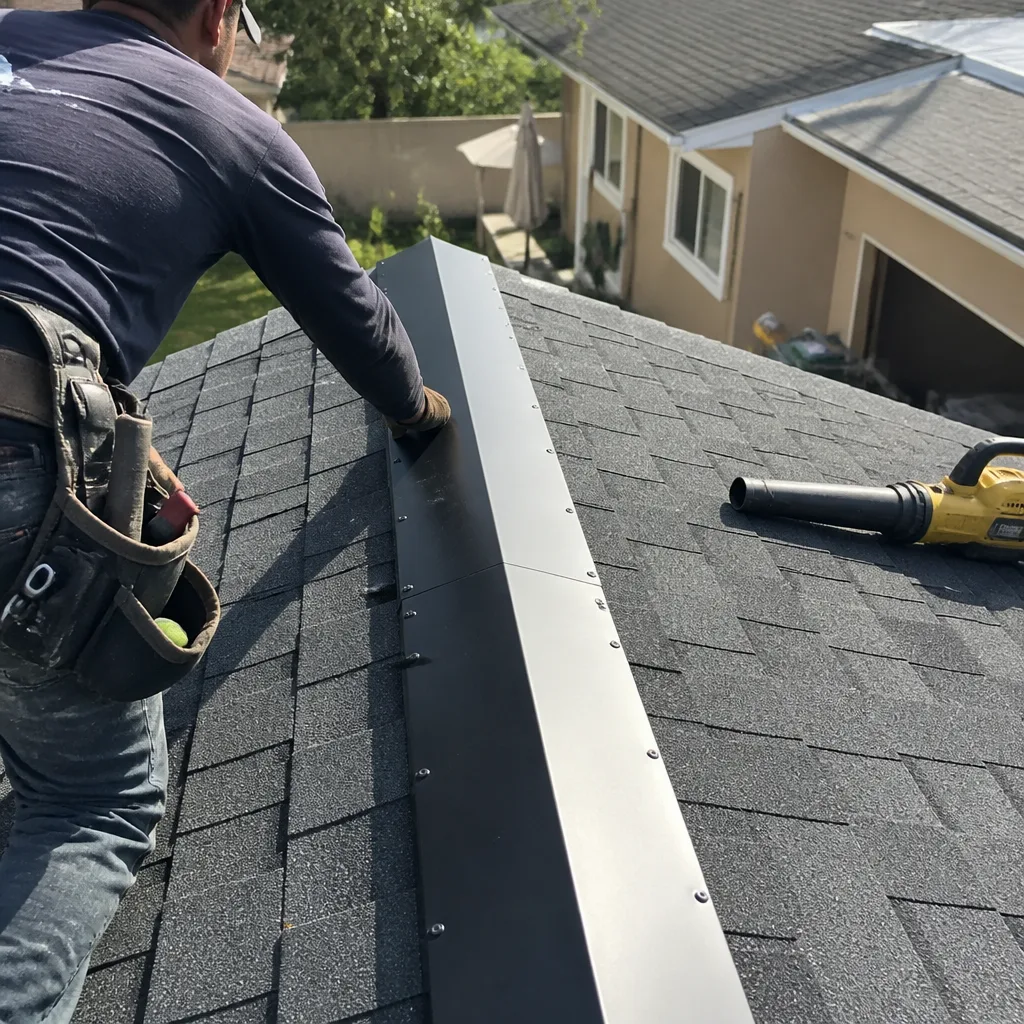 After
AfterRoofing Company Troubleshooting: Common Problems and How to Fix Them
The most common roofing complaint in Los Angeles isn’t bad workmanship. It’s a contractor who stops answering the phone after final payment. The California Contractors State License Board (CSLB) fields thousands of these complaints every year, and they’ve built an entire arbitration process around contractors who go quiet. Here’s the part most Roofing Company Warning Signs Every Homeowner Should Know won’t tell you: the warning signs appear long before the check clears. They show up during the estimate, during the job, and in the first weeks after. This guide maps those failure points so you can catch them early, document them properly, and escalate effectively if it comes to that.
Quick Answer
Roofing Company services problems fall into three predictable stages: pre-hire red flags you can spot during the estimate, mid-job warning signs that signal trouble before it’s expensive, and post-job disputes over workmanship or payment. The fix is documentation: written contracts, written change orders, written warranties, a lien waiver at final payment, and a clear path to the CSLB if things go wrong. Most disputes are preventable if you know what to look for before you sign.
Table of Contents
- Pre-Hire Red Flags: What to Watch During the Estimate
- Mid-Job Warning Signs: What Silence and Evasion Actually Mean
- How to Document a Roofing Dispute in Progress
- Lien Waivers in Plain English: Why You Need One at Final Payment
- How to Escalate a Roofing Dispute in California
- Vetting a Roofing Company Before You Hire: The Threshold Standard Approach
- Common Mistakes to Avoid
- When to Call a Professional
- Frequently Asked Questions
Pre-Hire Red Flags: What to Watch During the Estimate
The estimate is where bad roofing companies reveal themselves. Not in dramatic ways. In small, specific behaviors that predict how they’ll handle problems later. We’ve worked on roofs across Los Angeles for years, and the companies that cause the most grief share the same habits at the very first meeting.
Here’s what to watch for:
- No license number on the proposal. Every legitimate Los Angeles roofing contractor includes their California license number on every piece of paper they hand you. If it’s missing, that’s not an oversight. That’s a decision. You can verify any license number on the CSLB website in under a minute.
- They won’t put the price in writing. A verbal estimate is not an estimate. It’s a starting point for a negotiation you’ll lose. The price must be written, itemized, and signed by both parties before any work starts.
- They pressure you to decide “today.” Reputable roofers in Los Angeles have full schedules. They don’t need your job this afternoon. Scarcity pressure is a sales tactic, not a market reality.
- They ask for full payment upfront. California law limits down payments for home improvement work to 10% of the total contract price or $1,000, whichever is less. Anyone asking for more is violating state law.
- They can’t tell you who will show up. If they can’t name the crew, provide a photo ID process, or explain who’s responsible on site, you’re hiring a dispatcher, not a roofer.
- They use brand names without being certified. Many Los Angeles roofers say they “work with” GAF or CertainTeed. Ask to see certification. Manufacturer-certified contractors have factory training and access to better warranties. If they can’t show credentials, they’re buying shingles at a supply house like anyone else.
The estimate isn’t a formality. It’s a preview of how the company operates. If they’re vague, rushed, or disorganized when they’re trying to win your business, they’ll be worse when they already have your money.
Mid-Job Warning Signs: What Silence and Evasion Actually Mean
Good roofing communication isn’t a luxury. It’s a project requirement. During an active roof repair or installation in a Los Angeles home, here’s what healthy communication looks like: the crew arrives when scheduled, the project lead introduces themselves, you know what’s happening each day, and any changes are put in writing before work continues.
Now, here’s what trouble looks like, and what it usually means:
- Workers show up unannounced, with no introduction. You don’t know their names, you don’t know who’s in charge, and no one checked in with you before starting. This is a red flag that the company doesn’t control its own crew, which means no one is accountable for what happens on your roof.
- The scope changes verbally, not in writing. “We found rot and we need another $2,000 to fix it.” Fine. Put it in writing as a change order. If they won’t, you’re paying for problems you didn’t approve. In Los Angeles, where older homes in neighborhoods like Silver Lake and Mid-Wilshire often hide decking issues under decades of shingles, this is the most common mid-job dispute.
- Partial demo happens, then the crew disappears. A roof torn open and left for days is a leak waiting to happen, especially with LA’s occasional heavy winter rains. Companies that tear off and abandon are often juggling too many jobs or running out of cash to pay suppliers.
- They ask for progress payments well ahead of work completed. Payment should track progress. If they’re asking for 50% when they’ve done 20% of the job, that’s a cash-flow problem on their end, not yours.
- No cleanup plan. Nails in the driveway, shingle scraps in the yard, debris falling into gutters. A professional roofer in Los Angeles runs magnetic sweepers daily. If they don’t, they don’t care about your property.
If you see more than one of these signs in the first two days, pause the job. Put your concerns in writing. Ask for a written plan to correct course. A professional company will respond immediately. A company that ignores you is showing you what comes next.
How to Document a Roofing Dispute in Progress
If you’re in the middle of a problem with a roofing company, your best tool is documentation. Not because you’re building a court case yet, but because documentation forces accountability and gives you leverage. Here’s the step-by-step method we recommend to homeowners in Los Angeles who find themselves mid-dispute.
- Photograph everything, daily. Wide shots of the whole roof, close-ups of problem areas, and photos with timestamps. If water is intruding, photograph the interior damage too. Take more photos than you think you need. Storage is cheap.
- Move all communication to writing. Stop accepting phone-call promises. After any verbal conversation, send a follow-up email or text that says: “Just to confirm our call, you committed to [X] by [date].” If they don’t correct it, that’s a written record.
- Keep a simple log. Date, time, who you spoke with, what was said, what was promised. One or two sentences per entry. This becomes the backbone of any CSLB complaint.
- Request a written change order for any change. If the contractor says they need more money, the response is: “Please put that in writing with the reason and the amount.” No written change order, no payment.
- Use specific CSLB language. When you write to the contractor about a problem, use the words the CSLB uses: “abandonment,” “failure to complete,” “deviation from contract,” “substandard workmanship.” This signals you know how the complaint process works.
Here’s a template sentence that gets attention: “I am documenting this issue for a potential CSLB complaint under California Business and Professions Code section 7107, which covers abandonment without lawful excuse.” You don’t need to be aggressive. You just need to be specific.
Lien Waivers in Plain English: Why You Need One at Final Payment
A mechanic’s lien is the thing that can turn a finished roofing job into a nightmare six months later. Here’s how it works in plain terms: your roofing company buys materials from a supplier. They hire a subcontractor for the tear-off. If the roofing company doesn’t pay those people, those people can file a lien against your house. Not against the roofer. Against your house.
In Los Angeles, where roofing supply houses extend credit to contractors every day, this happens more often than homeowners realize. The homeowner pays the roofer in full. The roofer doesn’t pay the supplier. The supplier files a lien. Now the homeowner owes twice.
A lien waiver prevents this. It’s a document that says the contractor, subcontractors, and suppliers have been paid for work done through a specific date, and they give up their right to file a lien against your property for that work. You should receive one at every progress payment and a final lien waiver at final payment.
Here’s the simple sequence:
- Before you pay any progress payment, ask for a conditional lien waiver covering that payment amount.
- Before final payment, ask for an unconditional lien waiver covering the full contract amount.
- Keep every lien waiver with your contract and receipts.
A reputable Los Angeles roofing company will provide these without being asked. If a company resists providing a lien waiver, that’s a clear signal that something in their payment chain is unstable. Walk away or pause the job.
How to Escalate a Roofing Dispute in California
If you’ve documented the problem and the contractor still won’t fix it, California gives you a clear escalation path. Here’s the order, from least to most aggressive:
- Written demand letter. Send a letter, certified mail, that states the problem, the fix you expect, the deadline, and your next step if the deadline passes. Keep it factual. No threats, no emotion. This letter alone resolves many disputes.
- CSLB complaint. File a complaint with the Contractors State License Board. This is free and can be done online. The CSLB investigates complaints about license violations, substandard work, abandonment, and failure to complete. They can suspend or revoke a license. Contractors care about this.
- CSLB arbitration. California has a mandatory arbitration program through the CSLB for disputes under $50,000. An arbitrator hears both sides and issues a binding decision. It’s faster and cheaper than court, and it’s built specifically for construction disputes like roofing.
- Small claims court. For disputes up to $12,500 in California (as of 2024), small claims court is an option. You don’t need a lawyer. Bring your photos, your log, your written communications, and your contract. The judge wants to see documentation, not emotion.
- Civil litigation. For larger disputes, an attorney is appropriate. This is the slowest and most expensive path, but some situations warrant it.
The threshold for each step is documentation. Without photos, written records, and a contract, the CSLB and small claims court can’t help you effectively. With those records, you have real leverage.
Vetting a Roofing Company Before You Hire: What Real Certainty Looks Like
Most of the problems in this guide never happen if the hiring process is done right. Here’s what rigorous vetting looks like, and we’ll use our own standards as the benchmark because we built them to solve exactly these problems in Los Angeles.
1. The person at your door is who they say they are. Every Mercer Roofing technician is background-checked, identity-verified, and arrives in a clean marked uniform with a photo ID badge. Before any visit, we send the technician’s name and photo to the homeowner. You know who’s coming before they knock. In a city like Los Angeles, where homeowners often open the door to strangers citing an estimate, this badge-at-the-door standard is the most concrete protection a roofing company can offer. It’s part of the Threshold Verified standard, a quality framework each independently owned location is contractually held to under the Threshold Group family, founded in 2000.
2. The price is written before work starts. Not a range. Not an estimate that might change. A written price. At Mercer Roofing, no work starts without it, and the invoice doesn’t surprise you at the end. Every change during the job goes through a written change order. This is how you prevent the “we found more damage” conversation from becoming a negotiation you lose.
3. The guarantee is written, with a real duration. Our 365-Day Done Right Promise states it plainly: if the work isn’t right within a year, we make it right. Every repair includes a written guarantee, and if a repair fails, the second visit is free. Not “we stand behind our work.” Three hundred sixty-five days. Written.
4. You can reach a human being. A live person answers Mercer Roofing’s phone 24/7. No voicemail tree. No call-back form. When you call (743) 200-8347, someone answers. That matters when a storm opens your roof at 2 a.m. or when you have a question about an invoice.
We install and repair using manufacturer-recognized shingle brands including GAF, CertainTeed, Owens Corning, IKO, Atlas, Tamko, and Boral. When a roofer’s credentials are real, they can prove it. Ask for the proof.
Common Mistakes to Avoid
Here are the specific mistakes we see Los Angeles homeowners make, time after time, when things go wrong with a roofing company:
- Paying the final balance before doing a walkthrough. Don’t release final payment until you’ve walked the roof with the project lead and confirmed the work matches the contract. Once the money is gone, your leverage is gone.
- Signing a contract that doesn’t itemize materials and labor. A contract that says “roof replacement: $18,000” with no breakdown gives you nothing to dispute against. You need line items for shingles, underlayment, flashing, decking repair, and labor.
- Hiring based on the lowest bid without checking why it’s lowest. In Los Angeles, a bid that’s $6,000 below the others usually means something is missing: insurance, workers’ comp, permits, or actual employees. Find out what you’re not paying for.
- Not checking the license status on the CSLB website. It takes one minute. Many homeowners in Los Angeles have hired contractors whose licenses were suspended or expired. Check before you sign, not after.
- Ignoring the permit question. A new roof in the City of Los Angeles requires a permit. If your roofer says they’ll skip it to save money, you’re absorbing liability for unpermitted work. That follows you when you sell the house.
- Accepting verbal promises as guarantees. If it’s not written, it didn’t happen. This applies to start dates, materials, prices, and warranties. Write it down or don’t count on it.
- Not asking for a lien waiver at final payment. This one document prevents the nightmare where you pay the roofer, the roofer stiffs the supplier, and the supplier comes after your house. Ask for it every time.
When to Call a Professional
Some roofing problems are obvious and urgent: water coming through the ceiling, shingles flying off in a Santa Ana wind event, a sagging section of decking. Others are quieter: granule loss in the gutters, a patch of moss in a shaded valley, flashing that looks corroded but hasn’t failed yet. If you’re not sure what you’re looking at, or if the problem involves the roof’s structural layer, call a professional. Los Angeles roofs deal with a specific combination of intense UV exposure, occasional heavy rain, and wildfire-adjacent wind. Problems that look small at eye level are often worse on the decking. Mercer Roofing offers free estimates in Los Angeles. Call (743) 200-8347 and a live person will answer, take your details, and schedule a time that works for you. Before the technician arrives, you’ll receive their name and photo. When they knock, they’ll have a photo ID badge ready.
Frequently Asked Questions
A legitimate Los Angeles roofing company has an active California contractor’s license you can verify on the CSLB website, provides a written contract with itemized pricing, carries workers’ compensation insurance, and can show manufacturer certifications for the shingle brands they install. They’ll also provide references from recent local jobs and won’t ask for more than a 10% down payment. If any of these elements are missing, keep looking. Call (743) 200-8347 if you want to compare against a company that meets every one of these standards.
Stop calling and start writing. Send a certified letter that states the problem, the work left incomplete, the date you expect resolution, and your intention to file a CSLB complaint if the deadline passes. Save copies of everything. Then contact the CSLB and ask about their complaint and arbitration processes. In California, abandonment without lawful excuse is a specific violation the CSLB can act on. Documentation is what turns a frustrating situation into a resolvable one.
No, and it’s not a quote at all. A real quote is a written document with specific line items, materials, and a final price. Verbal estimates are common in the Los Angeles roofing market, but they leave you with no protection if the price changes mid-job. Always insist on a written price before work starts. At Mercer Roofing, that written price is standard practice on every job, from small repairs to full roof installations.
Small repairs in Los Angeles, like fixing a single leak or replacing a few damaged shingles, typically run from $350 to $800 depending on access and materials. More involved repairs, like flashing replacement or a section of decking replacement, usually range from $800 to $2,500. Full roof replacements vary widely by size and material, but Los Angeles homeowners generally spend between $12,000 and $25,000 for a composition shingle roof-see our Roofing Cost Breakdown: The Los Angeles Homeowner’s Reference for 2026. Call (743) 200-8347 for a specific written quote on your roof, free of charge.
A lien waiver is a legal document stating that the contractor, their subcontractors, and their suppliers have been paid for work through a specific date and waive their right to place a mechanic’s lien on your home. You need one at every payment, including final payment. Without it, a supplier who wasn’t paid by your roofer can come after your property, even though you paid in full. This is a real risk in Los Angeles, where contractors run lines of credit with local supply houses. Ask for lien waivers as a condition of the contract, not after the work is done.
A roofing contractor in the City of Los Angeles is required to pull a permit for roof replacements and most re-roofing projects. A company that suggests skipping the permit “to save money” is asking you to accept legal liability for unpermitted work. Unpermitted roofs can complicate home sales, insurance claims, and refinancing. A legitimate Los Angeles roofer handles the permit as a standard part of the project. Make sure the contract states who pulls the permit and when.
The Bottom Line
Roofing company problems are rarely surprises. They’re patterns: the estimate that’s vague, the change order that’s verbal, the payment that’s requested early, the guarantee that doesn’t exist in writing, the lien waiver that never comes. Knowing these patterns lets you catch trouble during the hiring process instead of after the check clears. For more guides & resources, explore our blog. If you’re in Los Angeles and want a roofing company built around written prices, written guarantees, and technicians you can verify before they reach your door, call Mercer Roofing at (743) 200-8347. A live person will answer, and you’ll get a free estimate in writing before any work begins.
Written by Grant Whitlock, Owner at Mercer Roofing, serving Los Angeles since 2000.