
Last updated October 9, 2026
Free roof inspection with deck photos before we talk money - GAF and Owens Corning certified installation
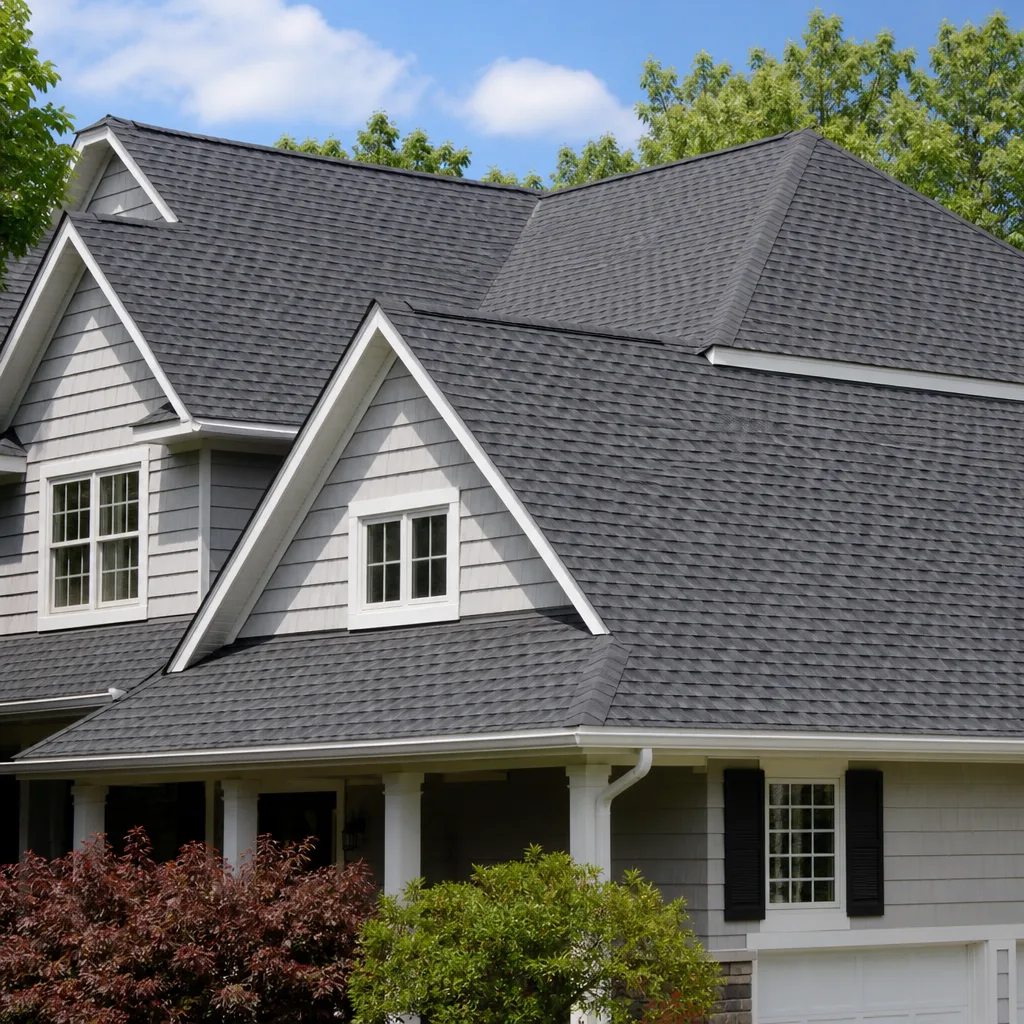
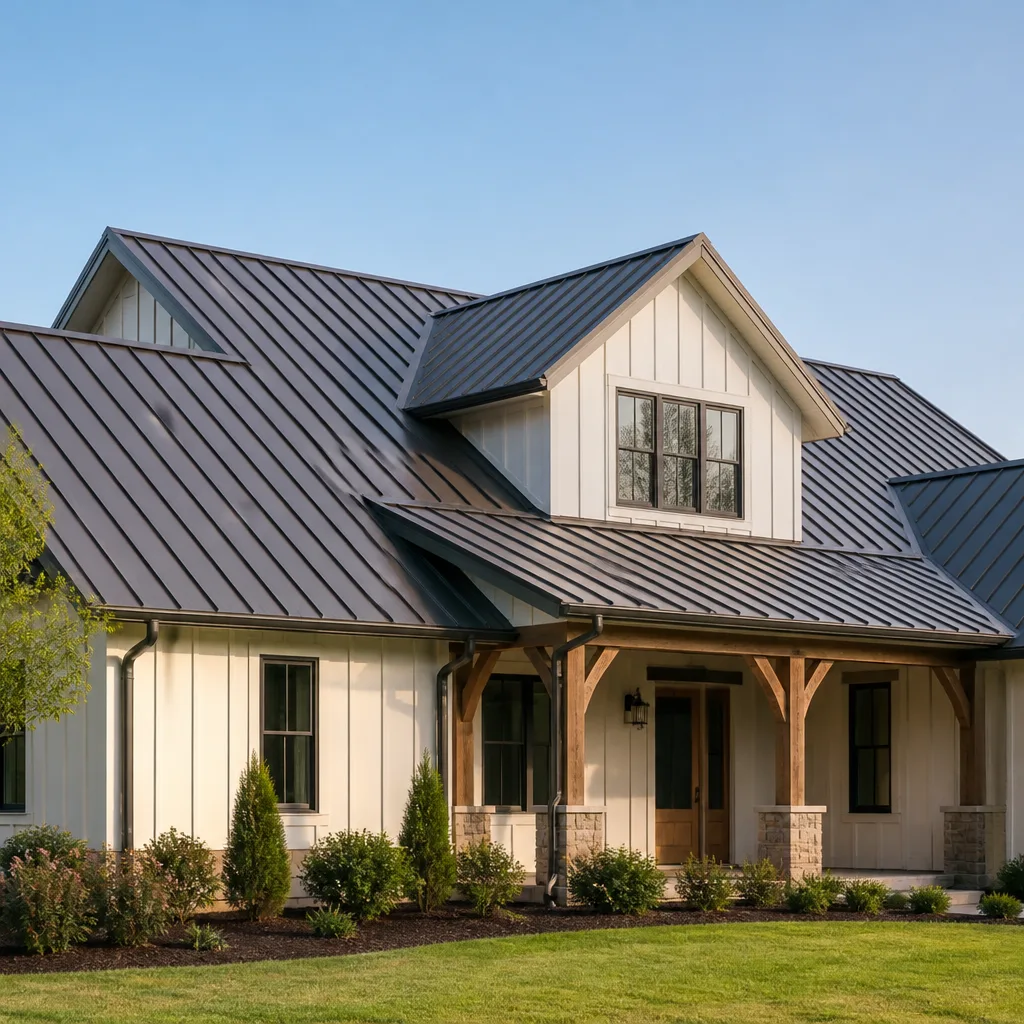
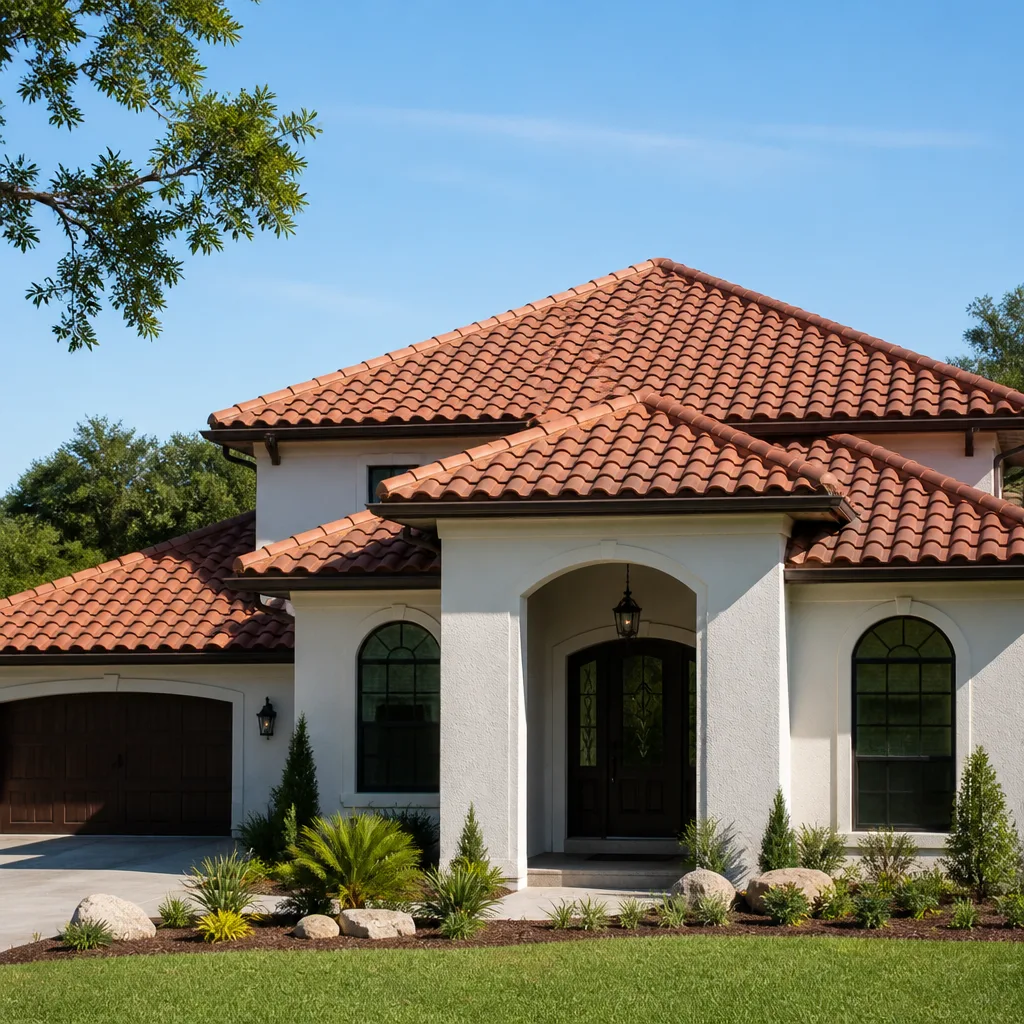
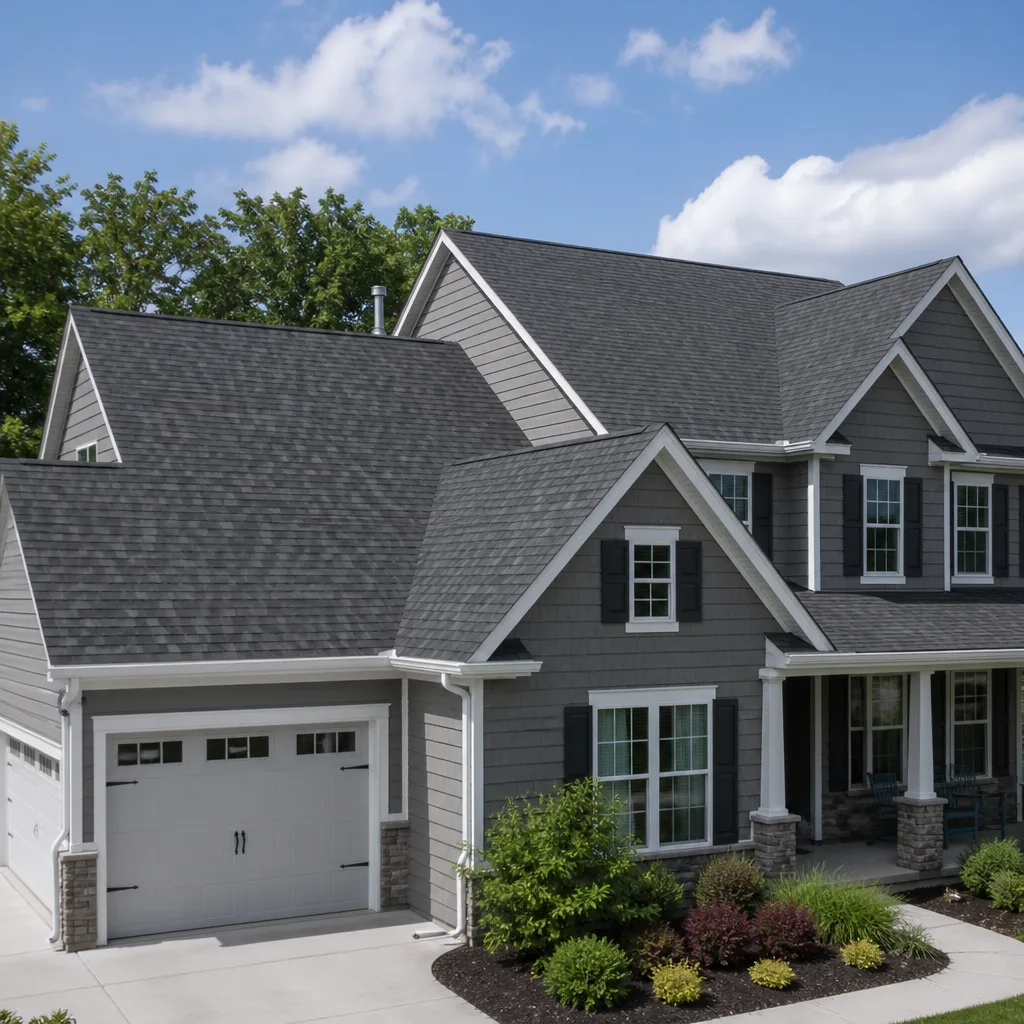
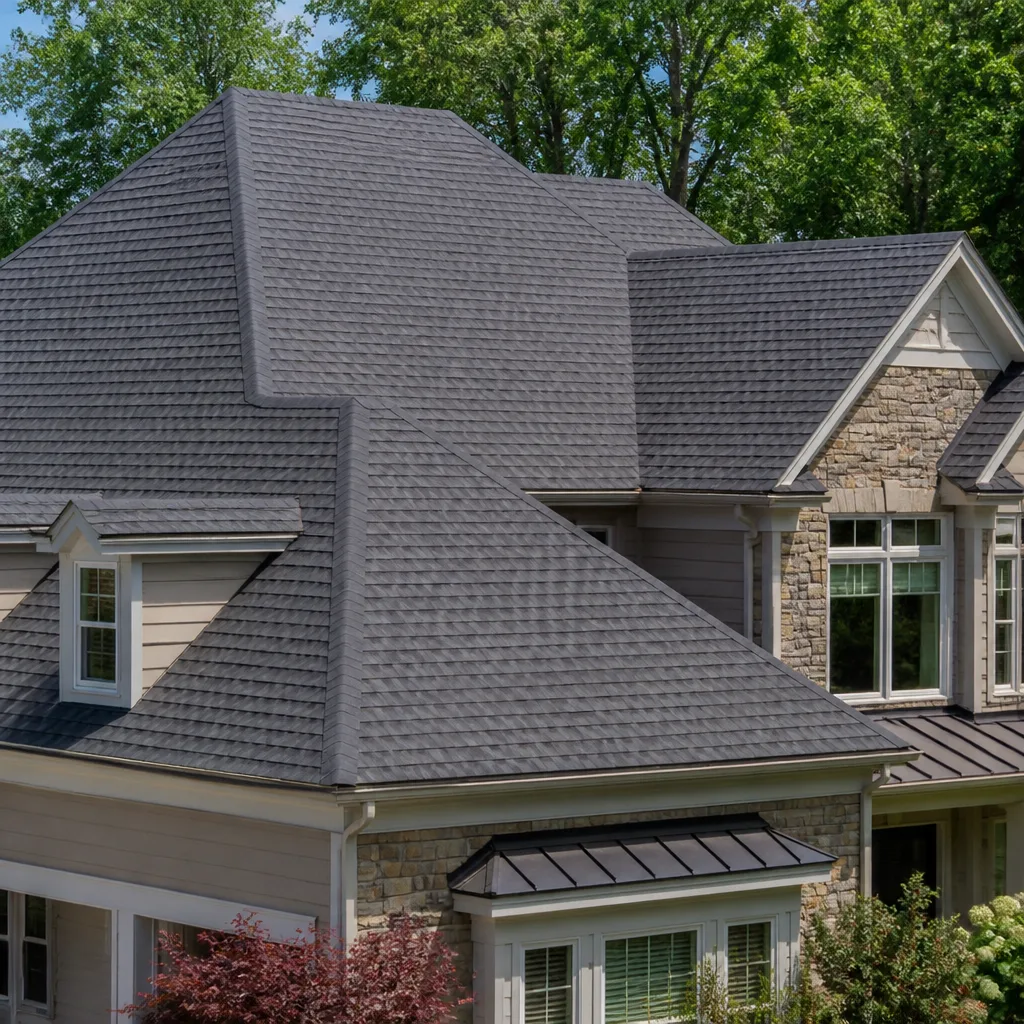
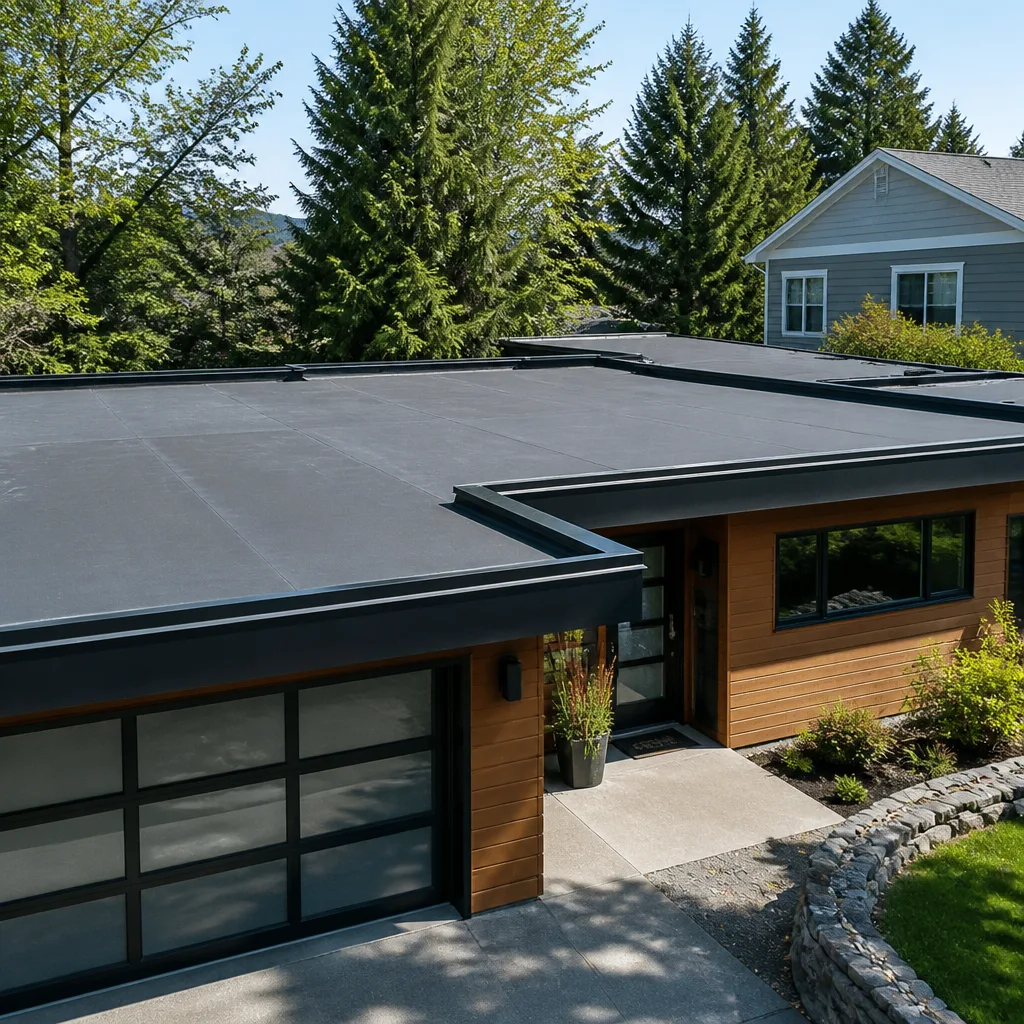
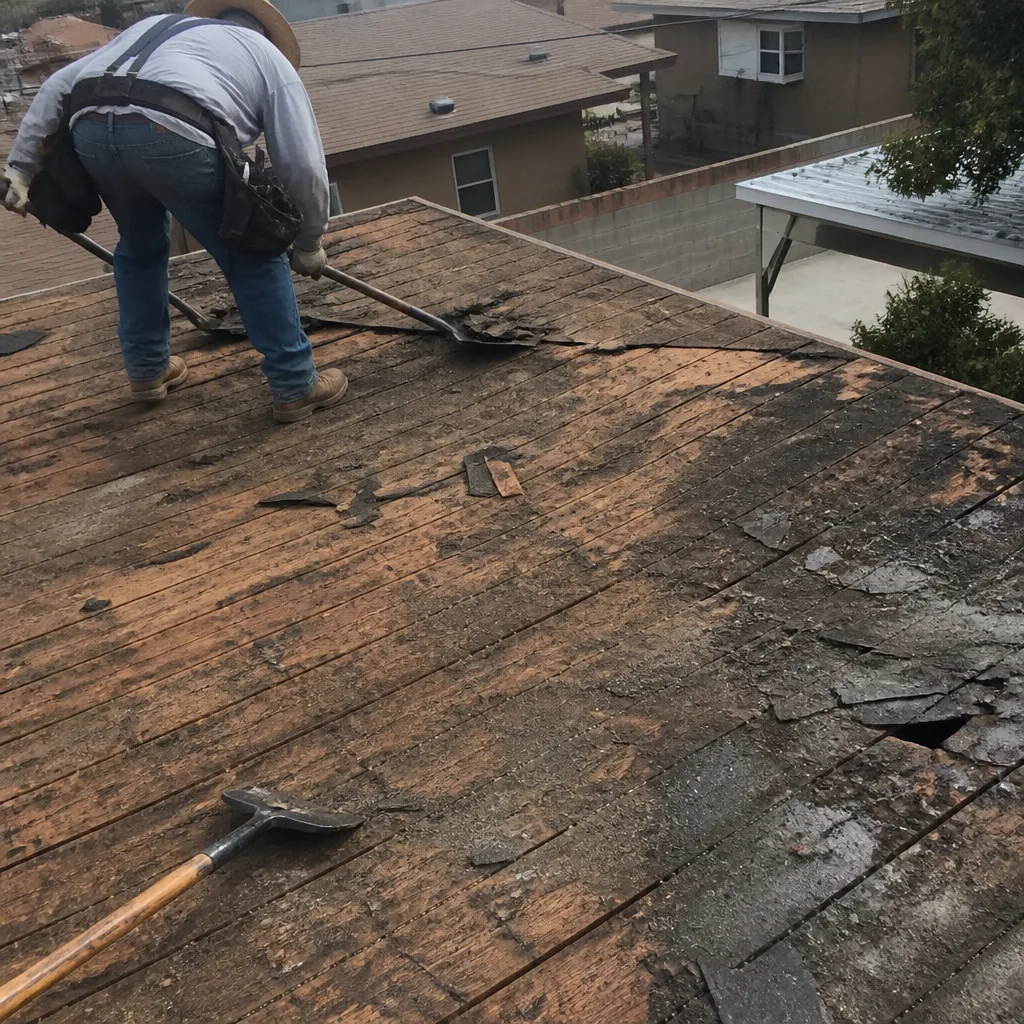 Before
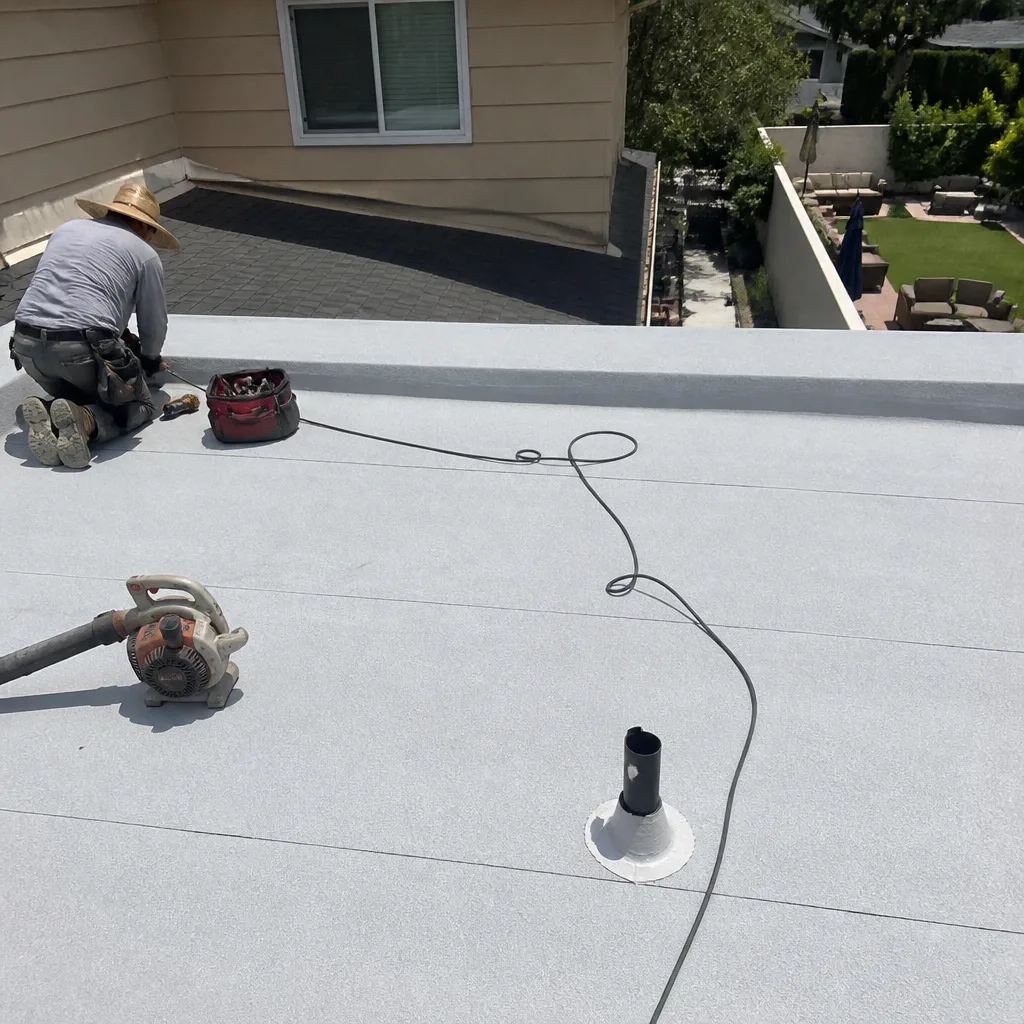 After
After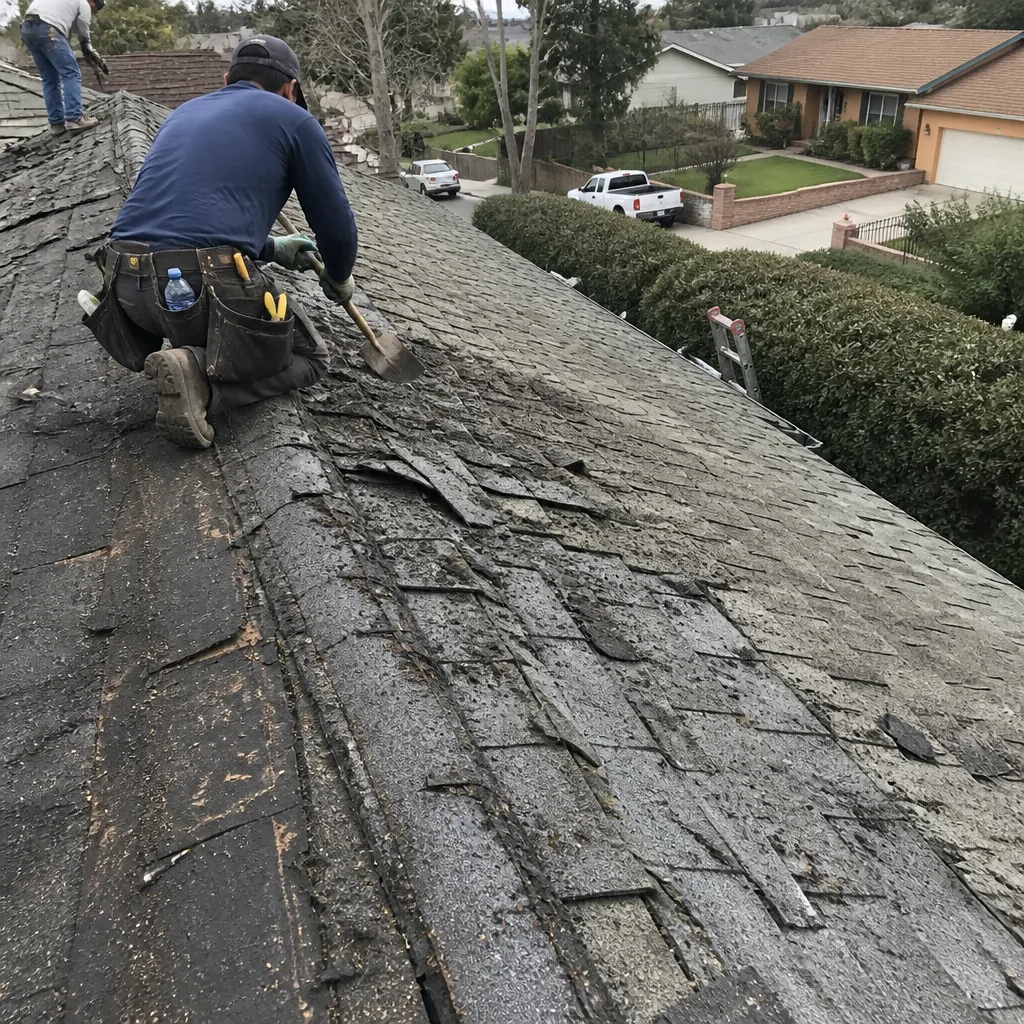 Before
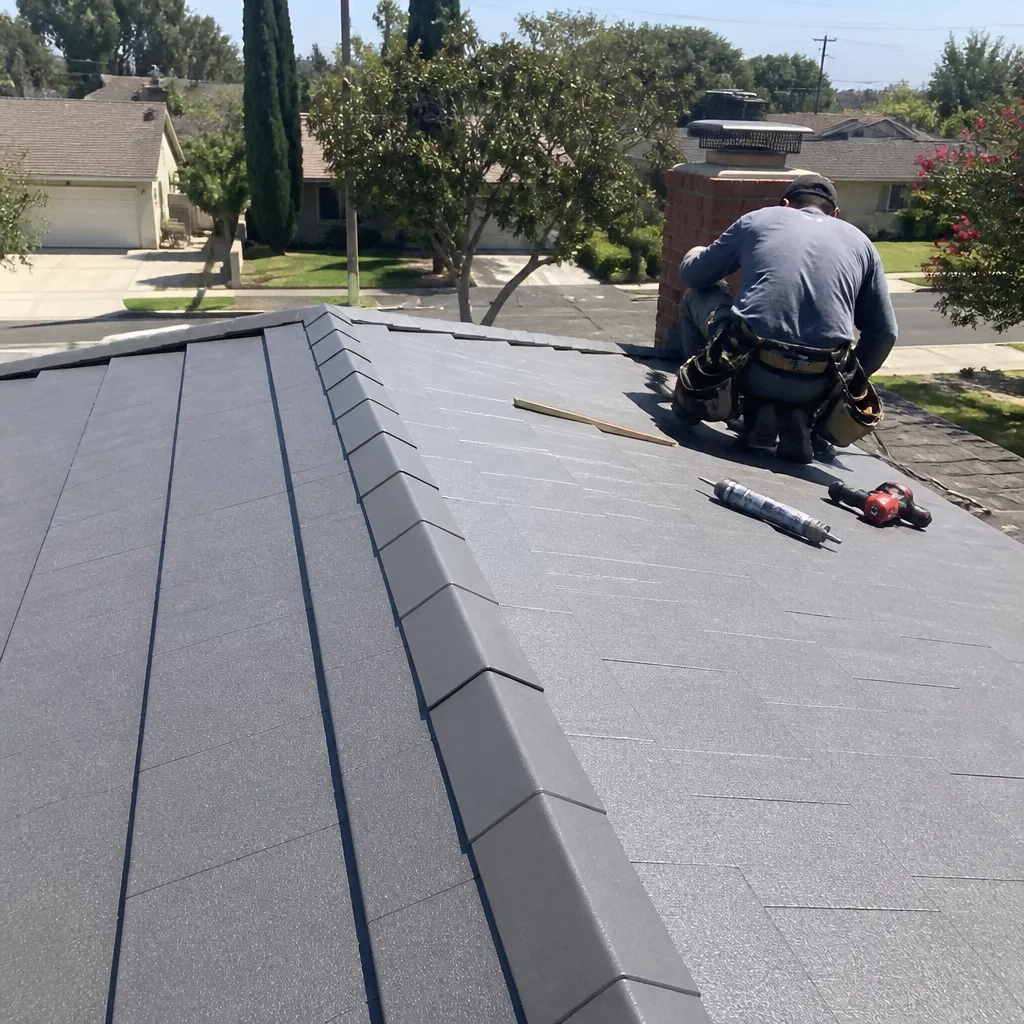 After
After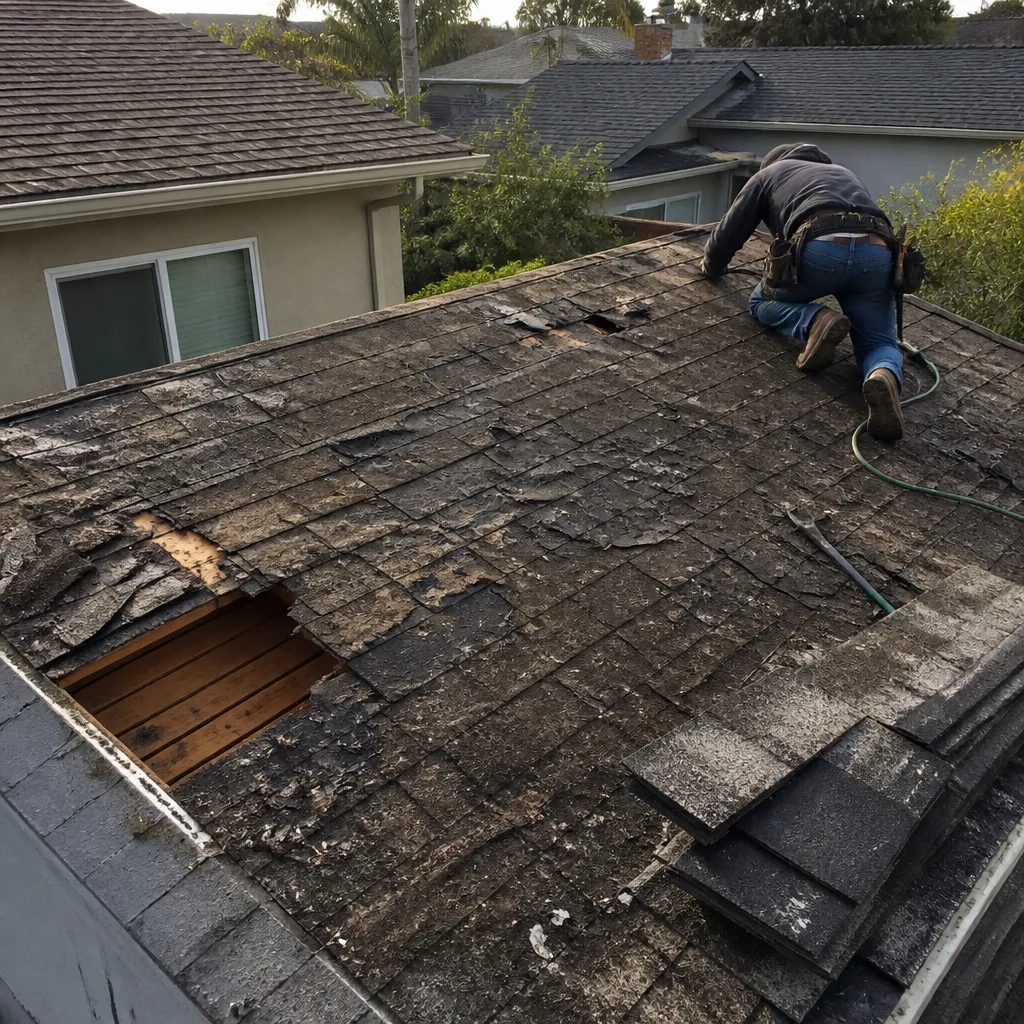 Before
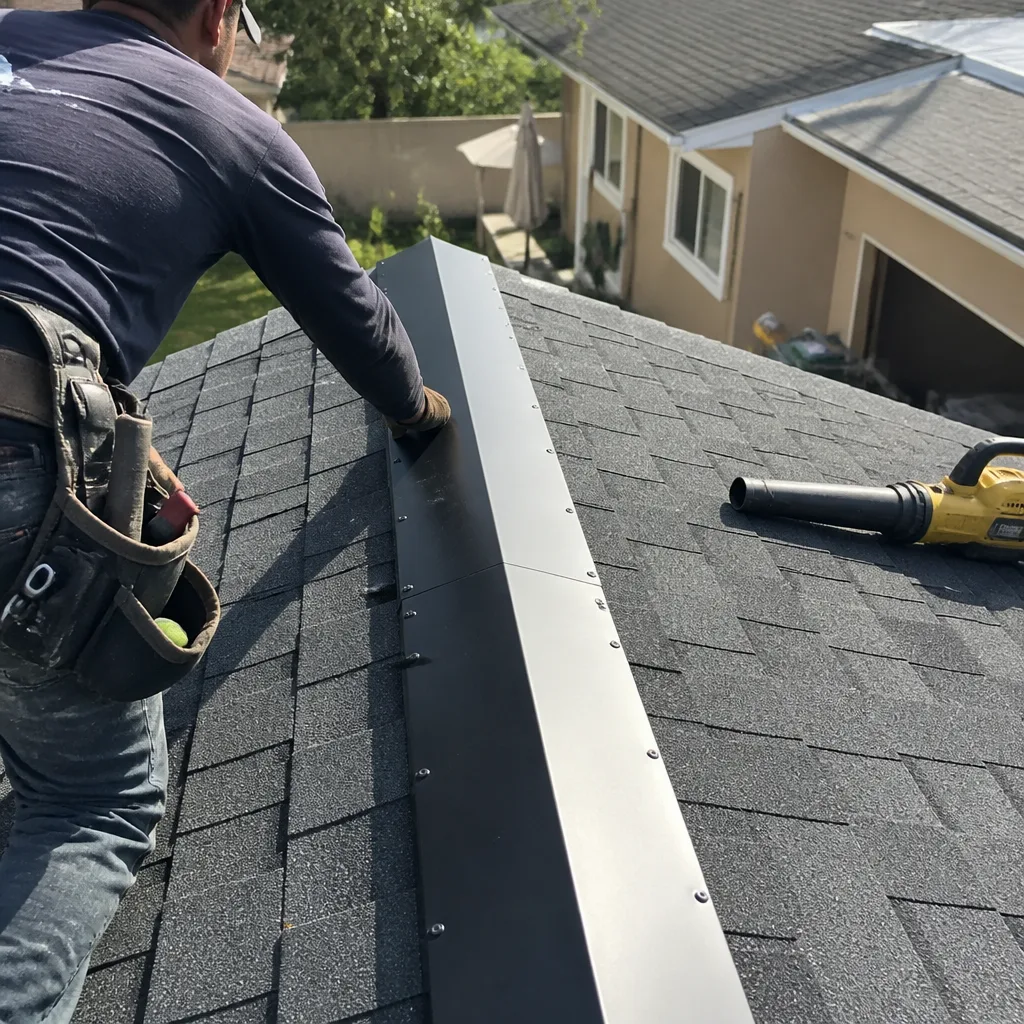 After
AfterRoofing Emergency Preparedness Guide for Los Angeles Homes
During the 2025 Los Angeles wind and fire events, homeowners with an existing contractor relationship and a documented roof condition had tarps in place within 24 hours. Those without either waited more than 10 days while rain moved into damaged attic spaces. This guide tells you how to be the first homeowner, not the second. You’ll learn how to build a roof documentation file that speeds insurance claims, what emergency tarping actually does and does not do, the questions to ask your contractor before an emergency, and how to spot unlicensed solicitors who flood Los Angeles neighborhoods after every wind event.
Quick Answer
Seasonal Roofing Care for Los Angeles: Year-Round Homeowner’s Guide shows why roofing emergency preparedness means solving two problems before a crisis hits: documenting your roof’s condition so any damage claim moves fast, and securing a contractor relationship with a verified response commitment so you’re not stranded after a wind or fire event. The compound threat here is not a single storm, but a sequence: wind damages the roof, then rain arrives before repairs are possible, turning a $600 tarping into a $12,000 ceiling and insulation replacement.
Table of Contents
- Why Los Angeles Roof Emergencies Are Different
- How to Build a Pre-Disaster Roof Documentation File
- What Emergency Tarping Actually Covers (And What It Doesn’t)
- Questions to Have Answered by Your Contractor Before an Emergency
- How LA’s Disaster Rules Affect Contractor Licensing (And the Solicitor Surge)
- The 24-Hour Post-Wind Household Checklist
- Working With Insurance During a Roof Emergency
- Key Takeaways
Why Los Angeles Roof Emergencies Are Different
In hurricane country, the playbook is board up, evacuate, wait for the storm to pass, then file claims. Los Angeles has a different risk profile. Our damaging winds arrive as Santa Ana events, dry and sudden, often in October through January. They tear shingles, lift flashing, and send tree limbs through decking. Then comes the second threat: rain. Los Angeles receives most of its annual rainfall in a handful of intense winter storms. A roof compromised by wind in November becomes an active water-intrusion problem by December. And in fire-adjacent neighborhoods like Topanga, Porter Ranch, or the foothills above Pasadena, wind damage can coincide with evacuation orders, meaning your roof sits exposed and unmonitored for days. The compound emergency is the actual threat in Los Angeles, not any single weather event. Preparedness here means solving for the gap between damage and repair.
We’ve seen this play out across the San Fernando Valley and the Westside. A homeowner in Sherman Oaks loses 14 shingles to a January wind burst, calls a random contractor from a door hanger, and waits six days for a tarp while rain soaks the exposed decking. The neighbor who had already established a relationship with a local roofing company and had a documented roof file got a tarp the same day and a repair crew within the week. The difference was not luck. It was paperwork and an existing relationship.
How to Build a Pre-Disaster Roof Documentation File
A roof documentation file is a folder, physical or digital, containing everything an insurance adjuster or roofing contractor needs to process your claim without delay. In our experience handling roof repair in Los Angeles, homeowners with these files-along with understanding Roofing Permits, Codes & Inspections in CA: What You Need to Know-typically see claims move 5 to 7 days faster than those who have to reconstruct their roof’s history after the fact. Here’s what goes in it.
Step-by-Step: Building Your Roof File
- Photograph your roof now, not after damage. Take photos from ground level and from any accessible second-story windows. Capture the full roof plane, close-ups of flashing around chimneys and vent pipes, and the condition of shingles at the edges. Smartphone photos are fine. Date them.
- Record your roof’s construction details. What material is installed: asphalt shingle, tile, metal, or modified bitumen? Which manufacturer, if you know it? We install and repair with manufacturer-recognized brands including GAF, CertainTeed, and Owens Corning, and many Los Angeles roofs from the 1990s and 2000s feature one of these three. Note the approximate age of the roof and any known repair history.
- Save your last inspection report. If a roofing professional has inspected your roof, get the written report. If you’ve never had one, schedule an inspection and start the file now. A documented pre-damage condition is the single best evidence you have when an adjuster asks whether that missing patch of shingles is wind damage or pre-existing wear.
- Note the roof’s warranty status. Some shingle warranties transfer to new owners; some are void after a certain number of years. Knowing your warranty status before you file a claim prevents an unpleasant surprise mid-negotiation.
- Store your insurance policy declarations page in the same folder. Confirm your dwelling coverage limit, your deductible amount, and whether you have replacement cost or actual cash value coverage. Los Angeles homeowners often discover in a crisis that they’re underinsured by 20% or more relative to current construction costs.
Keep this file in two places: a physical binder and a cloud folder accessible from your phone. In an evacuation scenario, you may not have time to grab the binder.
What Emergency Tarping Actually Covers (And What It Doesn’t)
Emergency tarping is a temporary protective measure: a heavy-duty polyethylene tarp secured over the damaged roof area to prevent water intrusion until permanent repairs are possible. It’s not a repair. It’s not waterproof indefinitely. It buys you time, typically 30 to 90 days depending on weather exposure.
What a contractor-installed tarp covers:
- Water intrusion prevention. A properly installed tarp diverts rain away from exposed decking, insulation, and drywall.
- Insurance claim documentation. Your tarping invoice becomes evidence that you took reasonable steps to prevent further damage, which most policies require.
- Security. A tarp keeps out birds, rodents, and leaves, but it’s not a structural barrier.
What a contractor-installed tarp does NOT cover:
- Structural integrity. A tarp does not restore the roof’s load-bearing capacity. Do not walk on a tarped roof section.
- Long-term waterproofing. Tarps degrade under UV exposure, and Los Angeles sun is relentless. Expect 30 to 60 days of reliable performance before the material begins to break down.
- Interior damage already done. A tarp stops further intrusion. It does not dry out wet insulation or replace water-damaged drywall.
The difference between a contractor-installed tarp and a retail hardware-store kit matters. A professional tarp installation in Los Angeles typically costs $400 to $900 depending on roof slope, access difficulty, and damaged area size. Hardware-store kits are often twice as hard to install correctly on a damaged roof, and an improperly secured tarp can tear loose in the next wind event, leaving you worse off than before. If you’re physically able to deploy a temporary kit safely from the ground or a ladder, it’s better than nothing. But understand that insurance adjusters are less likely to push back on a professional tarping invoice than on a DIY tarp that failed. Mercer Roofing includes tarping as part of our emergency response; ask about the threshold for inclusion when you establish your contractor relationship.
Questions to Have Answered by Your Contractor Before an Emergency
The day after a wind event is the wrong time to start vetting roofing companies. You’ll be stressed, the good ones will be booked, and the unlicensed solicitors will be out in force. Solve this in advance with your roofing company in Los Angeles. Here are the questions that matter, and the answers you should expect.
- What is your after-hours contact process? The answer should be a phone number answered by a person. Mercer Roofing answers calls with a live person 24/7. If the answer is a voicemail or a web form, ask when you’ll hear back and get it in writing.
- What is your emergency response time commitment? No legitimate company can promise a specific hour. But they should give you a realistic window based on current demand. Ask for a documented commitment: “We will respond to an active leak call within X hours.” If they won’t commit to anything, look elsewhere.
- What documentation do you provide at the point of emergency service? You need a written scope of work for the tarping or repair, with a fixed price. Not a verbal estimate. Not a handshake. A piece of paper or an email you can forward to your adjuster.
- Who is coming to my house? This is the question most Los Angeles homeowners forget to ask until there’s a stranger at the door. The answer should be specific: background-checked, uniformed, photo ID-badged technicians. At Mercer Roofing, every technician is identity-verified and dispatched under the Threshold Verified standard, which requires a photo badge presented at the door. We send the technician’s name and photo to you before they arrive, so you know exactly who is walking up your driveway.
- Is there a written guarantee on emergency repair work? A tarping is temporary, but if the tarp fails within a week, that’s on the contractor to fix. Mercer Roofing includes a 365-Day Done Right Promise on every repair: if it’s not right within a year, we make it right, with a free second visit if a repair fails.
If the contractor hedges on any of these questions, that’s your answer. A professional who commits to specific documentation and identification protocols before the emergency is the one who will honor those commitments after it.
How LA’s Disaster Rules Affect Contractor Licensing (And the Solicitor Surge)
After a declared disaster in California, the Contractors State License Board temporarily loosens certain licensing enforcement rules. Out-of-state contractors and unlicensed workers can sometimes operate under emergency declarations, and enforcement resources shift from routine compliance to disaster-zone response. The practical result for Los Angeles homeowners is a surge of door-knocking solicitors offering fast roof repairs for cash.
We’ve watched this happen after every major Santa Ana wind event in Los Angeles, from Porter Ranch to Glendale to the hills above Burbank. The solicitors often have a ladder and a clipboard. They rarely have insurance, a verifiable local history, or any intention of honoring a warranty. They target neighborhoods with visible wind damage, and they push for cash deposits before any work begins.
Here’s what protects you. First, demand proof of license and insurance before anyone touches your roof. A legitimate contractor presents these without hesitation. Second, verify the company’s local presence. A Los Angeles roofing business with a 25-year history like ours, founded in 2000 and part of the Threshold Group family, will have verifiable references and a physical footprint. Third, refuse cash-only arrangements. Legitimate work is documented, invoiced, and traceable. Fourth, use the badge-at-the-door test. When a technician arrives, they should present photo identification without being asked. Every Mercer Roofing technician is background-checked, identity-verified, and uniformed under the Threshold Standard. If someone shows up in a plain truck with no ID, close the door.
The disaster-declaration rules are not an excuse for you to skip verification. They’re exactly why verification matters more.
The 24-Hour Post-Wind Household Checklist
Wind damage in Los Angeles rarely announces itself with a waterfall in the living room. It shows up as subtle signs that compound over days. In the 24 hours after a significant wind event, work through this checklist. It’ll catch problems while they’re still inexpensive.
- Visual inspection from the ground. Walk the perimeter of your home. Look for missing shingles, lifted flashing, displaced tiles, or dented vents. Binoculars help for two-story sections. Do not climb onto the roof yourself; wind-damaged decking can be unstable.
- Check the attic. If you have attic access, grab a flashlight and look for daylight penetration through the roof decking, water stains on rafters or insulation, and any debris that wasn’t there before. Attic inspection is the single most reliable way to catch wind damage early.
- Inspect interior ceilings and walls. Water travels. A subtle brown stain on a ceiling corner may indicate water entering at a compromised vent boot 15 feet away. Photograph any new stains with your phone, next to a ruler or a coin for scale.
- Check gutters and downspouts. Wind can clog gutters with debris, creating overflow that damages fascia and soffits during the next rain. Note any sagging or detachment.
- Document everything. Every observation goes into your roof documentation file, with dates. This becomes evidence for your insurance claim.
- Call your established contractor. If you see damage, call the contractor you vetted in advance. Describe what you found. Send photos. Get a written response about next steps and timeline.
If you’re a Mercer Roofing home client, this call goes to a live person who knows your roof’s history because we helped you document it. That’s the compounding advantage of preparation.
Working With Insurance During a Roof Emergency
Roof damage claims in Los Angeles follow a predictable pattern. Your insurer wants three things: proof that damage occurred, evidence that you prevented further damage, and a repair estimate from a licensed contractor. Homeowners who have all three ready move faster.
Start with your documentation file. Your pre-damage photos establish the roof’s condition before the event. Your post-wind photos establish what changed. The contrast is your claim’s foundation. Then get a professional inspection and a written estimate. Here’s where the contractor relationship pays off again: estimates from contractors who have worked with Los Angeles insurers on roof claims, particularly on roof repair in Los Angeles, tend to align with the adjuster’s methodology, which reduces negotiation cycles.
One point that surprises homeowners: insurance typically does not cover the tarping itself unless the policy explicitly includes emergency mitigation. The cost is often small enough, $400 to $900 in the Los Angeles market, that paying out of pocket is faster than fighting the adjuster over it. And the tarping invoice is what proves to your insurer that you took reasonable steps to prevent further damage, which IS required by most policies. It’s a strange piece of insurance logic, but understanding it before the crisis puts you ahead.
For any roof installation or repair involving substantive insurance work, make sure your contractor provides a written line-item estimate, not a lump sum. Adjusters process line items faster because they match the estimate against standardized cost databases. Mercer Roofing provides a written price before any work starts, always. No surprises on the invoice. That’s not just good practice; it’s the format adjusters expect.
Key Takeaways
- Document your roof before you need to. A roof documentation file with photos, material details, age, and inspection reports is worth 5 to 7 days of claim processing time.
- Solve contractor access before the emergency. Establish a relationship now, verify the after-hours contact process, response commitment, and identification protocols.
- Understand what tarping does. Temporary protection costs $400 to $900 in Los Angeles and keeps water out for 30 to 60 days. It is not a repair.
- Beware the post-disaster solicitor surge. Disaster declarations loosen licensing enforcement. Demand proof of license, insurance, and photo ID at the door.
- Check your attic within 24 hours of wind events. The earliest damage signs show up there, not on the ground.
Common Mistakes to Avoid
- Waiting until after the wind event to find a contractor. The good Los Angeles roofing companies are booked within hours of a major Santa Ana event. Vetting a contractor while standing in a damp living room leads to bad decisions.
- Skipping the pre-damage photo set. Without dated photos of your roof’s condition before the event, your insurance claim becomes your word against the adjuster’s assessment. Always lose that argument.
- Climbing onto a wind-damaged roof to inspect it. Damaged decking can collapse. Solar panels loosen. Membrane tears create trip hazards. Ground-level and attic inspection is safer and nearly as effective. Leave roof-level inspection to a professional.
- Hiring a door-knocking solicitor after a disaster. Unlicensed operators flood Los Angeles neighborhoods after every major wind event. If they can’t produce a license, insurance, and photo ID, do not let them near your roof.
- Treating a tarp as a repair. Tarps expire. Los Angeles sun degrades polyethylene within 60 days. Schedule the permanent repair before the tarp fails, not after.
- Ignoring interior ceiling stains because they’re small. Water trails along rafters and settles far from the entry point. A faint stain above a window may trace to a compromised pipe boot across the roof. Investigate every new stain.
- Not knowing your insurance deductible and coverage limit. Los Angeles construction costs have risen sharply. If your dwelling coverage hasn’t been updated, a full roof replacement could exceed your limit. Check your declarations page now.
When to Call a Professional
Call a roofing professional immediately if you see visible roof damage after a wind event, daylight coming through your attic decking, active water intrusion, or ceiling stains that appeared within 48 hours of a storm. Also call if your roof is more than 15 years old and an inspection reveals granule loss or lifted shingles at the edges. And call if you simply want a professional assessment of your current roof condition before the next Santa Ana season, or browse our more guides & resources. Mercer Roofing offers free estimates in Los Angeles and surrounding communities. We inspect, document, and provide a written price before any work starts, with a live person answering the phone day or night. Call (743) 200-8347 to schedule your free estimate.
Frequently Asked Questions
Start with a professional inspection to identify loose shingles, deteriorated flashing, and compromised vent boots. Then create a roof documentation file with photos, material details, and the inspection report. Finally, establish a contractor relationship with verified after-hours contact and identification protocols. Mercer Roofing provides free estimates and written prices before any work starts. Call (743) 200-8347 to schedule your inspection.
Professional emergency tarping in Los Angeles typically costs $400 to $900 depending on roof slope, damaged area size, and access difficulty. Most insurance policies do not reimburse tarping costs unless emergency mitigation is explicitly covered. For an exact quote on your roof, call (743) 200-8347, estimates are free.
Move furniture and electronics away from the leak, place a bucket or tarp under the drips, and photograph the interior damage. Then call a roofing contractor. Do not climb onto the roof during rain; wet surfaces are dangerously slippery. Mercer Roofing answers calls with a live person 24/7 at (743) 200-8347.
Expect 30 to 60 days of reliable performance from a professional-grade tarp in Los Angeles’s sun exposure. UV degradation breaks down polyethylene over time, and a tarp that fails during a subsequent rain event defeats its purpose. Schedule permanent repairs before the tarp expires.
Most standard policies cover wind damage, subject to your deductible and coverage limit. Your likelihood of approval improves substantially with pre-damage photos documenting your roof’s condition. Contact your insurer immediately after the event, and provide a written contractor estimate for the repair. For a written line-item estimate, call (743) 200-8347.
Demand proof of California contractor licensing and insurance before any work begins. Verify the company has a verifiable local presence and history. Require photo identification from anyone who arrives at your door before they access your property. Mercer Roofing technicians are background-checked, identity-verified, and photo-badged under the Threshold Verified standard, and we send each technician’s name and photo to you before arrival. Every job receives a written price before work starts, serving Los Angeles homes since 2000. Call (743) 200-8347 for a free estimate.
The Bottom Line
Roofing emergency preparedness in Los Angeles is not about buying gear or memorizing DIY repair techniques. It’s about solving the two failure points that leave homeowners exposed after a wind event: documentation and access. A roof file that proves your pre-damage condition moves insurance claims days faster. A pre-existing contractor relationship with verified response commitments and identification protocols gets a tarp on your roof in 24 hours instead of 10 days. Both cost nothing to establish today. Both are worth thousands when the Santa Ana winds arrive. For roof installation in Los Angeles, repair, or emergency tarping, Mercer Roofing brings a written price before work starts, a written guarantee on every repair, and technicians who badge at the door. Call (743) 200-8347 to schedule your free estimate.
Written by Grant Whitlock, Owner at Mercer Roofing, serving Los Angeles since 2000.