
Last updated October 9, 2026
Free roof inspection with deck photos before we talk money - GAF and Owens Corning certified installation
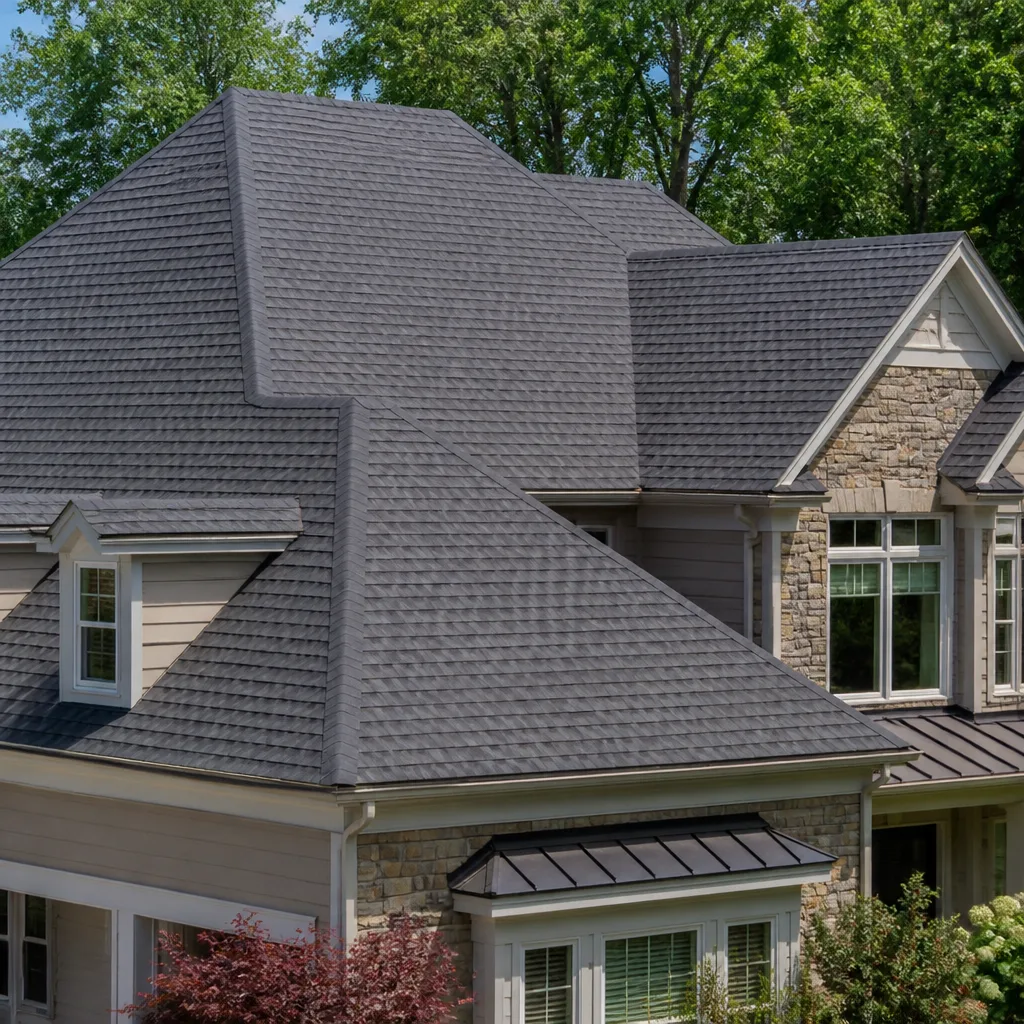
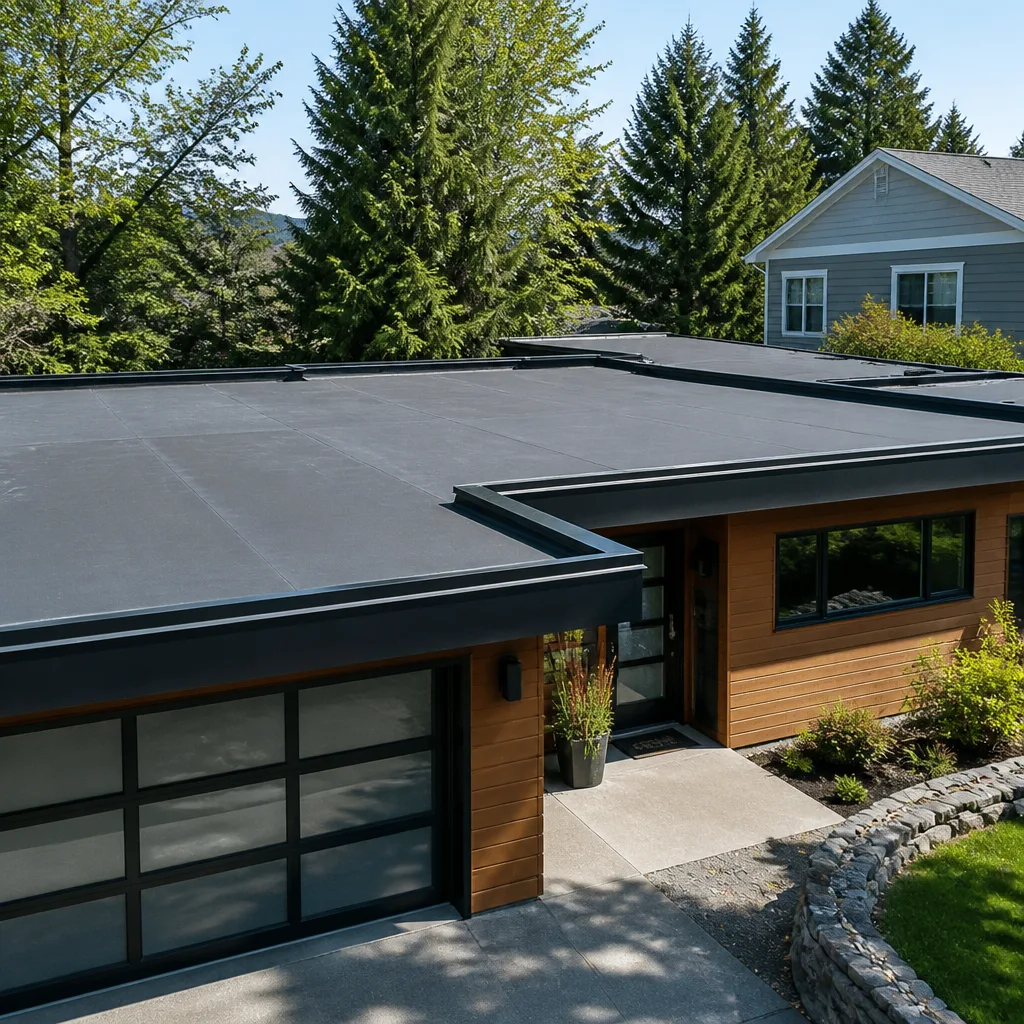
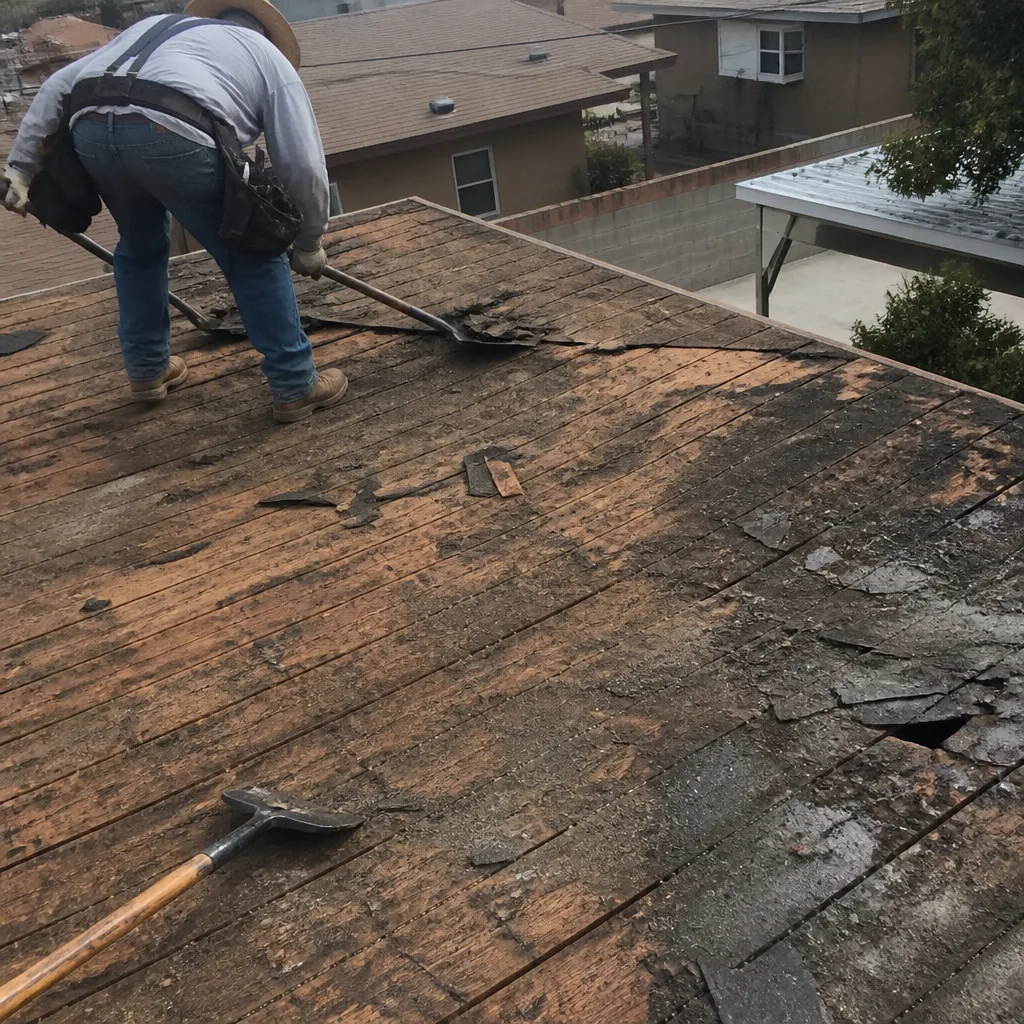 Before
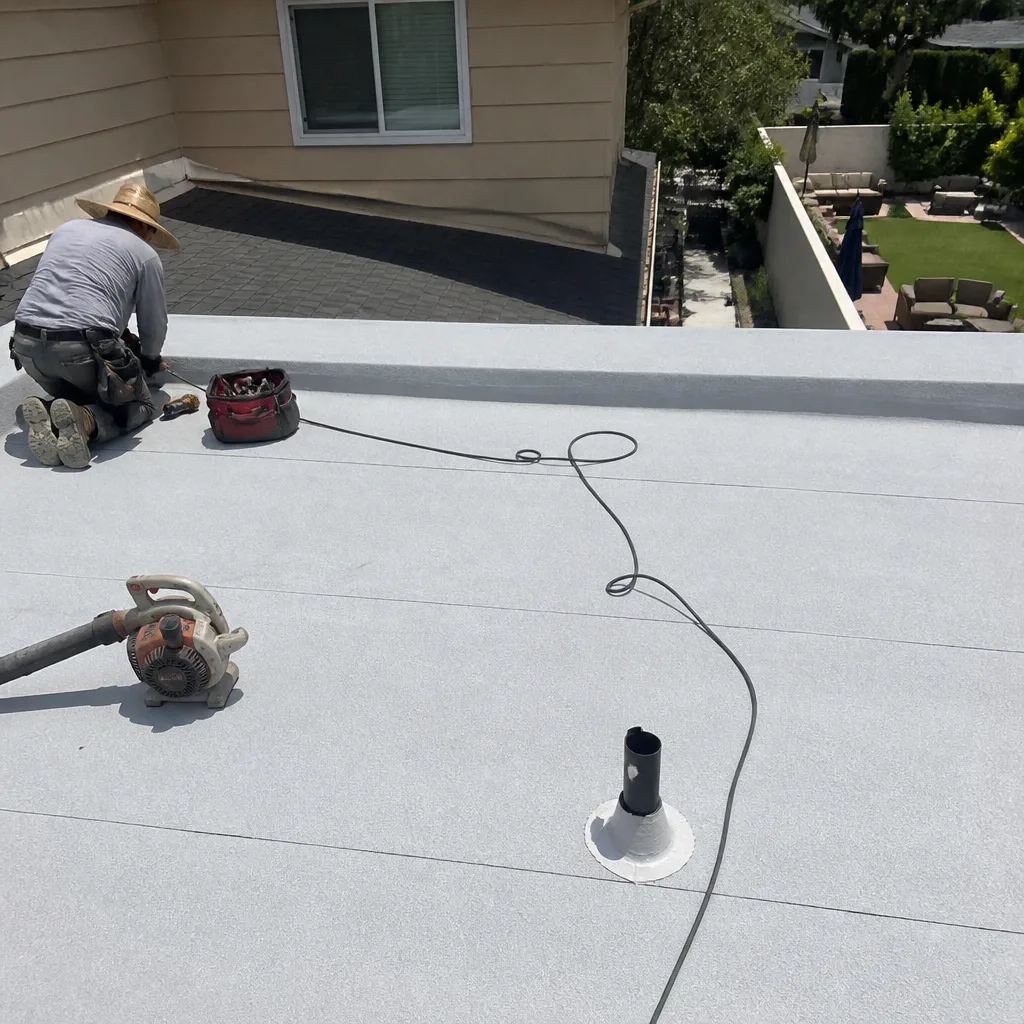 After
After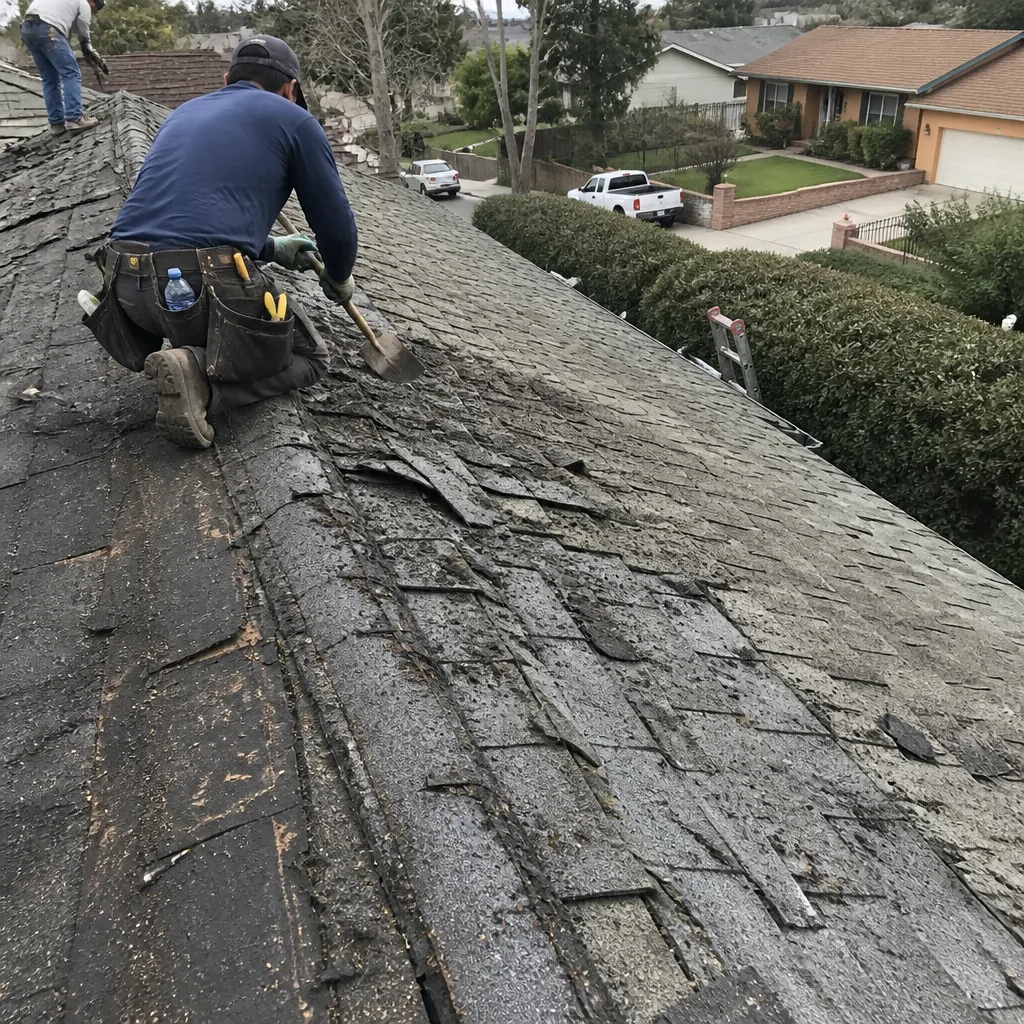 Before
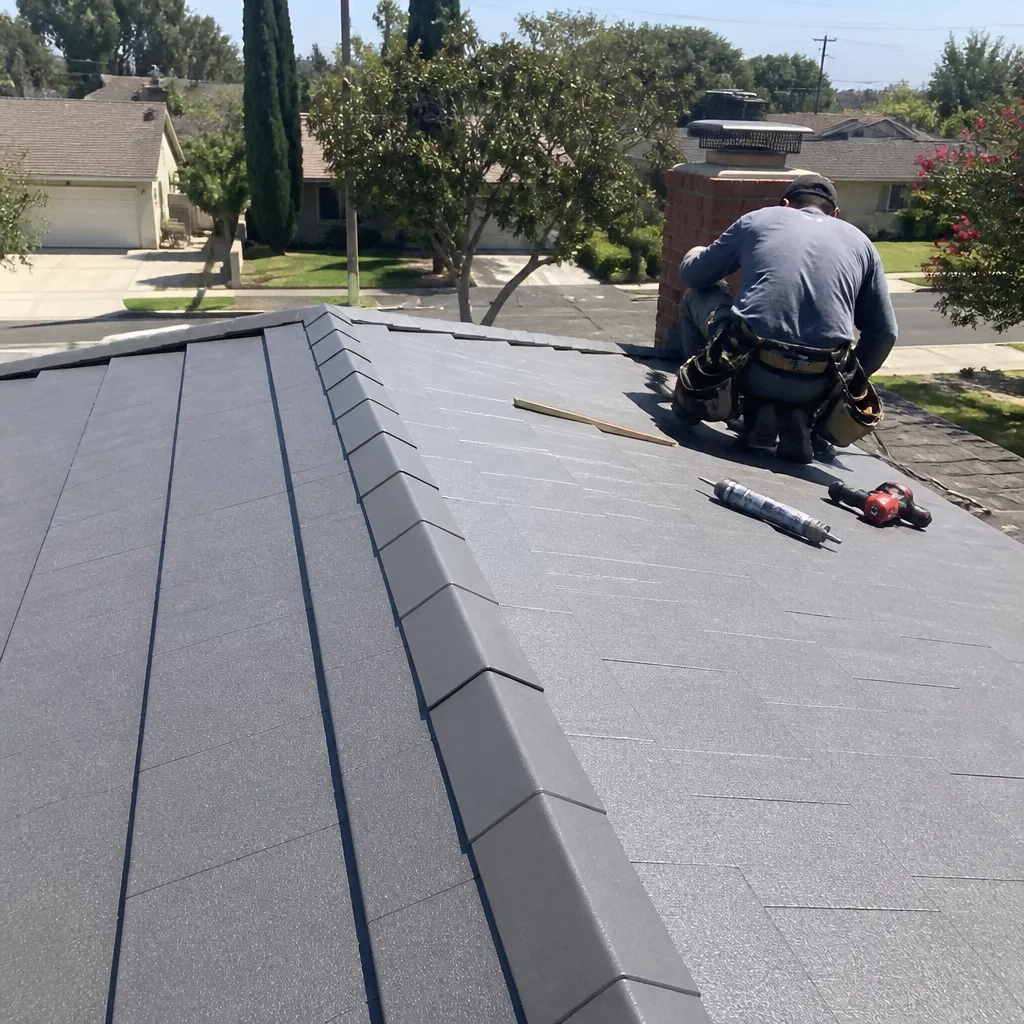 After
After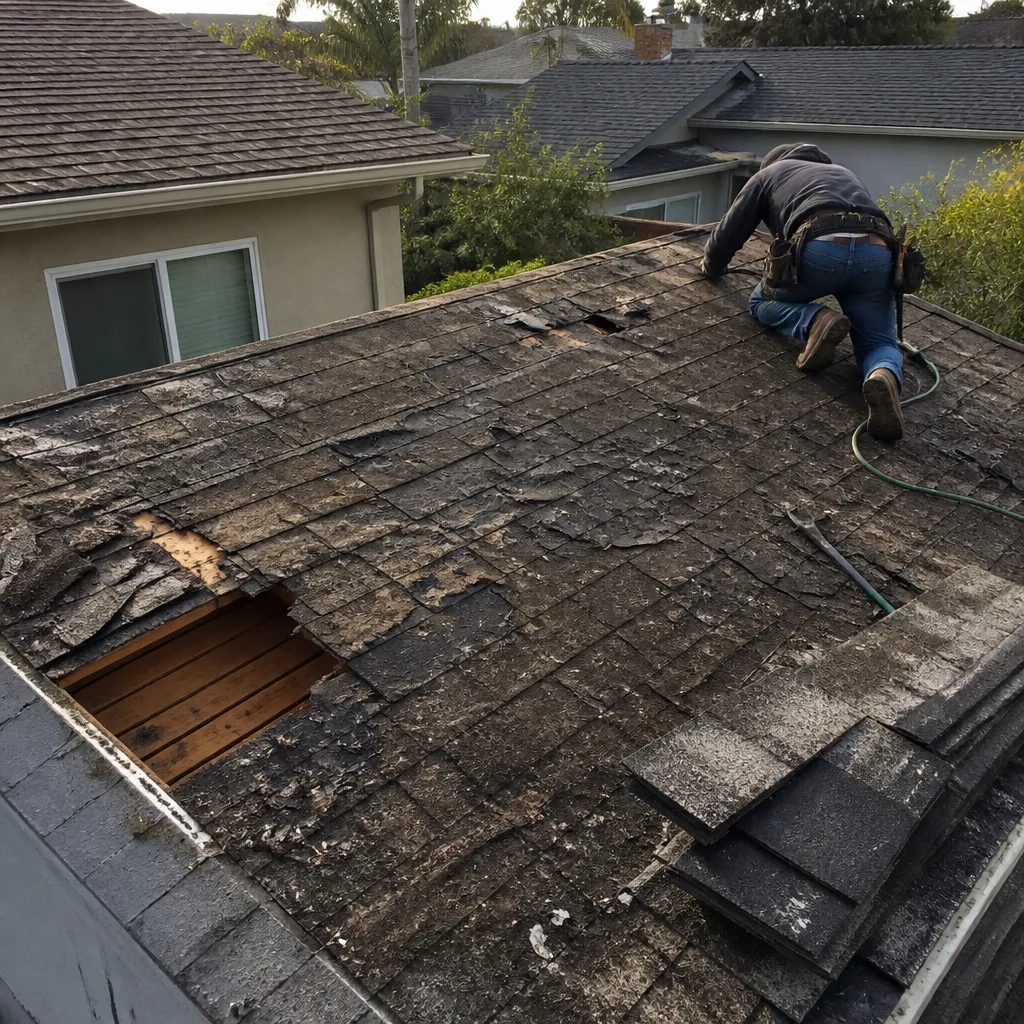 Before
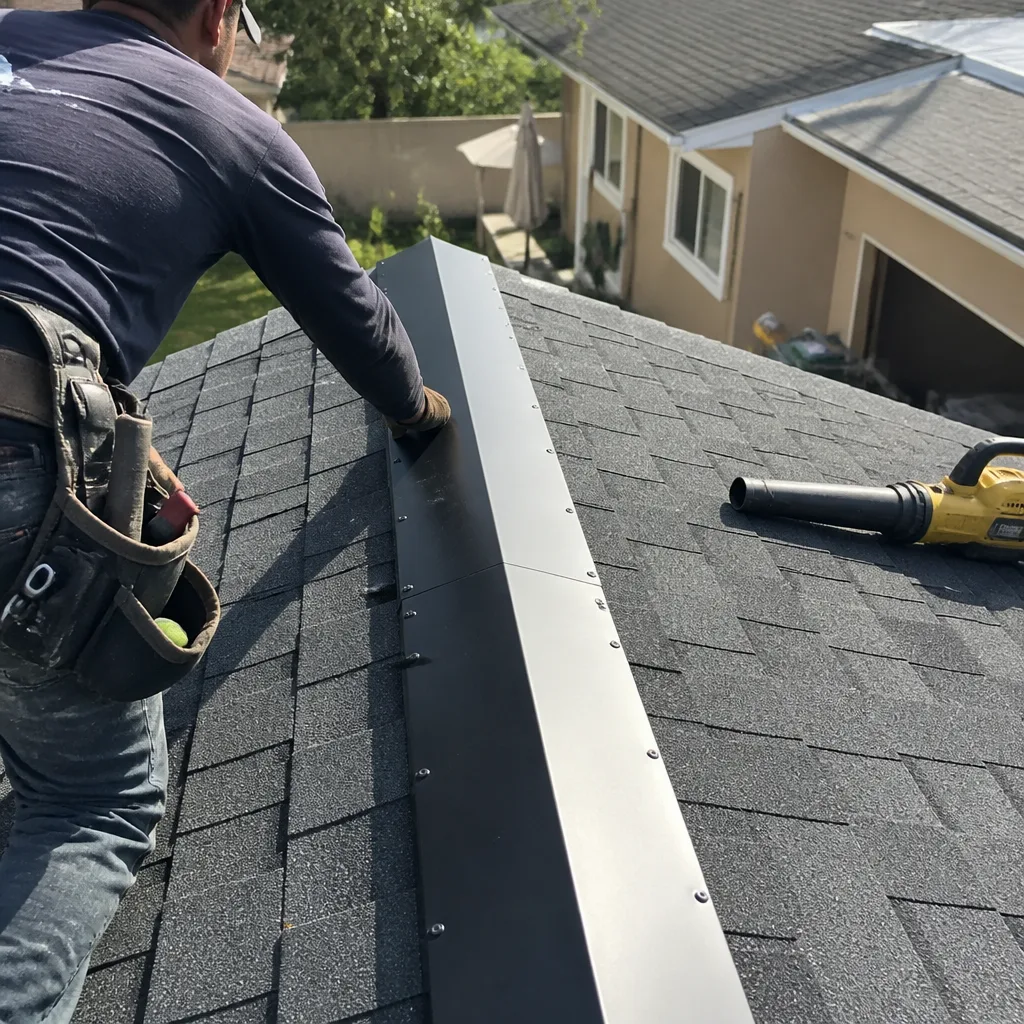 After
AfterRoofing Permits, Codes & Inspections in CA: What You Need to Know
In Los Angeles County, re-roofing more than 50% of your roof surface triggers a full permit, yet most homeowners only discover this when a neighbor reports the unpermitted work and the city tags the property. By then, the “savings” from skipping the permit have evaporated into fines, stop-work orders, and a paperwork headache that can drag on for months. This guide walks you through the exact thresholds, code updates, and inspection sequences that apply to roofing projects across Los Angeles and California, so you know what you’re legally required to do before a single shingle comes off. For more guides & resources, see our blog.
Quick Answer
Most roofing projects in Los Angeles and throughout California require a building permit, especially re-roofing jobs that replace more than 50% of the roof surface or involve structural changes to decking or framing. California’s Title 24 energy code also adds cool-roof and insulation requirements that did not exist a decade ago, and fire-hazard zones impose additional material restrictions. You’ll need at least one city or county inspection during the job, and skipping permits can complicate a future home sale.
Table of Contents
- When a Roofing Permit Is Required in Los Angeles
- How California Title 24 Applies to Re-Roofing
- LAFD Fire Hazard Zones and Roofing Material Rules
- The Inspection Sequence: Rough-In to Final
- What Happens When Roofing Work Is Unpermitted
- What Roofing Permits and Inspections Cost in Los Angeles
- Common Mistakes to Avoid
- When to Call a Professional
When a Roofing Permit Is Required in Los Angeles
The single biggest misconception we hear from Los Angeles homeowners is that “just replacing shingles” doesn’t need a permit. Under Los Angeles Department of Building and Safety (LADBS) rules, that’s often wrong. Here are the specific triggers:
- Re-roofing more than 50% of the roof surface: Once you cross the 50% threshold, a full building permit is required. This applies even if you’re using the same material that was there before. In practice, most complete re-roofs in Los Angeles trigger this requirement.
- Any structural repair or replacement: If your contractor finds rotted decking, cracked rafters, or damaged trusses and needs to replace them, a permit is required regardless of square footage. Structural work always falls under building permit jurisdiction.
- Changing the roof material type: Switching from wood shake to asphalt shingles, or from composition shingle to tile, changes the weight load and fire rating of the roof. That triggers a permit review even if you’re technically under the 50% threshold.
- Work in a designated fire hazard severity zone: Los Angeles Fire Department (LAFD) very high fire hazard severity zones have their own material and assembly requirements. You’ll need to show compliance at permit time, not after.
- Adding or replacing roof-mounted equipment: Solar panels, new skylights, or roof deck additions all require permits, and the roofing work around them does too.
There is a limited exception for what LADBS calls “minor repair.” If you’re replacing fewer than a few shingles after a windstorm and not touching underlayment or flashing, no permit is needed. But the moment loose flashing, damaged underlayment, or decking enters the picture, you’re in permit territory. In our experience, at least seven out of ten Los Angeles re-roofs we quote require a permit.
The penalty for guessing wrong is not just a fine. An unpermitted roof can trigger a stop-work order, which means you’re stuck with a torn-off roof and no legal way forward until the permit is issued. That’s a bad position for any homeowner, and it’s almost always more expensive than pulling the permit upfront.
How California Title 24 Applies to Re-Roofing
California’s Title 24 Building Energy Efficiency Standards have quietly changed what you can legally put on your roof. The 2022 update, which took effect in January 2023, expanded cool-roof requirements beyond commercial buildings and into specific residential scenarios. Our Seasonal Roofing Care for Los Angeles: Year-Round Homeowner’s Guide explains how these rules shift with the seasons.
Here’s what Title 24 means for your Los Angeles re-roof:
- Cool-roof requirements: In most climate zones, including Los Angeles County’s zones 6, 8, and 9, residential re-roofs must meet a minimum solar reflectance and thermal emittance standard. In plain English, that means your new roof surface needs to reflect a certain amount of sunlight rather than absorbing it.
- Aged solar reflectance index (SRI): The code evaluates materials based on their aged SRI value, not their brand-new performance. A shingle that looks reflective on day one but degrades quickly won’t pass.
- Compliant materials: Many standard asphalt shingle products from GAF, CertainTeed, and Owens Corning meet Title 24 requirements when installed as part of a qualifying roof assembly. The key is that the entire assembly, including underlayment and any radiant barrier, must work together to hit the specified SRI. You can’t just pick any shingle off the rack and assume it passes.
- Insulation and attic ventilation: If your re-roof includes replacing decking or any attic-related work, Title 24 may also trigger insulation requirements. That’s where a roofing project quietly becomes a broader energy-compliance project.
The practical takeaway for Los Angeles homeowners: before you or your contractor buy materials, confirm the specific product’s Title 24 compliance for your climate zone. Some products carry a California-specific “Title 24 compliant” designation. If you’re working with a contractor who says “we’ll figure it out during inspection,” find another contractor. The inspection is the wrong time to discover your shingle choice doesn’t meet the code.
LAFD Fire Hazard Zones and Roofing Material Rules
Los Angeles has a patchwork of fire hazard severity zone designations that directly control what you can put on your roof. The Los Angeles Fire Department assigns parcels a classification based on proximity to wildland vegetation, slope, and historical fire behavior. Your parcel’s classification is not something you can guess from the neighborhood; a hillside home in Sherman Oaks might be in a very high zone while a flat-lot home in the Valley is not.
Here’s how to look up your designation before buying materials:
- Visit the LAFD website and navigate to the Fire Hazard Severity Zone map, or search your address in the California Department of Forestry and Fire Protection (CAL FIRE) Fire Hazard Severity Zone viewer.
- Enter your address and note the zone classification: moderate, high, or very high.
- If you’re in a very high zone, the roofing material requirements become more restrictive. In practice, that usually means Class A fire-rated assemblies, which include most asphalt shingle products from GAF, CertainTeed, IKO, and Owens Corning when installed over a compliant underlayment.
- Check for local ordinances that go beyond state law. Some Los Angeles hillside communities adopted stricter roof assembly requirements after the 2017 and 2018 fire seasons, and those local amendments override the baseline.
What many homeowners don’t realize is that the fire-zone rules apply even to repair work. If a windstorm strips shingles off a very-high-hazard-zone roof, the replacement materials must comply with the zone requirements even if the repair is small enough to avoid a full permit. That’s a nuance that catches people off guard, because the permit trigger and the material-compliance trigger are two separate rules.
In our experience quoting roofs across Los Angeles, the most common fire-zone mistake is buying bargain materials online or from a big-box retailer without checking the assembly rating. A homeowner sees “Class A” on a shingle wrapper and assumes that settles it. But the class rating applies to the whole roof assembly – shingle, underlayment, and decking together – and mixing in the wrong underlayment can void the compliance.
The Inspection Sequence: Rough-In to Final
A permitted roofing job in Los Angeles follows a predictable inspection sequence. Knowing what happens at each step removes the anxiety that comes from uncertainty, and it gives you a checklist to confirm the job is being done legally.
- Rough-in inspection (also called the “pre-cover” or “pre-lath” inspection): This happens after the old roofing is torn off but before the new material goes on. The inspector looks at the exposed decking, checks for rot or structural damage, verifies the underlayment type and fastening pattern, and confirms the fire-rated assembly components are correct. If decking was replaced, the inspector verifies the nailing pattern and thickness. This is the inspection most homeowners never see happen, because a contractor who skips it can cover the evidence in an afternoon.
- Mid-roof inspection (for multi-layer systems): If you’re installing a roof system with multiple layers – for example, a foam roof with a top coating, or a multi-ply modified bitumen system – there’s often a mid-point inspection before the top layer goes on. Not every roof type requires this, but flat roofs common in parts of Los Angeles often do.
- Final inspection: After the roof is fully installed, the inspector walks the roof (or reviews photos, depending on the jurisdiction and roof slope) to verify the finished product matches the approved plans. They’ll check flashing details, edge detailing, gutter attachment, vent flashing, and overall workmanship. They also confirm the permit card is posted on the property.
What you should physically receive as the homeowner is a signed final inspection card, and later, a final permit sign-off recorded with LADBS. That sign-off is what future buyers and their agents will look for. Keep it with your home records. If you sell the house, it’s proof the roof was done legally.
One thing to know: the contractor typically schedules and manages inspections, but you have the right to call LADBS yourself to confirm a permit is active and to check inspection status. We encourage every Los Angeles homeowner to do exactly that. It takes five minutes and removes any doubt about whether the work is being done under permit.
What Happens When Roofing Work Is Unpermitted
Unpermitted roofing work in Los Angeles catches up with homeowners in one of two ways: at sale, or through a neighbor complaint. Neither is pleasant.
At sale, the story is consistent. Buyers’ inspectors flag the roof, the appraiser’s report notes the lack of permit history, and the buyer’s lender hesitates on a property with known unpermitted improvements. Even if the buyer doesn’t care, the lender usually does. At that point, you’re choosing between discounting the sale price or completing a remedial permit process.
What does remediation look like in LA County? In short: you hire a licensed contractor, you open a permit for the existing work as if it were new, and you expose whatever the inspector needs to see. That’s the painful part. A roof that was already installed without inspections may need partial disassembly – flashing pulled up, edges opened, underlayment exposed – so the inspector can verify what’s underneath against current code. If the work doesn’t meet current code, you’re replacing it anyway. The “savings” from skipping the permit are gone, and then some.
Neighbor complaints follow a similar path. LADBS investigates complaints about active construction without a posted permit. If the inspector arrives mid-project and finds no permit, the job stops. You’ll pay permit fees plus penalties, and the inspection now happens on the city’s timeline, not yours. In Los Angeles, where homes sit close together and roof work is visible from the street, unpermitted roofing is a gamble with poor odds.
The straightforward path is to treat the permit as non-negotiable. It’s part of doing the job right.
What Roofing Permits and Inspections Cost in Los Angeles
Permit fees are a real line item, but they’re smaller than most homeowners expect relative to the total roof cost. Here’s a realistic picture of Los Angeles roofing permit costs:
| Item | Typical Cost in Los Angeles |
|---|---|
| Re-roof permit (LADBS) | $250 – $650 depending on roof size and scope |
| Structural alteration permit (if decking/framing changes) | $400 – $900 additional |
| Inspection fees | Often included in the permit fee; some jurisdictions charge $80 – $150 per inspection |
| Fire-zone plan review (if applicable) | $100 – $250 |
| Total typical permit cost | $350 – $1,200 on most Los Angeles re-roofs |
These are real ranges from jobs we’ve permitted across Los Angeles neighborhoods, from the Valley to the Westside. The exact number depends on your roof square footage, the scope of structural work, and your parcel’s fire-zone designation. A flat-lot home in Encino re-roofing with asphalt shingles will land at the lower end. A hillside home in Sherman Oaks or Studio City with deck replacement and fire-zone review will land at the higher end.
For context, a full re-roof in Los Angeles typically runs $9,000 to $18,000 for a standard single-family home, depending on size and material. The permit fee is roughly 3% to 7% of the total job. It’s not nothing, but it’s a small fraction of what unpermitted work can cost you later.
Common Mistakes to Avoid
- Assuming shingle replacement never needs a permit. In Los Angeles, re-roofing more than 50% of the surface area triggers a full permit. Most complete re-roofs cross that line.
- Buying materials before checking fire-zone status. Fire hazard zone rules restrict certain roof assemblies. Check your parcel’s LAFD designation before buying shingles, underlayment, or decking.
- Ignoring Title 24 cool-roof requirements. Your new roof surface must meet aged solar reflectance standards. Not every product qualifies, and discovering that at inspection is expensive.
- Hiring a contractor by price alone without verifying they pull permits. A low bid that “includes everything” but somehow skips permit fees means you’re paying for unpermitted work. Insist on seeing the permit application before work starts.
- Failing to keep the final inspection sign-off. That document is your proof of a legal roof. Lose it, and you’ll pay to reconstruct the permit history at sale.
- Allowing decking replacement without a permit rider. Rotted decking replaced without the structural alteration permit invalidates the entire project’s compliance.
- Ignoring the neighbor risk. In dense Los Angeles neighborhoods, roof work is visible. Unpermitted work draws complaints, and complaints draw inspectors.
When to Call a Professional
If your project involves any of the triggers above – a full re-roof, structural decking work, a fire-zone property, or a roof-mounted solar or HVAC change – the permit path is mandatory, and a licensed contractor should manage it. The same applies if you’re buying a home with a roof of unclear permit history and need to know what you’re getting into. A professional can verify what was done, what’s compliant, and what remediation would cost. Mercer Roofing offers free estimates in Los Angeles. Call (743) 200-8347 and we’ll walk you through exactly what your roof needs, what it should cost, and what permits apply.
Frequently Asked Questions
Yes, if you’re replacing more than 50% of the roof surface or making any structural repairs, a Los Angeles building permit is required. Minor repairs of a few shingles without structural involvement may not require one, but any material change or decking work does.
A typical re-roof permit in Los Angeles costs between $250 and $650, with additional structural or fire-zone review fees bringing the total to between $350 and $1,200 on most projects.
Title 24 is California’s energy code, and it requires re-roofs in most climate zones to meet cool-roof standards for solar reflectance. Many GAF, CertainTeed, and Owens Corning products comply, but you must confirm the specific product and assembly for your climate zone.
Search your address in the LAFD Fire Hazard Severity Zone map or the CAL FIRE viewer. If your parcel is in a very high zone, your roofing materials must meet Class A fire-rated assembly requirements.
Lenders and buyers’ inspectors typically flag unpermitted roofing. You may need to discount the sale price or complete a remedial permit process that can require exposing the roof for inspection.
Most permitted roofs require a rough-in inspection before the new material goes on and a final inspection after completion. Some flat or multi-layer systems also require a mid-job inspection.
For a specific answer about your roof and your parcel, call Mercer Roofing at (743) 200-8347. We’ll give you a straight answer and a written quote, free.
The Bottom Line
California’s roofing permit rules are not designed to trip you up, but they do move. Title 24 energy standards now apply to residential re-roofs that were exempt five years ago. Fire hazard zones restrict materials in ways that vary from parcel to parcel. And the 50% re-roof threshold in Los Angeles means most full replacements need a permit. If you’re planning a roofing project, start by confirming your parcel’s designation and your material’s compliance. Get the permit. Keep the inspection sign-off. If you want a guide through the process, roof repair in Los Angeles and roof installation in Los Angeles are exactly the work we do every day. Our Los Angeles roofing company handles permits, inspections, and paperwork as part of the job, and you’ll see every detail in writing before work starts.
Written by Grant Whitlock, Owner at Mercer Roofing, serving Los Angeles since 2000.