
Last updated October 9, 2026
Free roof inspection with deck photos before we talk money - GAF and Owens Corning certified installation
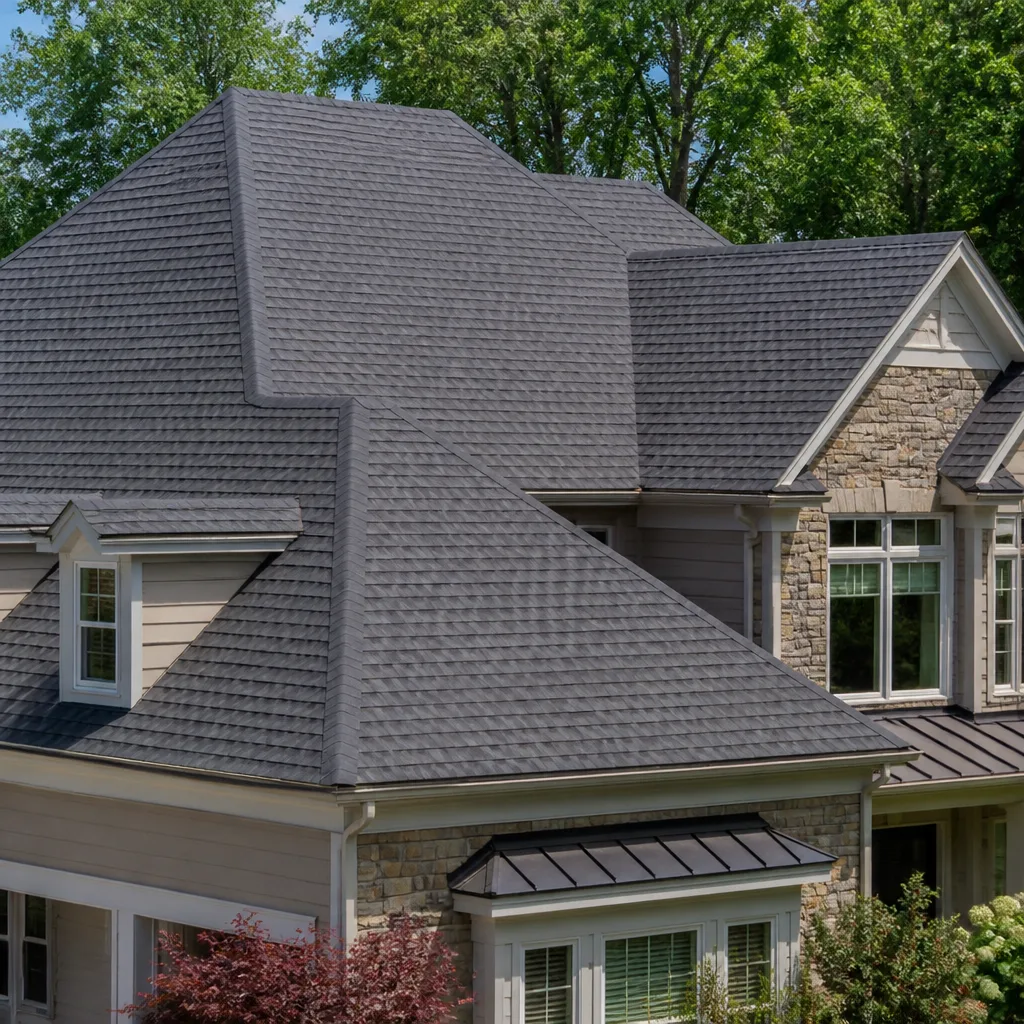
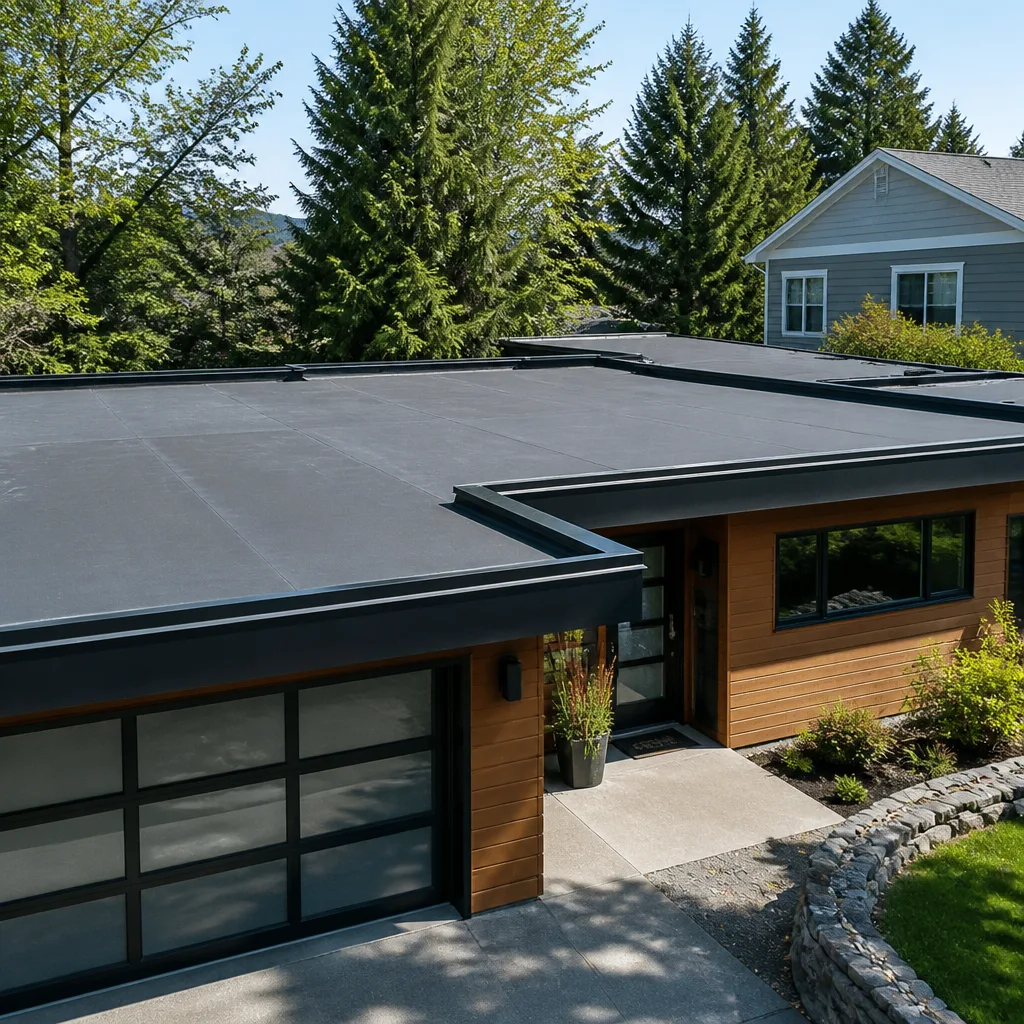
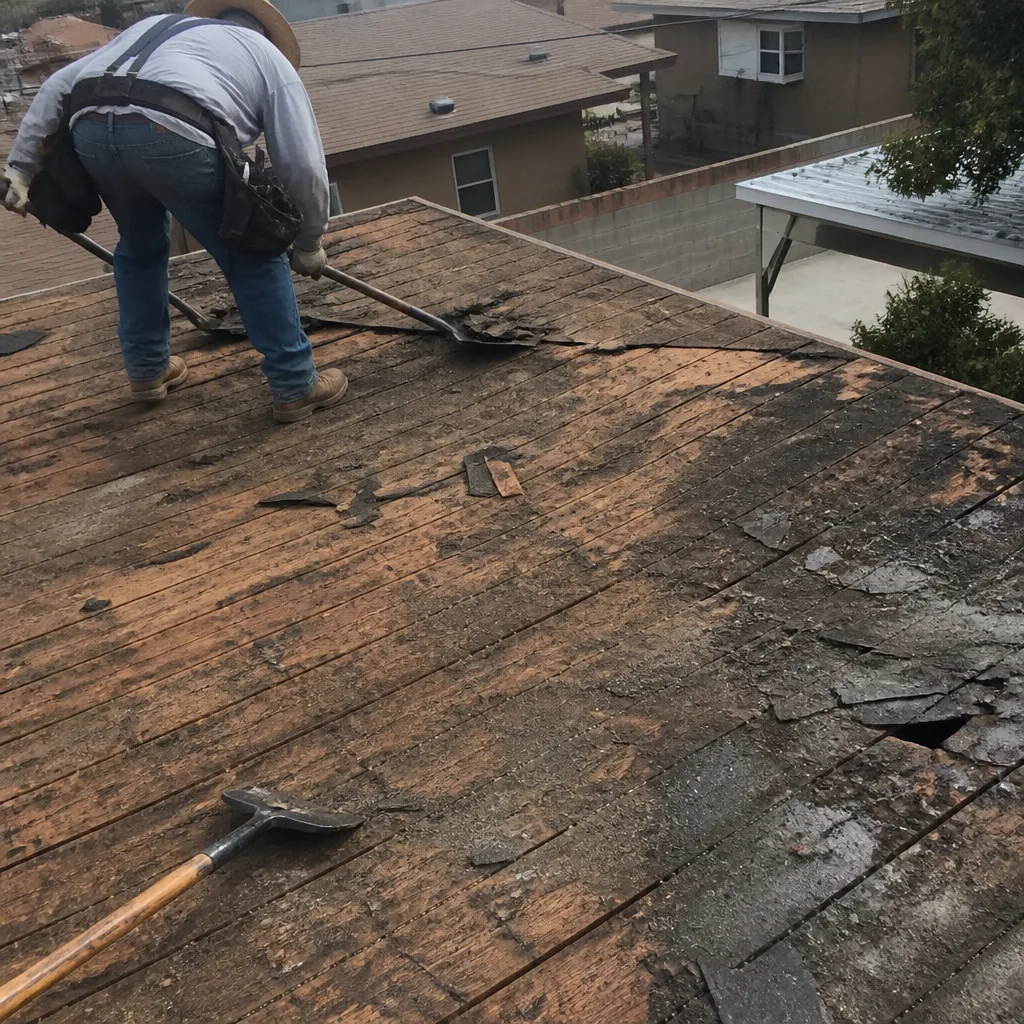 Before
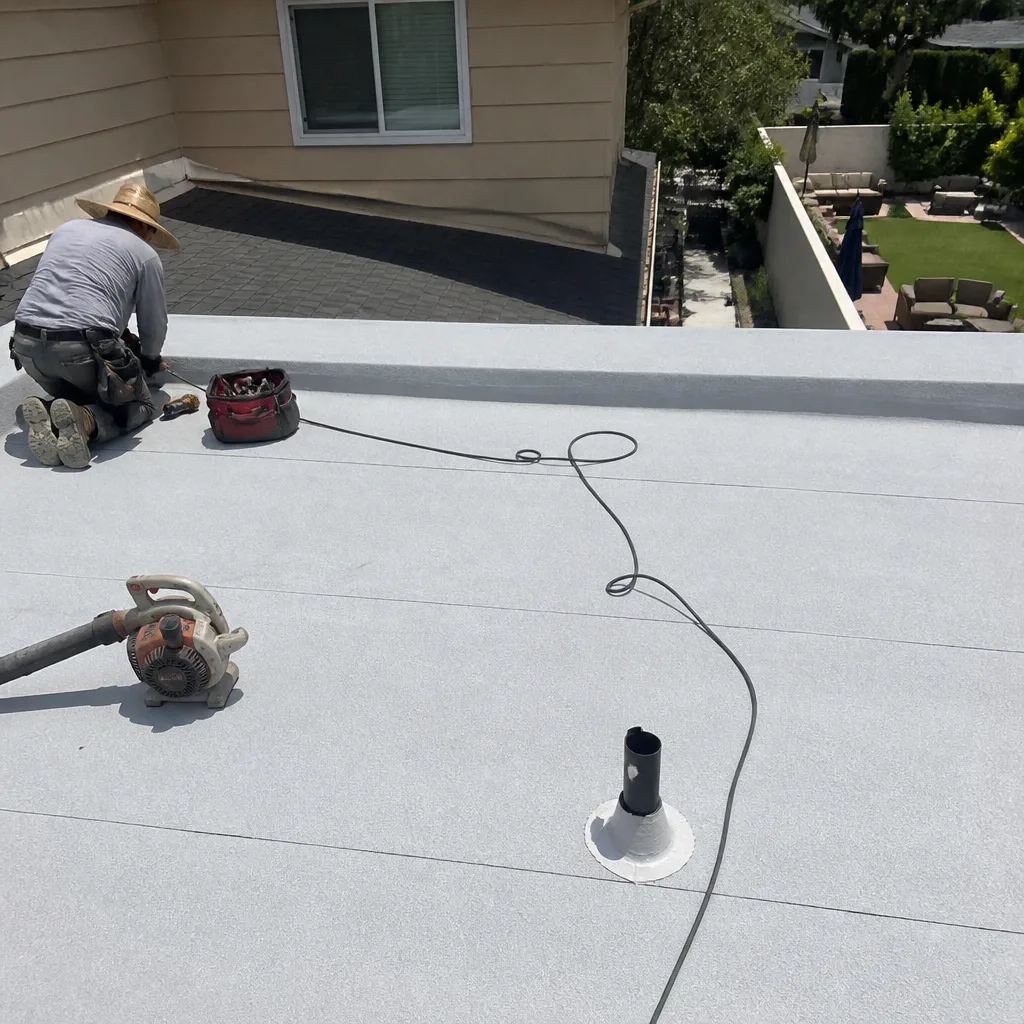 After
After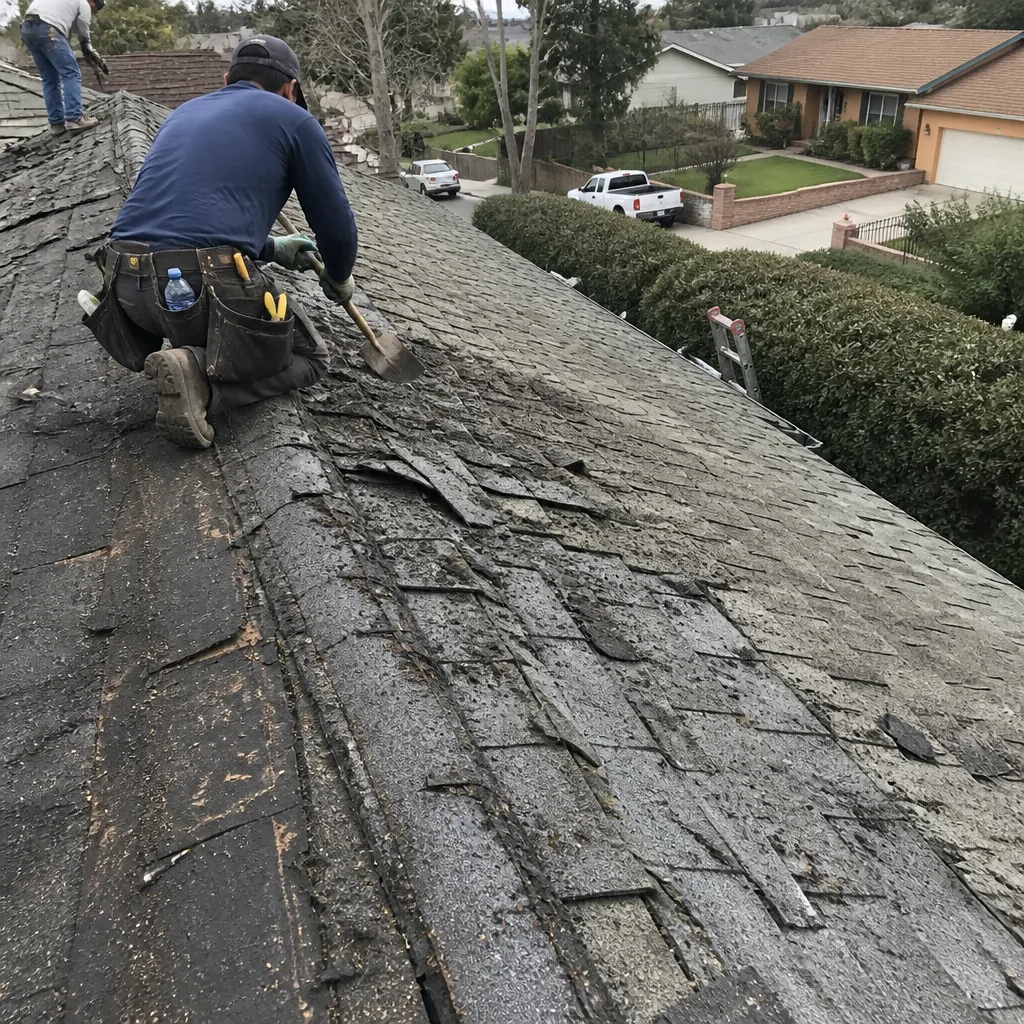 Before
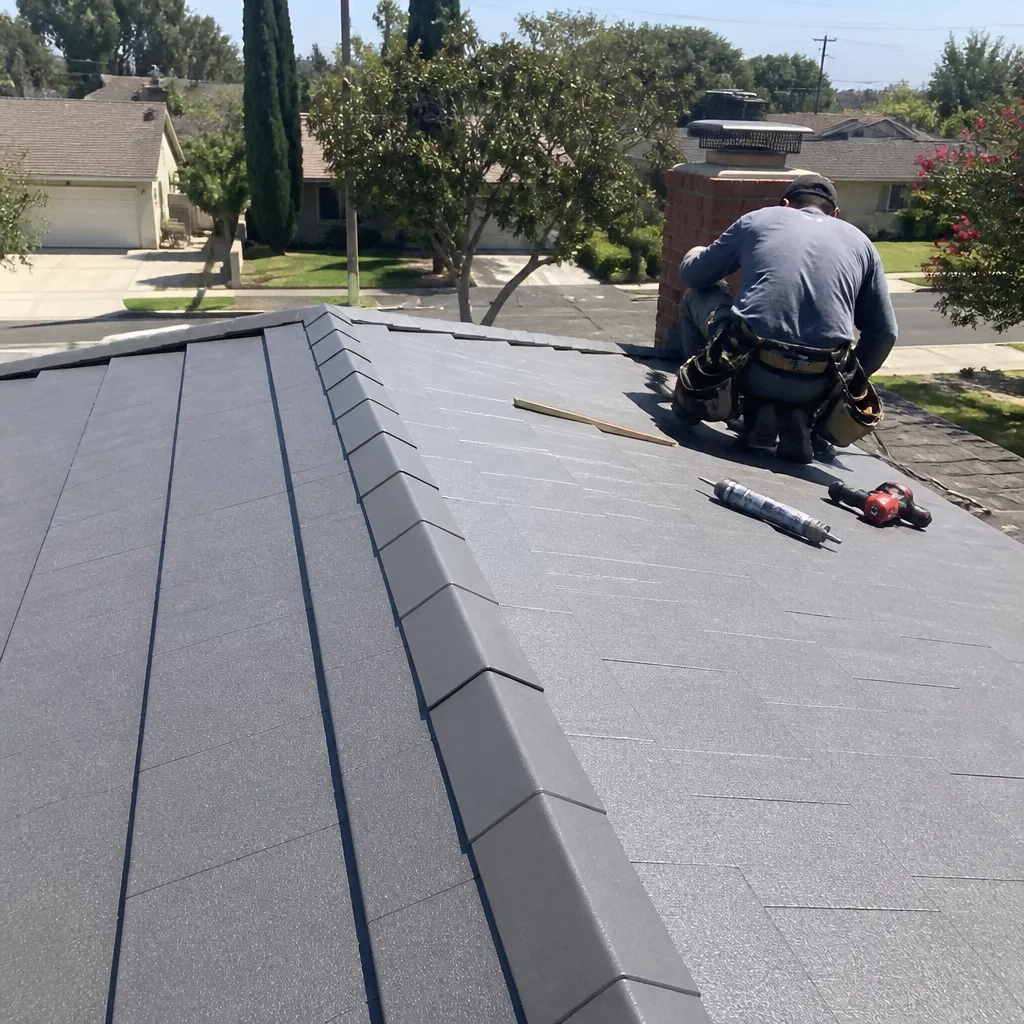 After
After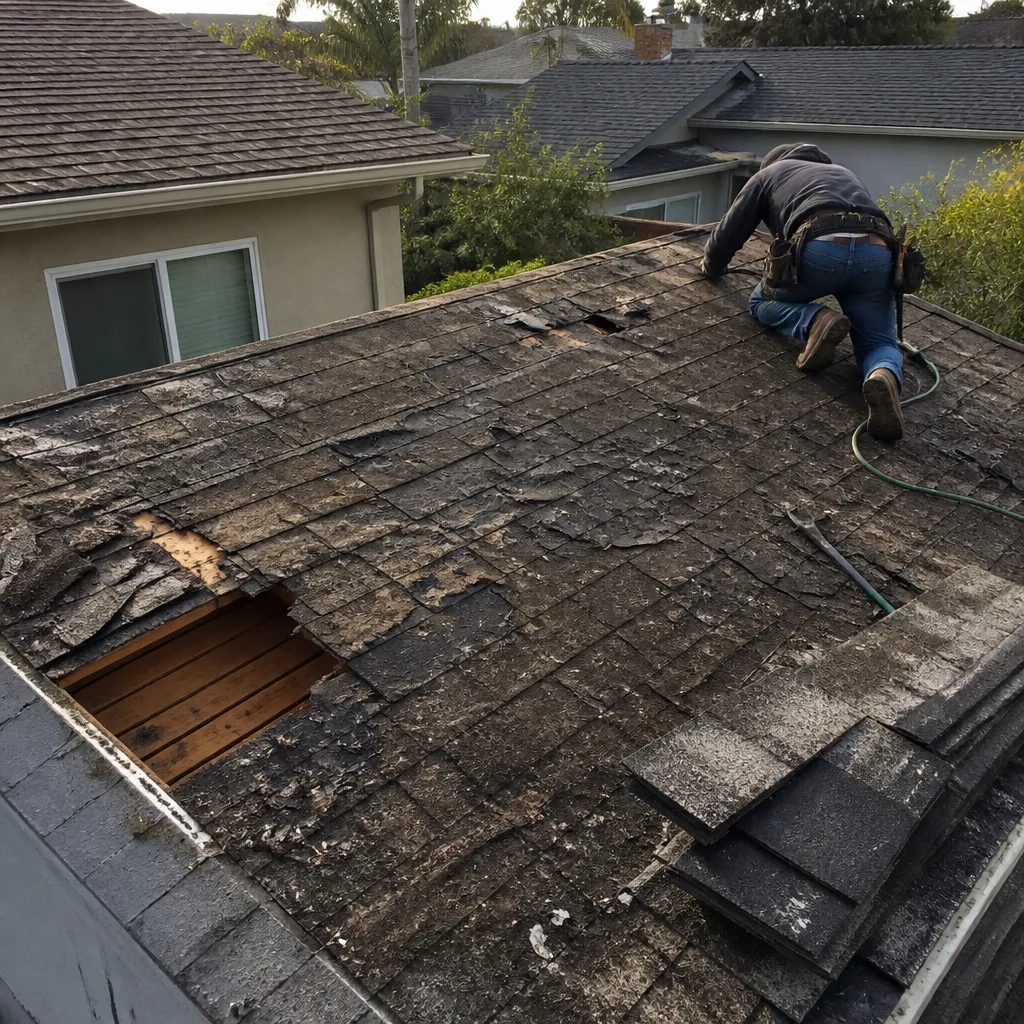 Before
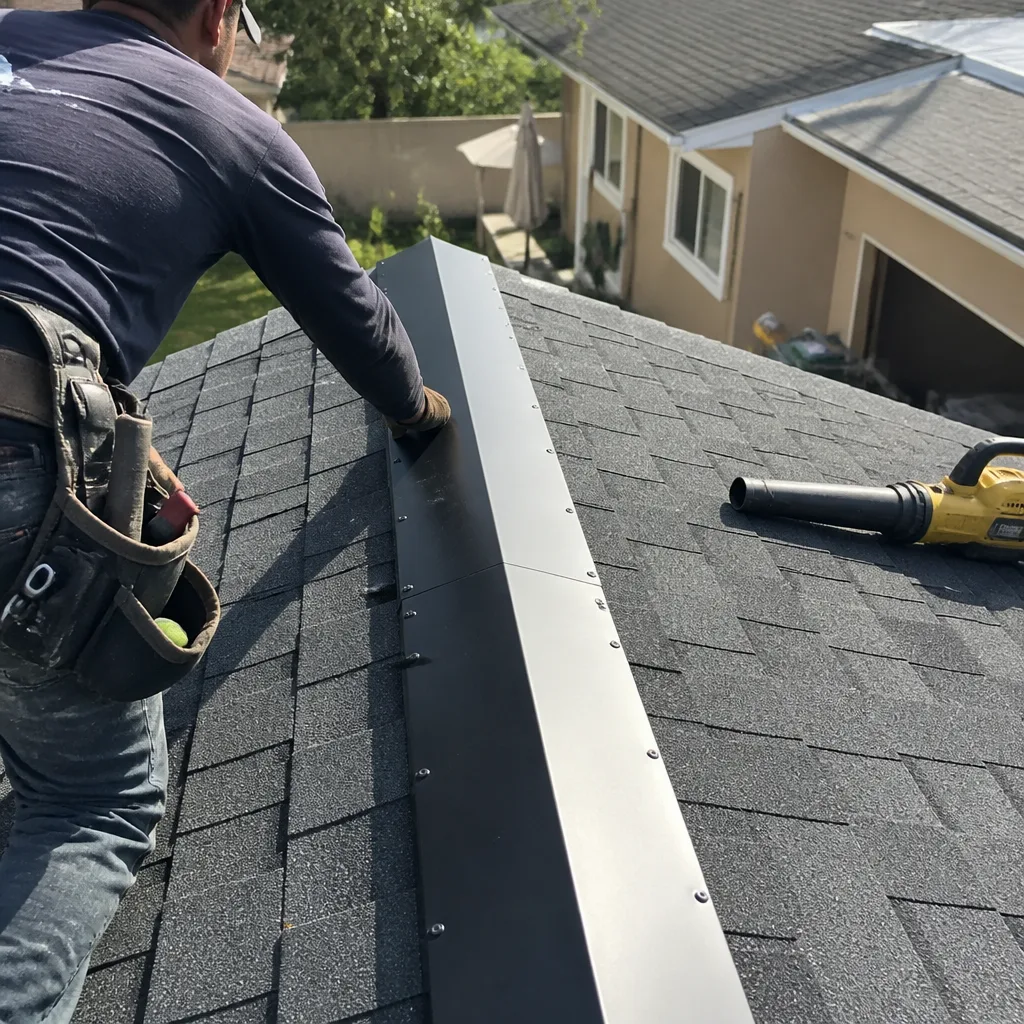 After
AfterRoofing Company Warning Signs Every Homeowner Should Know
After a storm rolls through Los Angeles, LADBS logs a spike in unlicensed contractor complaints. And here’s what’s strange: the homeowners who got burned almost never say “he seemed shady.” They say “he seemed really professional.” That’s the uncomfortable truth about roofing scams. The red flags don’t wave like flags. They look like clean shirts, friendly handshakes, and a quote that’s 40% cheaper than everyone else’s. This guide covers the warning signs that price-focused checklists leave out: identity red flags, license verification details, contract traps, and how to confirm a contractor is exactly who they say they are. For Roofing Emergency Preparedness Guide for Los Angeles Homes readers, this is the next step after the storm passes.
Quick Answer
The biggest roofing company warning signs are a contractor who can’t show you a verified California contractor’s license with “active” and “clear” status on CSLB.ca.gov, won’t provide a written price before work starts, won’t identify technicians before they arrive, or pressures you to sign the same day. Any one of these is enough to pause. Two or more, and you should walk away.
Table of Contents
- How Storm Chasers Operate in Southern California
- How to Check a California Contractor’s License in Under Two Minutes
- Identity Red Flags: Who Is Actually at Your Door
- Contract Red Flags: Verbal Pricing and the Sign-Today Trap
- How to Verify a Roofer’s Insurance Certificate Is Real
- Pressure Tactics That Sound Reasonable but Aren’t
- Los Angeles-Specific Roofing Risks Every Homeowner Should Know
- Common Mistakes to Avoid
- When to Call a Professional
- Frequently Asked Questions
- The Bottom Line
How Storm Chasers Operate in Southern California
Storm chasers follow weather damage the way surfers follow swells. After a heavy rain or wind event hits Los Angeles, out-of-state crews roll in with temporary local phone numbers, rent a mailbox for a month, and start knocking on doors. They’re not stupid. They know homeowners are rattled after a leak or a fallen branch, and they know the instinct is to fix it fast. That urgency is exactly what they’re counting on.
The pattern goes like this: a storm hits the San Fernando Valley. Within 72 hours, vans with magnetic signs (not painted lettering, just magnets) appear in Encino, Tarzana, and Sherman Oaks. The pitch is usually the same: “We were working down the street and noticed your roof has damage.” The quote is low. The handshake is firm. And the contract that gets signed has a verbal scope and a price that “might need to adjust once we get up there.” That’s the hook. Once the work starts, the price doesn’t just adjust. It climbs.
Here’s what to check before you sign anything with a door-knocker:
- Physical address: Look up the address on their contract. Is it a real commercial building or a UPS Store box? Google Street View takes 30 seconds.
- Local phone code: A 310, 818, or 323 area code doesn’t mean local. Anyone can buy a forwarded number online. Ask for the address and verify it separately.
- Time in Los Angeles: Search the company name plus “Los Angeles” on CSLB.ca.gov. See how long the license has been active. A license issued 90 days ago after a storm season started is a warning sign, not proof of scam, but it warrants a second look.
We’ve seen the aftermath of storm chaser work in neighborhoods across Los Angeles: shingles nailed over rotten decking, flashing that was never replaced, underlayment that was skipped entirely to save a few hundred dollars. The damage is never visible from the ground. It shows up in the next winter rain, when water finds the gap that should have been sealed.
How to Check a California Contractor’s License in Under Two Minutes
Every legitimate Roofing Company services provider in Los Angeles carries a California contractor’s license issued by the Contractors State License Board. The CSLB has a search tool that takes less than two minutes to use, and it’s the single most reliable thing you can check before hiring anyone. Here’s exactly how to do it.
- Go to CSLB.ca.gov. On the homepage, find the “Check a License” search box. Type in the company name or the license number if they gave you one.
- Look at the status. You want to see “active” status. “Active” means the license is current and the contractor can legally work. Anything else, like “expired,” “suspended,” or “revoked,” is an immediate stop.
- Look at the bond and workers’ comp fields. A roof contractor in California must hold a workers’ compensation policy if they have employees. If the CSLB shows no workers’ comp and they show up with a crew of five, that’s a contradiction worth asking about.
- Check the classification. Roofing work falls under the C-39 classification. A general building license (B) can also cover roofing, but a C-39 confirms roofing specifically. If the classification is for landscaping or painting, that’s not the right kind of license for roofing work.
- Confirm the entity name matches. The license should be held by the same legal name on the contract. DBA (“doing business as”) names are fine, but the CSLB record should show the DBAs.
One important distinction homeowners miss: “active” is not the same as “clear.” A license can show “active” while still carrying unresolved complaints or enforcement actions. The CSLB will note any citations, suspensions, or arbitration actions on the license detail page. Read that whole page before you hire. It takes two extra minutes and it’s the closest thing to a background check a homeowner can run.
Identity Red Flags: Who Is Actually at Your Door
Here’s a question most roofing checklists never ask: do you know who is going to be standing on your porch at 8 a.m.? You should. The technician who shows up at your door is the person who will be on your roof, walking through your side yard, and possibly entering your home to access an attic. If the company can’t tell you who that person is before they arrive, treat that as a warning sign.
At Mercer Roofing, every technician’s name and photo is sent to the homeowner before the visit. The technician wears a clean, marked uniform and presents a photo ID badge at the door. It’s called the Threshold Verified standard: background-checked, identity-verified, and dispatched under a quality framework that every independently owned location is contractually held to. You’re not opening the door to a stranger. You’re opening the door to a named, identifiable person you were expecting.
Identity red flags to watch for:
- No pre-identification: The company won’t tell you who’s coming, or the name changes at the last minute without explanation.
- No photo ID at the door: A legitimate technician should hand you a badge or ID without being asked. If they’re reaching for a clipboard instead, that’s a gap.
- Unmarked vehicles or magnetic signs: A legitimate roofing company in Los Angeles that has been operating for years will have trucks with permanent lettering. Magnetic signs are cheap to swap out and are a classic storm chaser tell.
- No uniform or company identification: It’s not about fashion. It’s about accountability. An identifiable technician is a technician whose employer stands behind them.
These issues matter beyond aesthetics because your home is not a job site. It’s where your family eats, sleeps, and where your kids do homework. For homeowners in Los Angeles who are home alone during the day, parents with young children, and older adults, knowing exactly who is coming and having proof of it at the door isn’t a luxury. It’s the baseline for feeling safe in your own house while work is being done on it.
Contract Red Flags: Verbal Pricing and the Sign-Today Trap
The fastest way to lose money on a roof in Los Angeles is to agree to work without a written price. It sounds obvious. But roofers have a way of making verbal prices sound reasonable in the moment: “I’ll write it up tonight, but I need to know today if we’re doing this.” That’s not convenience. That’s a tactic.
A written price before any work starts is not a perk. It’s the floor of a legitimate roofing business. At Mercer Roofing, a written price is provided before work begins, every time, on every job, with no surprises on the invoice. That’s not a policy we bend on. It’s the only way to know what you’re paying before the first nail goes in.
Contract red flags to watch for:
- Verbal-only pricing: If the price isn’t written down, it doesn’t exist. A verbal quote can change by the hour.
- “Sign today for this price”: Urgency is a sales tool, not a construction necessity. If the price is real, it will be real tomorrow. If it evaporates in 24 hours, it was never a price, it was a hook.
- No written scope of work: The contract should describe exactly what will be done: how many squares of shingles, what underlayment, what flashing, what reuse, what replacement. Without a scope, “roof repair” can mean anything from a two-hour patch to a three-day rebuild, and the invoice will reflect the difference.
- Blank lines left on the contract: A contract with empty spaces to be “filled in later” is not a contract. It’s a permission slip.
- No written guarantee: Every repair Mercer Roofing completes includes a written guarantee, and if a repair fails, we come back for a free second visit. A roofer who won’t put a guarantee in writing is telling you something about how much they trust their own work.
In our experience, the homeowners who get the worst outcomes in Los Angeles aren’t the ones who pick the wrong shingle brand. They’re the ones who signed something they never read, based on a price they never saw written down, from a person they couldn’t identify later.
How to Verify a Roofer’s Insurance Certificate Is Real
Every legitimate roofing company carries general liability insurance and workers’ compensation. But here’s the part most homeowners don’t know: a piece of paper that says “Certificate of Insurance” is not proof of insurance. It’s a copy of something that may or may not still be active. Insurance policies lapse. Certificates get forged. And the homeowner who takes a certificate at face value can be left holding the bill if a worker gets injured on the property.
Here’s how to verify insurance correctly:
- Ask for the certificate directly from the insurance provider, not the roofer. The certificate should list the insurance company’s name and phone number.
- Call the insurer. Use the phone number on the certificate, but also look up the insurer’s actual number independently. A forged certificate will have a fake number.
- Ask the insurer to confirm the policy is active. Insurance companies will verify whether a policy is current. They won’t give you the roofer’s entire policy history, but they will confirm coverage status.
- Check the coverage amount. General liability for roofing in Los Angeles should be at least $1 million. That’s the floor, not the ceiling.
- Confirm workers’ compensation coverage. In California, a roofing company with employees must carry workers’ comp. If a worker falls off your roof and the company doesn’t have coverage, the homeowner’s insurance can be pulled into the claim. That’s not a hypothetical. It happens.
We know this sounds like homework. It is. Fifteen minutes on the phone with an insurance company is the difference between hiring a contractor and hiring a liability. The good roofing companies in Los Angeles expect you to call. They hand over the certificate without hesitation and point you to the phone number on it. The ones that hesitate, or tell you “it’s all taken care of” without giving you a way to verify, are the ones to avoid.
Pressure Tactics That Sound Reasonable but Aren’t
Roofing scammers are good at making pressure sound like generosity. “I’m giving you the crew discount.” “I can fit you in this week because we’re already in your neighborhood.” “If you sign today, I can lock the material price before it goes up.” None of these are real. They’re scripts, and they work because they flatter the homeowner into thinking they’re getting special treatment.
Here’s the truth about roofing prices in Los Angeles: a legitimate roofing company that’s been in business since 2000 doesn’t need to pressure anyone. For a detailed look at what you should actually expect to pay, see our Roofing Cost Breakdown: The Los Angeles Homeowner’s Reference for 2026. The price for a roof repair or installation is what it is, based on materials, labor, and the condition of the existing roof. If a price can “expire” by tomorrow, it was never a real price.
Pressure tactics to recognize:
- “Sign today” urgency: Legitimate roofers have schedules, not countdown clocks. A roofer who needs a signature before leaving the driveway is a roofer who knows they won’t get one if you have time to think.
- “I noticed damage from the street”: This is the most common opening line for door-knockers in Los Angeles. No one can diagnose roof damage from the street. They can see a missing shingle. They cannot see decking rot or flashing failure without getting on the roof.
- “We have leftover materials from another job”: No legitimate roofing company in Los Angeles is scheduling jobs around leftover material. Shingles are ordered per job, by the square. Leftover materials mean a previous job was over-ordered, which is a planning failure, not a discount opportunity.
- Cash-only or large upfront deposits: California law caps the down payment a contractor can request at 10% of the project total or $1,000, whichever is less. A roofer asking for more is breaking the law.
We’ve talked to homeowners across Los Angeles, from Eagle Rock to Woodland Hills, who told us they signed with a door-knocker because the roofer “seemed really professional.” That’s the point. Professional appearance is a costume. Written prices, verified licenses, and identified technicians are the real thing.
Los Angeles-Specific Roofing Risks Every Homeowner Should Know
Los Angeles has roofing problems that don’t exist in Minneapolis. Our climate is sunny most of the year, but when the winter rains hit, they hit hard. The Santa Anas tear at shingles and send tree branches onto roofs in the foothills. The sun bakes asphalt shingles until they become brittle and curl. And in neighborhoods with older housing stock, like West Adams or Highland Park, the roof decking underneath the shingles may be original to a 1940s or 1950s build.
What this means for homeowners:
- UV damage accelerates shingle wear. Los Angeles sun is relentless. GAF, CertainTeed, and Owens Corning all manufacture shingles rated for high-UV exposure, but the decking and underlayment underneath matter just as much. A cheap repair that skips underlayment replacement will fail faster here than in a milder climate.
- Flat roofs are common in mid-century Los Angeles homes. The post-war housing boom produced thousands of flat and low-slope roofs across the city. These require different materials and different installation methods than pitched roofs. A roofer who treats a flat roof like a pitched one is a liability.
- Building codes in Los Angeles require permits for roof replacement. This isn’t a formality. A roofer who offers to replace your roof without pulling permits is offering to do work that isn’t legally inspected. If something goes wrong, you have no recourse through the city’s inspection process.
- Wildfire zones have specific roofing requirements. If you live in a high-fire-hazard zone, like parts of Topanga, Tujunga, or the hills above Glendale, your roof replacement may need to meet Class A fire rating standards. Not every roofer knows this or mentions it. The good ones do.
At Mercer Roofing, our Roof Repair in Los Angeles work accounts for the city’s specific climate and building patterns. We don’t treat a 1950s flat roof in Mid-City the same as a 1990s pitched roof in Porter Ranch. The materials, the approach, and the warning signs we look for are different.
Common Mistakes to Avoid
- Hiring the cheapest quote without checking the license. The lowest price in Los Angeles is usually the lowest for a reason. The reason is usually revealed in the next rain. Check the CSLB license before you compare prices at all.
- Ignoring the written scope of work. A price without a scope is a blank check. Every line item should be written down. If the roofer won’t write it, don’t sign it.
- Skipping the insurance verification call. Fifteen minutes on the phone with an insurer saves you from liability for a worker’s injury. That’s the highest-return fifteen minutes in the entire hiring process.
- Signing a contract with blank fields. A contract with empty spaces isn’t a contract. It’s a tool for changing the terms after the fact. Fill in every line or walk away.
- Assuming “active” on CSLB means the company is in good standing. “Active” means the license is current. It doesn’t mean there are no complaints. Read the full license detail page, including any enforcement actions.
- Letting a door-knocker onto the property without verification. The “I noticed your roof from the street” pitch is a known entry tactic. Verify the license and insurance before letting anyone on the roof. A legitimate company expects this and has nothing to hide.
When to Call a Professional
Some roof issues are visible from the ground: missing shingles, stains on the ceiling, granules collecting in the gutters. Others require a trained eye. If you see water stains after a rain, hear flapping in the wind, or find shingle granules in your downspouts more than a few times a year, it’s time to have a professional take a look. The same goes for any roof over 15 years old in Los Angeles, where the sun has been working on those shingles every day since they were installed. Mercer Roofing offers free estimates in Los Angeles. Call (743) 200-8347 and a live person will answer, 24/7, not a voicemail. We’ll send a technician whose name and photo you’ll receive before they arrive, and we’ll put the price in writing before any work starts.
If you’re deciding between repair and replacement, our Roof Installation in Los Angeles page covers the full process and what to expect. And if you’re comparing companies, our Roofing Company in Los Angeles page explains how we work, from the written quote to the 365-Day Done Right Promise.
Frequently Asked Questions
The most common roofing scam in Los Angeles is the storm chaser pattern: an out-of-town crew arrives after a rain or wind event, offers a low verbal quote, collects a deposit, and either does substandard work or disappears after starting. They often use temporary phone numbers and magnetic truck signs, which makes them nearly impossible to trace after they leave.
Go to CSLB.ca.gov and search the company name or license number in the “Check a License” tool. Confirm the license is “active,” check for any enforcement actions or complaints, and verify the classification is C-39 (roofing) or B (general building). The whole process takes under two minutes. Call (743) 200-8347 for a free estimate from a verified Los Angeles roofing company, and check our more guides & resources for additional homeowner protection tips.
“Active” means the contractor’s license is current and they can legally perform work in California. “Clear” goes further: it means the license has no unresolved complaints, citations, or arbitration actions on file. A license can be active but not clear, which is why you should read the full CSLB page, not just glance at the status.
Technician identification matters because the person on your roof is the person you’re trusting with your home and your family’s safety. A company that sends a technician’s name and photo before the visit, and whose technicians wear uniforms and present photo ID badges at the door, is a company that can be held accountable. A company that sends anonymous workers in unmarked vehicles is not.
Yes. A written price before any work starts is not an upgrade, it’s the baseline. Without a written price and a written scope of work, you have no protection against sudden price increases. At Mercer Roofing, a written price is provided before work begins on every job, with no surprises on the invoice. Call (743) 200-8347 to schedule a free estimate.
Roof repair prices in Los Angeles typically start around $350 to $600 for minor work like replacing a few shingles or sealing a small flashing gap. More extensive repairs, including replacing decking sections or underlayment, usually run between $1,200 and $3,500. Full roof replacement for a standard Los Angeles home generally falls between $12,000 and $25,000 depending on size, pitch, material, and whether decking needs replacement. Call (743) 200-8347 for an exact written quote, free.
The Bottom Line
A good roofing company in Los Angeles doesn’t ask you to trust them. They hand you the evidence: a license you can verify, an insurance policy you can call, a written price you can hold them to, and a technician you know by name before they ever touch your ladder. That’s the standard. The warning signs in this guide all point to the same failure: a company that wants your signature before you’ve had a chance to check anything. Take the time. Check the license. Call the insurer. Read the contract. And if you have doubts, call our Mercer Roofing home team at (743) 200-8347 for a free estimate. A live person answers, and the price is in writing before a single nail goes in.
Written by Grant Whitlock, Owner at Mercer Roofing, serving Los Angeles since 2000.