
Last updated October 9, 2026
Free roof inspection with deck photos before we talk money - GAF and Owens Corning certified installation
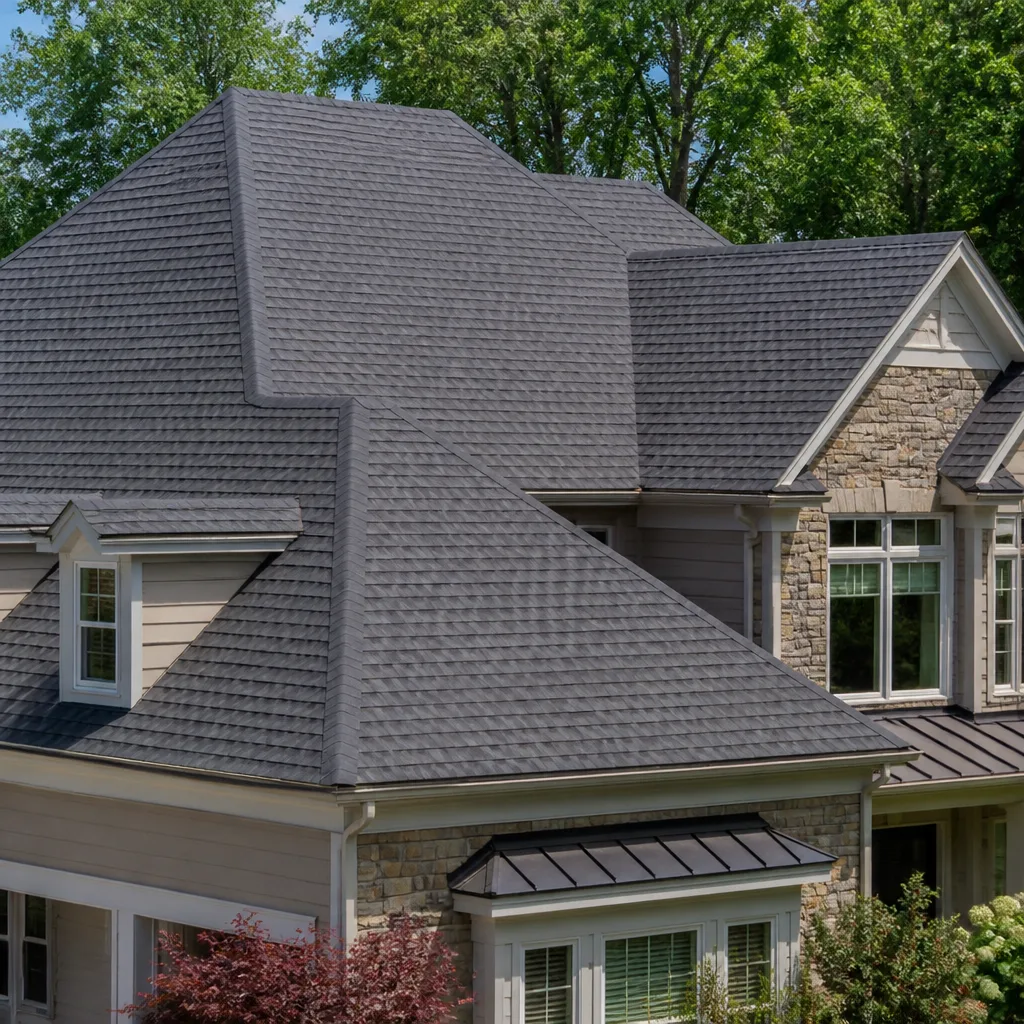
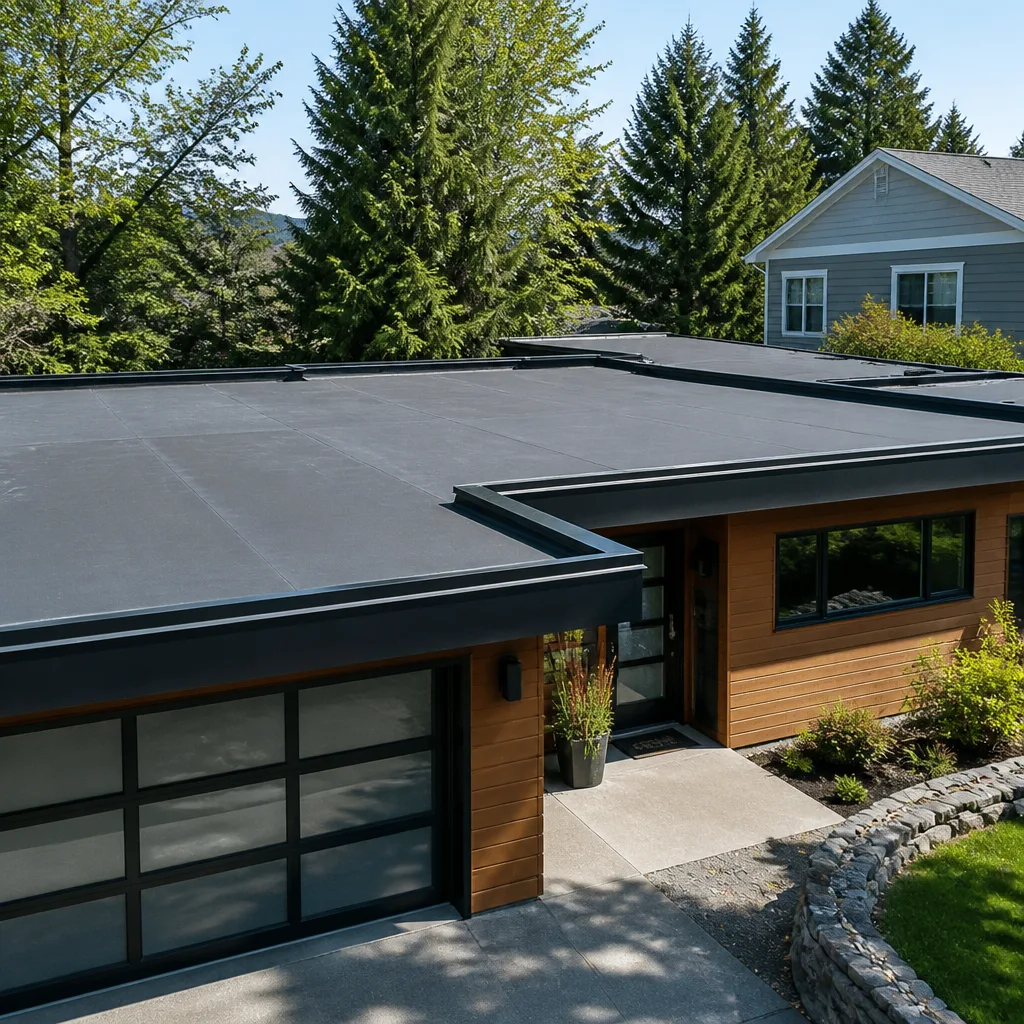
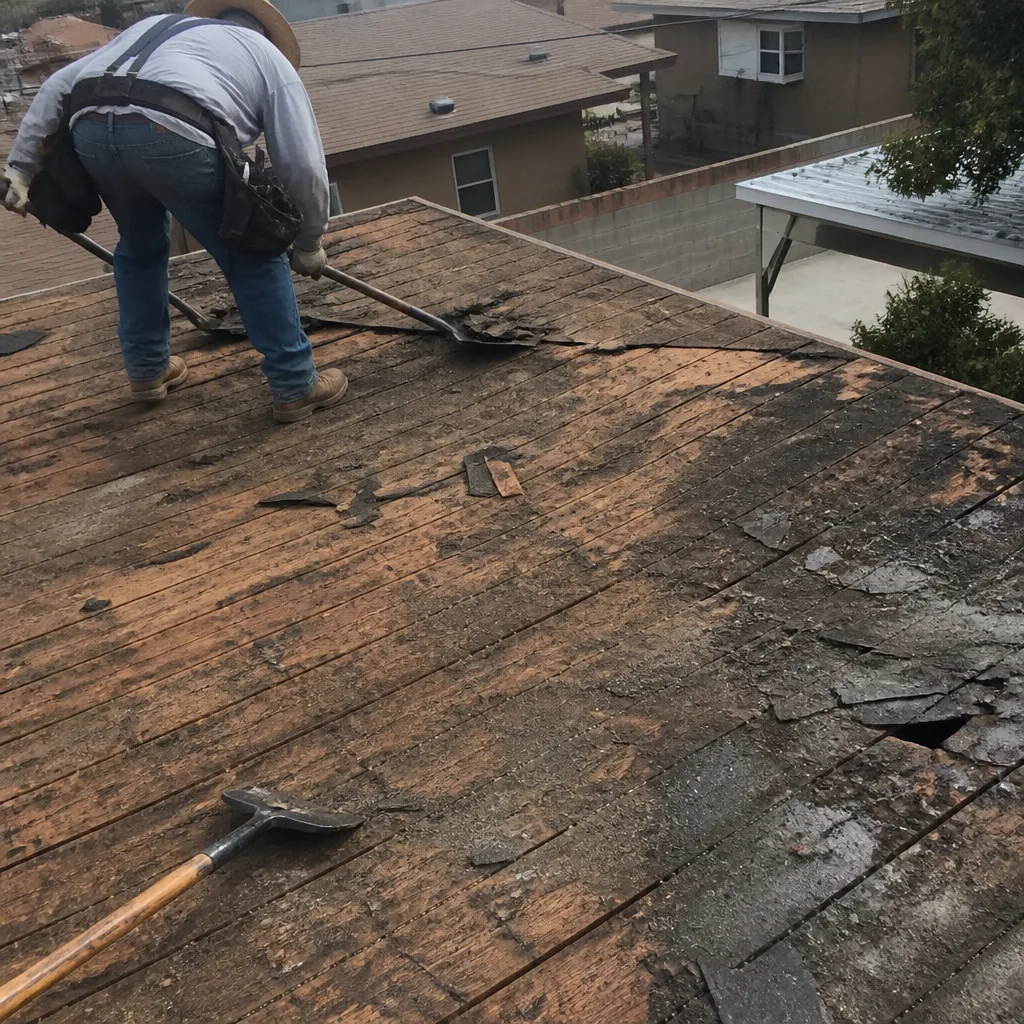 Before
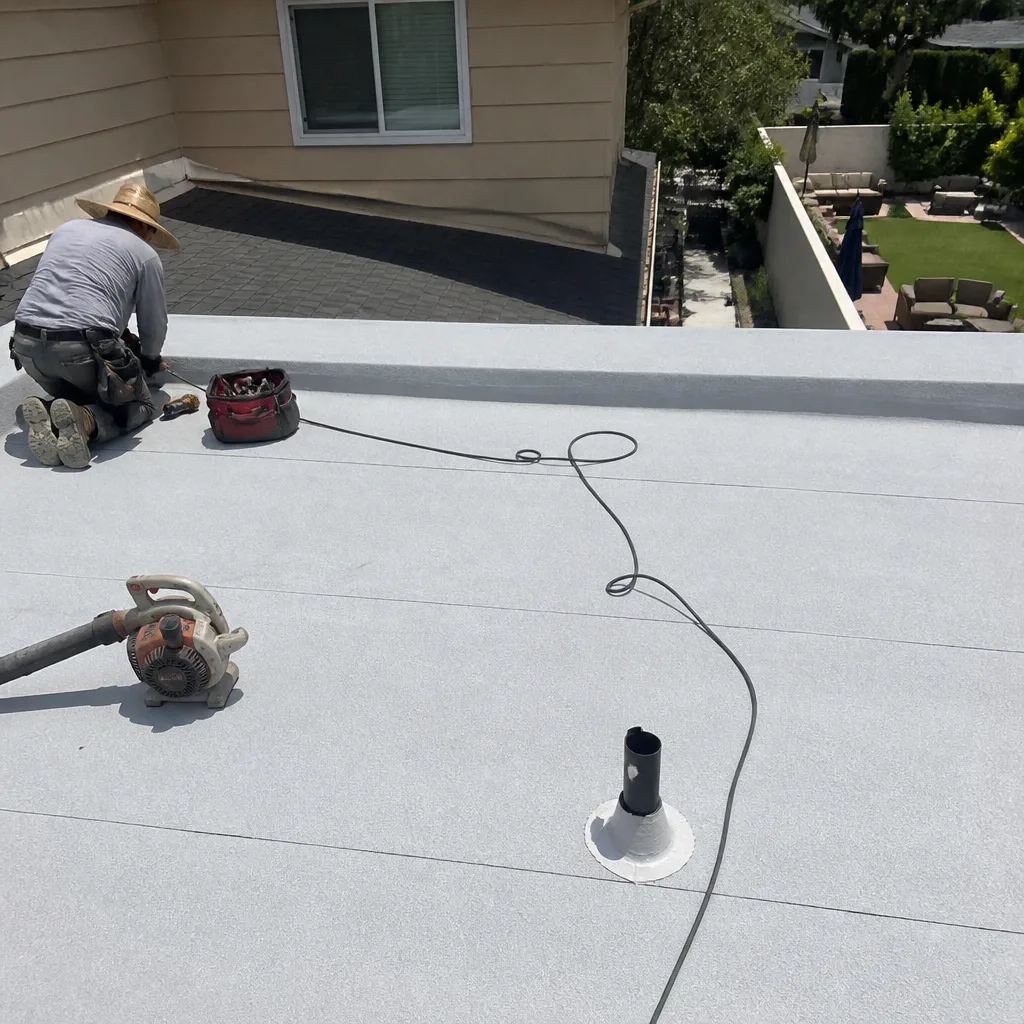 After
After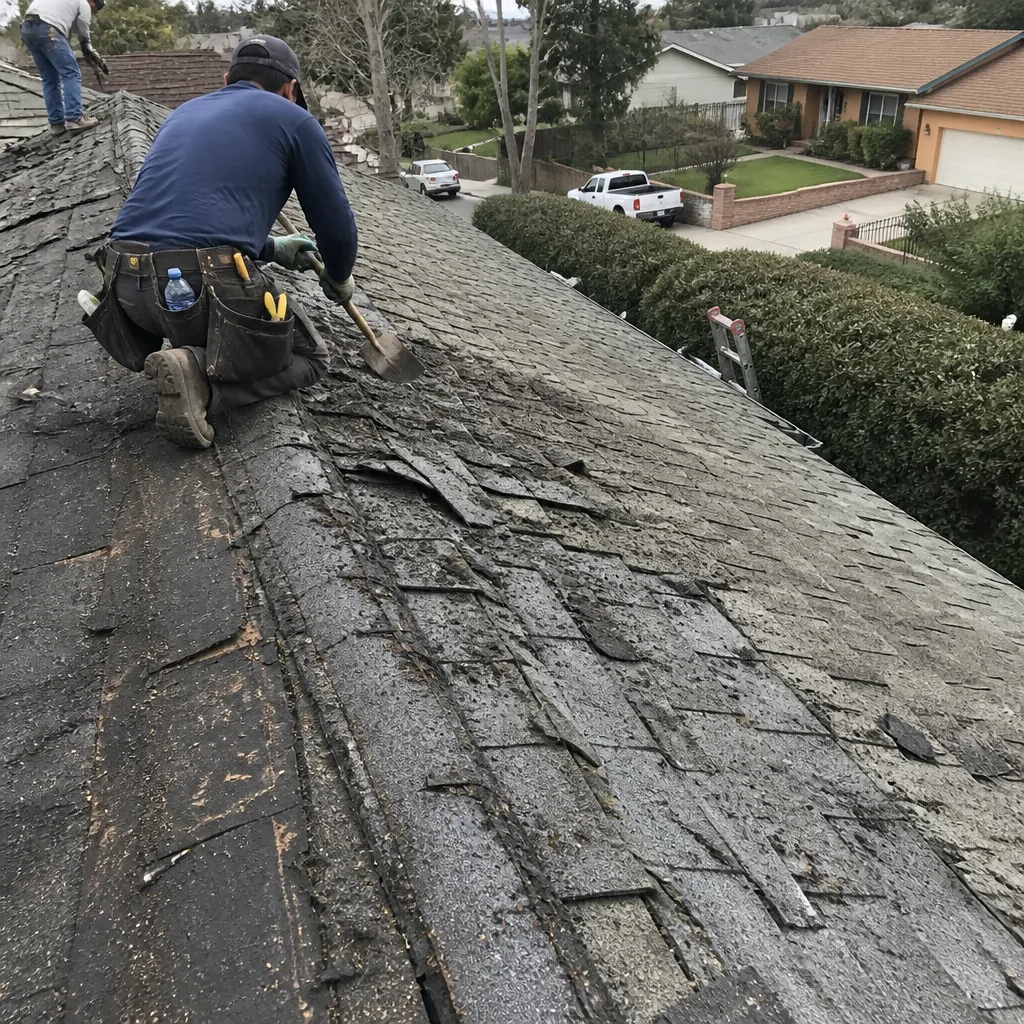 Before
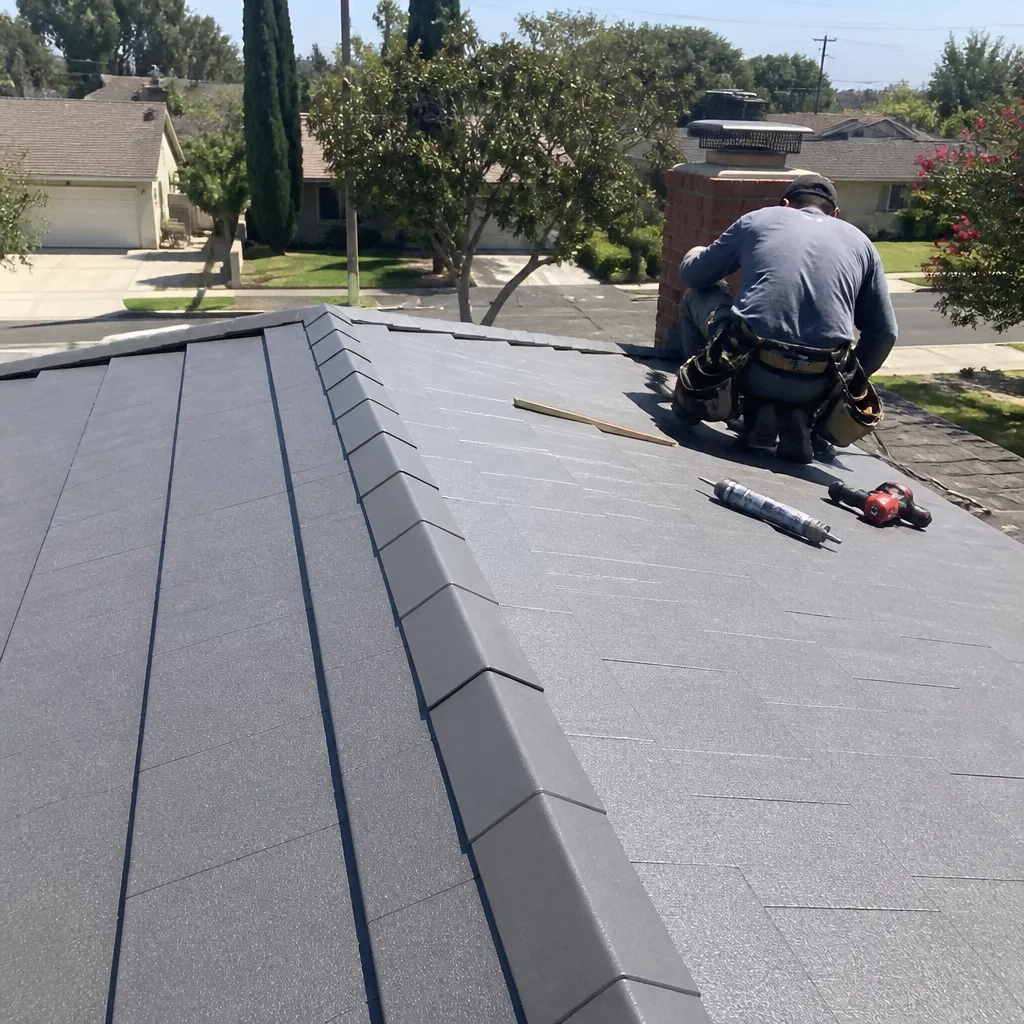 After
After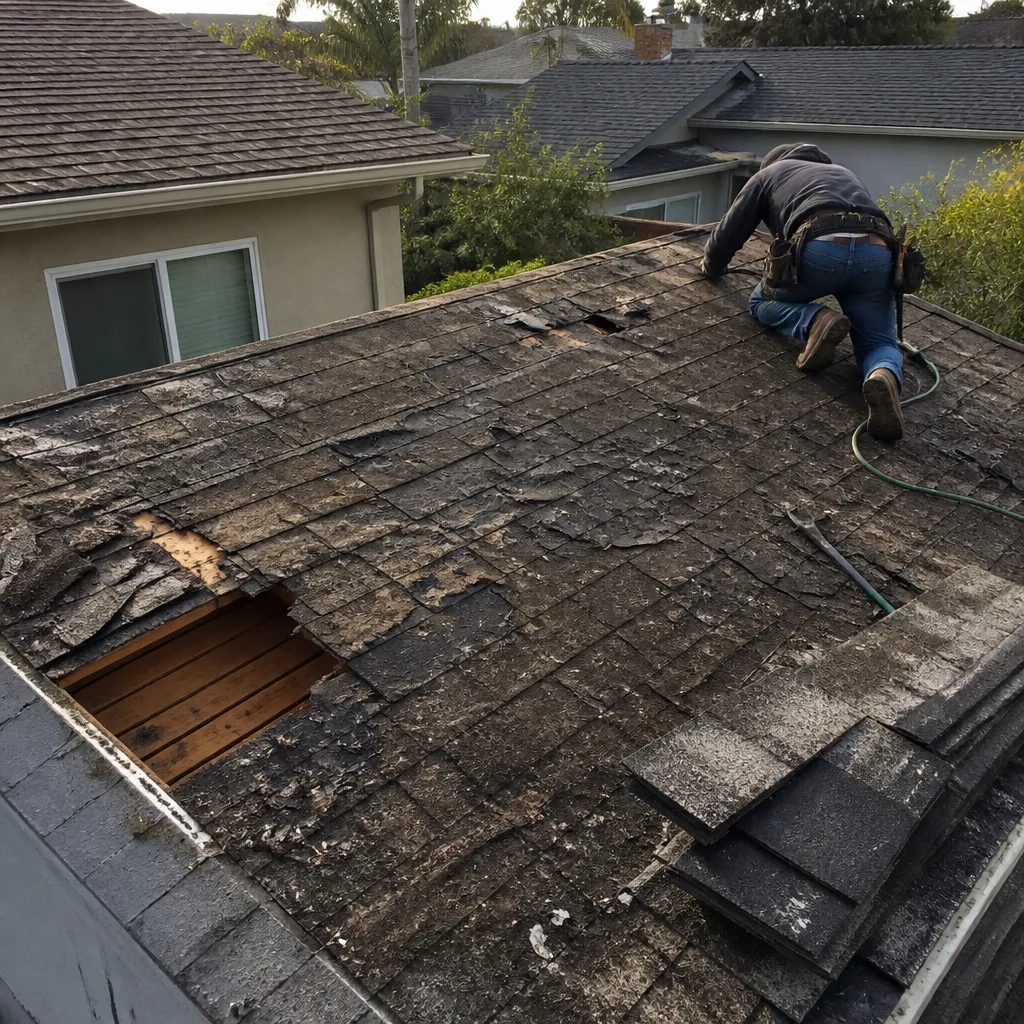 Before
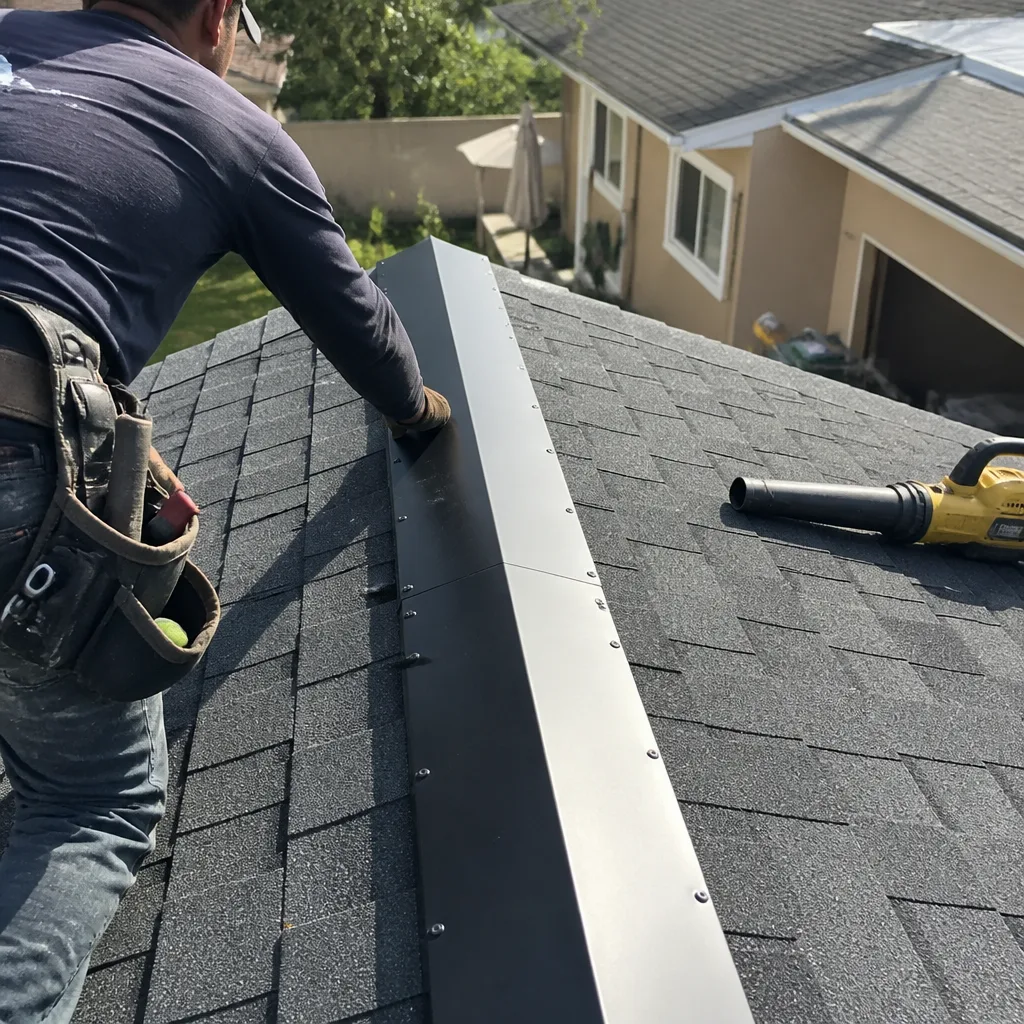 After
AfterRoofing Company Maintenance Schedule: What to Do and When
The average Los Angeles homeowner replaces a roof every 18 to 22 years but can’t name the last time anyone actually inspected it. That gap costs real money: a $400 flashing repair caught early becomes a $4,800 decking replacement when it’s discovered after a rainy winter. This guide lays out what a genuine our Roofing Company services maintenance schedule should include, what each visit should produce in writing, what it should cost, and how to tell the difference between real upkeep and a sales pitch wearing an inspection hat. If you own a roof in Los Angeles, this is the playbook for keeping it boring, dry, and inexpensive.
Quick Answer
A roofing company maintenance schedule should include two inspections per year (spring and fall), a written condition report with dated photos after each visit, priority-ranked repair recommendations with dollar figures, and a 365-day guarantee on any work performed. Most Los Angeles homeowners pay between $195 and $395 per inspection, and a legitimate maintenance relationship should never cost more than a reactive repair cycle over a five-year window. Mercer Roofing sends a written price and a photo-badged technician to every visit, so you know exactly who’s on your roof and exactly what you’ll pay before any work begins.
Table of Contents
- What a Legitimate Maintenance Contract Should Include
- Questions to Ask Before Signing a Maintenance Agreement
- What Each Maintenance Visit Should Produce in Writing
- The Seasonal Maintenance Schedule for Los Angeles Roofs
- The Real Cost-Benefit Math: Maintenance vs. Reactive Repair
- Using Maintenance Records for Insurance Claims and Home Sales
- Common Mistakes to Avoid
What a Legitimate Maintenance Contract Should Include
Most roofing companies offer a “maintenance plan” that turns out to be a once-a-year driveway glance. Here’s what a real one looks like on paper, and what to demand if it’s missing. See also our Roofing Company Troubleshooting: Common Problems and How to Fix Them for deeper diagnostics.
Inspection scope. The contract should spell out exactly what gets checked: shingles or tile surface, flashing at chimneys and walls, pipe boots, valleys, gutters and downspouts, attic ventilation, and any penetrations like skylights or vents. If the document doesn’t list components, the technician isn’t contractually required to look at them. Vague language is a loophole, not a plan.
Written findings with photo documentation. Every visit should end with a report you can hold. Not a text message that says “roof looks good.” A real maintenance report includes dated photographs of problem areas, measurements where relevant, and a plain-English explanation of what each photo shows. At Mercer Roofing, we send every inspection report as a PDF with photos timestamped to the visit, so there’s no ambiguity about what existed and when.
Repair priority rankings. A legitimate report doesn’t just list problems. It ranks them: Priority 1 means act this month, Priority 2 means budget for this year, Priority 3 means monitor at the next visit. This ranking system is what separates a maintenance program from a scare document. You should never finish reading a report wondering, “So what do I actually need to do?”
Pricing attached to findings. Each ranked item should have a dollar range attached. Not a vague “call us for pricing” on everything. A written estimate for each repair, valid for a stated period, tells you the program is built on transparency rather than pressure. Mercer’s standard practice is a written price before any work starts, with no change orders and no surprise line items.
Guarantee terms in writing. Ask what happens if a repair fails. At Mercer, every repair carries a written 365-day Done Right Promise: if it’s not right within a year, we come back and make it right at no charge. A second visit after a failed repair is free, because the guarantee isn’t conditional on the weather or the phase of the moon.
Questions to Ask Before Signing a Maintenance Agreement
The difference between a real maintenance relationship and a disguised sales call comes down to a handful of questions. Ask these before you sign anything.
- “Will I receive a written report with photos after every visit?” If the answer is anything but an unqualified yes, walk. Verbal summaries evaporate. Written reports create a paper trail for insurance, resale, and your own memory.
- “Who exactly is coming to my home?” This is the question most homeowners skip. At Mercer Roofing, every technician is background-checked, identity-verified, and arrives in a marked uniform with a photo ID badge. We send the technician’s name and photo before they arrive. You should never open the door to a roofer whose name you don’t know.
- “What does the guarantee cover, and for how long?” “We stand behind our work” is not an answer. You want a number: 365 days. You want scope: what’s covered, what triggers a free return visit, and what’s excluded. Mercer puts it in writing on every single repair.
- “Do you provide written pricing before starting any repair?” A maintenance visit that finds a problem and then hands you a verbal estimate is a pressure tactic. Written pricing, provided before work begins, with no change orders, is the only legitimate way to operate.
- “Will my maintenance records be accessible if I file an insurance claim or sell my home?” If the company can’t produce historic reports on request, the program is a subscription, not a record-keeping service. Your maintenance history should belong to you, not live in someone’s lost spreadsheet.
What Each Maintenance Visit Should Produce in Writing
The single most important output of a roofing maintenance visit is not the inspection itself. It’s the document you receive afterward. Here’s what a legitimate written report looks like, section by section.
Date and weather conditions. The report should state when the inspection happened and under what conditions. A roof inspected during a dry August afternoon tells you something different than a roof inspected two days after a February storm. Los Angeles gets most of its meaningful rain between November and March, so the fall inspection should document what the roof looks like before the wet season, and the spring inspection should document what the winter did to it.
Photographic evidence. Every finding should have a corresponding photo. Not stock images. Not “representative examples.” Actual photos of your actual roof, taken that day. If a report lists “cracked flashing at chimney” without a picture, you’re trusting a stranger’s word. With a photo, you can see exactly what they saw.
Component-by-component assessment. The roof should be broken into its parts: shingle field, flashing, valleys, penetrations, gutters, ventilation, and attic if accessible. Each component gets a status: good, fair, needs repair, or needs replacement. This format lets you track changes over time. A flashing that was “fair” in 2024 and “needs repair” in 2026 tells a story. A report that just says “overall good condition” tells you nothing.
Priority-ranked action items with prices. Each issue gets a priority number and a price range. This is the section that converts an inspection from a mystery into a plan. You should finish reading it knowing exactly what to do first, what to budget for, and what to ignore.
Signatures and accountability. The technician who performed the inspection should sign the report. At Mercer, that signature is backed by the Threshold Verified standard: every technician is background-checked, identity-verified, and dispatched under the Threshold Group quality framework that each independently owned location is contractually held to.
The Seasonal Maintenance Schedule for Los Angeles Roofs
Los Angeles doesn’t have four seasons in the traditional sense, but it has two distinct roof seasons: the dry months (April through October) and the wet months (November through March). Your maintenance schedule should follow that rhythm, not a calendar designed in Ohio.
Fall inspection (October or November). This is the most important visit of the year. It’s the one that prepares your roof for whatever rain the Pacific decides to send. The inspector should focus on the components most vulnerable to water: flashing at chimneys and sidewalls, pipe boots, valley metal, and gutter function. In Los Angeles neighborhoods like Sherman Oaks and Studio City, we regularly see clogged gutters from sycamore and jacaranda leaf drop that hold water against the fascia and rot the decking edge. This visit should also include a check of the roof’s drainage system, because standing water on a flat section of a Los Angeles roof during a heavy El Niño year is a recipe for a leak that starts small and grows fast.
Spring inspection (April or May). The spring visit documents what winter did. This is the forensic visit: cracked shingles from wind, lifted flashing from storm-driven rain, granule loss from heavy downpours. It’s also the visit where you plan summer work, because repairs are easier to schedule during Los Angeles’ predictable dry season. If the fall inspection noted a Priority 2 item, the spring visit is where you often move it to Priority 1 and get a written estimate.
Post-storm checks (as needed). After any major storm, especially atmospheric river events that dump several inches in 24 hours, a quick visual check from the ground costs nothing. Look for shingles in the yard, new water stains on ceilings, or gutter sections that pulled away from the roofline. If you see something, call for a professional inspection rather than climbing a ladder yourself. Steep roofs and wet surfaces are genuinely dangerous, and no maintenance schedule is worth an ER visit.
Optional summer check (for flat-roof sections). Many Los Angeles homes have flat or low-slope roof sections over additions, garages, or patios. These areas hold heat differently and their membrane systems can develop cracks during extended heat waves. If you have a flat section, a mid-summer inspection can catch membrane blistering before it becomes a leak. This is especially relevant in the San Fernando Valley, where summer temperatures routinely exceed 100 degrees and thermal expansion is a real stressor.
The Real Cost-Benefit Math: Maintenance vs. Reactive Repair
Here’s the uncomfortable truth most roofing companies won’t tell you: a maintenance relationship costs money, and that’s the point. For more guides & resources on protecting your investment, explore our blog. The question isn’t whether you’ll spend money. It’s when, how much, and on what timeline.
A typical Los Angeles maintenance contract runs between $195 and $395 per year for two inspections and written reports. Over five years, that’s roughly $975 to $1,975. Now compare that to the reactive cycle: one emergency leak repair, one decking replacement, one ceiling drywall patch, and one repaint. Comfortably $4,000 to $8,000, and that’s before you account for the stress of water coming through your ceiling at 2 a.m.
The math gets even starker when you look at roof lifespan. A roof that receives routine maintenance and timely minor repairs typically lasts 3 to 5 years longer than a neglected roof. On a $18,000 roof replacement, every extra year of service is worth roughly $900 to $1,000. The maintenance program has already paid for itself several times over before you even account for avoided emergency repairs.
There’s also an insurance angle. Most Los Angeles homeowners insurance policies expect reasonable maintenance. A documented maintenance history makes an insurance claim for storm damage easier to process, because you can show the roof was in good condition before the storm hit. Without records, the insurer may argue the damage was pre-existing wear and tear.
Mercer Roofing’s position is straightforward: we’d rather inspect your roof twice a year and fix a $300 flashing issue than meet you for the first time when water is coming through the living room ceiling. The economics favor the former, and so does your blood pressure.
Using Maintenance Records for Insurance Claims and Home Sales
Your maintenance records are a financial asset. Most homeowners never realize what they’re worth until they need them and don’t have them.
For insurance claims. When you file a claim for storm damage, the insurer wants to know the roof’s condition before the event. Maintenance reports with dated photos are the single best evidence you can provide. They show that the roof was inspected, that known issues were addressed, and that the damage was caused by the storm rather than neglect. Without these records, you’re arguing with an adjuster using words instead of evidence.
For home resale. When you sell a home in Los Angeles, the buyer’s inspector will flag the roof’s condition. A complete maintenance history tells the buyer three things: the roof was cared for, there’s no hidden deferred maintenance, and the seller is organized. That translates into faster closings, fewer renegotiations, and often a higher sale price. Some sellers include the maintenance records in the disclosure package preemptively, which signals transparency and defuses the buyer’s biggest concern.
For warranty compliance. Manufacturer warranties from brands like GAF and CertainTeed often require evidence of reasonable maintenance. If a warranty claim relies on proving the roof was properly maintained, your inspection reports are the proof. Failing to maintain the roof can void warranty coverage for otherwise valid material defects.
What to keep. Store every report in a dedicated folder, whether physical or digital. Include the inspection report, photos, any repair estimates, and proof of completed work. When you call a roofing company for maintenance in Los Angeles, ask how reports are delivered and whether you’ll have access to historical documents. If the answer is unclear, consider what happens when you need a record from three years ago and the company’s system only stores the last twelve months.
Common Mistakes to Avoid
- Skipping the fall inspection because the roof “looks fine.” A roof can look perfect from the street and still have failing flashing at the chimney. By the time you see a problem from the ground, the repair is often five times more expensive.
- Accepting a verbal summary instead of a written report. If there’s no document, there’s no record. Verbal reassurances are worthless for insurance claims, resale disclosures, or even remembering what the technician said.
- Signing a maintenance contract without reading the guarantee terms. “We warranty our work” means nothing without a duration and a scope. Mercer’s 365-Day Done Right Promise is specific: one year, on every repair, with a free return visit if it fails.
- Letting a stranger onto your property without verification. This is the one most Los Angeles homeowners don’t think about until it’s too late. Every Mercer technician is background-checked, identity-verified, and arrives with a photo ID badge. Their name and photo are sent before they arrive, so you know exactly who’s knocking.
- Treating maintenance as optional during dry years. Los Angeles drought years create a false sense of security. The roof doesn’t get tested, so hidden problems go unnoticed. Then a wet winter arrives and every deferred issue becomes a leak at once.
- Ignoring minor repairs listed as Priority 2 or Priority 3. Priority rankings exist for a reason. A Priority 2 flashing issue becomes a Priority 1 water intrusion issue after one heavy storm. The repair cost difference between those two states is often tenfold.
- Not asking who performs the work. Some companies use subcontractors for maintenance visits. Mercer uses in-house, Threshold Verified technicians on every visit, dispatched under the quality framework each independently owned location is contractually held to.
When to Call a Professional
Some situations shouldn’t wait for your next scheduled maintenance visit. Call a roofing professional immediately if you see water stains on interior ceilings or walls, missing or lifted shingles after a storm, granules collecting in gutters, daylight visible through the attic, or sagging sections of the roofline. These are signs of active failure, not routine wear. Climbing onto a roof to investigate yourself is genuinely dangerous, especially on steep slopes or after rain. Mercer Roofing offers free estimates in Los Angeles, and our technicians arrive background-checked, uniformed, and photo-badged, with their name and photo sent to you before they ring the doorbell. Call (743) 200-8347 to schedule a visit, and a live person will answer, 24/7. If you’re already a maintenance client, your history is in our system, and we can reference exactly what the roof looked like at the last visit.
Frequently Asked Questions
Most Los Angeles roofing companies charge between $195 and $395 per year for a maintenance plan that includes two inspections, written reports, and photo documentation. At Mercer Roofing, every repair identified during a maintenance visit comes with a written price before work begins, and every repair is covered by our 365-Day Done Right Promise. Call (743) 200-8347 to ask about current maintenance availability and pricing.
A legitimate maintenance visit includes a full inspection of shingles or tile, flashing, pipe boots, valleys, gutters, and ventilation, followed by a written report with dated photos, priority-ranked findings, and dollar figures for any recommended repairs. The report should be delivered to you within a few days of the visit, and you should be able to reference it in future visits to track changes over time.
Yes, particularly because Los Angeles has a distinct wet season and dry season. The fall inspection prepares the roof for winter rain, and the spring inspection documents winter damage and plans summer repairs. Homes with flat roof sections or significant tree coverage near the roofline may benefit from an additional summer check.
No. Homeowners insurance covers sudden and accidental damage, not routine maintenance. However, a documented maintenance history can strengthen an insurance claim for storm damage by proving the roof was in good condition before the event. Maintenance records are evidence of responsible ownership, not a claimable expense.
This is one of the most overlooked safety questions in roofing. At Mercer Roofing, every technician is background-checked, identity-verified, and arrives in a clean, marked uniform with a photo ID badge. We send the technician’s name and photo before they arrive, so you know exactly who to expect at the door. If someone claims to be from Mercer and can’t present a photo ID badge, they’re not from Mercer.
Yes. A complete maintenance history shows buyers that the roof was cared for and there’s no hidden deferred maintenance. Including these records in your disclosure package signals transparency and often reduces renegotiation pressure. In our experience working with Los Angeles homeowners, a documented maintenance history is one of the most underutilized selling tools available.
The Bottom Line
A roofing company maintenance schedule is a relationship, not a transaction. It should produce a written record every six months, rank repairs by priority, attach dollar figures to findings, and include a 365-day guarantee on any work performed. In Los Angeles, where the roof only gets tested a few months out of the year, the discipline of scheduled maintenance is the difference between a $300 fix and a $4,000 emergency. Ask the right questions, demand written documentation, and never let an unverified stranger onto your property. Mercer Roofing has been serving Los Angeles since 2000 as part of the Threshold Group family, with Mercer Roofing home services covering Roof Repair in Los Angeles, Roof Installation in Los Angeles, and everything in between. When you’re ready to start a maintenance relationship built on written documentation and verified technicians, call (743) 200-8347 for a free estimate, or reach out through our Roofing Company in Los Angeles page to see how the Threshold Verified standard changes what you should expect from a roofer.
Written by Grant Whitlock, Owner at Mercer Roofing, serving Los Angeles since 2000.